
The Overnight Reset
Your body doesn't wake up in quite the same condition it went to bed in. Fluid shifts while you lie down, hormone levels rise and fall, and some parts of your body take time to return to their daytime rhythms. You might notice a puffy face, a dry mouth, or stiff joints, but most of these changes fade once you're up and moving. A few can tell you something useful about your health, while others are perfectly normal parts of waking up. Here are 20 ways your body changes overnight, before you've done anything at all.

1. You're a Little Taller
The discs in your spine soak up fluid while you're lying down and squeeze it back out once you're upright again. The difference is real and usually under half an inch, and it's gone by evening. Astronauts get a much bigger version of this, since nothing up there is compressing them at all.

2. Your Face Looks Puffier
Lying flat for hours lets fluid settle in the loose tissue around your eyes rather than draining down into the rest of you. It clears within an hour or so of standing up, faster if you've been moving around. Salt and alcohol the night before both make the morning version more obvious.

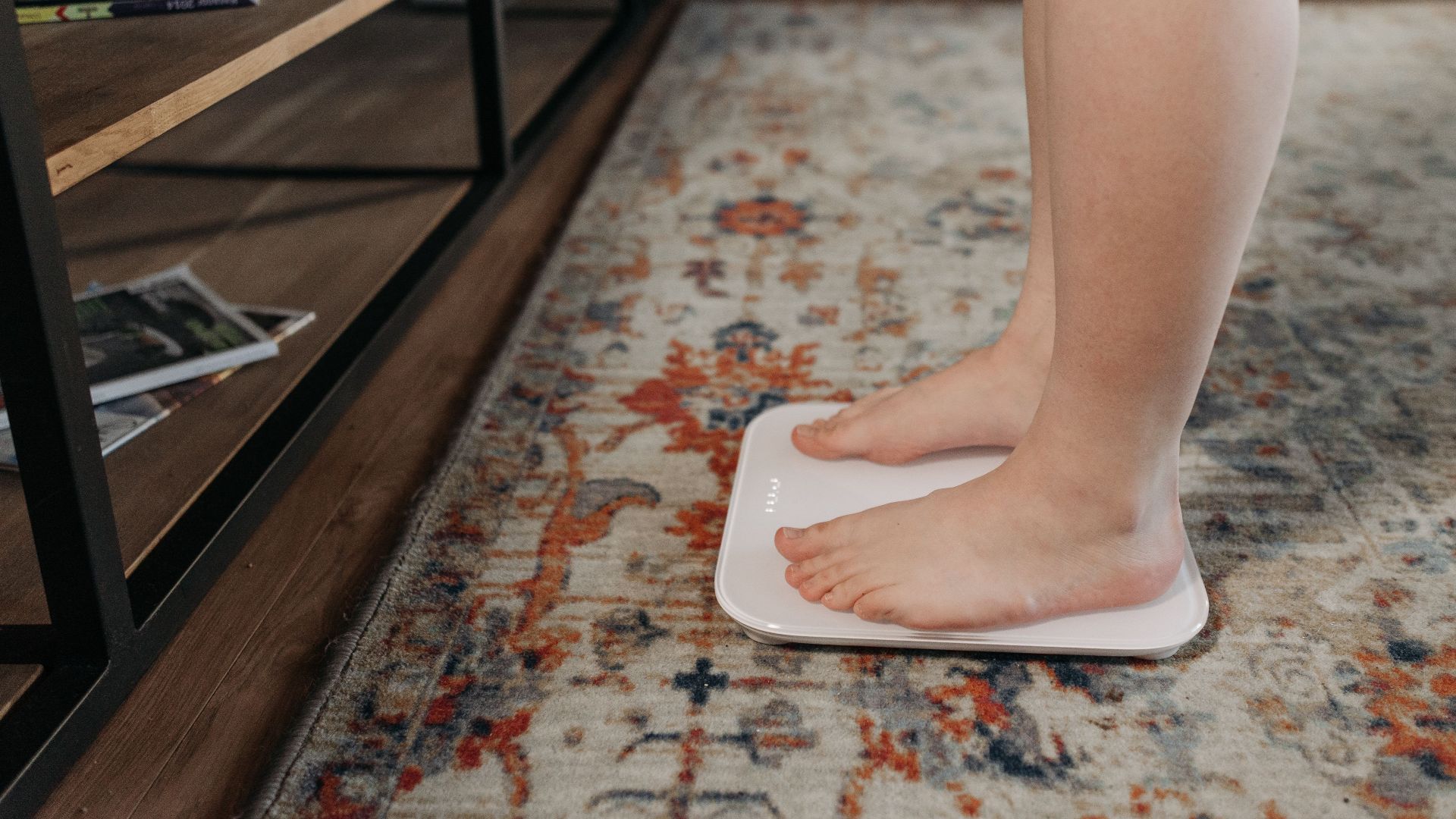
3. The Scale Reads Lower Than Last Night
You lose water all night through breathing and sweating, and none of it gets replaced while you sleep. A pound or two is ordinary, and it comes back the moment you drink anything. Weighing yourself first thing is popular partly because it's the most flattering number of the day.
4. Joints Feel Stiff for the First Few Minutes
Joints produce less fluid when they sit still, and the tissue around them tightens up overnight. Moving around sorts it out within a few minutes for most people. Stiffness that hangs on for an hour or more is worth mentioning to a doctor, because that pattern tends to point somewhere else.

5. Body Temperature Sits Near Its Low Point
Core temperature falls through the night and bottoms out a couple of hours before your usual wake time. A bedroom can feel colder before dawn than it did at midnight with the heat set the same. The climb back up is one of the things that nudges you awake.

6. Cortisol Rises Just Before You Wake
Cortisol starts climbing in the last stretch of sleep and peaks shortly after you open your eyes. The hormone has a worse reputation than it deserves, since this particular surge pushes your blood sugar and alertness up for the day ahead. It happens whether or not you feel alert, and it tapers off over the next hour.

7. Blood Pressure Climbs Fast After Waking
Waking up sets off a fast climb in blood pressure, up from the low it held all night. For most people this passes without any sign of it. It's also why heart attacks and strokes cluster in the morning more than at other hours.
 Andrew Patrick Photo on Pexels
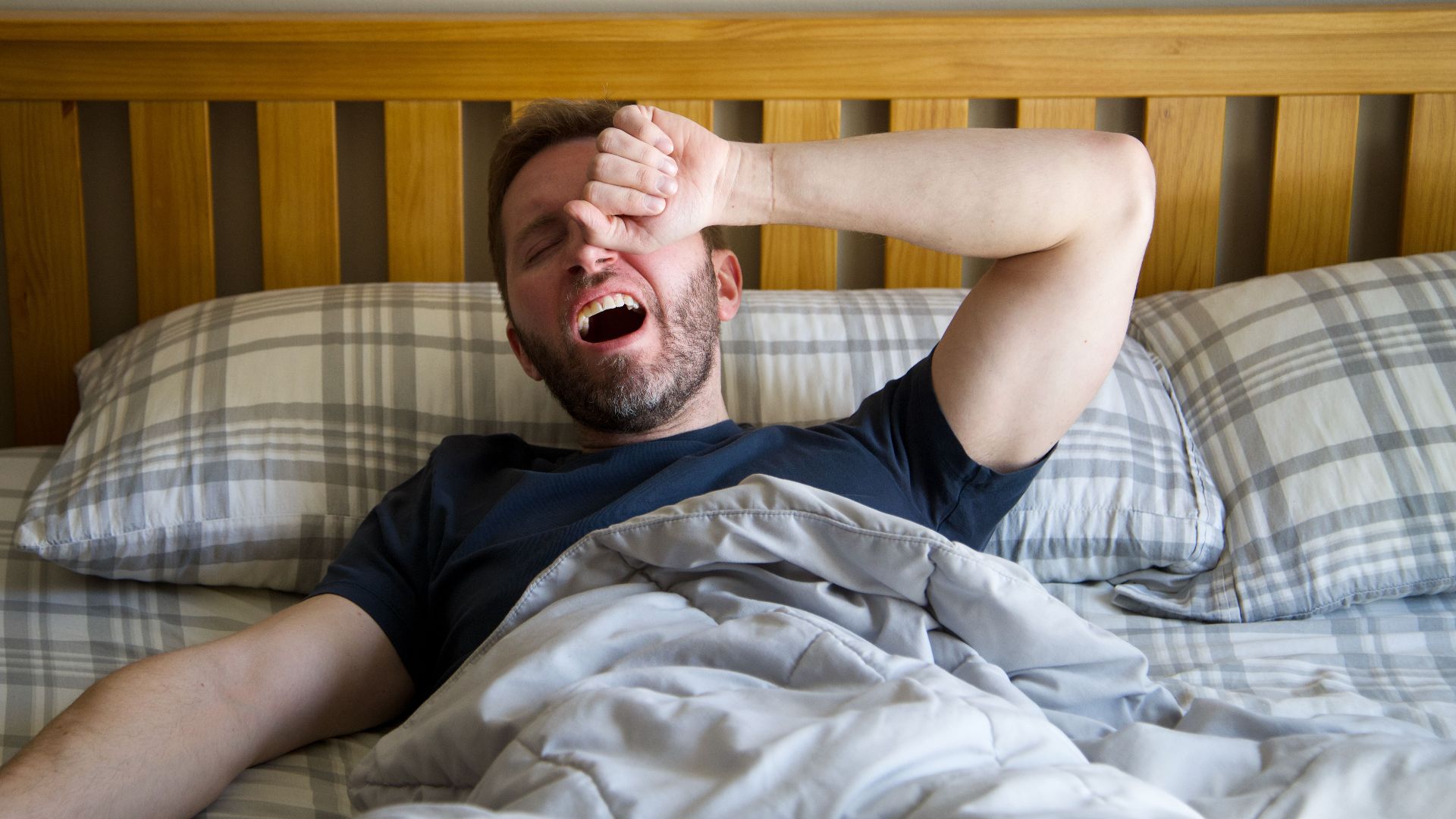
8. Dry Mouth
You make less saliva while you're asleep, and less still if you've spent the night breathing through your mouth. The dryness is the reason a glass of water tastes unreasonably good at that hour. People who wake up parched most nights are often mouth-breathing without knowing it.

9. Breath Smells Worse
Bacteria in your mouth multiply all night with less saliva around to wash them away. The smell comes from the waste they produce, mostly sulfur compounds. Brushing before bed helps and won't eliminate it, and nobody is exempt.

10. Urine Comes Out Darker
The first trip of the day comes out darker for a practical reason. Your kidneys concentrate urine while you sleep so you aren't up every hour, and the color should lighten once you've had something to drink. Urine that stays dark all day usually means you're running behind on fluids.
11. Morning Erections
These happen during REM sleep, several times a night, and you notice the last one because you woke up in the middle of it. They have nothing to do with the dream being interesting. Their absence over a long stretch is something doctors ask about, since the nerves and the blood supply both have to be working for it to happen.

12. Grip Strength Is Down
Muscle performance follows roughly the same daily rhythm as body temperature, which puts early morning at the weak end. Grip measured first thing comes in lower than the same grip measured in the late afternoon. Anyone who feels strong at night and sluggish at dawn isn't imagining the difference.

13. Hair Feels Oilier
Your scalp keeps producing oil through the night, and with nowhere else to go it works along the hair and onto the pillow. A pillowcase you haven't changed in a while makes it worse. This one is a nuisance rather than a sign of anything.

14. Lungs Work at Their Weakest
Anyone with asthma already knows this one. Airways narrow slightly during sleep and lung function hits its daily low early on, and morning coughing or wheezing is a common complaint for that reason. Healthy people go their whole lives without noticing.

15. Blood Sugar Drifts Up Before You Eat
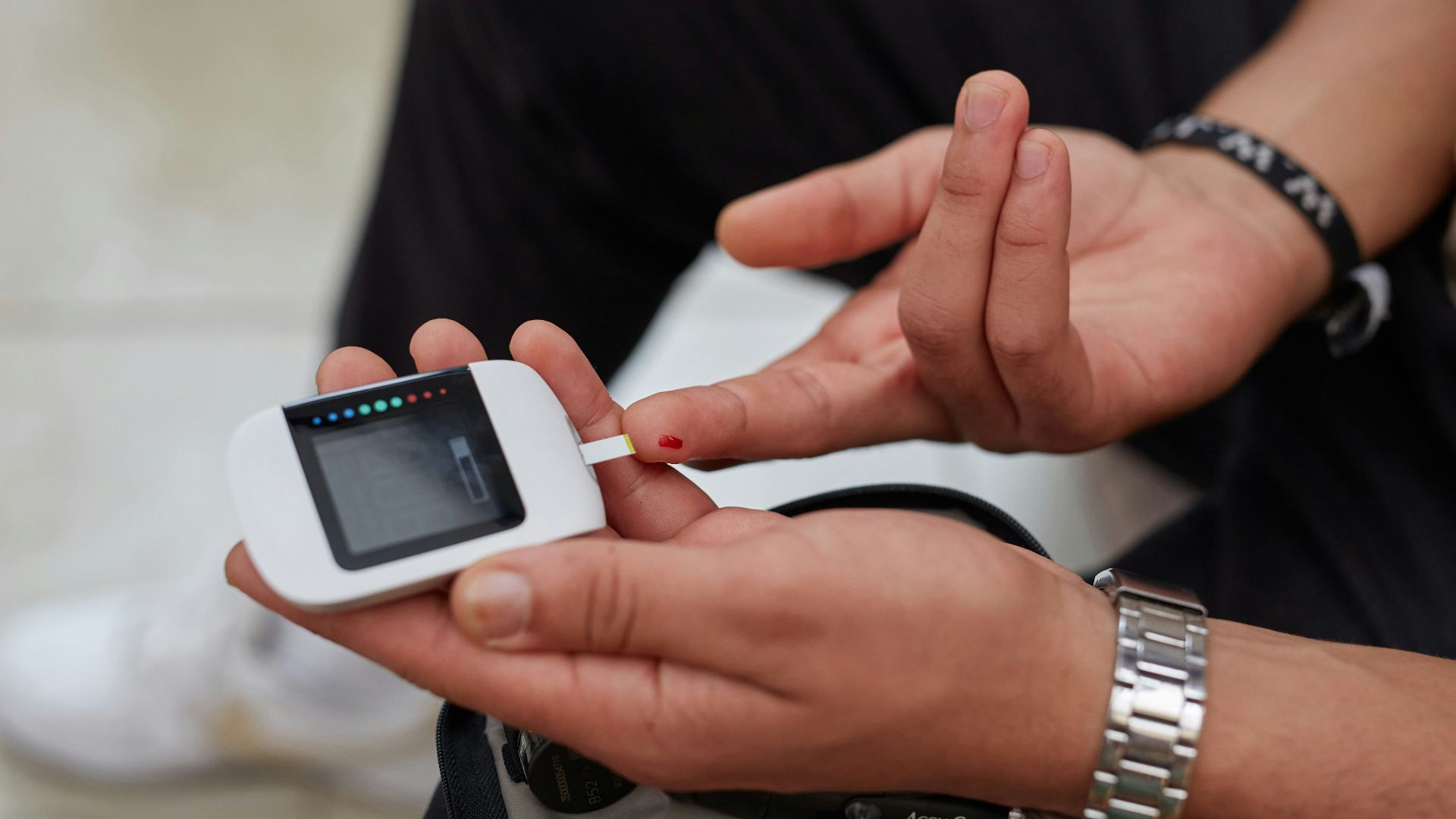
Your liver releases glucose before you're even awake to get you ready to move, so blood sugar can read higher before breakfast than at bedtime. Plenty of people never notice it at all. Anyone managing diabetes watches for it, since the overnight rise can get big enough to need planning around.
16. Your Brain Runs Behind
That groggy stretch after waking has a name, sleep inertia, and it can last well past the point where you feel functional again. Reaction time and judgment are measurably off while it lasts. Making a decision you care about before coffee is a worse idea than it feels like at the time.

17. Eyes Feel Gummy
Tears and mucus keep coming all night with no blinking to clear them, so the mix gathers in the corners. Warm water loosens it faster than rubbing does. How much shows up varies a lot between people and even between nights.

18. Sheet Creases Take Longer to Fade
Skin presses into fabric for hours and holds that shape for a while afterward. In your twenties the lines are gone before you've finished brushing your teeth, and they linger a bit longer each decade as skin loses some of its spring. Side sleepers tend to see it on the face first.

19. One Nostril Is Blocked
Sleep on your side and blood pools in the lower nostril, swelling the lining and leaving the upper one to do most of the breathing. Rolling over flips which side is working, and plenty of people switch back and forth all night without ever registering it.

20. The Urge to Use the Bathroom Arrives
Your colon slows right down while you're lying still and picks up as soon as you're upright and moving. Coffee and breakfast add to it, and the whole business runs on a schedule regular enough to set a clock by. Travel and shift work scramble it for a few days.
KEEP ON READING


20 Ways Your Brain Reorganizes Itself as You Age