Your Teeth Might Be Giving You A Warning
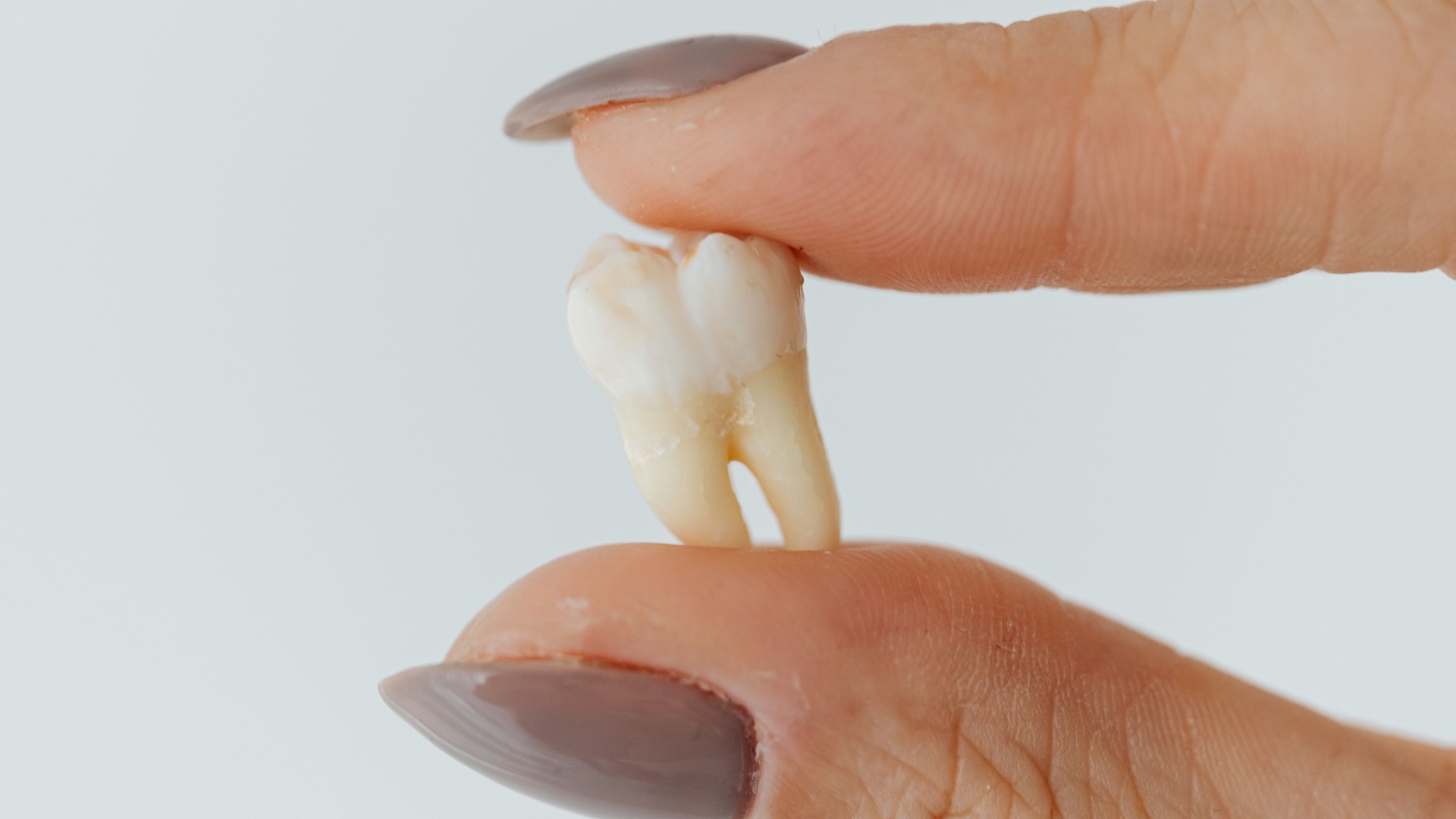
We’d all like to think that we’ll only lose our teeth when we’re older, but they don’t just drop like flies when you hit your 80s. The reality is that losing a tooth rarely comes out of nowhere. From gum disease and untreated cavities to infections and hidden cracks, several problems can threaten teeth that once seemed perfectly healthy. Luckily, when you know what to look for, it’s easier to stay on track with your health. With that, here are 20 signs that your teeth might be in more trouble than you realize.
 https://kaboompics.com/ on Pexels
1. Your Tooth Feels Loose
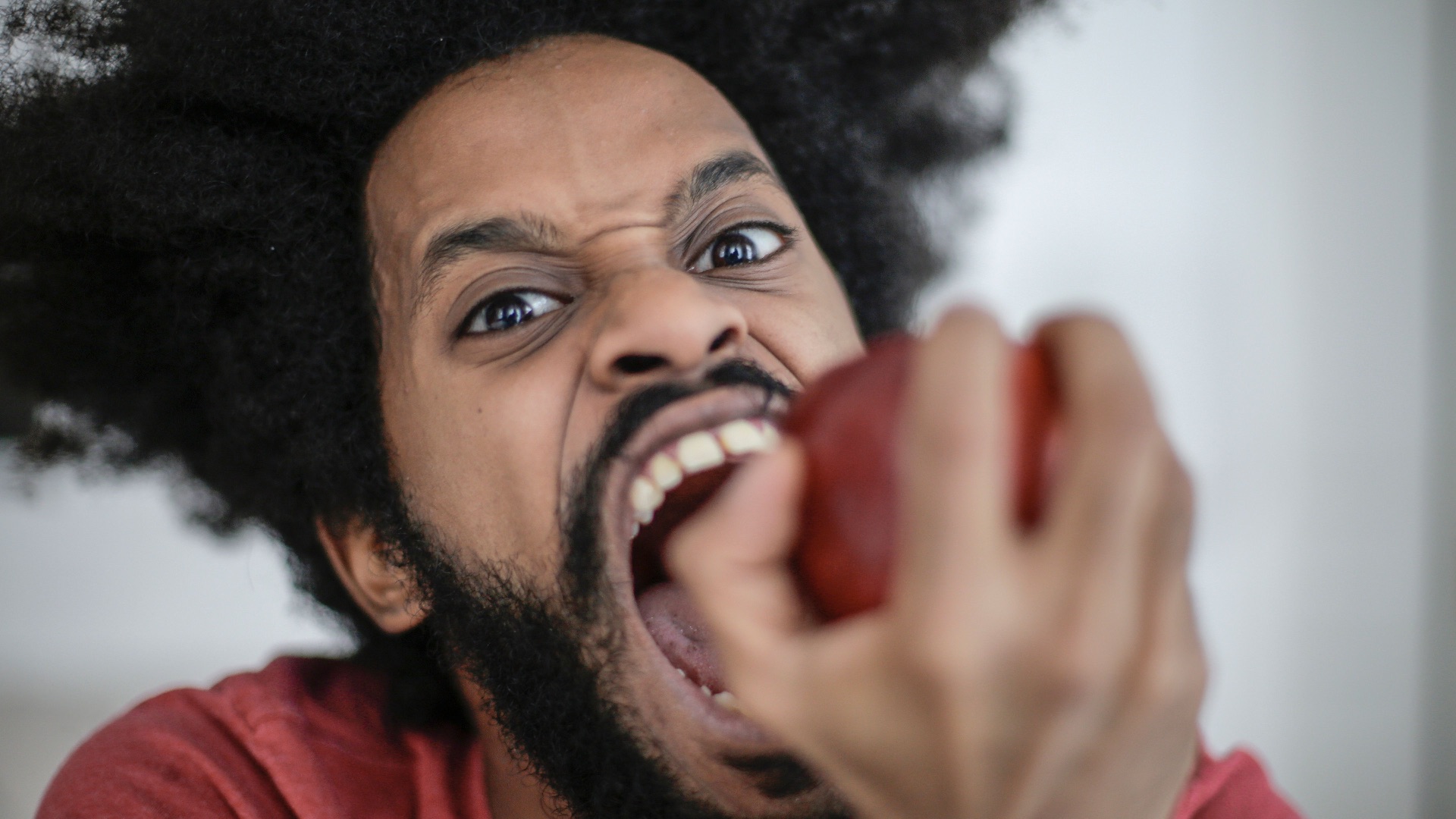
Unfortunately, one of the most telltale signs is often the very thing we have stress dreams about! An adult tooth should never wiggle when you gently press against it with your tongue. If you're noticing movement while eating an apple or brushing your teeth, the supporting bone or surrounding tissues could be damaged.
 Kamal Hoseinianzade on Unsplash
2. Your Gums Bleed Regularly
Seeing pink spittle every morning isn't something you should just accept. Frequent bleeding during brushing or flossing can indicate gum inflammation, which may eventually progress into a more destructive form of gum disease. Early gingivitis is usually reversible, but leaving it untreated really puts your teeth at risk.
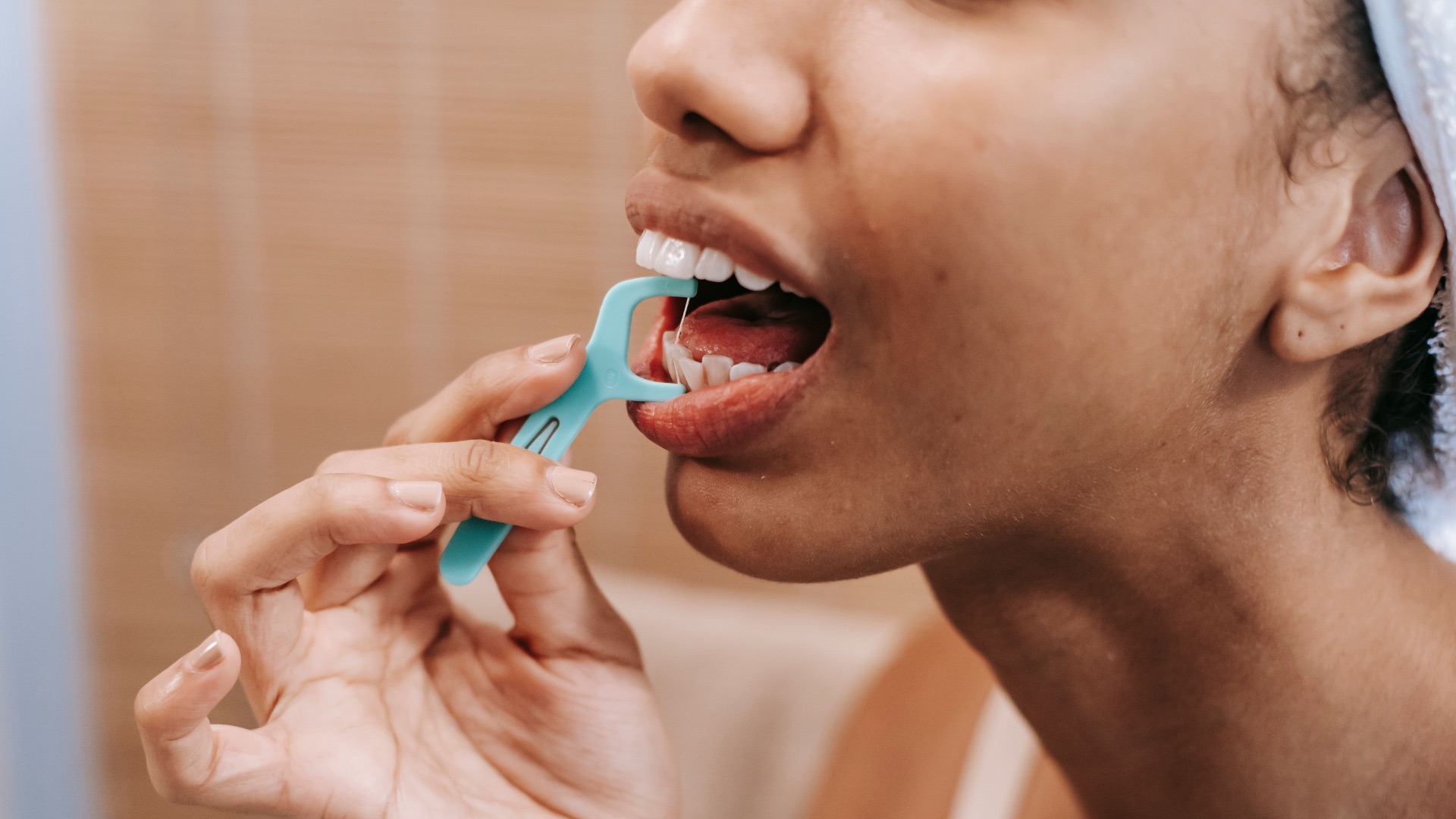
3. Your Teeth Suddenly Look Longer
We know this sounds like a weird one, but hear us out. Have you noticed that one of your front teeth seems noticeably longer than it did a few years ago? Your gums might be receding, exposing more of the tooth and potentially leaving its vulnerable root unprotected.
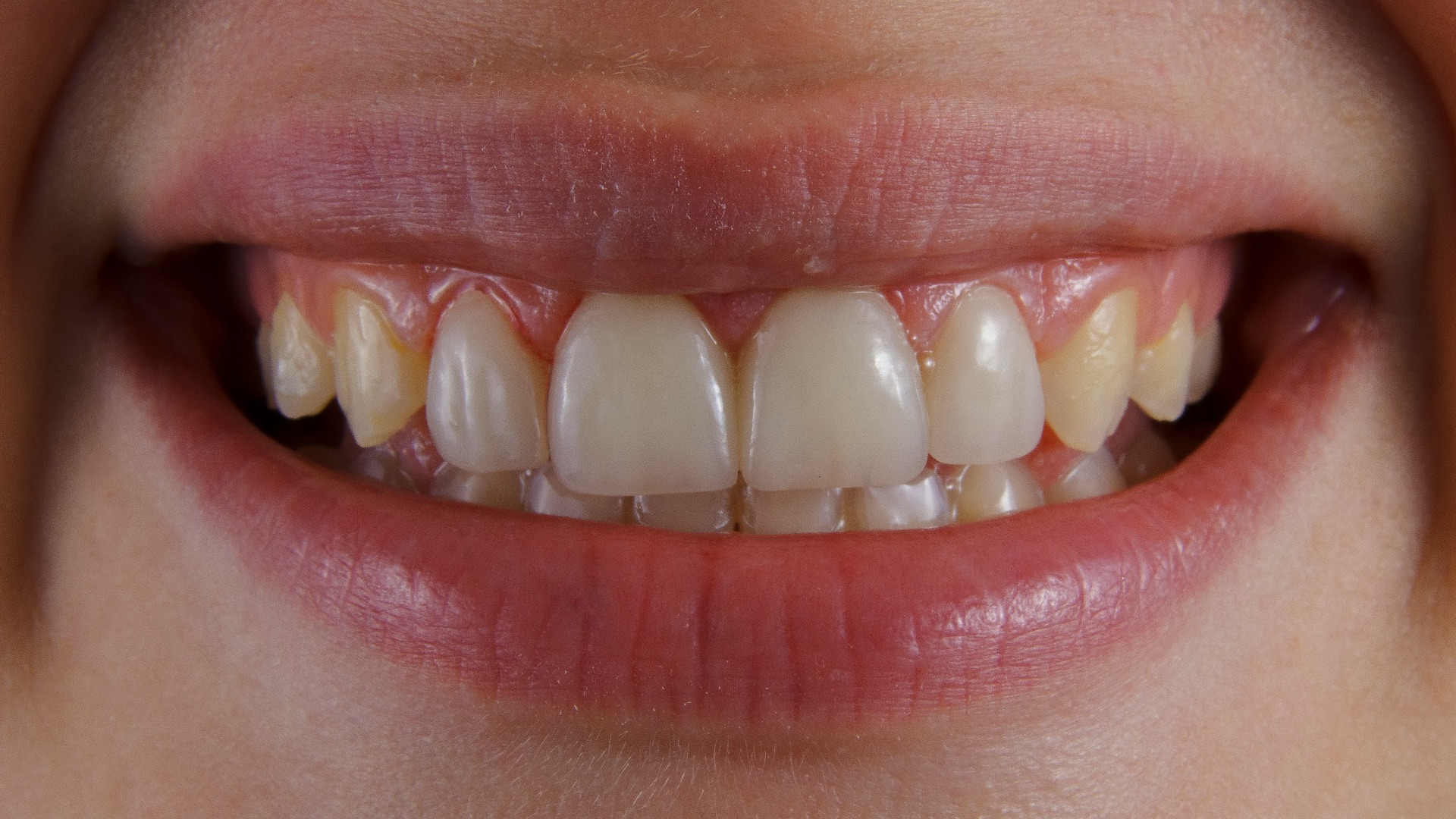
4. Your Gums Are Constantly Swollen
Healthy gums shouldn't stay puffy for weeks, and it’s an even bigger red flag when that tenderness happens around the same tooth. Persistent swelling can develop when bacteria accumulate beneath the gumline and trigger inflammation. Without appropriate treatment, a serious gum infection might just be in your future.
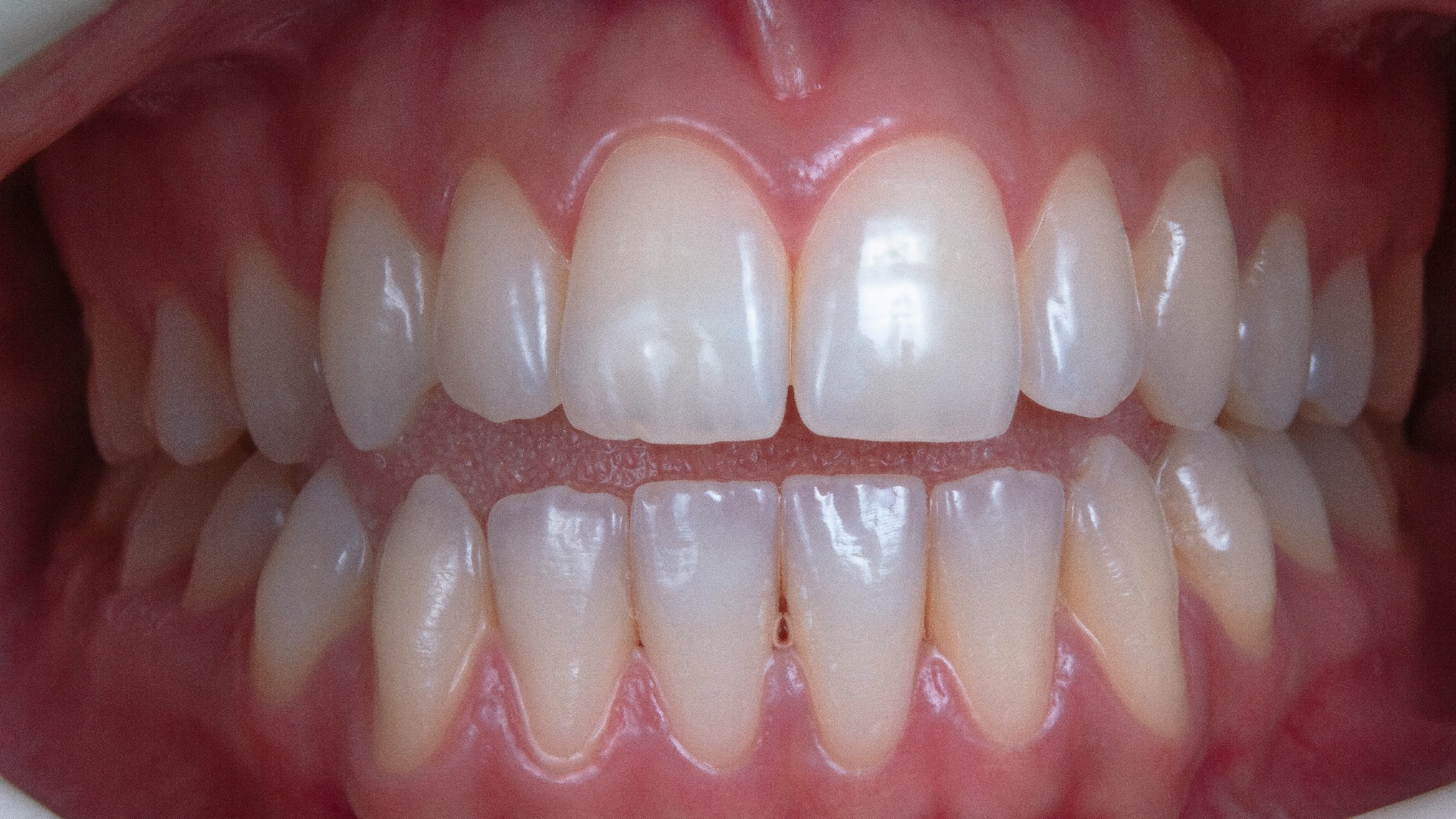
5. You Have a Toothache That Won't Go Away
A little discomfort after accidentally biting into bone is one thing. Persistent pain isn’t—and it needs professional attention. A deep cavity or infection inside the tooth can cause throbbing pain that interferes with just about everything you do, and delaying treatment could allow the damage to progress even further.

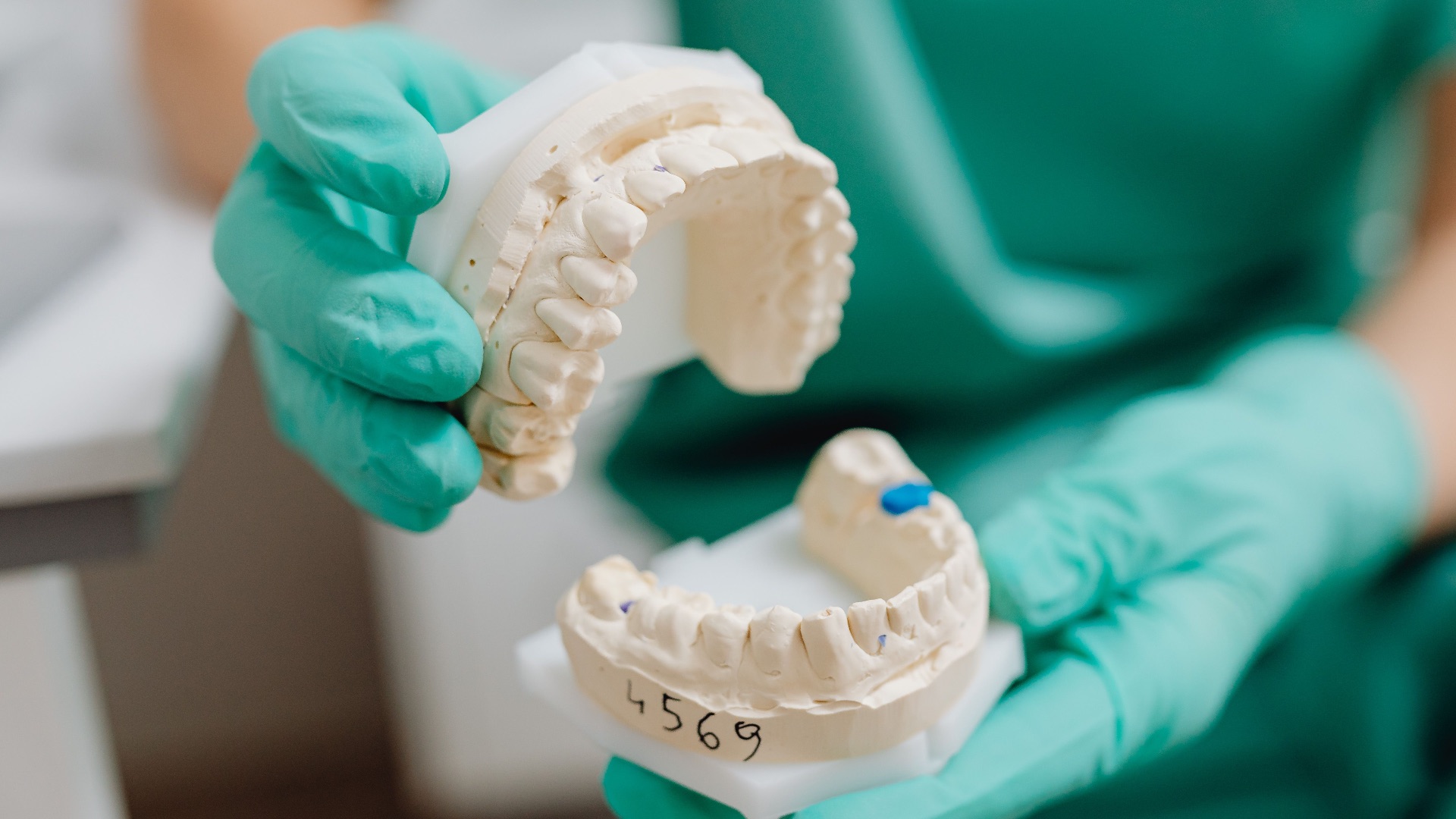
6. Your Teeth Are Starting to Shift
A small gap between teeth that previously sat together can indicate something more serious than a simple cosmetic change. Advanced periodontal disease sometimes weakens the supporting structures enough for teeth to drift from their original positions. If your once-straight front teeth are starting to peel away from each other, an examination can help determine what’s going on.
 https://kaboompics.com/ on Pexels
7. You Notice Pus Around Your Gums
It won’t be pretty to see, but finding discharge near the base of a tooth means an immediate dental appointment. Pus can indicate an infection, which may damage the tissues supporting your precious teeth. These infections require the pros, and ignoring them can even result in tooth loss.
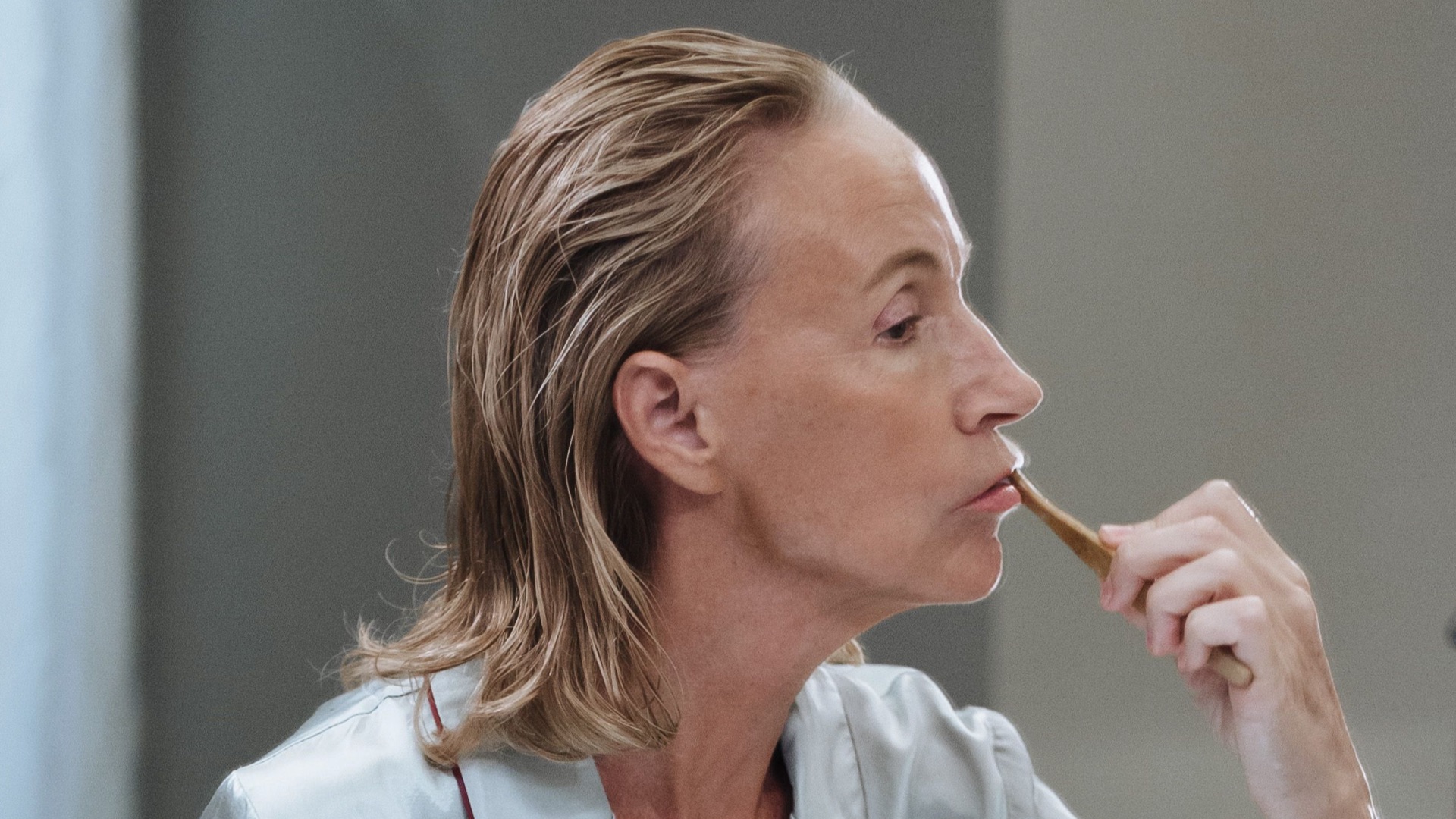
8. Chewing Certain Foods Is Painful
Be honest with yourself. Have you started avoiding steak or crusty bread? Do you wince at the thought of chomping on crunchy vegetables? If so, it’s time to see a dentist. Pain during chewing can occur with advanced gum disease, damaged tooth structures, or inflammation around a tooth's root.

9. Your Teeth Are Extremely Sensitive
There’s usually nothing wrong when ice-cold water sends a momentary chill to your teeth. However, if one sip produces a sharp sensation, you might be looking at exposed dentin, enamel damage, or gum recession. Sensitivity has several possible causes, but you won’t know for sure until you speak with a professional.

10. There's a Visible Hole in Your Tooth
Small cavities don't always hurt, but that’s exactly why discovering a dark hole in a back molar can come as a surprise. As decay progresses through the enamel, bacteria eventually reach the tooth's inner pulp and cause an infection. A filling might resolve the problem early, but extensive destruction could mean something more serious—and expensive.
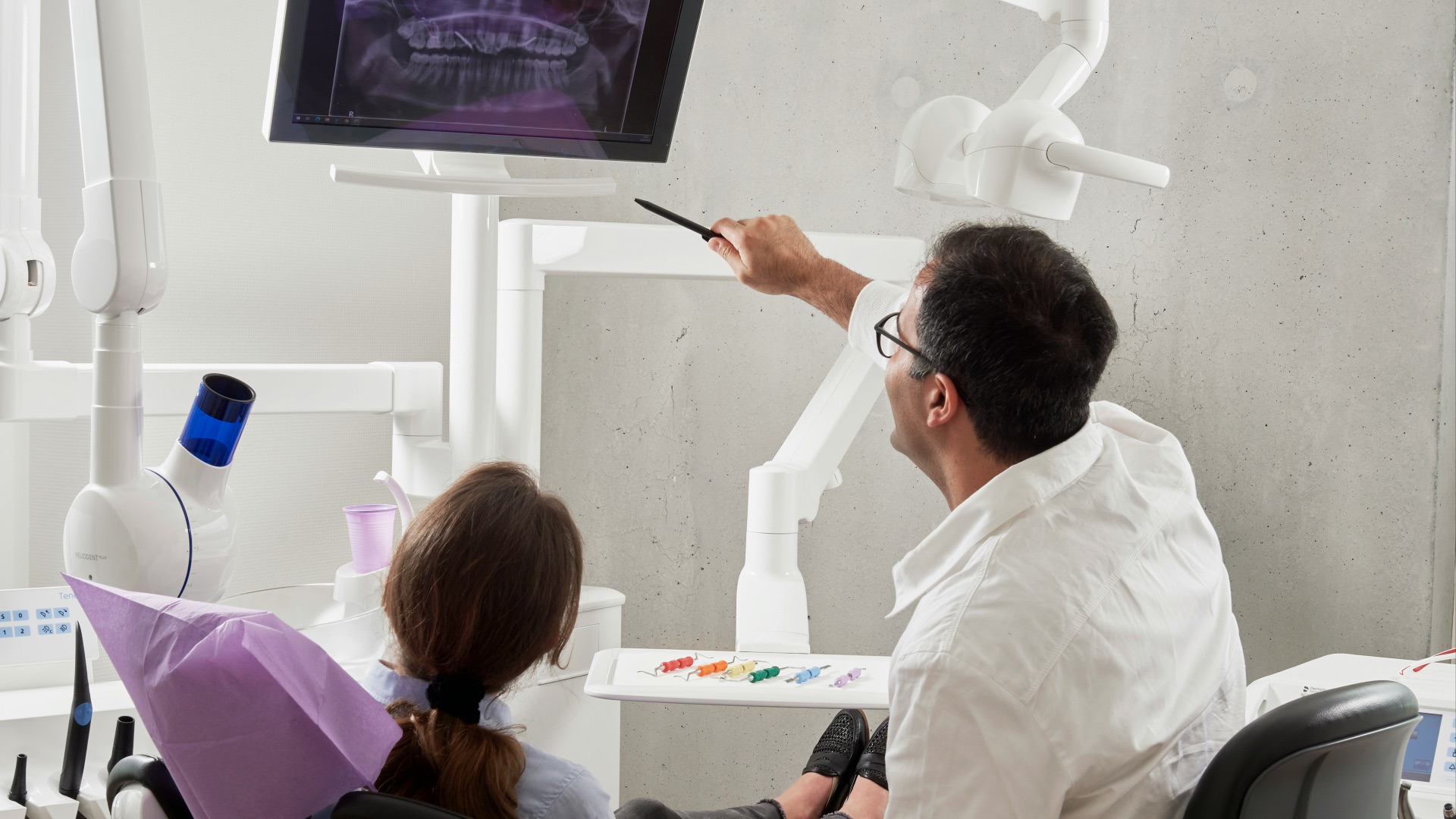
11. Your Bite Feels Different
When you close your mouth, your upper and lower teeth should generally meet in a familiar, comfortable position. If certain teeth begin hitting each other differently, it could be time to speak with a dentist. Changes in your bite can have other causes, too, and they're worth investigating before additional problems develop.
12. One Tooth Has Turned Darker
A tooth that slowly goes more gray than its neighbors may have experienced damage to its internal pulp. To put that in layman’s terms, the discoloration develops after an injury, even when the original accident happened years earlier. A darkened tooth isn't automatically beyond saving, but an examination can establish whether its pulp is still healthy.
13. You Have a Crack
That thin line across your molar? Sure, it could be harmless surface crazing—but deeper cracks could be something else. Some fractures extend into the tooth's internal structures, allowing bacteria to enter or causing sections to separate under pressure. Depending on the crack's location and severity, treatment may range from a protective crown to an extraction.
14. Your Breath Never Seems Fresh
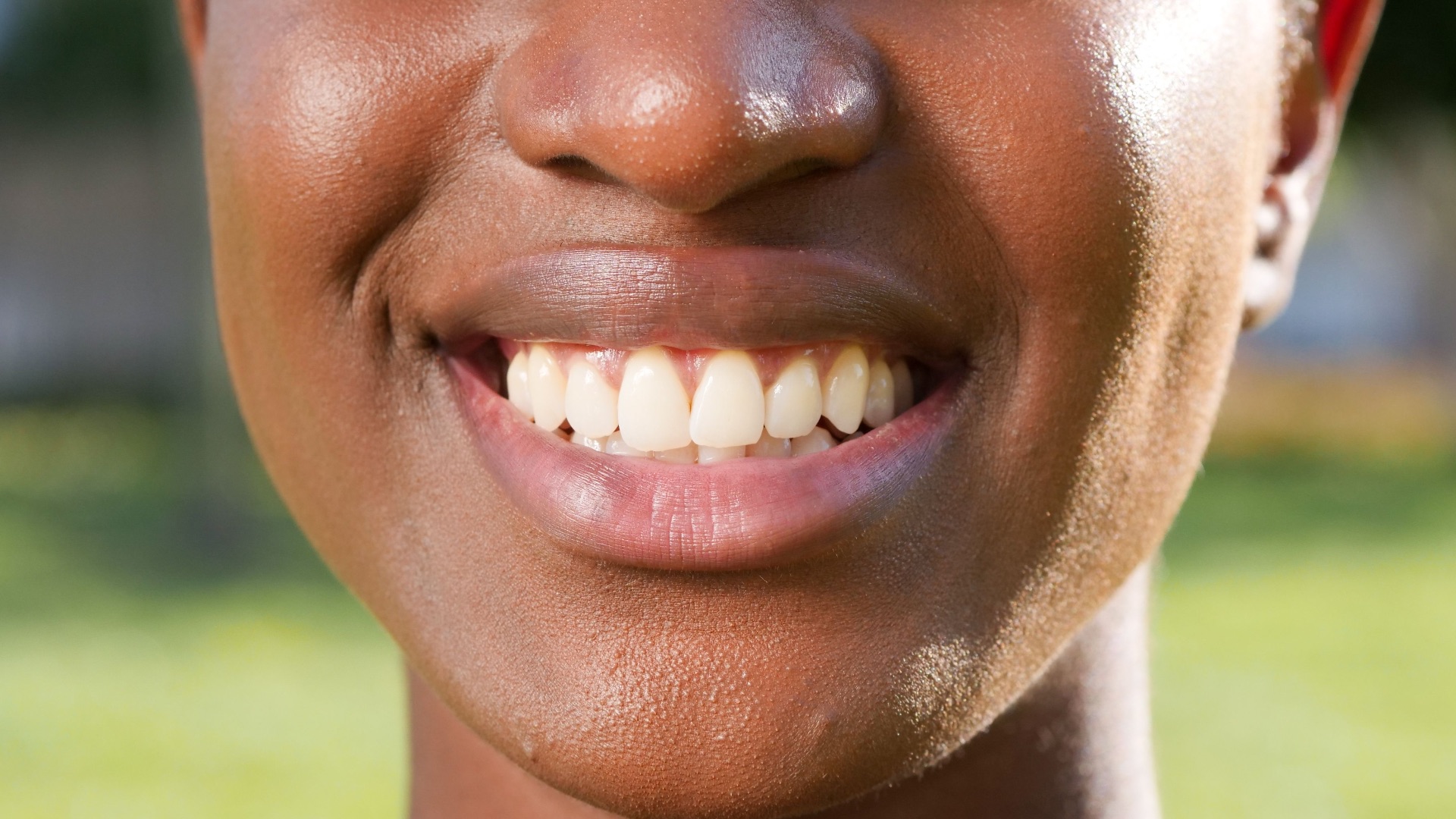
Persistent bad breath is more than a little embarrassing. It’s common to scratch your head at an unpleasant odor, especially when you’ve done all the regular brushing, flossing, and tongue cleaning. But if the stench persists, it could indicate an underlying dental problem.
15. There's a Small Bump on Your Gum
A pimple-like swelling on the gum isn't necessarily a harmless irritation, so don’t just fluff it off. Sometimes called a gum boil, this bump can develop when an infection drains through the surrounding tissue, and even if it doesn't hurt, the infection can linger. Next thing you know, it’ll require treatment to prevent further damage.
16. Your Filling Keeps Breaking
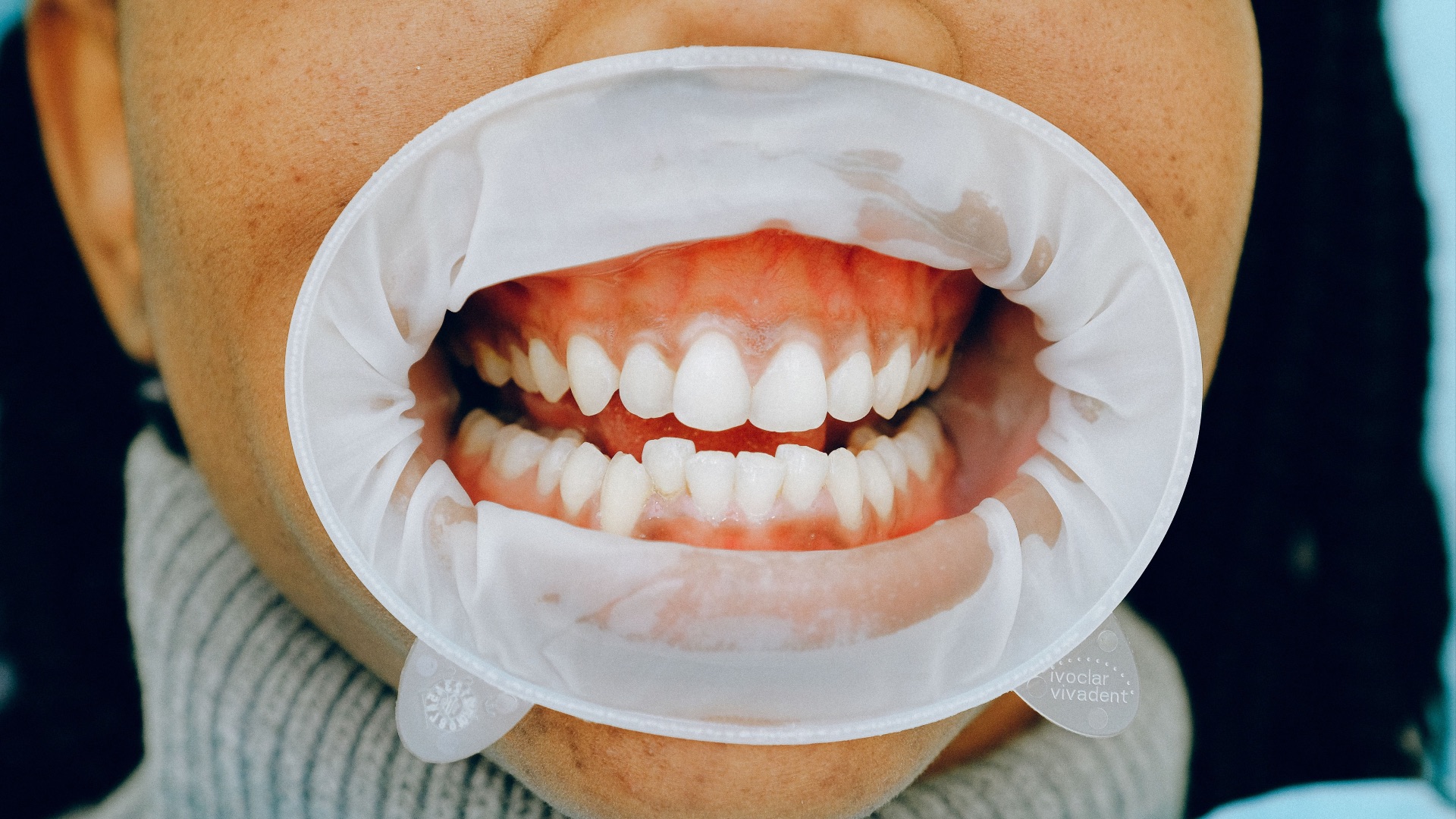
We hate to say it, but an old filling that repeatedly cracks or falls out can leave the remaining tooth vulnerable to further damage. Large restorations sometimes fail because of new decay or excessive biting forces, so if there isn't enough healthy tooth left to support another restoration, your dentist may eventually have to look into pulling it.
17. Your Jaw Has Started Swelling
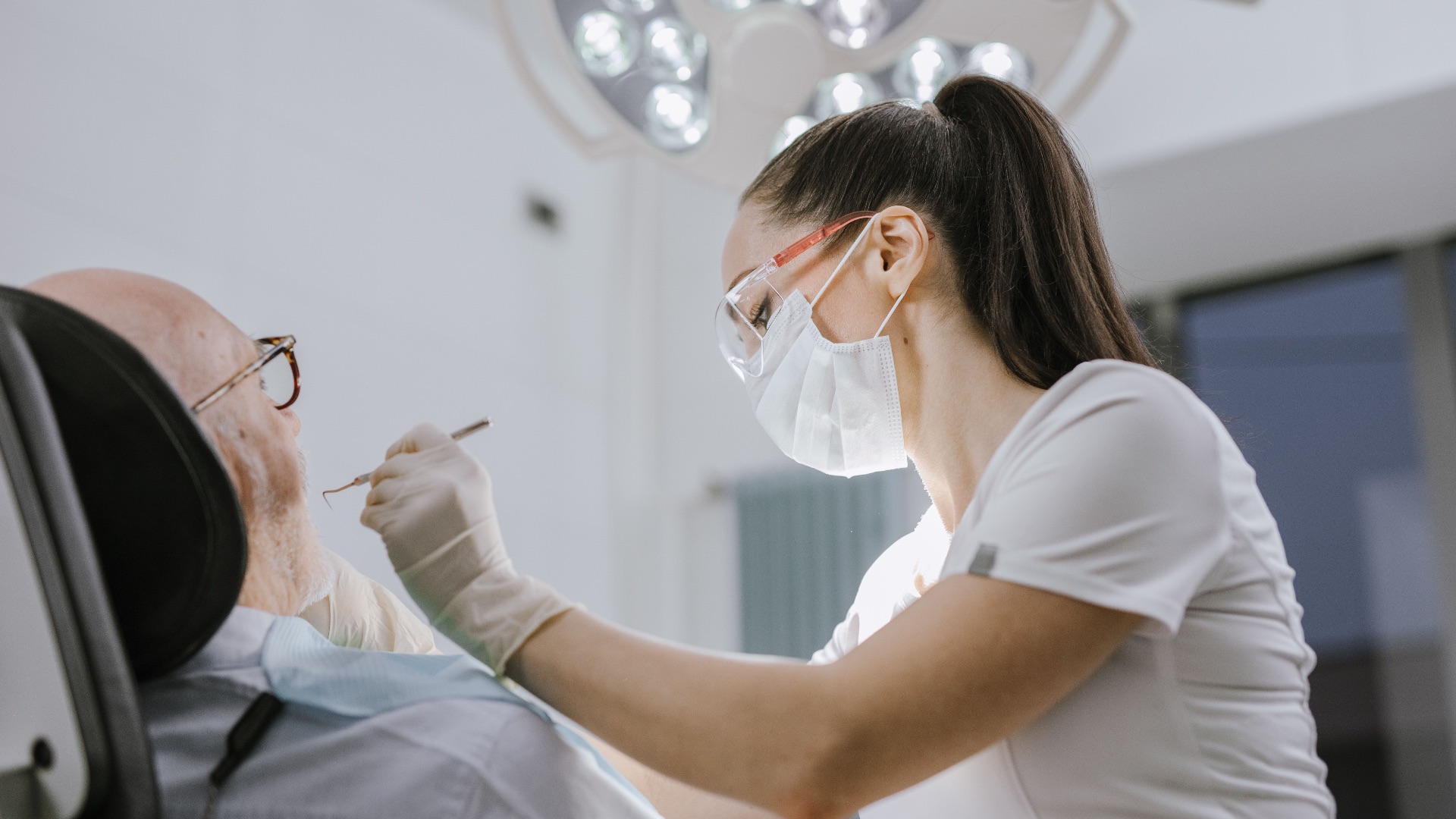
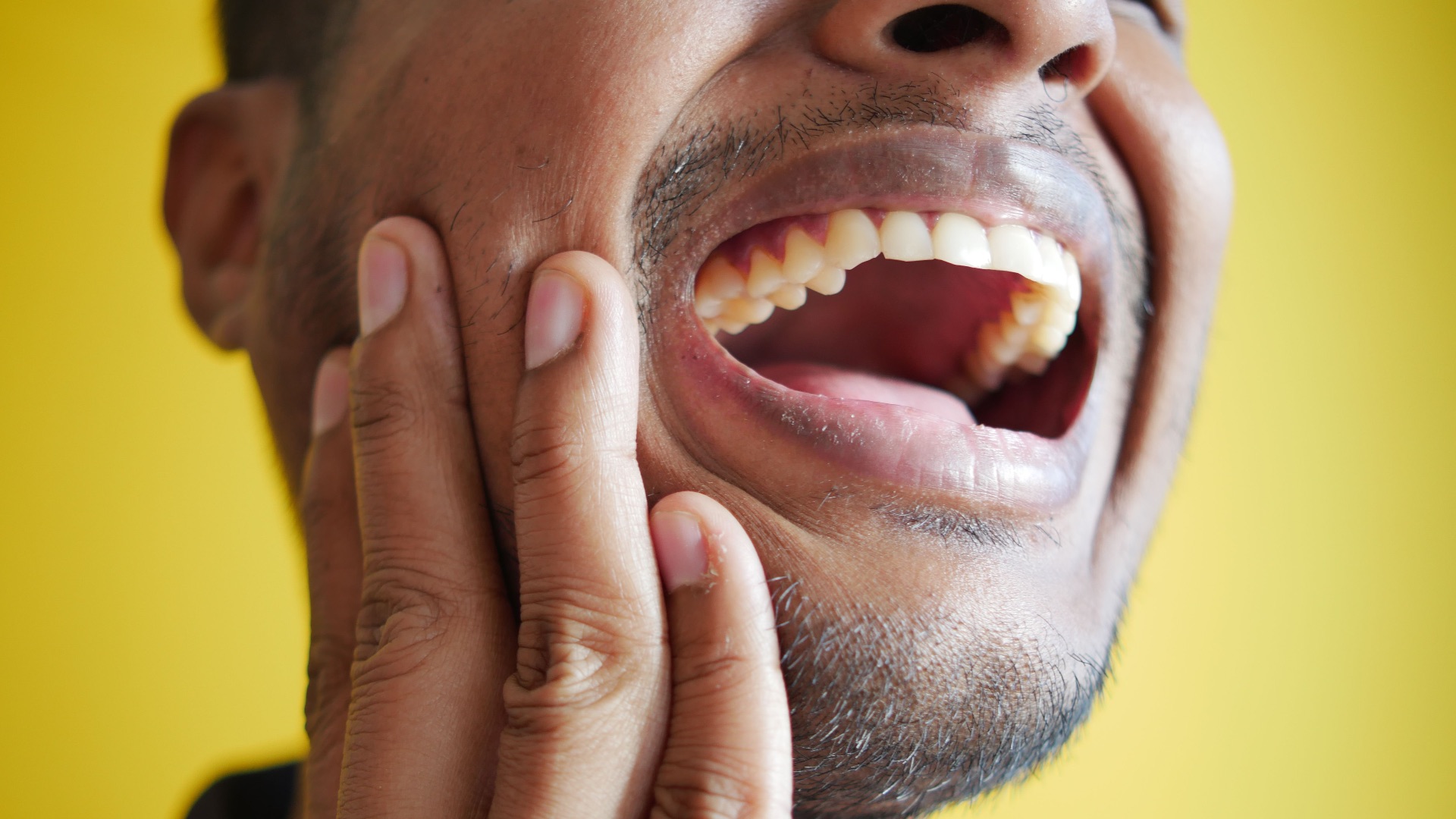
Occasionally, visible swelling near your jaw can actually originate from a serious dental infection. An untreated tooth abscess can easily spread beyond the immediate area, producing discomfort and swelling that shouldn't be ignored. Whether we want to admit it or not, prompt dental assessment is essential.
18. You Keep Getting a Strange Taste in Your Mouth
The last thing we want is a terrible aftertaste, but an unpleasant salty, bitter, or foul taste isn’t always from dinner. If it repeatedly appears around one tooth especially, that taste could come from drainage associated with an infection. It’s worth it to speak with a dentist and see what’s going on under the hood.
19. You Feel a Sharp Pain When Releasing Your Bite
Some sensations are easy to miss because they don’t occur when we expect them. Take biting into a sandwich—it could feel manageable, but when you release the pressure, you might experience a sudden stabbing sensation. This can actually occur with a cracked tooth, especially when chewing causes damaged sections to flex slightly.
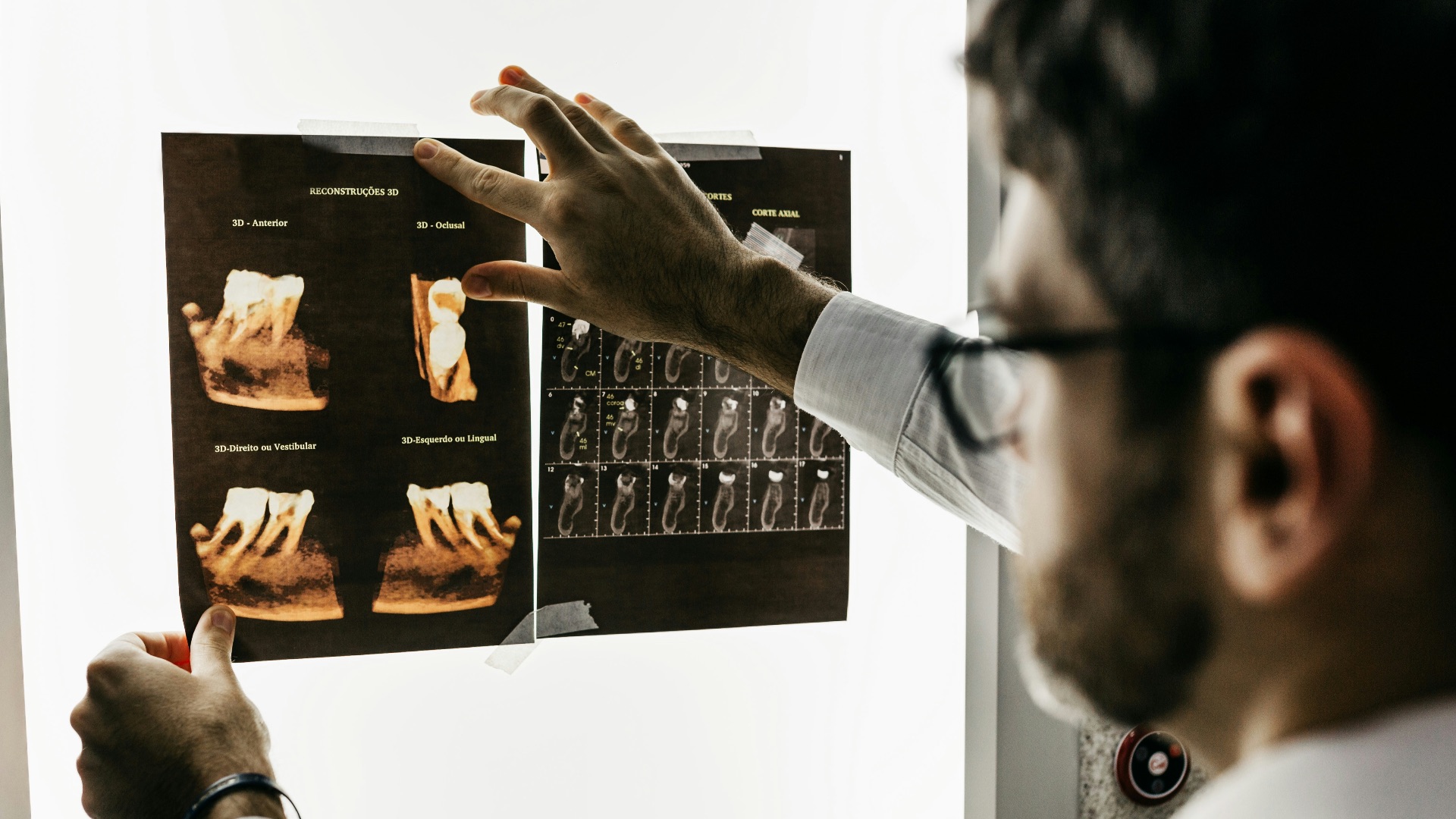
20. Your Dentist Has Found Bone Loss
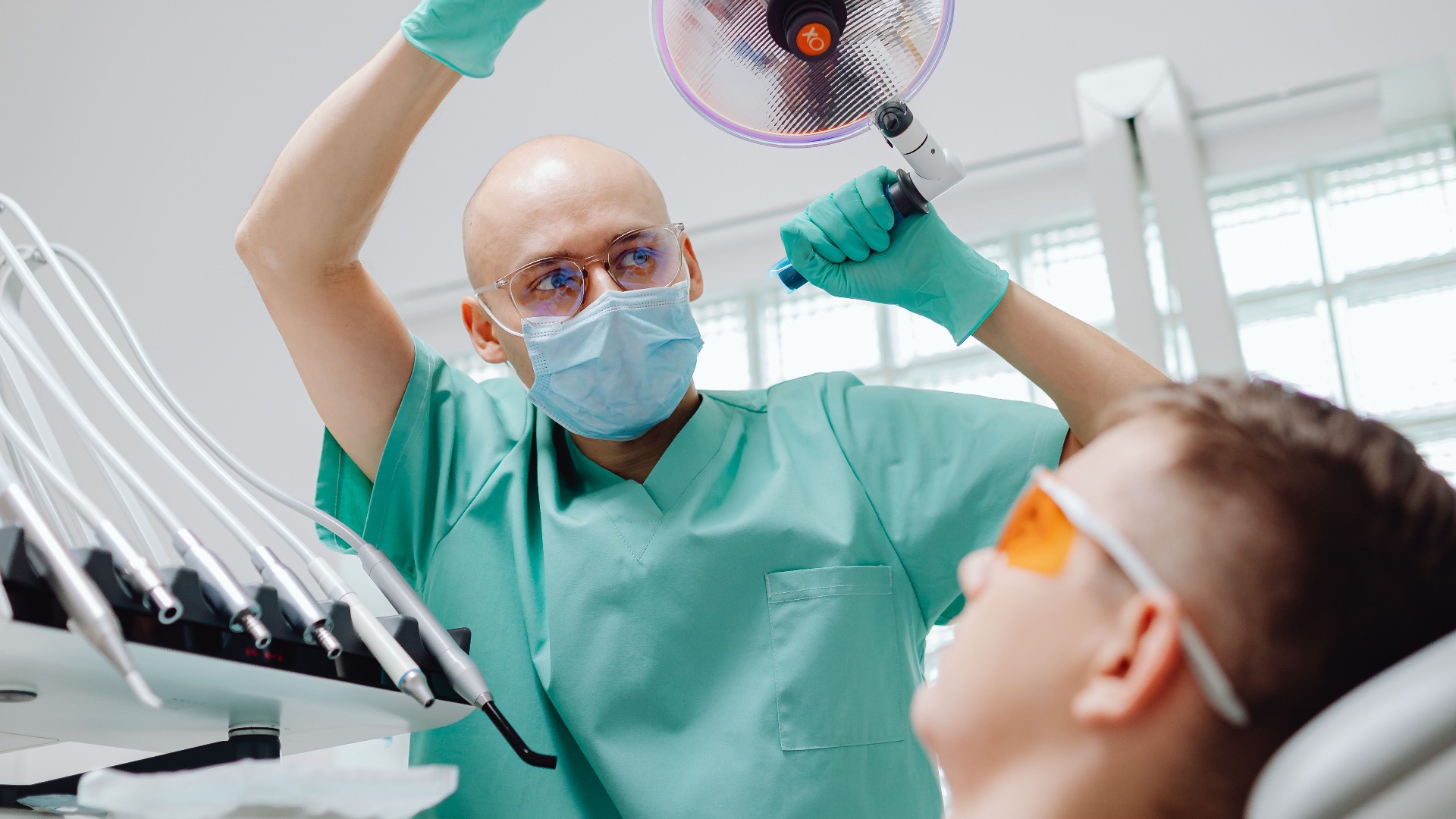
One of the most concerning warnings might not be something you can see or feel at home. Dental X-rays can reveal deterioration of the bone surrounding your teeth, even before significant looseness pops up. There’s no real way to get the nitty-gritty until you speak with a professional.
 https://kaboompics.com/ on Pexels
KEEP ON READING


20 Signs You're Going To Lose A Tooth

20 Surprising Facts About the Human Heart