
What Actually Holds Up
First impressions form faster than most people expect, and plenty of the standard advice about them doesn't hold up. Some of it was never tested, and some of it fell apart when other researchers tried to repeat the results. What's left is smaller and less dramatic. Most of it comes down to where you put your attention in the first few minutes, and almost none of it asks you to act like somebody else. Here's 20 that have real research behind them.
1. The First Tenth of a Second Does Most of the Work
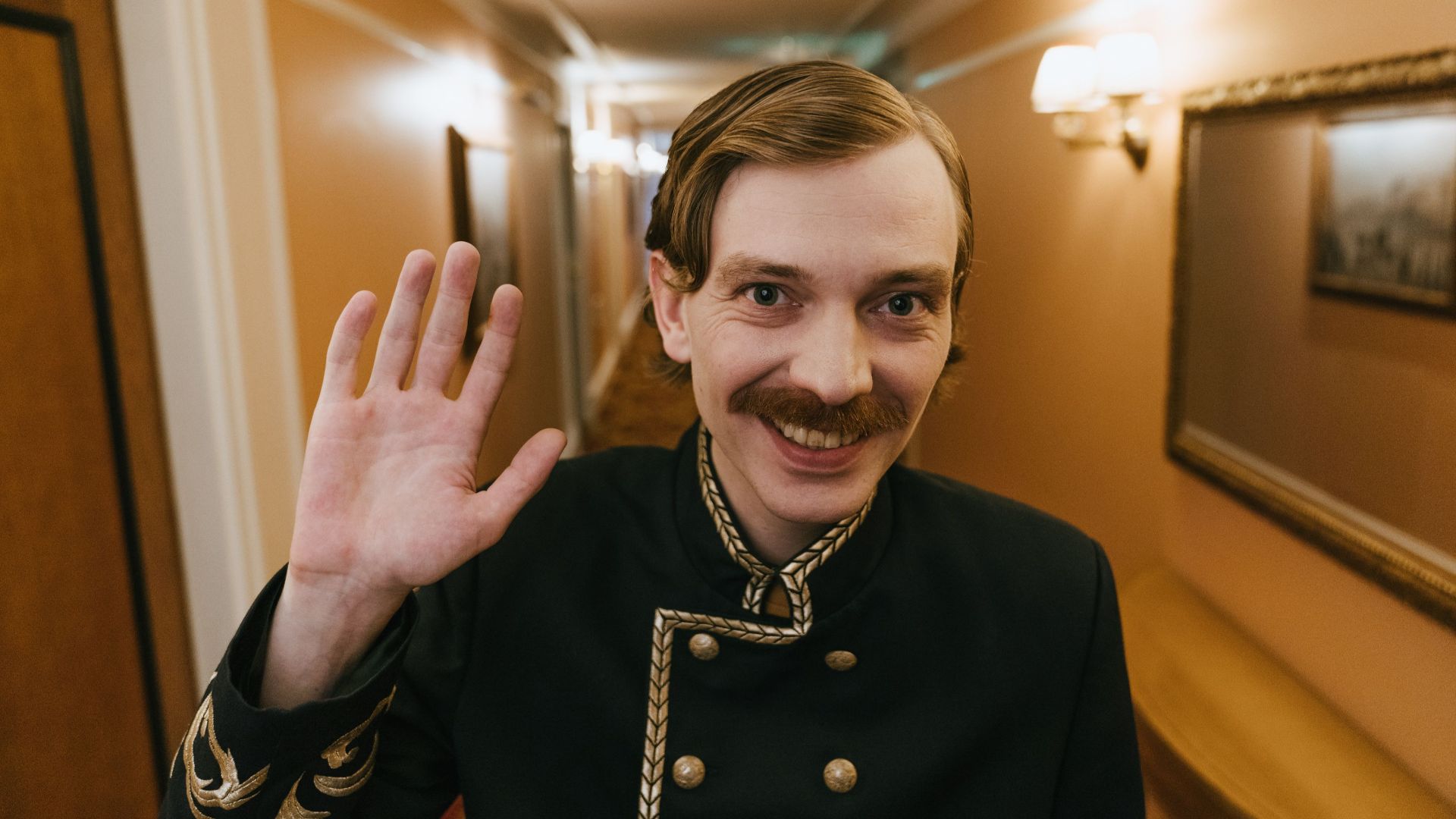
A face shown for 100 milliseconds is enough for people to decide whether they trust it. Willis and Todorov found in 2006 that longer looks mostly made viewers more confident without changing the verdict. Walking in composed matters more than anything clever you say ninety seconds later.

2. Lead With Warmth
Warmth gets judged before competence, and it counts for more in whether someone likes you. That ordering comes from Susan Fiske's research on social judgment. Leading with your credentials answers the second question first.
3. Ask a Follow-Up Question
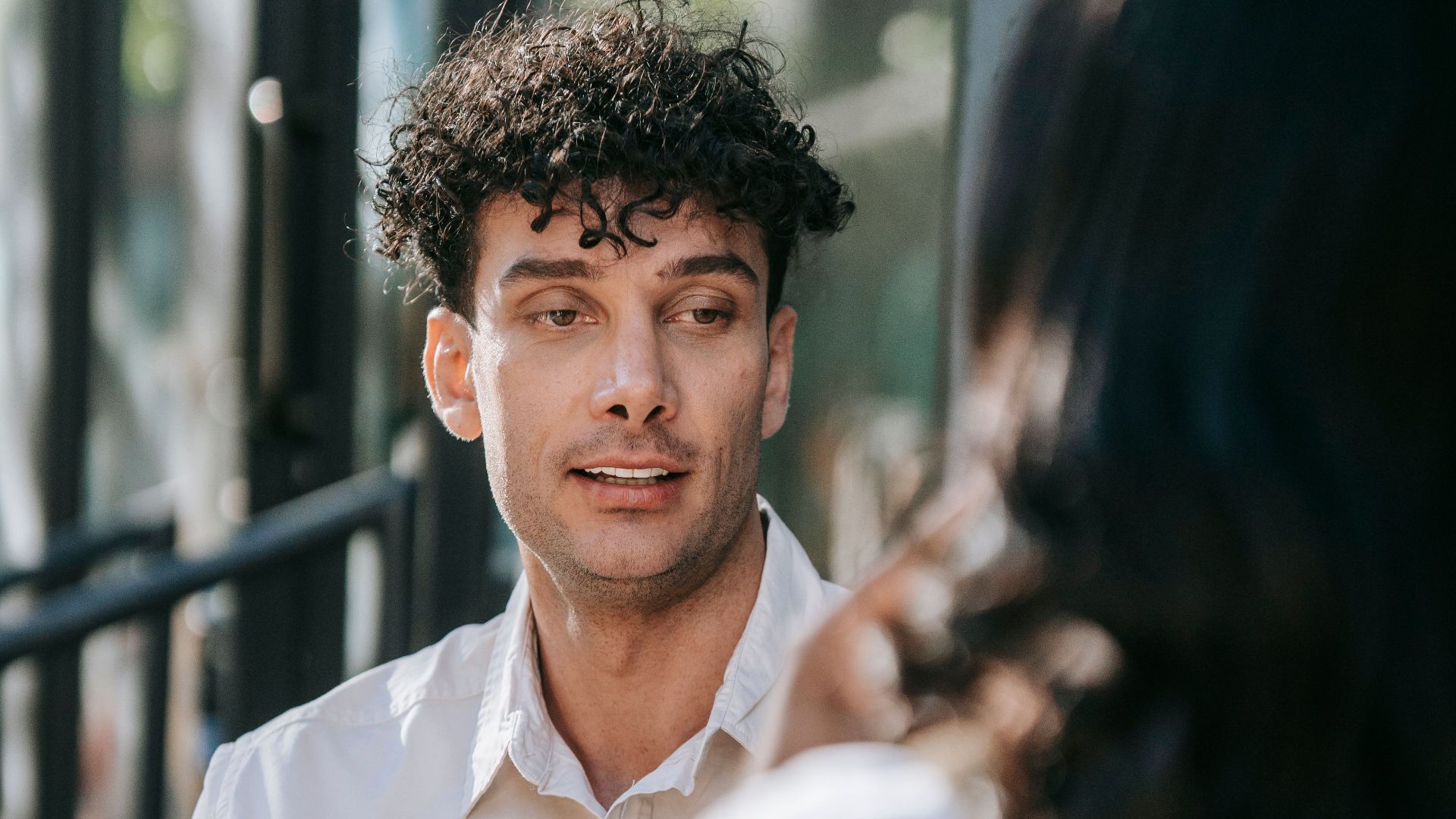
A follow-up question shows you heard the last answer. Huang and her coauthors at Harvard analyzed speed dates in 2017 and found that people who asked more of them were likelier to get a second date. Most people ask none.

4. Hold Eye Contact for About Three Seconds
Binetti's team at University College London put the preferred length of mutual gaze at 3.3 seconds in a 2016 study. Less than that reads as evasive, and more gets uncomfortable.
5. Ask Them for Advice
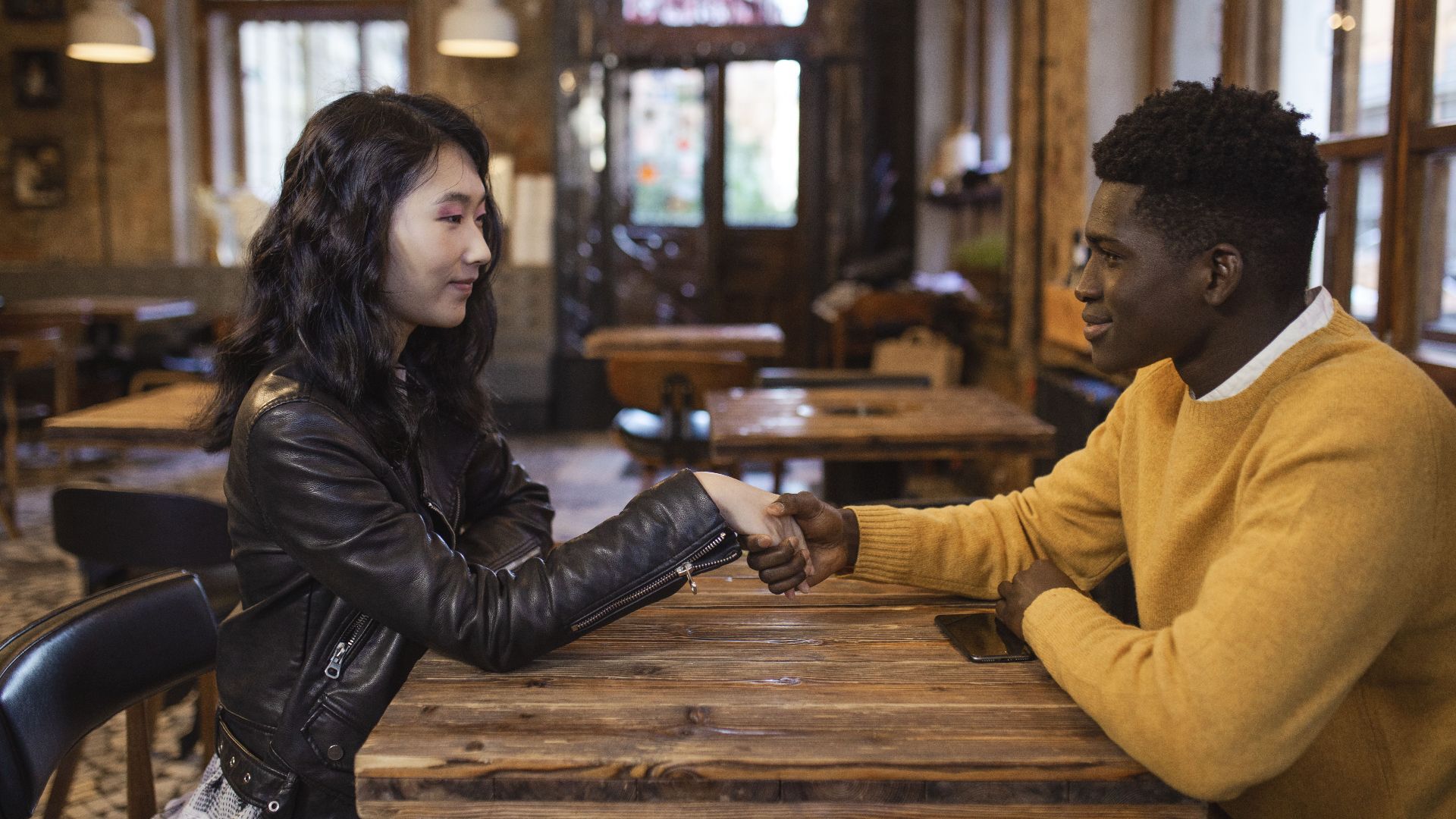
Asking for advice feels like admitting you're out of your depth. Brooks, Gino, and Schweitzer found in 2015 that it does the opposite, with advice-seekers rated as more competent than people who asked nothing.

6. Mirror the Posture, Lightly
Copy the general shape of how someone is sitting, a few seconds after they settle into it. Chartrand and Bargh called this the chameleon effect in 1999, and van Baaren later found that waitstaff who repeated orders back word for word got bigger tips. Copying fast and exactly looks like mockery.
7. Borrow Their Vocabulary
If they say project, don't say initiative. Ireland and Pennebaker found in 2011 that matching someone's word choice, down to pronouns and articles, predicted which speed daters paired off and which couples lasted.
8. Ask a Small Favor
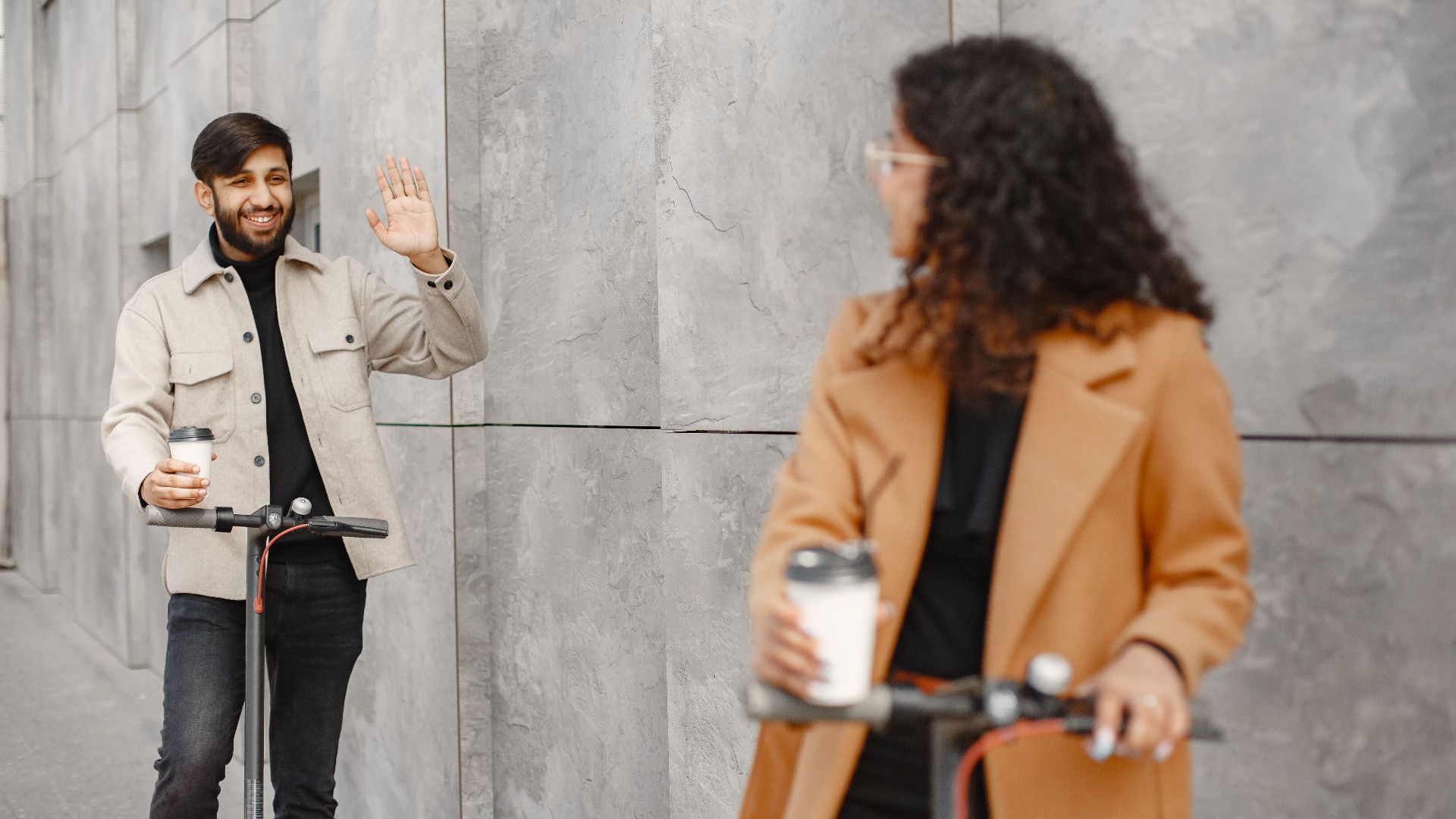
Jecker and Landy's 1969 experiment found that people asked to return a sum of money ended up liking the researcher more. A small request works better than a small gift, which is what Franklin said about borrowing a book from a rival.

9. Never Call Anyone Else Rude
Describe a colleague as petty and listeners attach some of the petty to you. Skowronski's work on spontaneous trait transference found that people keep the adjective and forget who it was aimed at.

10. Spill Something, But Only If You're Doing Well
A clumsy moment makes a highly competent person more likable. The same moment makes an average performer less likable, which Aronson's 1966 pratfall study tested in both directions.
11. Name the Nervous Thing Out Loud
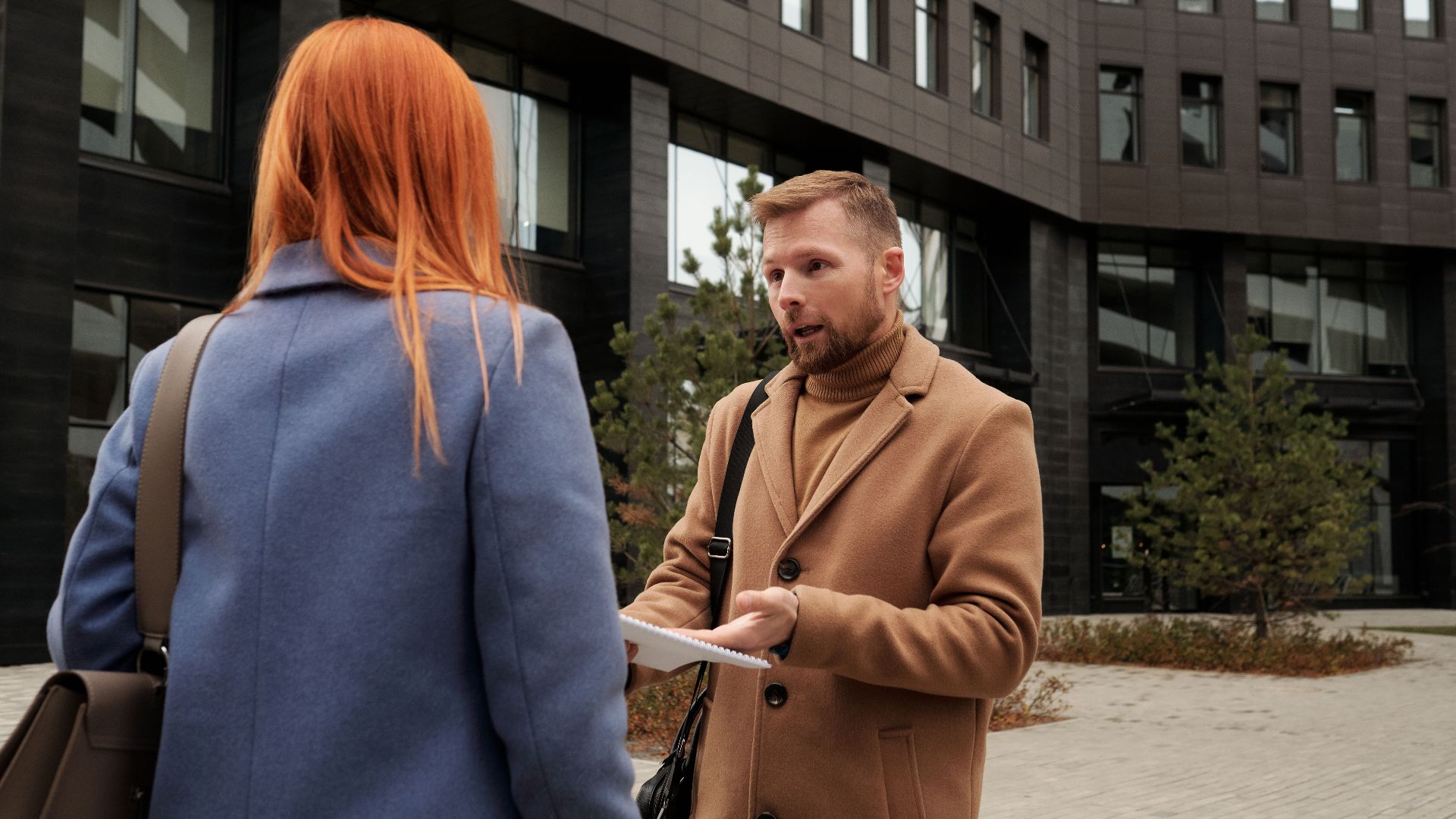
Admitting you're nervous feels worse than it looks. Bruk and colleagues found in 2018 that people rate someone else's admission of vulnerability more positively than they rate their own, and named it the beautiful mess effect.

12. Assume It Went Better Than You Think
People leave conversations underestimating how much the other person liked them. Boothby's 2018 work on the liking gap found the effect held for months among new roommates. Assume it went badly and you'll be colder the next time, for no reason.

13. Take Up Your Seat
Open posture roughly doubled yes rates in speed dating and dating app photos in a 2016 PNAS study by Vacharkulksemsuk and colleagues. Folded arms and hunched shoulders read as unavailable. The finding is about looking open, not about looking powerful.

14. Shake Hands
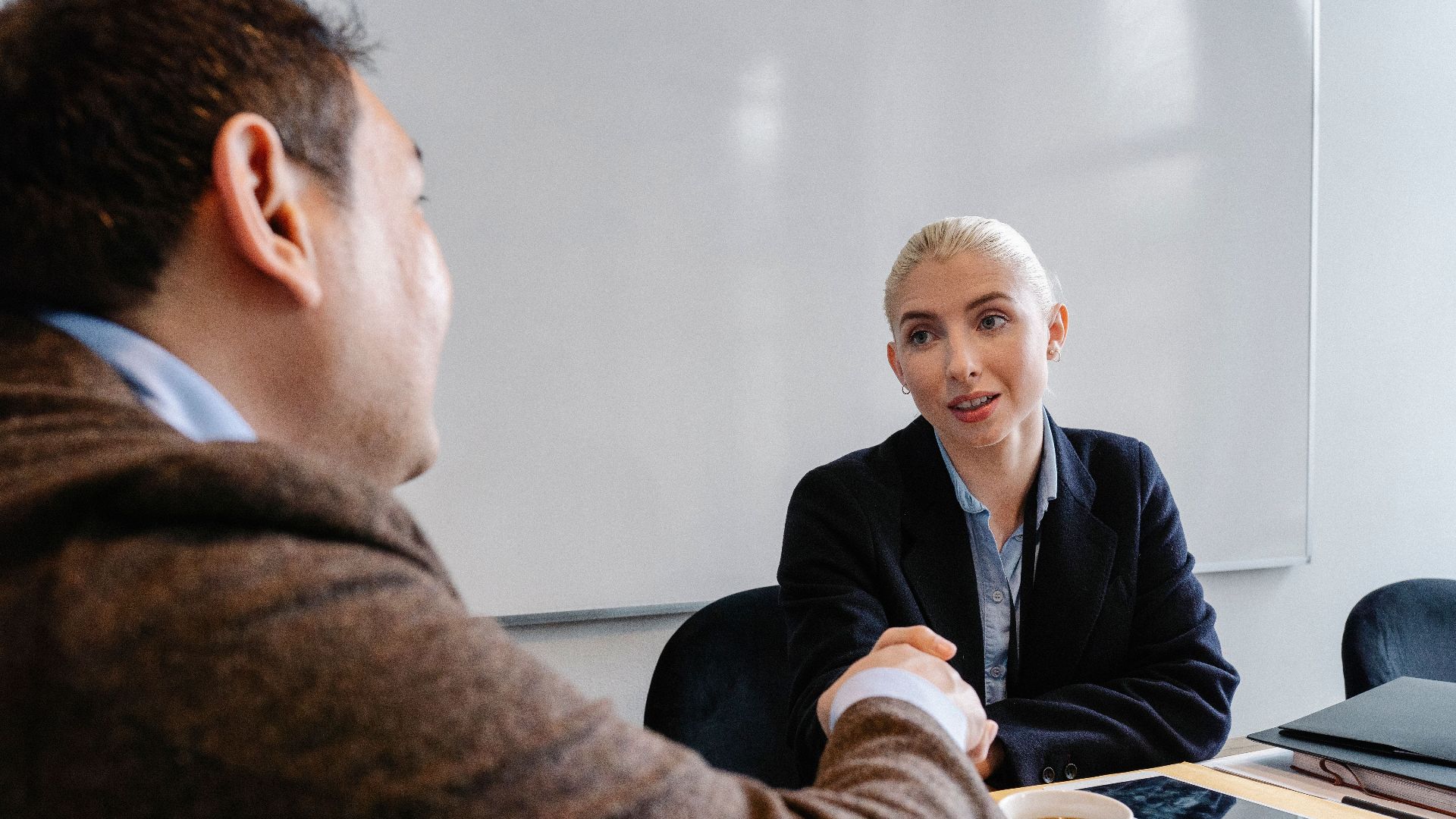
Dolcos and colleagues used brain imaging in 2012 to show that a handshake before an interaction raised positive evaluation and reduced the damage from a bad impression. It costs two seconds.
15. Put Your Best Adjective First
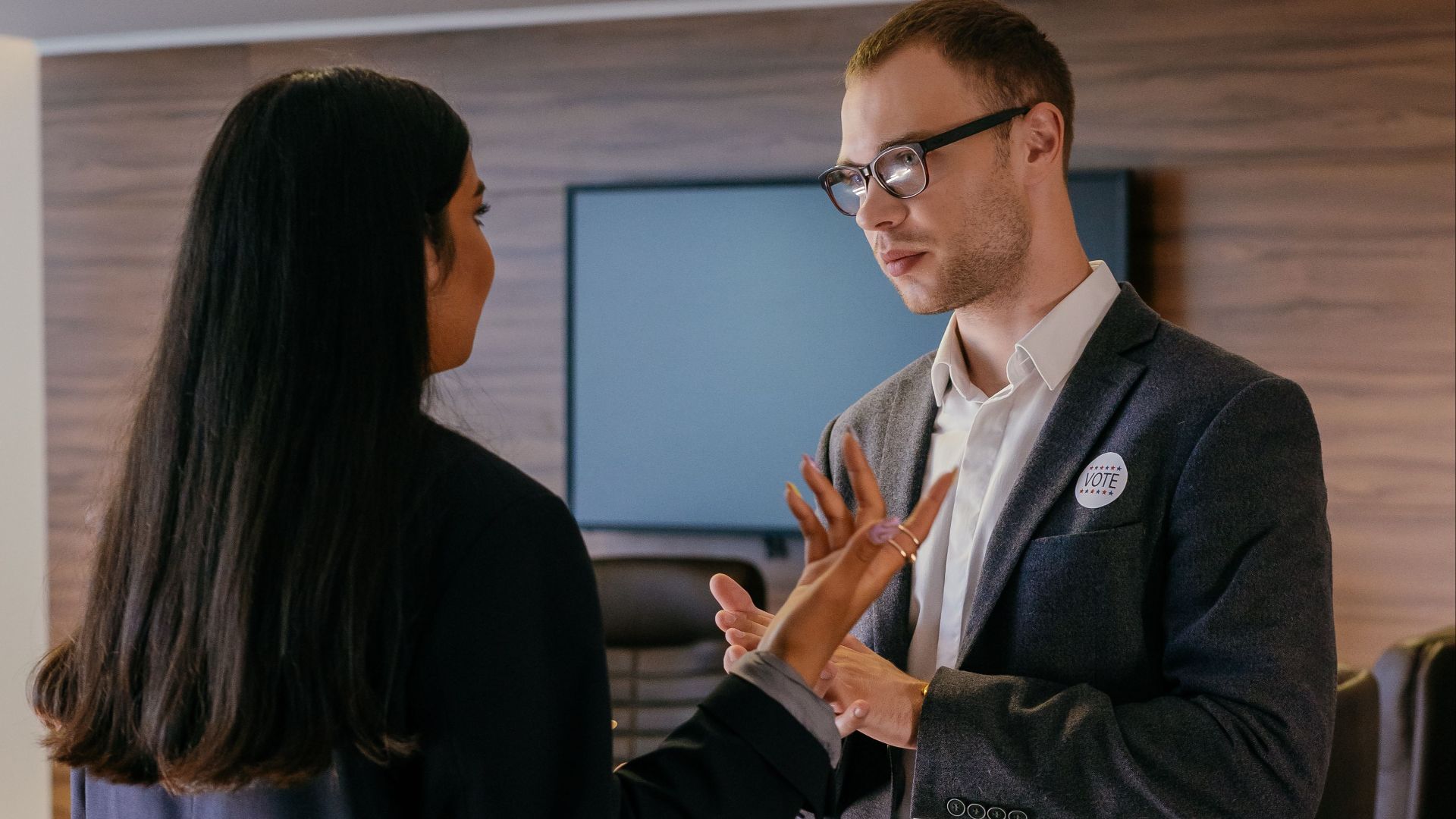
The order changes the verdict. Asch showed in 1946 that someone described as intelligent before stubborn is rated more favorably than someone described as stubborn before intelligent. Make sure the qualities you want remembered are front and center.

16. Trade Small Disclosures
Aron's 1997 study built real closeness between strangers using a question list that moved gradually from light to personal. Match the level of disclosure you were given and go one step further. Jumping ahead kills it, and staying shallow never gets started.

17. Find the Overlap and Stop There
One real thing in common is enough. Byrne established in 1961 that shared attitudes predict attraction, and the finding has held up for decades. Inventing an interest is a bad bet, because you will be asked about it later.

18. Show Up a Second Time
Moreland and Beach had women sit silently through a college lecture course in 1992, and students rated the ones who attended most often as the most likable. None of them said a word to anyone. Being familiar does a lot of the work on its own.
19. Mind the Last Two Minutes
A warm goodbye costs nothing and arrives at the moment that counts most. Kahneman's peak-end research found that people judge an experience by its most intense moment and how it ended. Checking your phone while you say it cancels the effect.
20. Thank Them for Something Specific
Grant and Gino found in 2010 that a specific thank-you made people substantially more willing to help again, because it told them they were valued. Generic appreciation did much less. Name the thing they actually did when you thank someone.

KEEP ON READING


10 Pre-Workout & 10 Post-Workout Tips To Follow