Why Your Body Might Not Love the Cold Like It Used To
Winter can make everyday activities a little more challenging, especially once you're in your 60s. While you might have enjoyed snowy walks and freezing temperatures when you were younger, your body doesn't necessarily handle the cold the same way as you age. Changes in circulation, muscle strength, immune function, and temperature regulation can make the colder months particularly uncomfortable for older adults. Even seemingly harmless winter habits can affect your health in ways you might not expect. Here are 20 reasons winter can be harder on your body after 60.
1. Your Joints May Feel Stiffer
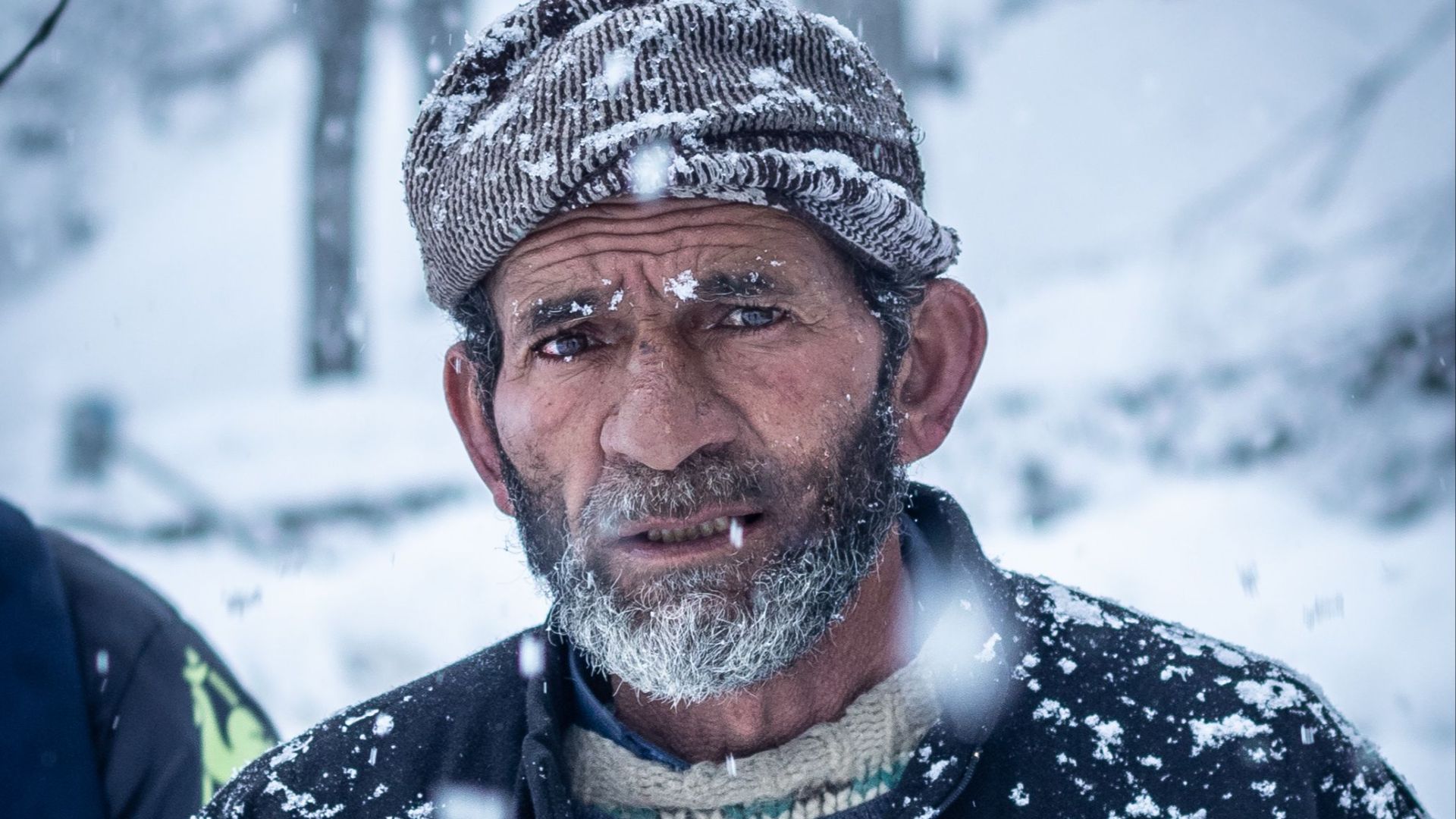
If your knees or fingers seem particularly uncooperative on cold mornings, you're certainly not alone. Many people with arthritis report increased stiffness and discomfort during colder weather, although researchers are still trying to understand exactly why this happens. Spending more time indoors and moving less can also make joint pain worse, which is why staying active throughout the season is so important.
2. Your Body Has a Harder Time Staying Warm
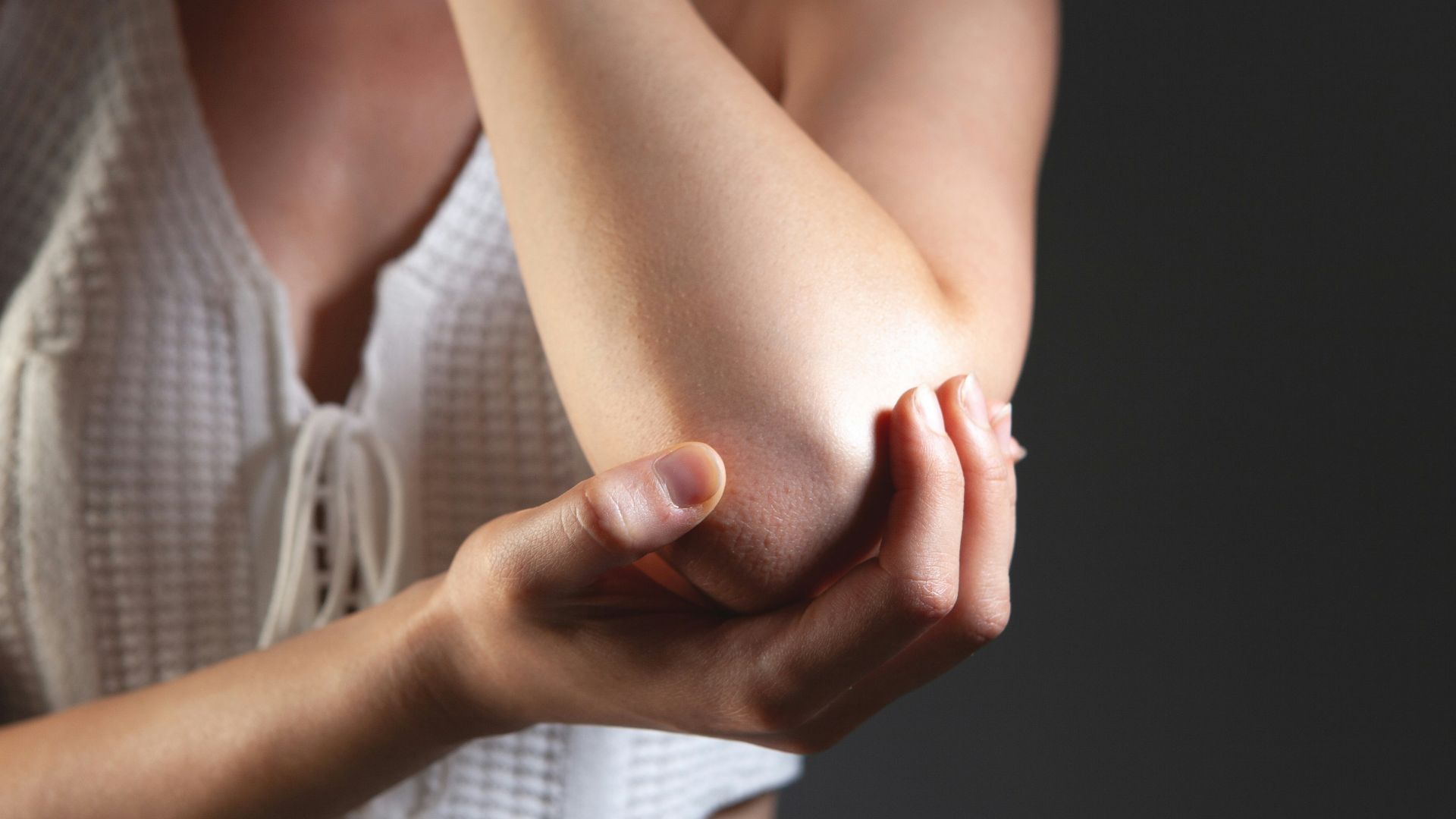
As you get older, your body can become less efficient at regulating its internal temperature. Changes in metabolism, circulation, and the amount of insulating fat beneath your skin may leave you feeling colder than you did years ago. Unfortunately, this also makes older adults more vulnerable to hypothermia, even when indoor temperatures don't seem especially cold.

3. Your Blood Pressure Can Rise
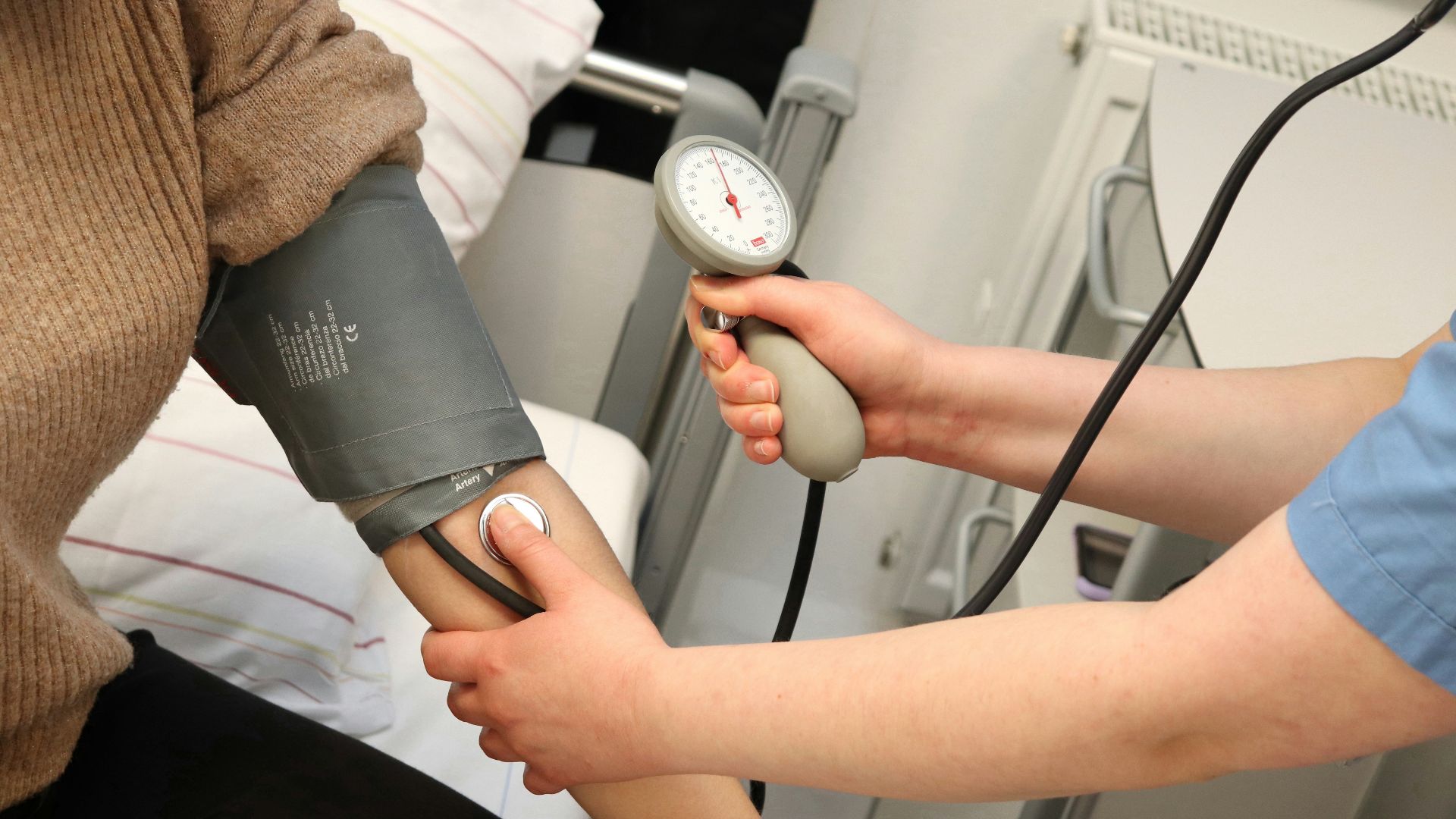
Cold weather causes your blood vessels to narrow, which can temporarily raise blood pressure as your heart works against greater resistance. This can be particularly concerning for older adults who already have hypertension or other cardiovascular conditions. Studies have found that blood pressure tends to run higher during winter, making it a good idea to keep a closer eye on your readings when temperatures drop.
4. Your Skin Dries Out More Easily
Between freezing outdoor temperatures and constant indoor heating, winter can leave your skin feeling especially dry and irritated. As you age, your skin naturally produces less oil and becomes thinner, making it more susceptible to moisture loss when humidity is low. You might notice more itching, cracking, or flaking than you did in previous winters, particularly on your hands and legs.
5. Your Balance Can Become Less Reliable
Maintaining good balance becomes more important with age, and winter certainly doesn't make things any easier. Icy sidewalks, uneven snow, and bulky winter boots can make walking trickier, especially if your vision or reaction time isn't quite what it used to be. Since falls can lead to more serious injuries among older adults, even a quick trip to the mailbox calls for a little extra caution.

6. Your Immune System May Struggle More
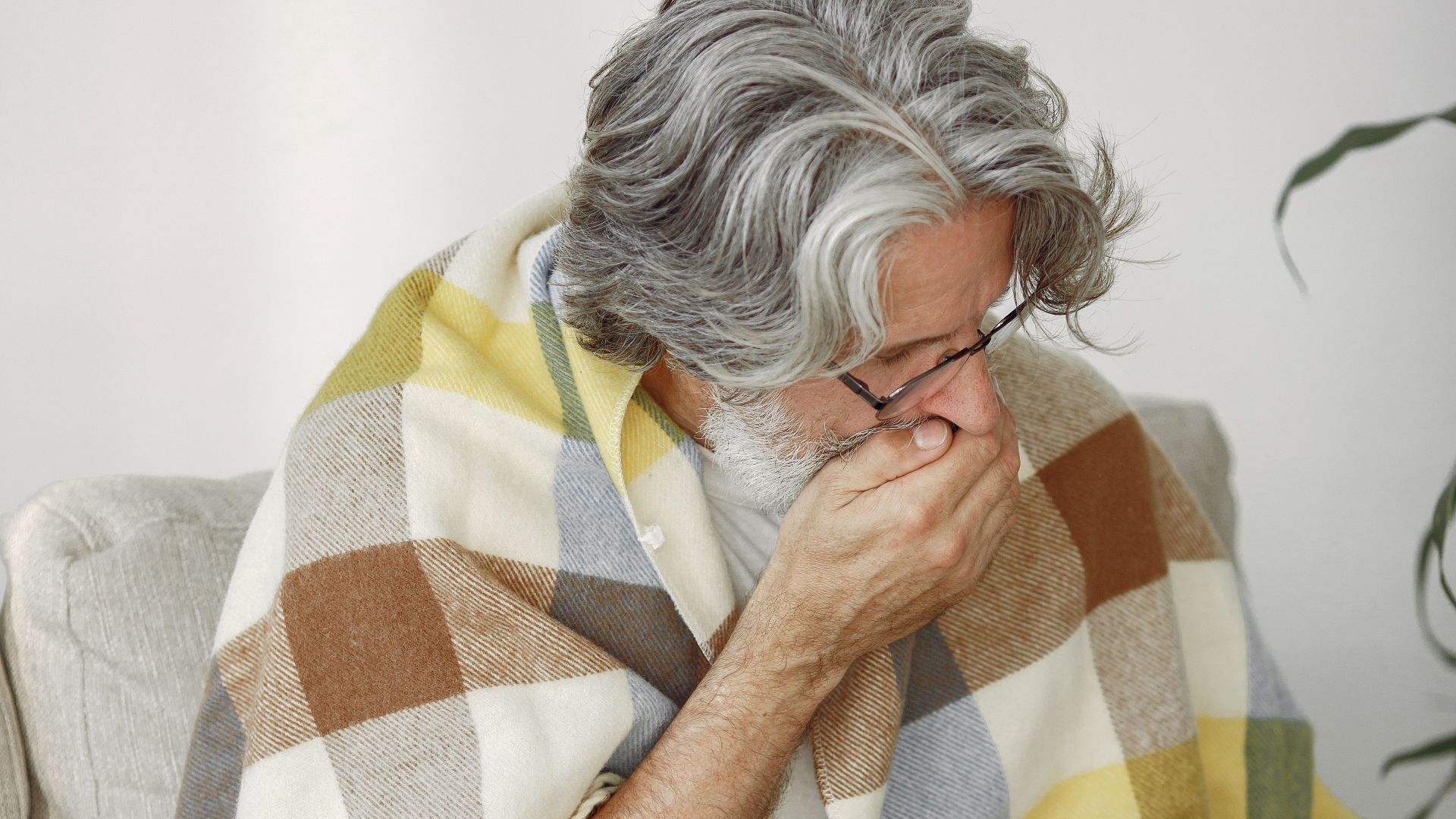
Getting older naturally brings changes to your immune system, including a reduced ability to fight off certain infections. Unfortunately, winter is also when respiratory illnesses like influenza and RSV tend to spread more easily. Together, these factors can make seasonal infections more serious for adults over 60, particularly those who already have underlying health conditions.
7. Your Heart Works Harder in the Cold
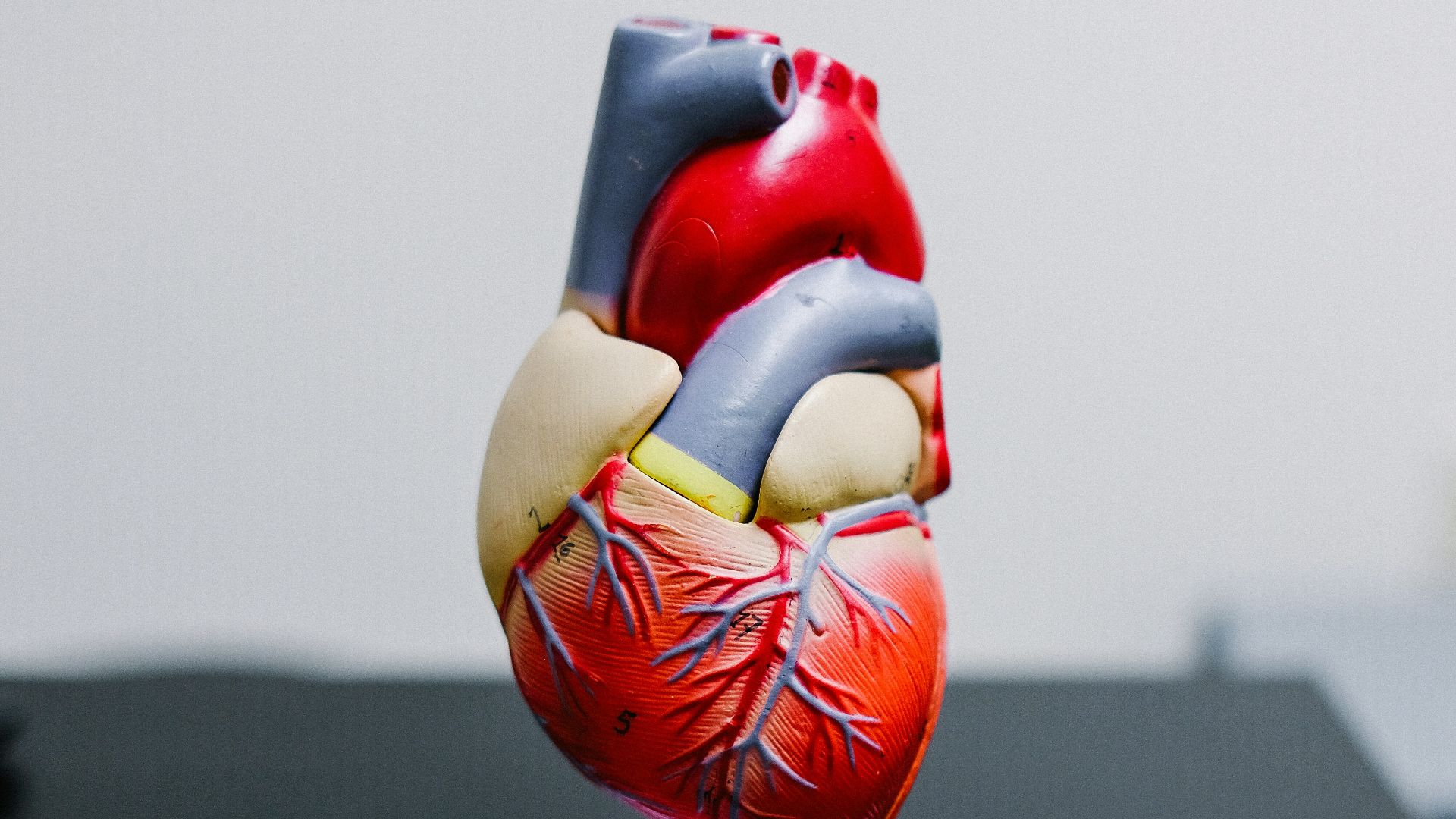
Winter can put extra strain on your cardiovascular system, particularly when you're suddenly doing something physically demanding. Shoveling heavy snow, for instance, combines strenuous exercise with freezing temperatures, which can increase the risk of a heart attack in susceptible individuals. If you have an existing heart condition, tackling an entire driveway by yourself might not be the best idea.
8. Your Muscles Can Lose Strength Faster
When freezing temperatures make outdoor activities less appealing, it's easy to spend several weeks moving much less than usual. The problem is that older adults are already more susceptible to age-related muscle loss, and extended periods of inactivity can make declines in strength and endurance happen faster. Keeping up with some regular resistance exercise during winter can help ensure everyday activities don't become harder than they need to be.

9. Your Lungs May React Poorly to Cold Air
Breathing in freezing, dry air can irritate your airways, sometimes causing coughing, wheezing, or shortness of breath. This can be especially uncomfortable for older adults living with asthma or chronic obstructive pulmonary disease (COPD). Wearing a scarf over your nose and mouth when you head outside can help warm and humidify the air before it reaches your lungs.

10. Your Vitamin D Levels May Drop
With shorter days and less time spent in the sunshine, getting enough vitamin D can become more challenging during winter. Since this vitamin plays an essential role in maintaining healthy bones and supporting muscle function, low levels can be particularly concerning as you age. Adults over 60 may also have a harder time producing vitamin D through their skin, making it increasingly important to get enough through food or supplements when appropriate.
11. Your Circulation May Become Less Comfortable
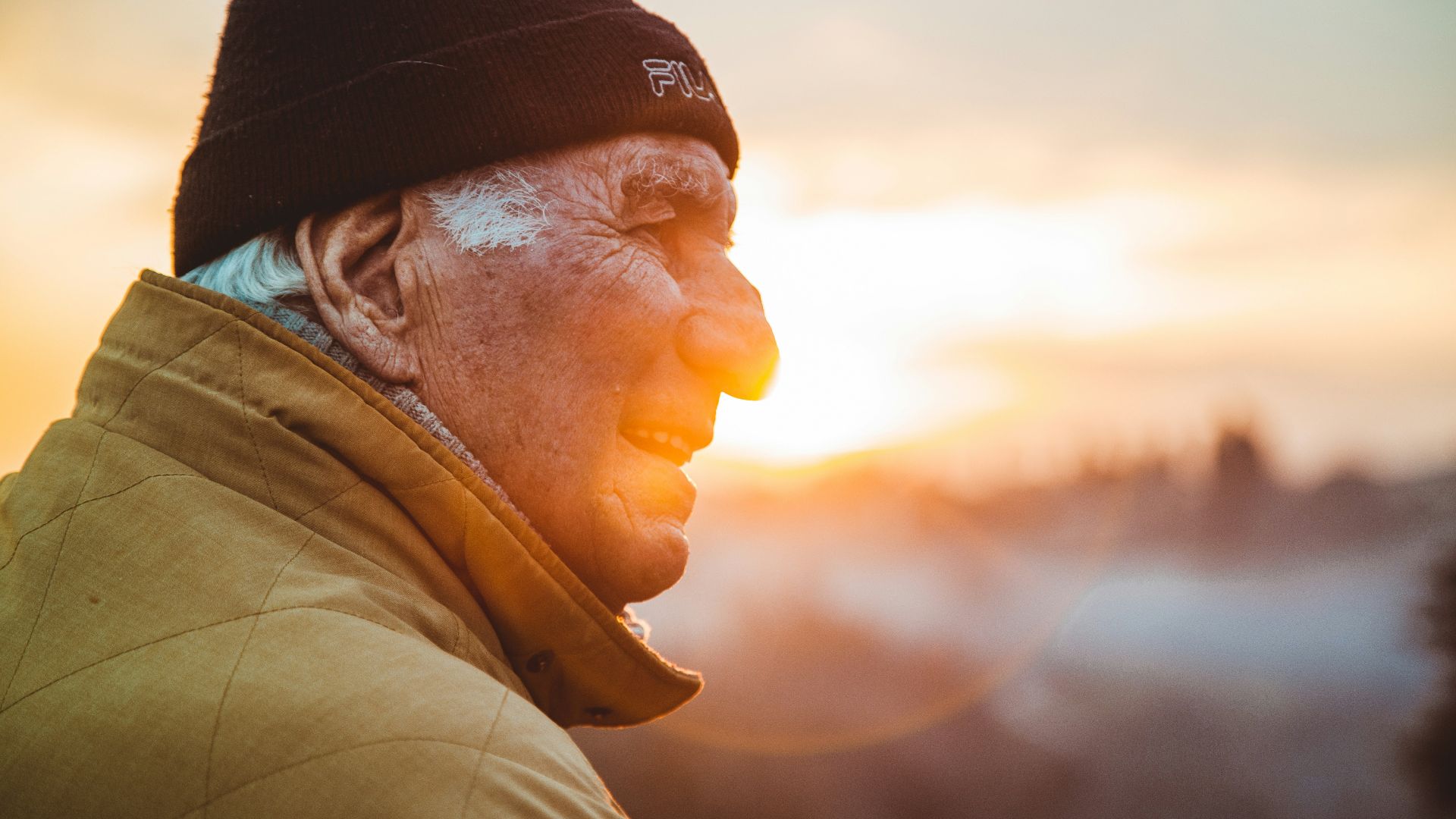
When temperatures drop, the blood vessels near your skin naturally narrow to help keep your vital organs warm. However, this response can leave your fingers and toes feeling unusually cold, especially if you already have circulation problems. Anyone dealing with conditions like peripheral artery disease or Raynaud's phenomenon may find that their symptoms become more noticeable during the winter months.
12. Your Sleep Schedule Can Get Disrupted
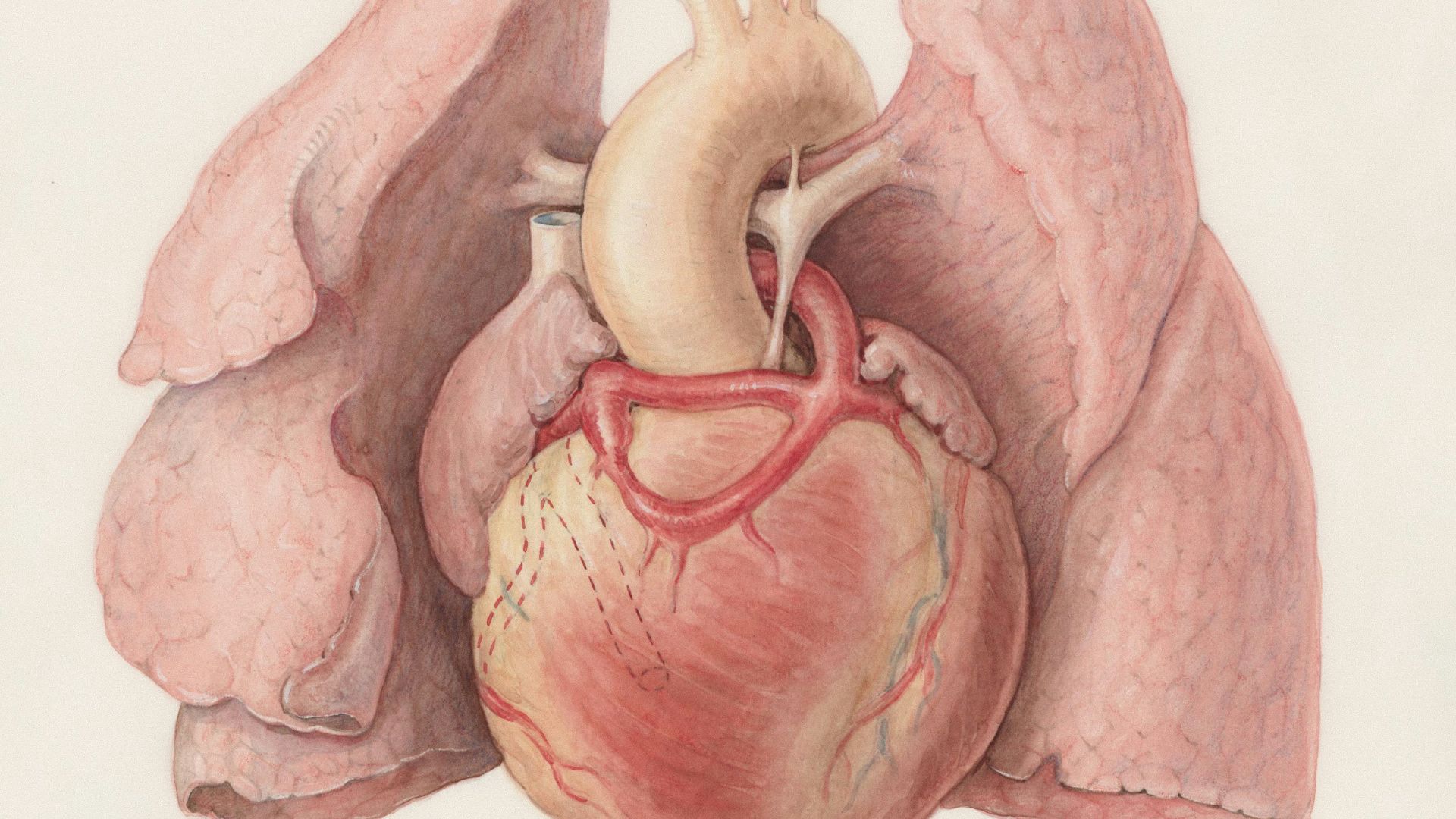
Winter's shorter daylight hours can interfere with your body's internal clock, potentially affecting when you feel tired or alert. Older adults may already notice changes in their sleep patterns, including earlier bedtimes and more frequent awakenings throughout the night. With less natural sunlight helping regulate your sleep-wake cycle, sticking to a consistent routine can become a little more difficult.
13. Your Bones Become More Vulnerable to Injury
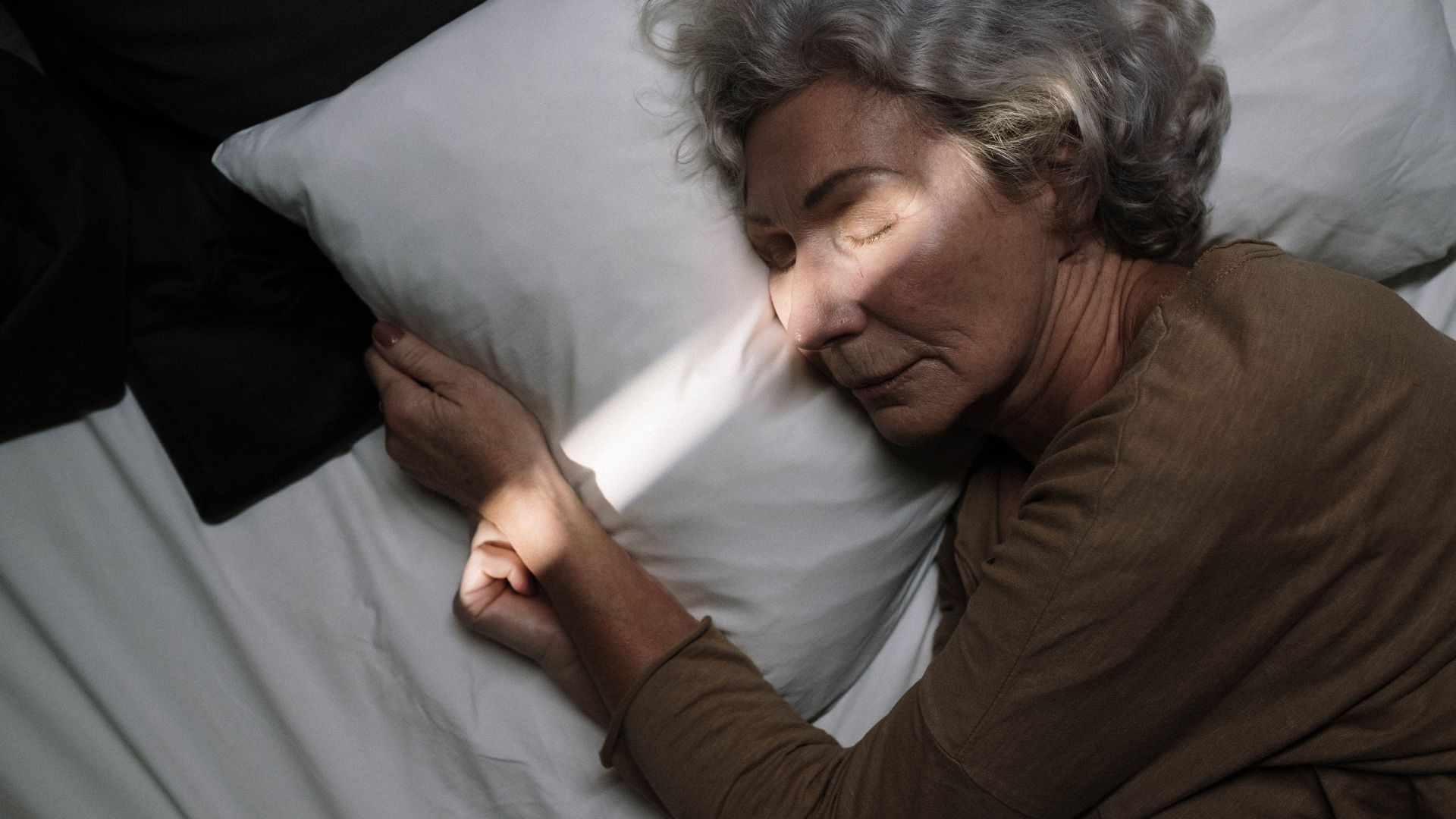
Bone density naturally decreases with age, particularly among postmenopausal women, which increases the risk of osteoporosis and fractures. While winter itself doesn't automatically weaken your bones, slippery sidewalks and icy steps make existing bone loss a much bigger concern. A fall that might have left you with nothing more than a bruise years ago could now result in a serious wrist or hip fracture.
14. Your Mood May Take a Hit
Shorter days, fewer outdoor activities, and less social interaction can all affect how you feel emotionally during winter. Some older adults experience seasonal mood changes, while others may develop seasonal affective disorder, a form of depression linked to certain times of year. If you're spending most of the colder months indoors, getting some daylight and making time to connect with others can help support your mental well-being.
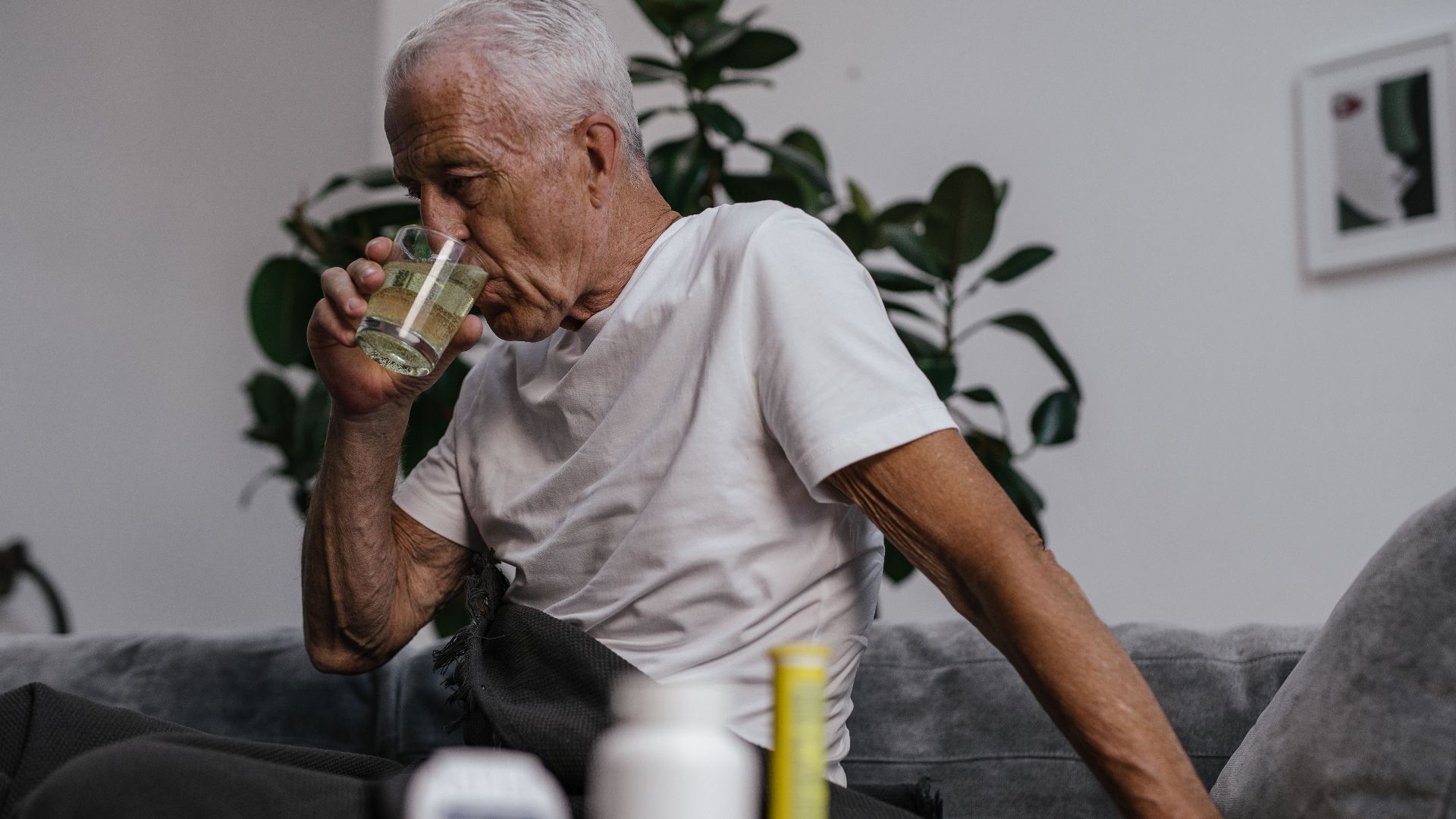
 Dominik Dombrowski on Unsplash
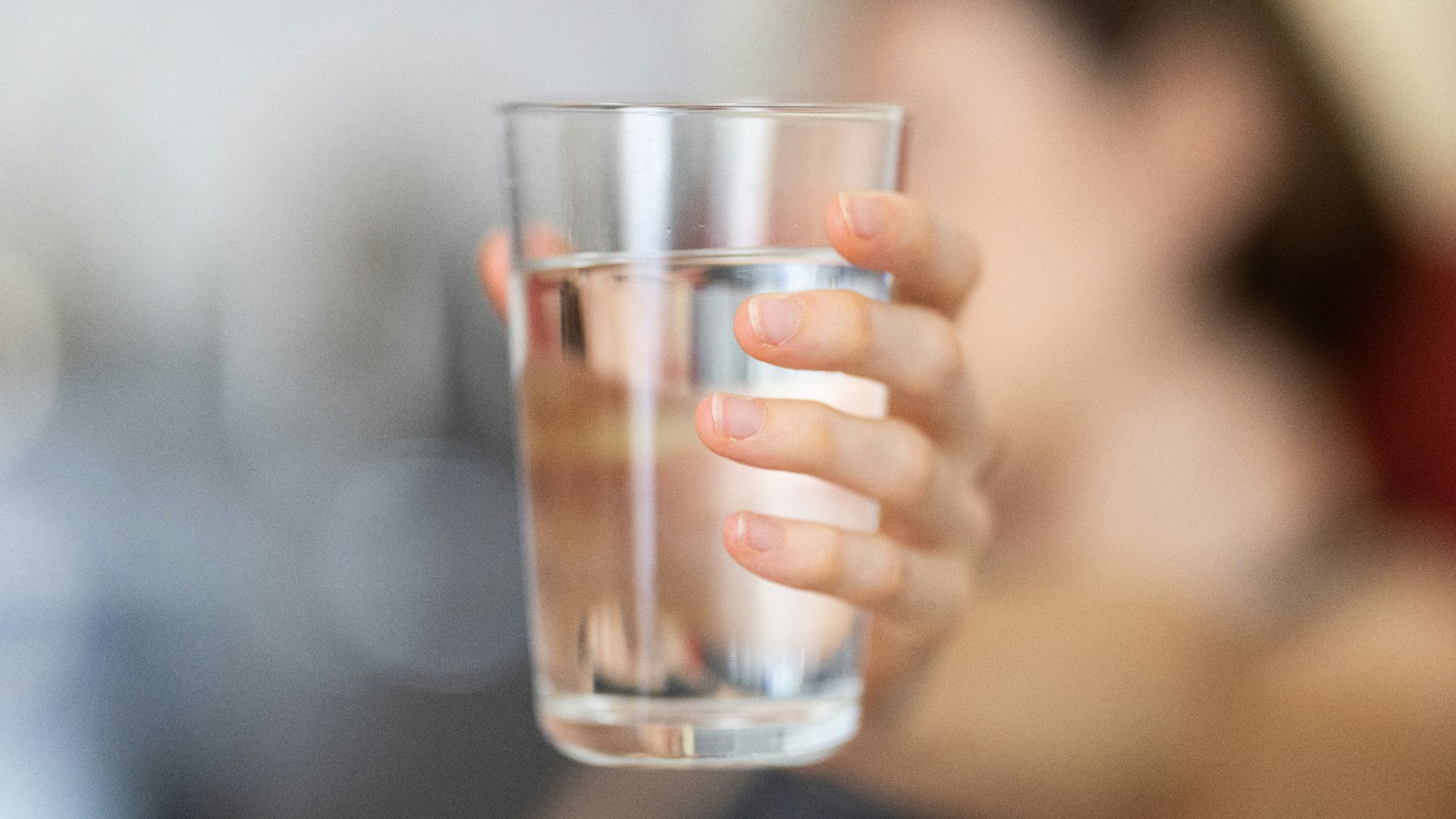
15. You're More Likely to Become Dehydrated
Most people think of dehydration as something that happens during scorching summer days, but winter can be just as sneaky. Cold weather may make you feel less thirsty, meaning you might not think to drink water even when your body needs it. Since older adults often have a naturally reduced sense of thirst, staying on top of your fluid intake is important regardless of the season.
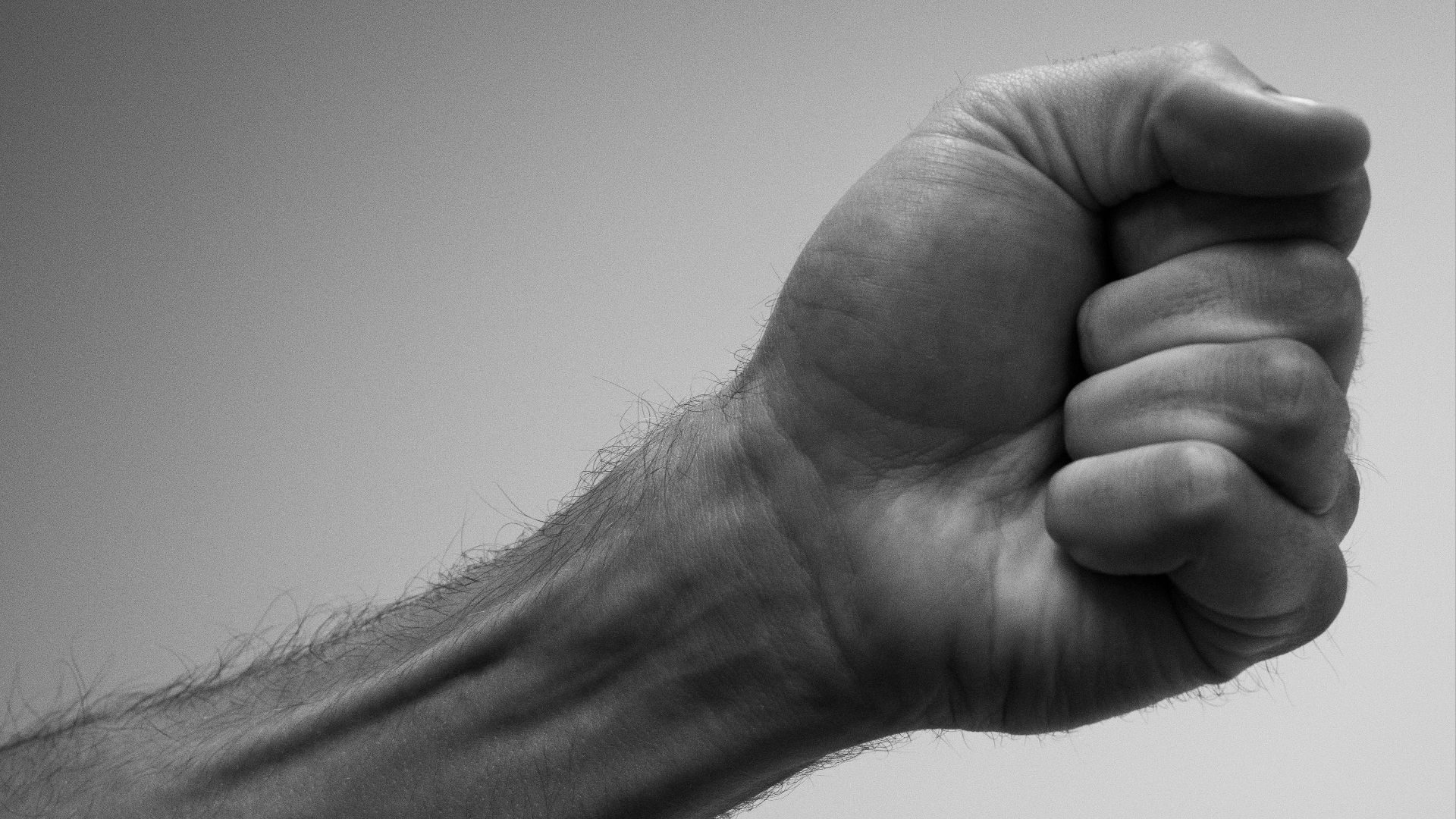
16. Your Hands May Become Less Flexible
Everyday tasks that require fine motor skills can become surprisingly frustrating when your hands are cold. Lower temperatures can temporarily affect finger flexibility and dexterity, making things like buttoning your coat, unlocking the front door, or picking up small objects more difficult. If you already have arthritis or reduced grip strength, you might notice these changes even more during winter.
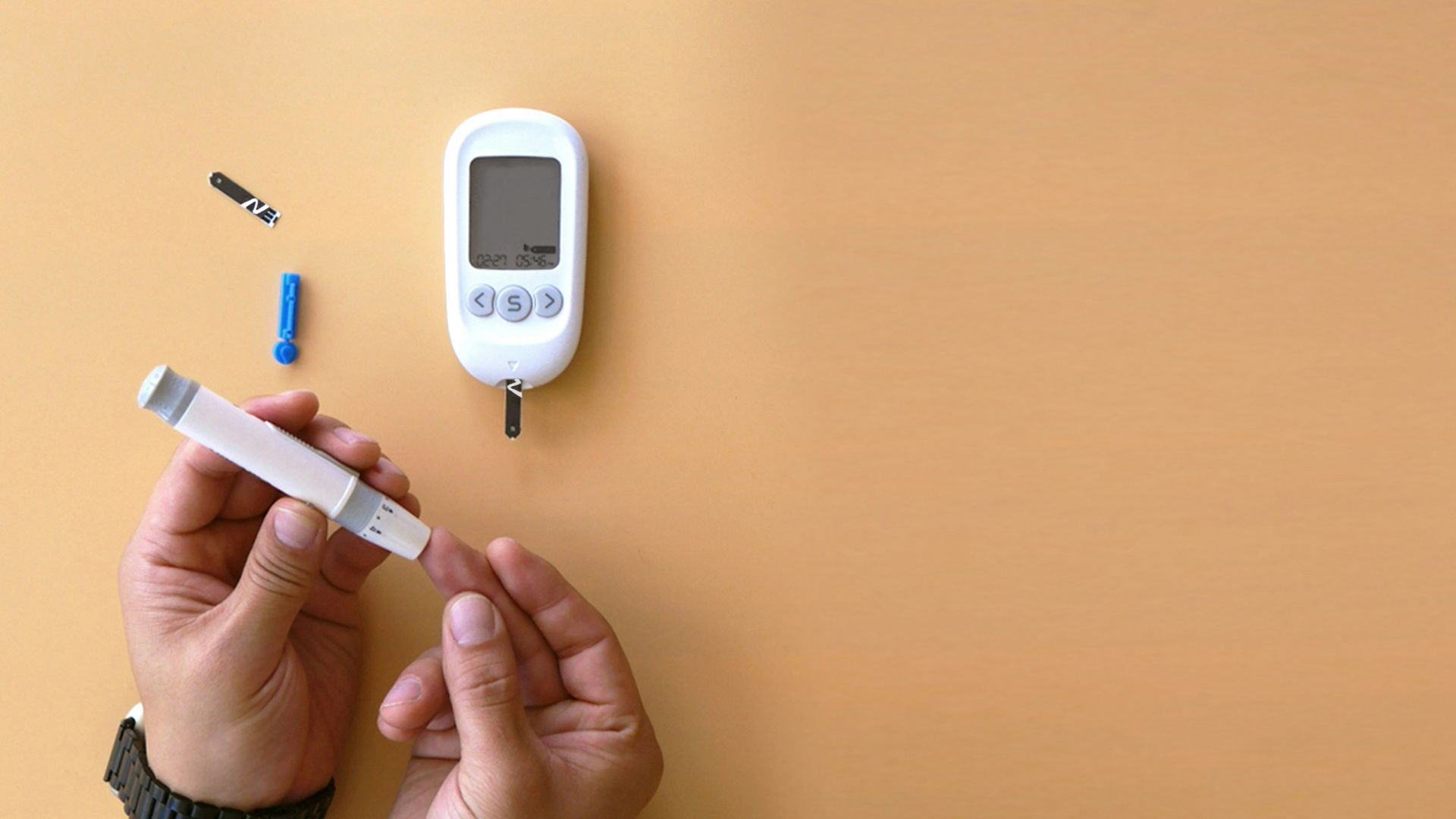
17. Your Blood Sugar Can Become Harder to Manage
For older adults with diabetes, winter can bring several challenges that make blood sugar management a little more complicated. Reduced exercise, changes in eating habits, seasonal illnesses, and certain medications can all affect glucose levels. Cold fingers can also make blood sugar testing more frustrating, so keeping up with your usual monitoring routine may take a bit of extra effort.
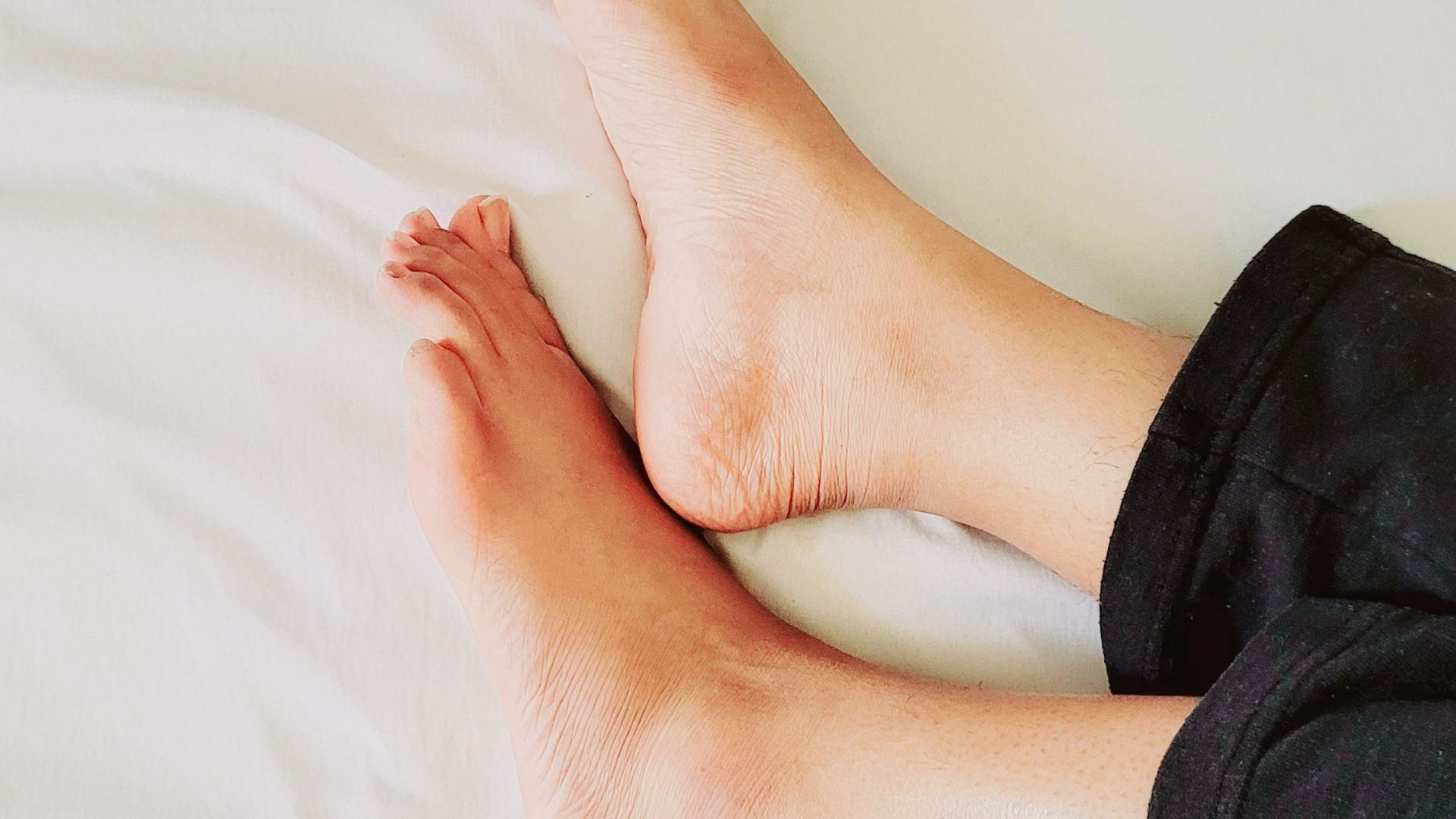
18. Your Digestion May Become More Sluggish
It's pretty common to become less active during winter, and unfortunately, that drop in movement can also affect your digestive system. Constipation is already more common among older adults because of medications, changes in bowel function, and other age-related factors. Add less exercise and inadequate water intake to the situation, and you might notice your digestion becoming a little less predictable during the colder months.

19. Your Feet May Develop More Problems
Winter footwear can cause some unexpected problems for aging feet, especially when thick socks and heavy boots fit a little too snugly. Constant pressure, trapped moisture, and poor ventilation can lead to blisters, irritated skin, and fungal infections. Older adults with diabetes or poor circulation should be particularly careful, since even a small foot injury can become serious if it goes unnoticed or untreated.
20. Your Recovery From Illness Can Take Longer
Bouncing back from a winter respiratory infection might take more time and energy than it did when you were younger. Age-related changes in immune function, combined with underlying medical conditions, can increase the risk of complications and make recovery more challenging. Even after the worst symptoms have passed, some older adults continue experiencing fatigue or reduced stamina, so it's important to ease back into your normal routine rather than rushing things.
KEEP ON READING

20 Things Your Body Is Secretly Doing Right Now