

When Your Busy Lifestyle Starts Catching Up With You
Between work responsibilities, family commitments, and an endless collection of everyday tasks, finding time to relax isn't always easy. Unfortunately, constantly pushing yourself without adequate rest can eventually affect your physical and mental well-being in ways you might not immediately recognize. Your body has several ways of signaling that something needs attention, from persistent tiredness to unexpected changes in your mood or appetite.

1. You're Constantly Feeling Exhausted
It's only natural to feel tired at times, of course. However, if you sleep well and still feel tired all the time, there could be various reasons. Too much stress and strain, not allowing yourself enough time to relax, or poor-quality sleep are just some examples.
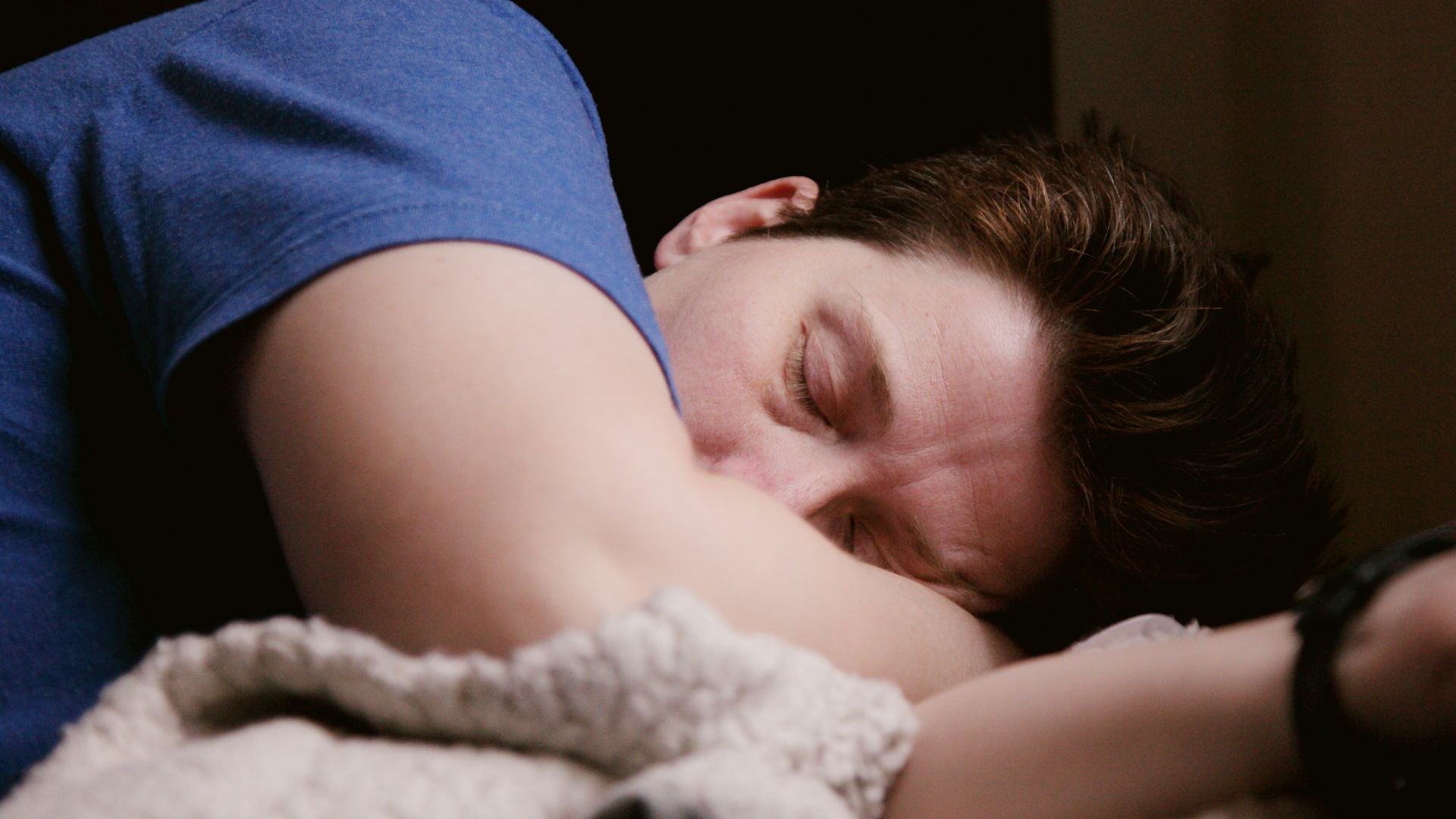
2. Your Sleep Schedule Is Becoming Unpredictable
You may have trouble falling asleep, often wake throughout the night, or go to bed at wildly different hours each night. All these can be due to stress and worrying about what you have to do the following day. Try to introduce some calming activities into the time leading up to bed, and avoid stimulating ones.
 Vladislav Muslakov on Unsplash
3. You're Getting Headaches More Frequently
There are a variety of reasons for headaches, some of which could be stress, dehydration, or a lack of or poor-quality sleep. Sitting for long periods, probably looking at a screen and perhaps hunched over, can also lead to headaches. Make sure you're drinking plenty of fluids, taking frequent short breaks, and sitting upright.

4. Small Problems Are Making You Irritable
Trifles will seem far more irritating than they'd usually warrant. Coworkers may annoy you more, you may be short-tempered with friends and family, and you may generally feel more irritable. As mentioned above, this can be a symptom of high levels of stress and a lack of sleep.

5. You're Having Trouble Concentrating
With a busy schedule, it's hard to concentrate to the standard you're normally capable of. Things you would normally have little trouble completing take longer, and you may reread paragraphs and pages multiple times. Allowing yourself stretches of time to focus, with some short breaks, may alleviate the problem.

6. Your Muscles Feel Constantly Tense
Your neck, shoulder, and back muscles may all be tight. Again, this could be due to stress, long periods of sitting down, or other activities. You may clench various muscle groups when feeling under pressure or concentrating hard on a task.

7. You're Catching Colds More Often
As mentioned, a lack of good-quality sleep and long-term stress can weaken the body's defenses against illness. There may, of course, be other reasons, so review other aspects of your life if this applies to you. Obviously, sleeping well, eating well, and allowing yourself time to relax and recover will go some way toward supporting healthy immune function.
 ANTONI SHKRABA production on Pexels
8. Your Appetite Has Changed Unexpectedly
As with the previous point, stress may lead to an increased or decreased appetite. You may find you skip meals if you're very busy and graze throughout the day, or vice versa. Obviously, try to eat sensible, regular meals, but if there is a significant or prolonged change, it would be wise to investigate.
 https://kaboompics.com/ on Pexels
9. You're Experiencing More Digestive Discomfort
Many people experience some form of stomach upset at times of stress, from general discomfort and a bloated feeling to nausea and increased or decreased bowel movements. It would, of course, be wrong to dismiss any continuing complaints simply on account of a busy schedule.

10. Your Motivation Has Suddenly Disappeared
You may not want to do things you would normally enjoy, whether they be sports, social evenings out, or any number of other activities. Naturally, if you are extremely tired, you may want to avoid any further exertion and leave as much as possible until another day. However, a continued lack of desire to do things may also be a symptom of depression.
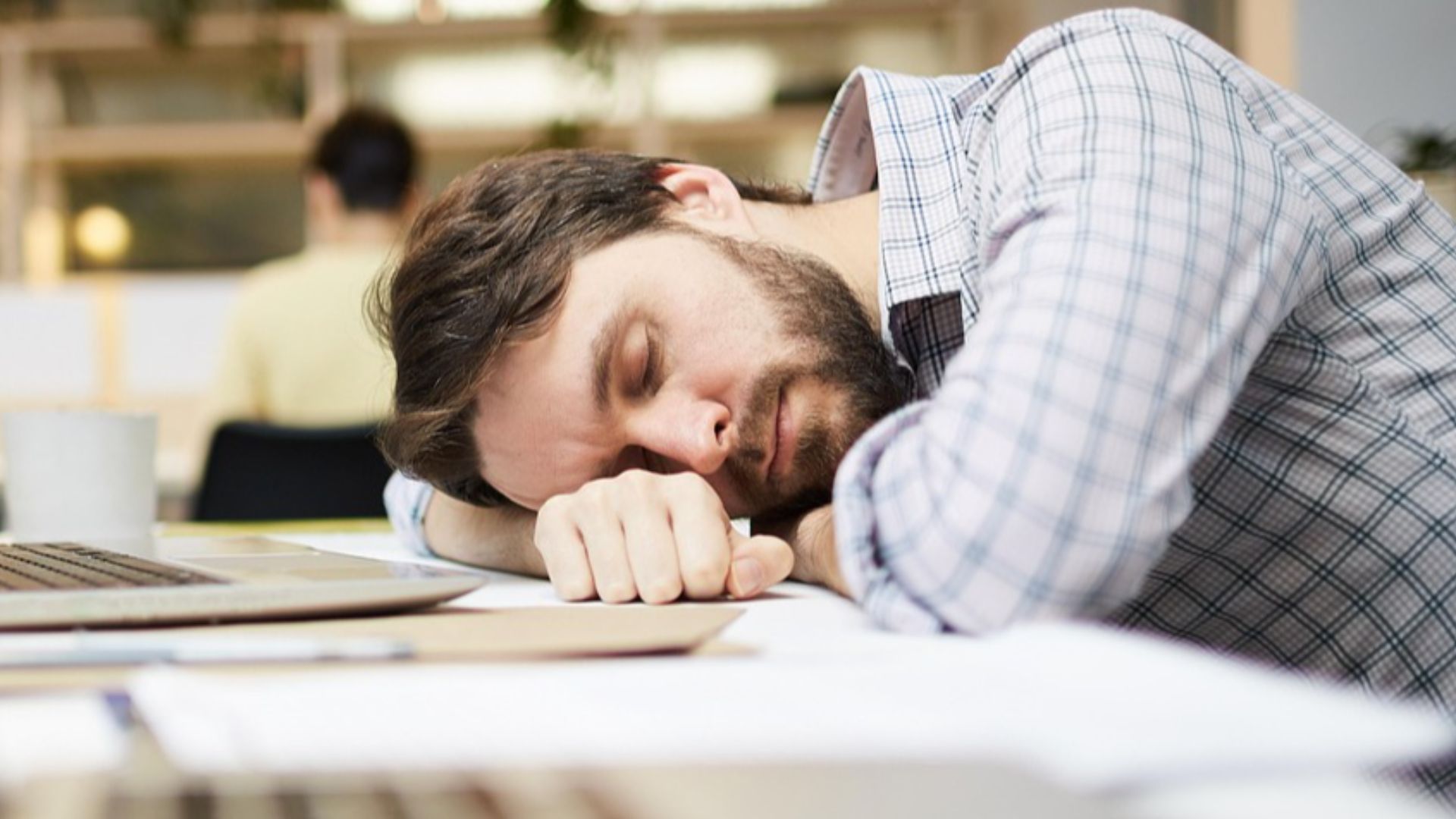
11. You're Relying on Caffeine to Get Through the Day
One or two cups of coffee can sharpen your awareness, but if you're continually drinking more and more throughout the day, you may not be sleeping sufficiently. Excessive amounts or consumption throughout the afternoon and evening can obviously have an effect on the quality of your sleep. If you can't imagine functioning without several caffeinated drinks, consider whether your sleep schedule needs more attention.

12. Your Heart Seems to Race During Stressful Moments
It's natural to experience an increased pulse rate under certain circumstances, such as hurrying to be somewhere or being under stress. If this is occurring frequently or seemingly without reason, you should consult a doctor. Frequent or unexplained palpitations should be medically evaluated, especially if they're accompanied by chest pain, fainting, or shortness of breath, which can require urgent care.
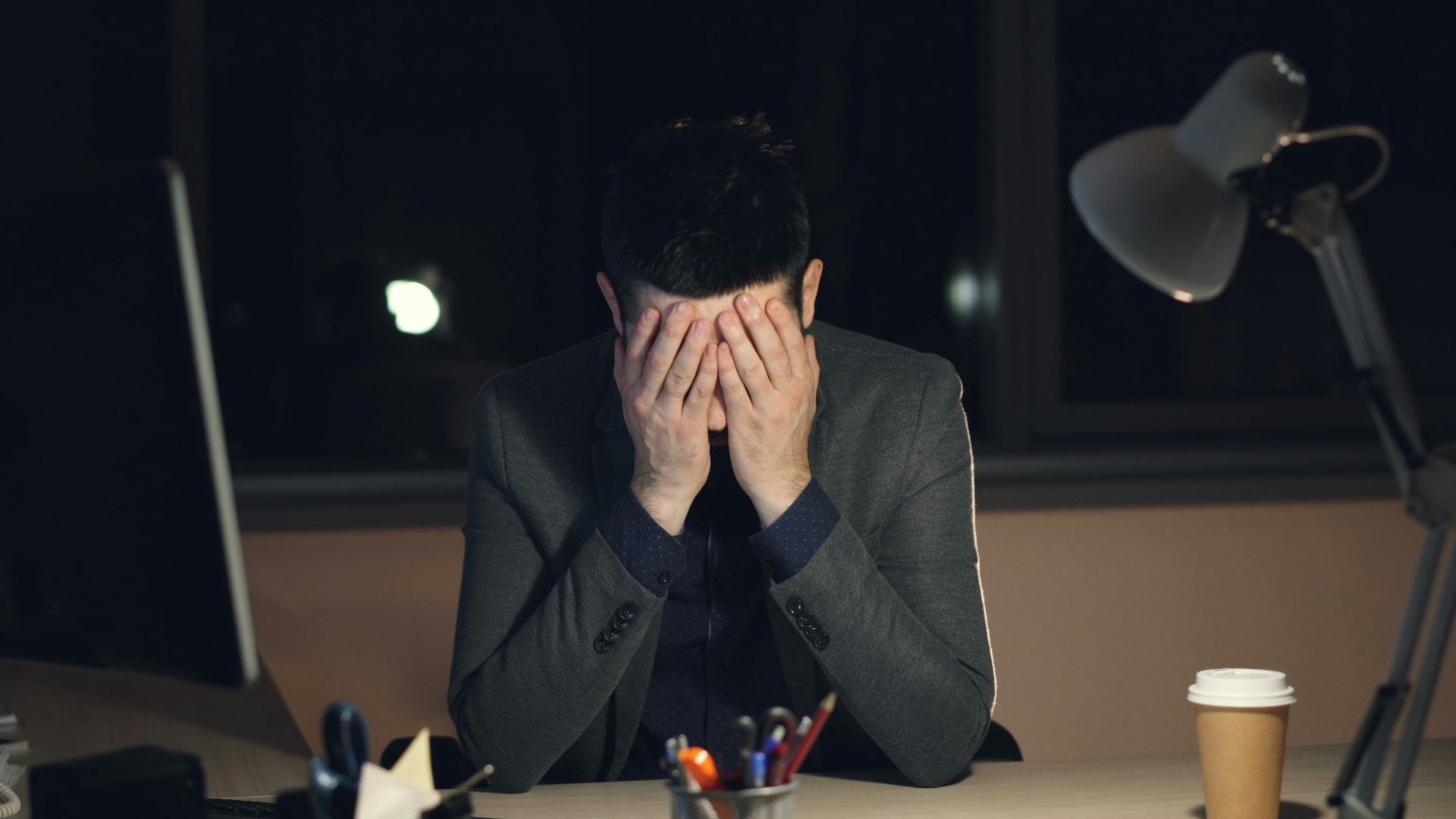
13. You're Making More Mistakes Than Usual
A lack of sleep and concentration will mean you are more prone to making mistakes. Forgetting to turn up to events or appointments, leaving items in odd places around your house, and forgetting other details are some examples. You'd be better advised to ensure you're getting enough good-quality sleep and perhaps scale back on some of your other activities.

14. Your Skin Is Acting Differently
Many skin ailments, such as spots, eczema, and psoriasis, can all become worse in times of stress. Naturally, any alteration to sleep patterns, routines, diet, etc., could also affect your skin. So, it may pay to take stock of any recent changes, but see a doctor if problems persist.

15. You're Feeling Overwhelmed by Ordinary Responsibilities
You may have numerous things to fit in each day, which individually may be perfectly achievable. However, with little or no time to recover, they can all start to mount up and become an onerous burden. Simple chores, like going to the shops, reading and replying to emails, and cooking, can all become more onerous.

16. Your Exercise Performance Is Declining
If you're fairly active on a regular basis, overworking yourself can lead to decreased performance. Workouts may take more effort, aches may linger, and you may have a decreased desire to exercise. More frequent and prolonged periods of rest and adequate sleep should help alleviate these symptoms.

17. You're Having Difficulty Relaxing
Many people, once they get into a pattern of busyness, actually find it hard to sit still and relax. You may continually look at work emails or spend "free" time considering other jobs that need completing. Obviously, there are many ways to relax, and you should try to draw some lines between your working life and the rest of your life.

18. Your Social Life Is Starting to Suffer
If you're feeling tired all the time, you may find that seeing other people becomes too much of an effort. So, you cancel engagements, don't return calls, and generally avoid others. There are obviously times when all individuals wish to be left alone, but continually avoiding others may suggest high levels of stress or other problems.

19. You're Experiencing Unexplained Changes in Weight
Many factors can play a part here, including those previously discussed, such as the amount and type of food consumed, sleep, exercise, and stress. You may eat more or less or be less inclined to move around as normal. Significant or unexplained weight changes should be evaluated by a healthcare professional because they can also result from underlying medical conditions.

20. You Never Feel Completely Rested
Perhaps the clearest indication that your current routine needs attention is the persistent feeling that you never have enough time to recover. Even after a weekend off, you might return to your responsibilities feeling almost as tired as before. If this pattern continues despite adequate sleep and reasonable lifestyle adjustments, seeking medical advice can help identify whether stress, a sleep disorder, or another health issue is contributing to your exhaustion.