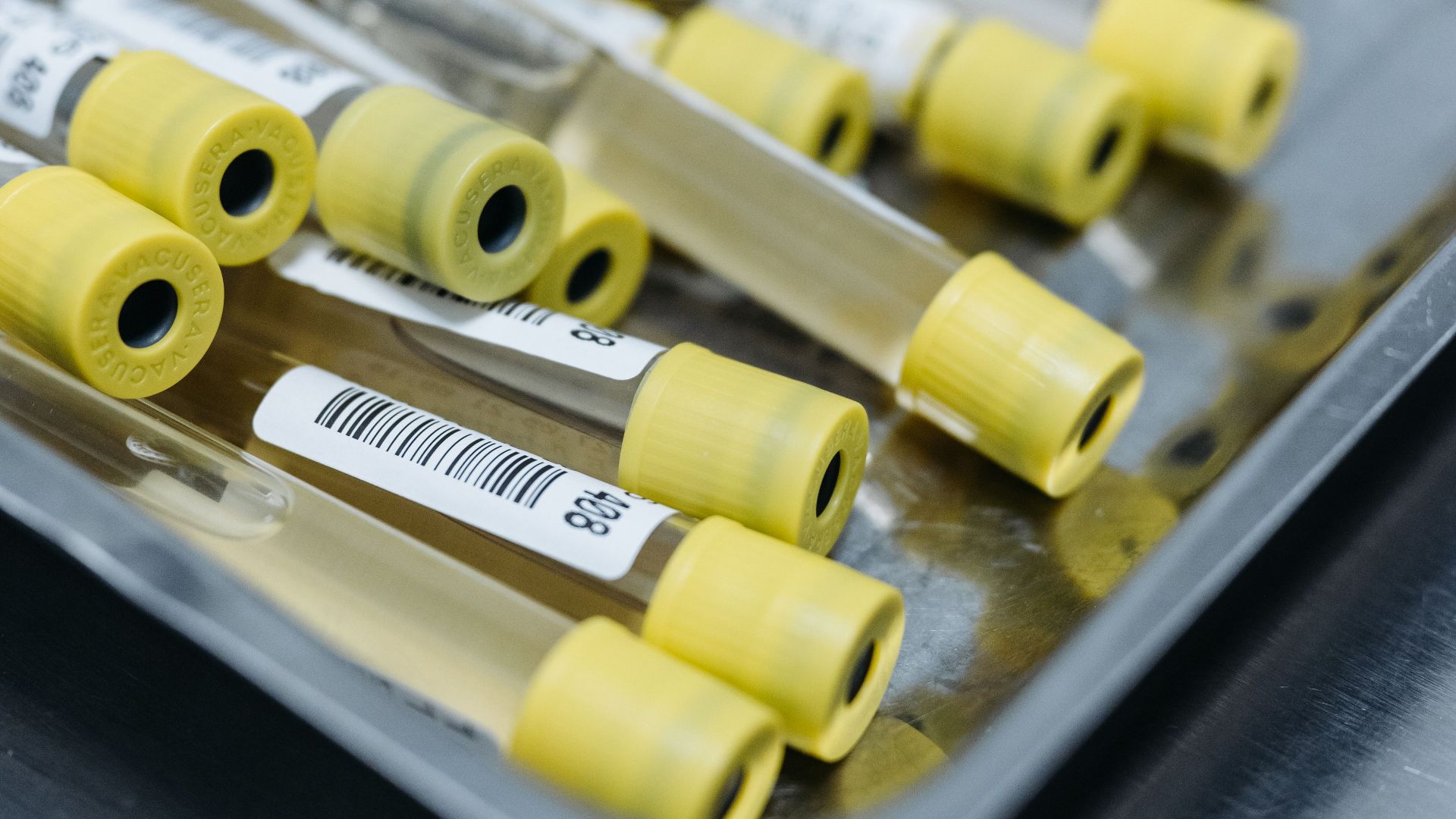

Everything Else Moving Around In There
Blood gets most of the attention, partly because it's hard to ignore when it leaves the body. But there are plenty of other fluids doing important work inside you, some in much larger quantities than blood. They keep your joints moving, protect delicate organs, and handle jobs you probably never think about. Most go completely unnoticed unless something goes wrong. Here are 20 bodily fluids that deserve a little more attention.

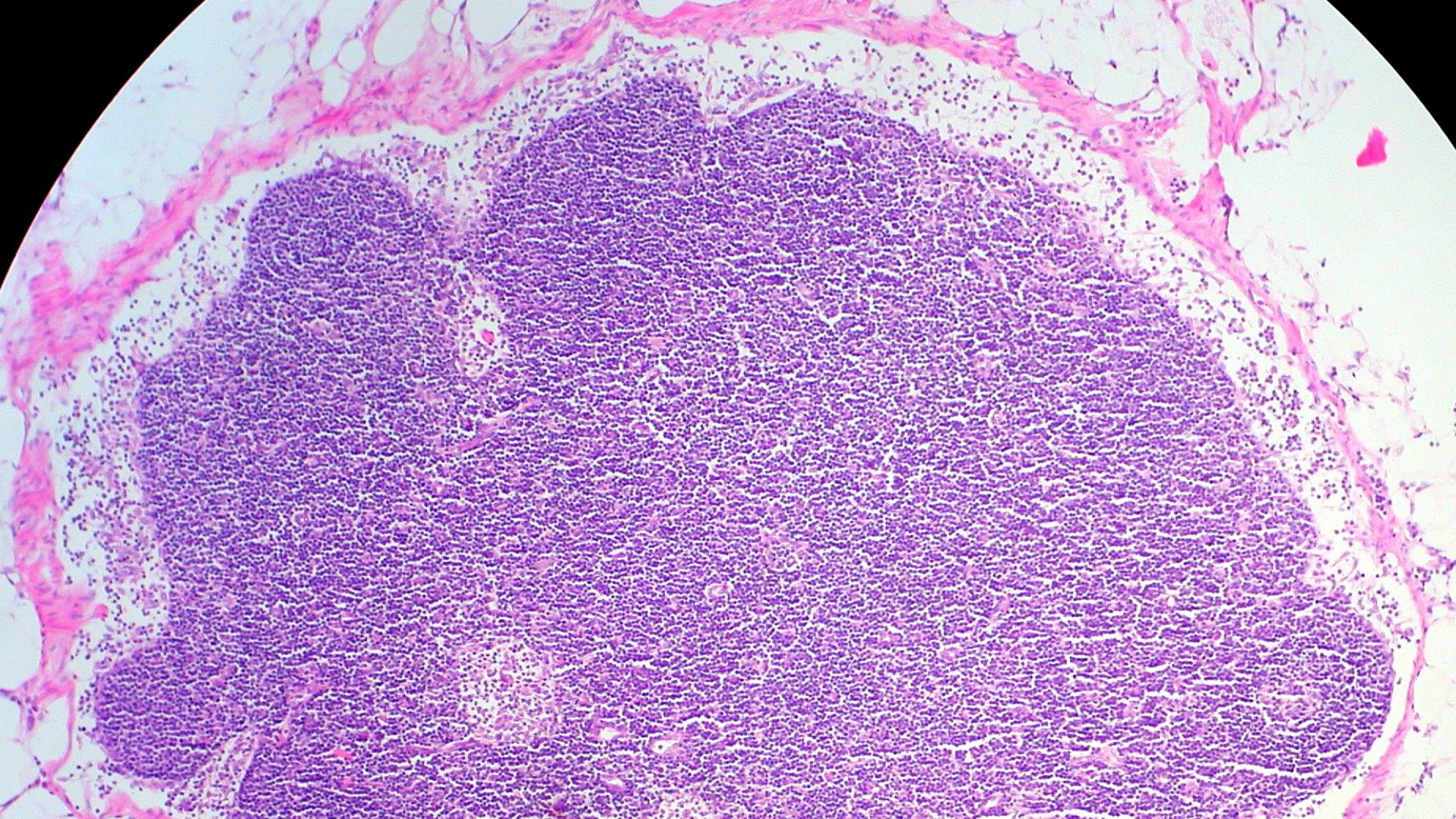
1. Lymph
Around twenty liters of fluid leaks out of your capillaries every day. Seventeen get sucked straight back in. The other three are stranded in your tissues. Lymph is what collects them and returns them to your veins near the collarbones. No heart drives any of it. The vessels squeeze themselves, six to twelve times a minute.
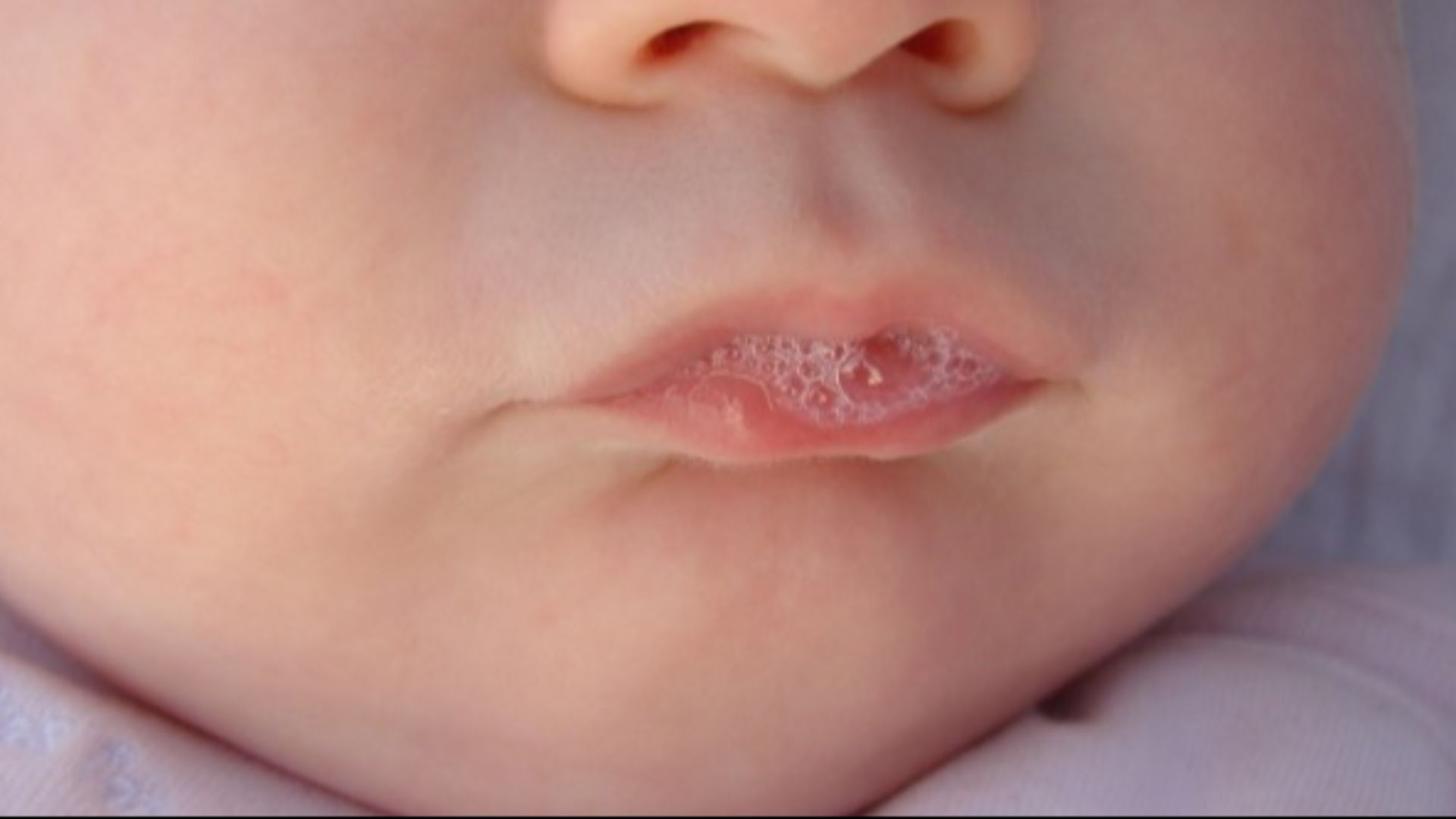
2. Saliva
Well past a liter of saliva passes through your mouth daily, out of three pairs of glands. It's almost all water, but it carries amylase to start on starch and enough calcium and phosphate to help put minerals back into tooth enamel. Your teeth are getting repaired between meals. You only notice the stuff when it stops.
3. Cerebrospinal Fluid
Your brain and spinal cord are surrounded by about 150 milliliters of cerebrospinal fluid, and your body produces roughly 500 milliliters of it every day. That means the fluid gets replaced three or four times daily. It also makes your brain effectively lighter. A brain that weighs 1,400 grams outside the body puts only about 50 grams of pressure on its supporting structures while floating in the fluid.
4. Synovial Fluid
There's surprisingly little synovial fluid in your joints. A healthy knee holds less than 3.5 milliliters, not even a teaspoon. The fluid changes thickness as you move, thinning under faster movement and becoming more viscous at rest. When you crack a knuckle, the joint surfaces pull apart, pressure drops, and a gas-filled cavity suddenly forms with a pop.
 Funkcinės Terapijos Centras on Pexels
5. Gastric Juice
Your stomach produces around 2.5 liters of gastric juice a day, with acid that can reach a pH of 1.5, making it more acidic than lemon juice. A protective layer of mucus and bicarbonate keeps that acid from damaging the stomach lining. When that protection breaks down, the acid can damage the tissue underneath and contribute to ulcers.

6. Aqueous Humor
The front of your eye holds just 250 microliters of aqueous humor, a clear fluid that gets replaced roughly every 100 minutes. Your eye produces two or three microliters a minute, slowing to about half that rate while you sleep. The fluid nourishes the cornea and lens, which have no blood supply of their own. When drainage can't keep up, pressure can rise and damage the optic nerve, as happens in many cases of glaucoma.

7. Interstitial Fluid
The fluid sitting in the spaces between your cells outweighs your whole blood supply several times over. Nothing reaches a cell without crossing it first. Capillaries don't touch most of your cells directly, so oxygen and nutrients make the last leg of the trip by diffusion through this fluid alone.
8. Bile
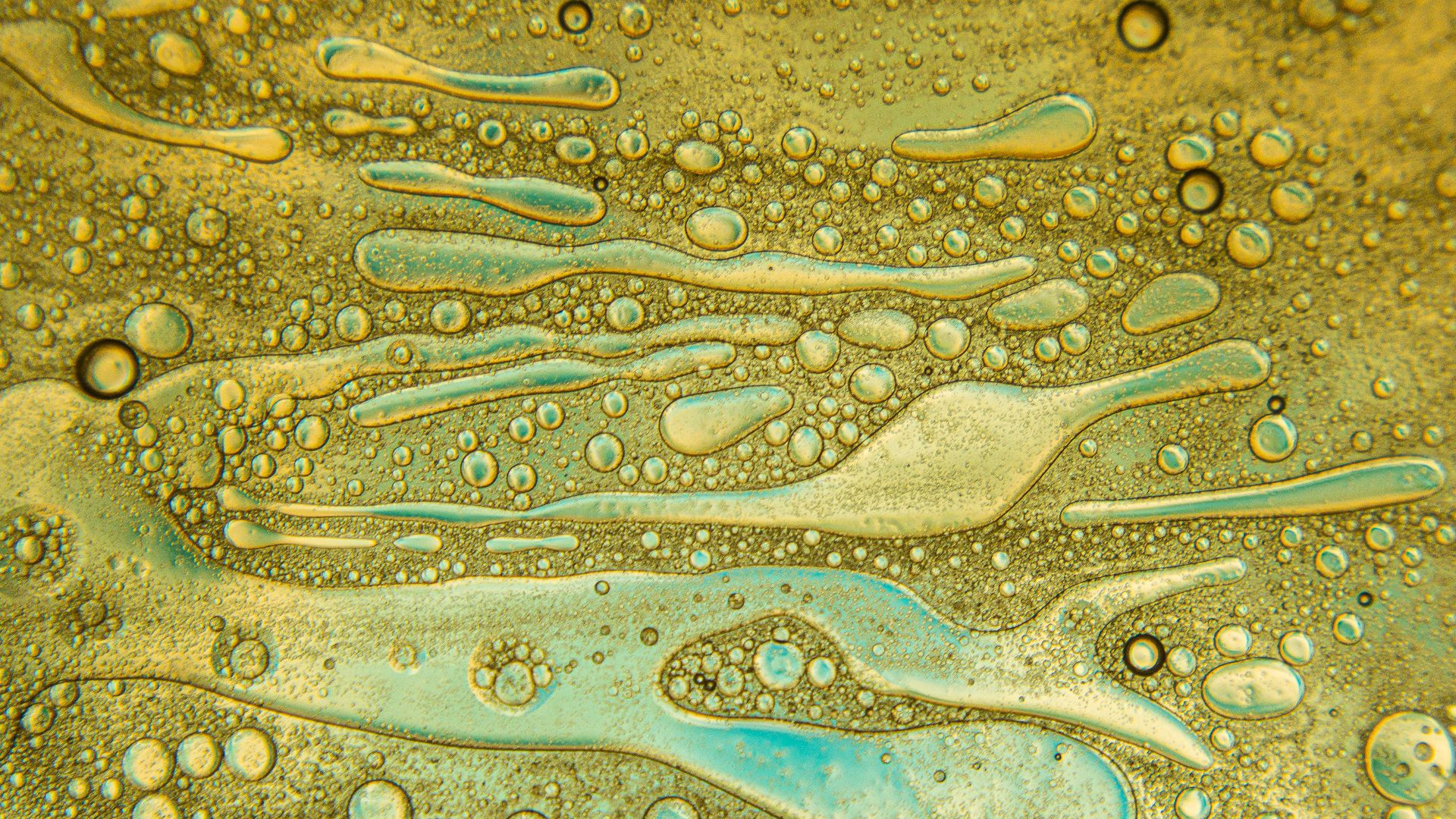
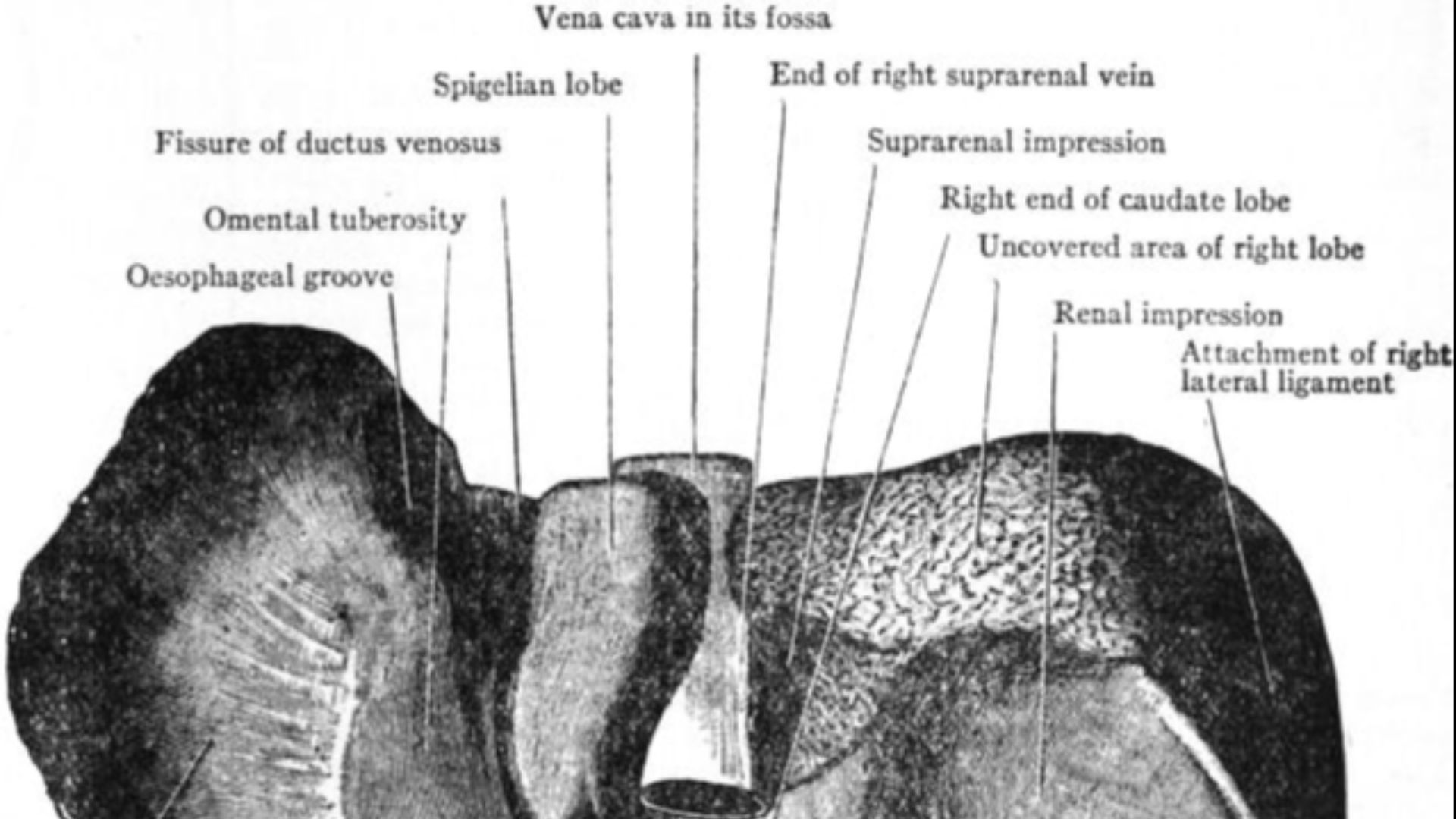
The liver manages roughly 500 milliliters of bile a day. It's alkaline, around pH 7.5 to 8. Its job is emulsifying fat so enzymes can get at it. The gallbladder concentrates and stores it between meals. Most of the bile salts get reabsorbed downstream and sent back to the liver to go round again.
 AnonymousUnknown author on Wikimedia
9. Tear Film
Tears aren't one fluid but three layers. Oil on the outside, water in the middle, mucus against the eye. The oil keeps the water from evaporating off. Blinking resurfaces the lot. The film is only a few microns thick. The crying kind are chemically different from the kind that just keeps your cornea wet.
 https://kaboompics.com/ on Pexels
10. Airway Mucus
Your airways are lined with mucus that gets moved steadily upward by millions of tiny beating hairs. The system has a name, the mucociliary escalator. Dust and bacteria land on it and get carried up to your throat, where you swallow them without noticing. Smoking paralyzes the hairs. That's where the cough comes from.

11. Pancreatic Juice
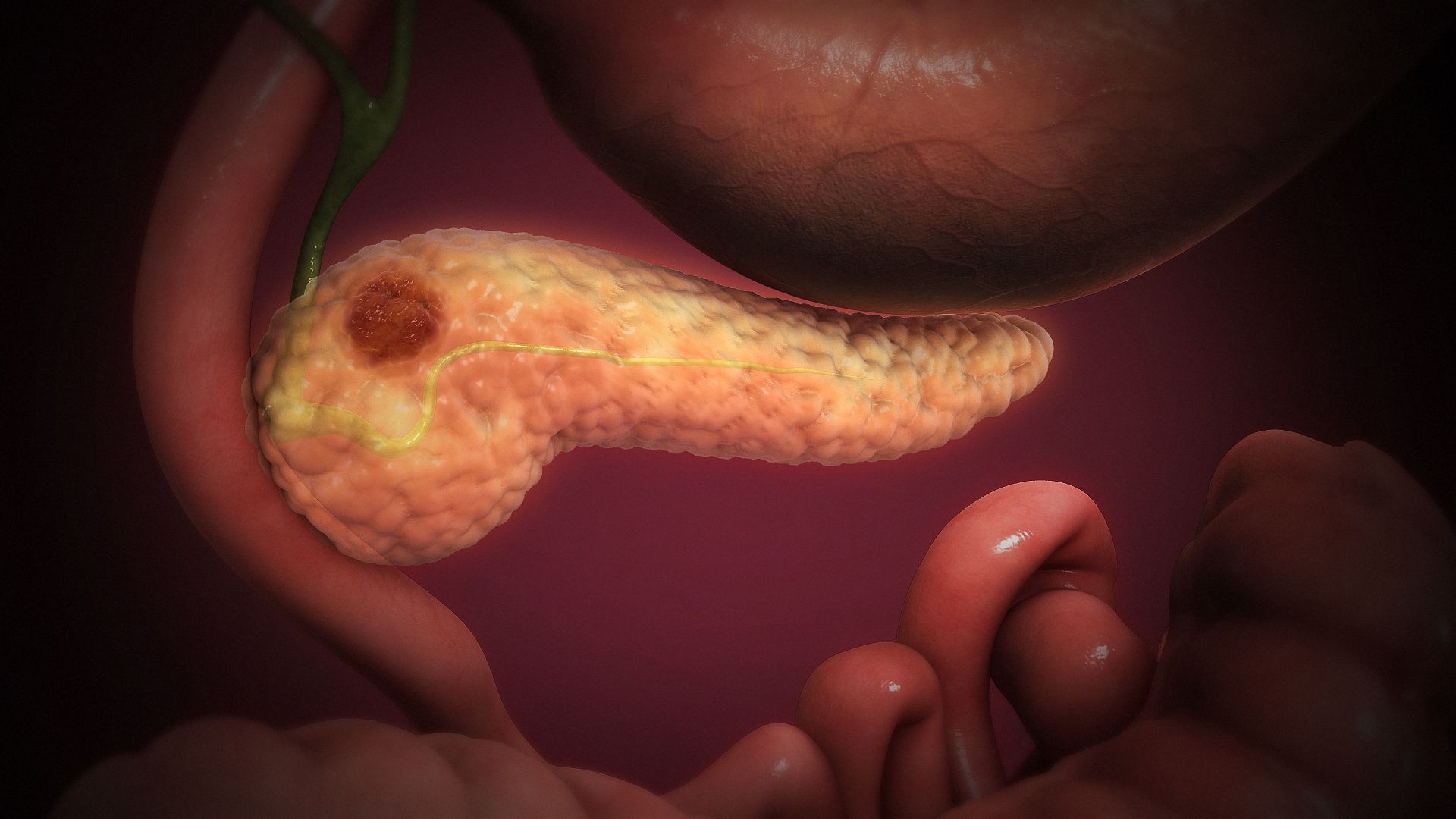
Around 1.5 liters of pancreatic juice goes into your small intestine daily, loaded with enzymes and a lot of bicarbonate. The bicarbonate is there to neutralize stomach acid so the enzymes can work. The enzymes themselves arrive switched off. They only activate once they're in the intestine, which keeps the pancreas from digesting itself.
 Scientific Animations Inc. on Wikimedia
12. Endolymph
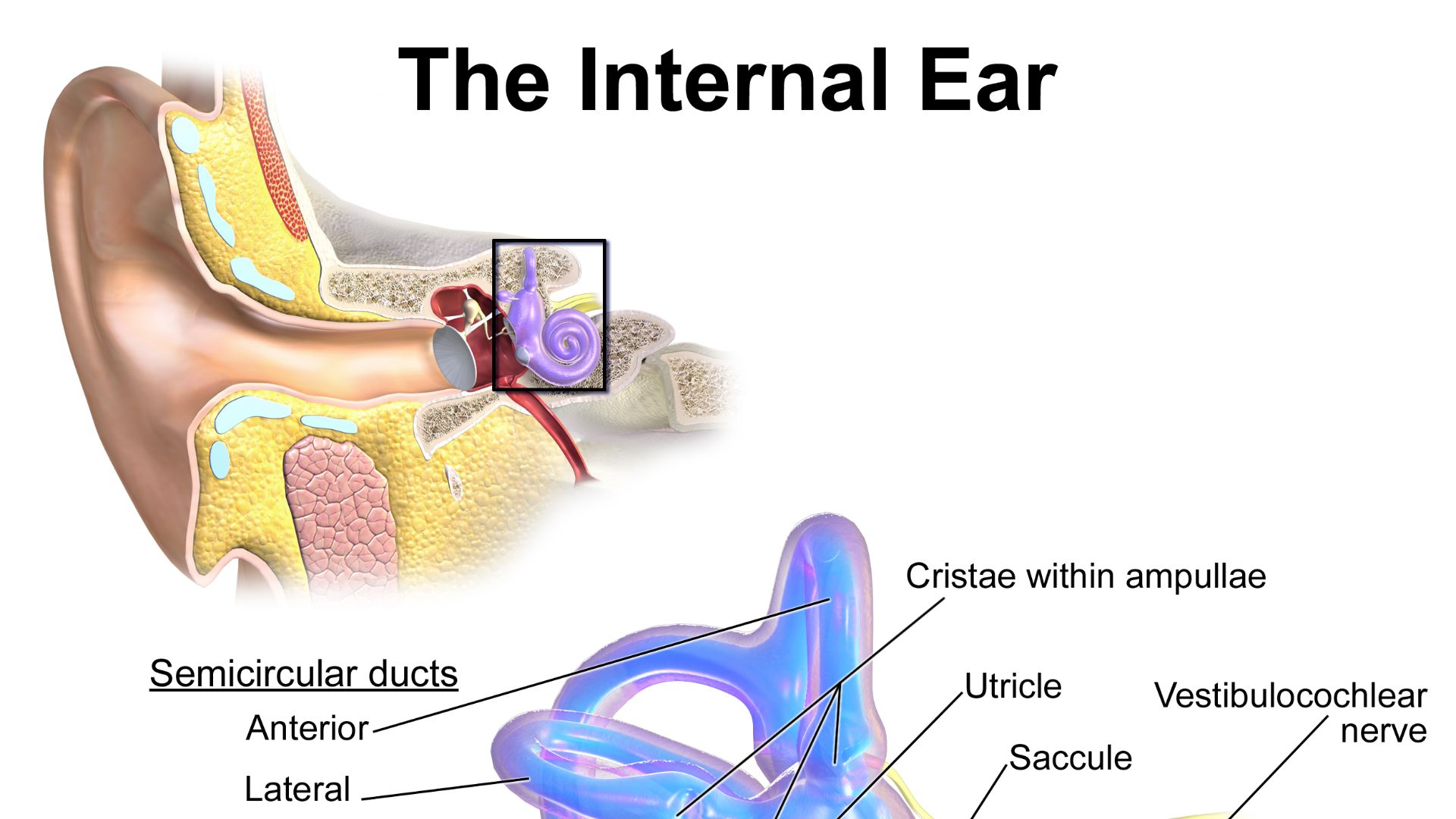
Deep in your inner ear sits a set of looping tubes filled with fluid. When your head turns, the fluid lags behind and bends tiny hair cells. That's how you know you moved. Spin and stop quickly and the fluid keeps going. That mismatch is dizziness, and your eyes get dragged into it too.
 BruceBlaus. When using this image in external sources it can be cited as: Blausen.com staff (2014).
13. Sweat
Sweat is mostly water with some salt in it, and you can lose a liter an hour working hard in heat. The cooling comes from evaporation rather than from the liquid itself, so humid air makes it useless. Humans are unusual in sweating this much. Most mammals pant instead. Palms and soles carry the densest glands.

14. Chyle
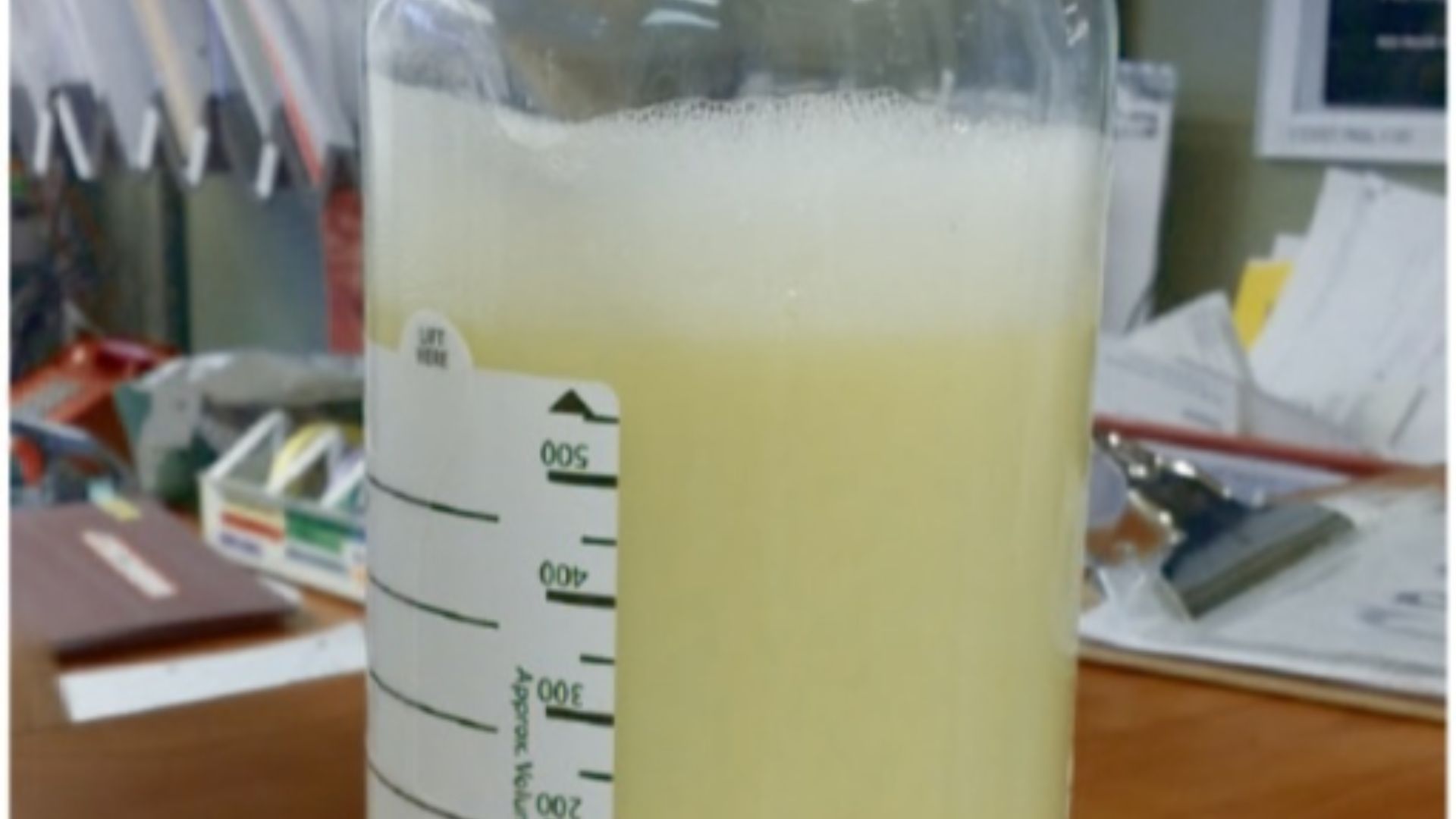
Fat from a meal takes a detour instead of going straight into the blood. It gets packaged up and absorbed into lymph vessels in the intestinal wall, which turns the lymph milky white instead of clear. That milky fluid is chyle, and it travels up through the chest before joining the bloodstream near your collarbone.
 Matani S, Pierce JR on Wikimedia
15. Lung Surfactant
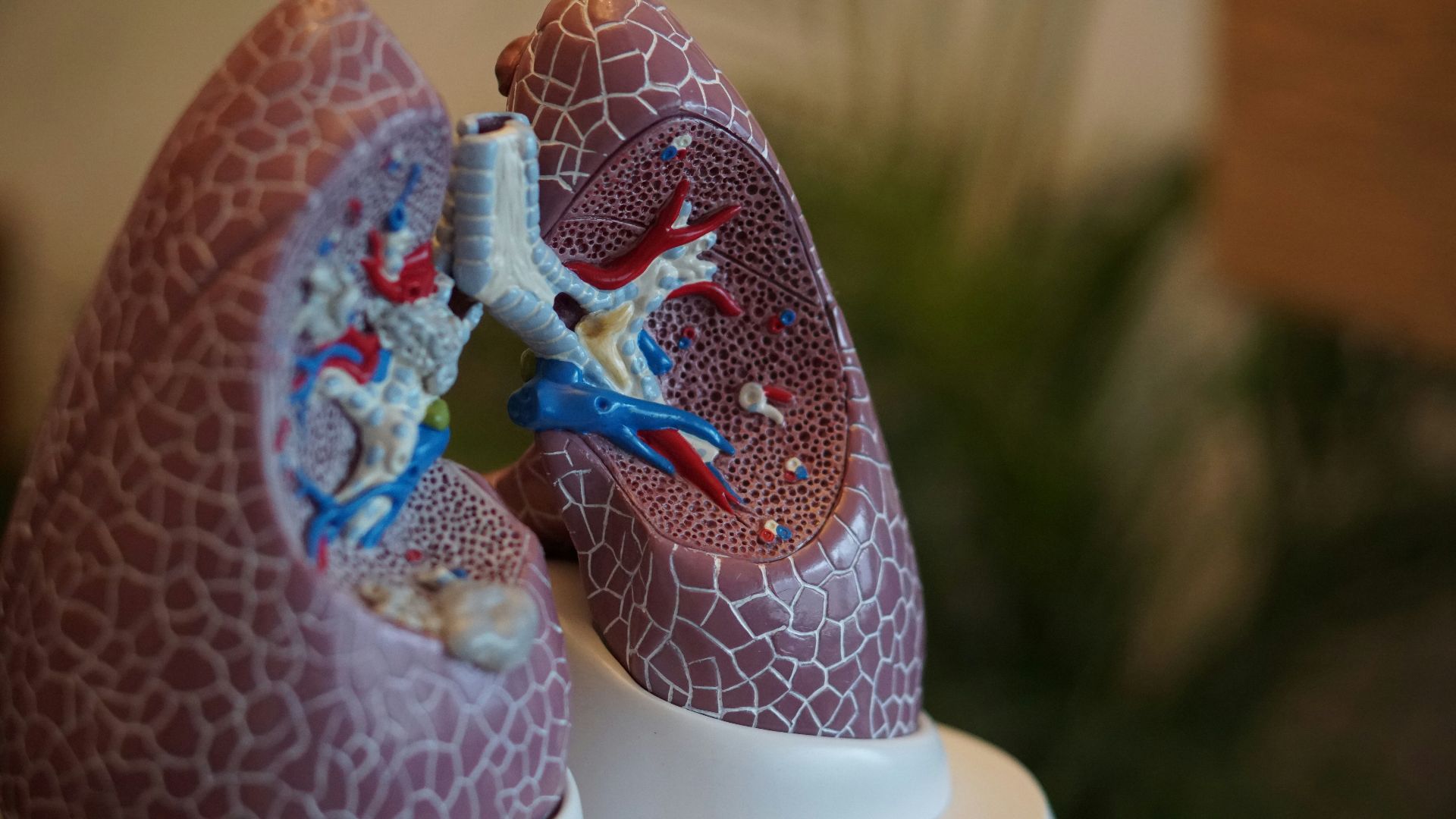
The inside of a lung is wet, and wet surfaces want to stick shut. Surfactant is the soapy film that lowers the surface tension and keeps the air sacs from collapsing on every exhale. Premature babies sometimes can't make enough of it yet. Giving it to them directly is one of the quieter wins of modern medicine.
16. Earwax
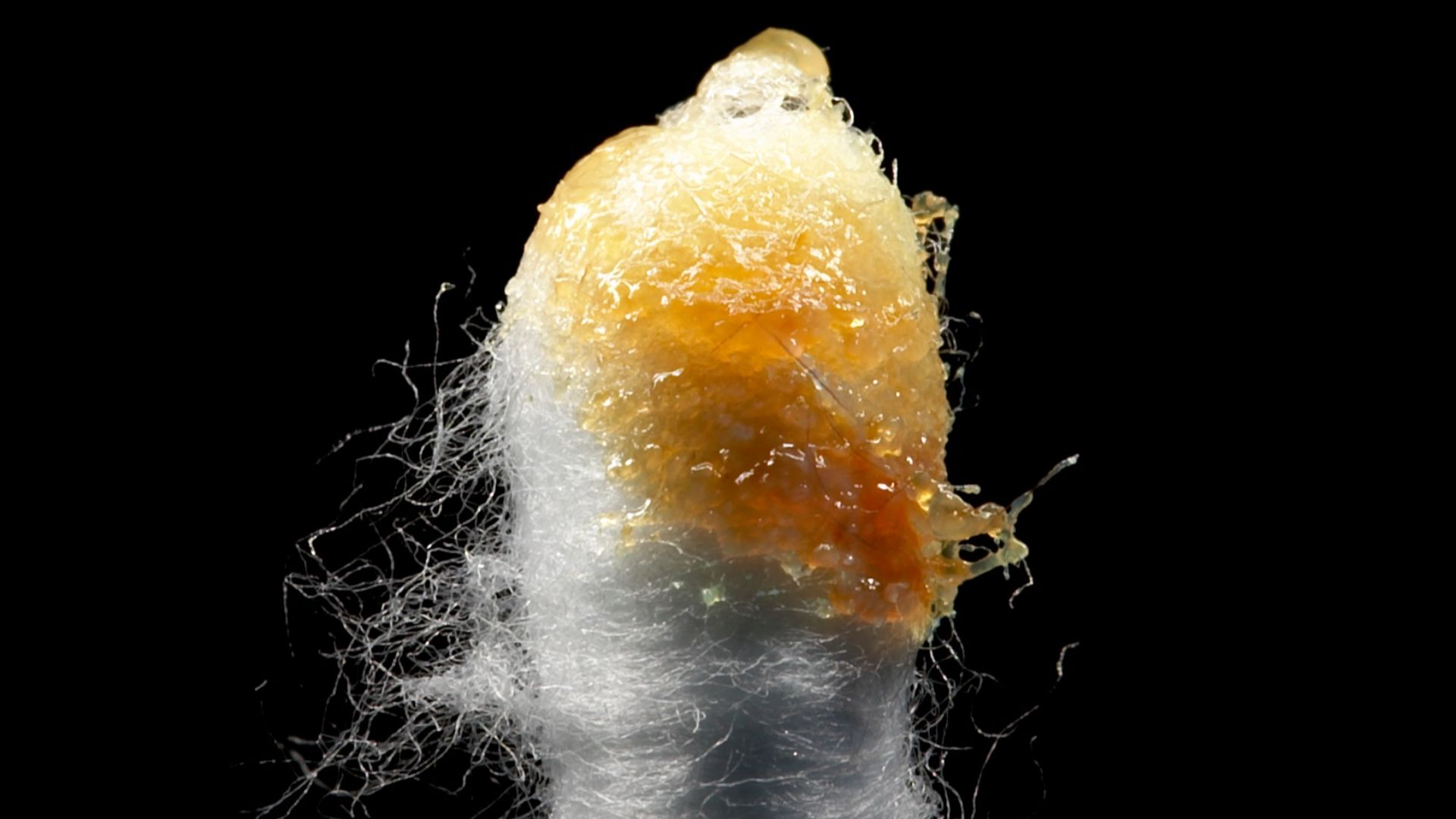
Earwax is a mix of gland secretions and dead skin, and your ears have their own way of getting rid of it. Skin inside the ear canal slowly moves outward, carrying wax with it like a conveyor belt. That's why cotton swabs often do more harm than good, pushing wax deeper instead of removing it. Whether your earwax is dry or wet is largely determined by genetics.
 Gregory F. Maxwell <[email protected]> PGP:0xB0413BFA on Wikimedia
17. Pleural Fluid
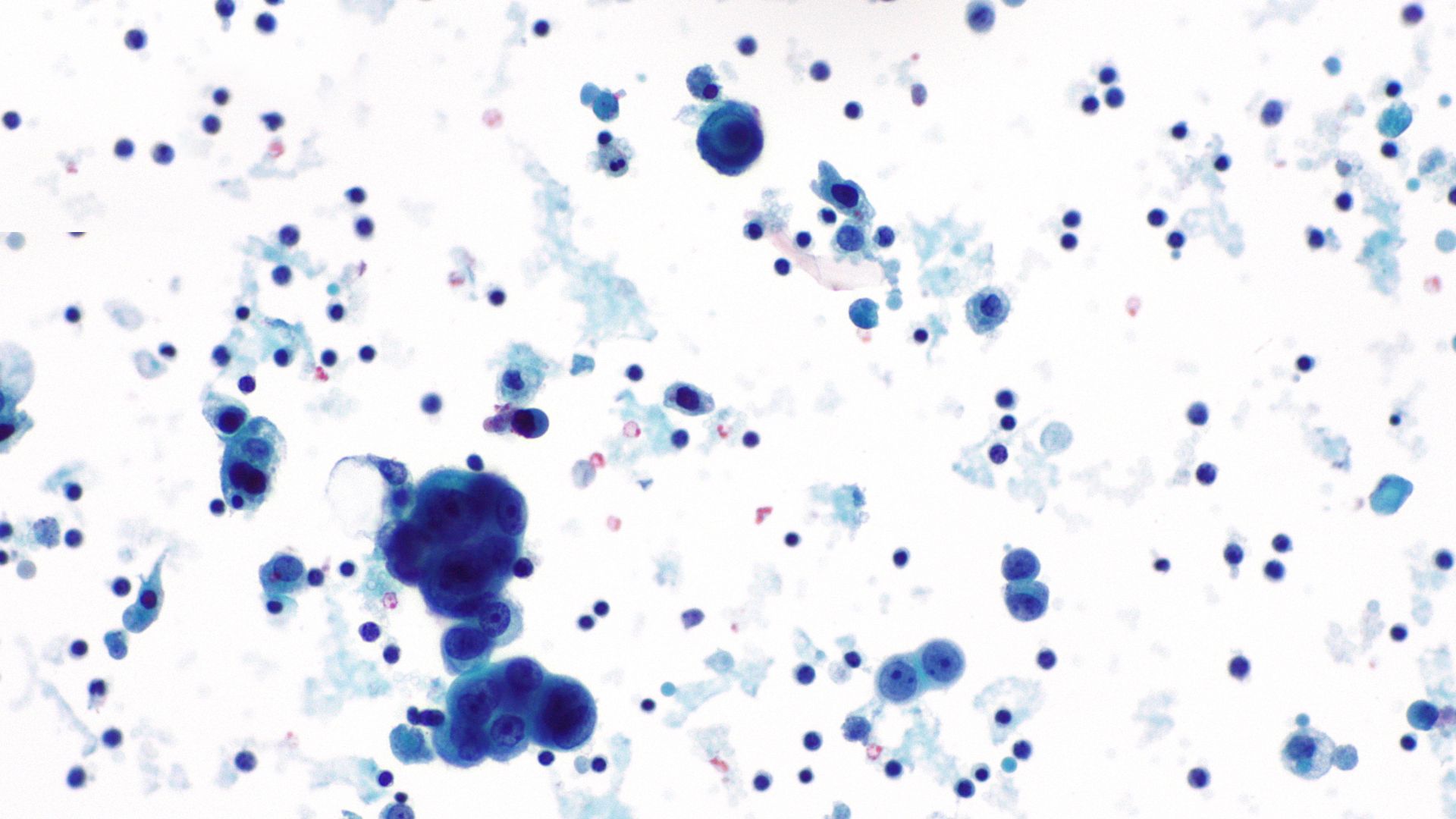
Between your lungs and your chest wall there's a film of fluid measuring maybe ten to twenty milliliters. That's it, for the whole chest. It lets the surfaces glide over each other while holding them together, the way two wet panes of glass are hard to pull apart. New fluid arrives constantly. Old fluid gets drained.
18. Sebum
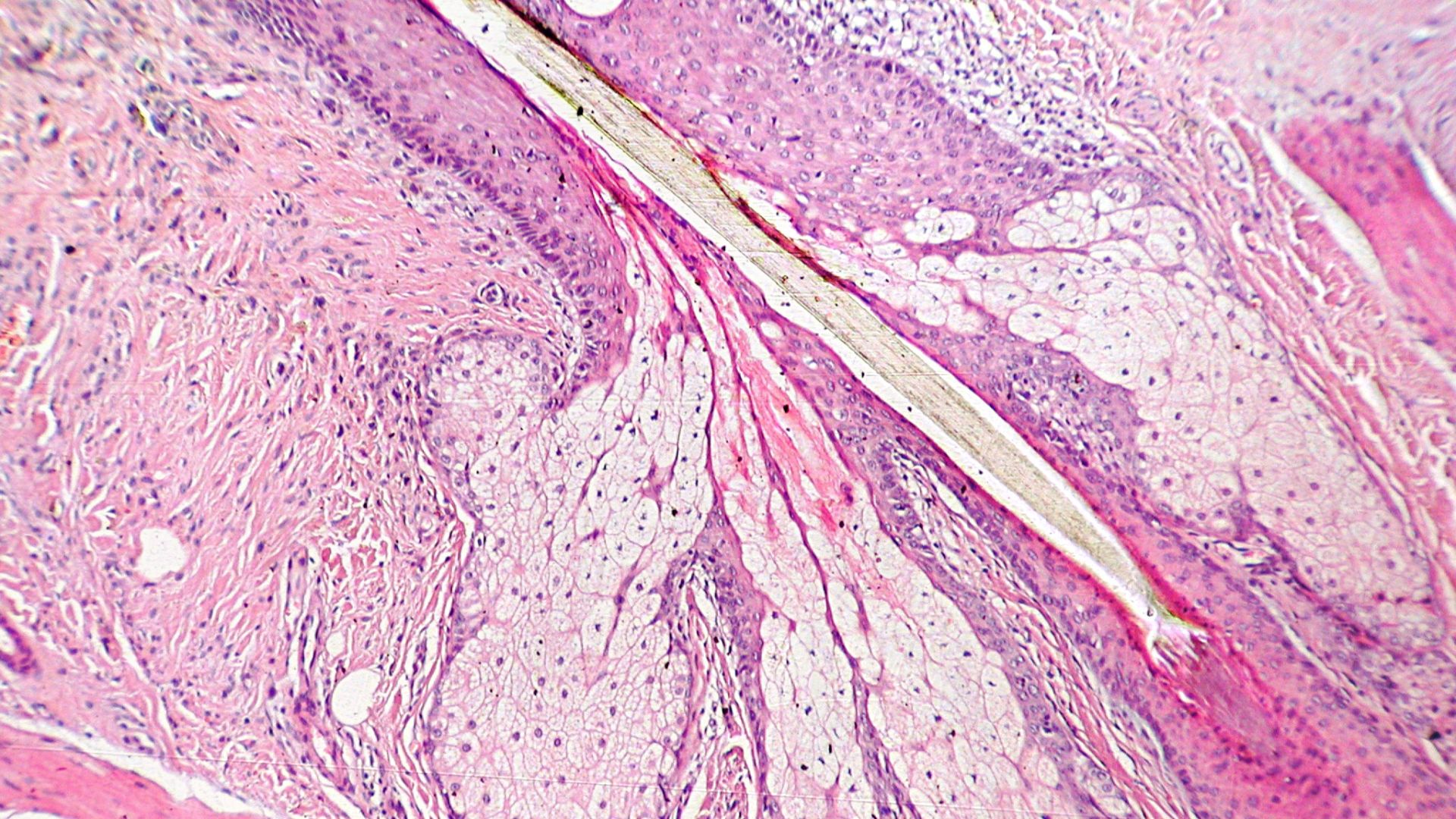
Sebum is the oil your skin makes, pushed out through the same openings your hairs come from. It waterproofs you and leaves the outer layer supple. Output tracks hormones, so it ramps up at puberty and acne arrives on the same schedule. Your face produces a great deal more of it than your shins do.
19. Pericardial Fluid
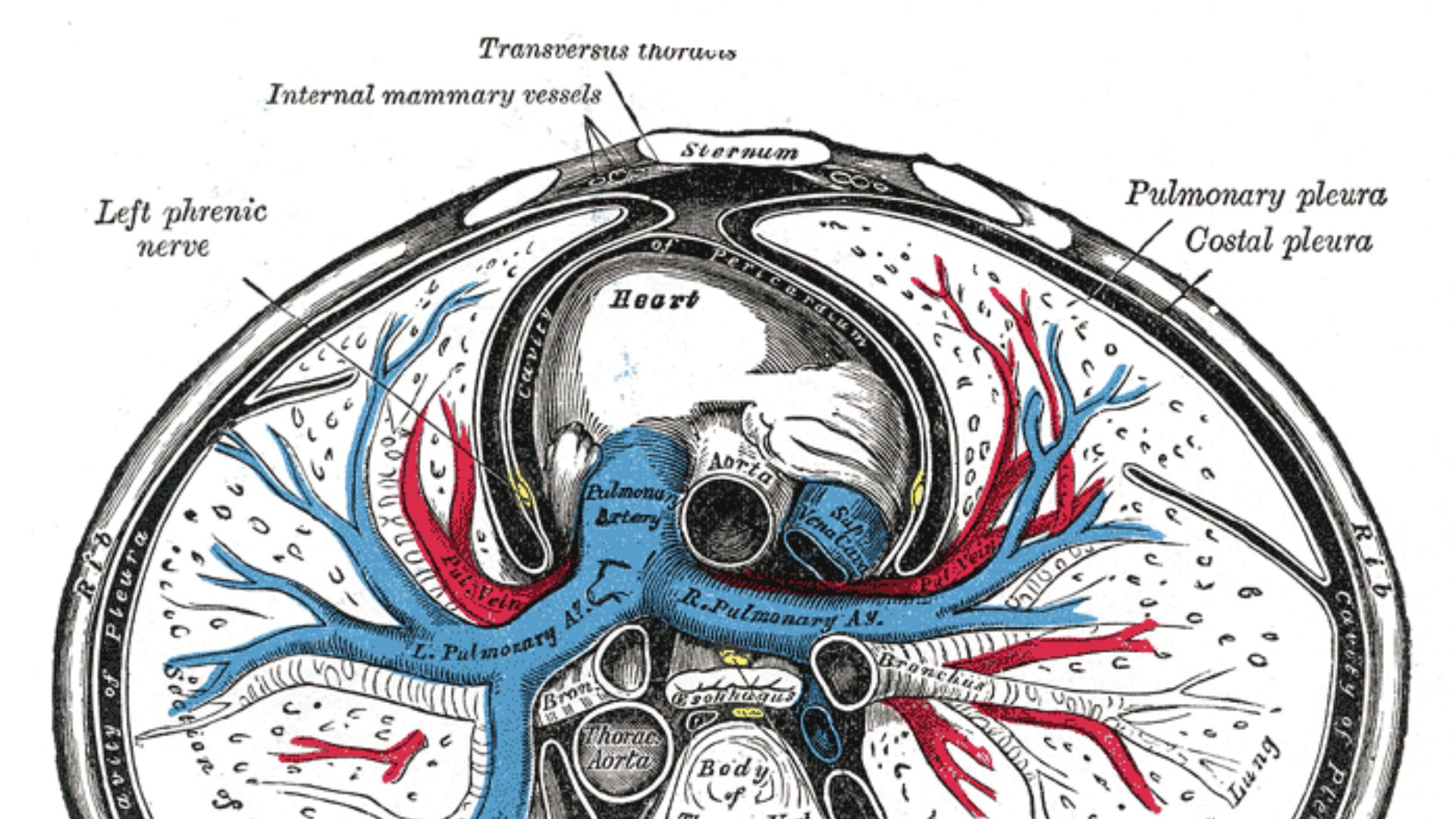
Your heart sits in a sac holding somewhere between fifteen and fifty milliliters of fluid, basically filtered plasma, whose only job is letting the two layers of that sac slide past each other every time the heart beats. A lifetime of beating, on a tablespoon or two of lubricant nobody ever thinks about.
 Henry Vandyke Carter on Wikimedia
20. Urine
Your kidneys filter far more fluid than ever leaves you. Nearly all of it gets reabsorbed on the way through, which is why a day's output comes to a liter or two out of a vastly larger throughput. The color is a breakdown product of old red blood cells. Blood does end up involved.