

10 Injuries Caused by Moving Too Little & 10 Caused by Moving Too Much
Finding the Right Balance for Your Body
We all know exercise is important for staying healthy, but did you know that both moving too little and moving too much can leave you dealing with painful injuries? Spending hours sitting at a desk or relaxing on the couch can weaken your muscles, stiffen your joints, and make you more susceptible to certain physical problems. On the other hand, pushing yourself too hard without giving your body enough time to recover can put excessive stress on your muscles, tendons, and bones. The difficult part is figuring out how much activity your body actually needs, especially since everyone's physical abilities and fitness levels are different. Here are 10 injuries and conditions linked to inactivity, followed by 10 that can develop when you push yourself a little too far.

1. Lower Back Strain
Sitting for hours at a time can contribute to lower back pain, especially if your posture could use some improvement. Without enough regular movement, the muscles supporting your spine can weaken, making your back more vulnerable to strain during everyday activities. Even something as simple as picking up a laundry basket can become uncomfortable when your body isn't used to physical exertion.

2. Neck Strain
If you've ever spent an entire afternoon scrolling through your phone, you probably know how uncomfortable your neck can feel afterward. Keeping your head in the same position for hours puts extra stress on the muscles and other soft tissues around your neck, sometimes leading to a strain. Taking frequent breaks and adjusting your position throughout the day can help keep that tension from getting worse.
 Angélica Echeverry on Unsplash
3. Shoulder Stiffness
Your shoulders are meant to move through a wide range of motion, but spending too much time sitting still can make certain movements surprisingly uncomfortable. People who regularly sit with their shoulders hunched forward may develop muscle tightness and gradually lose some mobility. While stiffness isn't necessarily an injury on its own, restricted movement can cause discomfort and make everyday activities more challenging.

4. Hip Flexor Strain
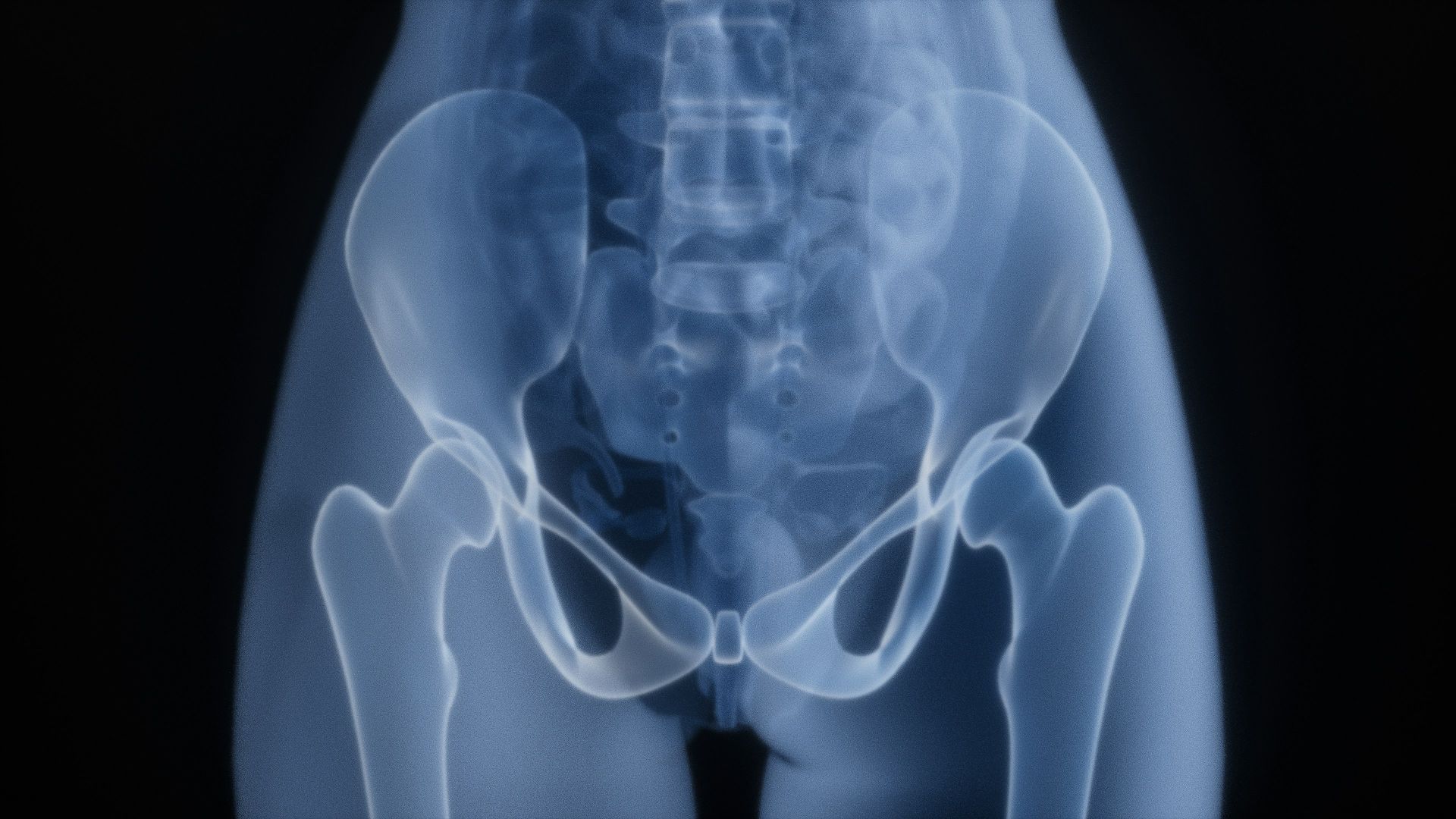
Spending most of your day sitting can leave your hip flexor muscles feeling tight, especially if stretching and movement aren't part of your routine. When these muscles rarely move through their full range of motion, sudden or physically demanding activities can become more uncomfortable. Tightness doesn't automatically mean you've injured yourself, but limited flexibility combined with unfamiliar exercise may leave you more vulnerable to muscle strain.
5. Muscle Atrophy
Your muscles need regular activity to maintain their strength and size, which explains why extended periods of inactivity can lead to muscle atrophy. This gradual loss of muscle tissue is especially common during prolonged bed rest, immobilization, or periods when someone can barely move around. As your muscles weaken, tasks that once seemed effortless may become noticeably harder, potentially increasing your chances of falling or getting injured.

6. Joint Contractures
Remaining in the same position for extended periods can sometimes cause your joints to gradually lose their normal range of motion. In more serious cases, especially among people who have been immobilized for a long time, the muscles and connective tissues around a joint can shorten and develop contractures. These restrictions can make it difficult to straighten your legs, extend your arms, or complete basic movements without experiencing discomfort.

7. Pressure Injuries
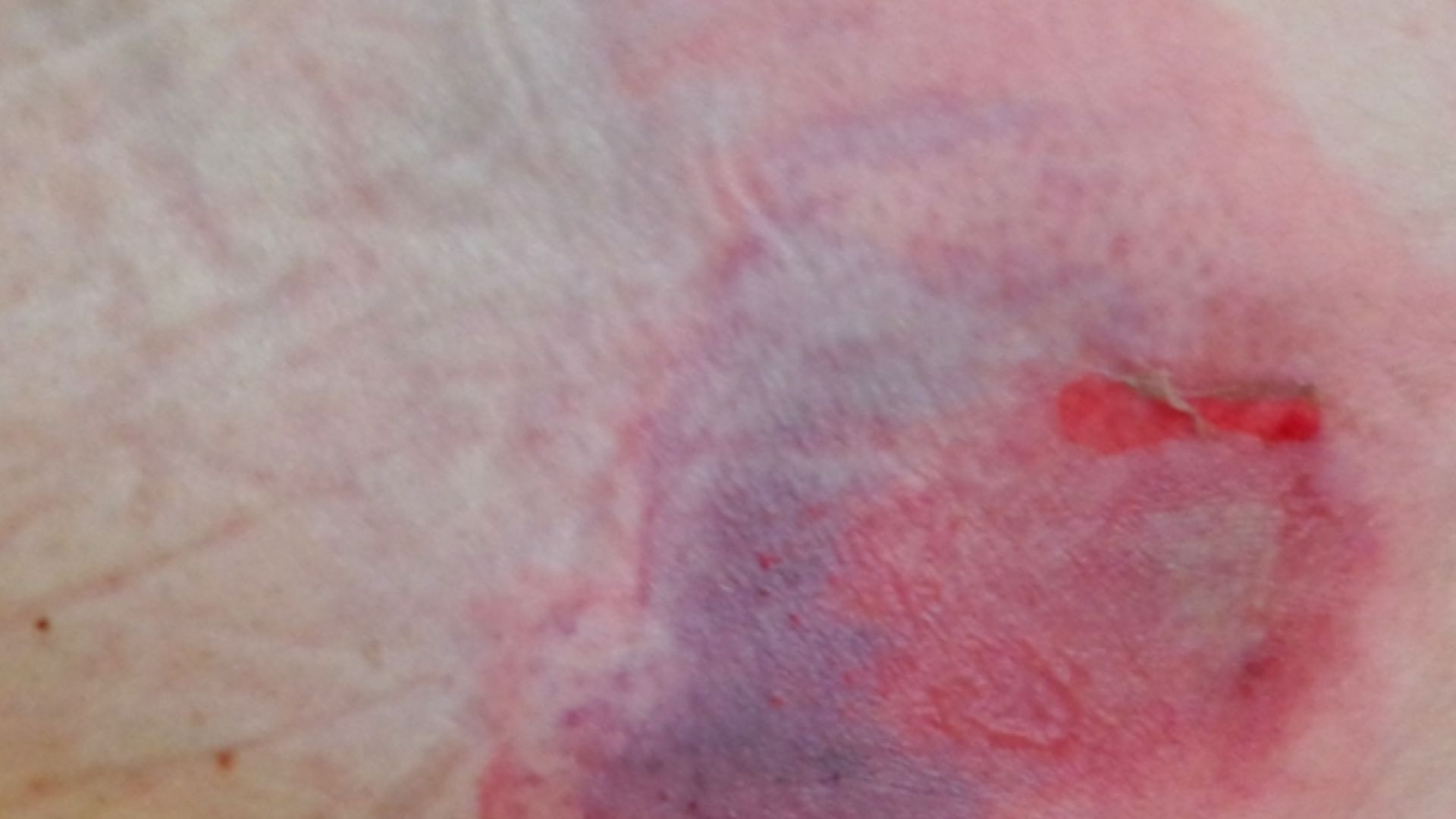
Staying in one position for too long can damage your skin and the tissues underneath it, particularly if you're unable to move around independently. Commonly known as pressure sores or bedsores, these injuries occur when constant pressure restricts blood flow to certain parts of the body. They're most frequently seen in people who spend extended periods in bed or use wheelchairs, and they can become serious without proper care.
8. Deep Vein Thrombosis
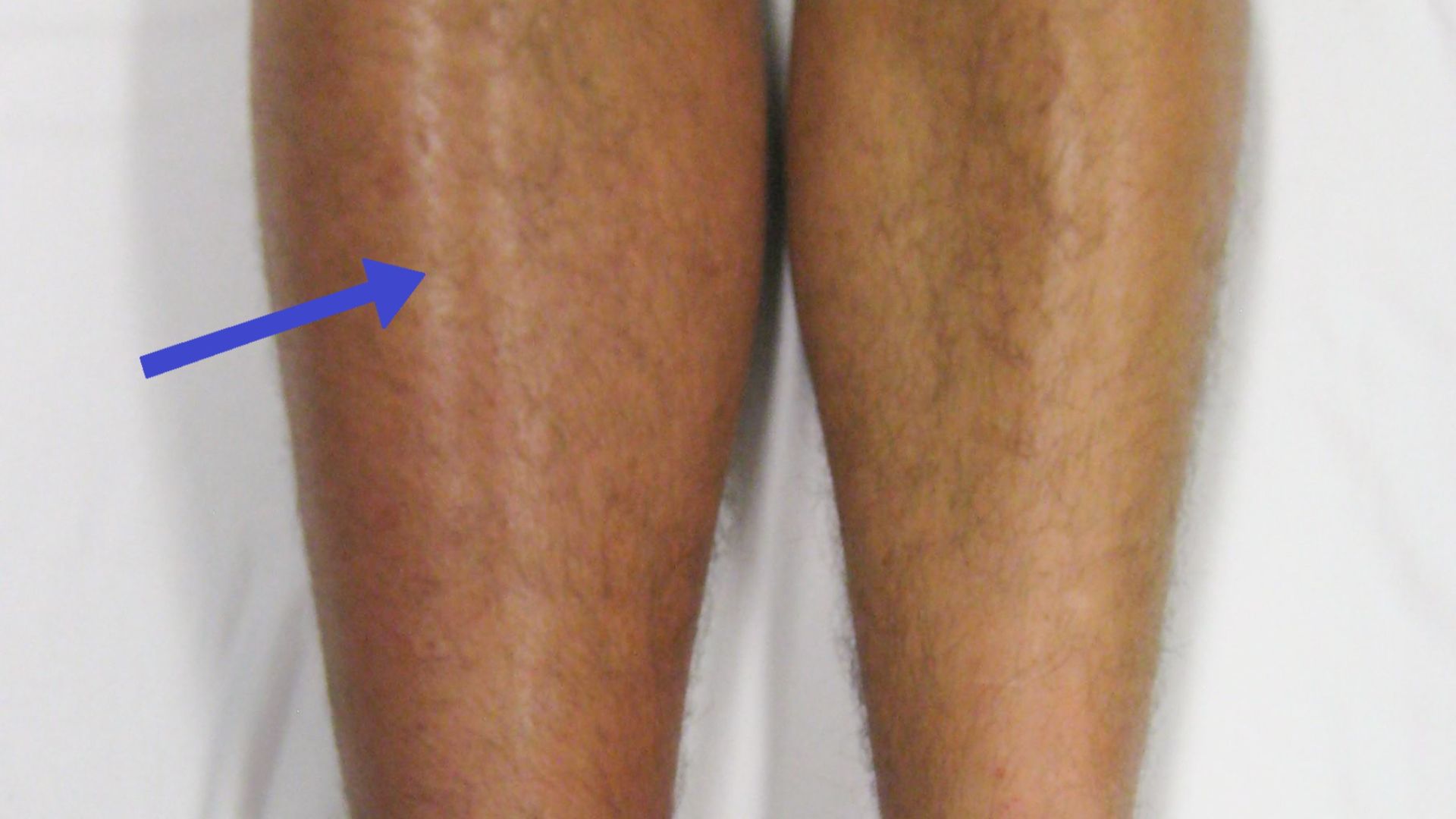
While it isn't technically a musculoskeletal injury, deep vein thrombosis is a potentially dangerous condition that can develop during prolonged periods of immobility. When blood circulates more slowly through your legs, a clot may form inside a deep vein, particularly if you have other risk factors. Symptoms can include swelling, warmth, and pain, and the condition requires prompt medical attention because a clot can potentially travel to your lungs.
 James Heilman, MD on Wikimedia
9. Disuse Osteoporosis
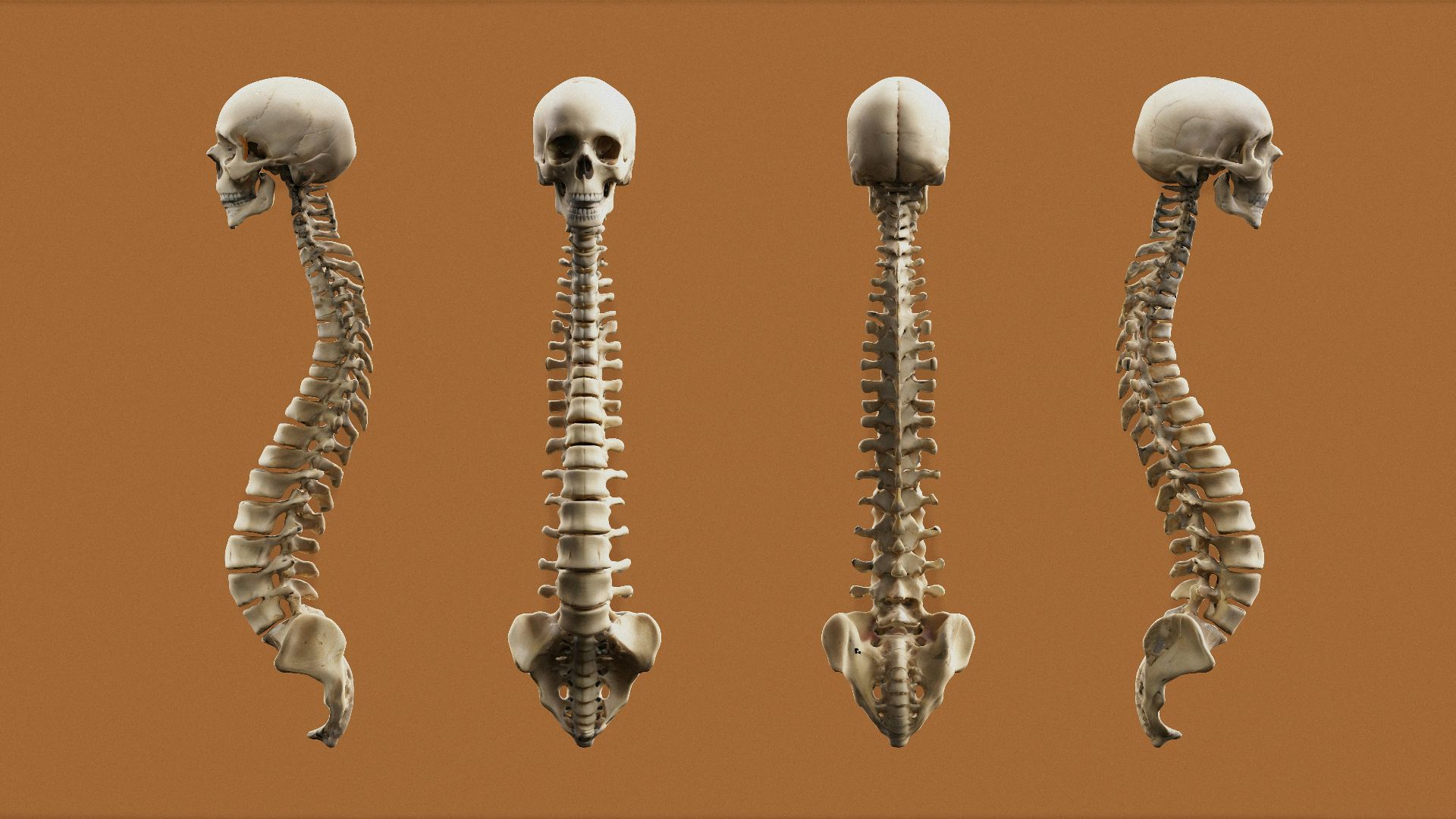
Your bones rely on regular weight-bearing activity to stay strong, so going too long without sufficient physical loading can contribute to bone loss. People who are confined to bed or unable to put weight on a particular limb for extended periods can develop disuse osteoporosis, making their bones more fragile. In severe cases, this loss of bone strength increases the likelihood of fractures, sometimes from accidents that otherwise wouldn't have caused serious damage.
10. Balance-Related Fall Injuries
If you rarely work on your balance or keep your leg muscles strong, you may gradually find it harder to stay steady on your feet. This is particularly concerning for older adults, who already face a higher risk of falling and experiencing serious injuries. Even a minor stumble can lead to broken wrists, hip fractures, or other painful complications that might have been less likely with better strength and stability.

Now that we've talked about the injuries that are caused by inactivity, let's cover the ones that are often a result of pushing too hard.
1. Stress Fractures
Activities like running and jumping put repeated stress on your bones every time your feet hit the ground. When you increase your training intensity too quickly or don't allow enough time for recovery, tiny cracks known as stress fractures can develop. These injuries frequently affect the feet, shins, and other weight-bearing bones, typically causing pain that gets worse during physical activity.
 Jorge Alberto Vega Barrera on Unsplash
2. Achilles Tendinopathy
Your Achilles tendon connects your calf muscles to your heel, and it works especially hard whenever you run, jump, or push off the ground. Repeatedly overloading this tendon without adequate recovery can lead to Achilles tendinopathy, which commonly causes pain and stiffness near the back of your ankle. Runners who suddenly increase their weekly mileage or start tackling more hills may be especially vulnerable.
3. Shin Splints
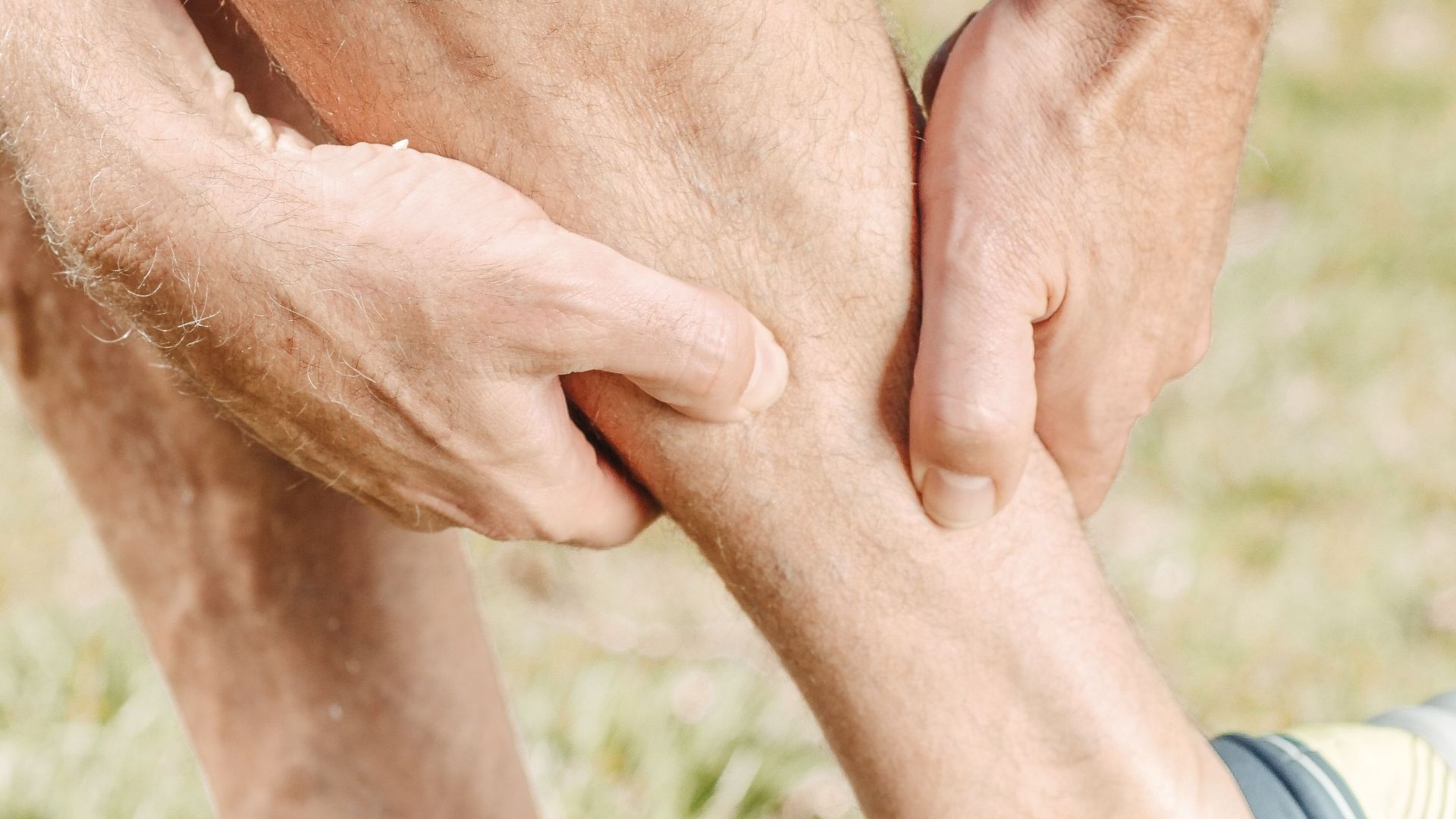
Anyone who's suddenly decided to start running several miles a day might recognize the uncomfortable ache that develops along the shinbone. Known medically as medial tibial stress syndrome, shin splints occur when repetitive physical activity places too much stress on the tissues surrounding your tibia. Although adjusting your training routine can often help, ignoring persistent pain may allow a more serious bone stress injury to develop.
4. Tennis Elbow
Despite what the name suggests, you don't actually have to play tennis to develop tennis elbow. Repetitive gripping and wrist movements can overload the tendons along the outside of your elbow, causing discomfort that sometimes spreads into your forearm. The condition also affects people with certain jobs and hobbies, meaning you don't necessarily need an intense workout schedule to experience it.

5. Rotator Cuff Tendinopathy
Activities that involve repeatedly lifting your arms overhead, including swimming, throwing, and weightlifting, can put considerable pressure on the tendons surrounding your shoulders. Performing these movements too frequently, especially without proper conditioning, may eventually contribute to rotator cuff tendinopathy. You might start noticing pain when reaching for something above your head, putting your arm behind your back, or sleeping on the affected shoulder.

6. Patellar Tendinopathy
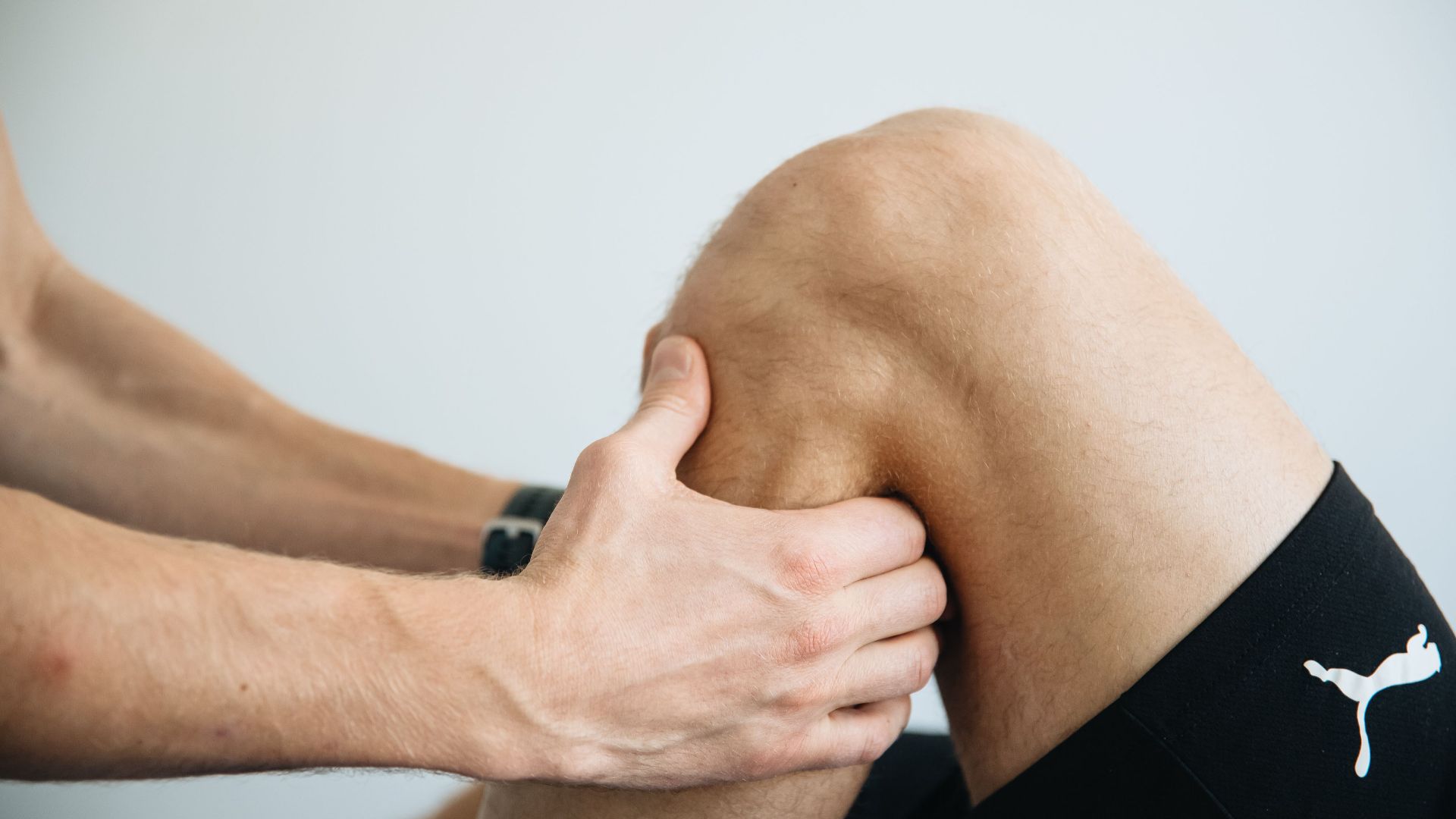
Basketball and volleyball players are especially familiar with patellar tendinopathy, a condition commonly referred to as jumper's knee. Repeatedly jumping and landing can put excessive strain on the tendon connecting your kneecap to your shinbone, causing pain just below the knee. Without enough recovery and gradual strengthening, the discomfort may eventually make activities that once felt perfectly manageable much more difficult.
 Funkcinės Terapijos Centras on Pexels
7. Hamstring Strains
Your hamstrings have to work particularly hard whenever you sprint, accelerate suddenly, or perform other explosive movements. If these muscles become overly fatigued or experience more force than they're prepared to handle, their fibers can stretch or tear. Athletes who regularly push through demanding workouts without sufficient recovery may be more susceptible to this painful injury, which can sometimes take several weeks or longer to heal.

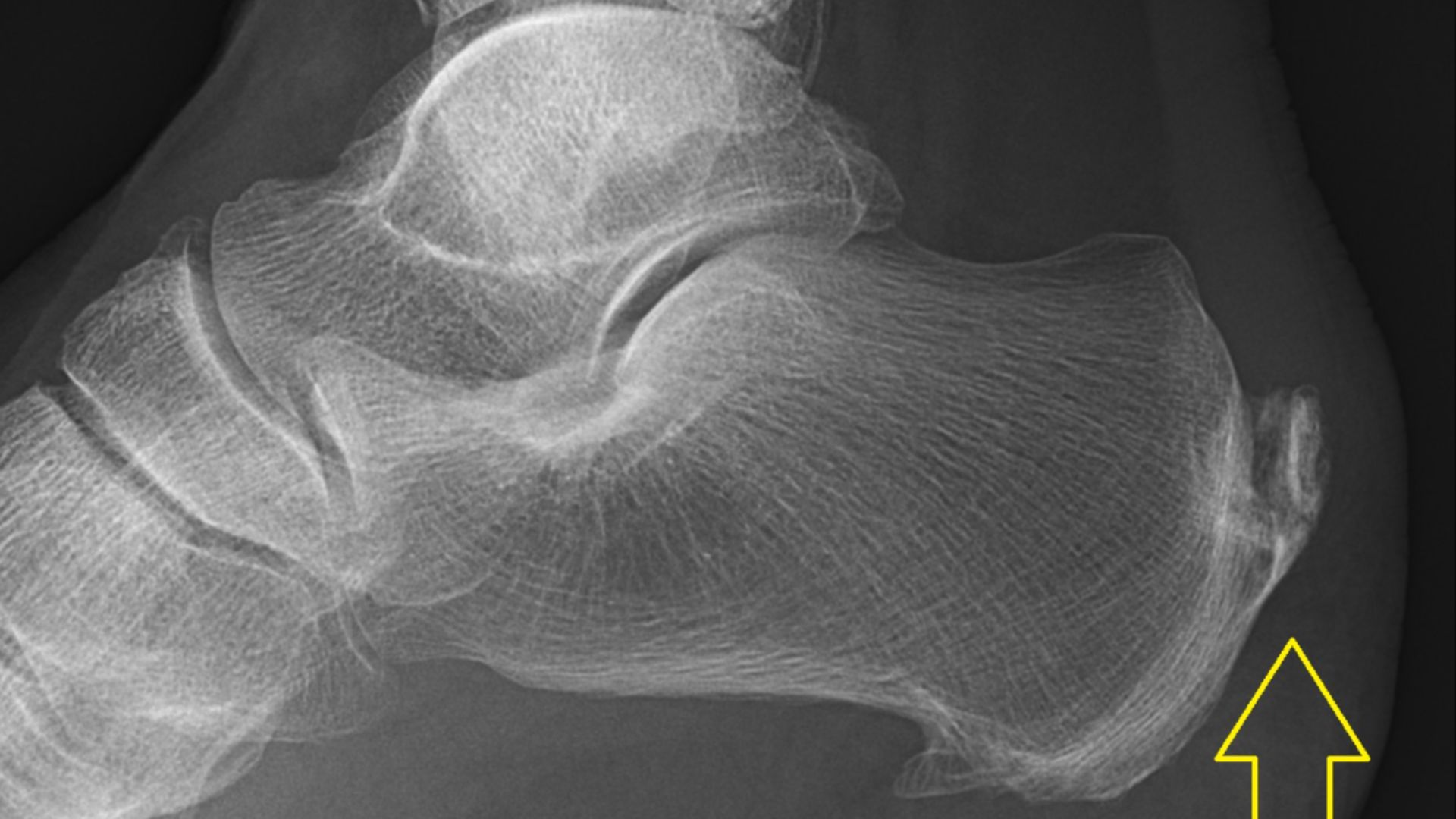
8. Plantar Fasciitis
Running, walking, or standing for excessive periods can aggravate the thick band of tissue running along the bottom of your foot. Plantar fasciitis often causes sharp pain around the heel, particularly when you take your first few steps after getting out of bed. Suddenly increasing your activity levels, wearing unsupportive shoes, and having certain foot mechanics can all contribute to the problem.
9. Iliotibial Band Syndrome
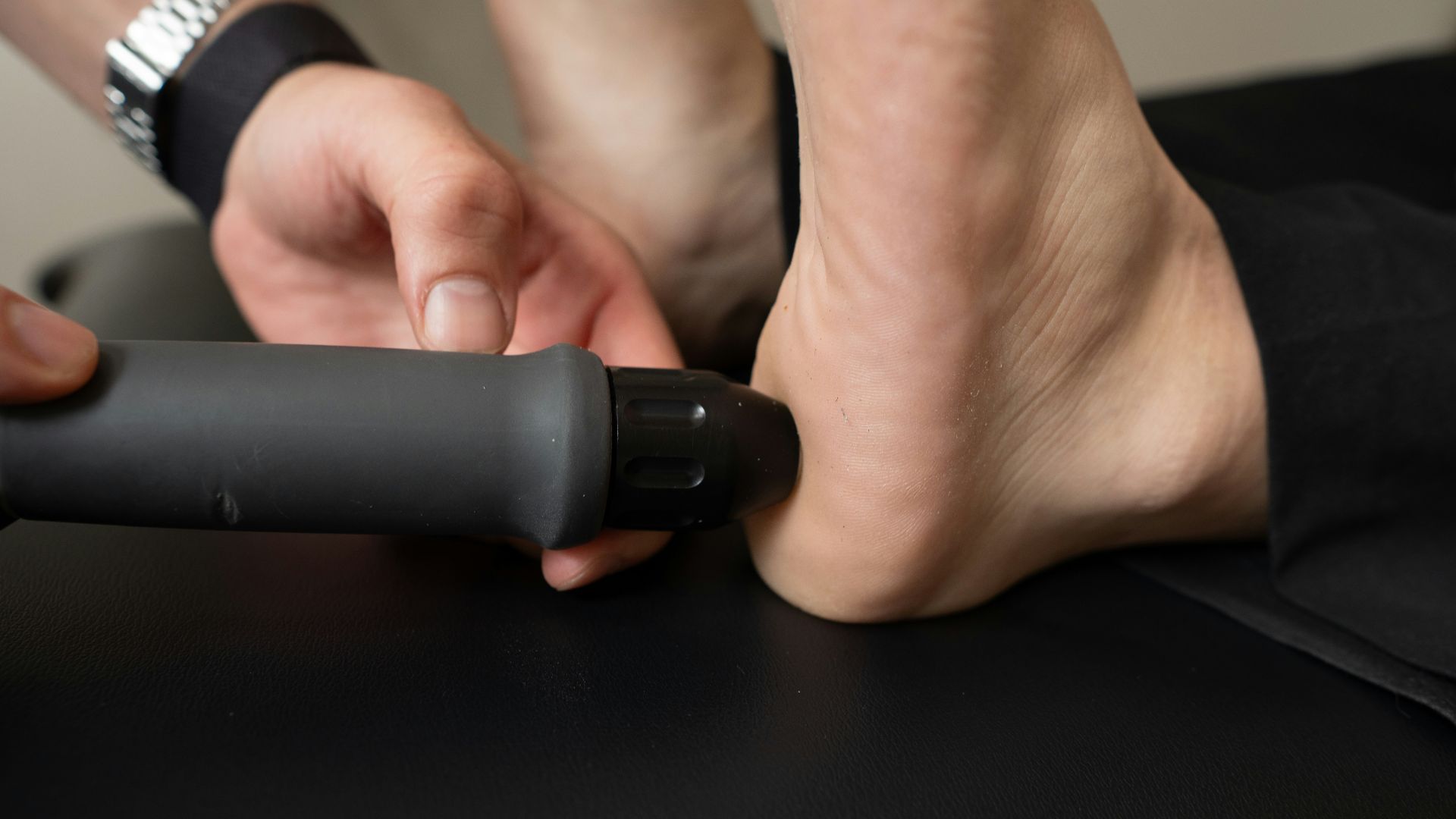
Distance runners and cyclists sometimes experience a frustrating pain along the outside of their knees that gradually becomes more noticeable during exercise. Known as iliotibial band syndrome, this condition is associated with repetitive knee bending and irritation of tissues near the outer knee. Sudden increases in training mileage can contribute to symptoms, especially when combined with certain individual biomechanical factors.

10. Exertional Rhabdomyolysis
Pushing your body beyond its limits can occasionally trigger a serious condition called exertional rhabdomyolysis, which occurs when damaged muscle tissue releases substances into your bloodstream. It's most commonly linked to unusually intense exercise, particularly when someone attempts a demanding workout their body hasn't been prepared for. Severe muscle pain, unusual weakness, swelling, or dark-colored urine after exercising are warning signs that require immediate medical attention, as the condition can cause serious kidney damage.

KEEP ON READING


20 Things Your Body Is Secretly Doing Right Now