Why the First Minute Takes Longer Now
Getting out of bed can become a slower process after 50. What used to take no thought may now mean sitting on the edge of the mattress for a minute while stiff joints loosen or your head clears. Some of the reasons are ordinary changes with age, while others involve medical conditions that become more common later in life. A few deserve a doctor's attention, and sometimes the problem is the bed itself. Here are 20 things that can make getting out of bed harder after 50.

1. Osteoarthritis Stiffness
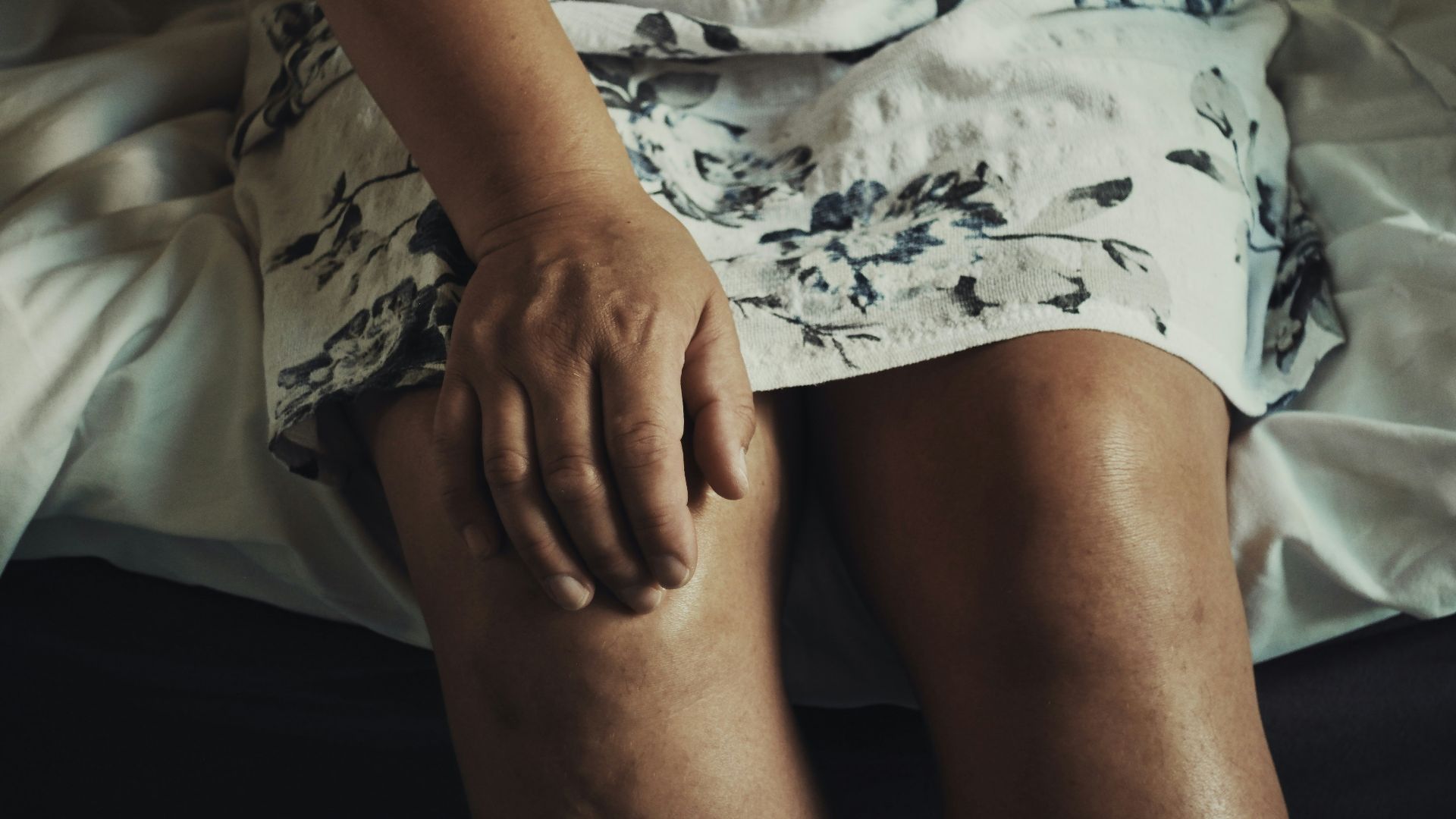
Cartilage thins with use, and the fluid that lubricates a knee or hip thickens overnight while you're lying still. The familiar pattern loosens up within about half an hour of moving around. Stiffness that hangs on for an hour or more points toward inflammatory arthritis instead, and that gets treated differently.
2. Polymyalgia Rheumatica
Polymyalgia rheumatica causes deep aching and stiffness across the shoulders and hips, and it's at its worst first thing in the morning. People describe rolling out of bed sideways or needing a hand from a spouse. It's almost never diagnosed in anyone under 50, and it responds quickly once somebody identifies it.
3. Less Deep Sleep
Deep sleep, also called slow-wave sleep, generally becomes less common with age. Eight hours in bed at 55 may contain less of this restorative stage than the same amount of sleep did at 30. You can get what looks like a full night's rest and still wake up feeling tired, because the number of hours you sleep doesn't tell you much about how that time was spent
4. Getting Up to Urinate
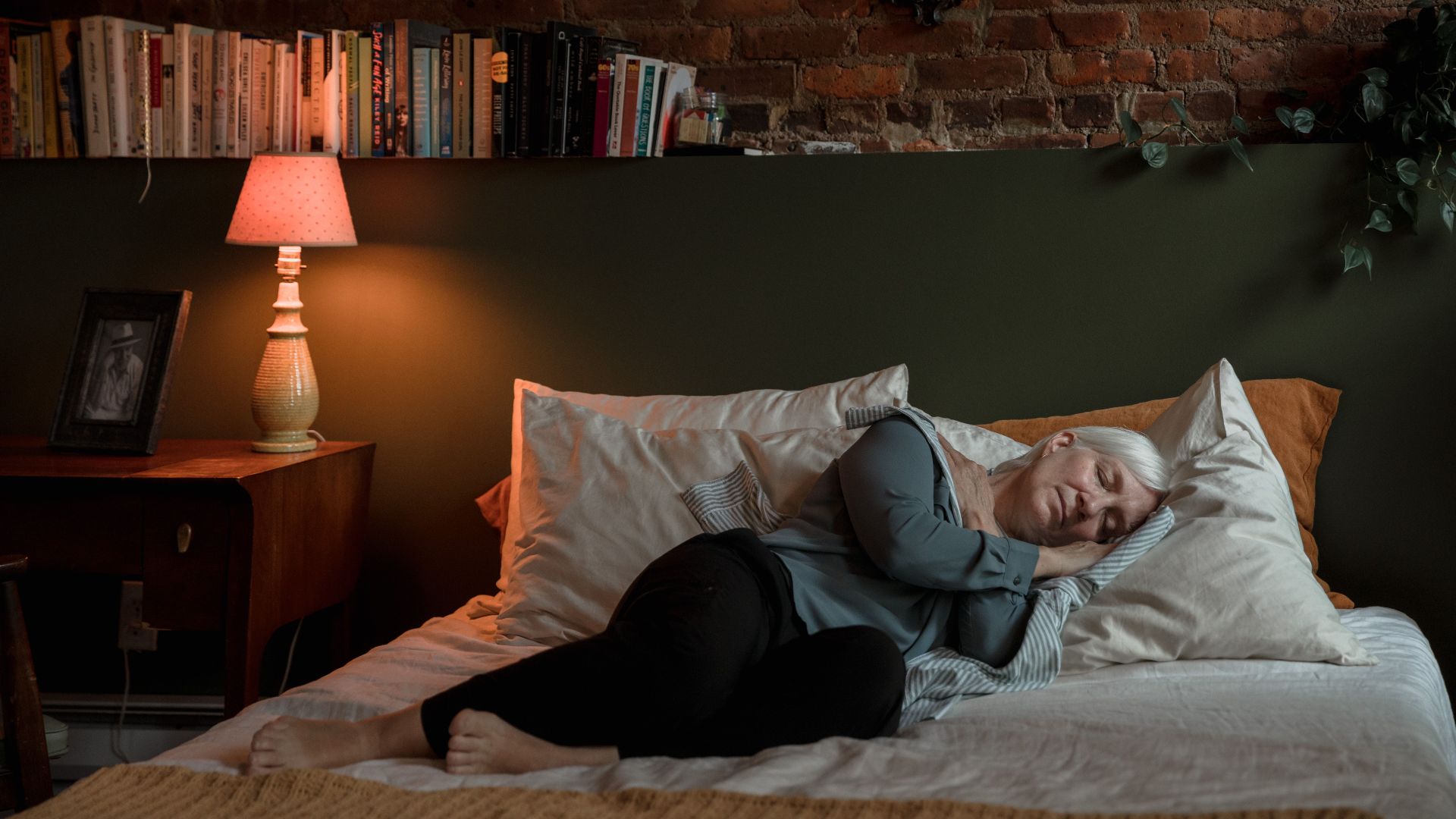
Two or three trips to the bathroom overnight break sleep into pieces that don't add up to a night. Prostate enlargement drives this in men and pelvic floor changes do it in women, and the kidneys also shift more fluid processing into the night with age. Cutting evening fluids helps some people and does nothing for others.
5. Sleep Apnea
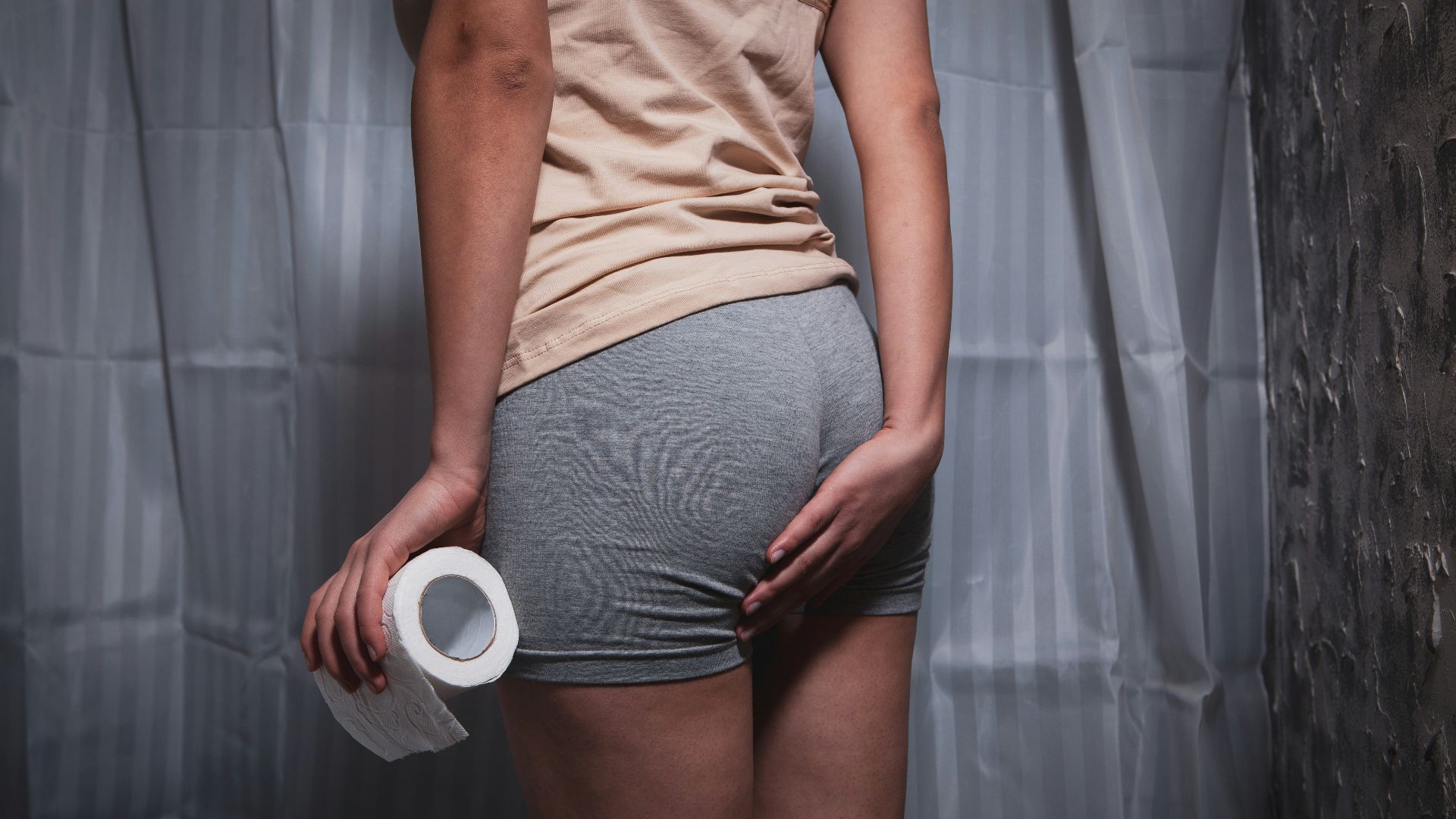
Breathing stops and restarts dozens of times an hour in sleep apnea, and the brain surfaces briefly each time without you remembering it. Morning headaches and a dry mouth alongside heavy daytime sleepiness are the usual tells. Risk climbs with age and with weight, and a sleep study is the only way to confirm it.
6. Muscle Loss
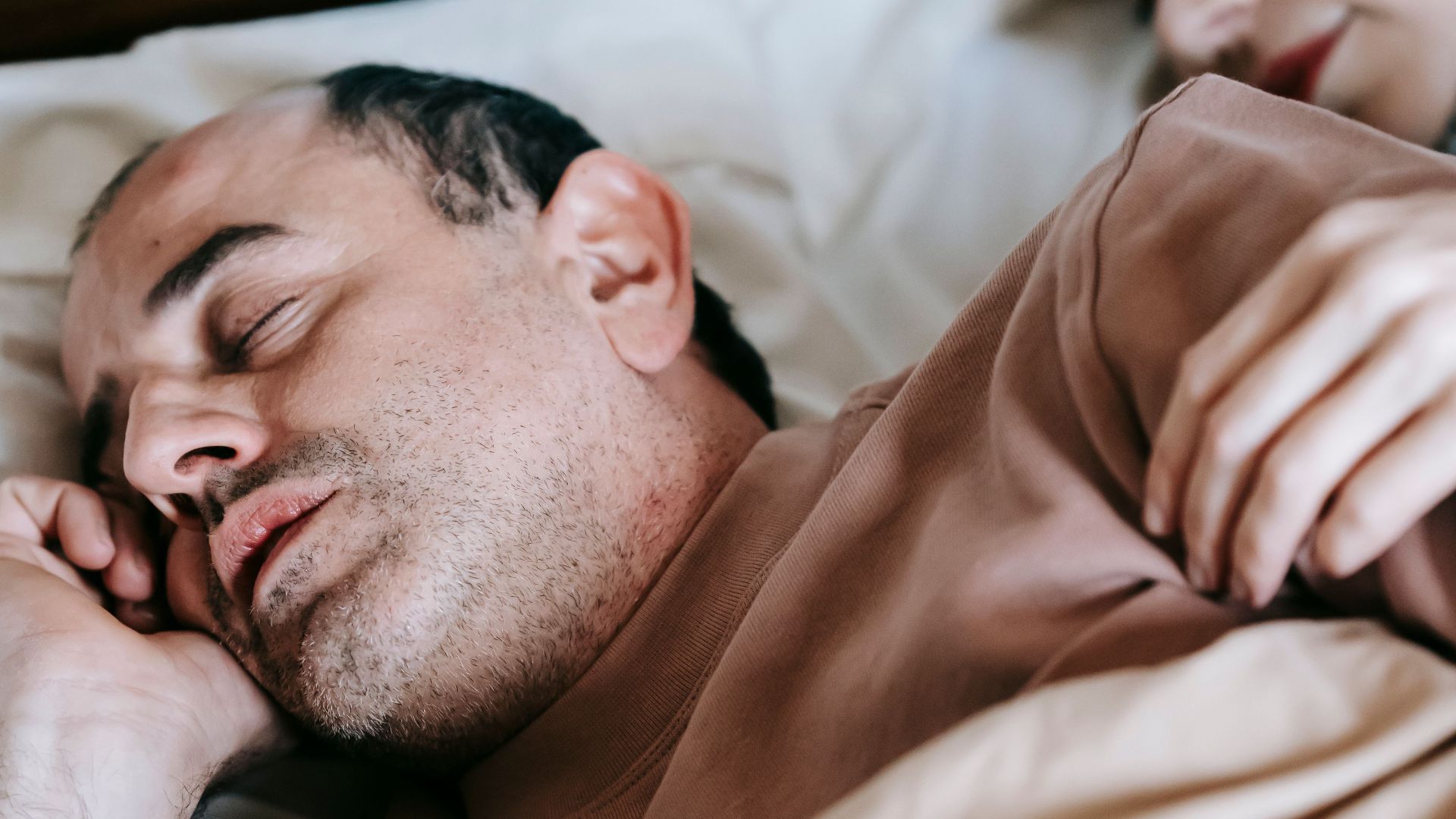
Muscle mass falls by roughly 3 to 8 percent a decade after thirty, and the decline speeds up later on. Standing up from a low surface uses the big muscles in the thighs and hips, so losses there show up first in this moment. The chair test gives a rough read, since rising without pushing off with your hands gets harder as those muscles go. Resistance work slows the decline at any age.

7. Blood Pressure Medication
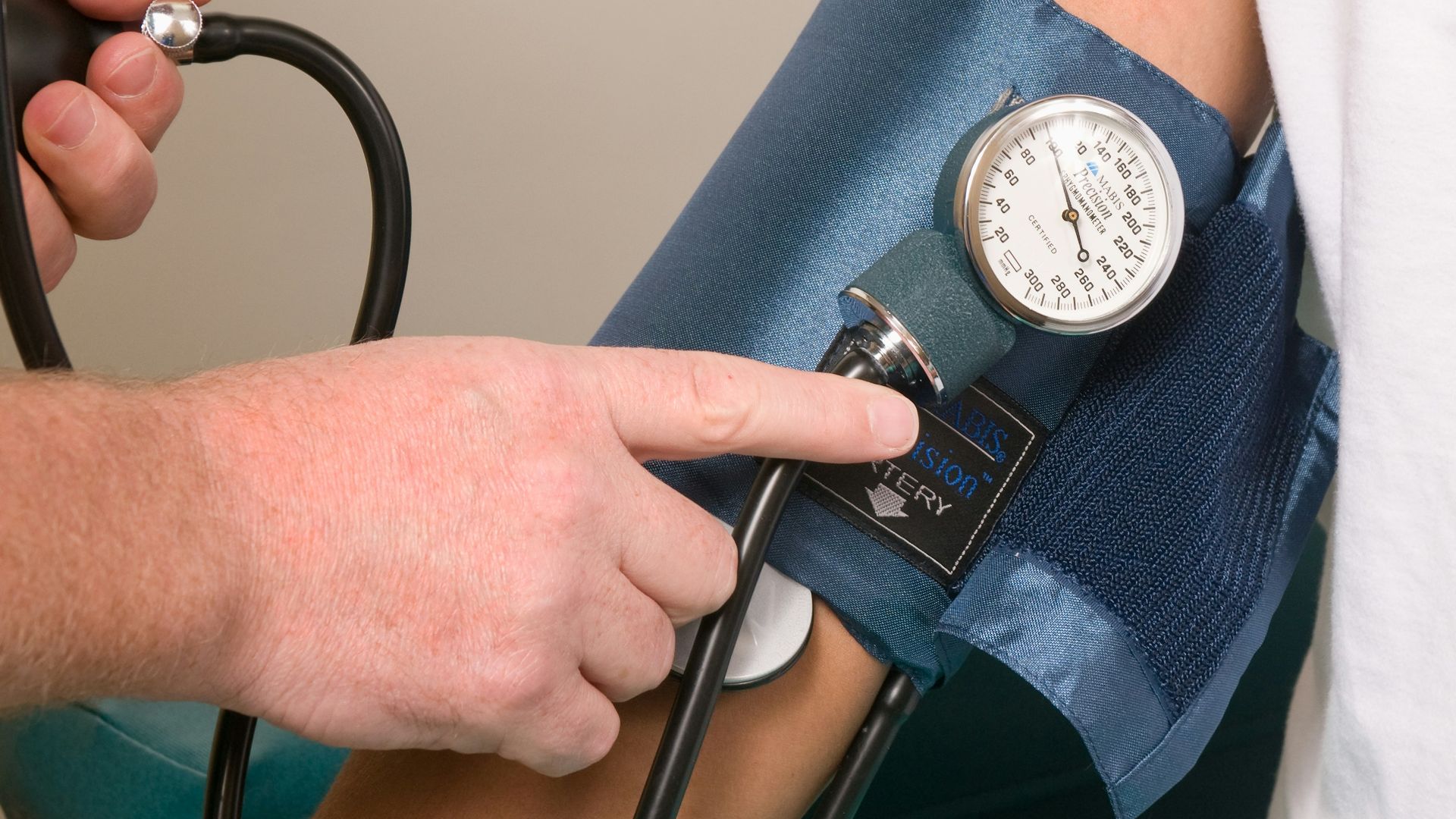
Standing up fast drops blood pressure for a moment in everybody, and medication for hypertension can deepen that dip. The result is a few seconds of gray vision or unsteadiness on the edge of the bed. Sitting up for a count of ten before standing handles most of it, and a change to the dose or its timing is worth asking about.
8. Statins and Muscle Aches
Some people taking statins develop muscle aches or weakness, often affecting both thighs or upper arms. The discomfort can make getting out of bed harder, particularly when those muscles already feel stiff. Lowering the dose or switching to a different statin often helps, so it's worth mentioning the symptoms to your doctor rather than putting up with them.
9. Low Thyroid
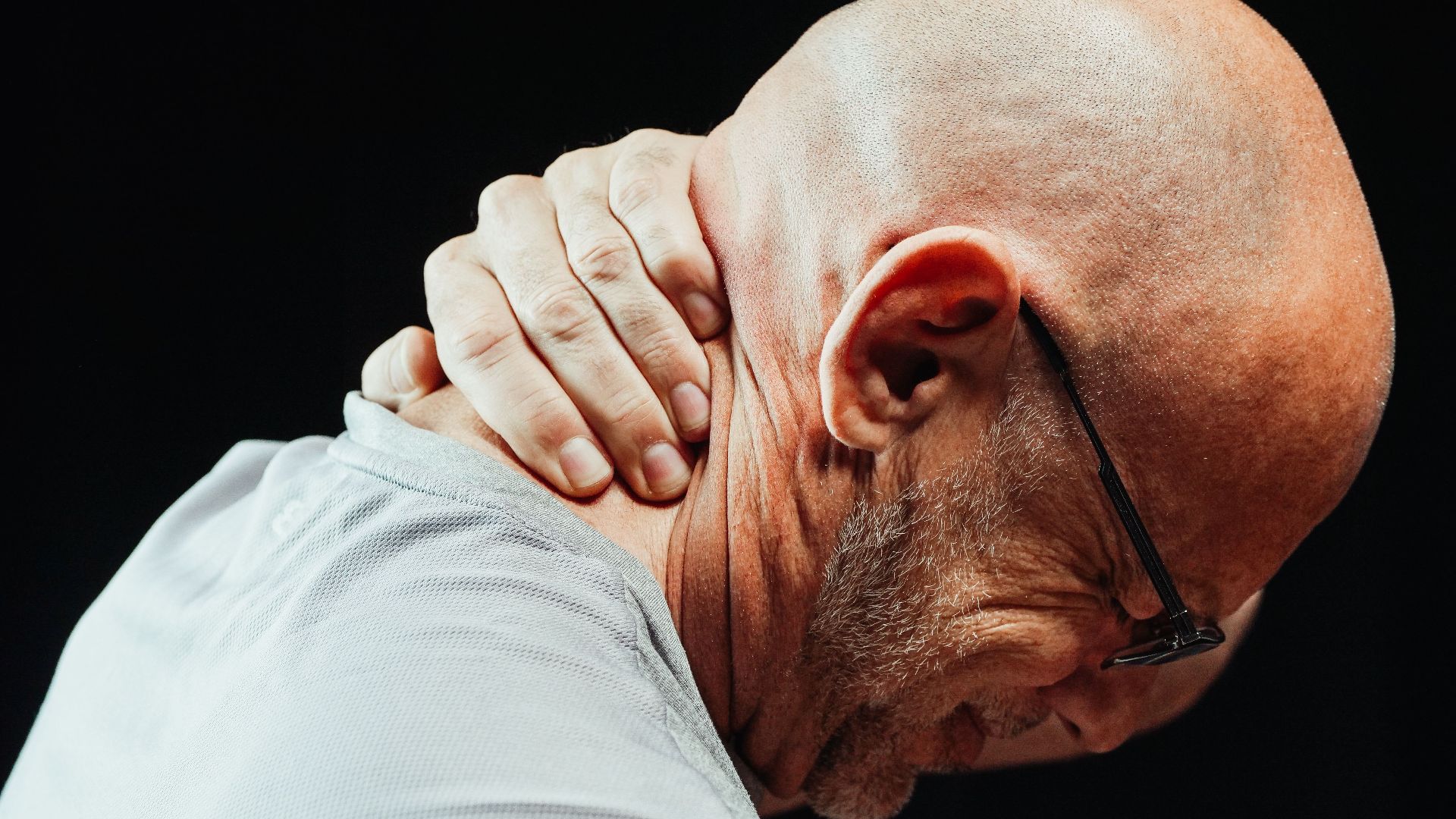
An underactive thyroid slows everything down, including how fast you come awake. Cold hands and skin that stays dry often arrive alongside the fatigue, and the whole picture comes on slowly enough to get written off as ordinary aging. It becomes more common with age and more so in women, and a blood test settles the question.

10. Low B12 or Iron
Fatigue from anemia builds slowly enough that people adjust to it without noticing. B12 absorption drops with age, and two common medications work against it further, metformin for diabetes and the acid reducers taken for reflux. The tiredness it produces lasts all day and doesn't lift with a nap.
11. Night Sweats in Menopause
Hot flashes that happen during sleep rouse people without always waking them fully, and the sheets are the evidence in the morning. Perimenopause can run for years before periods stop, and disrupted sleep is often the first symptom people notice. Treatment options have changed a good deal over the last decade.

12. Restless Legs
The urge to move your legs at night makes falling asleep slow and staying asleep harder. Symptoms worsen in the evening by definition, and low iron stores drive a good share of cases. People describe a crawling or pulling that's hard to put words to, and that vagueness is part of why it goes unmentioned for years.

13. Plantar Fasciitis
Plantar fasciitis announces itself in the first few steps out of bed. A sharp pain under the heel eases after a minute of walking. The tissue tightens overnight and then gets loaded all at once when you stand, so calf and foot stretching before putting weight down takes the edge off.

14. Hip Bursitis
Pain on the outside of the hip that's worst when lying on that side will wake you, and rolling over becomes the hard part. Side sleepers often find a pillow between the knees takes some pressure off. It's often mistaken for a hip joint problem when the trouble is in the soft tissue over the bone.

15. Spinal Stenosis
Narrowing in the lower spine pinches nerves and produces aching or numbness down the legs. Standing and walking usually make it worse while sitting and leaning forward relieve it, so the morning move from flat to upright is its own event. People often notice they can walk much further leaning over a shopping cart.

16. Frozen Shoulder
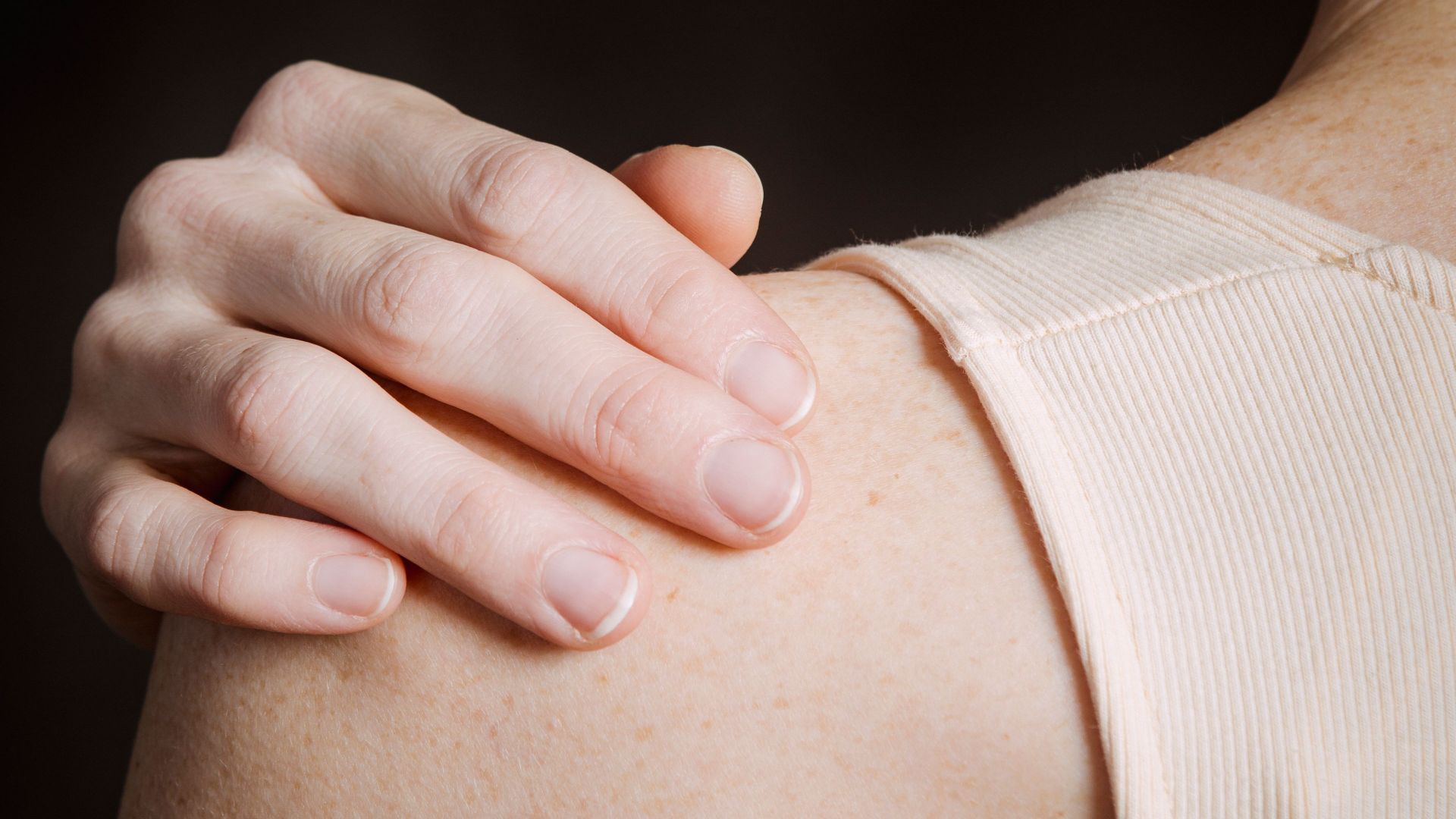
A shoulder that stiffens on its own, with no injury to explain it, peaks in the forties and fifties. Pushing up off the mattress or reaching for a nightstand becomes the movement you plan around, and it usually resolves over a year or two, though that's a long time to wait for an easier morning.
17. Evening Alcohol
A drink makes falling asleep faster and the second half of the night worse. As the alcohol clears, sleep gets lighter and more broken, and the effect lands in the early morning hours. Tolerance for this tends to drop with age, so two glasses that used to cost nothing start showing up the next day.

18. Antihistamines and Sleep Aids
Older antihistamines and many over-the-counter sleep aids hang around in the body longer than the night does. The grogginess on waking is the tail of the dose rather than poor sleep, and these clear more slowly with age, so the same pill lands harder than it used to.
 https://kaboompics.com/ on Pexels
19. Low Mood That's Worst in the Morning
Depression often follows a daily curve, and for many people the bottom of it falls in the first hour after waking. Dread about the day can make standing up feel out of reach even when nothing hurts. It's worth bringing to a doctor rather than waiting out, since it responds well to treatment.

20. The Bed Itself
A mattress that's too soft lets the hips sink below the knees, and getting up turns into a climb out of a hole. Bed height matters more than firmness here, and a frame that puts the knees level with the hips makes the mechanics easier. This is the cheapest item on the list to test, since a few books under the frame legs will tell you.
KEEP ON READING