
You Don't Have to Give Up Snacking
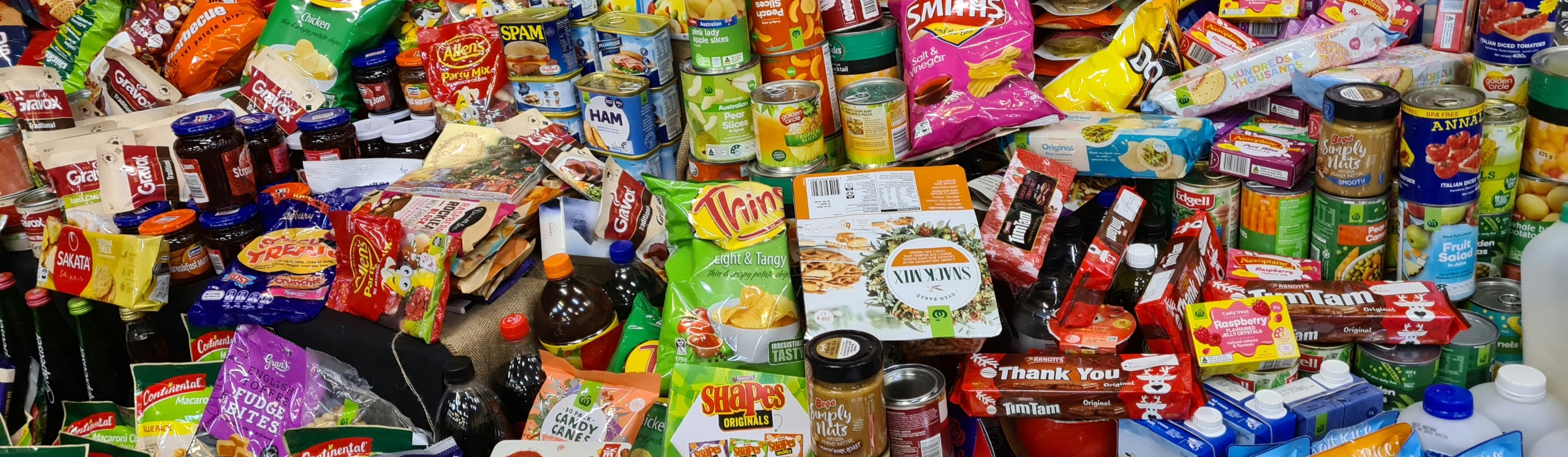
There's nothing wrong with enjoying a little something between meals, especially when you're actually craving something sweet. But when you’re on a diet, snacking demands just as much discipline as calorie cutting, and it’s hard to know what you can safely ingest without setting back your progress. Fortunately, maintaining your weight doesn't mean abandoning your favorite treats or constantly feeling deprived—a few adjustments can make snacking much easier to manage!

1. Stop Eating Straight From the Bag
We all know how easy it is to stuff our hands right into a Pringles can, but that’s exactly how you eat the whole thing! There’s an easy workaround, though. Instead of bringing the entire package to the couch, put a reasonable serving into a small bowl and return the rest to the pantry. You'll still get to enjoy your favorite treat without accidentally eating three times what you should.
2. Include Some Protein
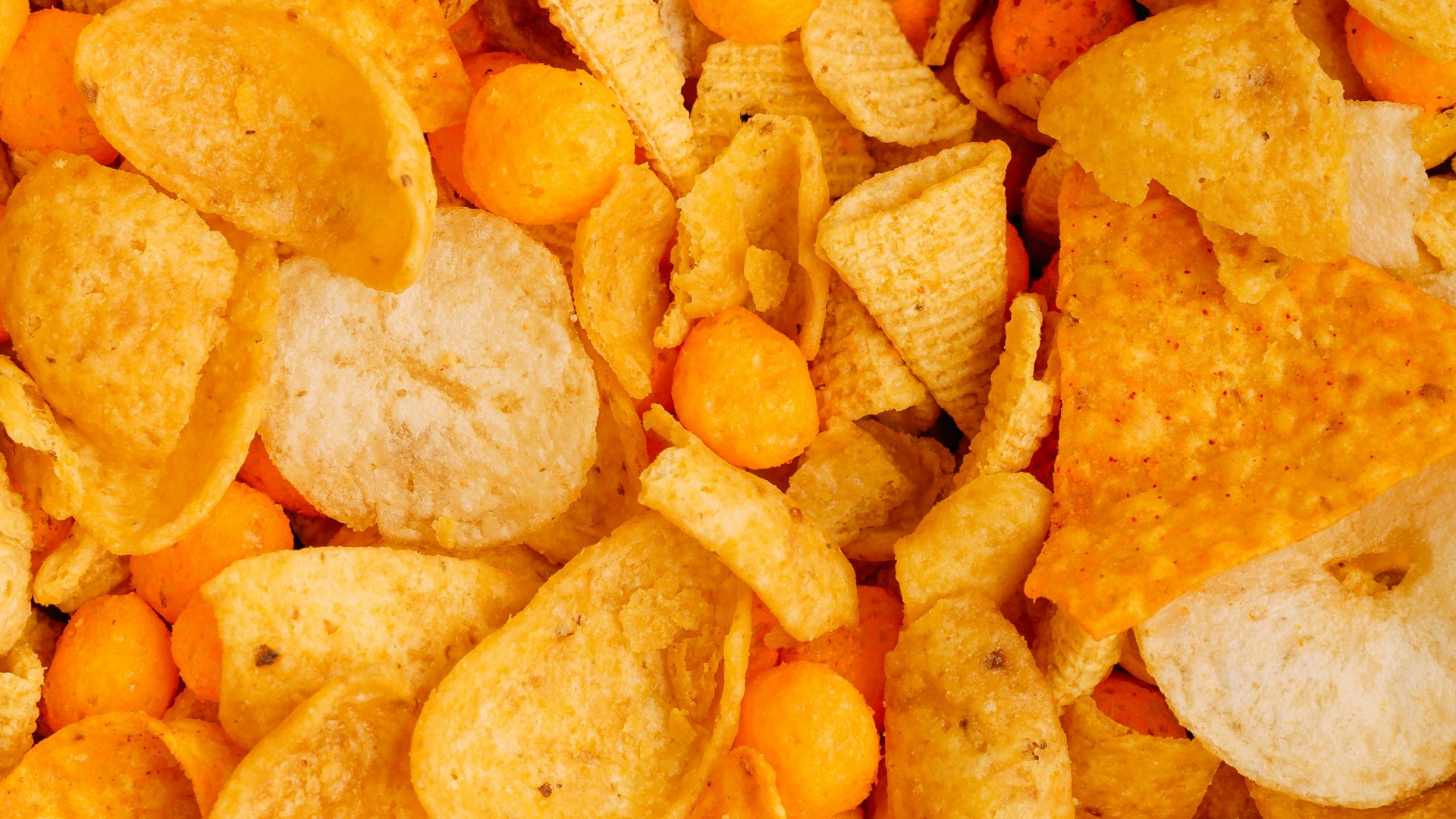
Nowadays, it’s all protein this and protein that, but there’s a reason why people peddle it so much! Protein can help you feel satisfied between meals, which makes it particularly useful when afternoon hunger strikes. A hard-boiled egg, a small serving of cottage cheese, or plain Greek yogurt can provide something substantial without requiring much prep.
 Rasa Kasparaviciene on Unsplash
3. Don't Snack Because You're Bored
Sometimes that sudden desire for cookies has more to do with having nothing to do than actually needing food. Before opening the pantry, consider whether you're hungry or simply looking for a little entertainment. Trust us, boredom plays a bigger role than you think, and if you just need something to do, reading a chapter of your book or taking a walk is more satisfying.
4. Pay Attention to Liquid Calories
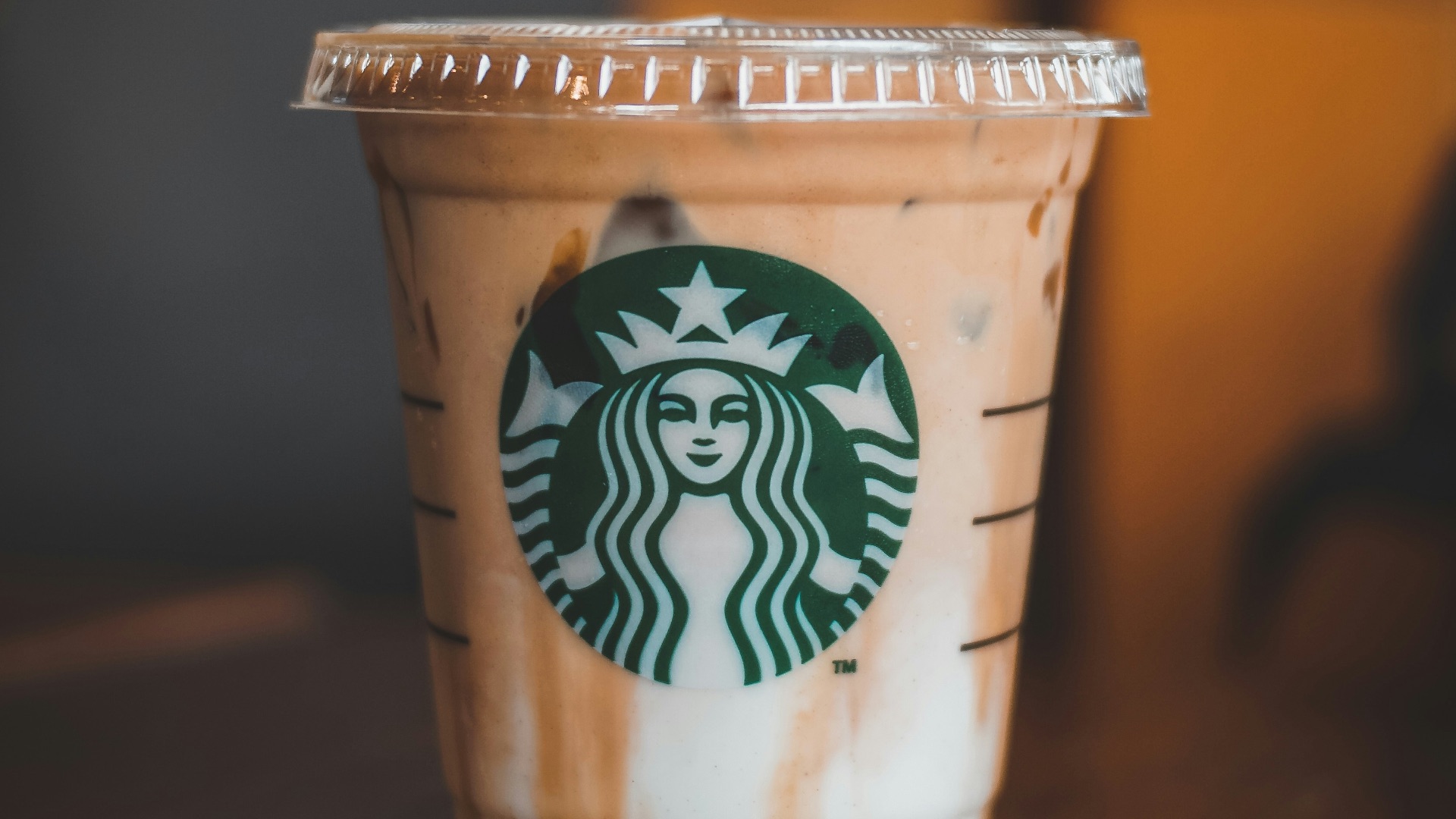
A specialty coffee has considerably more calories than the small snack you banked on eating. Just think about everything swirling around in that cup: flavored syrups, whipped cream, and sweetened creamers. They all quickly turn an ordinary afternoon drink into a substantial addition to your daily intake.
5. Choose Snacks That Require Some Chewing
Any food that needs a little elbow grease to get through helps you enjoy it without rushing through it. For example, a whole apple requires more chewing than drinking an equivalent amount of apple juice, and it provides fiber that juice often lacks. Best of all, taking your time gives you a better chance to recognize when you've had enough.
6. Keep Healthy Options Within Reach
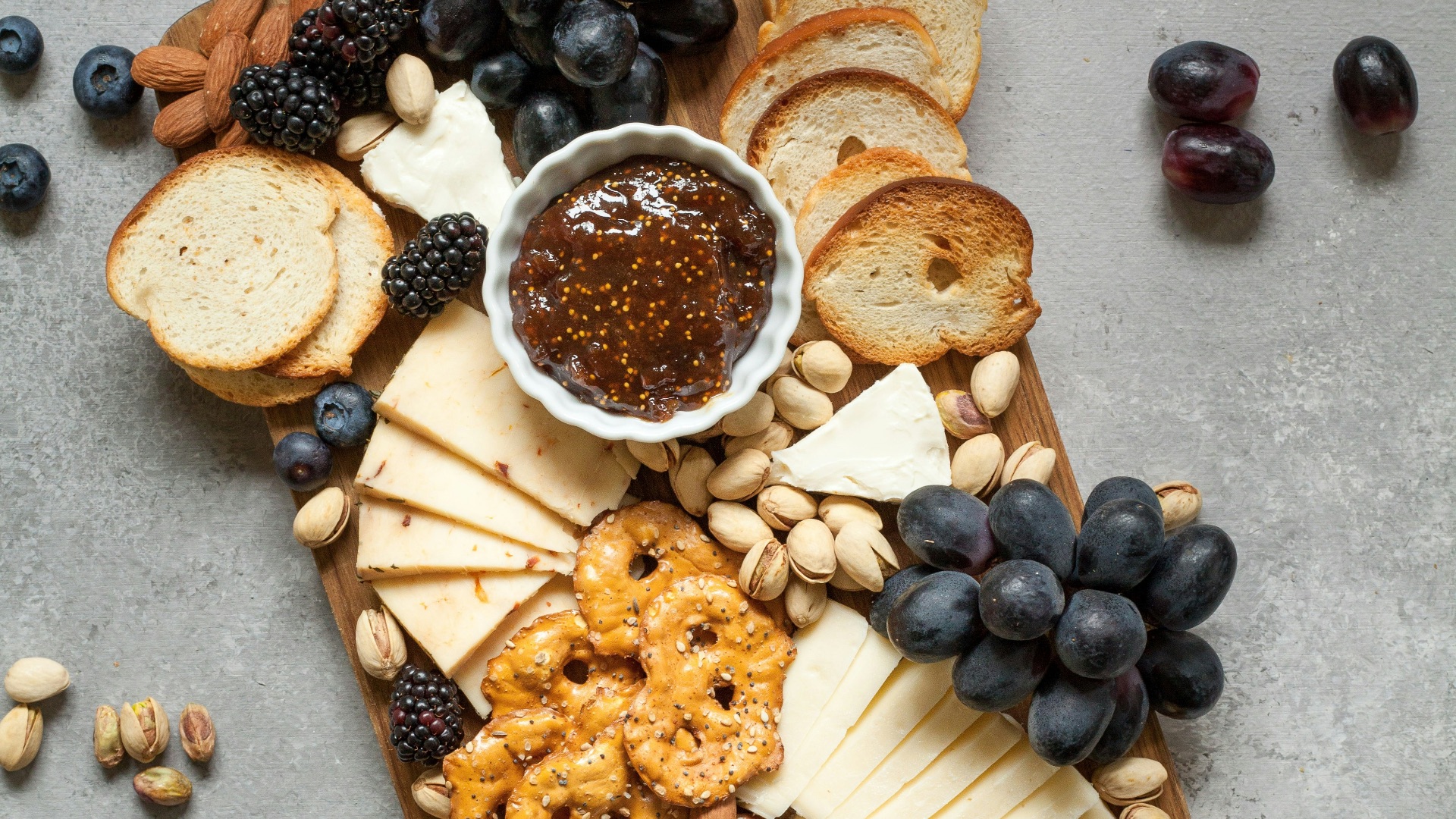
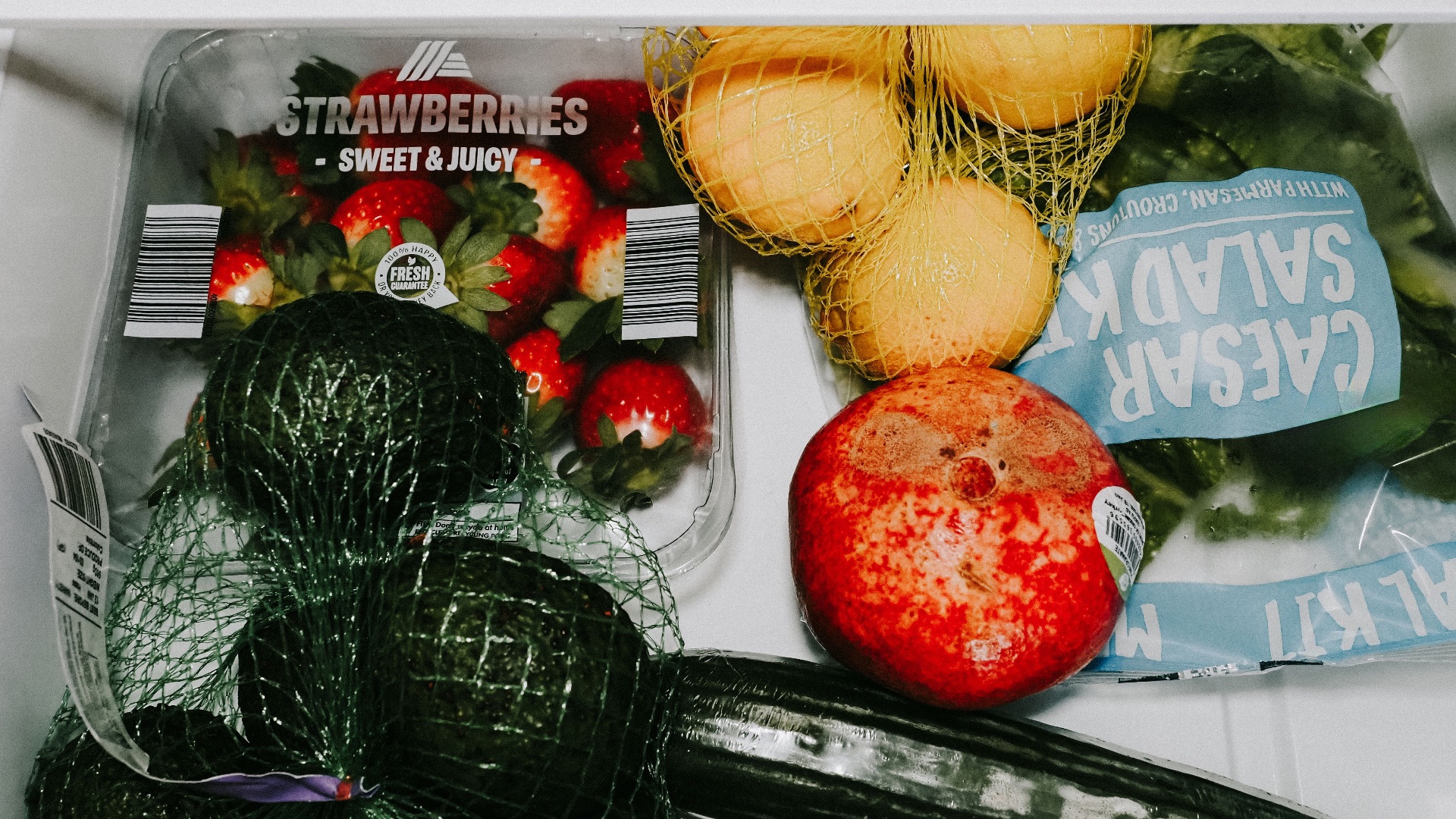
Convenience has a big influence on what we choose to eat, so if you only ever have chips and cookies in the pantry, that’s what you’ll reach for! Try keeping washed grapes, sliced bell peppers, or individual containers of yogurt near the front of your fridge instead. When nutritious choices are just as accessible as the packaged stuff, making a smart choice is way easier.
7. Avoid Skipping Meals to Save Calories
Skipping meals sounds like a one-way ticket to weight loss, but it’s actually one of the worst ways to shed calories. That hunger sometimes encourages larger portions or frequent snacking that makes your original calorie-saving plan moot. Eating balanced meals throughout the day can help you approach snacks with a more manageable appetite.
8. Enjoy Dessert
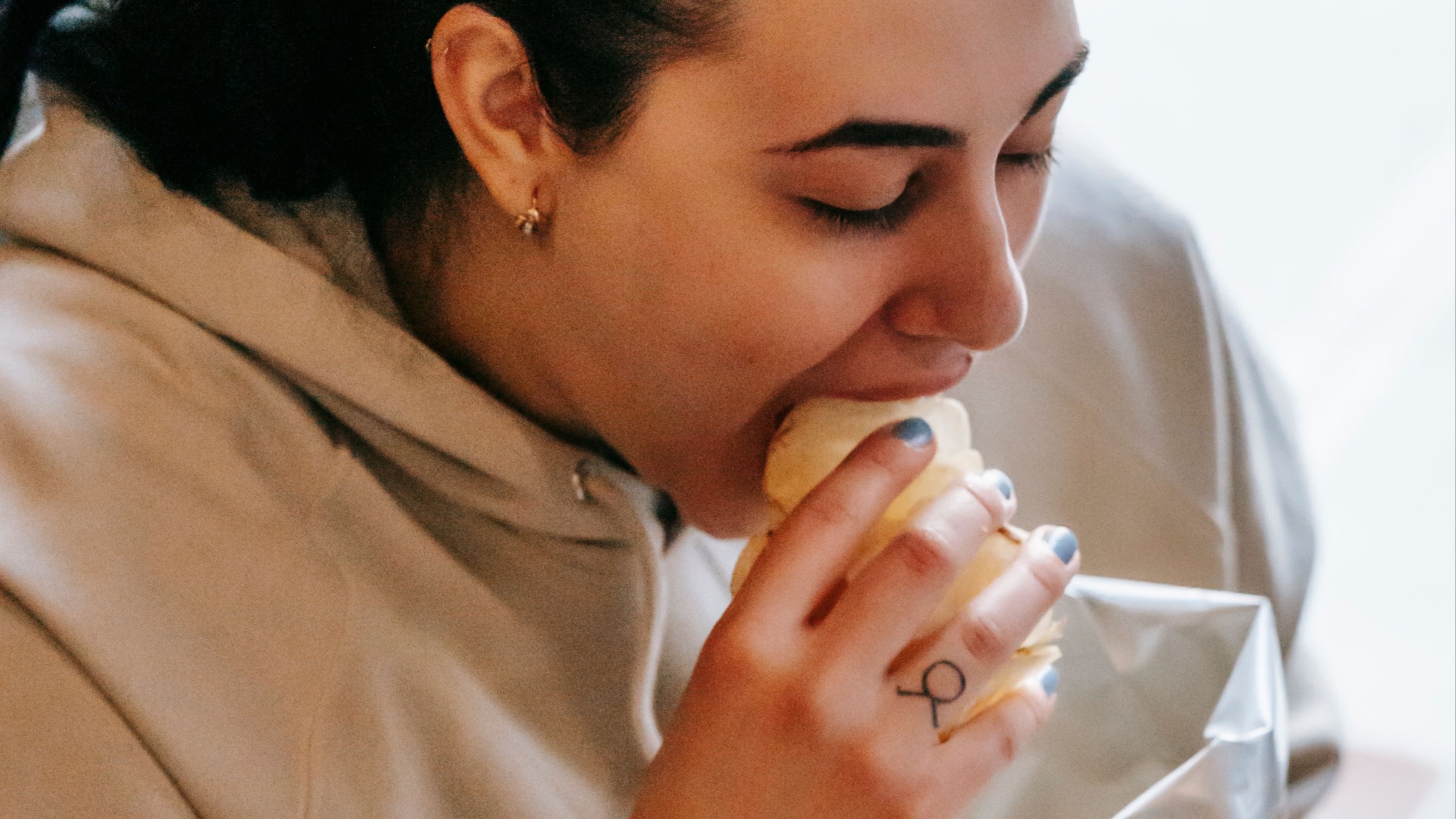
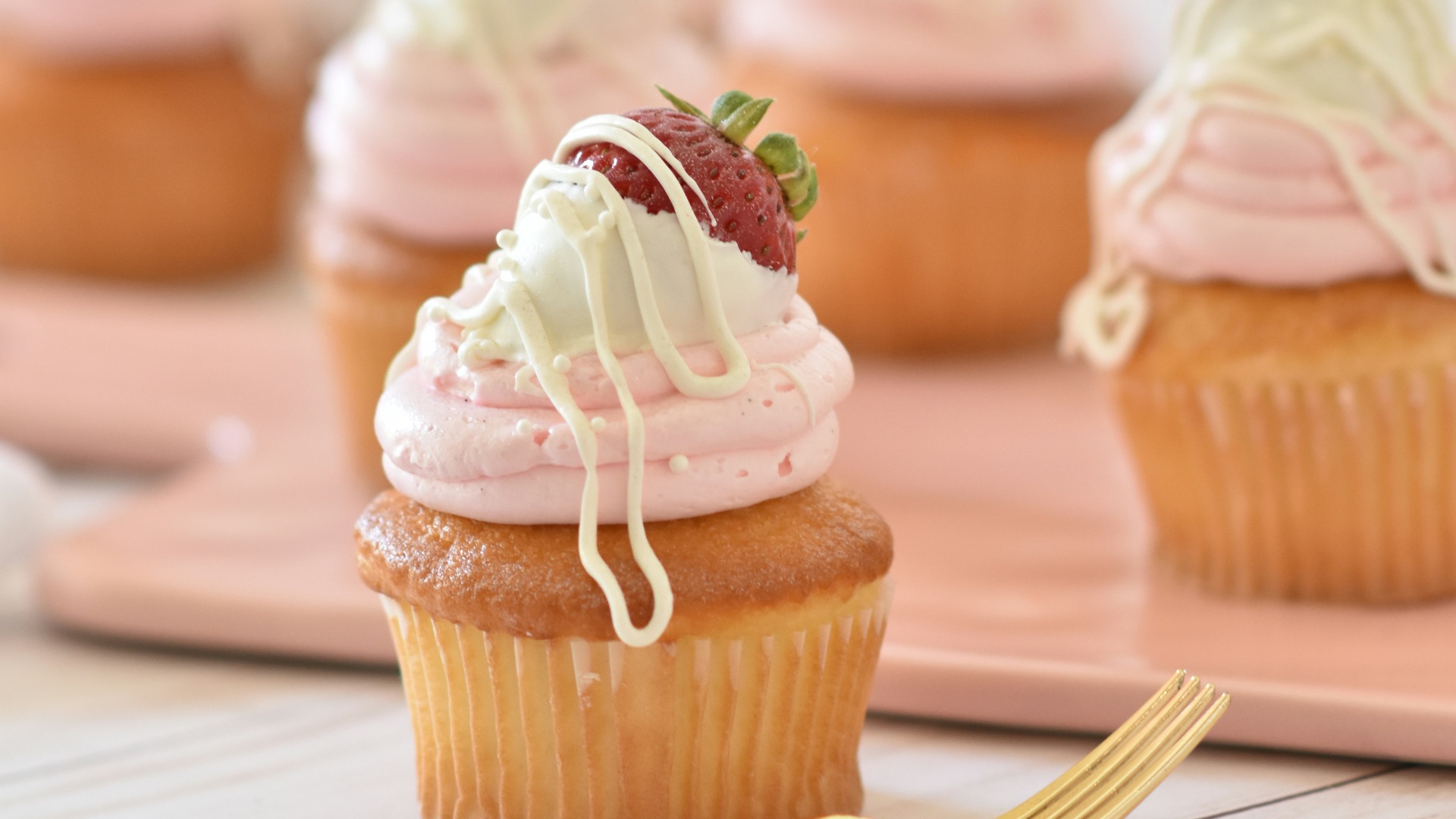
Going cold turkey on what you enjoy is also an outdated dieting tactic. Completely banning those foods feels unnecessarily tempting, so rather than swearing off your favorite dessert, consider enjoying a small serving when you want it. A couple of squares of chocolate can be much more satisfying than repeatedly eating substitutes that never quite meet your craving.
9. Pay Attention to Nutrition Labels
Foods advertised as organic, gluten-free, or made with natural ingredients aren't automatically lower in calories. A handful of granola, for example, can have more calories than expected because of added oils, sweeteners, and nuts. Checking serving sizes and calorie information keeps you on top of what’s actually healthy.
10. Don't Confuse Thirst With Hunger
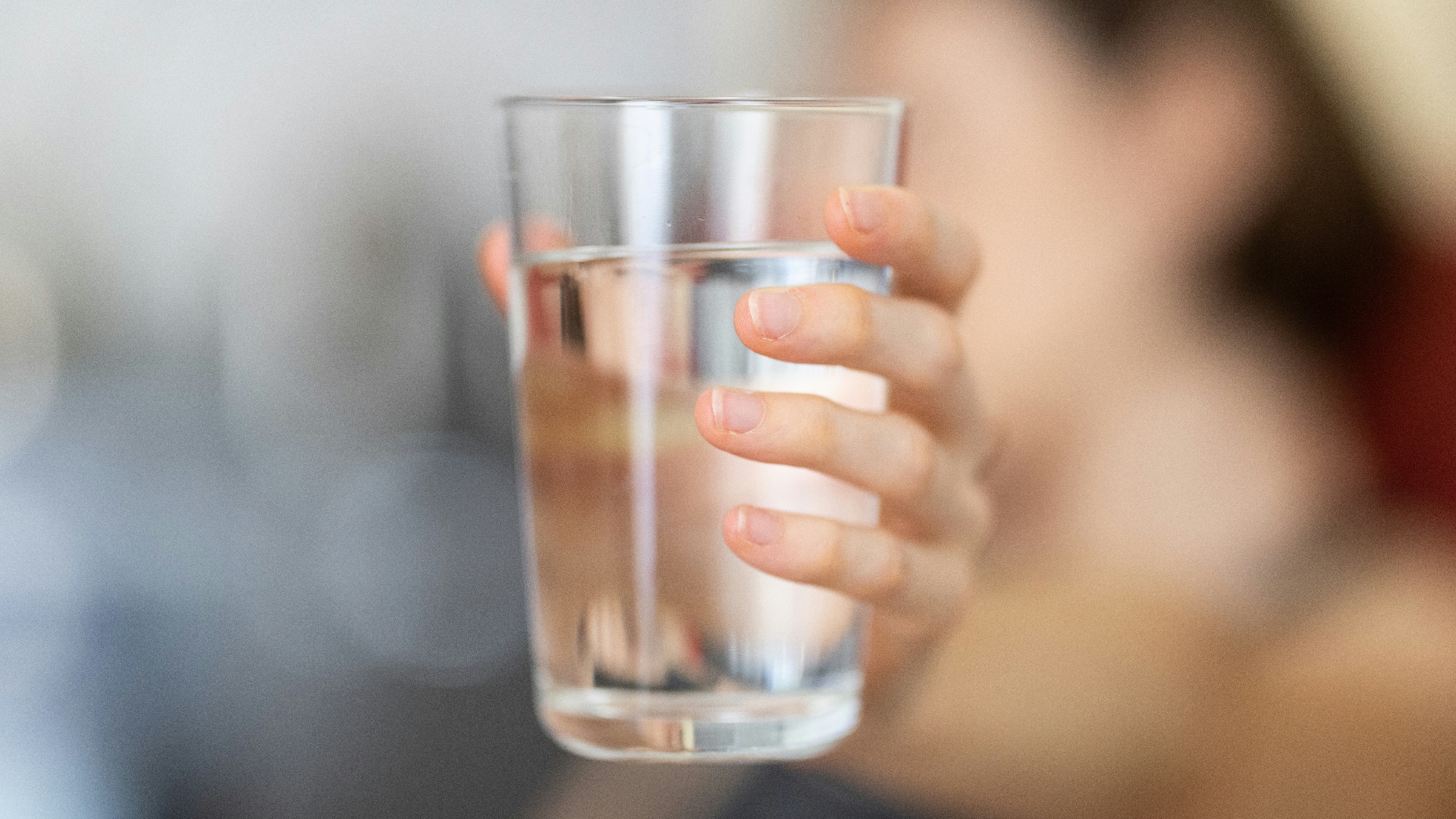
Thirst and hunger are basically cousins, and that’s why it’s so easy to confuse one for the other. If you're unsure what your body needs, try having a glass of water and checking whether you're still hungry afterward. There's obviously no reason to ignore genuine hunger, but don’t just assume that’s what it is!
11. Plan Your Snacks
That stretch between lunch and dinner gets hard when you're busy and nowhere near your next meal. Preparing something like a small turkey roll-up or a portion of yogurt with berries gives you a convenient option before hunger makes it hard to think. Having a plan also reduces the temptation to grab whatever happens to be sitting beside the office coffee machine.
12. Be Careful With Nuts
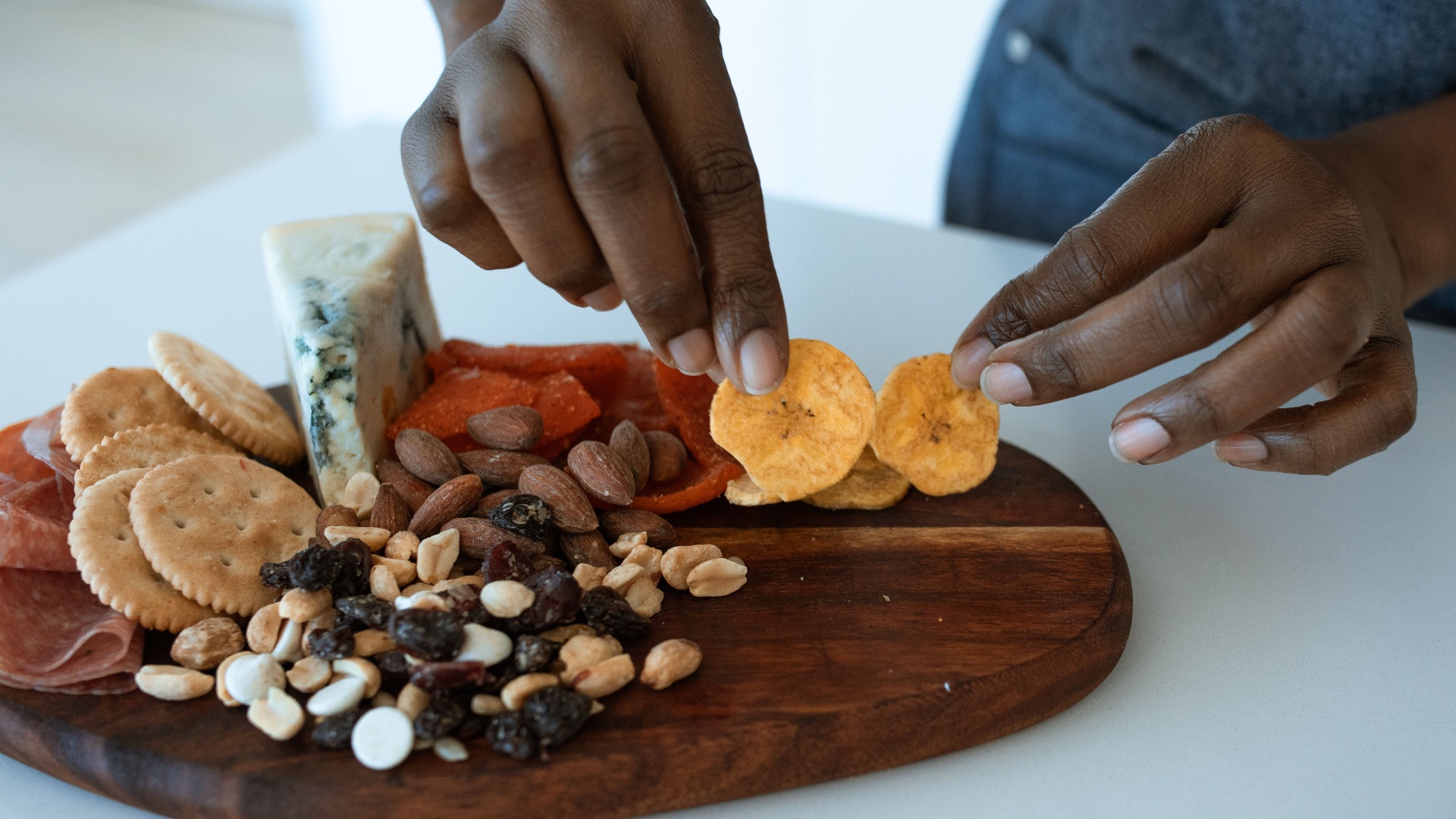
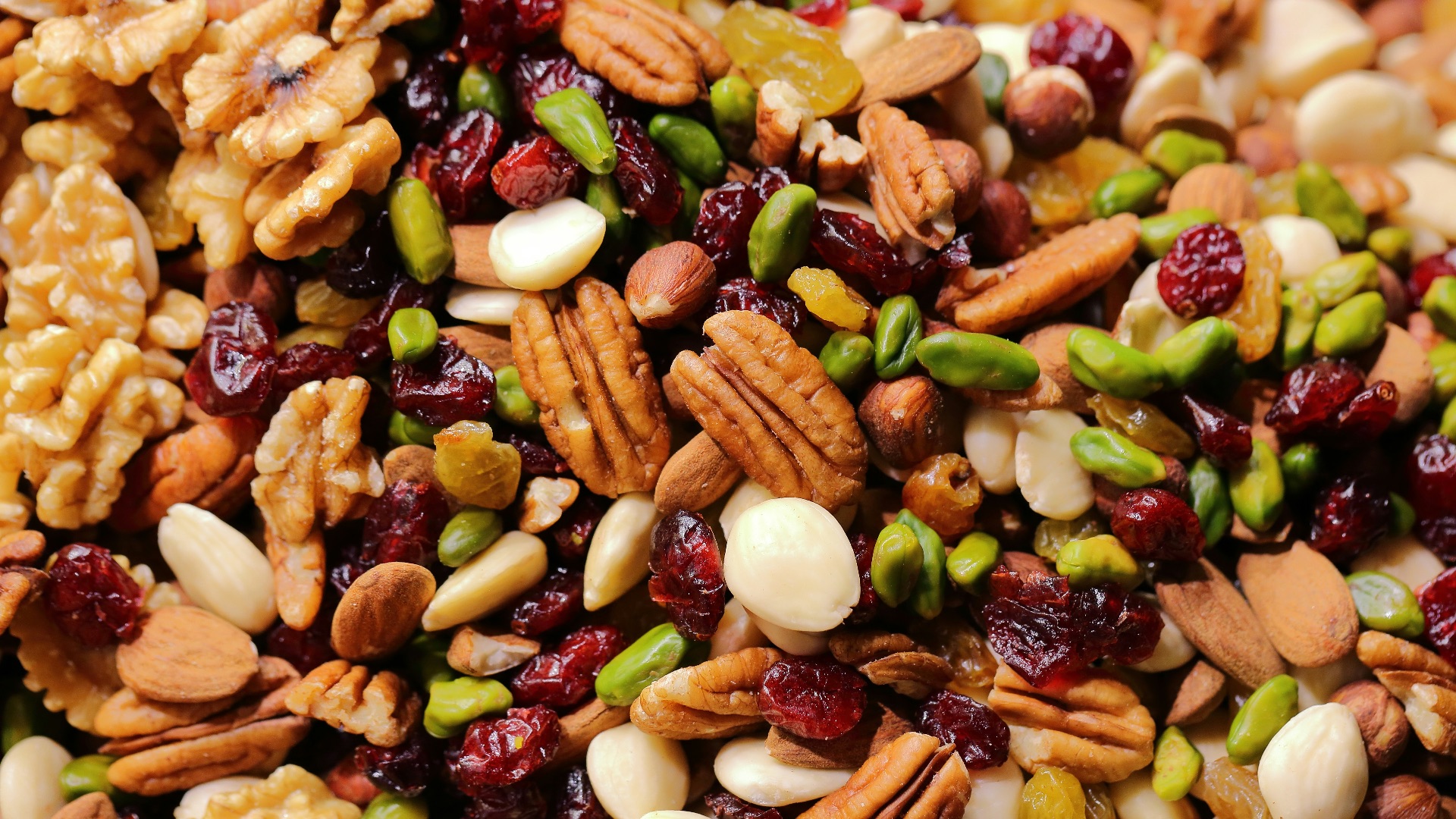
Almonds, walnuts, and cashews—they sure sound healthy, don’t they? Well, not so fast! Their health is only as beneficial as their portion size. The more you have, the worse it gets. A small handful is generally more appropriate for everyday snacking than repeatedly reaching into a large container.
13. Stop Snacking While Watching TV
When we’re sat in front of the TV with butter popcorn, we’re not watching calories. We’re also not keeping track of how much we’ve eaten. Even research suggests that distracted eating can interfere with your awareness of food intake, so taking a few minutes away from the screen to enjoy your snack allows you to pay closer attention to your appetite.

14. Add More Fiber to Your Snacks
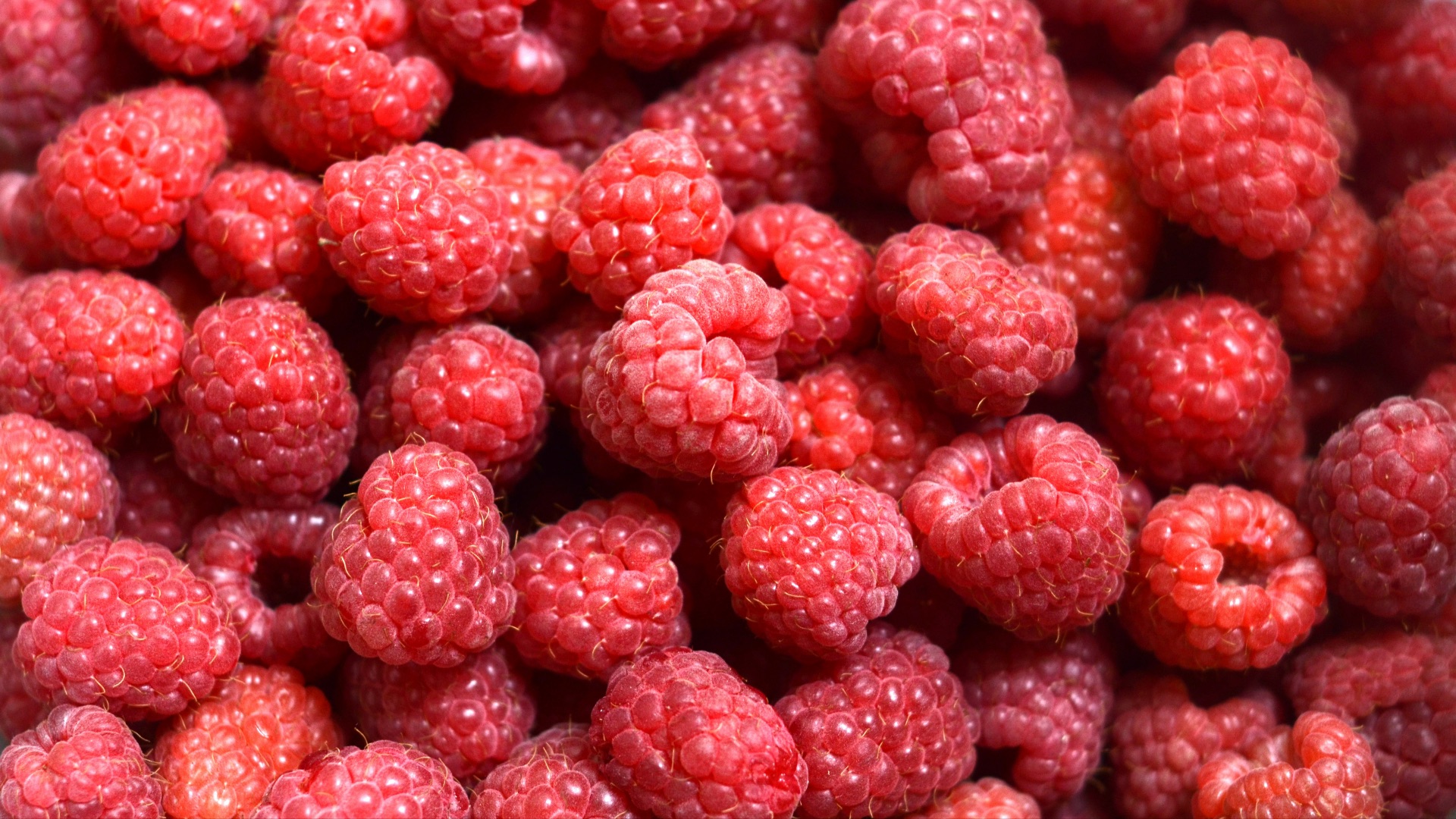
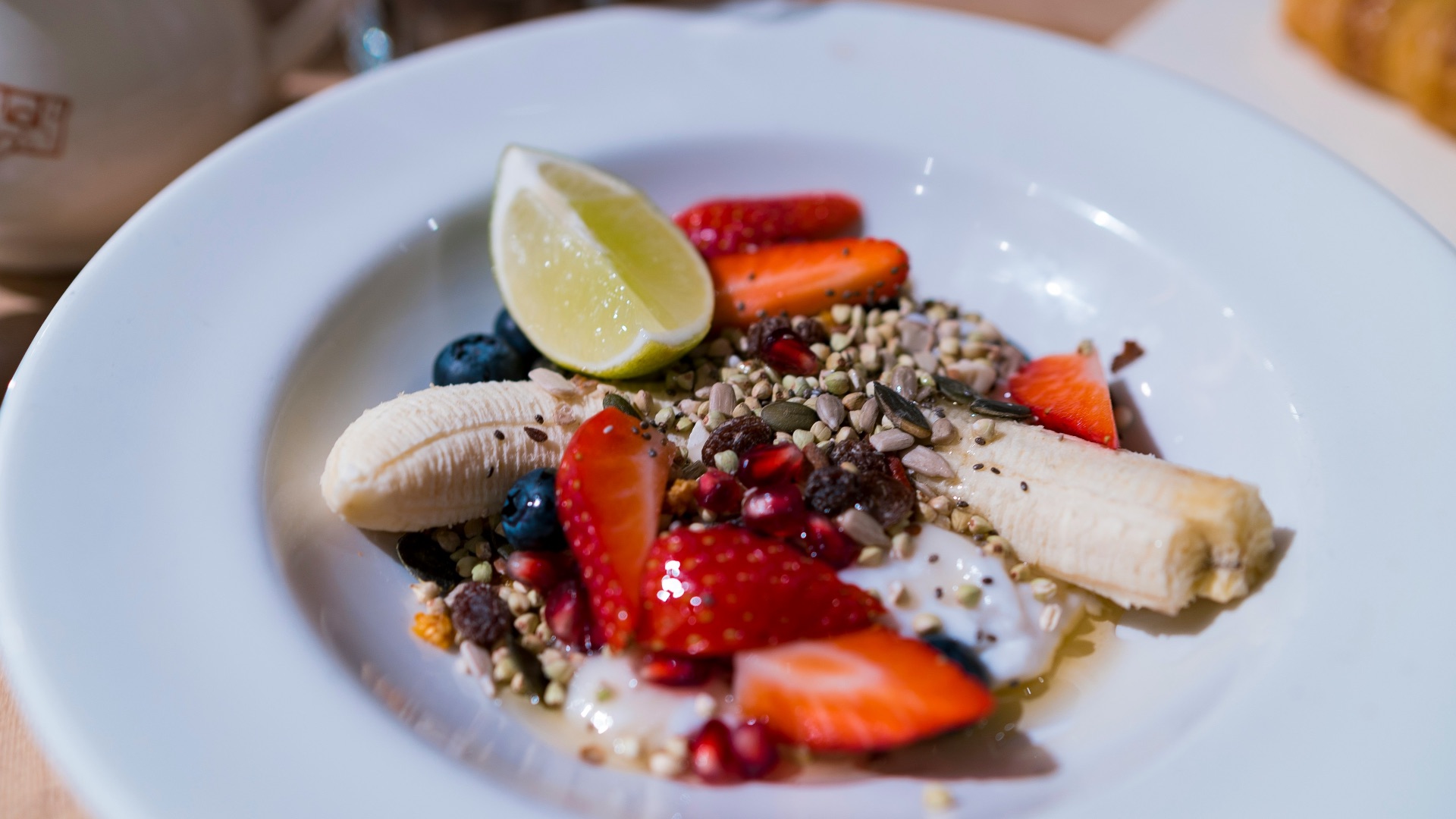
Protein is important, but so is fiber! It helps support digestive health and can contribute to feeling satisfied after eating. Try pairing whole-grain crackers with hummus or adding raspberries to a small bowl of plain yogurt instead of relying entirely on refined carbs.
15. Don't Assume Smaller Packages Are Healthier
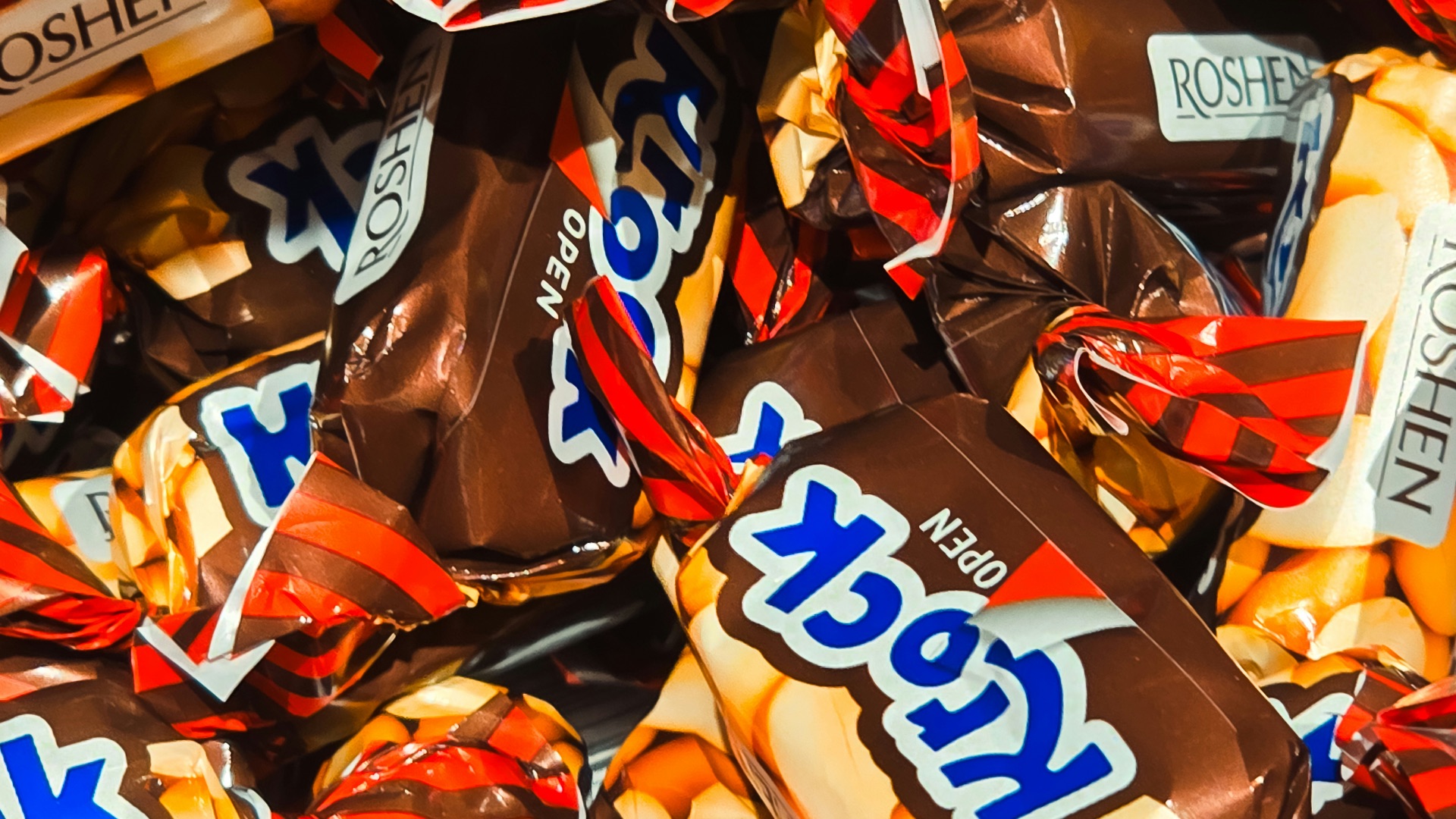
Small doesn’t always mean healthy, so mind what you snack on! Eating several small packages can still contribute a considerable number of calories, particularly when you assume each one barely counts. Individual portions are helpful for controlling intake, but only when you're aware of how much you're actually consuming.
16. Keep Your Snacking Schedule Flexible
You don't need a morning, afternoon, and evening snack—even if you've developed that routine. On days when breakfast keeps you satisfied until lunch, there's nothing wrong with skipping the usual midmorning bite. Letting your appetite guide your decisions can prevent unnecessary eating while ensuring you still get enough food throughout the day.

17. Find Lighter Ways to Prepare Your Favorites
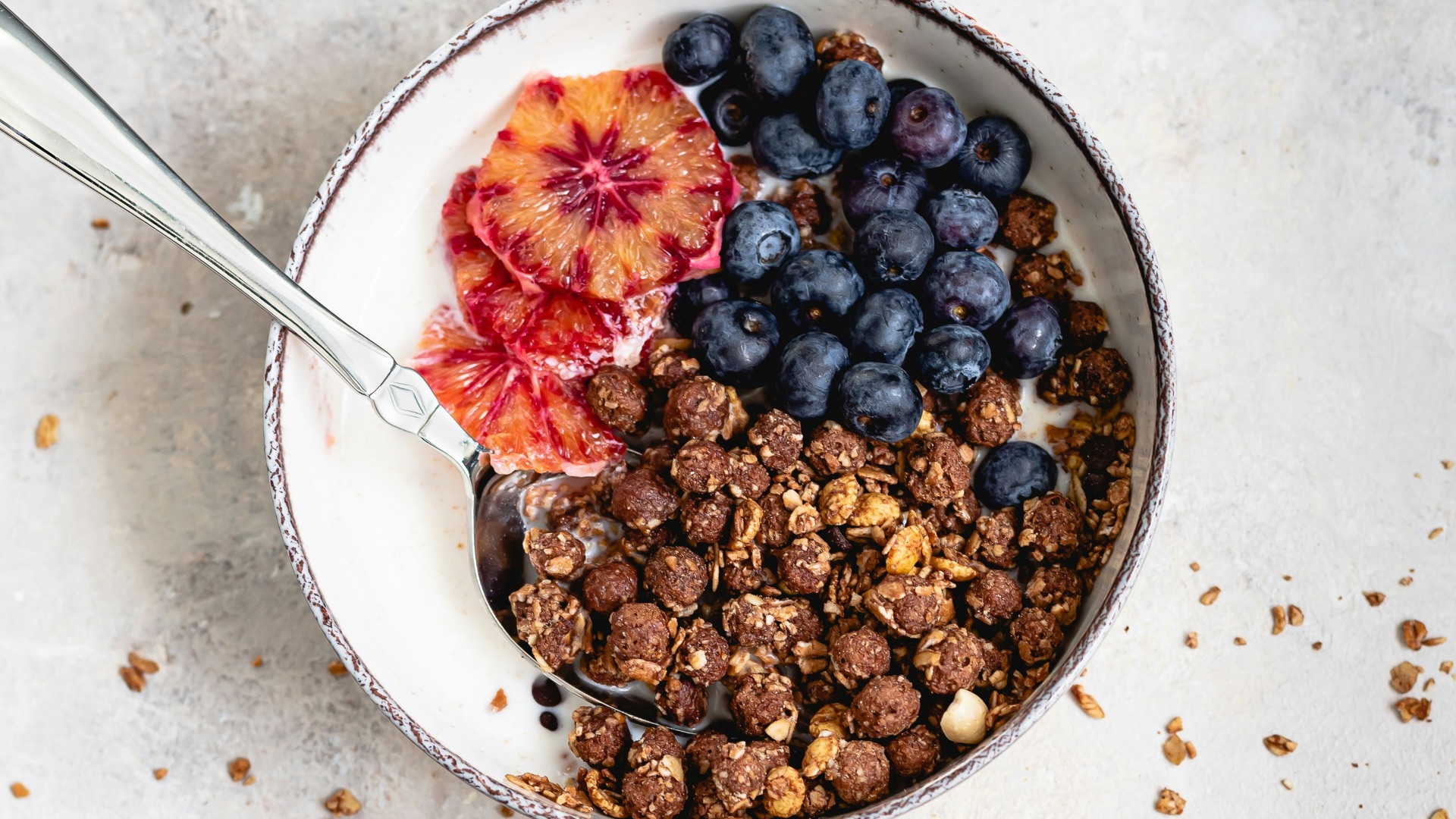
Sometimes all it takes is a small change in prep to make snacking less calorie-dense. Instead of deep-frying potato wedges, try baking them with a little olive oil, paprika, and garlic powder until they're nicely browned. Instead of a bowl of granola, add some berries and a sprinkle of nuts to Greek yogurt. You'll still enjoy the flavors you like while using less added fat than many traditional preparations!
18. Watch What You Add to Healthy Foods
Speaking of Greek yogurt, healthy snacks get unhealthy pretty quickly when you drown them in granola, chocolate, or whipped cream. Similarly, an ordinary baked potato can become surprisingly calorie-dense once you clock in all that butter, cheese, and sour cream. Enjoying toppings in smaller quantities allows you to keep the flavors without letting the extras dominate your snack.
19. Get Enough Sleep
We hate to break it to you, but sleep plays a role in everything, including how you eat! A bad night’s sleep can influence hormones involved in hunger and appetite, potentially making calorie-dense foods more appealing the following day. Maintaining a consistent schedule won't totally remove cravings, but it can make managing your appetite less challenging.

20. Remember That Your Diet Matters Most
You’d need to eat thousands of calories to gain one pound in a day—not one little cookie. Long-term weight maintenance depends more on your overall calorie balance and eating patterns than on any individual snack. Don’t shame yourself out of what you enjoy. By keeping portions reasonable, choosing nutritious foods regularly, and allowing yourself occasional treats, you can enjoy snacking without turning every bite into a crisis.
KEEP ON READING


20 Ways to Deal With Your Sweet Tooth
20 Low-Impact Exercise Ideas For People Over 50