
Every Dollar Counts
Living on a fixed income means getting comfortable with a budget that doesn't always leave room for surprises. It’s even tougher to juggle the lifestyle changes that come with sliced budgets, especially when you’re used to earning a bi-weekly paycheck. Though most people adapt, not everyone can get used to the pressure, and here are 20 ways a limited income can affect your health—even when you're doing your best to take care of yourself.
1. You Might Start Skipping Prescriptions
When prescription prices compete with groceries and electricity bills, some retirees begin stretching their medications to save money. Rather than sticking to a strict regimen, they’ll take pills every other day. That can obviously interfere with managing the condition, and changing doses without medical assistance can create health problems that are far more expensive down the road.
 National Cancer Institute on Unsplash
2. Fresh Produce Becomes Less Appealing
When you only have so much to spend, you’re not really gravitating toward healthy stuff. How could you? A bag of frozen fries costs a lot less than fresh vegetables, especially when you're cooking for one. However, over time, a diet lacking variety can make maintaining good health more difficult.

3. Dental Problems Go Untreated
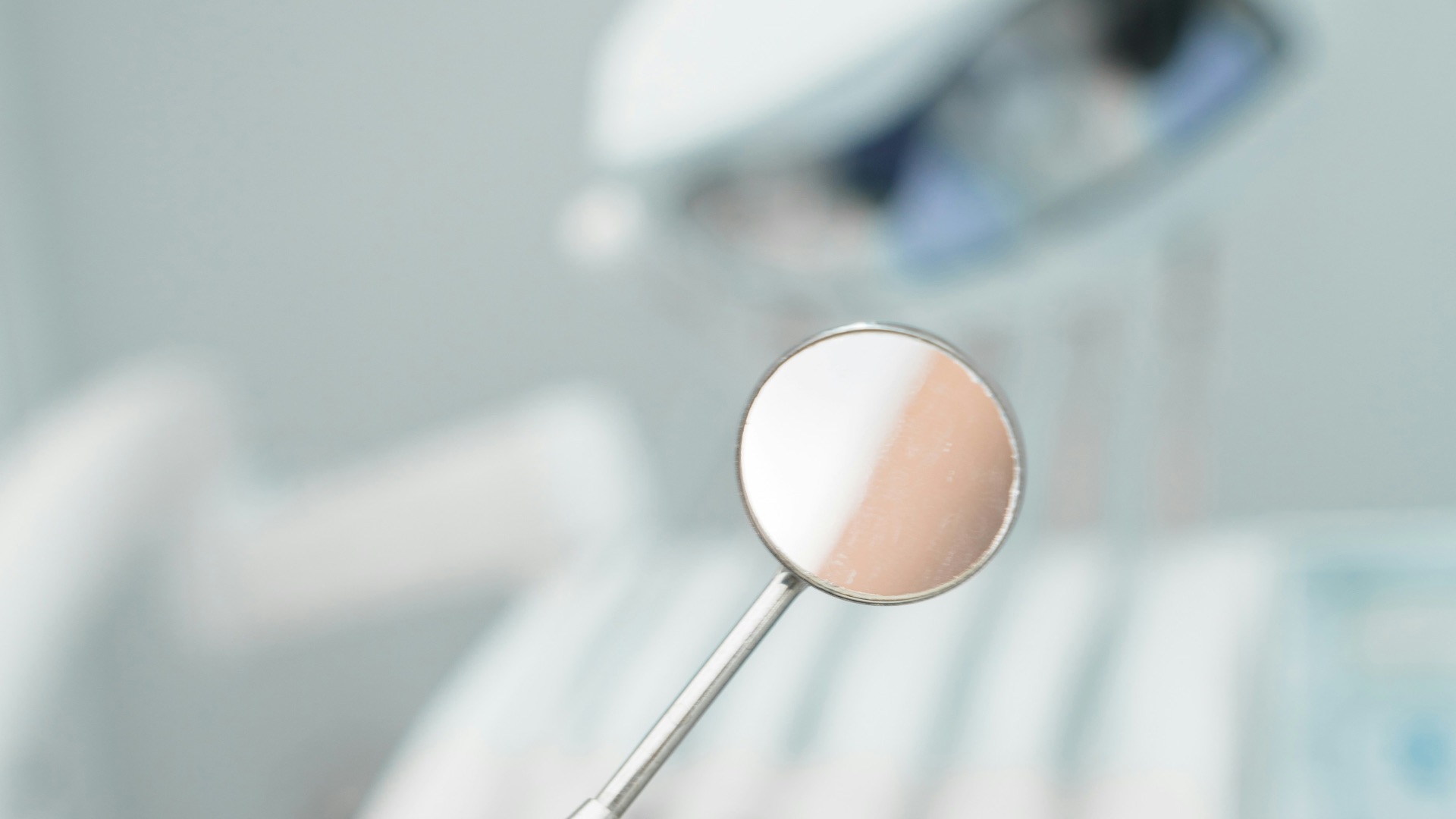
That occasional toothache? Suddenly, it seems manageable when the alternative is paying hundreds of dollars to fix it. Though it seems worthwhile to wait it out, untreated cavities and gum disease can eventually lead to infections, tooth loss, and difficulty eating. Some retirees might even struggle to eat certain foods.
 Katarzyna Zygnerska on Unsplash
4. Your Home Might Become Too Cold
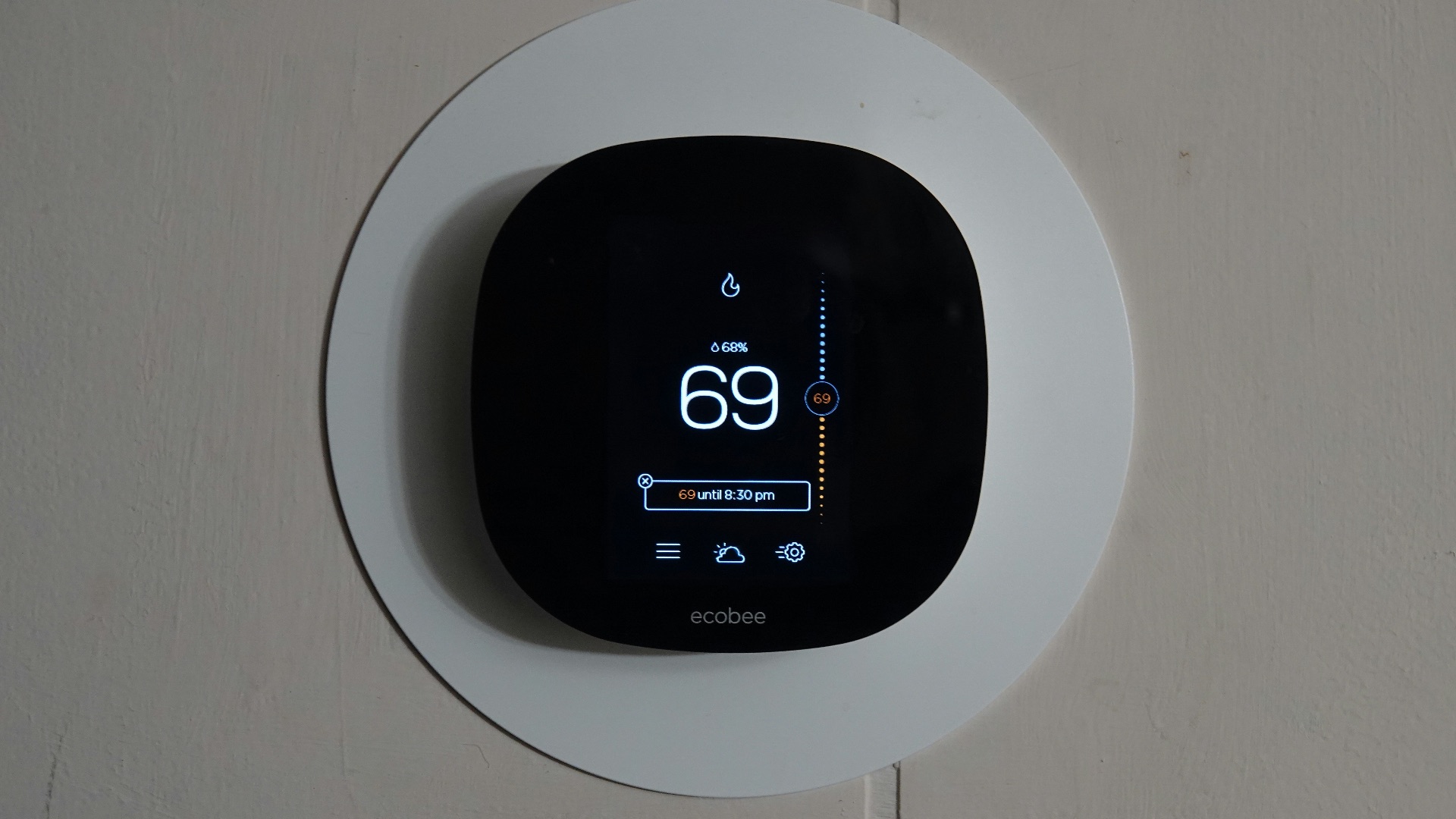
Heating an entire house can feel way too expensive when you're living alone and trying to keep costs down. Opening the windows on a nice day is fine, but allowing indoor temperatures to drop too low can actually be dangerous for older adults. Cold conditions can also aggravate certain respiratory and cardiovascular problems.
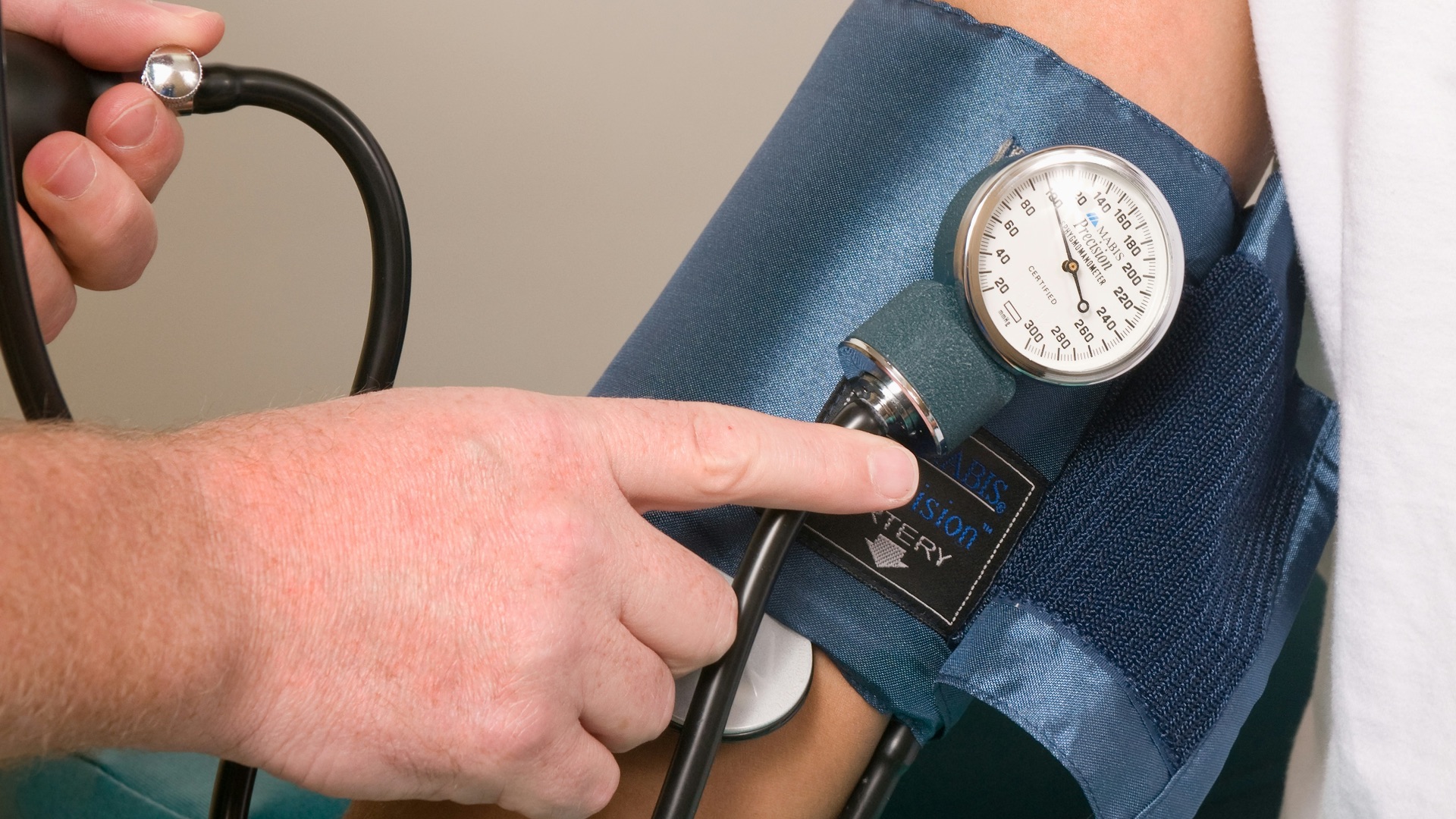
5. Chronic Stress Can Raise Your Blood Pressure
You’ve heard it before, and we’ll say it again: stress is a silent killer! Persistent financial worries can contribute to prolonged stress, which can impact everything from blood pressure to cardiovascular health. Even relatively small expenses, such as an unexpected $150 plumbing repair, can become significant sources of anxiety.
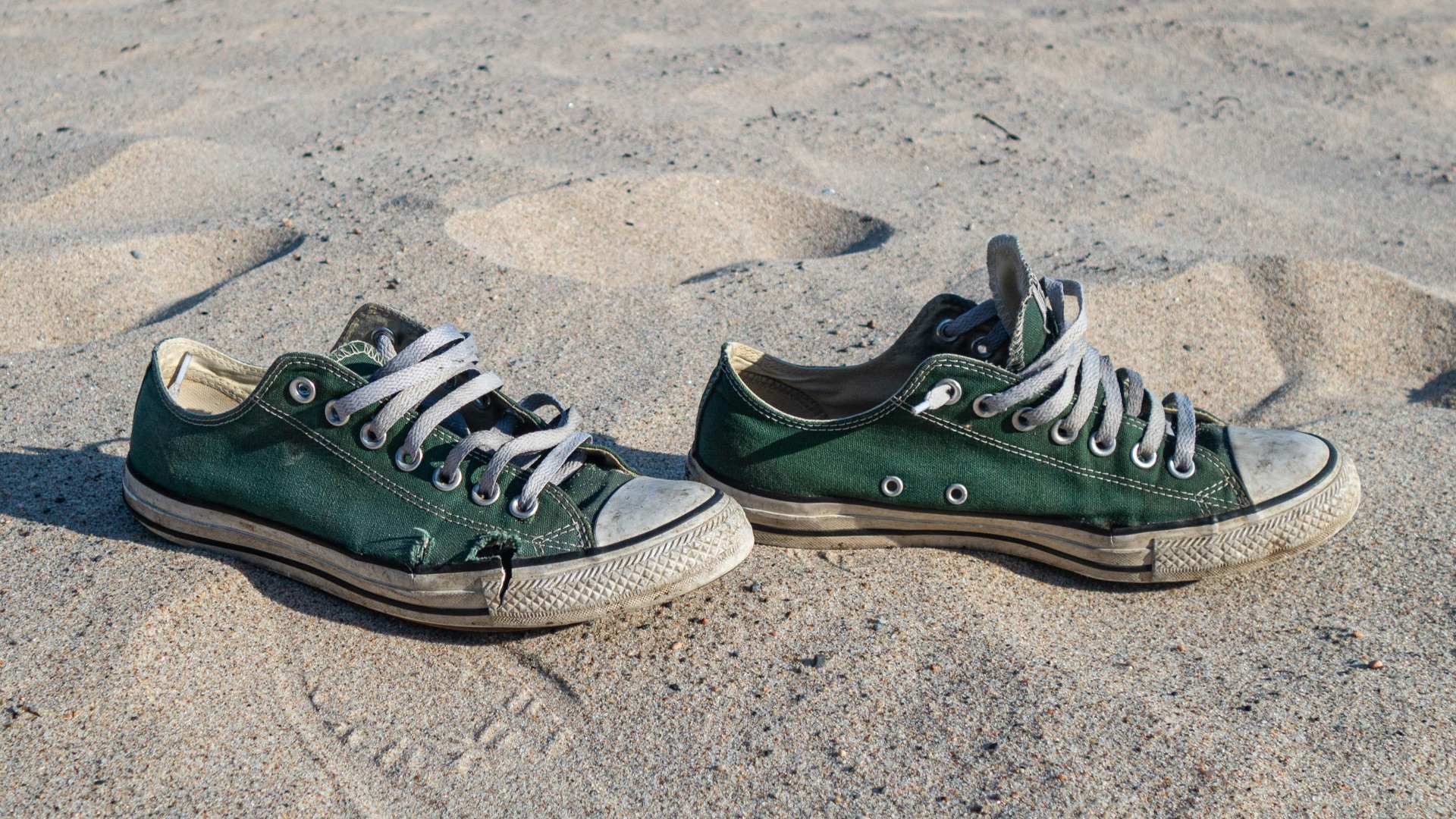
6. You Could Stop Replacing Worn-Out Shoes
Supportive footwear isn't cheap, but neither is buying poorly-made stuff. It’s even more expensive if you save money up front but need to replace them even quicker. Continuing to wear sneakers with flattened soles can contribute to foot discomfort, and poorly fitting footwear may also increase your risk of tripping, especially when balance is already an issue.
 Nikola Johnny Mirkovic on Unsplash
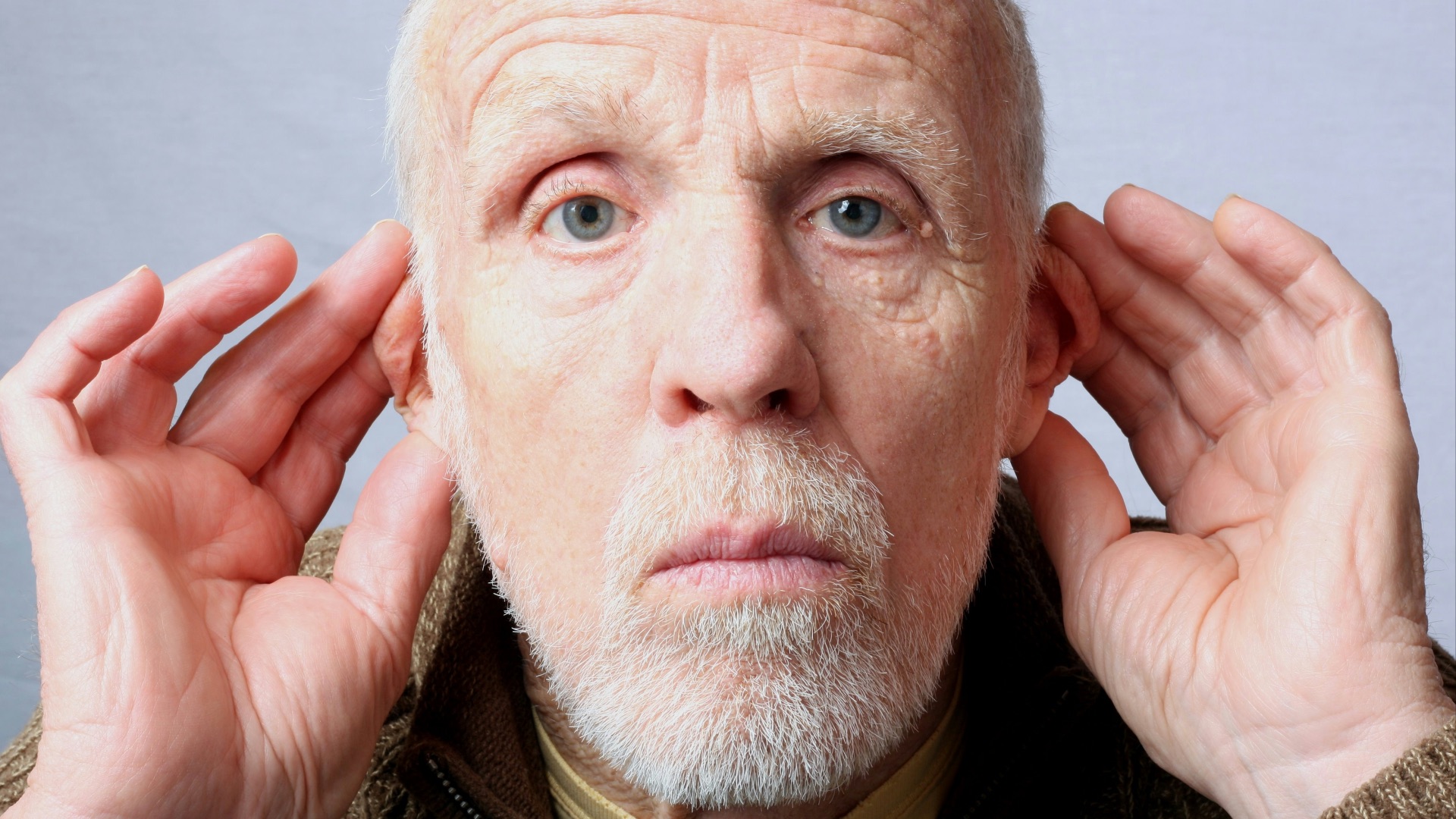
7. Hearing Loss Might Go Unaddressed
Hearing aids are necessary, but that doesn’t mean they're expensive. Retirees know it too, which is why sudden hearing loss can get put on the back burner. Given that those expenses aren’t always covered by insurance, it’s even easier to go unaddressed. But untreated hearing loss can contribute to social withdrawal and is associated with several other health concerns, including cognitive decline.
8. You May Rely on Processed Meats More Often
Hot dogs, canned luncheon meat, inexpensive deli products—these seem practical when fresh proteins stretch your budget. The thing is, frequently eating processed meats can increase sodium intake, which is a big no-no for people already managing high blood pressure. Instead, it’s always better for your ticker to grab canned beans, eggs, or lentils when possible.

9. Physical Therapy Becomes an Optional Expense
Following a serious injury, physical therapy may be essential for rebuilding strength and mobility. But when you’re drowning in bills and car payments, physical therapy isn’t just another surprise cost. It can rack up quickly, especially with transportation costs, copayments, and limited insurance coverage. Missing those sessions then slows recovery and leaves you struggling.

10. You Could Develop an Irregular Sleep Schedule
Remember what we said about stress affecting everything? Well, financial anxiety doesn't just disappear when you turn off the bedroom light. Some retirees find themselves waking during the night to go over expenses or worrying about how long their savings will last. Next thing you know, you’re dealing with repeated sleep disruption that affects concentration, mood, and immune function.
 Solving Healthcare on Unsplash
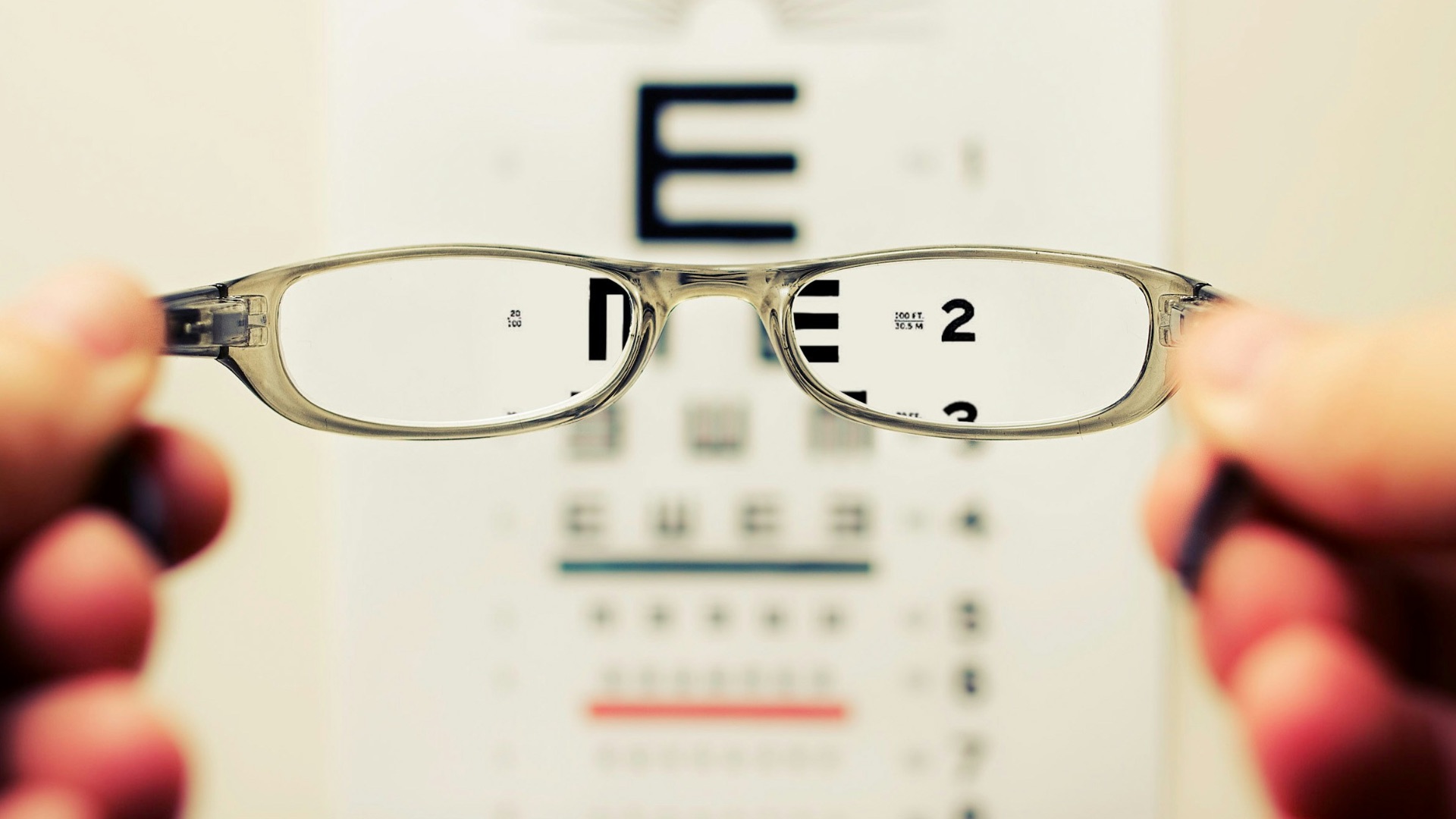
11. Eye Problems Might Be Discovered Later
Putting off an updated prescription may seem harmless when your current pair still works. But how well does it work? Good enough doesn’t cut it with your eyes, and skipping eye exams can delay the detection of glaucoma, diabetic retinopathy, and age-related macular degeneration. By the time those changes pop up, certain diseases may already have caused significant damage.
12. You Might Exercise Less
Walking costs nothing, but that doesn't necessarily make it practical. When snowstorms or heavy rain hit, nobody wants to go outside for a peaceful walk! Someone who can't afford a gym membership, however, may become less active during poor conditions.
 Centre for Ageing Better on Unsplash
13. Maintaining Diabetes Can Become More Complicated
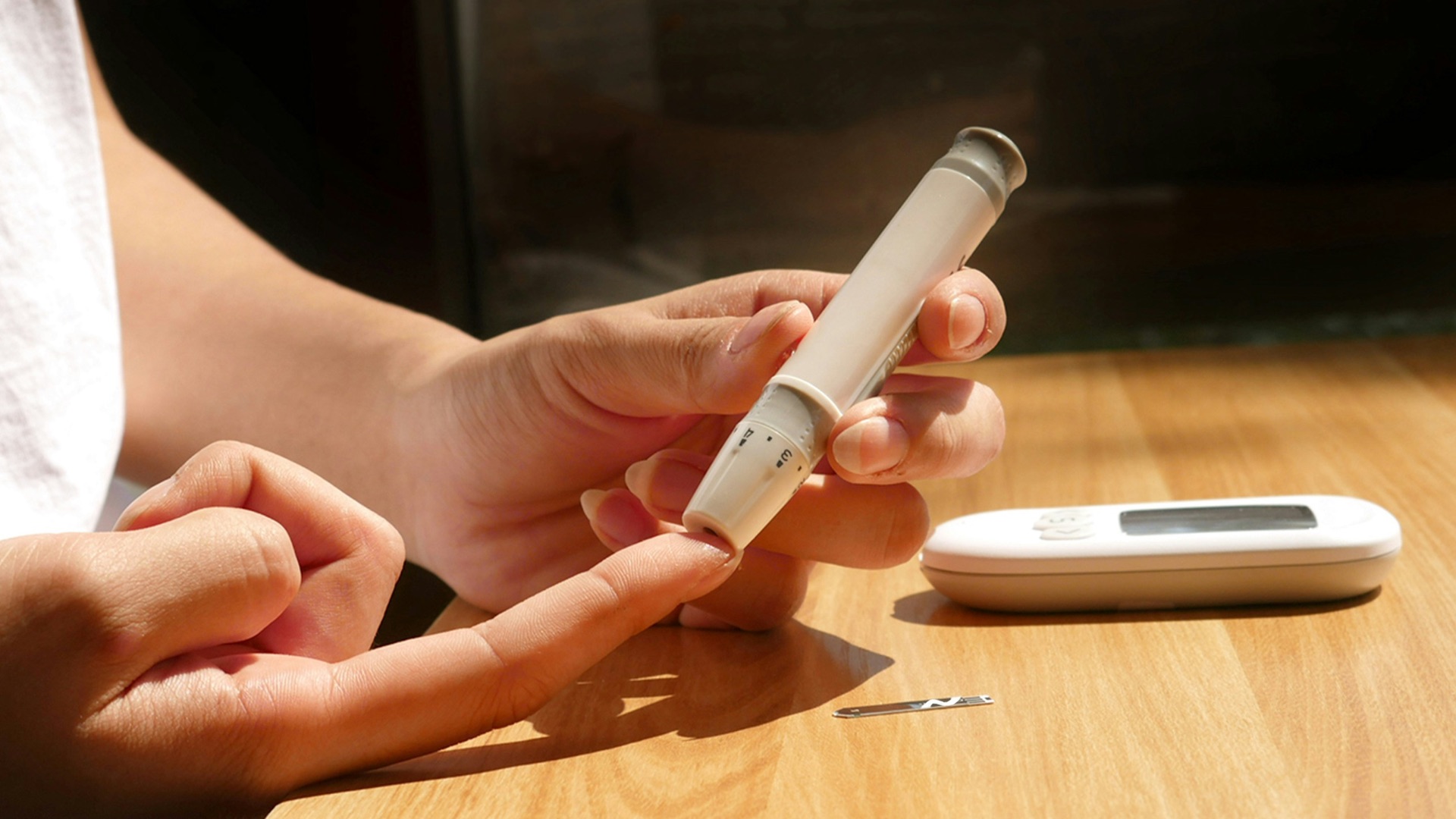
Managing diabetes is a lot more than remembering to take medication—and it’s more costly than people think. Financial restrictions can make it harder to purchase recommended foods, replace glucose-monitoring equipment, or attend follow-up appointments. These difficulties pile up, and they can interfere with blood sugar management.
14. You Could Become More Vulnerable to Falls
A loose stair railing? A poorly lit hallway? Those are problems for tomorrow! It’s easy to turn a blind eye to the little things, but unfortunately, these seemingly minor household problems can become serious hazards for older adults experiencing changes in balance or vision. Falls can cause fractures and other injuries that sometimes require lengthy recovery periods.

15. Your Mental Health May Suffer
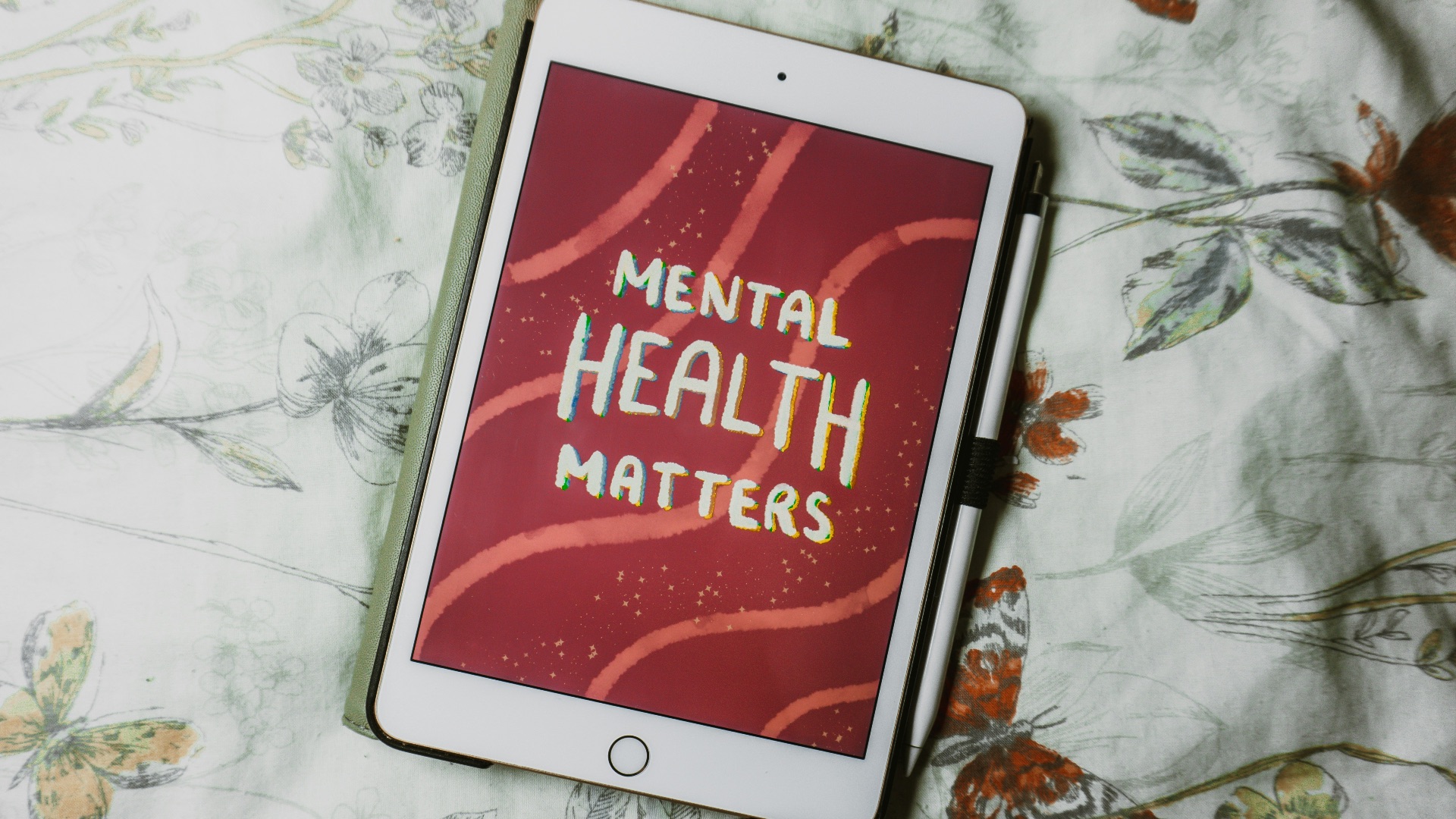
Don’t assume that retirement is sunshine and rainbows. Socializing often involves expenses that add up quickly, and when you’re trying to save, they’re just one more thing to worry about. But even if you try to save, the situation turns into a double-edged sword; reduced social outings can easily contribute to loneliness and depression.
16. You Might Ignore Problems With Your Mattress
Replacing an aging mattress isn't usually a priority when you're worried about necessities. But may we remind you that a good mattress is also a priority! A badly sagging bed can make it harder to find a comfortable sleeping position—waking up stiff and uncomfortable every morning can affect both your energy levels and daily activities.

17. Healthy Cooking Can Become More Difficult
A broken stove burner is a genuine problem when there's no money available for repairs. Busted freezers are another issue. Without dependable kitchen appliances, preparing balanced meals and storing perishable ingredients safely becomes harder. You might even start relying on packaged snacks or takeout more often.

18. You May Delay Seeing a Specialist
A referral is one thing, but that doesn't always mean you can afford every associated expense. Depending on your insurance, specialist visits, diagnostic tests, parking fees, and transportation may require substantial out-of-pocket spending. But retirees know the risks: postponing an important appointment can delay diagnosis or treatment.

19. You Could Become Susceptible to Heat-Related Illness
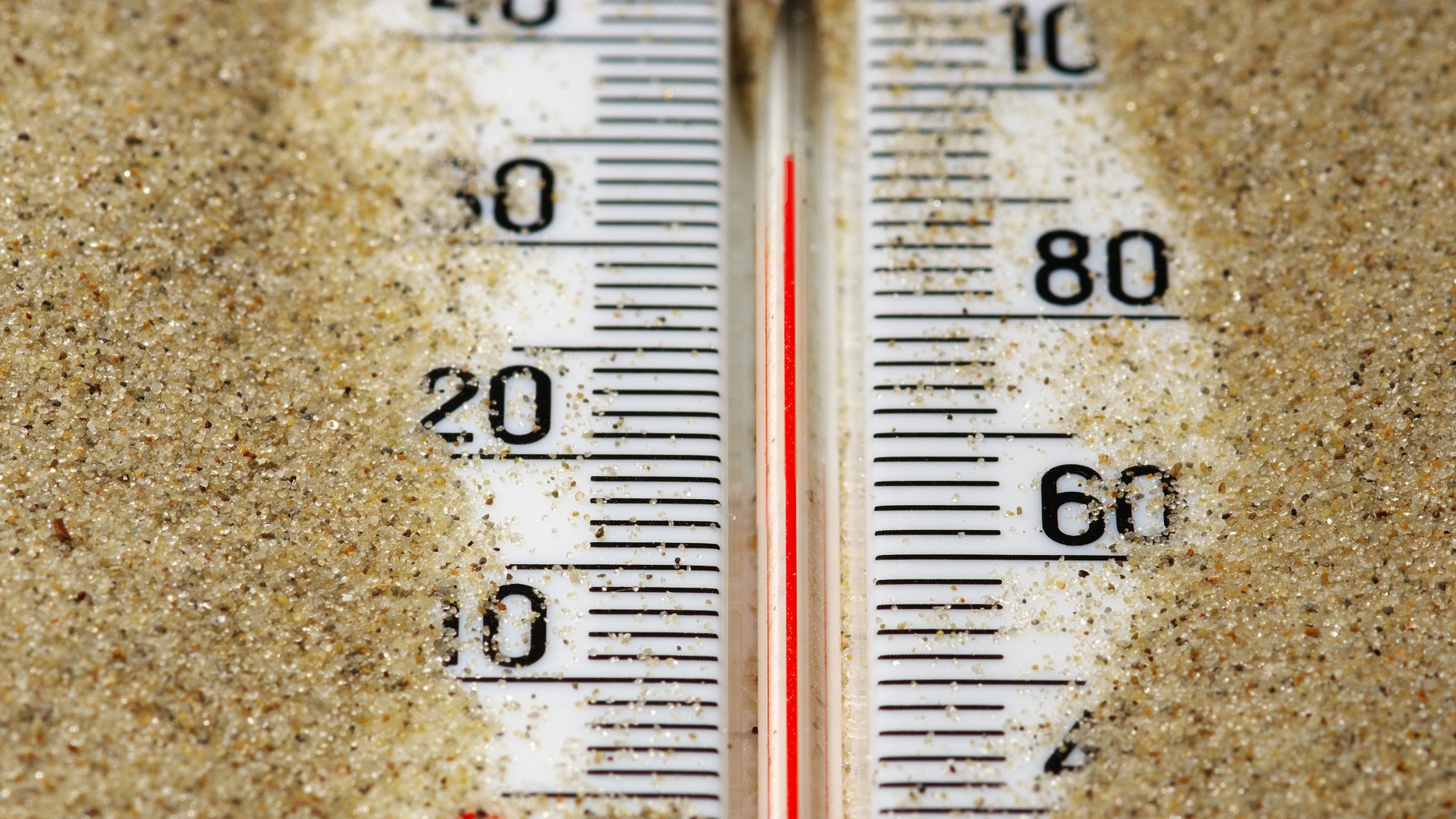
Running the AC throughout a heat wave can obviously increase your bill, leading some older adults to limit its use…even when indoor temperatures turn into a pressure cooker. Excessive heat is just as scary for your health as anything else, and it can cause dehydration and heat exhaustion. Certain medications can also make overheating particularly dangerous.
20. You Might Stop Asking For Help
One of the less obvious consequences of budgeting is the embarrassment some people have when talking about money. Rather than admitting they can't afford groceries or medical supplies, they may quietly go without them. It’s that very reluctance that prevents retirees from accessing community programs and practical support that could make a meaningful difference to their health!
KEEP ON READING



20 Ways to Deal With Your Sweet Tooth

20 Low-Impact Exercise Ideas For People Over 50