
The Challenges Nobody Warns You About
Living alone after 65 can be incredibly rewarding, especially when you've spent years working toward a place to call your own. However, it doesn’t matter how old or young you are—certain challenges become more noticeable when you don't have someone else around. From unexpected emergencies to little inconveniences, independent living isn't always as straightforward as we'd like. Before you think about signing those lease papers, here are 20 things that can make living alone after 65 more difficult.

1. Recovering From an Unexpected Fall
Make no mistake; this isn’t something that just happens in your golden years. When you’re alone, a simple fall can become much more concerning when there's nobody nearby to help. Even relatively minor accidents can be pretty scary when you're unsure how quickly someone will notice something's wrong.

2. Keeping Up With Repairs
That dripping faucet you've been ignoring? Suddenly, it’s your responsibility to fix…along with everything else around the house. Finding reliable contractors, scheduling appointments, and paying for repairs is also exhausting when you're managing everything on your own. Larger problems, such as a leaking roof or broken furnace, only add to the pressure as well.
3. Getting Home After Medical Procedures
Certain appointments require more planning than you'd expect when you live by yourself. For example, facilities usually need someone to accompany you home after sedation, meaning you can't just rely on a taxi. Arranging a trusted escort and sometimes additional supervision afterward can make a routine procedure surprisingly complicated.
 National Cancer Institute on Unsplash
4. Cooking Proper Meals For One Person
Preparing a dinner for just little ol’ you can feel unnecessary, and that attitude makes it even harder to treat yourself to good food. You might find yourself reaching for frozen dinners or eating toast for dinner because making an entire meal doesn't seem worth it. But relying too heavily on convenient options makes it harder to get enough nutrients.

5. Managing Several Medications
Keeping track of medications becomes a lot more complicated when prescriptions have different instructions and schedules. One pill might need to be taken before breakfast, while another requires food or needs to be taken at bedtime. You might think you can handle it, but sometimes, without someone around to notice mistakes, accidentally missing doses or taking medication twice happens more than you think.

6. Severe Weather
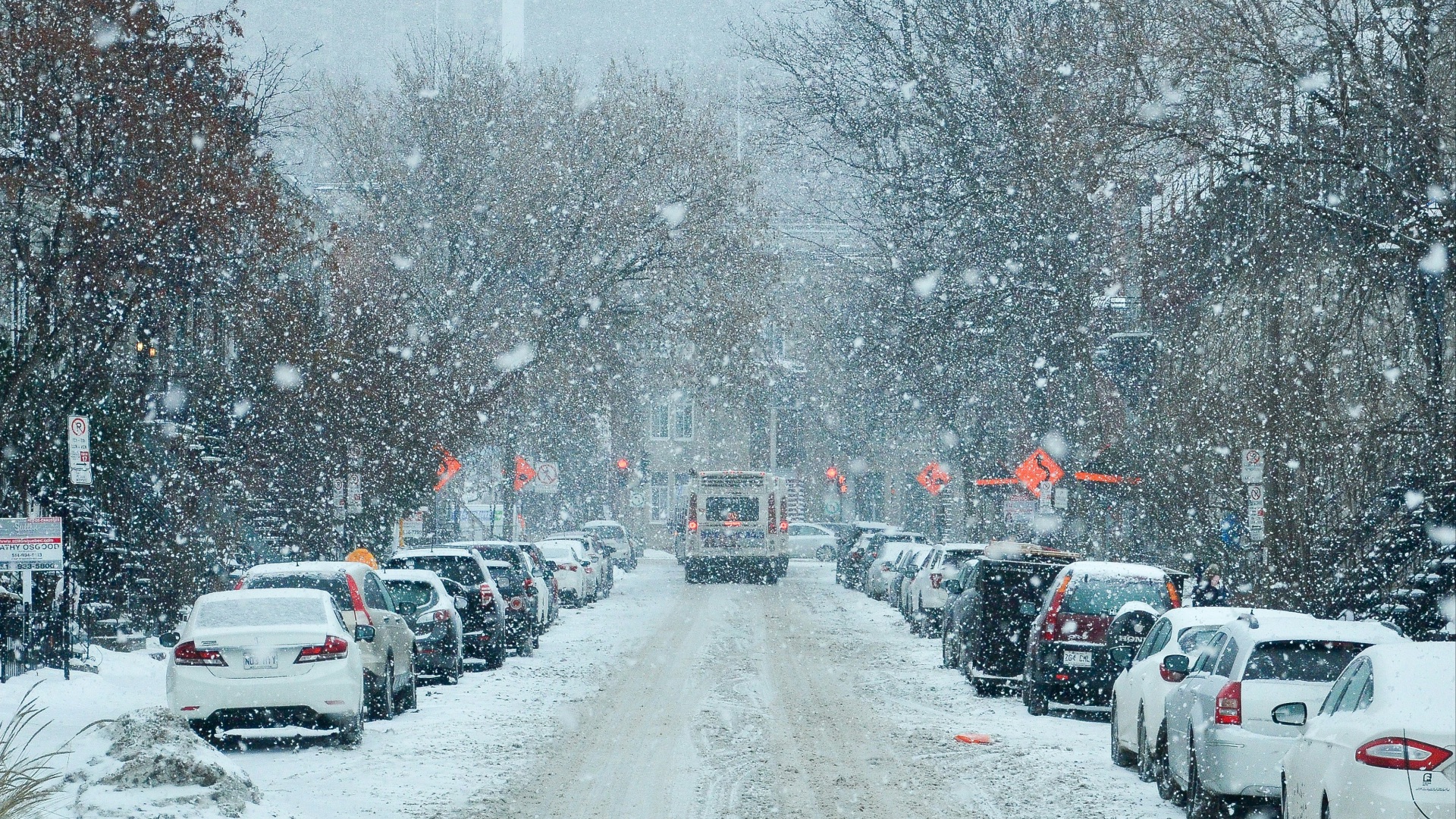
Heavy snowfall or summer heat waves—it doesn’t matter! Severe weather can create all kinds of problems for older adults living independently. Clearing a snow-covered driveway or dealing with a power outage is also tougher when physical limitations make certain activities unsafe. Not to mention, if a particularly nasty storm stops you from leaving home for a few days, getting supplies can become another concern.
7. Having Nobody to Notice Sudden Health Changes
Sometimes, another person recognizes a problem before you do. A spouse might notice unusual confusion, slurred speech, or significant changes in your behavior that could indicate something serious. When you live alone, those warning signs can go unrecognized, potentially delaying the attention you need.

8. Handling Heavy Grocery Bags
Believe it or not, even something simple like grocery shopping involves more work when you’re on your own. Carrying bags from the car, lifting large containers of detergent, and even putting groceries away can become uncomfortable when your mobility changes. Living without an apartment elevator only adds to the inconvenience.

9. Losing Your Usual Routine
Without coworkers or a spouse, it's easy to spend the whole day without one noteworthy conversation. A quick exchange with the grocery store cashier might become your only face-to-face interaction if friends live far away, too. Sure, solitude can be enjoyable, but prolonged isolation can affect your well-being.

10. Managing Every Expense Alone
Sharing a home usually means splitting expenses. But if you’re out there on your own? It’s up to you to pay for property taxes, homeowners insurance, internet service, and heating bills. For retirees living on a fixed income, covering these costs independently can also leave less money for unexpected purchases.
 Volodymyr Hryshchenko on Unsplash
11. Struggling With Changing Technology
It’s easy to poke fun at older people who struggle with advancements, but technology can challenge anyone! Everyday services now expect us to use smartphones, online accounts, or automated systems just to do basic tasks. Scheduling appointments through patient portals or accessing banking information with two-factor authentication can become frustrating when all you need is one thing.

12. Finding Transportation
Giving up driving doesn't mean losing your independence, but it does change your day. Getting to an appointment across town or visiting a friend in another neighborhood is a bit more complicated when public transportation isn’t what it used to be. Relying on taxis or family members can also make spontaneous outings harder to arrange (and expensive).

13. Having Trouble Reaching Important Items
Everyday activities get awkward pretty quickly when certain objects are stored above your head or below knee level. They’re a bigger issue than you might think! Replacing a ceiling light bulb, retrieving holiday decorations from the attic, or reaching dishes on a high shelf may require movements that no longer feel comfortable.

14. Taking Care of Pets Without Backup
A beloved furry friend is family, but caring for an animal comes with responsibilities that don't disappear when you're sick. Walking an energetic dog in icy weather or carrying a heavy bag of litter can become physically demanding as you get older. Unexpected hospital stays also raise an important question about who will feed, walk, or temporarily care for your friend.

15. Keeping Track of Paperwork
Insurance renewals, property tax notices, medical statements, retirement account documents—does it ever end? The mountain of paperwork is hard to manage, and when you're the only one responsible for it, an overlooked letter or missed deadline could have huge consequences.
 Camilo Rueda López on Unsplash
16. Living Far Away From Family
Having adult children who live several states away isn't always a problem…until the unexpected happens. A broken ankle, sudden illness, or urgent home repair usually requires immediate assistance that relatives can't provide from hundreds of miles away. Even family members who regularly visit will likely struggle to help.

17. Dealing With Changes in Hearing
Hearing difficulties can happen at a moment’s notice, and they create unexpected challenges when you don't have another person around. It’s not like you’ll wake up without hearing, either. You might miss someone knocking at the door, misunderstand instructions during a telephone appointment, or fail to hear certain alerts. With no one around to let you know you missed something, it’s harder to keep tabs on your health.

18. Keeping Up With Outdoor Maintenance
Yard maintenance requires serious effort, especially when you're responsible for mowing grass, trimming shrubs, and clearing branches. Tasks that once took an hour might become an afternoon of bending, lifting, or working in the heat. Hiring a landscaper can solve some problems, but recurring expenses aren't always easy to accommodate on a budget.

19. Handling Scams Without a Second Opinion
Scammers love to create a sense of urgency to pressure you into making decisions before you’ve had time to think. A convincing phone call claiming there's fraudulent activity on your bank account could lead you to share personal information or transfer money without a thought. Living alone doesn't necessarily make you vulnerable, but having a trusted person can reduce the risk.

20. Making Difficult Decisions Without Support
One of the less obvious challenges of living alone involves having nobody at home to discuss important decisions with. Choosing whether to undergo a medical procedure or make a major financial commitment can feel overwhelming when you're weighing everything by yourself. Even confident, capable retirees need reassurance, and building a dependable support network makes those moments easier to manage.

KEEP ON READING



20 Ways to Deal With Your Sweet Tooth

20 Low-Impact Exercise Ideas For People Over 50