

You Should Buy and Keep These in Your Pantry
Whether you've eaten a little too much, feel bloated after dinner, or are dealing with an unsettled stomach, a warm cup of herbal tea can be a comforting addition to your day. Certain herbs have traditionally been used to ease digestive discomfort, and some have research suggesting they may help with specific symptoms. Of course, no tea is a guaranteed cure, and persistent or severe stomach pain deserves medical attention. Still, if you're looking for a gentle drink to help you feel more comfortable, these 20 herbal teas are worth getting to know.

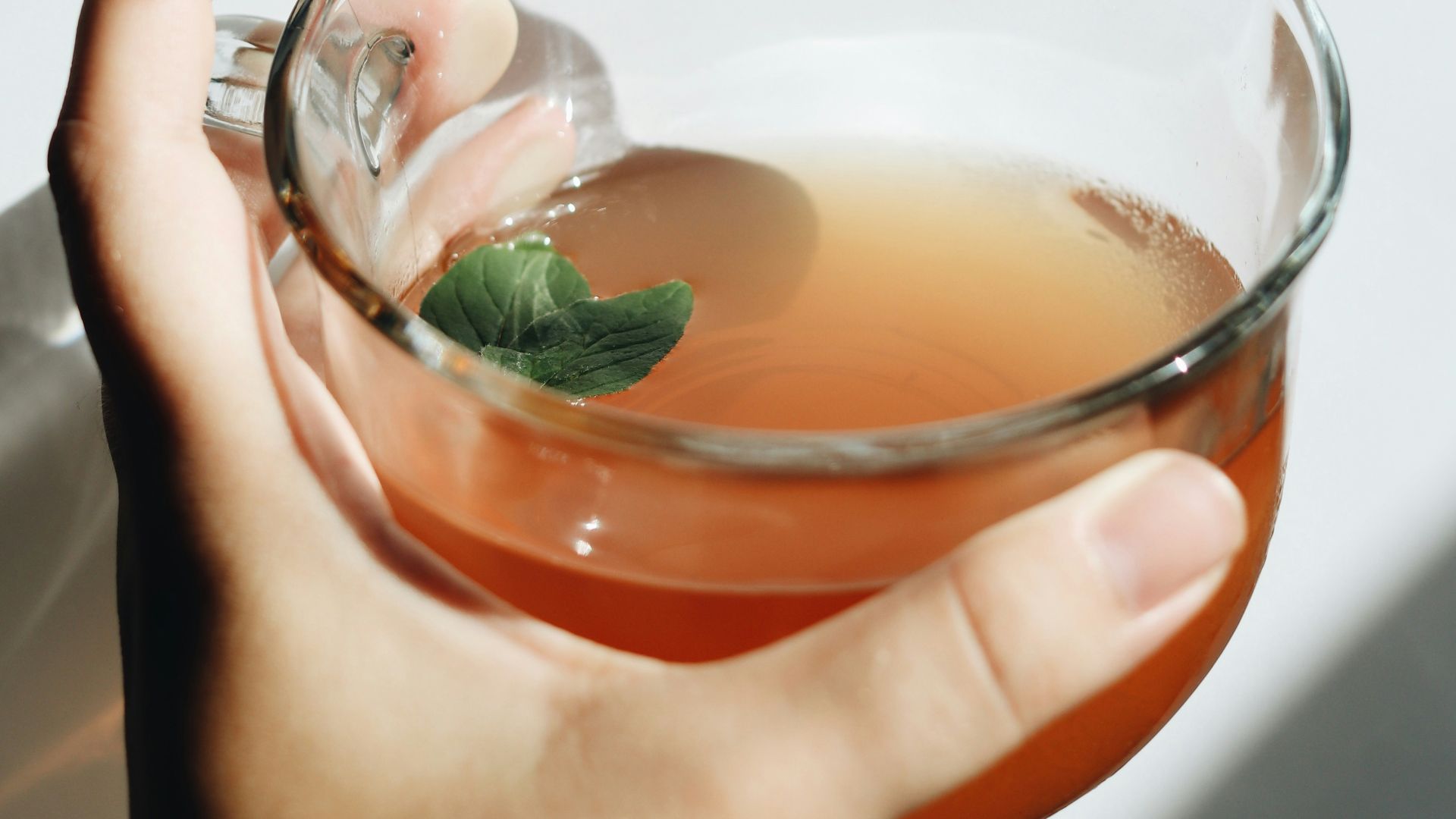
1. Peppermint Tea
Probably the most common tea that's recommended when your stomach isn't feeling great. Menthol has been known to help relax some of the muscles in your digestive tract and can help relieve some types of cramping. If you experience acid reflux and/or heartburn, peppermint may increase those symptoms.
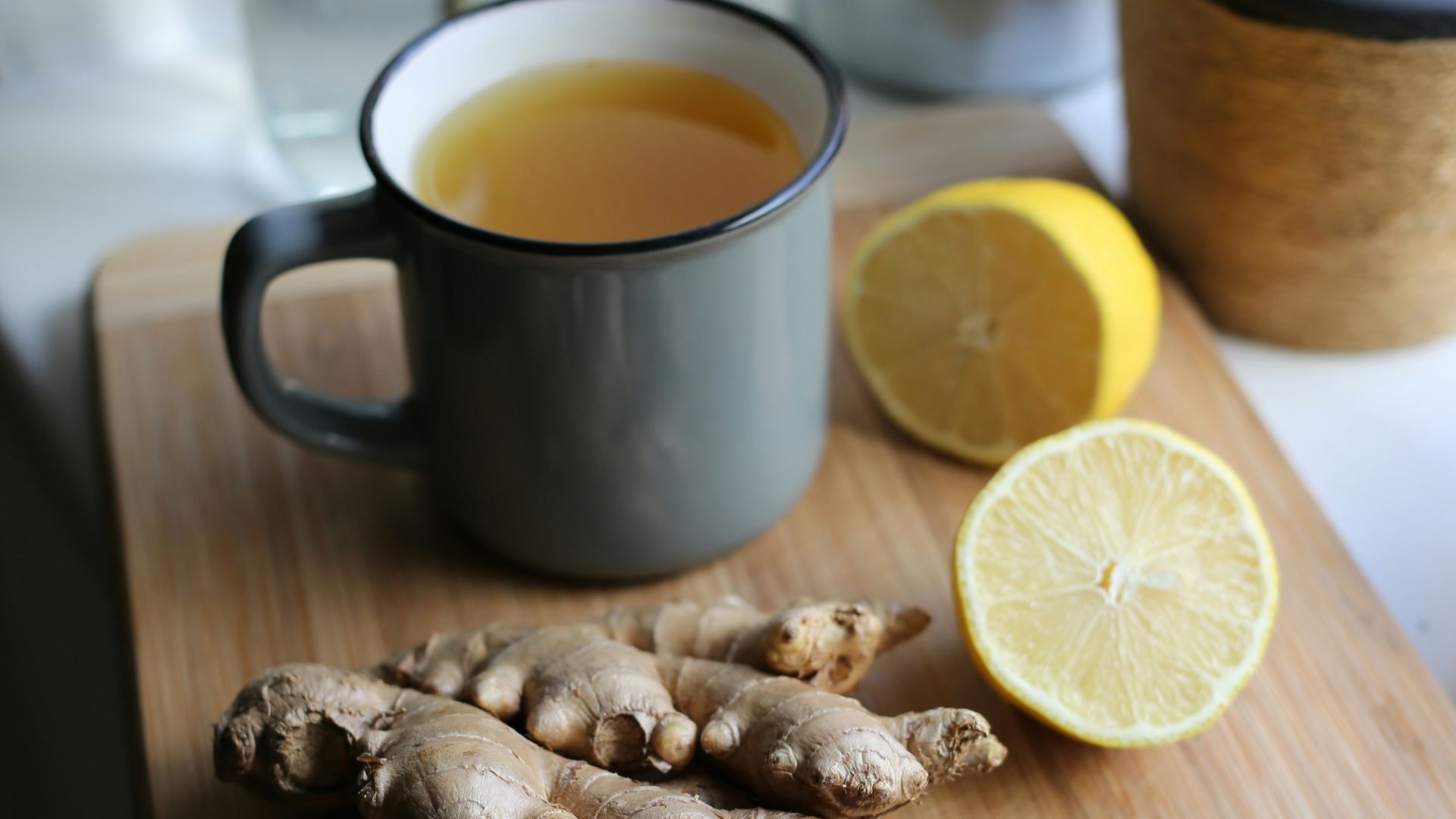
2. Ginger Tea
Ginger tea is one that you want to reach for when you're nauseous. There has been some research suggesting that ginger can help reduce nausea, whether it may be from morning sickness or chemotherapy. You can steep fresh ginger slices in hot water or use a prepared tea bag, adjusting the strength depending on how much ginger you enjoy.
3. Chamomile Tea
Another great tea to have in the evening before bed. Not only may it help you sleep, but it has also been used for many years to relieve symptoms of stomach ailments. While the evidence for its digestive benefits is limited, its naturally gentle flavor makes it a pleasant option after a heavy meal.
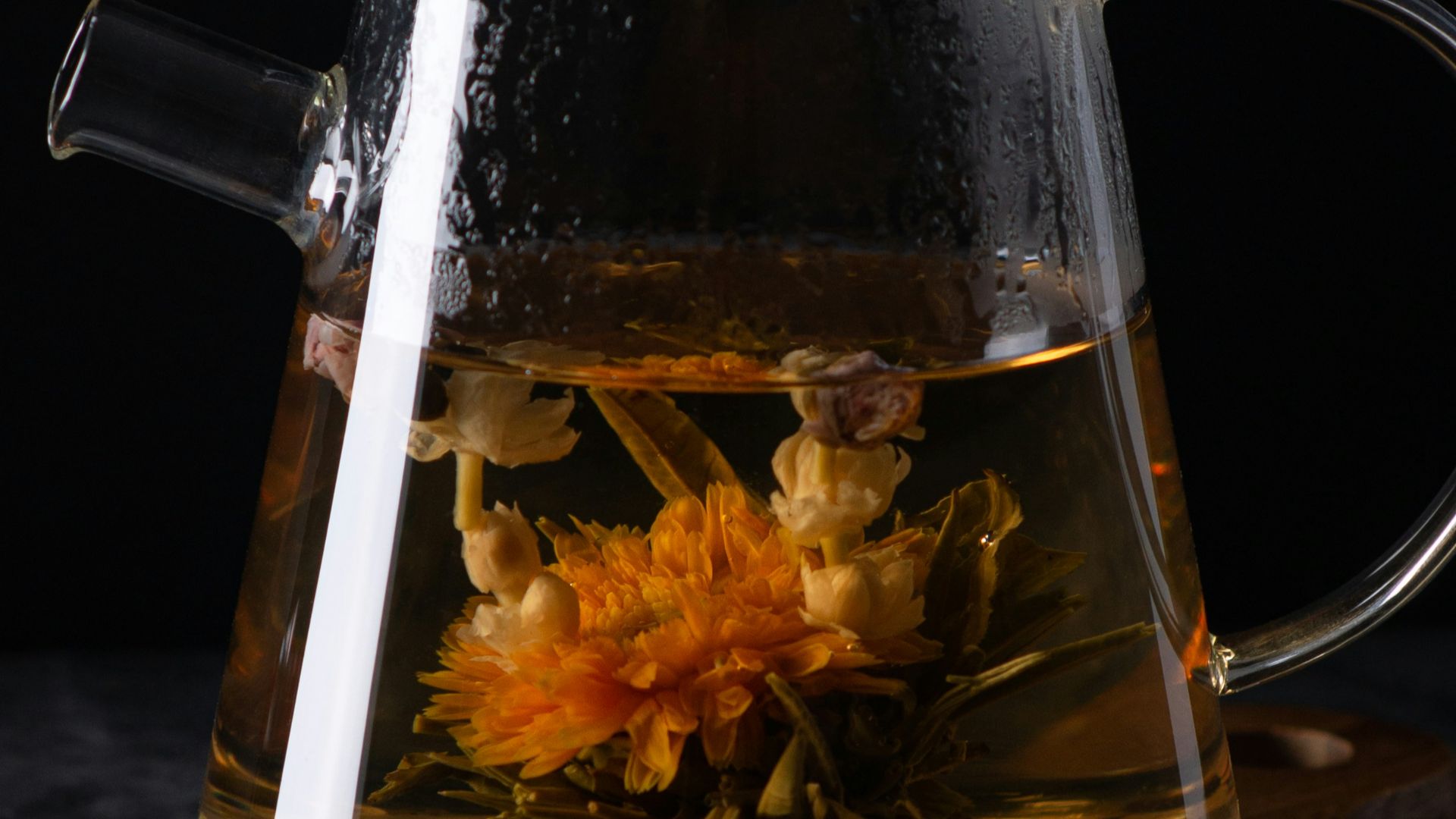
4. Fennel Tea
Fennel tea will remind you of licorice but is used to help with bloating and gas. Fennel contains chemicals that may have antispasmodic properties. If you often feel uncomfortably full after eating, a cup of fennel tea may be worth trying as part of your after-meal routine.

5. Lemon Balm Tea
A close relative of mint that is great when brewed into a hot beverage. It's traditionally used for digestive complaints associated with stress, including occasional bloating and discomfort. Since stress can affect how your digestive system feels, taking a few minutes to enjoy lemon balm tea may offer some welcome relaxation, even though its digestive benefits haven't been firmly established.

6. Spearmint Tea
If you enjoy peppermint but just don't love all the strong flavors of herbs, try spearmint. It has a milder flavor that some might find pleasant after eating. Keep in mind that spearmint hasn't been studied as extensively for digestive symptoms, and it may still aggravate reflux in people who are sensitive to mint.
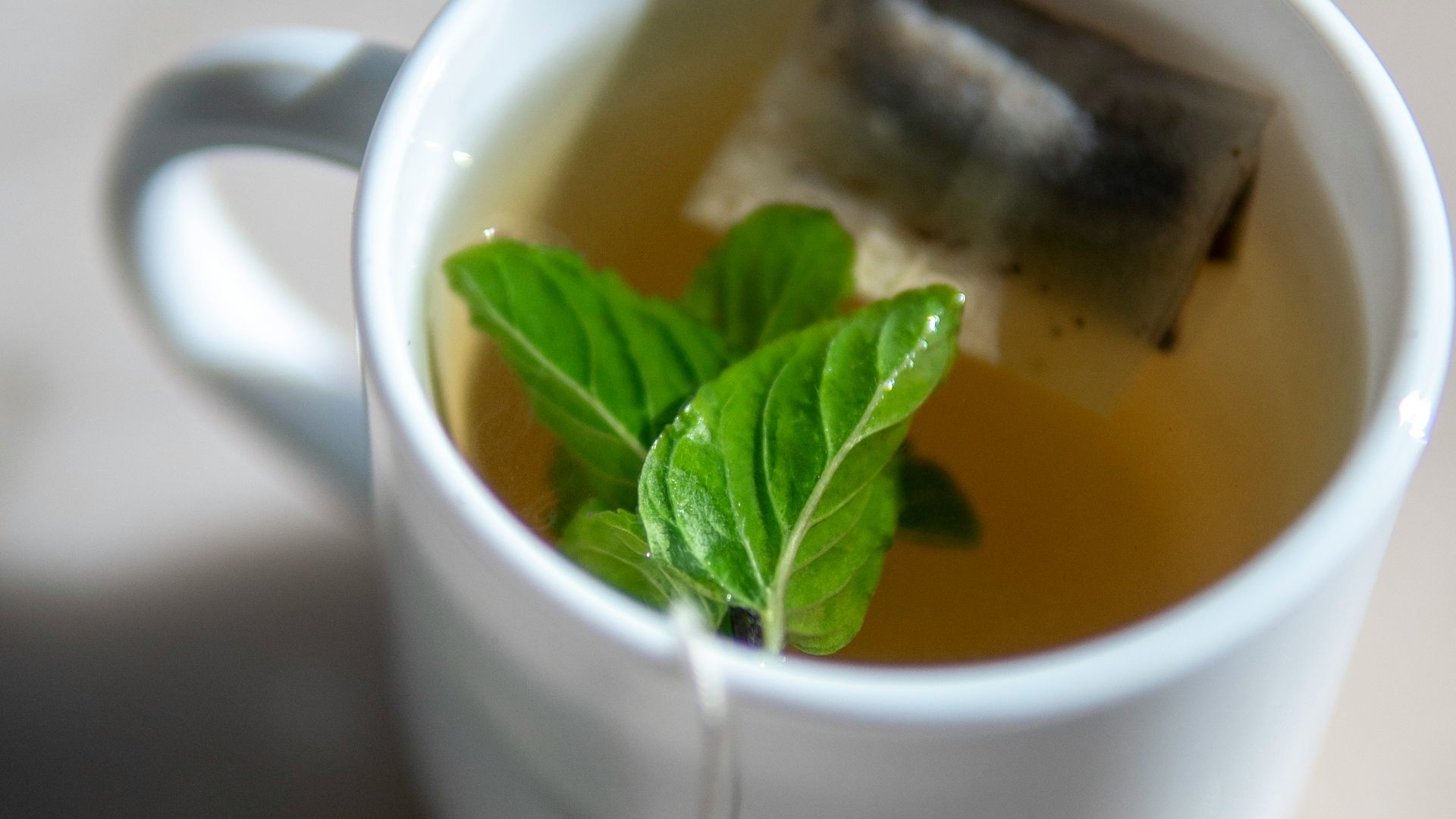
7. Licorice Root Tea
Licorice has a sweet taste to it and is something many have used for stomach troubles. There have been some studies looking at deglycyrrhizinated licorice (DGL) and how it can affect the upper part of your digestive tract. Regular licorice root can also raise blood pressure, lower potassium levels, and interact with medications, so it's best to avoid frequent use unless a healthcare professional says it's appropriate.

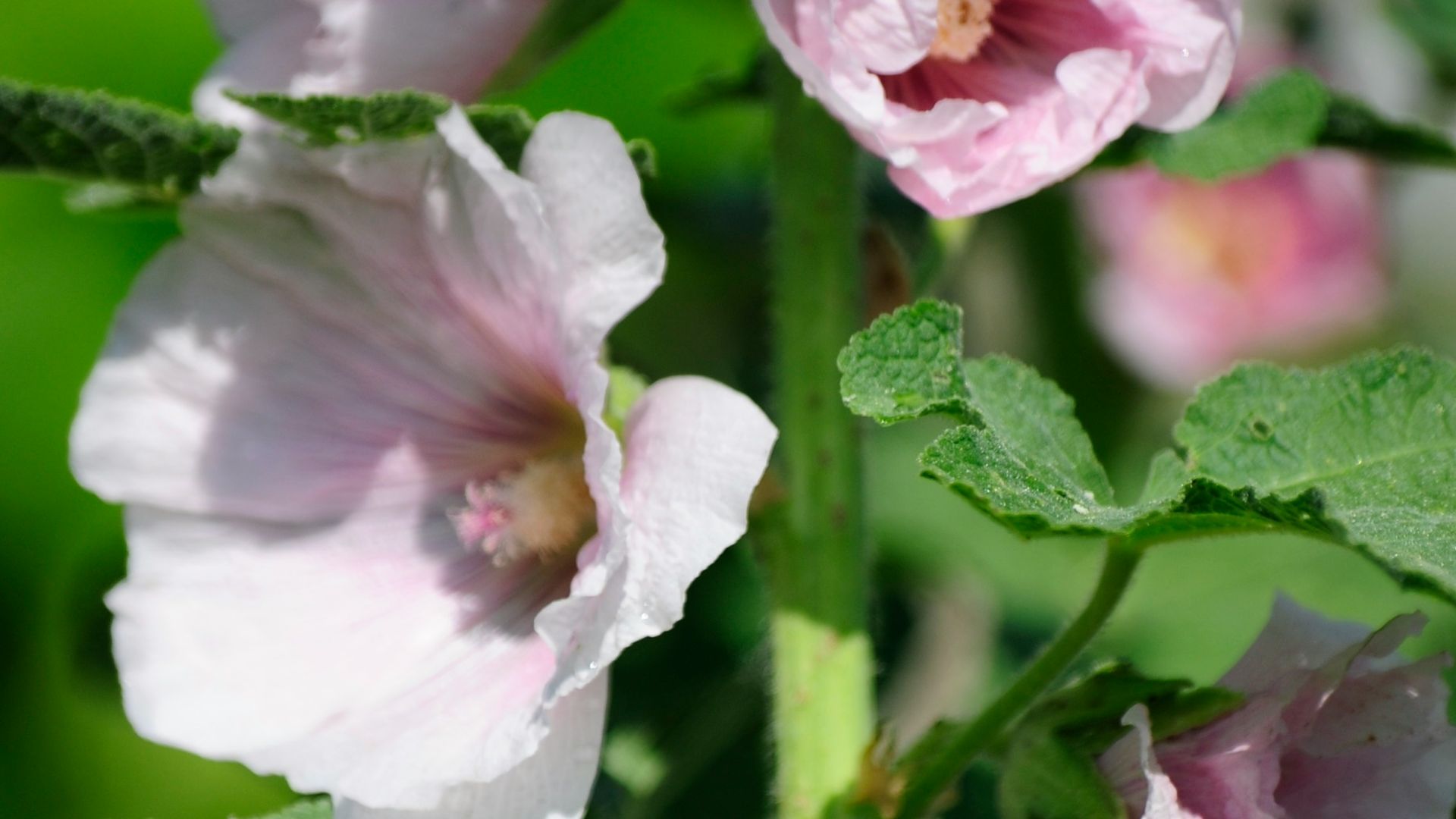
8. Marshmallow Root Tea
Marshmallow root contains mucilage, a gel-like substance that becomes slippery when mixed with water. This quality is why it's traditionally used to soothe irritated tissues, including those in the digestive tract. Although human research on its effectiveness for stomach complaints is limited, some people enjoy it as a mild, naturally soothing herbal infusion.
9. Slippery Elm Tea
Similar to marshmallow root, slippery elm also contains high amounts of mucilage. This can form a very thick liquid that coats your throat and possibly your stomach. There's limited clinical evidence supporting its use for stomach problems, and it may interfere with the absorption of certain medications, so check with a pharmacist about spacing it from other treatments.

10. Dandelion Root Tea
Dandelion root tea has an earthy, slightly bitter flavor that makes it quite different from sweeter herbal blends. It's traditionally used as a digestive tonic, and its bitterness may stimulate digestive secretions, although strong clinical evidence for this effect is lacking. People with gallbladder problems or bile duct obstruction should check with a healthcare professional before using dandelion products.

11. Anise Tea
Another sweet-tasting seed that many use to relieve gas and other stomach troubles. Studies have shown that anise contains properties that may help relieve stomach discomfort. It's an easy tea to enjoy after a meal, especially if you prefer something naturally sweet without adding sugar.
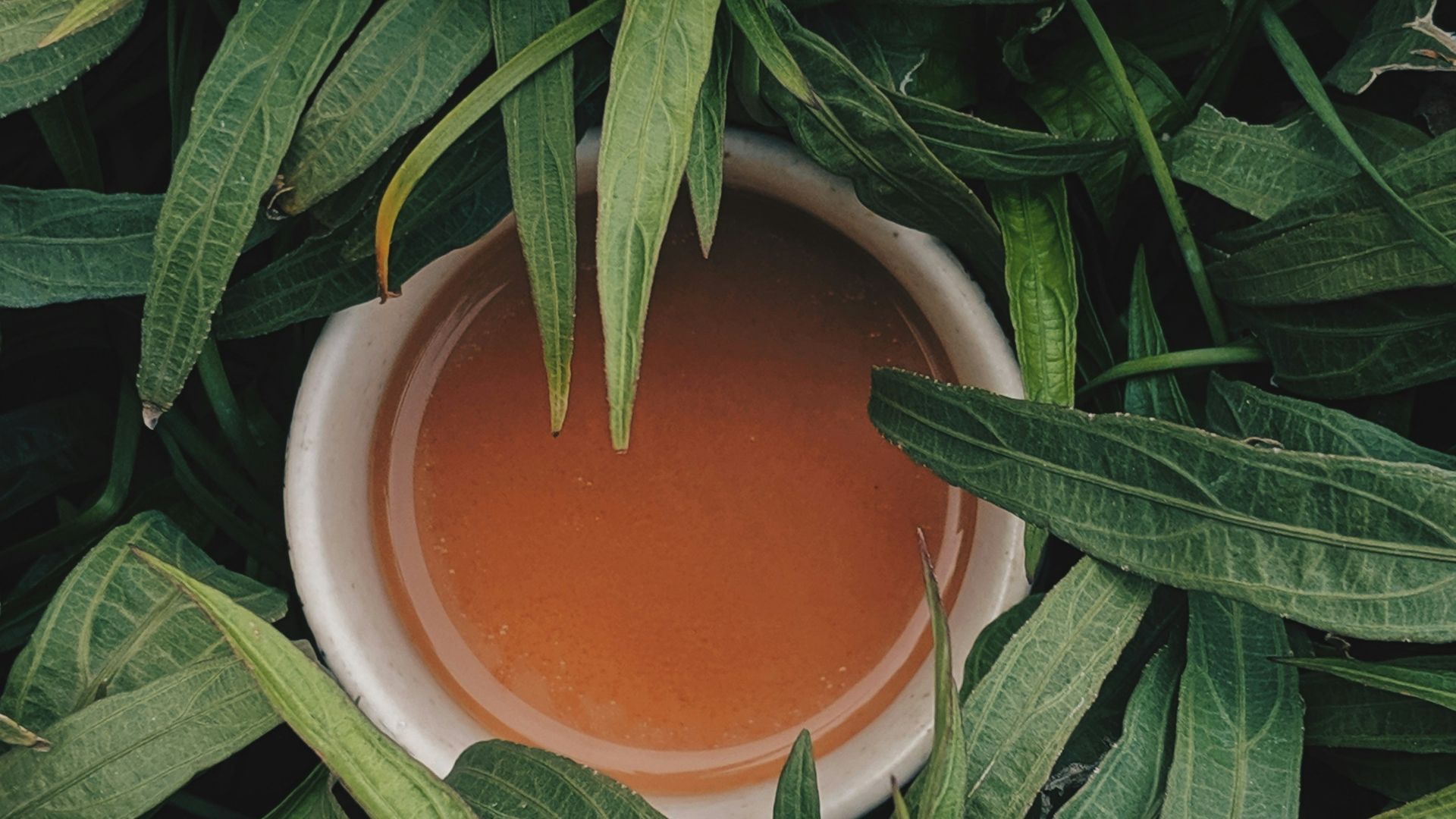 Aniketh Kanukurthi on Unsplash
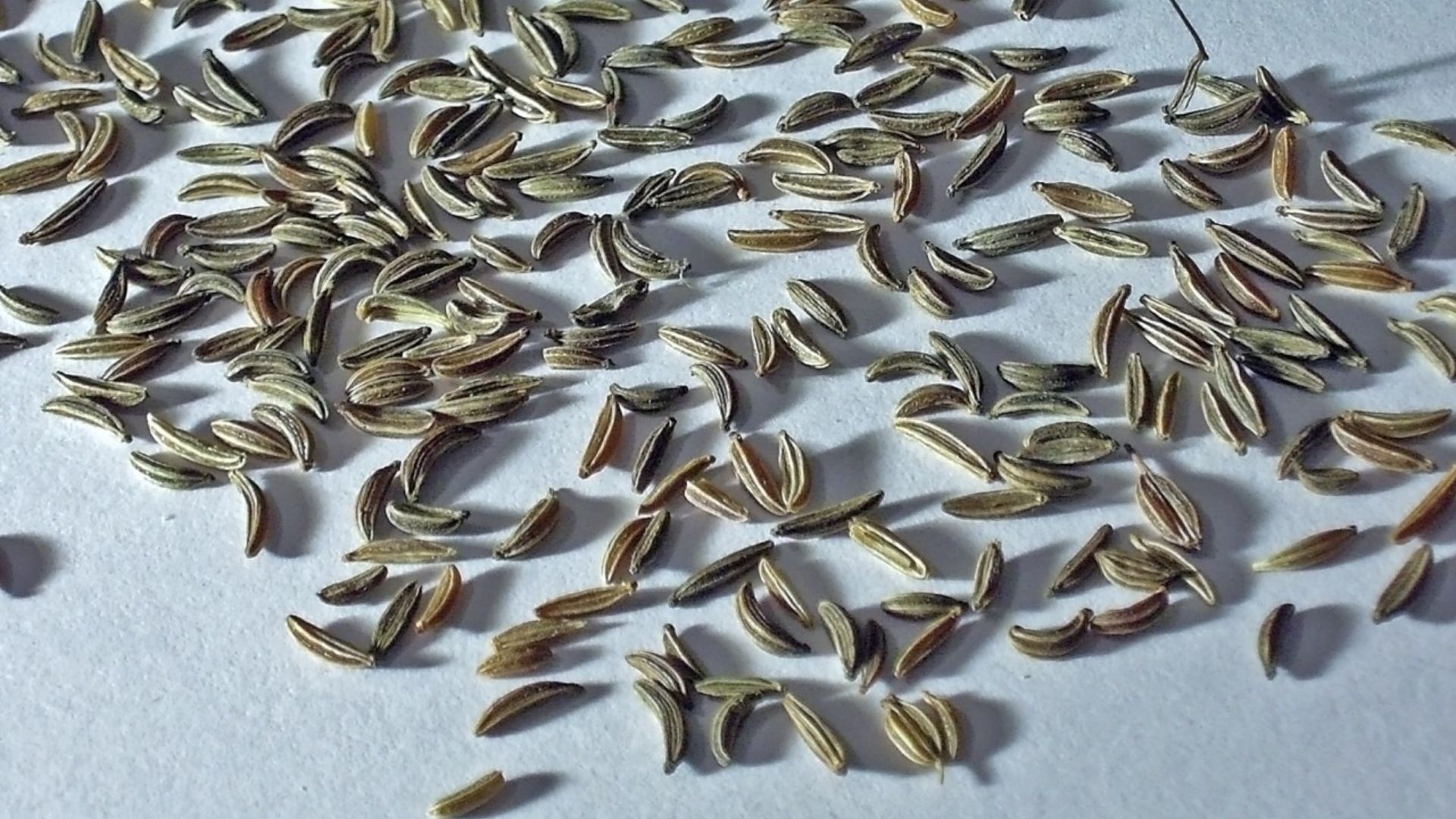
12. Caraway Tea
A great herb to use in cooking, but did you know you can drink it as well? Many use caraway to relieve stomach bloating and feelings of fullness. Caraway is also included in some combination herbal preparations for indigestion, although that doesn't mean a simple cup will work equally well for everyone.
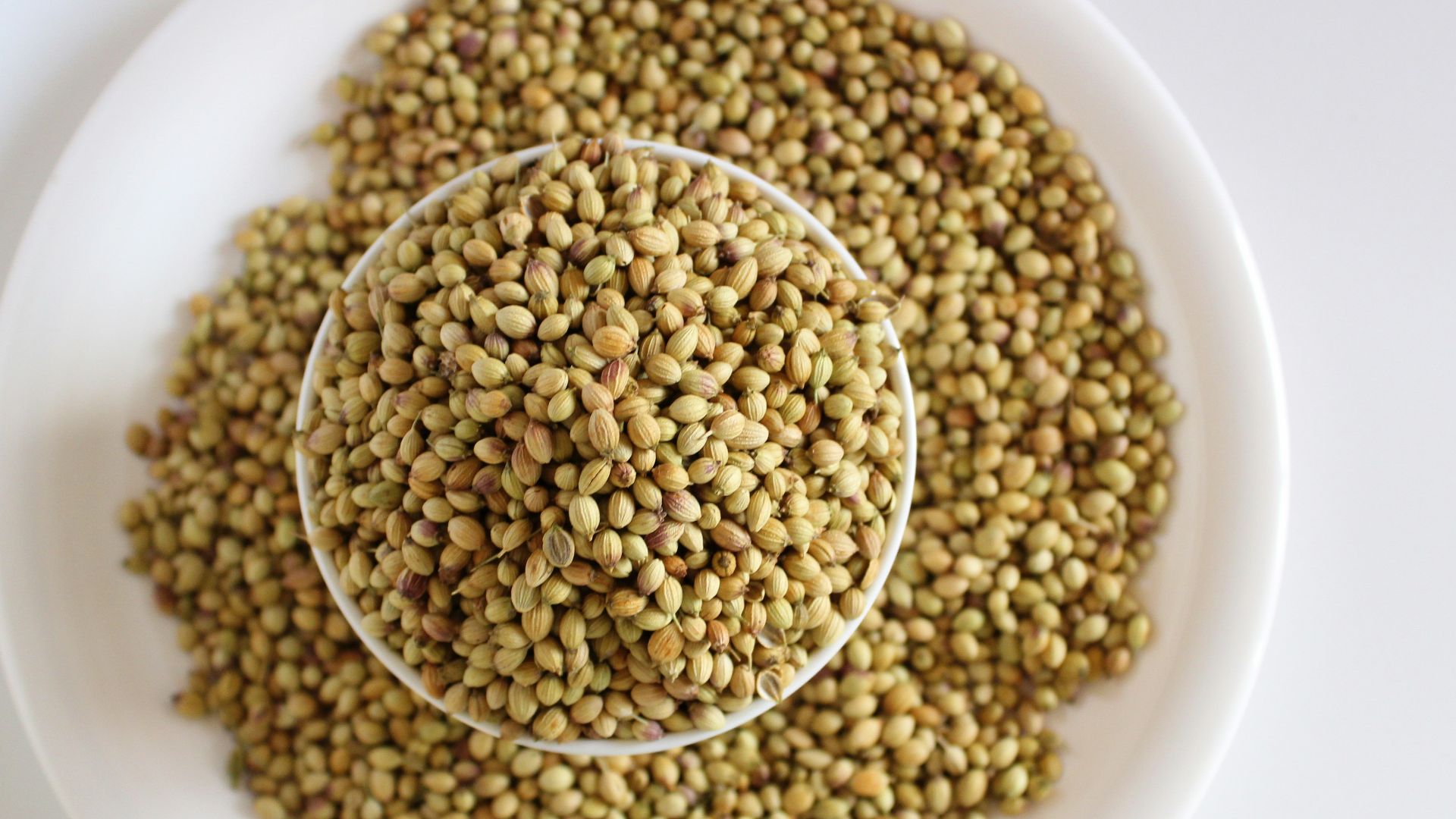
13. Coriander Seed Tea
This is a warm-tasting tea that is commonly used for stomach issues. Coriander seeds are often prepared as a tea for occasional gas and stomach discomfort, but scientific evidence supporting these specific benefits remains limited. If you already keep coriander in your spice cabinet, lightly crushing a few seeds before steeping them can help release their aroma.
14. Cumin Tea
Another herbal tea you can enjoy after a meal. Cumin may contain some compounds that help with your digestion, but there hasn't been much research on this topic. Its savory flavor may take some getting used to, particularly if you're accustomed to fruitier herbal teas.
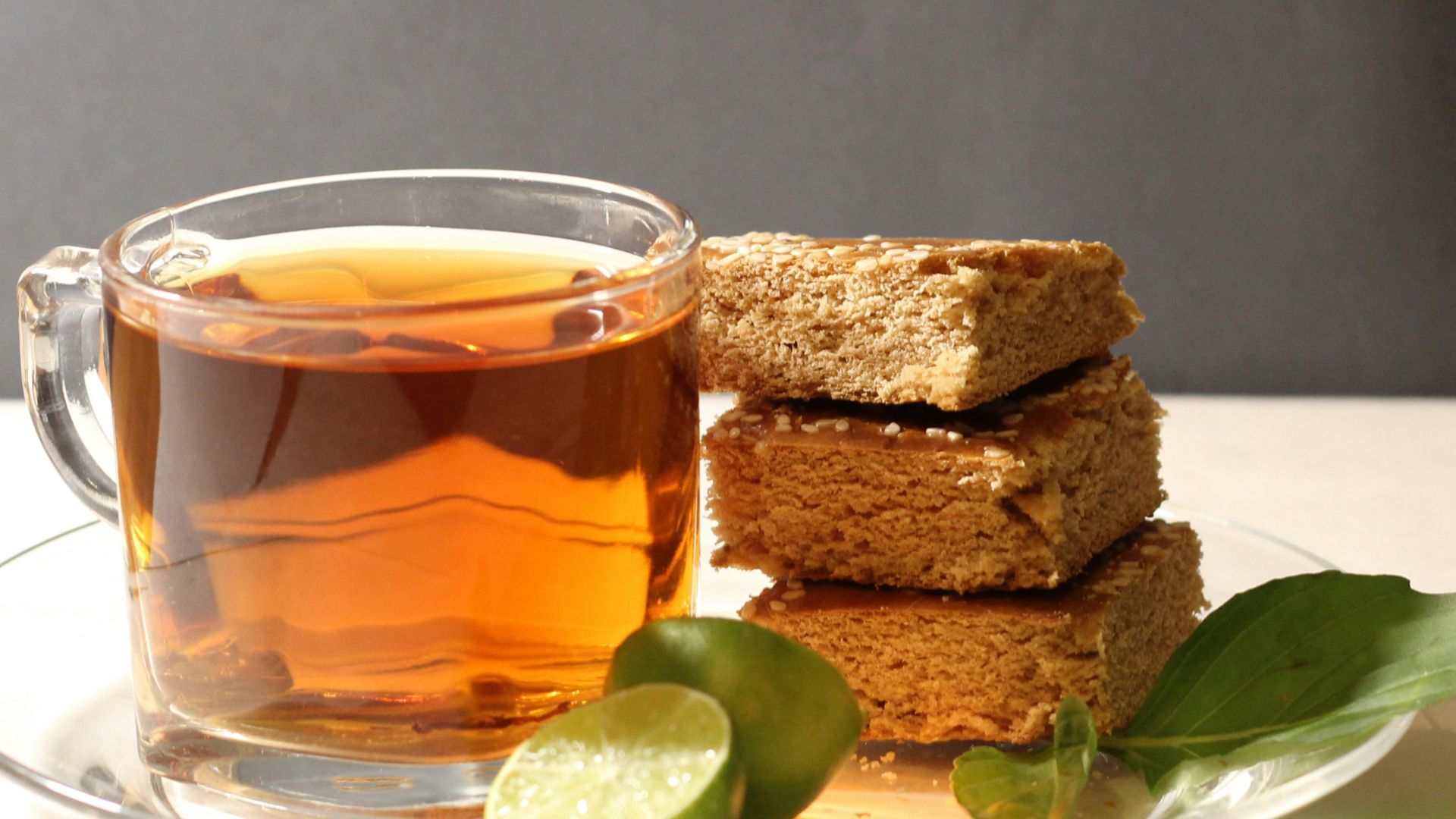 reyhaneh mehrnejad on Unsplash
15. Tulsi (Holy Basil) Tea
A delicious-tasting herb that is commonly used to promote overall wellness. Many drink tulsi when they know their stress is affecting their stomach. Research into its digestive benefits is still limited, so think of it as a pleasant herbal drink rather than a proven remedy for stomach problems.
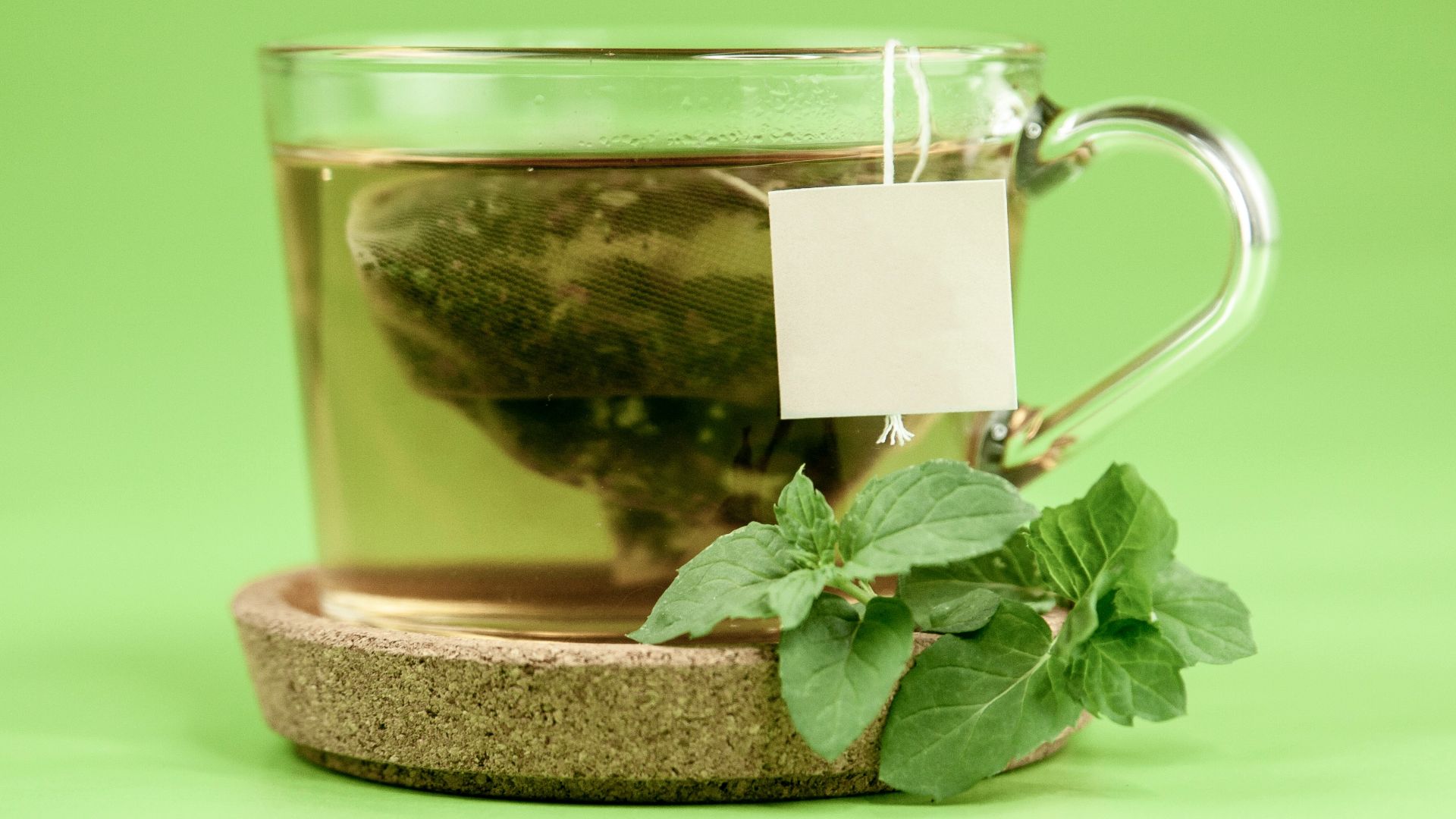
16. Rooibos Tea
Not actually an herbal tea, but it will help satisfy that craving for a hot beverage. It can be used when your stomach is acting up and you don't want coffee or anything else that contains caffeine. There's little clinical evidence that rooibos directly treats digestive symptoms, but it can still be a comforting alternative to stronger beverages.
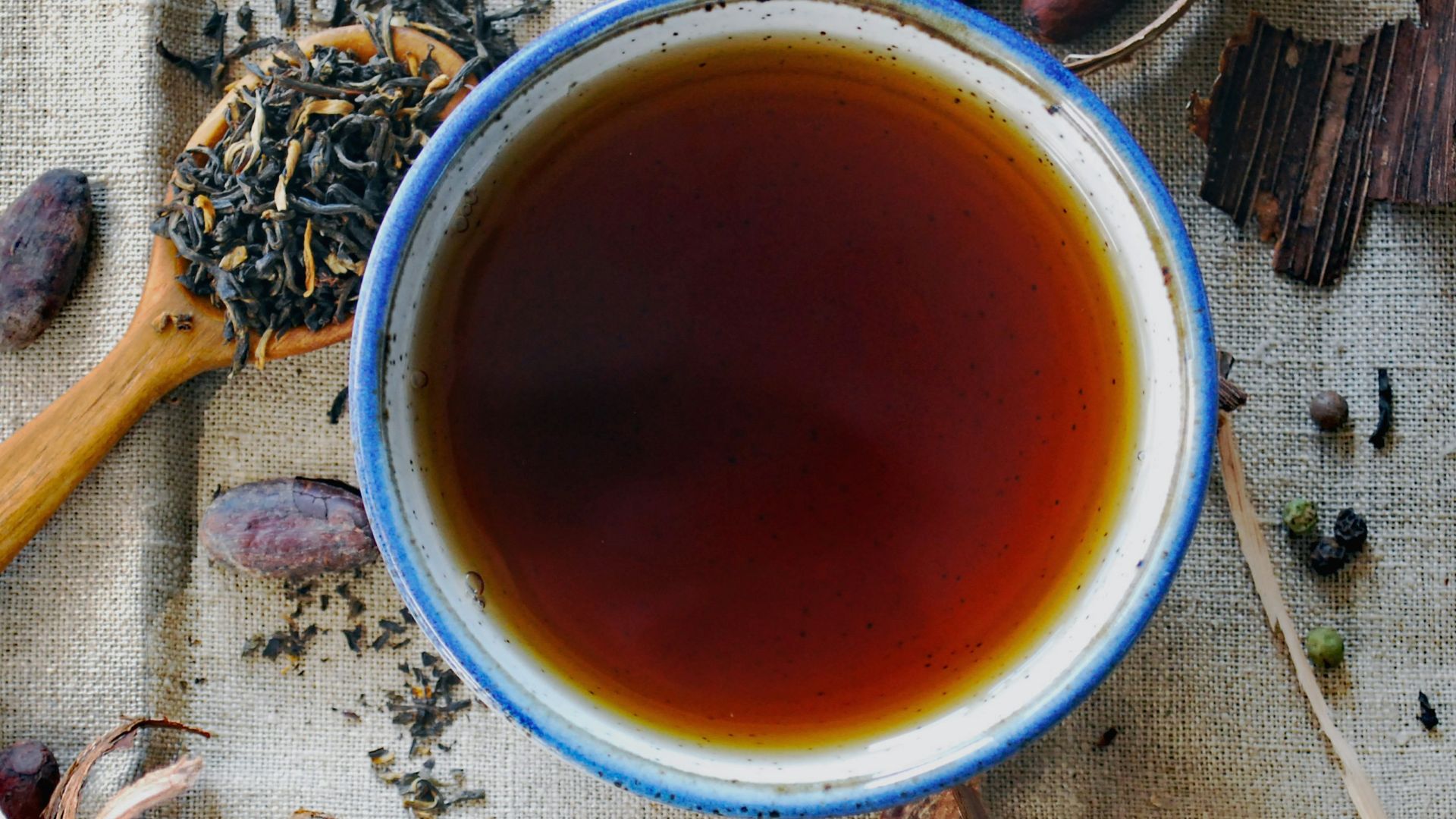
17. Turmeric Tea
As stated above, turmeric can help relieve inflammation. Though studies show that it can help relieve pain, there's not much information to suggest that it will relieve your stomach pain. Large amounts of turmeric may also cause digestive upset in some people, so a mild cup is a better starting point than a highly concentrated preparation.

18. Cinnamon Tea
Cinnamon tea has a naturally warm flavor that many people enjoy after dinner, particularly during colder months. It's traditionally used in some cultures to support digestion, though there's not enough reliable evidence to say it treats bloating, cramps, or indigestion. If you drink it regularly, choose Ceylon cinnamon when possible, since consuming large amounts of cassia cinnamon can expose you to higher levels of coumarin.
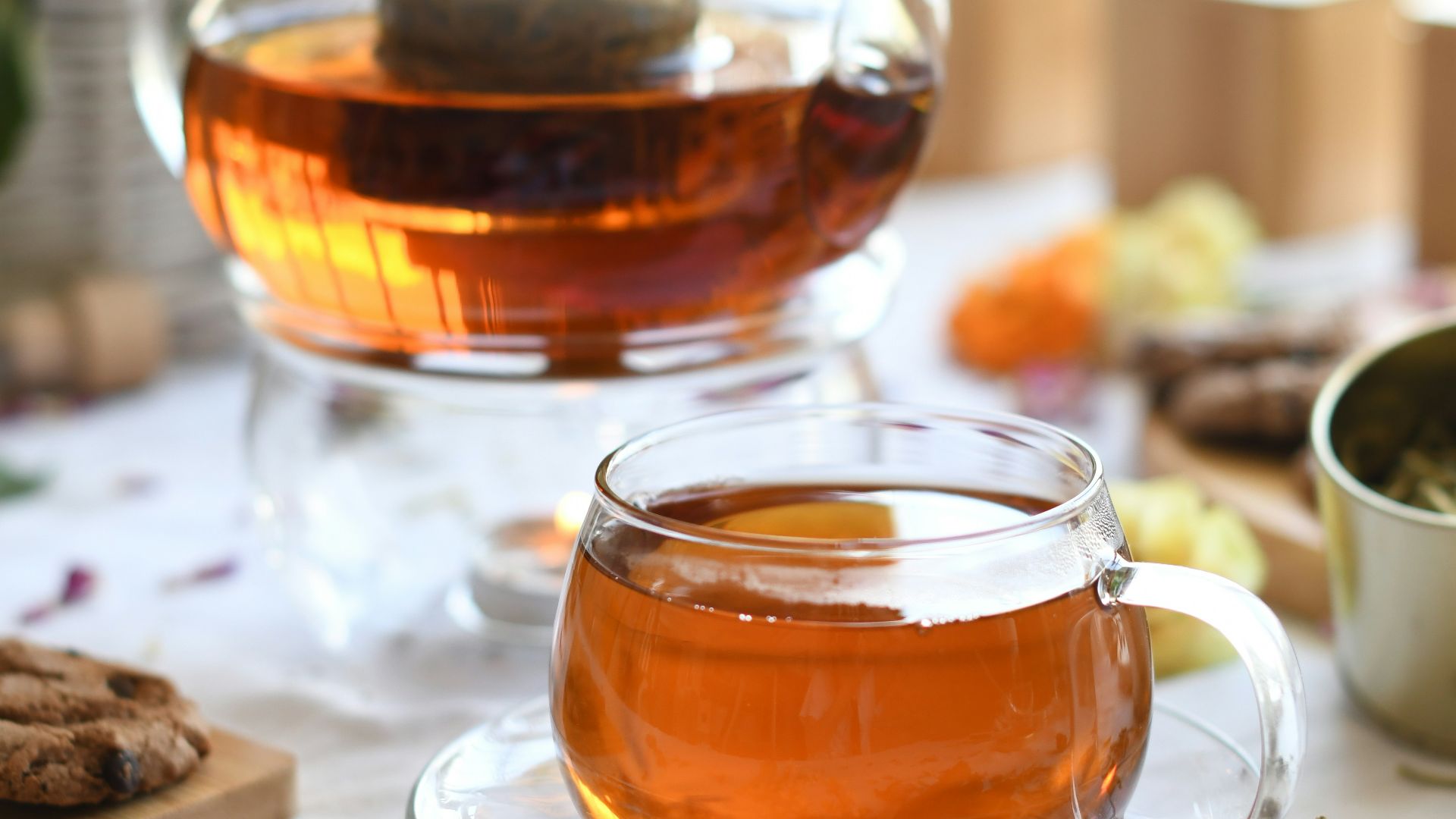
19. Rose Tea
If you like to drink herbal teas, rose can be a nice change from the rest. It's traditionally enjoyed for relaxation and general comfort, although there isn't strong clinical evidence that it directly improves digestive symptoms. If your stomach feels unsettled and you want something gentle without a strong mint or spice flavor, rose tea can be a pleasant option.
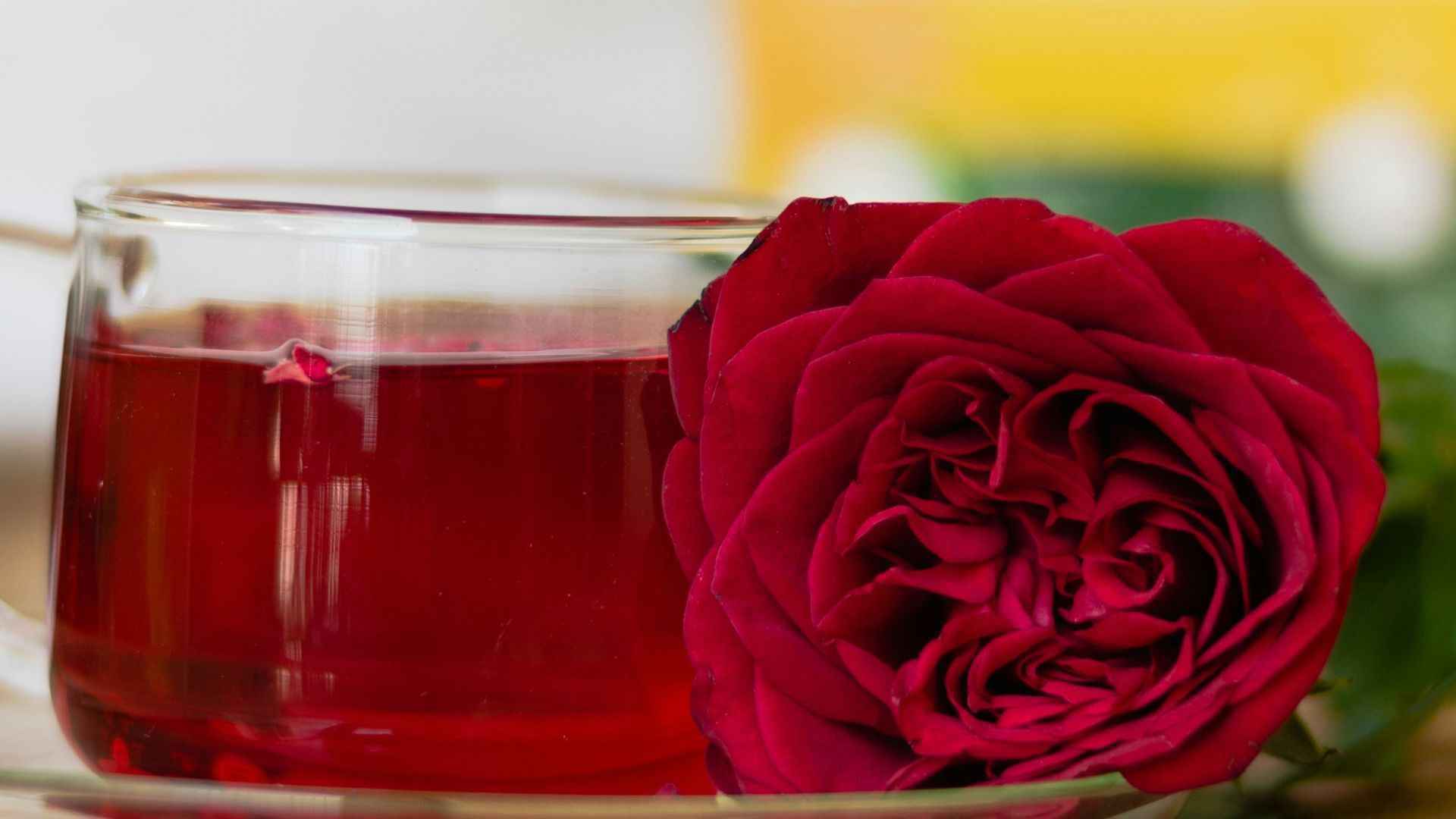
20. Hibiscus Tea
This tea is loaded with antioxidants, but does that mean it will relieve stomach troubles? No, not really. Hibiscus may also lower blood pressure and interact with certain medications, so people taking blood pressure treatments should check with a healthcare professional before drinking it regularly.
 TEAcreativelife │ Soo Chung on Unsplash
KEEP ON READING



10 Pre-Workout & 10 Post-Workout Tips To Follow