
There's No Single Secret to Living Longer
Everyone seems to have an opinion about what it takes to live a long life, whether it's following a particular diet, exercising every morning, or avoiding stress whenever possible. However, when you look at people who've made it well into their 90s or even past 100, you'll notice that their lifestyles can be surprisingly different. Some stick to healthy routines, while others have spent decades doing things we are regularly warned against. Although certain habits are strongly linked to better health and longevity, there's no universal formula that guarantees an exceptionally long life. Here are 20 things long-lived people don't necessarily have in common.

1. Their Diets
You might expect centenarians to follow similar eating plans, but their diets often reflect completely different cultures and traditions. Some have spent their lives enjoying Mediterranean-style meals rich in vegetables and olive oil, while others grew up eating rice, fish, or hearty meat-based dishes. Although balanced diets are linked to better health, there's no single menu that every long-lived person sticks to.

2. Their Exercise Routines
Not everyone who reaches 100 has spent decades hitting the gym or following a strict workout program. Some older adults have stayed active through gardening, walking, or physically demanding jobs, while others have always preferred gentler activities. Regular movement is certainly beneficial, but the specific activities people enjoy can differ quite a bit.

3. Their Sleeping Habits
While some people swear by getting eight hours of sleep every night, others naturally need a little more or less. Sleep patterns can also change quite a bit with age, especially when afternoon naps become a regular part of someone's day. Getting enough good-quality sleep is important for your health, but long-lived individuals don't necessarily follow the same schedules.

4. Their Attitudes Toward Alcohol
You'll find exceptionally old adults who've never touched alcohol alongside others who've enjoyed an occasional glass of wine throughout their lives. Some may have consumed alcohol more regularly, although that doesn't mean drinking helped them live longer. Research continues to show that alcohol comes with health risks, so someone's long life shouldn't be taken as evidence that drinking is harmless.

5. Their Social Lives
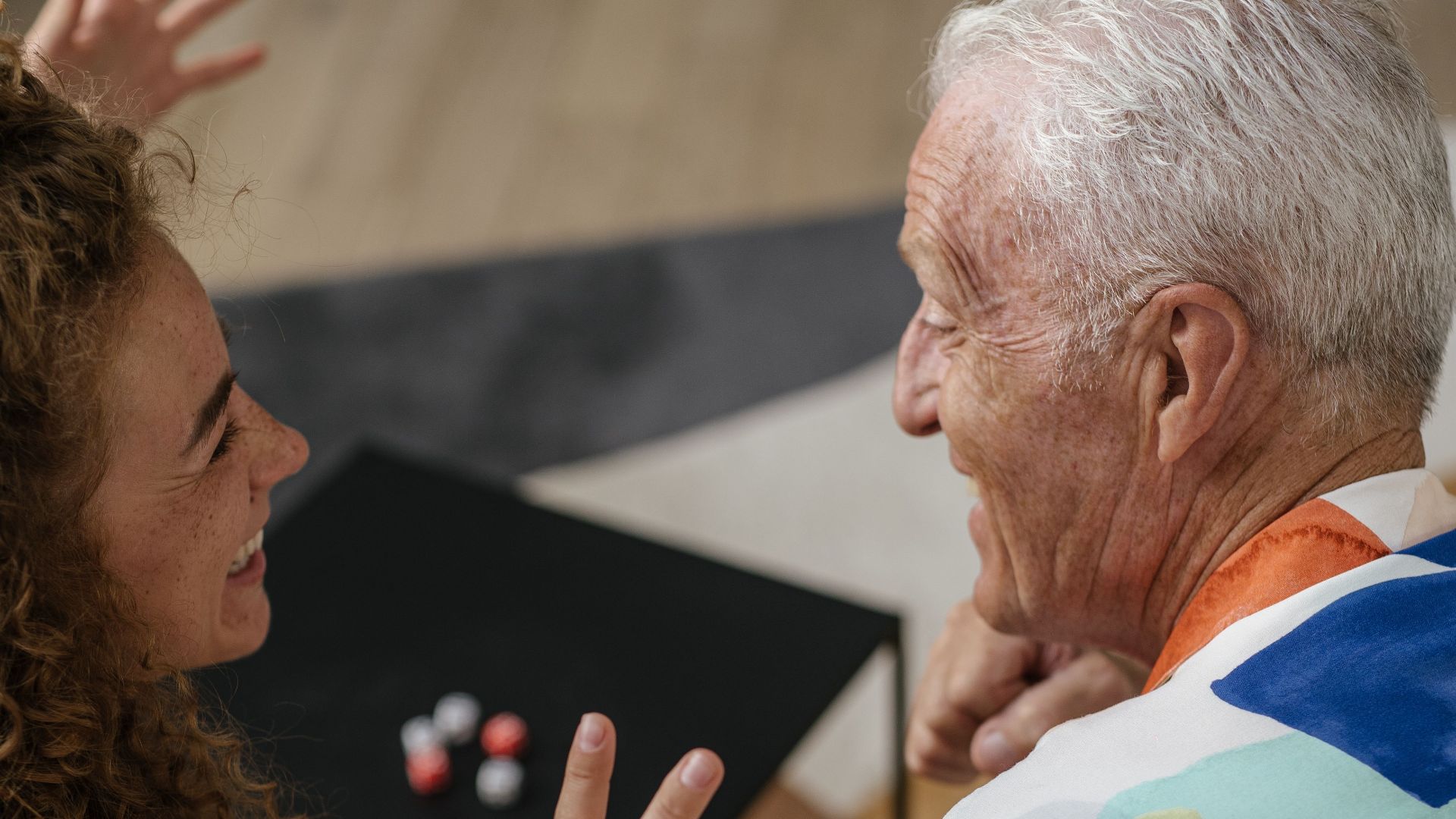
Having plenty of friends and family around is often associated with healthy aging, but not every long-lived person is particularly outgoing. Some enjoy packed social calendars, while others are perfectly happy spending time with just a few close companions. The quality of someone's relationships can matter more than how many people they regularly spend time with.
 Priscilla Du Preez 🇨🇦 on Unsplash
6. Their Marital Status
Marriage sometimes gets credited with helping people live longer, although plenty of exceptionally old individuals have never married or have spent decades living on their own. Others have enjoyed lifelong partnerships, remarried, or experienced several meaningful relationships. Someone's marital history is only one part of their life, and tying the knot doesn't automatically guarantee better health.
7. Their Financial Backgrounds
It's tempting to assume that everyone who lives exceptionally long must have enjoyed a financially comfortable life. However, centenarians come from all kinds of economic backgrounds, including people who've experienced poverty, unemployment, or difficult working conditions. Access to healthcare, nutritious food, and safe housing can influence longevity, but wealth alone doesn't determine how long someone will live.
 micheile henderson on Unsplash
8. Their Personalities
Some centenarians are cheerful, enthusiastic people who rarely seem bothered by anything, while others are known for being stubborn or outspoken. You certainly don't have to become endlessly optimistic if you're hoping to reach an advanced age. Certain personality traits may influence health-related behaviors, but people with very different temperaments can still enjoy remarkably long lives.
9. Their Stress Levels
You've probably heard that avoiding stress is essential for longevity, but many exceptionally old people have lived through wars, financial hardship, or devastating personal losses. Their experiences show that dealing with difficult circumstances doesn't necessarily prevent someone from reaching old age. Chronic stress can negatively affect health, although its impact depends on several factors, including the support someone receives and how they cope.
10. Their Family Histories
Having long-lived parents or grandparents can improve someone's chances of reaching an advanced age, particularly when exceptional longevity runs in the family. Still, not every centenarian comes from a family where everyone lived well into their 90s. Genetics certainly matter, but environmental influences, personal circumstances, and even chance can also affect how long someone lives.
11. Their Smoking Histories
Although smoking significantly increases the risk of serious illnesses and premature death, there have been exceptionally old individuals who smoked for decades. These stories tend to attract attention precisely because they're such anomalies. The majority of long-lived people have never smoked.

12. Their Career Choices
There's no particular occupation that guarantees you'll enjoy an exceptionally long retirement. Some centenarians spent their working years doing physically demanding agricultural labor, while others held jobs in offices, classrooms, or family businesses. Occupational hazards, stress, and working conditions can affect health, but people from completely different professional backgrounds can still reach impressive ages.

13. Their Retirement Ages
For some people, retirement begins in their 60s and gives them decades to enjoy hobbies, relaxation, and family time. Others continue working well into their 80s or 90s, either because they genuinely enjoy their jobs or need the extra income. Continuing to work isn't some universal secret to longevity, just as retiring early doesn't automatically mean someone will be healthier.

14. Their Hobbies
One long-lived person might spend every afternoon reading novels, while another would rather be woodworking, painting, or growing vegetables. Some discover entirely new interests later in life, whereas others stick with activities they've loved since childhood. Having hobbies you enjoy can support emotional well-being, but there's no reason to start doing crossword puzzles just because a centenarian happens to love them.

15. Their Living Arrangements
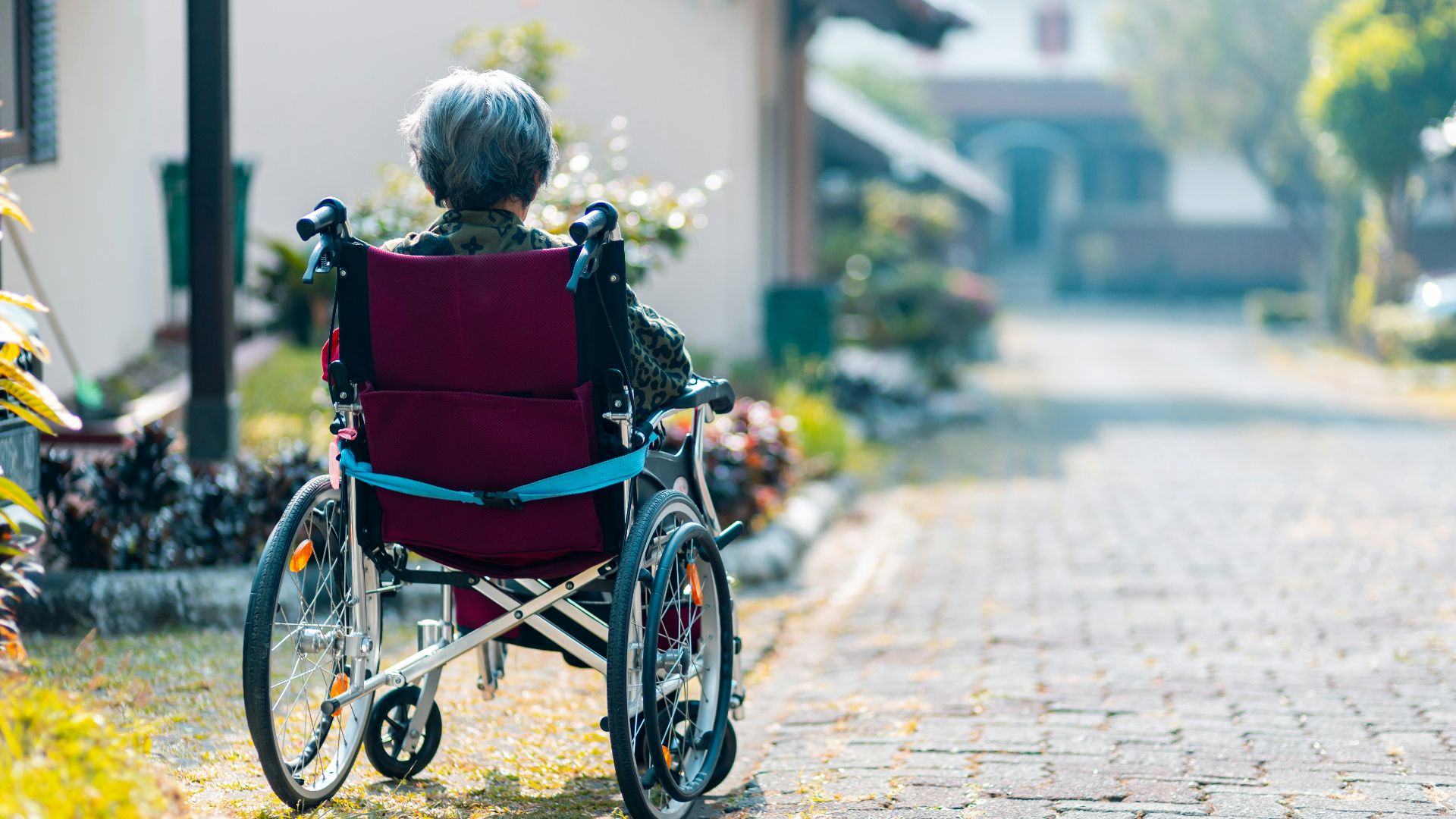
Living independently at 100 is certainly impressive, although it isn't something every exceptionally old person can manage or even wants. Some remain in their longtime homes, others move in with family members, and many receive additional support in residential care facilities. These different circumstances remind us that living a long life and maintaining complete physical independence aren't necessarily the same thing.
16. Their Body Types
It's easy to assume that everyone who reaches 100 has maintained a slim figure throughout adulthood. In reality, long-lived people come in different shapes and sizes, and their weight may have changed considerably over the years. Body composition can influence certain health risks, but someone's appearance alone doesn't tell you everything about their physical condition or how long they'll live.

17. Their Educational Backgrounds
Although higher education is associated with better health outcomes across populations, you certainly don't need an advanced degree to live past 100. Some people who reach extraordinary ages earned university degrees or even doctorates, while others left school early to help support their families. Educational opportunities have differed greatly across generations, especially for women and people from disadvantaged communities.

18. Their Healthcare Experiences
A few exceptionally old individuals claim they've rarely needed to visit a doctor, while others have spent years managing chronic conditions through regular medical appointments. Some have even survived major surgeries or serious illnesses that threatened to shorten their lives. Proper medical care remains important, but reaching an advanced age doesn't necessarily mean someone has been in perfect health the entire time.
 National Cancer Institute on Unsplash
19. Their Daily Schedules
Not every centenarian wakes up at sunrise, eats breakfast at precisely seven, and heads to bed before nine. Some love getting an early start, while others prefer staying up later or adjusting their routines as their needs change. Consistency can help with sleep and other healthy habits, but there's no magic timetable that everyone needs to follow to enjoy a long life.
20. Their Reasons for Getting Up Every Morning
People often talk about having a strong sense of purpose as an important part of healthy aging, although that purpose can mean something completely different to each person. One centenarian might find fulfillment in caring for grandchildren, while another enjoys volunteering, practicing their faith, or simply spending time outside. You don't need some ambitious lifelong mission to find happiness in your later years, and the activities that give your life meaning can naturally change as you get older.

KEEP ON READING

20 Signs People Find You Incredibly Intimidating