Don’t Leave Loved Ones in the Dark
No one’s sitting around on the weekend planning their funeral, and we know it’s not the most comforting event to think about. But even though it seems a little morbid, having all the information you need—and most importantly, what your family needs—is a good way to spare people down the road. Taking care of a few things can help you avoid unnecessary stress, unexpected expenses, and uncomfortable disagreements, so here are 20 things worth getting organized while you’re still healthy.

1. An Updated Will
Your family shouldn't have to guess who gets the house or your collection of good silver. The last thing people need is to squabble when they’re also grieving, so a properly executed will is a must. It identifies your beneficiaries and explains how you want your estate distributed, which is especially important if you've remarried or lost someone named in an older version.

2. Your Preferred Arrangements
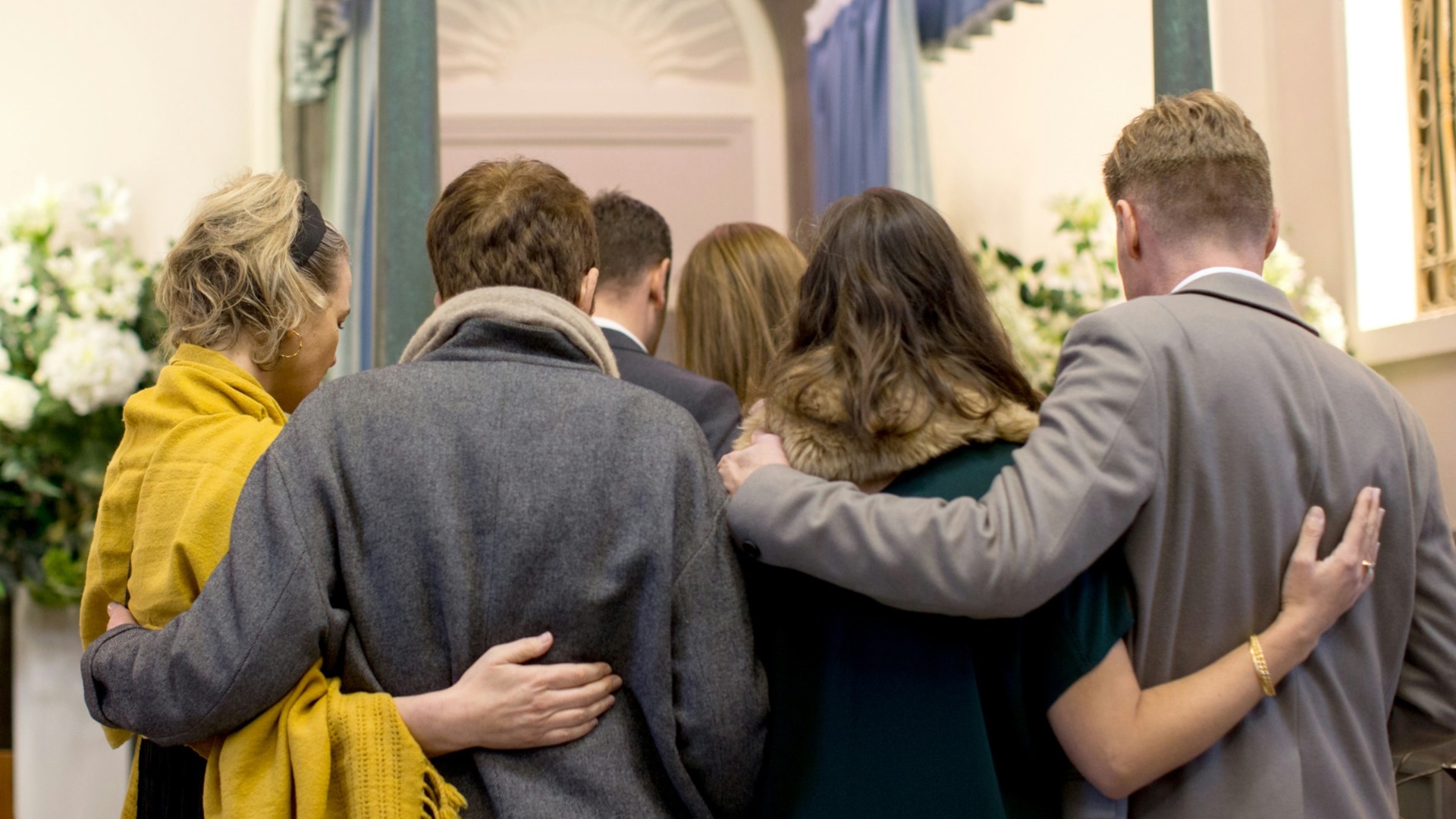
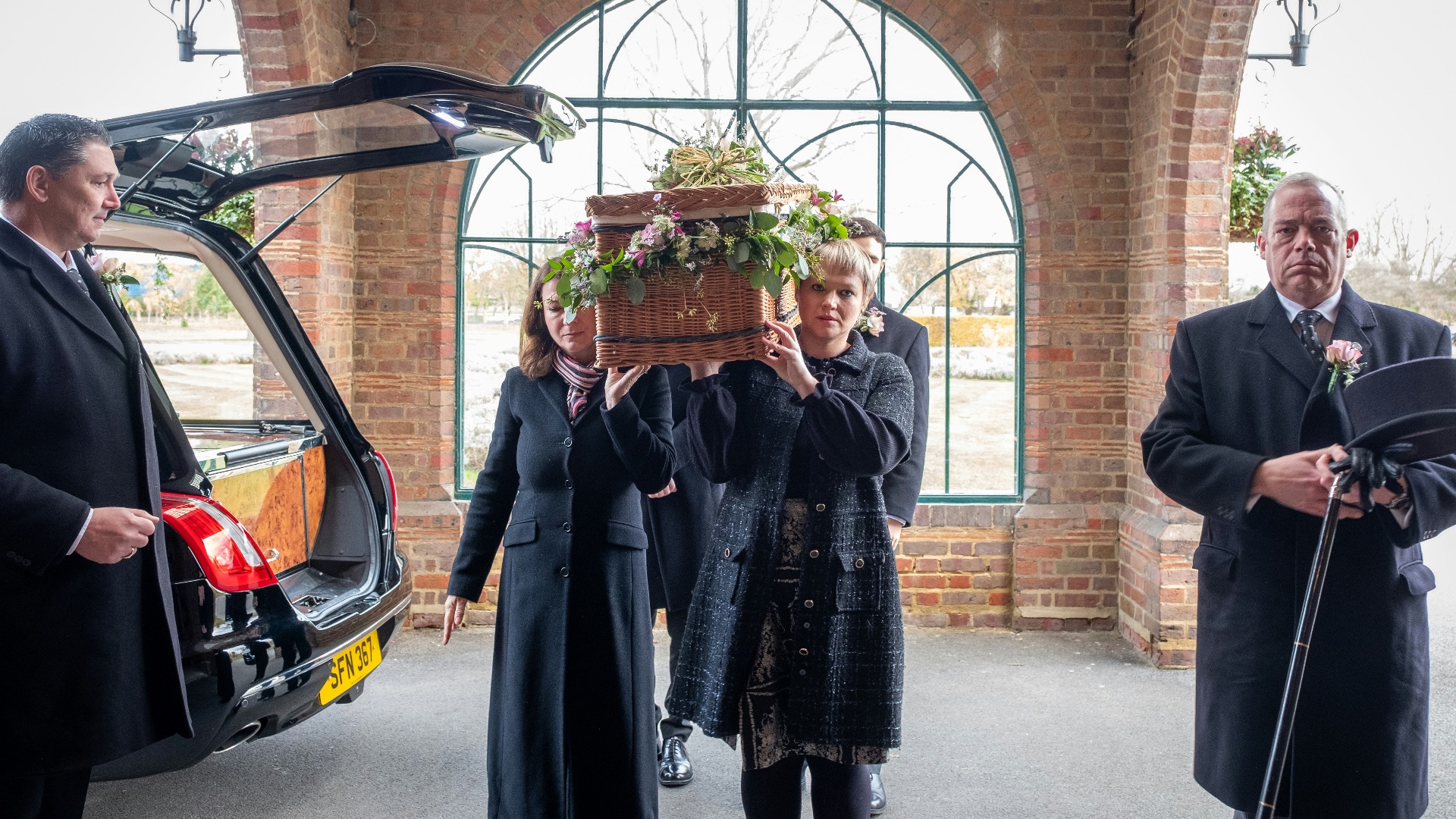
Do you want a traditional church service? Would you be more comfortable with a quiet graveside gathering? What about a simple celebration of life at your favorite restaurant? Jot down your preferences so your family has something concrete to follow.
 The Good Funeral Guide on Unsplash
3. Money Set Aside For Funeral Expenses
If you’ve ever had the misfortune of planning a funeral, you know exactly how costly they can be. It’s not just burial costs, either—transportation, flowers, and funeral home services are just as pricey. It’s worth it to at least consider a dedicated savings account or reviewing whether your insurance provides coverage.

4. A List of Important Contacts
There's a good chance your relatives won't know how to reach your childhood best friend or former coworkers. It’s always a good idea to jot down a contact list with names, phone numbers, and email addresses for people you'd want told about your death. Remember to include the big whigs, too, like your attorney, financial advisor, and insurance rep.

5. Your Burial or Cremation Preferences
Few decisions create more disagreements than uncertainty about final resting arrangements. Get rid of all that confusion now. Specify whether you'd prefer burial or cremation, along with any personal considerations. If you've already purchased a plot or made arrangements with a crematory, keep the paperwork somewhere your family can easily find it.

6. A Folder With Essential Documents
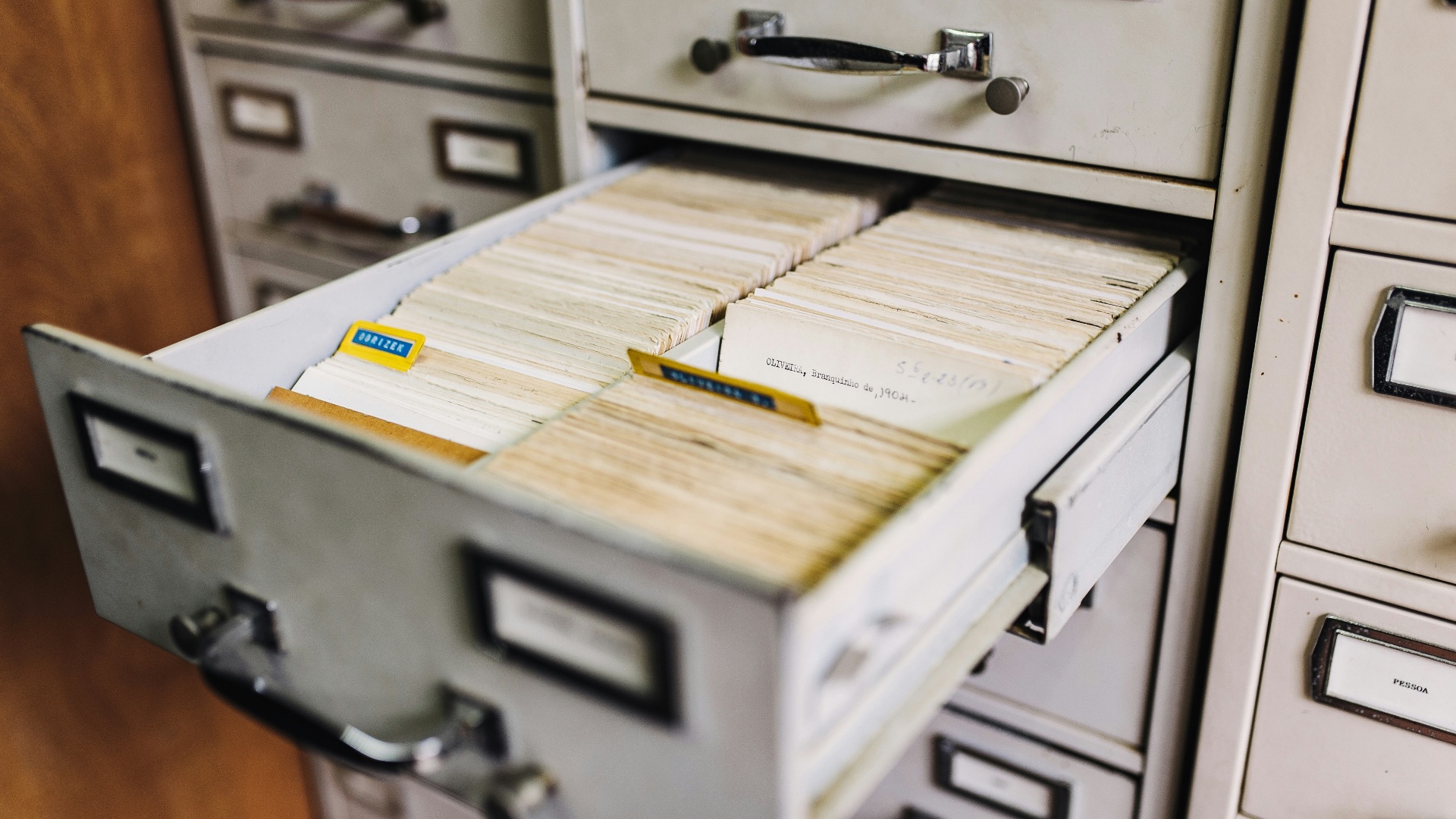
Speaking of important documents, nobody wants to spend the hardest days of their lives searching through cabinets for a missing birth certificate. It’s on you to keep records. Be sure to also organize everything in a clearly labeled folder, and let a trusted person know exactly where it's stored.
 Maksym Kaharlytskyi on Unsplash
7. Someone Authorized to Handle Your Estate
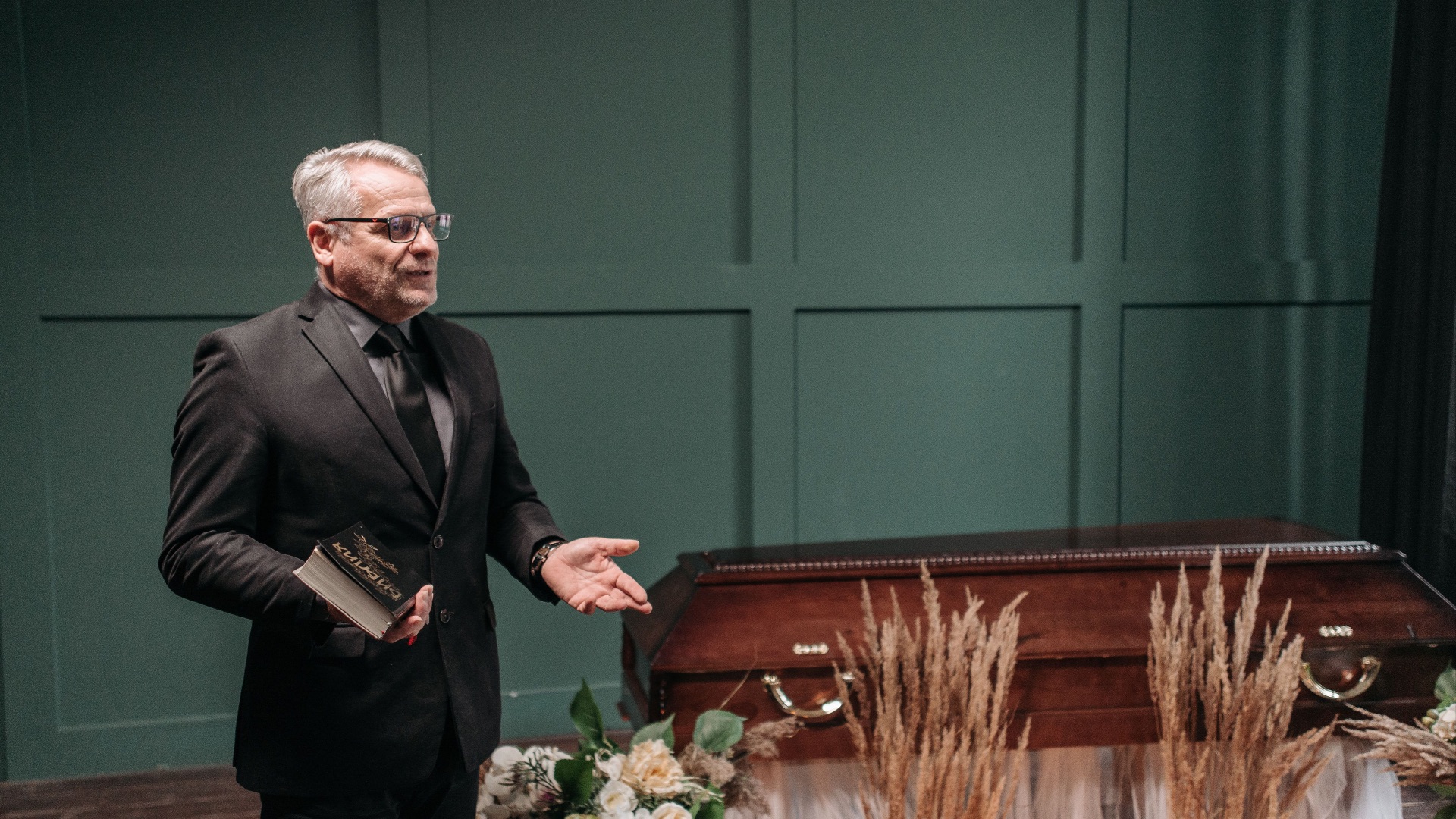
Choosing an executor isn’t easy, and that’s why it deserves more attention than a passing thought. You'll want someone responsible enough to handle legal paperwork, communicate with beneficiaries, and oversee the distribution of your assets. Think about who’s best suited, and discuss it with them beforehand.
8. Your Life Insurance Information
A life insurance policy isn't really helpful if nobody knows it exists. Make sure that you have an updated record of your insurer's name, policy number, beneficiaries, and instructions for beginning a claim. It's also worth reviewing your coverage every now and then, especially after major life changes.

9. A List of Outstanding Debts
As much as we’d like them to, unpaid obligations don't disappear when we die. If you have any debts looming over you, it’s worth it to create a list of what’s left owing. That could include anything from your mortgage and credit cards to personal loans and any outstanding medical bills.

10. Instructions For Your Pets
We hate to think about it, but our beloved pets will grieve too. To make things sadder, they don’t always understand why you're gone, which means someone will need to step in to provide proper care. Once you’ve settled on the right person, prepare information about feeding schedules, medications, vet appointments, and any behavioral quirks. You might also consider setting aside money for future expenses, especially if your pet is also over the hill.

11. A Few Photographs
Family members usually struggle to find the right picture when they're preparing an obituary or memorial display. Why not take the burden off their hands? All you need to do is choose some photos you like, including a recent portrait and perhaps some older family snaps that capture what mattered most to you. You can also store digital copies in an accessible folder or on a USB key.

12. Your Obituary Information
Remembering everyone's full names, important dates, and major accomplishments is surprisingly tough when emotions run high. We know it seems a little morbid, but there’s no shame in preparing a brief personal biography that includes some basic information about you. Your family can personalize the final obituary, but they'll appreciate having a foundation.

13. Your Favorite Music
Not everyone wants traditional hymns at their funeral. Others hate the idea of solemn violin solos. But your family would have no way of knowing that unless you tell them. Write down your preferred playlist, including the recordings you want, so your family doesn't accidentally choose the wrong version.

14. An Outfit For Your Final Farewell
Families bicker more than you think about what a burial outfit should be—but there’s no reason you shouldn’t have the final say. If you're planning a traditional burial, it makes sense to pick the clothing you'd feel most comfortable in. Just let your family know where everything is kept.
 The Good Funeral Guide on Unsplash
15. A Plan For Your Digital Accounts
Have you ever thought about what would happen to your online presence after you pay the ferryman? Loved ones certainly won’t have access to them, so now what? Well, you can always prepare instructions for managing your email, social media profiles, cloud photos, and digital subscriptions. At least then, you’ll have peace of mind that everything got cancelled or notifications were posted.
 Desola Lanre-Ologun on Unsplash
16. A Message For Loved Ones
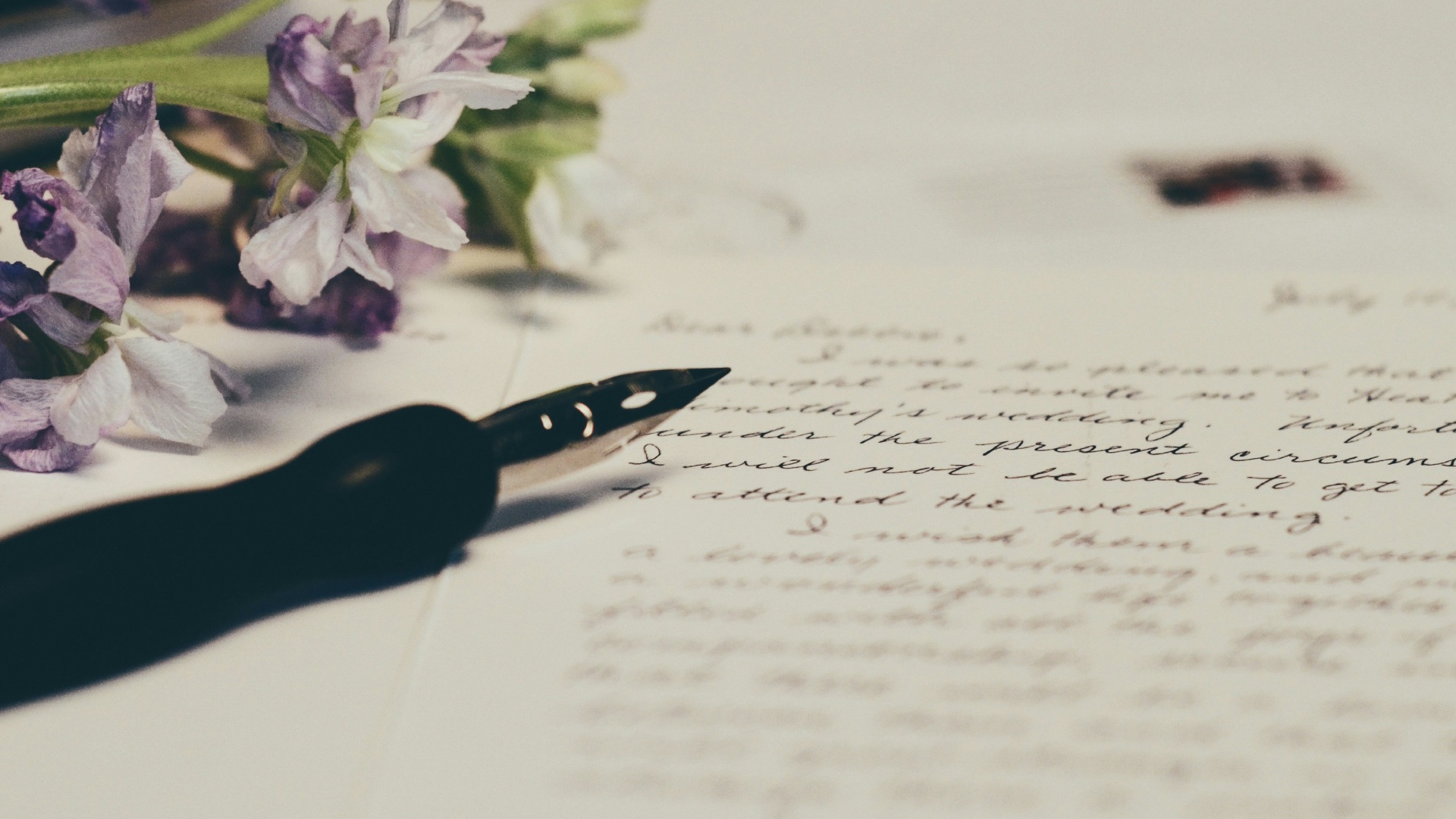
There may be things you've always wanted to say but never found the right moment to express. There’s no time like the present. Consider writing letters or even recording a short video that can be shared after your passing. They don't need to be big, sweeping declarations, but even a few sentences can become cherished memories.
17. Instructions For Sentimental Belongings
Pets aren’t the only beloved item we have in our house. Think about who should get your mother's wedding ring, your father's watch, old family photographs, or the handwritten recipes passed down for generations. Record your wishes clearly, too, and make sure you consult an estate-planning professional about making those gifts legally effective.

18. Your Wishes Regarding Organ Donation
Not every family member likes the idea of your organs going to someone else—even if you wouldn’t mind. That’s why it pays to be clear about your wishes. Research the registration process and discuss your decision with those closest to you. Donation eligibility isn’t always as easy as it seems, either, which is why it’s smart to prepare now.

19. A Designated Person For Immediate Responsibilities
The first few days after a death often involve all sorts of urgent tasks, many of which have little to do with the funeral itself. Someone will need to secure your home and collect the mail. They’ll need to contact your employer, arrange pet care, or check on a surviving spouse. Talk about these responsibilities with trusted people in advance so everyone understands who can help with what.

20. A Conversation With Your Family
You can prepare every little thing under the sun, but those folders and letters won’t mean much if they stay hidden in your closet. Set aside time to discuss the nitty-gritty with your family. It might feel a little uncomfortable, but having these conversations now can spare everyone confusion when they'll need reassurance the most.

KEEP ON READING

20 Things You Should Have Ready Before Your Funeral