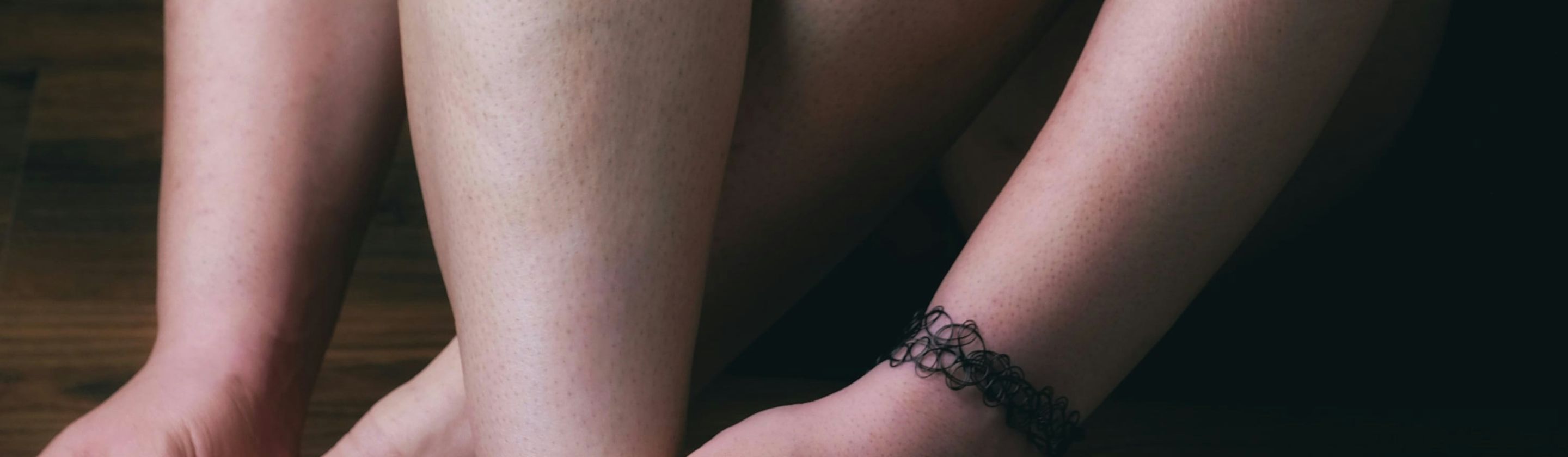
Why Your Shoes Fit Worse At Six
Your socks can fit comfortably at breakfast and leave deep marks around your ankles by dinner. Gravity draws fluid toward your feet throughout the day, and sitting or standing still for hours makes it harder for your body to move that fluid back up. Usually the swelling fades overnight and means little. But sometimes it's a side effect of medication or a warning sign of trouble with the kidneys or heart. Here are 10 reasons ankles swell and 10 everyday habits that can make it worse.
1. Gravity And An Idle Calf
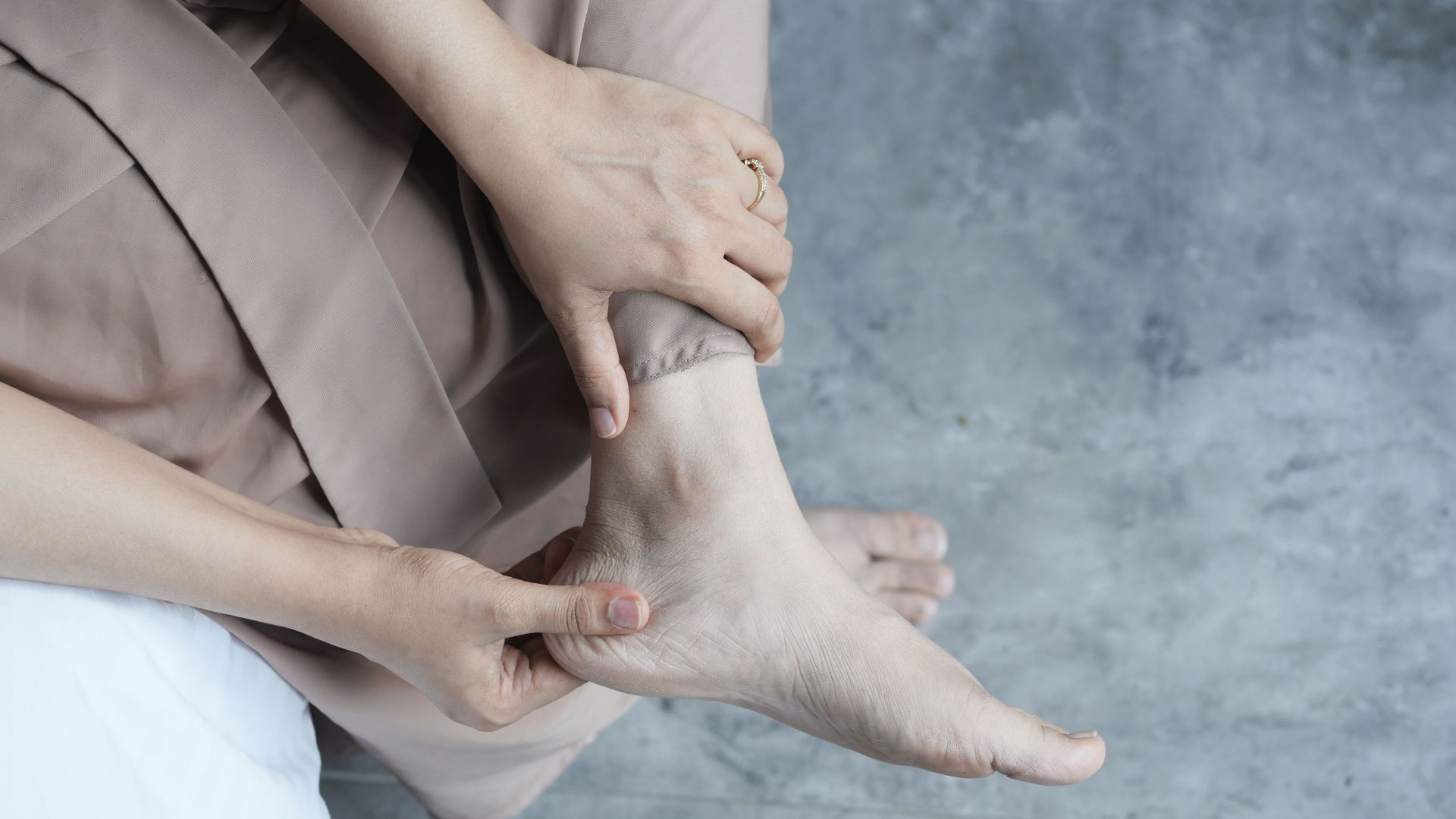
Leg veins push blood uphill, and they depend on the calf squeezing around them to manage it. Sitting or standing still takes that pump out of service, so fluid settles into the lowest tissue available. The NHS lists long periods of sitting or standing among the most common reasons legs swell.
2. Vein Valves That No Longer Close
One-way valves inside leg veins stop blood sliding back down between heartbeats. When those valves weaken, pressure inside the vein climbs and fluid gets pushed out into surrounding tissue. Valves give out after pregnancy, after a blood clot, or after decades of standing work, and varicose veins are the visible version of the same problem.
3. Blood Pressure Pills
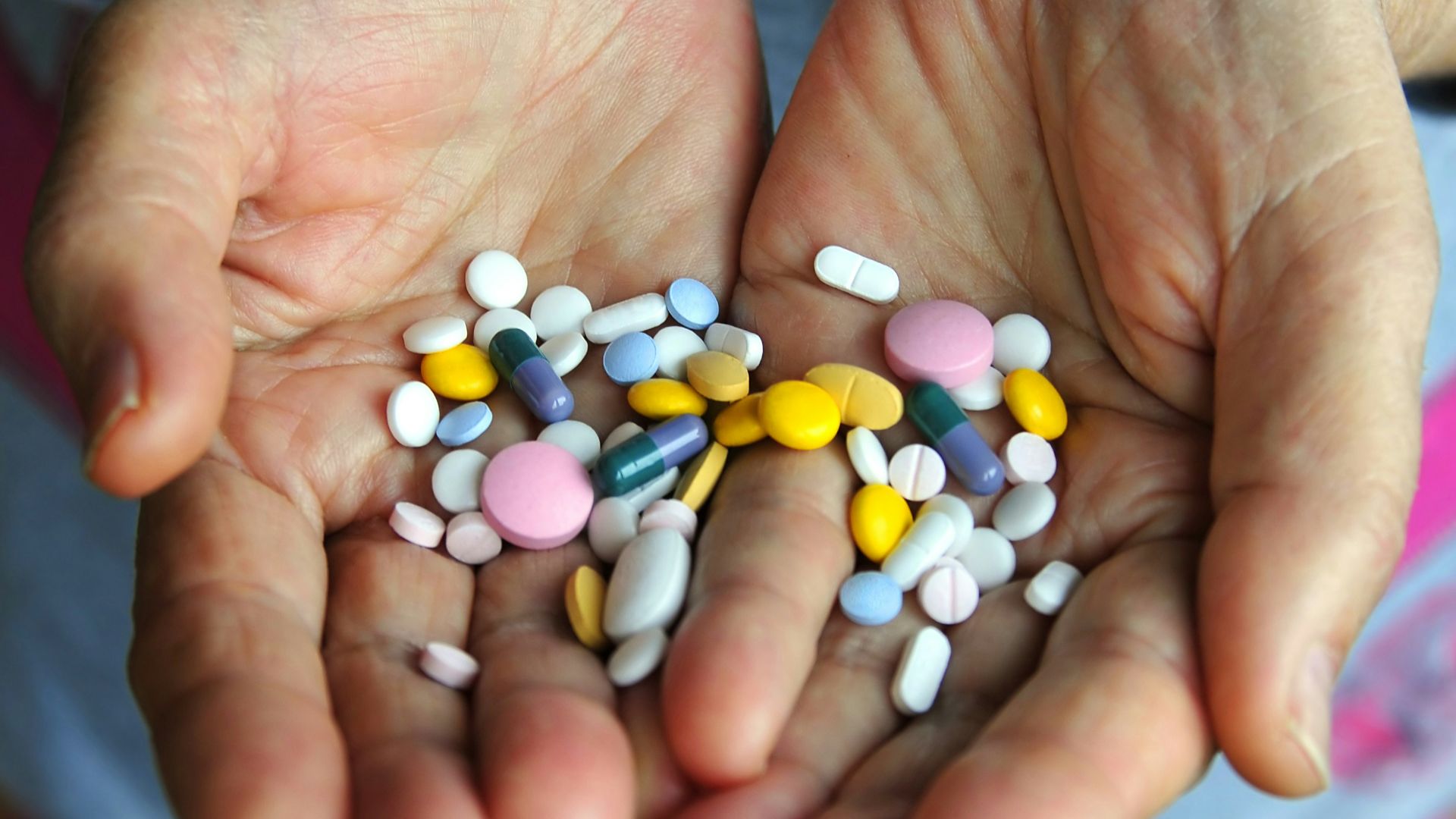
Blood pressure medications such as amlodipine and nifedipine can cause fluid to collect around the ankles. It's a common side effect because these drugs relax blood vessels, making it easier for fluid to leak into surrounding tissue. A lower dose often helps, and switching medications may be another option. Any changes should be discussed with the prescribing doctor.
4. Other Medications That Do The Same Thing
Gabapentin and pregabalin, commonly prescribed for nerve pain, can cause ankle swelling, sometimes within a few weeks of starting treatment or increasing the dose. Painkillers such as ibuprofen work differently, making the kidneys hold on to more salt and water. Steroids and hormone treatments, including birth control pills, can also contribute to swelling.
5. The Heart Not Keeping Up
When the right side of the heart struggles to push blood forward, pressure backs up through the veins and fluid leaves the capillaries at the far end. Swelling in both legs that creeps upward over weeks is the pattern worth attention. NHS advice is to see a GP when both legs are swollen and have not improved after a few days of home treatment.
6. The Kidneys
Kidneys decide how much salt and water the body keeps, and when they underperform the surplus has to go somewhere. Ankles are the most convenient place for it while you are upright. Swollen feet in anyone with diabetes count as an urgent symptom in NHS guidance and should never be left to settle on their own.
7. The Liver
Strain on the liver cuts production of albumin, the protein that keeps fluid inside blood vessels. With less of it circulating, fluid leaks into tissue more readily than it should. The Cleveland Clinic lists liver failure among the causes and treats fluid in the abdomen as its own form of swelling.

8. An Underactive Thyroid
An underactive gland can leave a puffiness that barely dents when pressed, and thyroid problems appear on the NHS list of common causes. It usually arrives alongside fatigue and a new sensitivity to cold. A blood test settles the question quickly.
9. Pregnancy
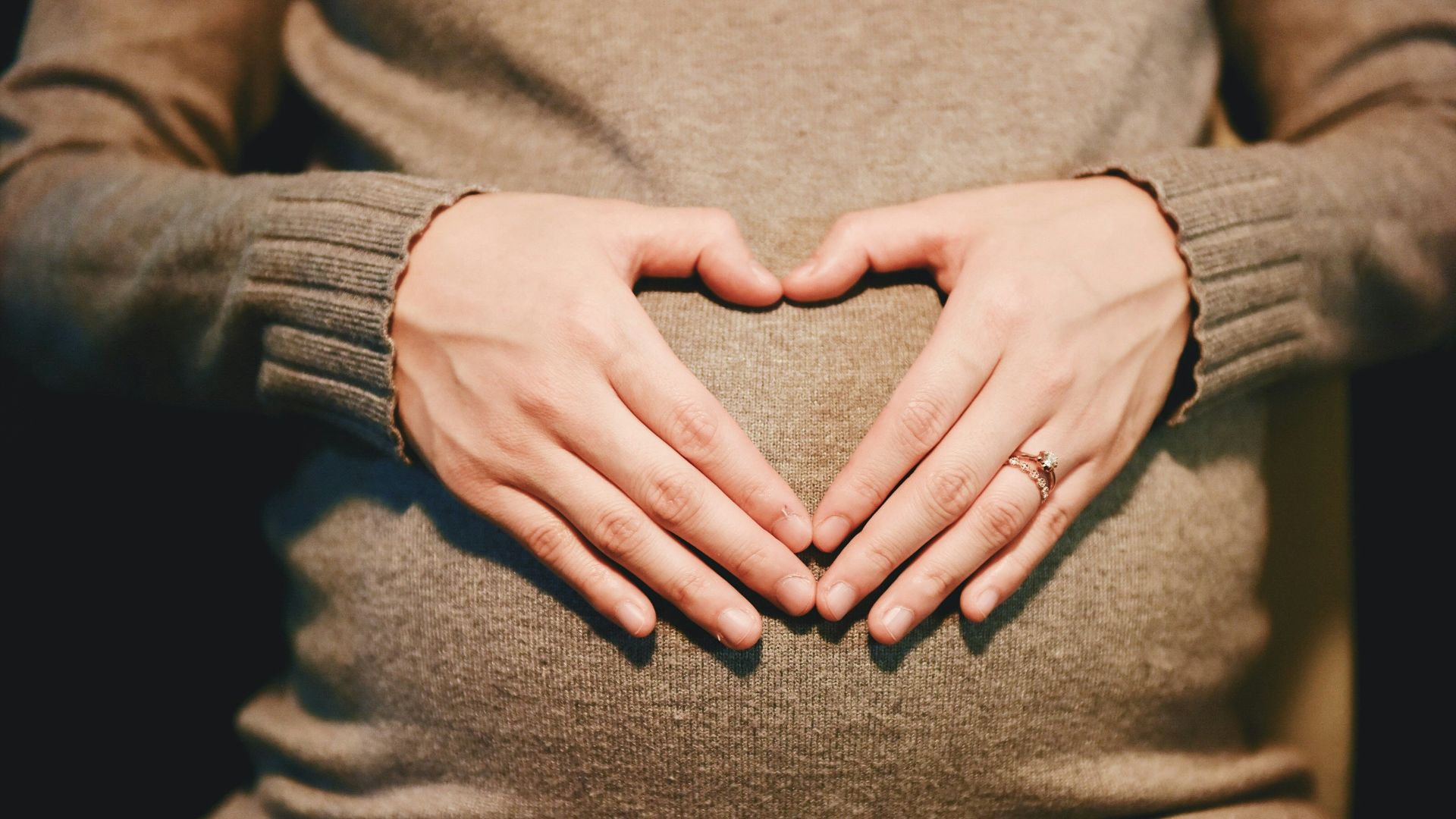
Extra blood volume and a growing uterus pressing on the veins returning from the legs make some ankle swelling close to routine later on. The version that matters is swelling that arrives suddenly or turns up in the face and hands. That combination needs same-day medical attention, since it can be a sign of preeclampsia.
10. Swelling In One Leg Only
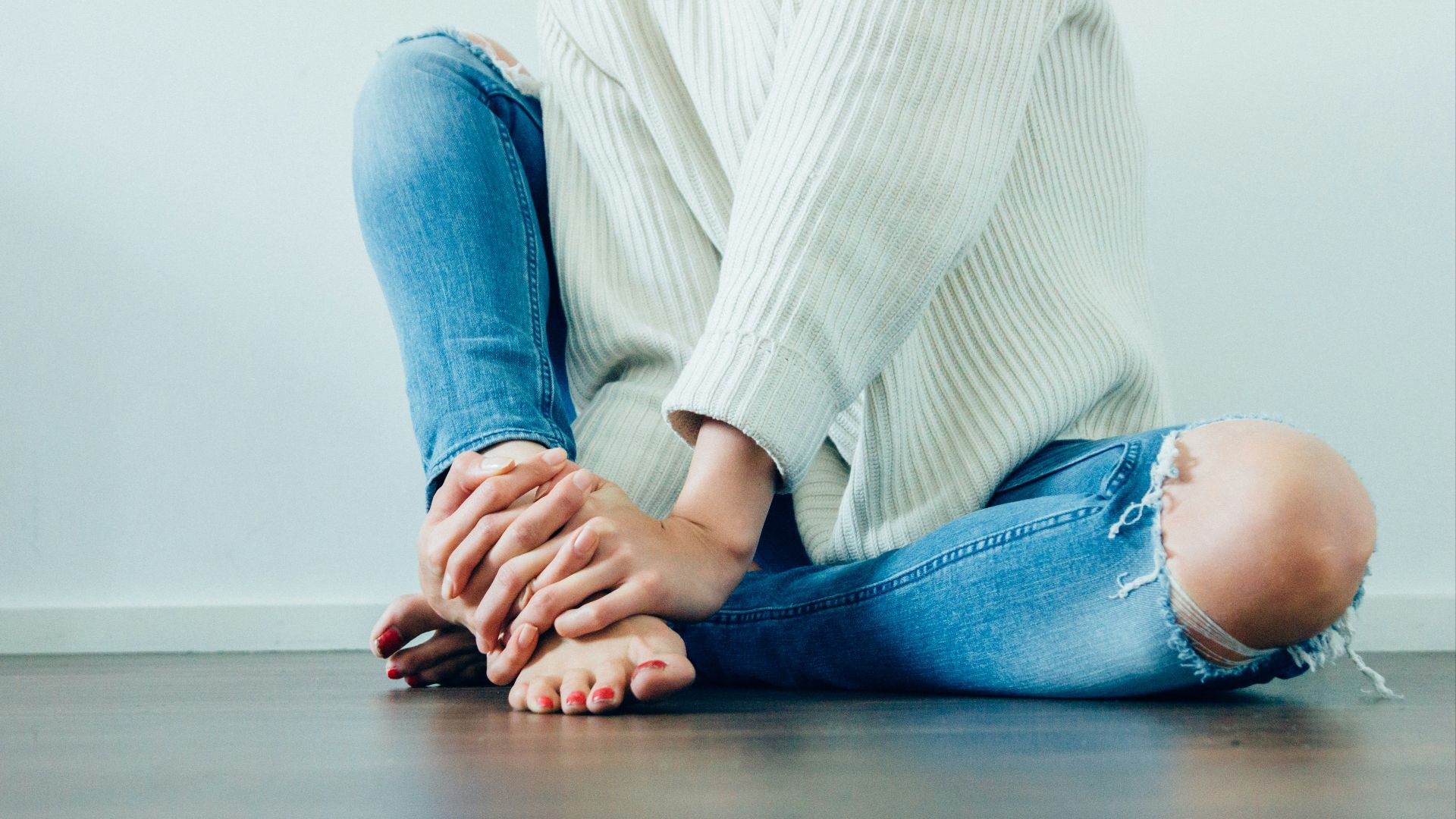
Both ankles puffing up is a fluid and circulation story. One ankle or one leg is a different question, especially alongside pain or hot red skin, and can mean a clot or an infection. The NHS advises urgent care for unexplained swelling in one leg, and emergency services if breathlessness or chest pain comes with it.
Now, here's 10 ordinary habits that pile on top of whatever is already going on.
1. Sitting Through The Whole Workday
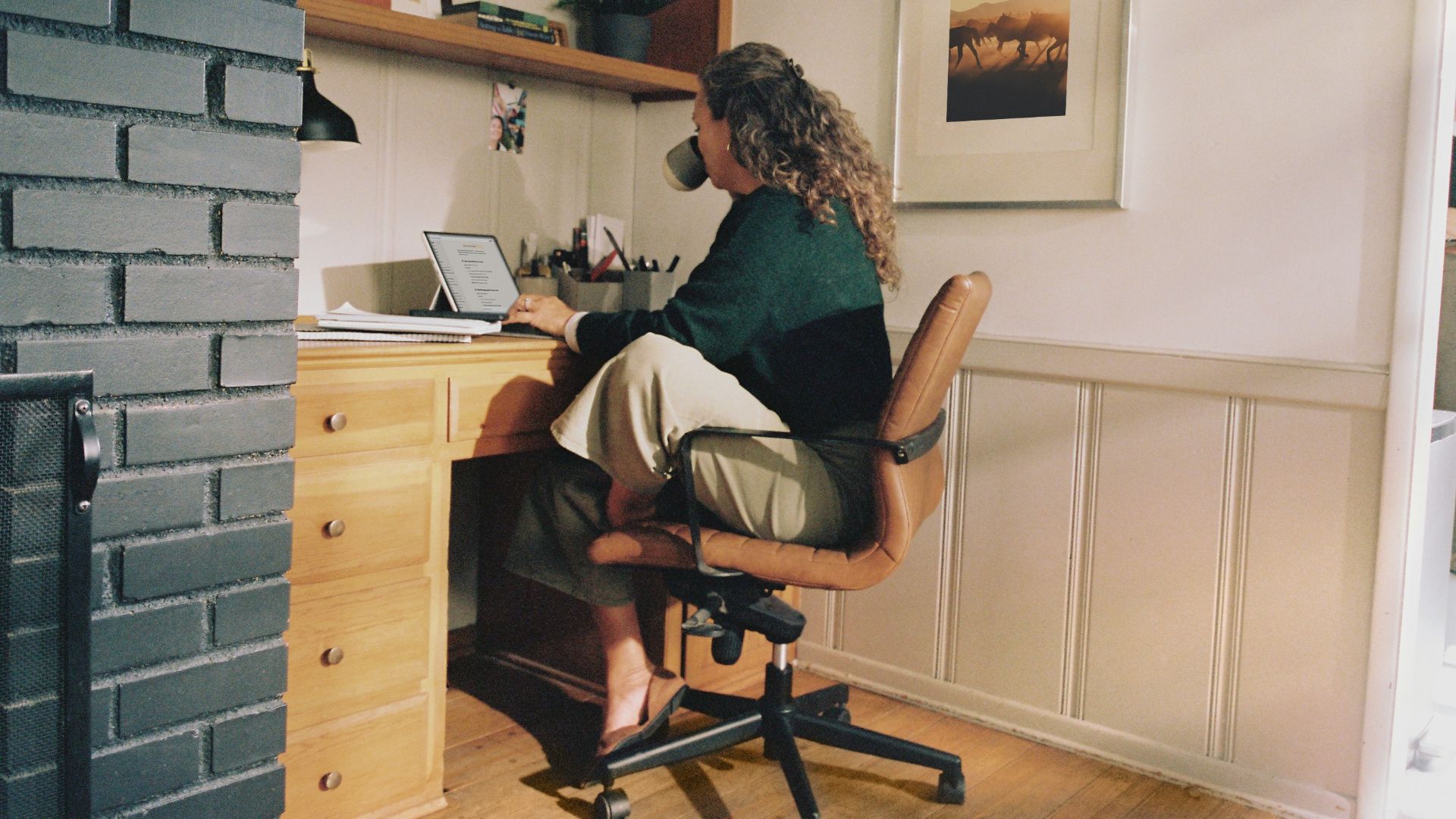
Desk chairs park your feet below your heart for hours with nothing squeezing the calf. Whatever accumulates has nowhere to go until you stand up and start walking. Short walks spread across the day keep that pump working in a way one evening walk cannot.
2. Standing Still In One Spot
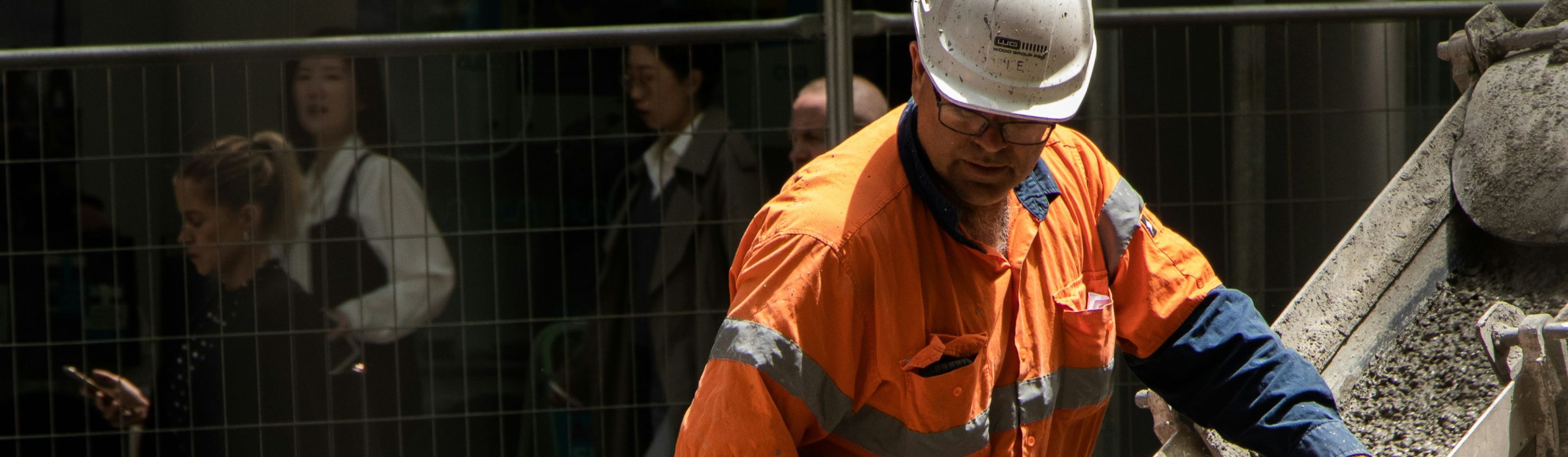
A stationary stand leaves the calf as inactive as a chair does. Shop floors and assembly lines produce swollen ankles by closing time for exactly that reason. Shifting your weight and taking a few steps is what actually moves the blood along.
3. Salty Food
Sodium pulls water along with it, and the body holds on to extra fluid to keep the concentration steady. One salty dinner can show up in your socks the following evening. Most of the salt arrives through restaurant meals and packaged food rather than the shaker on the table.

4. Long Flights And Long Drives
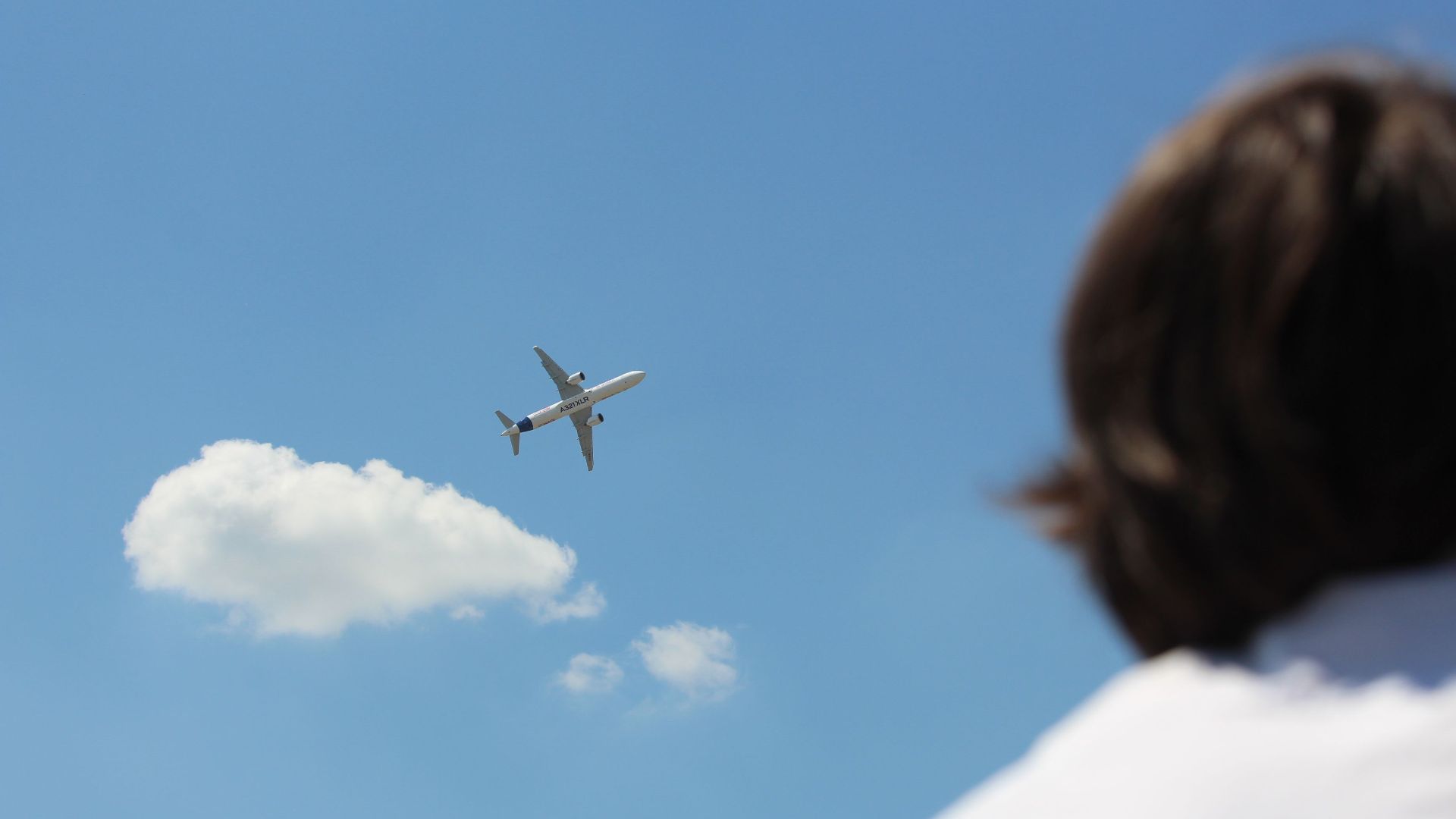
Hours in one seat with your legs down is ordinary sitting at its worst, and shoes often feel tight on landing because of it. Getting up when you can, and flexing the ankles when you cannot, keeps the calf involved. Travelers with a clot history are often advised to wear compression stockings for the journey.
5. Alcohol
Alcohol appears on the Cleveland Clinic's list of things that contribute to swelling. It disrupts fluid balance in the short term and, with heavy use over years, the liver's ability to make the proteins that hold fluid in the vessels. A heavy evening can leave ankles puffy the next day by itself.

6. Hot Baths And Hot Weather
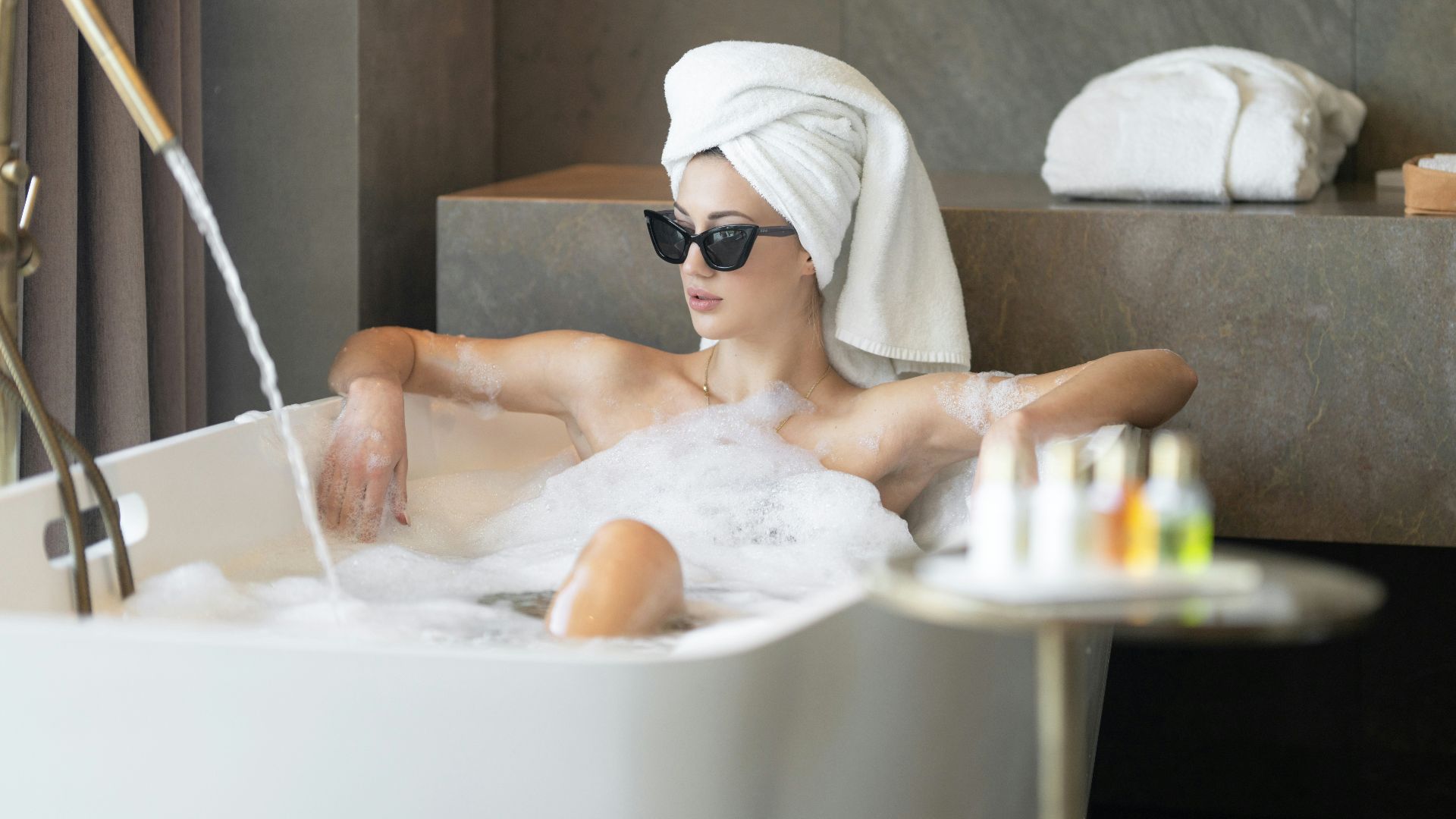
Heat widens the blood vessels near the skin, which makes it easier for fluid to settle in the feet. Summer swelling is common enough that people notice their shoes fitting differently once the weather turns. A cooler shower and some time with the legs raised undoes most of it before bed.
 CRYSTALWEED cannabis on Unsplash
7. Socks With A Tight Elastic Band
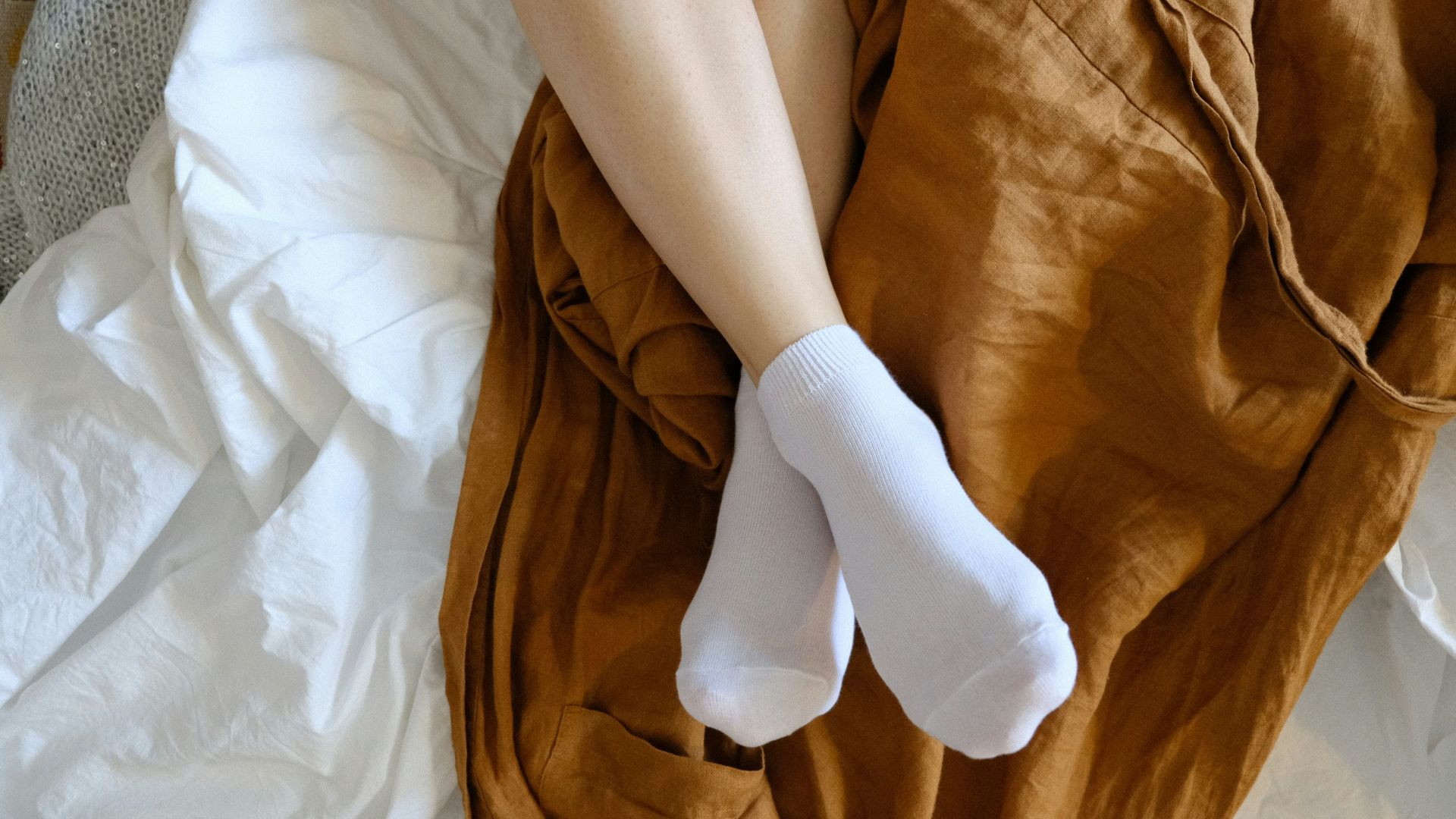
A sock that leaves a deep ring around the ankle puts all of its pressure into one narrow band. NHS self-help advice includes avoiding tight clothing for that reason. Graded compression stockings do the opposite, pressing hardest at the foot and easing off as they climb.
8. Shoes That Keep You On The Ball Of Your Foot
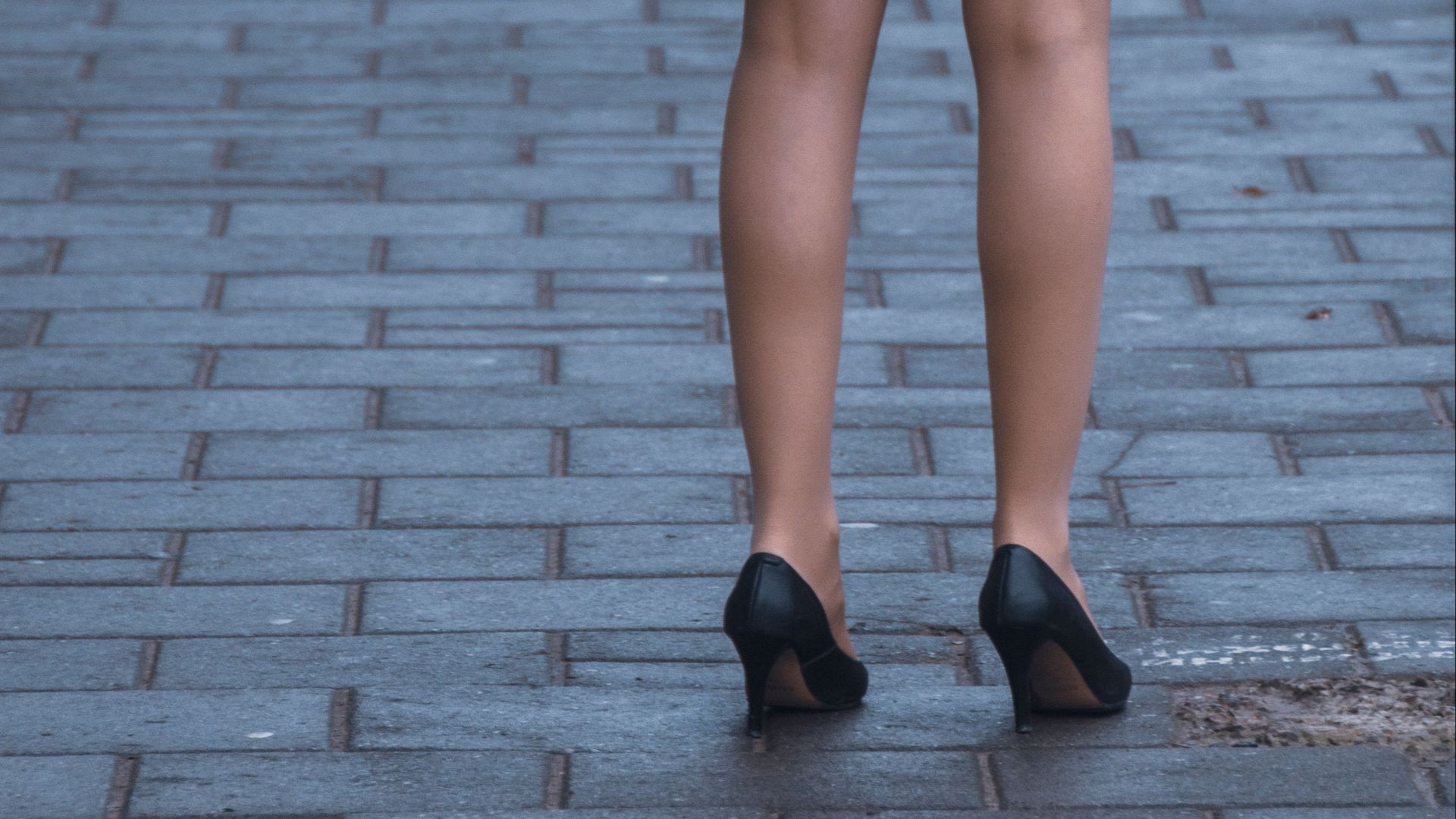
Narrow shoes and high heels limit how far the ankle travels through each stride. Pushing off properly with the foot is the part of walking that does the squeezing, so a shoe that prevents it costs you the pump. Wide comfortable shoes with low heels are the standing recommendation for anyone dealing with swelling.
9. Walking Off A Minor Ankle Injury
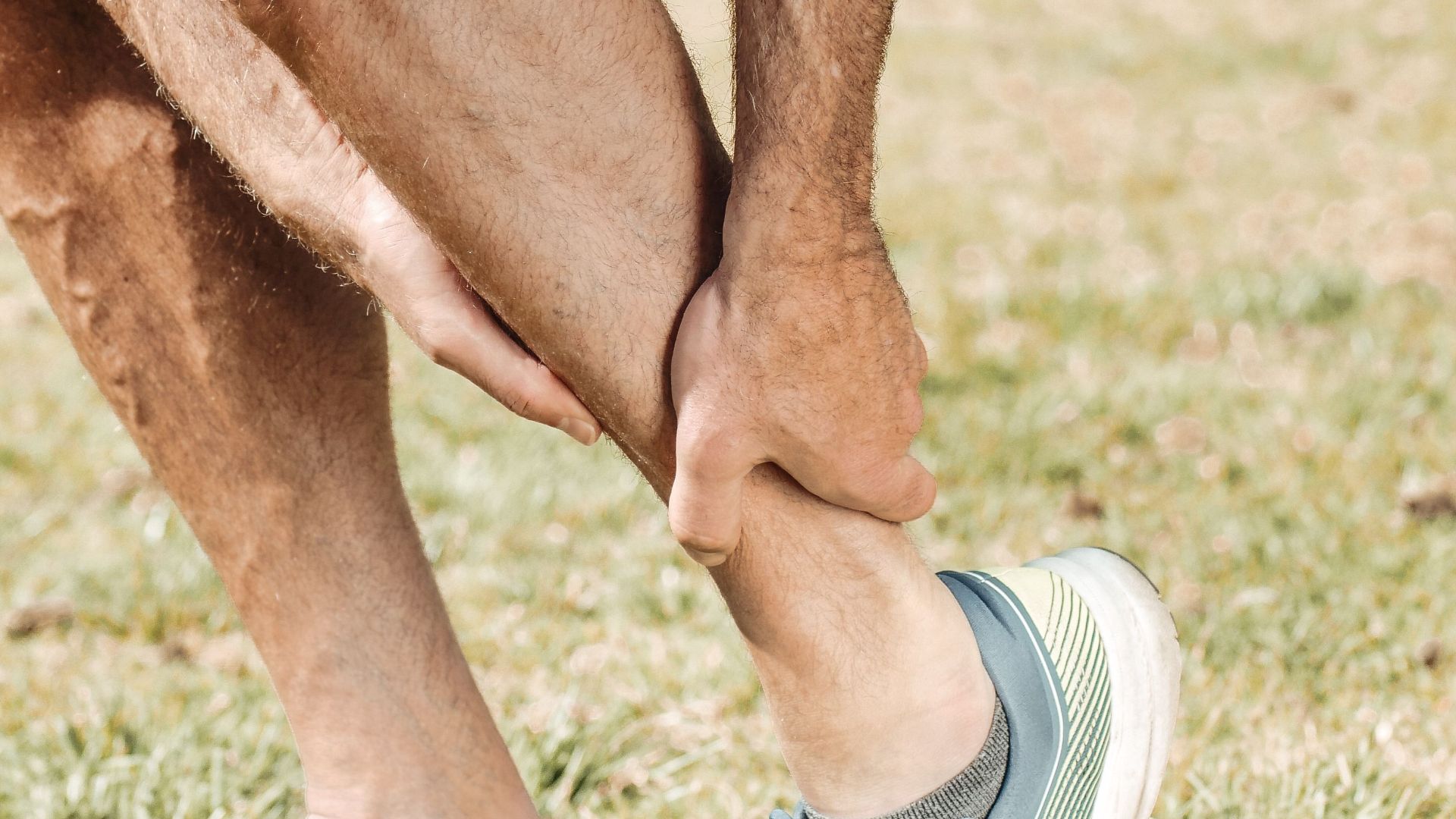
A twisted ankle can feel manageable enough to ignore, especially when there's no obvious bruising. But spending the rest of the day on an injured foot can make the swelling worse by evening. Gentle movement helps recovery, while long walks and strenuous exercise can aggravate the injury. Giving the ankle some rest early on can prevent a minor problem from dragging on.
10. Skipping The Compression Stockings
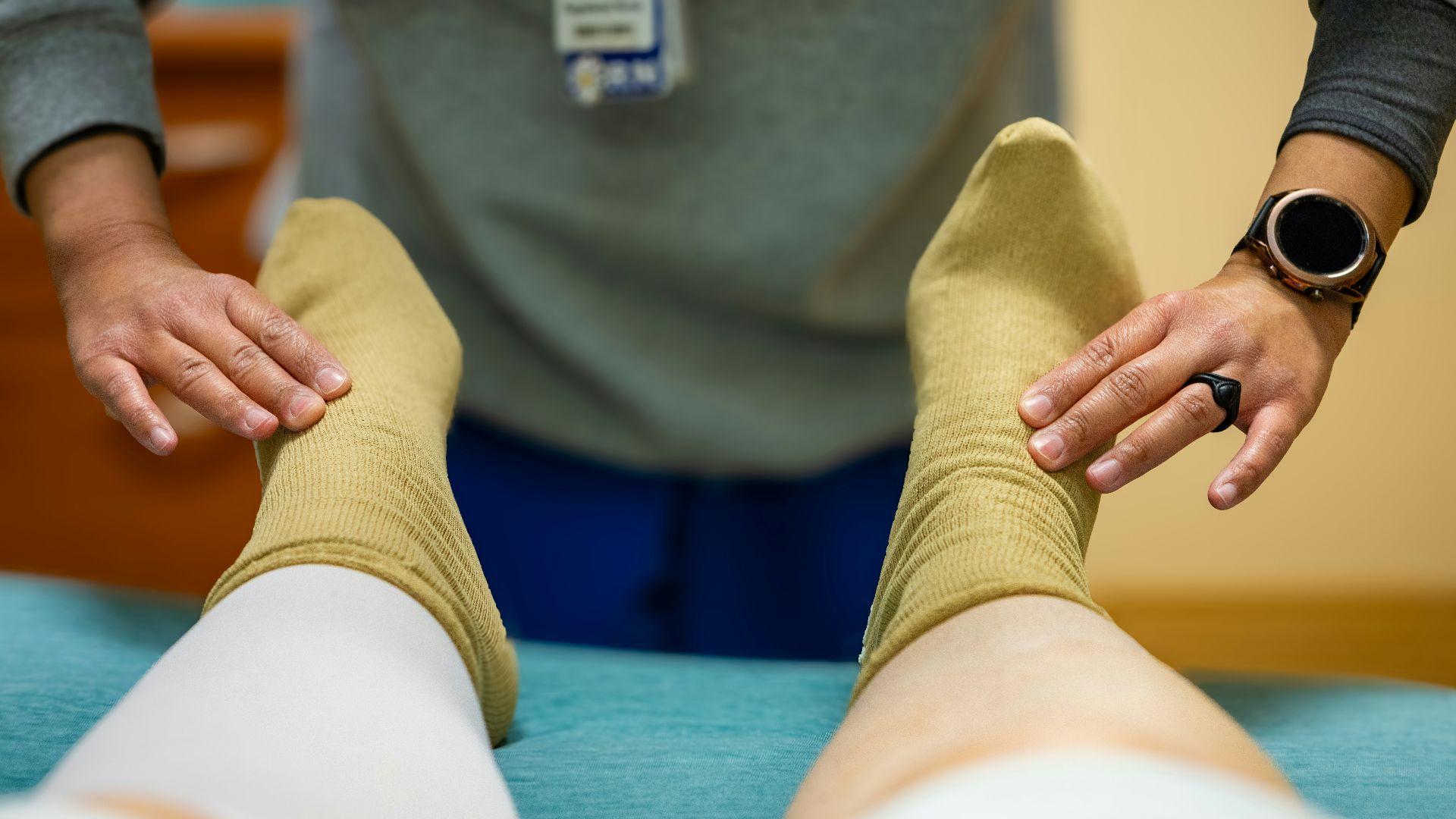
Stockings prescribed for vein disease or after a thrombosis only work on the days they actually go on. People abandon them over fit and heat far more often than over any doubt that they help. A proper fitting usually solves the comfort problem that caused the drawer to win.
KEEP ON READING