There’s More Than One Vitamin B
When people talk about vitamin B, we always assume they mean one—but that little vitamin you’ve come to know and love is actually part of a family of nutrients that includes thiamin, riboflavin, niacin, pantothenic acid, B6, biotin, folate, and B12. Together, they work hard to support energy metabolism and red blood cell production, as well as normal nerve and immune function. Fortunately, plenty of familiar foods provide one or several B vitamins without requiring a total overhaul of your grocery list.

1. Pork
Pork is well known for its thiamin, or vitamin B1, content, making it one of the stronger everyday sources of this nutrient. If that wasn’t enough to grill some chops, you'll also pick up other B vitamins, including B6 and niacin, depending on the cut you choose. A roasted pork tenderloin added to a vegetable stir-fry can make getting more B vitamins much more straightforward.

2. Lentils
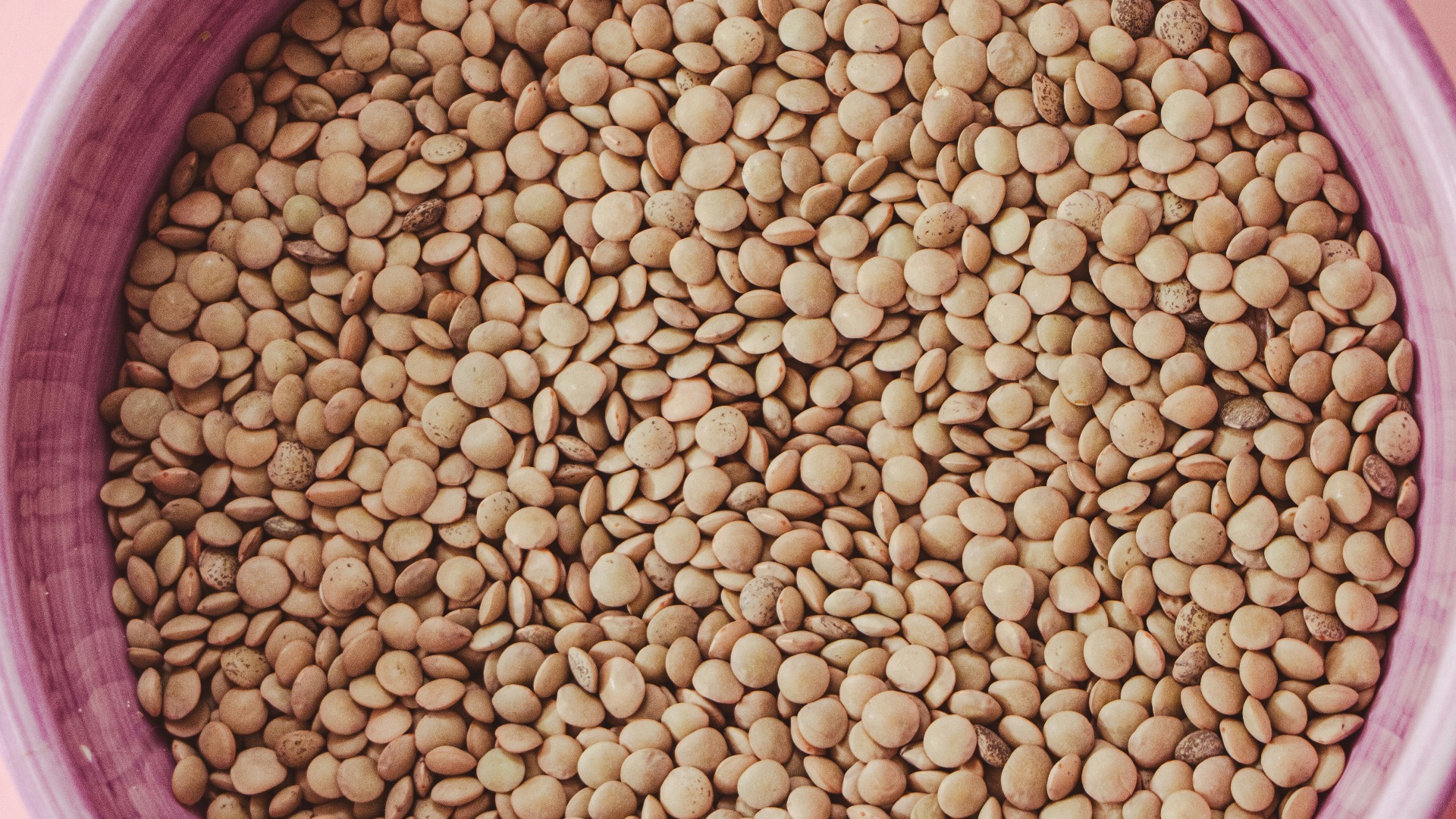
Lentils aren’t everyone’s cup of tea, but lentil soup does considerably more than warm you up on a cold afternoon. These little guys have plenty of folate, or vitamin B9, along with thiamin and vitamin B6, while also providing plant-based protein and fiber. You also have your pick of the litter from brown, green, and red options.
3. Sunflower Seeds
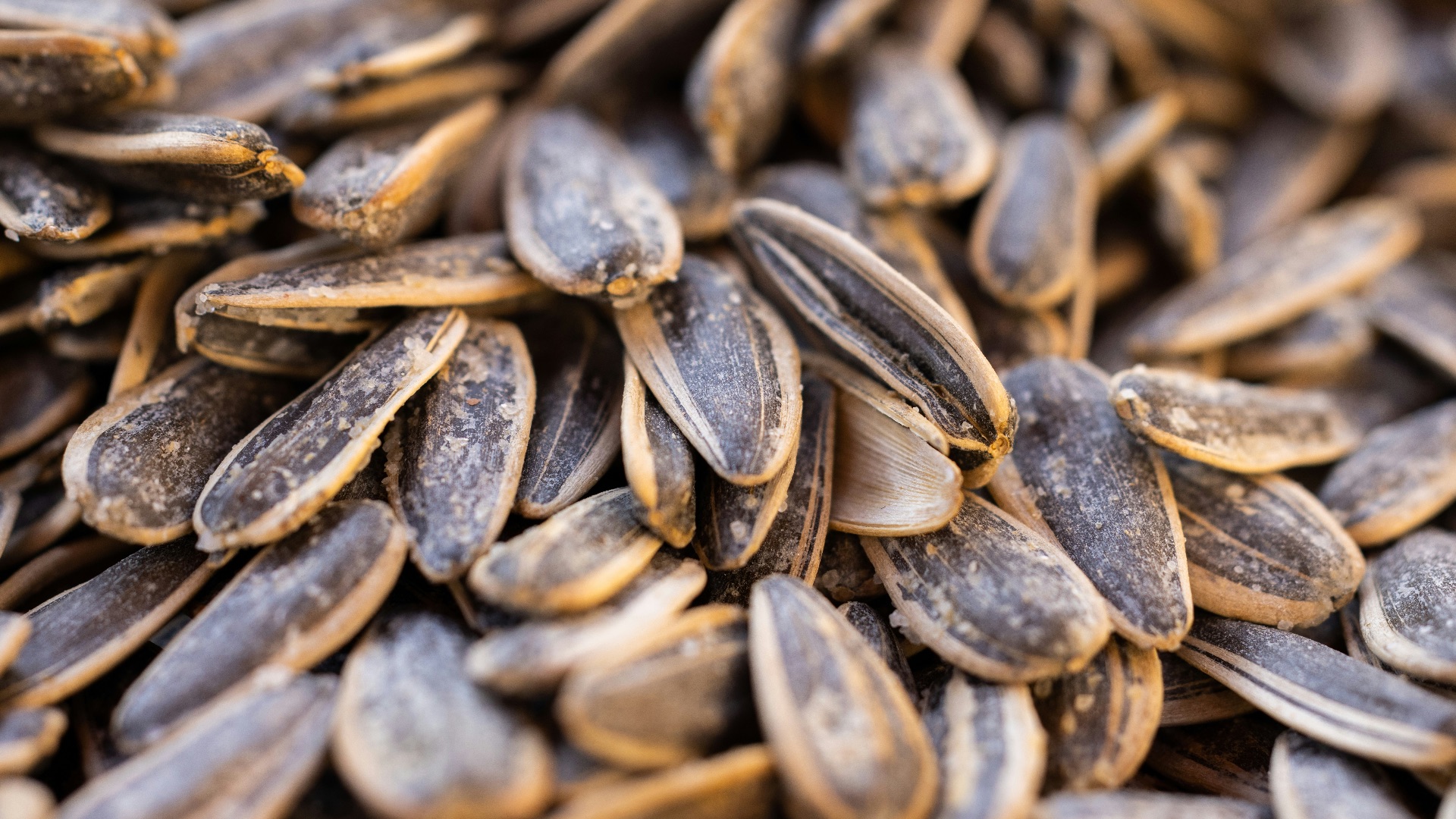
Don't overlook sunflower seeds just because they're treated as a quick snack. Contrary to popular belief (and baseball players everywhere), they do a lot more than add some sodium to your day! These little seeds supply several B vitamins, notably thiamin, vitamin B6, and folate, while contributing healthy unsaturated fats as well.
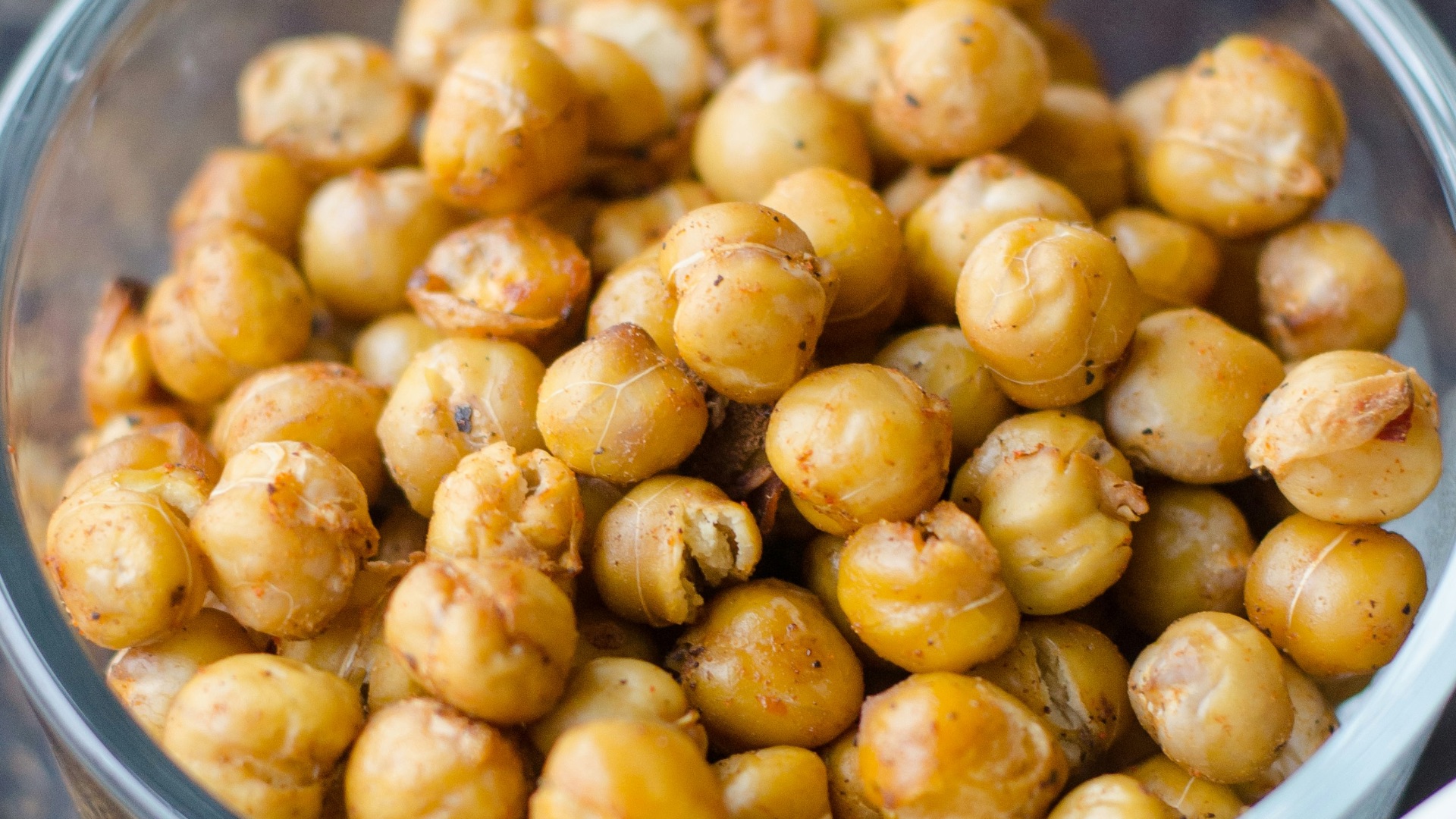
4. Chickpeas
Chickpeas earn their place on the list thanks largely to vitamin B6 and folate. They're also an easy pantry staple because the canned stuff can go directly into salads, soups, and grain bowls after a quick rinse. If hummus is more your style, don’t worry—that counts as a tastier option, too!
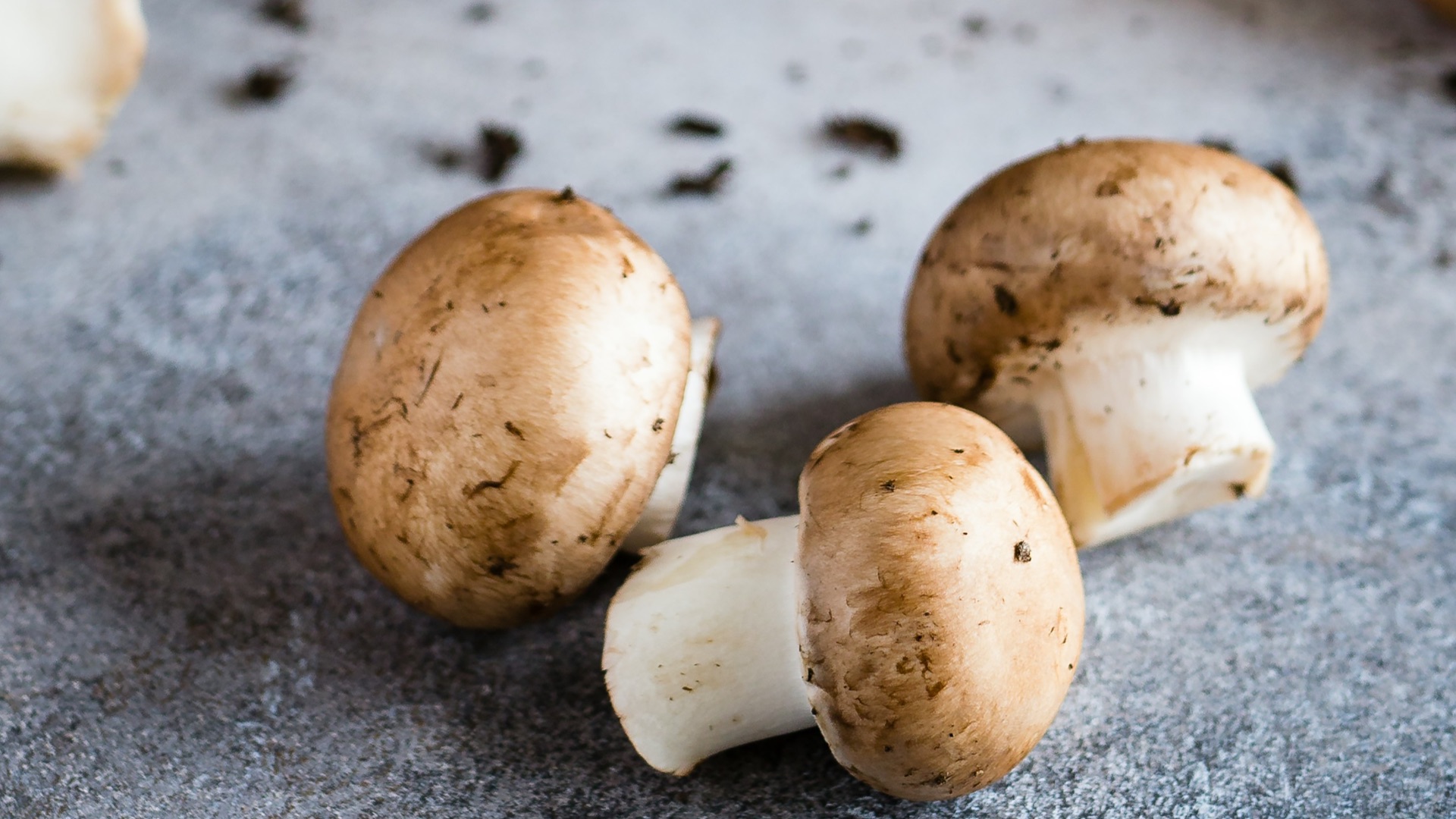
5. Mushrooms
Mushrooms offer an interesting combo of riboflavin, niacin, and pantothenic acid, which is vitamin B5. Varieties such as white button, cremini, and portobello mushrooms all make it easy to work them into everyday meals without changing much else. All you need to do is sauté a handful with eggs or roast them with your usual veggies for an added boost of nutrients.
 Christine Siracusa on Unsplash
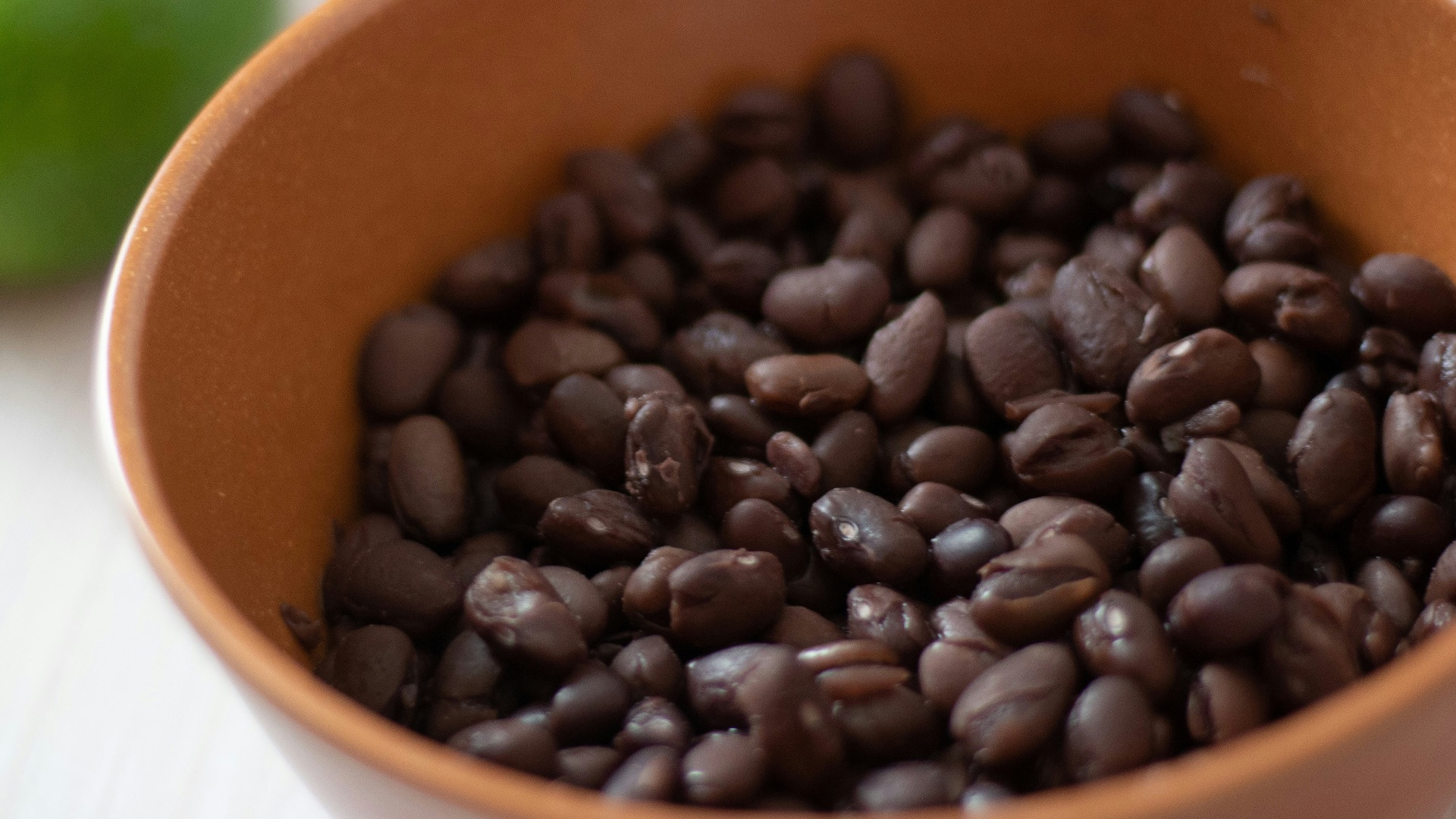
6. Black Beans
Black beans bring both thiamin and folate to the table while giving you plenty of fiber and plant protein at the same time. They also come with plenty of other benefits: they're inexpensive, shelf-stable when canned, and mild enough to fit into dishes ranging from tacos to soups.
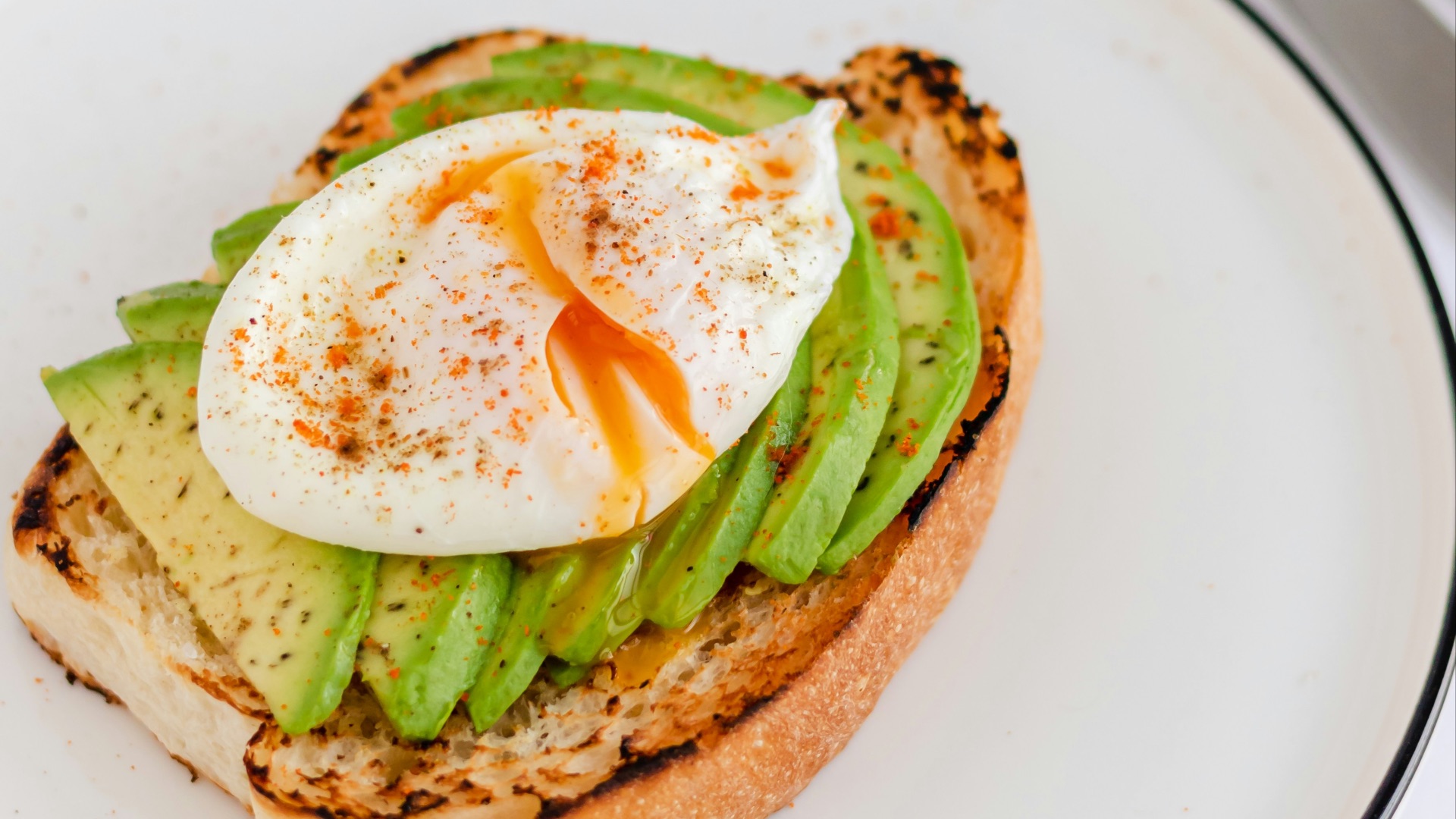
7. Avocados
Avocados aren't only popular because they taste great on toast. In addition to everything else that makes them a superfood, they also contain several B vitamins, including folate, vitamin B6, and pantothenic acid. Add a few slices to eggs, tuck them into a sandwich, or mash some with lime for a quick side of guacamole.
8. Eggs
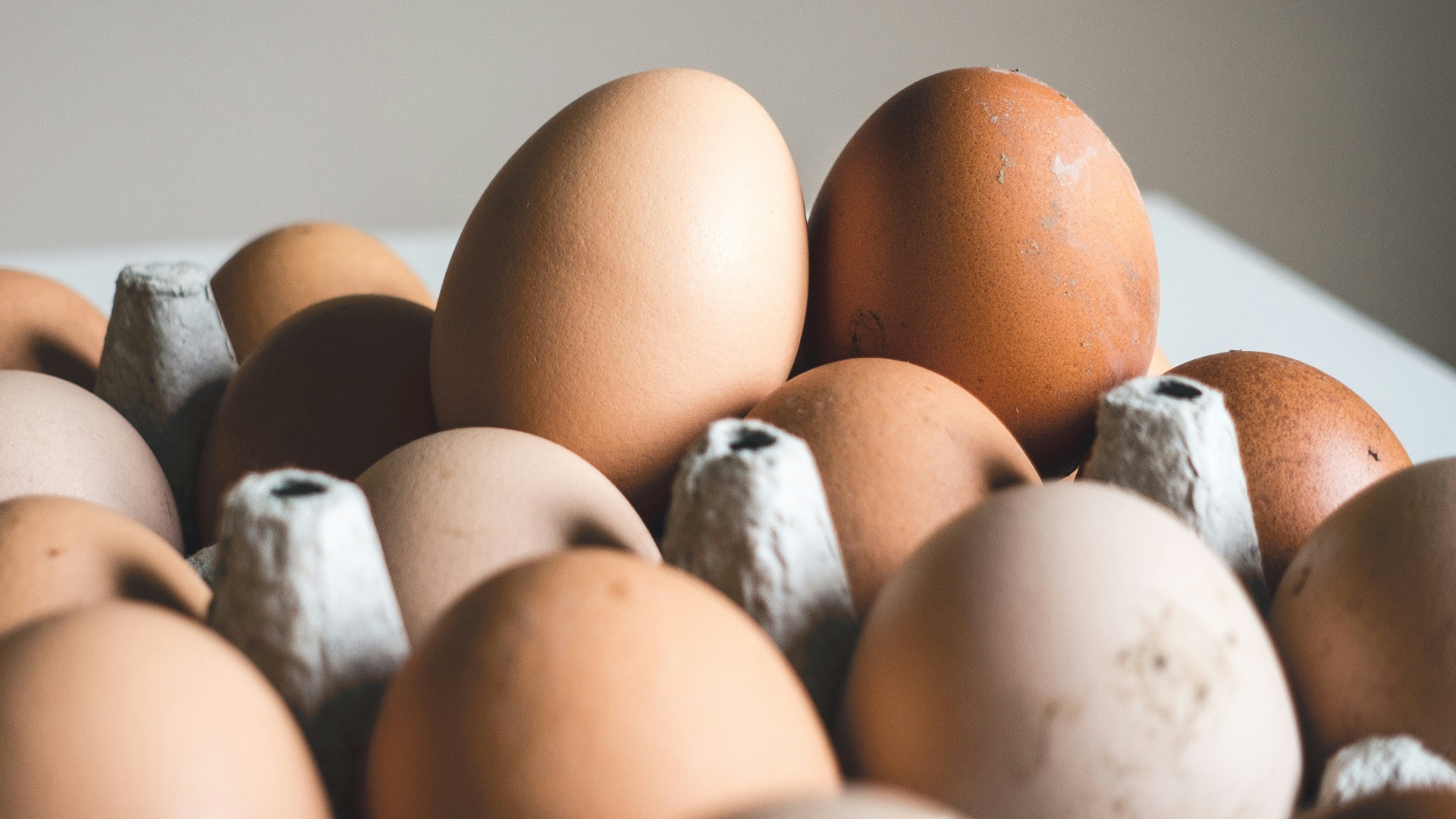
Ah, the humble egg. Honestly, what can’t they do? They’re nutritious, they’re loaded with protein, and they just so happen to have a collection of B vitamins. Riboflavin, vitamin B12, biotin, and pantothenic acid are among those found in eggs, particularly when you eat the yolk—so don’t be afraid to indulge unless your doctor told you otherwise.
9. Spinach
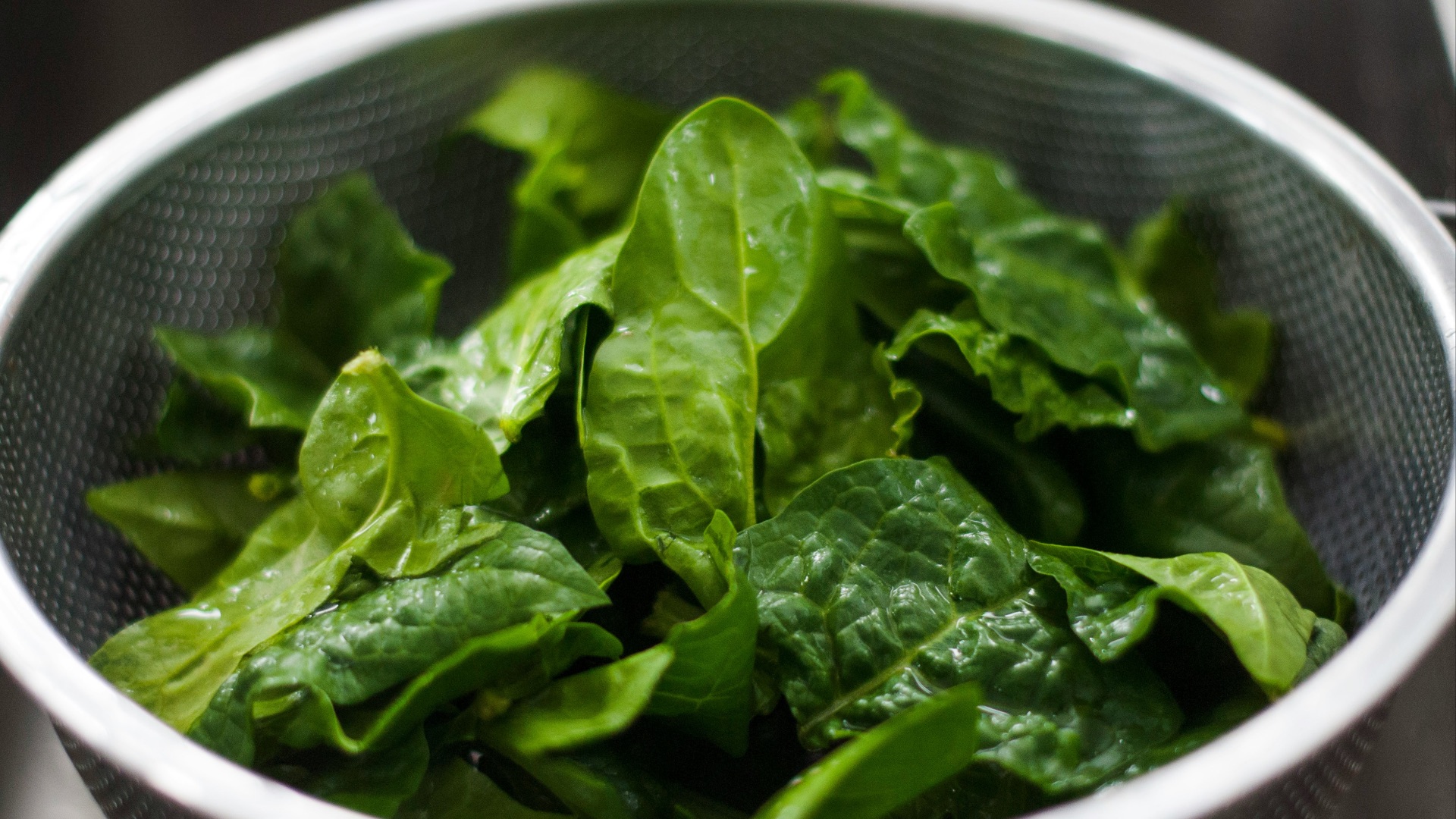
Spinach deserves attention for its folate content, although that's far from the only reason to keep a bag in the fridge. Fresh leaves disappear easily into sandwiches and salads, while frozen spinach can be stirred into soups, sauces, or scrambled eggs. You also won’t taste a thing, even as this superfood works overtime to give your body what it needs.
10. Chicken Breast
Chicken breast is a useful source of niacin and vitamin B6, two B vitamins involved in normal metabolism and numerous processes throughout the body. That's more than a little convenient! Chicken already appears regularly on plenty of dinner tables, so you can stick to your normal diet and get more bang for your buck.

11. Asparagus
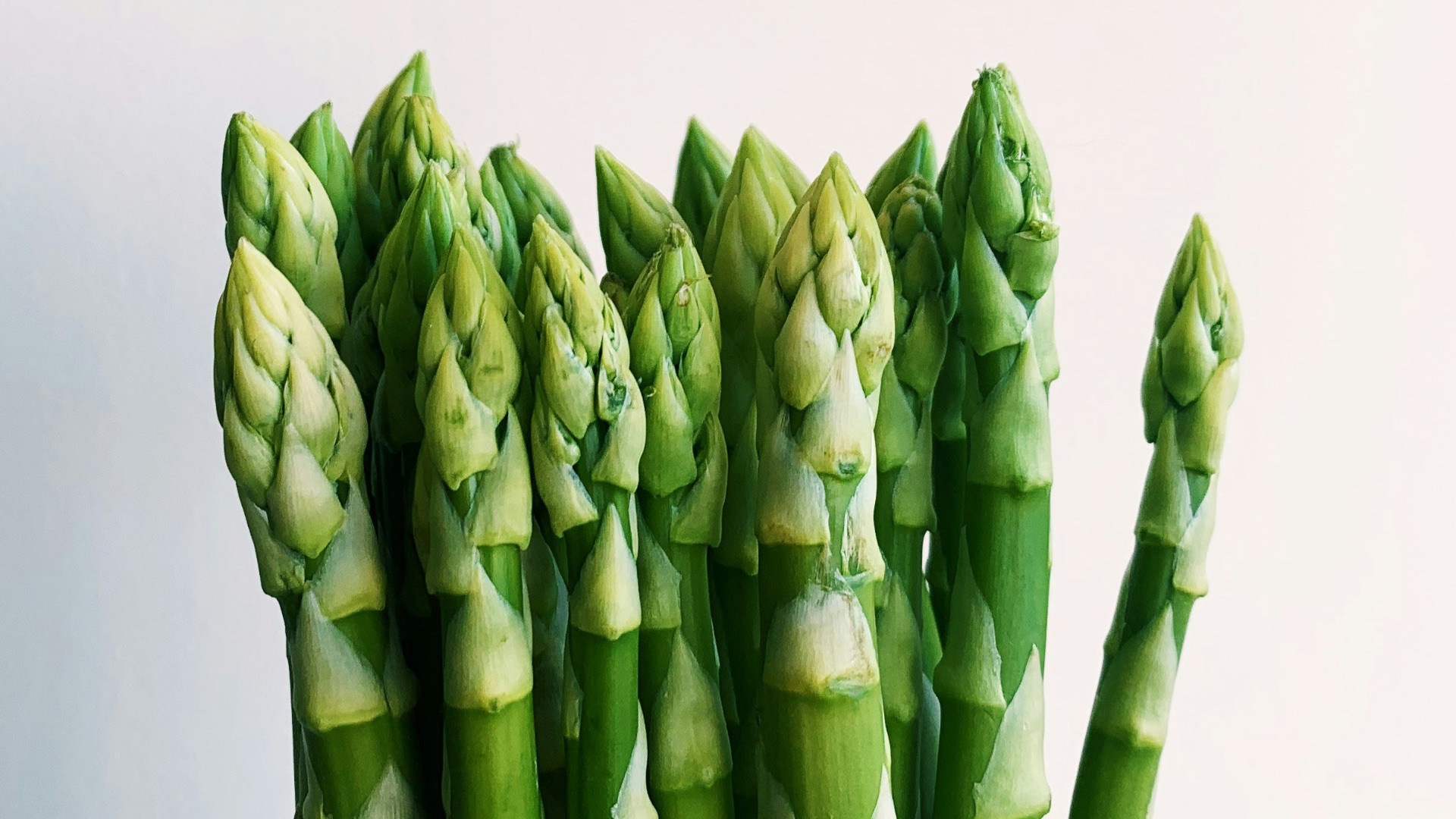
Asparagus is one vegetable worth grabbing to increase your folate intake. It supplies smaller amounts of several other B vitamins, too, making it more than something that stinks up the bathroom. Roasting the stalks with a little olive oil keeps preparation simple, while chopped asparagus works nicely in omelets and pasta dishes.
12. Milk
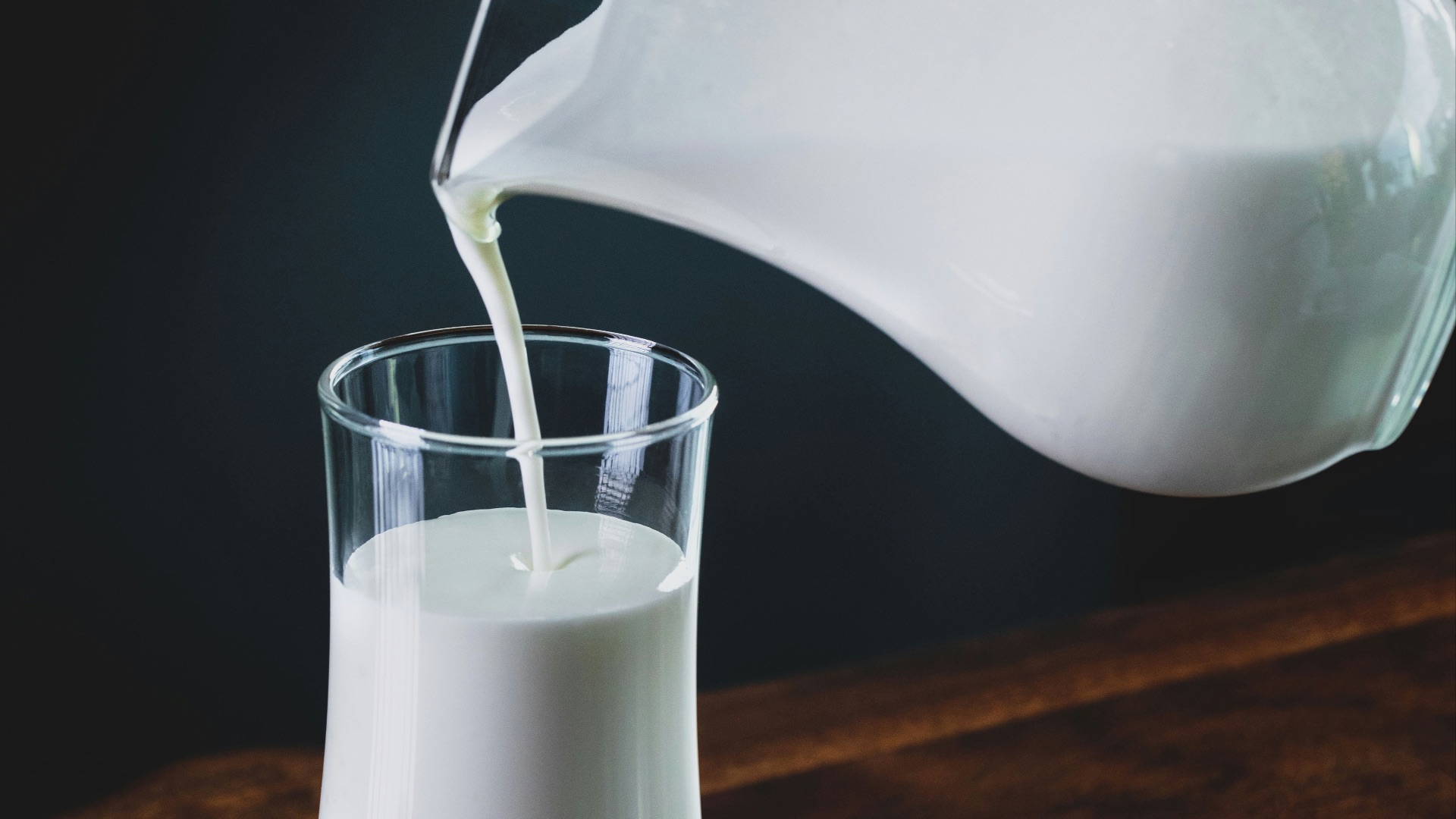
We hate to break it to you, but your parents were right—a glass of milk does help you grow! It also provides riboflavin and vitamin B12, along with the calcium and protein it's better known for. Those B vitamins are also around whether you drink it by itself or use it in oatmeal and cereal.
13. Fortified Breakfast Cereal
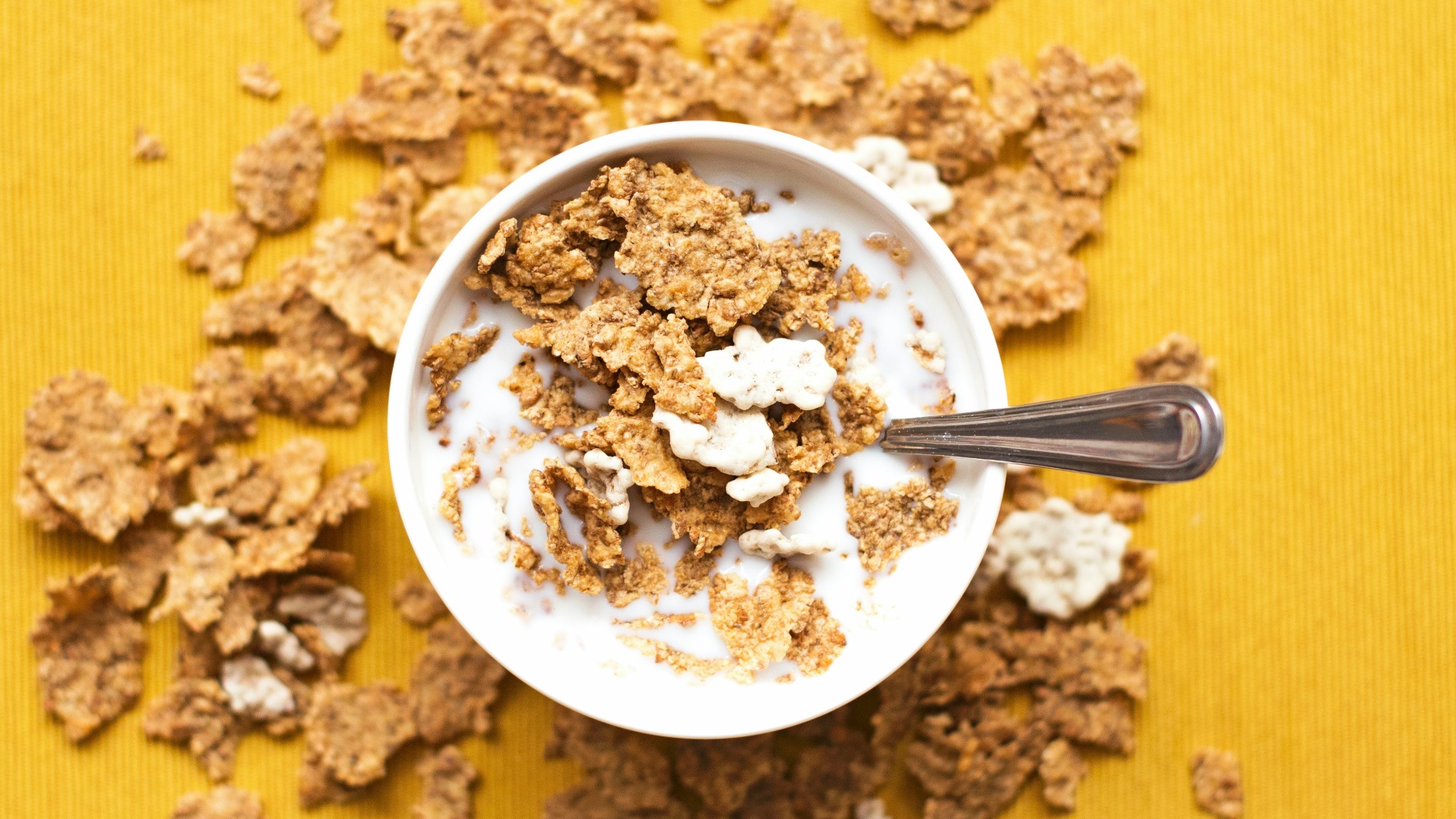
Fortified cereal can be one of the simplest ways to obtain several B vitamins at the same meal. Depending on the brand, the label may list thiamin, riboflavin, niacin, vitamin B6, folic acid, or vitamin B12 among the added nutrients. Just keep an eye out to make sure you’re getting what you need.
14. Turkey
Turkey isn't reserved for Thanksgiving, and it’s a good thing, too! Roasted breasts work just as well in sandwiches and salads as they do alongside spuds and veggies. The point is, you have options. Don’t believe us? Ground turkey is another useful option for burgers, meatballs, chili, or stuffed peppers when you want something different from chicken.

15. Plain Yogurt
Though the sweetened stuff isn’t your friend, plain yogurt can contribute riboflavin and vitamin B12. The plain stuff also gives you control over how much sweetness gets added instead of making that decision for you. Top a bowl with berries, nuts, or a little fruit, and you've got an easy breakfast or snack that covers several bases.

16. Potatoes
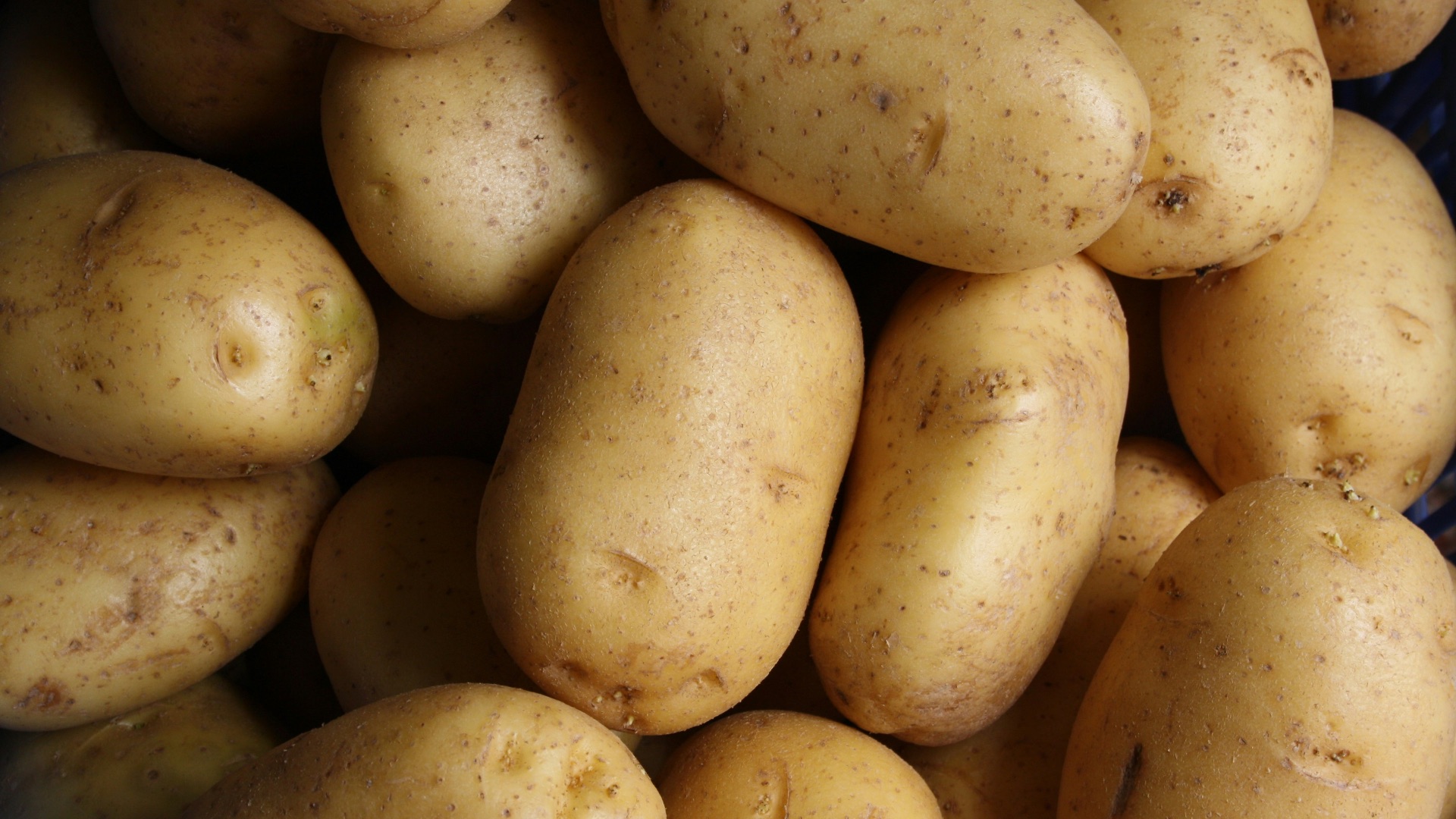
Potatoes don't always get the credit they’re owed, but allow us to sing their praises. They're a notable dietary source of vitamin B6! Not to mention, keeping the skin also lets you hold onto more of the fiber and other nutrients.
17. Brown Rice
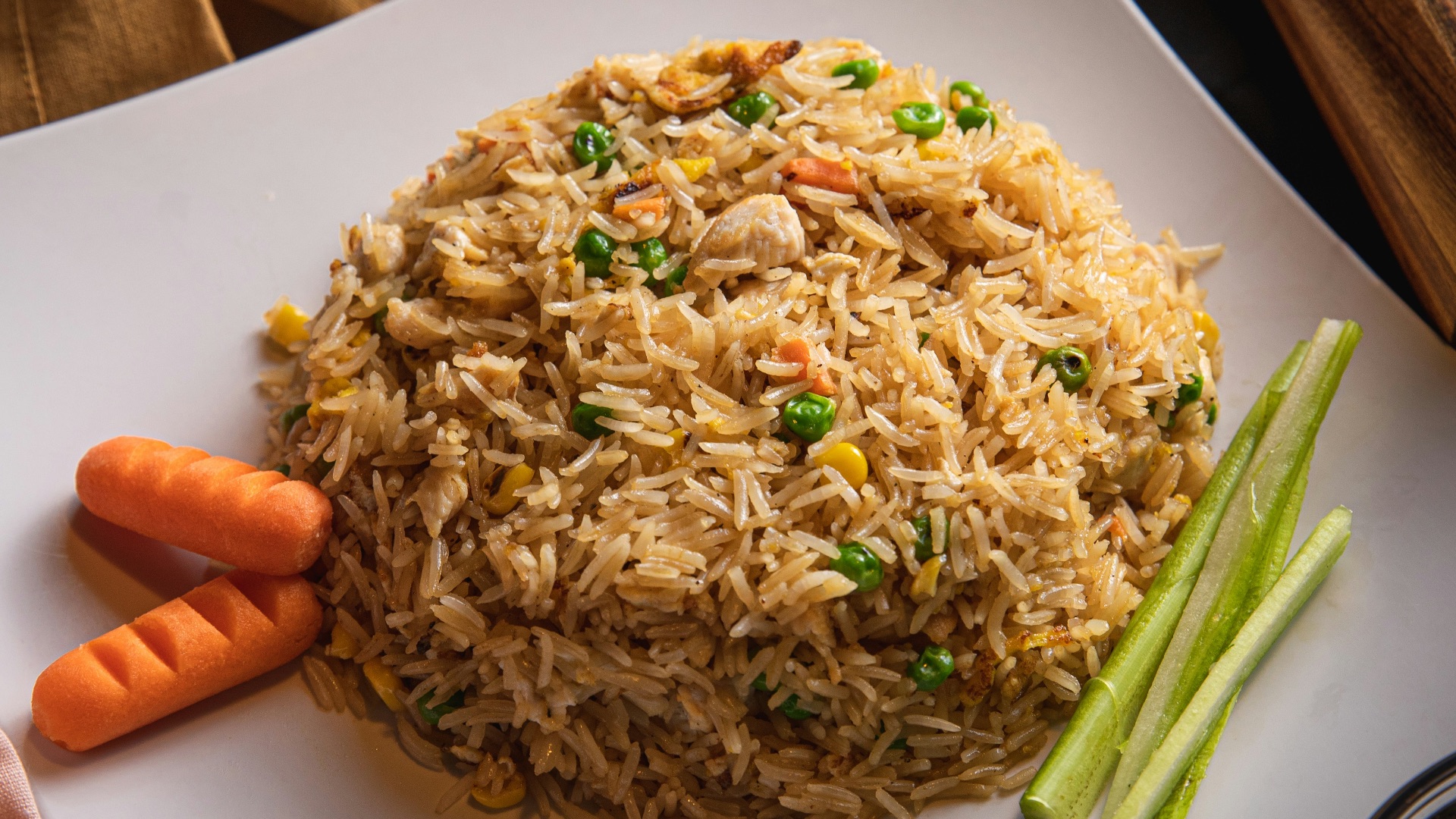
We love white rice as much as the next guy, but brown rice retains more of the grain, which means it naturally provides several nutrients. Among them are B vitamins such as thiamin, niacin, and vitamin B6. Cook a larger batch at the beginning of the week, and you can use it beneath stir-fries, beans, roasted vegetables, or grilled chicken.
 Christopher Alvarenga on Unsplash
18. Trout
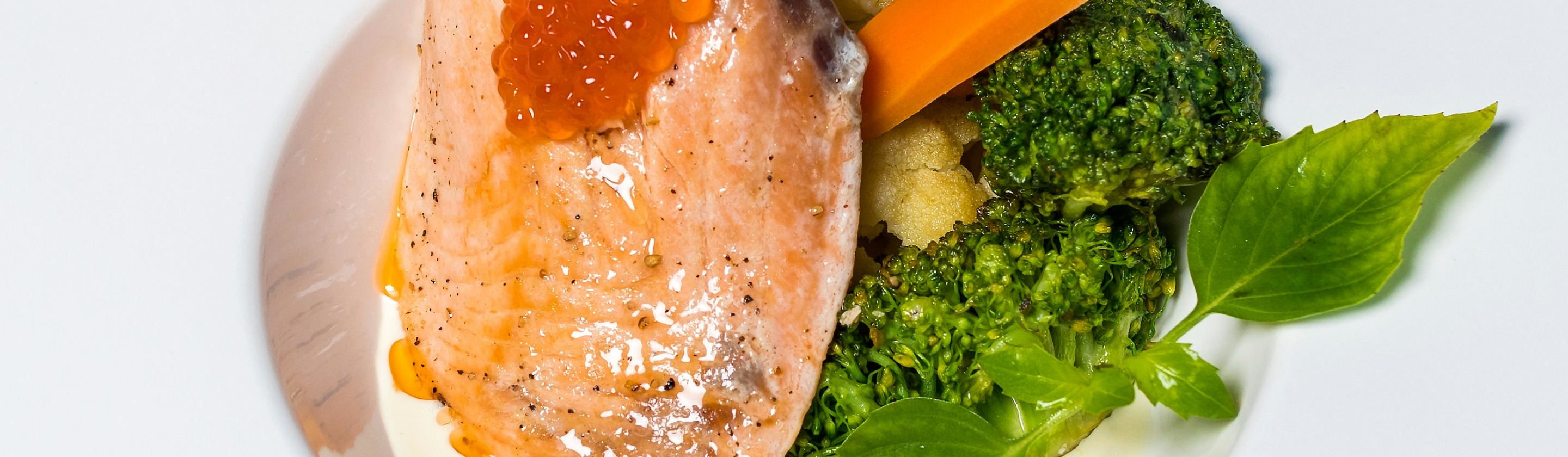
Trout covers an impressive amount of B-vitamin territory for one little food. Depending on the serving, it can contribute thiamin, riboflavin, niacin, vitamin B6, and vitamin B12, along with protein. It’s also much tastier than you think, especially if you serve it baked with lemon and herbs. Talk about being uncomplicated, too!

19. Brussels Sprouts
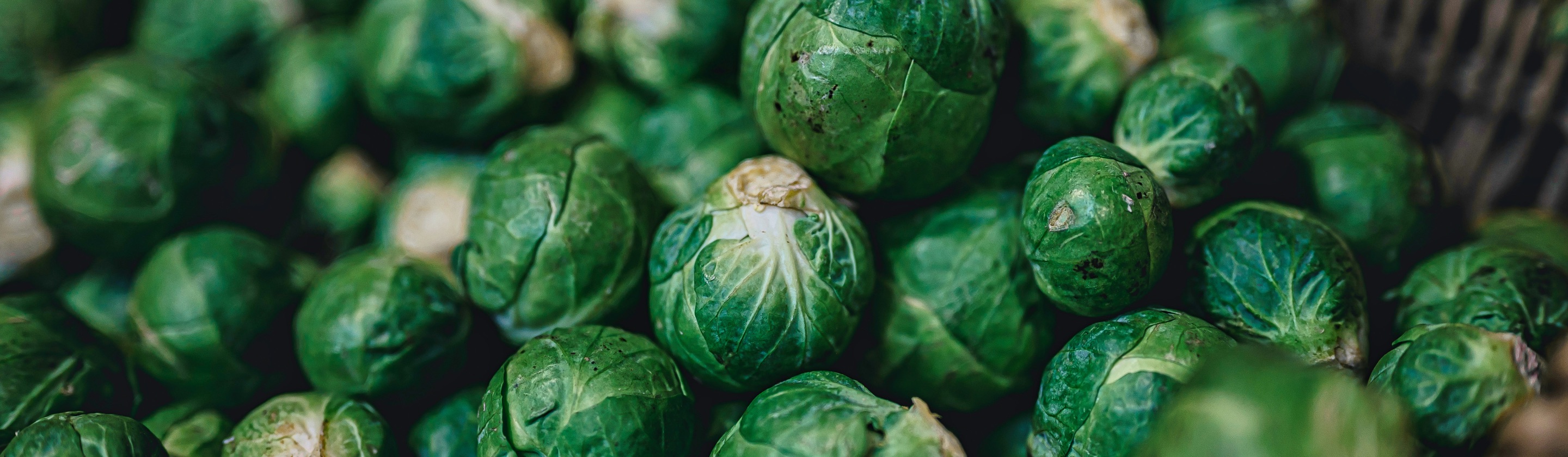
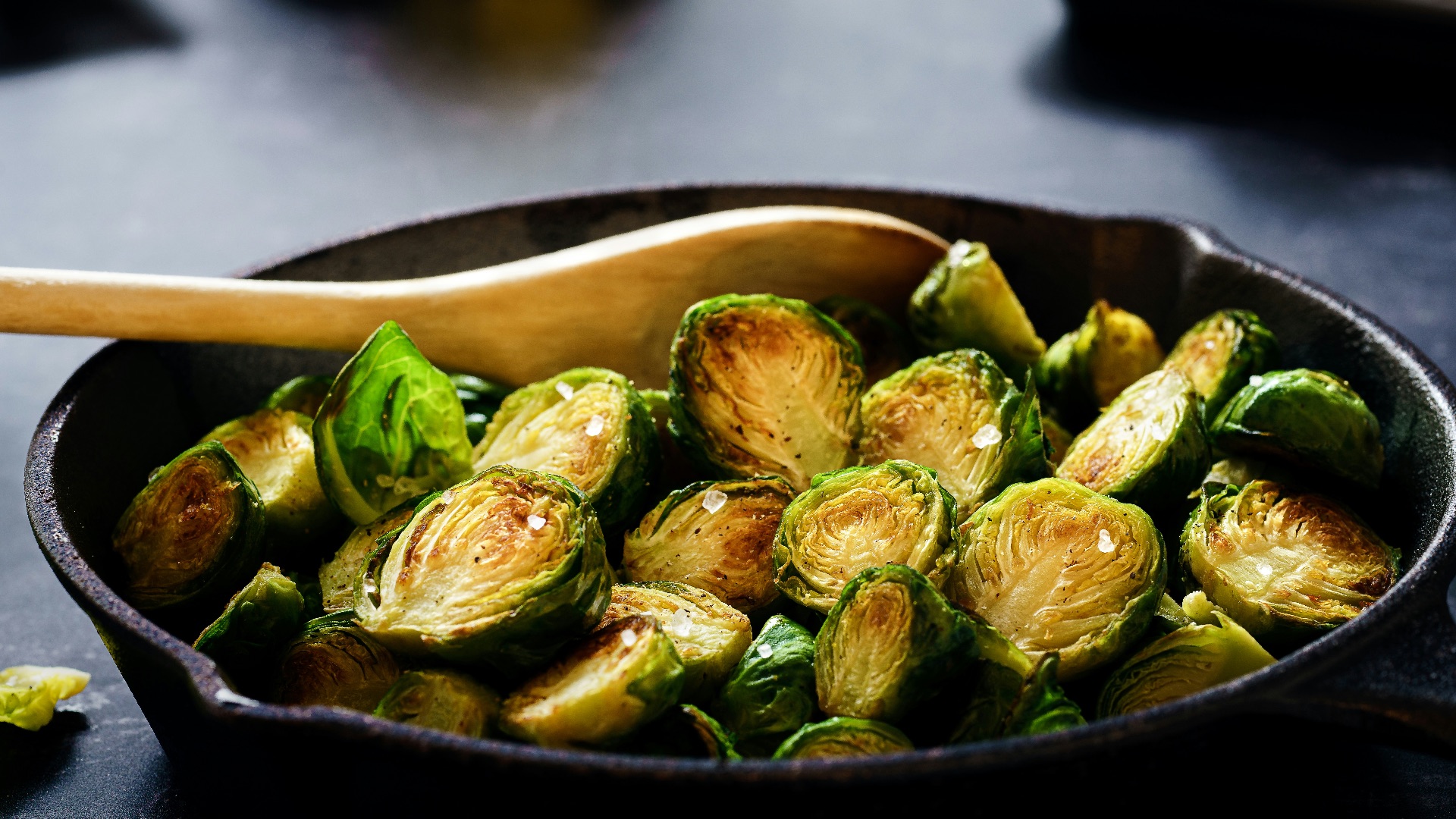
Brussels sprouts are another vegetable that can help boost your folate intake, while also providing some vitamin B6. Don’t turn your back on them so fast! Roasting them until their edges brown tends to give them a much more appealing texture than the overly boiled sprouts many people remember from childhood.
 Sebastian Coman Photography on Unsplash
20. Nutritional Yeast
Nutritional yeast has become especially popular among people who eat fewer animal products because many brands are fortified with B vitamins. Depending on the product, that may include thiamin, riboflavin, niacin, vitamin B6, folic acid, and vitamin B12, though you won’t know for sure unless you check the label.

KEEP ON READING


20 Things Your Body Is Secretly Doing Right Now