
Why You Wouldn't Want To Lose Your Ears
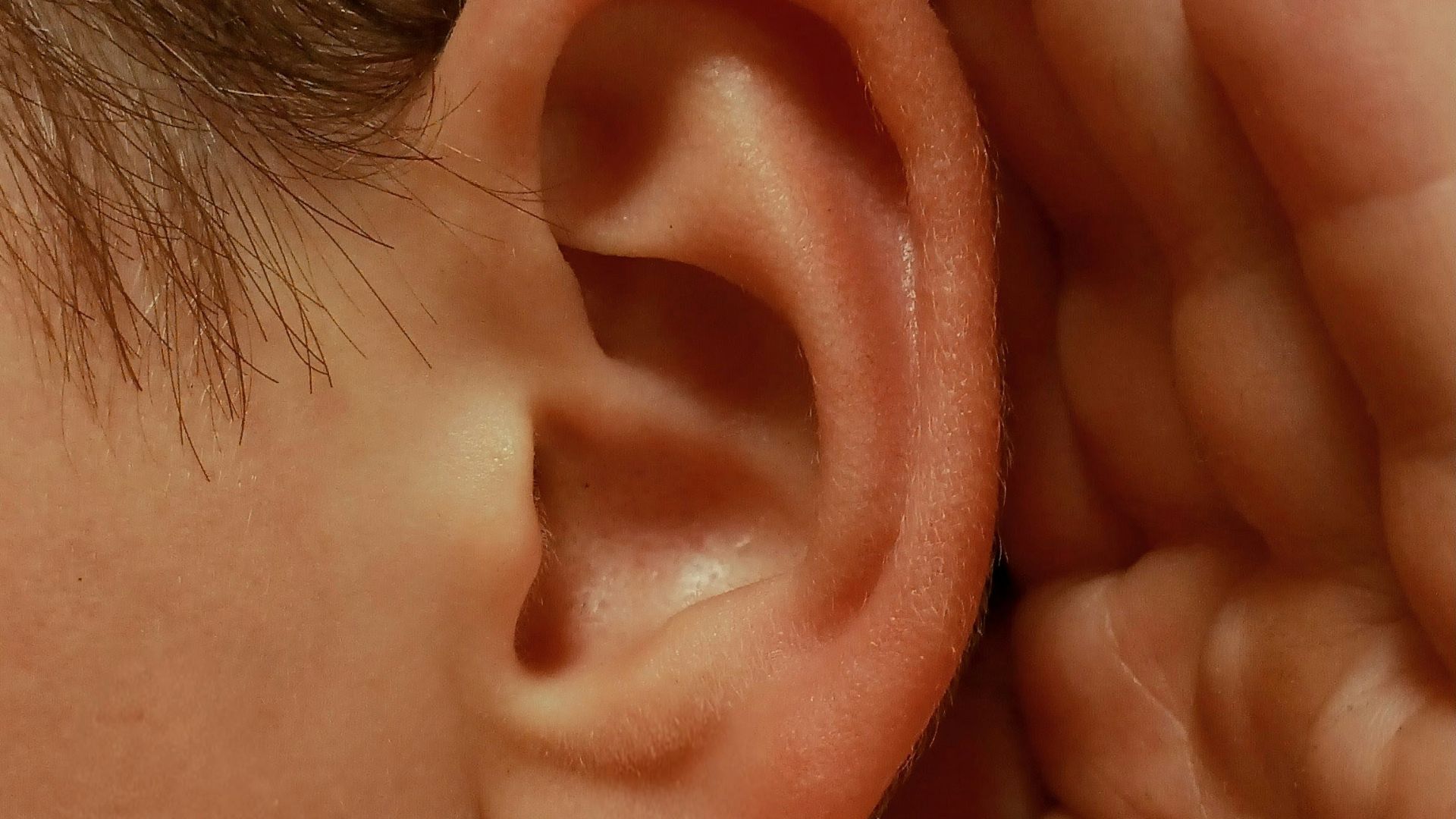
Your ears might seem like fairly simple body parts whose main job is to pick up sounds, but there's much more happening there. The structures inside and around your ears help with balance, movement, pressure regulation, and even protecting delicate parts of your body. Some of these jobs happen so quietly that you probably don't notice them unless something goes wrong.
1. They Help You Keep Your Balance
Deep inside each ear is the vestibular system, which helps your brain understand where your head is positioned and how it's moving. The structure of your inner ear allows you to know if your head is tilting or spinning and in what direction you're traveling. Your ears can cause you to feel dizzy if they're malfunctioning.

2. They Help You Know Which Way You're Moving
The structure in your ears allows you to know which direction you're going. By tracking movement, your inner ear allows your body to pick up on your velocity. So you're speeding up, slowing down, or turning in a certain direction.

3. They Help Stabilize Your Vision
Just like with sensing direction, your ears allow you to stabilize your eyes. If you move your head, your eyes are able to remain fixed on what you're looking at. Without it, reading while walking or simply looking around while moving would be much more difficult.

4. They Help You Sense Gravity
Your inner ears have two organs known as the utricle and saccule. These organs help your body sense gravity and if you're traveling at a constant speed. These structures give your brain information that helps you understand whether your head is upright, tilted, or moving.

5. They Help You Adjust Your Posture
Information from your inner ears contributes to the way your brain controls posture. Once your body knows how you're standing, you're able to control your body accordingly. Your body uses this information every time you stand up straight, so you don't have to concentrate on standing straight.
 Christina @ wocintechchat.com M on Unsplash
6. They Help You Walk in a Straight Line
Walking involves considerably more coordination than simply putting one foot in front of the other. Your body uses your vestibular system to understand your movement and position. Without it, you'd have a hard time just walking across a room.

7. They Help Trigger the Motion Sickness Response
Another function of your inner ears is triggering motion sickness. Motion sickness occurs when your eyes and inner ears don't agree on what they're feeling. It can cause nausea, dizziness, sweating, and other symptoms.
 Road Trip with Raj on Unsplash
8. They Help Your Brain Track Head Position
Your body knows where your head is at all times, even if you're sitting at a desk working on your computer. Your ears send information to your brain about your head's position so that it can coordinate your body movements. This allows your brain to keep track of your position without you having to think about it.
9. They Help Coordinate Head and Body Movements
Turning your head while reaching for something might seem like one simple action, but your nervous system is coordinating several systems at once. Your vestibular system is sending information to your brain that you're moving your head. This allows the rest of your body to coordinate its movements.
 Kira auf der Heide on Unsplash
10. They Help You Respond to Sudden Movement
If your body suddenly jerks forward or turns sharply, your body can sense that. Your inner ear allows your brain to react to those sudden movements. Most of the time, you wouldn't even know your body was doing this unless it happened quite dramatically.

11. They Help Keep You Oriented in the Dark
When you can't see clearly, your brain has fewer visual clues about which way you're facing or whether you're upright. When you're blindfolded, your body doesn't have your eyes to guide it. So you're using your ears to determine which direction your body's facing and if you're standing straight.

12. They Help You Stand Still
Standing motionless doesn't mean your body is completely still. You naturally make tiny movements that your nervous system has to monitor and correct, and vestibular information is part of that process. Your ears help your brain recognize changes in position so your muscles can make the adjustments needed to keep you upright.

13. They Help You Detect Tilting
The vestibular organs can detect changes in the orientation of your head relative to gravity. If you lean to one side, your inner ear helps provide information about that change. Your brain then uses it alongside visual and body-position information to help you maintain your orientation.

14. They Help Control Certain Reflexes
Several automatic reflexes depend partly on information coming from the vestibular system. It helps coordinate your eyes with the rest of your body. This allows them to react if you need to move or shift in a certain direction.

15. They Help Your Body React When You Lose Your Balance
If you suddenly start tipping, your nervous system needs to react quickly. Your inner ears help your body coordinate those movements. This allows you to stand back upright.

16. They Help Your Brain Separate Movement From Stillness
Your ears can sense if you're rotating or not. So your eyes can focus on what you're looking at and not become blurred from rotation. Along with that information, your eyes will use it to help you sense what your surroundings are doing.

17. They Help Regulate Pressure
The middle ear is connected to the back of the nose and throat through the Eustachian tube. It allows pressure to build up and release in your ears. Usually, you'll feel the pressure in your ears while flying and pop them to regulate that pressure.

18. They Protect Delicate Inner Structures
The outer ear helps direct sound toward the ear canal, but it also provides some physical protection for deeper structures. The shape of the ear and the ear canal help shield the more delicate parts of the ear from the outside environment. Earwax also serves useful protective functions by trapping debris and helping maintain the ear canal's condition.
 Christopher Campbell on Unsplash
19. They Help Keep the Ear Canal Clean
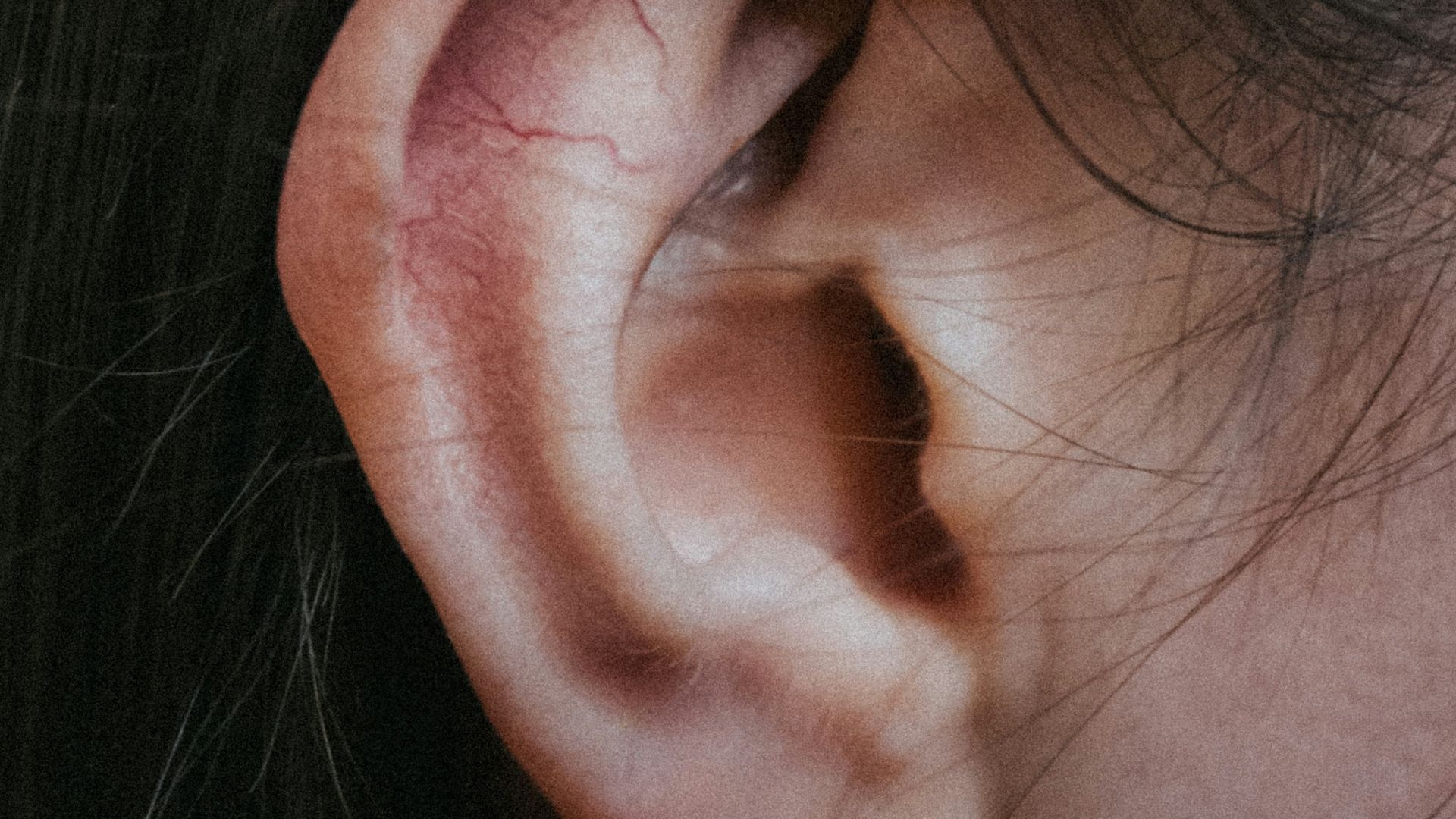
Earwax isn't simply something your body produces that needs to be removed as quickly as possible. The ear canal allows wax to travel through the opening of your ears. This helps clean out any unwanted debris that enters your ear.
20. They Give Your Brain Information About Your Entire Body's Movement
While your ears may not give you information on your whole body, your vestibular system gives information to your brain. Your brain uses this information along with your eyes to know where your body is at. This helps your brain understand your body's position and movement.
 BUDDHI Kumar SHRESTHA on Unsplash