All of It Checks Out
Once you get enough, your body starts doing some odd things. Some symptoms have names so strange they barely sound medical, while others are common enough that people dismiss them without ever finding out what causes them. Most are harmless or manageable, but a few can point to something worth getting checked. Here are 10 age-related ailments that sound invented, followed by 10 that have a very real medical explanation.

1. Exploding Head Syndrome
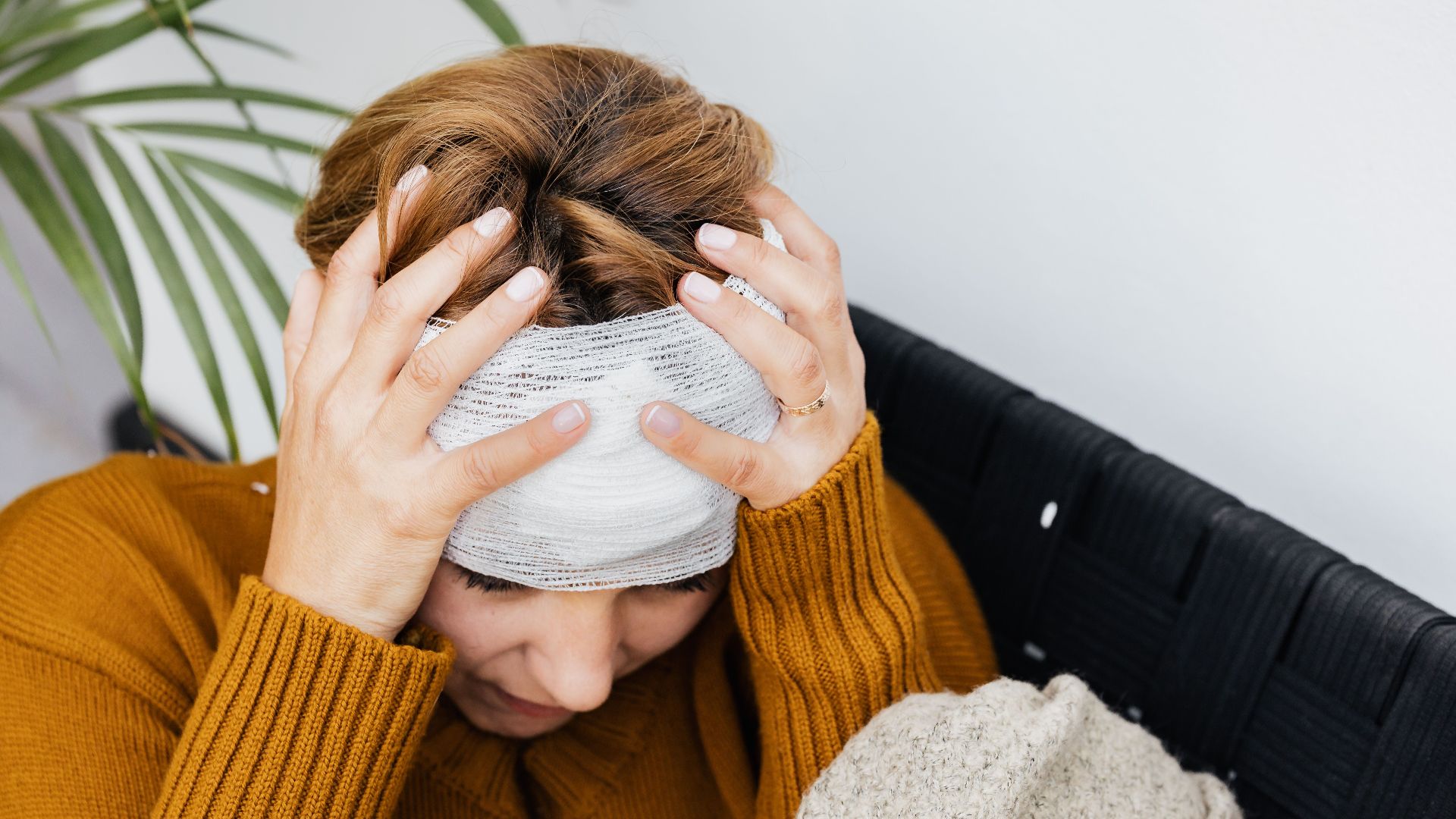
You're drifting off and a sound goes off in your head like a gunshot or a crash of cymbals. Nobody else hears it and nothing hurts, and the whole thing is over in a second. It turns up more often after 50 and in women, and people who get it often think they've had a stroke.
 https://kaboompics.com/ on Pexels
2. Charles Bonnet Syndrome
People losing their sight start seeing things that aren't there, often faces or animals in full color. The brain stops receiving visual input and fills the gap with material of its own. Most who have it know the images aren't real, and most never mention them to a doctor because they assume it means dementia.
3. Burning Mouth Syndrome
The tongue feels scalded, the way it does after coffee that was too hot, and it can carry on for months. Look in the mirror and there's nothing to see. It shows up most in women past 50, and in plenty of cases nobody ever finds a cause.
4. Foreign Accent Syndrome
After a stroke or a head injury, a person's speech can come out sounding foreign to everyone who knows them. No new language has been learned. The sound patterns underneath their own language have shifted, and roughly 100 cases have been diagnosed since the first one in 1907.

5. Loose Crystals in the Ear
Tiny calcium crystals sit in your inner ear and tell your brain which way is down. They can come loose and drift into the wrong chamber, where they keep sliding after your head has stopped, so your brain gets told you're spinning. A set of head movements called the Epley maneuver puts them back, and it works up to 90 percent of the time.

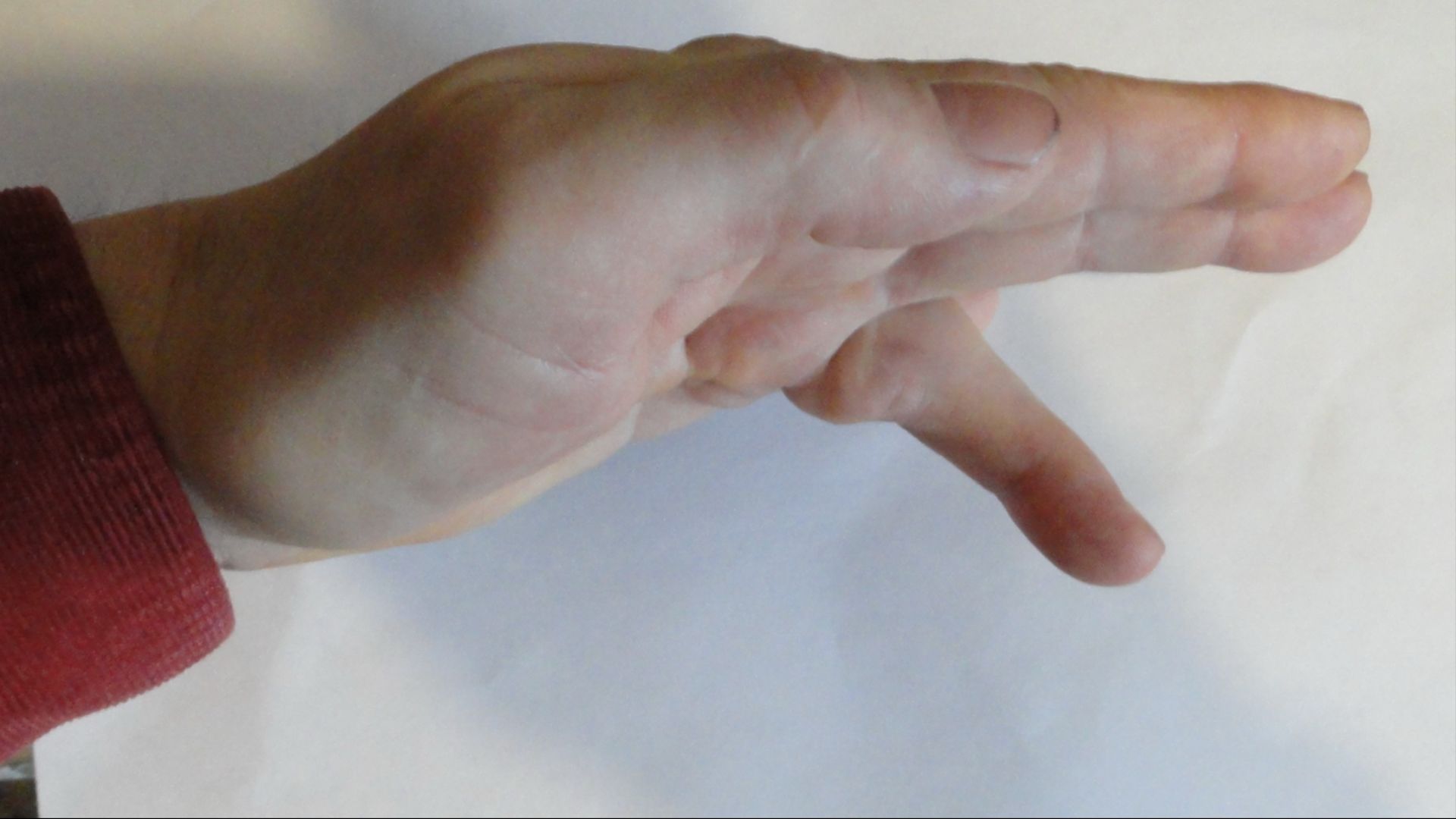
6. Dupuytren's Contracture
Tissue under the palm thickens into cords that pull the ring and little fingers in until they won't straighten. The lump usually doesn't hurt, and it appears mostly after 50 in men of Northern European descent.
7. Polymyalgia Rheumatica
You wake up one morning with shoulders and hips too stiff to dress yourself, and nothing from the day before explains it. It usually begins between 70 and 80, and the stiffness is worst first thing. It travels with a second condition that inflames the arteries in the temples, which is why this one goes to a doctor quickly.
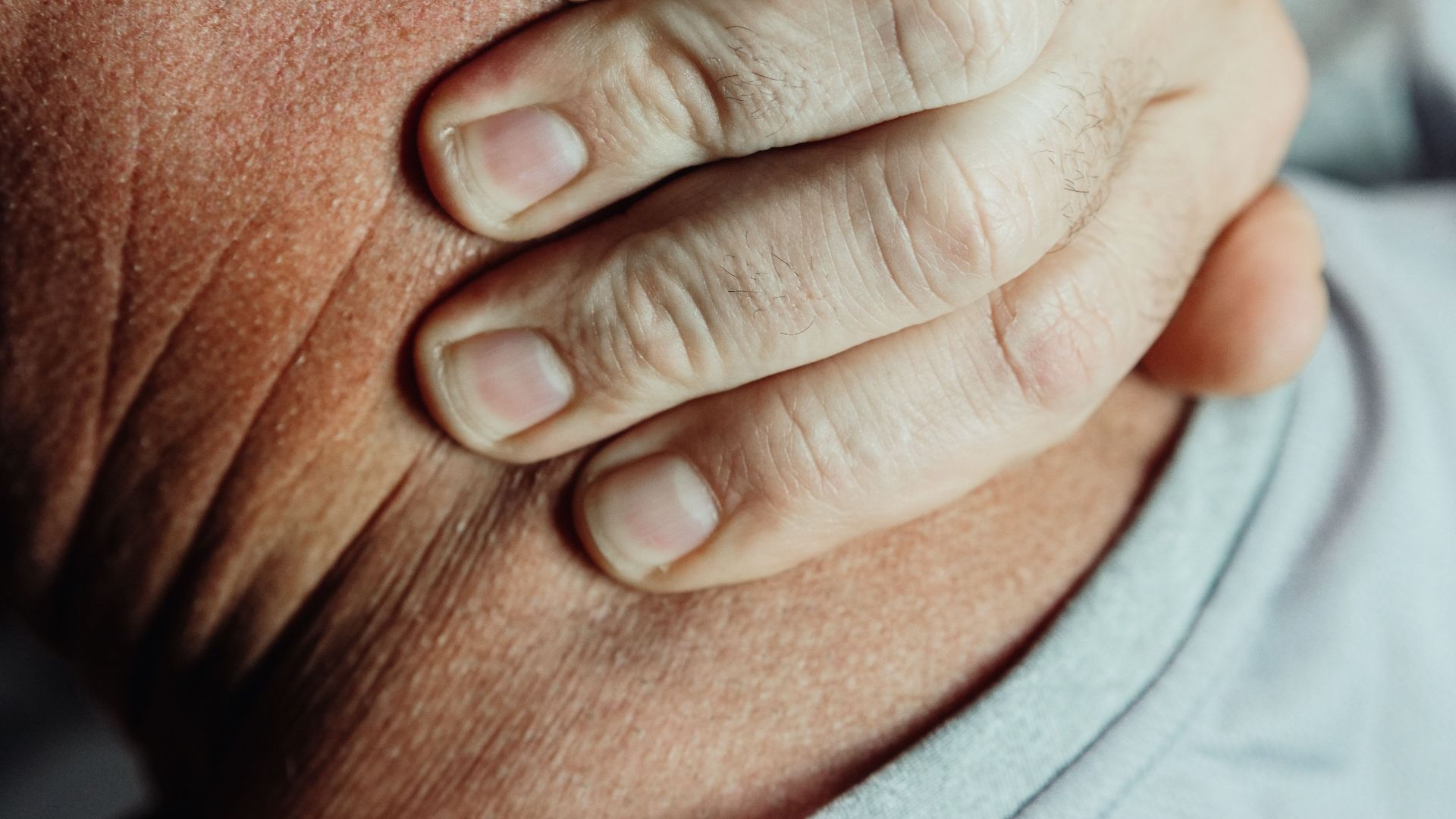
8. Restless Legs
The urge to move your legs arrives when you sit down in the evening, with an ache or a crawling feeling underneath your skin. Low iron can bring it on, and walking relieves it right up until you sit back down.
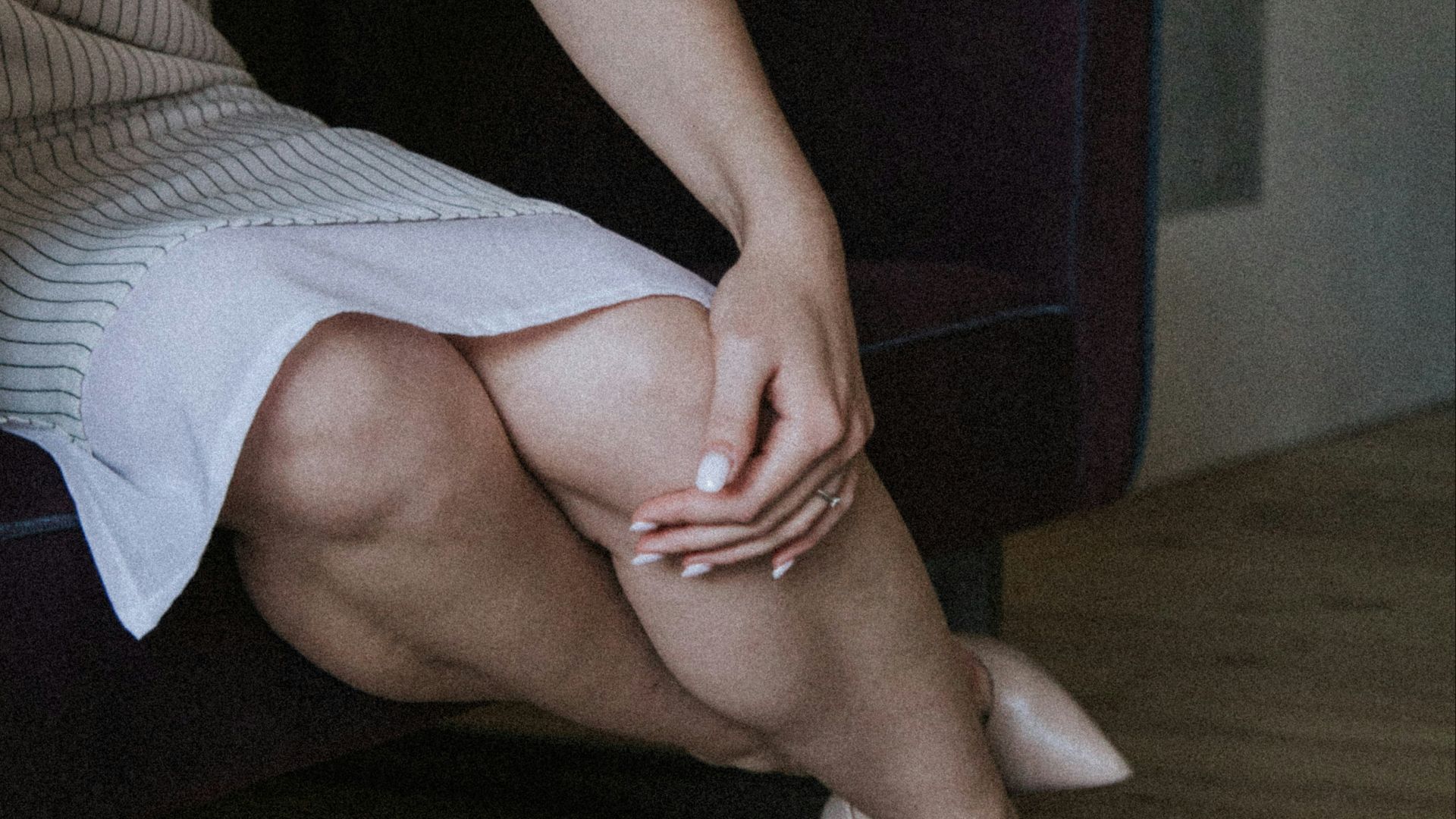
9. Sundowning
The confusion arrives on a schedule, starting in the late afternoon and running into the night. Nobody knows the cause, though fatigue and the shadows of a dim room both appear to make it worse.

10. Feeling the Weather in Your Joints
This is the one that sounds most like folklore, and the evidence hasn't settled it. A 2007 study found a slight link between falling barometric pressure and knee pain, and a large app-based study in 2019 found a modest association. A 2011 review of rheumatoid arthritis patients found no consistent pattern at all.
Now, here's 10 with a mechanism behind them.

1. Getting Shorter
Harvard Health puts the loss at a bit under half an inch per decade after 40. Most of it comes out of the spine, where the discs between the vertebrae flatten over the years. People tend to catch it on a doctor's scale instead of in a mirror.

2. Waking at Four in the Morning
Around 60 or 65 the body clock shifts earlier, a change sleep researchers call a phase advance. For a lot of older adults that clock is calling for bed at seven or eight and wake-up at three or four.

3. Needing Every Lamp On
By 60 the eyes need roughly three times as much light as they did at 20. Pupils also get smaller with age and open less in the dark, so less light makes it through to begin with. That's a good part of why oncoming headlights are worse than they used to be.

4. Reading Glasses at Arm's Length
The lens inside the eye stiffens and stops changing shape to focus up close. Light lands behind the retina instead of on it, and the print goes soft. It starts after 40 and nearly everybody gets it.

5. Ears That Look Bigger
They aren't bigger. Cartilage wears down and the skin over it loses its hold, so ears and noses sag and read as longer than they were.
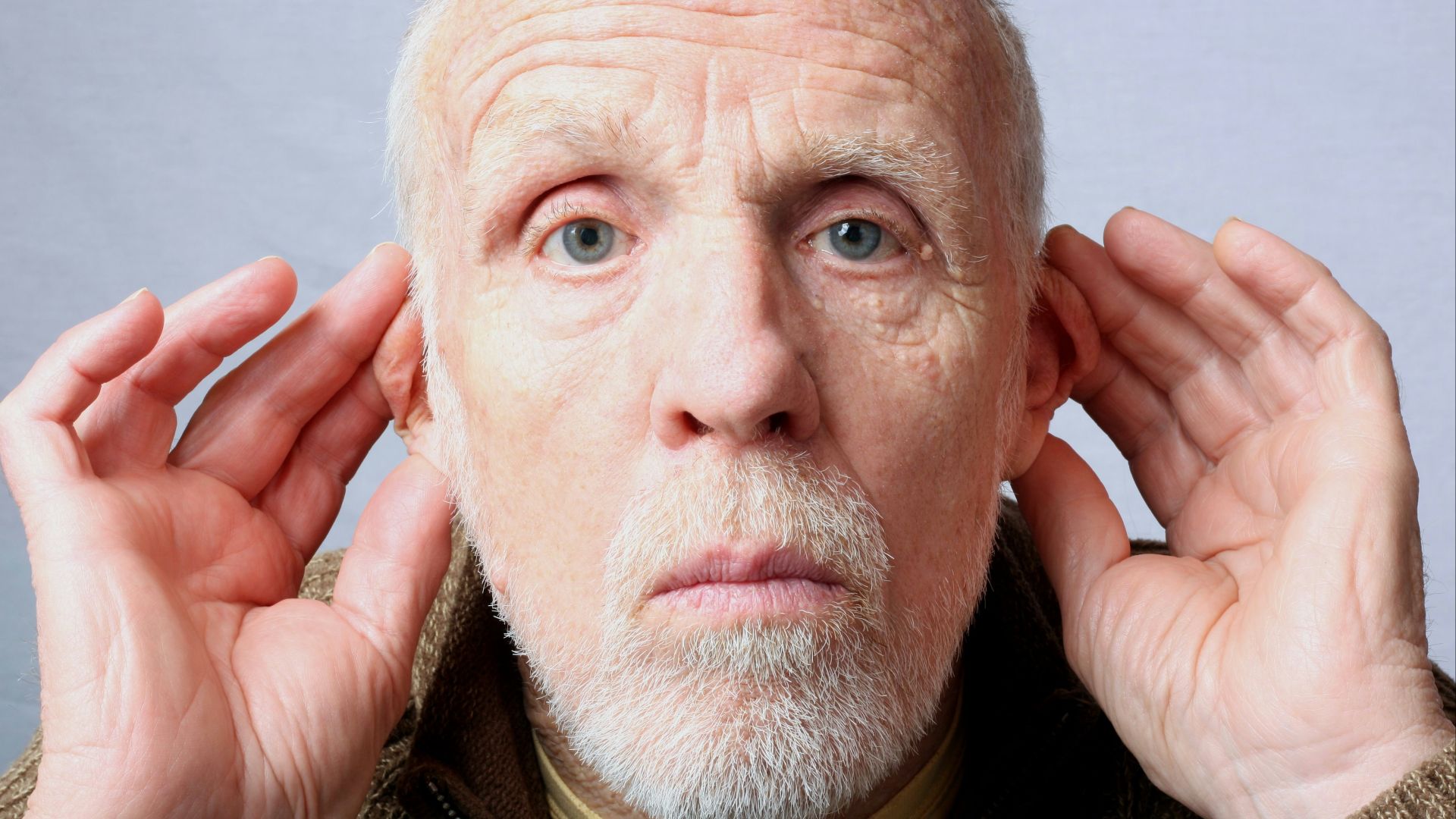
6. Losing the Thread in a Loud Room
Hearing a voice across a quiet table is one task and picking it out of a restaurant is another, and age takes the second first. About one in three people between 65 and 74 has hearing loss, and nearly half of those over 75 do. Researchers are still working out what exactly makes speech in noise so hard.
 Kabila Haile Soboka on Unsplash
7. Bruises From Nothing
Purple patches turn up on the backs of the hands and forearms with no memory of hitting anything. Skin and blood vessels both grow fragile with age, and decades of sun weaken the tissue underneath. It affects around 10 percent of people over 50 and is harmless, though the brown mark left behind can be permanent.

8. Food Tasting Like Nothing
Most of what people call taste is actually smell, and smell fades with age. In one study close to a quarter of men in their sixties had a measurable smell disorder, against 11 percent of women the same age. The bigger problem is safety, since smell is what warns you about a gas leak or food that has gone off.
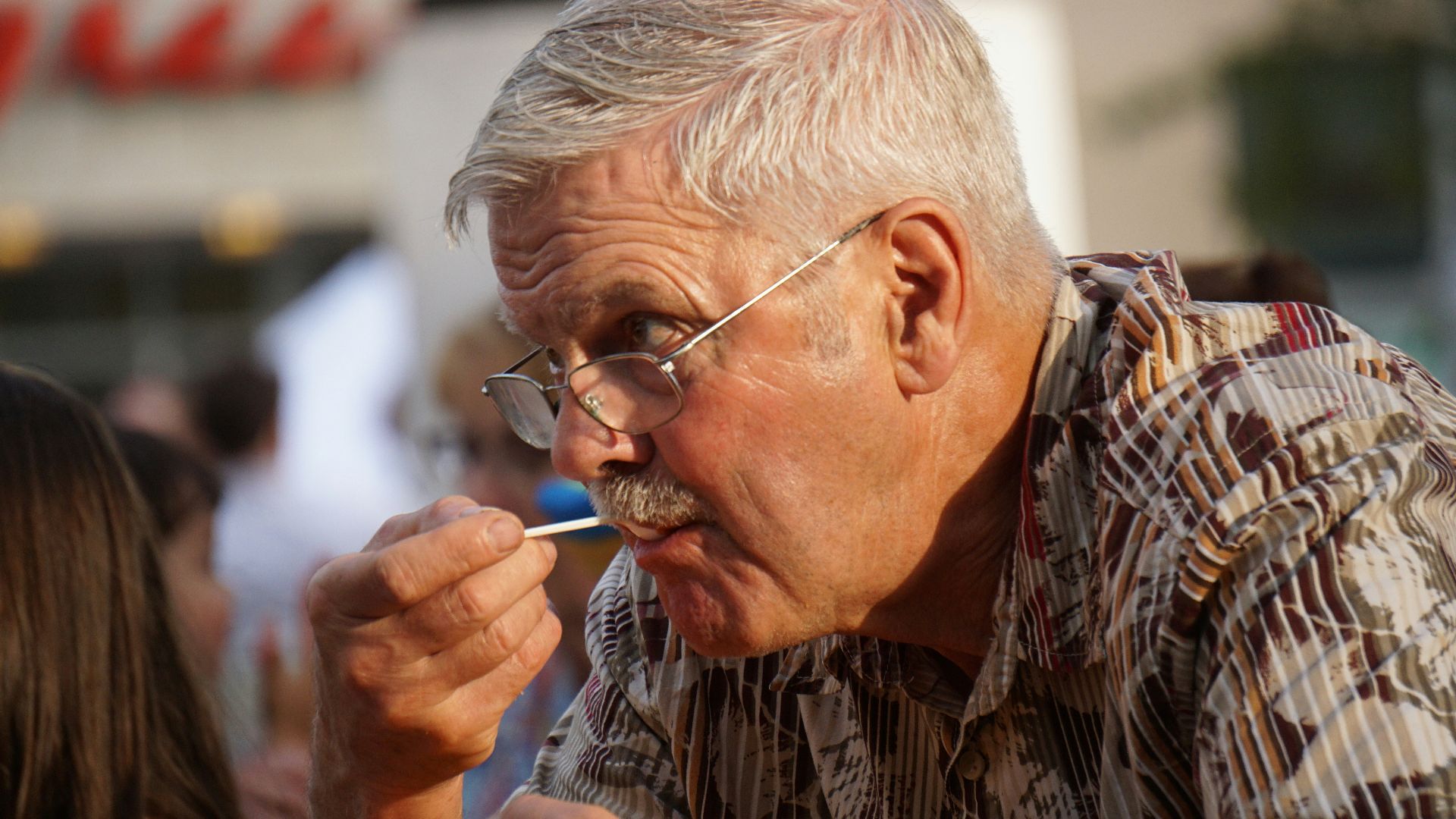
9. Dizzy When You Stand Up
Blood pools in the legs when you get up, and the sensors meant to catch the pressure drop respond more slowly with age. Most spells pass in under a minute, and it's the fall that does the damage.
10. Sleeping Lighter Every Year
Older adults spend more of the night in light sleep and less in the deep stages, which is why waking three or four times becomes normal. The hours can add up and still leave you unrested.

KEEP ON READING

20 Things Your Body Is Secretly Doing Right Now