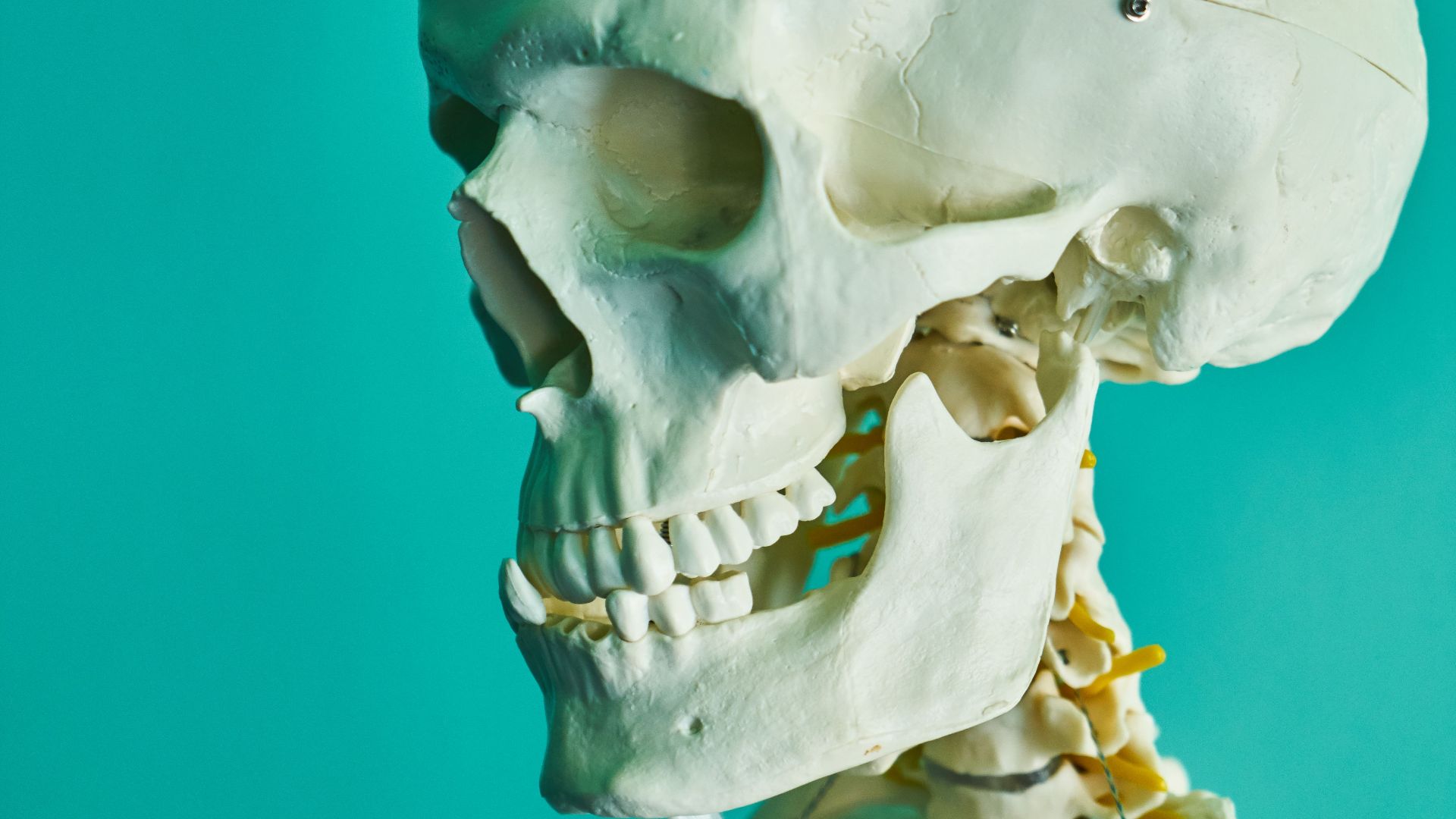

Your Skeleton Has A Second Career
Your skeleton does a lot more than keep you standing. Bones are living tissue, and the marrow inside them makes new blood cells around the clock. They also release hormones that affect other parts of the body, including the brain. Scientists have only begun to understand some of these connections in the past couple of decades, and there's still plenty left to learn. Here are 20 jobs your bones do that have nothing to do with holding you up.
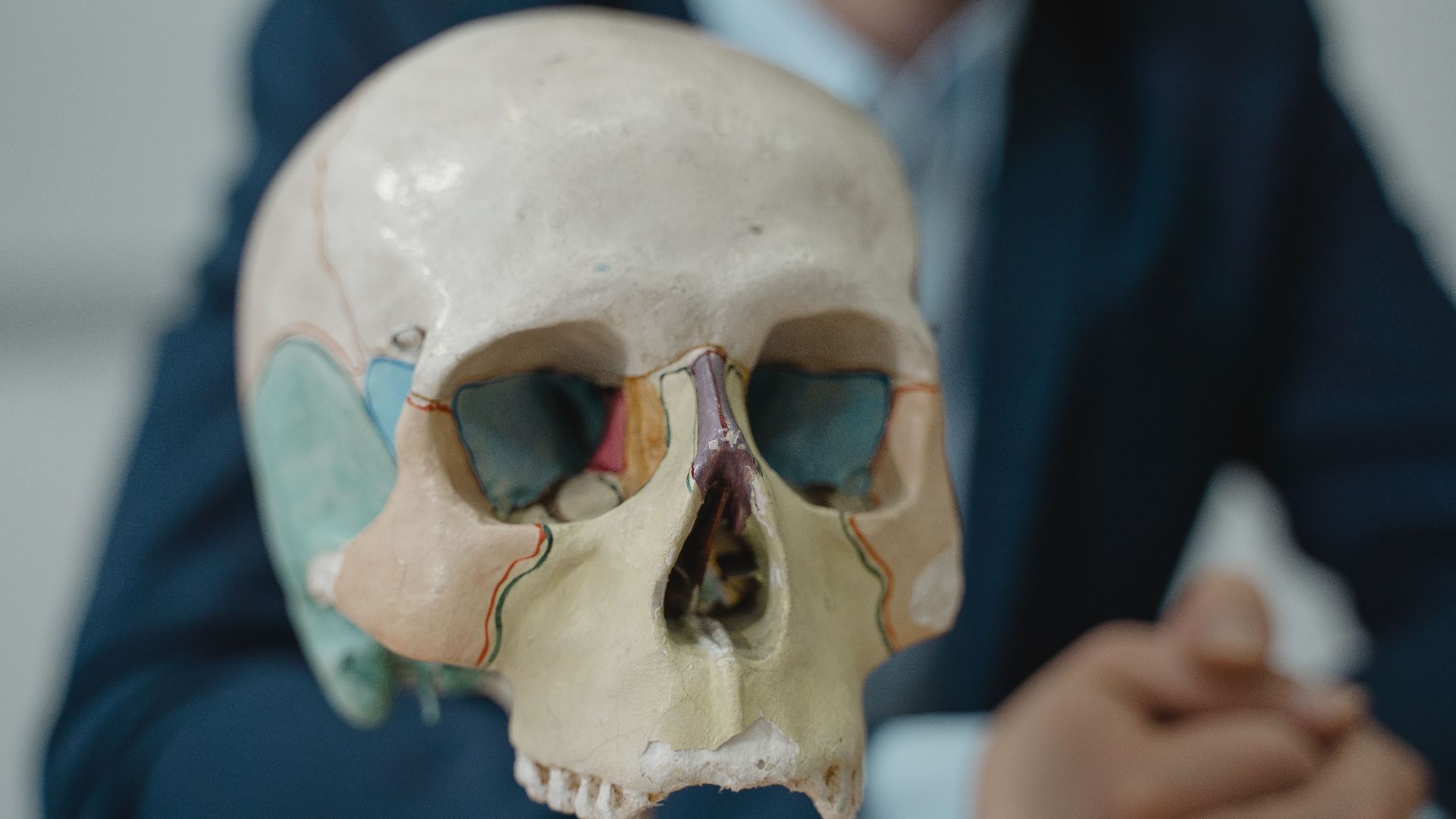
1. Your Marrow Makes Red Blood Cells and Platelets
The marrow inside certain bones is the only place an adult body makes red blood cells. A typical day's output runs around 200 billion red cells along with roughly 400 billion platelets, the cell fragments that help blood clot.
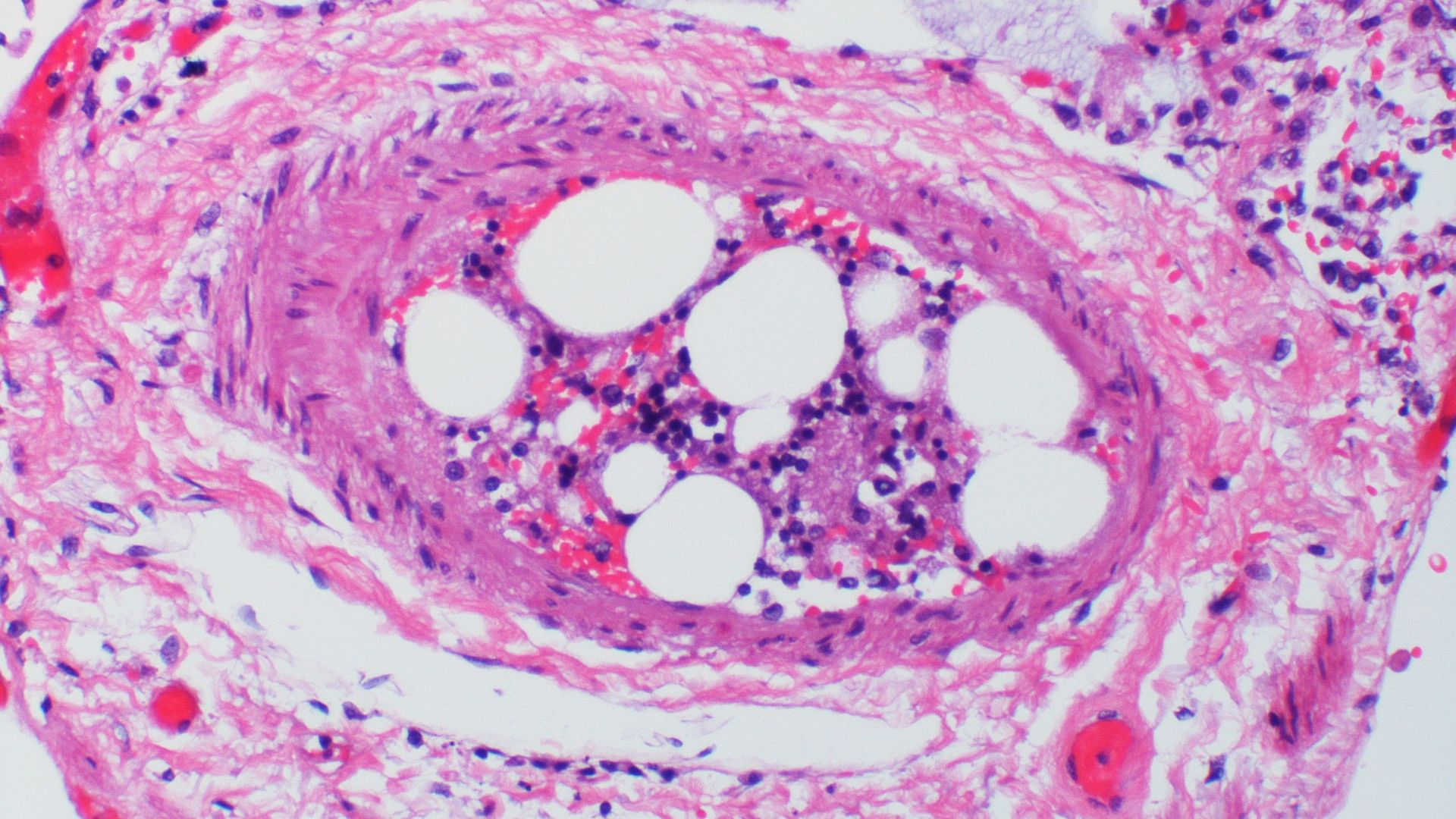 Yale Rosen from USA on Wikimedia
2. Marrow Makes Most of Your White Blood Cells
Bone marrow produces 60 to 70 percent of your white blood cells, including the granulocytes that rush to an infection first. Those cells tend to live only a few days, so the marrow keeps turning out new ones around the clock.
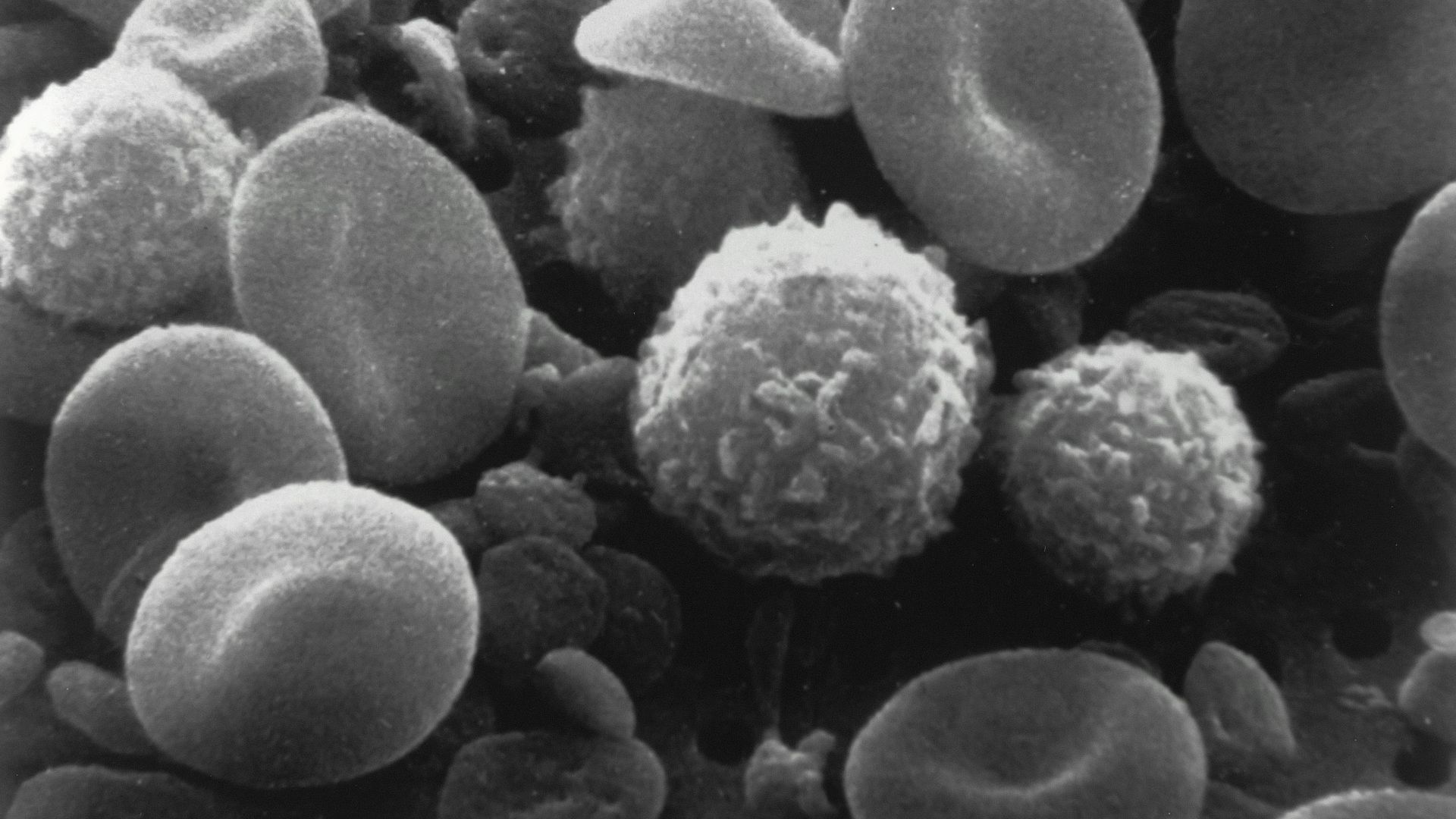 National Cancer Institute on Unsplash
3. Your Skull Sends Immune Cells Straight to Your Brain
A 2018 study found tiny channels running from the bone marrow in the skull directly to the outer lining of the brain. After a stroke, immune cells traveled through those channels toward the damaged tissue instead of taking the long way through the bloodstream. Later work found that cerebrospinal fluid also drains into skull marrow through the same channels, so immune cells there can check it for signs of infection.

4. Your Bones Bank Almost All of Your Calcium
An adult body holds about 1,200 grams of calcium, and more than 99 percent of it sits in bone. Your nerves and muscles need a steady supply in the blood, so when your diet comes up short, your body pulls calcium out of bone to keep blood levels stable. Bone also holds about 85 percent of your phosphorus and 50 to 60 percent of your magnesium.
5. A Bone Hormone Tells Your Kidneys How Much Phosphate to Keep
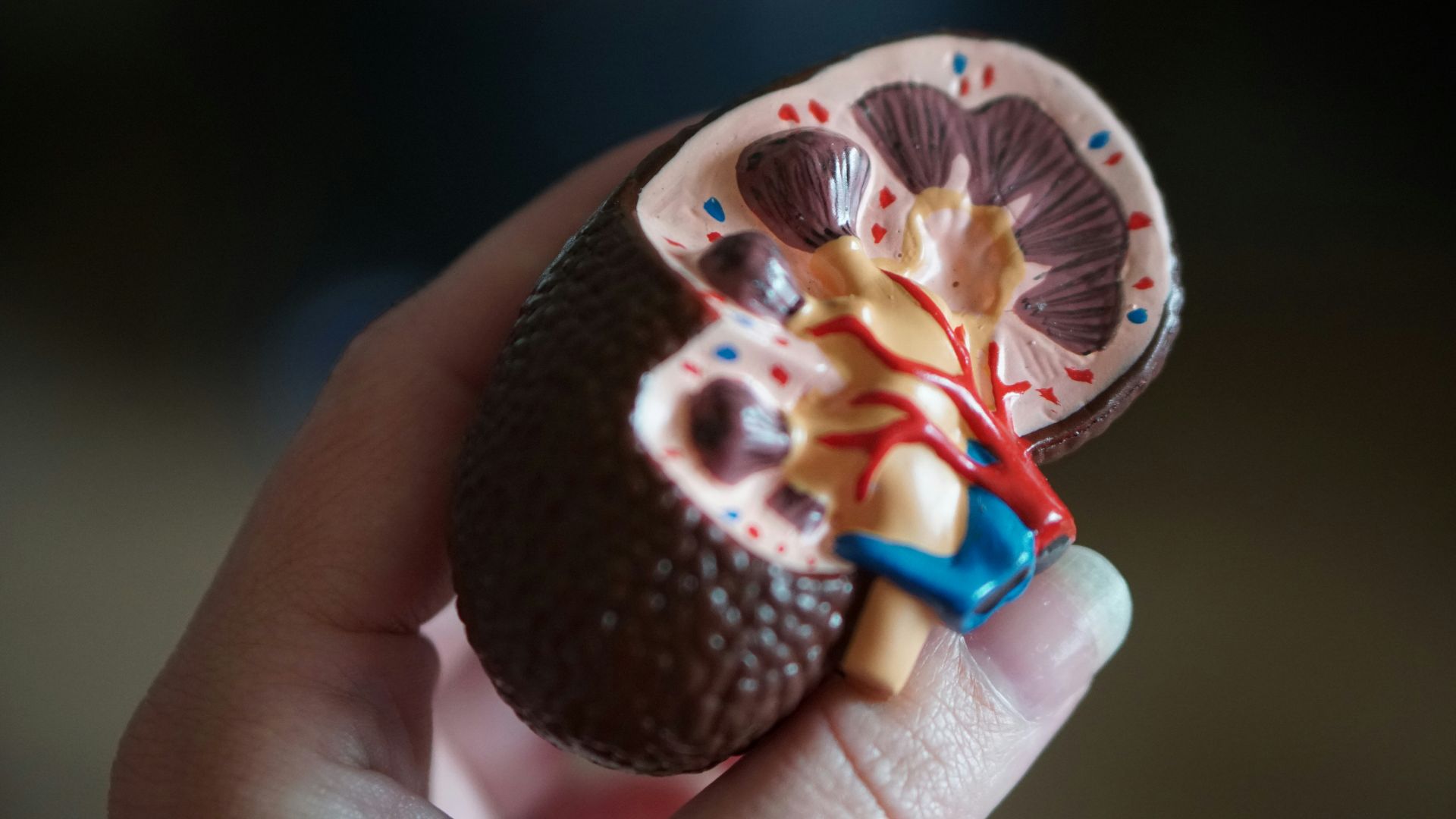
Bone cells release a hormone called FGF23 that acts on the kidneys to regulate phosphate. When phosphate climbs too high, the hormone signals the kidneys to flush more of it out in urine.
6. Your Bones Neutralize Excess Acid in Your Blood
When acid builds up in the body faster than the lungs and kidneys can clear it, bone mineral dissolves and releases carbonate and phosphate that soak up the extra acid. The skeleton acts as a backup buffer in those cases. The trade-off is that bone loses some of its own mineral content in the process.

7. Your Bones Lock Away Lead
In adults, about 94 percent of all the lead in the body is stored in bones and teeth, compared with about 73 percent in children. Lead stays in bone for decades but in blood for only months, which is why doctors treat bone lead as a record of lifetime exposure. Pregnancy can pull some of that stored lead back into circulation.
8. More Than a Tenth of Your Body Fat Sits in Marrow
Fat cells make up as much as 70 percent of the marrow's volume in lean, healthy adults, which adds up to more than 10 percent of total body fat. Marrow fat was long dismissed as filler, but researchers now study it as a fat depot with its own role in metabolism. It tends to expand with age and after menopause.
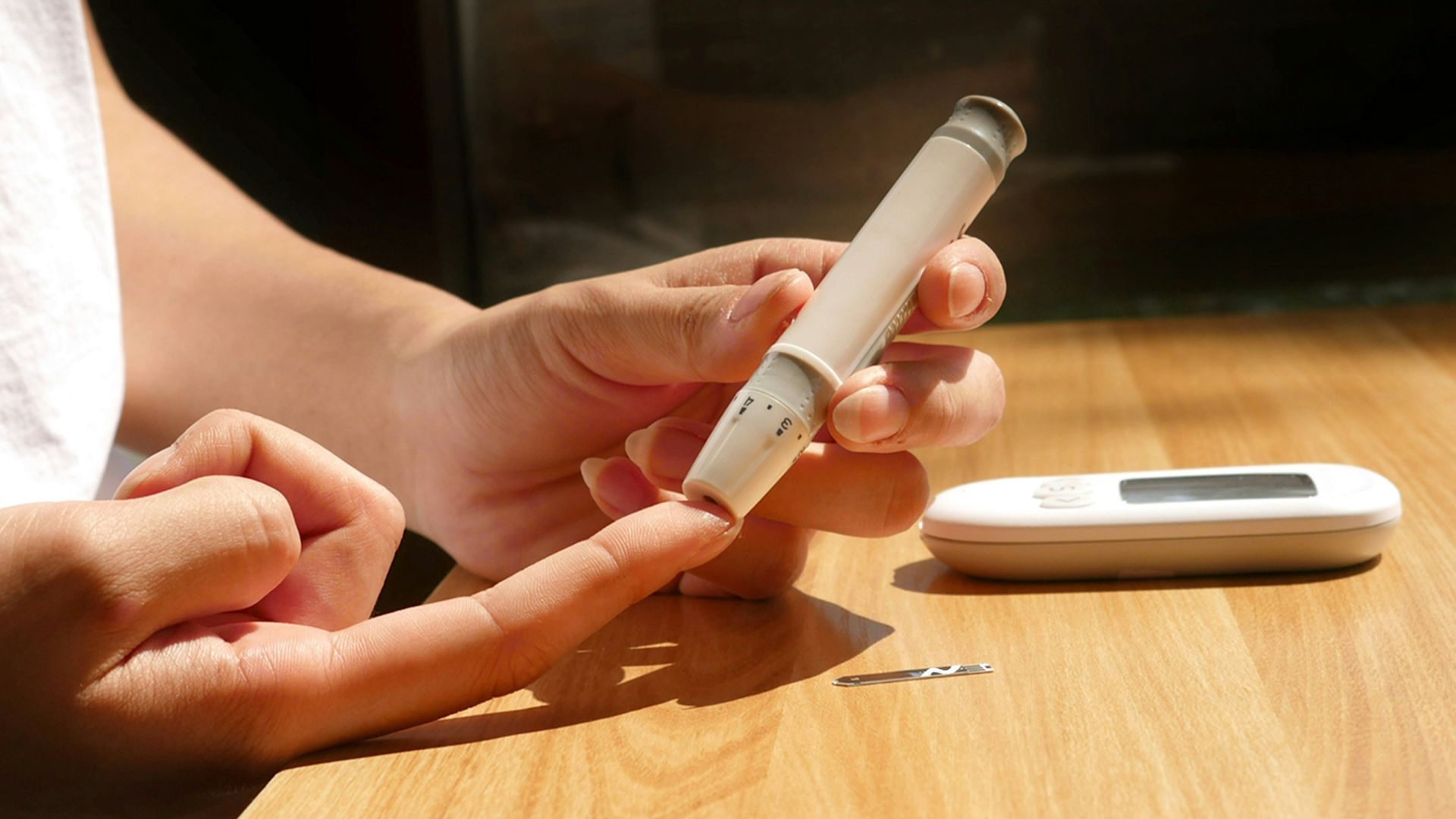
9. Your Bones Help Control Blood Sugar
Bone releases a hormone called osteocalcin that travels through the bloodstream to organs including the pancreas and the brain. Studies in mice have linked it to better glucose uptake by cells, and later work tied it to memory and to how long animals could run. Researchers have also connected osteocalcin to male fertility.
10. Bone Helps Trigger the Fight-or-Flight Response
A 2019 study found that mice exposed to predator urine showed a surge in osteocalcin within two to three minutes. The bone hormone lifts a brake on the nervous system, allowing heart rate and breathing to rise. Mice that couldn't produce it barely reacted to danger. Researchers saw the same hormone spike in stressed humans, and found that even animals and patients without functioning adrenal glands could mount a stress response.

11. Your Bones Help Tell You When You're Full
A 2017 study found that bone-forming cells release a hormone called lipocalin 2 that crosses into the brain and suppresses appetite in mice. Bone made about 10 times more of it than fat cells did. Among men with type 2 diabetes, higher blood levels of lipocalin 2 went along with lower body weight and better blood sugar.

12. Bone Cells Sense How Hard You Use Them
Cells called osteocytes make up 90 to 95 percent of the cells in adult bone, and they sit inside the mineral sensing strain from movement and impact. When they detect heavy loading, they signal other cells to build bone, and when loading drops off, they signal for bone to be removed.

13. Three Ear Bones Amplify Sound
Three tiny bones in the middle ear pass vibrations from the eardrum to the inner ear and boost the signal along the way. The smallest, the stapes, is about 3 millimeters tall (it weighs less than a grain of rice) and helps raise sound pressure roughly 20-fold before it reaches the cochlea. Without that boost, most sound energy would reflect off the fluid of the inner ear instead of entering it.

14. Your Skull Changes How Your Own Voice Sounds to You
When you talk, vibrations from your vocal cords travel through the bones of your skull straight to your inner ear. That bone-conducted sound favors lower frequencies, so your voice sounds deeper and fuller in your head than it does to anyone else. A recording only picks up the airborne version.
 Christina @ wocintechchat.com M on Unsplash
15. Your Bones Record Where You Lived and What You Ate
Bones and teeth absorb chemical signatures from the food and water you take in, including strontium isotopes that reflect local geology. Tooth enamel locks in the signature from early childhood, while bone keeps turning over and reflects roughly the last seven to ten years. Archaeologists use the difference to tell whether someone grew up where they were buried.

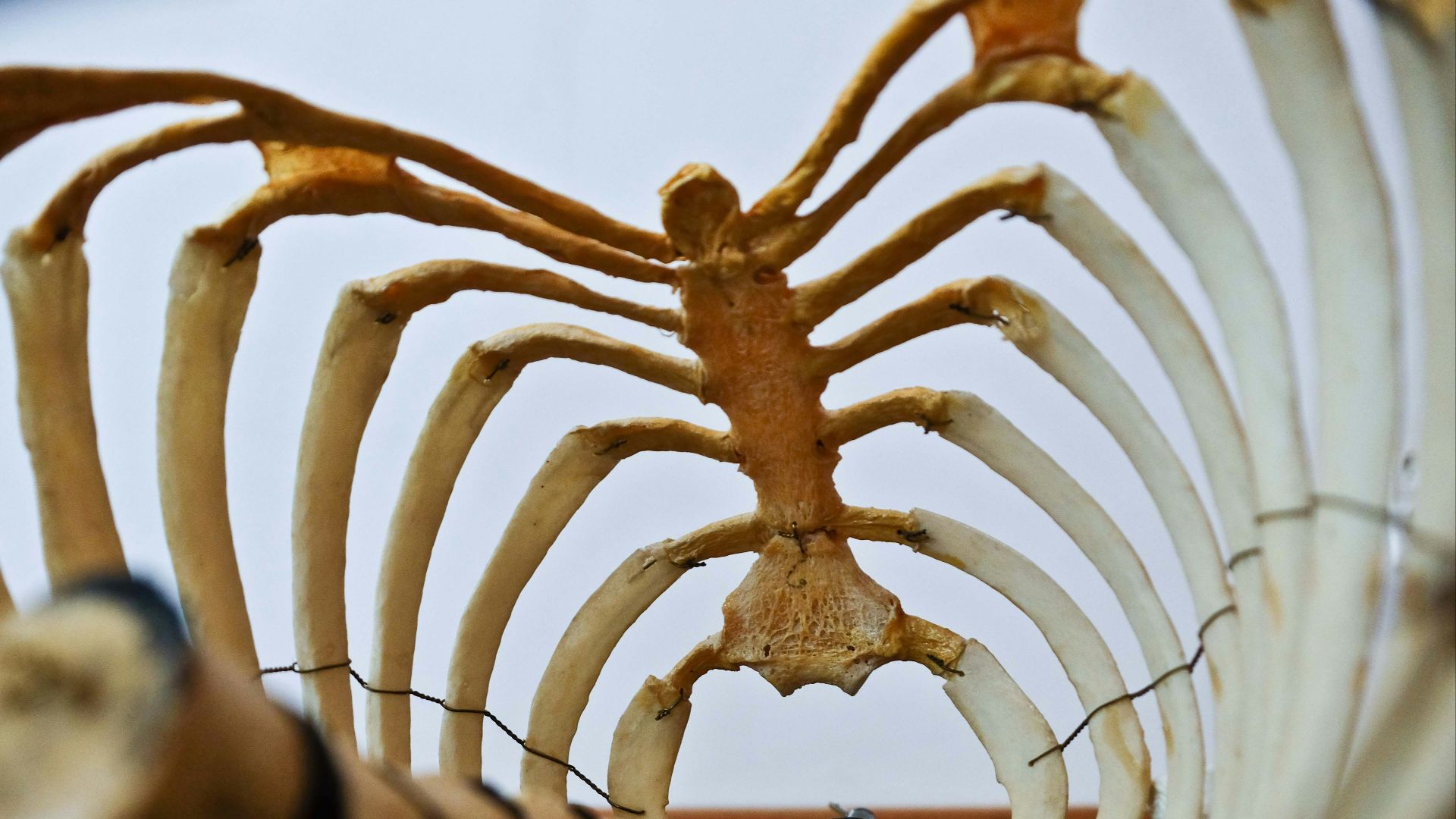
16. The Skull and Ribs Act as Armor
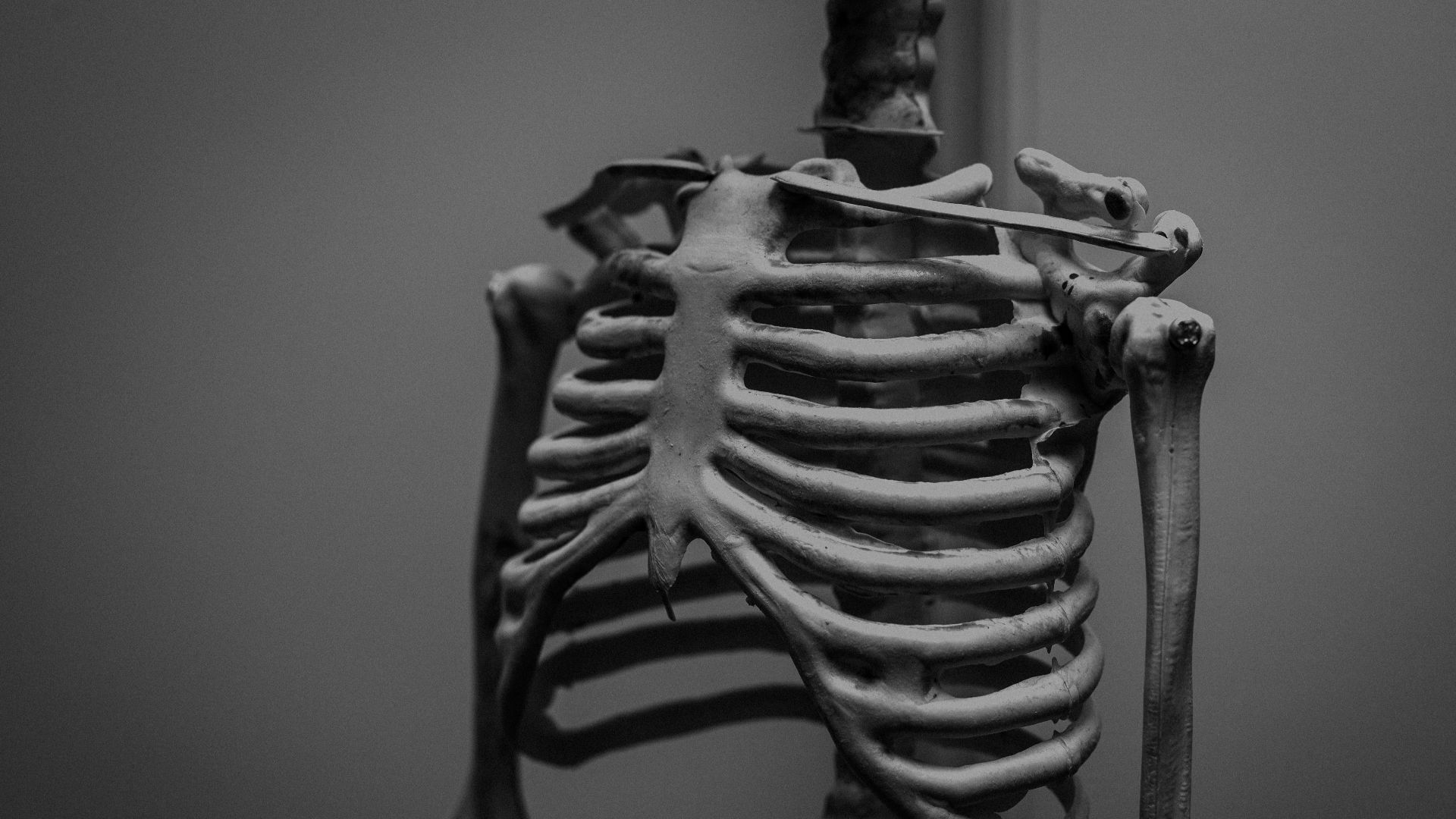
Your skull encloses the brain completely, and your rib cage wraps around the heart and lungs. The ribs are attached by flexible cartilage at the front, which lets the cage expand with every breath while still taking a hit.
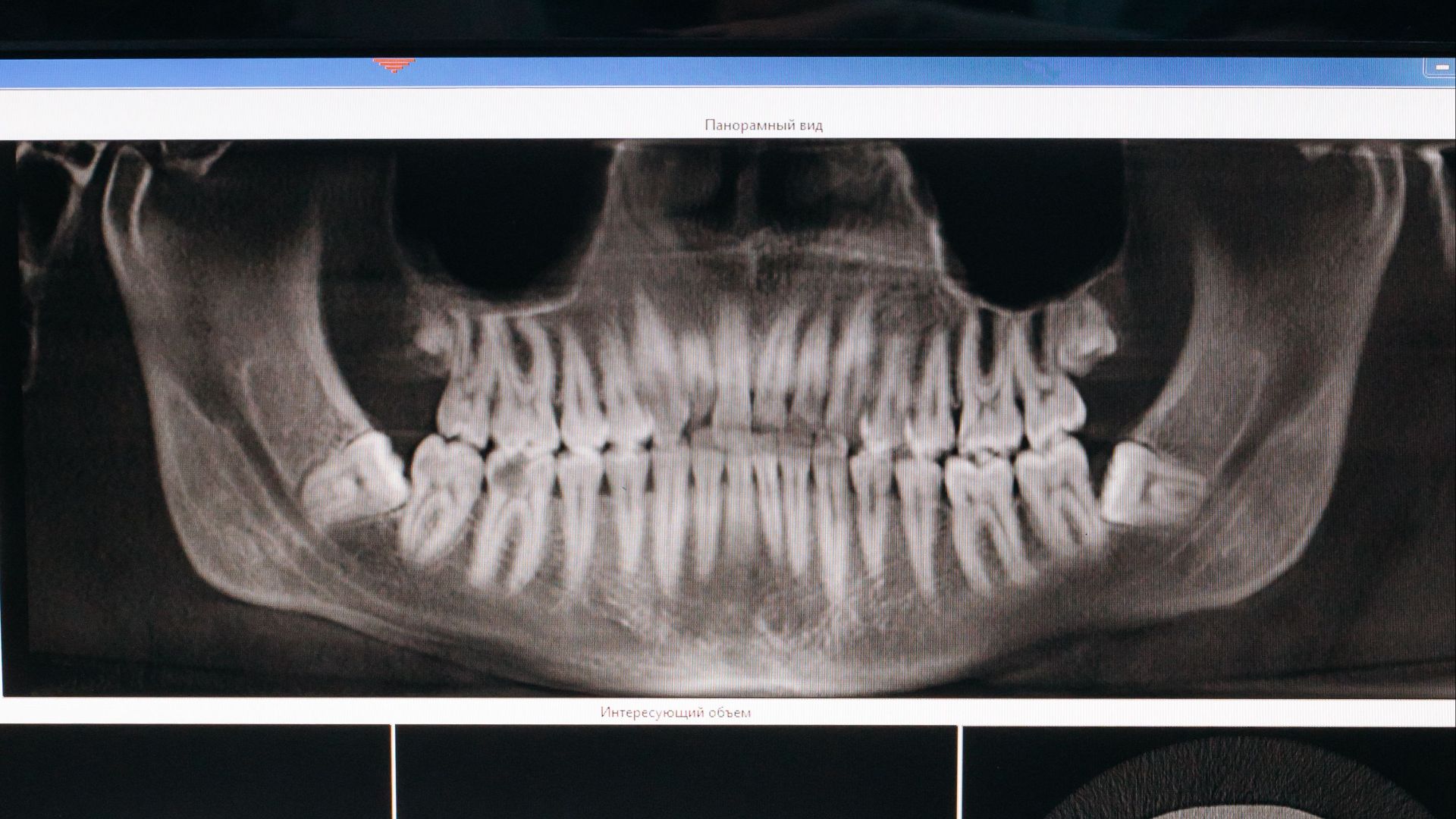
17. Your Jawbones Anchor Your Teeth
Each tooth sits in a socket in the jawbone, held in place by ligaments. When a tooth is lost, the bone that held it tends to shrink back over time because it no longer gets the pressure from chewing.
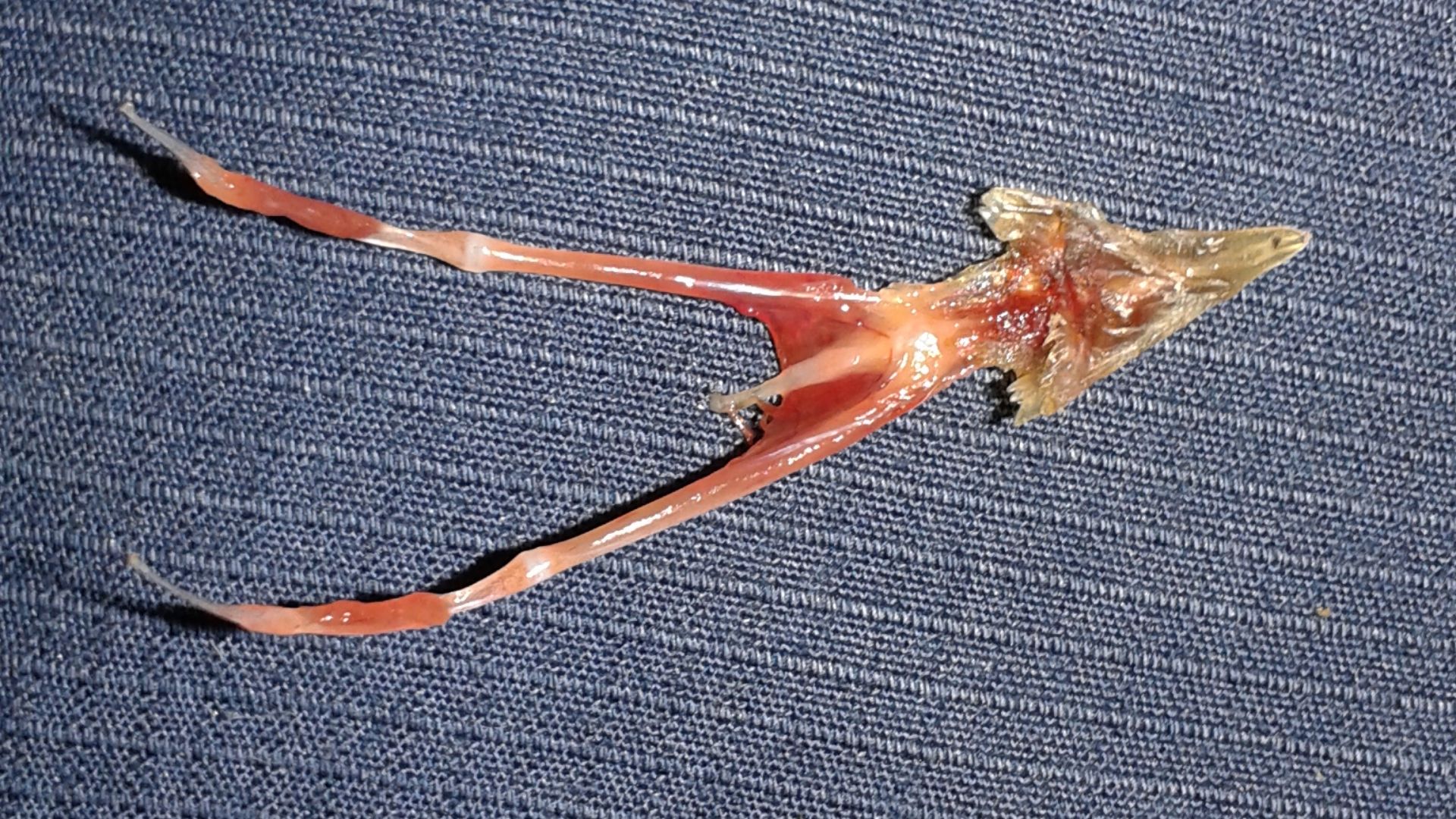
18. The Hyoid Helps You Swallow and Talk
The hyoid is a small U-shaped bone in your neck and the only bone in the body that doesn't connect to another bone. Muscles of the tongue and throat attach to it, and it moves with every swallow.
 Soldier of Wasteland on Wikimedia
19. Your Bones Give Your Muscles Leverage
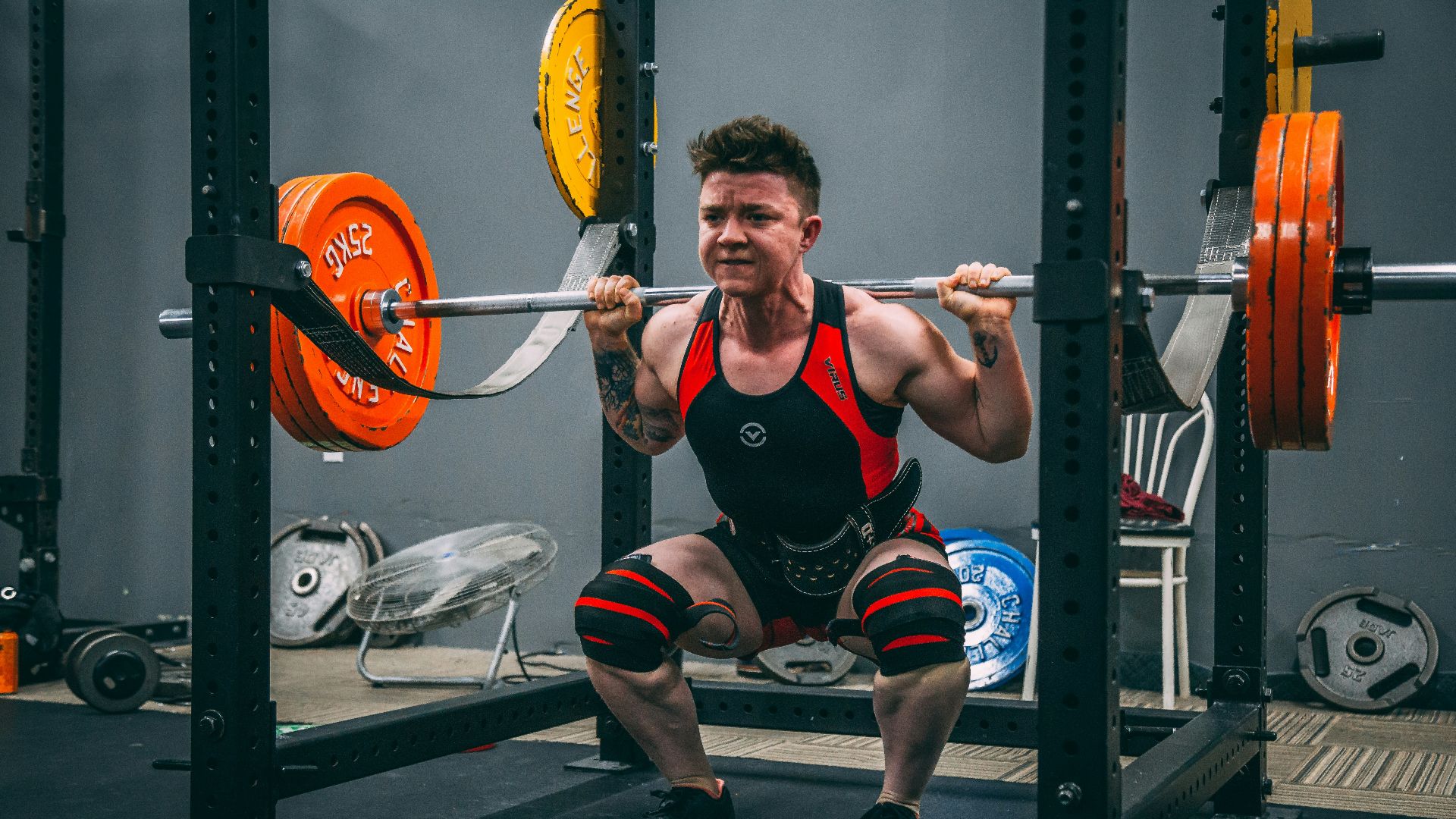
Muscles can only pull, and they get their power by tugging on bones that work as levers around your joints. The distance between where a muscle attaches and the joint it moves decides whether that motion favors strength or speed.
20. Your Nasal Bones Warm the Air You Breathe
Thin, curled bones inside your nose called the nasal conchae are covered in moist tissue full of blood vessels. Air swirls over them on the way in, picking up warmth and moisture before it reaches your lungs.