

The Longest Training Program In The Body
Your immune system spends its whole life deciding what counts as you. Developing T cells acquire randomly assembled receptors, and some happen to recognize the body's own tissues. The thymus destroys many of these cells before they enter circulation, while a second set of safeguards keeps the ones that escape under control. When those protections fail, healthy tissue can become a target, sometimes for life. Here are 20 things your immune system has to learn to leave alone.

1. Your Own Cells
T cells are assembled by shuffling gene segments at random, so the body has no way to avoid producing receptors that match its own tissue. The thymus handles this by auditioning every new T cell against samples of self and killing the ones that bind too tightly. Estimates of the survival rate run between about one and five percent, so almost every immune cell you make is destroyed in training before it ever meets a pathogen.
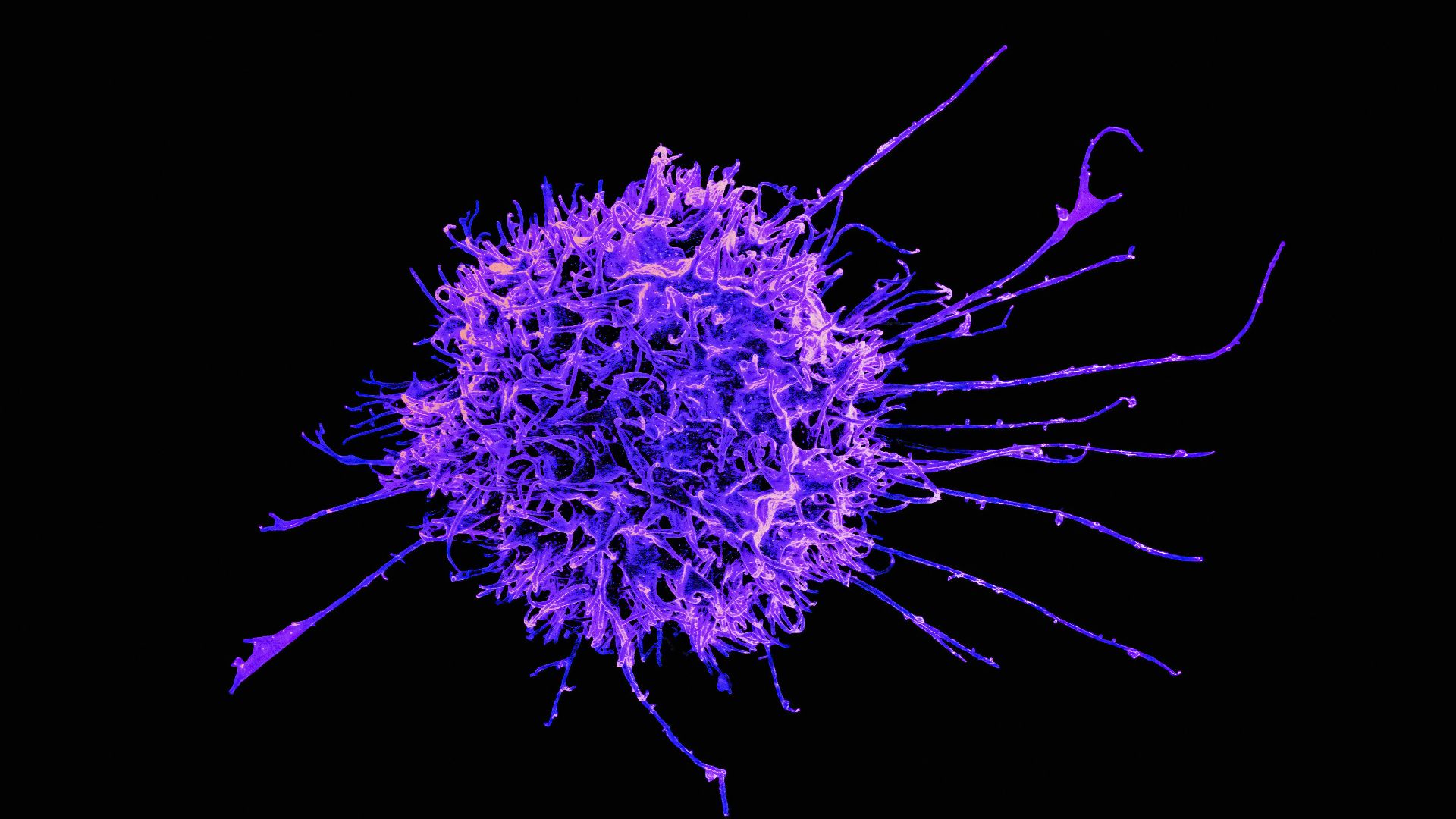 National Institute of Allergy and Infectious Diseases on Unsplash
2. The Bacteria In Your Gut
Your intestine holds a bacterial population separated from your bloodstream by a single layer of cells. The gut runs its own branch of the immune system, and most of that branch's work is restraint, generating regulatory cells that suppress responses to the residents. Inflammatory bowel disease is what the arrangement looks like when it stops holding.
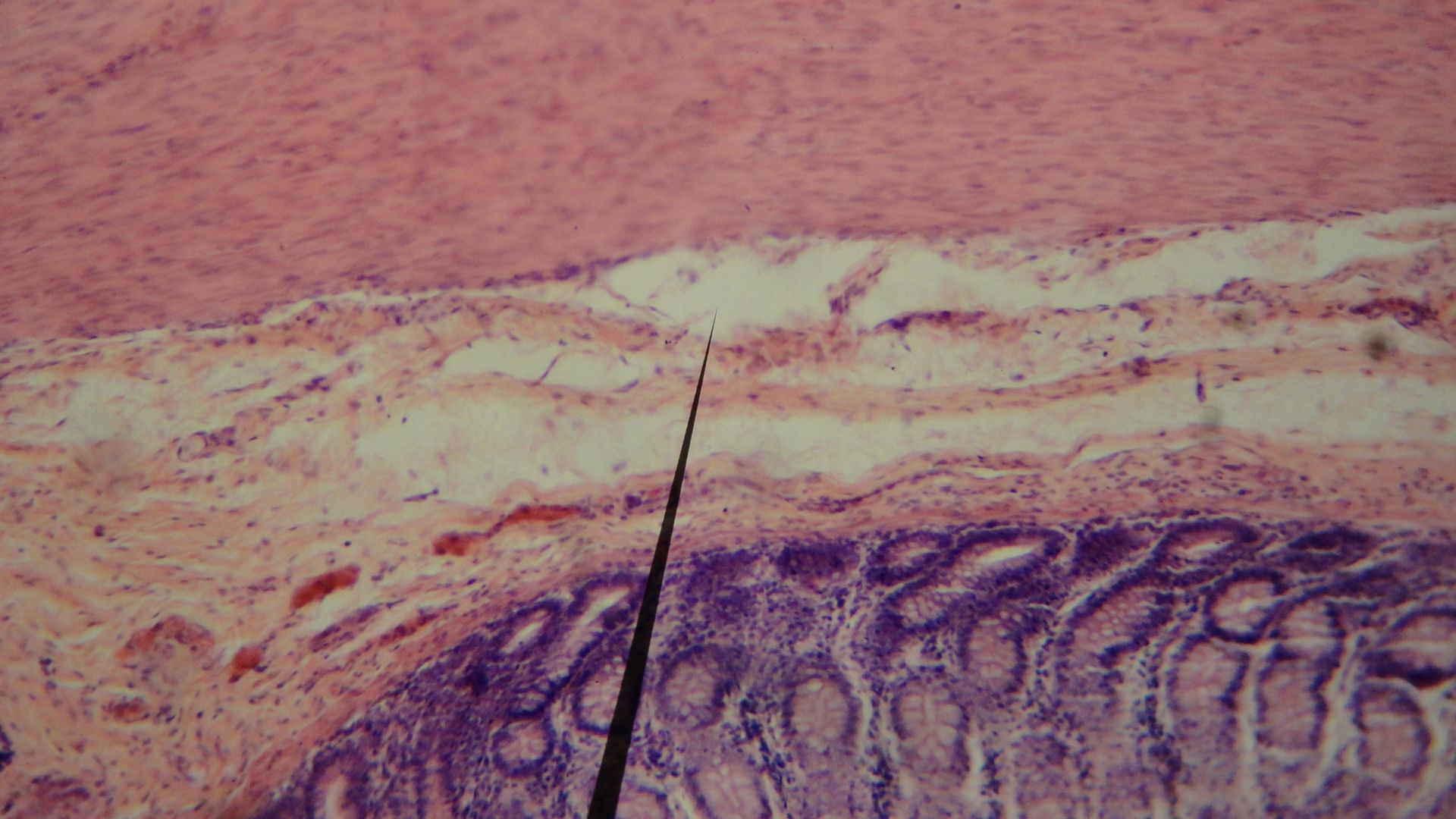 Juan Carlos Fonseca Mata on Wikimedia
3. Organs The Thymus Has Never Seen
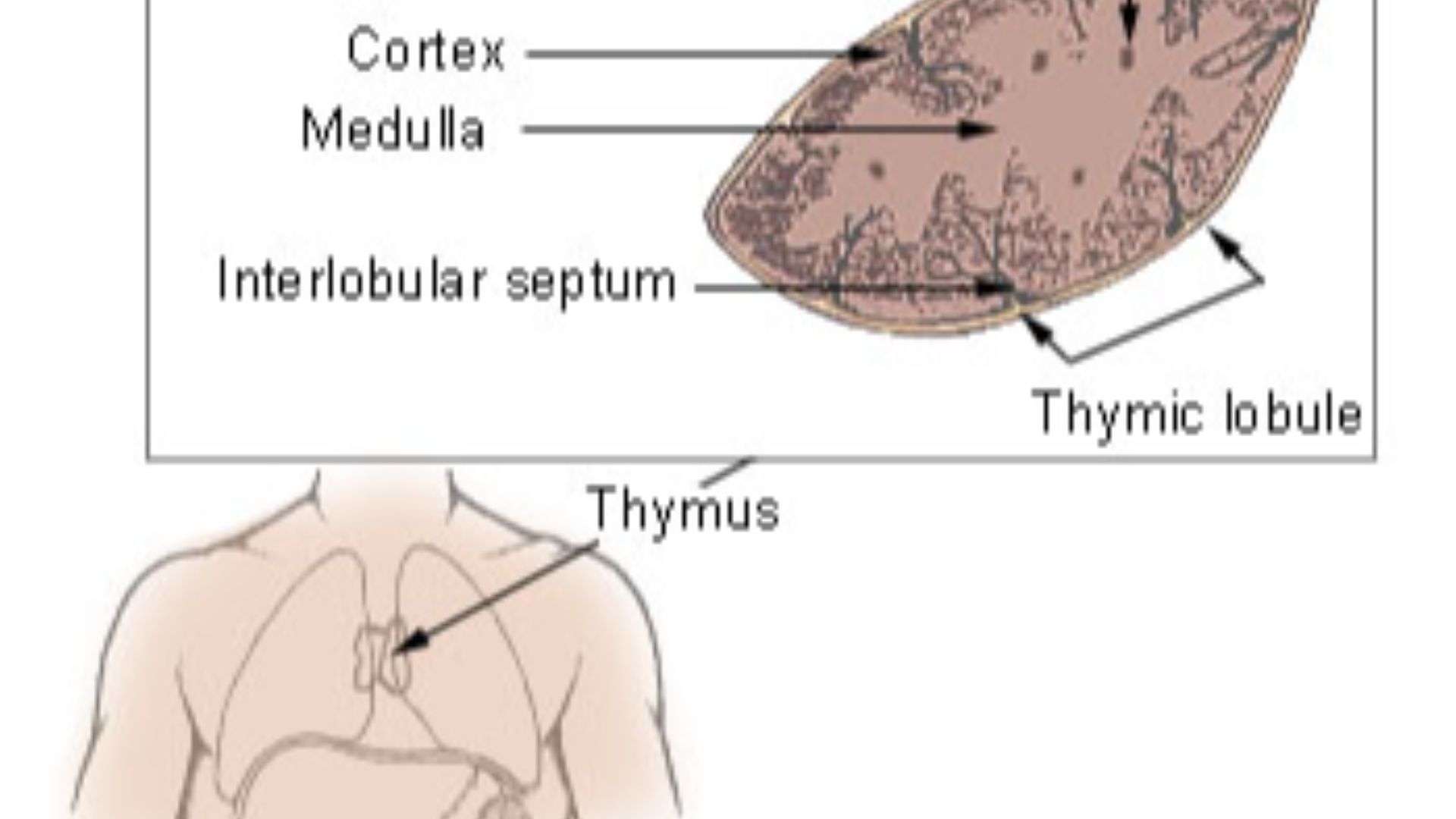
The thymus has a problem: it needs to test new T cells against the body's tissues without having a pancreas or a retina on hand. A gene called AIRE helps solve this by making cells in the thymus produce proteins normally found in other organs, including insulin. That way, a T cell that reacts to the pancreas can be caught without ever going near one.
4. The Food On Your Plate
Every meal brings a load of foreign proteins into a part of the body packed with immune cells, and most of the time, nothing happens. That's because the immune system learns to leave food alone, a process called oral tolerance that works better when it starts young.

5. Myelin
Myelin is the fatty sheath around a nerve fiber, and it lets a signal travel fast enough to be useful. Healthy people carry T cells that react to it and never notice. In multiple sclerosis they get activated and cross into the central nervous system, stripping the insulation off nerve fibers and leaving the scarring the disease is named for.
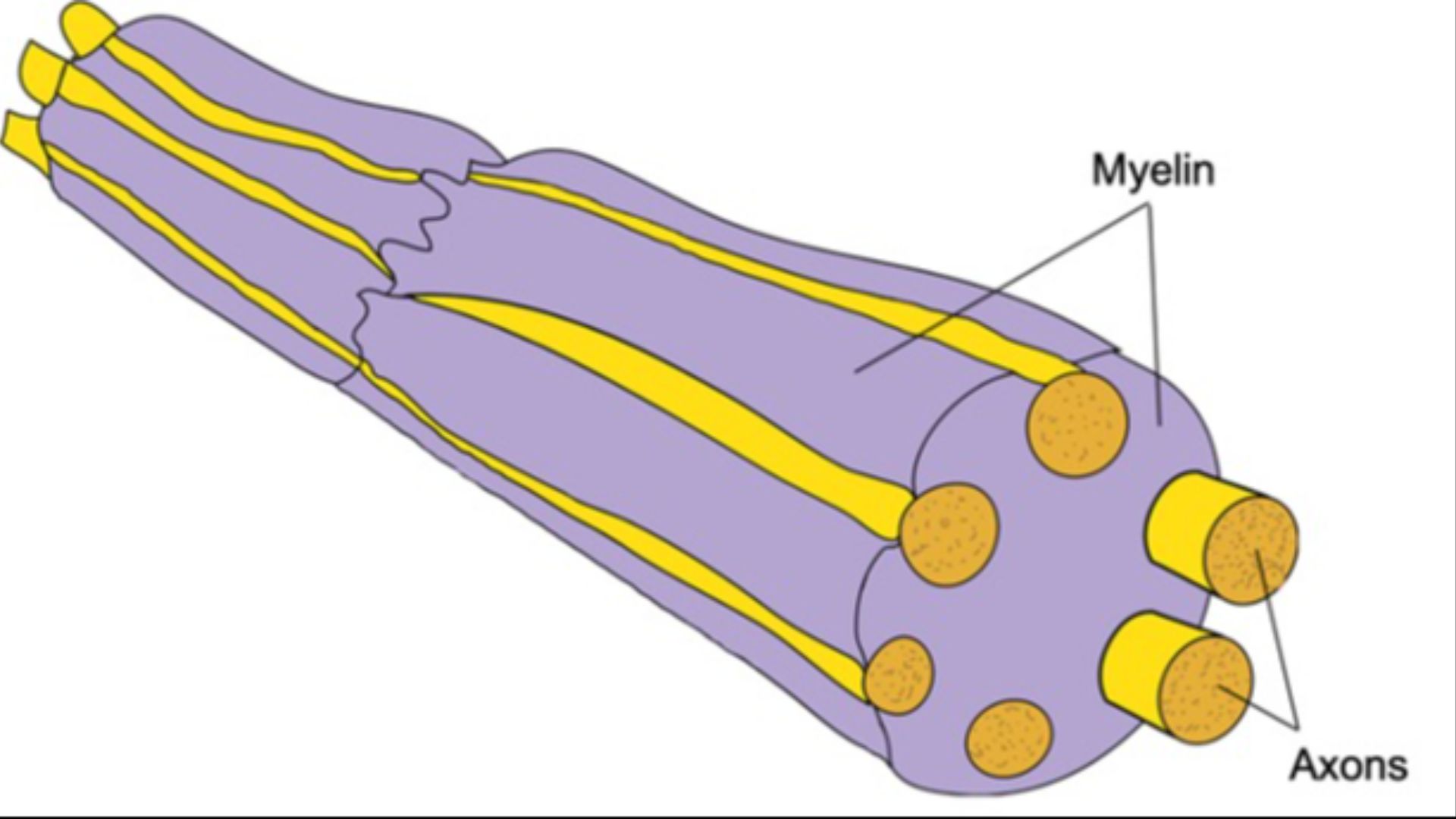 Daniel Donnelly, Chiara Mazzasette on Wikimedia
6. The Bacteria On Your Skin
Your skin has to learn early that some bacteria are harmless neighbors, not invaders. In one mouse study, exposing newborns to a common skin bacterium taught their immune systems to tolerate it long-term. Doing the same thing with adult mice didn't work.

7. A Fetus
A fetus inherits half its genes from its father, so it carries proteins the mother's immune system could recognize as foreign. Normally, the body might attack tissue that doesn't match its own, as it does with a rejected organ transplant. During pregnancy, the placenta helps prevent that reaction, while regulatory T cells keep the mother's immune system from attacking the fetus.
 Volodymyr Hryshchenko on Unsplash
8. Insulin-Producing Cells
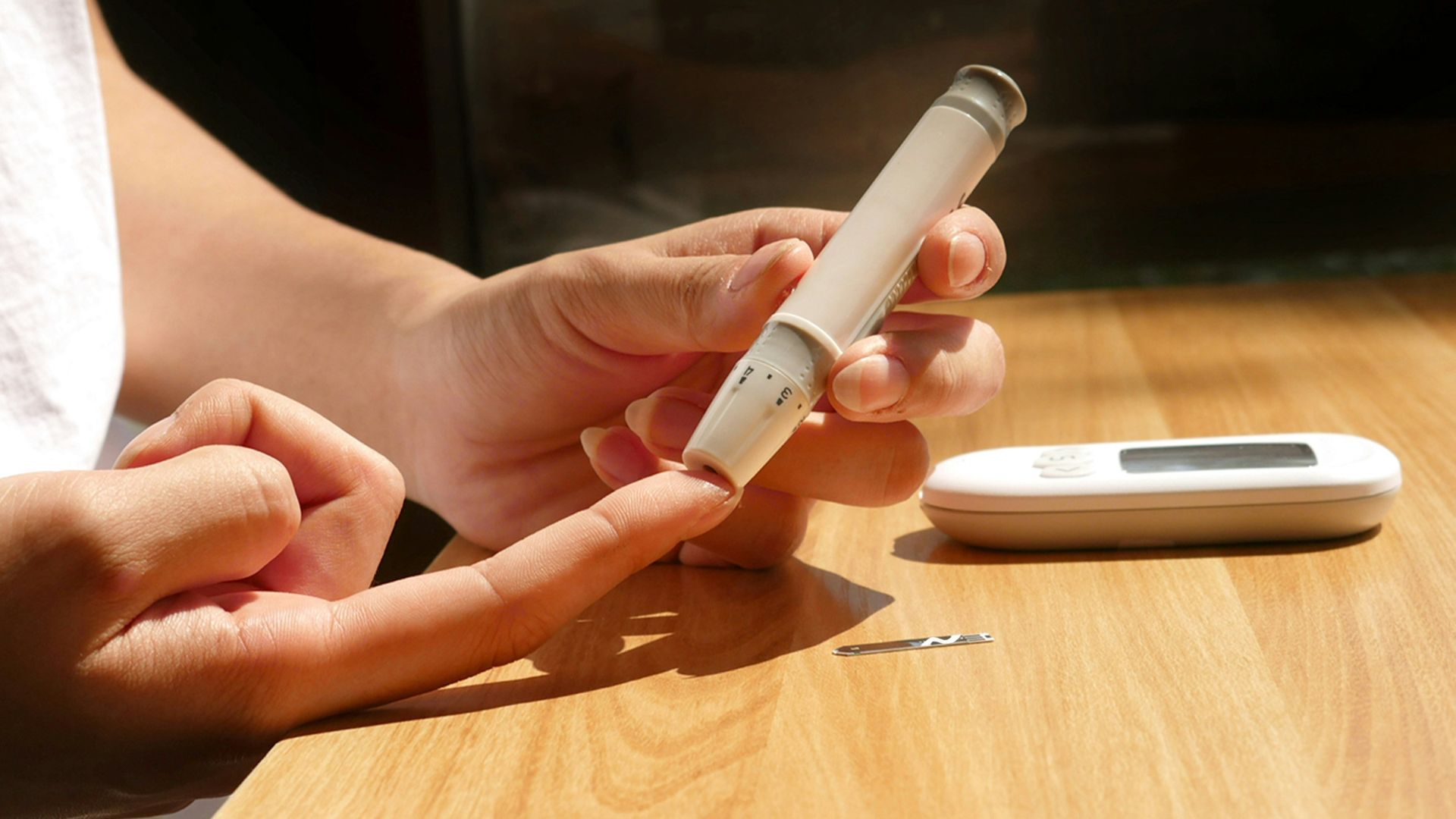
In type 1 diabetes, the immune system slowly destroys the pancreatic cells responsible for making insulin. The attack can go on for years without obvious symptoms, and by the time someone is diagnosed, most of those cells are already gone. Even insulin itself is among the proteins being targeted, making the whole disease a particularly costly case of mistaken identity
9. Your Mother's Cells
Pregnancy isn't a one-way exchange. Cells cross the placenta from mother to baby and the other way around, and some stick around for decades. That means you could still be carrying a small number of your mother's cells, while she may have some of yours.

10. Your Own DNA
DNA is supposed to stay in the right parts of your cells. When it turns up somewhere it doesn't belong, immune sensors can mistake it for a sign of infection, even when it's your own. Lupus adds another problem: the body can start making antibodies against its own double-stranded DNA.
11. The Thyroid
The thyroid is a common target for the immune system, and the damage can go in opposite directions. In Hashimoto's disease, the immune system gradually attacks the gland until it struggles to make enough thyroid hormone. Graves' disease does the opposite, producing antibodies that keep telling the thyroid to make more hormone, even when the body already has plenty.

12. Sperm
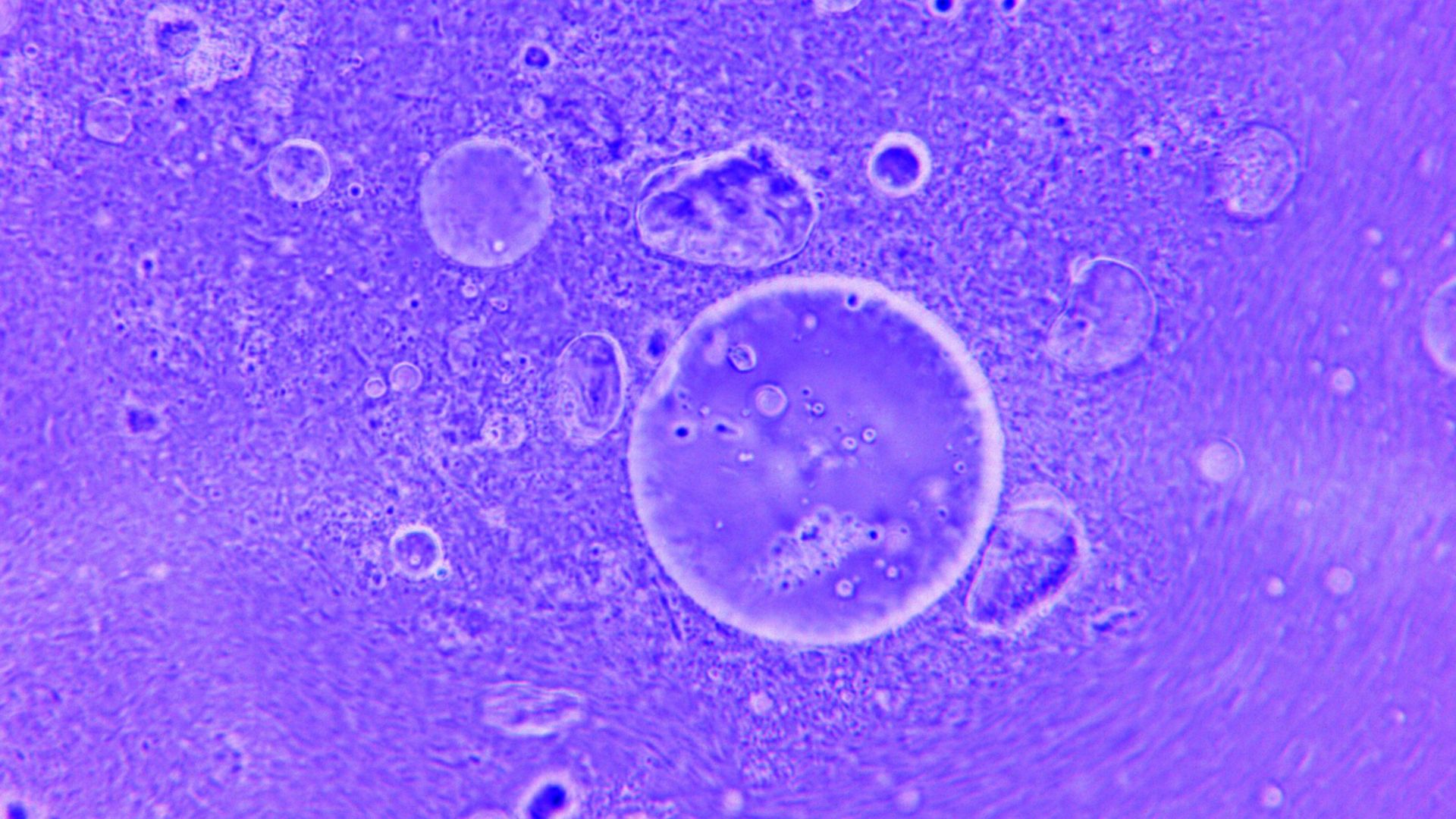
What happens when the cells your immune system needs to tolerate don't even exist yet? Sperm production starts at puberty, long after much of the immune system's training is finished. The body gets around this with a barrier that keeps developing sperm separated from immune cells. If an injury breaks that barrier, the immune system can start making antibodies against sperm, sometimes causing fertility problems.
 Unknown authorUnknown author on Wikimedia
13. Pollen
Pollen can't infect you, and on its own, it's just plant material floating through the air. But in someone with hay fever, the immune system reacts as though it has found something dangerous, releasing histamine and setting off sneezing and a runny nose. It's the same general branch of the immune system that helps fight parasitic worms, only now it's going after something that was never an infection.

14. Hair Follicles
Your hair follicles normally get a bit of extra protection from the immune system, which leaves them alone while they grow hair. In alopecia areata, that protection breaks down and immune cells begin attacking the follicles, causing hair to fall out in round patches. The follicles usually survive the attack, though, so the hair can grow back once the immune system settles down.

15. Cells That Die On Schedule
Billions of your cells die naturally every day, and the body needs to get rid of them before they break apart. Special cleanup cells swallow the remains in a process called efferocytosis, keeping the debris from causing trouble. When that process doesn't work properly, leftover DNA and other cell material can set off inflammation.
16. The Inside Of The Eye
Your eyes can't afford much inflammation, since swelling inside them can interfere with vision. That's why immune activity there is normally kept under tighter control than in most other tissues. Very rarely, a serious injury to one eye can trigger an immune attack on the healthy one weeks or months later.

17. Gluten
Most people can eat bread without their immune system making a scene. For someone with celiac disease, gluten causes a very different reaction. An enzyme in the gut changes parts of the protein, making them easier for certain immune cells to recognize and react against. The resulting response damages the lining of the small intestine.

18. Melanocytes
Vitiligo happens when the immune system attacks melanocytes, the cells that give skin its color. As those cells disappear, pale patches develop, and hair growing inside them can turn white too. People with vitiligo are also more likely to have other autoimmune conditions, particularly thyroid disease. That's why a diagnosis sometimes comes with questions about thyroid symptoms and a blood test to check how the gland is doing.

19. Your Own Red Blood Cells
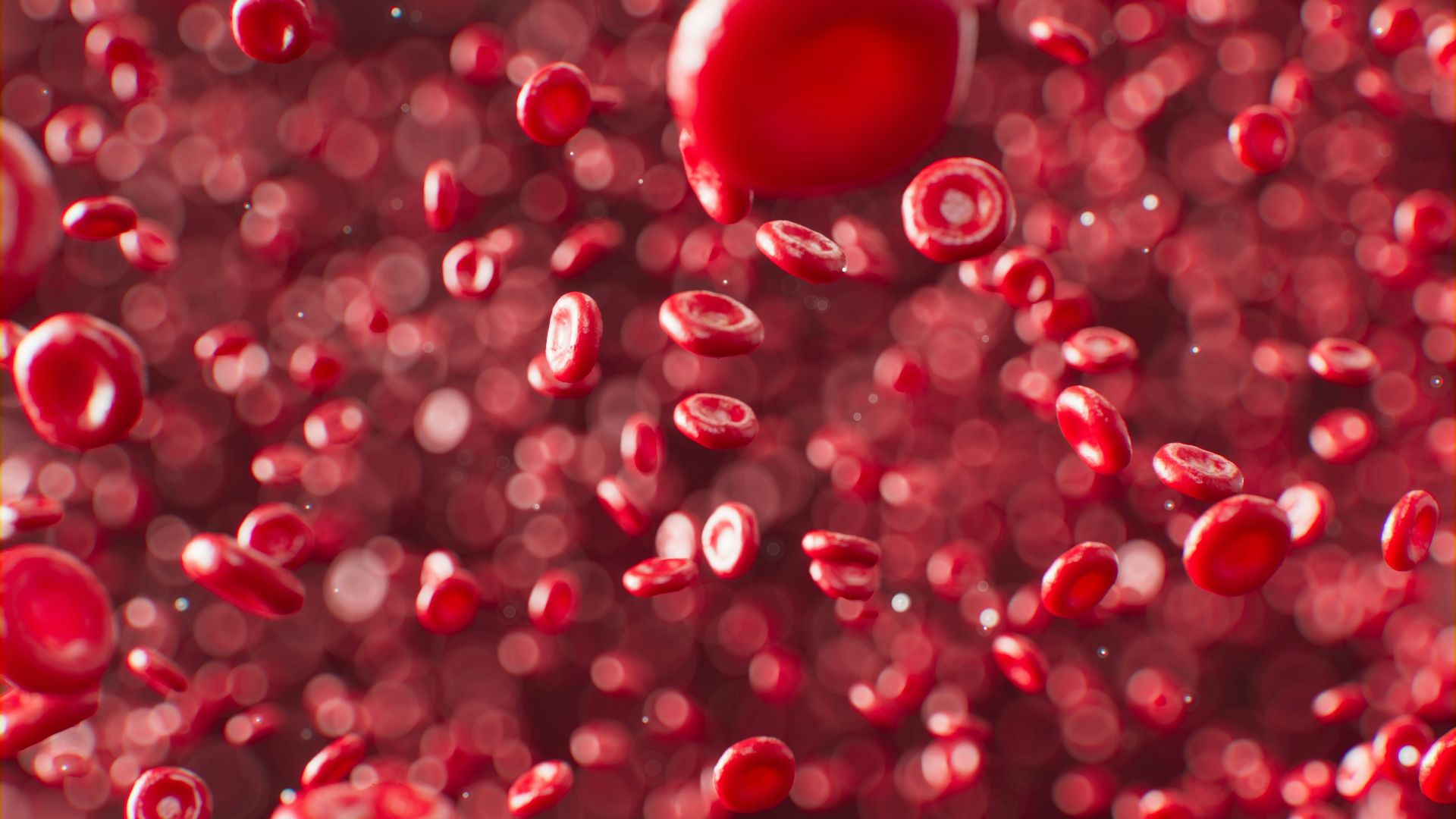
Red blood cells carry markers on their surface that antibodies can recognize. Sometimes the body starts making antibodies against its own red cells, and the spleen removes them faster than they can be replaced. The resulting anemia can leave someone exhausted. A similar immune mix-up involving platelets causes a different problem, with bruising and bleeding taking the place of fatigue.
20. The Lining Of Your Joints
Rheumatoid arthritis can begin long before the first joint starts hurting. One clue is the body's reaction to proteins that have undergone a small chemical change, turning an amino acid called arginine into citrulline. Antibodies against these altered proteins can appear years before symptoms.

KEEP ON READING



20 Ways to Deal With Your Sweet Tooth

20 Low-Impact Exercise Ideas For People Over 50