Your Body's One-Way Traffic Control
Your body has thousands of gates working without you knowing it. Valves keep blood flowing in the right direction, while rings of muscle control how food moves through your digestive tract. At the cellular level, tiny protein channels open and close to let substances pass through membranes. Most of these systems work automatically, and you rarely notice them unless something goes wrong. Here are 20 gates inside your body that open and close throughout the day.

1. The Valve At The Bottom Of Your Esophagus
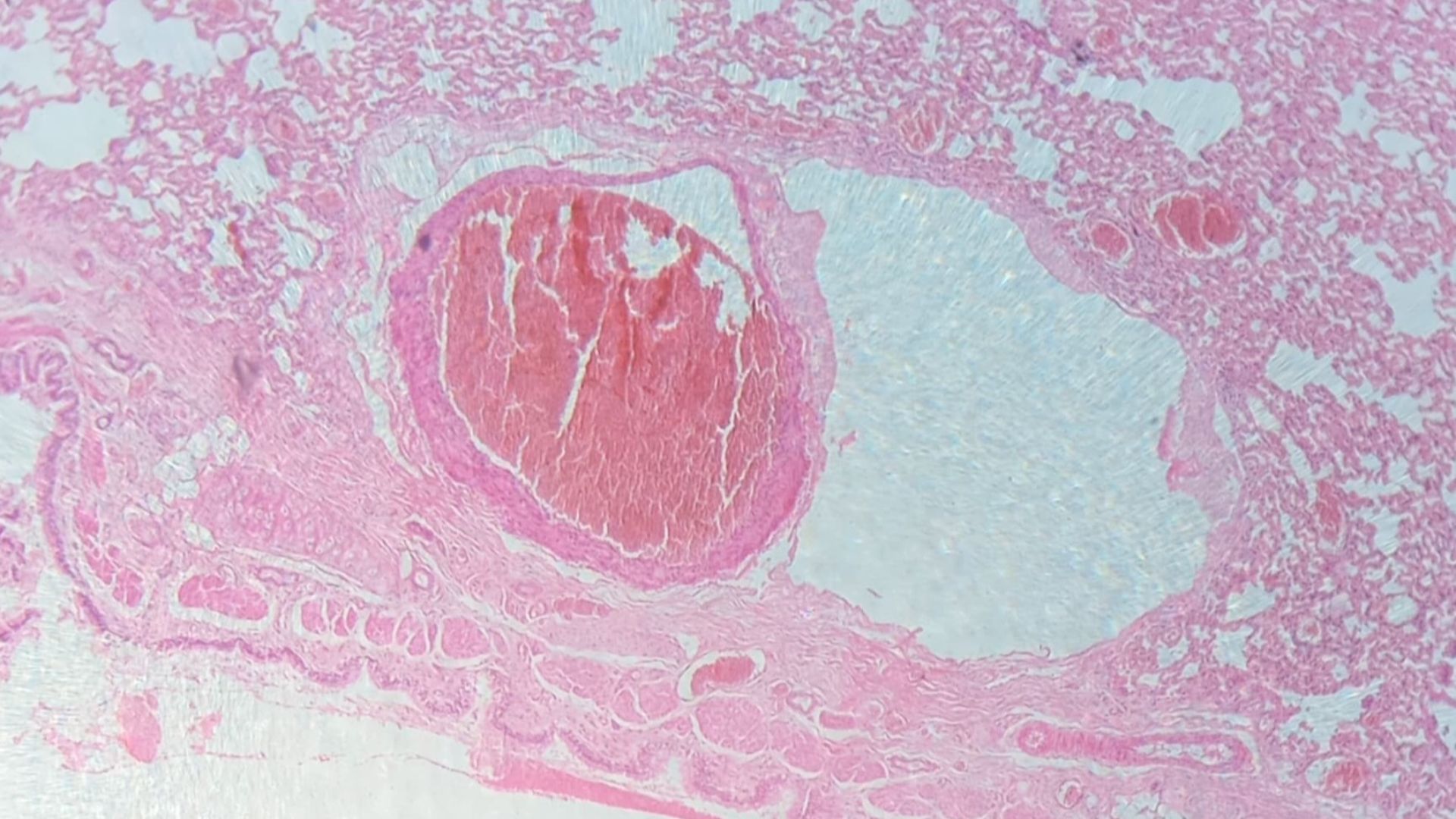
A ring of muscle sits where your esophagus meets your stomach, and it stays clamped shut between meals. Swallowing sends a wave down that relaxes the ring for a few seconds, long enough to let food through. Heartburn is what you feel when the ring loosens at the wrong moment and stomach acid comes back up into the esophagus.
 Otávio Astor Vaz Costa on Wikimedia
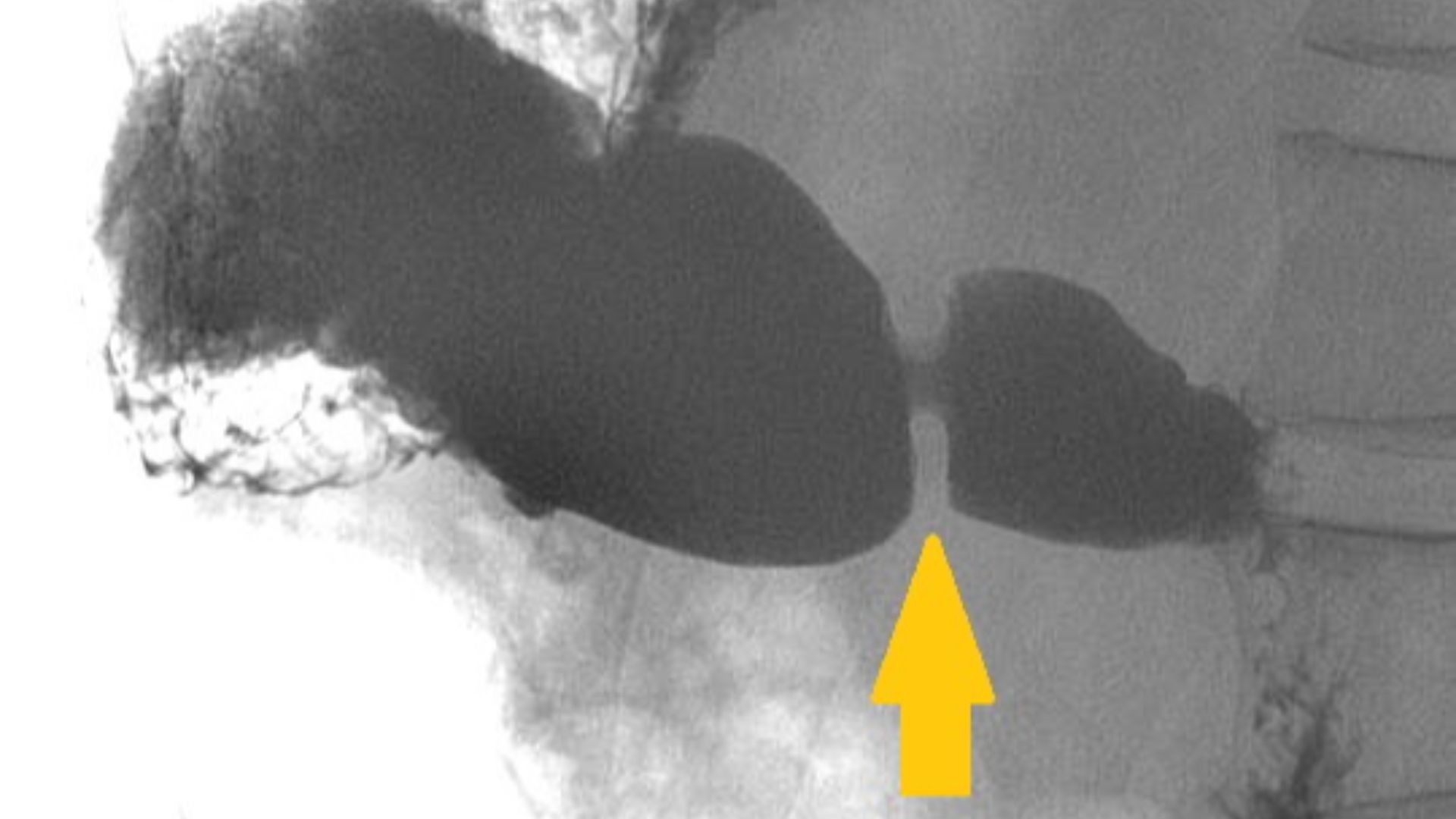
2. The Pylorus Sorts Food By Particle Size
The pylorus controls the exit from your stomach, generally allowing food particles through once they're ground down to about one or two millimeters. Larger pieces get pushed back for more grinding, which helps explain why a solid meal can take hours to leave the stomach. Drugmakers also have to account for this size limit when designing slow-release pills.
3. The Sphincter Of Oddi Releases Bile
Bile drips out of your liver all day, and between meals this sphincter keeps it from reaching your intestine. It backs up into the gallbladder instead and sits there getting concentrated. Fat arriving in the duodenum triggers a hormone called cholecystokinin, which relaxes the sphincter and squeezes the gallbladder at the same time.
 Henry Vandyke Carter on Wikimedia
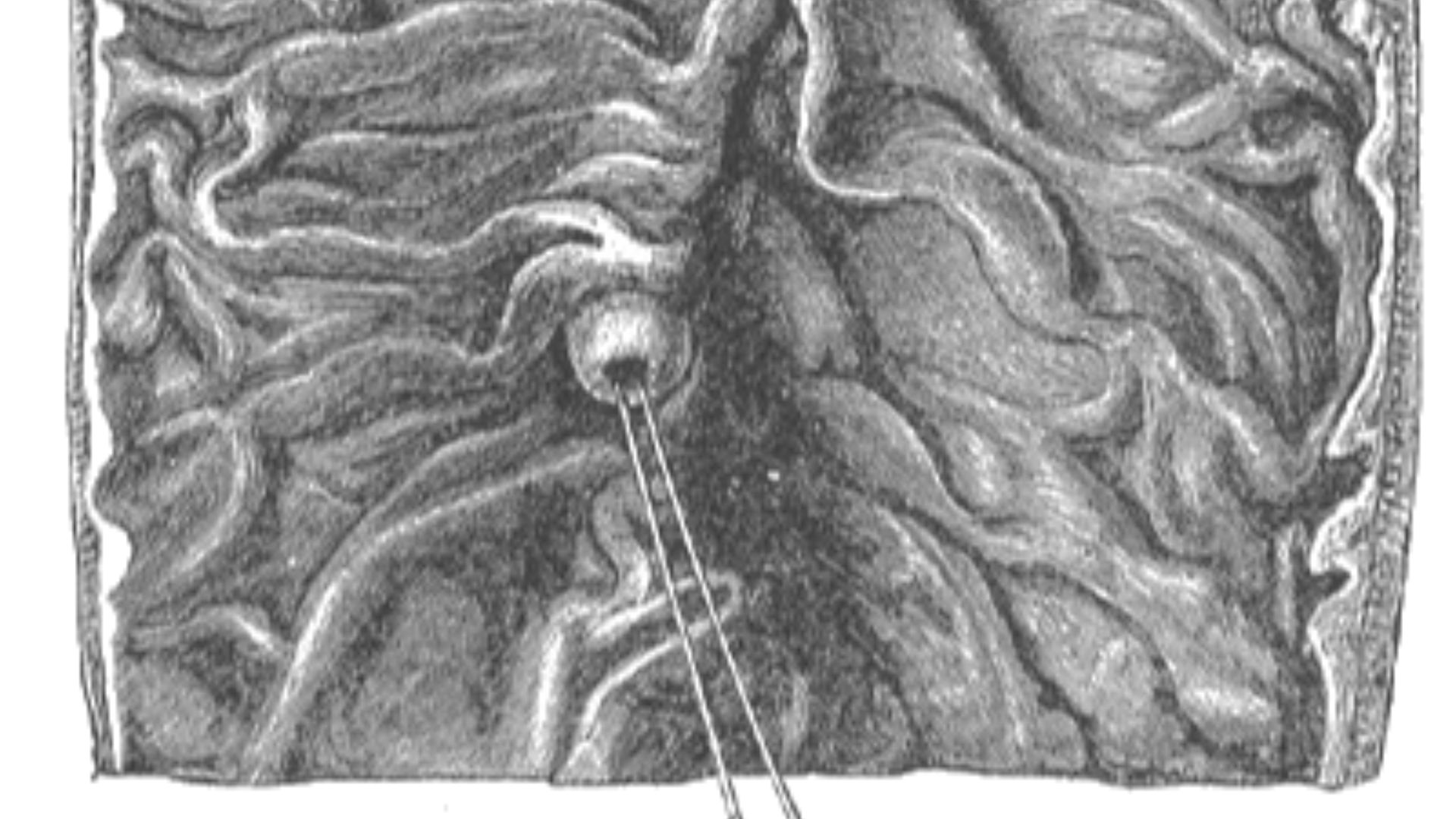
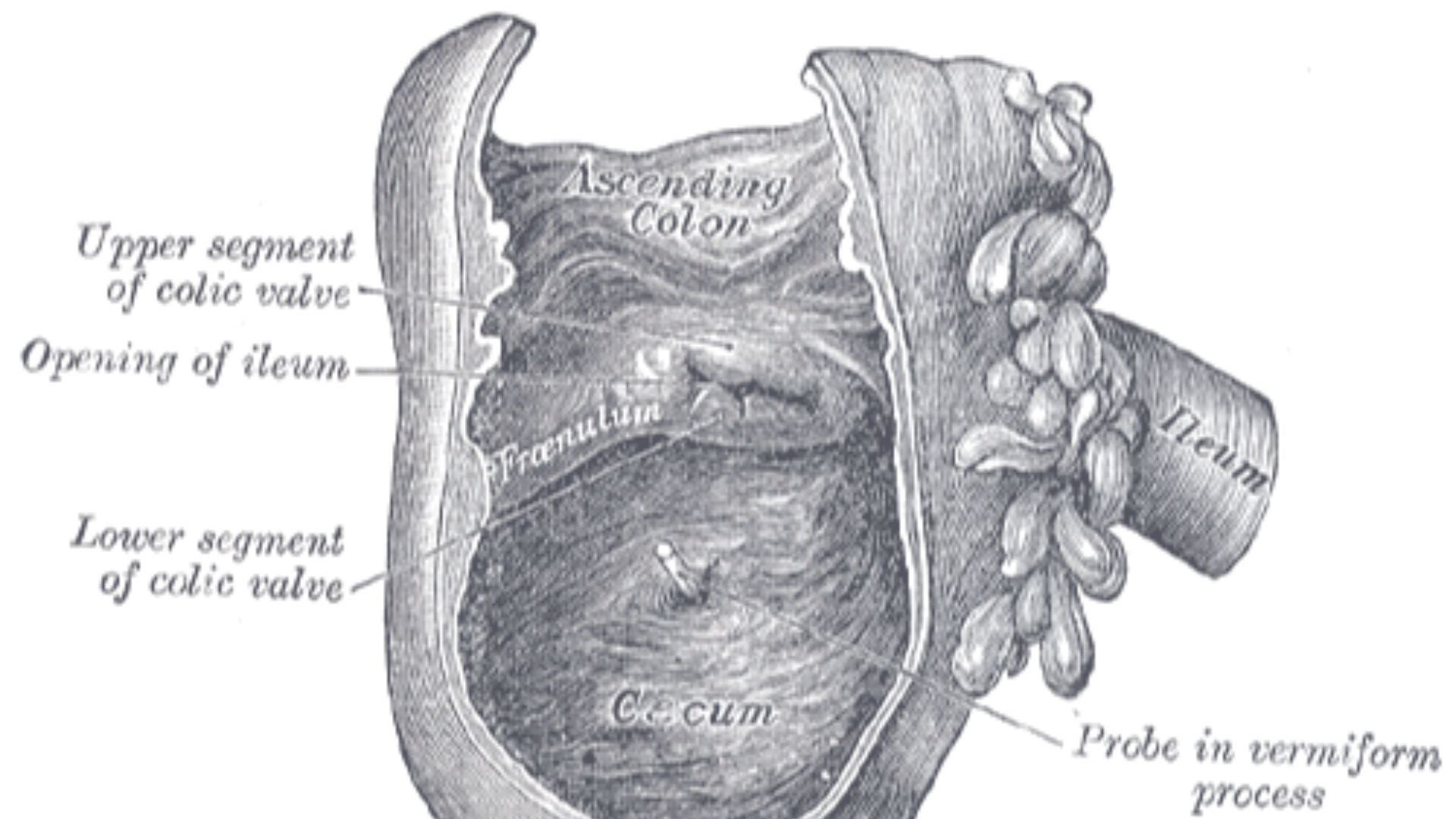
4. The Ileocecal Valve Keeps Colon Bacteria Out
Where the small intestine empties into the colon, a valve lets liquid waste pass one way and blocks the return trip. About a liter and a half of fluid crosses it every day. The colon holds a far denser bacterial population than the small intestine, and keeping that traffic one-directional is most of the job.
 Henry Vandyke Carter on Wikimedia
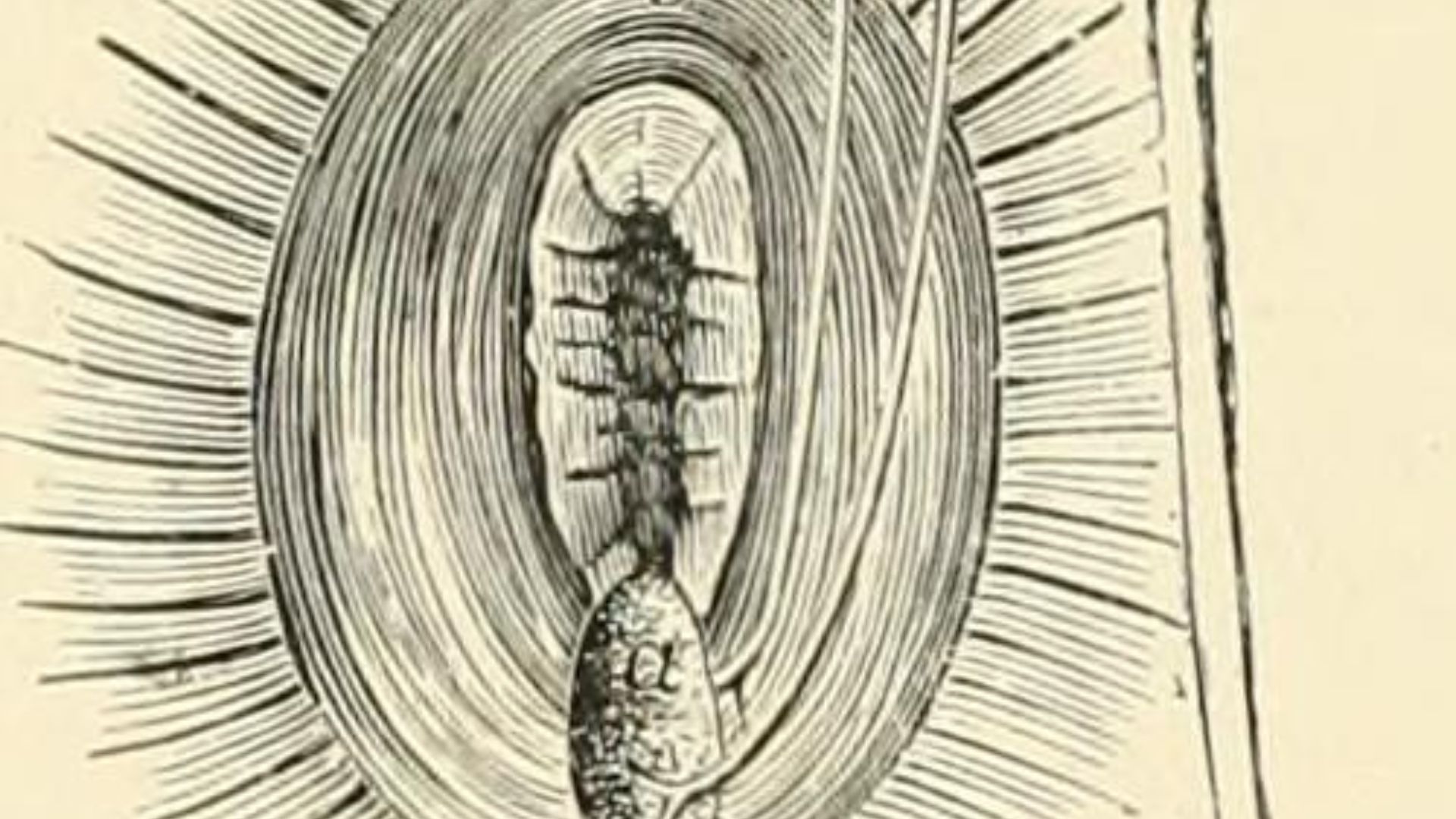
5. Your Internal Anal Sphincter Operates Without You
Two rings of muscle control the exit from your rectum, but only one is under your conscious control. The inner sphincter works automatically and provides 70 to 85 percent of the pressure that keeps the anus closed at rest. The outer sphincter is the one you can deliberately tighten when you need to hold it in, but it can only maintain a strong squeeze for a few minutes before tiring.
 Internet Archive Book Images on Wikimedia
6. The Bladder Has Two Separate Gates
Two rings of muscle help control when you urinate. The inner one, made of smooth muscle, stays closed automatically, while the outer one can be tightened voluntarily when you need to hold it in. A spinal cord injury can disrupt the signals coordinating them, leaving the bladder capable of emptying even when a person can no longer control when it happens.
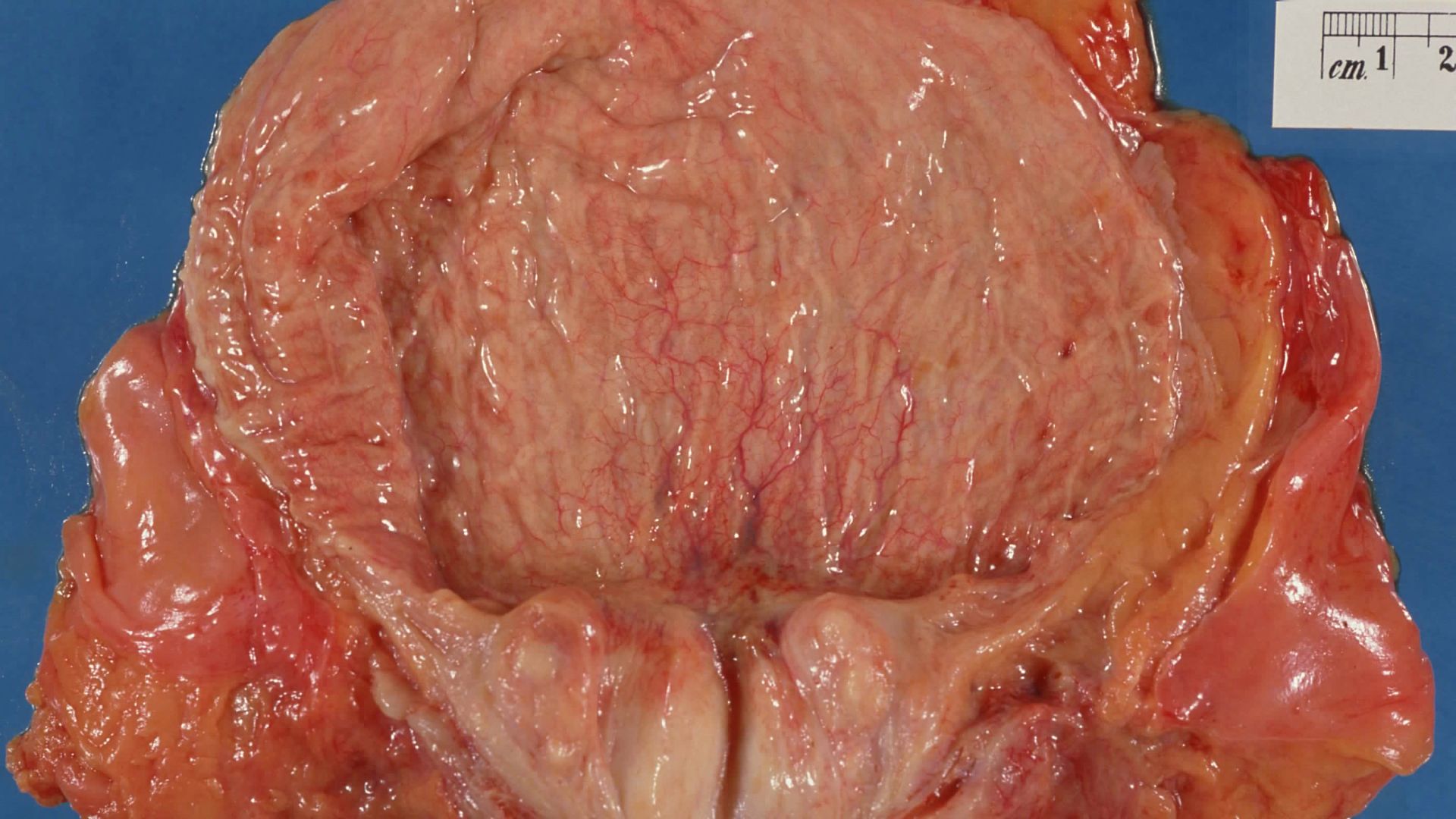
7. The Epiglottis Covers Your Airway When You Swallow
A flap of cartilage sits at the base of your tongue and points upward while you breathe. Swallowing tips it backward over the entrance to your windpipe, so food slides past into the esophagus. The move takes about a second and happens hundreds of times a day.
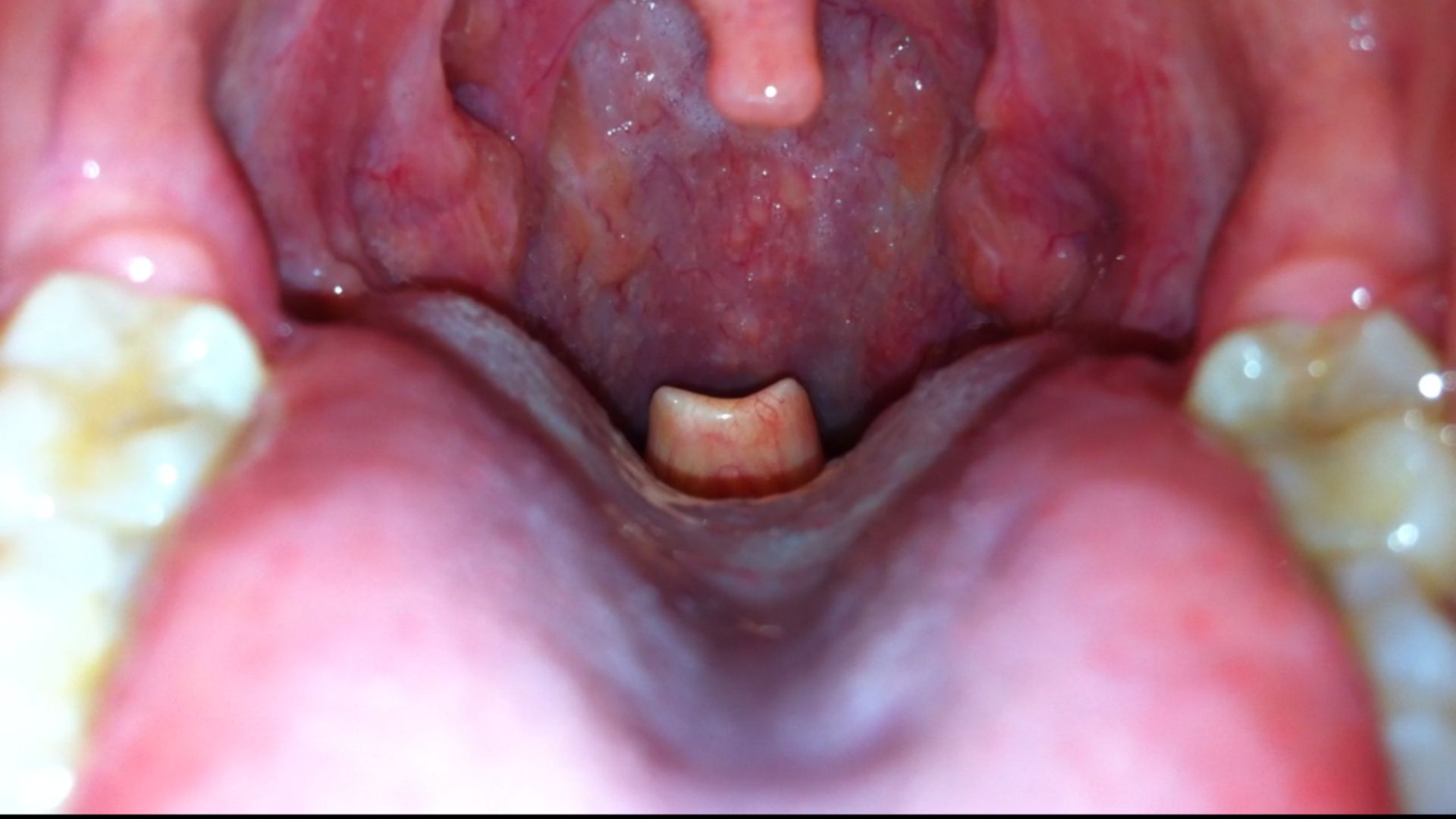
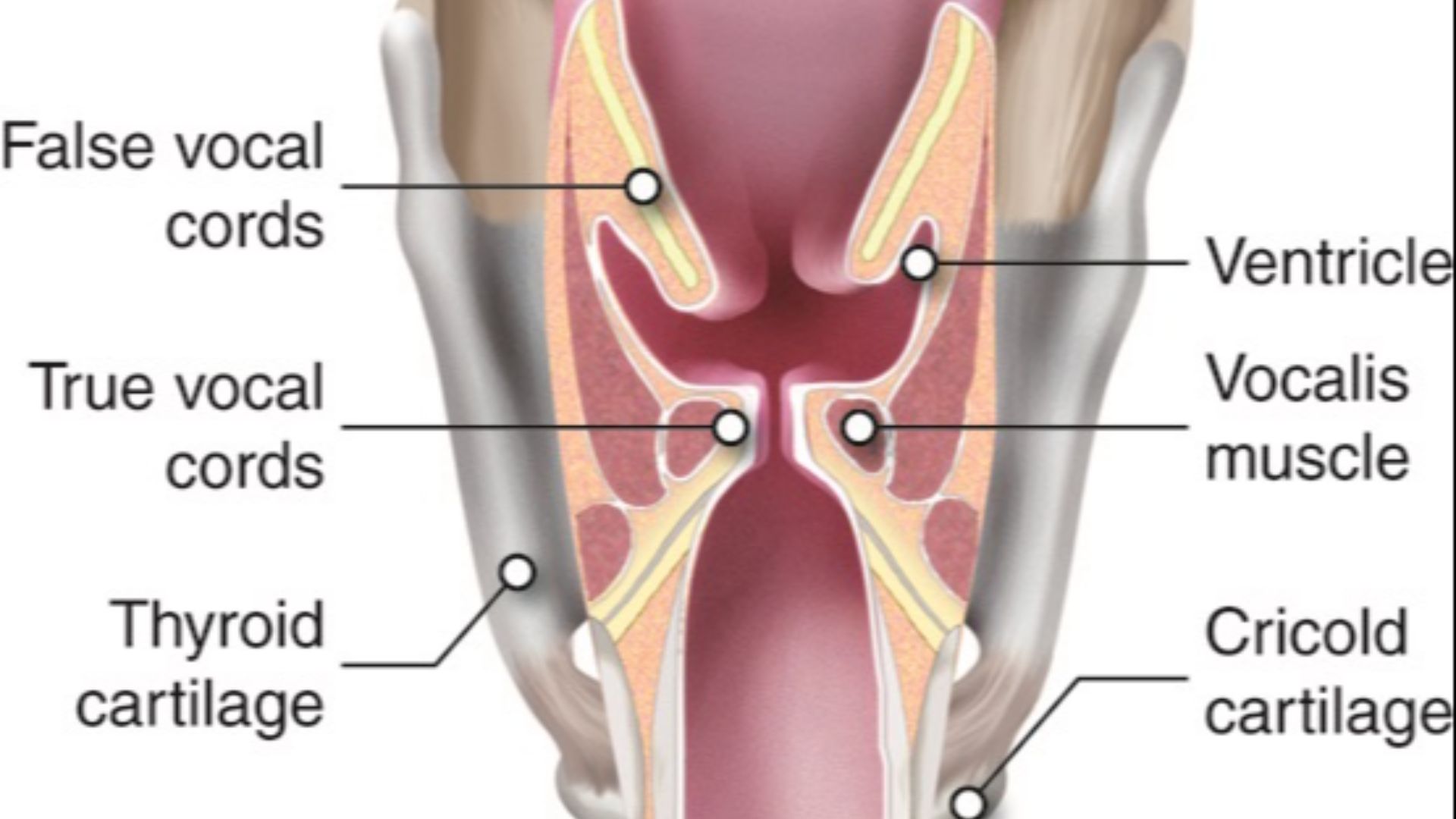
8. Your Vocal Folds Double As A Seal
Your vocal folds are better known for sound, and they also work as a plug. They clamp shut when you cough or lift something heavy, trapping air in your chest so you have something to push against. In speech they are doing a different job, opening and closing a hundred times a second or more.
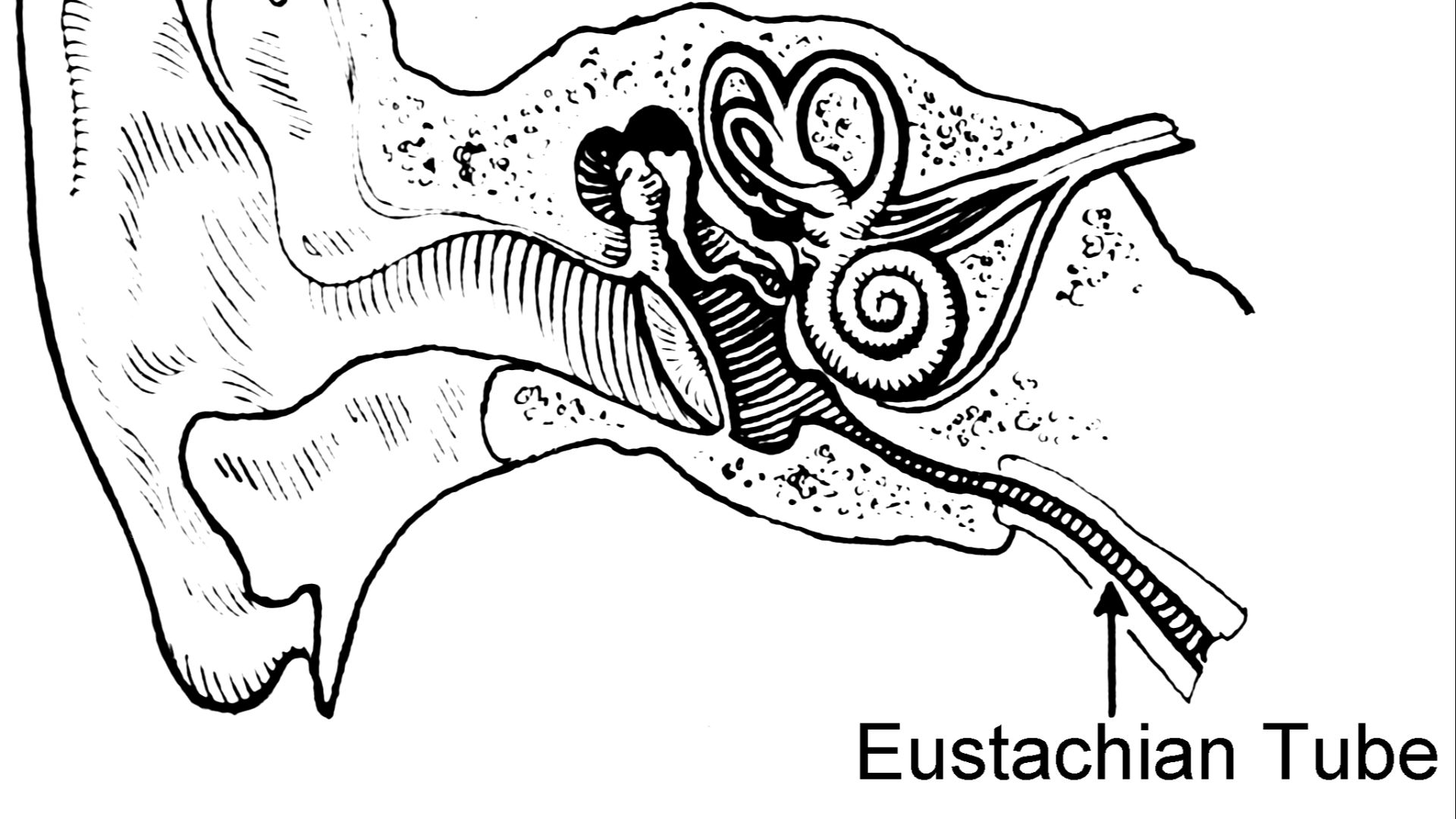
9. Your Eustachian Tubes Open When You Swallow
The tube running from each middle ear to the back of your throat sits closed most of the time. A muscle in your palate pulls it open when you swallow or yawn, letting the pressure equalize, which is why chewing gum helps on a descending flight.
 Pearson Scott Foresman on Wikimedia
10. Your Pupil Is A Gate For Light
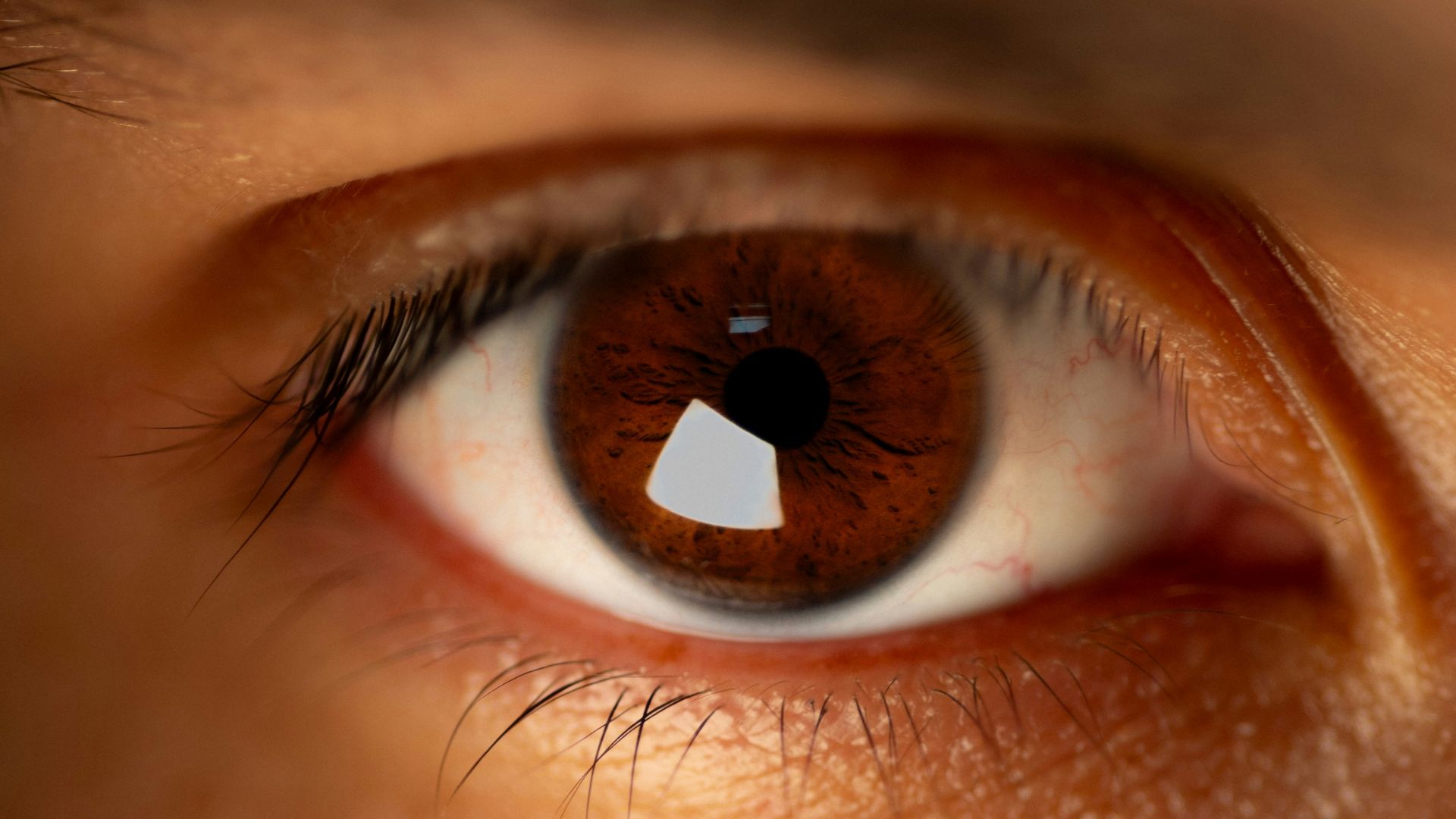
Your pupils are among the few automatic gates in your body that you can watch working in a mirror. Two opposing muscles in the iris control their size, widening them to around eight millimeters in darkness and narrowing them to about two millimeters in bright light. The response is automatic, controlled by a reflex pathway through the brainstem.
11. Tears Drain Through Two Pinprick Openings
Two openings about a third of a millimeter across sit at the inner corner of each eyelid. Every blink works a small pump that pulls tears into them and down a duct ending inside your nose. A hard cry produces more than those openings can drain, so the overflow goes down your face and your nose both.

12. The Mitral Valve Opens About 100,000 Times A Day
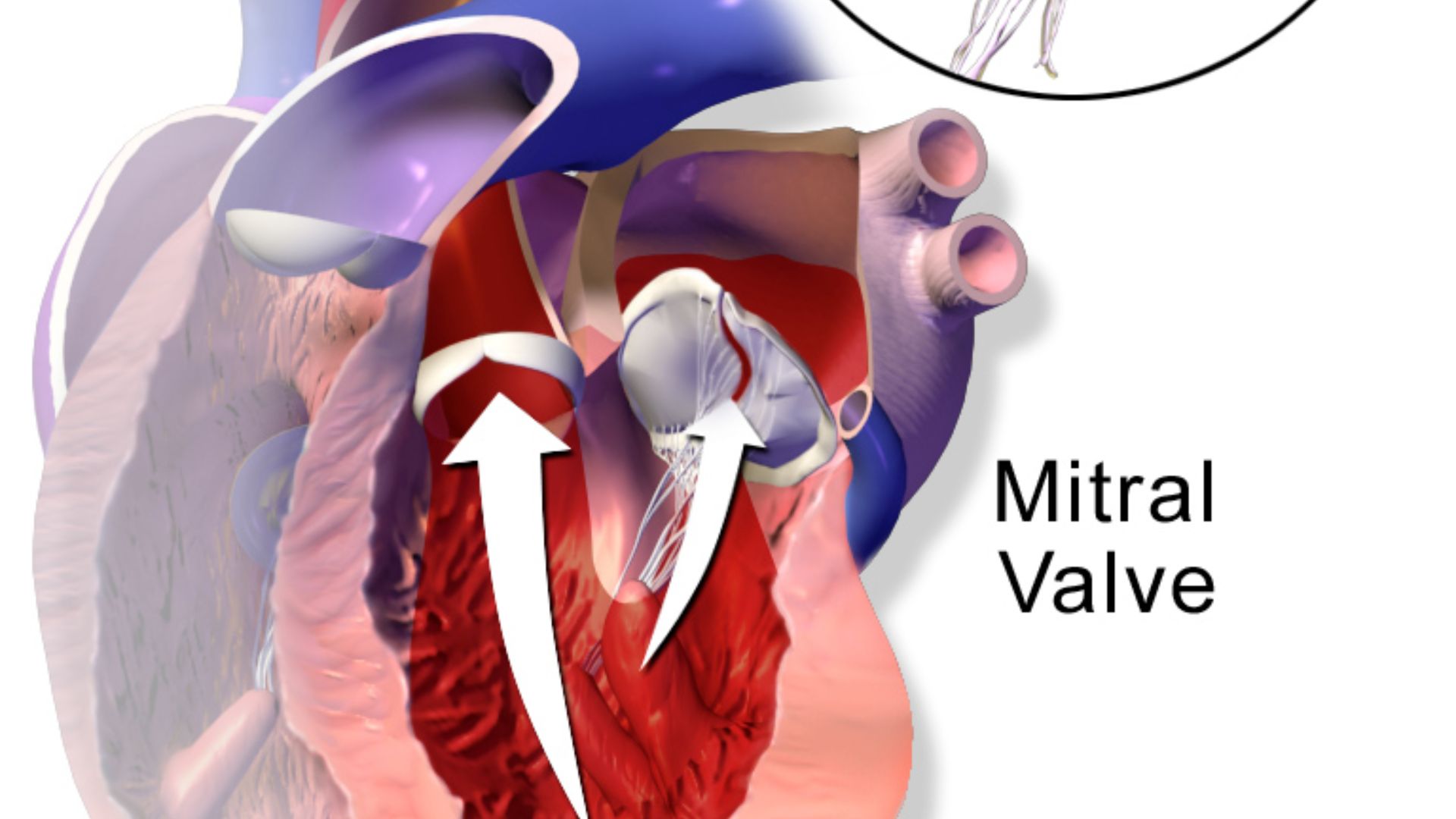
The mitral valve sits between the left atrium and the left ventricle and swings open and shut with every beat. At an average heart rate that comes to roughly 100,000 cycles a day. Thin cords anchor its two flaps to muscle in the ventricle wall, which stops them from flipping backward under pressure.
13. The Aortic Valve Takes The Full Force
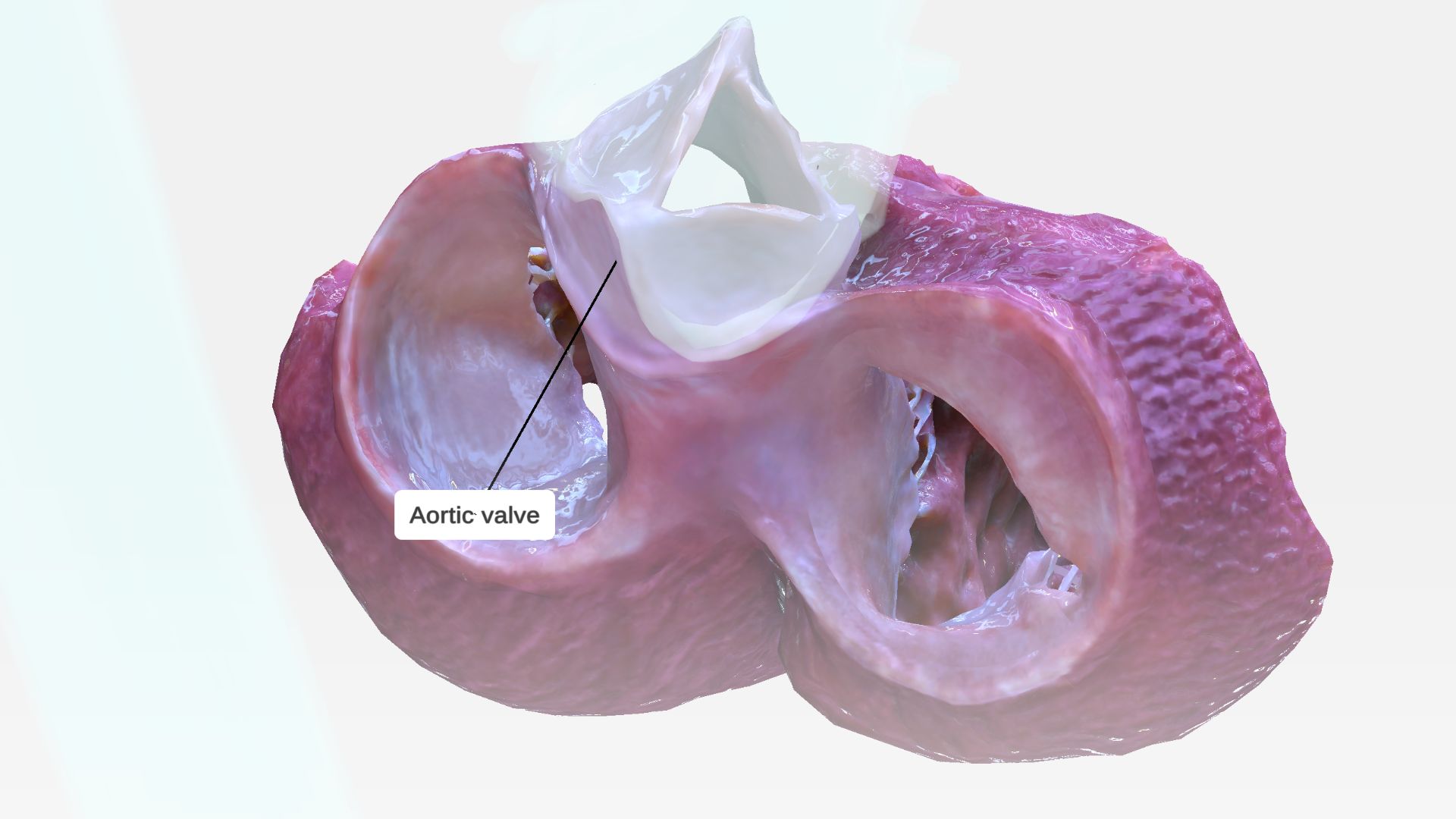
The aortic valve has three thin flaps that open whenever the heart's left ventricle contracts, allowing blood to enter the aorta. When the ventricle relaxes, blood pressing back toward the heart forces the flaps shut, preventing it from flowing backward. The closing of this valve, along with the pulmonary valve, produces the second sound of a normal heartbeat, the familiar "dub."
14. Valves In Your Leg Veins Fight Gravity
Veins in your legs carry blood uphill, and they manage it with pairs of flaps spaced along the way. Each pair opens as the calf muscles squeeze blood upward and shuts to stop it falling back. Varicose veins appear when those flaps stop sealing and blood pools behind them.

15. Sodium Channels Open For A Thousandth Of A Second
Every nerve signal depends on a protein gate that swings open for about a millisecond and then locks itself. Sodium pours in during that window and flips the voltage across the membrane, and the locked state afterward keeps the signal traveling one direction. Local anesthetics work by plugging those channels so the message never starts.

16. A Potassium Channel Decides When Insulin Comes Out
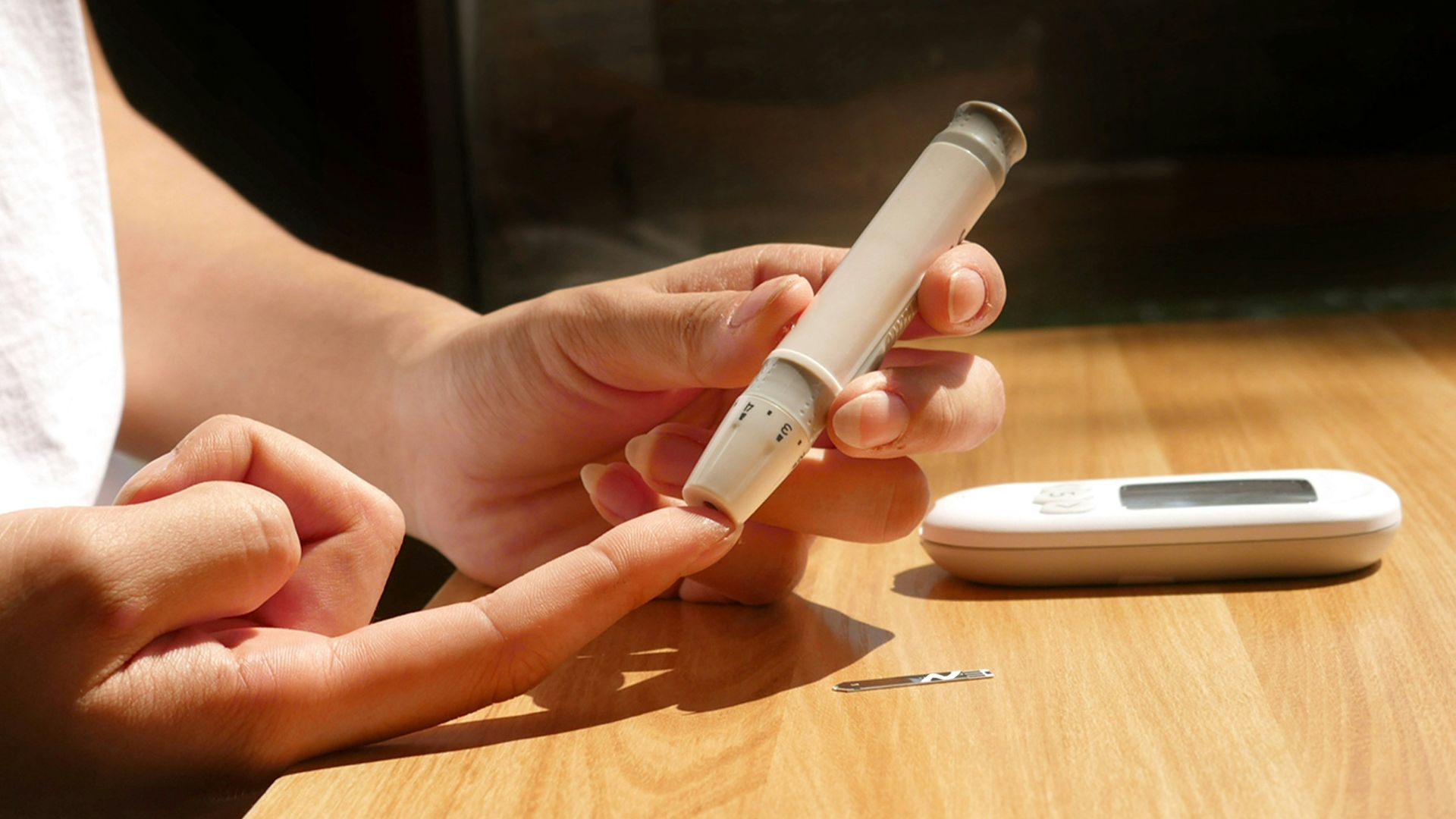
Beta cells in your pancreas carry a channel that sits open while blood sugar is low. Rising glucose raises the ATP inside the cell and the channel closes, and the voltage change that follows triggers insulin release.
17. Water Channels Set How Concentrated Your Urine Is
The kidneys filter about 180 liters of fluid a day and return nearly all of it. The last stage of that depends on channels called aquaporins, which a hormone slots into the duct walls when your body needs to hold on to water. With them in place you pass about a liter and a half a day, and without them the volume can run past ten liters.

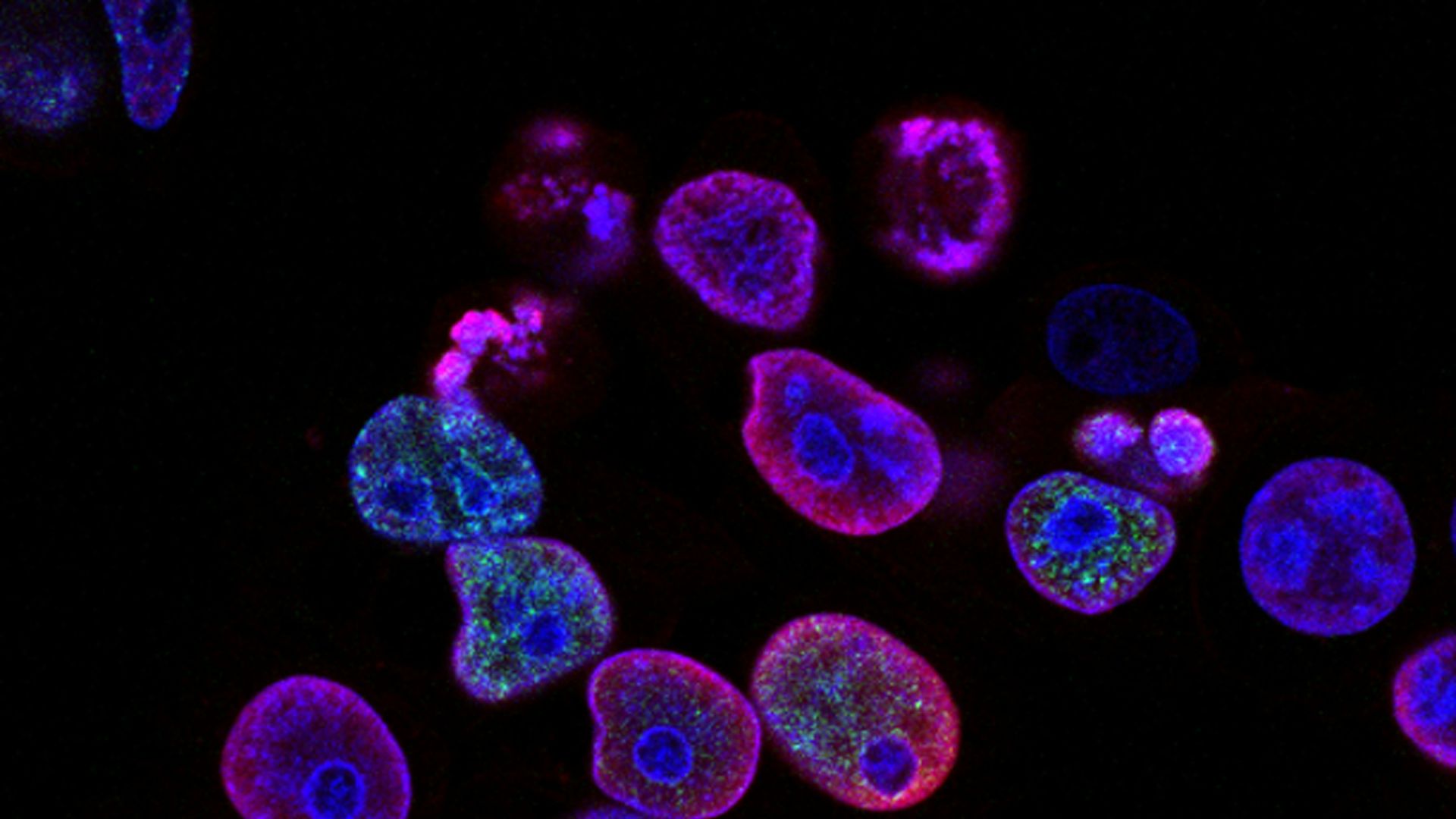
18. Nuclear Pores Check What Enters The Nucleus
Every cell nucleus is studded with pores that let small molecules drift through and stop large ones without a pass. Proteins carrying the right tag get escorted in, and a single pore can handle on the order of a thousand arrivals a second. Some viruses get their genetic material inside by carrying that same tag.
 National Cancer Institute on Unsplash
19. Hearing Depends On Gates That Open In Microseconds
Hair cells in your inner ear carry bundles of fine projections tied together by protein tethers. Sound bends the bundle so the tethers pull, and the channels they are attached to open in roughly ten microseconds, fast enough for you to hear a pitch instead of a smear of sound.

20. One Faulty Chloride Channel Causes Cystic Fibrosis
A channel called CFTR moves chloride out of the cells lining your airways and your gut, and water follows the chloride out. Mutations that keep it shut leave the mucus above thick and sticky. That mucus is the disease itself, and newer drugs work by prying the broken channels open.
KEEP ON READING


20 Ways to Deal With Your Sweet Tooth
20 Low-Impact Exercise Ideas For People Over 50