
What's That on Your Body?
Scared of bugs and creepy crawlies? Well, then you wouldn't want to view your skin under a microscope—you'd find tons of not-so-pleasant critters there! Yep, even if you might think you're in the clear after stepping out of a steaming shower, your body is still housing countless microscopic organisms. From tiny mites living in your eyelashes to bacteria feeding on the oils your skin produces, whether you like it or not, there's an entire colony of creatures sharing your personal space.
1. Eyelash Mites
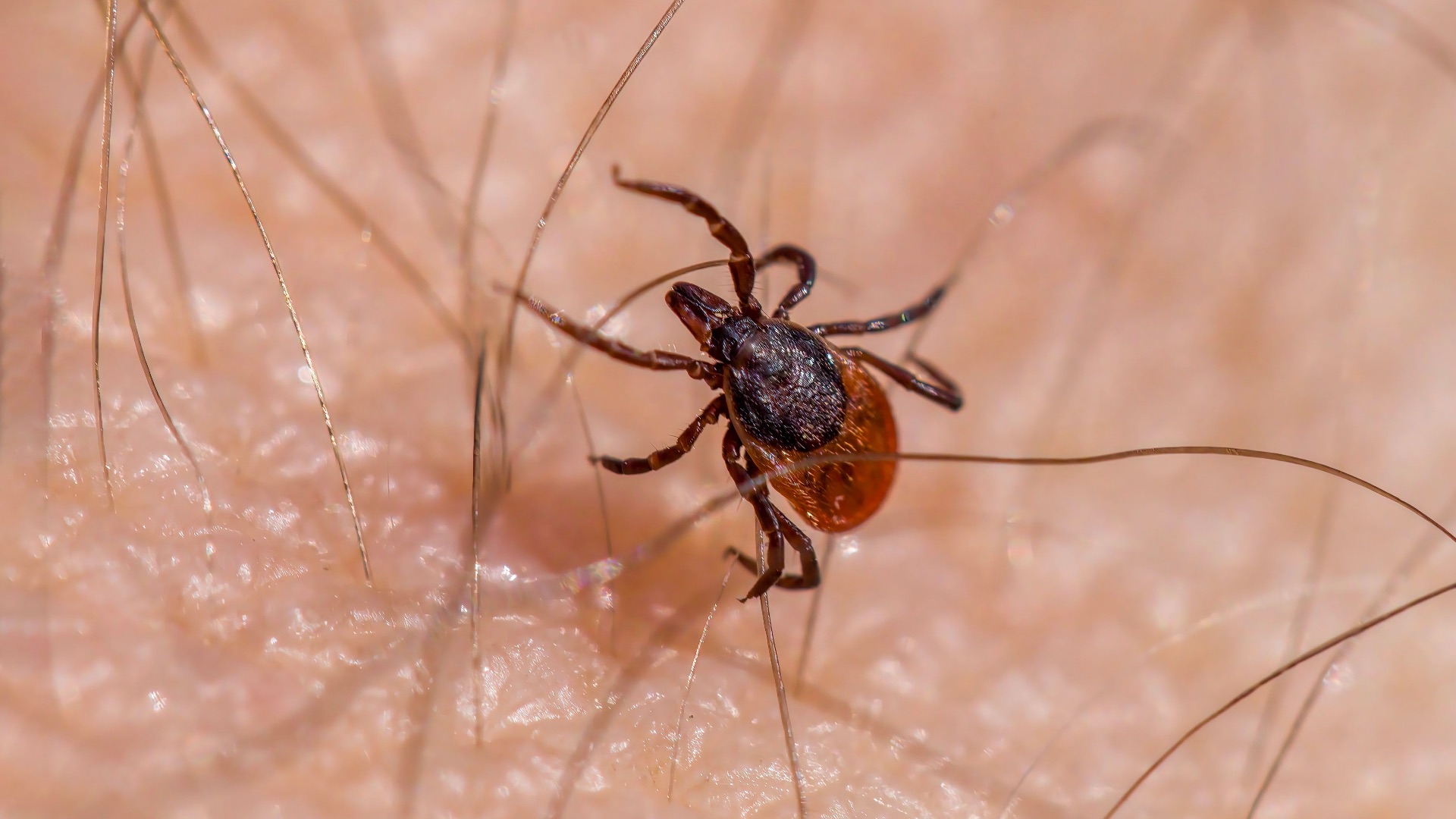
Don't look! Not that you can see them, of course, but there are tons of tiny bugs (Demodex folliculorum) crawling all over your lashes at the moment. Feeling itchy yet? You probably don't want to imagine it, but these microscopic, eight-legged mites love your hair follicles...
2. Oil Gland Mites
As if eyelash mites weren't unsettling enough, there's more: Demodex brevis, for one, prefers burrowing inside your skin's oil glands. They're most commonly found around your face, where sebaceous glands provide the perfect environment for them.
3. Dandruff-Associated Yeast
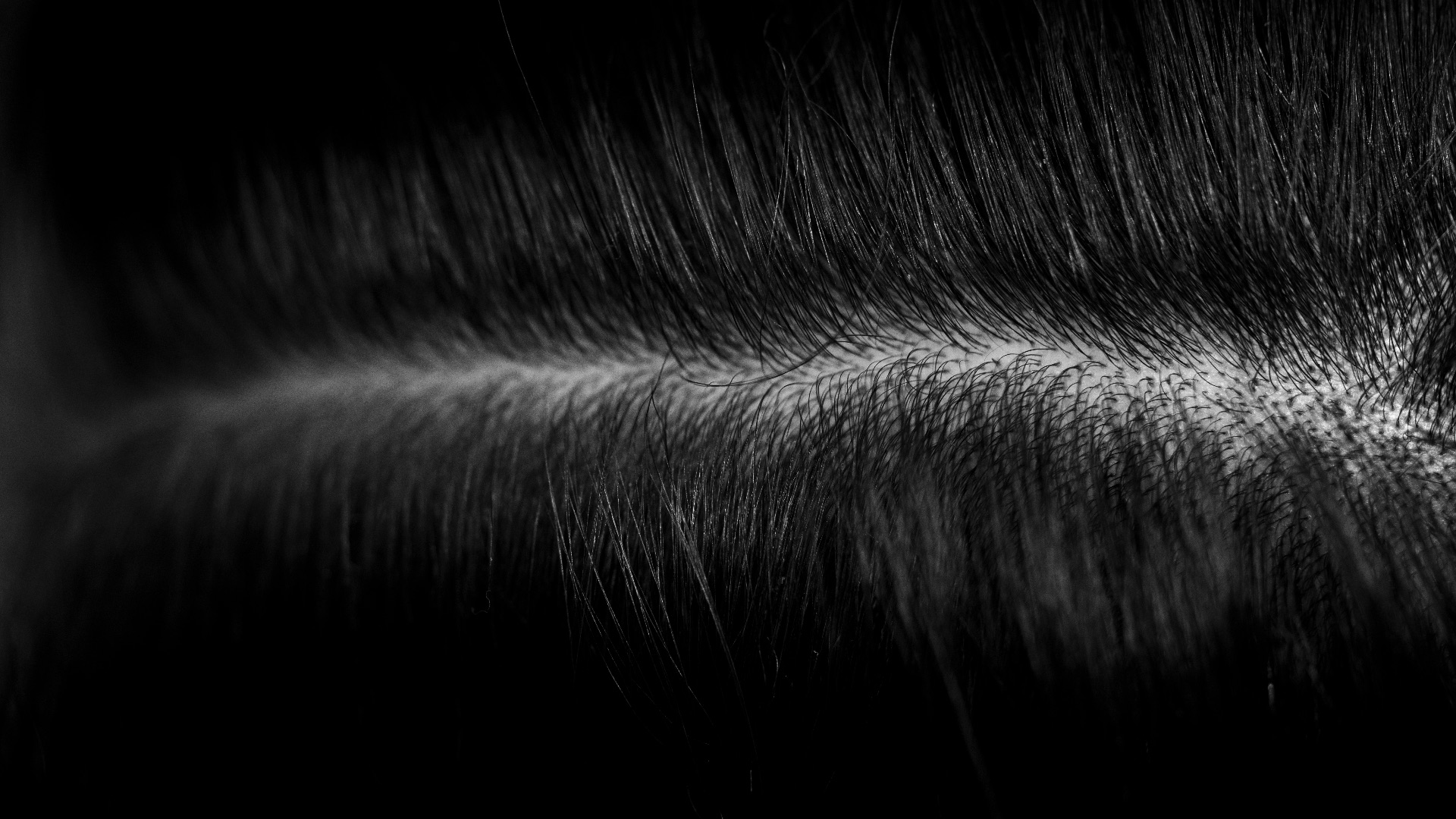
Yep, even if you don't have dandruff, your scalp is still home to a yeast called Malassezia globosa. It feeds on oils produced by your skin and, in susceptible individuals, can release substances that irritate the scalp. An overgrowth is what leads to those pesky flakes!
4. Another Oil-Loving Fungus
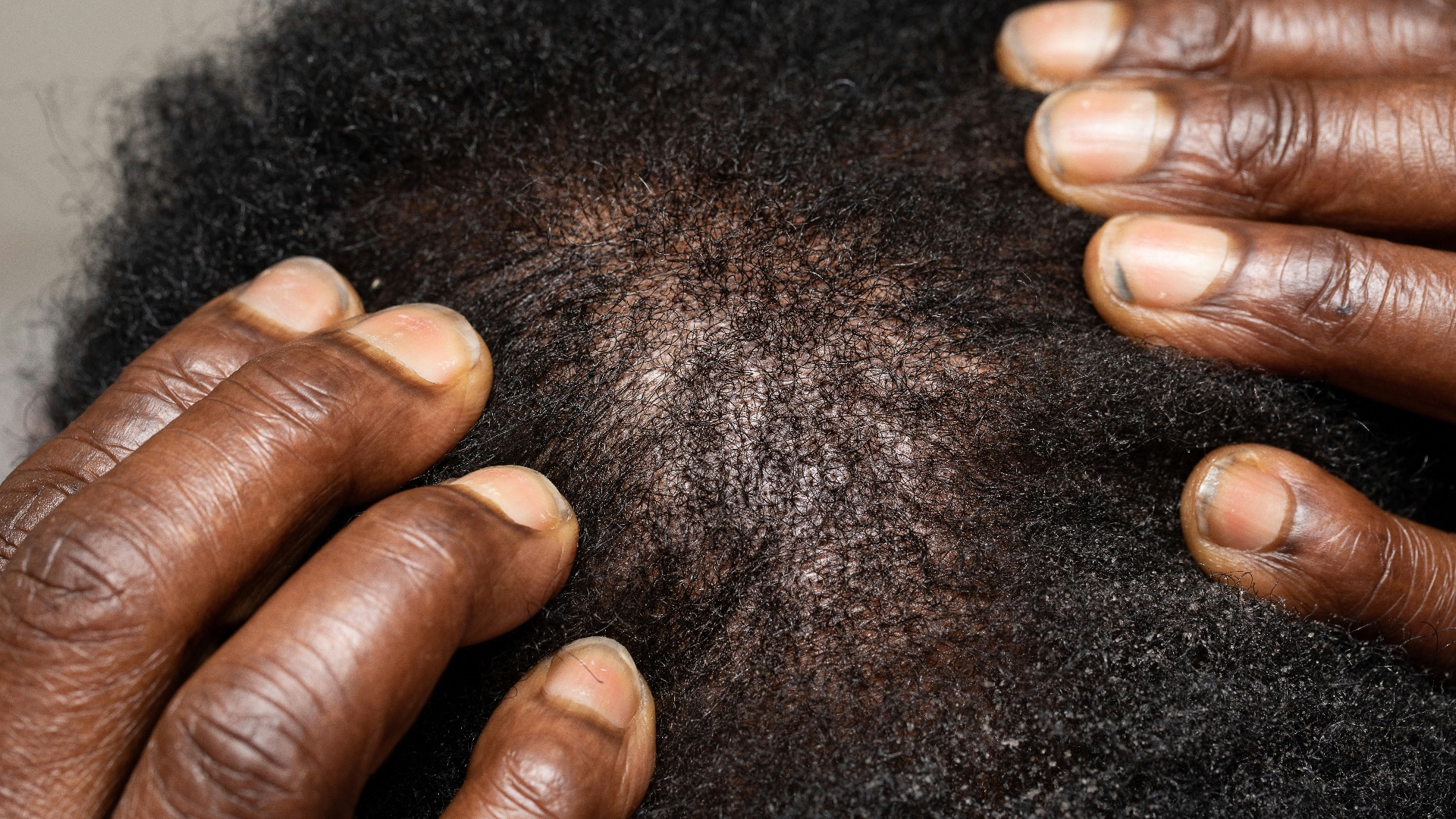
Sorry to say, but your scalp isn't the only place where fungi enjoy living! There's also another type of yeast—Malassezia restricta—that loves the oily areas of your body, particularly your face and scalp. It's also sometimes responsible for dandruff!
5. Acne Bacteria
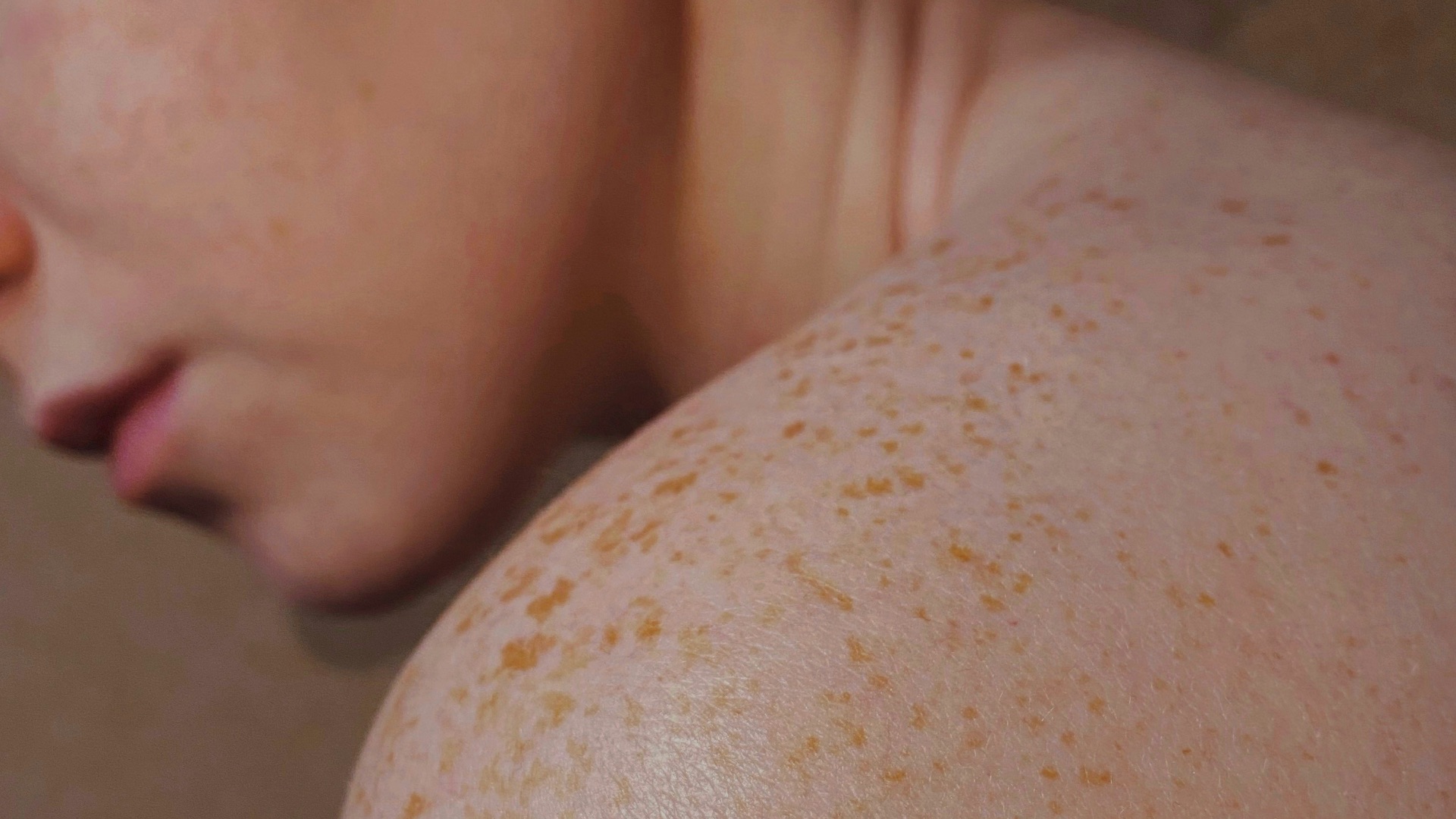
Those annoying pimples you've dealt with since your teenage years have a name: Cutibacterium acnes. Because it inhabits hair follicles and feeds on substances found in sebum, it may sometimes clog up gunk in your pores, leading to those persistent zits.

6. Staphylococcus Epidermidis
Despite its scary-sounding name, Staphylococcus epidermidis is actually one of the most common bacteria living on your skin. That said, it can sometimes cause infections if it enters your body through open wounds or contaminated medical devices.
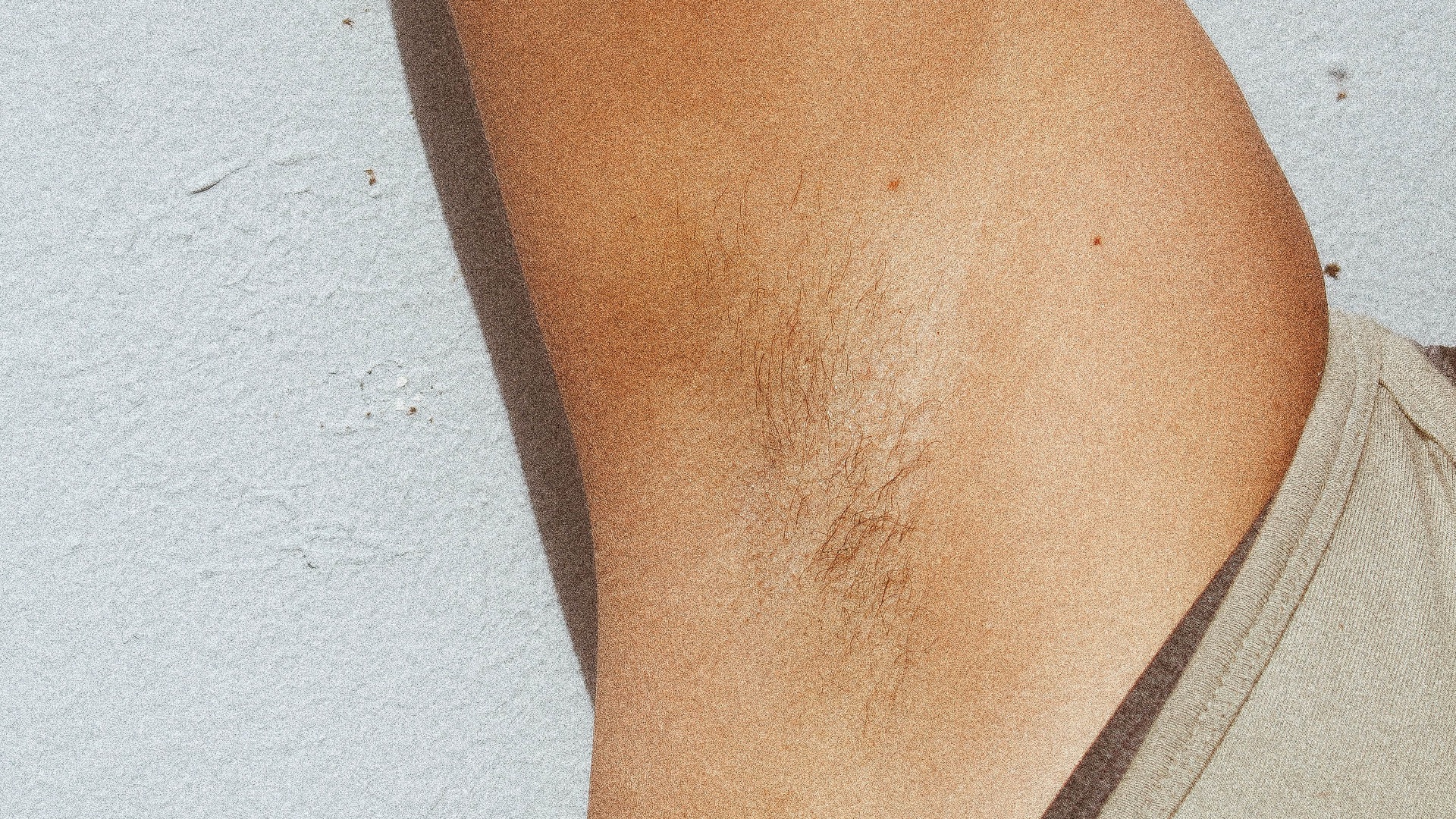
7. Armpit Bacteria
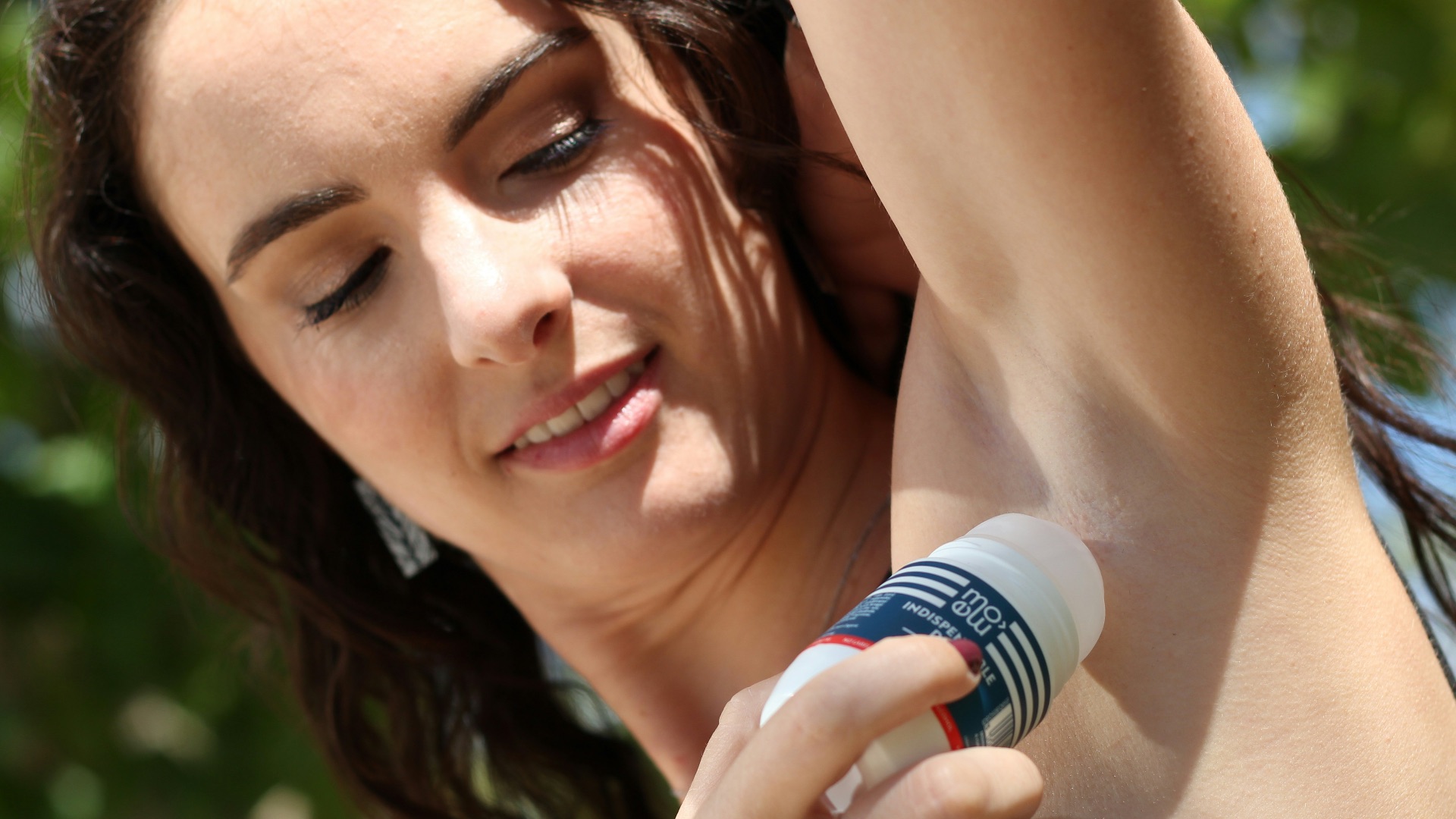
Ever wondered why your armpits smell funky all the time? That's due to bacteria such as Staphylococcus hominis, which can break down compounds in your sweat and release particularly pungent substances. Fun fact: sweat itself doesn't stink—much of that odor comes from bacterial activity!
8. Corynebacteria
Those warm, moist areas on your body? Well, critters called Corynebacterium thrive there, and you'll find them camping under your arms, in your groin, and between your skin folds, because all that moisture gives them the optimal conditions to multiply. Don't worry—many coexist with you without causing any noticeable problems.
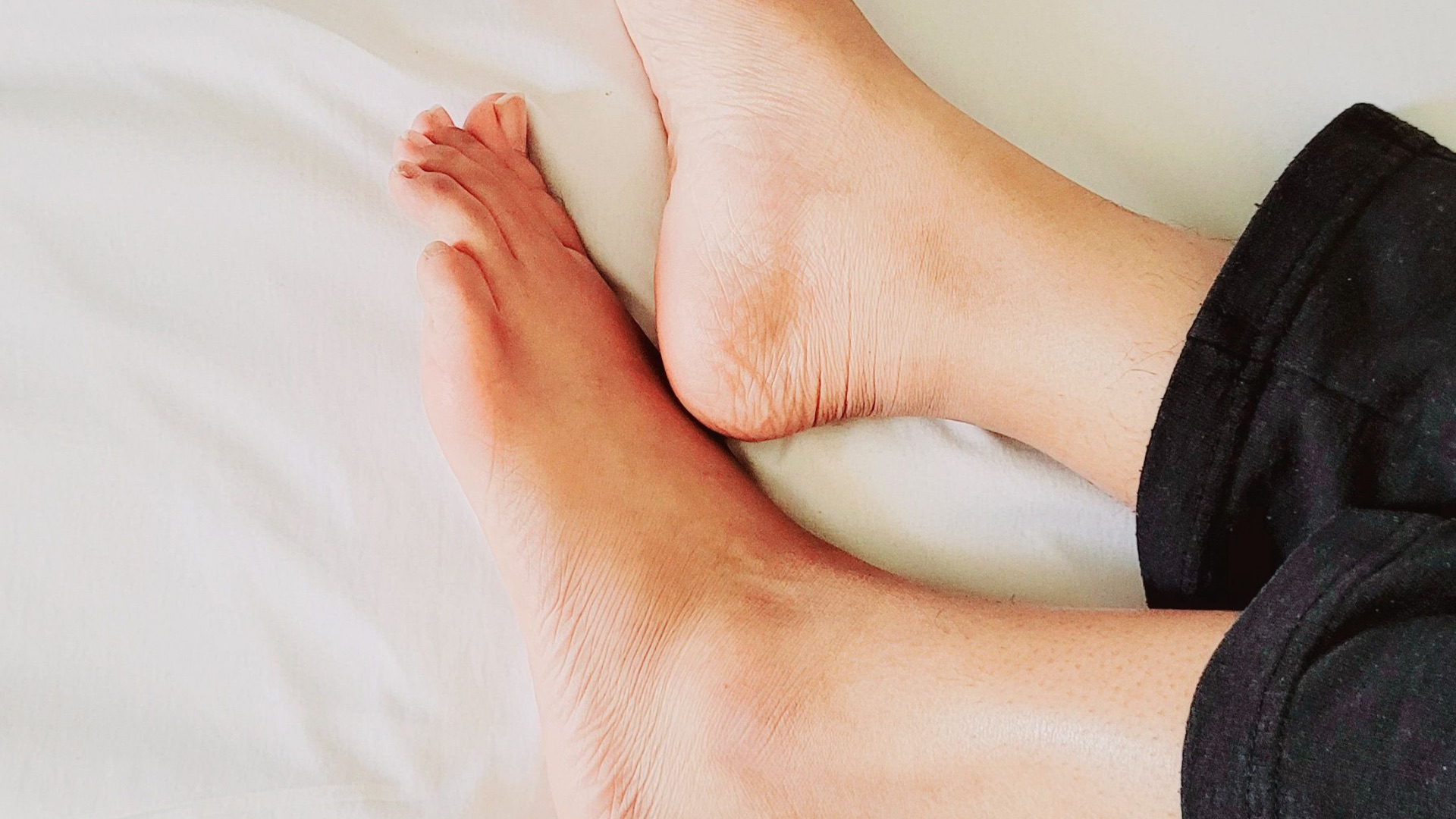
9. Foot Odor Bacteria
It's not just your armpits that stink. If you've ever taken off your shoes after a long day—phew—Brevibacterium genus may have contributed to that unpleasant smell! Like Staphylococcus hominis, they can break down materials found in sweat and dead skin, producing the odor you're all too familiar with.
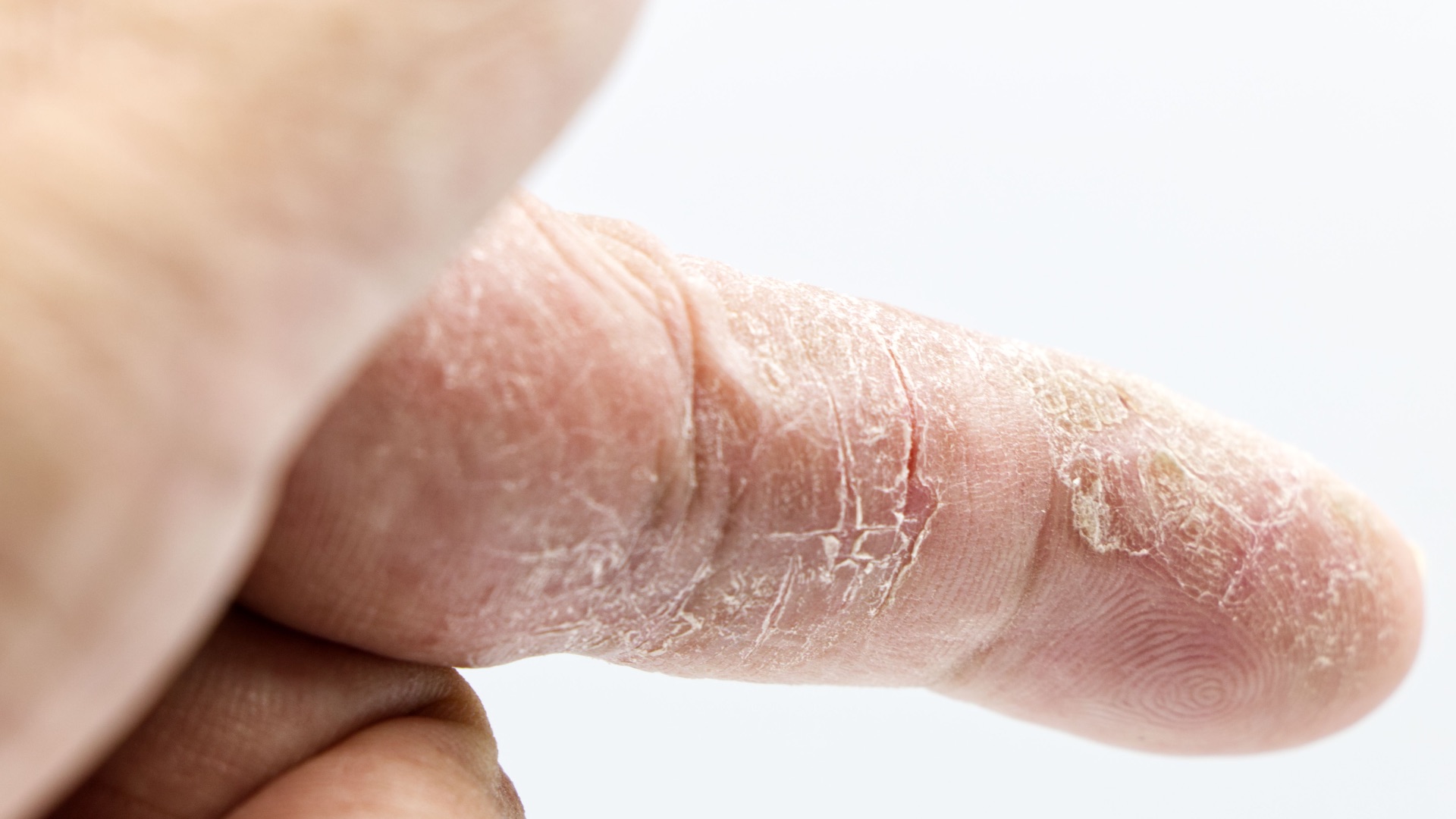
10. Micrococcus Bacteria
You might think germs only flock to moist areas on your body, but that's not quite true. In fact, even the dry patches on your skin can support microscopic life, including bacteria from the Micrococcus genus. These organisms can tolerate conditions other microbes might not be able to handle!
11. Staphylococcus Aureus
Dug for treasure today? Here's something you should know: you've got Staphylococcus aureus living inside your nose. While this bacterium can cause skin infections and other serious illnesses, it's only especially concerning when it spreads to vulnerable parts of your body. That's why you should always practice proper wound care!

12. Candida Yeast
There's another type of yeast you'll find on your body, and (wait for it) this one can live inside your mouth, digestive tract, and genital areas. Grossed out yet? Though Candida albicans often doesn't cause any problems, certain changes in your body's microbial balance can still allow it to multiply rapidly, resulting in infections such as oral thrush.

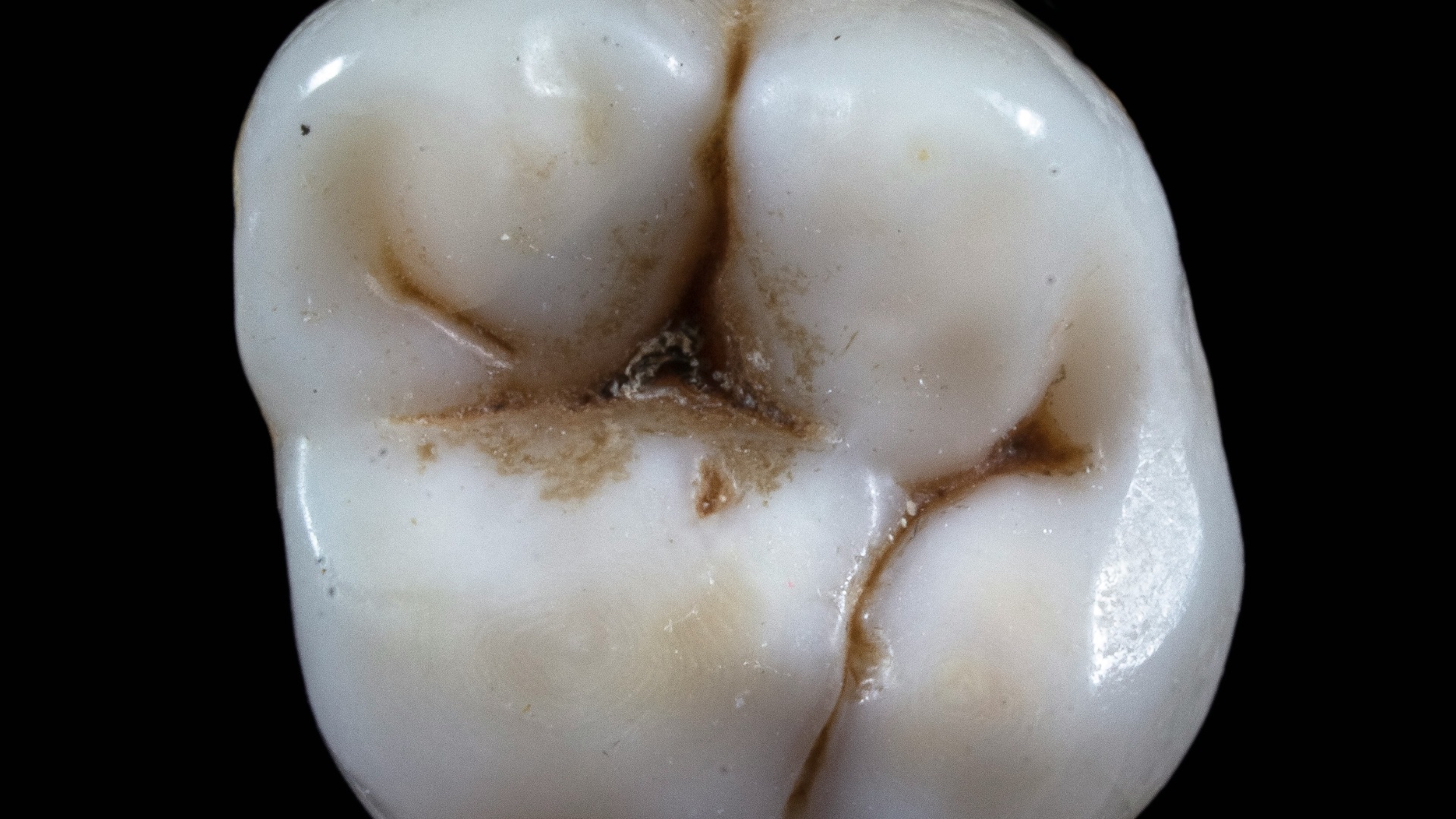
13. Tooth Decay Bacteria
Even if you floss and brush twice a day, your teeth aren't nearly as clean as they might look. Bacteria such as Streptococcus mutans, after all, can use the sugary junk from your diet to gradually eat away healthy tooth enamel. Let this be your cue to step up your oral routine!
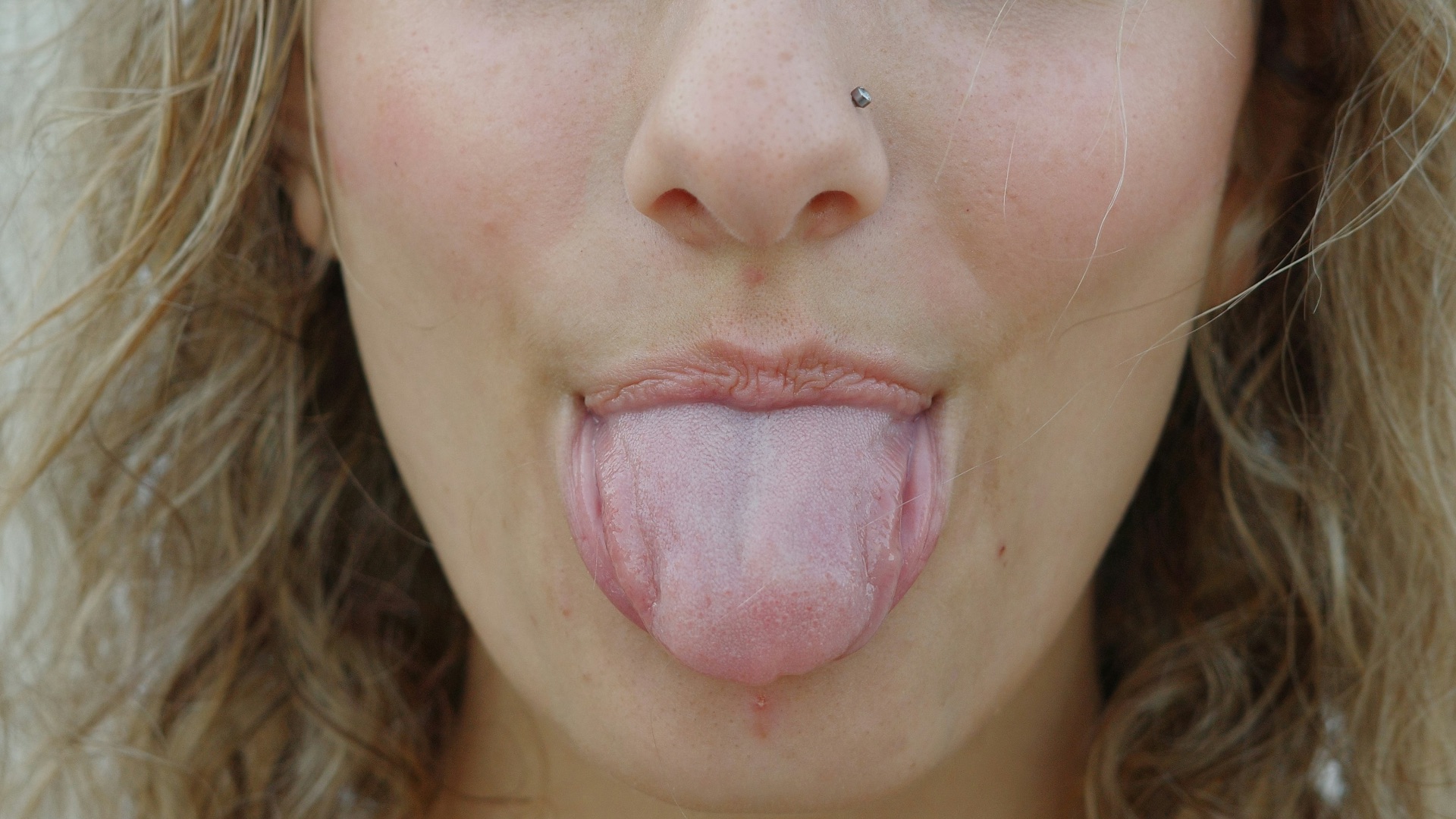
14. Tongue Bacteria
Ever wondered why the top of your tongue looks whitish? Well, you probably won't want to hear it, but there are countless tiny crevices there that provide places for bacteria to settle, including Streptococcus salivarius. Before you freak out, though, S. salivarius itself isn't necessarily responsible for bad breath, and may actually help keep other microorganisms under control!
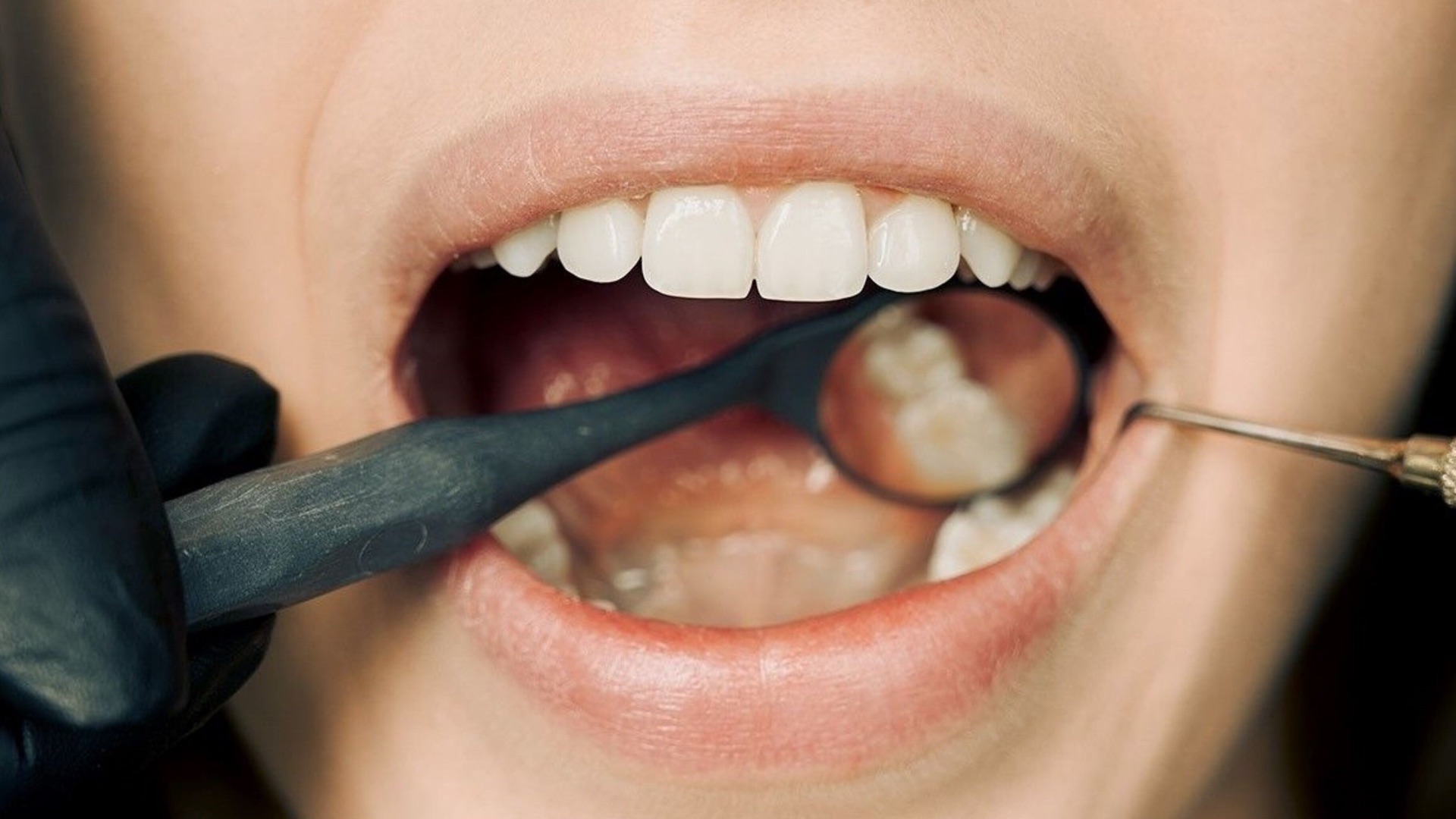
15. Dental Plaque Bacteria
That sticky substance accumulating on your teeth between brushing sessions contains several bacterial groups, including Actinomyces. Skimp on your oral routine, and you'll give these organisms plenty of time to settle in and form dental plaque, especially around the gumline.
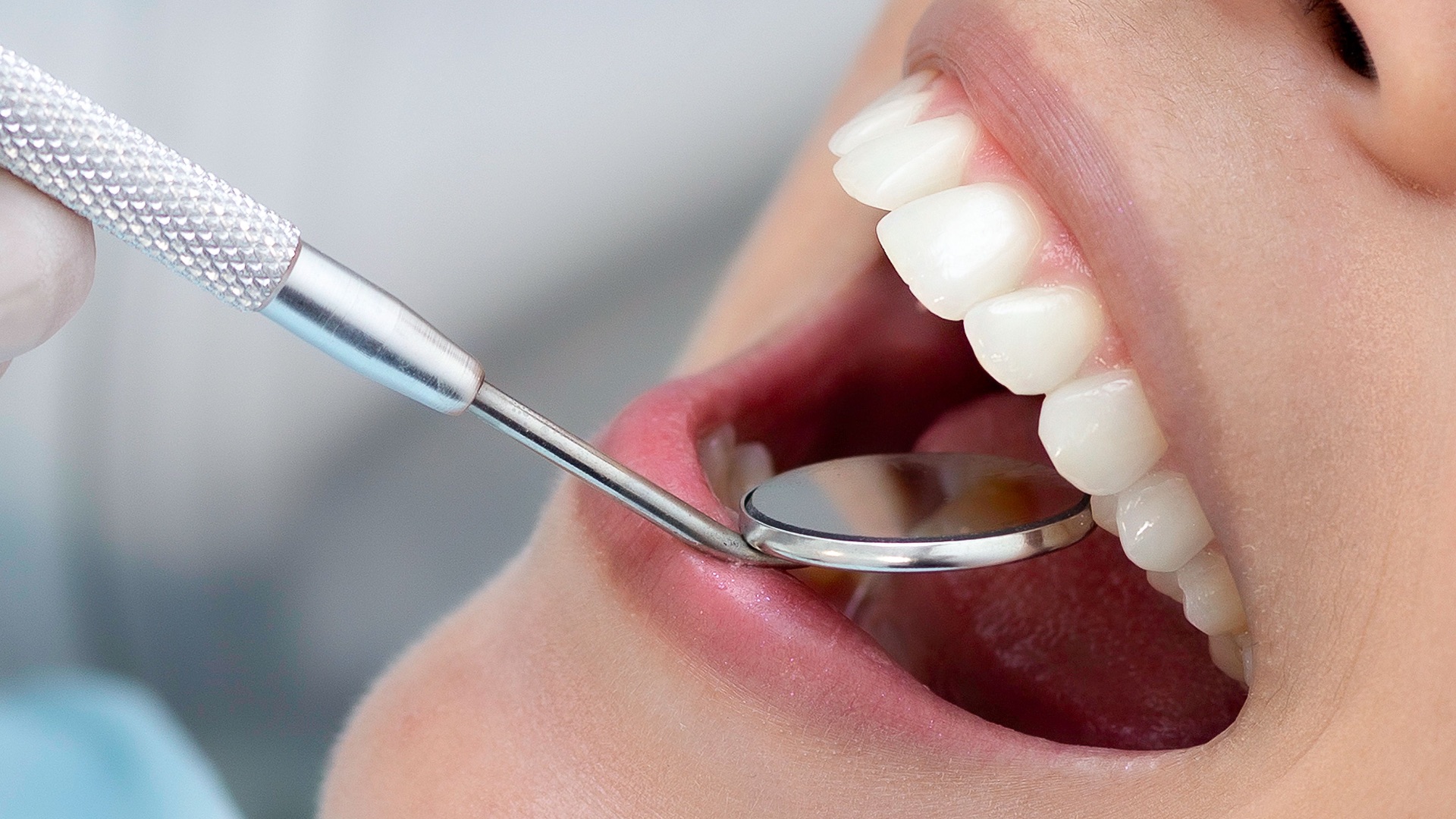
16. Fusobacterium Nucleatum
There's another microorganism living in your mouth: Fusobacterium nucleatum. Known as a "bridging" organism, this bacterium can help different species attach to one another within dental plaque. Excessive growth of it, though, can lead to gum inflammation and periodontal disease.
 Laura Beauty Designer | Brasil on Pexels
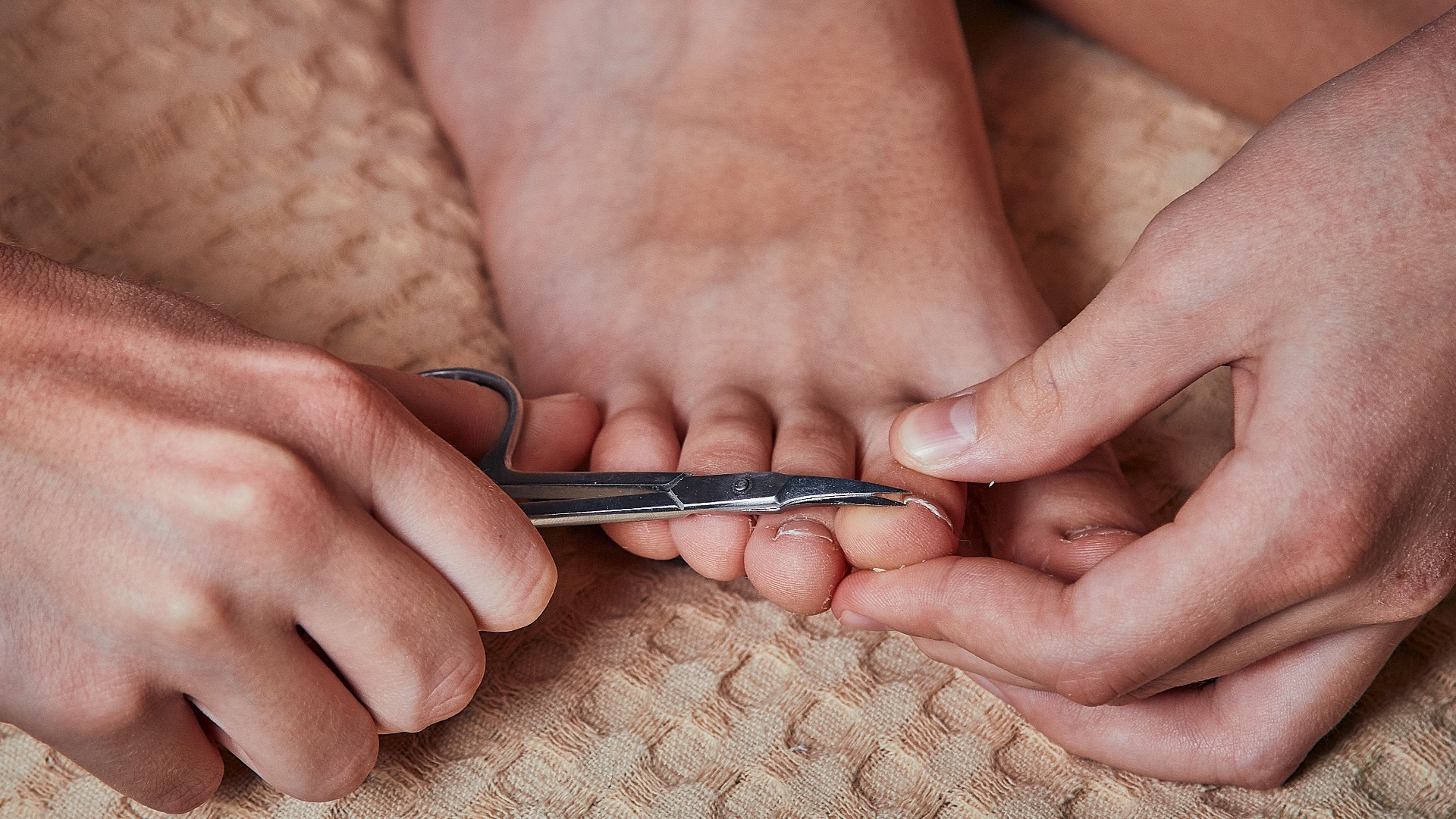
17. Toenail Bacteria
We know you probably don't want to admit it, but you know that strange, cheesy smell you encounter when trimming your toenails? Well, that's due to bacteria such as Brevibacterium. And just as you might have guessed, certain bacteria from this genus are also used to ripen cheeses!
18. Fingernail Bacteria
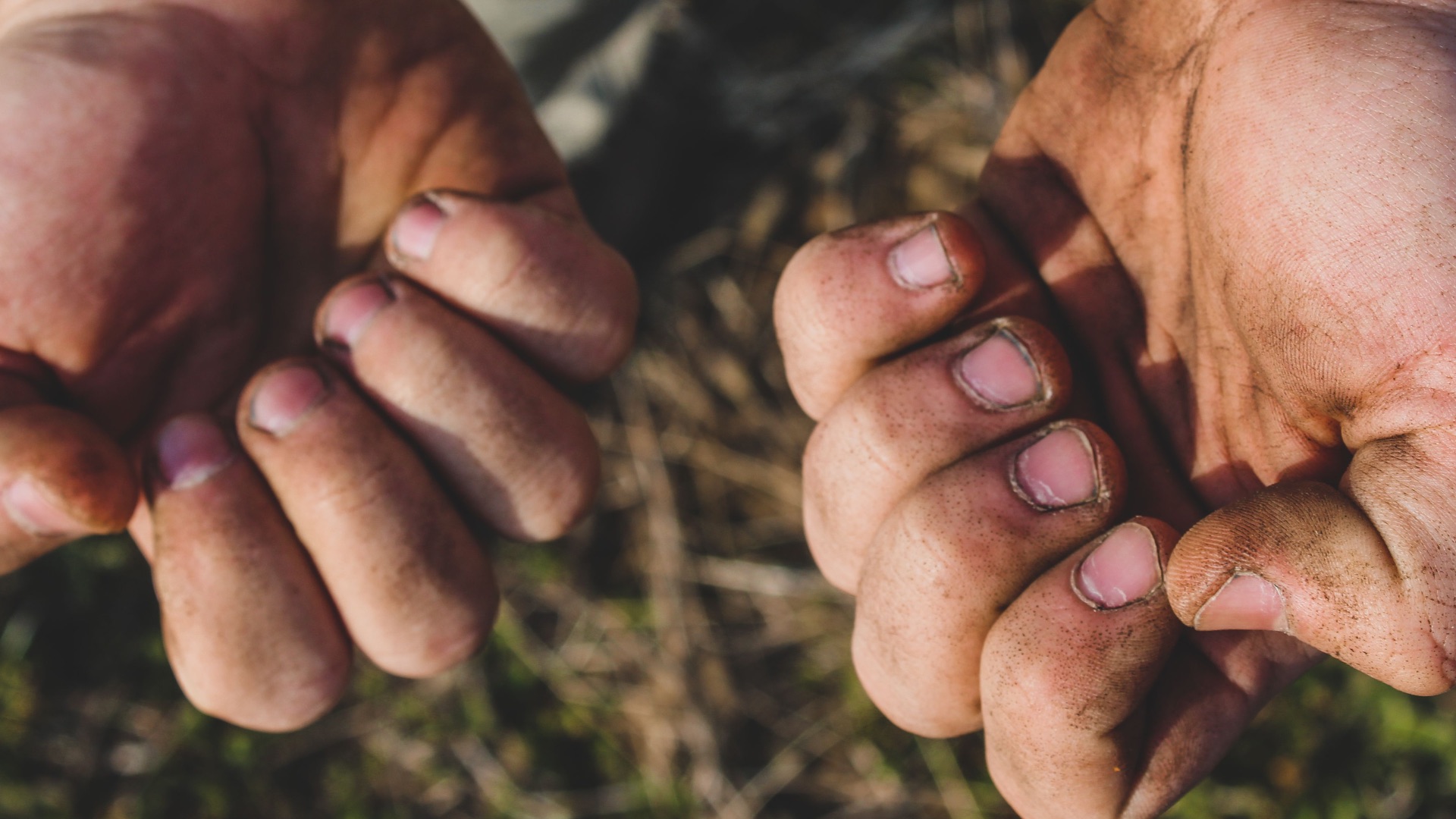
Sorry, but even if you wash your hands regularly, you'll still have tons of critters living on your palms—especially underneath your fingernails. In particular, you'll find Staphylococcus and Pseudomonas, and the longer your nails are, the more these microorganisms can accumulate.
19. Earwax
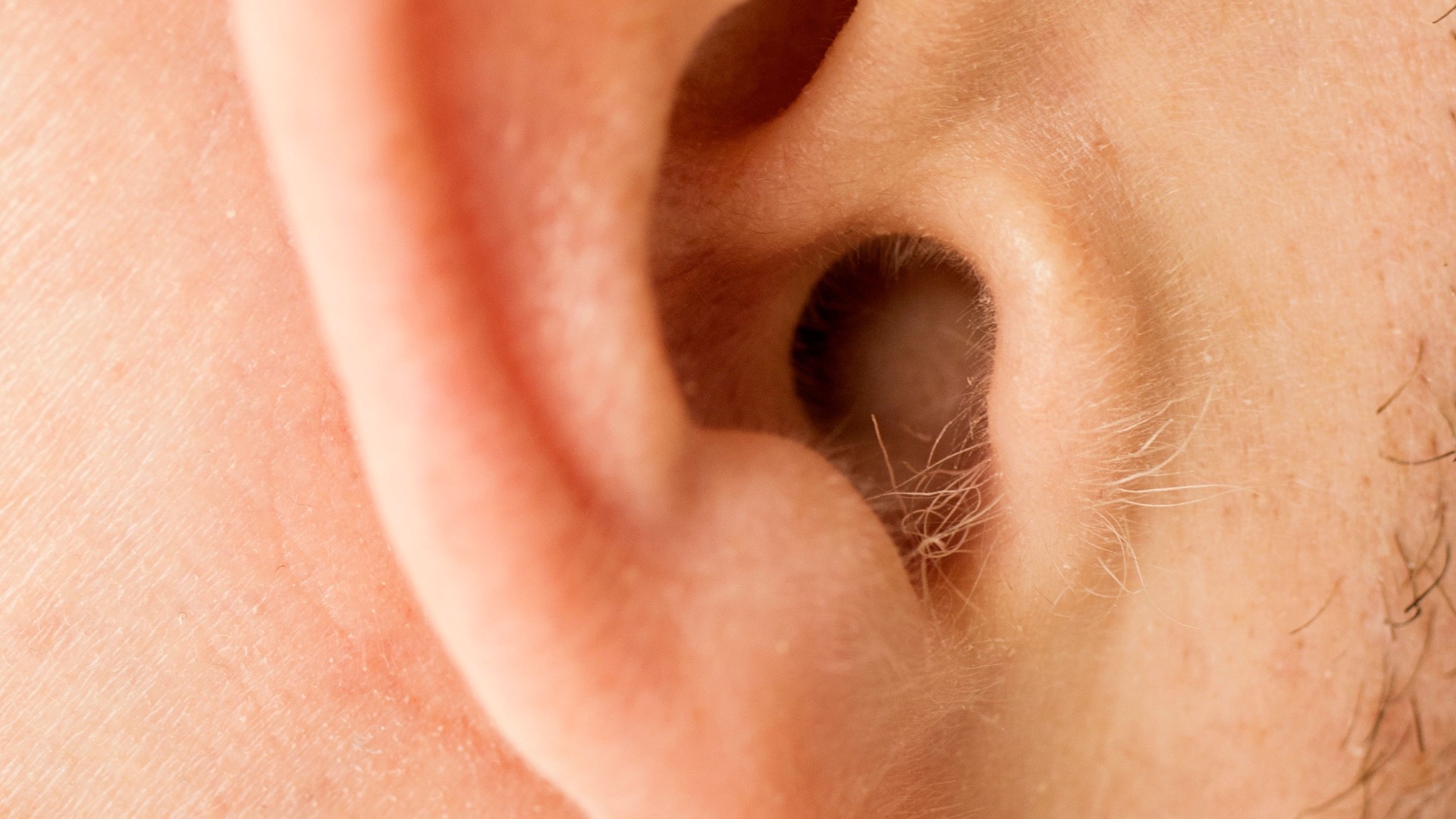
Your ears might clean themselves, but that oily wax still houses a plethora of microscopic organisms. And while earwax actually helps protect your ears by discouraging microbial growth, bacteria and fungi can still multiply and contribute to an ear infection under the right conditions. Just don't stick a cotton swab in there, or you'll make it worse!
20. Belly Button Bacteria
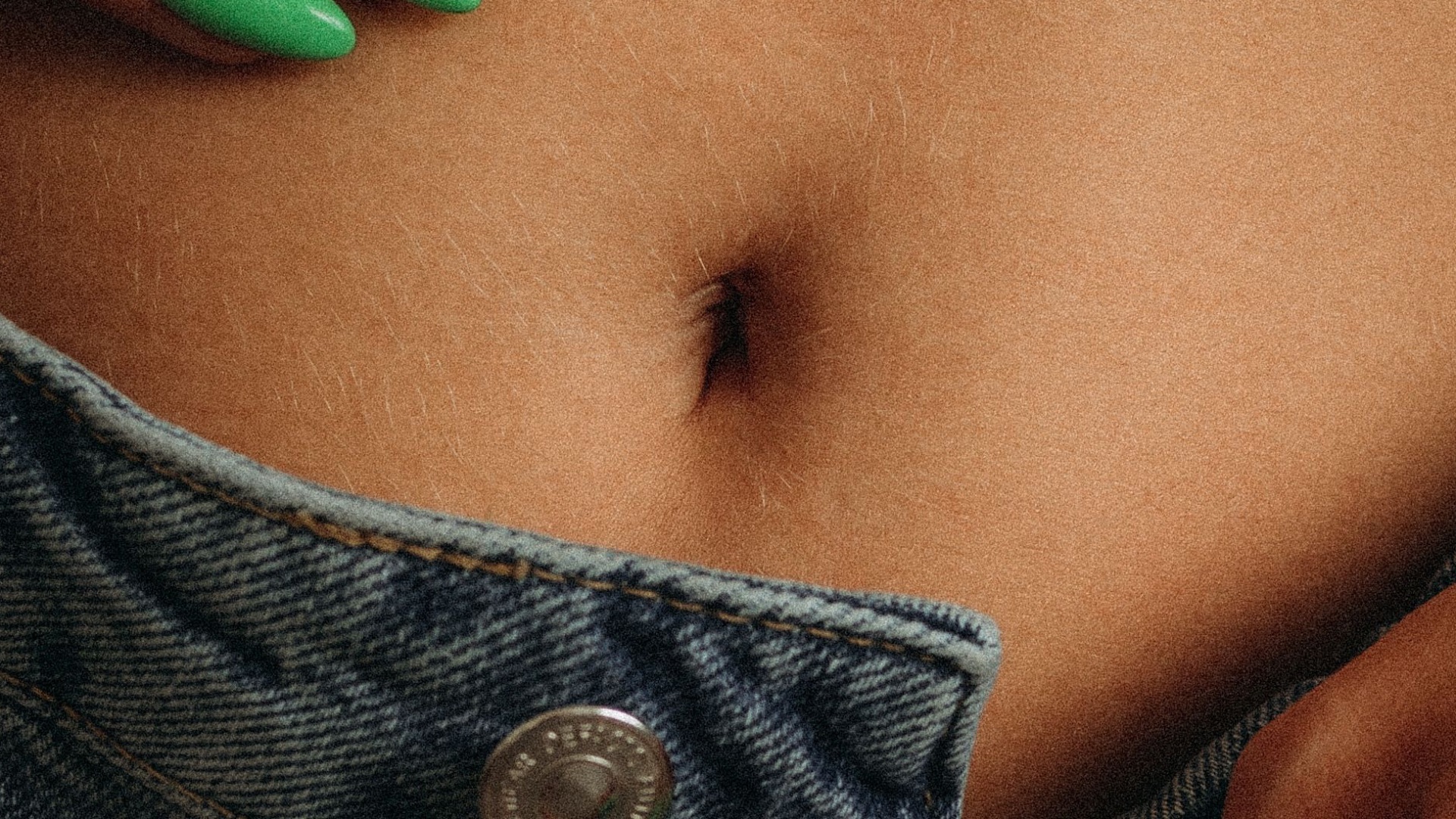
Poke around inside your belly button, and you might get some gunk that smells even worse than your gym socks. For how small it might be, your navel contains a surprisingly diverse collection of microorganisms, including Staphylococcus and Corynebacterium. Sweat, skin oils, and other debris can also collect in this area!
KEEP ON READING



20 Natural Ways You Can Boost Your Immune System
20 Ways To De-stress & Relax After Work
The 10 Most Common Diseases & The 10 Most Rare