

What Happens When the Days Get Shorter?
As fall settles in and winter approaches, you might notice your body starting to behave a little differently. While shorter days usually mean colder weather and earlier sunsets, reduced sunlight can also trigger some surprising changes inside your body. From your sleeping habits and appetite to your mood and energy levels, daylight plays a much bigger role in your overall health than you might think. Here are 20 interesting ways your body can respond when the days start getting shorter.
 https://kaboompics.com/ on Pexels
1. You Start Feeling Sleepy Earlier
When daylight hours decrease, your body may start producing melatonin earlier in the evening, depending on your light exposure and daily routine. This hormone helps regulate your sleep-wake cycle, letting your body know when it's time to rest. As a result, you might find yourself ready to crawl into bed well before your usual bedtime.
2. Your Appetite Might Increase
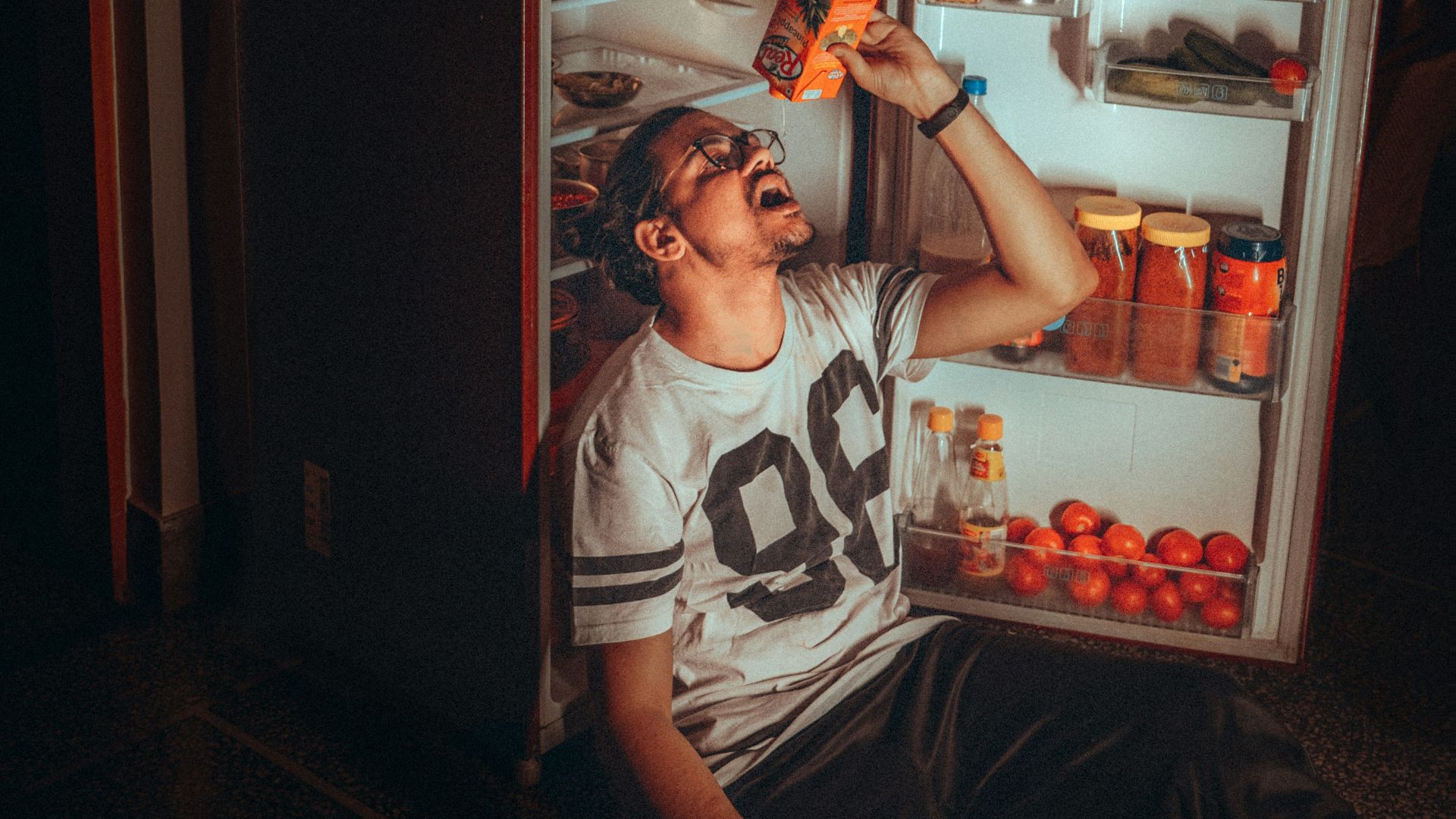
Have you noticed that you're suddenly craving bigger meals as winter approaches? Changes in daylight exposure can influence hormones and brain chemicals involved in regulating your appetite, although the effects aren't the same for everyone. Some people find themselves feeling hungrier during darker months, especially when it comes to carb-heavy foods.

3. Your Mood Can Take a Hit
Sunlight helps regulate several biological processes connected to emotional well-being, including those involving serotonin. When daylight becomes scarce, some people experience increased irritability, sadness, or a noticeable lack of motivation. For those who develop seasonal affective disorder, these changes can become serious enough to interfere with everyday activities.

4. Your Internal Clock Can Shift
Deep inside your brain, a small region called the suprachiasmatic nucleus helps keep your body's daily rhythms on track. It relies heavily on light signals received through your eyes to determine when you should feel awake or sleepy. With shorter days and less morning sunlight, your internal clock may gradually shift, potentially changing when you naturally wake up.
5. Your Vitamin D Levels May Drop
Your skin produces vitamin D when it's exposed to enough ultraviolet B radiation from sunlight. During fall and winter, the sun sits lower in the sky, making this process less effective, particularly in northern regions. If you're not getting enough vitamin D through food, supplements, or sunlight, your levels might gradually decline over the following months.
6. You Might Crave More Sweet Foods
Those sudden cravings for cookies, chocolate, and other sugary treats might become harder to ignore as daylight decreases. Shorter days and reduced exposure to natural sunlight can cause levels of serotonin to drop. When that happens, the brain instinctively looks for a quick boost, which can be provided by sugary, pleasurable treats.

7. Your Energy Levels Can Decline
Even after getting a full night's sleep, darker mornings might leave you feeling more sluggish than usual. Reduced exposure to bright morning light can make it harder for your brain to receive the signals it needs to promote alertness. If you're also spending most of your day indoors, that lingering tiredness might become even harder to shake.
8. Your Sleep Schedule May Become Less Consistent
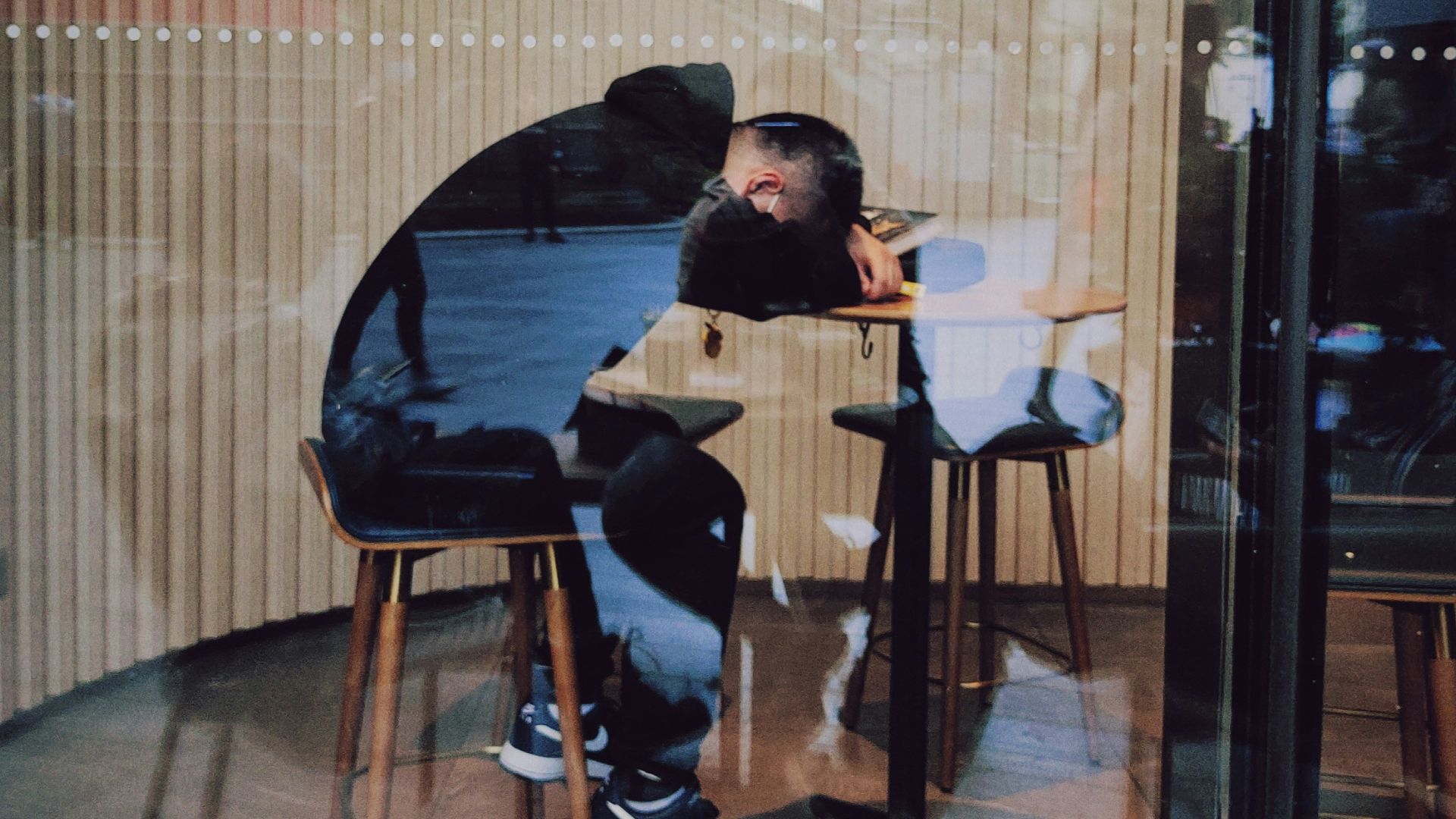
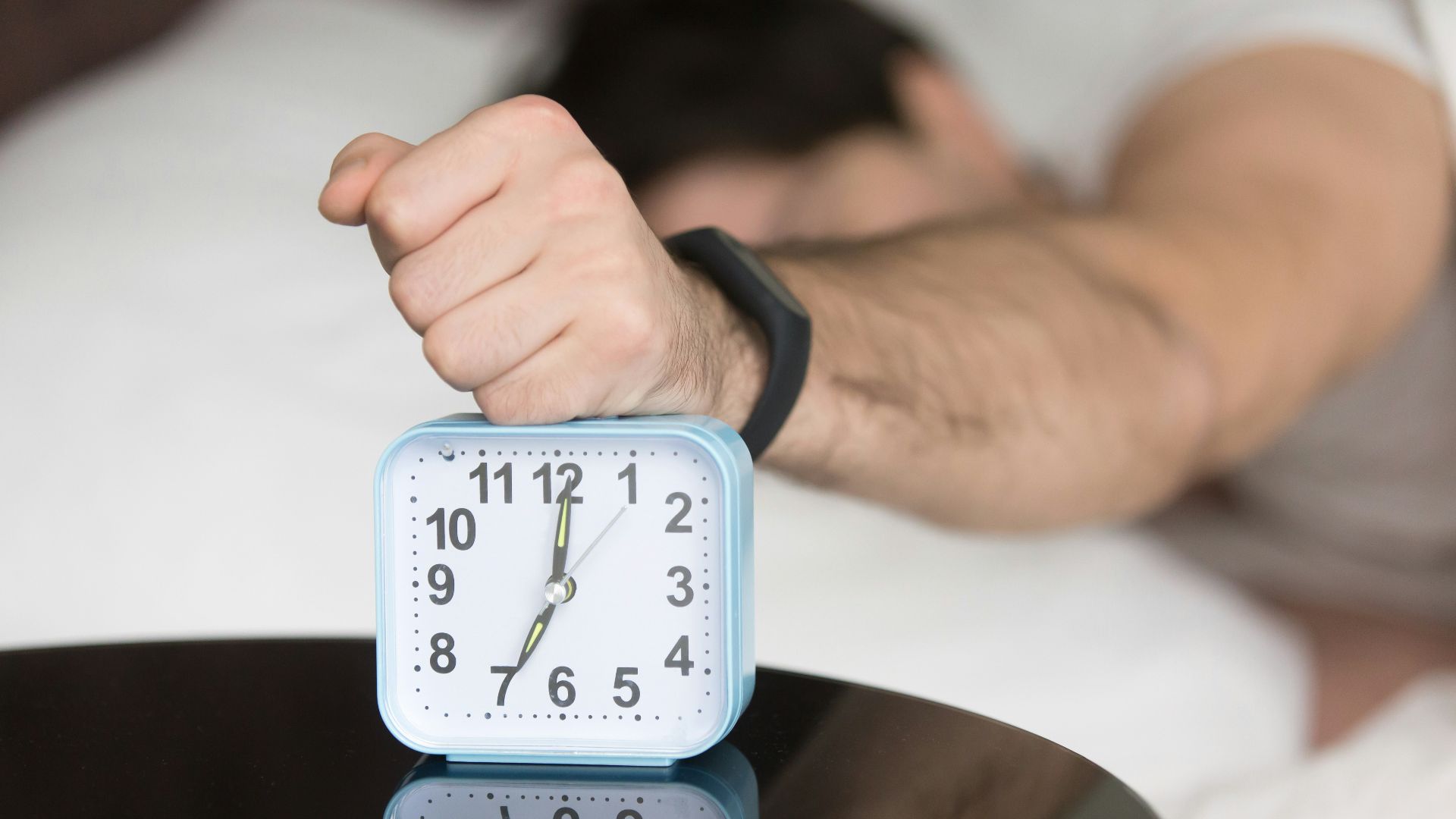
While some people naturally feel sleepier during darker months, others find their usual sleeping patterns becoming less predictable. Limited daylight exposure can weaken the environmental cues that help keep your circadian rhythm running consistently. Consequently, you might have trouble falling asleep at your normal bedtime or find yourself sleeping later than you intended.
 Solving Healthcare on Unsplash
9. Your Concentration Might Suffer
Trying to stay focused during a gloomy afternoon can sometimes feel more difficult than it should. Not getting enough daylight may contribute to sleepiness and disruptions in your circadian rhythm, both of which can affect attention and mental performance. This doesn't mean shorter days automatically make you less productive, but getting some extra natural light could help you stay focused.

10. Your Body Temperature Rhythm Can Change
Your core body temperature naturally rises and falls throughout the day according to your circadian rhythm. Light exposure helps keep this pattern synchronized, meaning seasonal changes can influence its timing. You probably won't notice any dramatic differences in your temperature, but subtle shifts in this rhythm may affect when you feel most alert or ready to sleep.

11. Your Motivation to Exercise May Decrease
Fewer daylight hours can make sticking to a regular workout schedule surprisingly difficult. Aside from the inconvenience of exercising after sunset, seasonal changes in your mood, sleep, and energy can also affect how motivated you feel to stay active. Although everyone responds differently, some people notice their enthusiasm for physical activity starting to fade during the darker months.

12. Your Eyes Become More Sensitive to Brightness Changes
Your eyes are constantly adjusting to different lighting conditions by changing pupil size and adapting the sensitivity of cells in your retina. Spending more time in dim environments means your visual system has to adjust again whenever you encounter bright sunlight or artificial lighting. This helps explain why stepping outside on a sunny winter morning can feel particularly intense after you've spent several hours indoors.
13. Your Stress Response May Be Affected
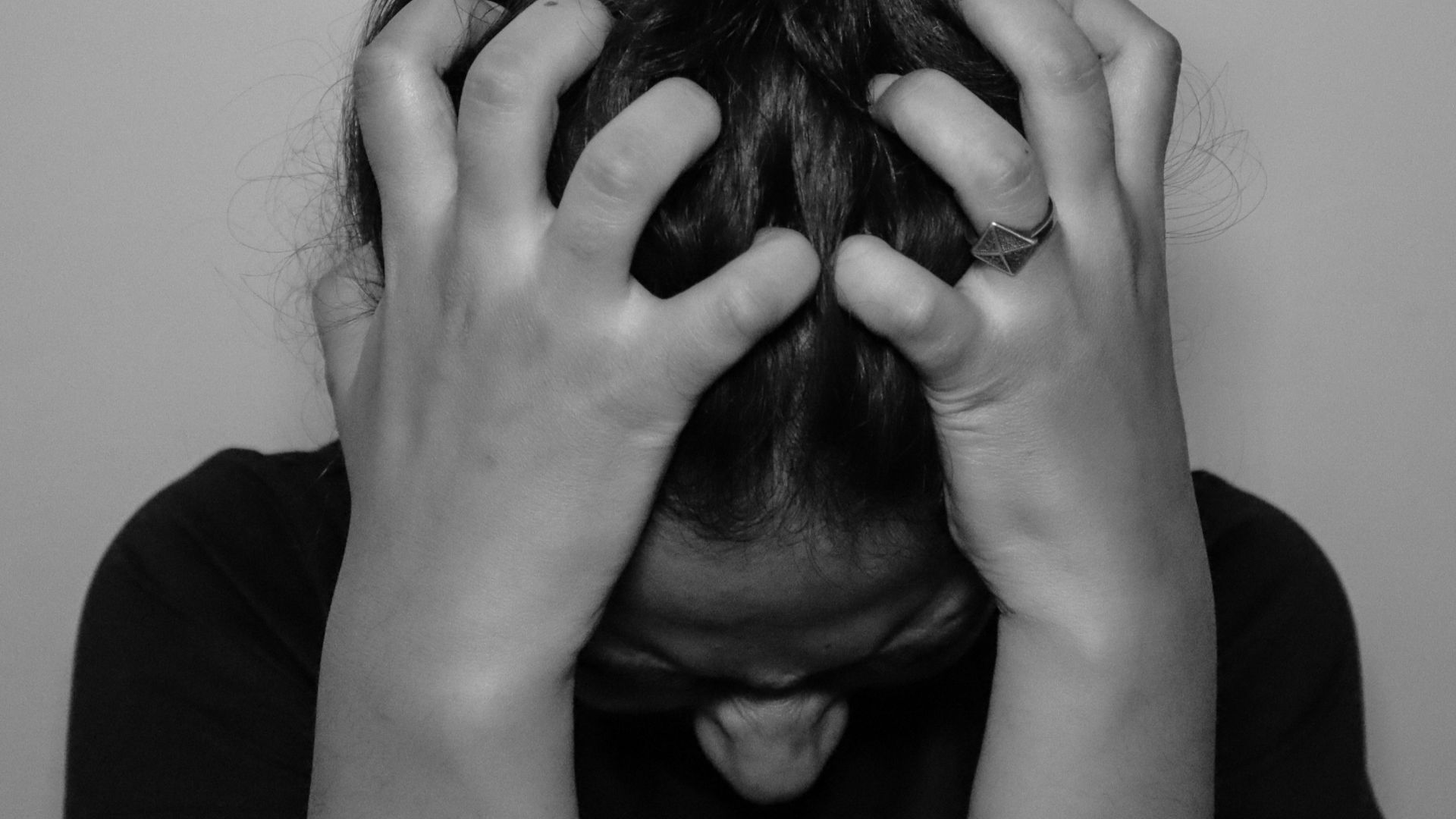
Your body follows a daily cortisol rhythm that helps regulate alertness, metabolism, and how you respond to stress. Because your circadian system influences cortisol timing, changes in light exposure can affect how this hormonal pattern works. An increase in stress may also be correlated to the dip in serotonin, having less movement, and being more socially isolated.
14. Your Social Energy Might Decline
Feeling less interested in social activities during darker months isn't always just a matter of personal preference. Seasonal changes in sleep, mood, and energy can influence how much you feel like spending time with other people. For some, this means turning down invitations more often, particularly if they're also experiencing symptoms of seasonal depression.

15. Your Reaction Time Could Slow Down
Not getting enough daylight can sometimes contribute to sleepiness, especially when your internal clock isn't properly synchronized. When you're feeling less alert, your brain may need more time to process information and respond to situations that require quick decisions. This can be particularly noticeable during early mornings or late afternoons when you're already struggling with fatigue.

16. Your Immune System May Behave Differently
Scientists have discovered that certain immune processes and patterns of gene activity change throughout the seasons. Day length may play a role, although temperature, infections, and lifestyle habits also contribute to these differences. Researchers haven't confirmed that reduced daylight directly weakens everyone's immunity, but seasonal changes in how the immune system functions remain an interesting area of study.

17. Your Hunger Signals May Change Timing
Your circadian clock doesn't just control when you sleep; it also helps coordinate digestion and metabolic activity. When changes in light exposure affect your daily rhythm, the timing of hunger and other metabolic signals may shift, too. You might notice that you're not interested in breakfast until later than usual or that you're suddenly feeling hungry at different times throughout the evening.
18. Your Morning Alertness Can Decrease
Waking up before sunrise can feel noticeably different from getting out of bed when sunlight is already coming through your windows. Morning light helps suppress melatonin and encourages the biological processes that make you feel awake. Without that natural signal, you may experience stronger sleep inertia, which is the groggy feeling that can stick around after waking up.
19. Your Body May Process Glucose Differently
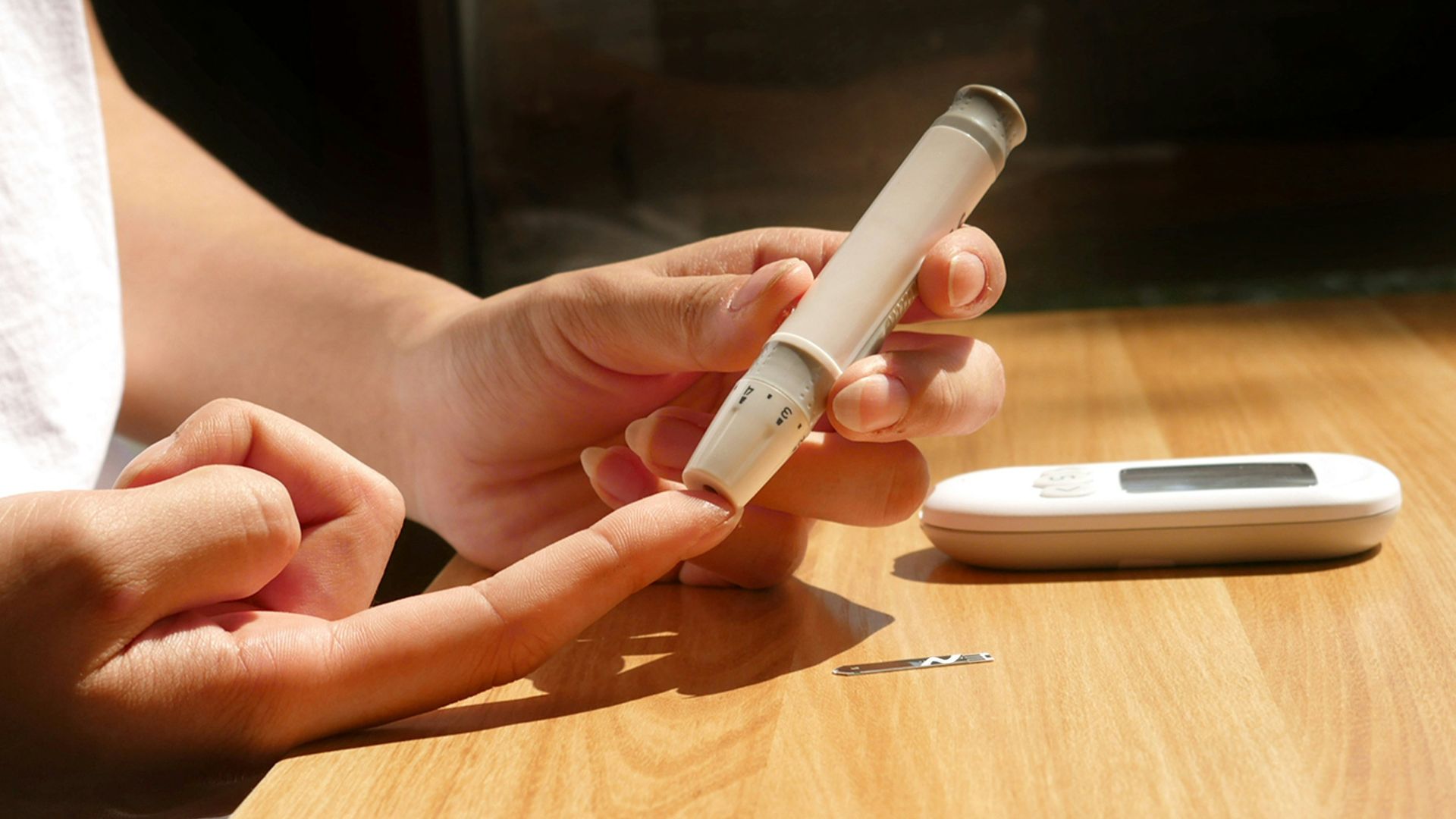
Your circadian system plays an important role in regulating insulin sensitivity and how your body processes glucose. Changes in light exposure that disrupt your internal clock can influence how efficiently your body manages blood sugar throughout the day. This doesn't mean winter automatically causes blood sugar problems, but maintaining consistent sleep habits and getting enough daytime light can support healthy metabolic rhythms.
20. Your Sense of Time Might Feel Different
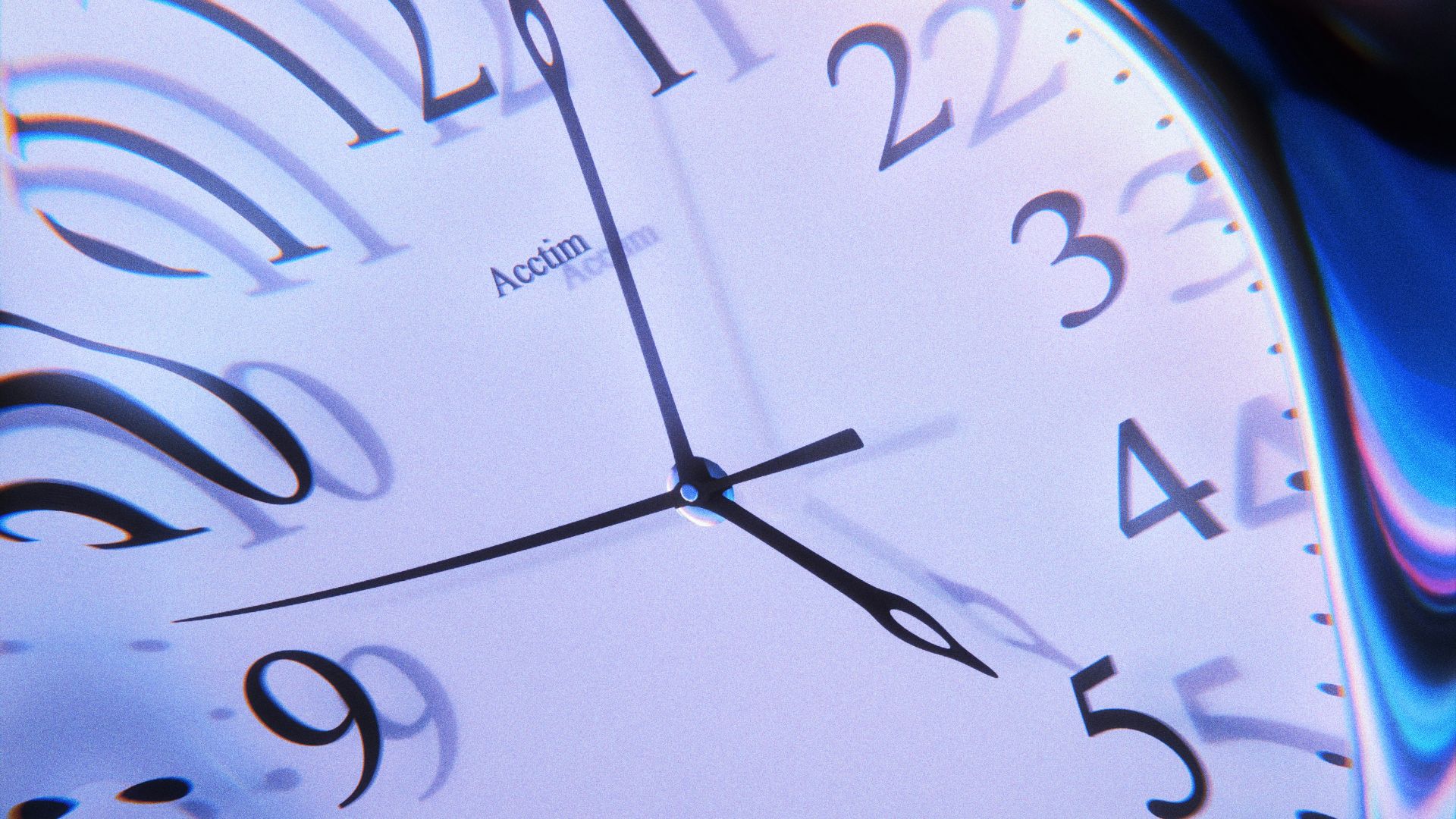
Ever feel like winter evenings drag on forever, even when the clock tells you otherwise? With less natural light available, your brain receives different environmental cues that help it distinguish between daytime and nighttime. Along with changes in your activity levels and daily routines, these signals can affect how you experience the passage of time, making shorter days feel surprisingly long.
KEEP ON READING



20 Natural Ways You Can Boost Your Immune System

20 Ways To De-stress & Relax After Work

The 10 Most Common Diseases & The 10 Most Rare