

10 Reasons Your Nose Runs More as You Get Older & 10 Triggers That Have Nothing to Do With Allergies
10 Reasons Your Nose Runs More as You Get Older & 10 Triggers That Have Nothing to Do With Allergies
Why Your Nose Keeps Dripping
A runny nose is easy to blame on allergies, but there are plenty of other possible causes. Allergies often begin early in life, while older adults can develop nasal symptoms for entirely different reasons. As we age, changes in mucus production, nasal tissues, and nerve function can make the nose more prone to dripping. Temperature changes, certain foods, and everyday irritants can also trigger symptoms at any age. Here are 10 ways aging can contribute to a runny nose, followed by 10 triggers unrelated to allergies.

1. Thinner, Drier Nasal Lining
The lining of the nose gets thinner and less elastic with age, and less blood reaches it. Older adults also tend to make less watery mucus, which leaves the lining dry and irritated. In atrophic rhinitis, which is often seen in older people, the lining also crusts. A lining in that state reacts more strongly to side effects from decongestant sprays.

2. Nerve Signals to the Glands Shift
A 2015 study found that clear, watery drip from the front of the nose was significantly more frequent and more intense in older people. Those with more frequent drip were also more bothered by it and more likely to seek treatment. The cause is not well understood, though one proposal is that a set of nerves loses influence over the nasal glands, leaving the opposing set unchecked so that the glands make extra fluid.

3. Mucus Clears More Slowly After 40
A 2001 study of healthy people aged 11 to 90 found that those over 40 had slower cilia, the tiny hairs that sweep mucus along, and took longer to clear it. Nasal secretions also tend to get thicker with age. The researchers suggested that slower clearing may help explain why older adults get more respiratory infections.
4. Meals Start Setting It Off
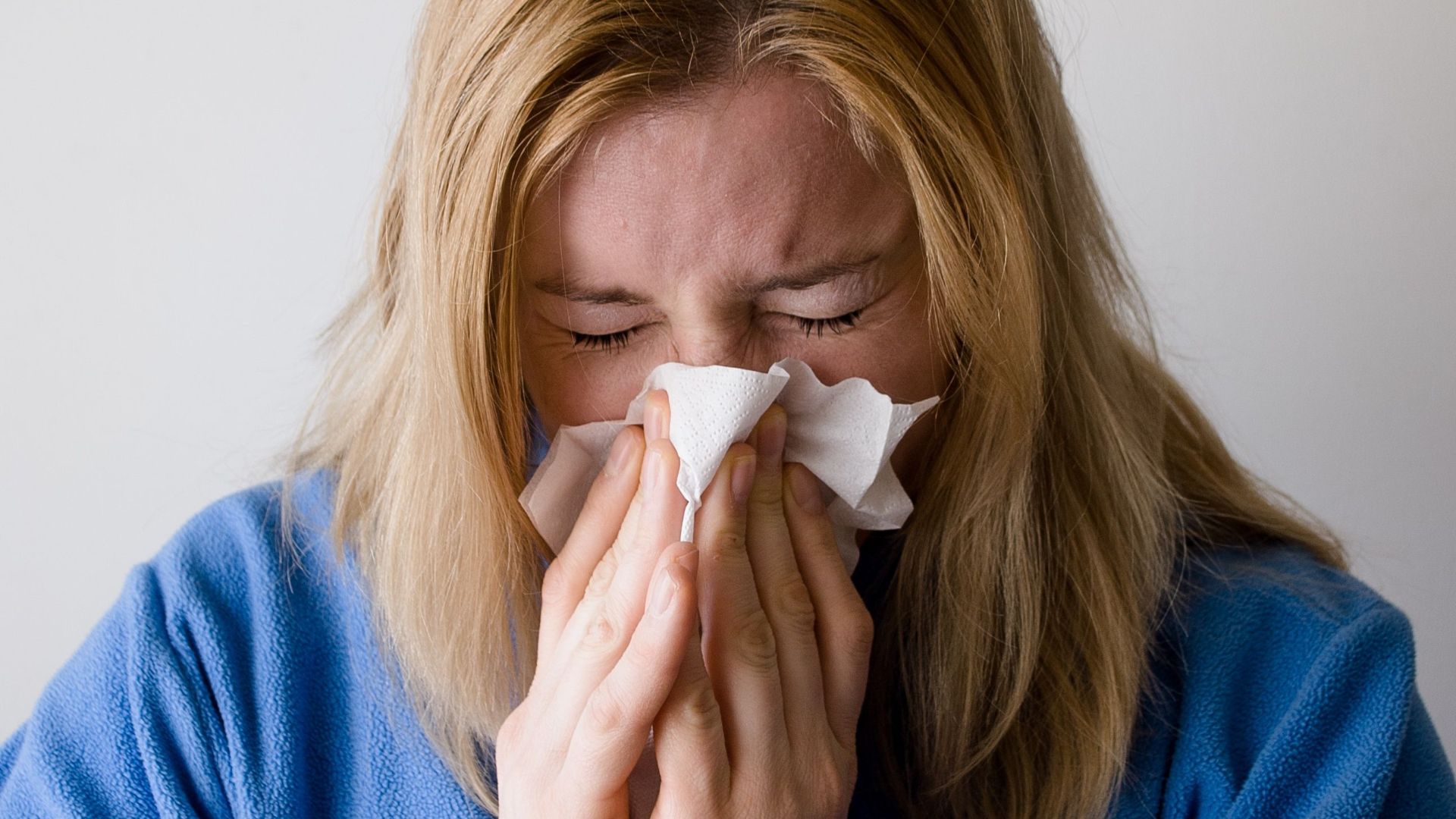
Gustatory rhinitis is a runny nose that starts during meals, and it tends to occur in adults over 50 for reasons that are unclear. Any food can trigger it, in what works like an exaggerated version of the runny nose that spicy food causes in anyone. The drip usually stops a few minutes after the meal ends, and doctors rule out allergies first because eating as the clear trigger points to this type.
 Public Domain Pictures on Pexels
5. Dehydration of the Nasal Airway
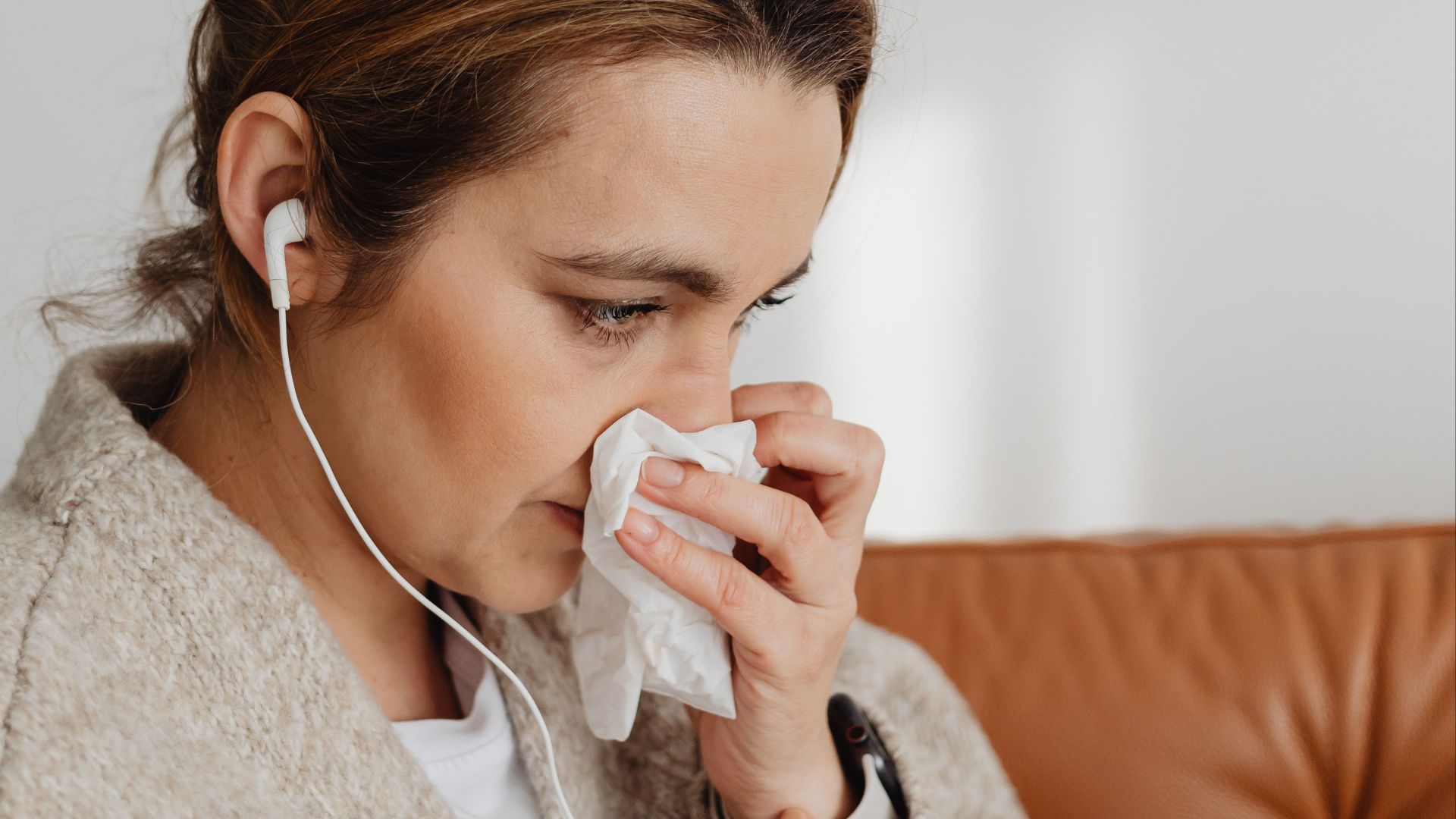
Medicines for high blood pressure and for bladder problems can dry out the nasal airway. Too little water, or a lot of coffee or alcohol, makes that dryness more likely in older adults. A dry nasal airway is one of the causes of chronic runny nose and postnasal drip that become more frequent with age.

6. Several Medicines at Once
More than 400 brand-name drugs list rhinitis as a side effect, and older adults often take several medicines for different conditions. The list includes some antidepressants and erectile dysfunction drugs. Aspirin and ibuprofen can cause severe rhinitis in people with asthma.
 https://kaboompics.com/ on Pexels
7. Dry Eyes Add Tears to the Nose
Tear production can fall by as much as 60 percent by age 65, and dry eyes sometimes respond with sudden bursts of watery reflex tears. Those tears end up in the nose, where they add fluid. Dry eye also becomes more common with each five-year span after 50.

8. Polyps and Chronic Sinus Inflammation
Chronic sinusitis keeps the sinuses swollen and can cause a runny nose at any age, and nasal polyps can make it worse. A review of nasal changes with age found that chronic sinus inflammation with polyps appears to be more common in older people. The review noted that the nasal lining's barrier function may weaken further with age, which could help explain the rise in polyps.

9. Acid Reflux That Feels Like Drip
Some forms of acid reflux get mistaken for postnasal drip, the feeling of mucus running down the back of the throat. Reflux is among the causes of chronic drip that become more frequent with age. Overnight reflux also contributes to nonallergic rhinitis in some people.

10. Parkinson's Disease
Runny nose is more common in people with Parkinson's disease than in the general population, and it appears more likely in older people with the condition. Some researchers suspect protein deposits in nerve cells, and certain Parkinson's medications can also cause it. Most older people with a runny nose do not have Parkinson's, so this reason applies to a small group.
Now, here are 10 triggers that have nothing to do with allergies.
 https://kaboompics.com/ on Pexels
1. Alcohol
Beer and wine contain histamine, which can contribute to a runny or stuffy nose. People whose bodies break down alcohol poorly can also build up a byproduct called acetaldehyde, and that buildup is linked to the same symptoms. This is alcohol intolerance, a problem with metabolizing alcohol that involves no immune response.

2. Strong Smells
Perfume and other strong odors can trigger nonallergic rhinitis. In vasomotor rhinitis, the nasal lining reacts excessively to odors and produces a watery drip with no allergen involved. Allergic and nonallergic rhinitis can also occur together, which makes the cause hard to pin down.

3. Smoke and Smog
Cigarette smoke and smog irritate the nasal lining and can bring on nonallergic rhinitis. Long exposure to tobacco smoke or exhaust fumes raises the risk.

4. Fumes at Work
Workplace fumes from construction materials or chemicals raise the risk of nonallergic rhinitis, and so do fumes from compost. Because the reaction comes from irritation, it can start in people who have never had allergies.

5. Cold, Dry Air
The nose warms and humidifies every breath, and it can lose 300 to 400 milliliters of fluid a day doing it. Cold, dry air stimulates nerves in the nose, which increases blood flow and signals the glands to add moisture. Evaporation cools the nose and draws in even more blood flow, and when the response overshoots, the extra moisture drips from the nostrils.

6. Humidity and Pressure Shifts
Shifts in humidity and in barometric pressure can set off vasomotor rhinitis. In that condition, the nasal lining reacts excessively to changes in its surroundings. The condition is noninflammatory and driven by excess input from the parasympathetic nervous system, which mainly increases nasal secretions.

7. Decongestant Spray Overuse
Using a decongestant spray for more than 5 days in a row can cause rebound congestion once the medicine wears off. A longer-lasting form called rhinitis medicamentosa brings severe congestion along with sneezing and a runny nose. Most people recover within about 3 months with early treatment, and stopping abruptly can make symptoms worse.
8. Hormone Changes
Pregnancy and menstrual periods can bring on nonallergic rhinitis through shifts in hormones. An underactive thyroid is also a known cause, and it affects about 10 percent of older women and 6 percent of older men. Birth control pills can bring it on too.

9. Colds and Flu
Viral infections such as colds and the flu are among the most common causes of a runny nose. The discharge ranges from watery to thick, and a sore throat often comes with it. Acute sinusitis causes thicker, pus-like discharge, often on one side.

10. Crying
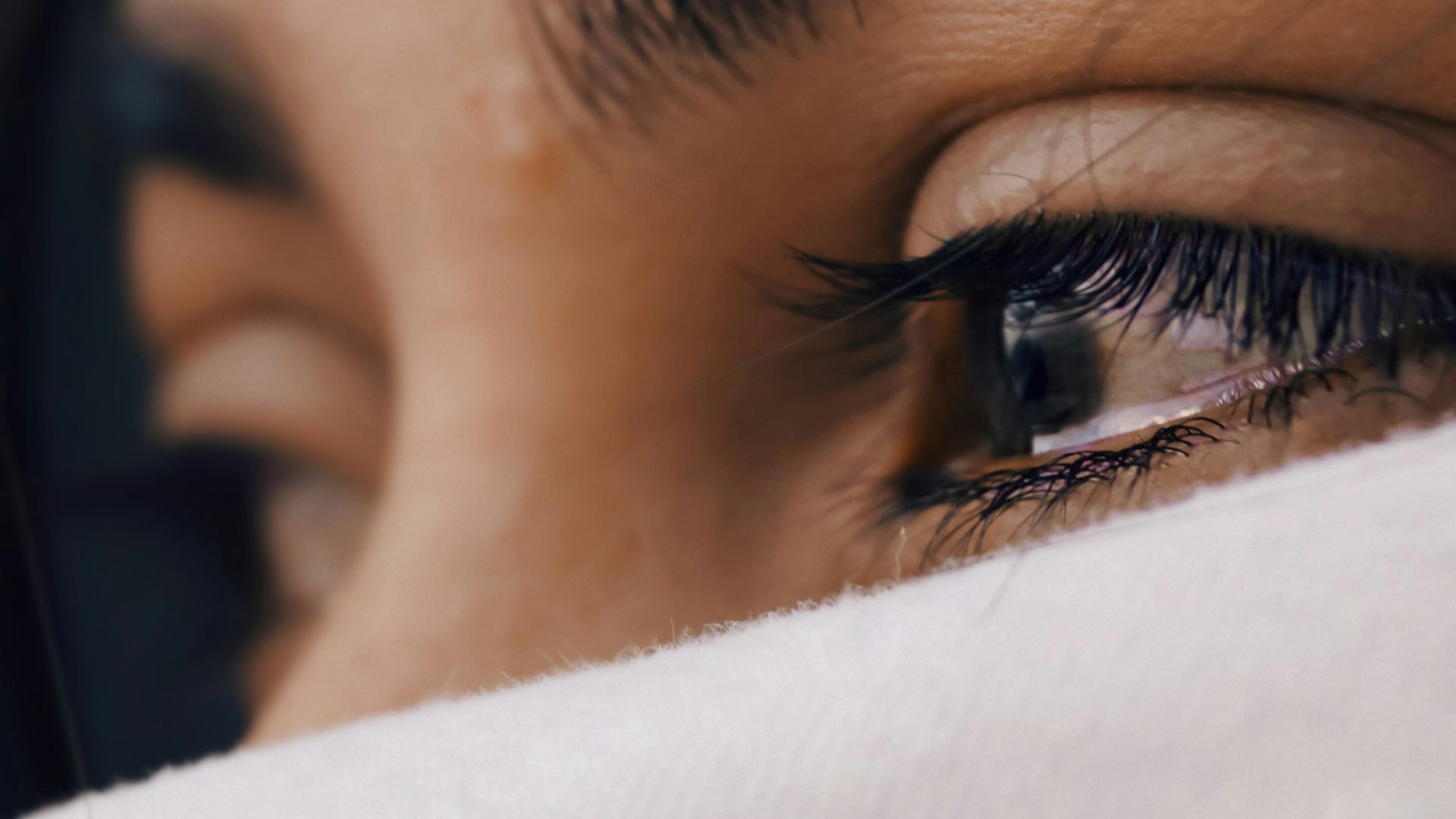
Tears drain through small openings at the inner corners of the eyelids and then through a duct into the nose. Tears from crying follow that same route, so the extra fluid is the reason a tissue is useful for both the eyes and the nose.
KEEP ON READING



20 Natural Ways You Can Boost Your Immune System

20 Ways To De-stress & Relax After Work

The 10 Most Common Diseases & The 10 Most Rare