
What Standing Costs Your Body
Standing puts more strain on your body than you might realize. Gravity pulls blood toward your legs, forcing your circulatory system to work harder, while your spine and joints support your weight. Some symptoms appear or worsen under that strain, then ease within minutes of sitting or lying down. How quickly the discomfort fades can be an important clue, helping doctors narrow down what might be causing it. Here are 20 symptoms that tend to improve once you're off your feet.
1. Lightheadedness Right After Standing
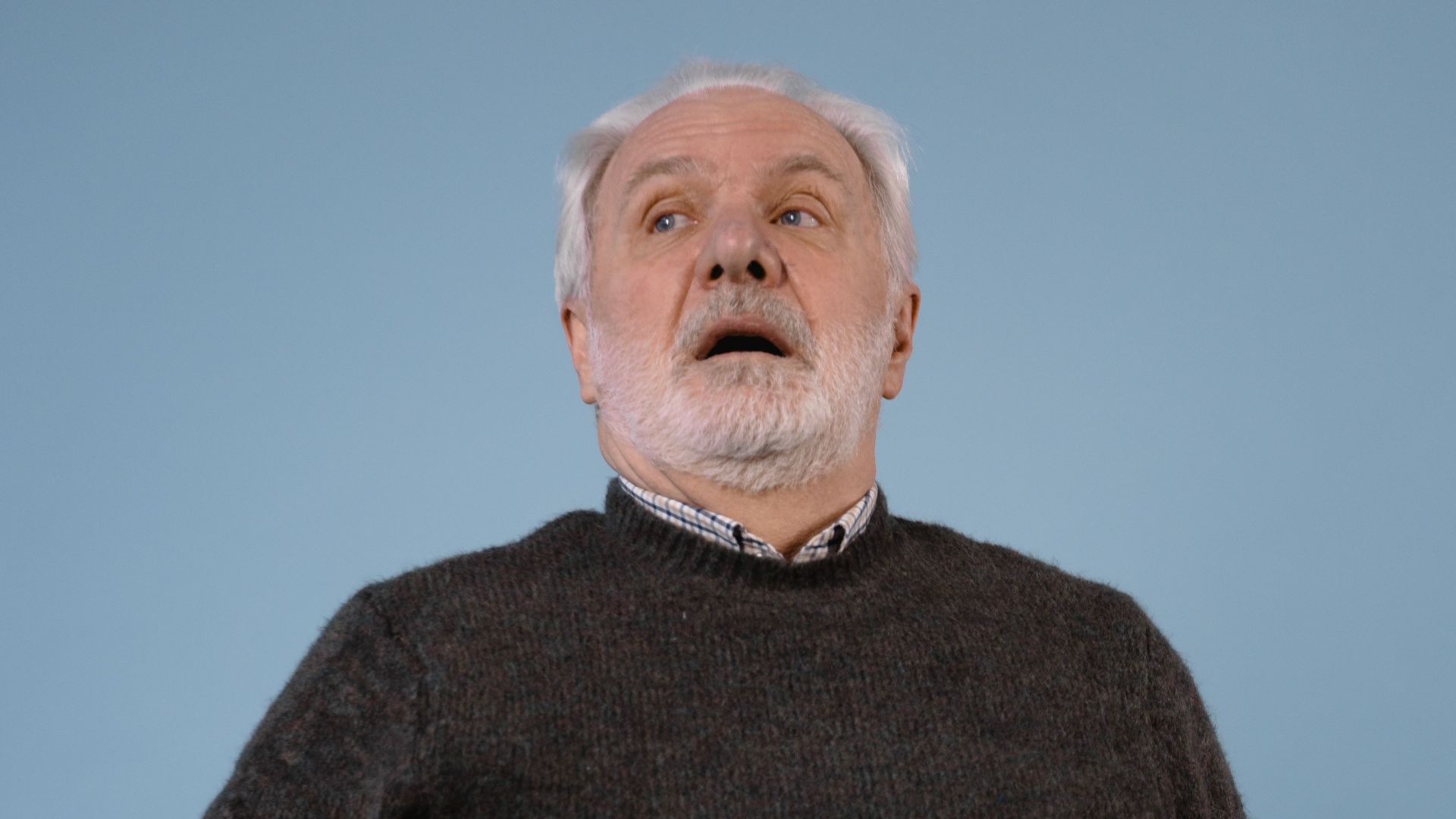
Roughly half a liter of blood drops into your legs the moment you stand, and blood pressure falls until the body compensates. Orthostatic hypotension is the label when the systolic reading falls twenty points or more within three minutes of standing. Sitting back down restores the pressure almost at once, so the feeling passes within seconds.

2. A Pulse That Jumps on Standing
A heart rate that rises by at least 30 beats per minute within ten minutes of standing is one of the diagnostic criteria for postural orthostatic tachycardia syndrome (POTS) in adults. The heart beats faster to compensate for blood pooling in the lower body instead of returning efficiently to the heart. Lying down reduces that demand, allowing the heart rate to settle.

3. Vision Graying In From the Edges
The retina sits at the top of the circulatory system and loses perfusion before the rest of the brain does, so vision dims from the periphery inward when pressure drops. Getting your head level with your heart reverses it faster than anything else available, and people who feel it coming often crouch without being told to.

4. Cold Sweat Before a Faint
A vasovagal faint often comes with warning signs, including clammy skin, nausea, and lightheadedness. The nervous system triggers a sudden drop in heart rate and blood pressure, temporarily reducing blood flow to the brain. Lying flat when these symptoms appear can prevent a full faint by making it easier for blood to reach the brain.
5. Chest Tightness That Stops With Rest
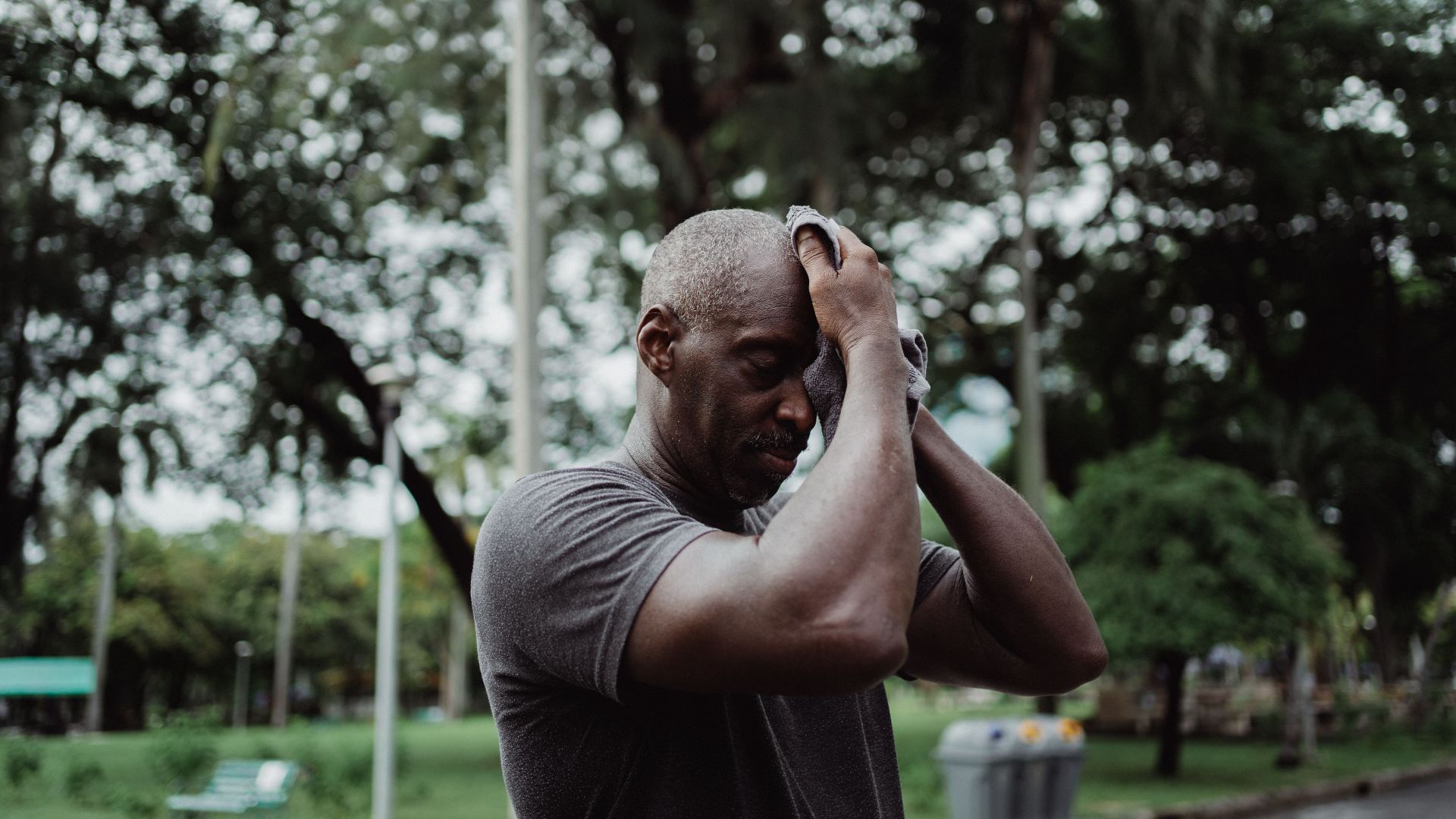
Chest tightness that appears at a predictable level of exertion and fades after a few minutes of rest is characteristic of stable angina. Narrowed coronary arteries can supply enough blood when the heart is resting but struggle to meet its demands during activity. The consistent pattern of discomfort during exertion and relief with rest helps doctors distinguish angina from other causes of chest pain.

6. Breathlessness That Settles in a Minute
Shortness of breath that appears during physical activity and improves with rest can point to a problem with the heart or lungs. Both systems have to work harder during exertion, and either can struggle to meet the body's increased oxygen needs. Doctors pay particular attention to how much activity triggers the breathlessness and whether that threshold is getting lower over time.

7. Leg Pain That Eases Leaning Forward
Lumbar spinal stenosis narrows the canal the nerves run through, and standing upright narrows it further. Bending forward opens it again, so people in this situation can push a shopping cart much further than they can walk unsupported. Clinicians call that the shopping cart sign, and it points fairly specifically at the spine.
8. Calf Cramp at the Same Distance
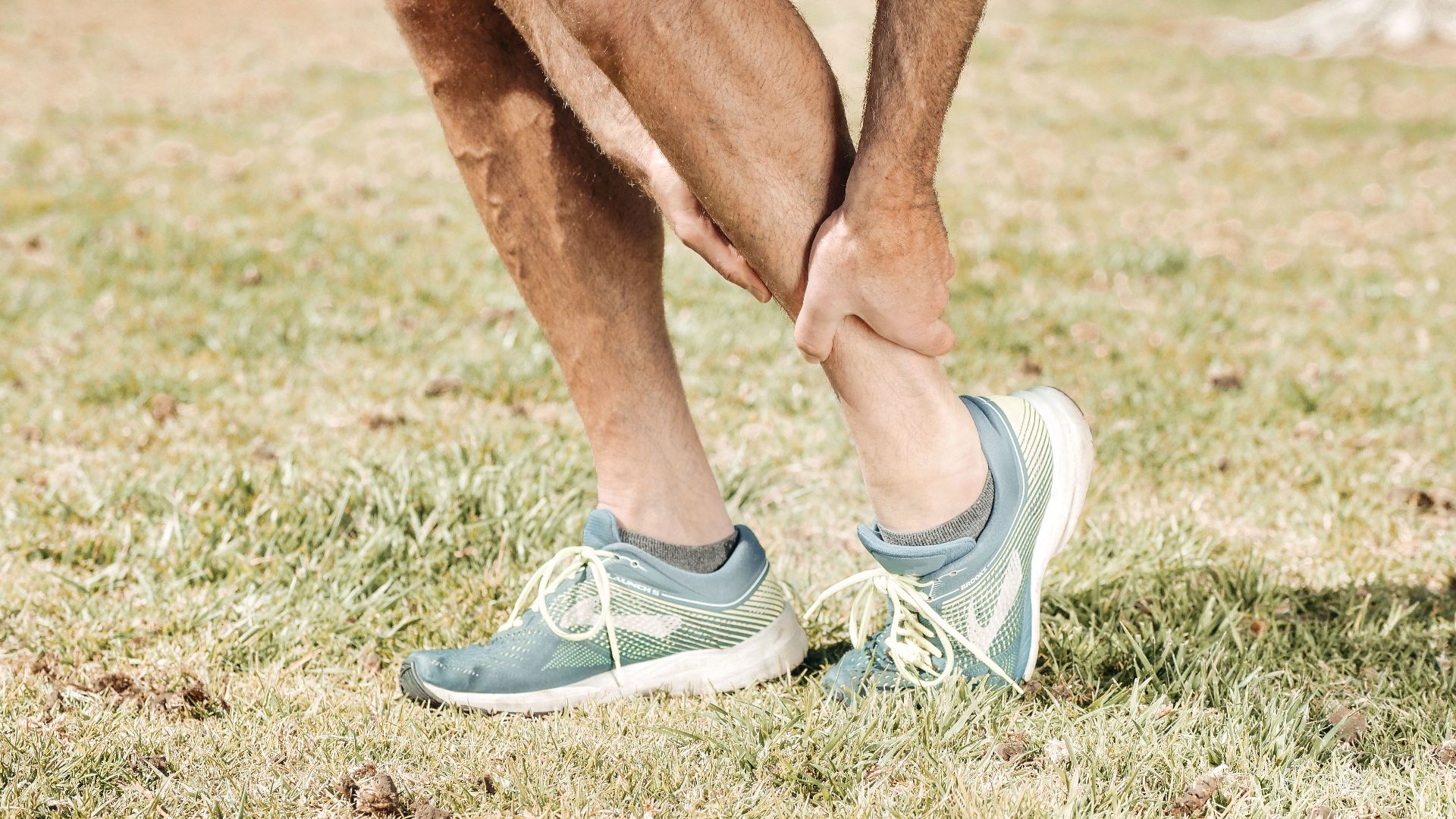
Peripheral artery disease produces a cramping ache that arrives after a fairly consistent walking distance and clears with a couple of minutes of standing still, no sitting required. Unlike the spinal version, it doesn't need you to bend forward, and that difference is often what separates the two in a clinic.
9. Back Ache That Stops on Sitting
Pain that worsens with standing and walking, then goes quiet on sitting, usually involves the structures loaded in extension. Facet joints and a narrowed canal both behave this way, since both get more compressed as the spine straightens. Disc pain often runs the opposite direction and feels worse after a long sit.

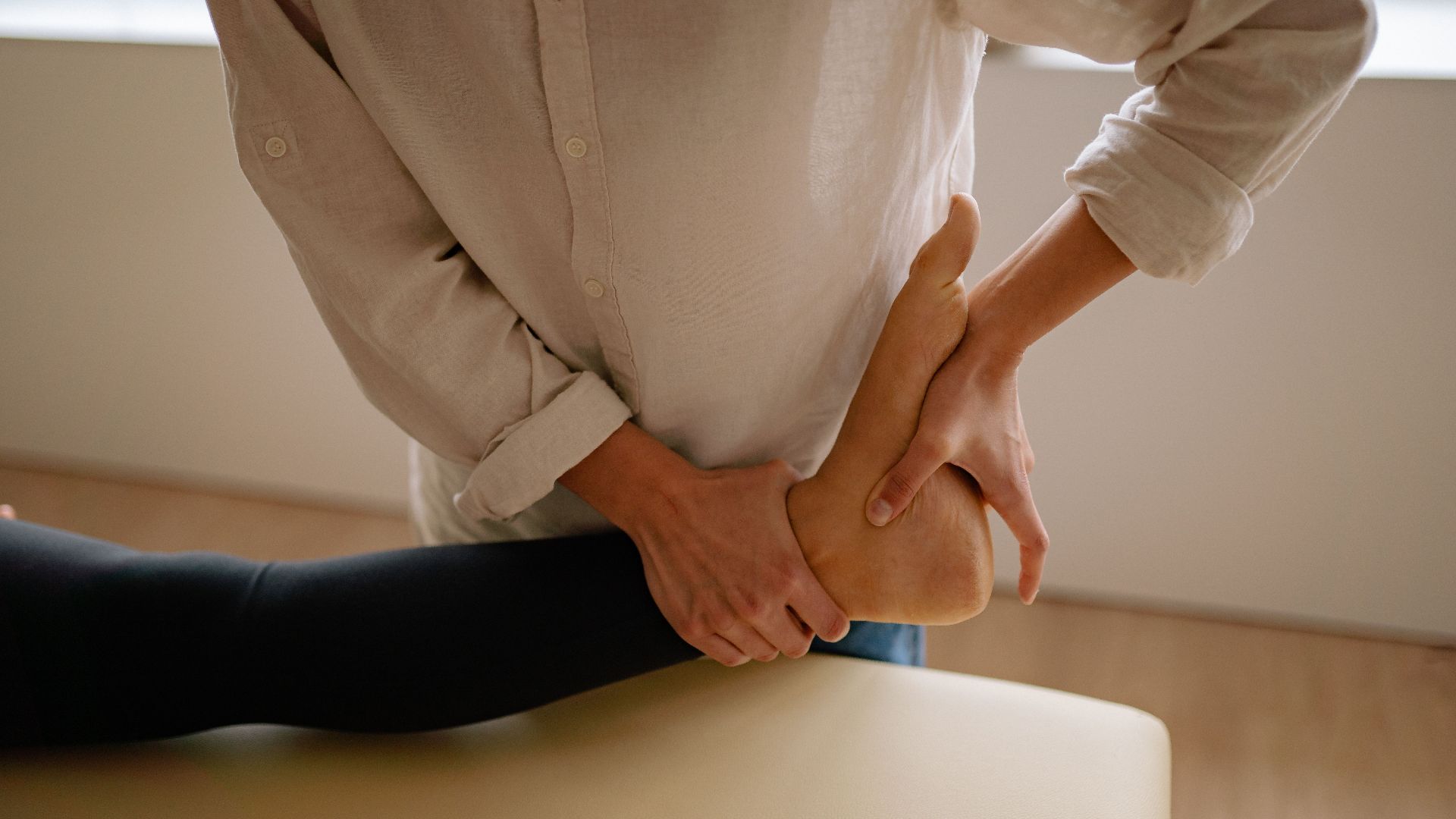
10. Heel Pain While Weight-Bearing
Weight-bearing is what hurts in plantar fasciitis, and the pain backs off within minutes of sitting. Timing complicates it, though, since the first few steps after sitting or sleeping are usually the worst of the day. Tissue tightens while it's resting and then gets stretched all at once.
11. Ankle Swelling Gone by Morning
Fluid follows gravity into the lowest tissue available, and hours on your feet put that at your ankles. A night lying flat lets it return to circulation, so the swelling is usually at its lowest when you wake. Swelling that stops clearing overnight is a different situation and worth raising.
12. Heavy Legs by Evening
When valves in the leg veins stop working properly, blood can pool in the lower legs, increasing pressure throughout the day. This often causes aching, swelling, and a heavy feeling that gets worse after prolonged standing. Elevating the legs above heart level helps blood drain back toward the heart, easing the discomfort. Symptoms are often mildest in the morning after a night spent lying down.
13. A Headache That Eases Lying Flat
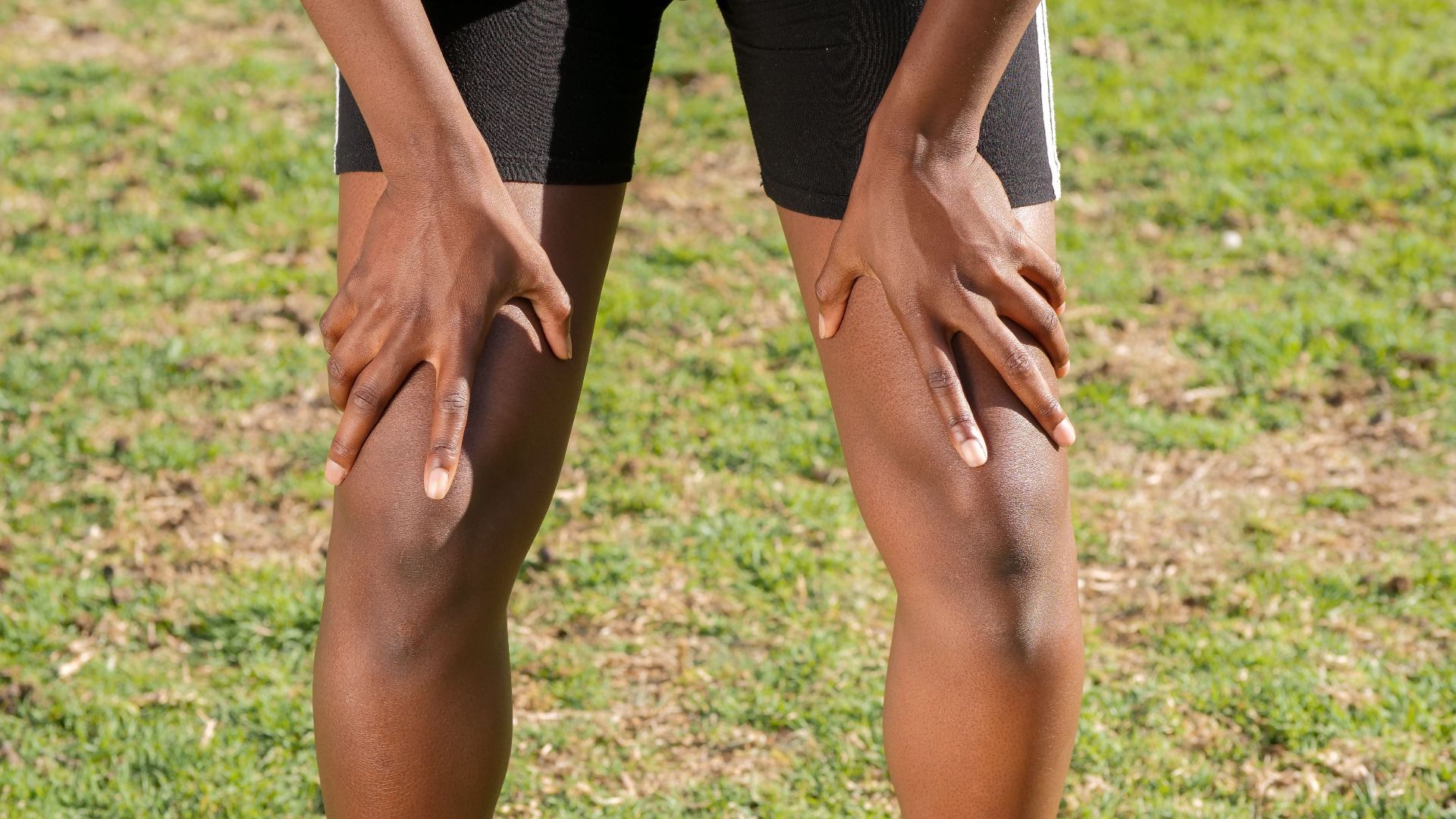
A headache reliably worse upright and better flat points toward low cerebrospinal fluid pressure, often from a leak around the spinal cord. The brain sits lower in the skull when the fluid cushion thins, and lying down takes the strain off. This shows up after spinal taps and epidurals, and it happens spontaneously too.
14. A Tremor That Stops at Rest
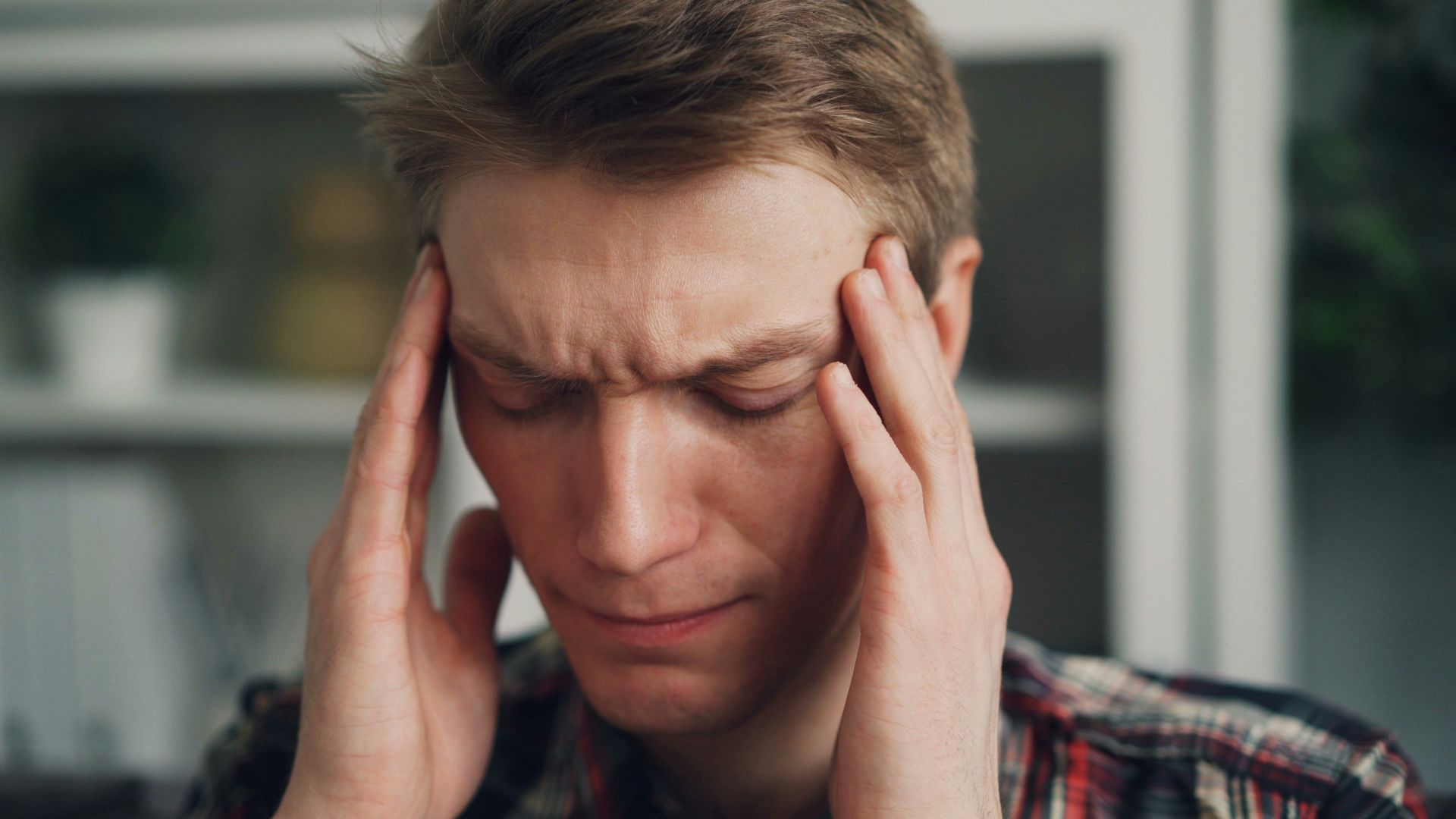
Essential tremor appears when a limb is held against gravity or doing something, and it quiets when the hands are resting on a surface. Parkinson's runs the other way, with the tremor most obvious at rest, so which posture brings it out is one of the first things a neurologist checks.
15. A Groin Bulge That Flattens
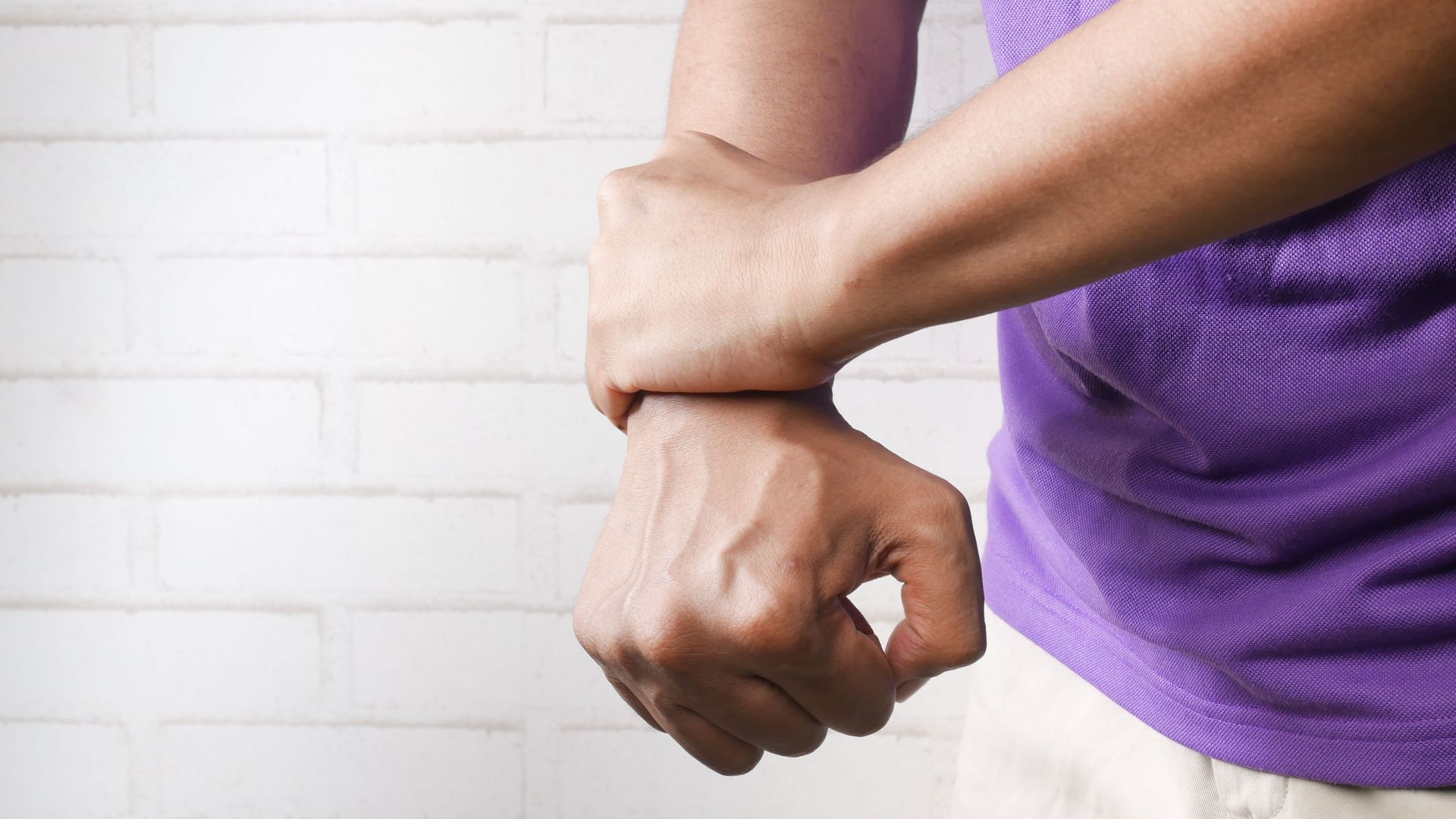
Pressure inside the abdomen pushes its contents out through a weak spot in the wall when you stand or strain. An inguinal hernia will usually slide back the moment you stretch out, so many people only notice the bulge at the end of a long day. One that stops reducing and turns painful needs attention the same day.
16. Protein in Urine Only While Upright
Orthostatic proteinuria occurs when protein appears in the urine while someone is upright but disappears after several hours lying down. It's usually harmless and most common in teenagers and young adults. Doctors can identify it by comparing a first-morning urine sample, collected after a night in bed, with one taken later in the day. Protein in the daytime sample but not the morning one suggests the change is related to posture.
17. Arm Tingling That Eases Arms Down
The space between the collarbone and the first rib is narrow, and raising your arms makes it narrower. Thoracic outlet syndrome is the result when nerves or vessels get compressed there, and lowering the arms opens the space again. Hairdressers and painters tend to notice it first, since the job holds the arms up for hours.
18. Finger Tingling That Eases Lying Back
A compressed nerve root in the neck gets less room when the head's weight presses down through the cervical spine. Lying back removes most of that load, and the tingling in the fingers often fades with it. Physical therapists use a gentle traction test for the same reason, since easing the pressure by hand reproduces what lying down does.
19. Pelvic Pressure That Builds All Day
Hours upright make pelvic organ prolapse worse, and the dragging heaviness settles once you've been off your feet a while. It's common after childbirth and around menopause, and the daily rhythm is usually what finally prompts people to raise it, since mornings can feel almost normal.
20. Arch Soreness After a Standing Shift
Standing still is harder on the feet than walking, since the same tissues stay loaded without the pumping action movement provides. Arch and forefoot soreness builds through a shift and fades once the weight comes off. Hard floors and worn shoes both shorten how long that takes, and so does standing on one spot rather than shifting about.
KEEP ON READING


10 Pre-Workout & 10 Post-Workout Tips To Follow