
Your Glands Have Company
Ask someone where hormones come from, and they'll probably name the thyroid or pancreas. Fair enough, but those glands have plenty of company. Your heart makes hormones, your bones release them, and even your body fat gets involved. Scientists are still figuring out what some of these hormones do, with several discoveries dating back just a few decades. Here are 20 body parts you probably never knew were making hormones.

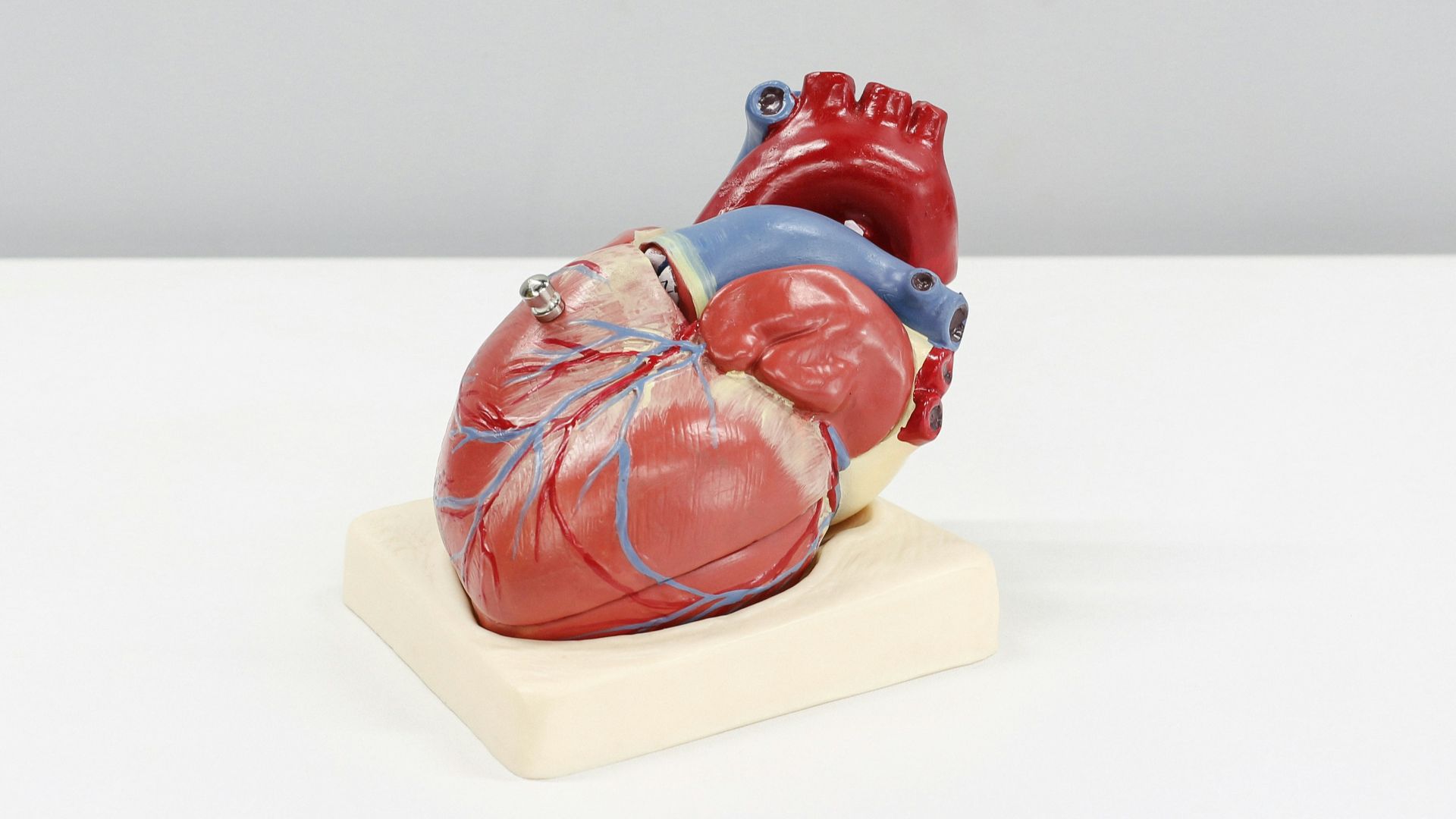
1. Your Heart Releases a Hormone That Lowers Blood Pressure
When your blood volume rises, the upper chambers of your heart stretch and release a hormone called ANP. It tells your kidneys to get rid of extra salt and water, which brings your blood pressure down. Its discovery in 1981 was the first proof that the heart works as a gland, and a related hormone, BNP, is now a standard blood test for heart failure.
2. Fat Tells Your Brain How Much Energy You Have Stored
Fat cells release leptin, a hormone that rises as your fat stores grow and drops when they shrink. Your brain reads those levels and adjusts your hunger and energy use to match. Until leptin was identified in 1994, fat was mostly treated as a passive storage tank.
3. Your Stomach Makes the Hunger Hormone
An empty stomach releases ghrelin, and blood levels climb as you get hungrier. The hormone acts on the hypothalamus to push you to eat, and it also signals the pituitary to release growth hormone. It was only identified in 1999, and its name comes from that growth-hormone effect.
4. Your Bones Send Signals About Minerals and Blood Sugar
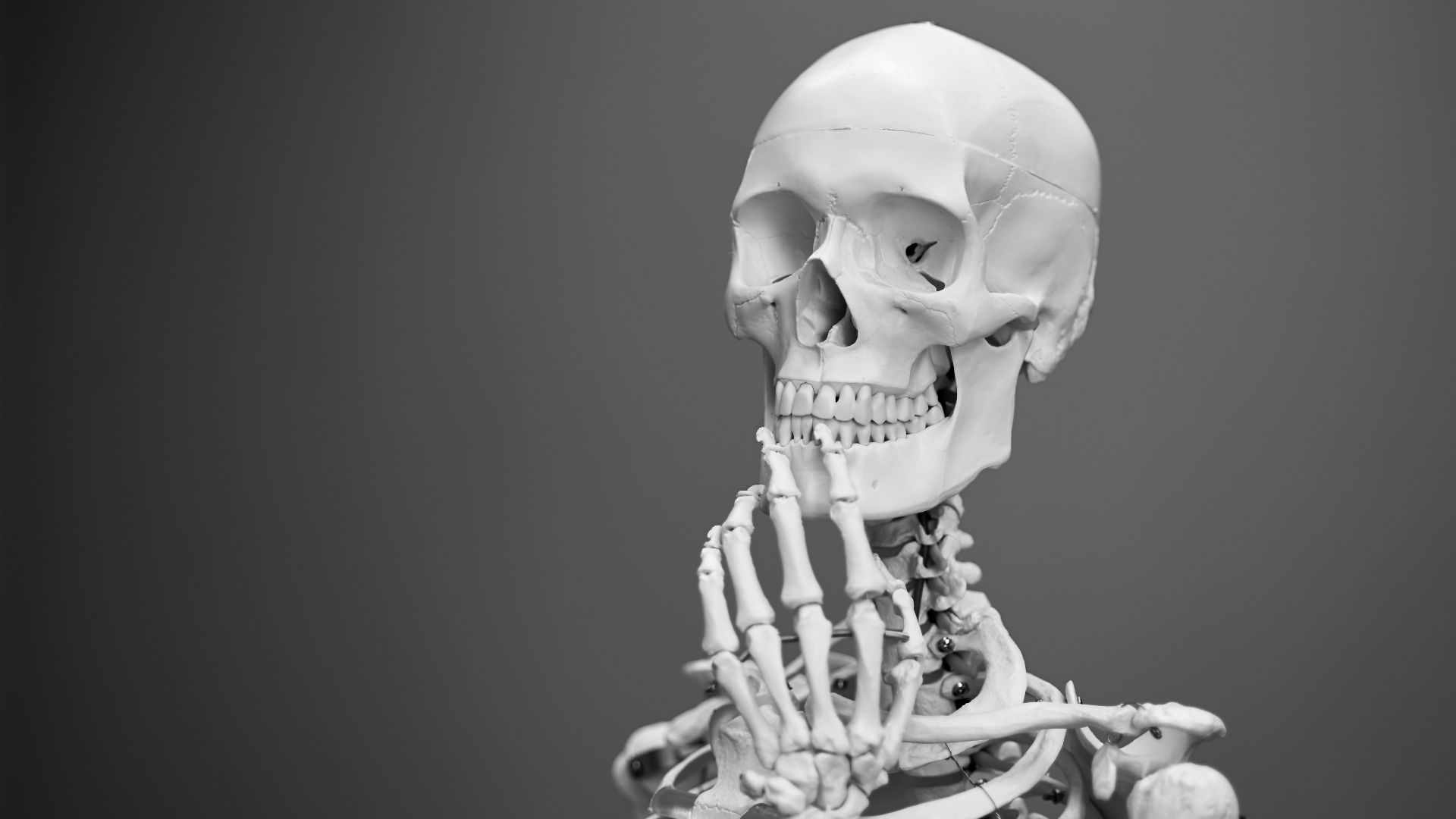
Bone cells release a hormone called FGF23 that tells your kidneys how much phosphate to get rid of. Another bone hormone, osteocalcin, appears to affect insulin and blood sugar, at least in mouse studies. Scientists are still working out how much of the osteocalcin research applies to people.
5. Your Kidneys Order Up More Red Blood Cells
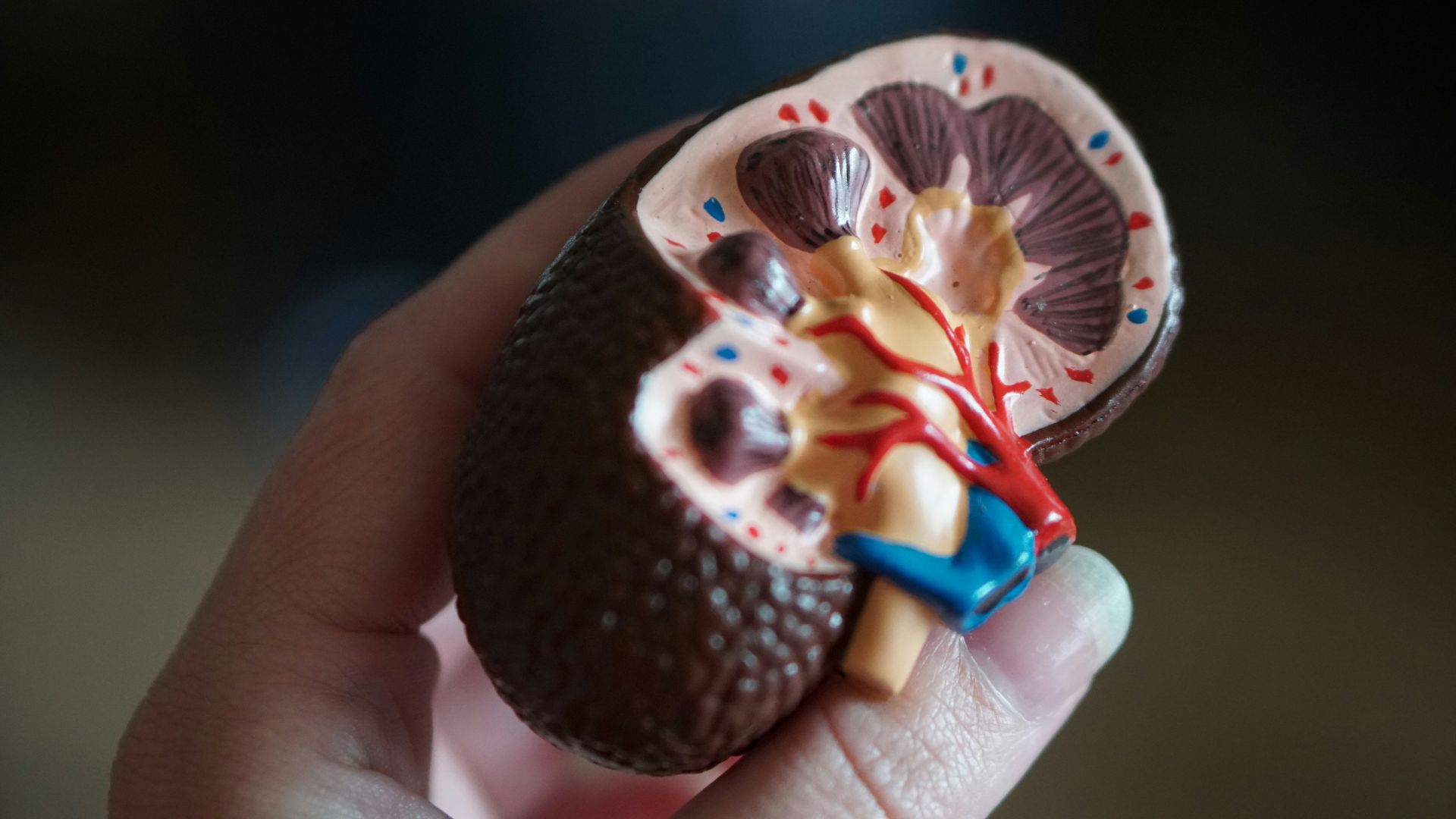
When oxygen in your blood drops, your kidneys release erythropoietin, better known as EPO. It signals your bone marrow to make more red blood cells, which is why people who live at high altitude tend to have more of them. A synthetic version became a notorious doping drug in endurance sports.
6. Your Liver Carries Out Growth Hormone's Orders
Growth hormone from the pituitary doesn't do most of its work directly. It prompts the liver to release IGF-1, which drives much of the growth in childhood and helps maintain tissue in adults. The liver also makes hepcidin, a hormone that controls how much iron your gut absorbs.

7. Working Muscles Release Hormone-Like Signals
Contracting muscles release proteins called myokines into your blood. The best studied is IL-6, which can rise as much as 100-fold during a marathon. It helps the liver release glucose and the body break down fat, and researchers think signals like it account for some of exercise's benefits.

8. Your Small Intestine Made the First Hormone Ever Discovered
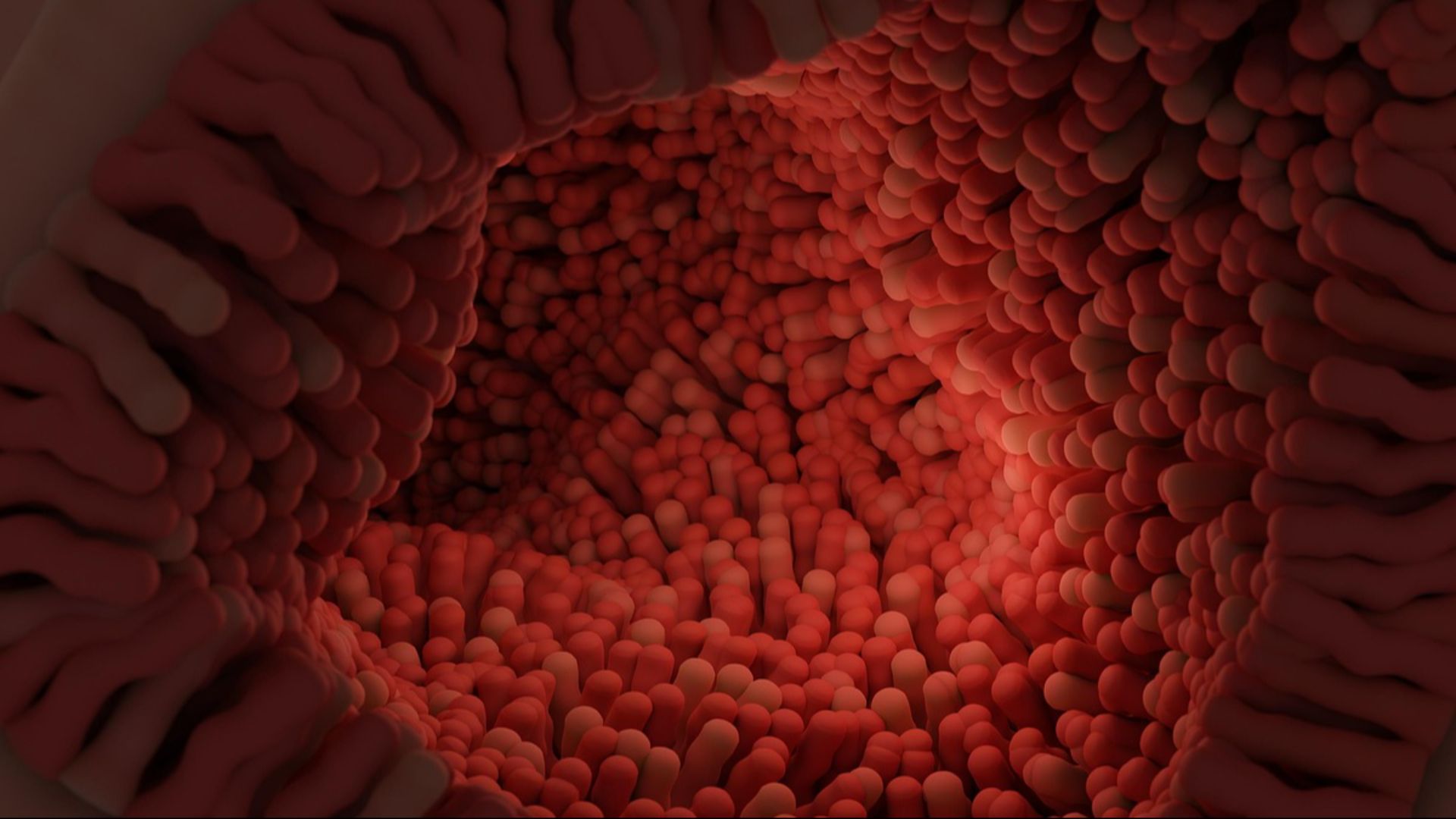
When acidic food from your stomach reaches the small intestine, it releases secretin, which tells the pancreas to send in neutralizing juices. Two British physiologists identified secretin in 1902, and it's considered the first hormone ever found. The word hormone was coined three years later to describe it.
9. Your Lower Gut Makes the Hormone Behind Ozempic
Cells lining the lower intestine release GLP-1 after you eat. It boosts insulin and slows how fast your stomach empties, which helps you feel full sooner. Drugs like semaglutide, sold as Ozempic and Wegovy, are built to mimic it.
10. Most of Your Serotonin Is Made in Your Gut
Serotonin is famous as a brain chemical, yet the vast majority of it is made by cells lining your gut. Estimates put the gut's share at around 90–95 percent of the body's total. Gut serotonin can't cross into the brain, so it works on things like gut movement and bone instead.
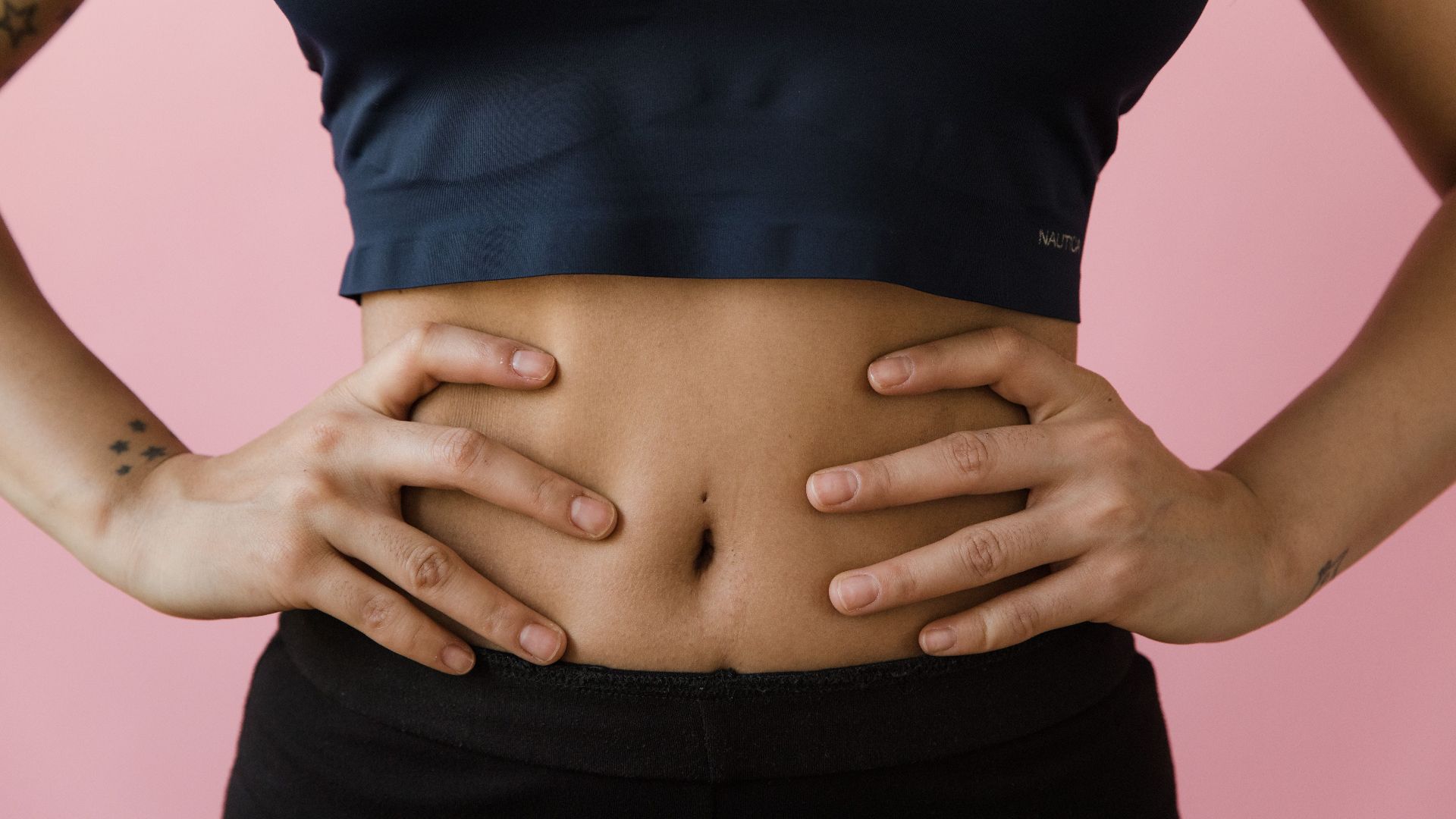
11. Your Skin Makes the Raw Material for Vitamin D
When UVB light hits your skin, it converts a form of cholesterol into vitamin D3. Your liver and kidneys then turn it into calcitriol, which works as a hormone that helps your gut absorb calcium. That's why vitamin D levels often drop in winter at higher latitudes.

12. The Placenta Makes the Hormone Pregnancy Tests Detect
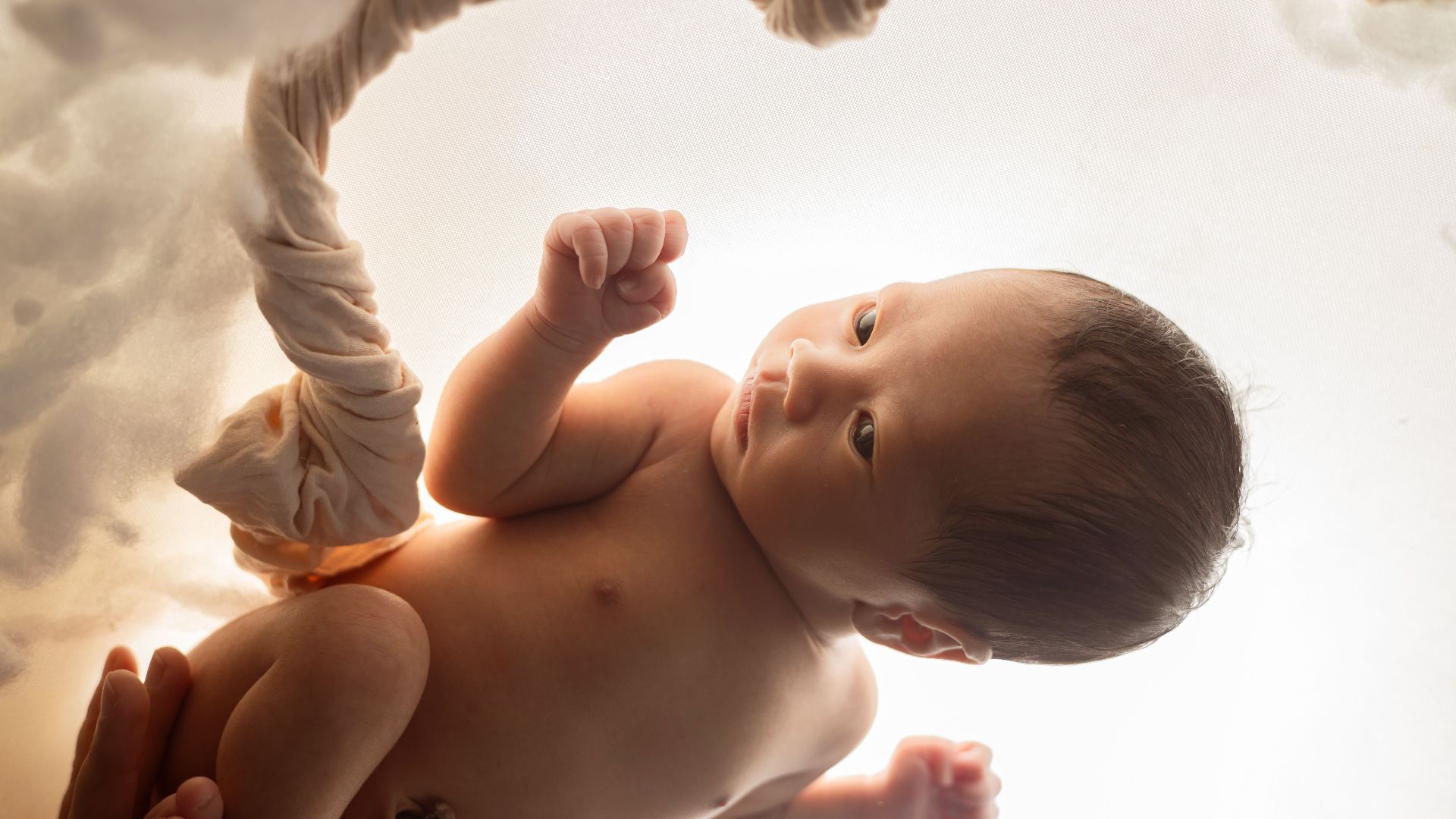
The placenta is an organ the body builds just for pregnancy, and it starts releasing hormones almost right away. Early on it makes hCG, the hormone that home pregnancy tests pick up in urine. Later it produces large amounts of progesterone and estrogen to keep the pregnancy going.
13. Your Ovaries Build a Temporary Gland Every Month
After an egg is released, the empty follicle it left behind turns into a structure called the corpus luteum. It pumps out progesterone to prepare the uterus for a possible pregnancy. If no pregnancy happens, it breaks down after about two weeks, and the drop in progesterone triggers a period.

14. Blood Vessel Linings Control Their Own Width
The thin layer of cells lining your blood vessels releases chemicals that tighten or relax the vessel walls. One of them is nitric oxide (not the laughing gas, which is nitrous oxide), and its role in relaxing vessels earned a Nobel Prize in 1998. Another, endothelin, is among the most powerful blood-vessel constrictors ever found.
15. Your Lungs Finish Making a Blood Pressure Hormone
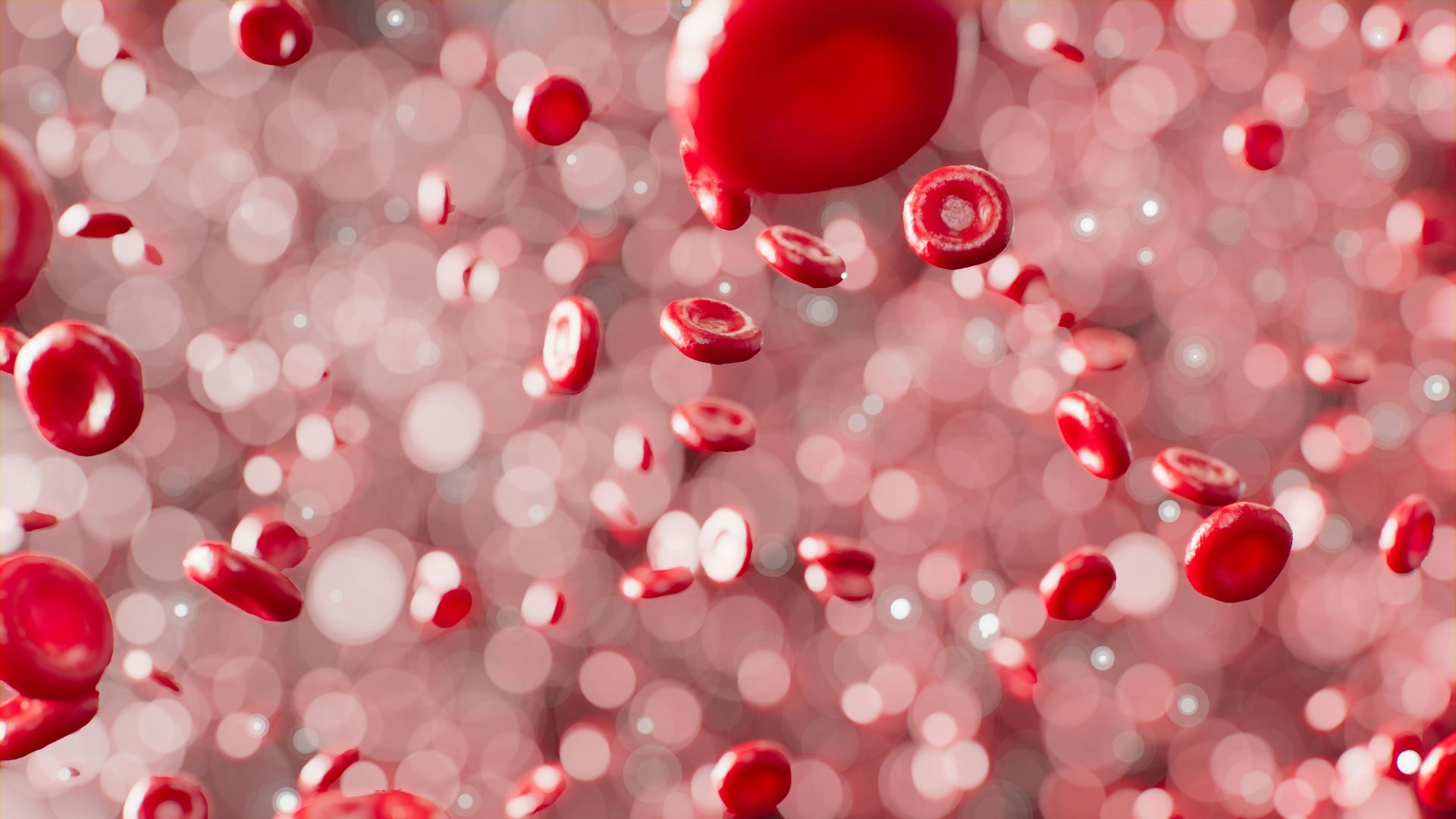
Your kidneys start the process by releasing renin, which leads to an inactive molecule called angiotensin I. As blood passes through your lungs, an enzyme lining their vessels converts it into angiotensin II, which raises blood pressure. Blood pressure drugs called ACE inhibitors work by blocking that step.
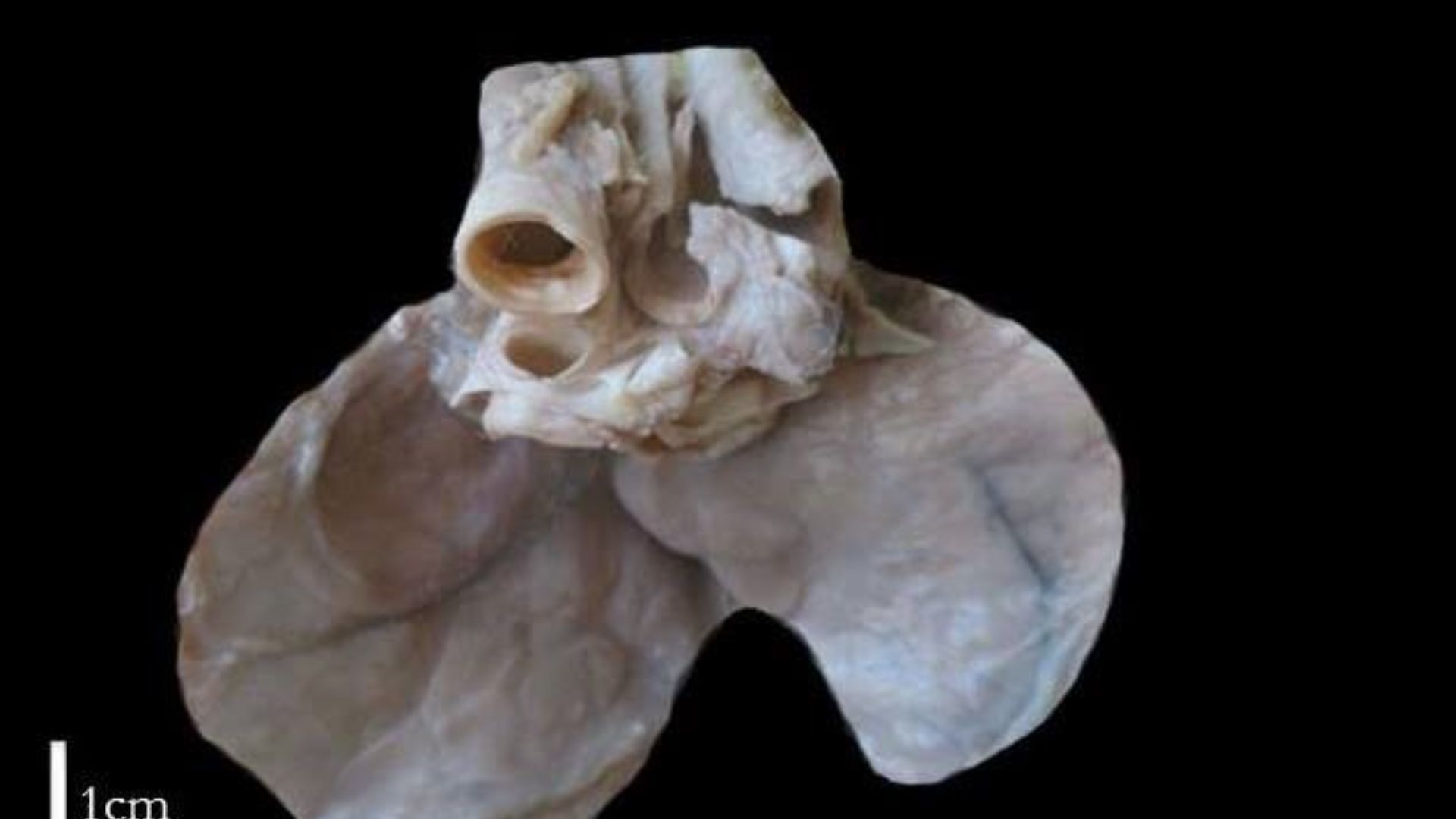
16. Your Thymus Uses Hormones to Train Immune Cells
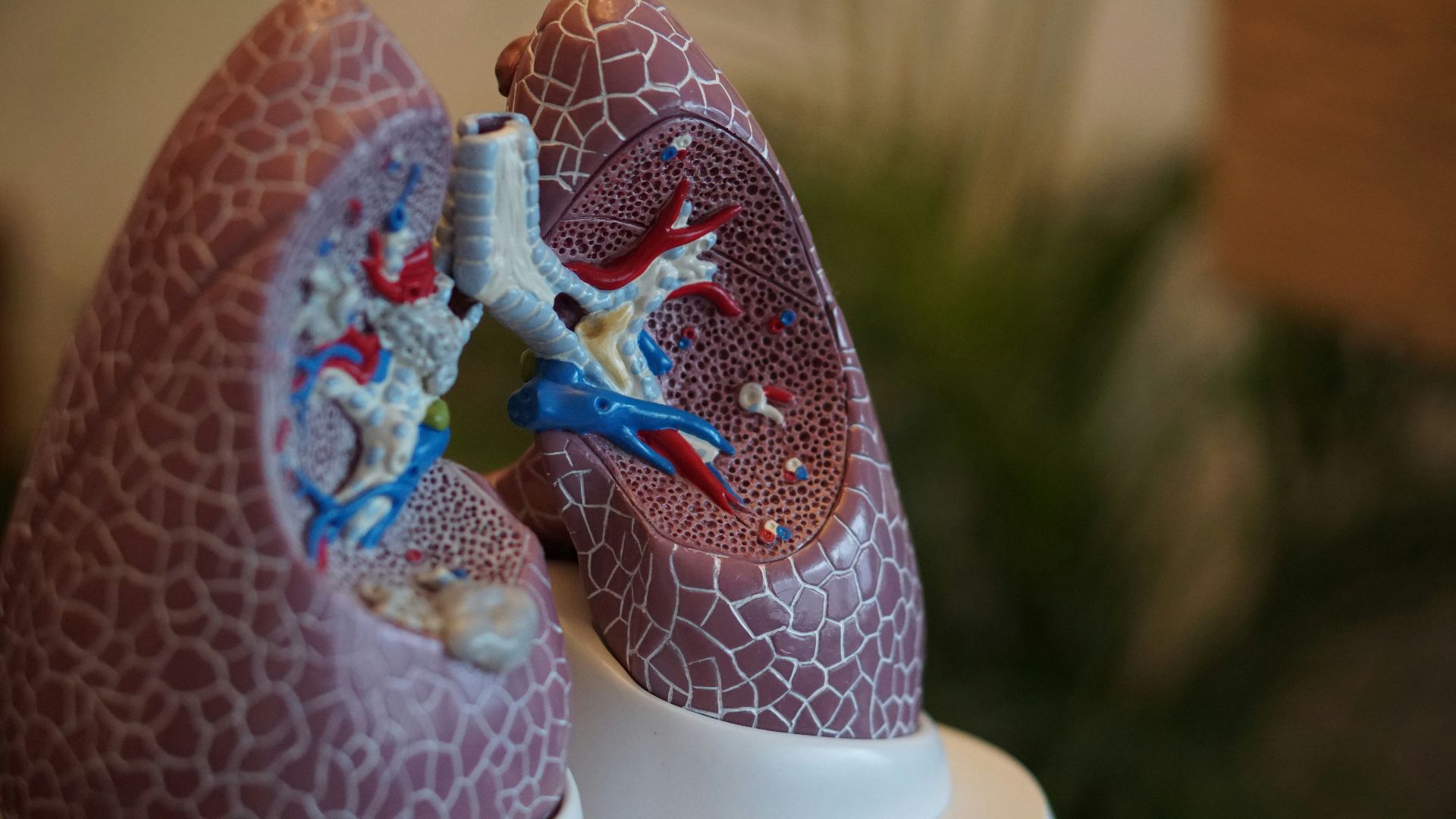
The thymus sits behind your breastbone and is where immune cells called T cells mature. It releases hormones such as thymosin that help guide that process. The gland is largest in childhood and gradually shrinks and fills with fat after puberty.
 Dr. Roshan Nasimudeen on Wikimedia
17. A Tiny Gland in Your Brain Responds to Darkness
The pineal gland, deep in the brain, releases melatonin when it gets dark. Light hitting your eyes suppresses it, which is one reason bright screens late at night can push back sleep. Melatonin levels usually peak in the middle of the night.
18. Four Tiny Glands Behind Your Thyroid Run Your Calcium
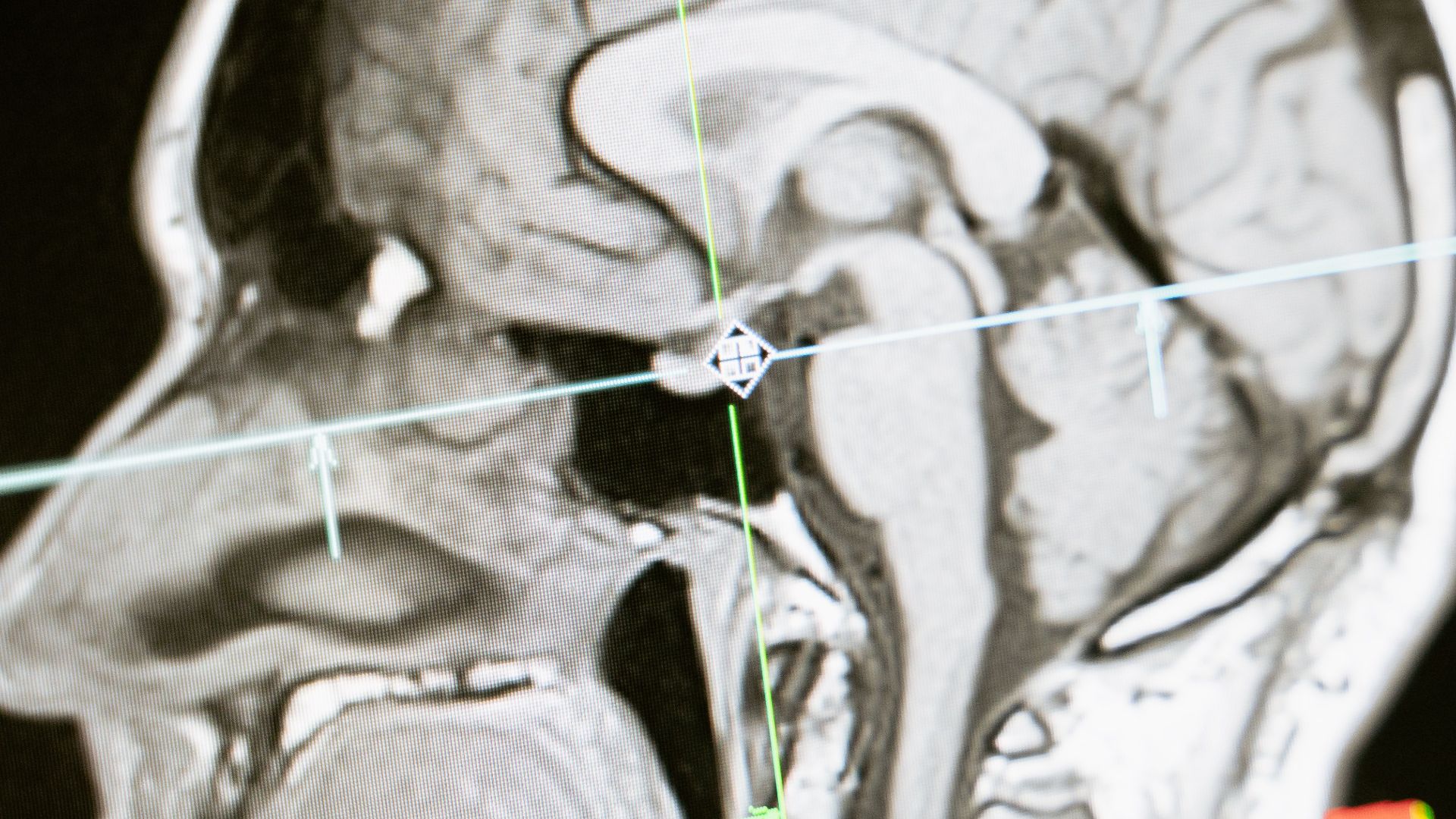
Most people have four parathyroid glands, each roughly the size of a grain of rice, tucked behind the thyroid. When blood calcium dips, they release parathyroid hormone, which pulls calcium from bone and tells the kidneys to hold onto it. Despite the name and location, they have nothing to do with thyroid hormone.

19. Your Breasts Make Hormones During Breastfeeding
During breastfeeding, breast tissue releases a hormone called PTHrP into the bloodstream. It pulls calcium out of the mother's bones so it can end up in her milk. Nursing mothers tend to lose a small amount of bone density as a result, and it usually comes back after weaning.
20. Part of Your Brain Doubles as a Gland
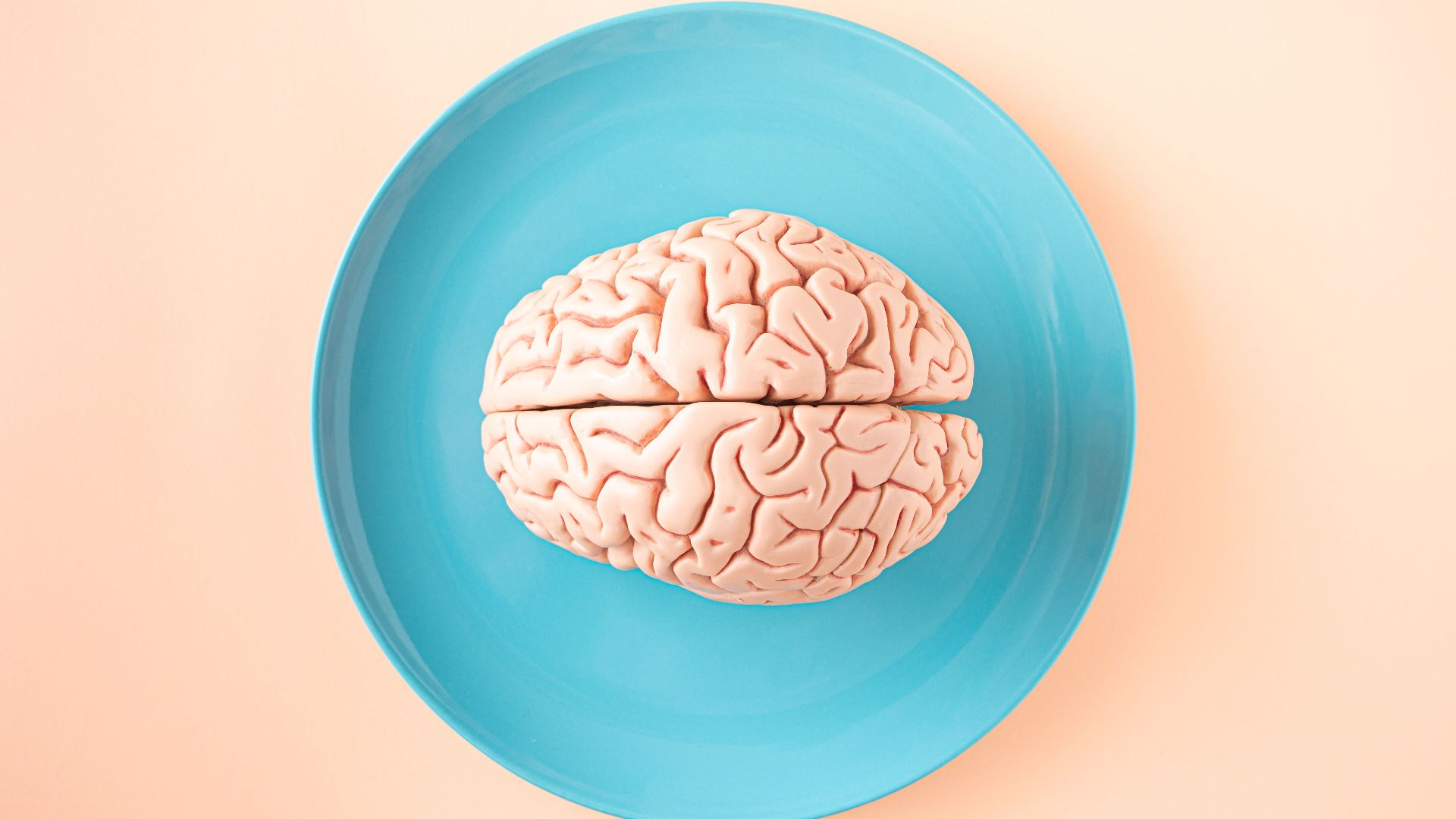
The hypothalamus, a small region at the base of your brain, makes oxytocin and vasopressin. Those hormones travel down nerve fibers and get released into the blood from the back of the pituitary. Oxytocin triggers labor contractions and milk letdown, and vasopressin tells your kidneys to hold onto water.
KEEP ON READING



20 Ways To Get Your Vitamins And Minerals
20 Ways Doing Less Can Actually Improve Your Health