

20 Things Your Walking Pattern Can Reveal About Your Health
Your Walk Might Be Telling You Something
Walking is something most of us do without a second thought, but the way you move can actually reveal quite a bit about your health. From how quickly you take steps to whether your arms swing naturally, certain walking habits can offer clues about everything from muscle strength to neurological conditions. Of course, everyone has their own walking style, and an unusual movement doesn't automatically mean something's wrong, but noticing changes in your gait could help you identify potential health concerns before they become more serious. Here are 20 things your walking pattern can sometimes reveal about your health.
 Mehmet Turgut Kirkgoz on Pexels
1. Walking Slowly Could Signal Declining Physical Fitness
Some people just naturally take their time walking, but if your usual pace has become noticeably slower, it might be worth looking into. Reduced walking speed can sometimes indicate declining muscle strength, cardiovascular fitness, or overall physical function, especially as you get older. Research has also linked slower walking speeds in older adults to a higher risk of future health complications.

2. Shuffling Your Feet May Point to Neurological Changes
Dragging your feet along the ground instead of lifting them properly isn't necessarily just a harmless habit. A persistent shuffling gait can sometimes be associated with neurological conditions like Parkinson's disease, particularly when accompanied by stiffness or reduced arm movement. These changes occur because certain conditions interfere with the brain's ability to coordinate smooth, controlled movements. If you've recently started shuffling your feet or it's getting progressively worse, a medical evaluation can help determine what's causing it.
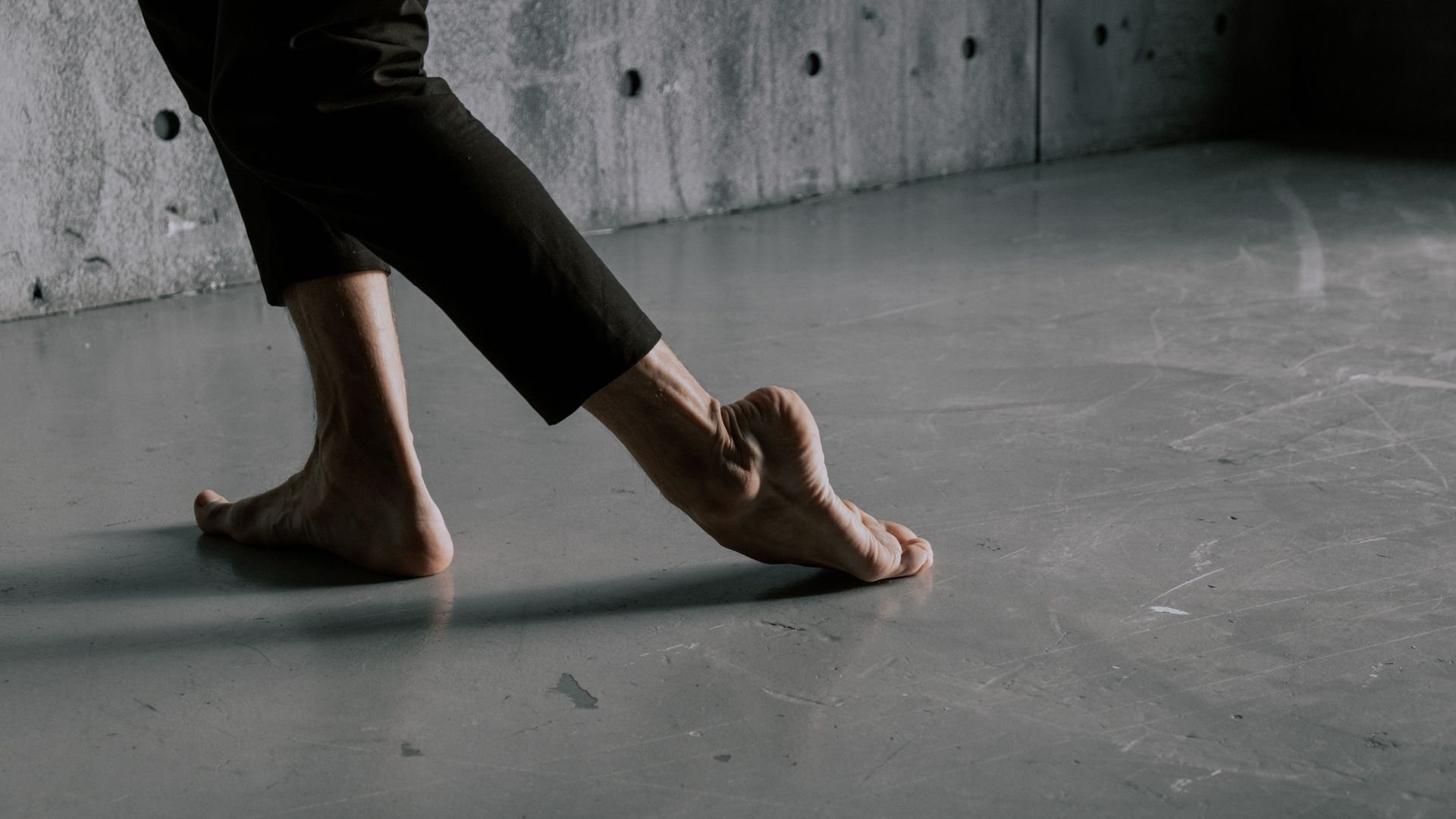
3. Limping Might Reveal Hidden Joint Problems
Most people associate limping with an obvious injury, but sometimes the discomfort isn't severe enough to notice right away. Arthritis in the hips, knees, or ankles can cause you to unconsciously shift your weight away from an uncomfortable joint. Over time, this adjustment may become noticeable in your walking pattern, even if you're not experiencing constant pain. It's worth getting a persistent limp checked out, since it could indicate an underlying condition that needs attention.

4. Taking Extremely Short Steps Could Indicate Mobility Issues
There's nothing unusual about taking smaller steps when you're navigating a crowded sidewalk, but consistently shortened strides can be a different story. Limited joint mobility, muscle stiffness, and balance difficulties can all make it harder to take comfortable, full-length steps. In some cases, shorter strides are also associated with neurological disorders that affect movement control. A physical therapist can help determine whether flexibility, muscle strength, or another issue is limiting your stride.

5. Walking With a Wide Stance May Suggest Balance Problems
Some people naturally walk with their feet farther apart, but suddenly needing a wider stance to stay steady could be a cause for concern. This adjustment often happens when the body has difficulty maintaining balance, potentially because of inner ear problems or impaired coordination. Certain neurological conditions can also cause a wide-based, unsteady walking pattern. If you're regularly spreading your feet farther apart to avoid falling, it's a good idea to bring it up with your doctor.

6. Reduced Arm Swing Could Be an Early Warning Sign
Your arms naturally swing while you're walking, helping coordinate your movements without requiring much conscious effort. When one arm suddenly stops swinging as freely as the other, it could indicate stiffness, pain, or changes in neurological function. Reduced arm swing is sometimes observed in people with Parkinson's disease, especially when it appears alongside other movement difficulties. That said, something as ordinary as a shoulder injury can create a similar pattern, so it's important to consider any other symptoms.

7. Walking With Your Head Down Might Reflect Posture Problems
Constantly looking toward the ground while walking can sometimes have more to do with your body than your surroundings. Poor posture, limited spinal mobility, and muscle weakness may all contribute to a forward-leaning walking position. Some people also lower their gaze because they're worried about losing their balance or want to keep an eye on where they're stepping. If standing upright while walking has become uncomfortable or difficult, checking your strength, vision, and balance could help explain what's going on.

8. Uneven Strides Can Reveal Muscle Imbalances
Your legs should generally move with similar timing and stride lengths, although nobody walks with perfect symmetry. When one leg consistently takes a shorter step than the other, it could be a sign of pain, muscle weakness, or restricted joint movement. These differences sometimes appear after injuries because your body naturally compensates for a weakened or uncomfortable area. If the imbalance doesn't improve, identifying the underlying cause could help make walking more comfortable.

9. Frequently Tripping Could Indicate Foot Drop
Catching your toes on the ground more often than usual might have an explanation beyond being a little clumsy. Foot drop occurs when weakness or impaired nerve function makes it difficult to lift the front part of your foot while walking. People dealing with this condition may compensate by lifting their knees unusually high to keep their toes from dragging. Because foot drop can be associated with nerve injuries and other medical conditions, new symptoms should always be evaluated.

10. Walking With a Waddle May Suggest Hip Weakness
A noticeable side-to-side movement while walking can sometimes mean the muscles supporting your pelvis aren't doing their job properly. Weakness in the hip abductor muscles, including the gluteus medius, may cause the pelvis to drop during each step. This movement is sometimes associated with a walking pattern called Trendelenburg gait, although several different conditions can produce similar symptoms. Figuring out what's causing the weakness can help determine whether targeted strengthening exercises or additional treatment would be beneficial.
 Francisco Gonzalez on Unsplash
11. Suddenly Walking Faster Could Reflect Stress or Anxiety
Have you ever caught yourself rushing around when you've got too much on your mind? Stress and anxiety can influence how quickly you move, sometimes making your walking pace feel hurried even when you've got nowhere to be. Increased muscle tension and restlessness may also affect how smoothly you take each step. Of course, some people are naturally fast walkers, so what matters most is whether your pace has changed alongside other symptoms.

12. Walking With Stiff Legs Could Point to Neurological Issues
Keeping your legs unusually straight or having trouble bending them naturally while walking may indicate muscle stiffness or difficulties with movement control. Certain neurological conditions can increase muscle tone, making everyday movements feel more restricted than usual. For example, someone with a spastic gait may swing one stiff leg outward instead of bending it normally. Since joint problems can cause similar difficulties, a proper medical examination is needed to figure out what's responsible.

13. Feeling Unsteady When Turning Might Reveal Coordination Problems
You might have no trouble walking in a straight line, only to find that turning around feels surprisingly difficult. Trouble changing direction can happen when your balance, coordination, or movement planning isn't working as smoothly as it should. People with Parkinson's disease, for example, may experience hesitation or instability while turning, although several other conditions can affect this movement. If you're repeatedly losing your balance during turns, especially if it's happening more frequently, it's worth getting checked out.

14. Taking High Steps May Indicate Nerve Damage
Lifting your knees unusually high with every step doesn't necessarily mean you're putting extra effort into walking. A high-stepping gait can develop when you have difficulty lifting the front of your foot, forcing you to raise your leg farther to avoid dragging your toes. This pattern may be associated with peripheral nerve damage, spinal problems, or weakness in the muscles that control your ankle. If you've recently developed this movement, particularly alongside numbness or tingling, a doctor can help identify the cause.

15. Walking With Your Feet Turned Outward Could Reflect Joint Alignment
Everyone positions their feet a little differently when walking, and some degree of outward rotation is perfectly normal. However, a noticeable change in the direction your feet point could be related to hip mobility, leg alignment, or discomfort in your lower joints. Sometimes people unconsciously adjust their foot position because it makes walking feel more comfortable. Rather than worrying about how your feet look, pay attention to whether the change is recent or comes with pain.

16. Pausing Before Taking a Step Could Suggest Movement Difficulties
Starting to walk usually happens automatically, but some people experience an unusual hesitation before their feet begin moving. This can happen with certain neurological conditions that interfere with movement initiation, including Parkinson's disease. In more noticeable cases, someone may temporarily feel like their feet are stuck to the floor, even though they're trying to move forward. If these episodes keep happening, seeking medical attention is important because movement difficulties can increase your risk of falling.

17. Walking With Crossed Legs May Signal Muscle Spasticity
When your legs repeatedly cross or move unusually close together while walking, excessive muscle tightness could be responsible. Known as a scissoring gait, this movement can develop when neurological conditions cause certain muscles to become unusually stiff or overactive. It's particularly associated with some forms of cerebral palsy, although other conditions affecting the nervous system may also produce similar symptoms.

18. Leaning Heavily to One Side Might Reveal Hip Instability
A little side-to-side movement is normal when you walk, but consistently leaning your upper body toward one leg may suggest something's off. Some people develop this habit to compensate for weak hip muscles, while others lean to reduce pressure on a painful joint. Unfortunately, this adjustment can place extra stress on surrounding muscles and joints, potentially causing additional discomfort over time. A professional assessment can help determine which condition is behind the movement.

19. Needing Frequent Breaks Could Point to Circulation Problems
If your legs start aching after walking a certain distance but feel better once you stop, it might be worth paying attention to your circulation. Peripheral artery disease can reduce blood flow to the leg muscles, causing discomfort during physical activity that often improves with rest. However, spinal stenosis can produce similar symptoms, sometimes bringing relief when you sit down or lean forward. Instead of brushing off recurring leg pain as ordinary tiredness, consider having it evaluated to find out what's going on.

20. Suddenly Losing Your Balance Could Signal a Serious Health Problem
An abrupt change in your ability to walk steadily is something you should never ignore, especially if you've never had balance problems before. Sudden unsteadiness or difficulty walking can sometimes be a warning sign of a stroke, particularly when accompanied by dizziness, facial drooping, weakness, or trouble speaking. Although other conditions can cause similar symptoms, the sudden onset means it's important to seek emergency medical attention immediately. Your usual walking pattern might change slightly from day to day, but a dramatic, unexplained difference shouldn't be brushed aside.