

The Psychology You Need To Understand About Habits
You might promise yourself that you'll stop scrolling on your phone before bed, cut back on sugary snacks, or finally quit putting off important tasks, only to find yourself doing the same thing a few days later. Bad habits can be surprisingly stubborn, even when you're fully aware of their downsides and genuinely want to change. That's because habits aren't simply a matter of willpower.

1. Your Brain Prefers Familiar Routines
There are many reasons why we form habits, but one reason is that our brains are trying to help us do things with minimal effort. So, you could have formed a habit that you aren't aware of that isn't beneficial to you. Breaking that pattern means paying attention to actions you've barely noticed for months or even years.

2. Bad Habits Often Feel Good in the Moment
There are probably habits you have that you know are bad but still do anyway. Whether it's doomscrolling on social media, eating something you love, or not going to the gym. The problem is that the short-term payoff can feel much more appealing than a benefit you'll only experience weeks or months later.

3. You Rely on Them to Handle Stress
We all love to do things when we're stressed. Having junk food on hand to eat when you have a long day, shopping when you feel stressed, or doing something you shouldn't. These habits can offer temporary relief, which makes them harder to give up unless you find other ways to manage stress.

4. Your Environment Keeps Triggering Them
Sometimes, the problem isn't a lack of motivation but the number of reminders surrounding you throughout the day. If you have sweets at your desk, your phone next to your bed, or the TV on while working, you're setting yourself up to fall into those habits. Changing your surroundings can help because it reduces the number of situations in which you have to resist an unwanted habit.

5. You Expect Change to Happen Too Quickly
When you have a habit you've built up over years and try to break it after a couple of days, it won't magically stop. There will be times when you'll want to fall back into that habit. Real change often takes repeated practice, and expecting a gradual process can help you stay committed when progress feels slow.

6. The Habit Is Tied to a Specific Time or Place
Many behaviors become connected to particular routines, such as snacking while watching television or checking email as soon as you wake up. You may not want to fall into this habit, but you do so because you associate those habits with those times and places. Recognizing these patterns gives you a chance to change the routine or prepare a different response before the urge appears.
7. You Don't Have a Clear Replacement
When you break a habit, you should have something you'll do in its place. If you want to stop picking up your phone every time you're bored, have something you enjoy doing ready to go. A practical replacement gives you something specific to do rather than leaving you to rely on resisting the old behavior every time.

8. You're Mentally Exhausted
Decision fatigue is real. Sometimes you just don't want to do anything. You worked all day, and now it's not appealing to make yourself dinner. Getting enough rest and simplifying your routines can make it easier to follow through when your energy is limited.

9. You Think One Mistake Ruins Everything
After slipping back into an old habit, you might decide that you've already failed and there's no point in continuing to try. Someone who eats an unhealthy meal during a diet, for instance, may use that moment as an excuse to abandon their goals for the rest of the week. A single setback doesn't erase your progress, and returning to your plan at the next opportunity is usually more helpful than giving up entirely.

10. Your Friends and Family Reinforce the Behavior
If you have habits that you engage in with your friends, you'll likely continue to do them. Whether it's drinking more alcohol when hanging out with friends or buying things you can't afford. Changing a habit can become easier when you explain your goals to supportive people and find social activities that fit your new priorities.

11. The Habit Has Become Part of Your Identity
Sometimes, people describe themselves in ways that make changing their behavior feel inconsistent with who they are. You might tell yourself that you're naturally disorganized, terrible at exercising, or simply someone who can't resist sweets, even when those labels aren't especially useful. Viewing habits as behaviors you can change, rather than permanent personality traits, leaves more room to experiment with different choices.
12. You Haven't Identified What Triggers the Behavior
You may be focused on your habit but not realize what you do beforehand that leads to it. Some people have learned that when they get nervous, they bite their nails, or that they procrastinate when they don't understand a topic. Paying attention to what you're feeling, where you are, and what you're doing just before the habit occurs can help you understand what needs to change.
 Kira auf der Heide on Unsplash
13. You Depend Too Much on Willpower
Motivation can be useful when you're getting started, but it isn't always reliable enough to carry you through every difficult moment. If you're relying on willpower to resist those cookies at the grocery store or go to the gym when you don't feel like it, you'll struggle. Find ways to remove yourself from situations where you'll want to fall back into your habit.

14. You Don't See Immediate Results
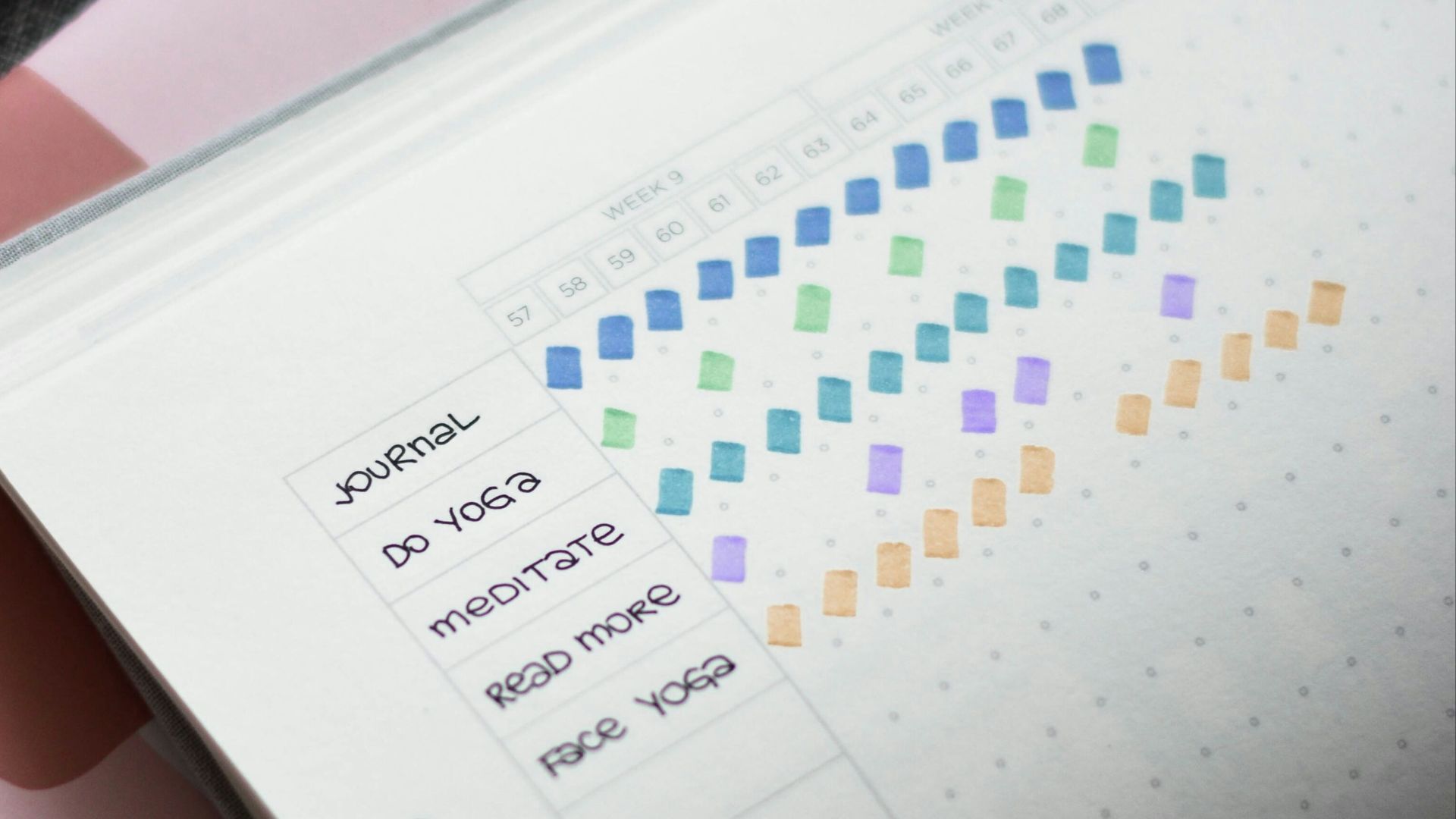
Just as we need immediate rewards for developing good habits, we also need to recognize progress when breaking bad ones. Sleeping at a decent time may not show results right away. Tracking small improvements can help you recognize progress before the larger benefits become obvious.

15. Your Emotions Make the Habit More Tempting
Being bored, lonely, or upset can all cause you to want to engage in a habit. Whether it's turning to your phone when you're lonely or ordering takeout because you're angry at work. Learning to recognize your emotional state before acting gives you more opportunities to choose a response that actually meets your needs.
16. You Make the Same Mistakes When Planning
A plan can look perfectly reasonable on paper and still fail when it doesn't account for your actual schedule, energy, or responsibilities. Deciding to cook every night may be unrealistic when you regularly get home late, just as promising to exercise for an hour every morning may not fit your sleep schedule. Habits are easier to maintain when your plan reflects the life you're living rather than the ideal version of your routine.
 Glenn Carstens-Peters on Unsplash
17. You Keep Your Temptations Within Easy Reach
Convenience plays a significant role in everyday decisions, so the easiest option often gets chosen before you have much time to think. If your phone is always within reach, checking it takes almost no effort, whereas starting a more productive activity may require several steps. Making unwanted behaviors less convenient, such as moving distracting apps off your home screen, can help interrupt automatic choices.
18. You Use Negative Self-Talk After a Setback
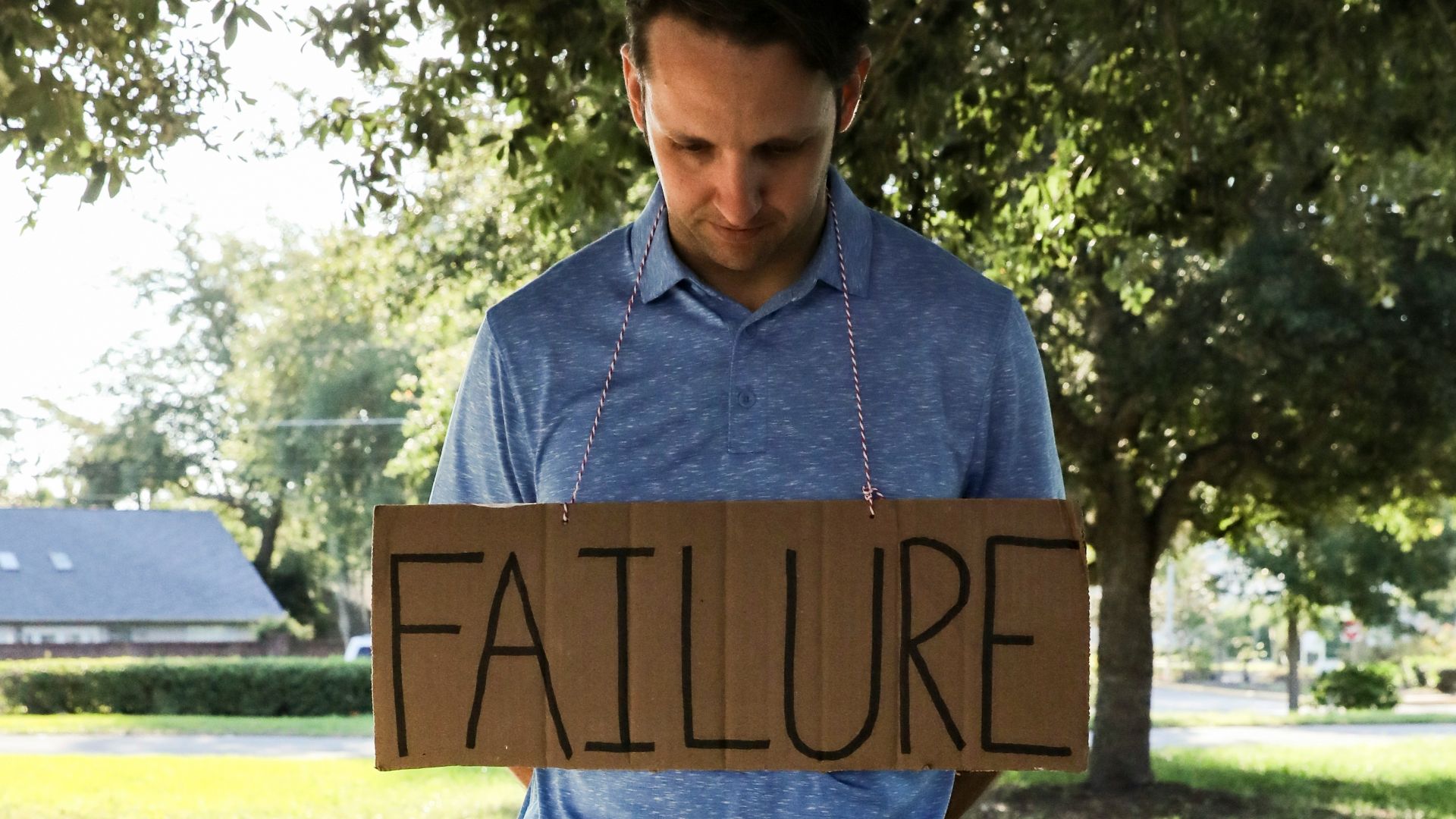
After you slip into your habit, you may call yourself names that won't help you quit. If you call yourself stupid, you'll be more inclined to give up on quitting your habit. Treating setbacks as opportunities to adjust your approach can help you stay engaged instead of turning every mistake into a judgment about your character.
19. The Habit Serves a Purpose You Haven't Replaced
Why do you have that habit in the first place? It could be that your brain wants that dopamine hit from doing something fun. Finding another way to meet the same need can make the change more sustainable because you're addressing the reason the habit became appealing in the first place.

20. You Haven't Given Yourself Enough Time to Practice
If you want to break a habit, you have to teach your body not to perform that action. You might not do it one day, but you may do it another day. Rather than waiting until you can do everything perfectly, focus on practicing the behavior consistently and adjusting your approach when something isn't working.

KEEP ON READING



20 Ways to Deal With Your Sweet Tooth

20 Low-Impact Exercise Ideas For People Over 50