
What Food Manufacturers Don’t Want You to Focus On
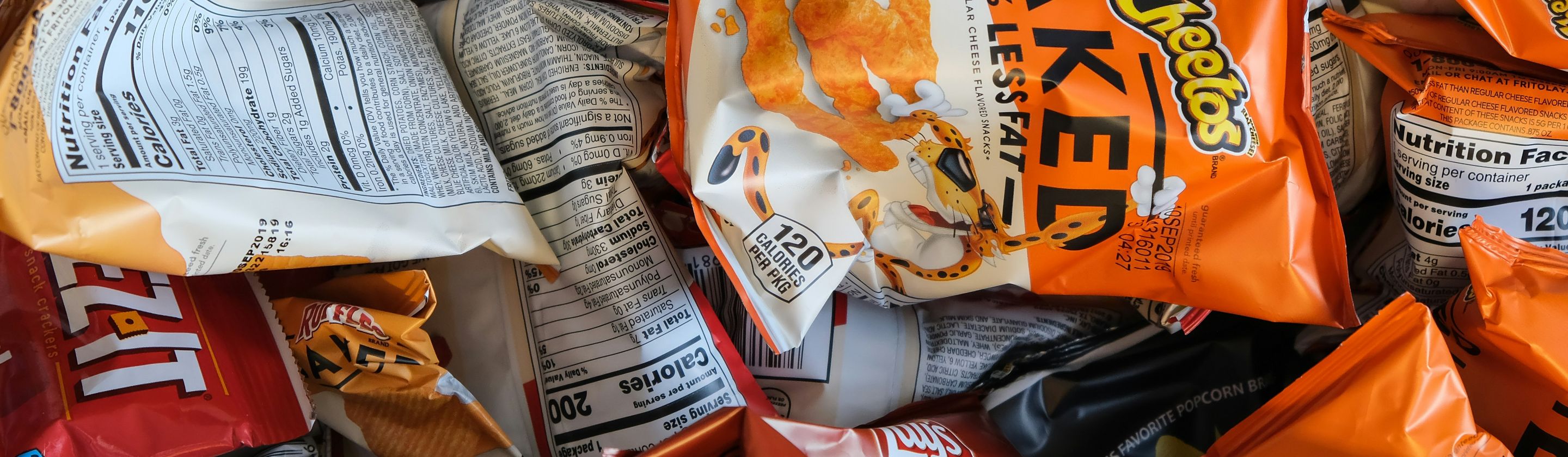
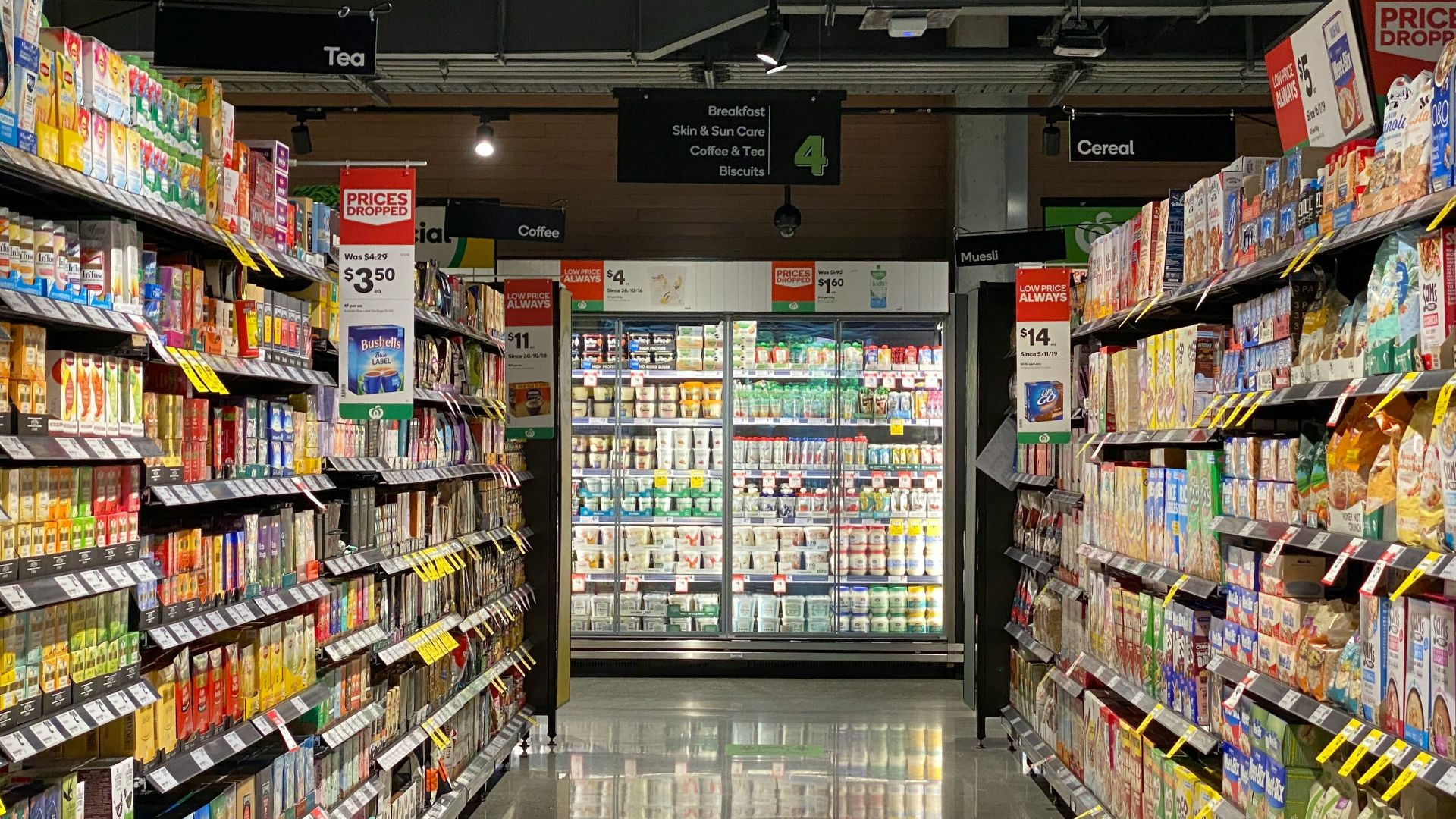
Walking down the grocery aisle, it's easy to grab a product because the packaging looks appealing or the front promises something healthy. However, phrases like "natural," "high protein," and "reduced sugar" don't always tell you everything you need to know about what's inside. Taking a moment to read the Nutrition Facts label can help you compare products, understand what you're eating, and choose foods that better fit your needs and preferences.
1. Serving Size
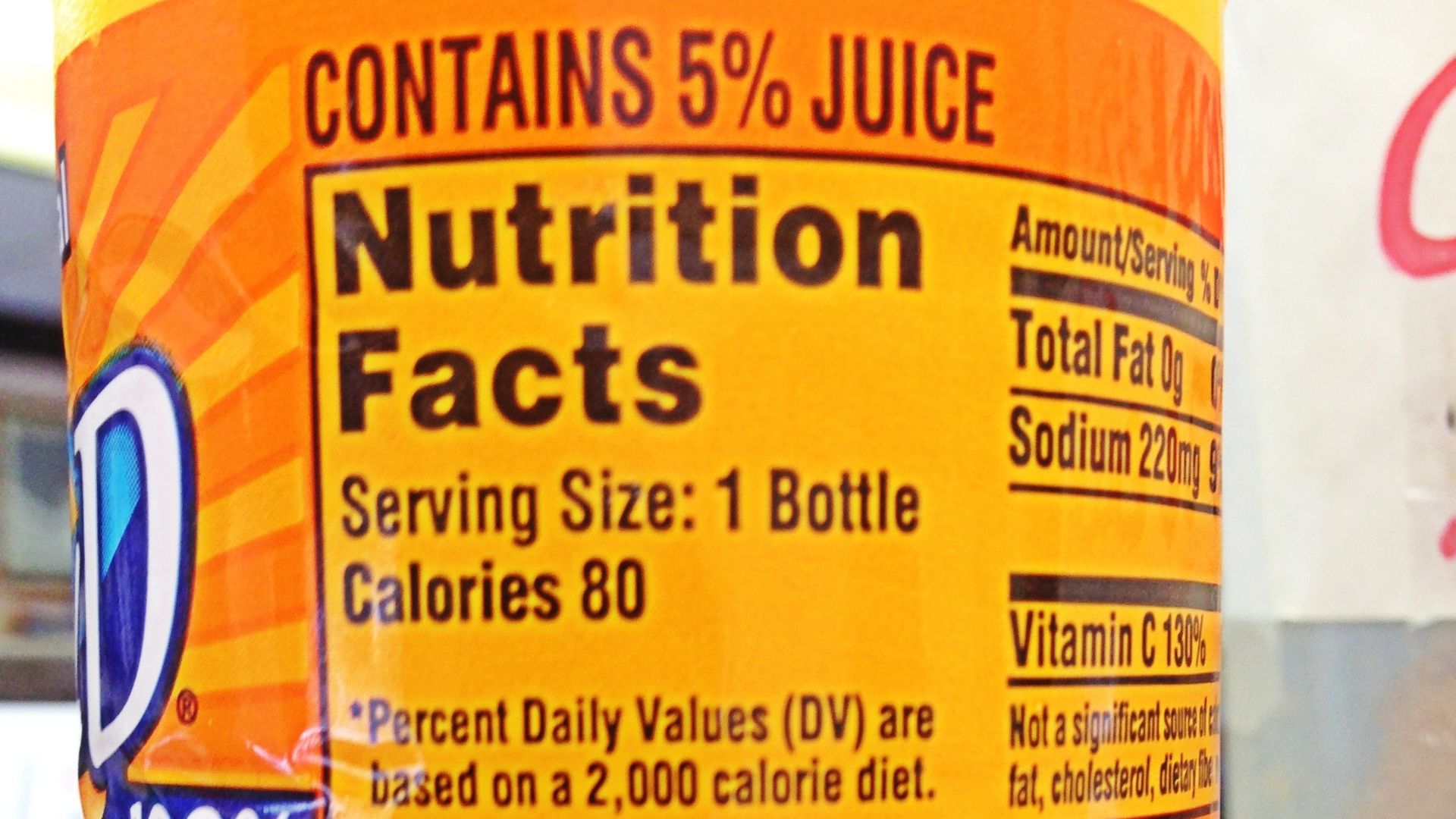
The serving size is one of the first things you should check because all the nutrition numbers on the label are based on that amount. A bag of chips might list 150 calories per serving, but if the package contains three servings and you eat the whole thing, you'll consume 450 calories. Pay attention to both the serving size and the number of servings per container so you know what the figures actually mean.
2. Calories Per Serving
Calories tell you how much energy your body will get from the food you're eating. If you're comparing two similar foods, it can help you decide which to choose. Some foods may have more calories because of higher amounts of fat and sugar or simply because of their serving size.
3. Added Sugars
This will let you know how much sugar has been added to the food. There can be added sugar in a lot of products, including cereal, yogurt, tea, pasta sauce, and much more. If you want to limit your added sugars, you can compare these amounts to see which product suits you best.
4. Total Sugars
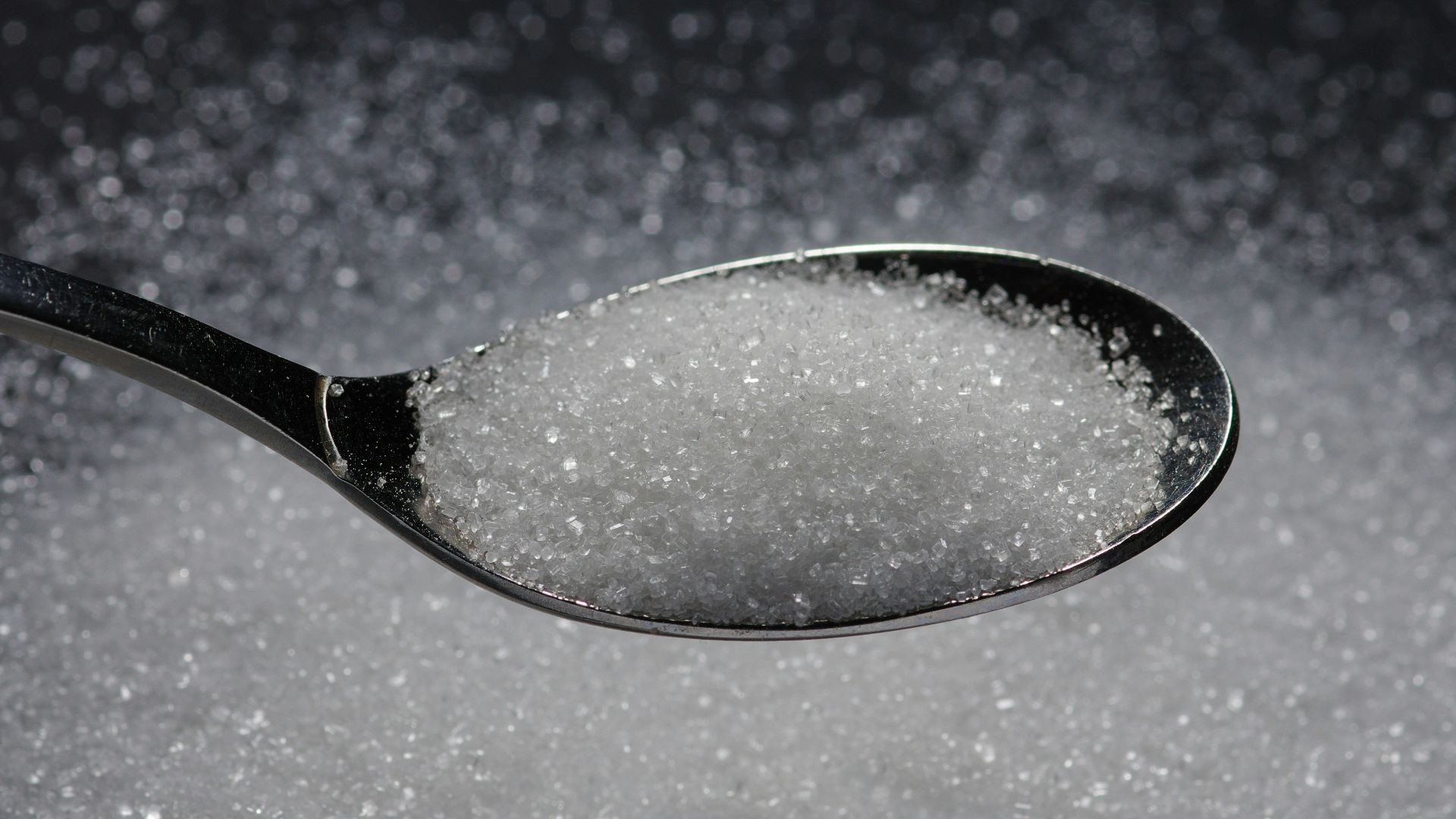
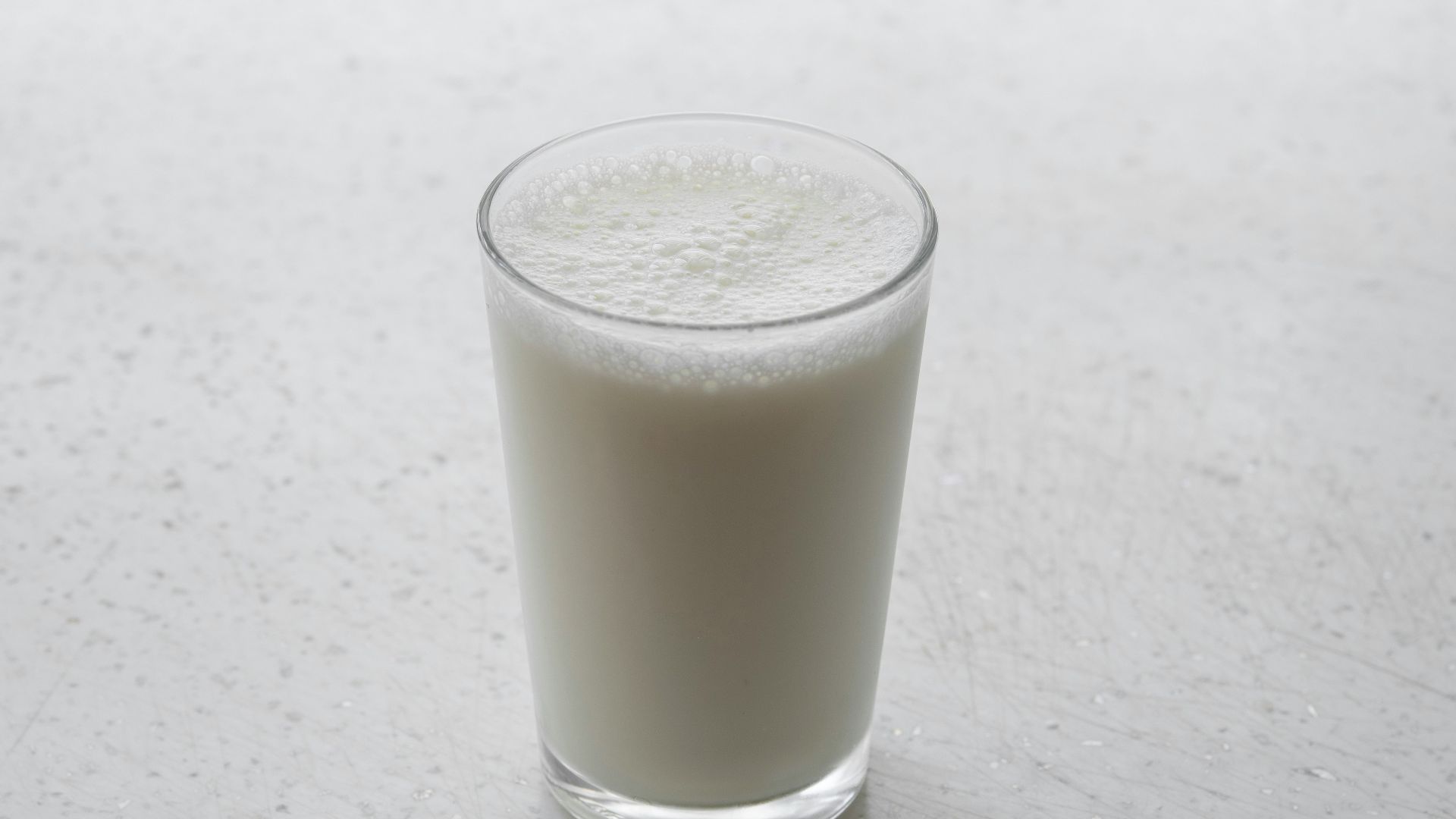
As you can see, there are now two types of sugar that you can check when reading your Nutrition Facts label. Total sugars will give you the amount of sugar in the food, and there may or may not be added sugar. Milk, for example, has naturally occurring sugar in it.
5. Dietary Fiber
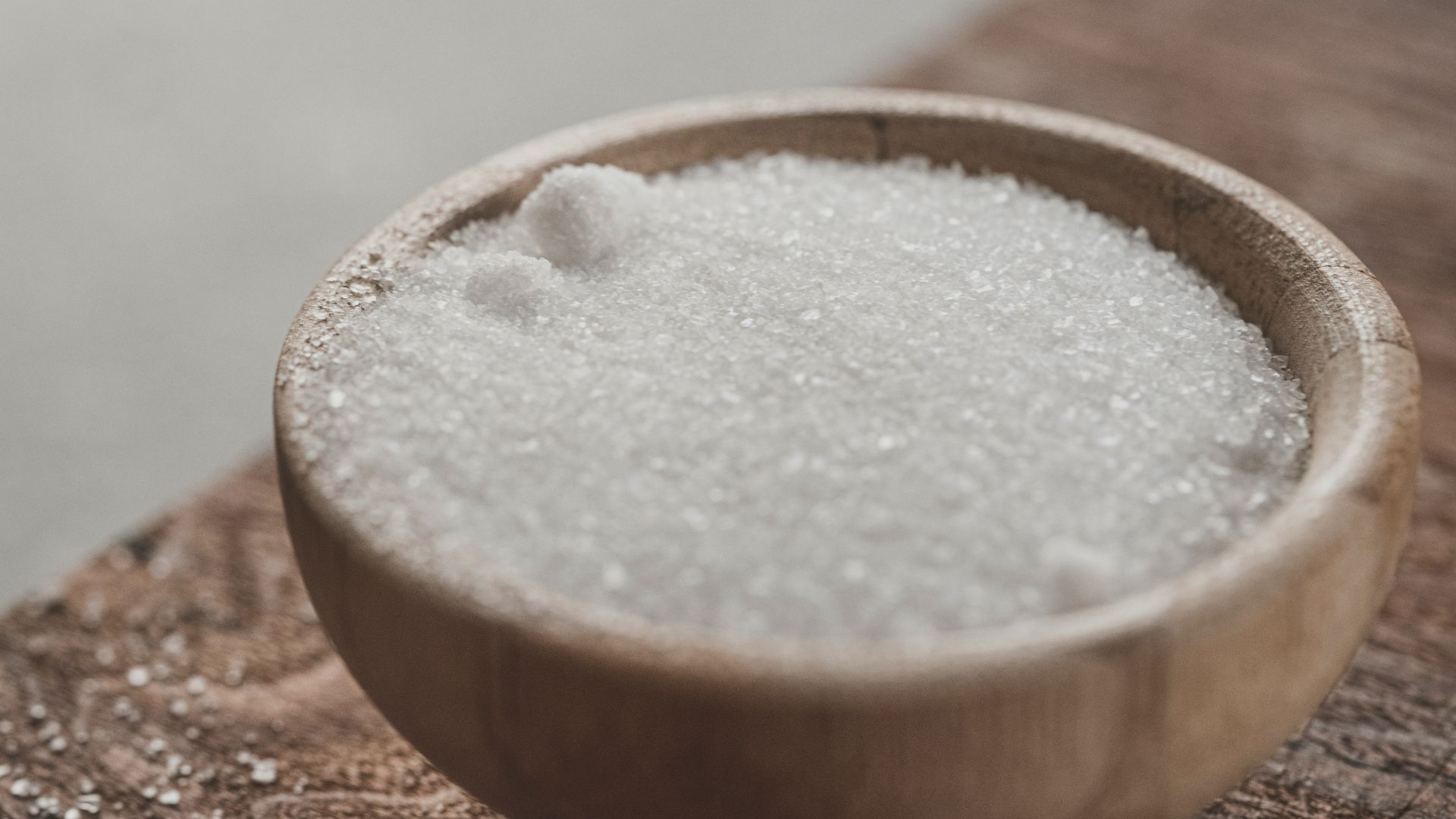
Another great nutrient to look for in the Nutrition Facts is fiber. It helps you feel full and supports good digestion. When comparing similar products, look at the grams of fiber per serving rather than relying solely on front-of-package claims such as "made with whole grains."
6. Protein Content
There are many benefits to protein in our diet. It can help build muscle and support many other processes that happen in our bodies. If you're choosing a protein bar or snack specifically to increase your protein intake, check the grams per serving and make sure the serving size reflects what you'll actually eat.

7. Sodium
Many foods we consume contain sodium. You can read the Nutrition Facts label to see how much you're getting from packaged foods. Some examples of foods that may have high amounts of sodium are canned soup, frozen dinners, deli meats, and sauces.
 Kamakshi subramani on Unsplash
8. Saturated Fat
You may already know that too much saturated fat can lead to increased LDL cholesterol, which can put you at a higher risk of heart disease. Saturated fat can be found in foods like butter, red meat, cheese, baked goods, and more. Checking the amount per serving can help you compare similar products and make choices that fit your dietary needs.

9. Trans Fat
It's not something you want to have too much of in your diet. There have been changes in the U.S. to remove artificial trans fats from many foods. There are still naturally occurring trans fats, but they should be minimal in most diets.
10. Total Fat
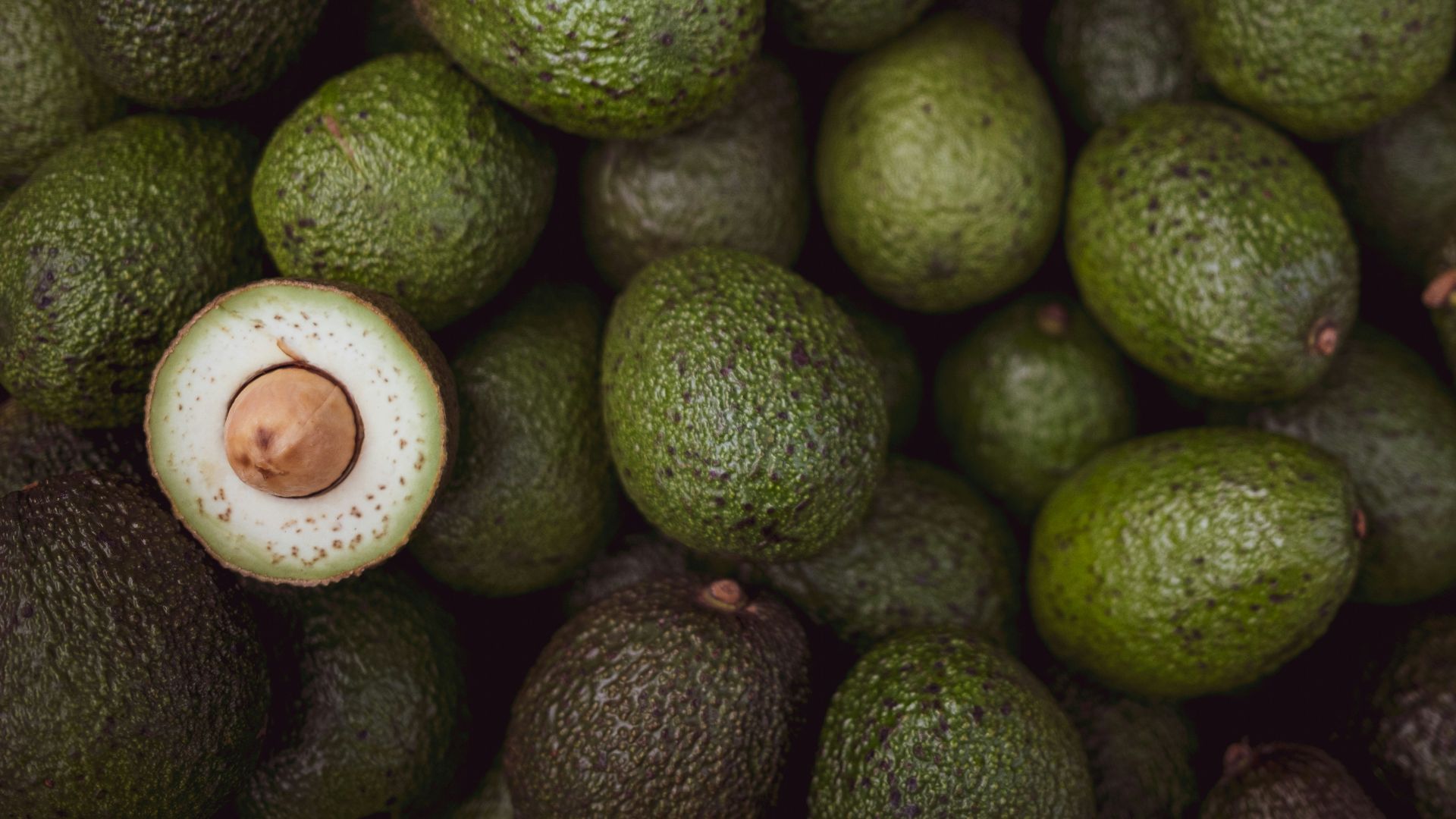
As we know, saturated fat can be bad for us if we consume too much. There are other types of fat as well. Fat can be healthy for your body; it depends on the type of fat and how much you're consuming. So, again, don't avoid every food that contains fat, but check to see what types and how much you're getting.

11. Cholesterol
Checking the amount of cholesterol on a Nutrition Facts panel can help when reading food labels. Foods that may contain cholesterol include eggs, meat products, and dairy. Just like saturated fat, there are many reasons why someone may have high cholesterol.

12. Vitamin D
Vitamin D allows your body to absorb calcium. Some products will have vitamin D added to them, and some will not. Checking the percent Daily Value can help you compare fortified products, but remember that the amount you need depends on your age and individual circumstances.
13. Calcium
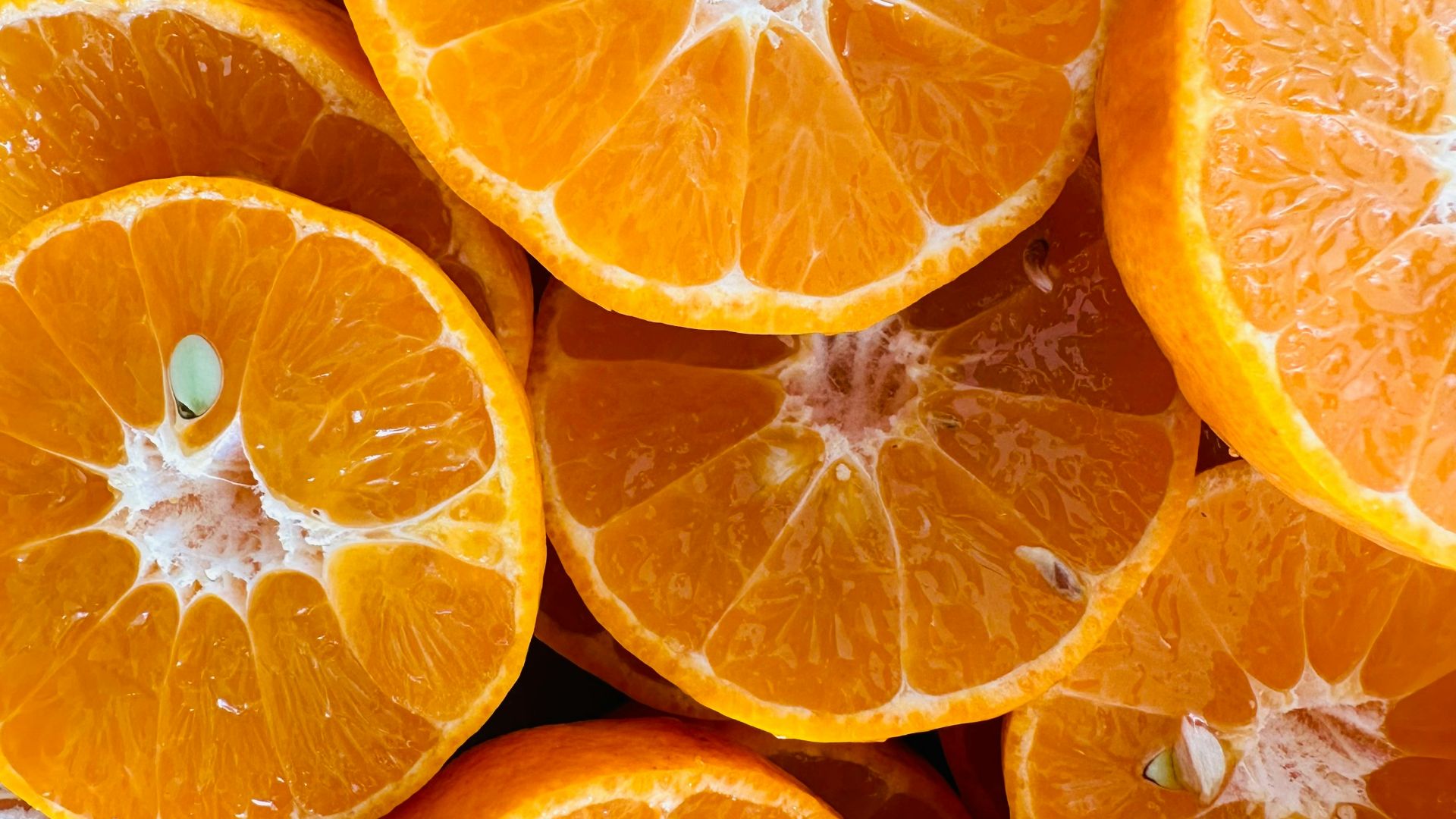
Calcium helps maintain strong bones and teeth. When you think of calcium, you probably think of dairy. But other products contain calcium as well. If you're comparing alternatives to dairy milk, check the calcium content rather than assuming every product provides a similar amount.
14. Iron
Iron is another mineral that's important in our bodies. It helps produce hemoglobin in your red blood cells. Some foods that provide iron include cereals, beans, and meat. Keep in mind that there are different ways your body absorbs iron.

15. Potassium
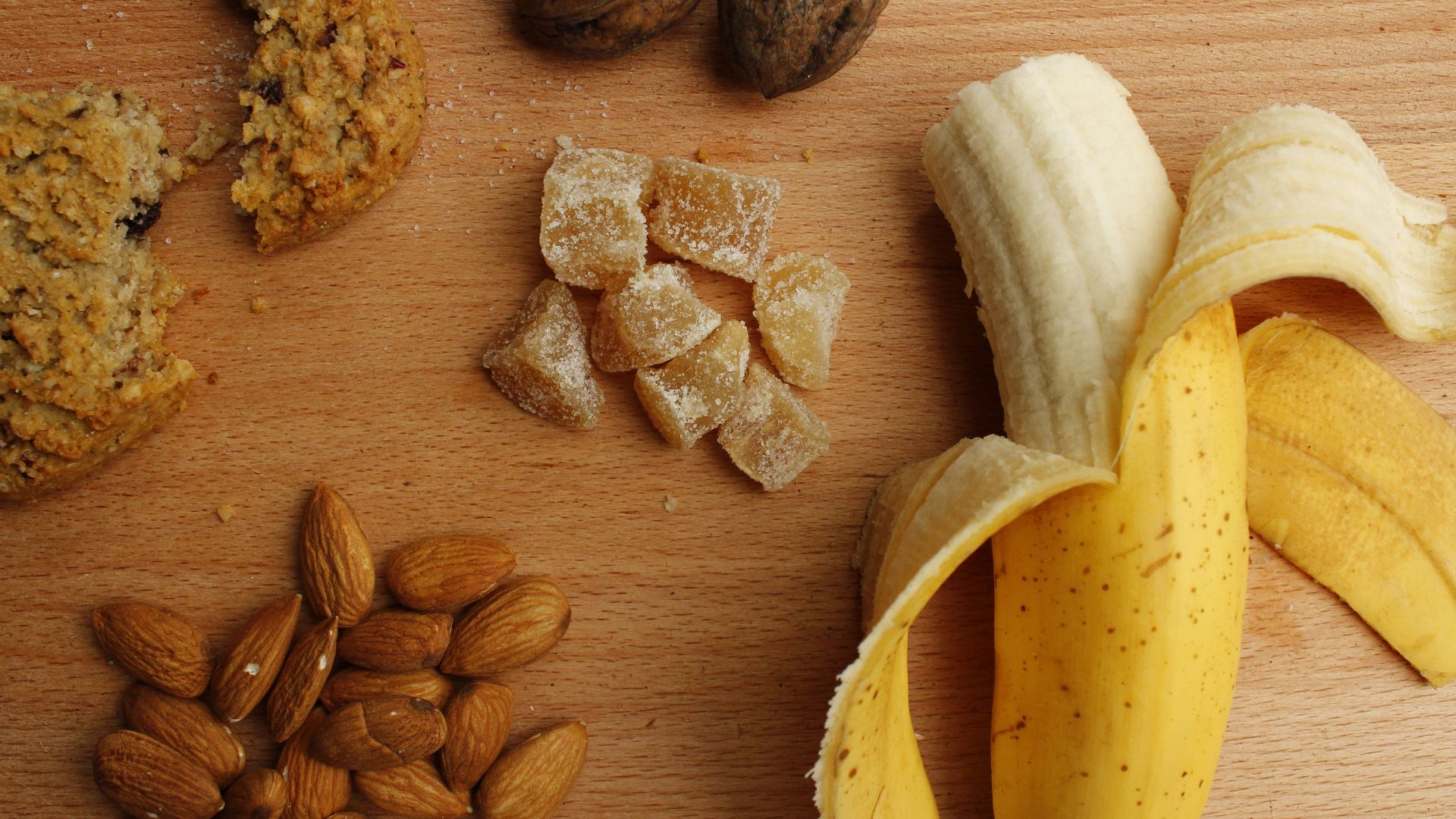
Potassium is another nutrient to know about when reading Nutrition Facts labels. It helps with muscle contractions and nerve signals in your body. There may be potassium in dairy products, beans, and some beverages.
 Merve Sehirli Nasir on Unsplash
16. Percent Daily Value
Reading the percent Daily Value will help you compare products. If something has a %DV of 5% or less per serving, it's considered low, and if it has 20% or more per serving, it's considered high. When you're looking for more fiber or calcium or less sodium, you can use this information to compare products.
17. Ingredient List Order
The ingredient list provides information that the Nutrition Facts panel alone can't tell you, including which ingredients are used to make the product. Ingredients are generally listed in descending order by weight, meaning the first ingredients account for the largest amounts by weight. If whole grains, nuts, or another ingredient you're looking for appear near the beginning, that can be useful information, although the full list still matters.

18. Whole Grains
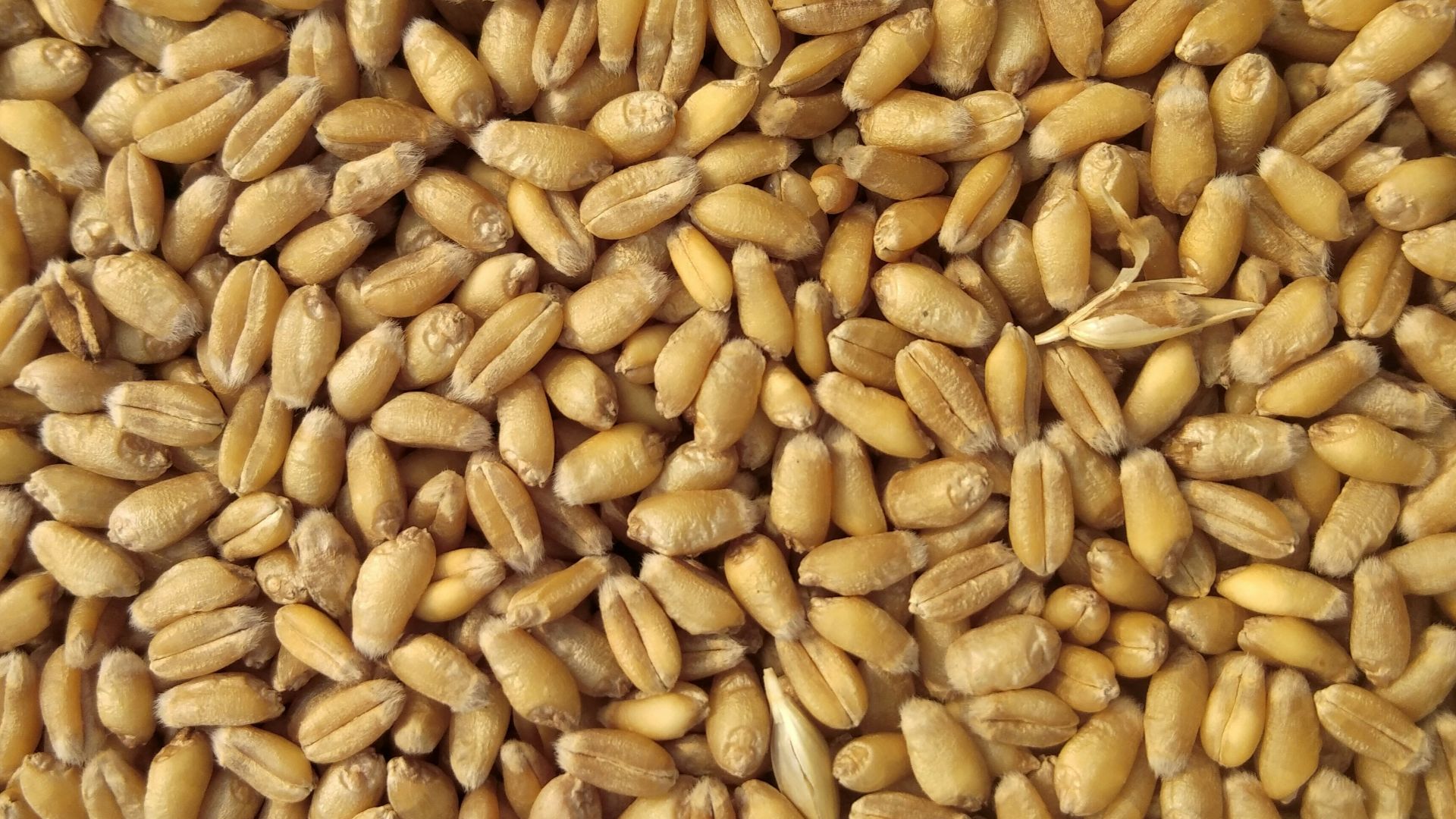
A package labeled "multigrain" or "made with whole grains" doesn't necessarily mean that whole grains make up most of the product. Check the ingredient list for whole-grain ingredients, such as whole wheat or oats, and see where they appear in the order. This is particularly helpful when choosing bread, crackers, cereals, and other grain-based foods, since products with similar packaging can differ in their whole-grain content.
19. Allergens
If you or the person you're purchasing food for has an allergy, make sure you read the ingredients each time you purchase that product. In the U.S., many companies list common food allergens on their packaging. There can still be "trace" statements that may include information about ingredients you're allergic to.

20. Package Claims Like "Low Fat" or "Sugar-Free"
Front-of-package claims can help you spot products that meet certain criteria, but they don't tell you the whole nutritional story. A sugar-free product may still contain substantial amounts of fat or calories, while a low-fat version of a food may have more added sugar than the regular option. Check the actual Nutrition Facts panel and ingredient list before deciding which product best fits your needs, rather than relying on a single appealing phrase.

KEEP ON READING



20 Natural Ways You Can Boost Your Immune System

20 Ways To De-stress & Relax After Work

The 10 Most Common Diseases & The 10 Most Rare