What Your Body Starts Doing Differently
The standard warnings usually stop at cholesterol, blood pressure, and your annual physical, which is only a small part of the story. After sixty, many of the biggest changes are quieter and harder to notice from the inside, because the body often adapts long before it sends up a clear warning. Some of those changes respond surprisingly well to exercise, diet, sleep, and treatment, even decades later. Others simply require knowing what is normal and what is not, so a real problem does not get dismissed as ordinary aging. Here are 20 things about the body after sixty that tend to catch people off guard.

1. Muscle Leaves Faster Than You Notice
Adults lose muscle mass steadily from about thirty, and the rate picks up considerably after sixty. Nothing about it feels dramatic, since the loss hides under the same clothes and the same weight on the scale. People usually discover it the first time a suitcase goes into an overhead bin and doesn't want to go.

2. Lifting Something Heavy Matters More Than Walking
Daily walks are good for the heart and do almost nothing for muscle. Resistance training is what actually rebuilds it, and people in their seventies and eighties gain strength on the same schedule as anyone else. The first six weeks of progress come mostly from the nervous system learning the movement, which is why early gains feel almost too easy.
3. Falls Are The Real Danger
The CDC reports falls as the leading cause of injury-related death among adults over sixty-five. A hip fracture at eighty works more like a turning point than an injury, and a large share of people never return to independent living afterward. Fear of falling then keeps people sitting down, and sitting down is what makes the next fall more likely.
4. Balance Is A Skill You Can Practice
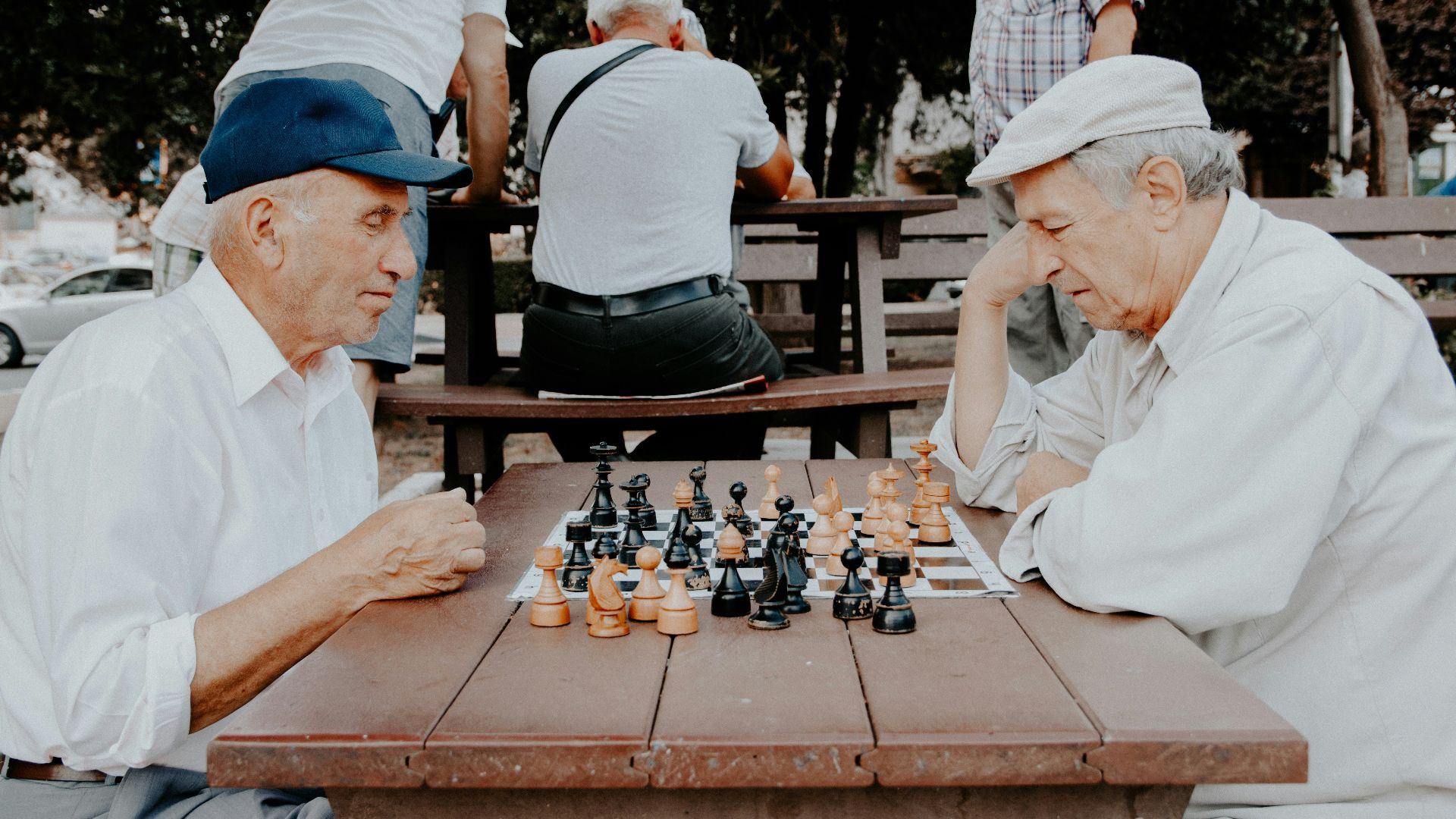
Standing on one foot while brushing your teeth sounds like a joke and works anyway. Balance declines partly from disuse, and the inner ear and the reflexes both respond to being asked. Tai chi has held up well in fall-prevention trials for exactly this reason, and the people doing it in the park at seven in the morning are not wasting their time.
5. Protein Requirements Go Up, Not Down
Older bodies extract less benefit from the same amount of protein, a problem researchers call anabolic resistance. Appetite usually shrinks at the same time, so intake drops right when the need increases. Spreading it across the day works better than loading most of it into dinner.
6. Thirst Stops Working Properly
The signal that tells you to drink gets weaker with age, and the kidneys hold less water in reserve. People end up mildly dehydrated without ever feeling thirsty, which shows up as confusion or dizziness before anything else. A hot week without much drinking can turn that into an emergency room visit.
7. Infections Show Up Wearing A Disguise
A urinary infection in an older adult often presents as sudden confusion rather than pain or fever. Pneumonia can arrive without a cough. When a sharp person becomes disoriented over a day or two, an infection belongs near the top of the list of suspects.
8. Hearing Loss Is A Brain Problem Too
The Lancet Commission on dementia prevention identifies untreated hearing loss as one of the largest modifiable risk factors. Straining to follow conversation eats cognitive resources and gradually pushes people out of social life. The average person waits the better part of a decade before doing anything about it, mostly over how the aid will look.
9. Sleep Changes Shape
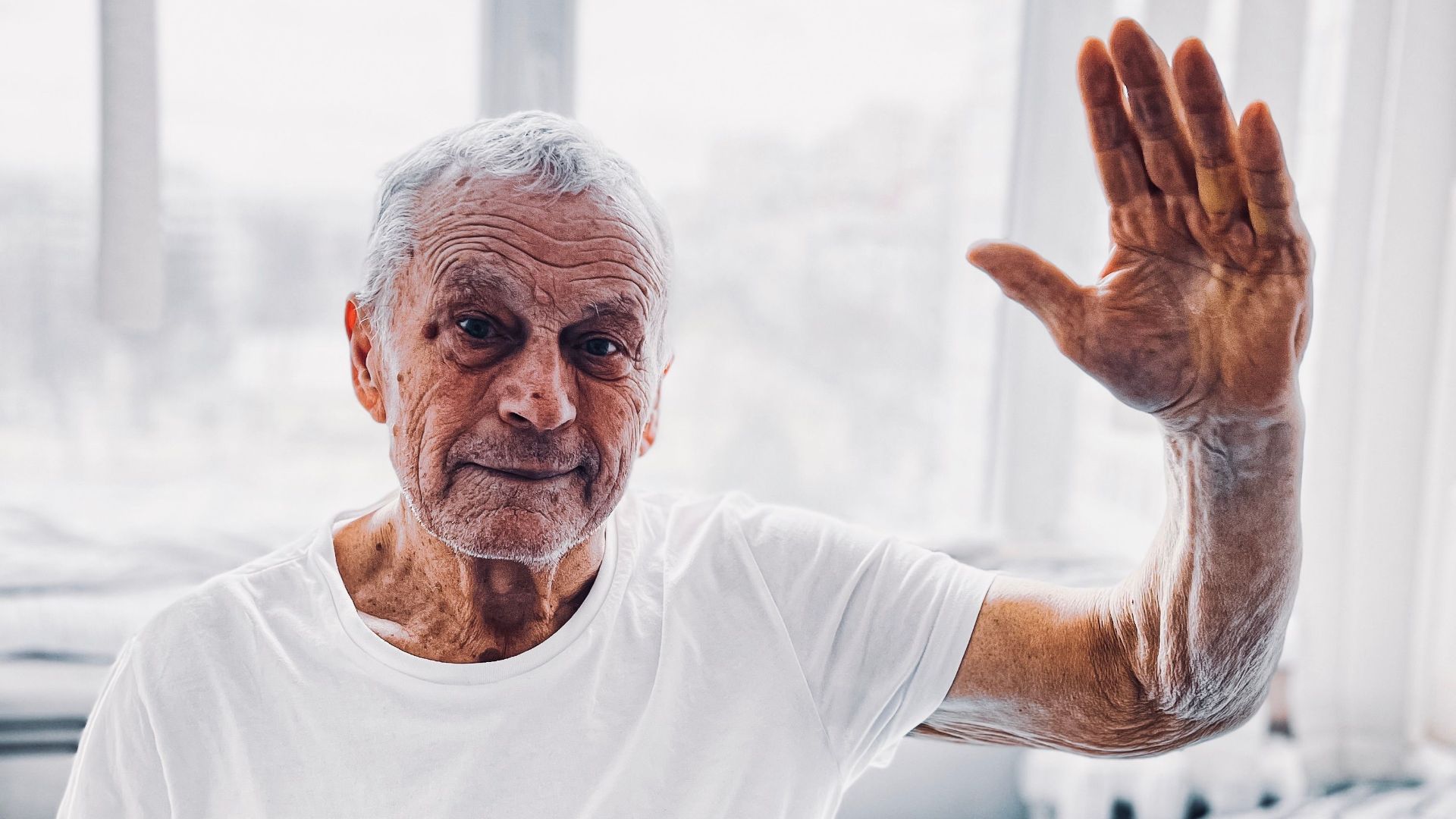
Deep sleep decreases with age and the whole schedule shifts earlier, so waking at four-thirty is often biology rather than insomnia. Waking briefly several times a night is normal. Daytime exhaustion and gasping or long pauses in breathing are not, and sleep apnea goes undiagnosed constantly in this age group.

10. Medications Start Interacting With Each Other
A person on eight prescriptions from three doctors has an interaction risk that nobody is tracking. Some of what looks like cognitive decline is a side effect with a name. Bringing every bottle to one appointment in a bag, supplements included, catches more problems than most tests do.
 https://kaboompics.com/ on Pexels
11. Standing Up Gets Dangerous
Blood pressure can drop sharply on standing, which is where a lot of falls actually begin. Blood pressure medication makes it more likely, and so does a warm shower or a large meal. Sitting on the edge of the bed for a slow count of ten before standing solves most of it.
12. Men Get Osteoporosis
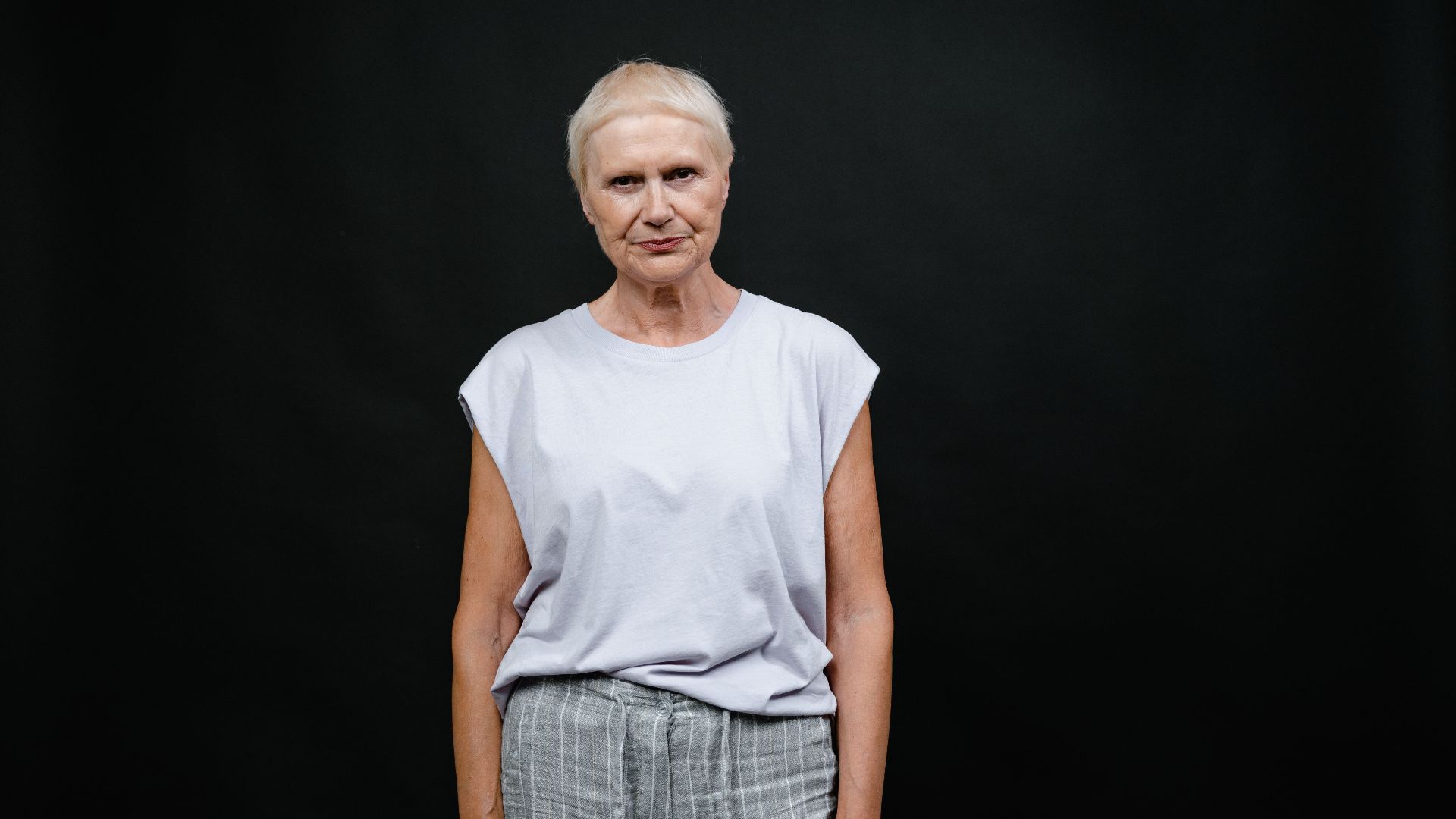
Bone loss is treated as a women's issue and about one in five hip fracture patients is male. Men get screened far less often and tend to do worse after a fracture. Losing height or breaking a bone in a minor fall is worth raising with a doctor, since a scan is quick and the treatment works.
13. Alcohol Hits Harder Than It Used To
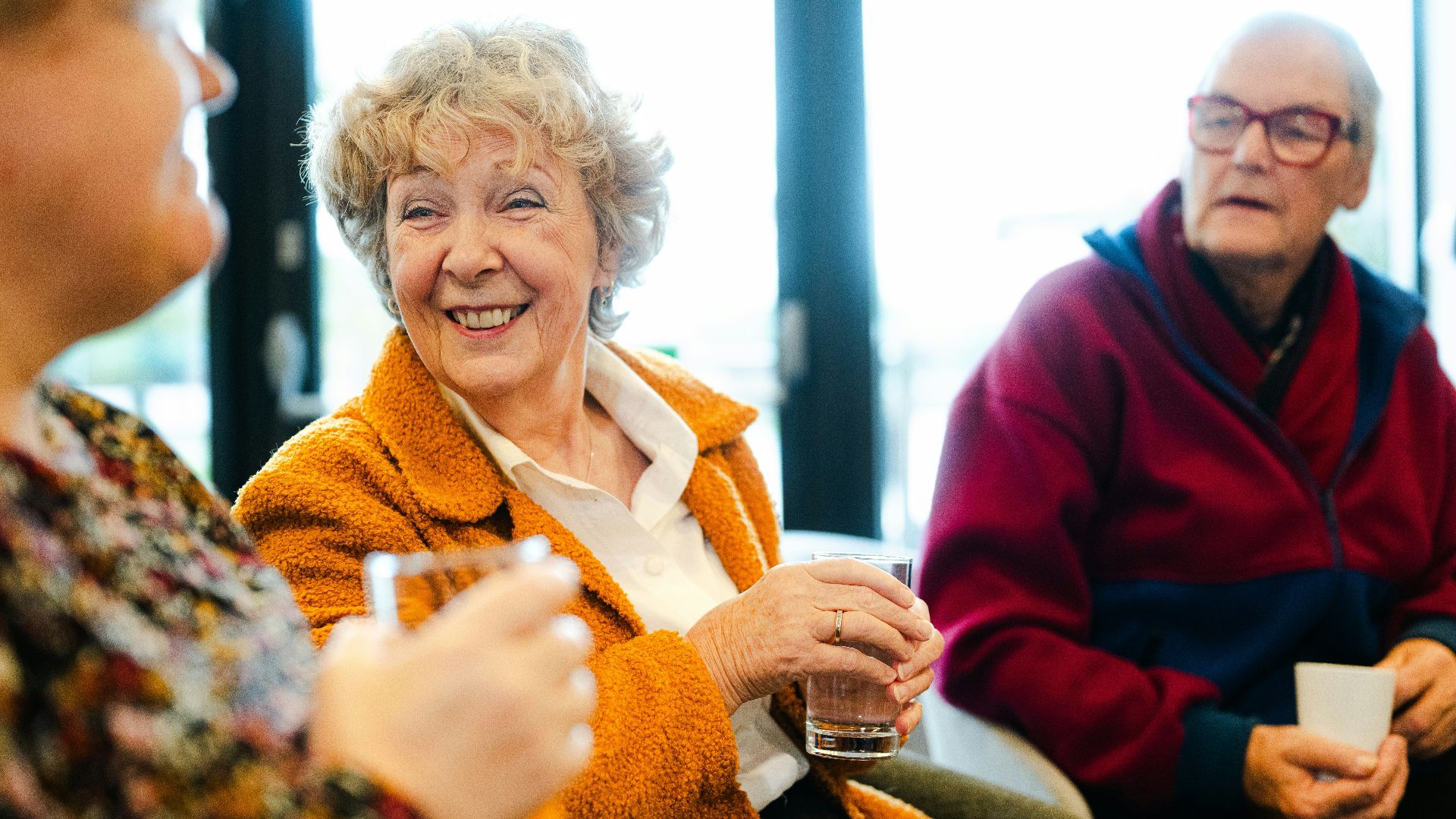
Body water drops with age, so the same two drinks produce a higher blood alcohol level than they did at forty. The liver clears it more slowly on top of that. Add sleeping pills or blood thinners and the math changes again.
 Centre for Ageing Better on Unsplash
14. Depression Arrives In Disguise
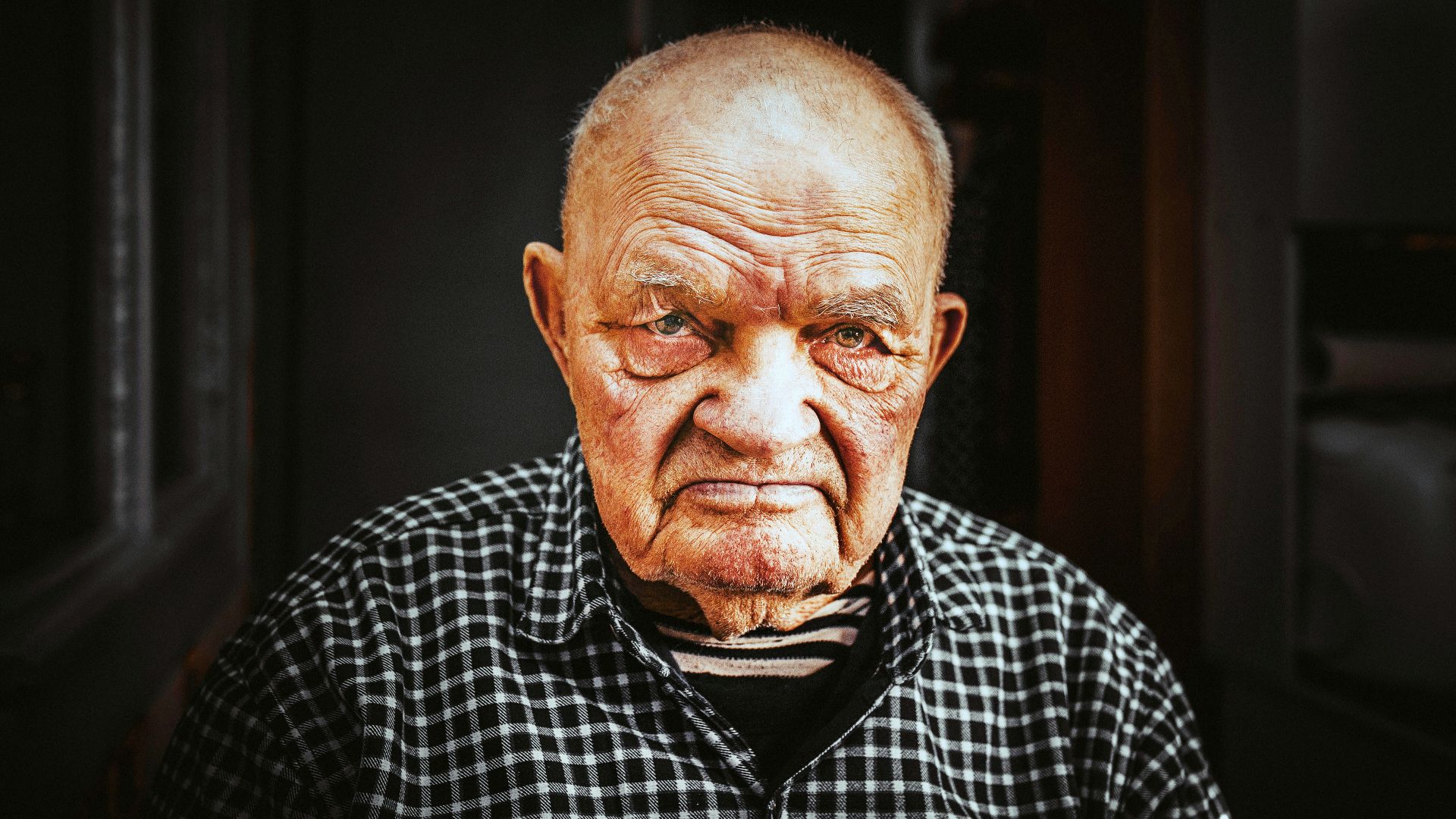
Late-life depression often shows up as fatigue or memory trouble instead of sadness. Patients and doctors both misread it as ordinary aging. It responds to treatment about as well as it does at any other age. Men over seventy-five have the highest suicide rate of any group in the United States, and most saw a physician recently.
15. Isolation Behaves Like A Medical Risk
Julianne Holt-Lunstad's research found social isolation carrying mortality risk in the same range as several better-known health hazards. Loneliness raises inflammation and blood pressure in measurable ways. A standing Thursday lunch is doing more physiological work than it appears to.

16. Grip Strength Predicts A Lot
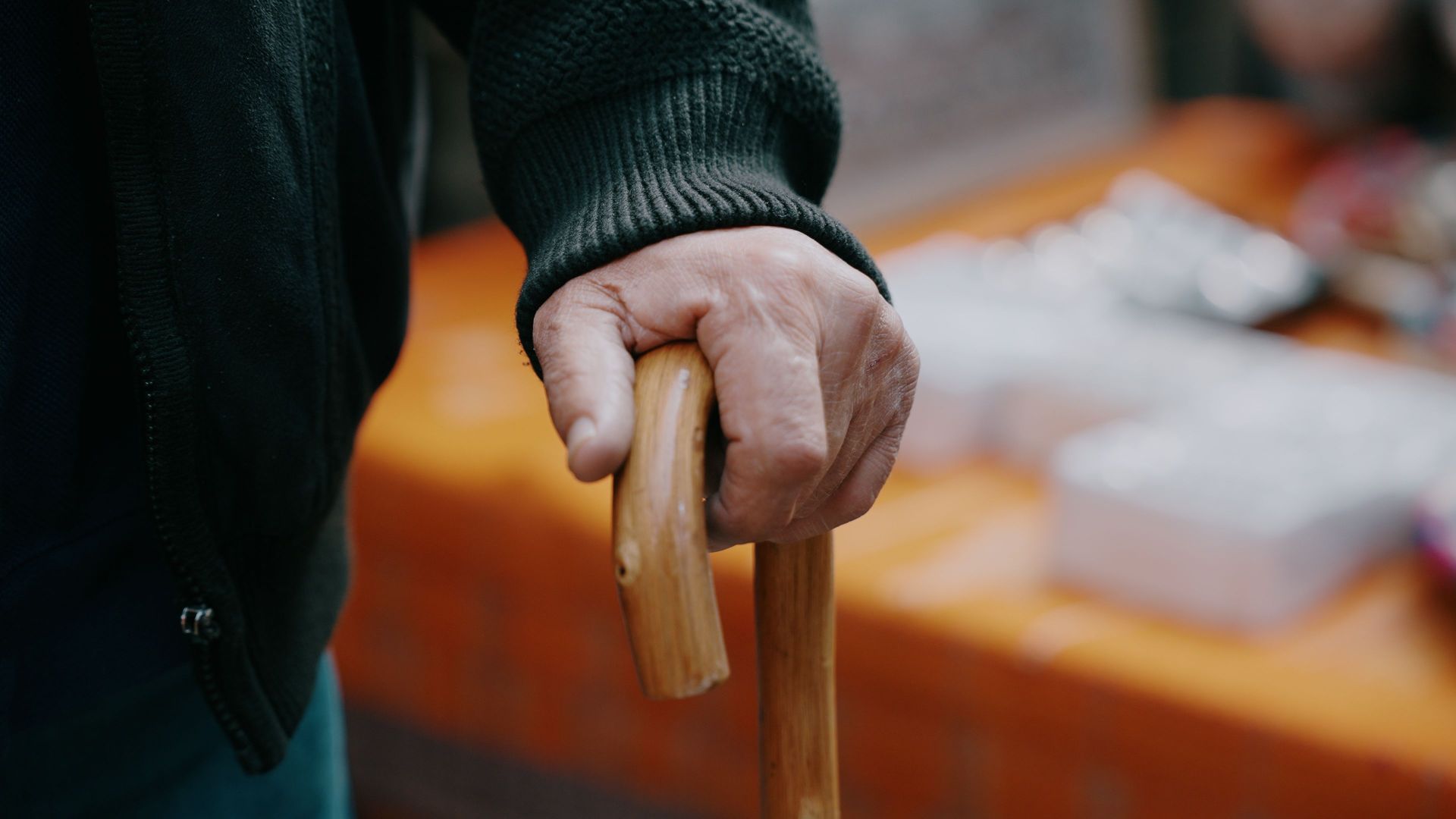
Handgrip strength is one of the better simple predictors of mortality and disability in older adults. It works as a rough proxy for whole-body condition and neurological function. Gripping things deliberately, carrying groceries in your hands instead of on a cart, keeps it up.
17. A Week In A Hospital Bed Costs Months
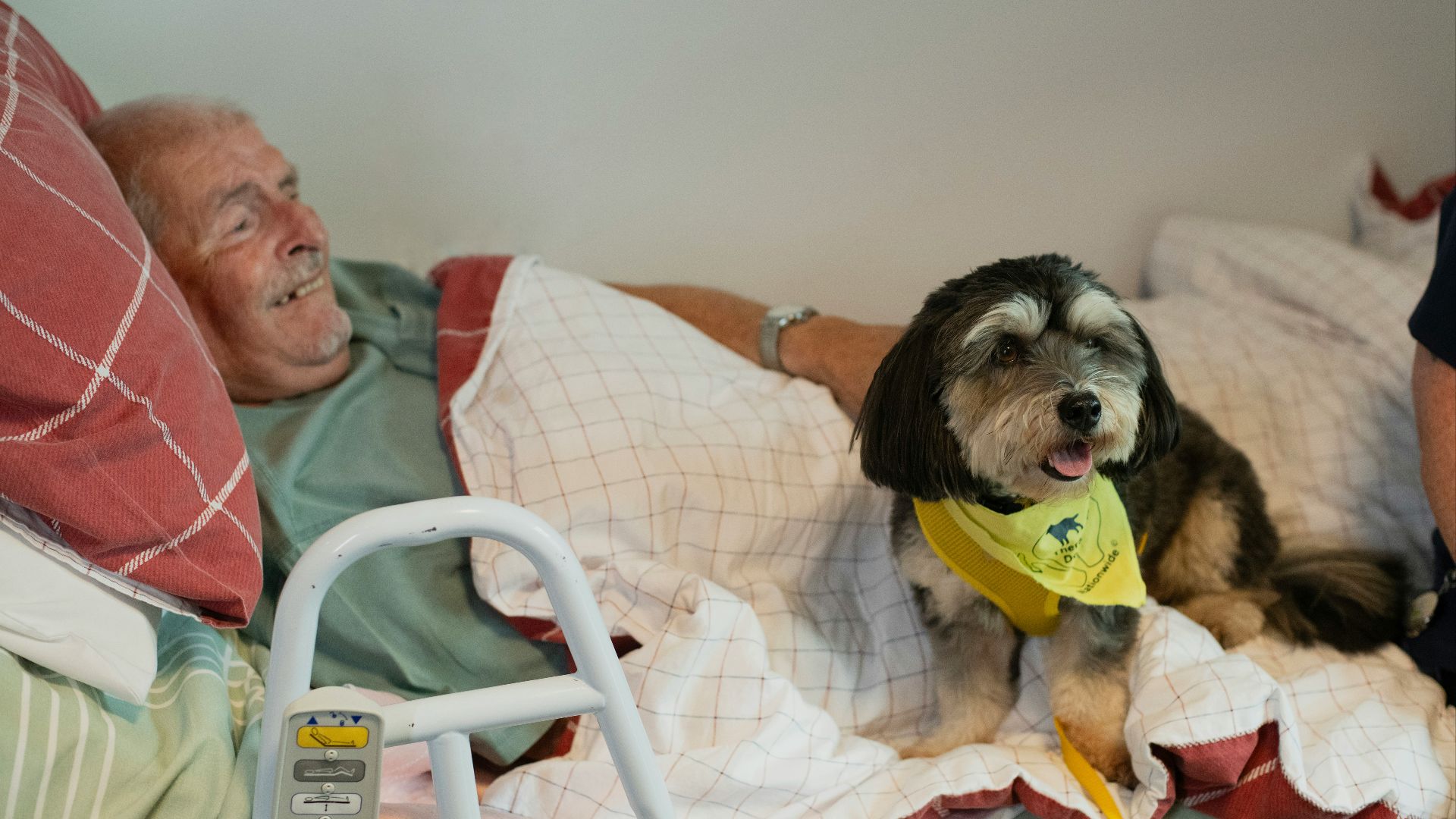
Older patients lose meaningful muscle and function during even brief hospital stays, a process with the unlovely name of deconditioning. Many people walk in for a scheduled procedure and leave needing help at home. Asking about getting up and moving on day one is a reasonable question for any hospital stay.
18. Temperature Regulation Falters
Older bodies sweat less efficiently and sense heat less accurately, which is why heat waves kill mostly older people. Cold works the same way in reverse. Many people set the thermostat by habit rather than comfort and never realize the room is dangerous.
19. Supplements Matter More
The B12 point leads, since it's the one with real consequences. Absorption drops with age and gets worse with metformin or acid reducers, and a shortfall can mimic memory trouble or foot numbness, which is exactly the kind of thing that gets filed under aging and ignored. Vitamin D follows as the other gap.

20. Slower Is Not The Same As Failing
Processing speed does decline, so finding a word or learning a new phone takes longer than it used to. Vocabulary and accumulated judgment tend to hold steady or improve. Forgetting where the keys are is different from forgetting what keys do, and only the second one is worth an appointment.

KEEP ON READING

20 Ways Perimenopause Changes Fitness and Appetite

20 Unhealthy Obsessions People Have

20 Gut-Friendly Fermented Foods For Everyday Meals