
Can You Hear Me Alright?
You’ve probably listened to your own voice for decades without giving it much thought, so even a small change can stand out. After 60, your voice may become softer, raspier, breathier, less steady, or different in pitch as your voice box and the systems that support speech gradually change. Some of these differences are a normal part of aging, while others can be connected to medications, reflux, hearing changes, or medical conditions. A changing voice doesn’t automatically mean something is wrong, although a sudden or lasting change shouldn’t simply be blamed on getting older. These 20 reasons can help explain why your voice may start sounding different after 60.

1. Thinning Vocal Fold Muscles
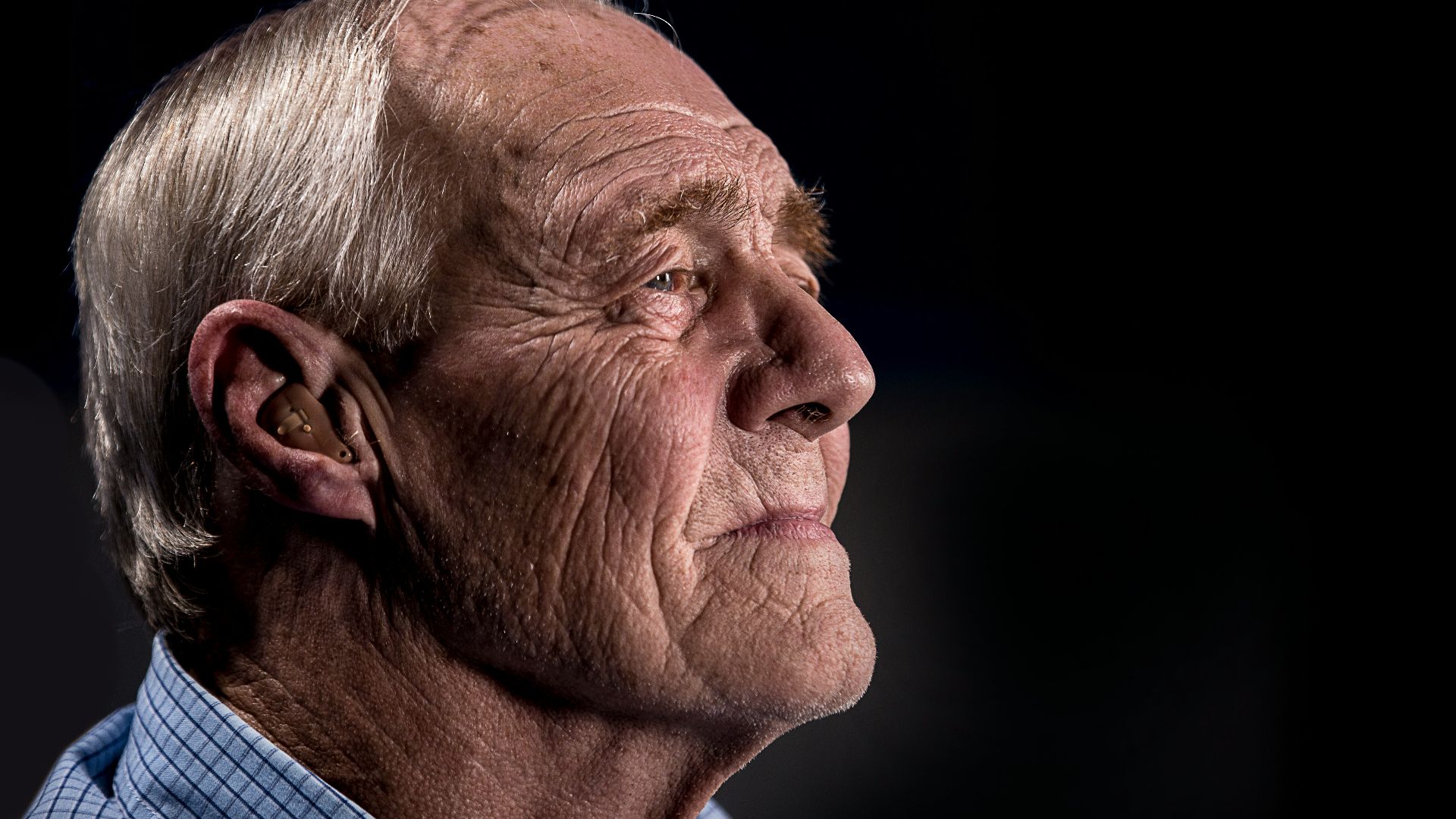
Your vocal folds contain muscle, and those muscles can gradually lose some of their bulk as you get older. This is often called vocal fold atrophy. When the folds become thinner, your voice may sound softer, weaker, or breathier than it once did.
2. Looser Vocal Folds
Thinner vocal folds can become slightly bowed, which means their edges don’t always meet when you speak. A small gap can let extra air escape while you’re talking, which can give your voice an airy or breathy sound. You also may find yourself running out of breath before you finish a sentence.
 https://kaboompics.com/ on Pexels
3. Stiff Vocal Tissue
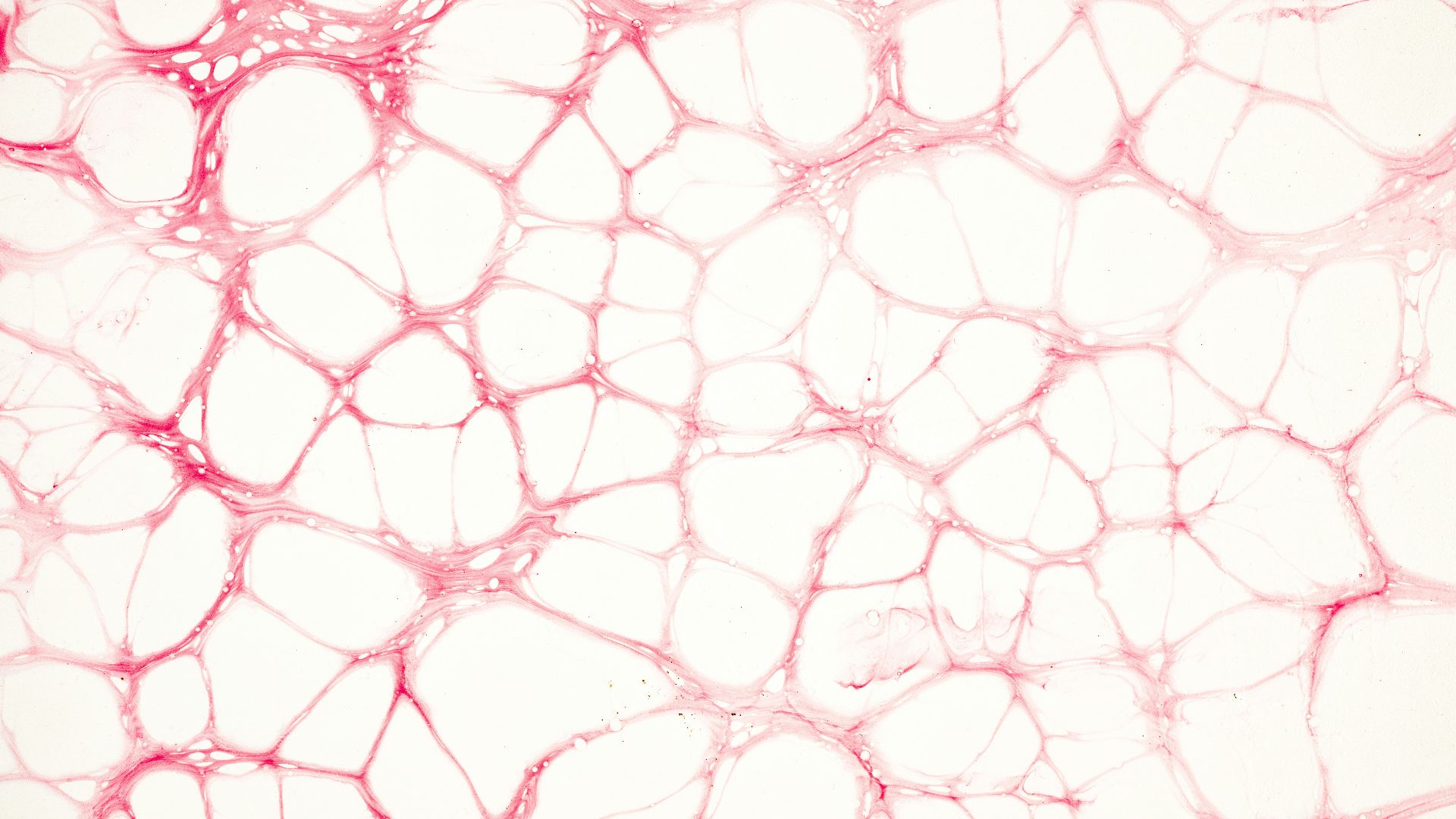
Your vocal folds need smooth vibrations to produce a clear, steady voice. As you age, changes in the collagen, elastic fibers, and other parts of tissue can make the folds less flexible.
4. Declining Natural Lubrication
Your vocal folds work better when their surfaces stay moist and well lubricated. As the tissues and glands in your voice box change with age, they may not provide quite as much natural lubrication. Your throat can feel drier as a result, and your voice may sound scratchier after you’ve been talking for a while.

5. Less Flexible Voice Box
Your voice box contains cartilage and small joints that help control and position your vocal folds. Those structures can stiffen and calcify as you get older. When that happens, some of the small adjustments involved in controlling your pitch, tone, and overall voice quality may become harder.

6. Nerve And Muscle Coordination
Speaking relies on coordination between your brain, nerves, and the muscles in your voice box. Age-related changes can make that communication a little less precise. You may notice that your voice isn’t quite as steady or easy to control, especially when you’re tired or you’ve been talking for a long time.

7. Lung Elasticity
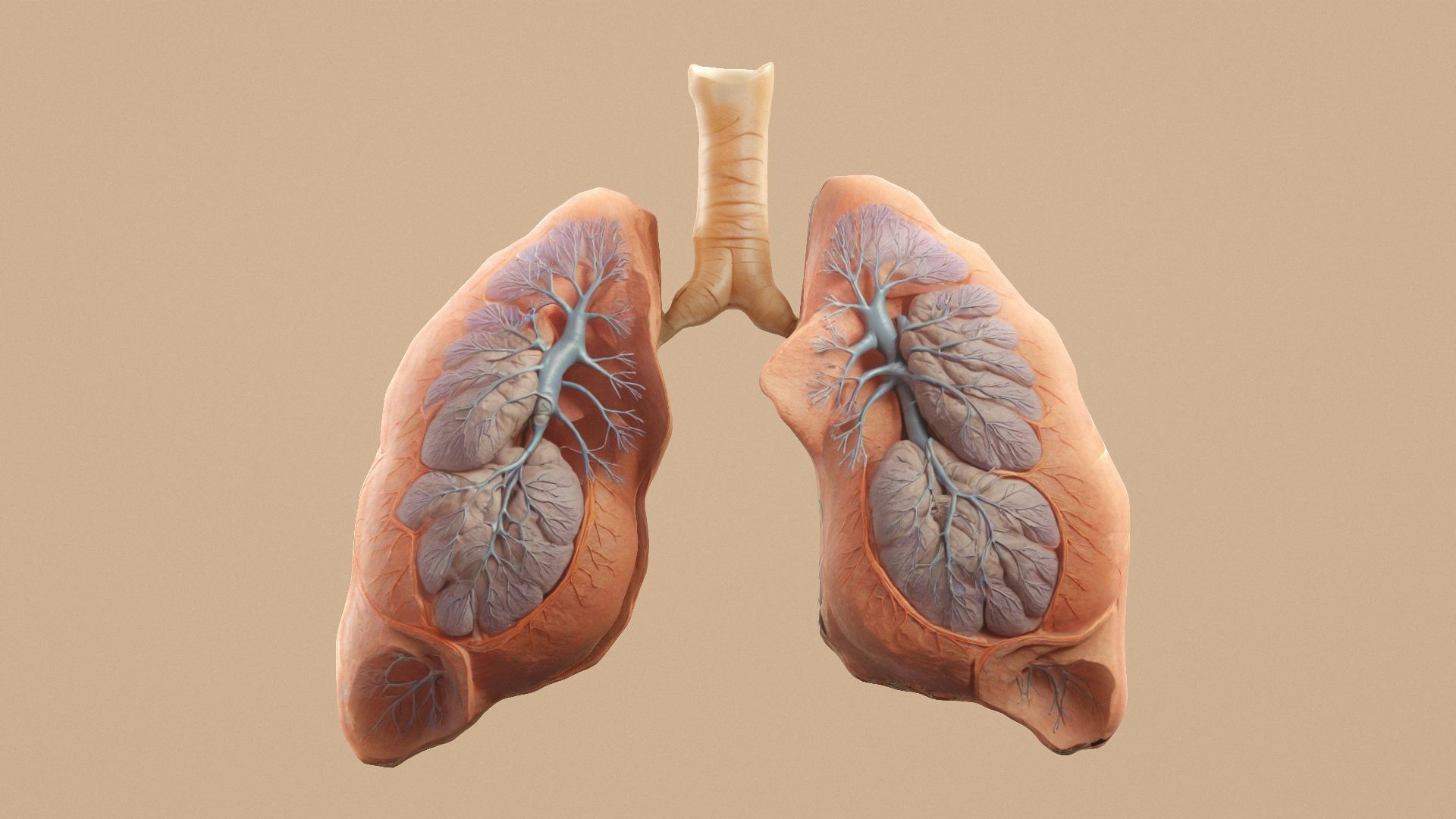
Air from your lungs powers your voice, so changes in breathing can change the way you sound. As lung elasticity decreases with age, you may have less air available for long sentences or louder speech. Your voice might become quieter, or you may need to stop for a breath more often while you’re talking.
8. Losing Strength
The muscles that help you breathe gradually lose strength, and your chest wall becomes less flexible as you age. Together, those changes can reduce the steady air pressure that helps you speak. Talking over restaurant noise, calling to someone in another room, or chatting for a long stretch may take more effort than it once did.

9. Hormonal Changes
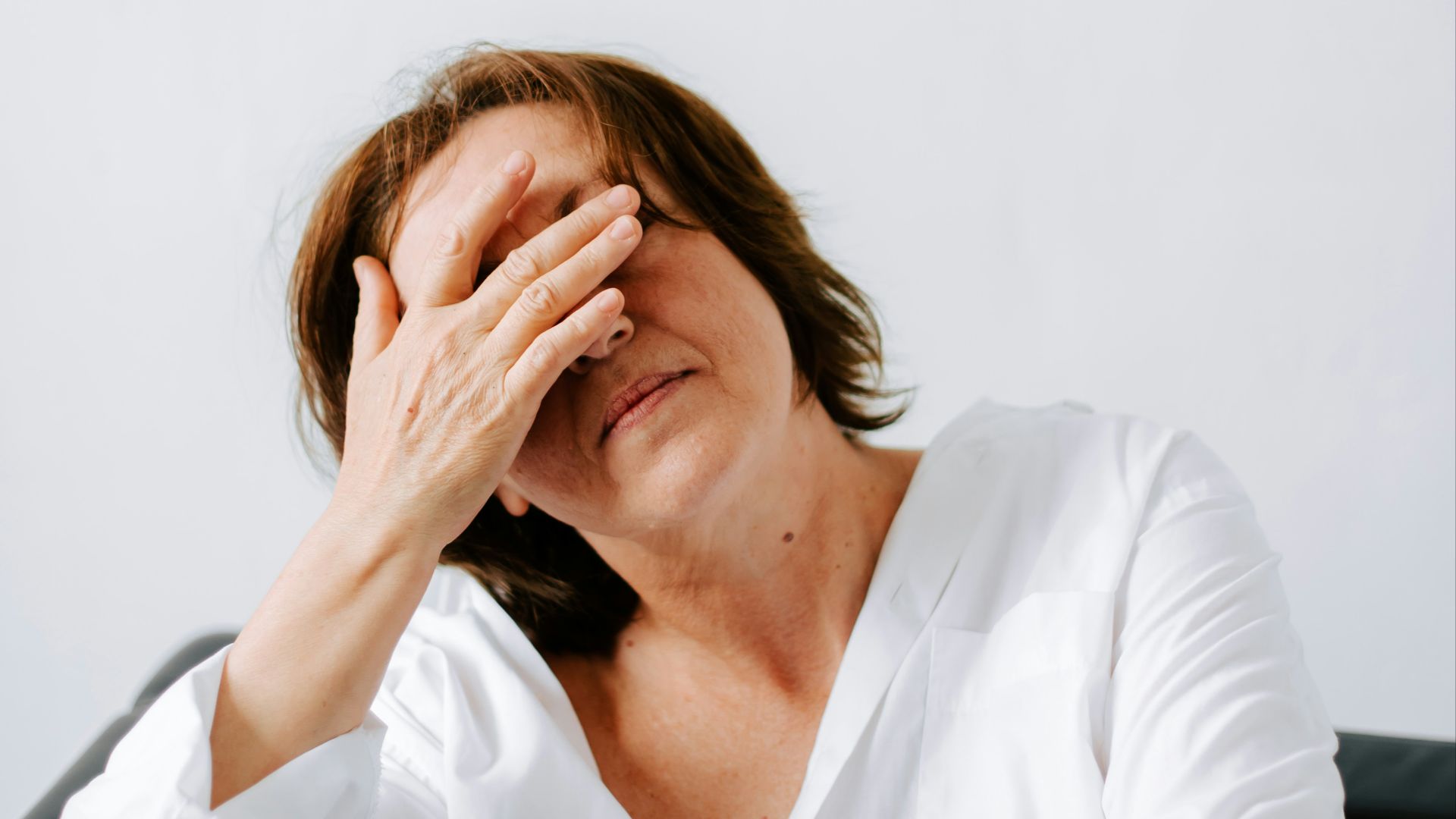
Your voice box responds to your body’s sex hormones, so hormonal changes later in life can affect your vocal folds and your pitch. Older men often experience a rise in speaking pitch, while women can experience a lower voice or other pitch changes around and after menopause.
 Kateryna Hliznitsova on Unsplash
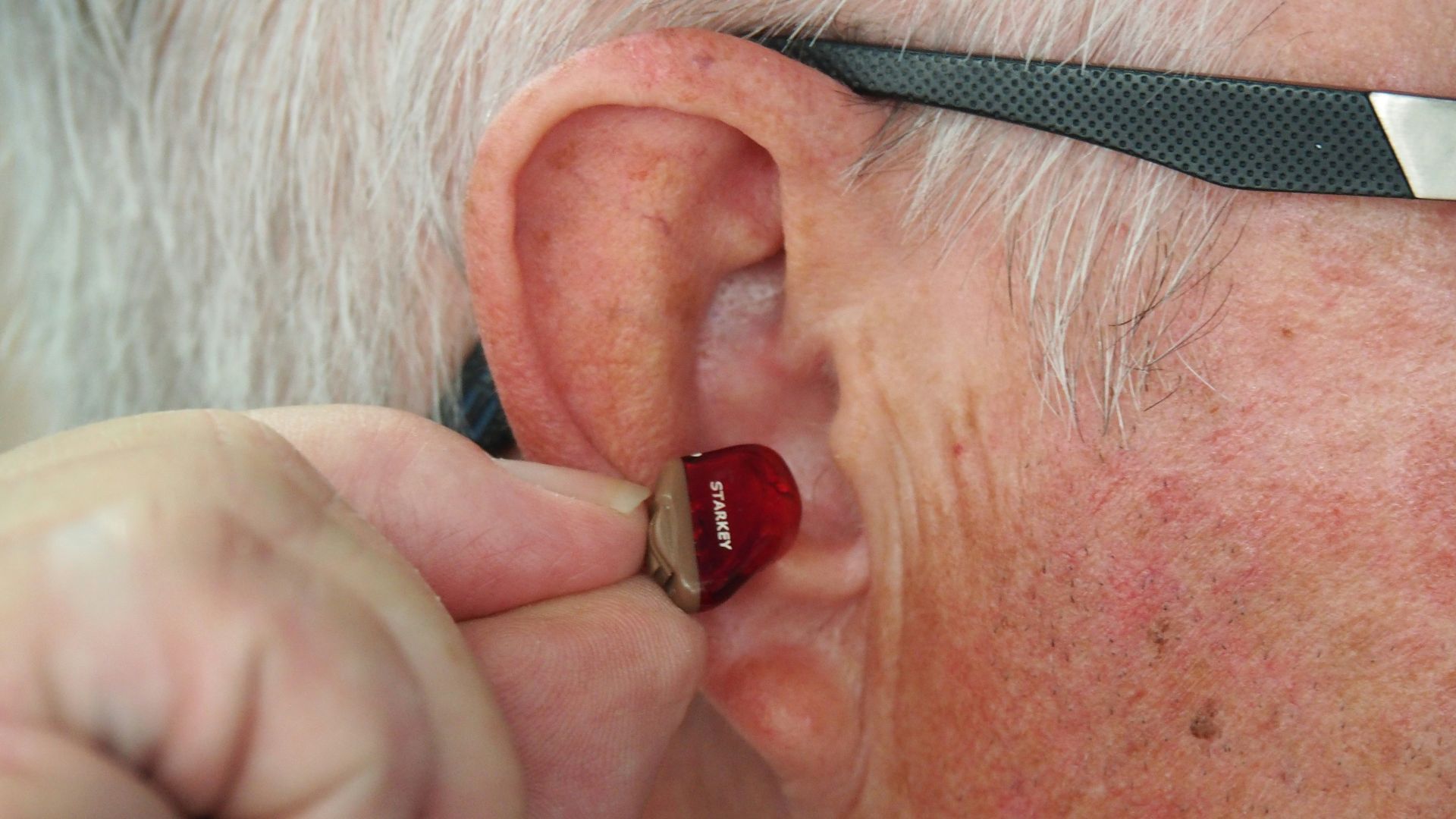
10. Hearing Changes
You use your hearing to keep track of your own voice every time you speak. When your hearing changes, that feedback changes too. You may start adjusting your volume, pitch, or general speaking style without meaning to. Friends or family may even notice that your voice sounds different before you do.
11. Dehydration
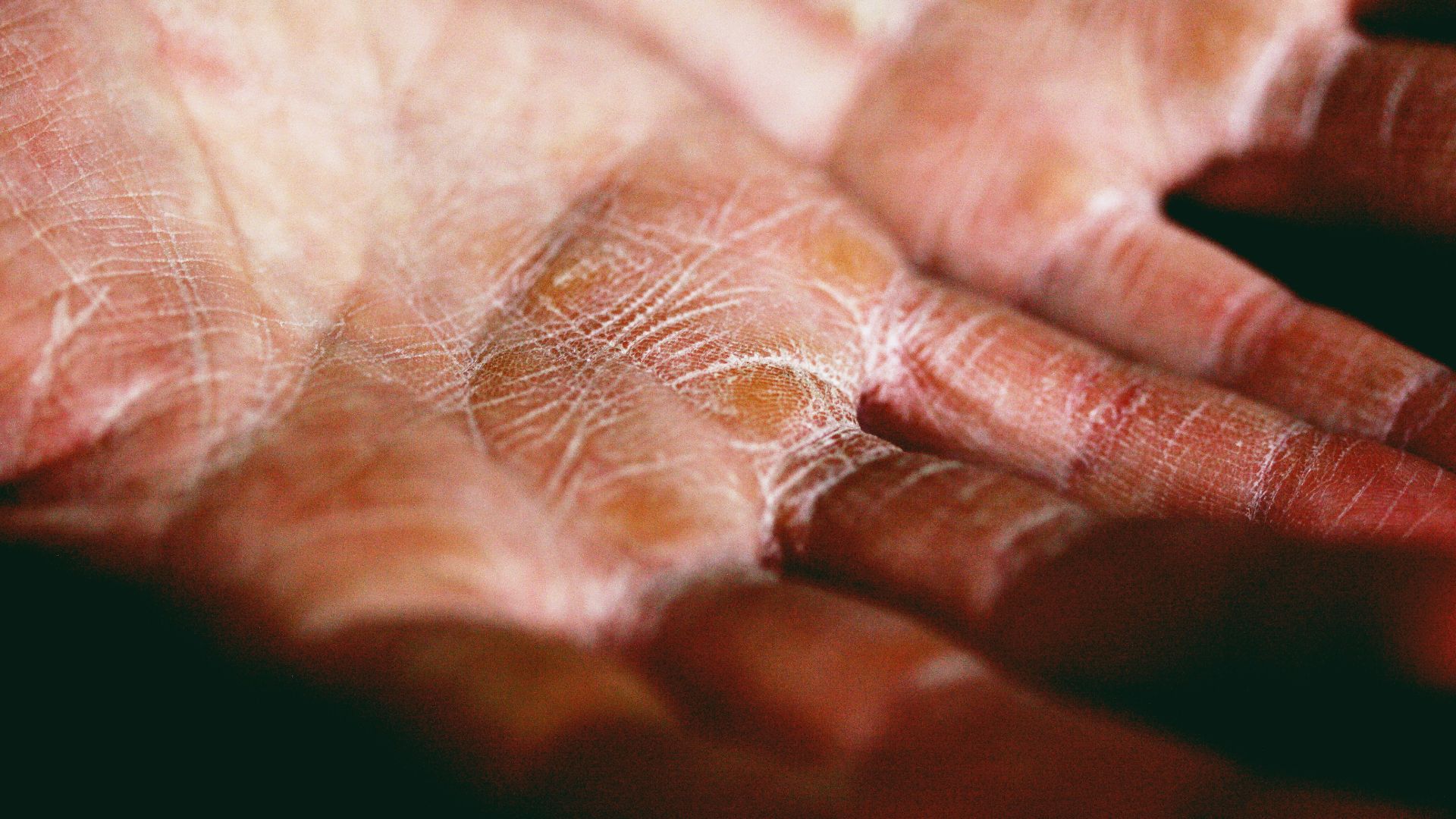
Dry vocal folds don’t vibrate as easily as well-hydrated ones. If you aren’t getting enough fluids, your voice can sound rougher and may tire more quickly. Dry indoor air can make things worse, especially during winter or in rooms with a lot of heating or air conditioning.
12. Taking Medication
Certain medications, including some common cold and allergy treatments, can make your mouth and throat drier. When your vocal folds are already going through age-related changes, that extra dryness can make hoarseness, raspiness, or vocal tiredness more noticeable.

13. Reflux
Acid reflux can travel high enough to irritate your throat and voice box, including the tissues you use to produce sound. You don’t necessarily have to experience the familiar burning feeling of heartburn, either. For some people, a change in the voice can be one of the more noticeable signs.

14. Straining To Be Heard
When your voice becomes softer, you may naturally push harder to make yourself heard. That extra effort can pull surrounding muscles into the job and create more tension. After a long conversation, your voice may feel tight, tired, or strained.
15. Smoking
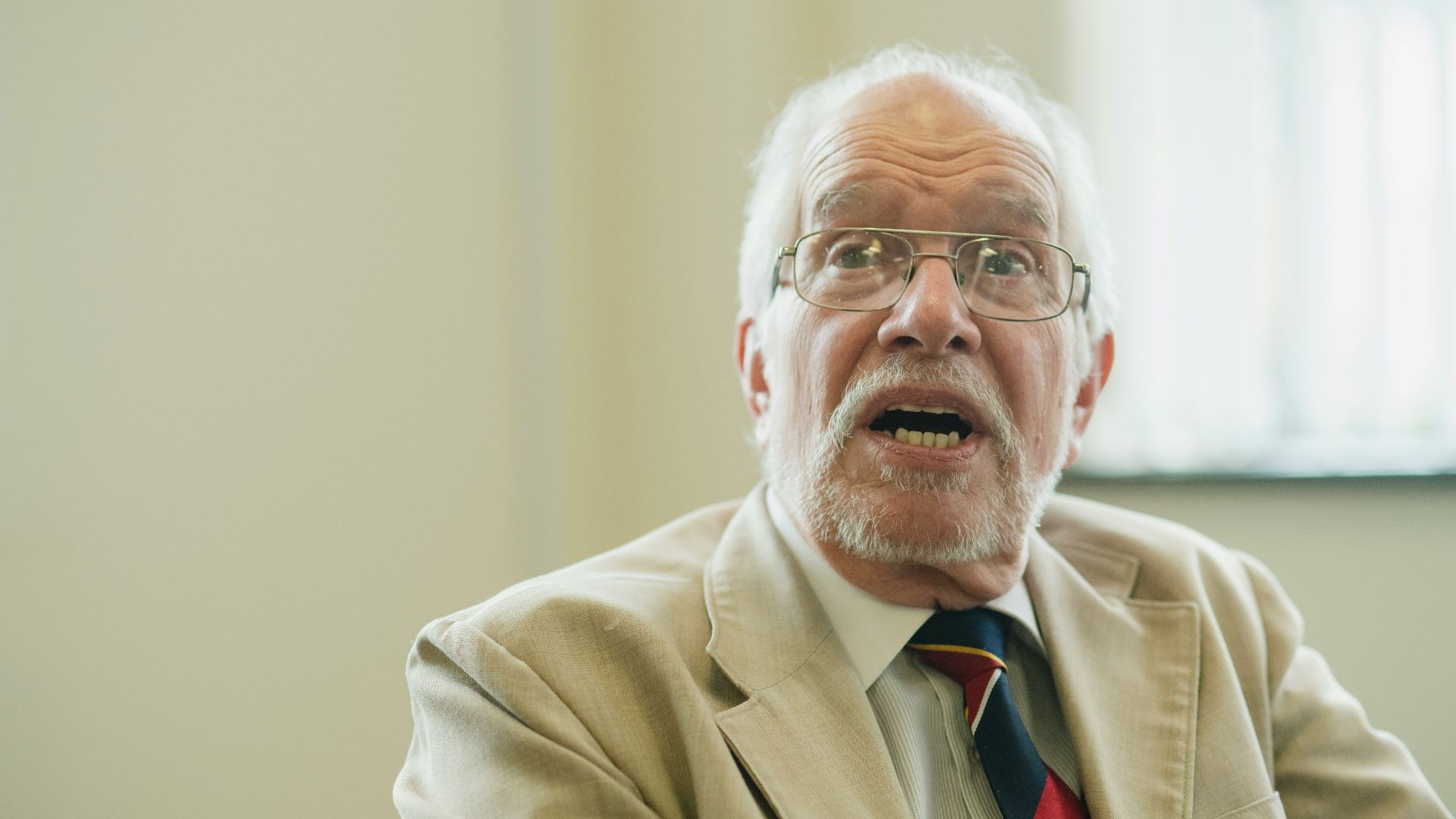
Tobacco smoke irritates the vocal folds and can contribute to swelling, ongoing hoarseness, and changes in the way your voice sounds, and they don’t always go away if you stop. A new or persistent voice change also deserves attention if you currently smoke, or smoked in the past, as smoking raises the risk of laryngeal cancer.

16. Using An Inhaler
Inhaled corticosteroids can sometimes cause dysphonia, meaning that your voice has become altered or difficult to use. If hoarseness develops and doesn’t go away while you’re using an inhaler, make sure your healthcare professional is aware.

17. A Paralyzed Vocal Fold
Vocal fold paralysis happens when one or both vocal folds can’t open or close properly because the nerves controlling them have been affected. Your voice may become weak, breathy, or hoarse. This problem can be connected to a larger issue or complications with surgeries or injuries.

18. Neurological Conditions
Conditions that affect the nervous system can also affect the muscles you use for speech. Parkinson’s disease, for example, can make the voice softer or more monotone. Other conditions, including laryngeal dystonia, can cause involuntary muscle spasms that make the voice sound strained, broken, or breathy.

19. Vocal Fold Growths
Nodules, polyps, and cysts can interfere with the smooth movement of your vocal folds and lead to ongoing hoarseness or other voice changes. These growths are noncancerous, but they aren’t necessarily a part of aging, either. Depending on the cause and your individual situation, treatment may include voice therapy, rest, or another approach recommended by a healthcare professional.
20. Other Serious Causes
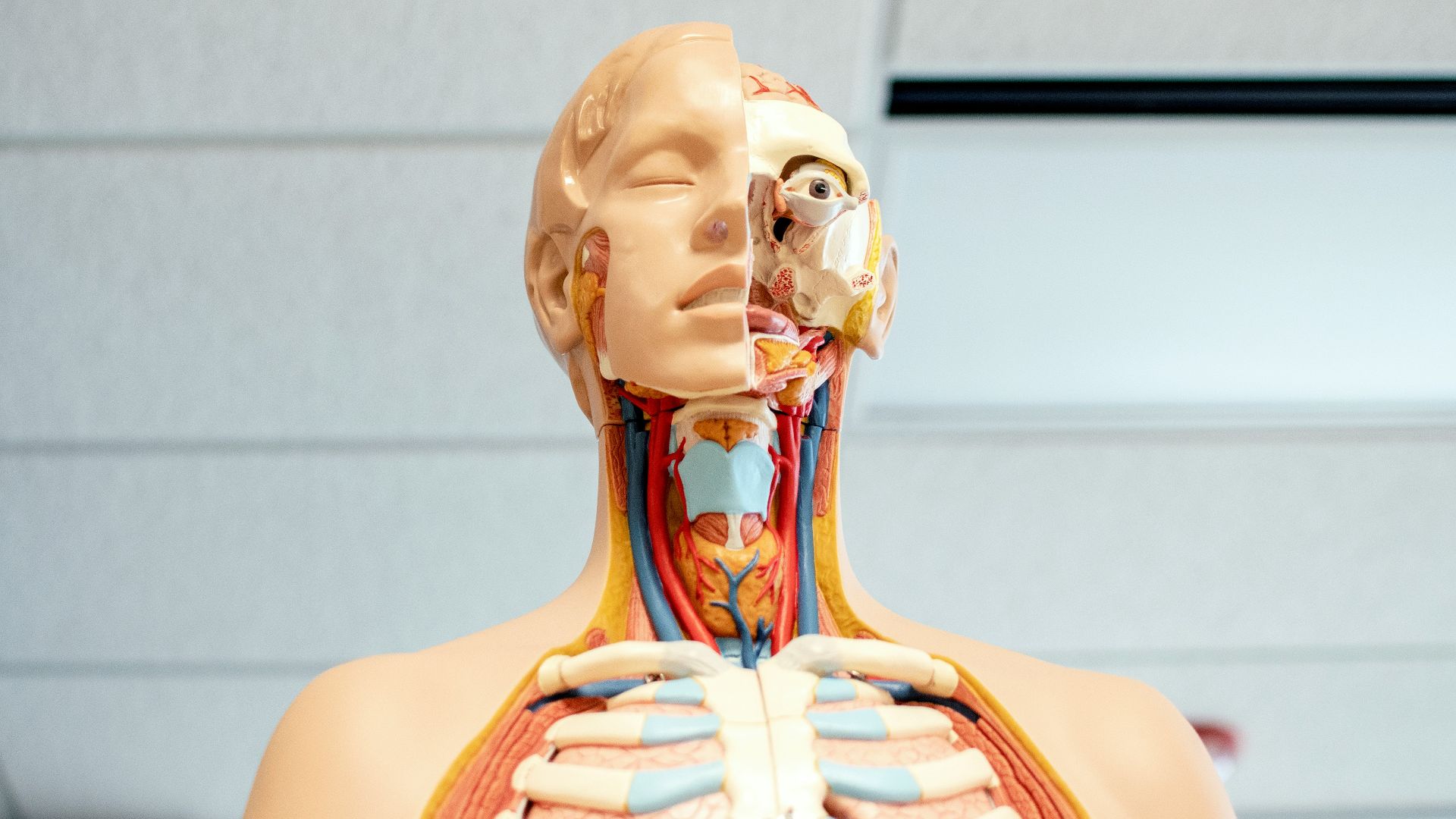
A voice change that sticks around can occasionally be a symptom of laryngeal cancer, especially when it appears along with painful or difficult swallowing, ongoing throat symptoms, ear pain, or a lump in the neck. If dysphonia, or a change in your normal voice, hasn’t improved within four weeks, it should be evaluated.

KEEP ON READING



10 Pre-Workout & 10 Post-Workout Tips To Follow