The First Year Goes Fast
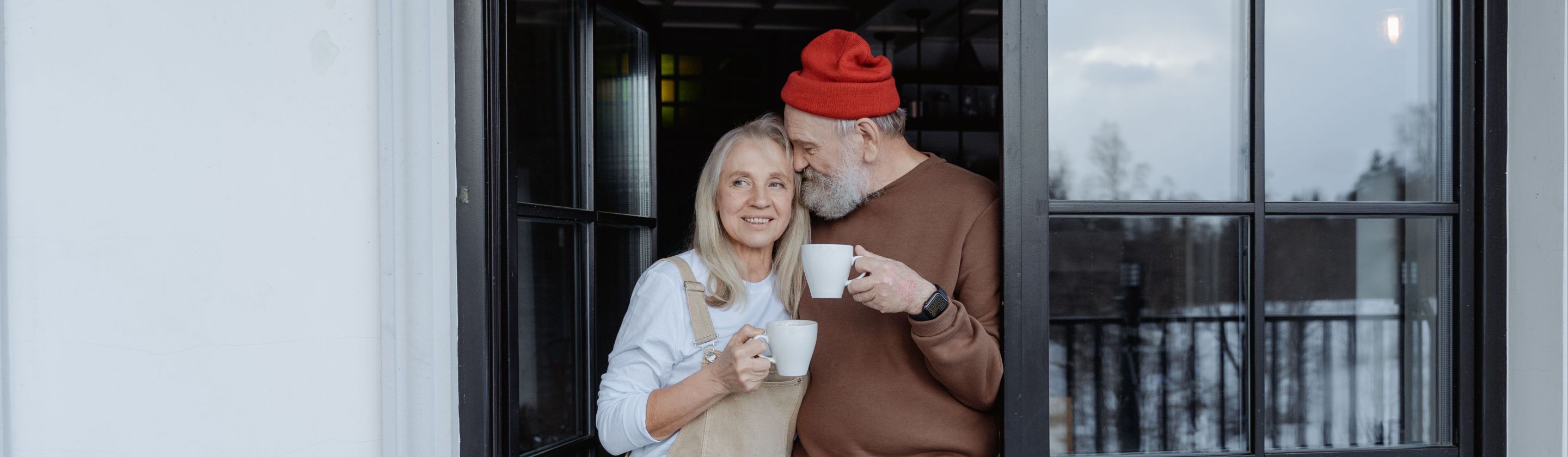
Retirement can feel wonderfully open-ended at first, especially after decades of commutes and deadlines. But that freedom also makes it easy to keep postponing things, all because you assume there’s still time down the line. While you don’t need to stuff everything into the first 265 days, looking back, many retirees wish they had treated that first year as an opportunity to enjoy the world a little more. Before sitting on your rump roast and calling it a day, come with us as we help you sidestep some common mistakes.

1. Taking the Big Trip Right Away
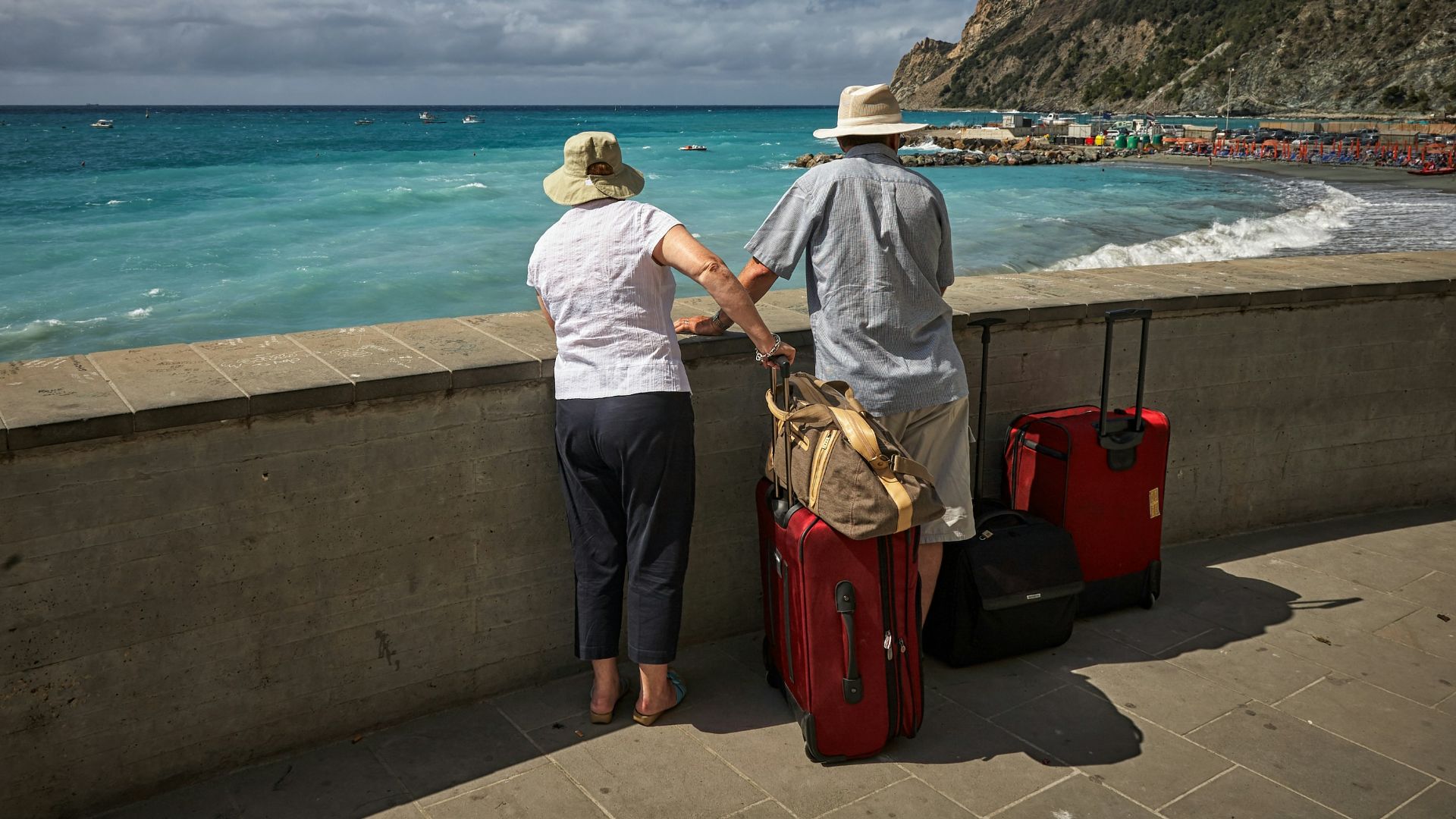
Plenty of retirees assume they should settle into a new routine before booking an ambitious trip. That sounds good on paper, but a few years is all it takes for health problems, caregiving responsibilities, or rising travel costs to make that dream harder to pull off. If there’s a spot you’ve discussed for decades, your first healthy year can be a great time to finally go.
 Vidar Nordli-Mathisen on Unsplash
2. Seeing Friends
Retirement doesn’t always mean your friends will have unlimited free time. That reality is that some are still working, others move away, and grandchildren or health issues take priority. That’s why it’s so important to make lunch dates and weekend visits early.

3. Trying Several Hobbies Instead of Picking One
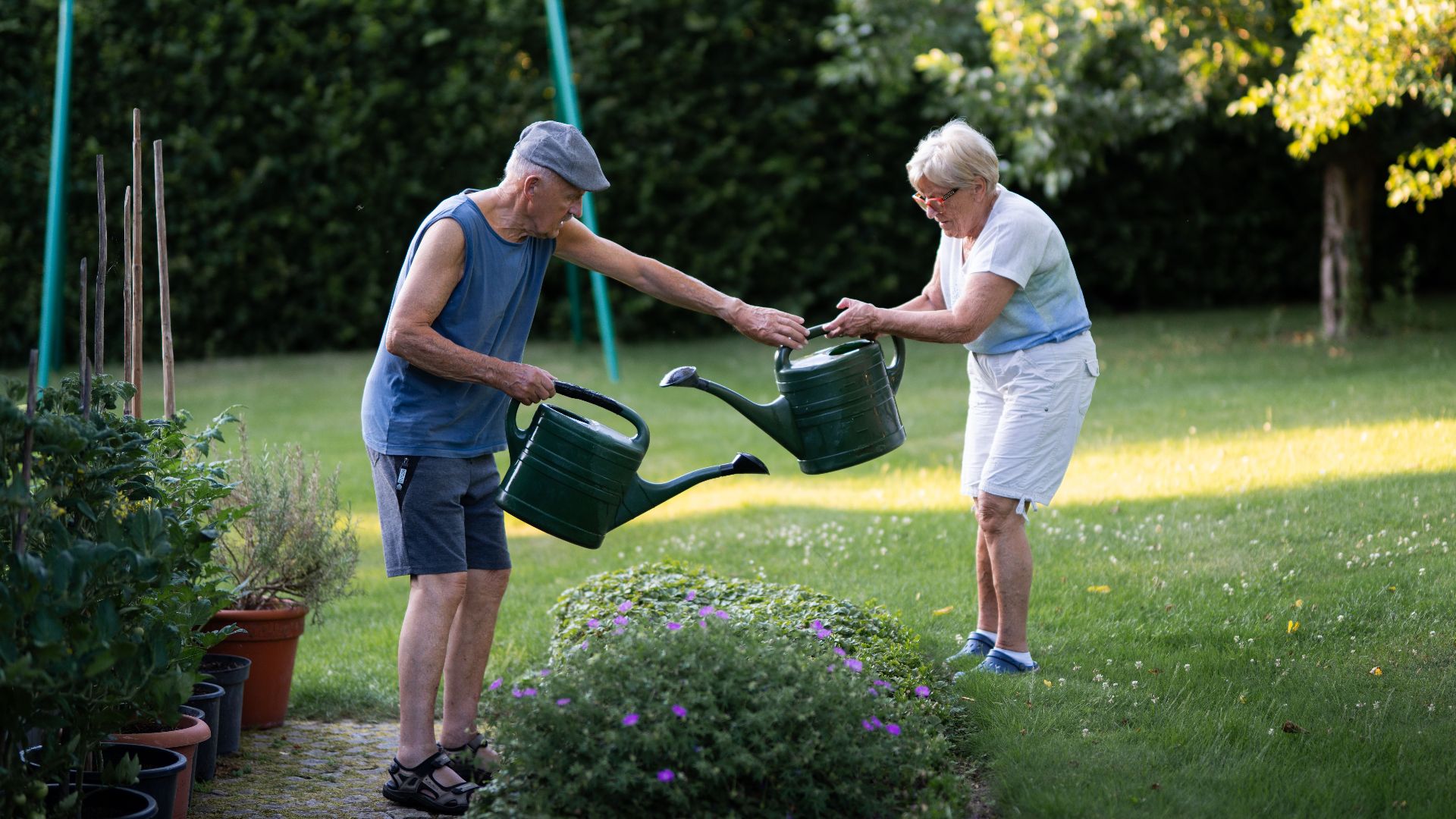
There’s no rule saying you have to pick up every hobby immediately. Signing up for pottery, pickleball, woodworking, photography, and a community choir all at once only bombards your schedule—and you won’t have time to find out what you actually like. Instead, treat that first year like an ideal testing ground.
4. Getting Rid of Work Clothes
Many newly retired people leave an entire career’s worth of suits, dress shoes, and office clothes untouched. Funnily enough, a year later, those items may still eat up half the closet. Keeping a few outfits makes sense, but donating the rest makes retirement official.

5. Visiting Family Without Waiting for a Holiday
Once you’re no longer tied to limited vacation days, Tuesday afternoon is just as useful as Thanksgiving weekend. Get out there and enjoy your life! Traveling during quieter periods can also mean cheaper fares, fewer crowds, and much more relaxed time together.

6. Learning Their New Budget
A retirement budget on paper and a retirement budget in real life aren’t always the same. Spending on gas and lunches may fall while hobbies, home projects, restaurants, and travel skyrocket. Don’t forget that you’re on a fixed income now, so tracking the first year gives you useful information about the lifestyle you’ll live for years to come.

7. Taking More Day Trips
One underrated retirement perk is being able to visit museums, parks, and nearby towns when everyone else is stuck at work. What does that mean for you? It means you don’t need to wait until Saturday anymore! Wednesday morning is your new prime sightseeing time.

8. Asking More Questions
Some people enter retirement while elderly loved ones are still alive. That makes the first few years an invaluable opportunity to ask about childhoods, relatives, old photographs, family recipes, and stories nobody ever wrote down. Once that person is gone, answers disappear with them.

9. Photographing Their Life
People love to snap photos of vacations and birthdays while ignoring ordinary afternoons. Well, no longer! Even if it doesn’t seem like it, retirement becomes a chapter worth remembering, including the first garden, weekly coffee spot, or grandchild visits. Those seemingly uneventful moments are actually the photos everyone will treasure later.

10. Fixing Problems Around the House
A sticking door. Awkward stairs or an uncomfortable mattress. They were all things you planned to deal with later, but later is officially here. Once you spend more time at home, those irritations are way harder to ignore. Addressing them early improves countless ordinary days rather than saving every dollar for exciting purchases.
11. Taking a Class Just for Fun
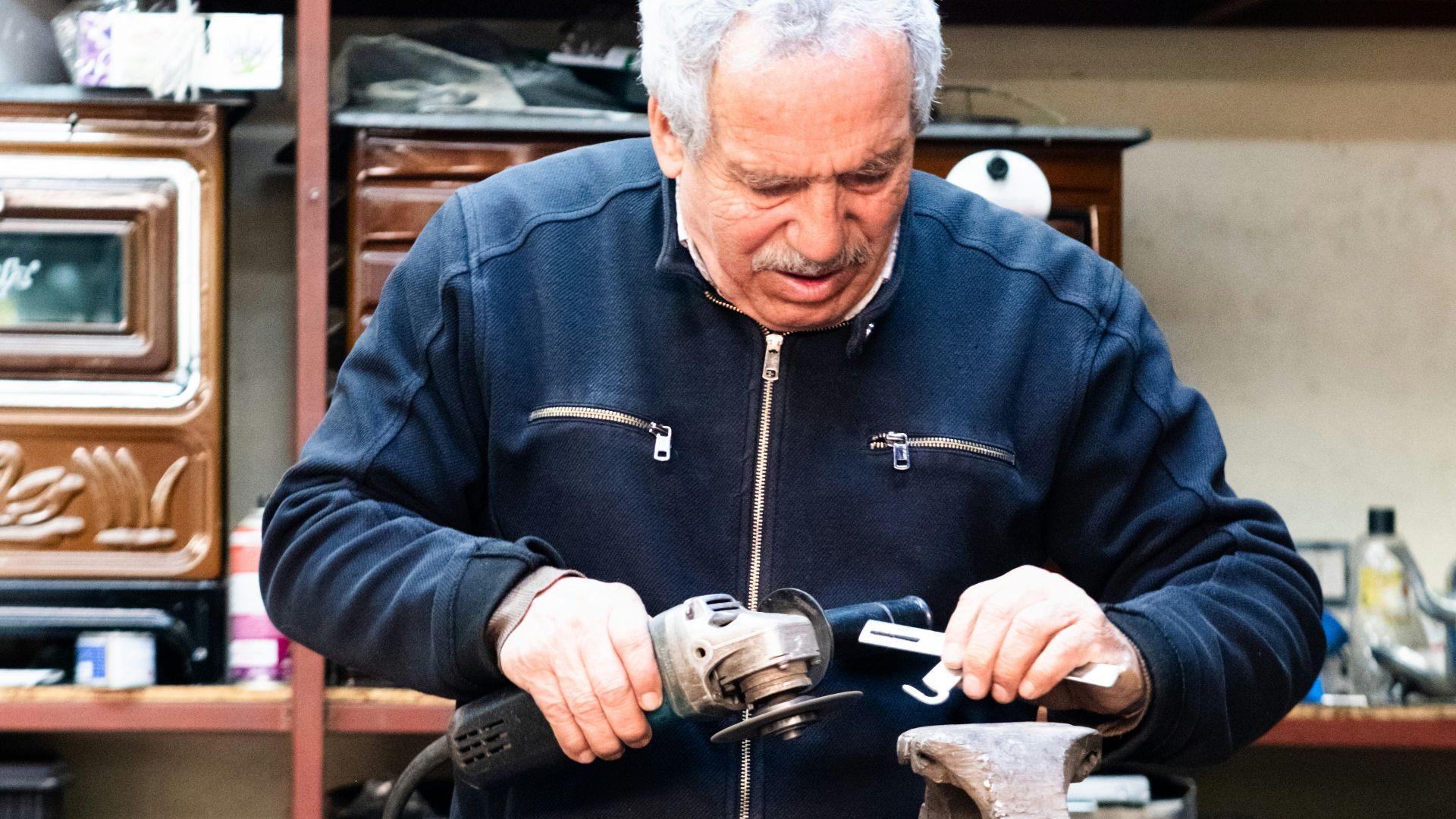
Education is a lot different when there are no grades or career ambitions involved. Like so many things in retirement, now you can do something solely for the fun of it. Community colleges, libraries, museums, and local organizations often offer courses in everything from languages to art history, so get there and keep your brain sharp!

12. Establishing Traditions
We don’t need to remind you that kids grow in the blink of an eye, and retirement can finally give grandparents enough flexibility to become part of their lives. A monthly movie night, annual camping trip, or a simple Friday afternoon pickup can become something everyone remembers. Don’t wait until the grandkids are teens; that just makes those routines harder to establish.

13. Using Professional Skills Somewhere New
Leaving a job doesn’t mean decades of knowledge suddenly become useless. Mentoring younger professionals or coaching entrepreneurs can keep valuable expertise in circulation. Best of all, you stay sharp without recreating a full-time career.

14. Throwing a Retirement Party
Not everyone wants the awkward office cake and speeches, and that’s okay. Once the official festivities are finished, you can celebrate retirement however you like, whether that means a backyard dinner, family vacation, or gathering of old friends. There’s no harm in it, either; marking the occasion gives a major transition the significance it deserves.

15. Saying Yes More Often
Years of work can train you to automatically decline invitations. After all, there was always something scheduled tomorrow morning. That reflex can linger long after retirement begins, and it’s a good one to try and break. Accepting an unexpected lunch or neighborhood event can open the door to an entirely different social life.

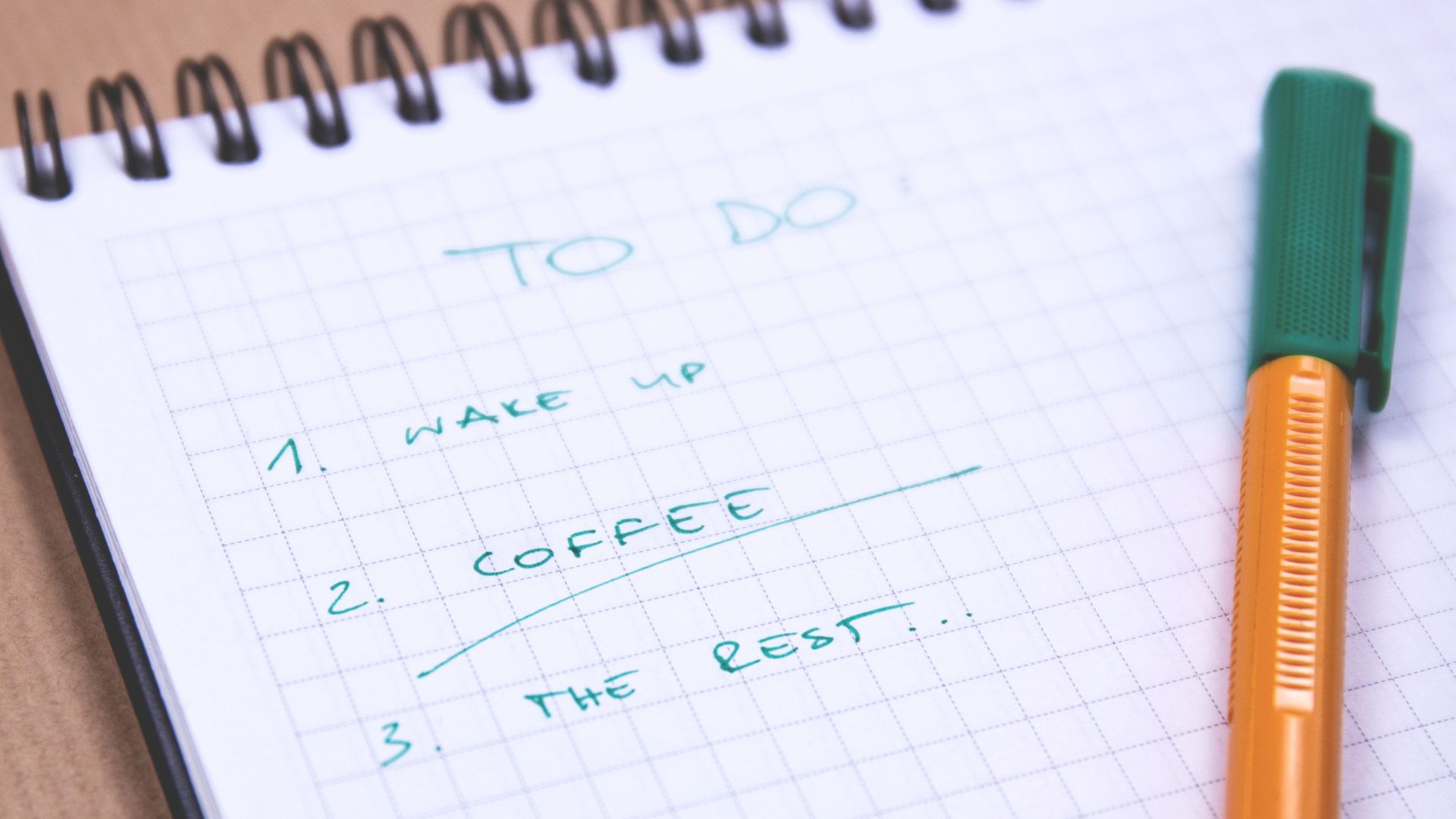
16. Creating a List of Small Things to Do
A bucket list doesn’t need to be safaris and month-long cruises. There’s no shame in visiting a nearby historic site. There’s plenty of joy in learning five new recipes or attending a baseball game. Reading a famous novel counts, too! Small goals make an open calendar feel exciting without requiring all kinds of money.
17. Spending More Time Outdoors
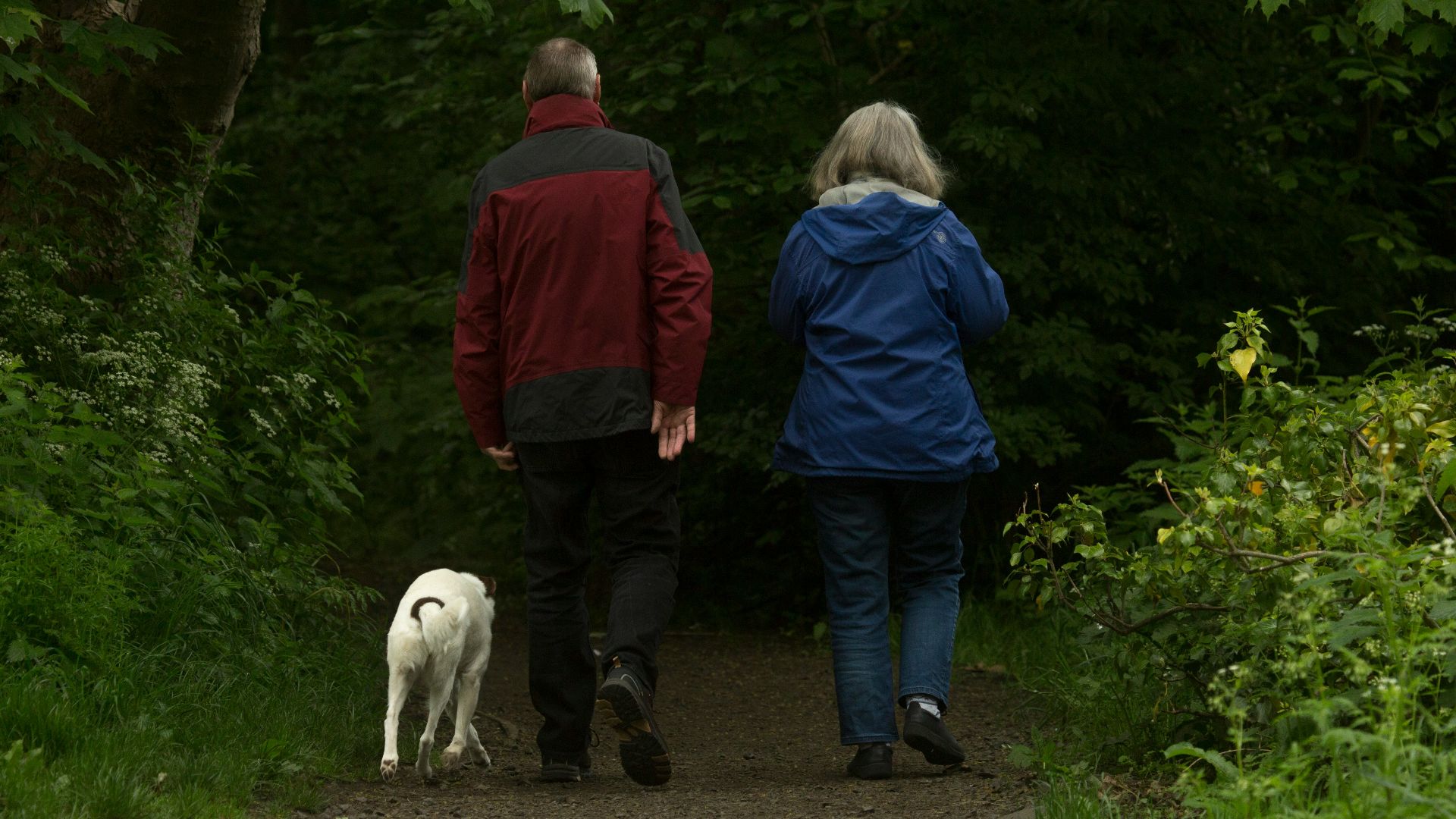
Without a commute dictating your day, you finally have the freedom to structure your time around good weather. Walking after breakfast or simply reading on the patio can become regular pleasures. It’s easy to underestimate just how much retirement can accidentally turn into indoor time.

18. Recording Their Stories
Retirement gives you an excellent opportunity to write down memories before those details get fuzzy. We’re not saying to produce a formal autobiography, but recording childhood stories and major life events is enough. Future generations also care about those details more than you expect.
19. Taking an Unproductive Month
After decades of measuring time by accomplishments, some retirees fill their days with projects and commitments. But where’s that in the rulebook? Giving yourself several weeks to sleep late, read, wander around town, or do absolutely nothing useful helps separate what you genuinely want from actual obligations.

20. Celebrating the First Anniversary
The first anniversary of retirement is a useful moment to look at what actually changed. Revisit photographs! Go through favorite experiences, unexpected expenses, and new friendships! Retirement can last decades, but those years deserve to feel distinct rather than simply blending together.
 Land O'Lakes, Inc. on Unsplash
KEEP ON READING


20 Things Your Body Is Secretly Doing Right Now