

Stress Isn't the Whole Story
One of the worst things about going through menopause is that its symptoms disguise themselves as something else. A rough night's sleep, a scattered brain, and a suddenly short temper can easily make you blame outside factors, but shifting hormone levels can produce changes that look surprisingly similar to everyday stress. That doesn't mean every headache boils down to hormones, but recognizing the connection can make it easier to have a useful conversation with your doctor.
1. Trouble Falling Asleep
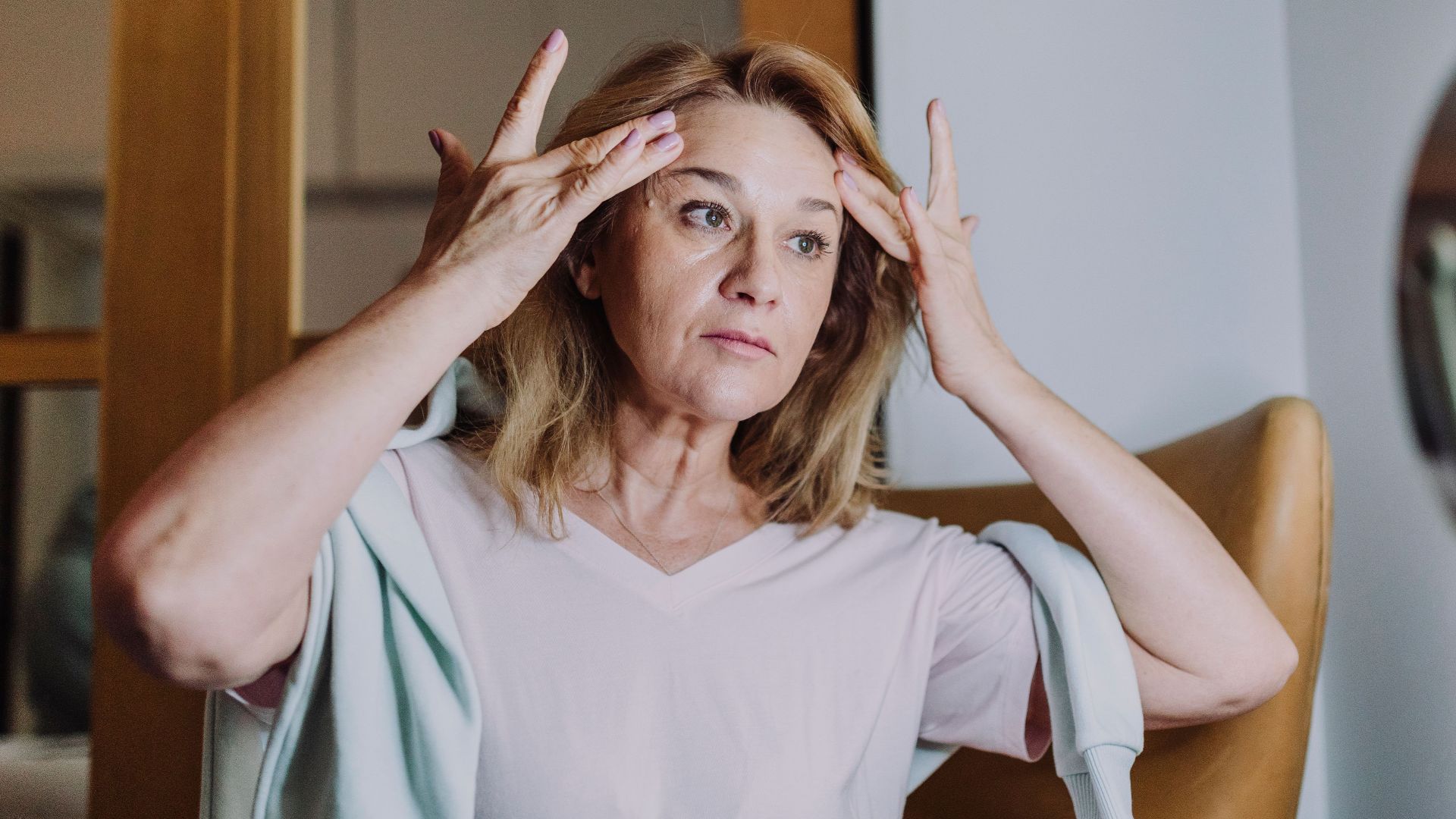
You can be completely exhausted at bedtime and still find yourself staring at the ceiling for an hour. Sleep disturbances become common during the menopause transition, sometimes even when hot flashes aren't obviously waking you up. The silver lining is that you’re not alone, which means bringing it up to your doctor can yield some solutions.

2. Waking Up in the Middle of the Night
To make matters worse, some women have no problem falling asleep but will, in fact, start waking at random times. They’ll also struggle to drift off again. Night sweats, temperature changes, and increased trips to the bathroom can all interrupt sleep during menopause. After a few nights, you might be tempted to blame stress, but there could be another culprit to blame.
3. Feeling Exhausted
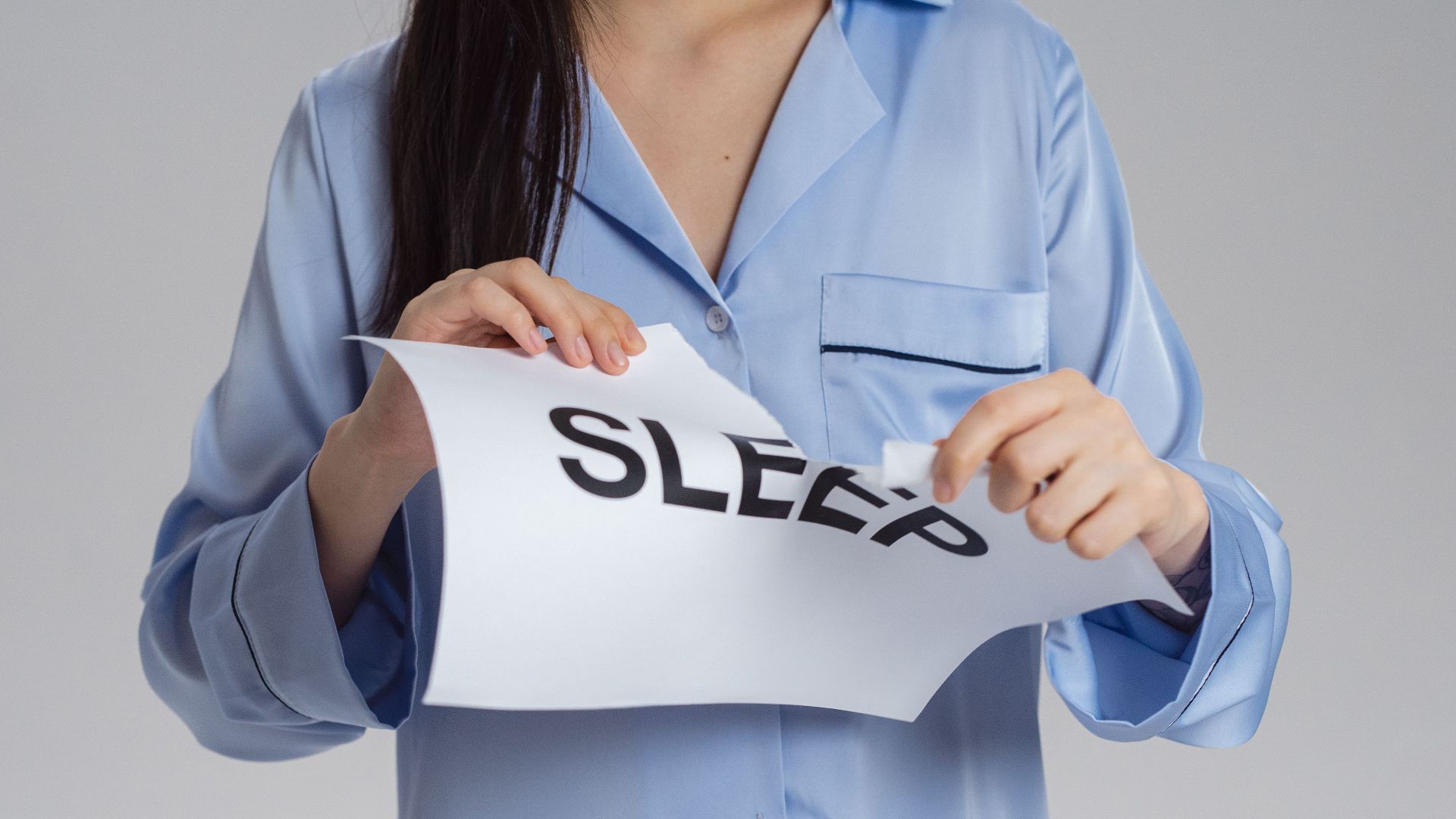
Persistent tiredness can look commonplace after a busy schedule, but don’t assume it’s stress. Menopause-related sleep disruption can also leave you dragging through afternoons. If your usual coffee feels like it’s holding back the tide, poor-quality sleep may deserve more attention.
4. Suddenly Losing Your Train of Thought
We’ve all misplaced our keys, but there’s a difference between the odd brain fart and legitimate brain fog. Brain fog is commonly reported during perimenopause, and it’s most noticeable during moments when words, names, or basic information disappear. The thing is, stress can affect concentration too, which is exactly why this one’s so easily misread.
 https://kaboompics.com/ on Pexels
5. Struggling to Concentrate
A report that once took an hour might now mean several rereads and a surprising amount of effort. Unfortunately, hormonal changes can coincide with problems involving attention and concentration. We know it’s easy to blame yourself for being distracted, but keep in mind that some changes aren't within your control.
 https://kaboompics.com/ on Pexels
6. Becoming More Forgetful
Some women notice that everyday forgetfulness becomes much more frequent during perimenopause—and it happens more than you think. Names, appointments, passwords, and the reason you opened your phone can all seem harder to retrieve than they used to. And because forgetfulness also gets worse when you're stressed, menopause isn’t always the first explanation that comes to mind.

7. Feeling Anxious
Anxiety during menopause doesn't always show up with a clear problem. One of the strangest (and most frustrating) things about anxiety is that it can pop up out of the blue. The sad truth is that you might feel nervous or unusually worried even on an ordinary afternoon.

8. Getting Irritated More Easily
The grocery line. Someone’s loud chewing. An innocent question from your spouse. What used to roll off your back before may now test your patience. Mood changes and irritability happen during the menopause transition, especially when poor sleep is piled on top. Most women assume they’ve just reached their limit when actually hormones may be shortening that fuse.

9. Feeling Low
A difficult week can explain feeling like a Debbie Downer—but only to a point. Menopause-related emotional changes don't always follow a bad event. Some women notice sadness, reduced motivation, or a general sense that they don't feel quite like themselves anymore.

10. Heart Palpitations
A noticeable heartbeat can make you wonder whether you've had one too many coffees, but that’s not a symptom you want to fluff off. Palpitations happen during perimenopause and menopause, sometimes alongside hot flashes. There’s no harm in discussing heart symptoms with a healthcare professional, especially if they persist.

11. Getting More Headaches
A long day staring at screens isn't always responsible for the headache that knocks you down by dinner. Hormonal fluctuations can cause headaches or make existing migraines even more troublesome for some women. When they show up during a busy period of life, stress often gets blamed without anyone ever considering menopause.
 Kateryna Hliznitsova on Unsplash
12. Feeling Lightheaded
That occasional woozy feeling may seem like another sign that you're running on fumes, but dizziness can accompany menopause symptoms. It’s an even bigger red flag when they show up alongside hot flashes, anxiety, or changes in body temperature. Remember: dizziness can have a lot of causes, so frequent episodes are worth mentioning to your doctor.

13. Having Achy Joints
Did you wake up with sore knees in the morning? Are your fingers cramped after a day at work? Symptoms like those are often blamed on tension or simply getting older, but aches are also commonly reported around menopause. As estrogen levels change, so does your body, so keep an eye on your joints.

14. More Muscle Aches
Your poor joints aren’t the only ones suffering. Women sometimes notice discomfort in the neck, back, shoulders, or legs—all without changing their activity levels. Stress may still be part of the picture, sure, but it isn't necessarily the only thing happening.

15. Breaking Into a Sudden Sweat
Our lives cause plenty of reasons to break out in a cold sweat. The thing is, that’s exactly how hot flashes can go unnoticed. Menopausal flashes can cause sudden warmth across the face, neck, and chest, sometimes followed by sweating, chills, anxiety, or a racing heartbeat. It’s one thing if an episode happens in tense moments, but it’s another when it comes out of the blue.

16. Waking Up Sweaty
We hate to break it to you, but sweating can happen when you’re snug as a bug in bed, too. Menopausal hot flashes love showing up during sleep, and they may even be strong enough to dampen clothing and wake you up. To make matters worse, repeated interruptions can then create daytime fatigue and irritability, making the whole day feel even more like stress.

17. Noticing Changes in Your Intimacy
When life gets hectic, a lower interest in the boudoir often gets attributed to exhaustion. That could very well be true, but reduced libido can also occur around menopause, sometimes alongside discomfort, sleep problems, or mood changes. Don’t forget that looking at the bigger picture can be more helpful than assuming you need a relaxing weekend.

18. Dealing With Itchy Skin
As you’ve probably guessed by now, menopause affects just about everything—including your skin. It can bring changes as hormone levels shift, and dryness is among the symptoms many women may notice. You don’t need to assume every new skin problem is hormonal, but you should still mention it to your doctor if things are severe, persistent, or accompanied by a rash.

19. Needing the Bathroom More Often
Stress and caffeine can both work to send you to the toilet more often. However, new changes to your routine might point to another culprit: menopause-related urinary changes. They can cause increased frequency, urgency, nighttime urination, or occasional leakage. If any symptoms include pain, fever, or other signs of infection, you also need proper medical attention.

20. Feeling Like You Changed Overnight
Body composition can shift during those wonderful menopause years, even when your basic routine hasn't dramatically changed. You may notice more weight around your middle or find that familiar eating and exercise habits don't produce the same results. Stress, aging, activity, sleep, medications, and diet can all influence weight too, so menopause is usually one piece of a much larger picture. Either way, it’s wise to speak with your doctor.