

When Healthy Choices Don't Feel So Comfortable
Eating more vegetables, choosing whole grains, drinking smoothies, and swapping sugary snacks for "healthy" alternatives all sound like smart moves. However, some nutritious foods and eating habits can also contribute to bloating, particularly if you eat large amounts or your digestive system is sensitive to certain carbohydrates. Bloating doesn't automatically mean you've eaten badly, either, since foods containing fiber, lactose, or sugar can cause gas and digestive discomfort in some people.

1. Suddenly Eating A Lot More Fiber
It's a good thing to eat more fiber. But if you jump from barely any to tons of fiber overnight, your body will have a hard time processing all of that fiber. Eating too much fiber can also lead to gas and bloating if you have IBS.
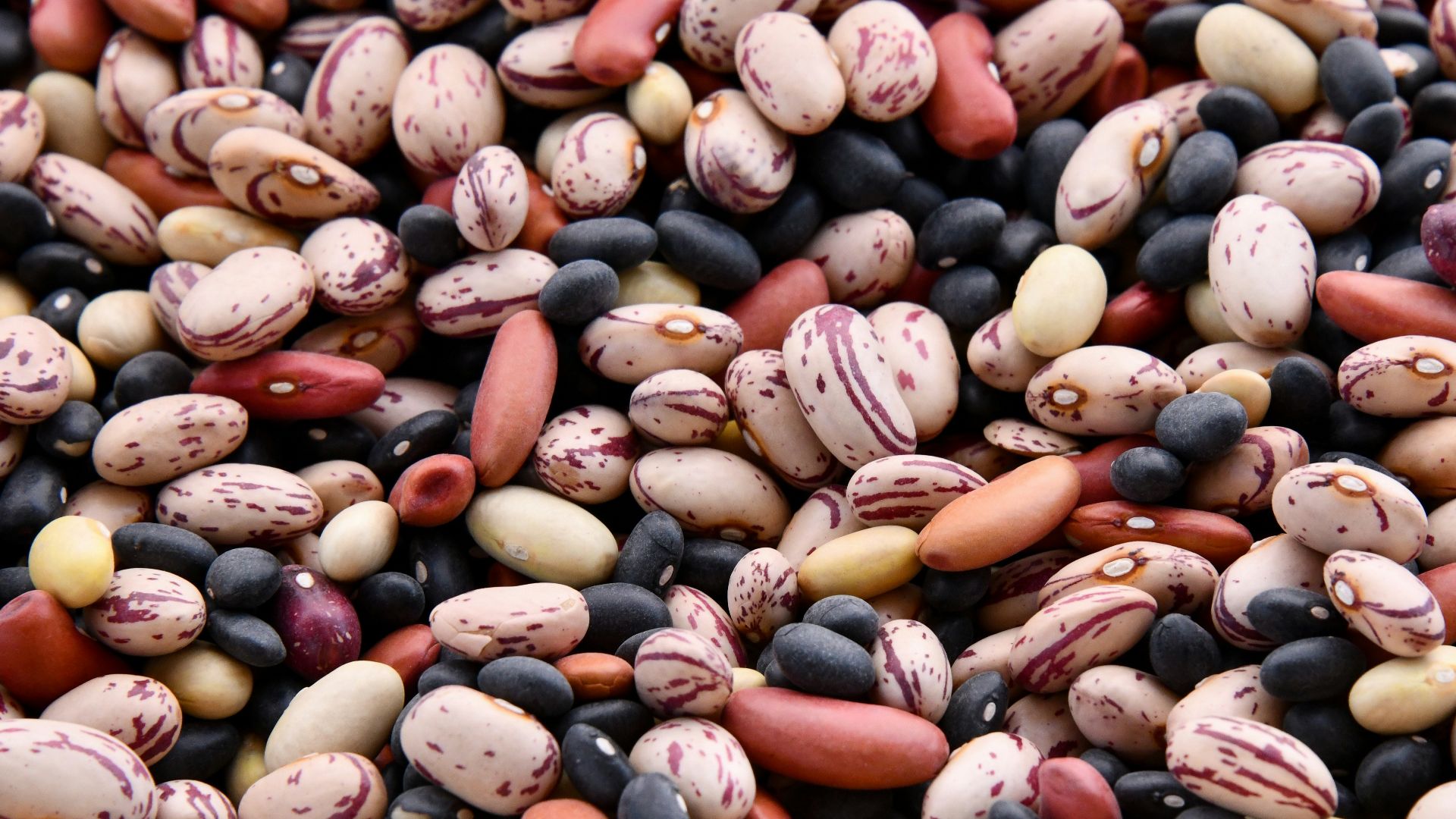
2. Loading Up On Beans
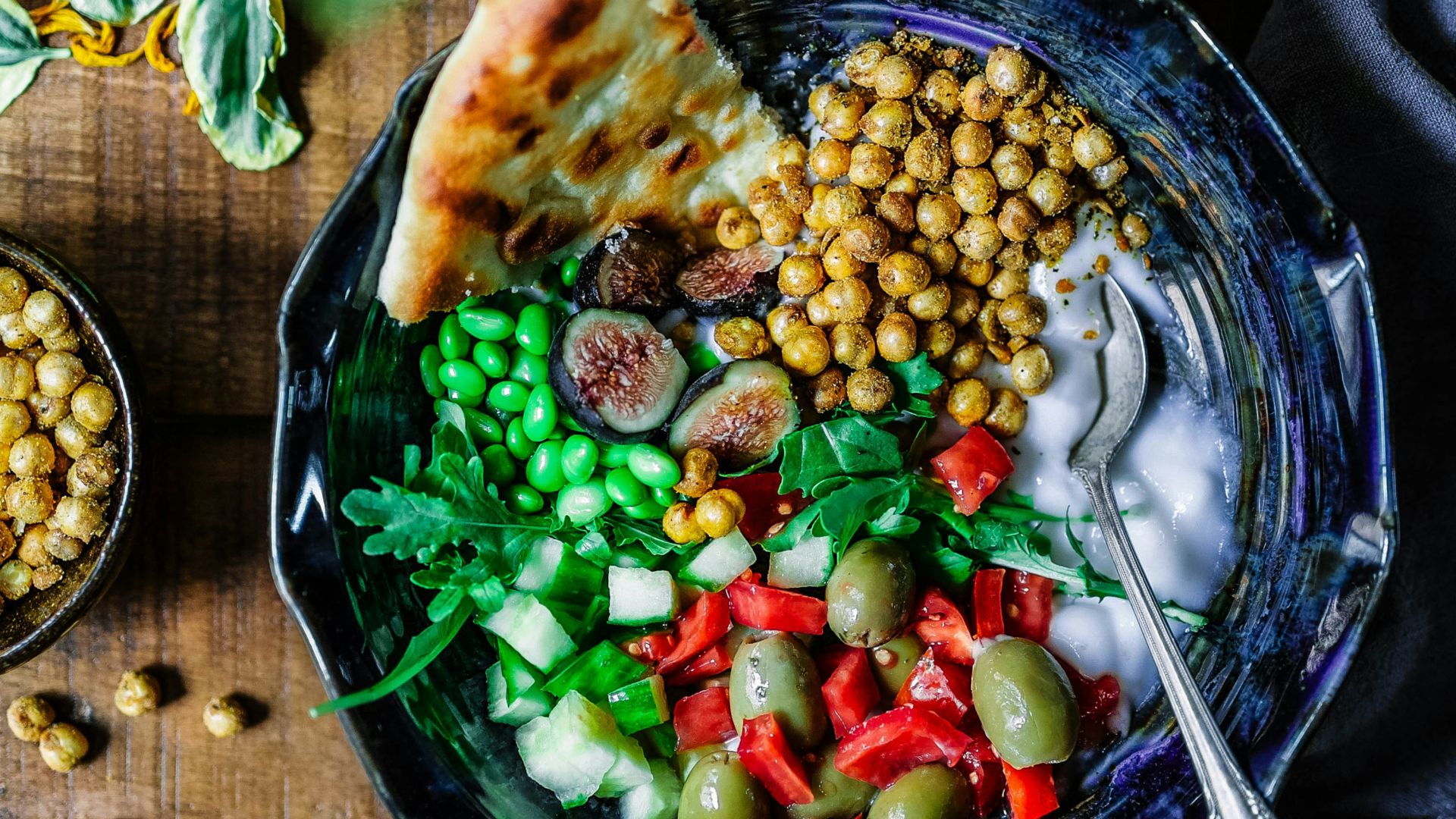
There's a reason why beans are considered to be a healthy food. They contain many vitamins and minerals and are high in protein and fiber. But beans also have carbohydrates that your body's bacteria will consume, which can result in gas. If you are eating beans on every salad, soup, or grain bowl, you may notice your stomach becoming upset.
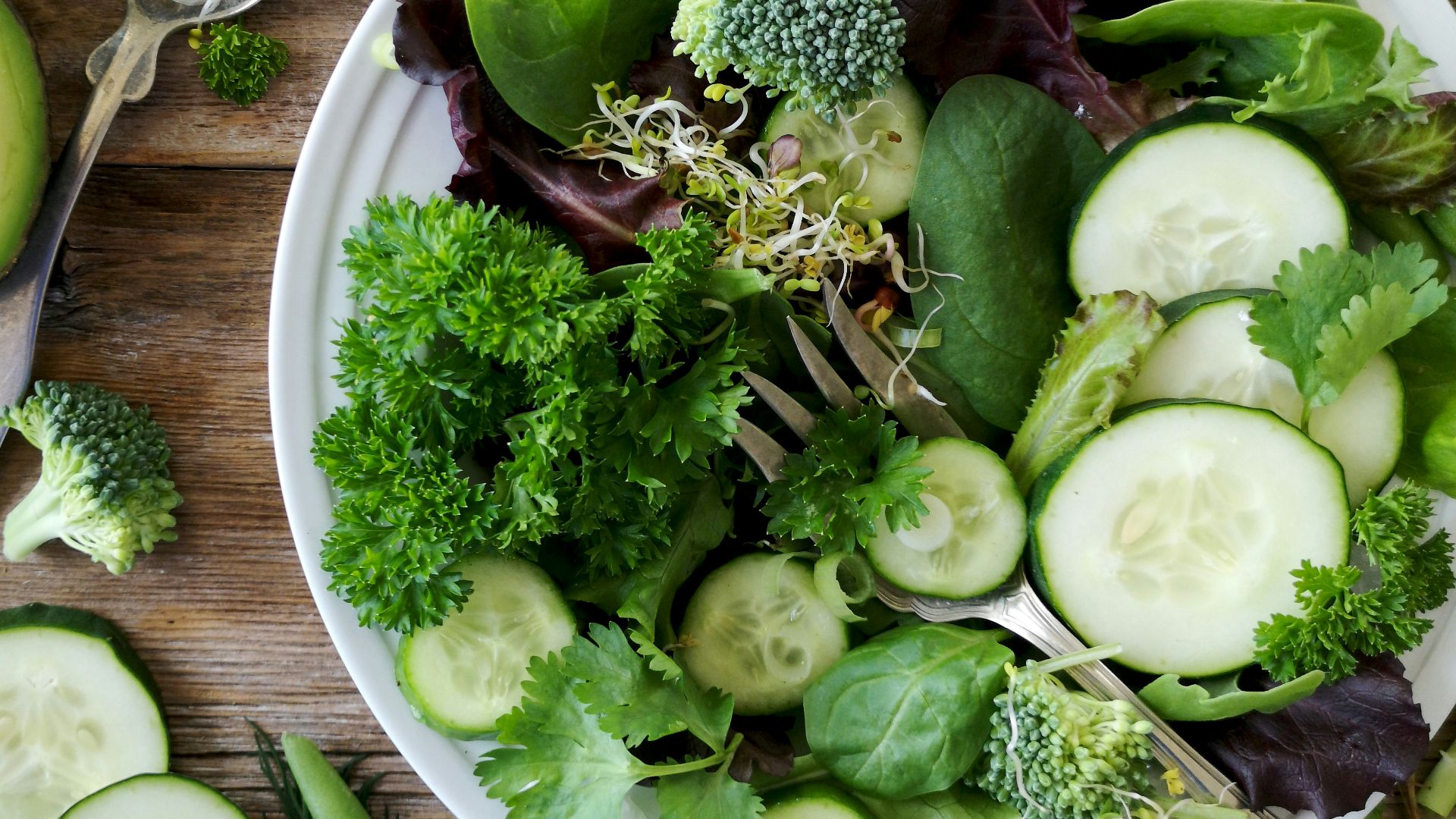
3. Eating Huge Salads
Although a big salad may seem like one of the healthiest meals on the menu, it can cause bloating. Onions and certain vegetables can contain sugars that can lead to gas and bloating. A salad doesn't become unhealthy because it makes you bloated, but you may feel better with smaller portions or different ingredients.
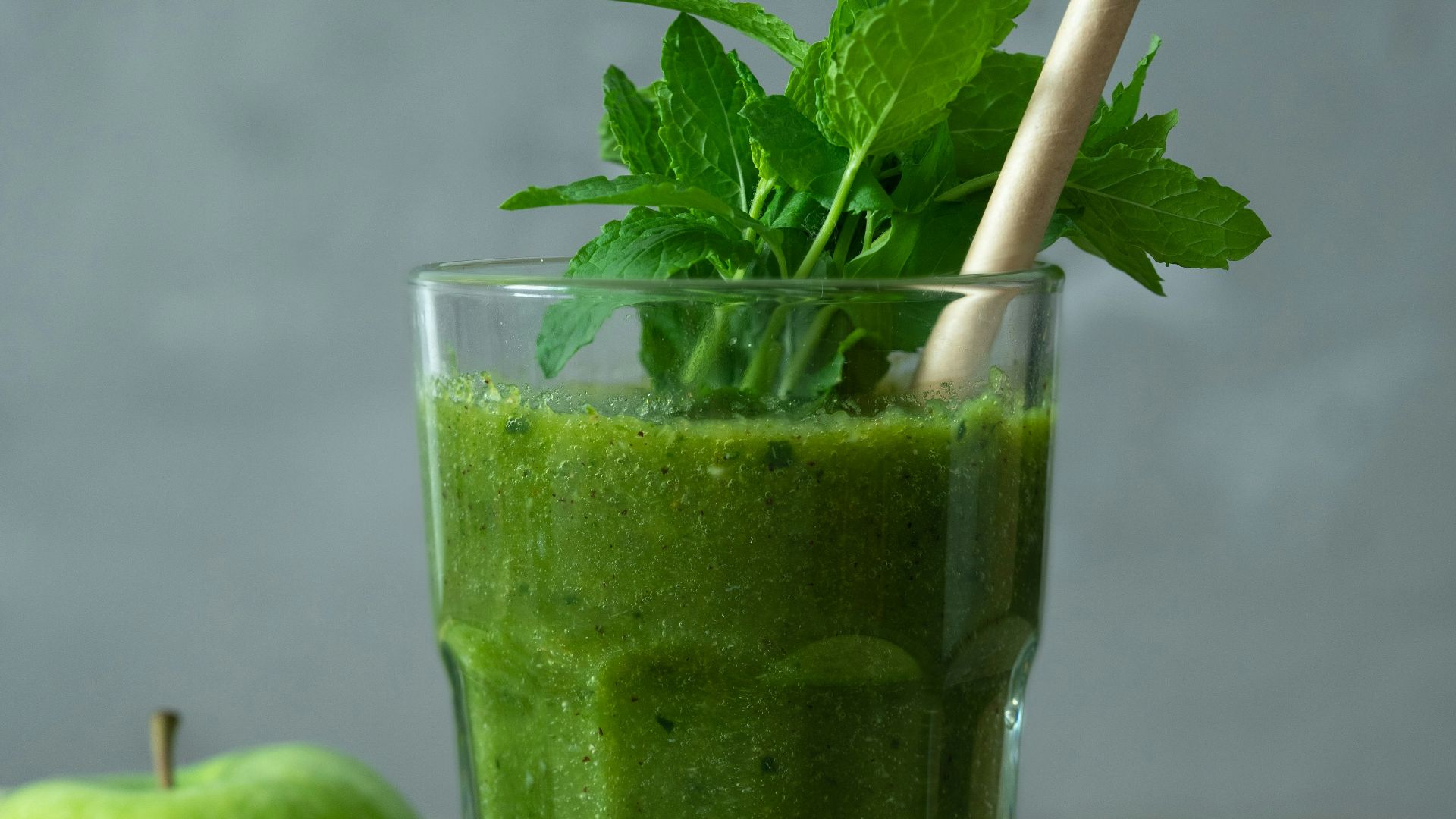
4. Drinking Green Smoothies Every Morning
There are so many healthy things you can put in a green smoothie. You can have spinach, fruits, and seeds all in one cup of smoothie. Some fruits, like apples, pears, and mango, are high in sugars. So if you have multiple of these ingredients in your smoothie, your body may not be able to process them all at once.
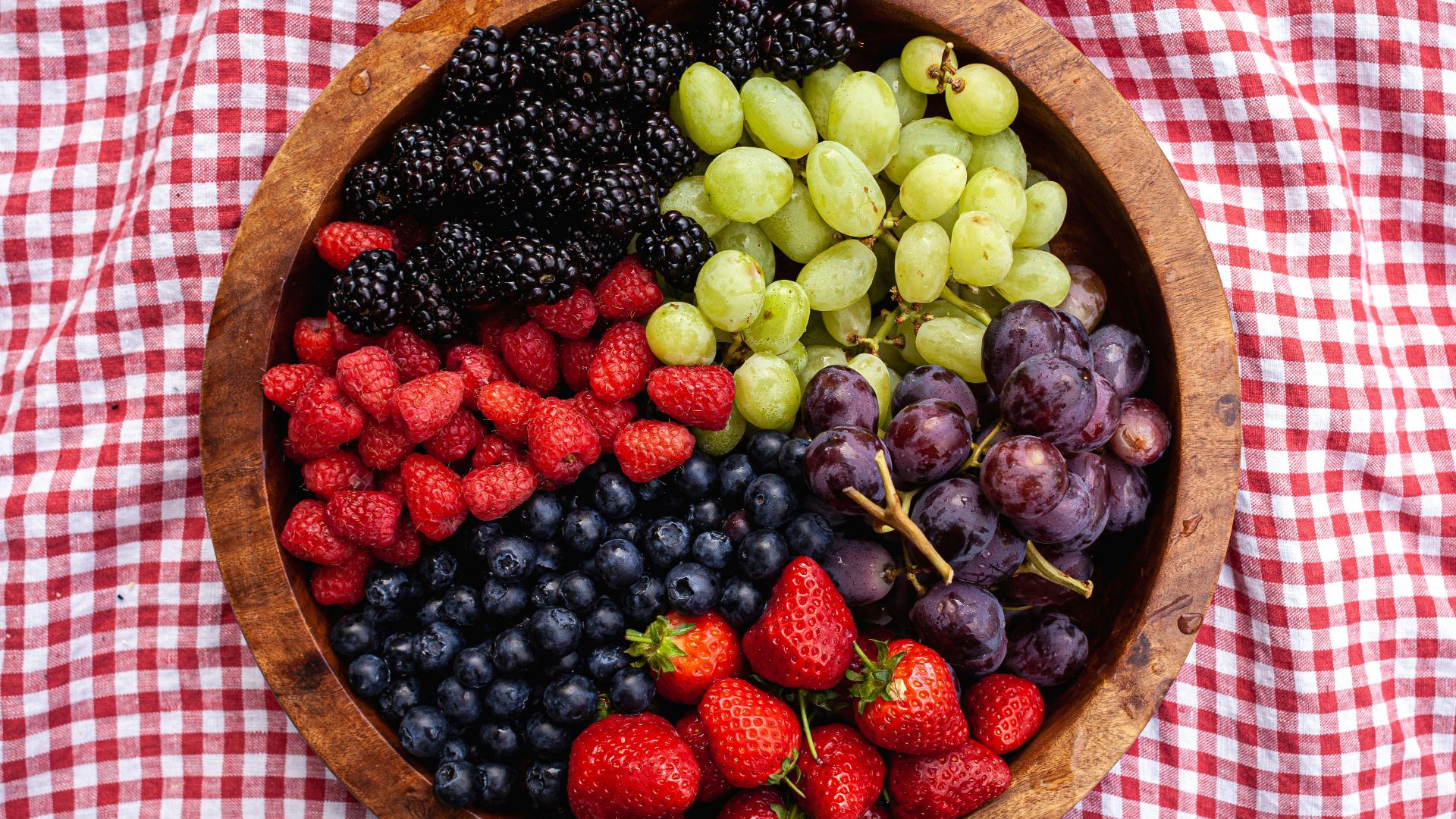
5. Eating Fruit By The Bowlful
Fruit is absolutely part of a healthy diet, but eating very large quantities at once isn't necessarily easier on your digestive system. Some fruits contain fructose and sorbitol, which can lead to gas and bloating. Make sure you know your portions if you know that you get gassy from fruit.
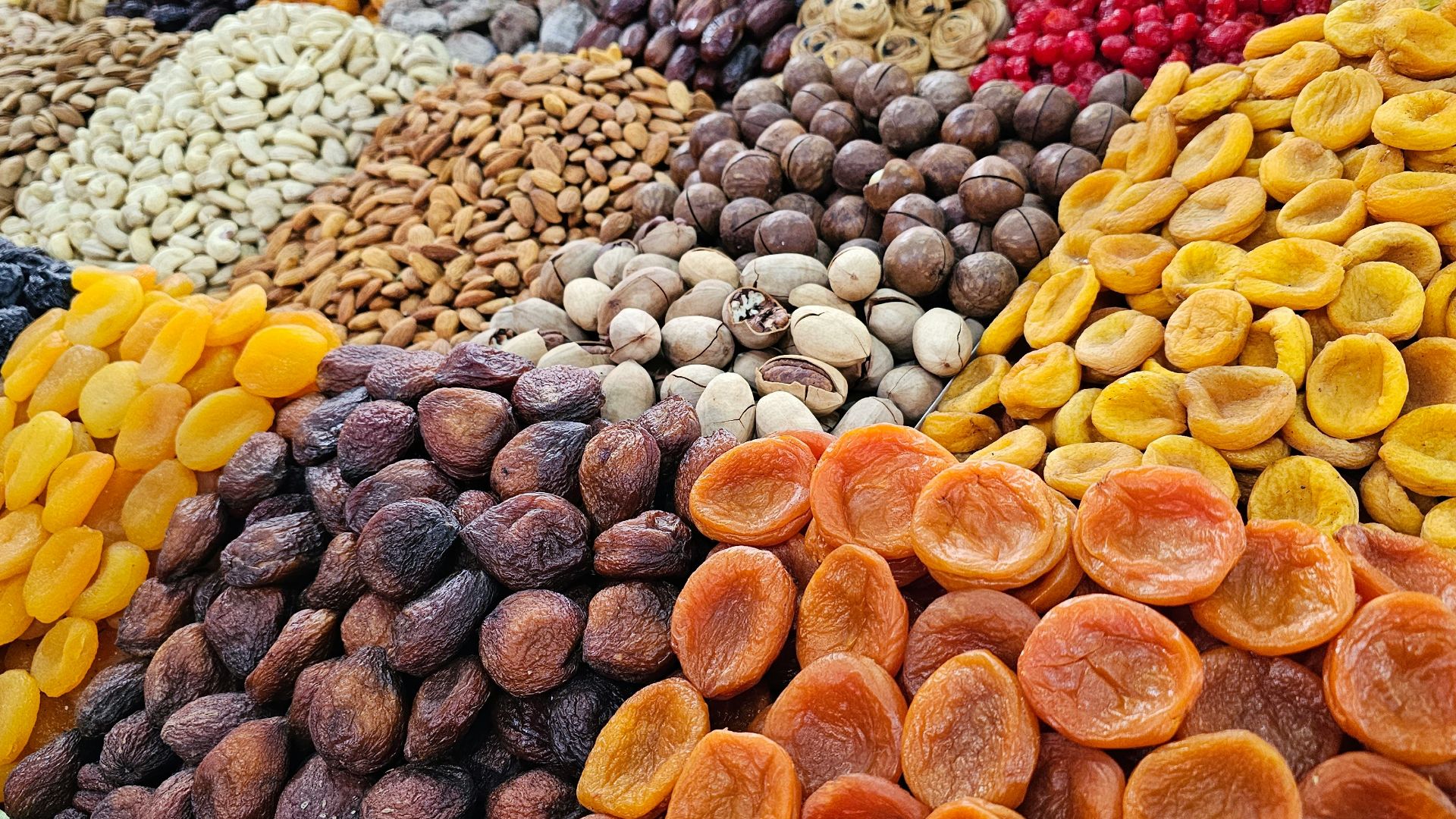
6. Choosing Dried Fruit As A "Healthy" Snack
Another snack that we think is healthy is dried fruit. Because dried fruit has no water in it, it can allow you to eat a large amount of fruit in a small amount of space. You may not even realize how much fruit you are eating.
 Hasmik Ghazaryan Olson on Unsplash
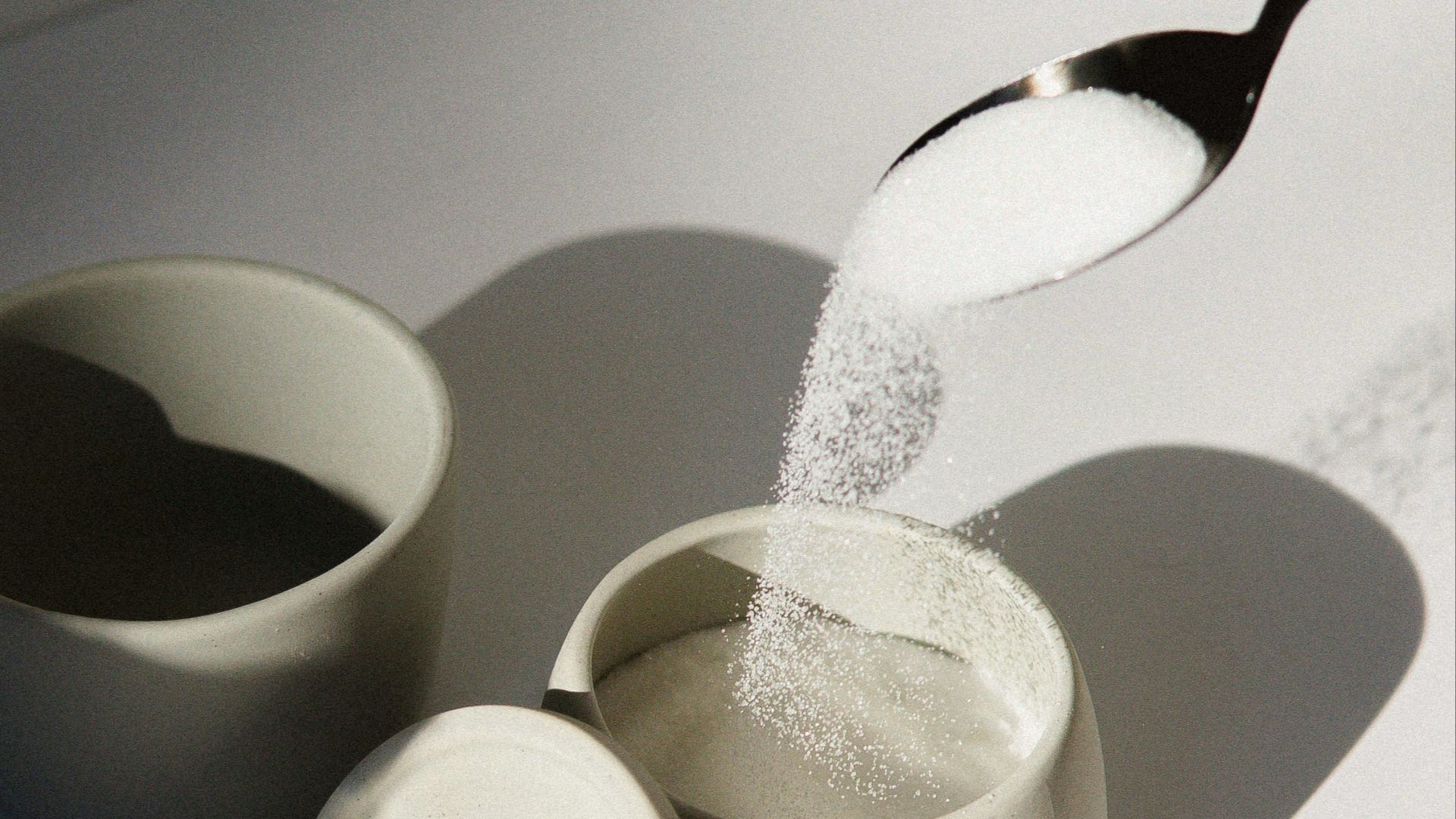
7. Switching To Sugar-Free Everything
Many people think that by eating sugar-free foods, they are cutting back on their sugar intake. Make sure you know what you're eating when it comes to sugar-free foods. Sorbitol, mannitol, xylitol, maltitol, and erythritol can all cause gas and bloating.
8. Chewing Sugar-Free Gum All Day
You may think that by chewing gum, you won't eat as much during the day. But you are consuming more air, which can cause you to bloat. If you're chewing piece after piece throughout the day, both factors can contribute to digestive discomfort.

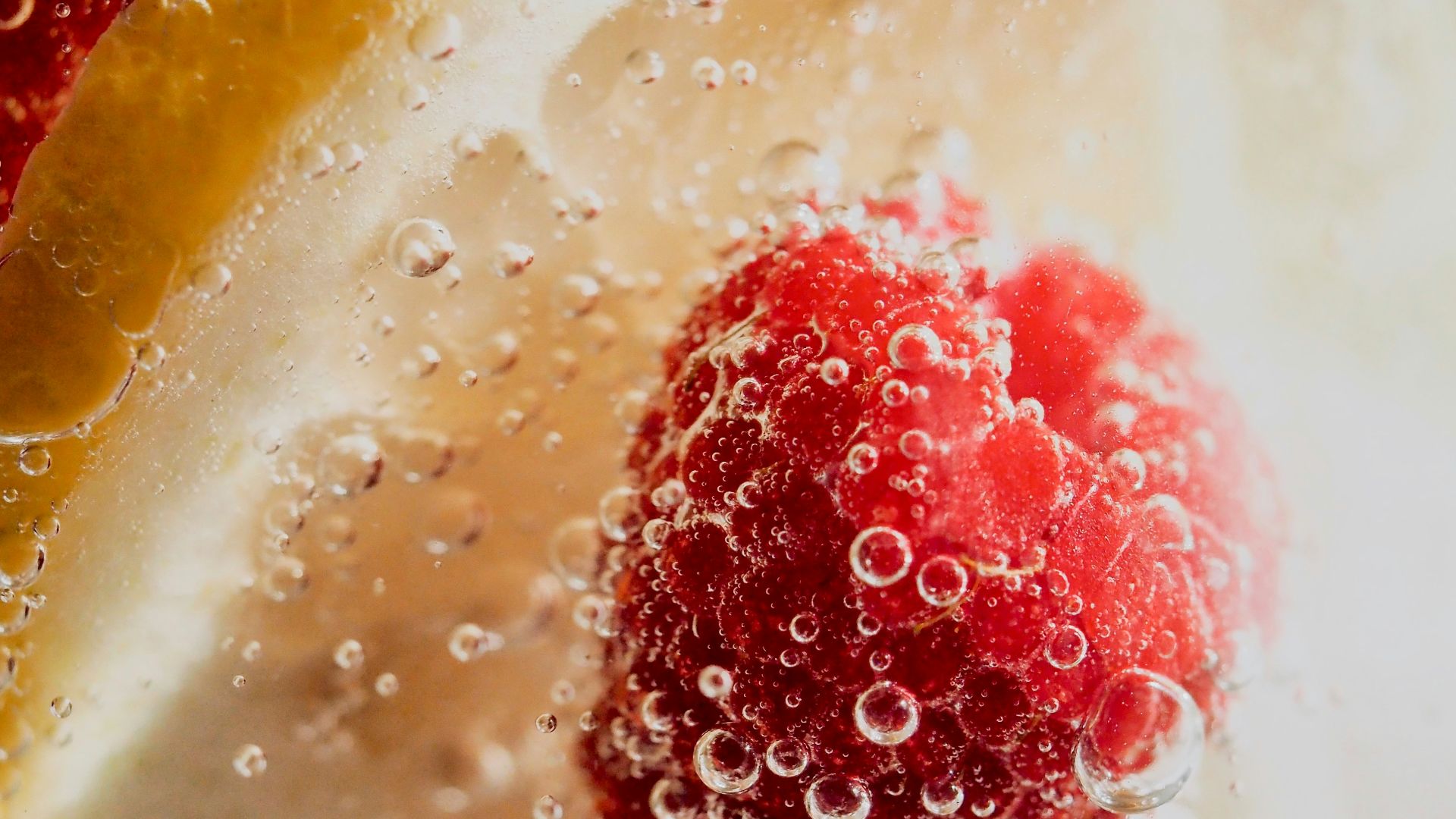
9. Drinking Sparkling Water Constantly
Sparkling water isn't bad for you just because it's sparkling. But all of that carbonation can cause you to bloat. Some drinks that contain carbonation can cause your stomach and intestines to expand. Try replacing some of your sparkling drinks with regular water.
10. Eating Enormous "Healthy" Meals
Just because something is healthy doesn't mean that it won't cause you to bloat if you eat a big portion. More frequent meals may help reduce gas symptoms compared with larger meals. That matters when a single bowl contains grains, beans, vegetables, nuts, seeds, and several other high-fiber ingredients all at once.
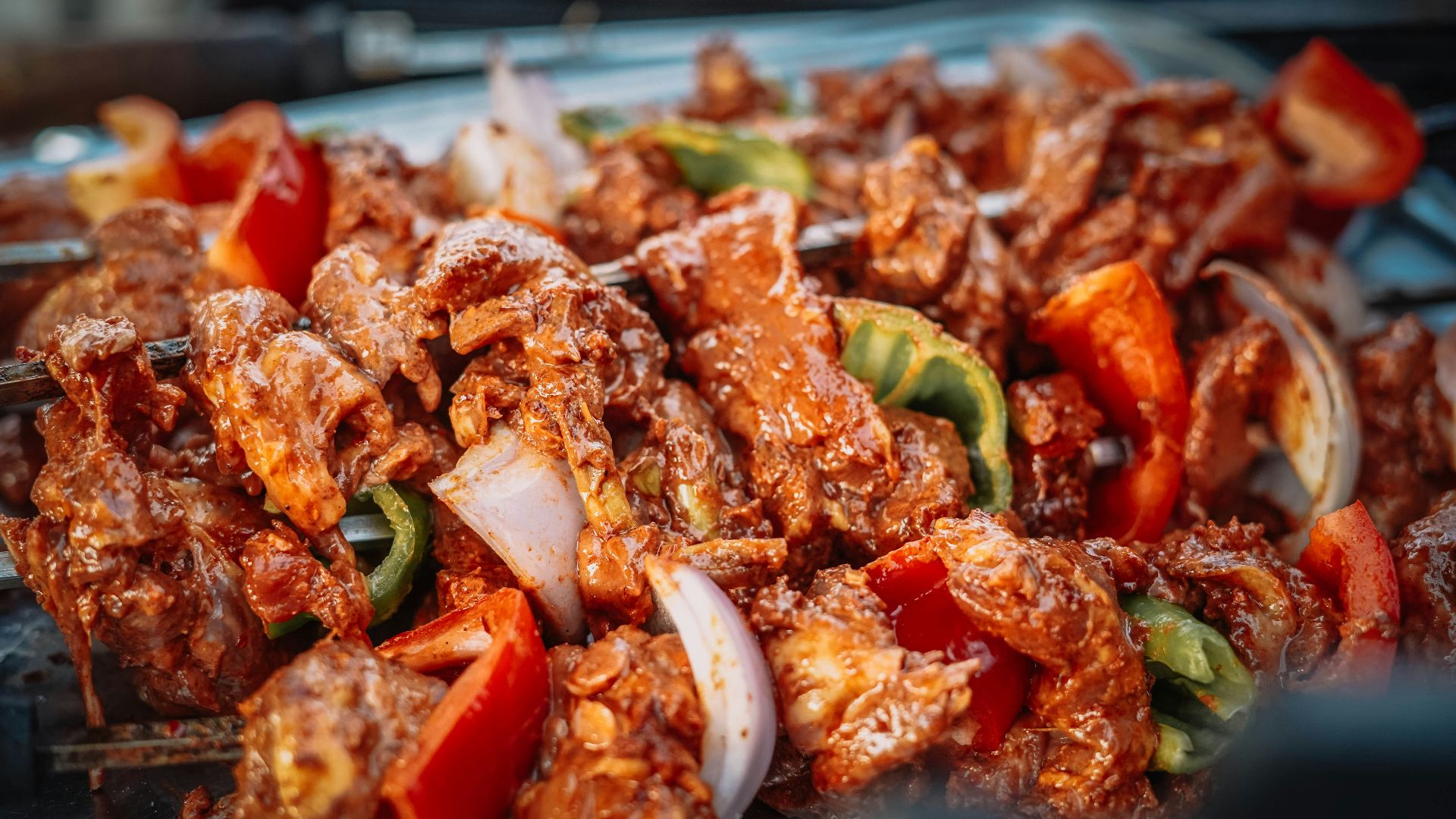
11. Adding Onions To Everything
Onions are a great food to have in your meal. They can add a lot of flavor to your meal without having to add extra fat or sugar. But they are high in sugars, which can cause gas and bloating. If your body gets gassy when you eat meals that contain a lot of onion, then maybe look at the amount of onion you are putting in your food.
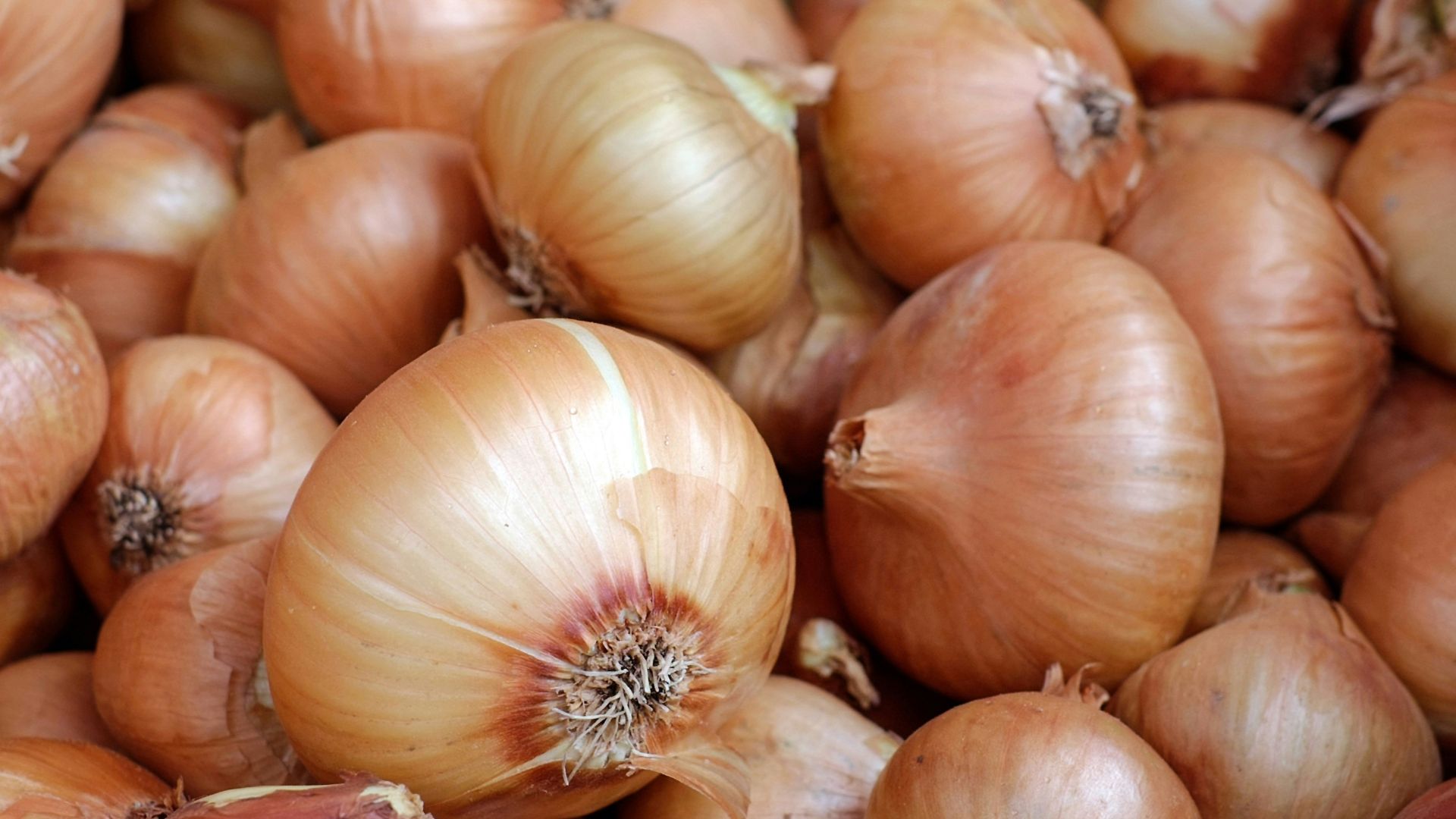
12. Going Overboard On Garlic
Similar to onions, garlic is a popular ingredient that many use when making healthy meals. Many meals that consist of veggies, protein, and grains will have garlic in them. That doesn't make garlic unhealthy; it simply means that some digestive systems don't appreciate large quantities of it.
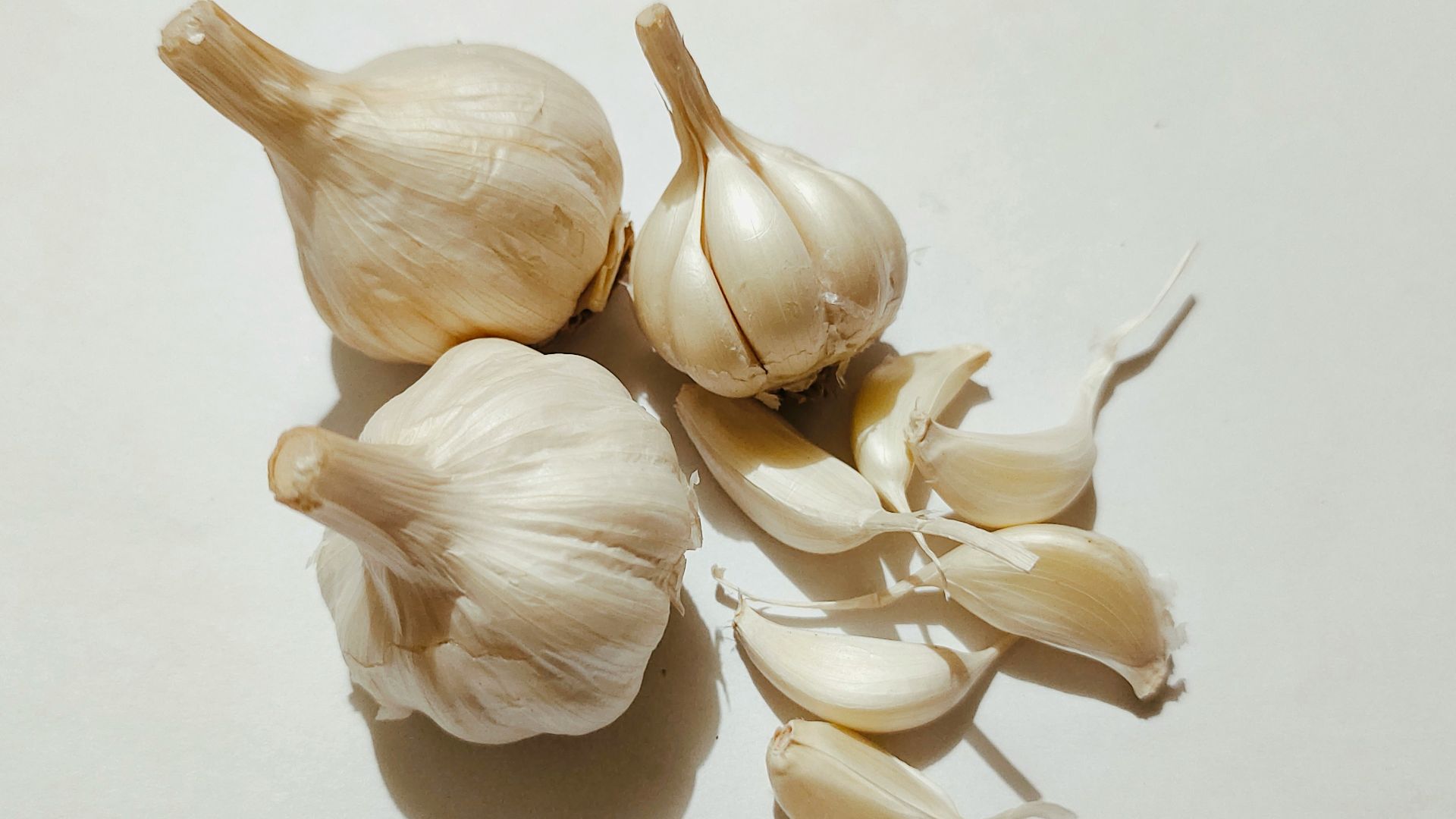
13. Replacing Regular Bread With Huge Servings Of Whole Grains
Whole grains are high in fiber, which can be good for you. But if you start eating a lot more whole grains than you used to, you may start to get gassy. Whole wheat can also cause gas and bloating if your body can't process it.
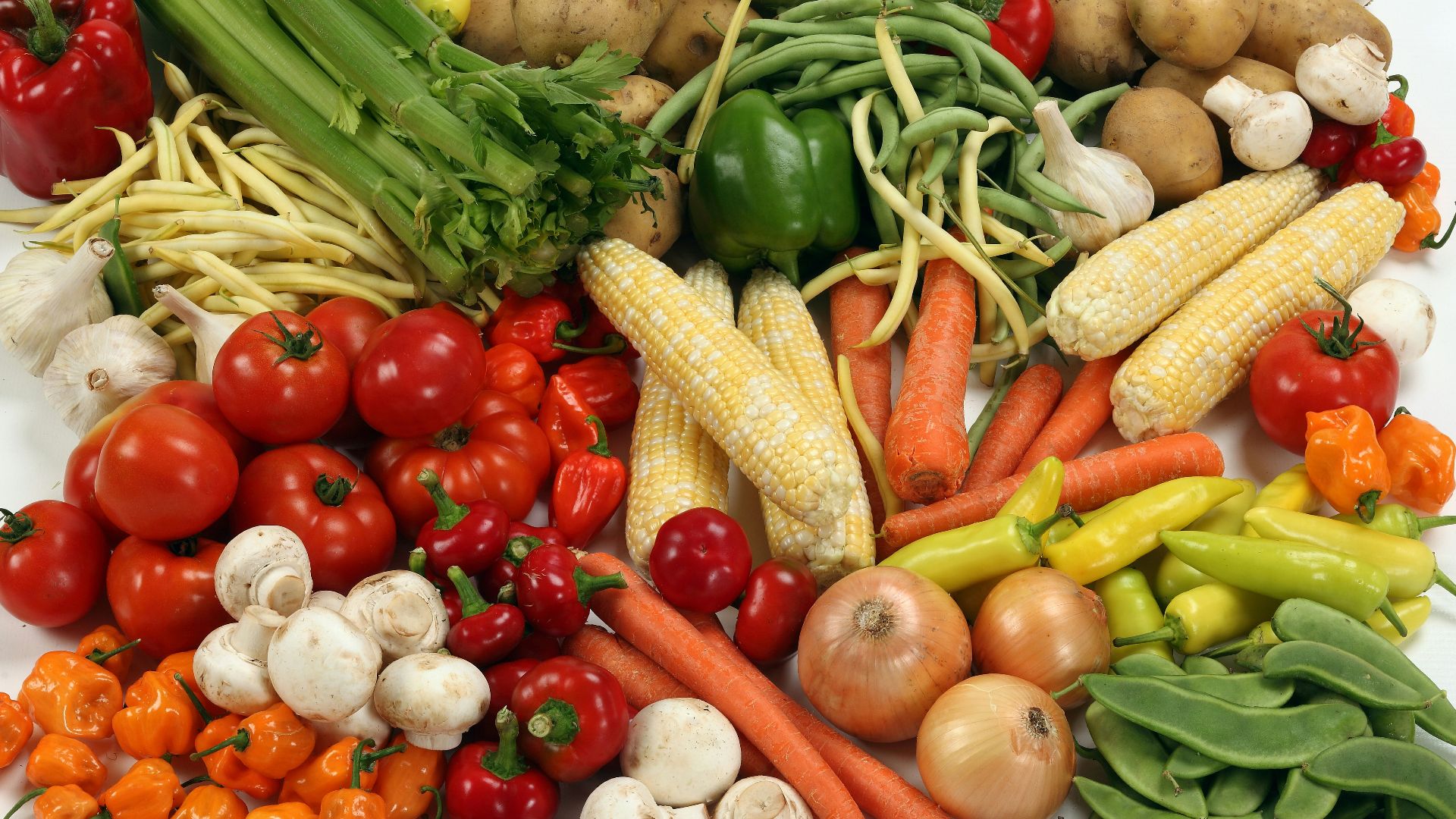
14. Eating A Massive Bowl Of Cruciferous Vegetables
Vegetables such as broccoli, cauliflower, and kale are great for you. There's no reason why you shouldn't eat these types of veggies. But they can cause you to bloat if you eat too much of them. Maybe try eating less broccoli at your next meal and see if that helps.
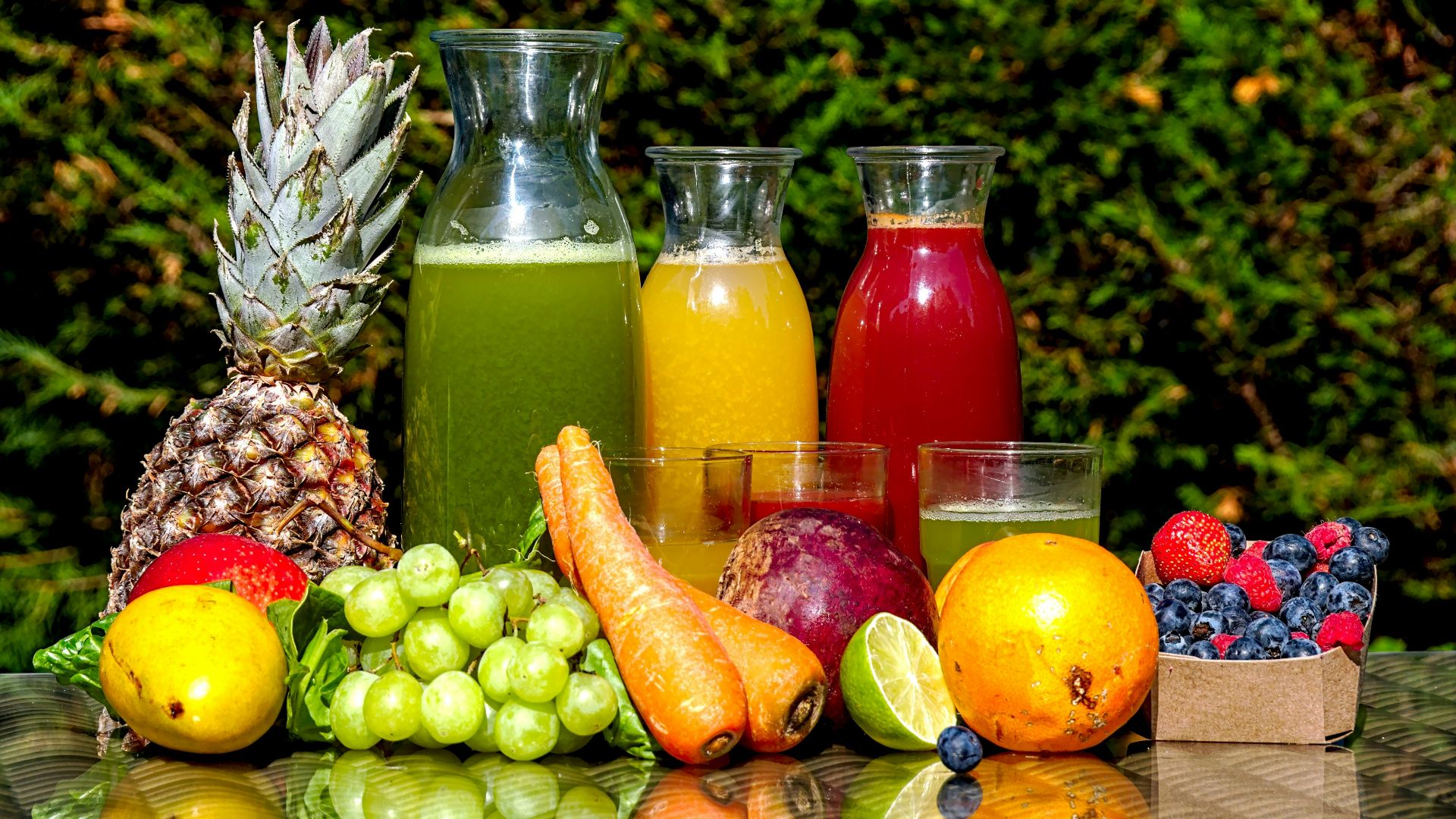
15. Drinking Fruit Juice Instead Of Eating Fruit
Many people think that fruit juice is healthy for you. Although fruit juice does contain vitamins, it can also have a high amount of fructose. Some people can't process fructose, which can lead to gas and bloating.
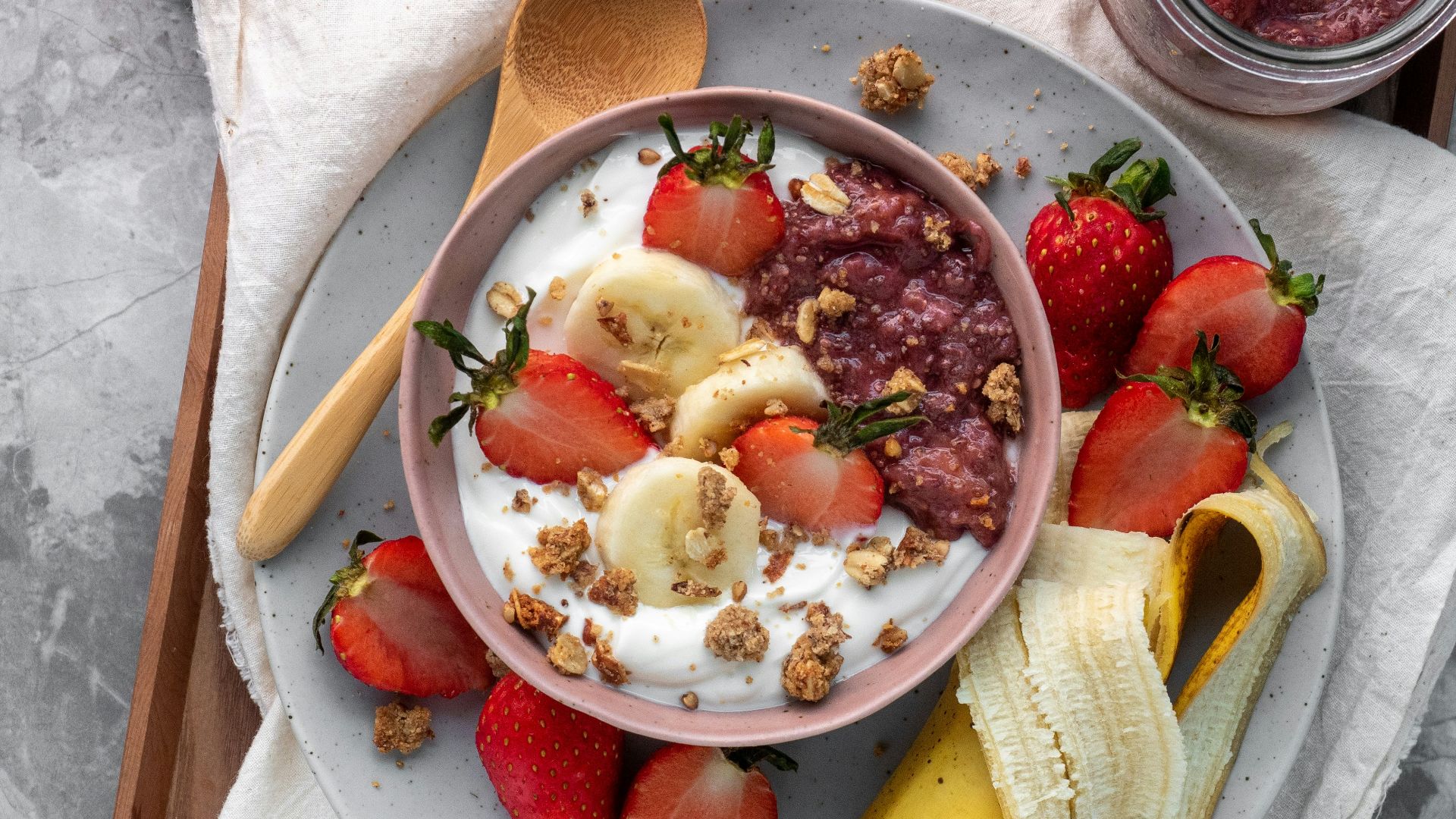
16. Having A Giant Bowl Of Yogurt And Fruit
Yogurt can be a healthy food that provides you with protein and calcium. Just like with fruit, you can bloat from eating too much yogurt. If you have trouble digesting dairy products, you may want to limit your intake of yogurt.
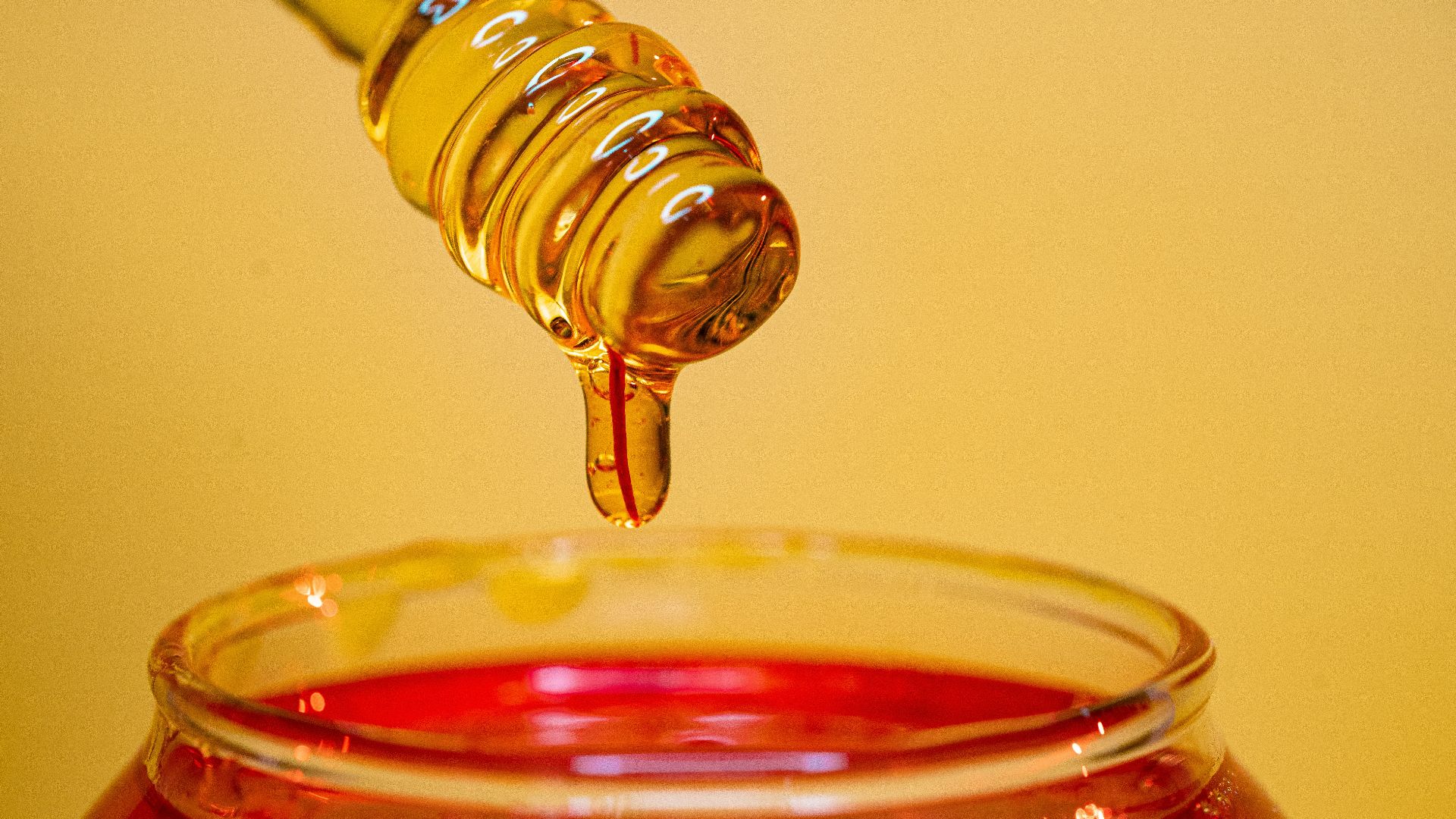
17. Using Honey As A "Natural" Sweetener
Honey is a natural sweetener that many people use to replace sugar. Just because it's natural doesn't mean that it won't cause you to bloat. Honey is high in fructose, which can cause gas and bloating. If you are eating oatmeal every morning and getting bloated, try not using honey.
18. Eating Too Many Nuts At Once
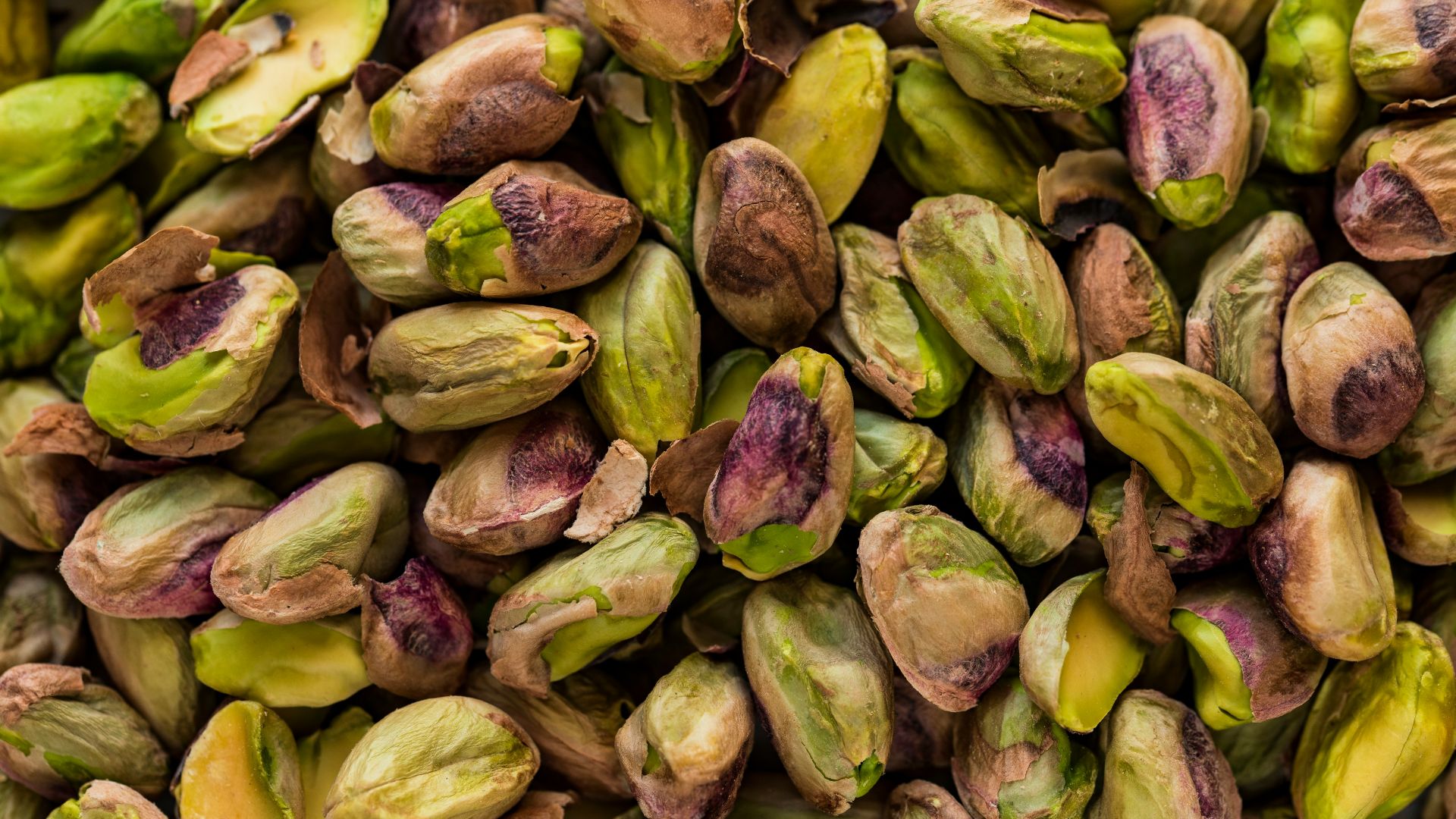
Nuts are another food that many people consider to be healthy. They provide you with healthy fats and protein. Cashews and pistachios can be high in sugars and cause you to bloat. If you are eating a large portion of any nut, it can cause you to bloat as well.
19. Eating Healthy Meals Too Quickly
Not only can food cause you to bloat, but the way you eat can also play a role. Eating too fast or talking while you eat can cause you to swallow more air. This can lead to gas and bloating. Slowing down and actually sitting down for meals can make the eating process more comfortable without requiring you to change what's on your plate.
20. Assuming Every Healthy Food Should Be Eaten In Large Quantities
As you can see, there are many reasons why you may be bloating. You don't have to stop eating healthy foods just because they may cause you to bloat. Instead of eliminating every food that seems healthy, pay attention to portions, combinations, and patterns so you can identify what actually bothers your stomach.
KEEP ON READING


20 Ways Your Brain Tricks You Every Single Day