Stay Put, Just Smarter
An AARP survey in 2021 found that about three in four adults 50 and older want to stay in their current homes as they get older. The house doesn't always make that easy. A tub edge you stepped over without thinking at 40 can feel like a hurdle at 80, and the basement stairs seem to get longer every year. Most of the fixes don't involve a contractor, and many of them take an afternoon and a drill. Here's 20 small home changes that make aging in place easier.
 https://kaboompics.com/ on Pexels
1. Grab Bars Where You Need Them
About 235,000 people end up in the emergency room every year after an injury in the bathroom, according to a 2011 CDC report, and most of those injuries are falls. A grab bar next to the toilet and another inside the shower give you something solid to hold as you sit or stand. Anchor them into wall studs, since suction-cup versions can pop loose under real weight.
2. A Handheld Showerhead
Swapping to a handheld showerhead lets you rinse off while sitting down. It screws onto the existing arm in about 20 minutes with a wrench. Look for one with a slide bar, which lets you set the height for whoever is showering that day.

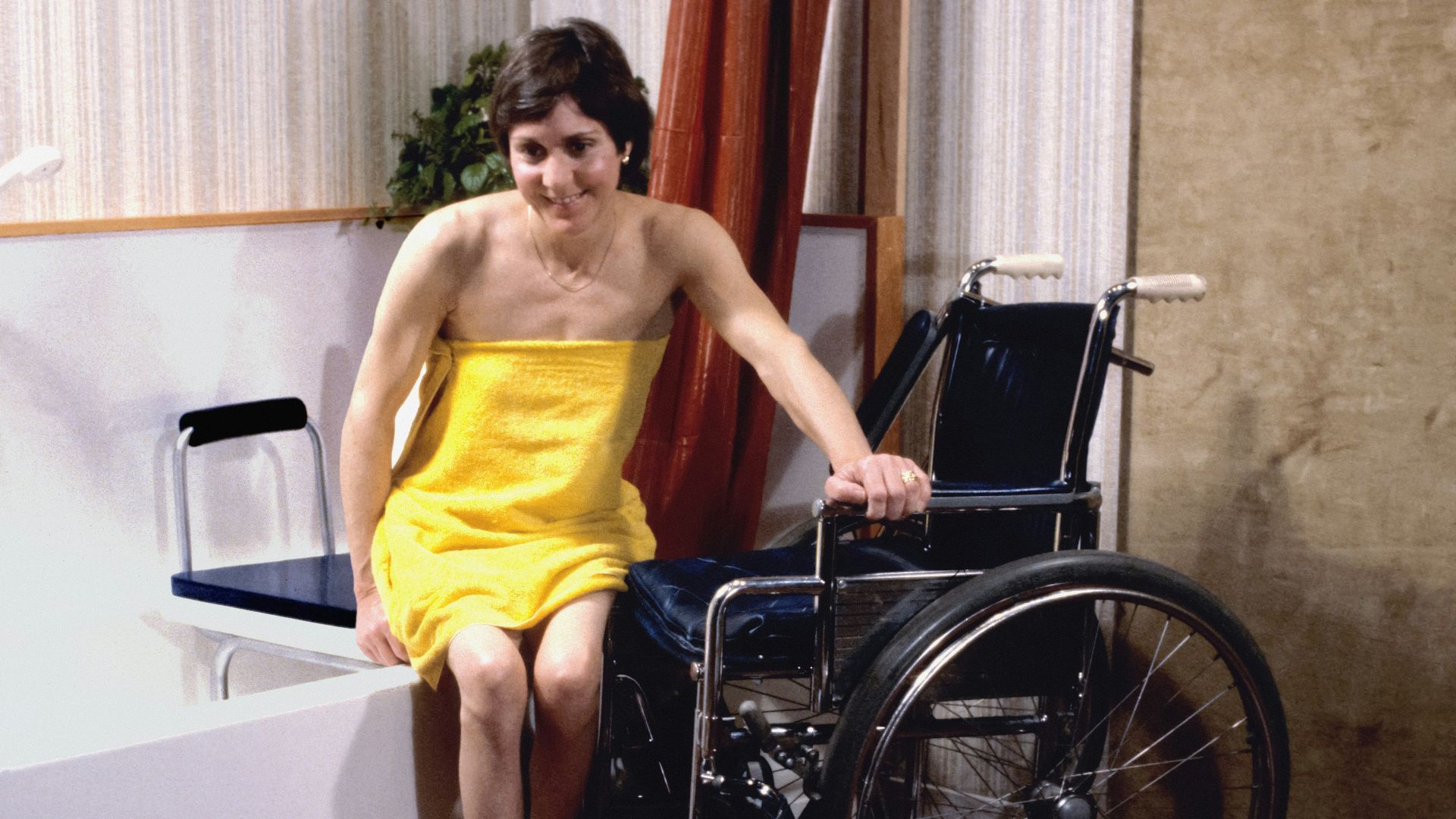
3. A Tub Transfer Bench
Climbing over the side of a tub means balancing on one wet foot for a second or two. A transfer bench straddles the tub wall. You sit down outside the tub and slide across on the seat, with your feet coming over last.
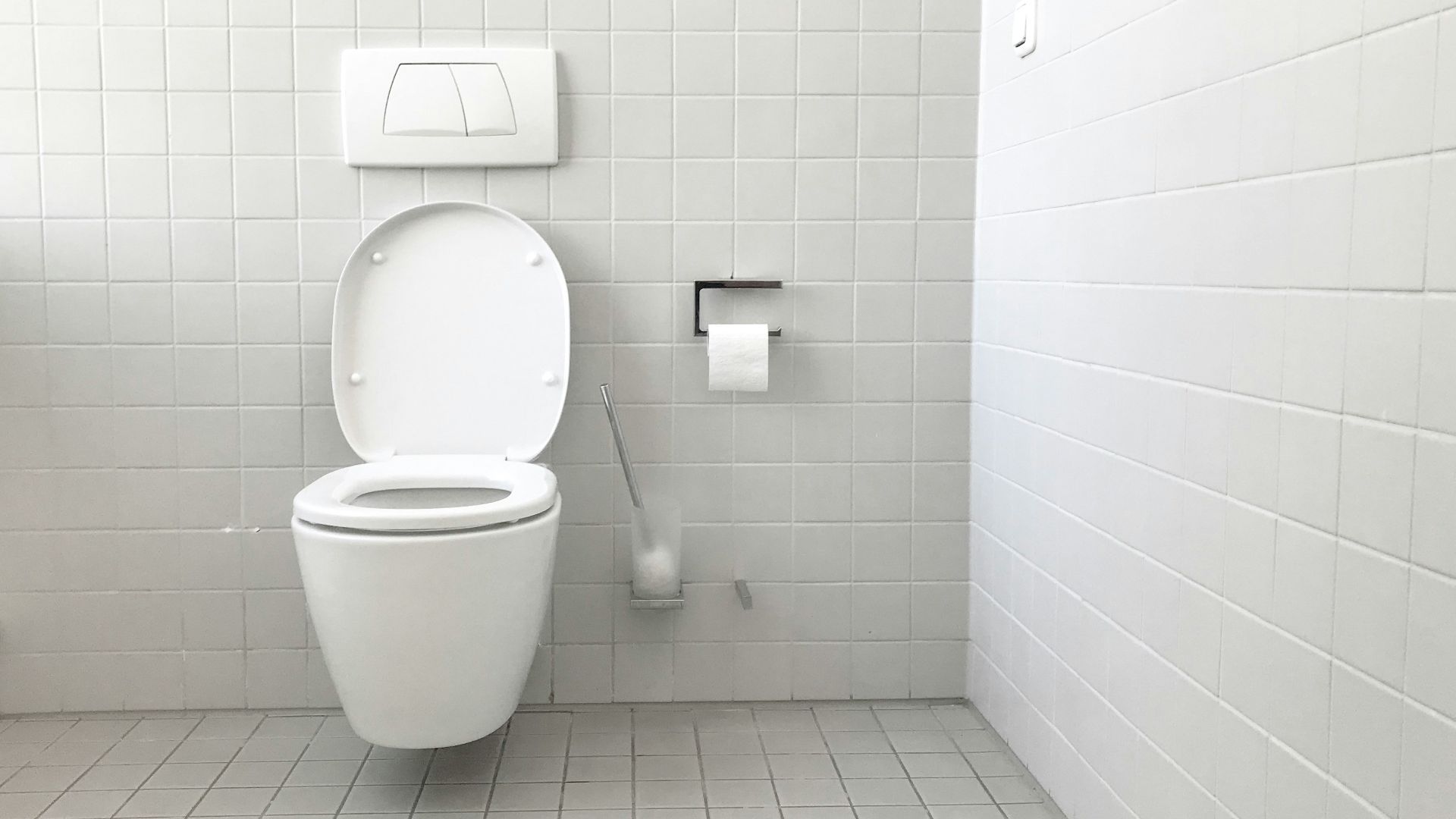
4. A Taller Toilet
Standard toilets sit about 15 inches off the floor. Comfort-height models run 17 to 19 inches, the same range the Americans with Disabilities Act requires for accessible toilets. If replacing the whole thing feels like too much, a raised seat that clamps onto the bowl gets you most of the way there for much less money.
5. Lose the Throw Rugs
Throw rugs curl at the corners and slide on hard floors. The CDC's home safety checklist recommends taking them out entirely or holding them down with double-sided tape. Your hallway will look a little bare for about a week, and then you'll stop noticing.

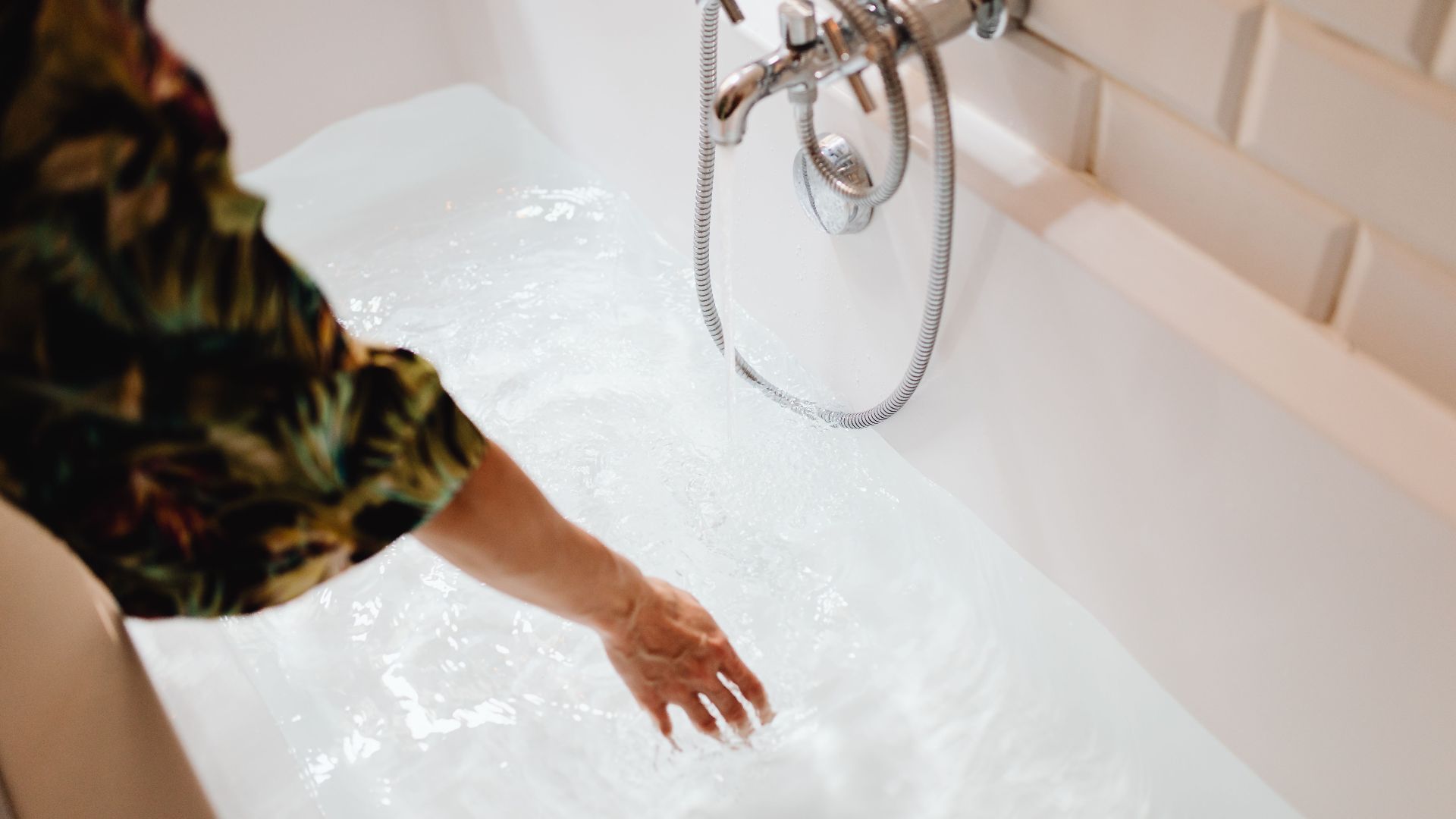
6. Non-Slip Strips in the Tub
Wet porcelain is about as slick as a surface in your house gets. Adhesive grip strips or a textured mat on the tub floor give your feet something to catch on, even with soap on them. Replace them when the edges start peeling, since a lifted edge becomes its own tripping hazard.
 https://kaboompics.com/ on Pexels
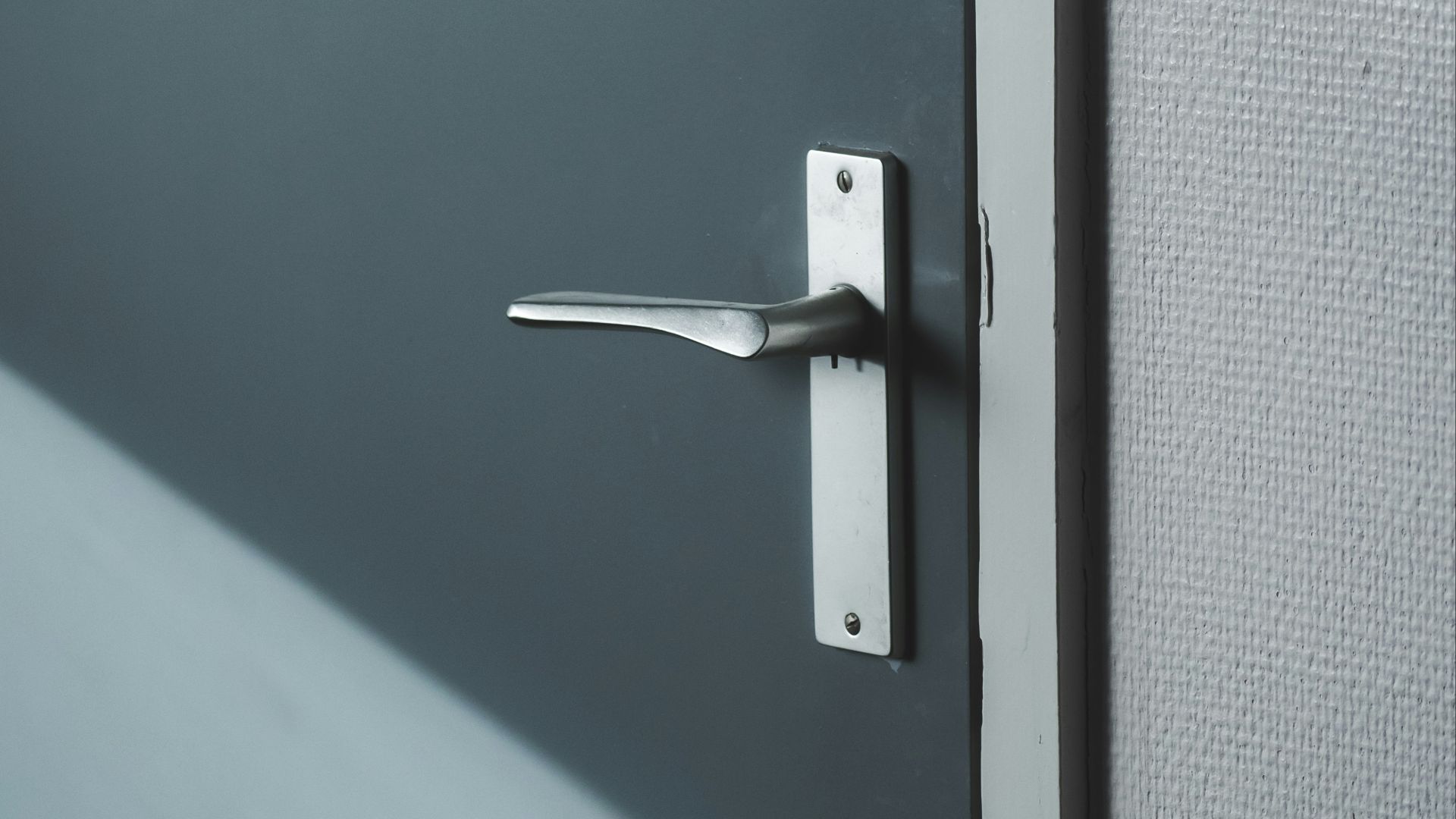
7. Lever Door Handles
Round doorknobs need a firm grip and a twist, which gets harder with arthritis. Levers open with a push down, and you can work them with an elbow when your hands are full of laundry. Look for levers that curve back toward the door, since they're less likely to snag a sleeve or a bag strap.
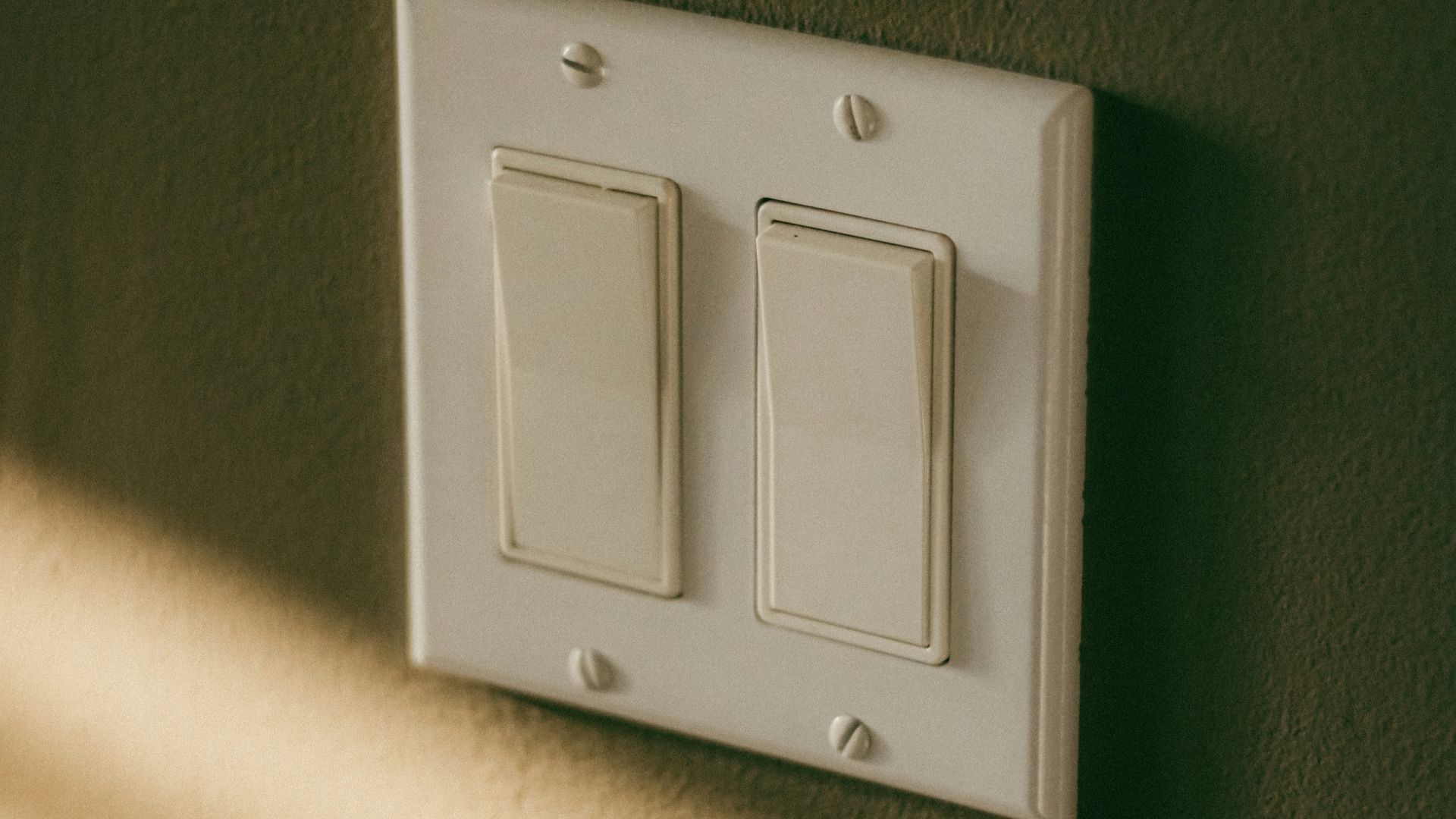
8. Rocker Light Switches
Flat rocker switches turn on with a press from your palm or knuckle. Toggle switches need a pinch that stiff fingers don't always manage first thing in the morning. Some rocker switches glow faintly, which makes them easy to find in a dark room.
9. Night-Lights on the Way to the Bathroom
The walk from bed to bathroom at 2 a.m. is one most people make half asleep and in the dark. Plug-in night-lights with motion sensors along that route switch on as you pass and stay off the rest of the time. Pick ones with a warm amber glow, which is easier on eyes that just woke up.

10. Brighter Bulbs
Pupils get smaller with age, so less light reaches the back of the eye. The same lamps in the same living room seem to get a little dimmer every year. Swapping in higher-output LED bulbs, especially in the kitchen and on the stairs, helps you see the step you're about to take.

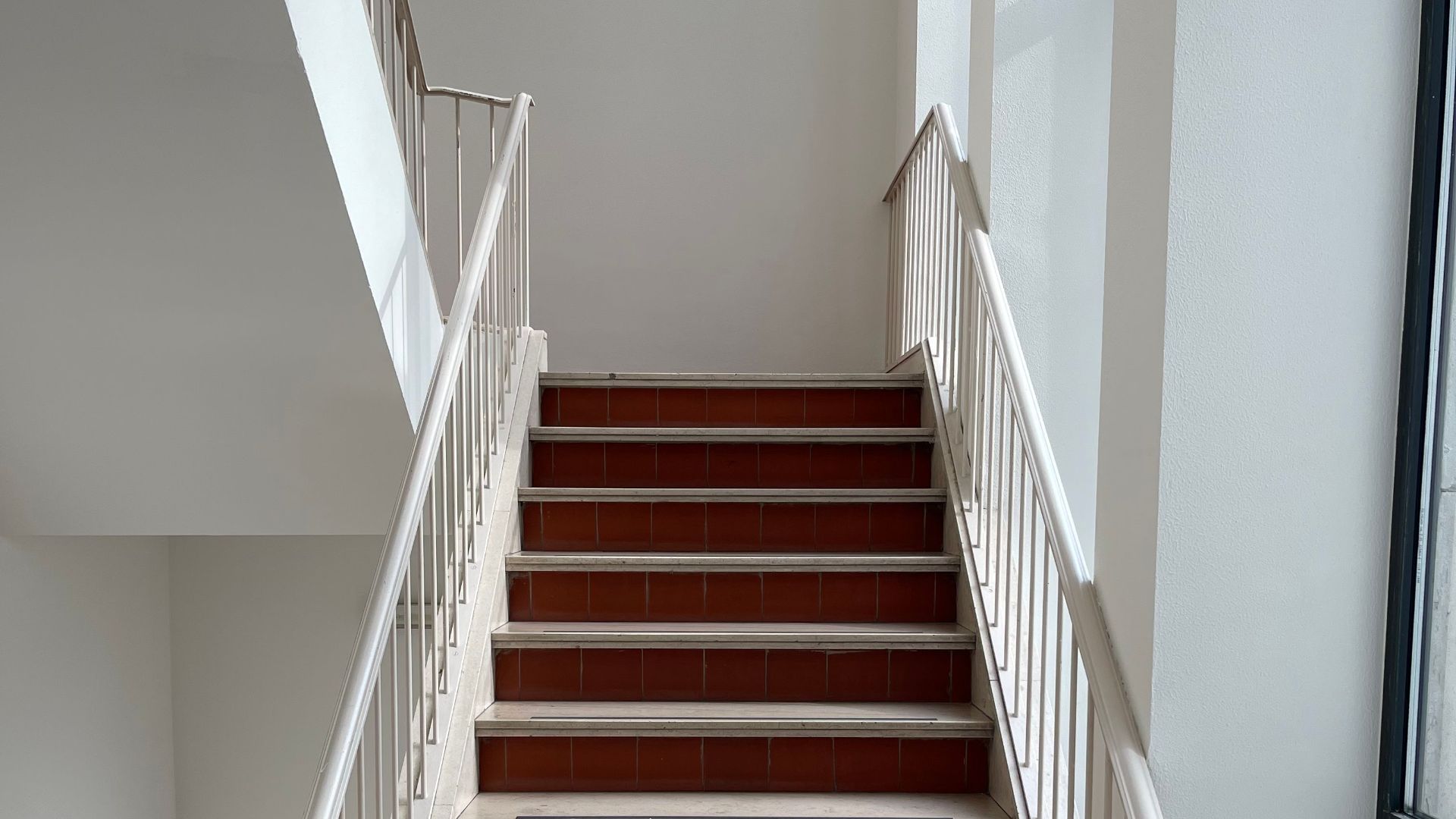
11. Rails on Both Sides of the Stairs
Handrails on both sides of the staircase mean your stronger hand always has something to grip, whether you're going up or coming down. A second rail also lets you hold on with both hands on a bad-knee day. Run the rails the full length of the stairs, past the top and bottom steps.
12. Contrast Tape on Step Edges
Depth perception slips as you age, and carpeted stairs in one solid color can blur together. A strip of bright tape along each front edge fixes that. Outdoor steps benefit from the same trick, especially at dusk when shadows flatten everything out.

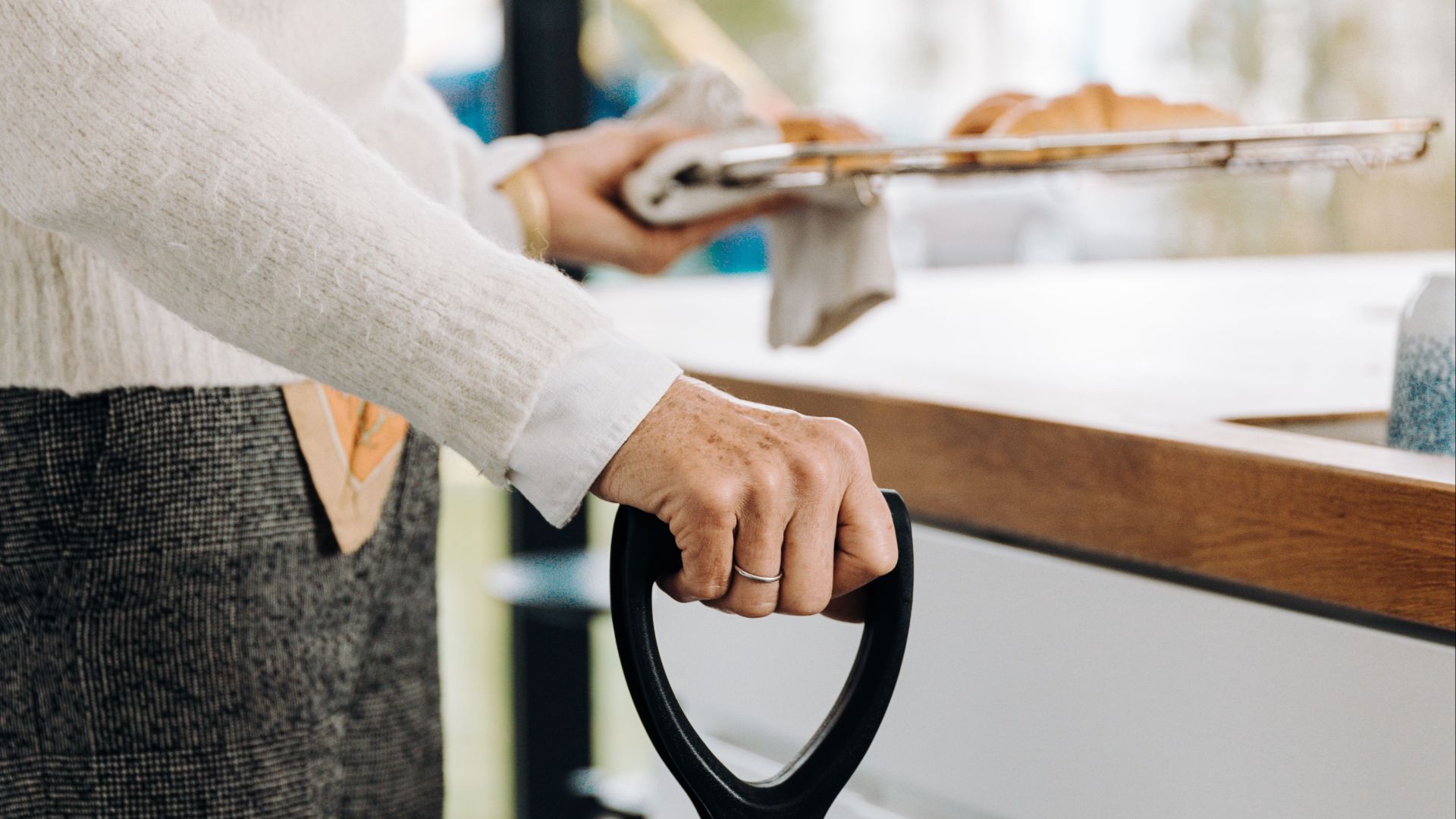
13. Everyday Items at Waist Height
Keep the things you use most on shelves at about waist level, which is where the CDC's checklist says they belong. Reaching overhead for a heavy pot throws off your balance, and a wobbly step stool is worse. The coffee mugs you grab every morning belong on the low shelf, and the holiday platter can go up top.
14. Pull-Out Shelves in Lower Cabinets
Deep base cabinets make you kneel on a hard floor and dig for the pan in the back. Sliding shelves bring everything out to you. Put the heavy pots on the bottom slide, where lifting them takes the least effort.
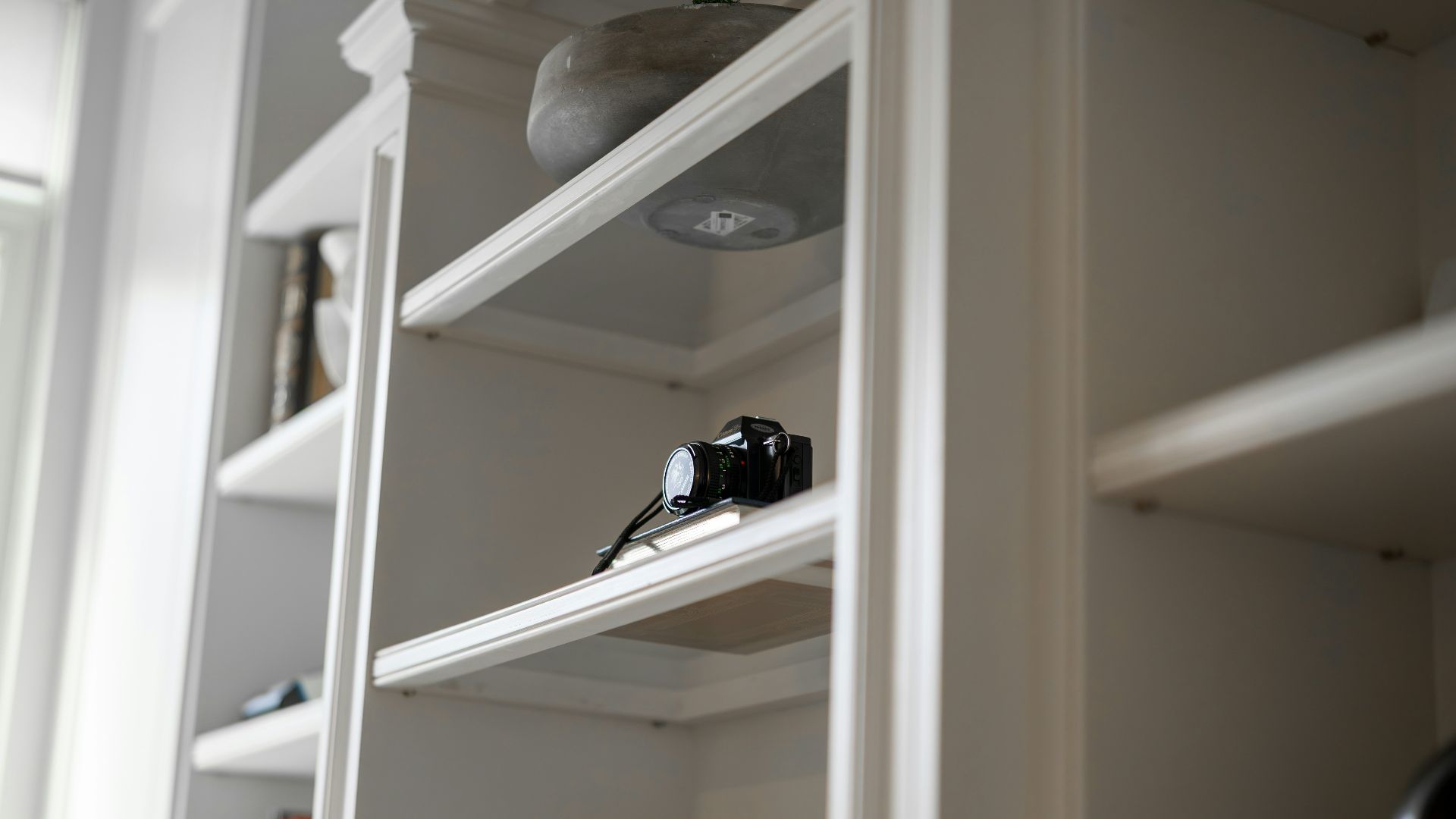
15. D-Shaped Cabinet Pulls
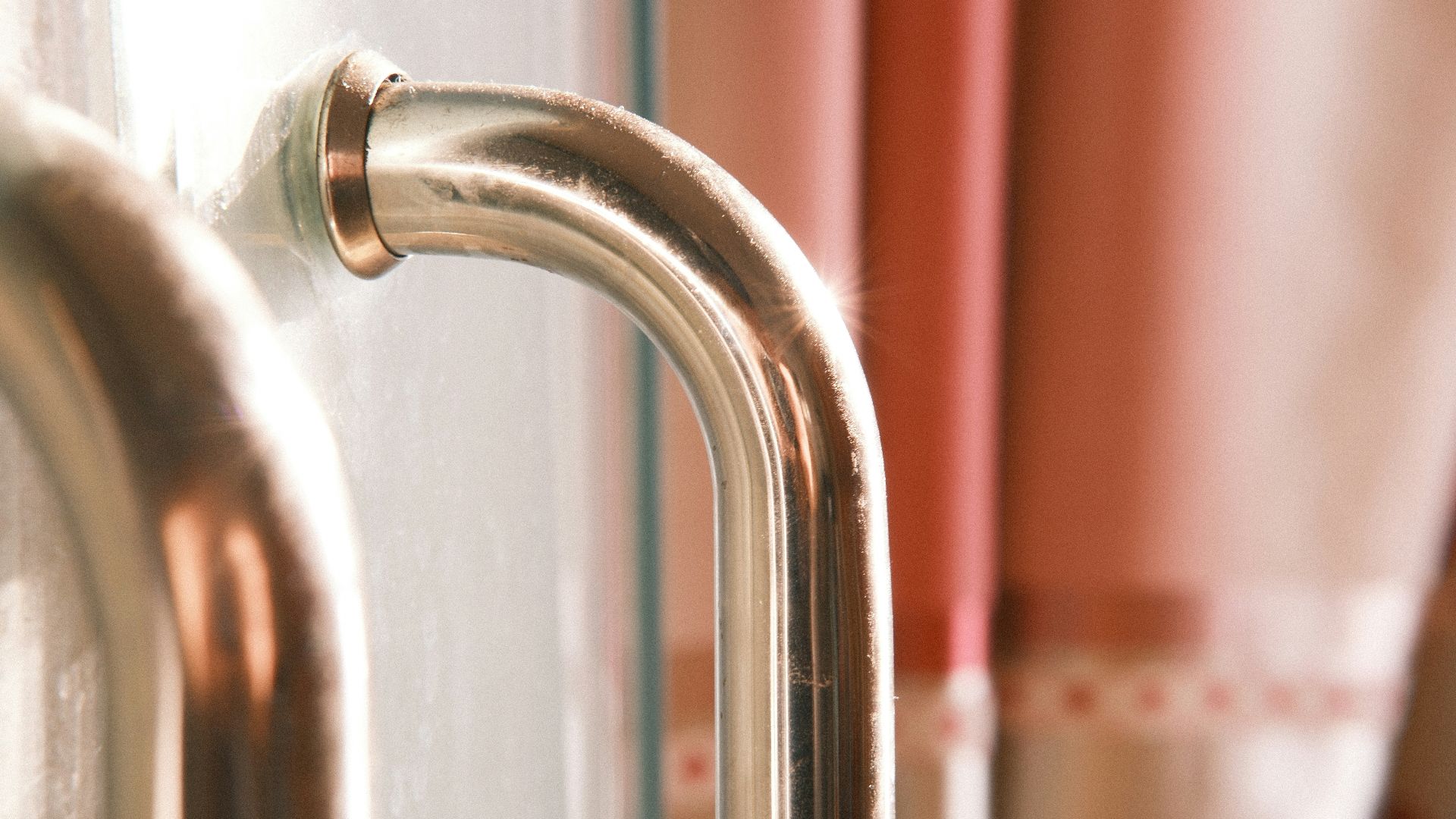
Tiny round knobs are hard to grab with sore fingers. D-shaped pulls let you hook a few fingers through and open the drawer without pinching anything. The swap takes about as long as it takes to find the right screwdriver.
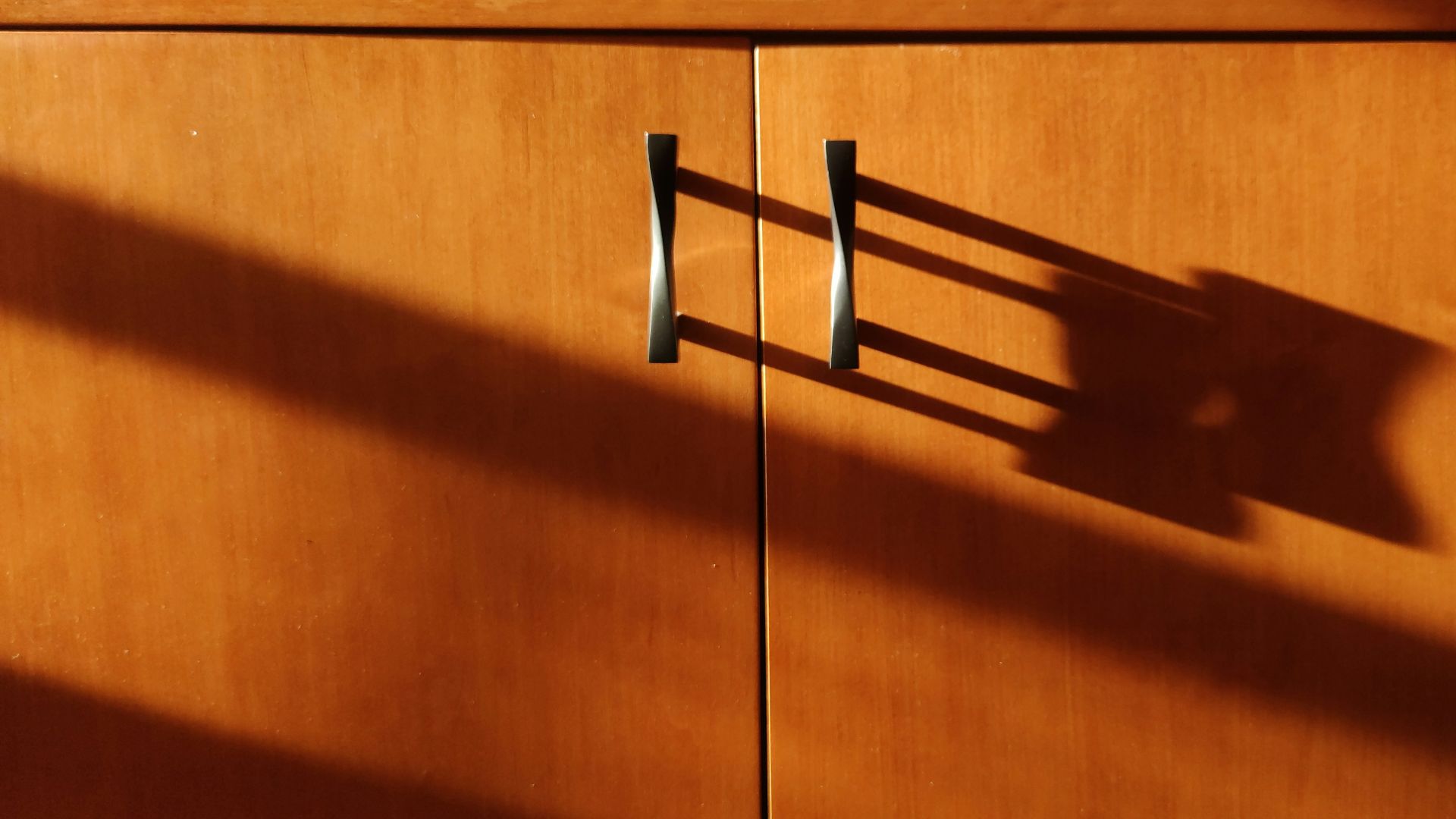
16. A Lower Water Heater Setting
The Consumer Product Safety Commission recommends setting water heaters to 120 degrees Fahrenheit to prevent scalding. Older skin is thinner and burns faster than it did at 30. Check the dial on the tank, or run the kitchen tap for a minute and test it with a cooking thermometer.
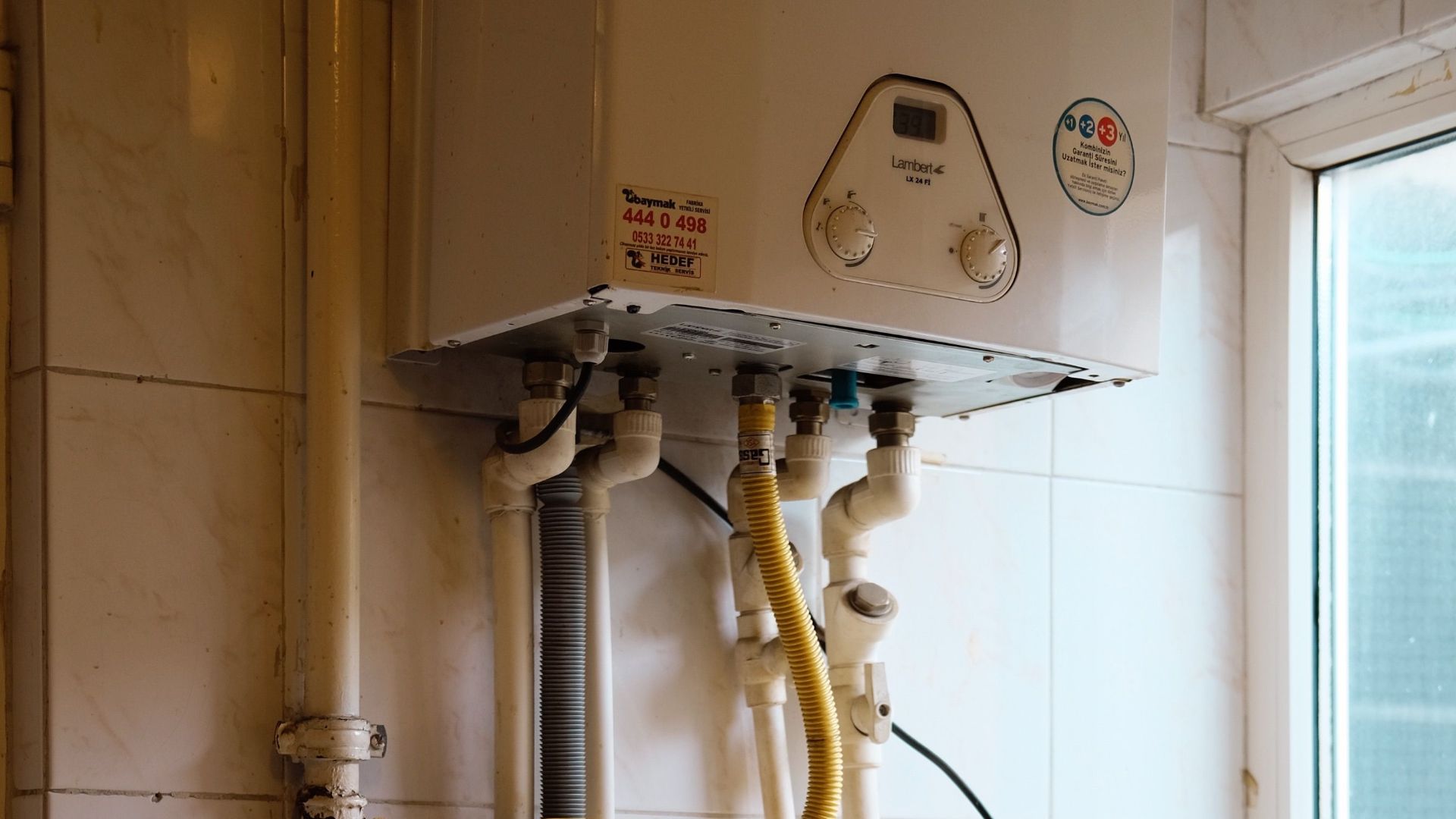
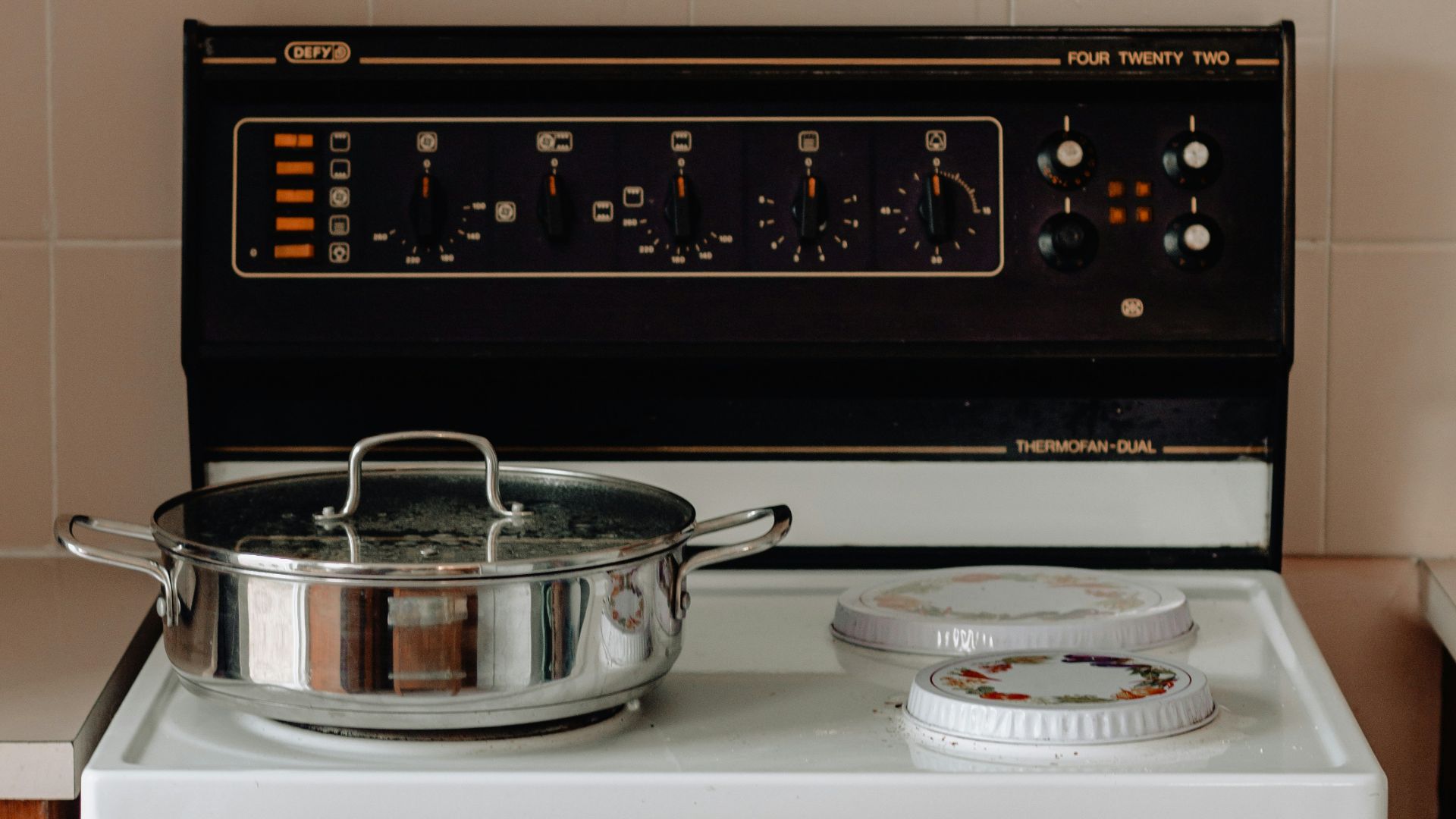
17. An Automatic Stove Shutoff
Forgetting a burner happens to everyone once in a while, sometimes because the phone rang. Add-on shutoff devices cut power or gas to the stove after a set time or when they stop sensing motion in the kitchen. They connect behind the range without replacing it.
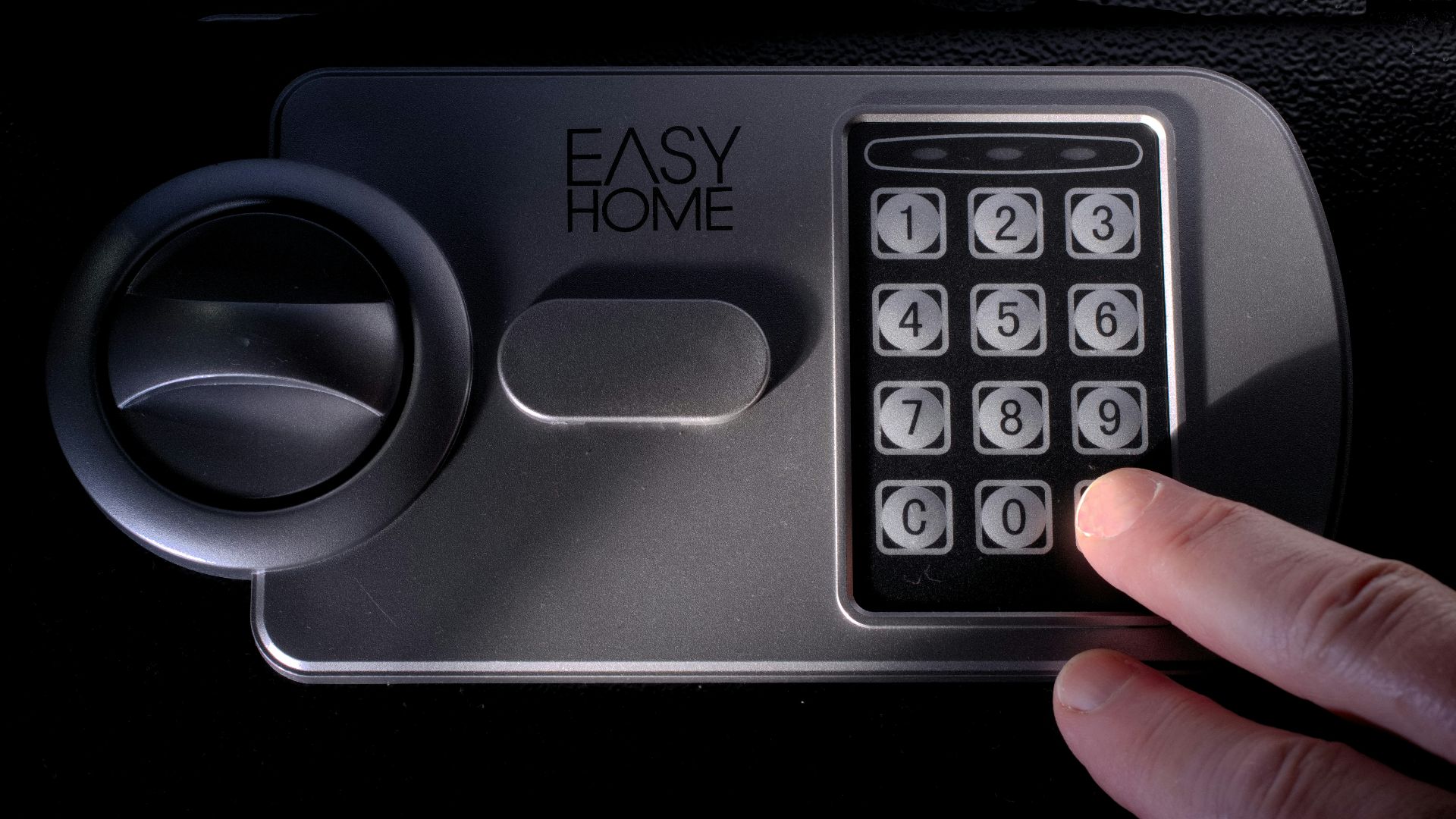
18. A Keypad Door Lock
Fumbling with a small key in the cold gets old fast when arthritis stiffens your hands. A keypad lock opens with a short code, and family members can get in with their own code if you need help. Many models still have a backup keyhole in case the batteries die.
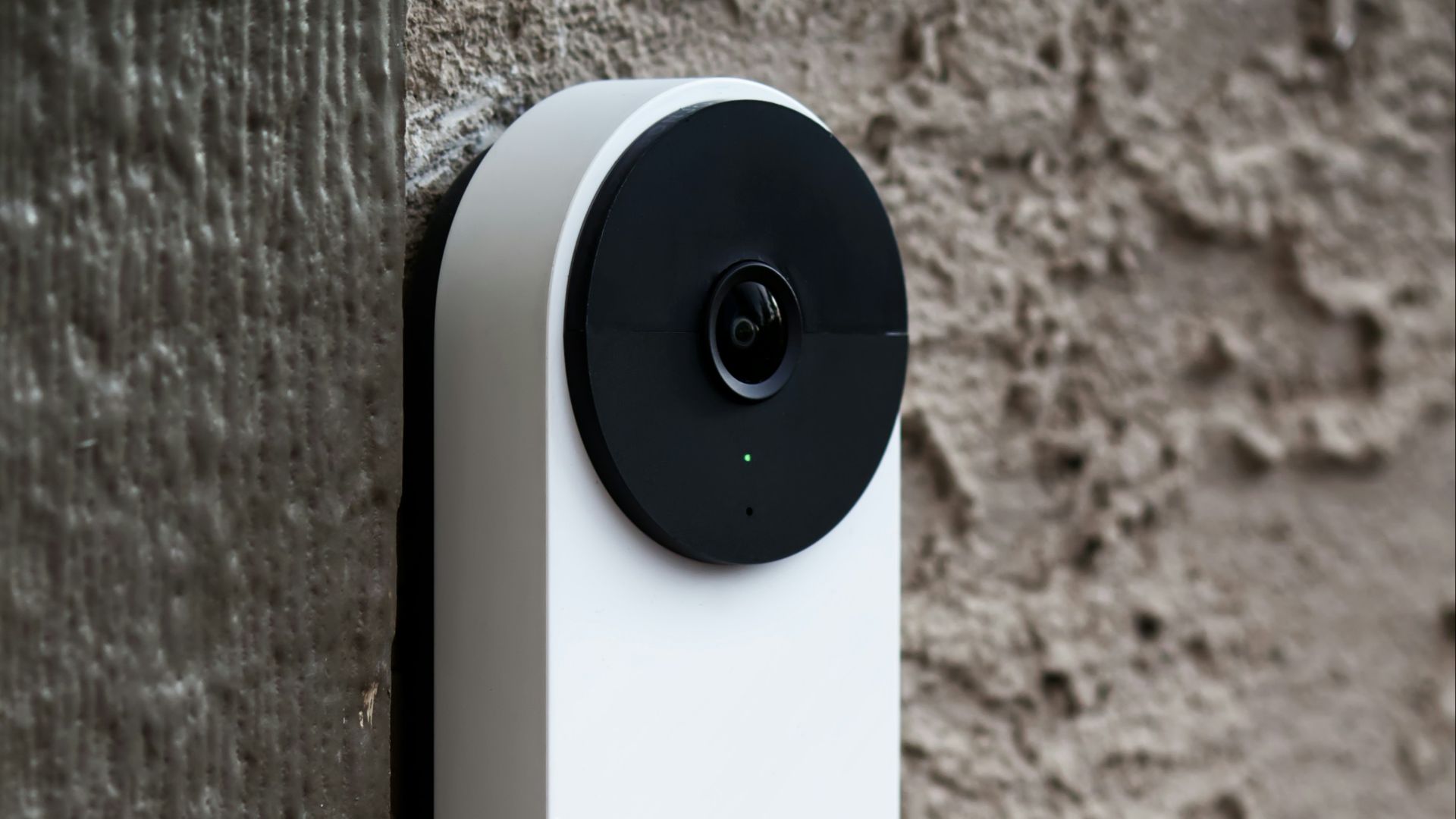
19. A Video Doorbell
Video doorbells let you see who's on the porch from your phone or a small screen by your chair. Talking to the delivery driver through the speaker saves a hurried walk down the hall. You can also tell a salesman you're not interested without opening the door at all.
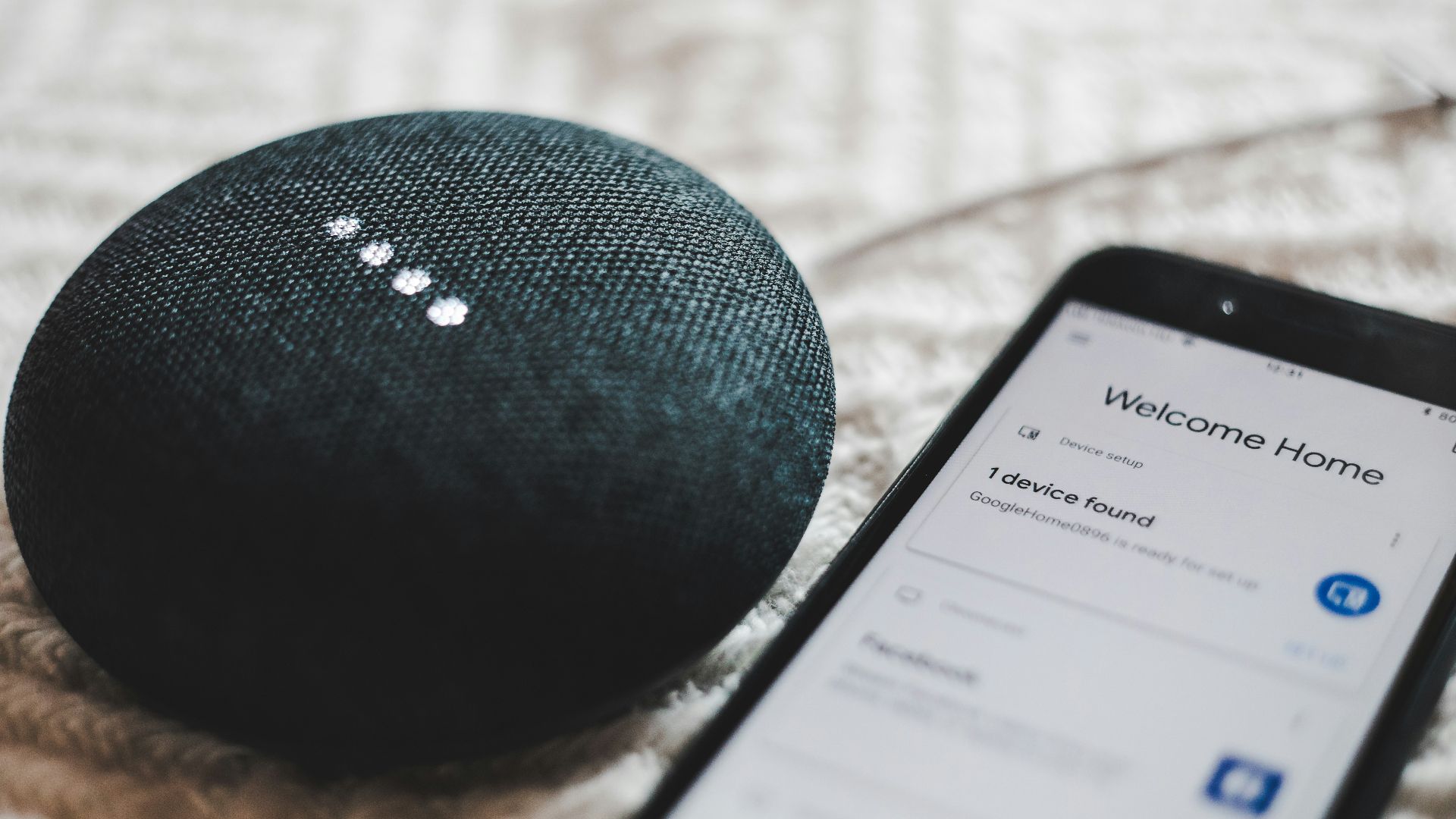
20. A Smart Speaker
Smart speakers can call a family member by voice when your phone is across the room. They can also read out medication reminders at the same time every day, so you don't have to juggle phone alarms. Set one up on the counter where you spend the most time, and practice the calling command before you ever need it.