What The Person Behind The Counter Actually Sees
Pharmacists spend their day at the exact moment medical decisions become real, watching people react to what they're about to take home. A lot goes unsaid in that brief exchange, but pharmacists tend to pick up on more than people realize. None of it gets written down anywhere, but it shapes how the counter conversation actually goes. Here's 20 things pharmacists notice more often than people probably expect.

1. Whether Someone Actually Understands The Instructions
A lot of people nod along to dosing instructions without fully absorbing them, especially with a new prescription during a rushed pickup. Pharmacists notice the blank look that follows a simple check-in question and usually slow down to explain it a second way.
 National Cancer Institute on Unsplash
2. First-Time Chronic Medications Hit Differently
Picking up a blood pressure or diabetes medication for the first time brings out a quieter reaction than a routine refill, often a kind of resignation that this is now permanent. Pharmacists notice that shift immediately and tend to offer extra reassurance without being asked.
 Jose Ismael Espinola on Pexels
3. People Picking Up For A Spouse Or Parent
Someone collecting medication for a family member often can't answer basic questions about allergies or other medications. Pharmacists notice this gap constantly, and it usually just means a call home before anything gets finalized.

4. The Ones Who Never Ask A Single Question
Some people take the bag and leave without asking anything, even for medications with real side effects worth knowing. Pharmacists notice the pattern and often volunteer information anyway, since silence doesn't always mean understanding.
 National Cancer Institute on Unsplash
5. Sticker Shock At The Register
The reaction to an unexpectedly high copay is almost impossible to miss, a specific pause before someone asks about a cheaper option. Pharmacists notice it constantly and usually already have a generic or coupon in mind before the question finishes.
6. Asking For The Generic By Name
Some people request the generic before the pharmacist even brings it up, usually a sign of someone who's paid close attention to healthcare costs for years. Pharmacists notice that confidence and tend to skip the basic cost explanation entirely.

7. Refills Picked Up Earlier Than Expected
A prescription collected several days early gets flagged automatically, and pharmacists have to ask about it. The answer is usually mundane, an upcoming trip or a lost bottle, even though people sometimes brace for the question like an accusation.

8. Genuine Confusion About What A Medication Even Treats
Plenty of people can describe exactly what a pill looks like without being able to say what it treats. Pharmacists notice this disconnect often, especially with medications renewed automatically for years, and it usually opens a quick, useful conversation.

9. Elderly Patients Juggling A Long List Of Medications
Someone managing eight or nine prescriptions arrives with a particular kind of organized exhaustion, sometimes carrying a handwritten list just to keep it straight. Pharmacists notice how close to overwhelmed someone already is and often offer a full medication review.
10. Nervousness Around A Specific Kind Of Prescription
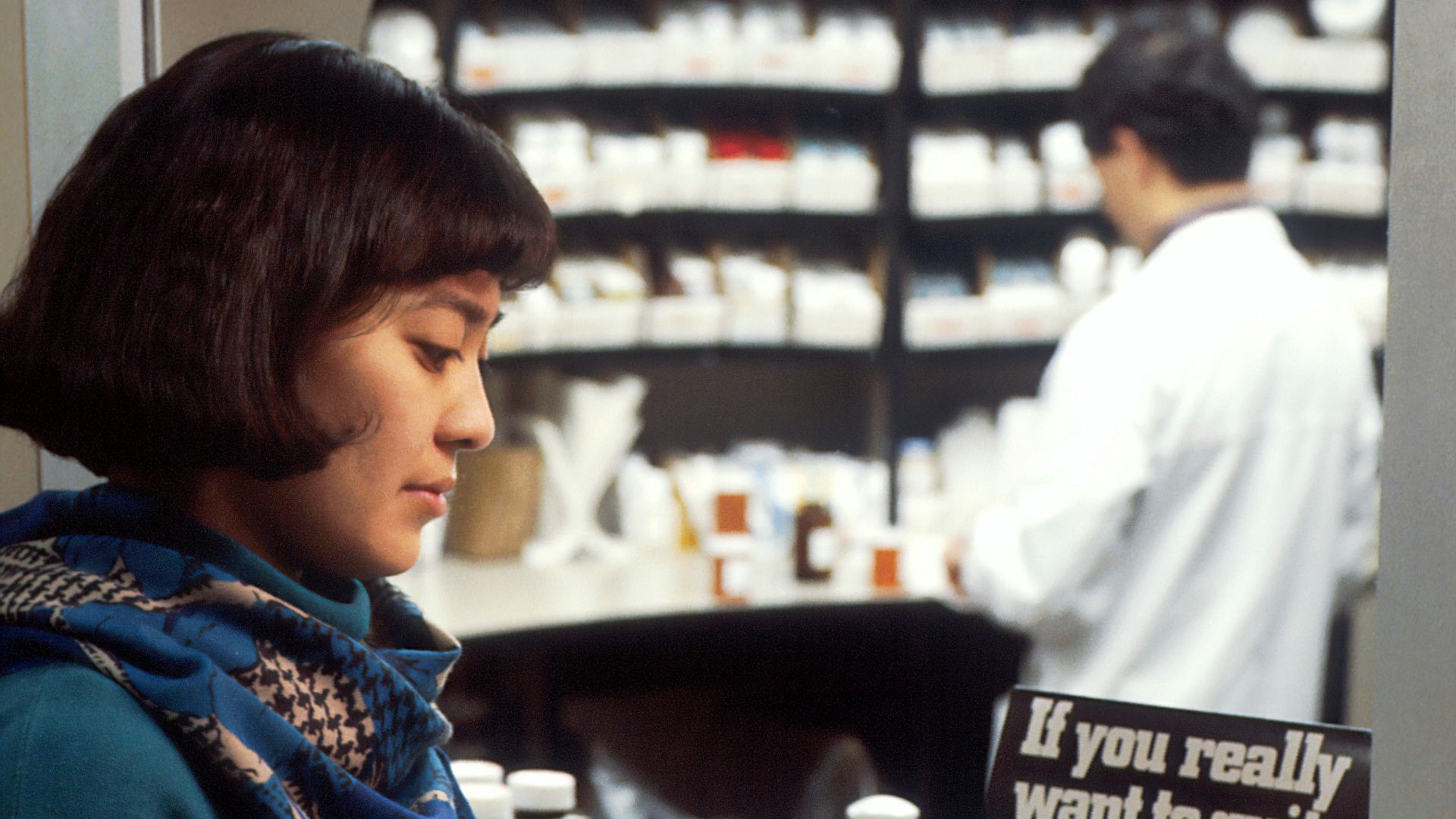
Certain medications, particularly ones tied to mental health, still get picked up with visible discomfort, a lowered voice or a glance around. Pharmacists notice this immediately and handle those handoffs with extra discretion, precisely because they know how much it matters.
 National Cancer Institute on Unsplash
11. Bringing A Written List Of Questions
Some people arrive with an actual list, sometimes typed out, covering side effects and interactions. Pharmacists notice this preparation and genuinely appreciate it, since it means the conversation covers real concerns instead of guesswork.
 World Sikh Organization of Canada on Pexels
12. Mixing In Supplements Nobody Mentioned
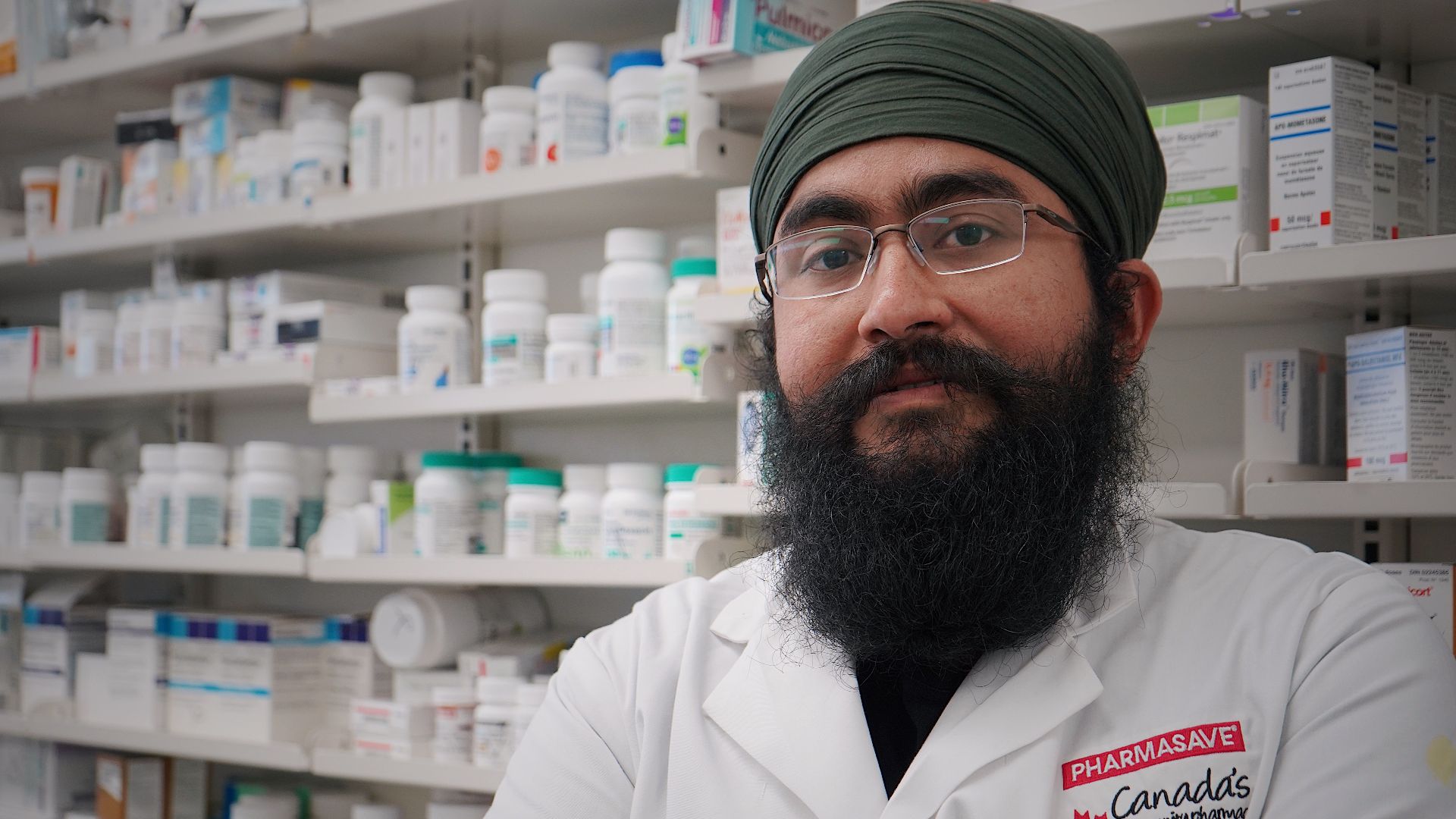
A patient might be taking herbal supplements alongside a new prescription without ever bringing it up unless asked directly. Pharmacists notice how often this only surfaces through a pointed question, since most people don't consider a supplement "real" medication.
 National Cancer Institute on Unsplash
13. The Relief Of A Medication That Actually Worked
Someone picking up a refill for something that's genuinely helped carries a noticeably lighter energy than a first-time pickup. Pharmacists notice that shift and tend to remember it, since it's one of the more satisfying parts of the job.
 National Cancer Institute on Unsplash
14. Rushing Past The Offered Consultation
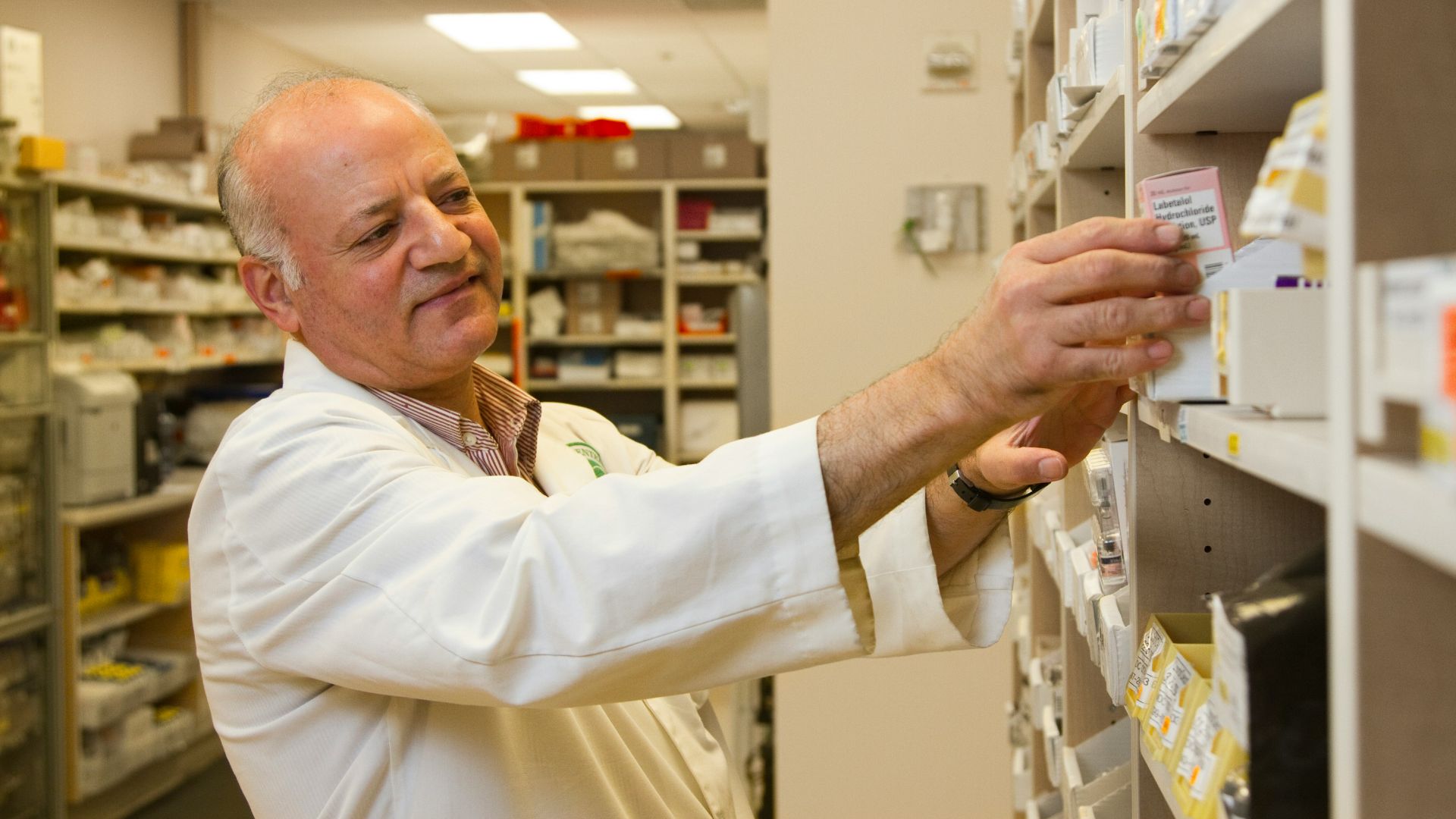
A lot of people wave off the pharmacist's offer to go over a new medication, mostly out of a rush to get back to their day. Pharmacists notice this reflex constantly and have learned to fit the essentials into the ten seconds people are willing to give.

15. Kids' Medications Bringing Out Extra Caution
Parents picking up a child's prescription tend to ask more detailed questions, double-checking dosing by weight or age out of real anxiety about getting it right. Pharmacists notice this and match it, walking through instructions more slowly than usual.
16. Picking Up Multiple Prescriptions From Different Doctors
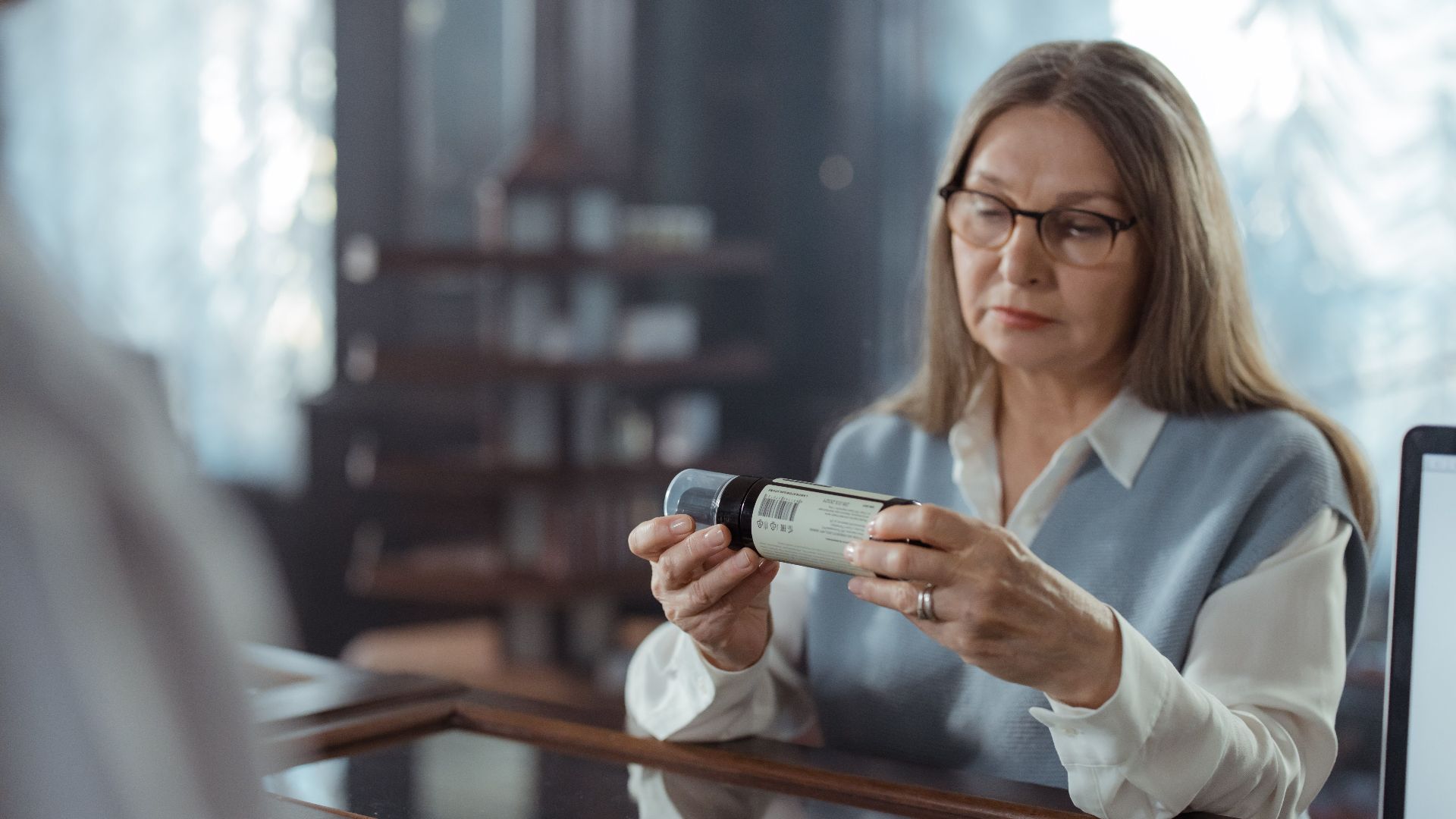
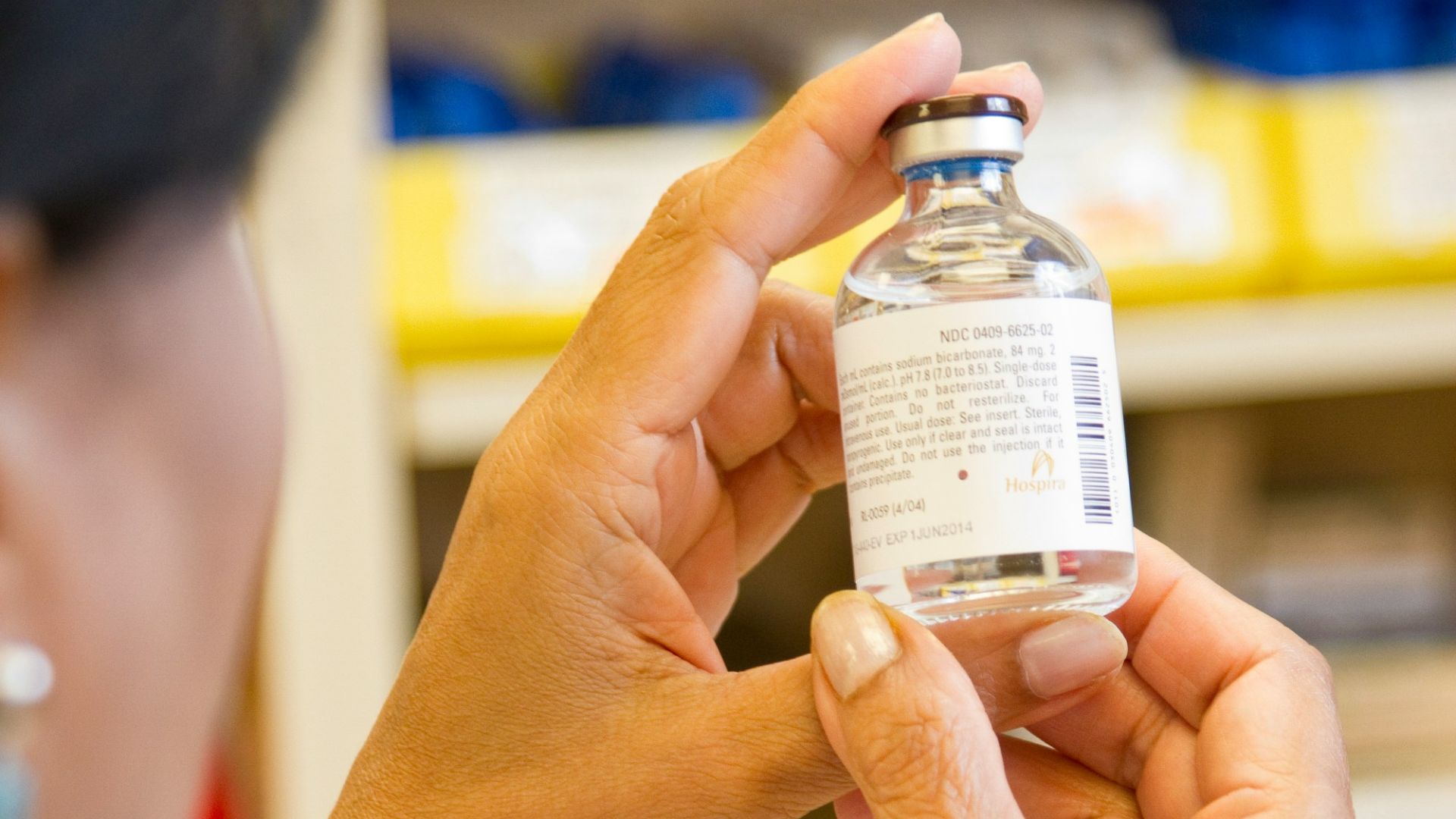
Someone juggling medications from a primary care doctor, a specialist, and an urgent care visit often has no idea whether those prescriptions work well together. Pharmacists notice this fragmented care constantly, since they're frequently the only one looking at the full list at once.
 National Cancer Institute on Unsplash
17. A New Diagnosis Still Sinking In
Someone picking up medication tied to a diagnosis from that same week often moves through the pickup with a distracted, slightly stunned quality. Pharmacists notice this and keep the conversation calm and practical rather than clinical, since that's usually what actually helps.

18. Genuine Gratitude Toward The Pharmacist
Plenty of people treat the counter as purely transactional, but some clearly recognize the pharmacist as someone who's been paying attention to their health over time. Pharmacists notice the difference, and those small moments of real connection are part of why a lot of them stay in the job.

19. Splitting Pills That Really Shouldn't Be Split
Some patients mention, almost in passing, that they've been cutting a tablet in half to stretch a prescription or adjust a dose on their own. Pharmacists notice this immediately, since certain medications become unsafe once split, and it usually opens into a bigger conversation about cost.

20. The Quiet Exhale After A Long Wait
After a long wait, plenty of people let out a small, visible exhale the moment the bag finally gets handed over, especially after a stressful diagnosis or a long day. Pharmacists notice that moment more than almost anything else, since it's often the clearest sign of how much the prescription actually means.

KEEP ON READING


10 Pre-Workout & 10 Post-Workout Tips To Follow