
How a Tiny Paper Tube Rewired Modern Public Health
A single machine. A handful of magazine ads. Two world wars and a stack of ration boxes. That's really all it took to turn the cigarette from a factory novelty into one of the most common objects on Earth, and eventually into one of the most studied, litigated, and regulated products in history. The cigarette's story isn't really about tobacco. Tobacco had already been around for centuries by the time cigarettes showed up. This is a story about speed; how fast something can spread once you make it cheap, portable, and desirable, and about how long it can take a society to catch up to the consequences. From the assembly line to the Surgeon General's desk to the courtroom, here's how it happened.
1. Tobacco's History
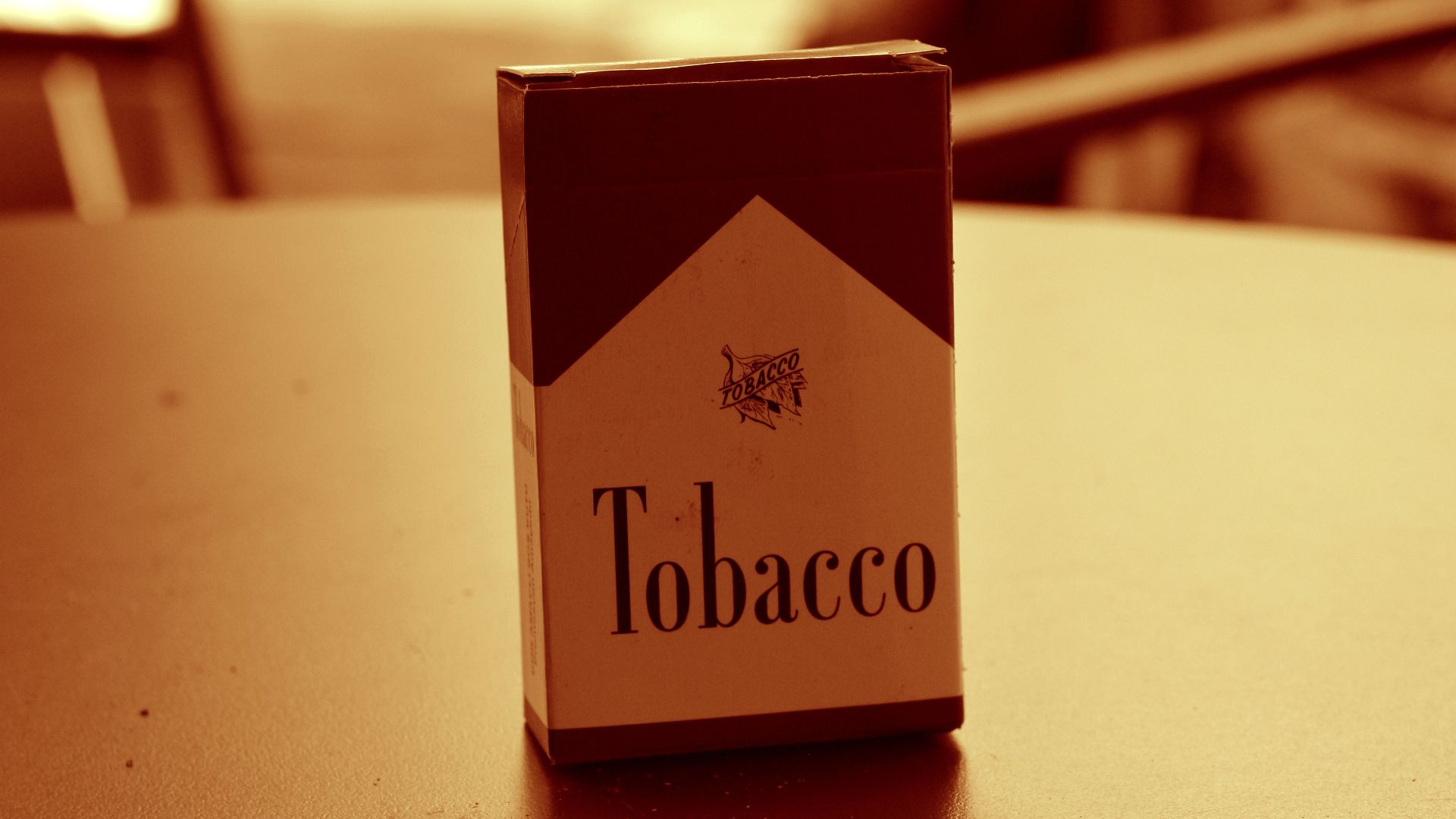
Long before a single commercial cigarette existed, Indigenous peoples across the Americas were already growing and using tobacco. For many communities, it carried ceremonial, spiritual, and social meaning. That history stands apart from what came later. The tobacco business that would eventually blanket the globe is a very different story.

2. Europe's Tobacco Trade
Spanish traders carried tobacco across the Atlantic in the 1500s, and by the 1600s, England had muscled its way into the trade. In the American colonies, tobacco generated staggering wealth. It became one of the anchor commodities of the entire Atlantic economy.

3. Cigarettes
Here's a twist: for most of tobacco's commercial life, cigarettes barely registered. Pipes, cigars, and chewing tobacco dominated. It wasn't until the tail end of the 19th century that this small, pocket-sized product began muscling everything else aside. By the 1940s, cigarettes had all but swallowed the rest of the U.S. tobacco market whole.
 Reinhard A. Deutsch on Unsplash
4. James Bonsack
In 1881, James Bonsack patented a cigarette-rolling machine capable of churning out roughly 120,000 cigarettes a day. No team of human rollers could touch that pace. Suddenly, cigarettes were cheap to make and easy to flood into stores everywhere. Mass production had arrived, and demand would soon follow.
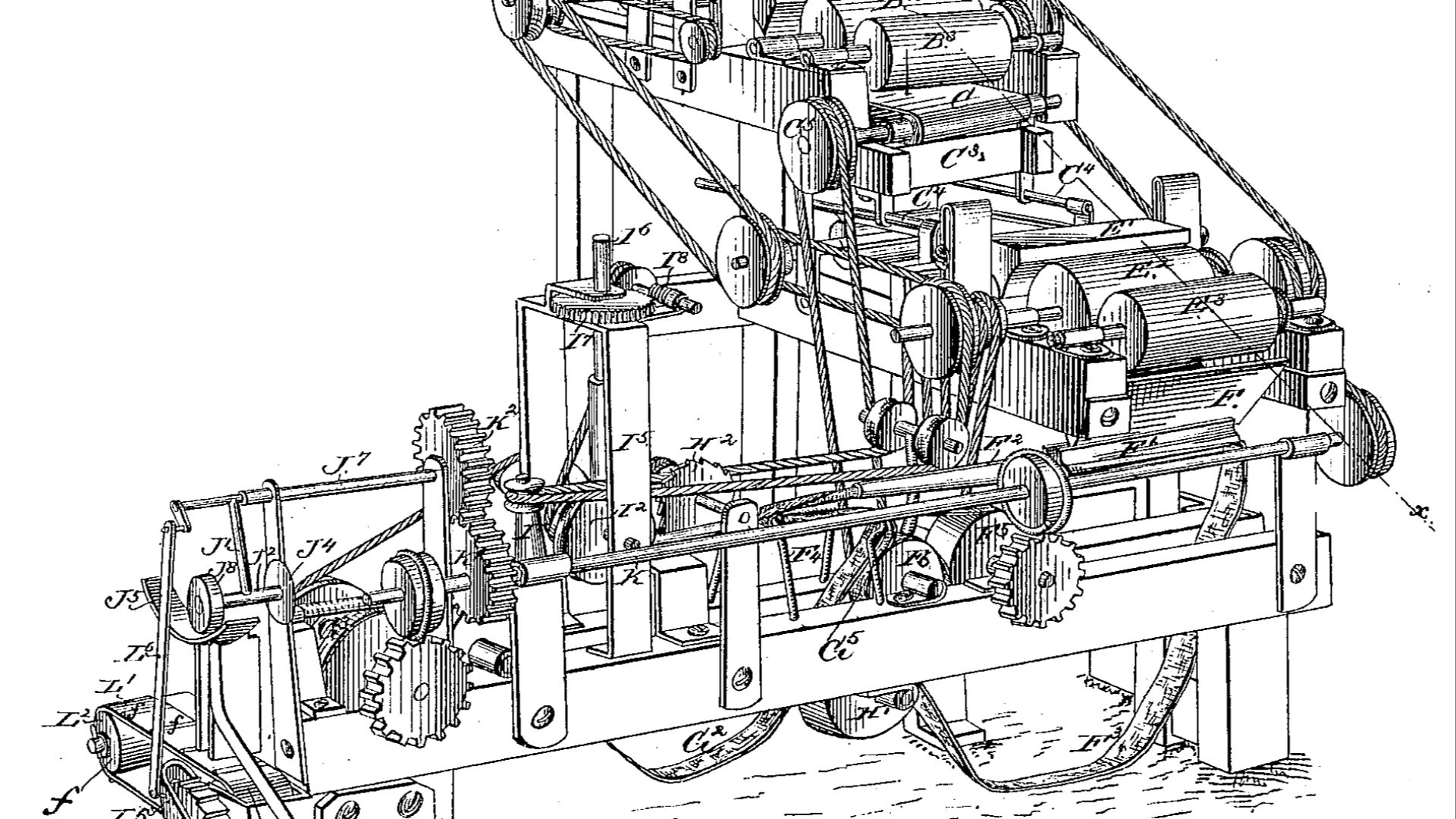 James Albert Bonsack (1859 – 1924) on Wikimedia
5. Cigarette Use
The numbers tell the story better than any ad campaign could. Between 1908 and 1925, annual cigarette consumption per person in the United States rocketed from 105 to 1,085.

6. Wartime Rations
War did what advertising alone couldn't. Cigarettes were folded directly into American military rations in both World War I and World War II. For countless soldiers, smoking became a part of the daily rhythm of service. The military supply chain became one of the biggest cigarette distributors in the world.

7. Advertising
Films, celebrity endorsements, star athletes, and even physicians appeared in ad campaigns, all lending their credibility to the brand. Smoking was packaged as modern, glamorous, social, and vigorous. The cigarette itself became almost secondary to the lifestyle it promised.

8. Women
By the late 1920s, advertisers sharpened their aim at a new audience: women. Campaigns tied cigarettes to fashion, independence, celebrity glamour, and thinness, while framing public smoking as chic rather than scandalous.

9. Landmark Papers
In 1950, Richard Doll and Austin Bradford Hill published a pivotal study in the United Kingdom. The same year, Ernst Wynder and Evarts Graham released a major American paper built on 684 confirmed lung cancer cases. Neither team was the first to suspect a link between smoking and lung cancer, but the scale and rigor of their work finally forced the medical world to pay attention.

10. More Evidence
Four years later, researchers took a different approach: instead of comparing people only after diagnosis, they tracked groups of people forward through time. The results were stark. Smokers faced dramatically higher lung cancer risk than nonsmokers with similar backgrounds.

11. Filters
The industry's answer? A design tweak. Before 1950, fewer than one percent of cigarettes sold in the U.S. had filters. By 1960, filtered brands made up 51 percent of the market.

12. "Light" Cigarettes
The same sleight of hand repeated itself in the 1960s and '70s with "light" and low-tar cigarettes. Their lower numbers came from machine testing under artificial conditions, not from how people actually smoked them. In real-world use, smokers compensated in ways that erased any supposed benefit.

13. A 1964 Health Report
Everything shifted with a landmark 1964 federal health report, which combed through more than 7,000 articles on smoking and disease. Its conclusion was blunt: cigarette smoking caused lung and laryngeal cancer in men and stood as the most significant cause of chronic bronchitis.

14. Warning Labels
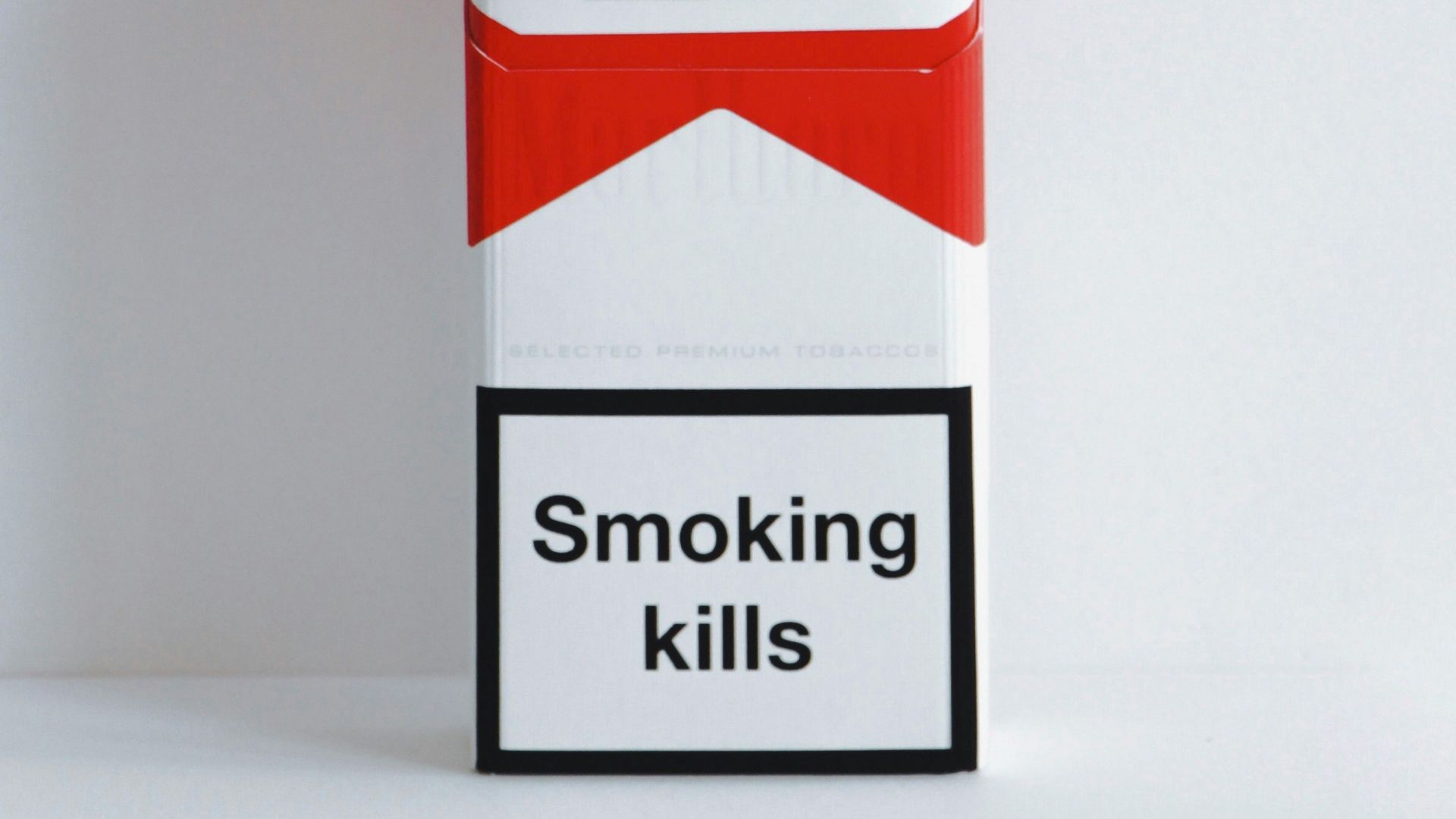
One year later, in 1965, federal law caught up with the science, mandating health warnings on every cigarette package sold. For the first time, a potential harm had to sit right next to the brand name, staring back at every customer at the point of sale.
15. Cigarette Commercials
The industry's advertising reach shrank further in 1969, when a new law banned cigarette ads from American radio and television starting in 1971. Companies lost direct access to one of the most powerful advertising channels of the era.

16. Secondhand Smoke
By 1986, the conversation had expanded beyond the smoker. A major health report that year tackled the effects of involuntary tobacco smoke exposure on nonsmokers. Smoking was no longer framed purely as a personal choice; it was now understood as something that reached far beyond the person holding the cigarette.

17. Addiction
In 1988, another major report delivered a conclusion that reshaped how people understood the habit itself: nicotine is a powerfully addictive drug. Millions of smokers who'd struggled for years to quit finally had public recognition of what they already knew from experience.

18. The 1998 Settlement
The legal reckoning arrived in force in 1998, when a sweeping settlement brought together 46 states, several U.S. territories, the District of Columbia, and four of the largest cigarette manufacturers. The agreement demanded annual payments to states and choked off some of the industry's most effective marketing tools — cartoon mascots, youth-targeted campaigns, outdoor billboards, and certain event sponsorships.

19. Corrective Statements
The fallout kept unfolding for decades. A 1999 federal lawsuit eventually led courts to find that major cigarette companies had defrauded consumers about the dangers of smoking. By 2022, a court order required covered retail stores to post corrective statements about those very dangers.
20. Tobacco Control
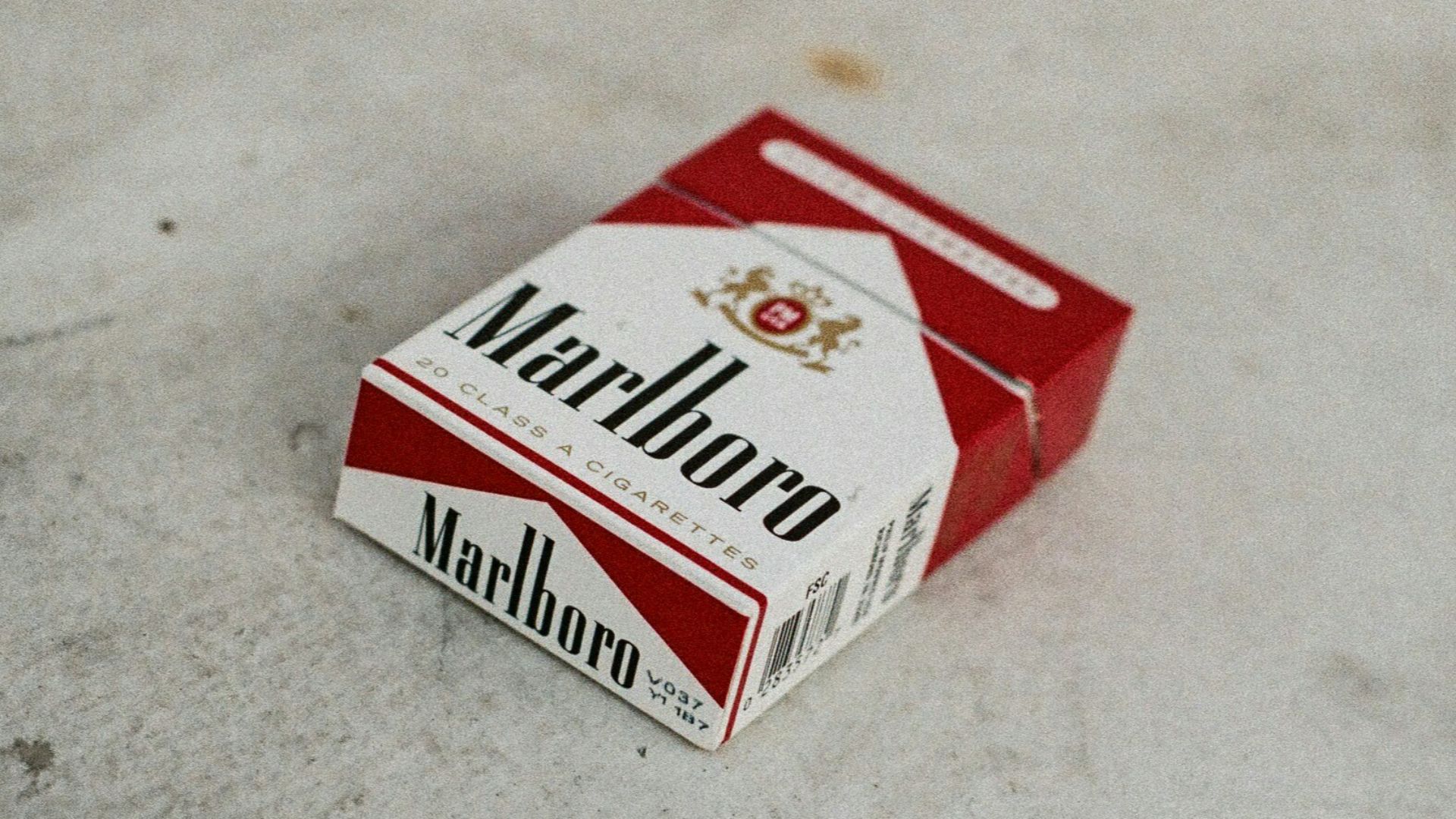
Finally, the fight moved beyond American borders entirely. A worldwide tobacco-control treaty, adopted in 2003 and in force by 2005, set international standards for warning labels, advertising limits, and smoke-free spaces. In 2009, U.S. law handed federal regulators direct authority over how tobacco is manufactured, distributed, and marketed.

KEEP ON READING



20 Natural Ways You Can Boost Your Immune System

20 Ways To De-stress & Relax After Work

The 10 Most Common Diseases & The 10 Most Rare