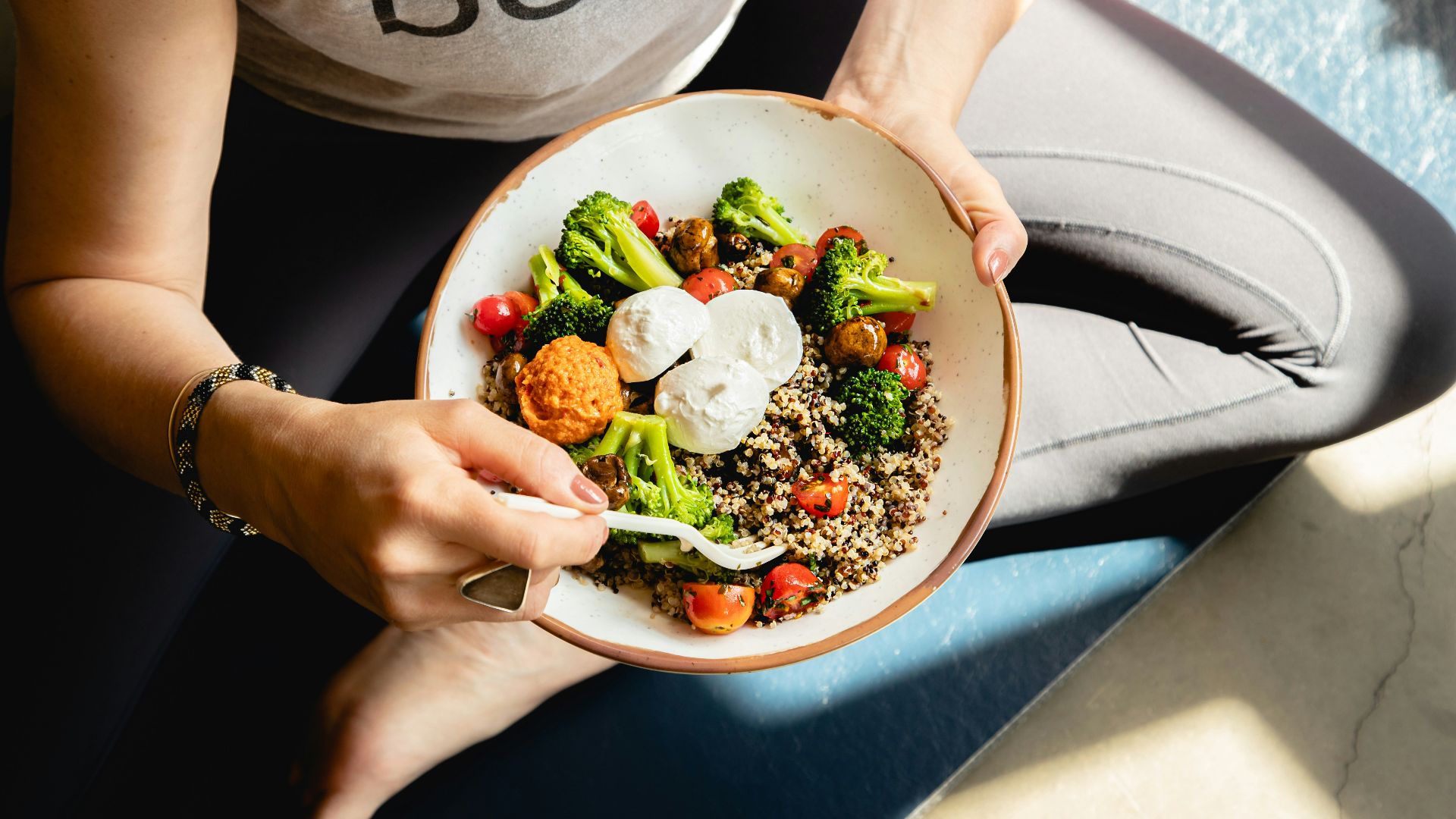
Progress Involves More Than Weight
You can't and shouldn't just rely on a scale to tell you if your dieting is working or not. There's a lot more to losing weight than just looking at a number! Your energy, sleep, mood, nutrition, physical performance, and daily habits can all reveal whether your approach is healthy and realistic. Here are just 20 things you should be monitoring as you diet to make sure you're doing it sustainably.
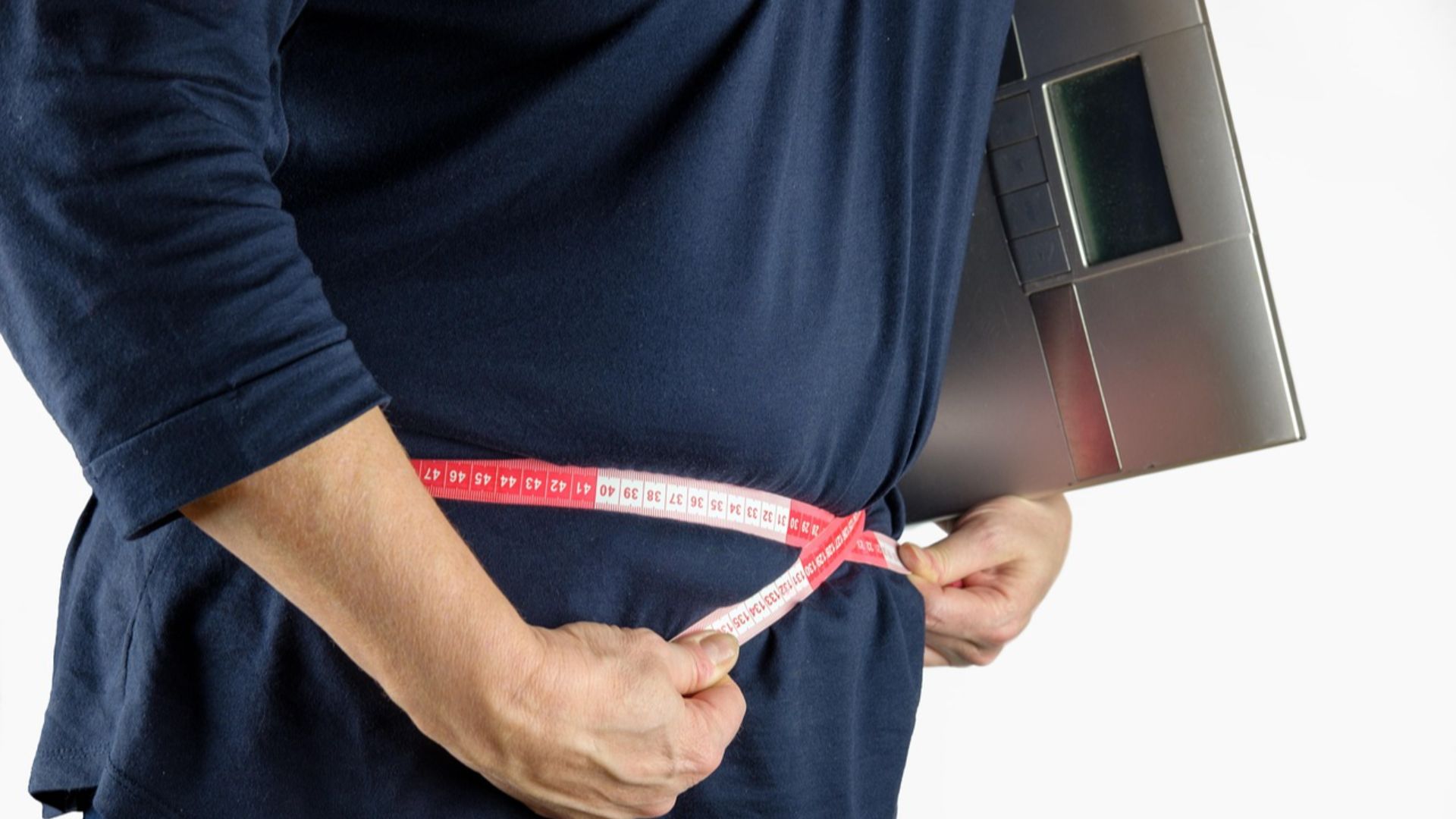
1. Your Overall Weight Trend
Tracking your weight can provide useful information, but remember, daily changes don’t always reflect fat loss or gain. Water retention, digestion, sodium intake, and hormonal changes can temporarily affect the number, so always try to weigh yourself under similar conditions and focus on the long-term trend instead.
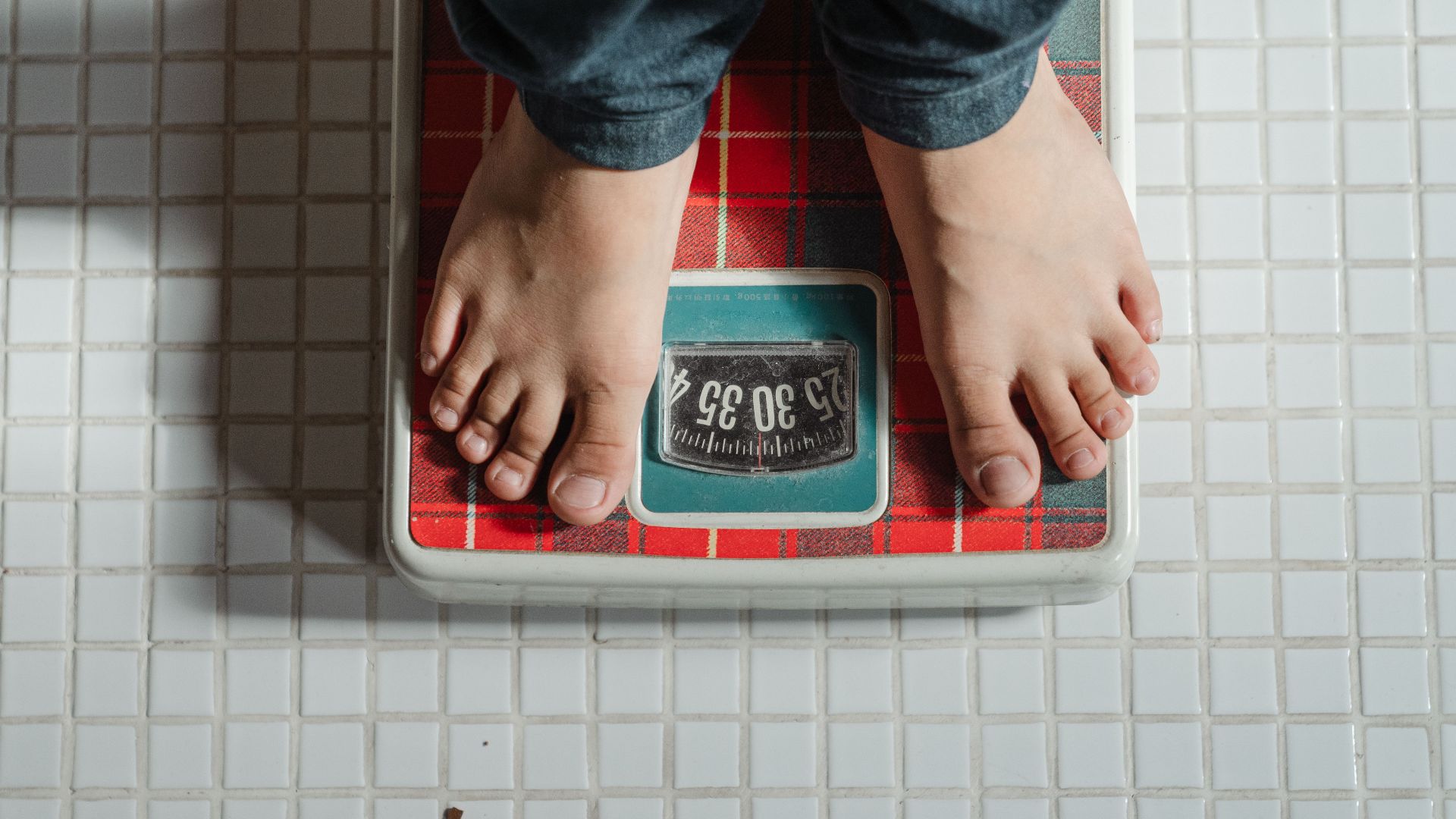
2. Your Waist Measurement
Sometimes, using a measuring tape can show progress that the scale doesn’t reveal. Check your waist occasionally using the same placement and technique, and record your measurements so you can see your overall progress instead of relying on daily changes.

3. Your Daily Energy Levels
Instead of only looking at numbers, think for a moment about how you're actually feeling. If you're experiencing constant exhaustion, it might suggest that you’re eating too little, missing important nutrients, or exercising beyond your current ability.

4. Your Hunger Patterns
Some hunger is normal when you’re adjusting to your reduced eating habits, but feeling ravenous all day is a sign something's wrong. Pay attention to when hunger appears and whether certain meals keep you satisfied longer than others. This information can help you adjust portion sizes, meal timing, protein, fiber, or healthy fats.

5. Your Protein Intake
Losing weight isn't just about reducing calories, you also need to up your protein intake so that you can support your muscle growth and make your meals more filling and satsifying. You should regularly be monitoring whether you're including healthy protein sources like eggs, fish, poultry, beans, lentils, dairy products, tofu, or lean meat.

6. Your Fiber Consumption
Not just protein, keep an eye on your fiber intake too! Fiber-rich foods can support fullness and regular digestion while adding valuable nutrients to your meals. Just note that you should increase your fiber count gradually, since making a sudden dramatic change may leave your stomach feeling less than cooperative.
7. Your Water Intake
Don't just pay attention to the food you're eating, stay hydrated is incredibly crucial to losing weight, too. Thirst can also be easy to overlook when you're too focused on your calorie count, so make sure you're regularly drinking throughout the day.

8. Your Portion Sizes
Nutritious foods still contribute calories, which means portion size is incredibly important. Measuring calorie-dense items such as oils, dressings, cheese, nuts, or spreads can improve your awareness and help you understand just how many calories you're actually consuming. The goal isn’t to inspect every bite forever, but to understand what your usual serving sizes actually contain.
9. Your Liquid Calories
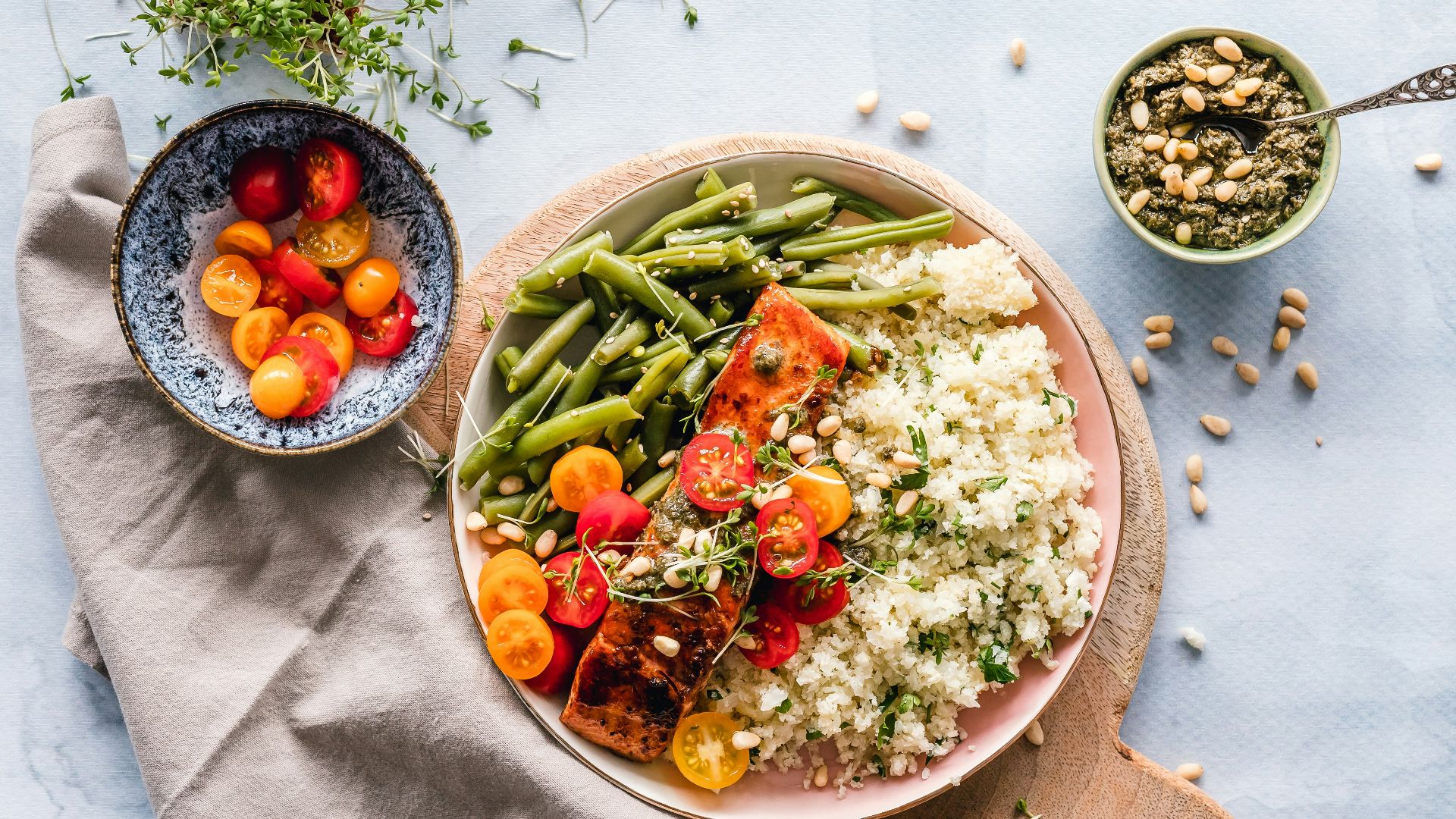
Coffee additions, sweetened beverages, smoothies, and specialty drinks can contribute more calories than you realize. Just because you're drinking it doesn't mean it can't carry the same amount of calories as a full meal if you're not careful!
10. Your Fruit And Vegetable Intake
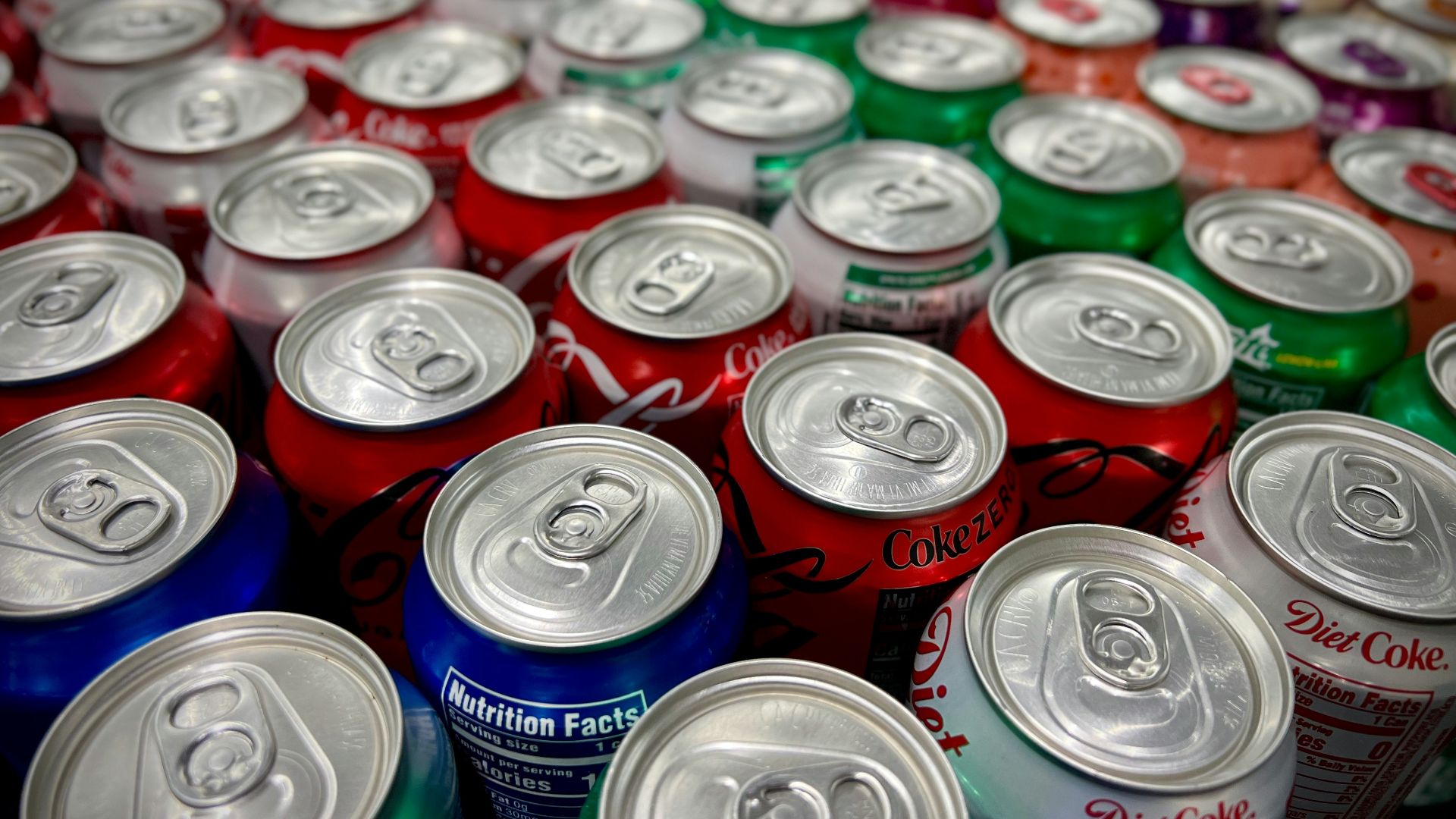
A lower-calorie diet still needs to provide vitamins, minerals, fiber, and variety. It's not just about calories! Choosing several types and colors of different veggies and fruits can help keep meals interesting so that you actually enjoy what you eat.
11. Your Sleep Quality
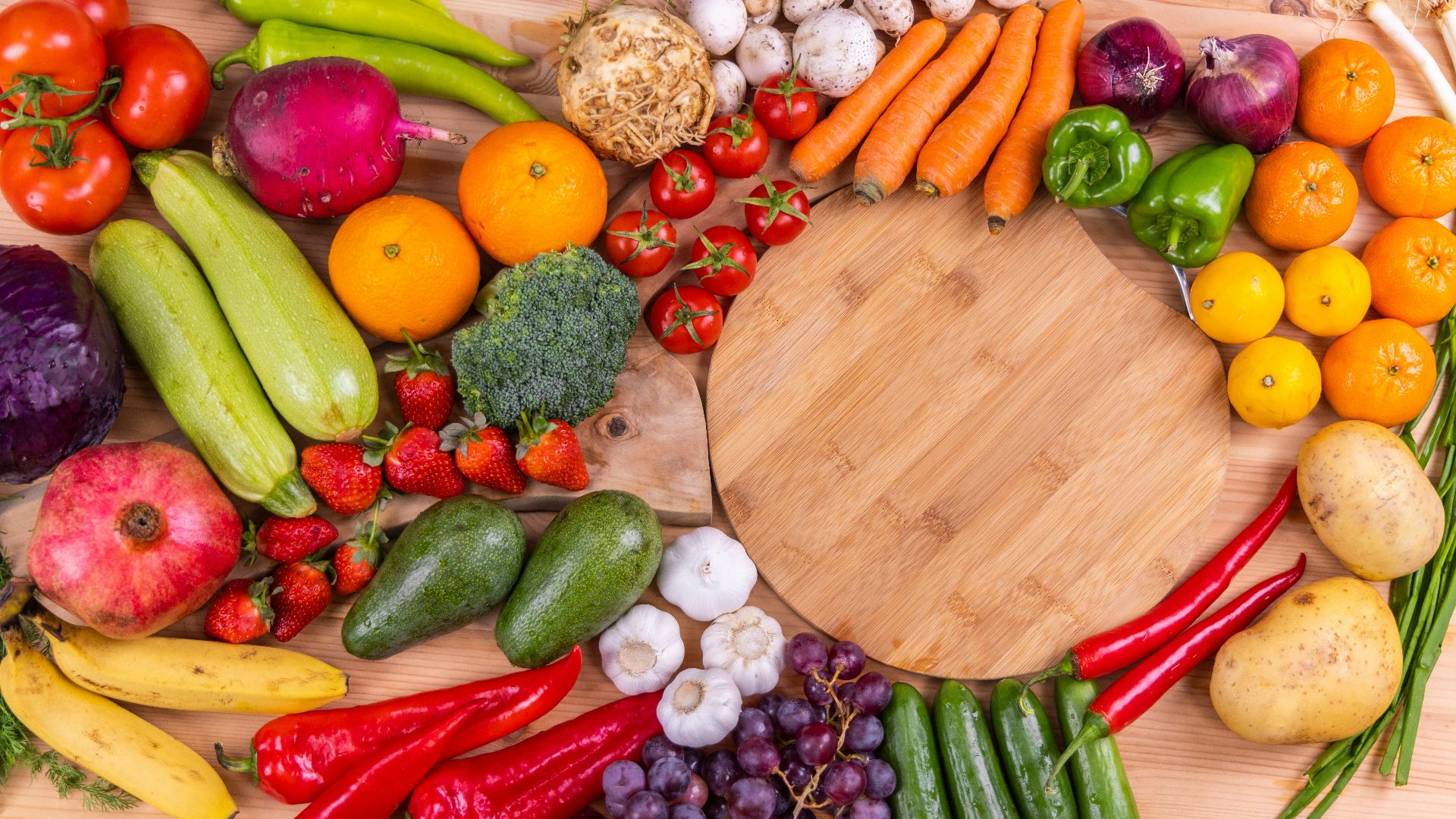
Sleep actually plays a huge role in losing weight. Because if you're getting little to none, you'll wake up every morning feeling hungry, low-energy, lacking exercise motivation, and struggling with good decision-making. Getting enough sleep deserves attention alongside food and activity.

12. Your Mood
Dieting shouldn’t make you irritable, anxious, or miserable most of the time, so if you notice your mood changing (in a bad way) after reducing calories, skipping meals, or avoiding foods you enjoy, you need to make some adjustments. Constant mood swings might mean your plan is overly restrictive.

13. Your Stress Levels
Stress can change your appetite, disrupt your sleep, and make familiar comfort foods more appealing when you're already trying your hardest to resist. Recognizing this connection already gives you a chance to develop better coping habits that don’t revolve entirely around food.

14. Your Physical Activity
It's a good idea to carefully monitor your physical activity, both intentional workouts and ordinary movement, so you can track how many calories you're burning. It's also important to see whether your lifestyle is matching your eating habits.

15. Your Strength And Performance
Don't just look at the scale; exercise performance is another great way to reveal whether your diet is supporting your body adequately. Watch for major declines in strength, stamina, recovery, coordination, or motivation.

16. Your Muscle Retention
Weight loss can include changes in muscle as well as body fat, particularly when calories are cut aggressively and you're consistently working out. Eating enough protein and including suitable exercise can help support muscle maintenance, and it's worth tracking the stats so you can see your growth.

17. Your Digestion
As you change your food habits, like quantity, fiber, hydration, or meal timing, all these things can affect bowel habits and stomach comfort. Pay attention to any persistent constipation, diarrhea, bloating, nausea, or pain because ongoing or severe digestive symptoms should be discussed with a healthcare professional.

18. Your Relationship With Food
Just because you're dieting doesn't mean you should feel guilty about what you eat. The best way to diet is to build a healthier relationship with food that allows you to understand what you're putting into your body and why it's important. If you're developing some bad habits, it might be worth reaching out to a professional for help.

19. Your Rate Of Progress
As much as you want to lose weight, keep in mind that extremely rapid changes are difficult to maintain and may signal that your plan is too aggressive. Look at progress across several weeks instead of expecting a dramatic result after every weigh-in.
20. Your Ability To Maintain The Plan
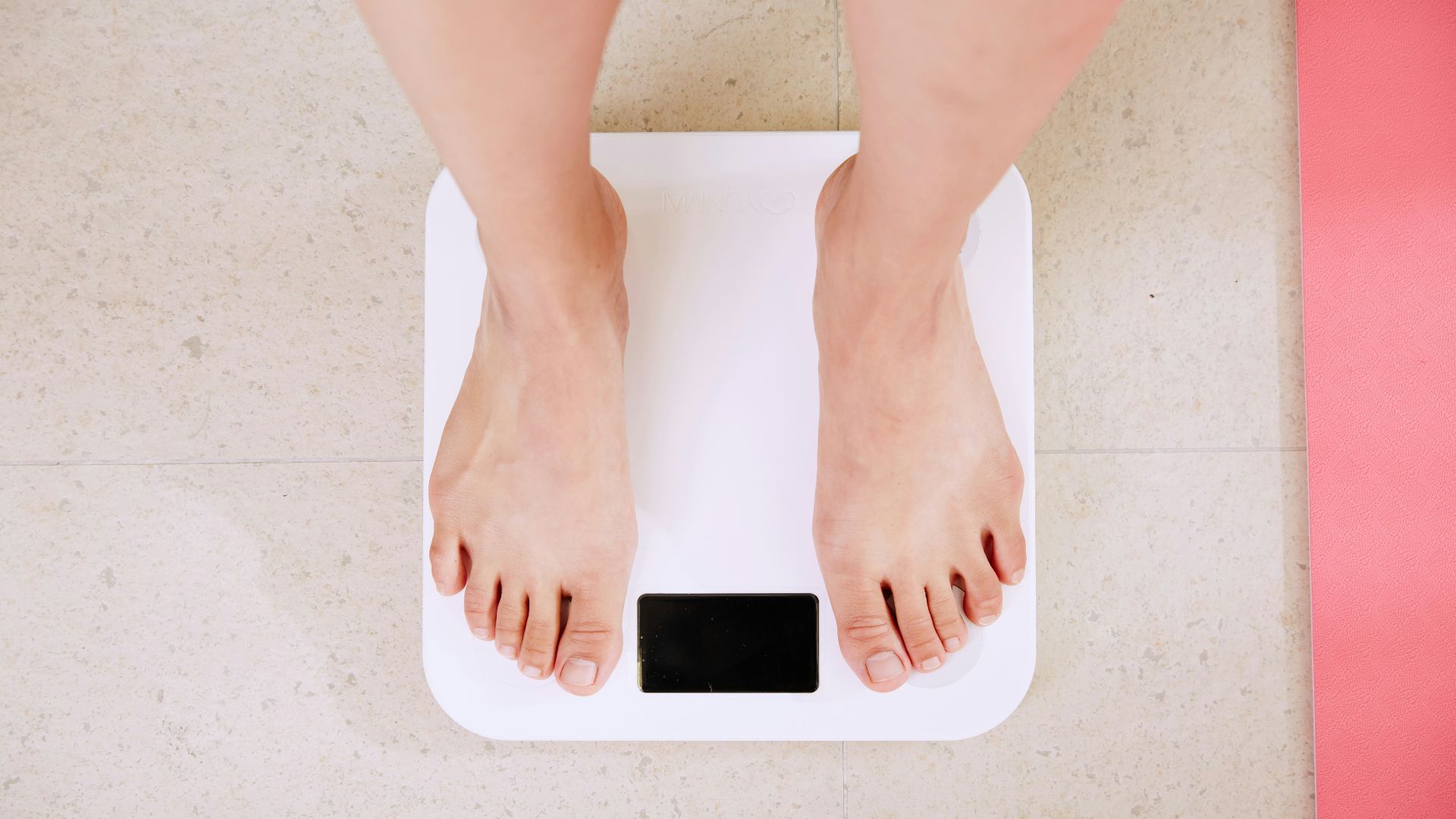
The most important aspect of dieting is making sure you're on a plan that's sustainable. Consider whether you can follow your routine during busy workdays, weekends, vacations, celebrations, and restaurant meals. A healthy diet plan should support your health while still leaving room for normal life, enjoyment, and occasional flexibility.