How Far Can You Really Bend?
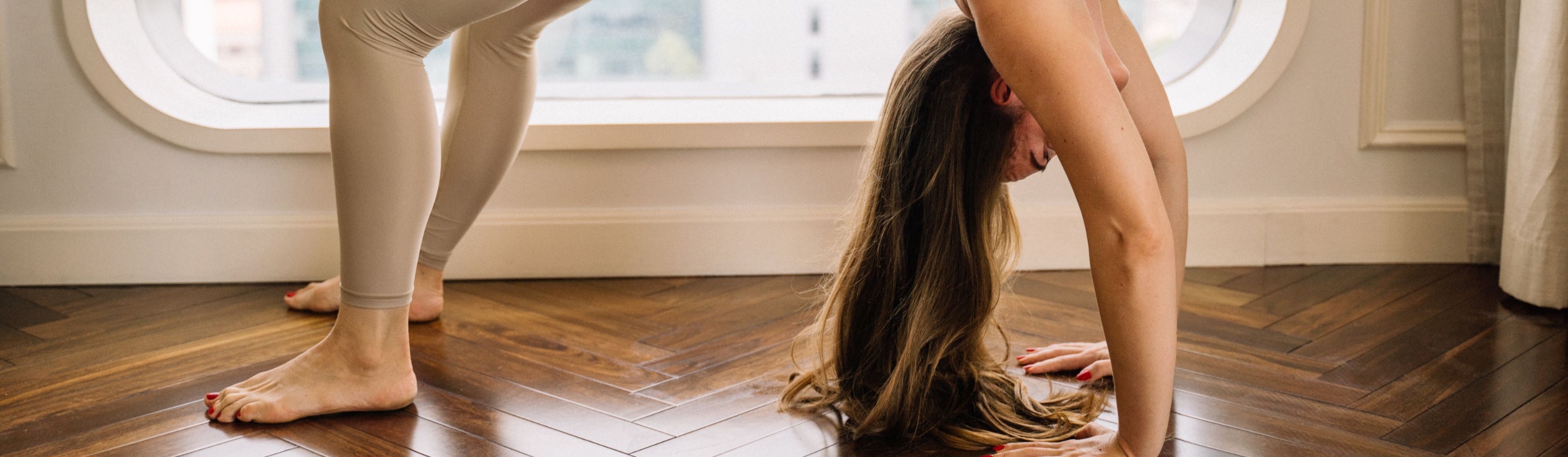
Can you do the splits? What about a bridge? Can you lift one or both feet behind your head? Unsurprisingly, unless you regularly do yoga or have trained your body since young, most people are only mildly flexible. That means you might be able to touch your toes (or get close to it), but you probably can't do a needle scale or pull your leg straight up beside your head. Heck, you might not even be able to stretch your arms enough to clasp your hands behind your back! Here are 20 moves you likely can't do (and probably shouldn't attempt at home) unless you're a seasoned contortionist.
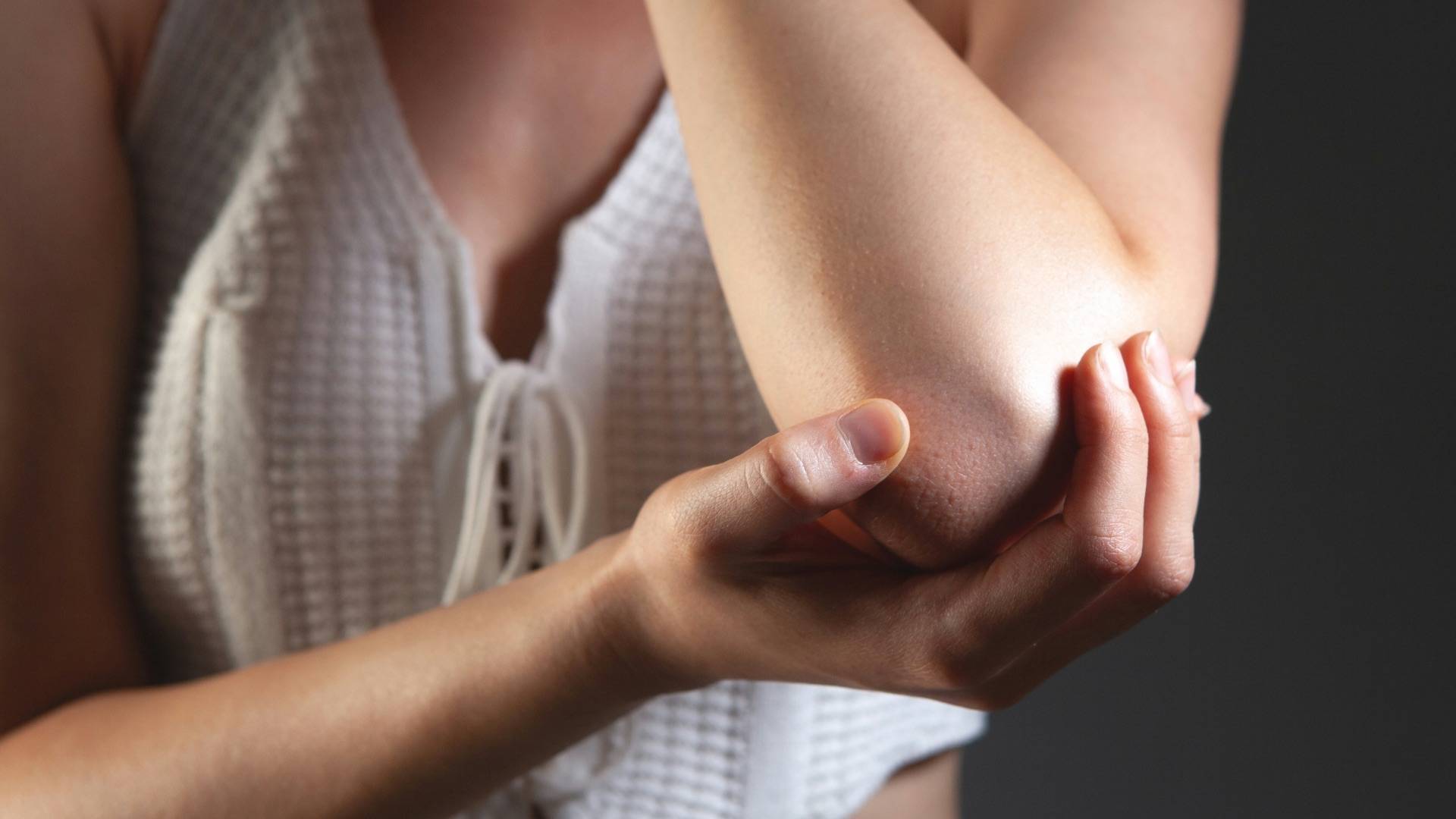
1. Lick Your Elbow
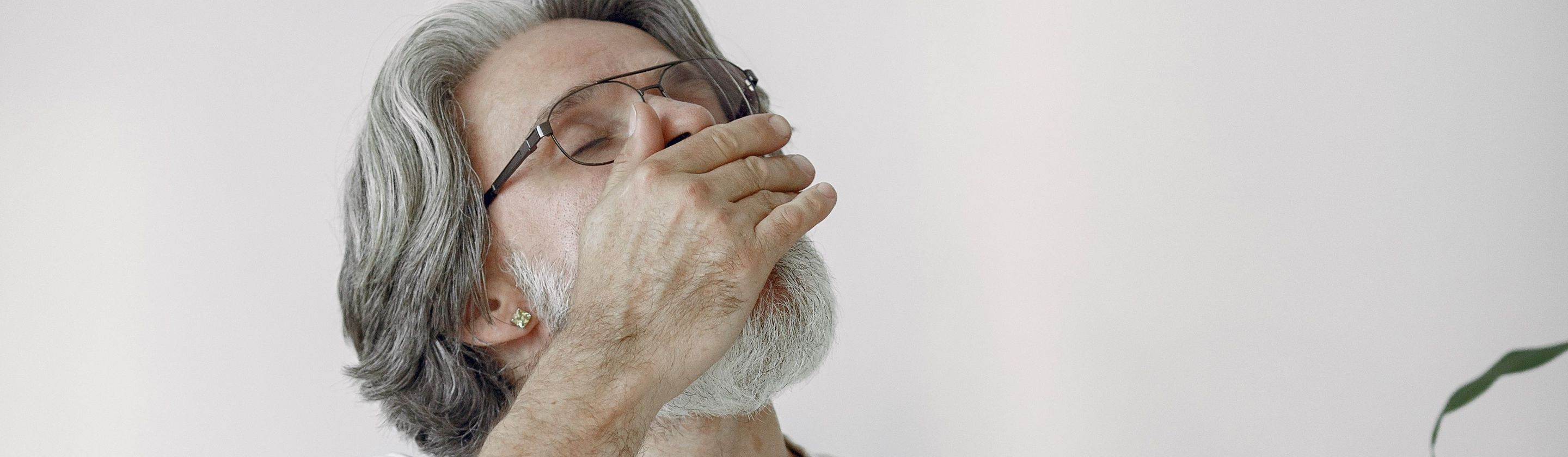
Most people have tried this at least once after hearing that it's supposedly impossible, only to discover that their tongue doesn't come anywhere close. Doing it usually requires a combination of unusually mobile shoulders, flexible arms, and favorable proportions. If you can actually reach your elbow without straining your neck, you've already got a pretty unusual party trick.
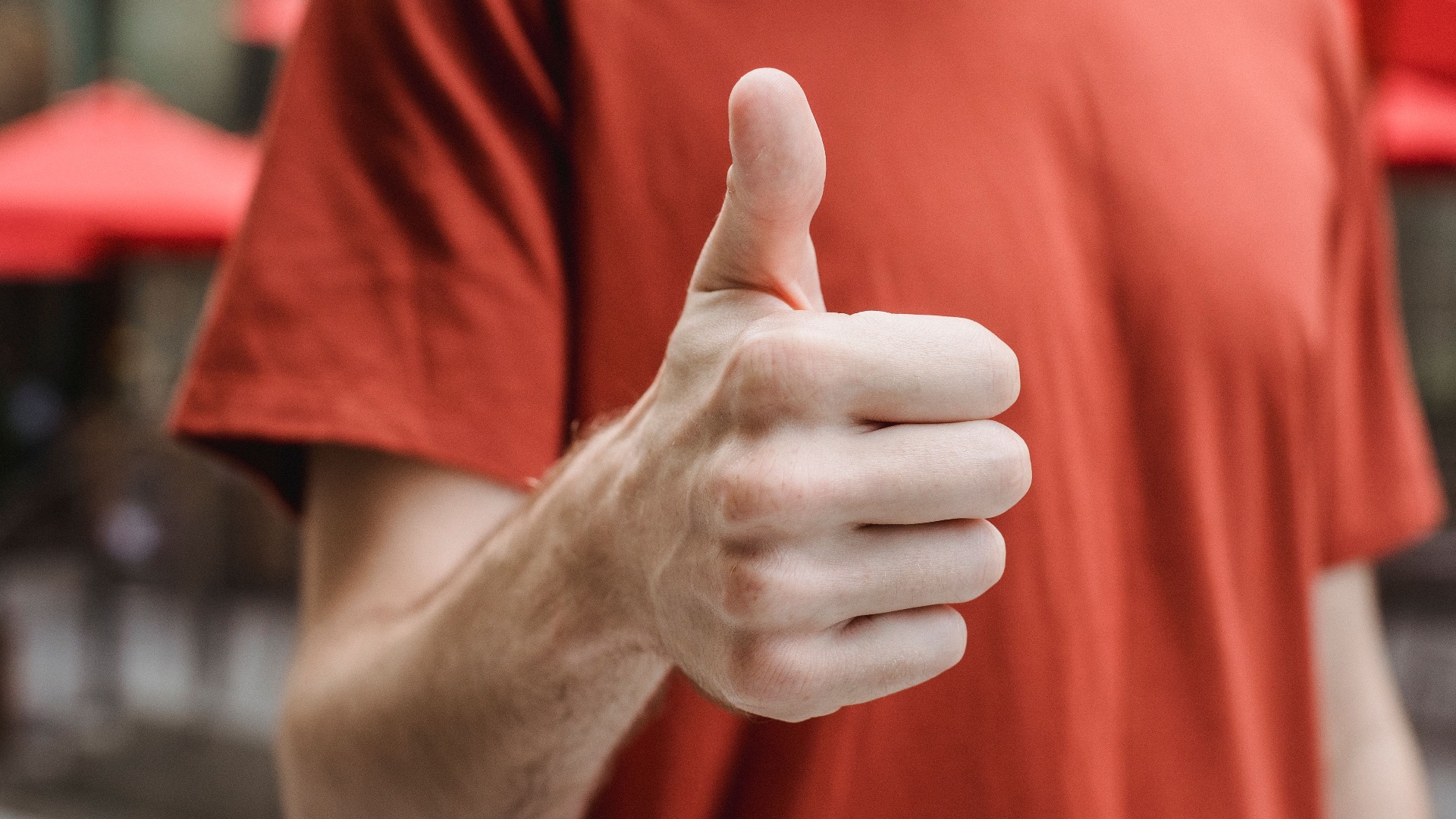
2. Touch Your Thumb to Your Forearm
Bending your thumb backward until it touches your forearm requires considerably more joint mobility than most hands allow. Some people can do it effortlessly, while others can't get their thumb anywhere near their wrist. It's a simple-looking movement that can reveal just how flexible your smaller joints are.
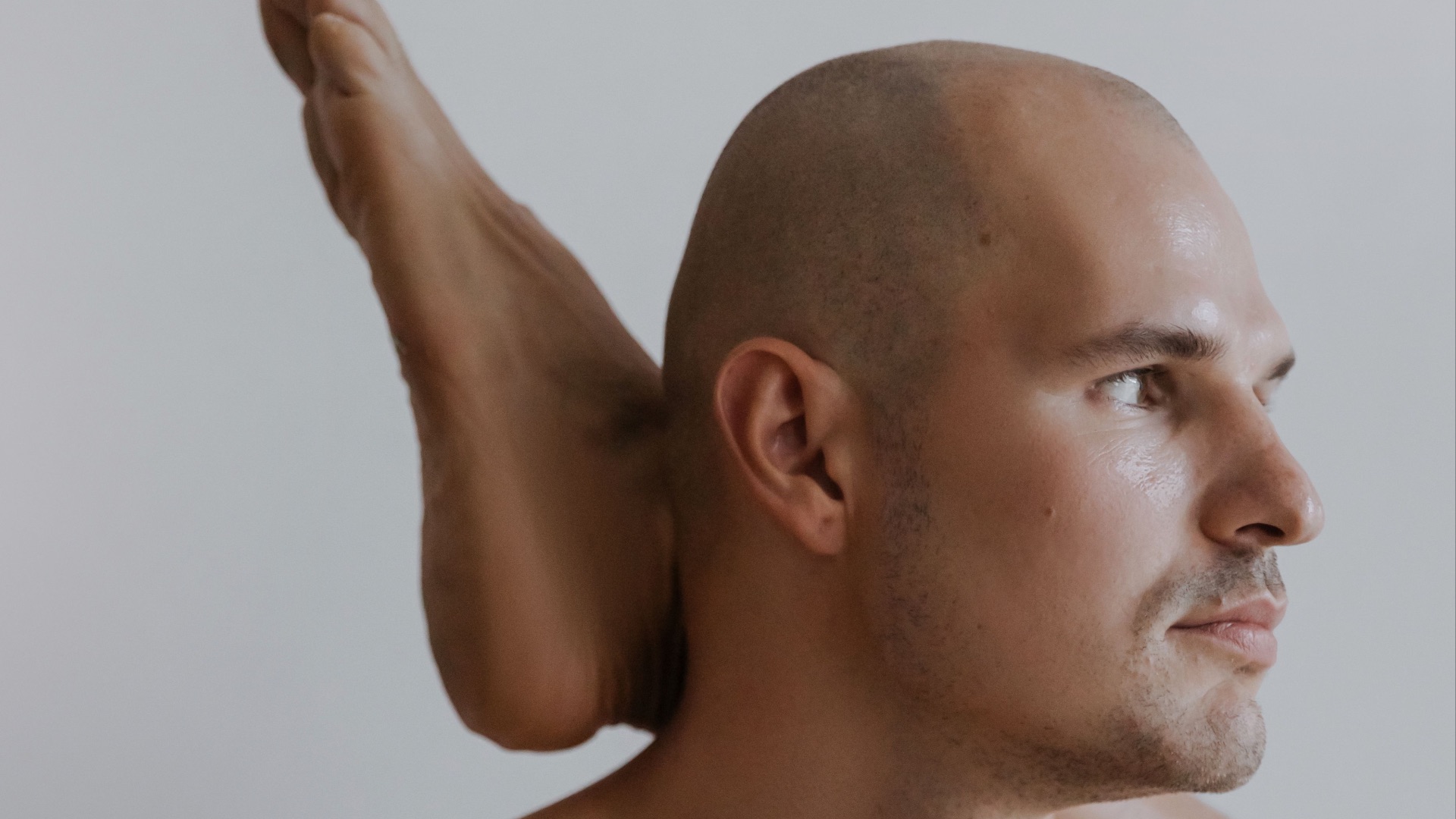
3. Put Your Foot Behind Your Head
Getting a foot behind your head takes a surprising amount of mobility through the hips and legs. You have to lift the leg high, rotate the hip, and bend the knee enough to position your foot comfortably behind your neck. Even plenty of people who can touch their toes won't get remotely close to pulling this off.
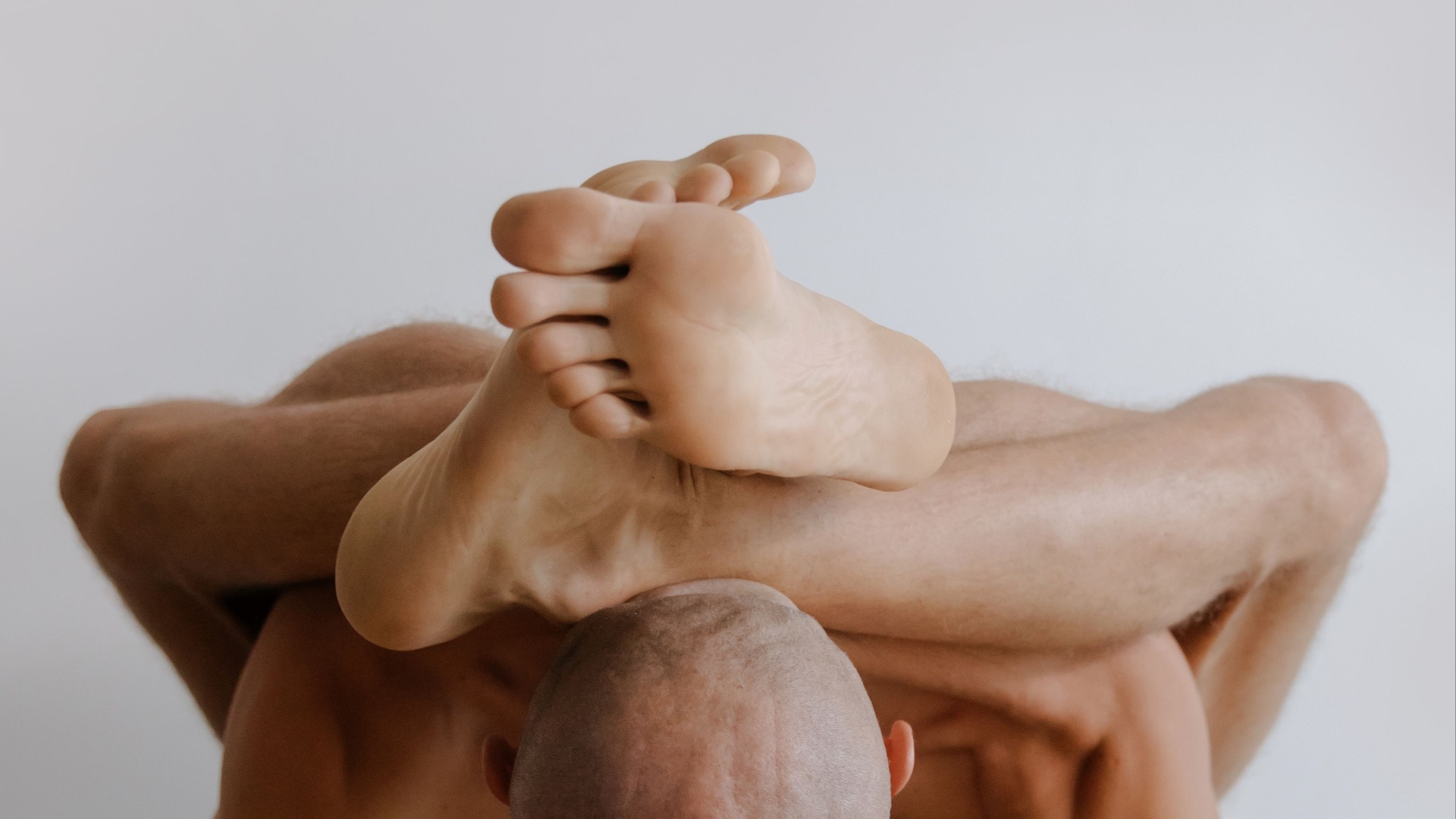
4. Put Both Legs Behind Your Head
Taking the previous move a step further, some extremely flexible people can place both legs behind their head at once. This position requires exceptional hip rotation along with considerable mobility through the lower back and legs. Without extensive flexibility, simply attempting to arrange your limbs this way can feel immediately restrictive.
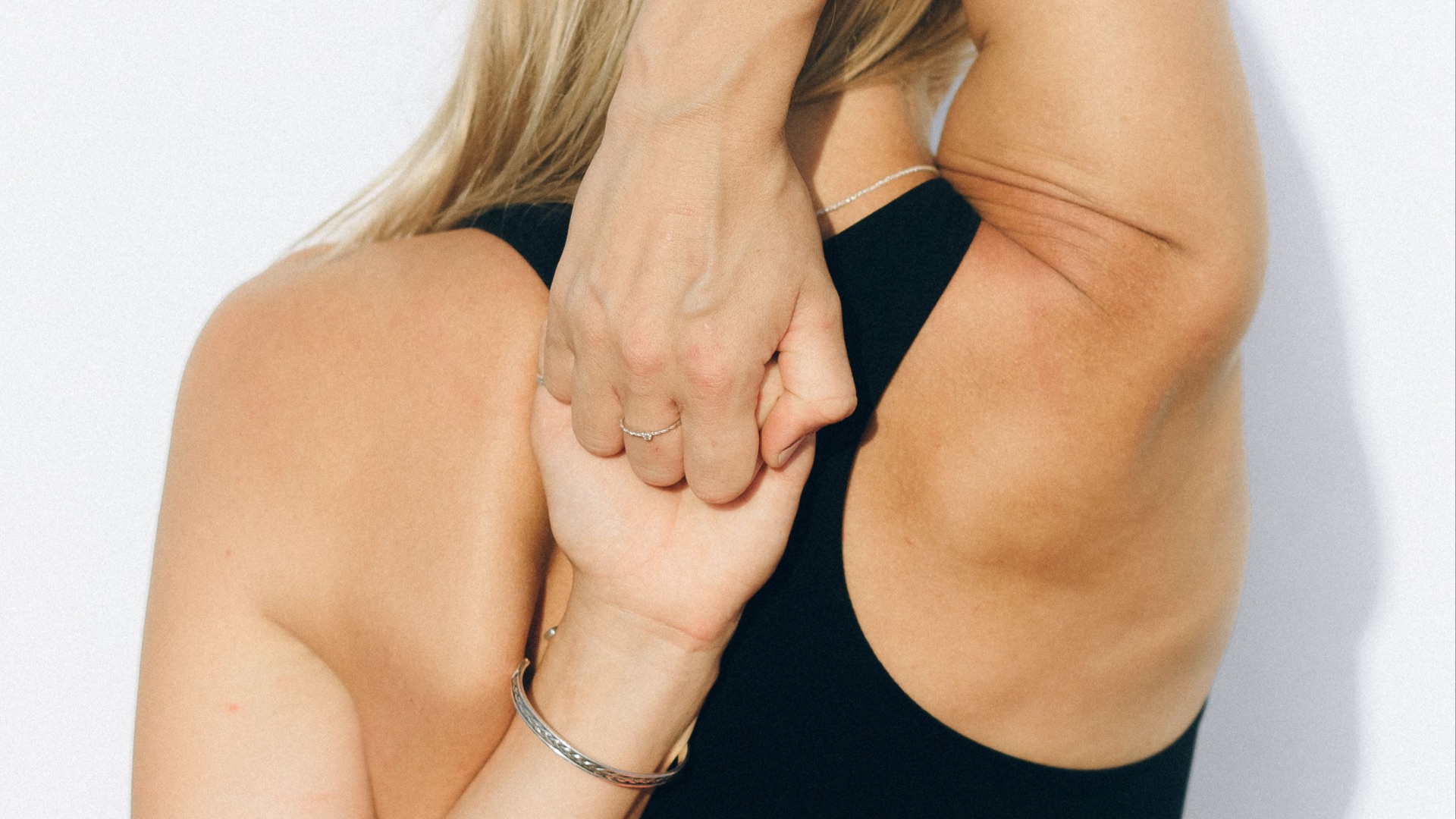
5. Clasp Your Hands Behind Your Back
Try reaching one hand down behind your shoulder and the other up from your lower back, then see whether your fingers can meet. Shoulder mobility determines whether you'll clasp easily, barely touch fingertips, or end up with several inches of space between your hands. Flexible people can often lock their fingers together without much effort at all.
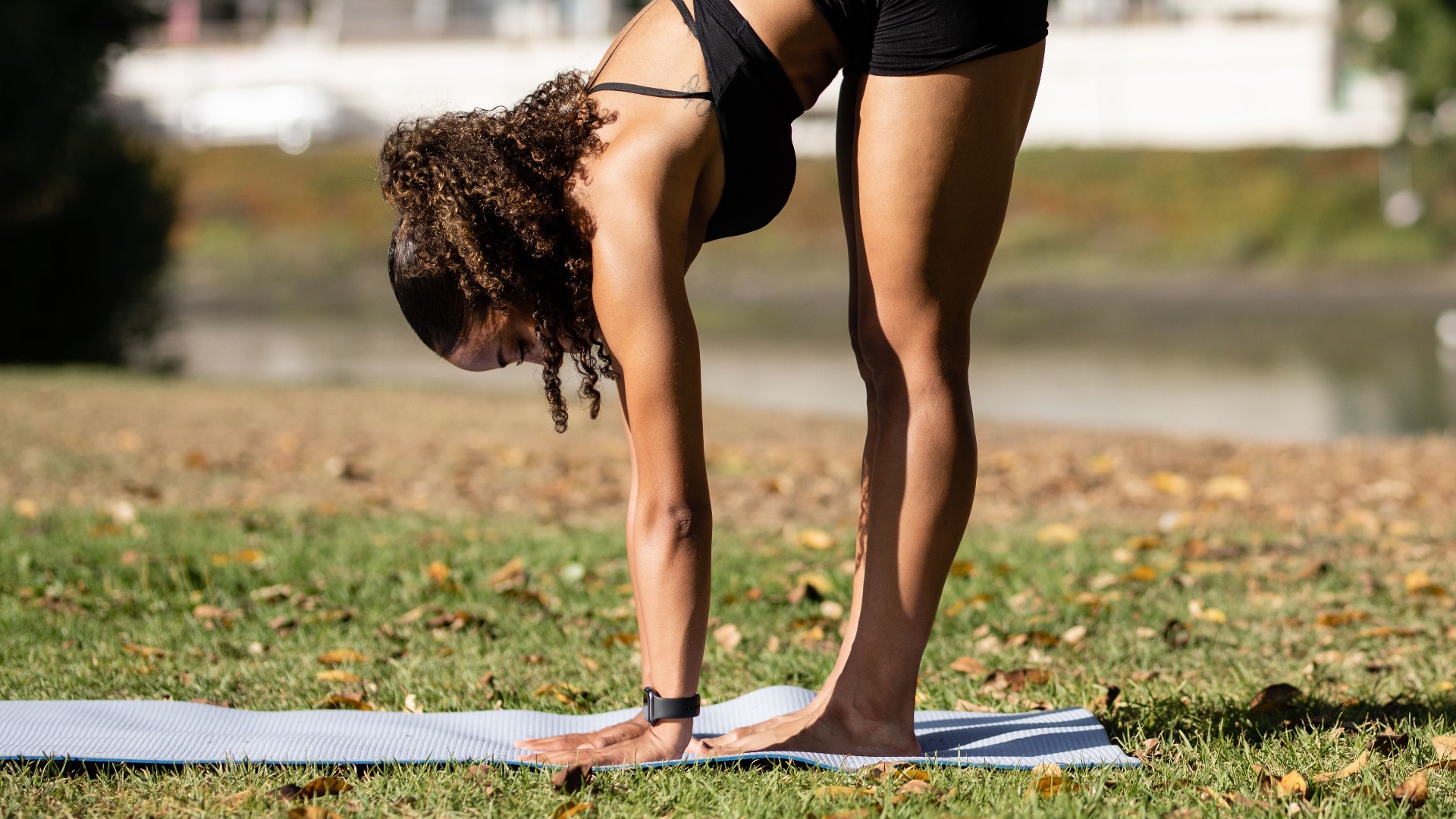
6. Put Your Palms Flat on the Floor with Straight Knees
Touching your toes is a fairly common flexibility test, but getting both palms completely onto the floor is considerably harder. Your hamstrings, calves, hips, and lower back all need enough range of motion to let your torso fold deeply while your legs remain straight. Some flexible people can do this as casually as bending over to tie their shoes.
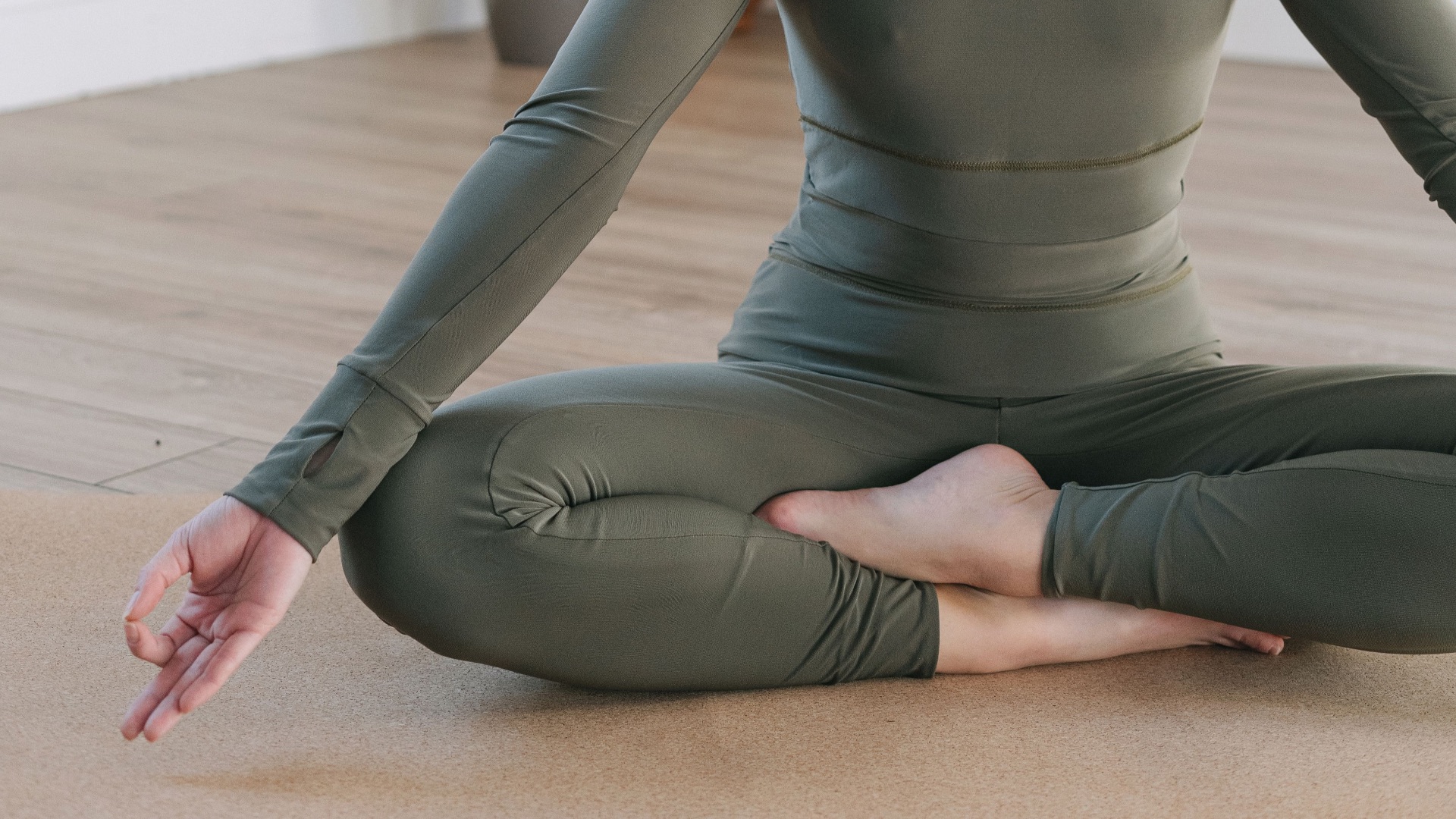
7. Sit Comfortably in a Full Lotus Position
Full lotus involves placing each foot on top of the opposite thigh while keeping both knees lowered toward the floor. It depends heavily on outward rotation at the hips rather than simply forcing the knees downward. For someone with naturally open hips, it may feel comfortable, while another person can struggle just to get one foot into position.
8. Do a Full Front Split
A proper front split puts one leg directly in front and the other behind while your hips lower toward the floor. The hamstrings of the front leg and the hip flexors of the back leg both need substantial flexibility to make it happen. Getting all the way down is a milestone that many dancers and athletes spend years working toward.
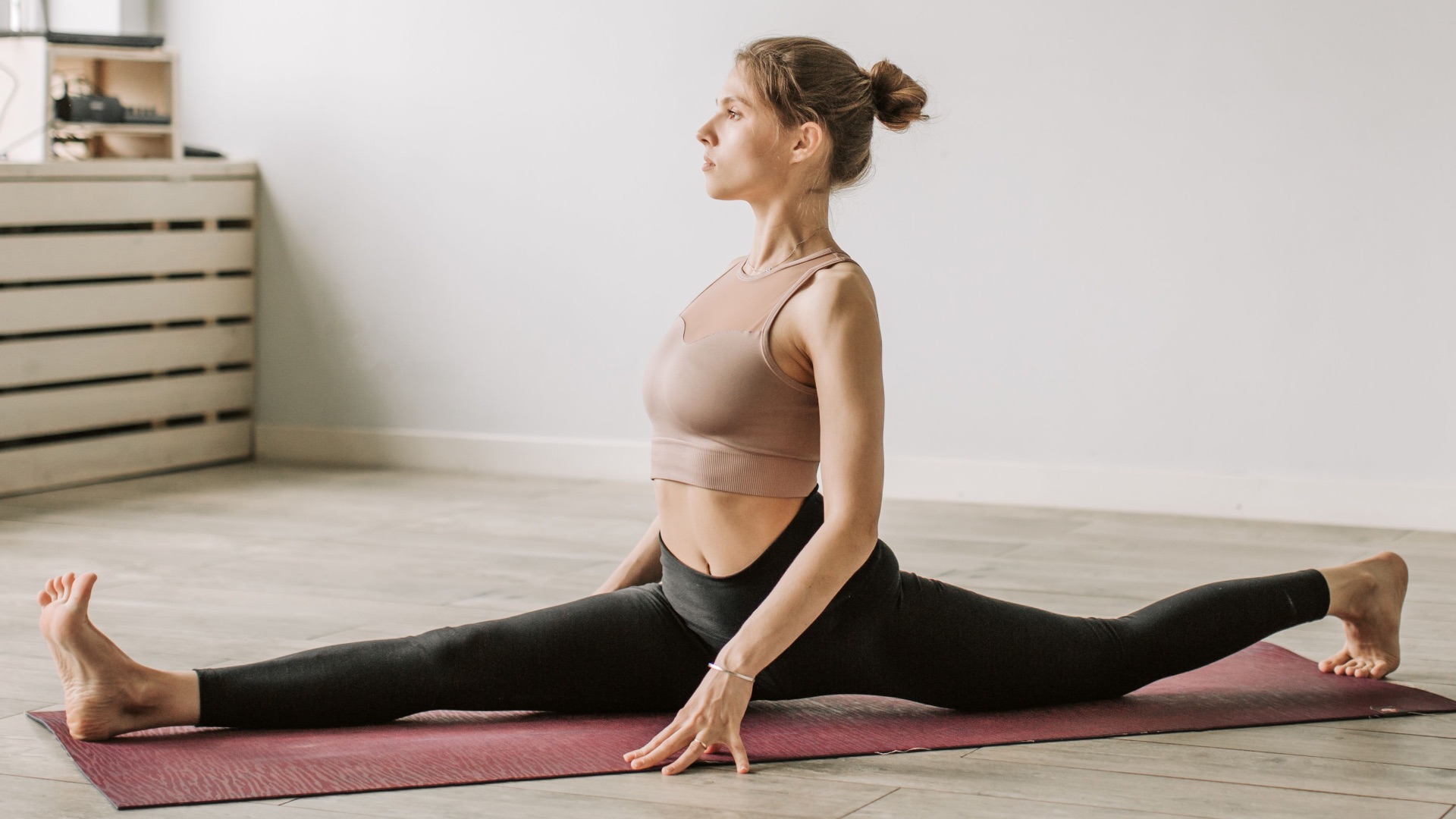
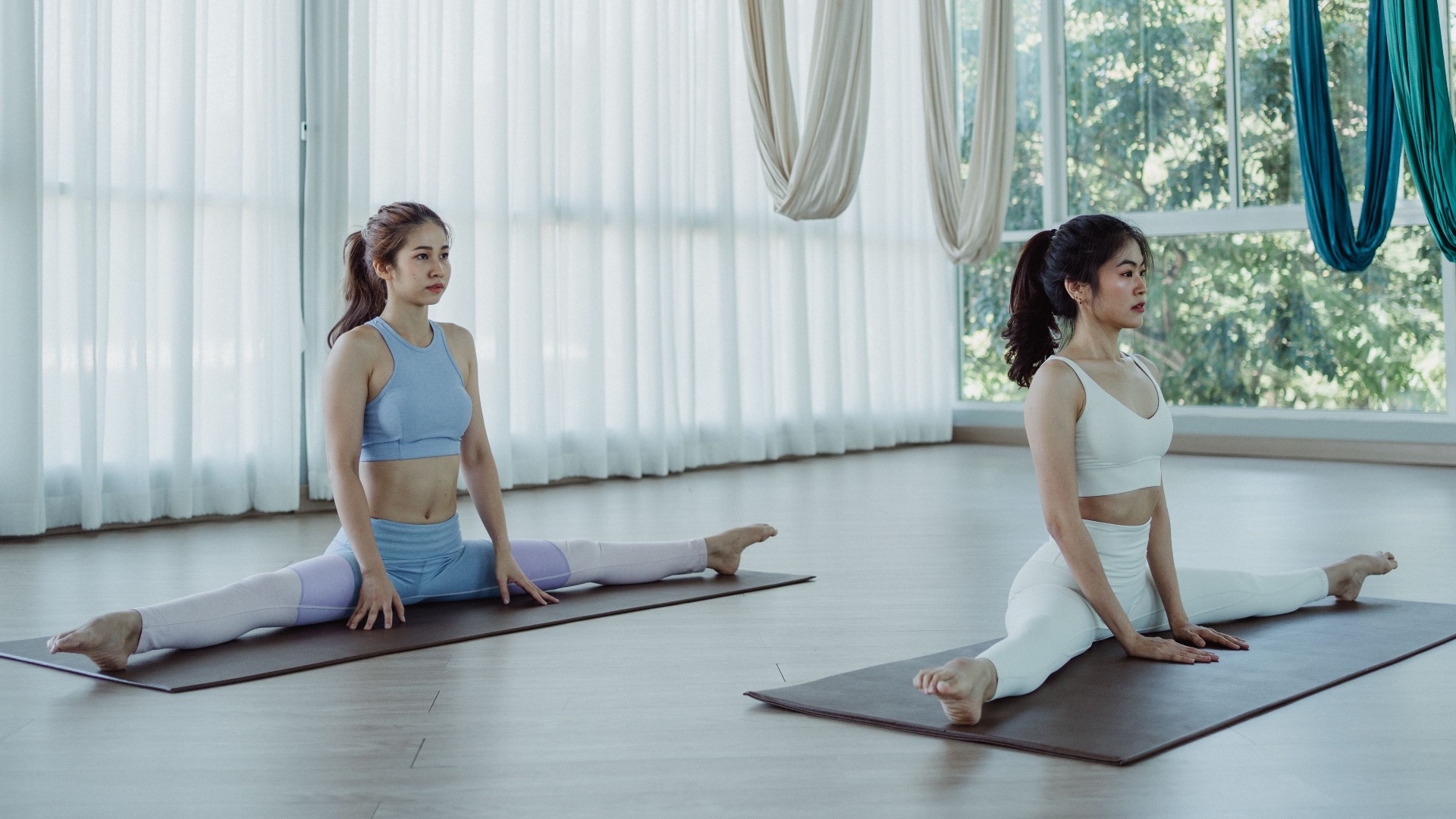
9. Do a Full Side Split
Side splits require the legs to extend outward until they form a straight line from one side to the other. This places a major demand on the inner thighs and hip joints, which is why even athletic people often find the position difficult. If your hips can reach the floor without bending your knees, your flexibility is well beyond average.
10. Kick Your Leg Up Beside Your Head
High kicks are one thing, but raising a straight leg until your foot is beside your head takes exceptional mobility. Dancers, cheerleaders, and martial artists often train specifically to increase this range. The impressive part isn't only getting the leg high, but keeping the supporting leg and torso controlled while doing it.
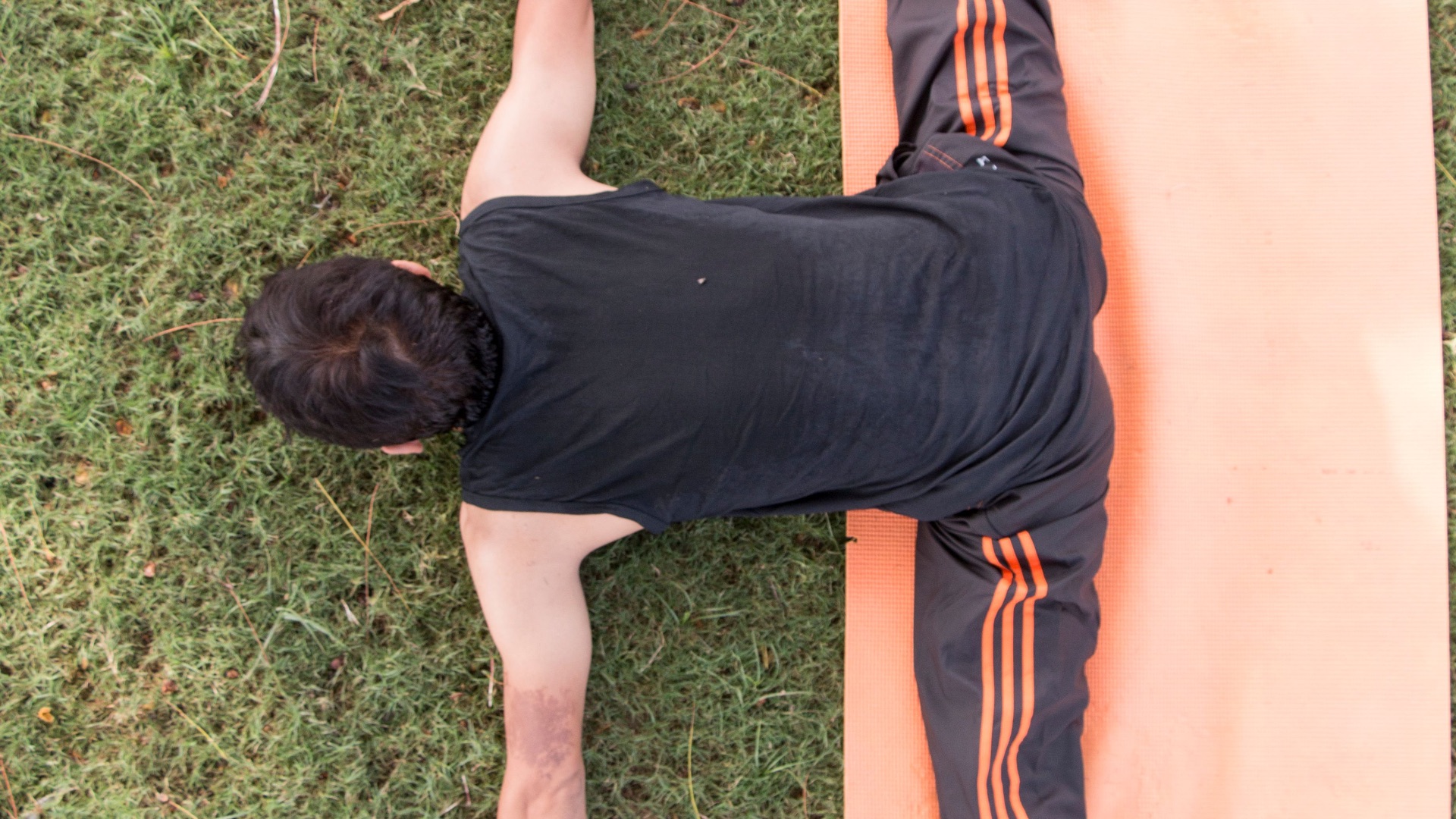
11. Fold Completely Forward in a Pancake Stretch
The pancake stretch starts with the legs spread widely apart while you're seated, followed by folding the torso forward between them. Someone with exceptional flexibility may be able to lower their chest and stomach almost completely onto the floor. This requires extensive mobility through the hips, hamstrings, inner thighs, and lower back.
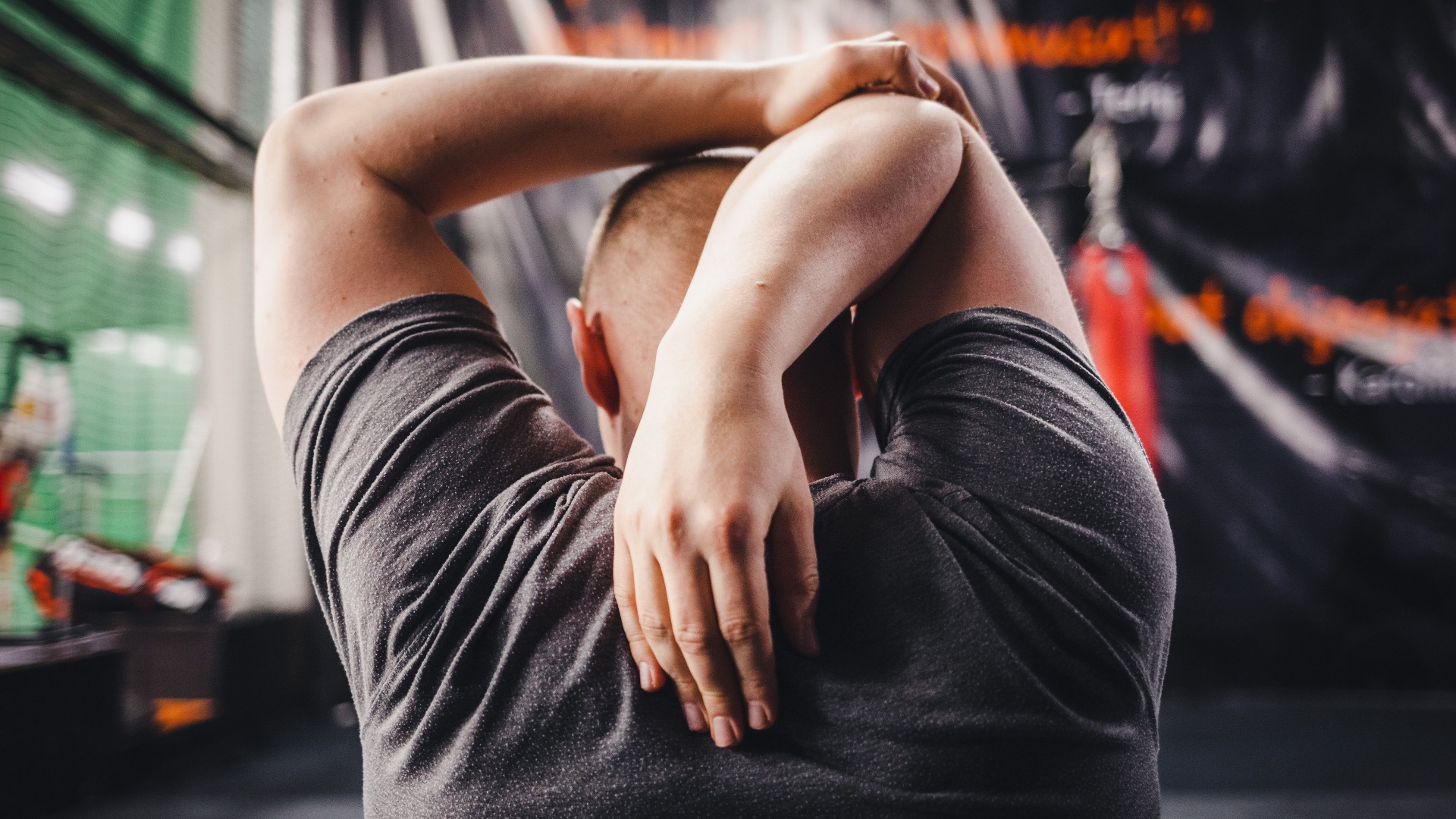
12. Reach Both Arms Far Behind Your Head
Shoulder flexibility can make a dramatic difference in how far your arms can travel overhead and backward. Very flexible people may be able to move their arms well behind the line of their ears without arching excessively through the lower back. For anyone with tight shoulders, even getting the arms completely vertical can feel like work.
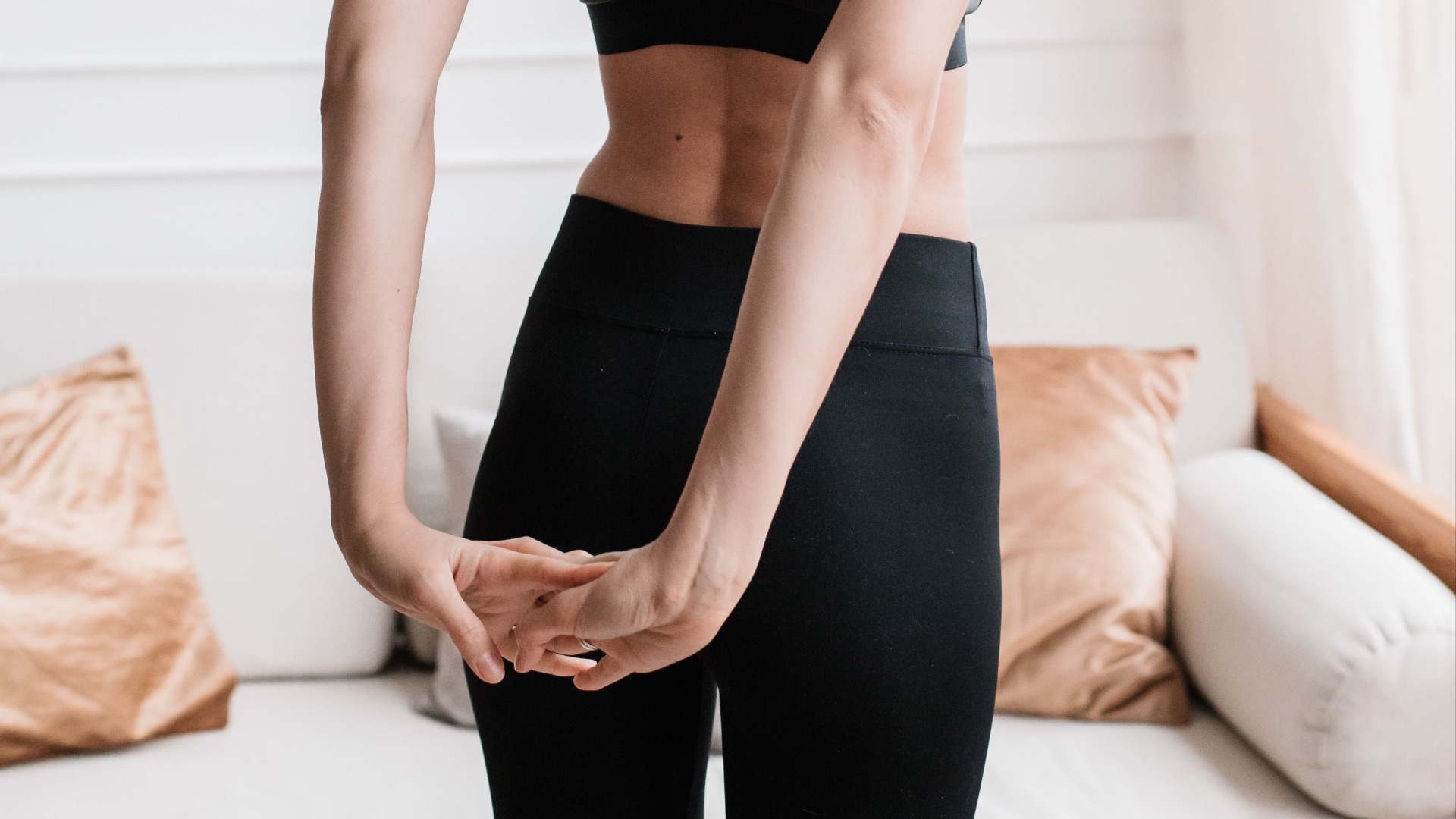
13. Interlock Your Fingers Behind Your Back and Lift Your Arms High
Clasping your hands behind you isn't particularly unusual, but lifting those joined hands high toward your shoulder blades is another matter. The movement requires considerable mobility through the shoulders and chest. If your arms can rise far away from your back while your elbows stay straight, you have an impressive range of motion.
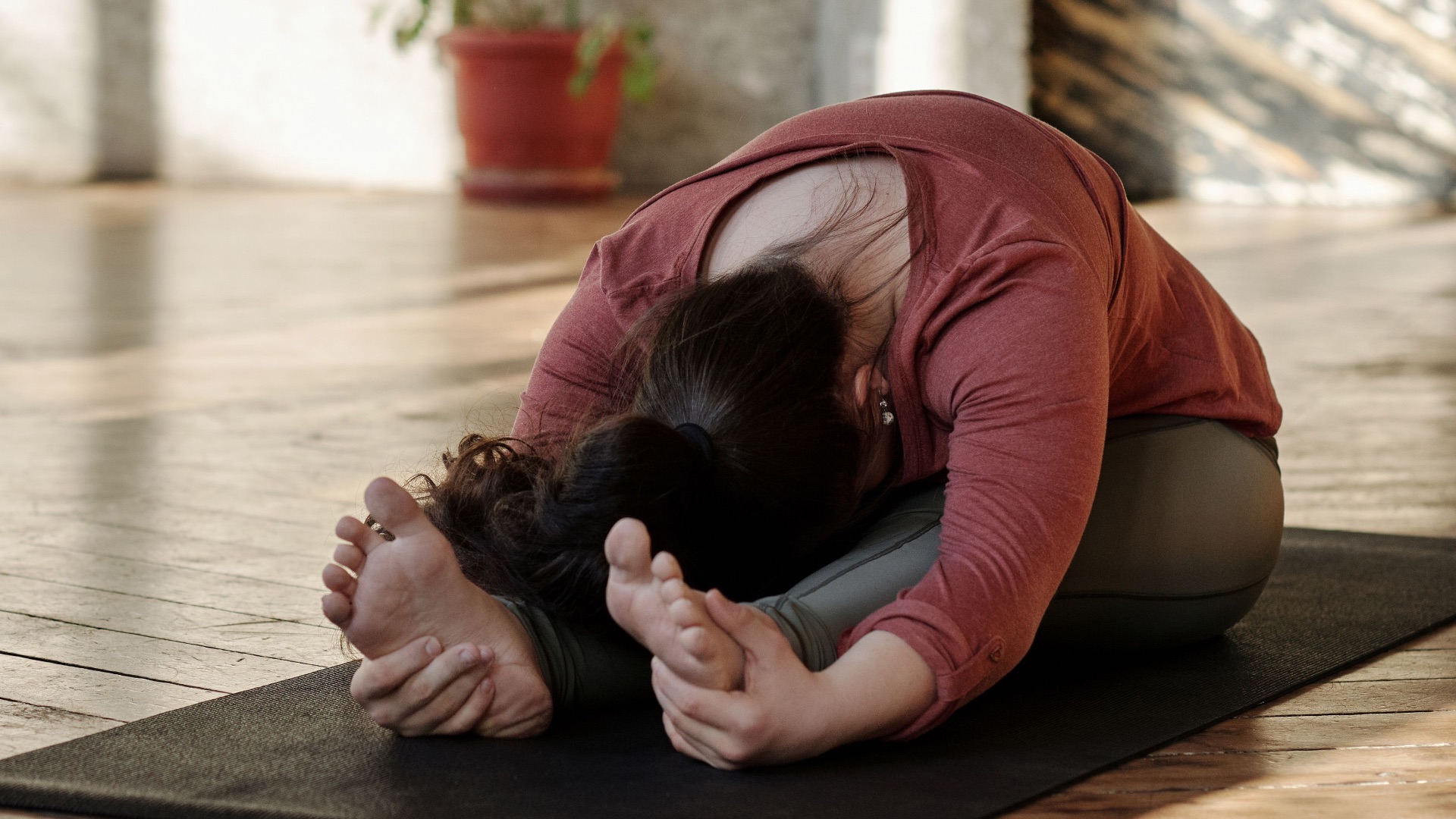
14. Fold Forward Until Your Chest Rests Against Your Legs
A deep forward fold goes far beyond simply reaching for your feet. Exceptionally flexible people can bring their stomach and chest close against their thighs while keeping their knees straight. That degree of movement depends largely on flexible hamstrings and enough hip mobility to let the torso rotate forward freely.
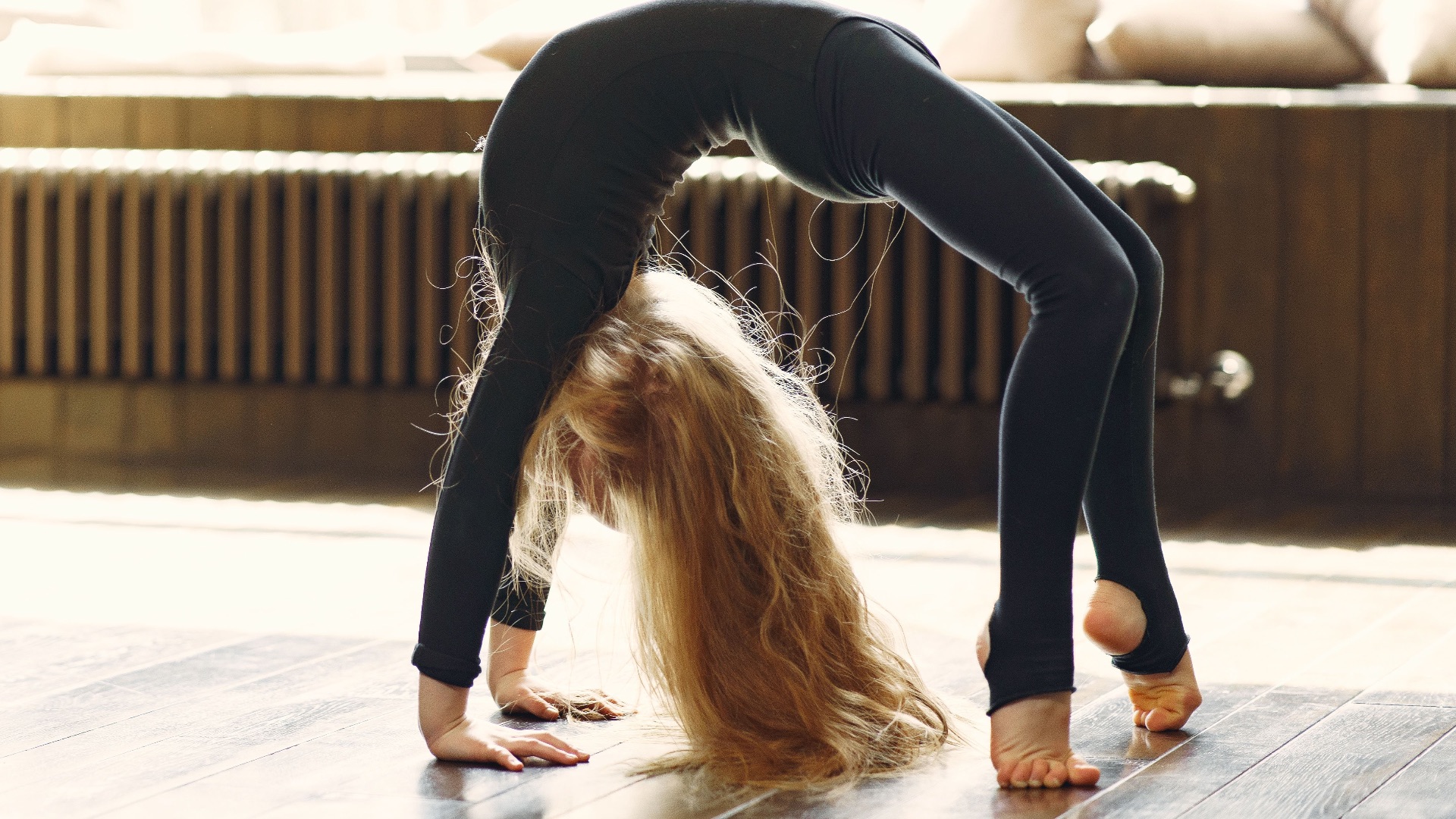
15. Bend Back Into a Deep Bridge
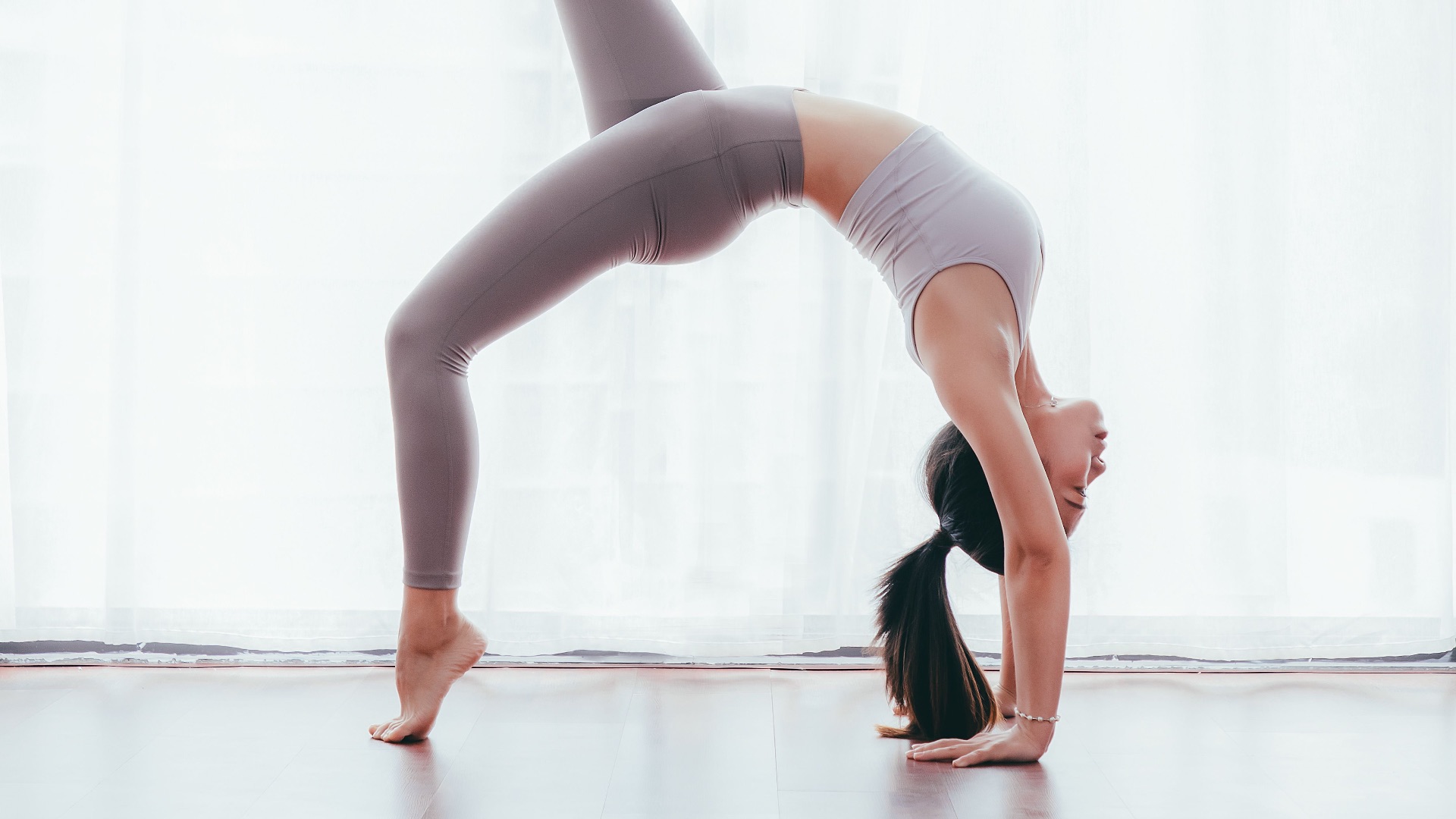
Plenty of people can attempt a basic bridge, but an advanced version is much more demanding. Extremely flexible athletes can bring their hands remarkably close to their feet while maintaining the arch through their entire spine. Shoulder mobility plays an especially important role because stiff shoulders can limit how far the upper body travels backward.
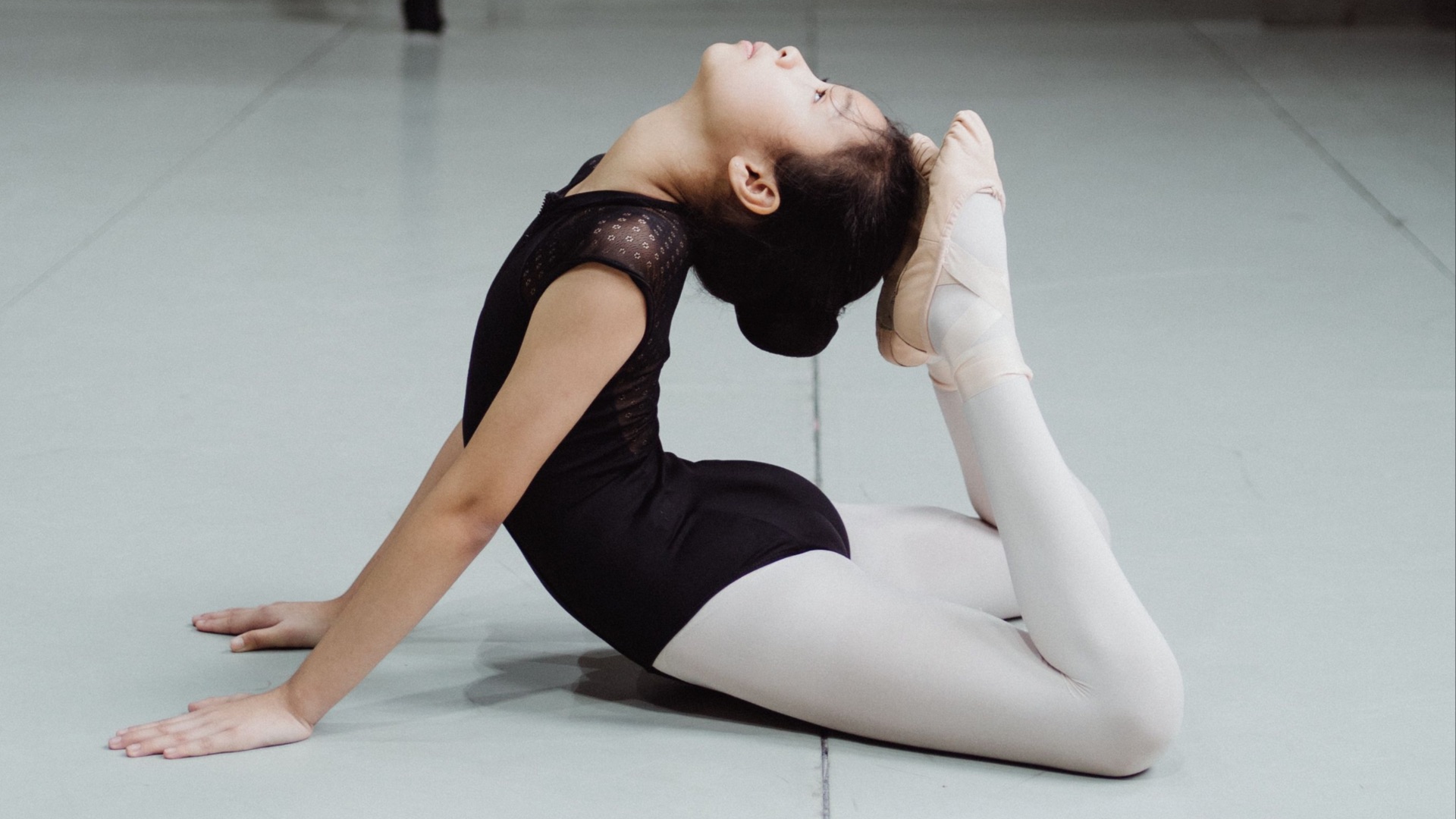
16. Touch Your Toes to the Back of Your Head
Deep back flexibility allows some people to arch far enough for their feet to reach the back of their head. Contortionists frequently train variations of this position by developing mobility through the spine, hips, shoulders, and thighs. It's also a good example of why extreme flexibility often has to be paired with strong muscles that can control such a large range of motion.
17. Stand Back Up from a Backbend
Getting into a backbend is one thing, but it's only half the challenge when you're extremely flexible and strong. Returning to standing without dropping to the floor demands control through the legs, core, shoulders, and back. The movement looks smooth when performed well, but it requires far more than simply having a bendy spine.
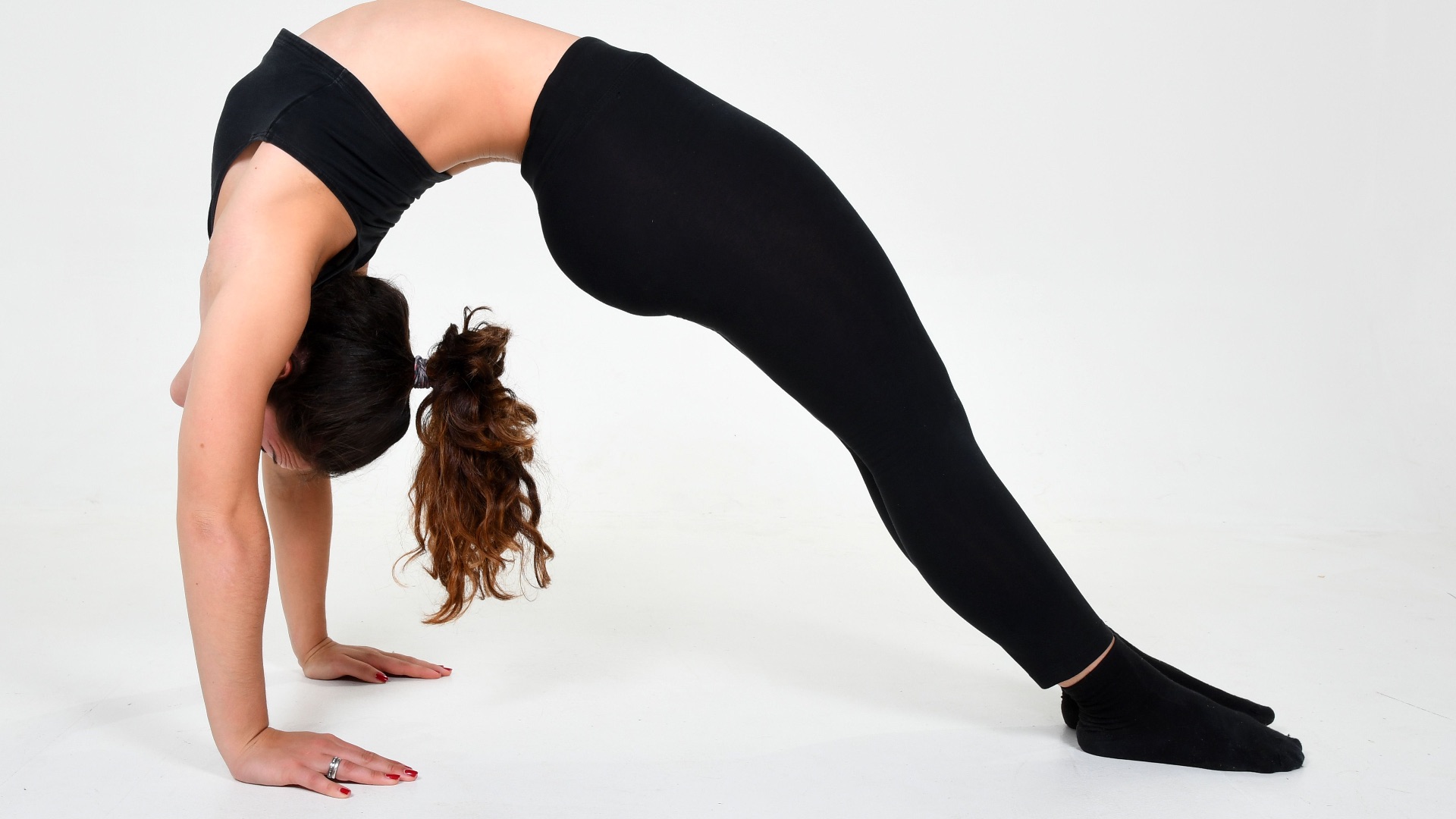
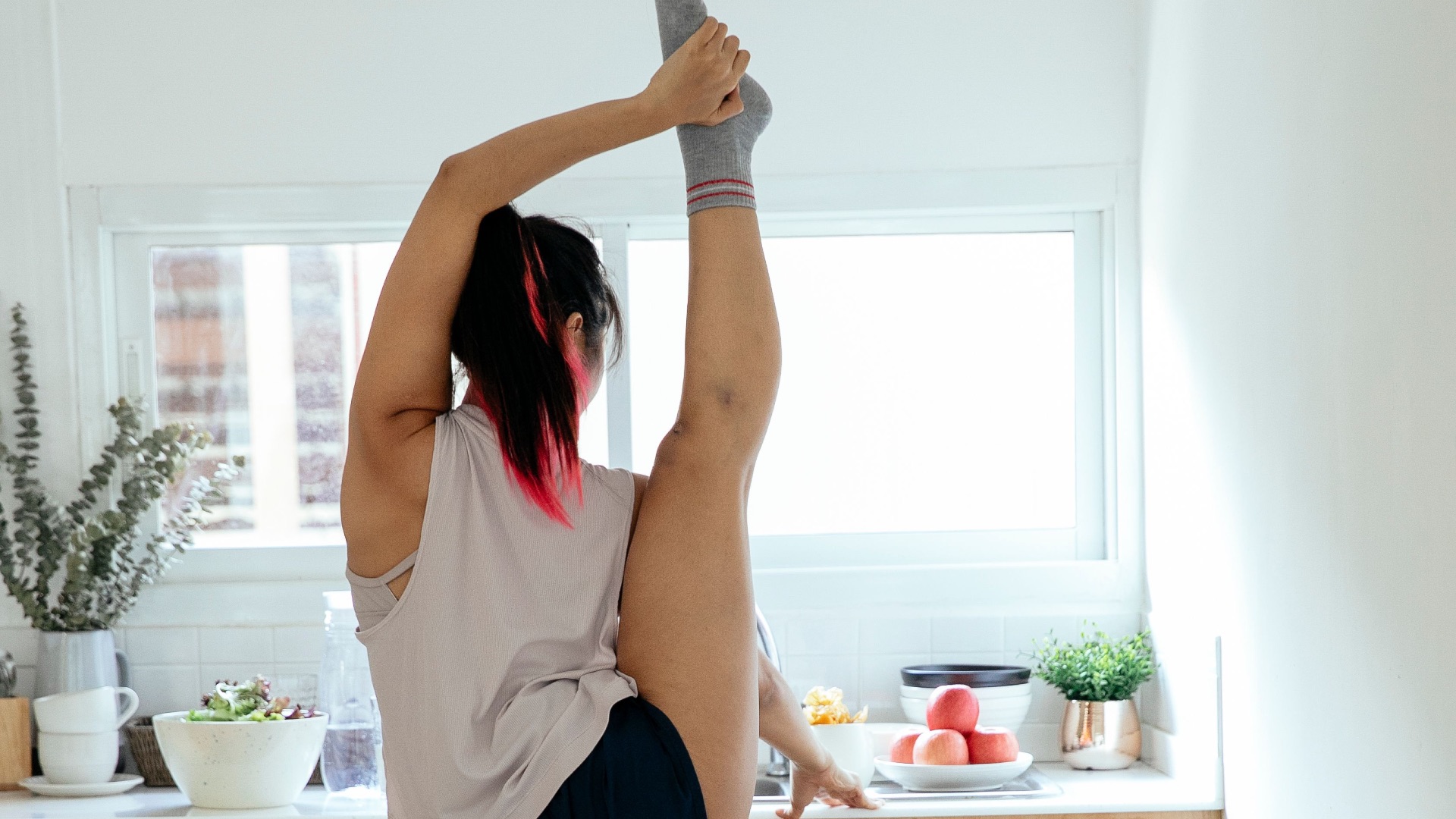
18. Do a Needle Scale
A needle scale is performed while balancing on one leg and raising the other almost vertically behind the body. The torso tips downward as the lifted leg rises, creating a position that requires serious hamstring and hip flexibility. Balance and strength matter too, which is why it's most often seen in dance, cheerleading, and gymnastics.
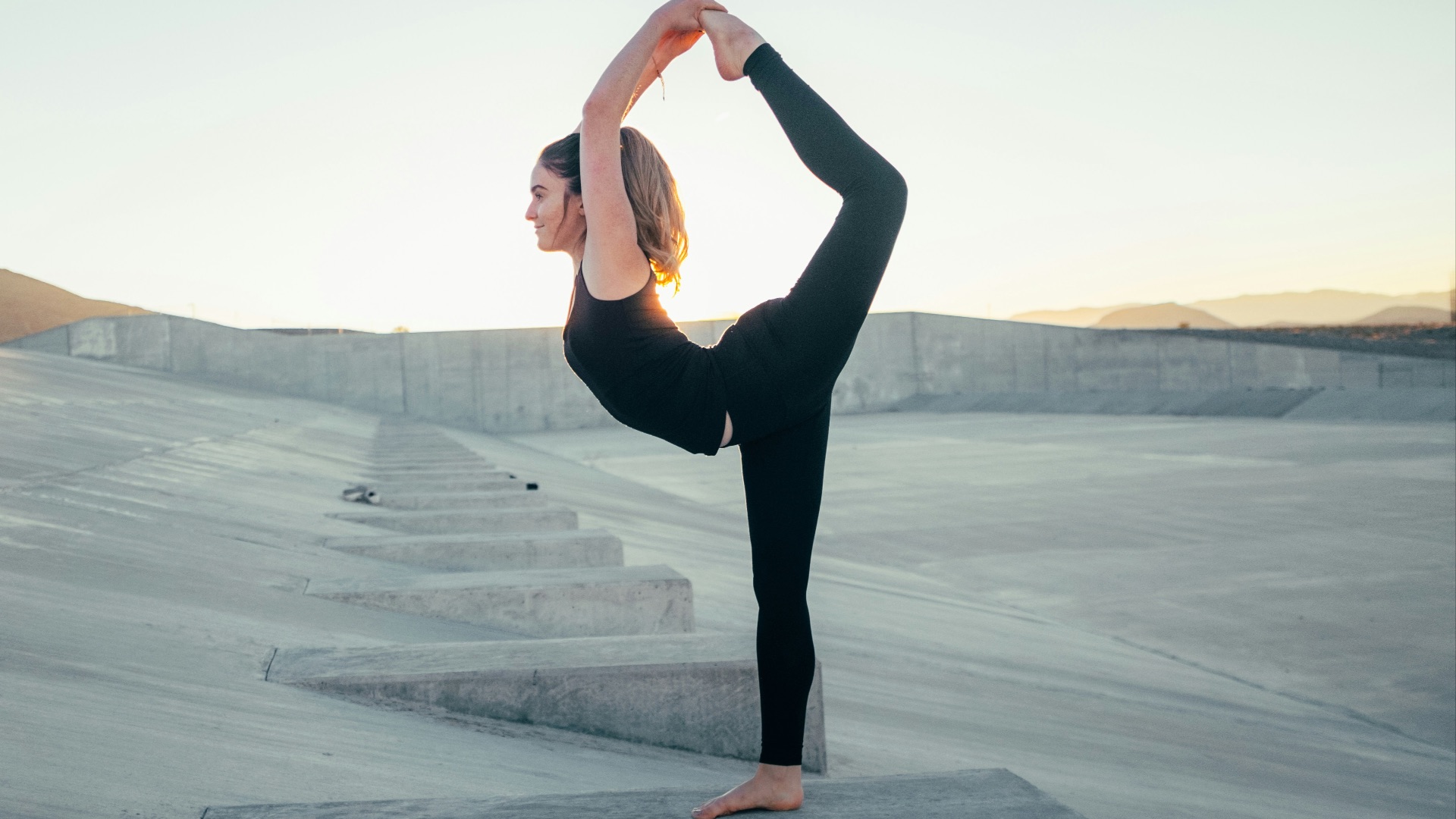
19. Perform an Oversplit
Once someone can already do a regular split, an oversplit takes the legs beyond the usual 180-degree position. This is typically done by placing one foot on a raised surface and allowing the hips to lower farther. It's an advanced flexibility exercise that shouldn't be rushed, since the range involved goes far beyond what most bodies ever need.
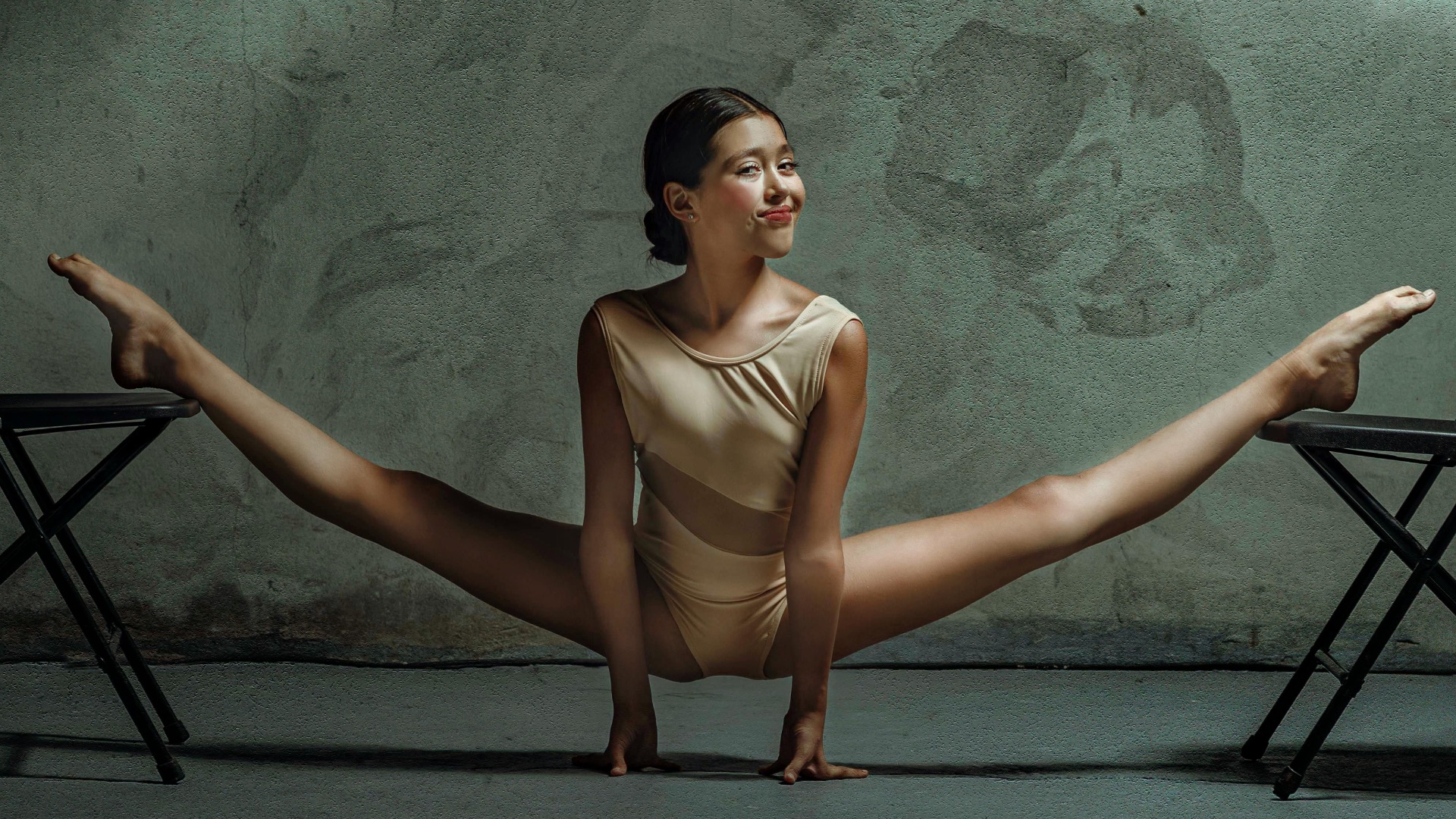
20. Pull Off Advanced Contortion Positions
At the extreme end of flexibility are contortion skills that combine deep backbends, splits, leg-behind-head positions, and unusual joint angles. These movements typically take years of structured training along with considerable strength and body control. If you can perform them comfortably, there's really no debate left about whether you're incredibly flexible.
KEEP ON READING