
Small Movement, Surprising Benefits
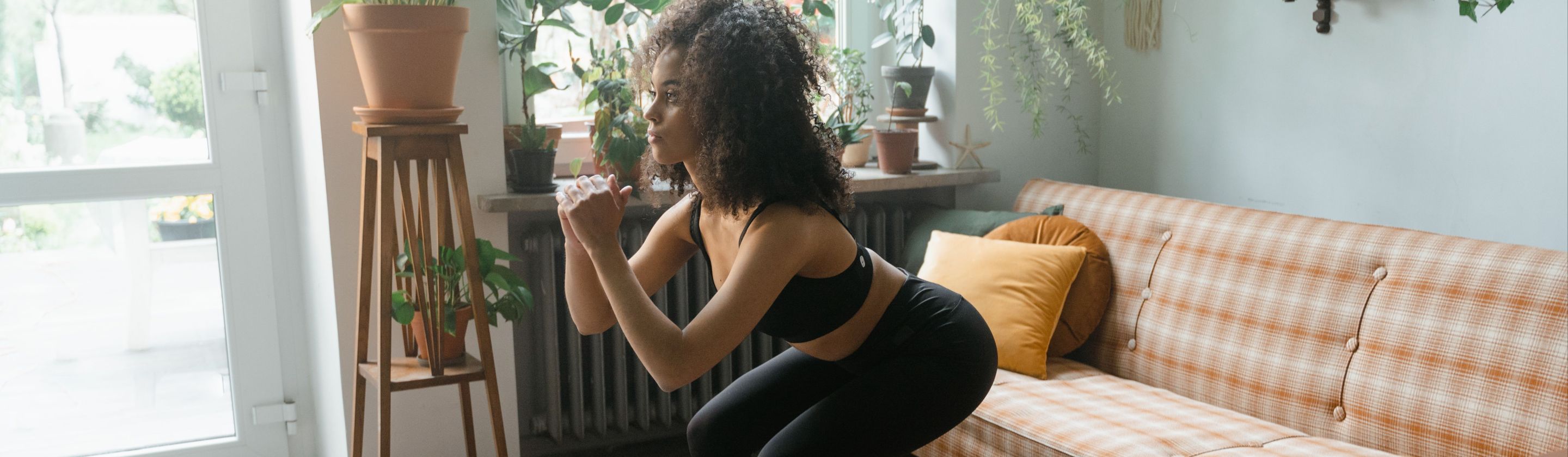
You don't need to spend hours at the gym to start seeing positive changes in your body. Sometimes, consistently performing a simple exercise can help you build strength, improve mobility, and make everyday activities feel easier. Squats are especially useful because they work several major muscle groups at once, and the best part is that you don't need any equipment to do them. While doing some squats every day won't transform your body overnight, this small habit can gradually make a noticeable difference, particularly if you're new to strength training. Here's what you might notice when you do just 20 squats a day.

1. Your Glutes Become Stronger
Squats work your gluteal muscles, which play an important role in several movements involving your hips. Doing them regularly can gradually build glute strength, especially if you're not used to exercising your lower body. Stronger glutes can also make everyday activities like climbing stairs and getting up from low chairs feel less challenging.

2. Your Thigh Muscles Get a Workout
Your quadriceps, located at the front of your thighs, handle much of the work whenever you perform a squat. Lowering and raising your body repeatedly challenges these muscles, helping improve their strength and endurance over time. You might notice some fatigue in your thighs at first, particularly if you're just getting started with exercise, but as your muscles adapt, getting through all 20 repetitions should start feeling much easier.
3. Your Balance May Improve
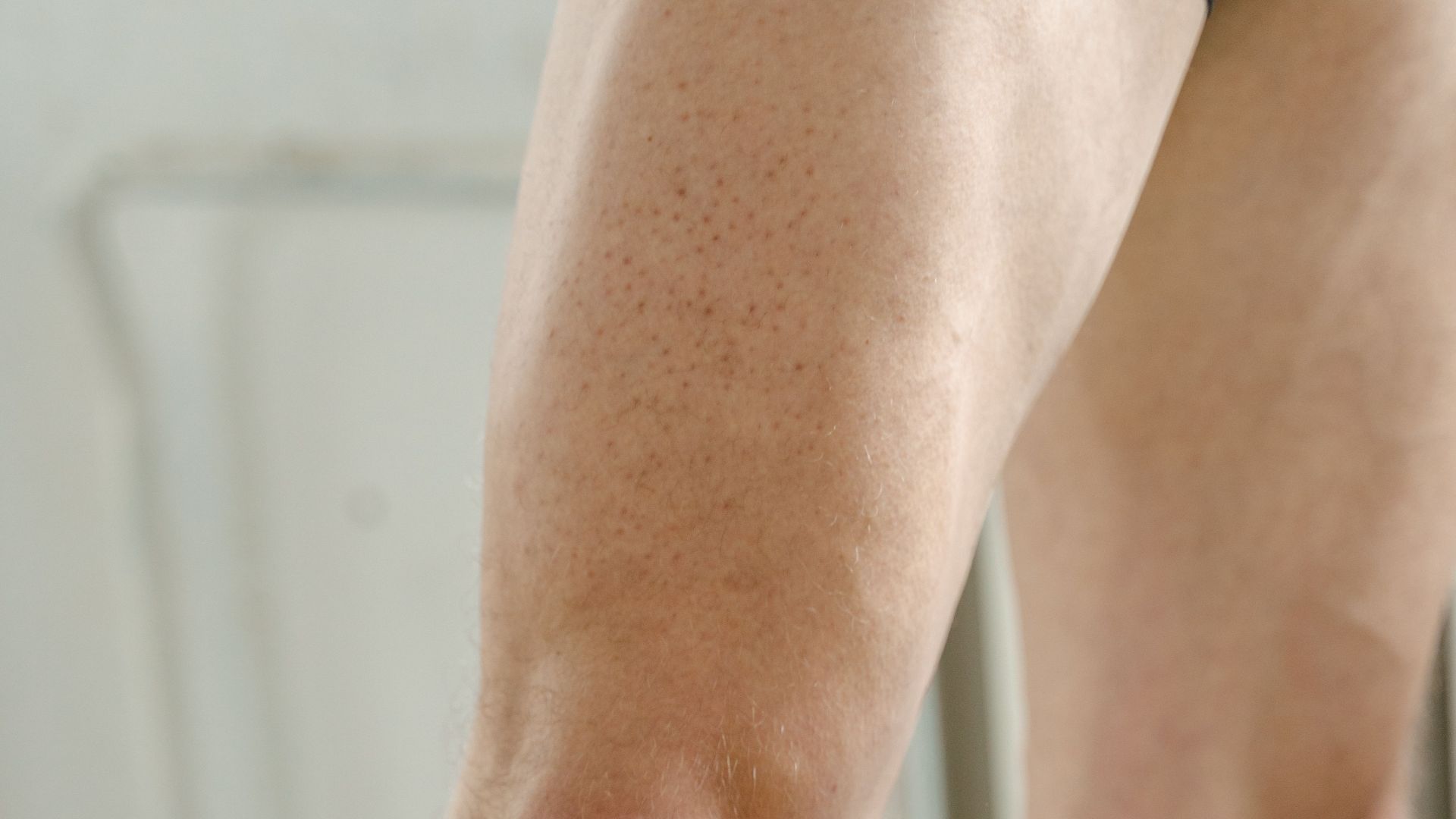
Staying balanced throughout a squat requires several muscle groups to work together. The more you practice, the more comfortable you may become controlling your body as you shift your weight. This can be especially beneficial for older adults who want to maintain their stability while going about their daily routines. Of course, if you have trouble balancing, there's nothing wrong with holding onto something sturdy for extra support.

4. Your Core Muscles Become More Engaged
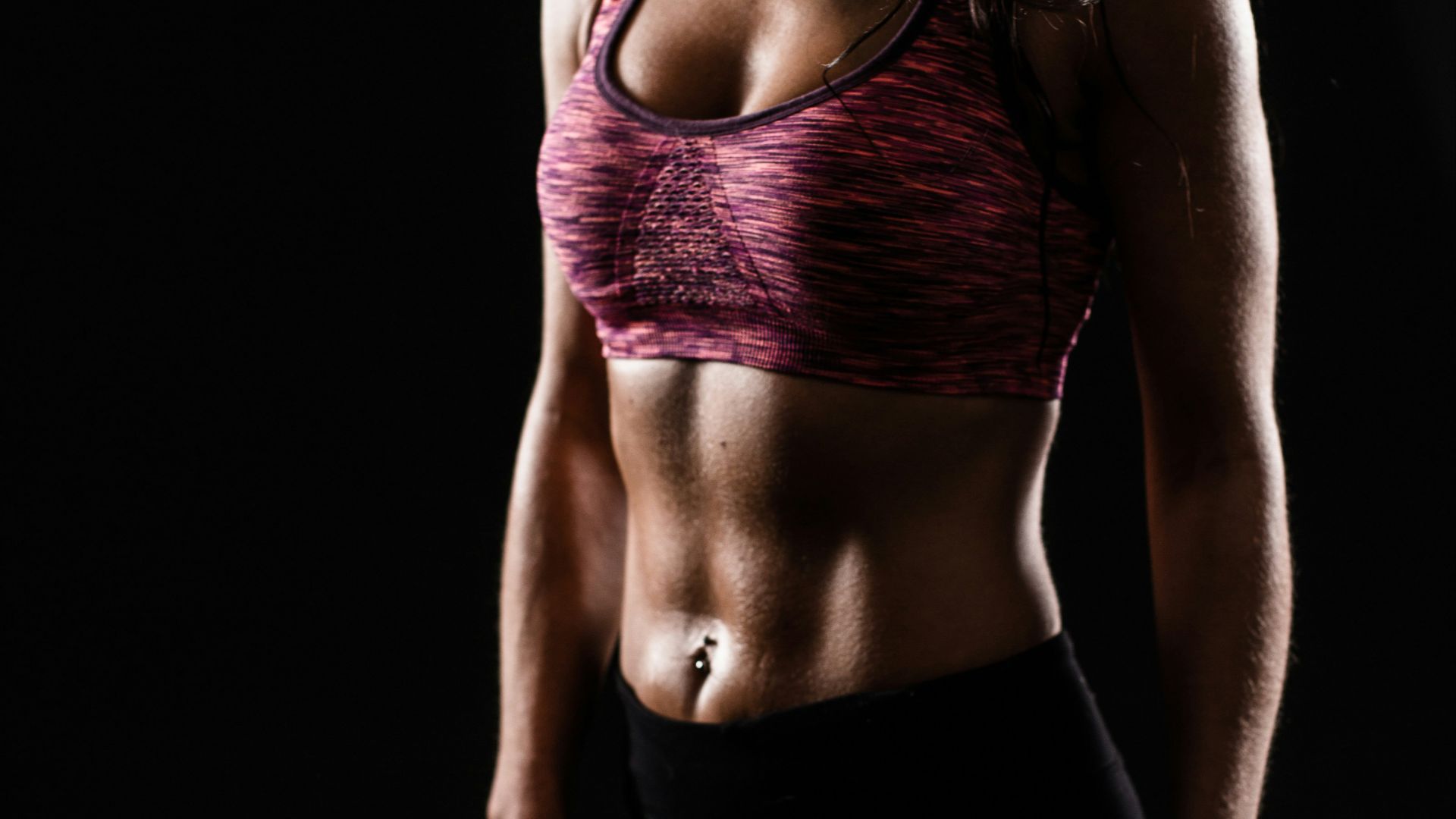
Although squats mainly target your lower body, your abdominal and back muscles also get involved. These muscles help keep your torso stable as you lower yourself and return to a standing position. By performing squats consistently, you're giving your core regular opportunities to practice supporting your body through movement. Don't expect a six-pack from squats alone, but they can certainly contribute to better overall core control.
 Vanishing Point Images on Unsplash
5. Your Knees May Become Better Supported
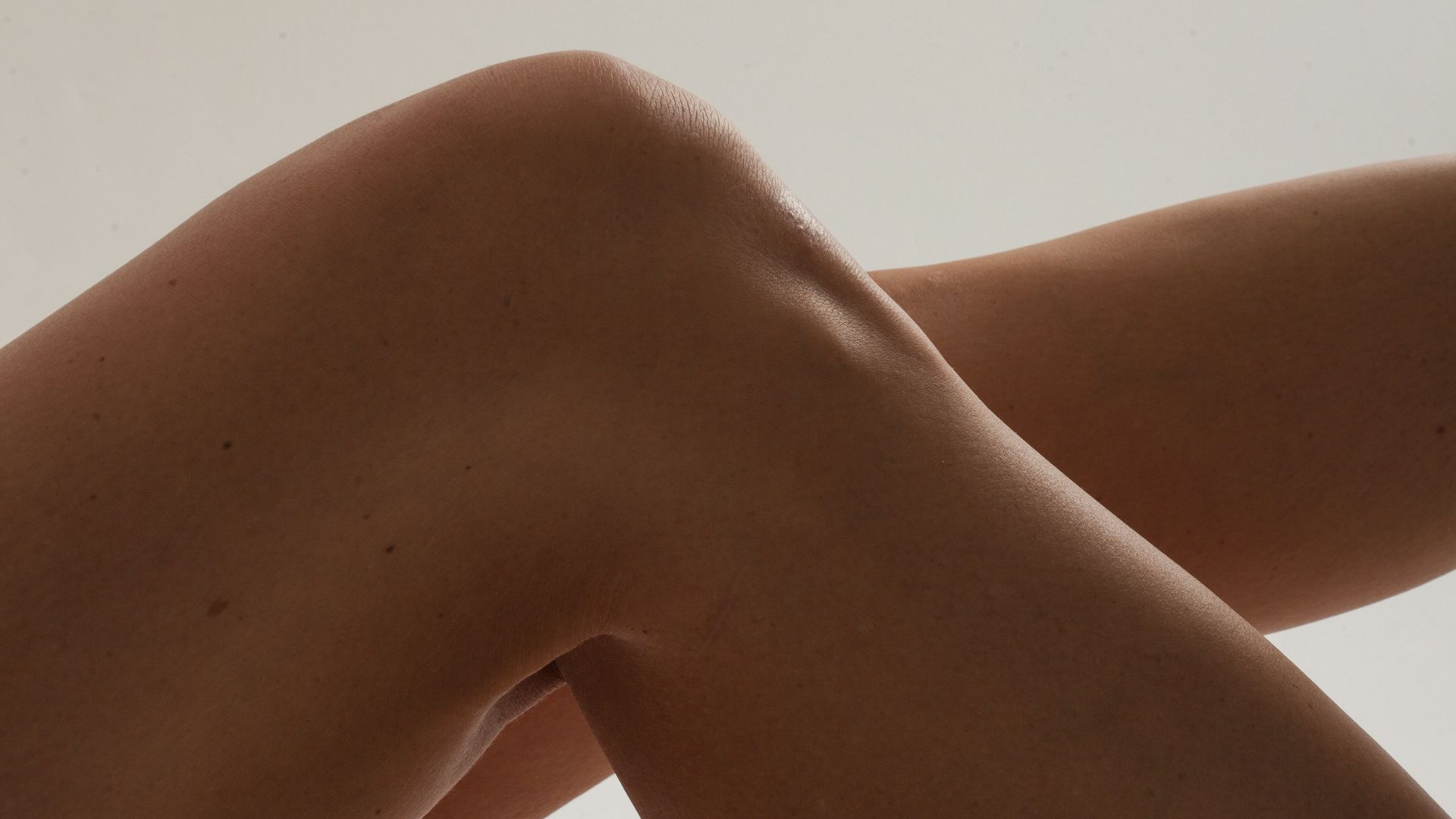
Despite what some people believe, squats aren't inherently bad for your knees when you use proper technique and stay within a comfortable range of motion. Strengthening the muscles around your knees can provide better joint support and make certain everyday movements less difficult. With regular practice, your legs may also become more comfortable handling activities that involve bending your knees.
6. Getting Out of Chairs Becomes Easier
One of the most practical benefits of squatting is that you're practicing a movement you already perform several times a day. Getting out of a chair uses many of the same muscles and movement patterns involved in a traditional squat. Completing 20 repetitions regularly can gradually make this simple action feel less demanding, especially if your legs aren't particularly strong to begin with.

7. Your Hip Mobility Could Improve
Every time you squat, your hips bend and straighten through a controlled range of motion. Practicing this movement regularly may help you maintain or improve the mobility needed to move comfortably. If you spend most of your day sitting, adding a few squats to your routine gives your hips a chance to move in a different way. Just don't feel pressured to squat as deeply as possible, since you can still experience benefits without pushing beyond your comfortable range.

8. Your Muscular Endurance Can Increase
Building strength isn't the only benefit of exercising consistently. Completing 20 squats also trains your muscles to handle repeated movements without tiring out as quickly. As your lower body gets used to the exercise, you may find yourself finishing all your repetitions without needing to stop for breaks. That extra endurance can come in handy during activities that involve frequent standing, bending, or climbing.
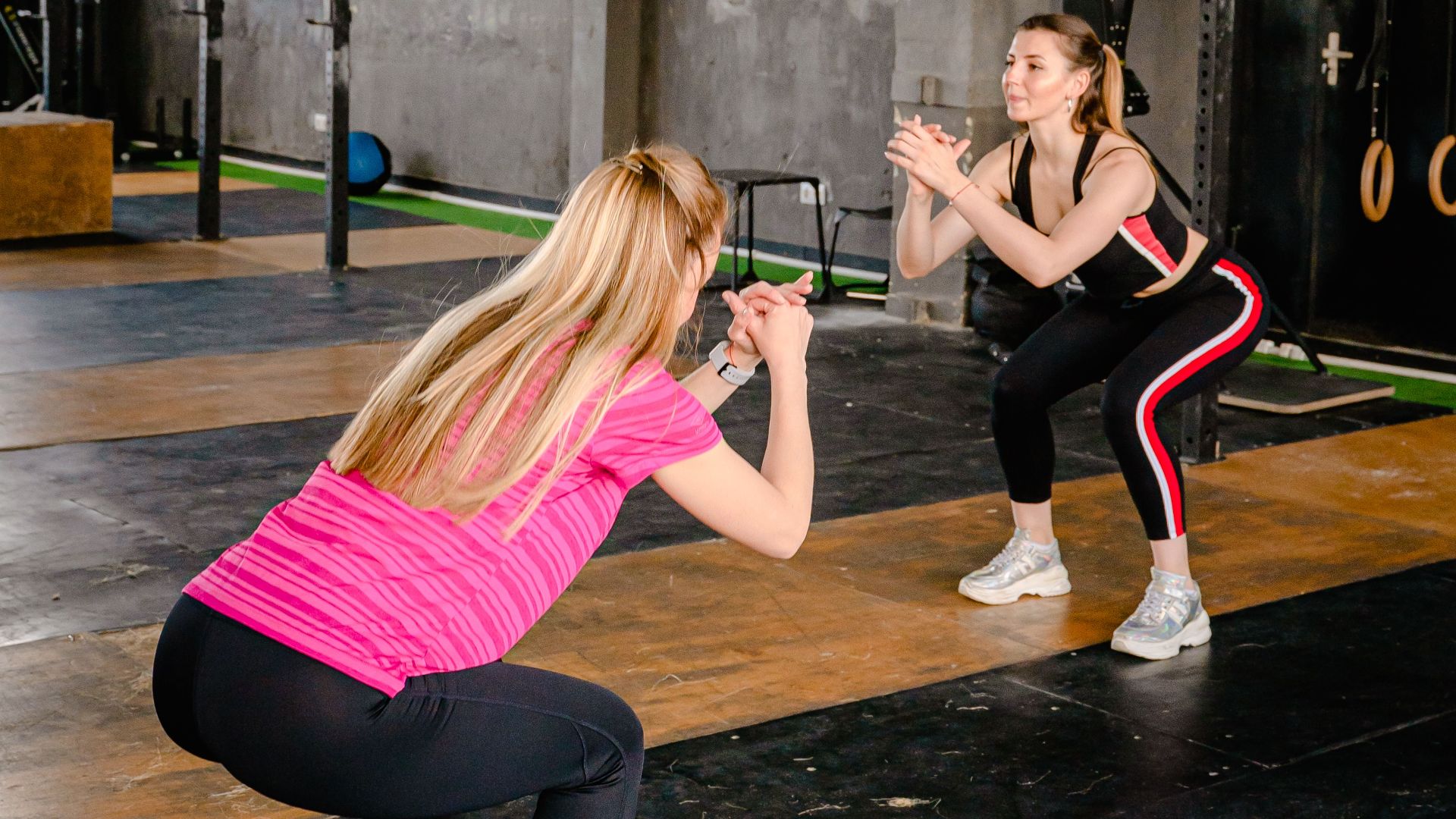
9. Your Ankle Mobility Gets Some Attention
Most people probably don't give their ankles much thought when doing squats, but these joints have an important job. As you lower yourself, your ankles need enough mobility to let your knees move forward while keeping your feet planted on the ground. Practicing controlled squats within a comfortable range can help maintain this ability. If your heels keep lifting off the floor, limited ankle mobility might be part of the reason.
 Kateryna Hliznitsova on Unsplash
10. Your Posture During Movement May Improve
Proper squat technique involves keeping your torso controlled while maintaining a comfortable position through your spine. Repeating the movement can make you more aware of how you're positioning your body during physical activities. Over time, you might find it easier to stay stable when bending down or picking up everyday objects. However, squats won't automatically fix every posture-related issue, especially those associated with spending long hours sitting.
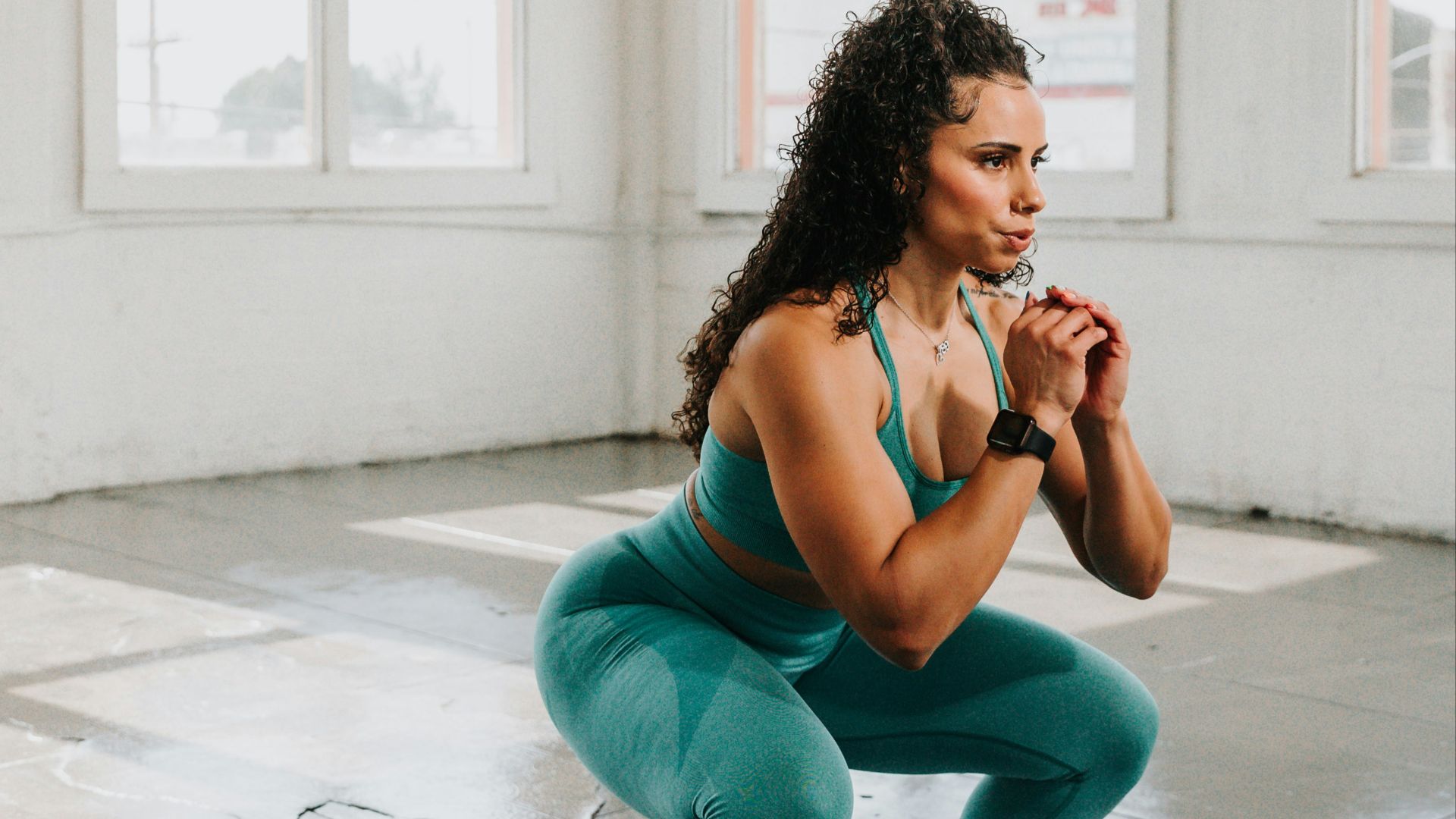
11. Your Glutes May Look Firmer
Regular squatting can help strengthen the muscles that give your glutes their shape. As those muscles develop, your backside may gradually appear firmer and slightly more lifted. However, noticeable growth generally requires more resistance than 20 bodyweight squats can provide.
 LOGAN WEAVER | @LGNWVR on Unsplash
12. Your Body May Handle Stairs More Comfortably
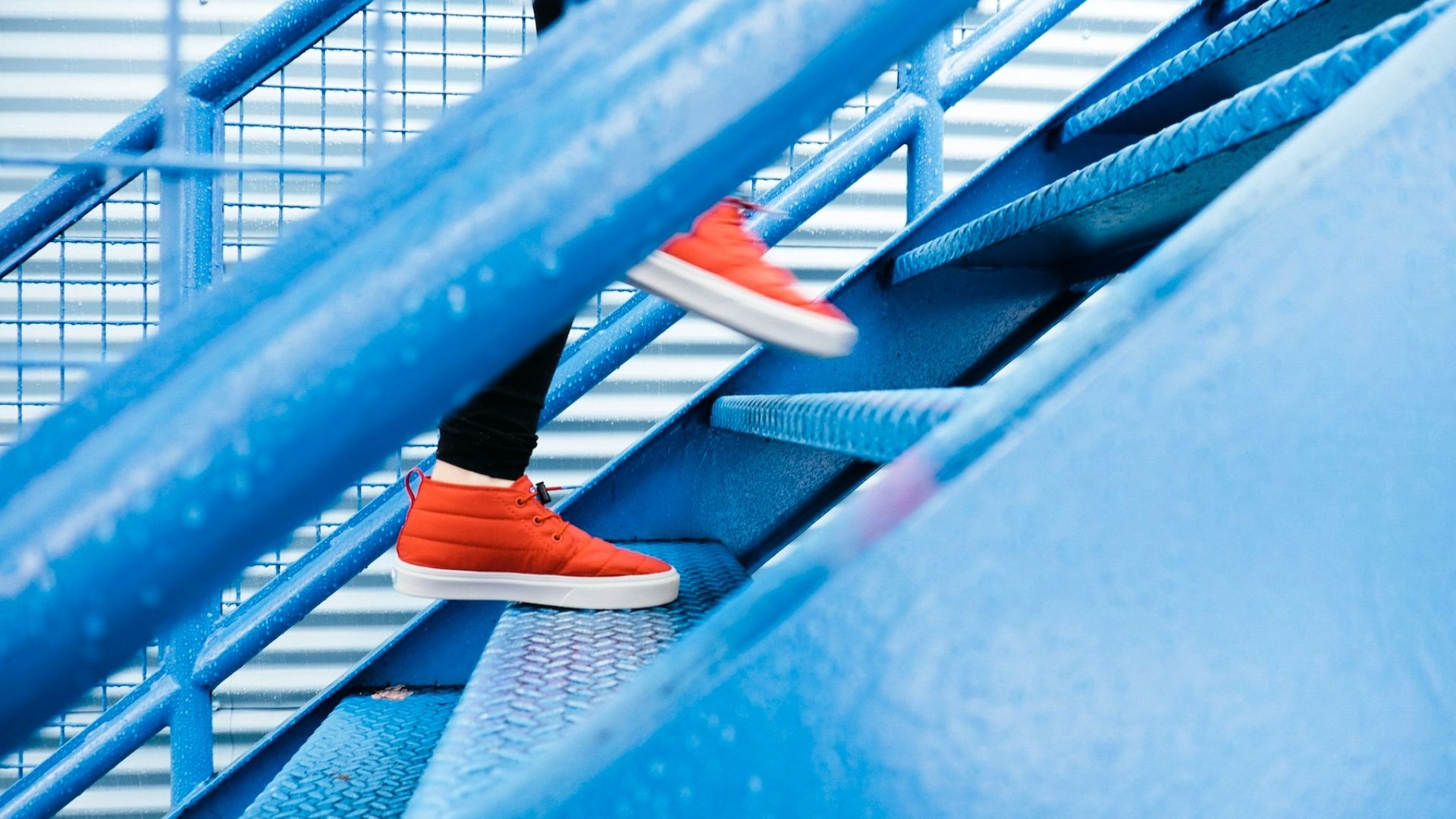
Walking upstairs requires your legs to repeatedly lift your body weight, which is why having strong quadriceps and glutes makes such a difference. Because squats work these same muscles, practicing them regularly may help improve your ability to climb stairs. Eventually, you might notice that heading upstairs doesn't leave your legs feeling quite as tired as it used to. This change will probably be more noticeable if you started with relatively little lower-body strength.
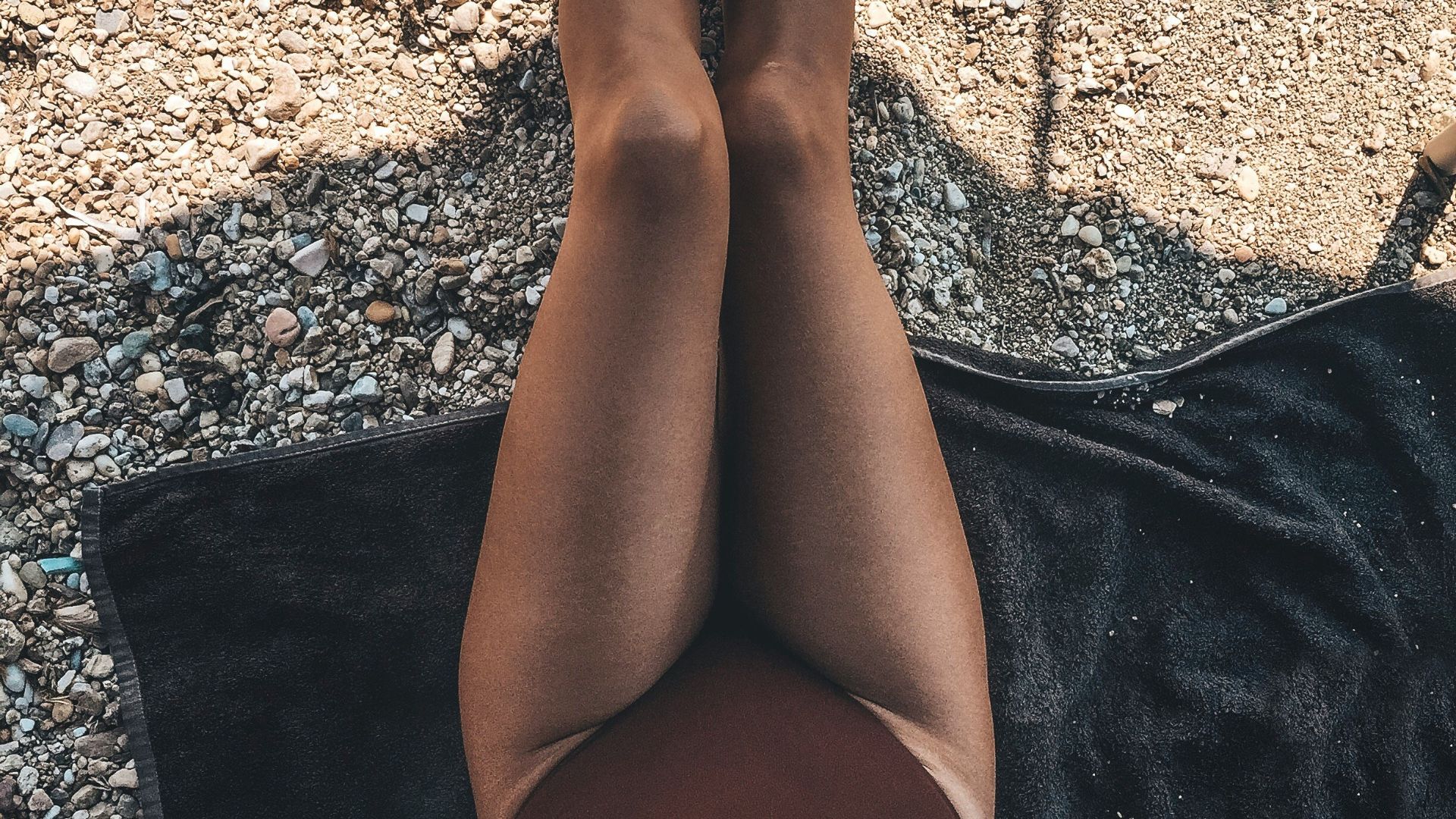
13. Your Thighs Could Look More Toned
Squats primarily engage your quadriceps, which are the large muscles along the fronts of your thighs. As these muscles become stronger and potentially grow, your legs might develop a more defined appearance. The change will likely be most noticeable if you haven't done much lower-body strength training before.
 Apostolos Vamvouras on Unsplash
14. Your Blood Circulation Temporarily Increases
Whenever you exercise, your working muscles need more oxygen and nutrients to keep moving. Your cardiovascular system responds by increasing blood flow to meet those demands, even during relatively simple exercises like squats. Performing 20 repetitions may briefly raise your heart rate, particularly if you're not accustomed to physical activity. Of course, such a short exercise session isn't enough to replace regular cardiovascular exercise.
15. Your Coordination Can Become Sharper
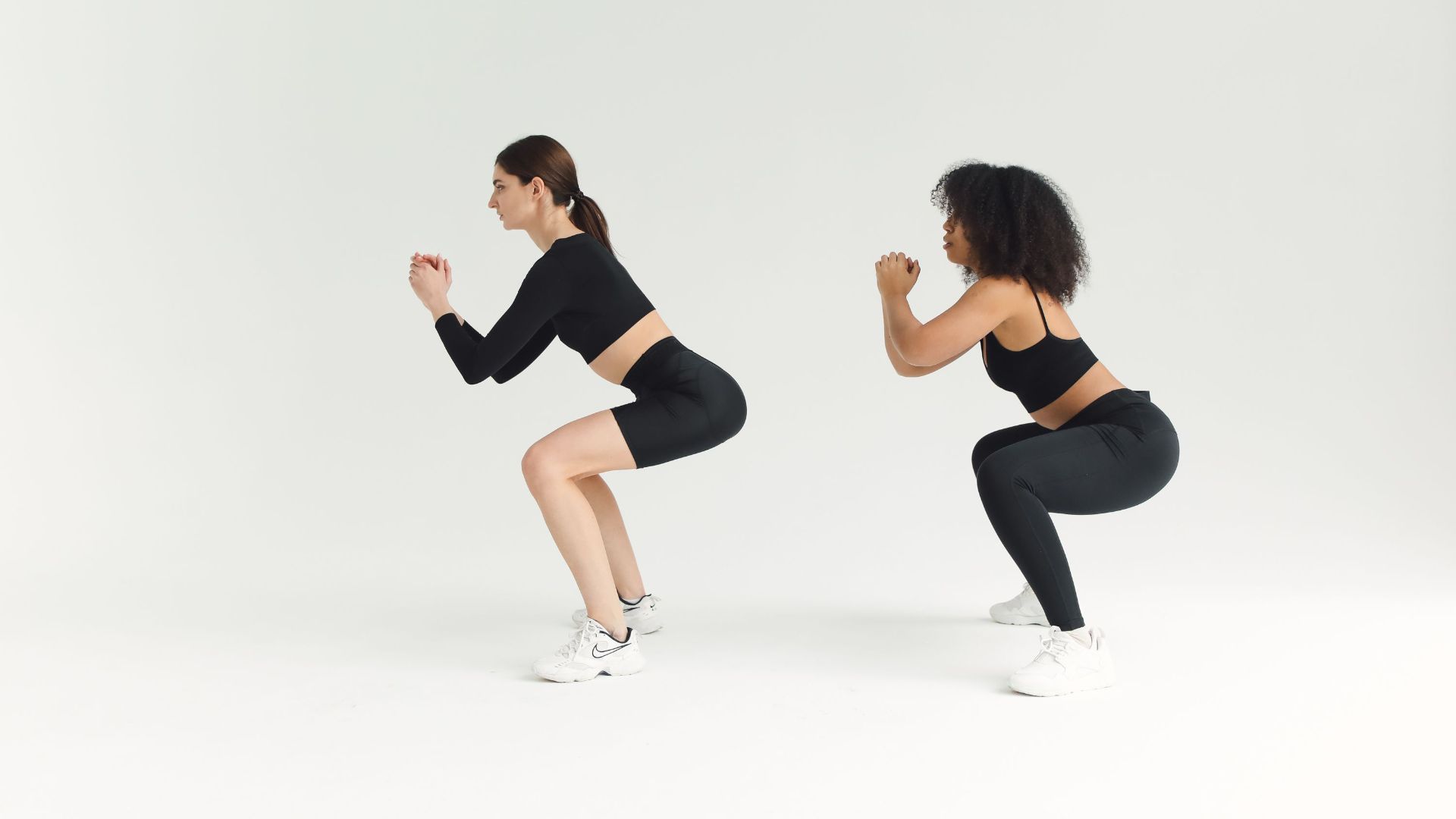
Performing a proper squat involves coordinating your hips, knees, and ankles while keeping your upper body stable. To make that happen, your nervous system has to communicate with several muscle groups at the same time. The more familiar you become with the movement, the smoother and more controlled your repetitions may feel. In fact, beginners often notice improvements in coordination before seeing any major changes in muscle strength.
16. Your Lower Back May Feel Better Supported
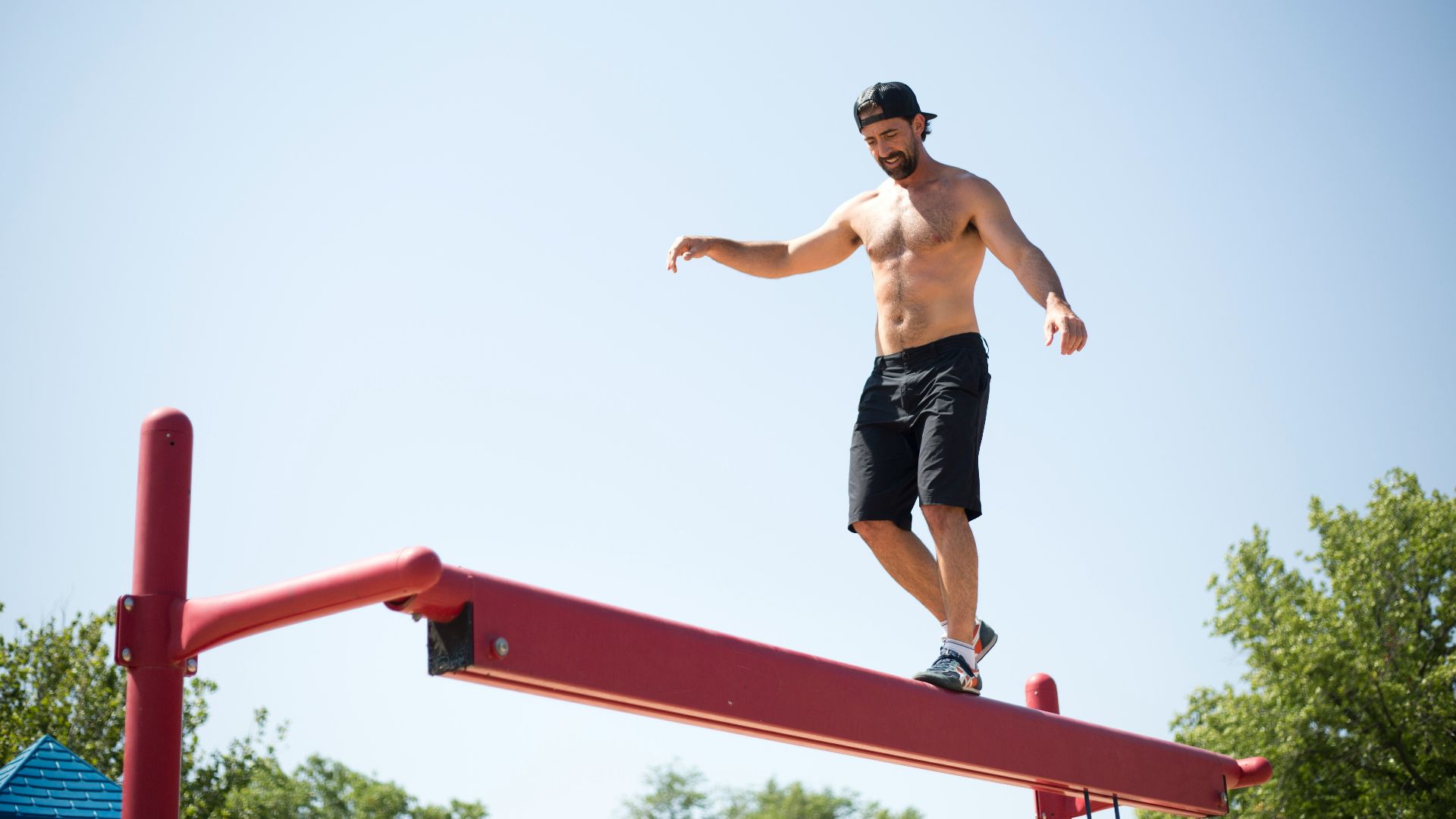
Your lower-back muscles help stabilize your torso as you move between standing and lowering yourself into a squat. Building stronger legs and improving trunk control may make certain everyday bending and lifting activities feel less physically demanding. For some people, these improvements can also contribute to greater comfort while going about their daily routines. However, squats aren't a guaranteed fix for back pain, and any persistent discomfort should be assessed by a healthcare professional.

17. Your Legs Might Start Looking More Defined
If you're relatively new to strength training, regular squats may lead to modest improvements in muscle development over time. Your thighs and glutes are the most likely areas to show changes, although your results will depend on factors like genetics and your starting fitness level. Eventually, 20 bodyweight squats might become too easy to provide enough resistance for continued muscle growth. If you're hoping for more noticeable definition, gradually increasing the difficulty and getting adequate nutrition will generally produce better results.
18. Your Ability to Squat Deeper Could Improve
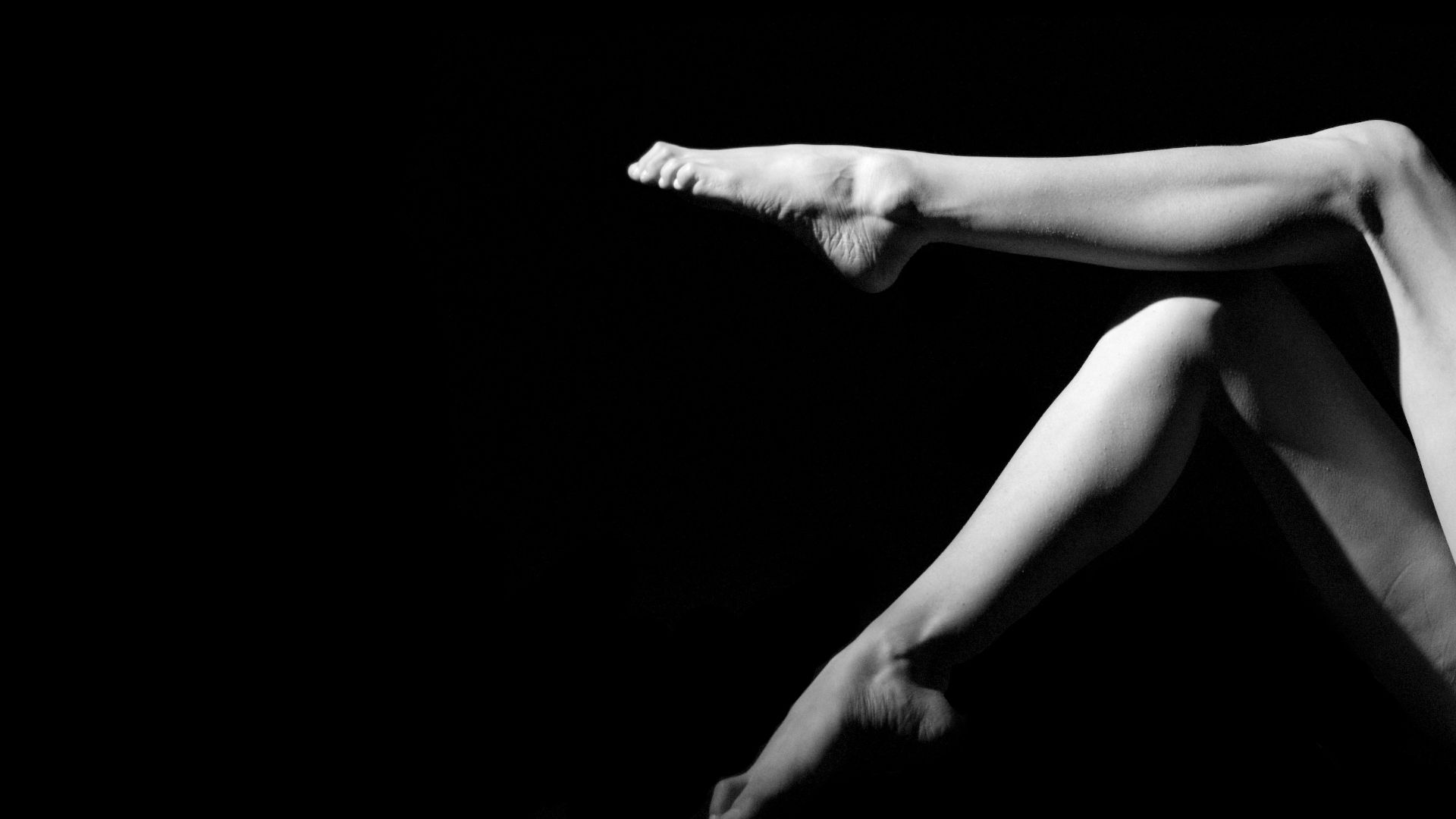
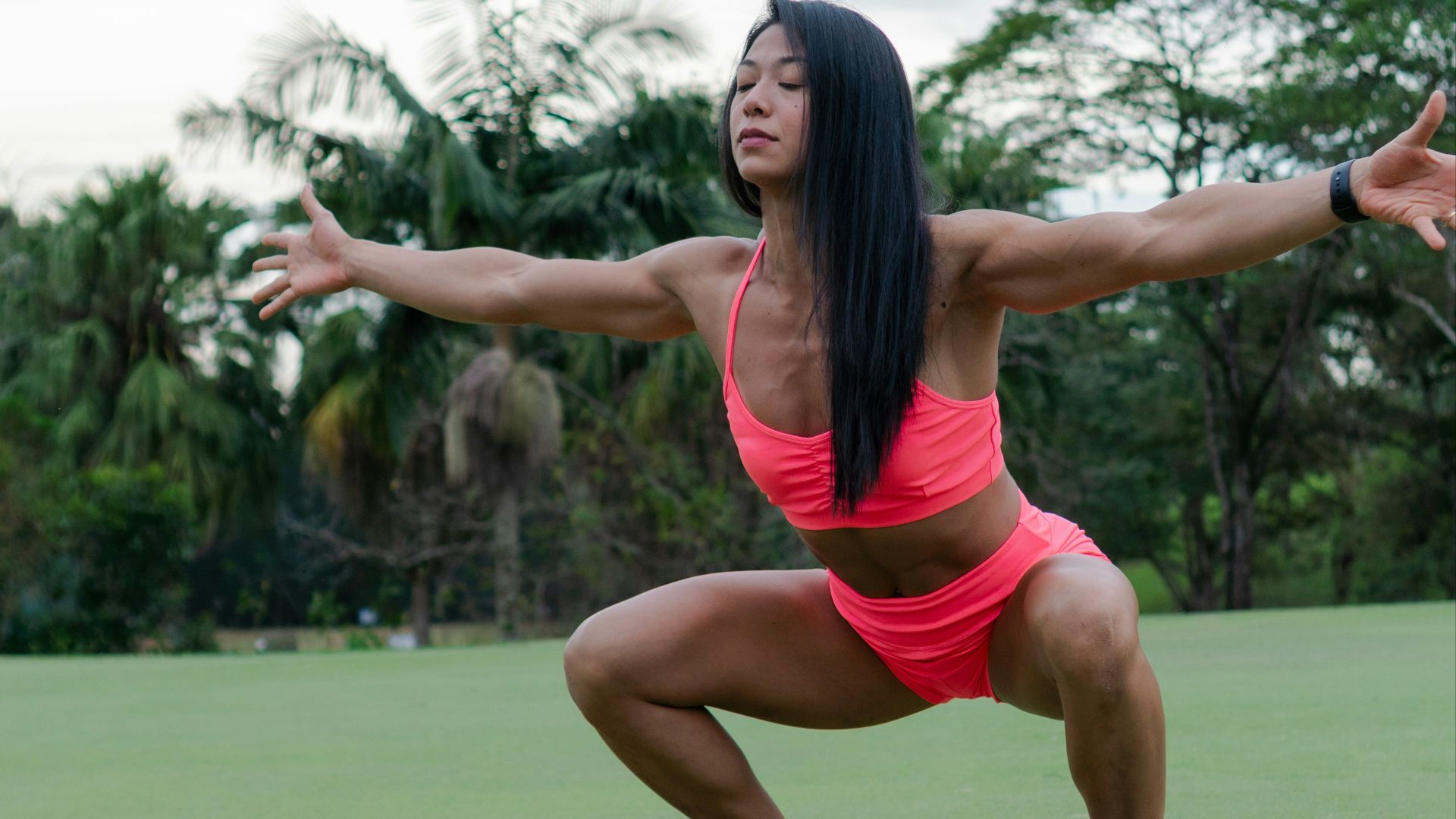
Plenty of beginners have trouble squatting deeply because of limited mobility, unfamiliarity with the movement, or a lack of strength. With consistent practice, you may gradually find yourself able to lower your body farther without losing control. However, there's no need to force yourself into an extremely deep squat, since everyone's anatomy and joint limitations are different. What matters most is finding a comfortable range of motion that allows you to maintain proper technique.
 Rodrigo Rodrigues | WOLF Λ R T on Unsplash
19. Your Everyday Energy Expenditure Increases Slightly
Every squat requires your muscles to use energy, meaning even a quick set of repetitions burns a few calories. Adding 20 squats to your daily routine increases your overall physical activity slightly, which can be worthwhile if you spend most of your day sitting. However, the number of calories burned during such a short exercise session is relatively small. You're far more likely to notice improvements in strength, movement, and endurance than any dramatic changes in your weight.
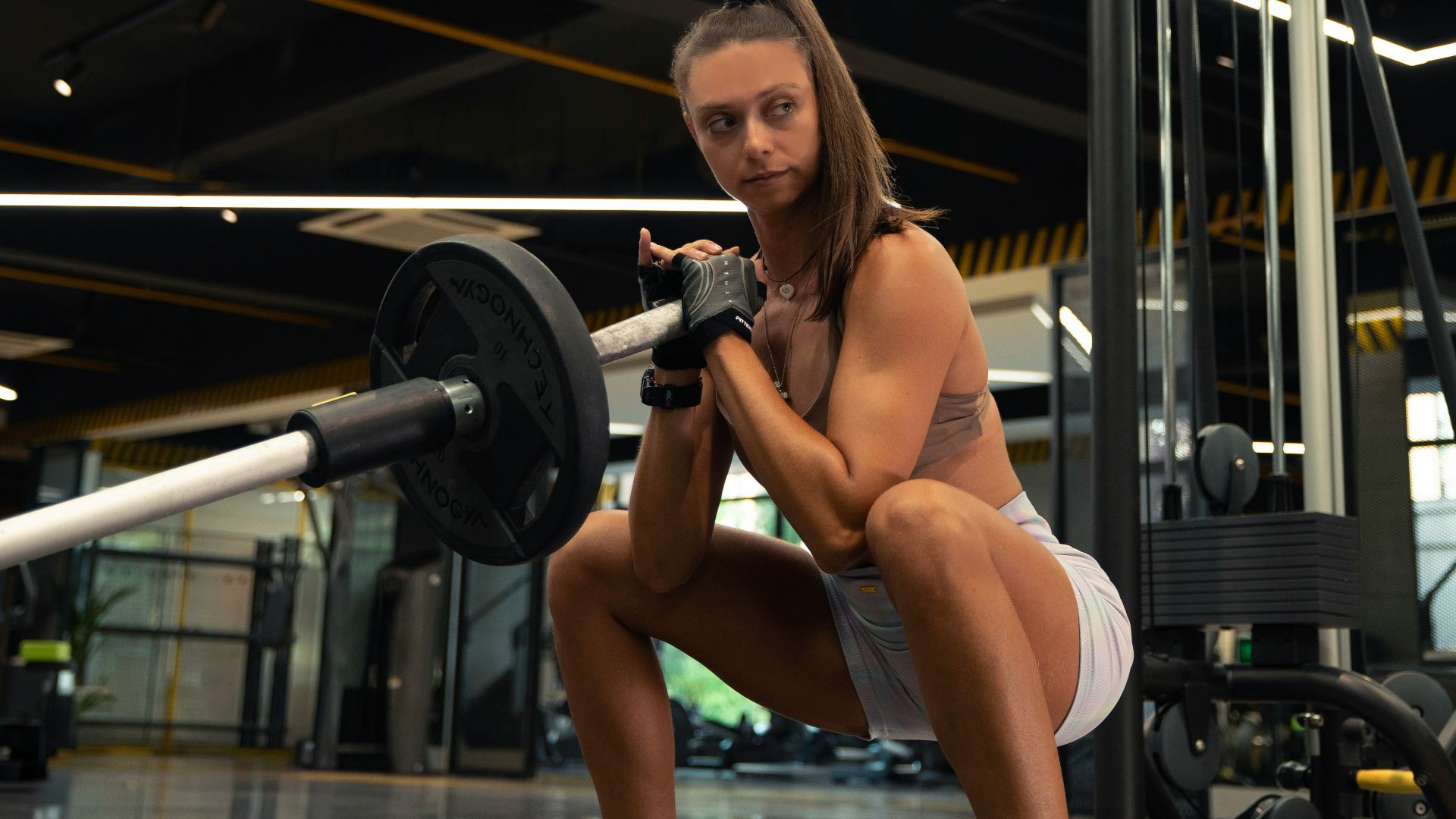
20. Your Body Becomes Accustomed to Regular Exercise
One of the biggest benefits of doing 20 squats every day is that regular physical activity can gradually start feeling less intimidating. Your muscles and nervous system adapt to the repeated movement, allowing you to complete each repetition with less effort. As the exercise becomes easier, you might feel motivated to try more challenging variations, increase your repetitions, or add other exercises to your routine. Just remember that recovery matters too, so don't hesitate to take a rest day or ease up on the intensity when your body needs a break.
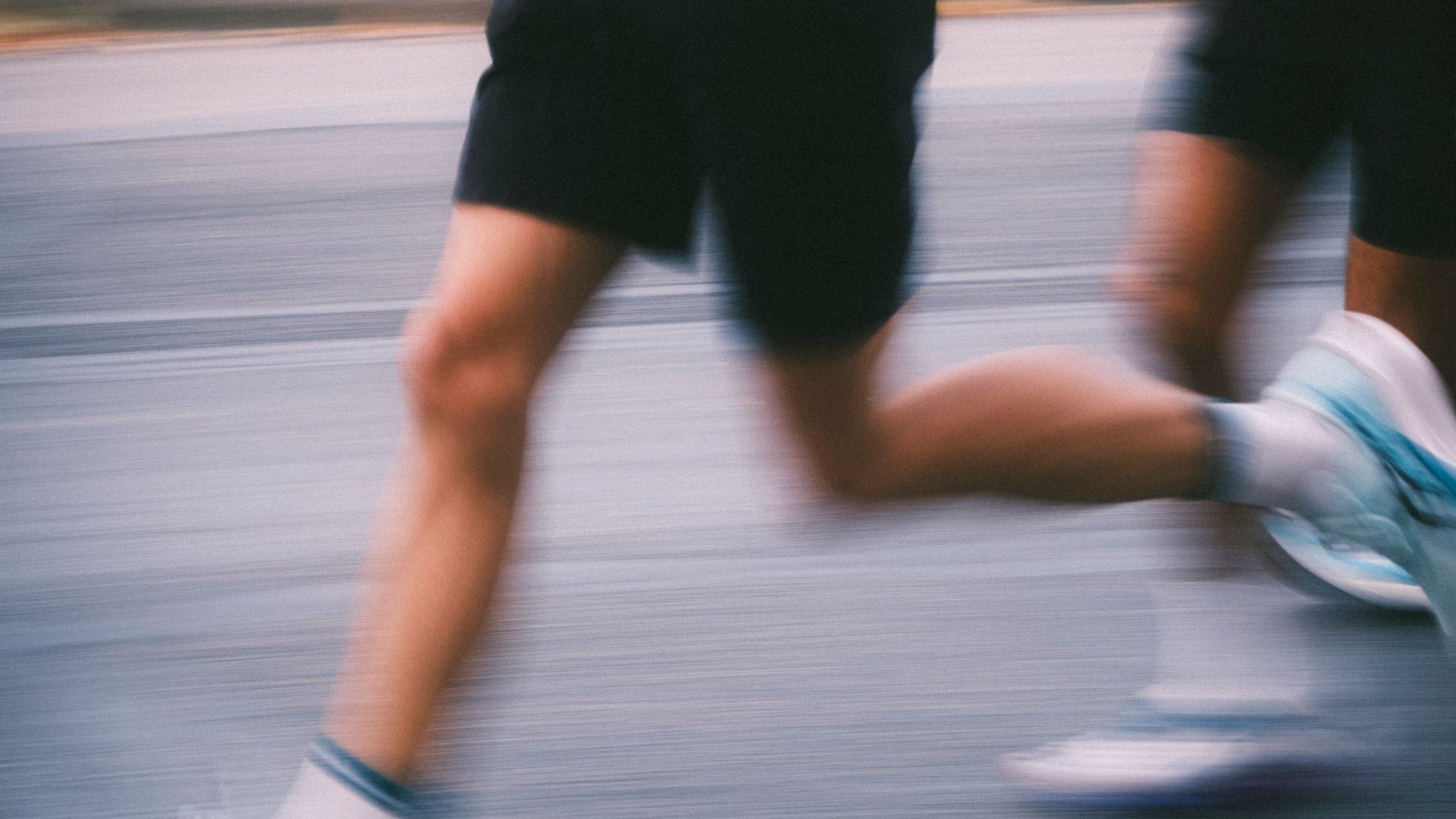 Pierre-Antoine FRANCK on Unsplash
KEEP ON READING


20 Natural Ways You Can Boost Your Immune System
20 Ways To De-stress & Relax After Work

The 10 Most Common Diseases & The 10 Most Rare