

20 Things That Happen To Your Body When You Work Out Your Abs Every Day
Is Training Your Abs Daily Actually a Good Idea?
Working out your abs every day might seem like the quickest way to build a stronger core and achieve that perfect six-pack you've always wanted, but your body doesn't always respond the way you'd expect. While regular abdominal exercises can improve strength, stability, and muscle endurance, doing them too often can also cause problems, especially if you're not giving your muscles enough time to recover. Despite what you might've heard, endless crunches won't automatically give you a ripped stomach, and some of the biggest benefits of core training have nothing to do with appearance. From improvements in your posture to unexpected muscle soreness, here's what can happen when you start making abdominal exercises part of your daily routine.
 Charles Gaudreault on Unsplash
1. Your Core Muscles Get Stronger
One of the most noticeable benefits of training your abs regularly is increased strength in the muscles surrounding your midsection. Exercises like planks, crunches, and reverse crunches work different parts of your core, gradually improving their ability to support your body. As your strength develops, you might notice that movements requiring abdominal engagement become considerably easier, provided you're giving your muscles enough time to recover.

2. You Might Experience Constant Muscle Soreness
If you're pushing through challenging abdominal workouts every single day, your muscles might not have enough time to recover properly. This can leave you dealing with lingering soreness, especially when you're trying new exercises or gradually increasing the intensity of your routine. Some discomfort is perfectly normal when you're starting out, but soreness that never seems to disappear could mean you're overdoing it.

3. Your Posture May Improve
Strong abdominal muscles help support your spine and maintain proper posture throughout the day. As your core gets stronger, you may find it easier to sit upright or stand comfortably without constantly having to readjust your position. Of course, improving your posture also involves strengthening your back, maintaining flexibility, and addressing everyday habits that encourage slouching.
 sippakorn yamkasikorn on Unsplash
4. Your Abs Won't Necessarily Become More Visible
You could do hundreds of crunches every morning and still never develop a particularly noticeable six-pack, regardless of how strong your abdominal muscles become. Visible definition depends on several factors, including genetics, muscle development, and how your body naturally distributes fat. Unfortunately, abdominal exercises can't specifically target the fat covering your stomach, no matter how often you do them.

5. Your Balance Might Get Better
Your core keeps your body stable whenever you're standing, walking, or changing directions, making abdominal strength especially important for maintaining balance. Regular exercises that challenge stability, including bird dogs and controlled plank variations, can help you stay steadier during everyday activities. Eventually, you might notice an improvement when walking across uneven ground or doing something that requires a little extra coordination.

6. Your Hip Flexors Might Become Overworked
Not every abdominal exercise works your abs as much as you'd expect, particularly when your hip flexors end up doing most of the heavy lifting. Traditional sit-ups and certain leg raises heavily involve these muscles, which can become irritated when you're performing high repetitions every day. If you start experiencing discomfort around the front of your hips, it might be worth adjusting your technique or choosing movements that don't rely so heavily on hip flexion.
7. Your Lower Back Could Feel More Supported
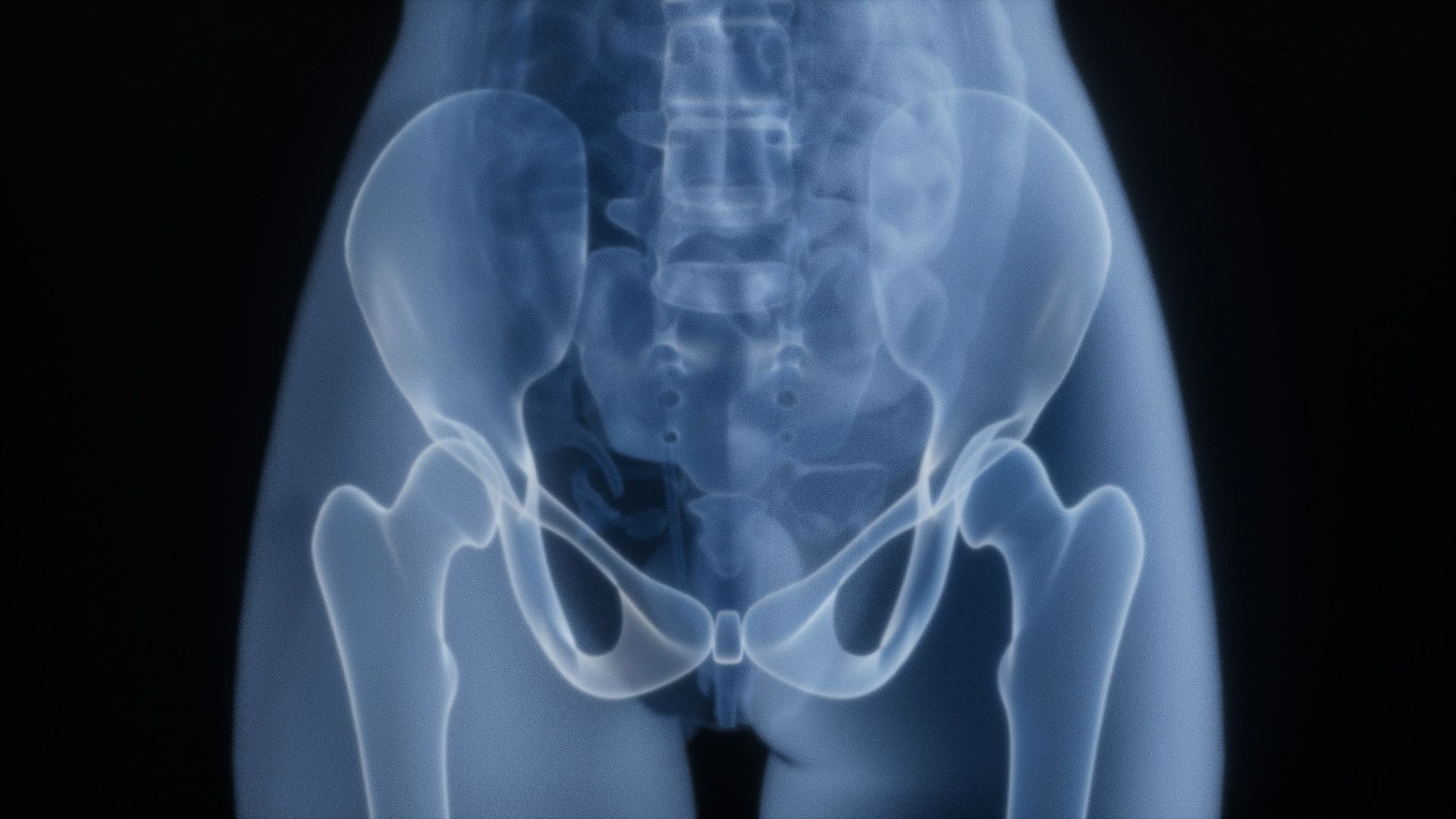
Building a stronger core can provide additional support for your spine when you're lifting groceries, bending over, or carrying something heavy. People dealing with certain types of lower back discomfort may benefit from appropriately designed core-strengthening programs, especially when they're paired with other forms of exercise. However, repeatedly performing abdominal exercises with poor technique can actually make existing back problems worse rather than improve them.

8. Your Muscles May Stop Making Progress
Your muscles generally become stronger when they're challenged and then given enough time to recover and adapt. If you're constantly putting your abs through demanding workouts without taking a break, you may eventually find that your progress starts slowing down. Adding more crunches isn't necessarily the solution, since increasing resistance, switching up exercises, and prioritizing recovery can be much more effective.

9. Everyday Movements Might Feel Easier
You probably don't pay much attention to your abdominal muscles when you're getting out of bed, standing up from a chair, or reaching for something on a high shelf. However, your core helps stabilize your body during these activities, and strengthening it can give you greater control over certain movements. This becomes especially valuable as you get older, when maintaining functional strength plays an increasingly important role in staying independent.

10. You Could Develop Muscle Imbalances
Spending all your time working your abs while neglecting other muscle groups can eventually lead to uneven strength development. Your back, glutes, and surrounding muscles also contribute to keeping your torso stable and allowing your body to move comfortably. Rather than dedicating every workout to crunches, you'll generally benefit more from a balanced routine that strengthens these areas together.

11. Your Muscle Endurance Can Increase
There's a big difference between having strong abdominal muscles and being able to use them for longer periods without getting tired. Consistent core training can improve muscular endurance, allowing you to maintain stability during extended activities or exercises that require holding a position. For instance, a 45-second plank that once felt nearly impossible might eventually become something you can manage without much trouble.

12. Your Neck Might Start Hurting
Crunches and sit-ups can sometimes leave you with an aching neck, particularly if you're pulling on your head to help lift your upper body. Repeating this mistake every day can put unnecessary strain on the muscles surrounding your neck, making your workouts more uncomfortable than they need to be. Rather than tugging yourself upward, focus on engaging your abdominal muscles and keeping your neck in a relaxed, comfortable position.

13. Your Athletic Performance Could Improve
Whether you're into running, swimming, cycling, or recreational sports, your core helps stabilize your torso and control movement. Strengthening these muscles can improve certain aspects of athletic performance, especially activities involving balance, rotation, or quick changes in direction. That said, working your abs every single day won't necessarily deliver better results than following a well-rounded fitness routine.

14. Your Abdominal Muscles Might Become More Defined
Although daily abdominal workouts can't directly burn away belly fat, they can help encourage muscle growth when you're using enough resistance and allowing proper recovery. As your abdominal muscles become stronger and potentially larger, you might begin noticing changes in the shape or firmness of your midsection. Just how visible those improvements become will depend on your individual body composition, genetics, and overall training approach.
 Vanishing Point Images on Unsplash
15. Your Breathing Control May Improve
Your abdominal muscles do more than help you move, since they also contribute to breathing, particularly when you're exhaling forcefully. Certain core exercises encourage you to coordinate your breathing with muscle engagement, which can help you become more aware of how your torso moves during physical activity. However, holding your breath constantly or bracing too aggressively can make an otherwise manageable workout unnecessarily uncomfortable.

16. You Might Experience Ab Muscle Strains
Pushing yourself too hard before your body is ready can increase the risk of developing a muscle strain, especially if you're attempting difficult exercises while already exhausted. An abdominal strain can cause pain during surprisingly ordinary activities, including twisting, coughing, laughing, or getting out of bed. Unlike typical post-workout soreness, a strain may require a longer break from aggravating movements, making proper recovery particularly important.

17. Your Body Control Could Become More Precise
Exercises like dead bugs, hollow holds, and slow mountain climbers require you to coordinate several muscle groups while keeping your torso stable. With regular practice, these movements can improve your body awareness and make it easier to maintain control during other exercises. You'll likely get the most out of them by concentrating on proper technique instead of rushing to complete as many repetitions as possible.

18. You May Burn Fewer Calories Than Expected
Abdominal workouts certainly contribute to your daily calorie expenditure, but most isolated core exercises don't burn nearly as much energy as people might assume. A short session of crunches or planks typically uses fewer calories than spending the same amount of time running, cycling, or performing other vigorous full-body activities. If you're counting on daily ab workouts to produce dramatic weight-loss results, you may be surprised by how little they directly contribute to your overall calorie burn.

19. Your Recovery Needs Could Increase
Your abdominal muscles need time to recover just like your arms, legs, and other major muscle groups, especially after intense resistance workouts. Training them aggressively every day can increase fatigue and affect the quality of your next workout, even when you're not experiencing noticeable soreness. Gentle stability exercises or light core activation may be fine more frequently, but particularly demanding sessions generally benefit from some rest in between.

20. You Might Discover That Less Is More
Perhaps the most surprising realization about working your abs is that you don't actually need to do it every day to see meaningful results. For many people, two or three challenging core workouts per week, alongside other strength-training exercises, can be enough to develop noticeably stronger abdominal muscles. In the end, consistency, smart exercise selection, gradually increasing difficulty, and giving your body enough time to recover are far more important than maintaining an uninterrupted streak of daily crunches.

KEEP ON READING


10 Pre-Workout & 10 Post-Workout Tips To Follow