20 Things That Happen to Your Body When You Stop Exercising
Your Body Notices the Change
Taking a few days away from exercise usually isn't a big deal, and rest can actually be an important part of staying active. However, when a short break turns into weeks or months of inactivity, your body gradually begins adapting to its new routine. Some changes can happen surprisingly quickly, while others take much longer to become noticeable. From your stamina to your sleep, here are 20 things that may happen when regular exercise disappears from your schedule.
1. Your Cardiovascular Fitness Starts to Decline
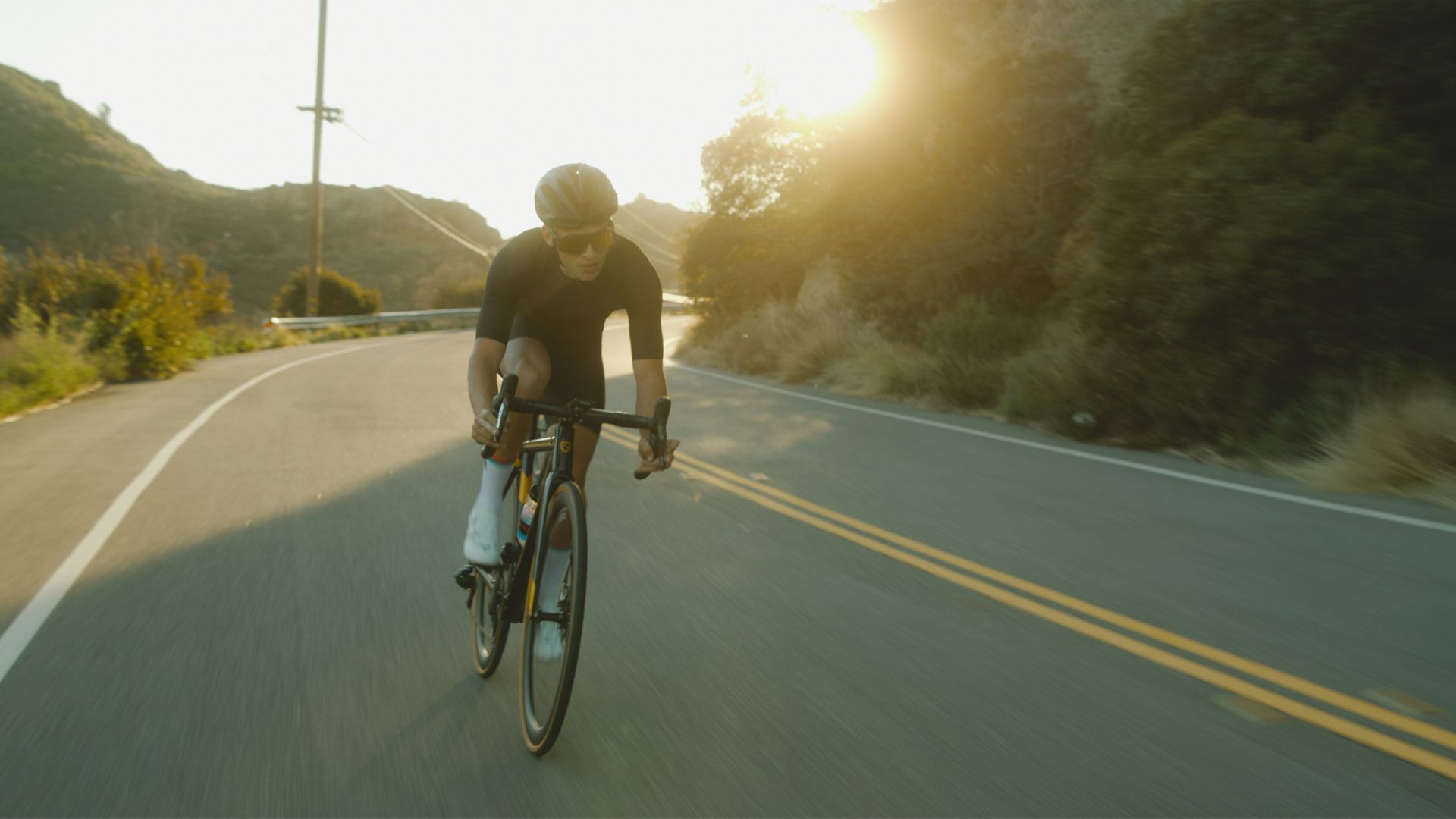
One of the first things you may notice is that activities requiring endurance start feeling harder. Your heart and circulatory system become less efficient at supporting sustained physical activity when they aren't regularly challenged. That run, bike ride, or long flight of stairs you once handled effortlessly may leave you breathing harder than you remember.
2. Your Muscles Can Begin Losing Strength
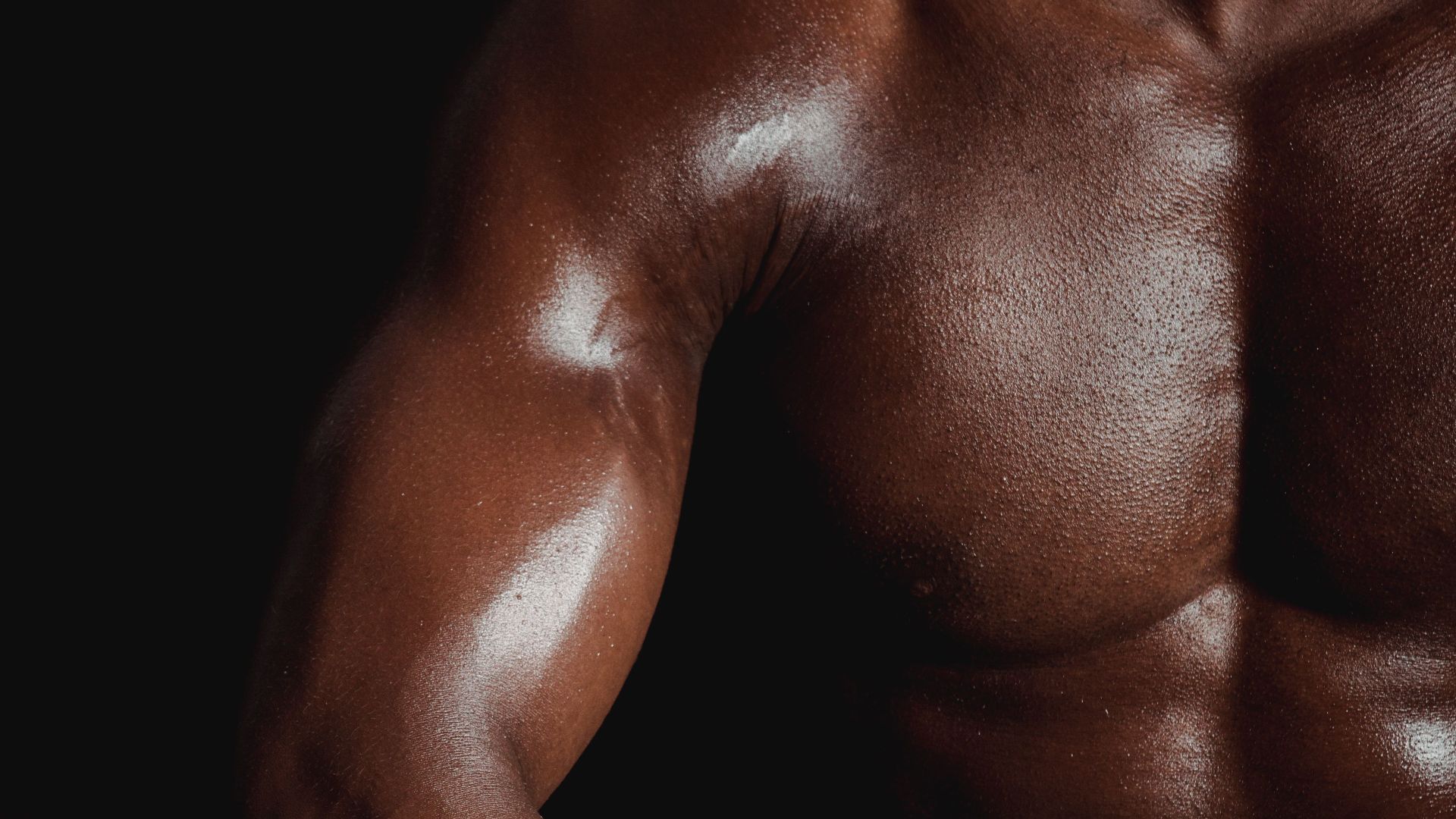
Strength doesn't disappear the moment you skip the gym, but longer periods of inactivity can eventually lead to losses. Without regular resistance, your muscles don't have the same reason to maintain their previous capabilities, meaning tasks that once felt routine may gradually require a little more effort.
3. Your Endurance May Drop Faster Than Your Strength
You might still be able to lift something heavy after a break, but keeping up a long workout can be a different story. Aerobic fitness often declines relatively quickly when regular training stops. This is one reason returning to your old running pace can feel difficult even when you don't look noticeably different.
4. Your Resting Heart Rate May Increase
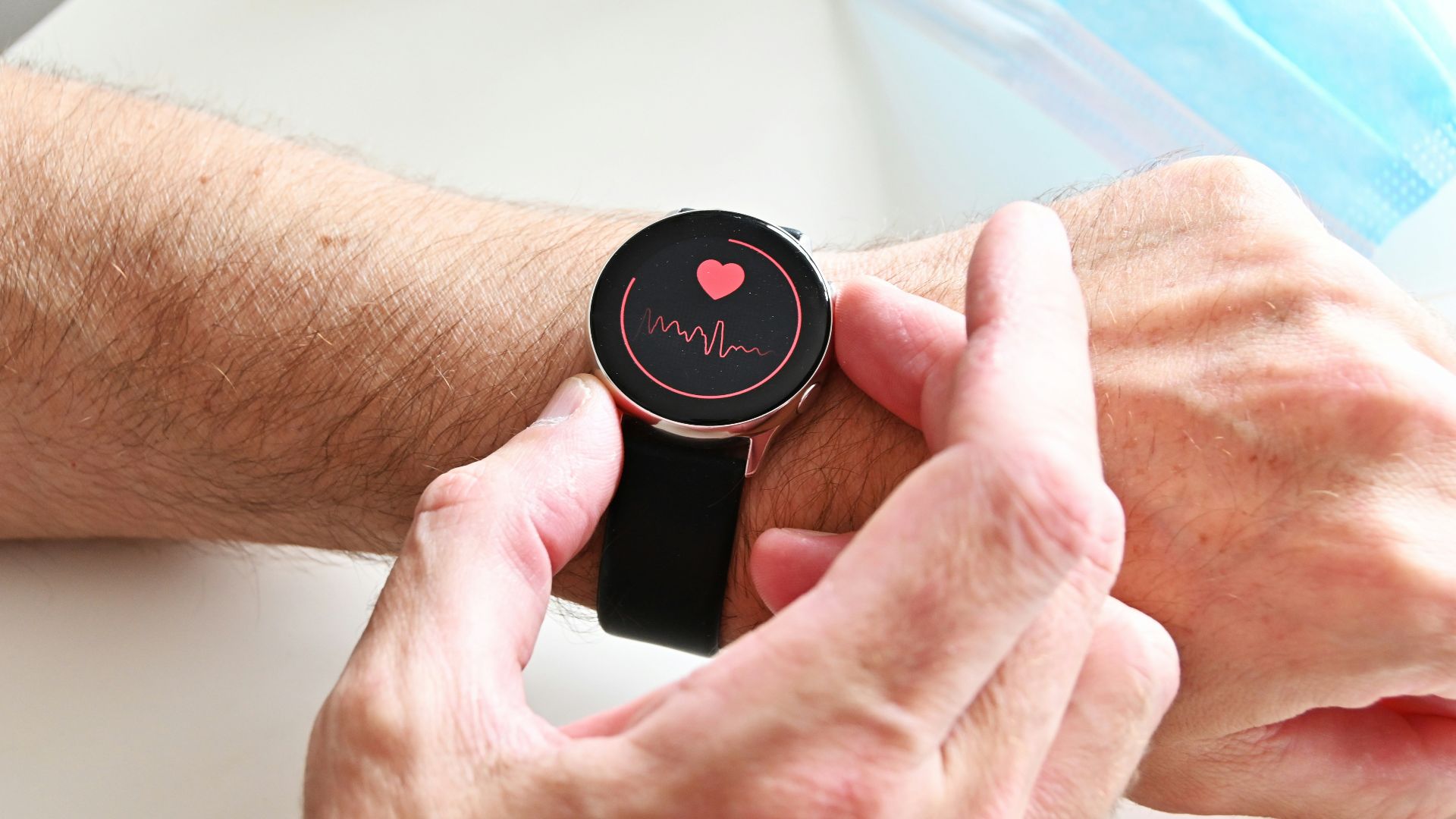
Regular aerobic exercise can help your heart pump blood efficiently, which is one reason active people often have lower resting heart rates. After enough time away from exercise, some of those adaptations begin to fade. As a result, your heart may need to beat somewhat faster to accomplish the same work while you're resting.
5. Your Blood Sugar Control Can Become Less Efficient
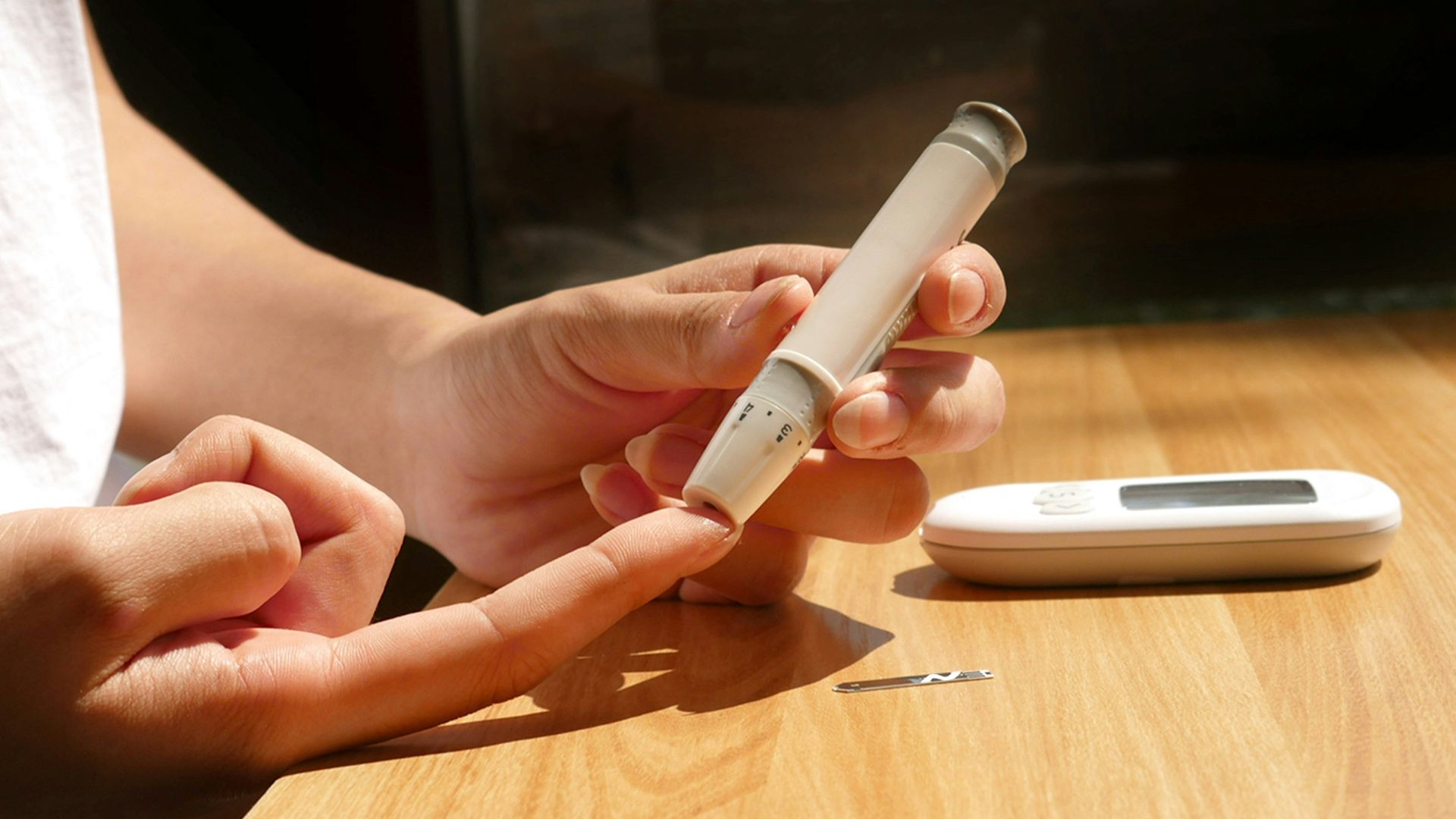
Physical activity helps your muscles use glucose for energy and improves the body's response to insulin. When you become less active, those benefits can gradually weaken. This doesn't mean a few missed workouts suddenly cause a health problem, but regular movement plays an important role in healthy blood sugar regulation.
6. Your Muscles May Look Less Defined
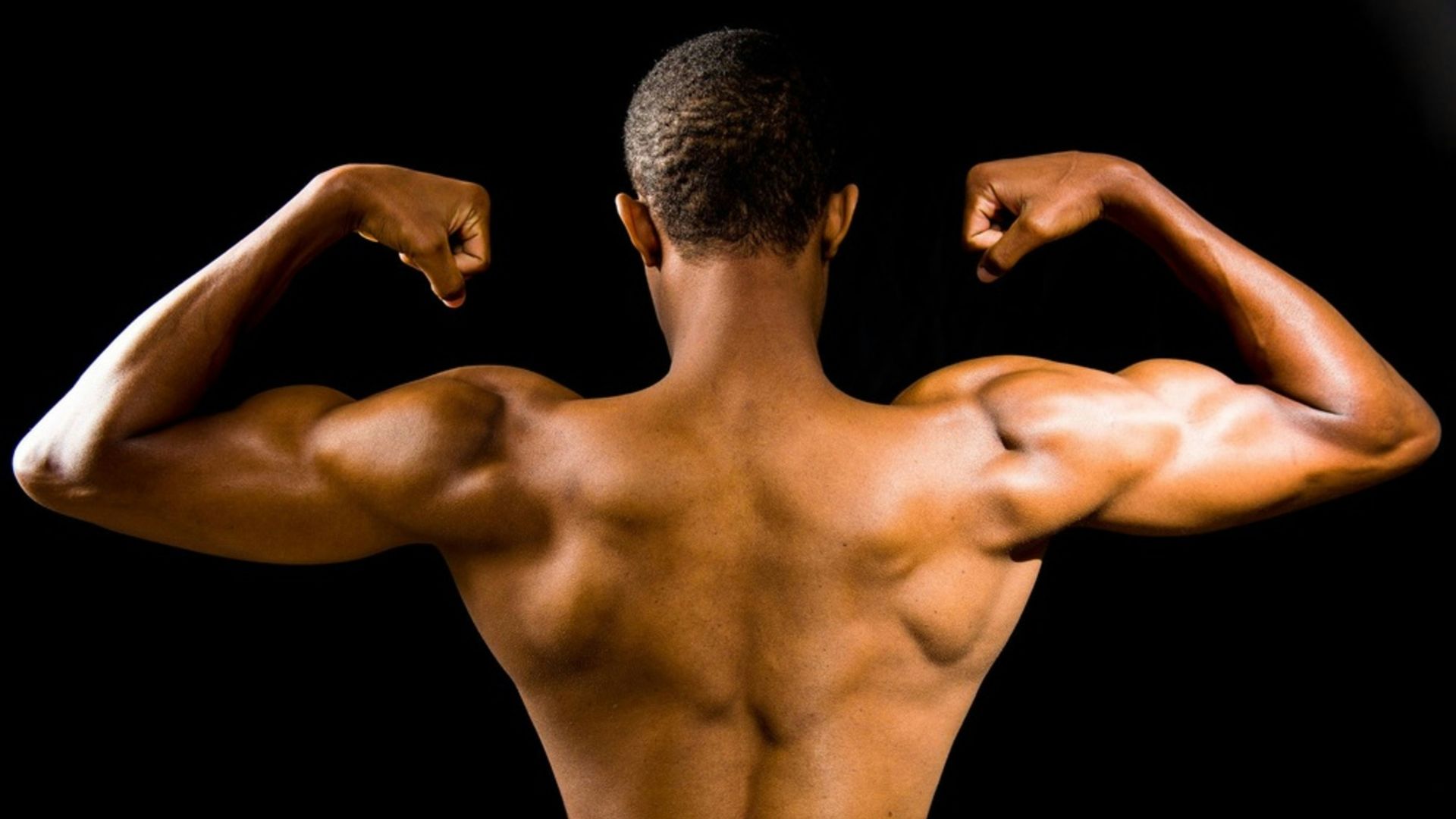
You don't necessarily need to lose large amounts of muscle for your appearance to change. Training less naturally makes your muscles look less defined, particularly if you were exercising frequently beforehand. The difference may be subtle at first, but people accustomed to regular strength training often notice it.
7. Your Metabolism May Shift
Exercise contributes to the amount of energy you use throughout the day, so removing it naturally lowers some of that expenditure. Losing muscle over a longer period can also slightly reduce the number of calories your body needs at rest. Your metabolism hasn't suddenly "shut down," but your overall energy needs may be different from when you were consistently active.

8. You May Gain Body Fat More Easily
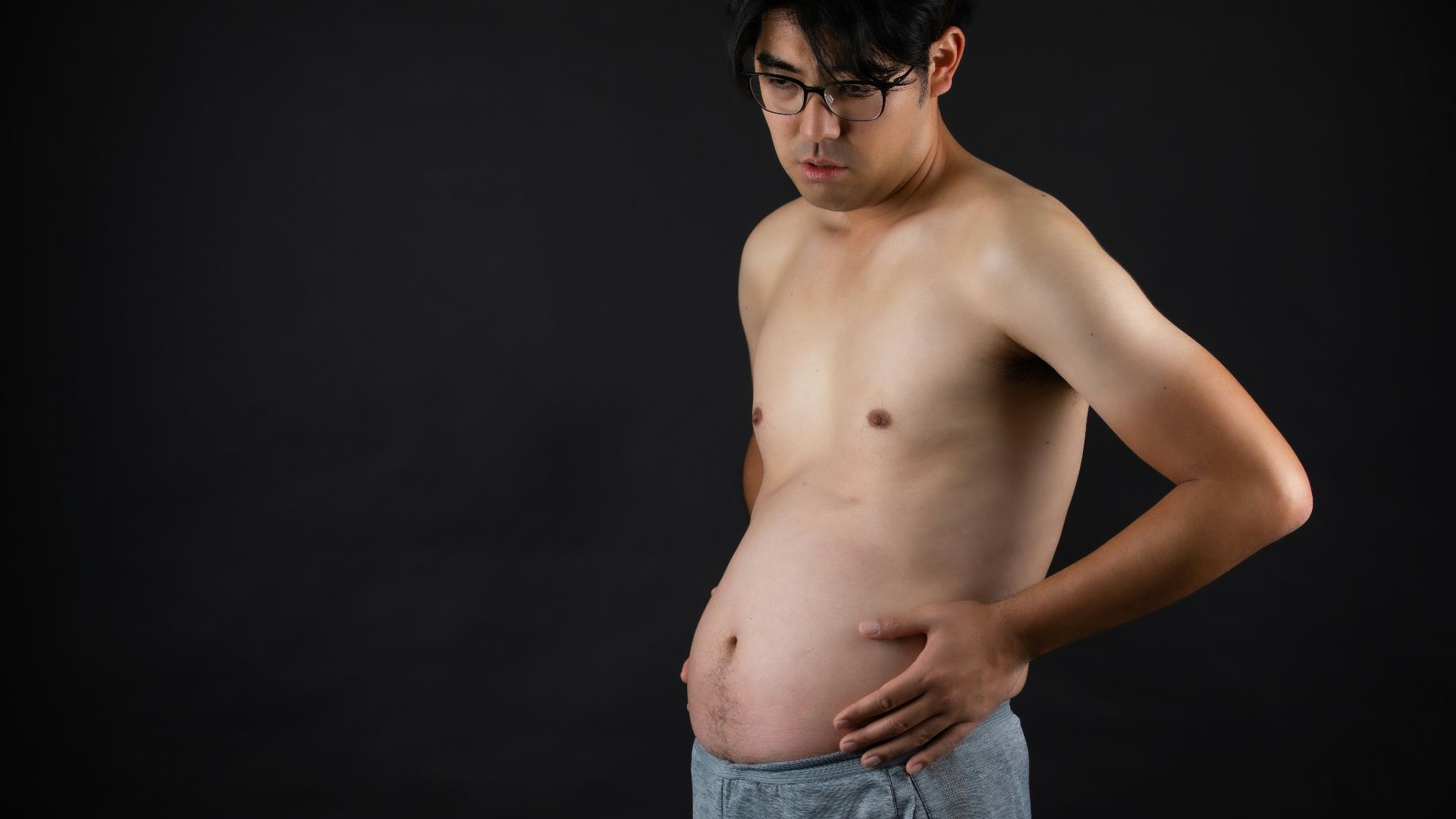
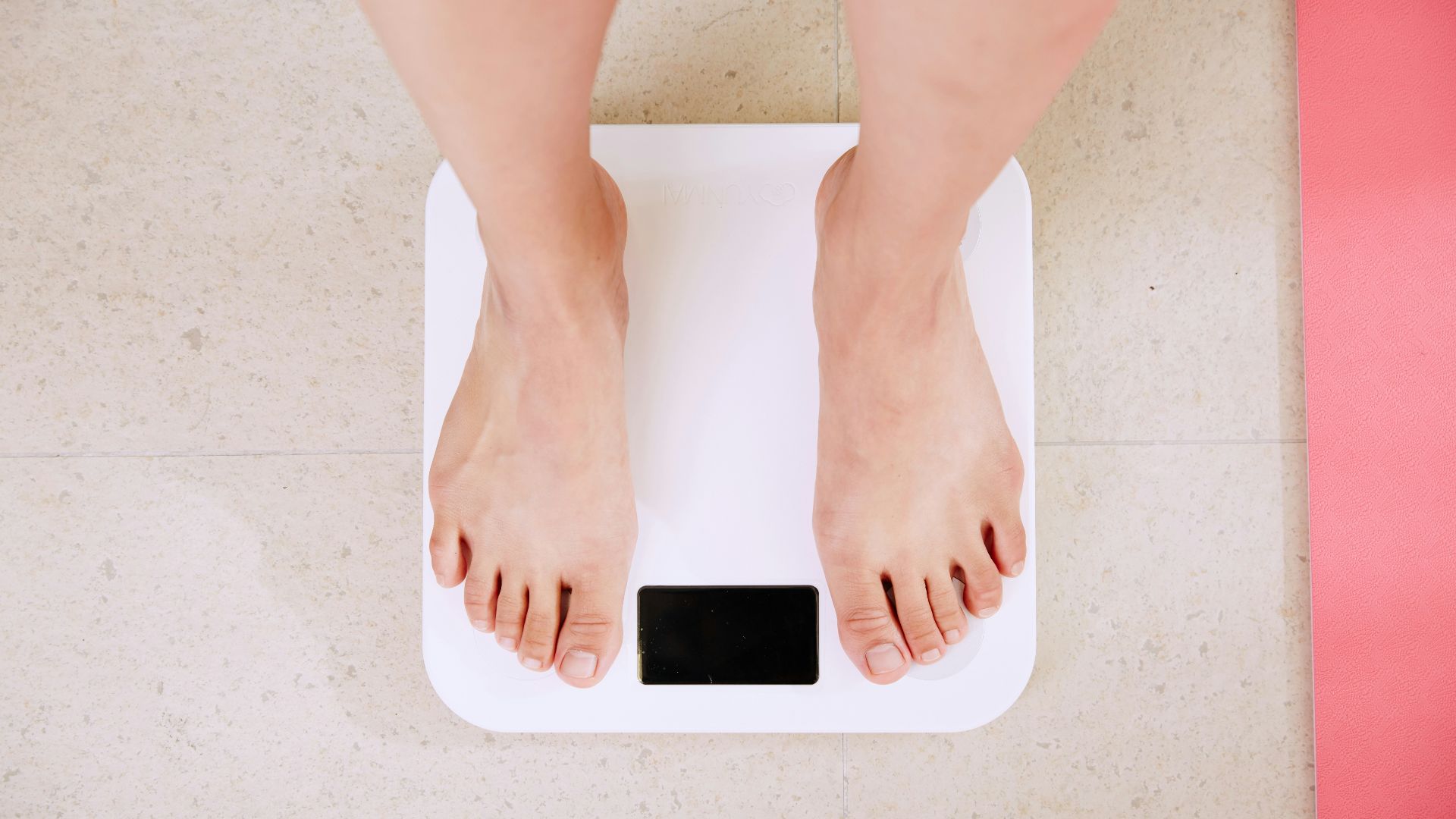
Stopping exercise doesn't automatically cause weight gain, since food intake and many other factors affect your weight. Still, burning fewer calories while eating roughly the same amount can gradually create an energy surplus. Over time, some people may notice changes in body composition even if the number on the scale doesn't move dramatically.
9. Your Flexibility Can Decrease
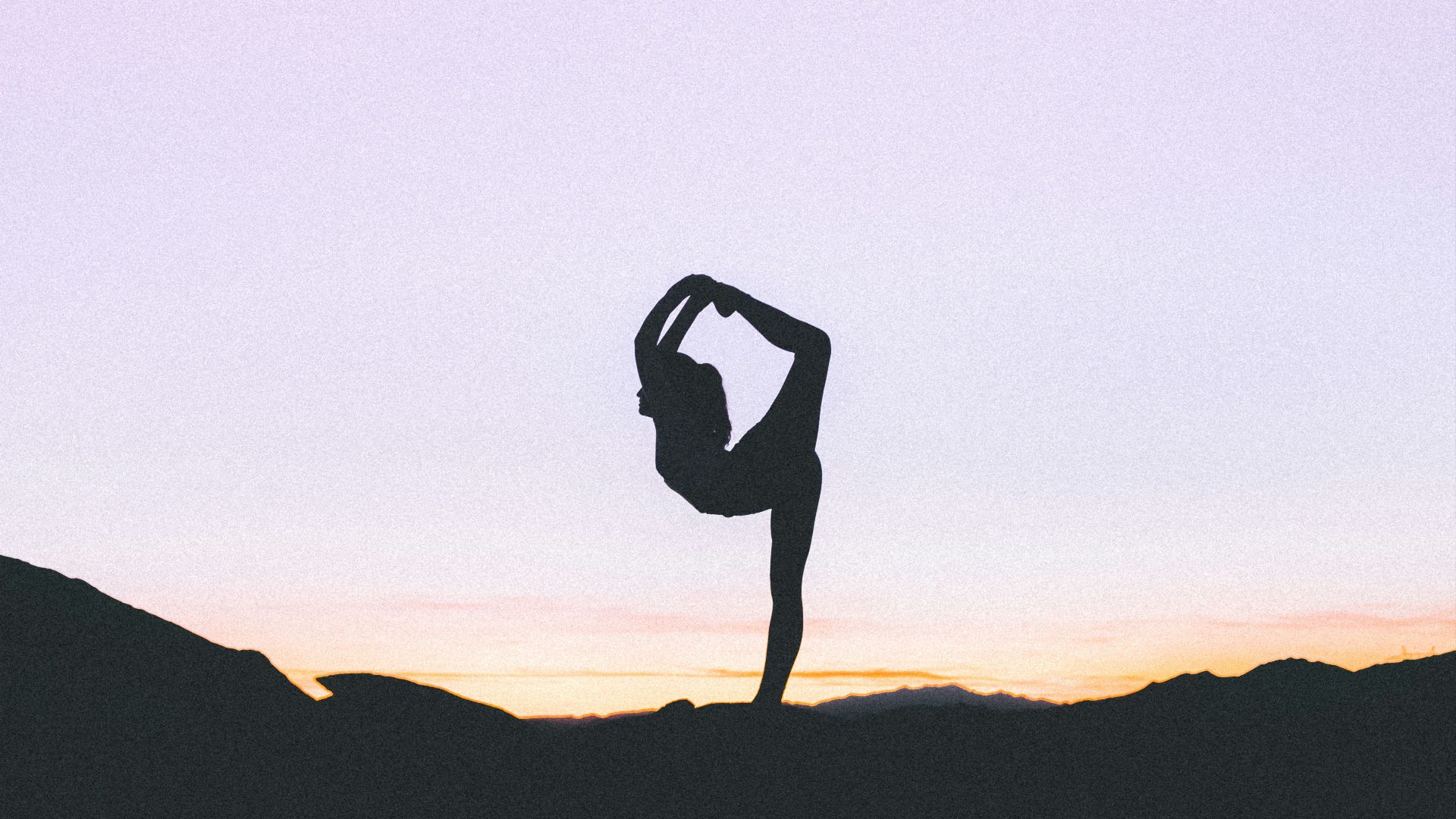
Regular movement takes your joints and muscles through ranges of motion that everyday life doesn't always provide. Without it, certain muscles can gradually feel tighter, especially if you're spending more time sitting. Reaching, bending, or getting into positions that once felt comfortable may suddenly remind you how useful those workouts were.
10. Your Balance May Get Worse
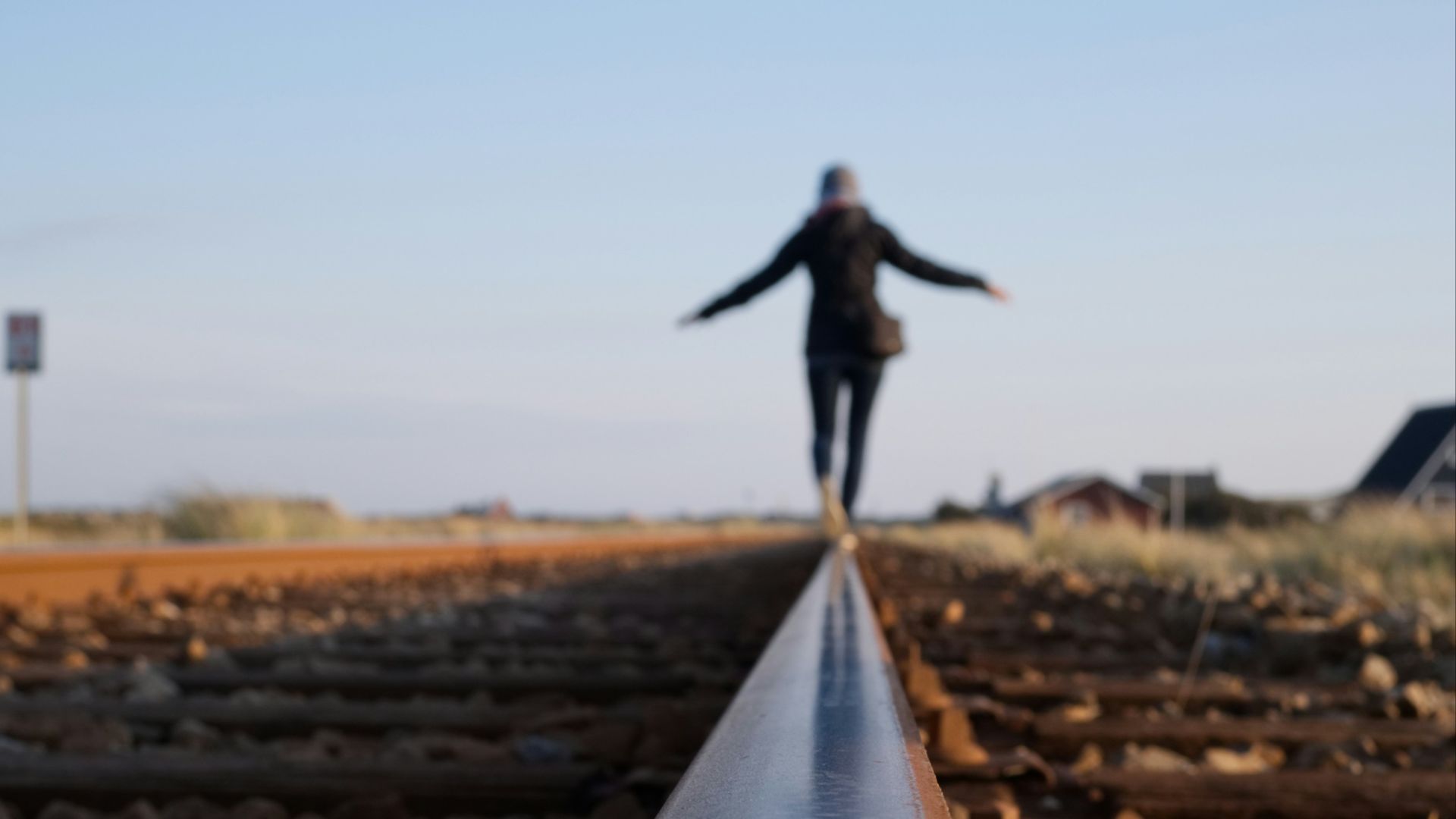
Exercise isn't only about strength and stamina; it also trains coordination and stability. Activities involving your legs, core, and changing body positions help maintain the systems involved in balance. Extended inactivity can allow those abilities to decline, which becomes especially important as you get older.
 Niklas Ohlrogge (niamoh.de) on Unsplash
11. Your Bones Lose an Important Stimulus
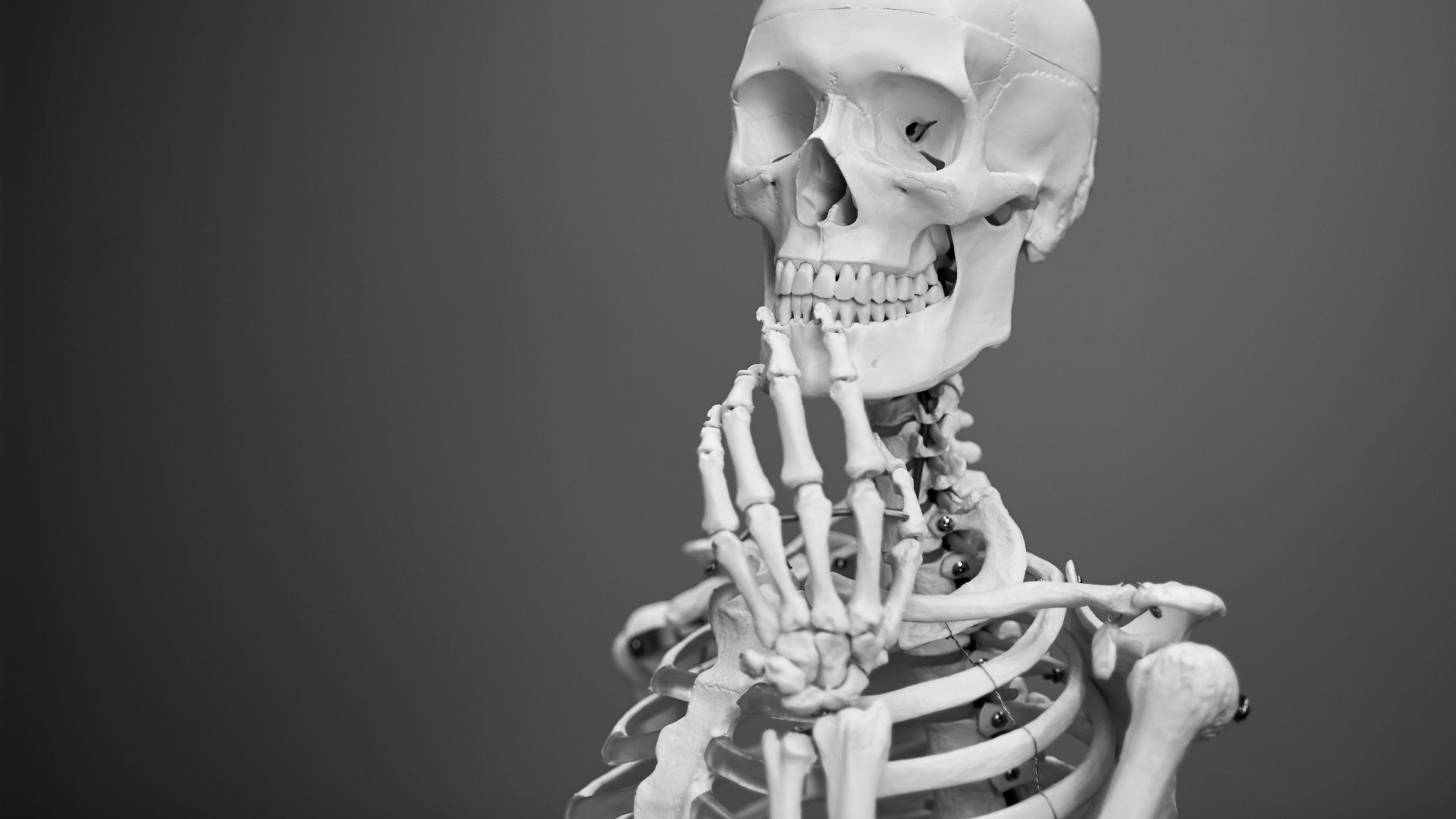
Weight-bearing activities such as walking, running, and resistance training place controlled stress on your bones. That stress encourages your body to maintain bone tissue and strength. Bone changes happen much more slowly than a loss of cardiovascular fitness, but staying active is an important part of supporting bone health over the long term.
12. Everyday Activities May Feel More Tiring
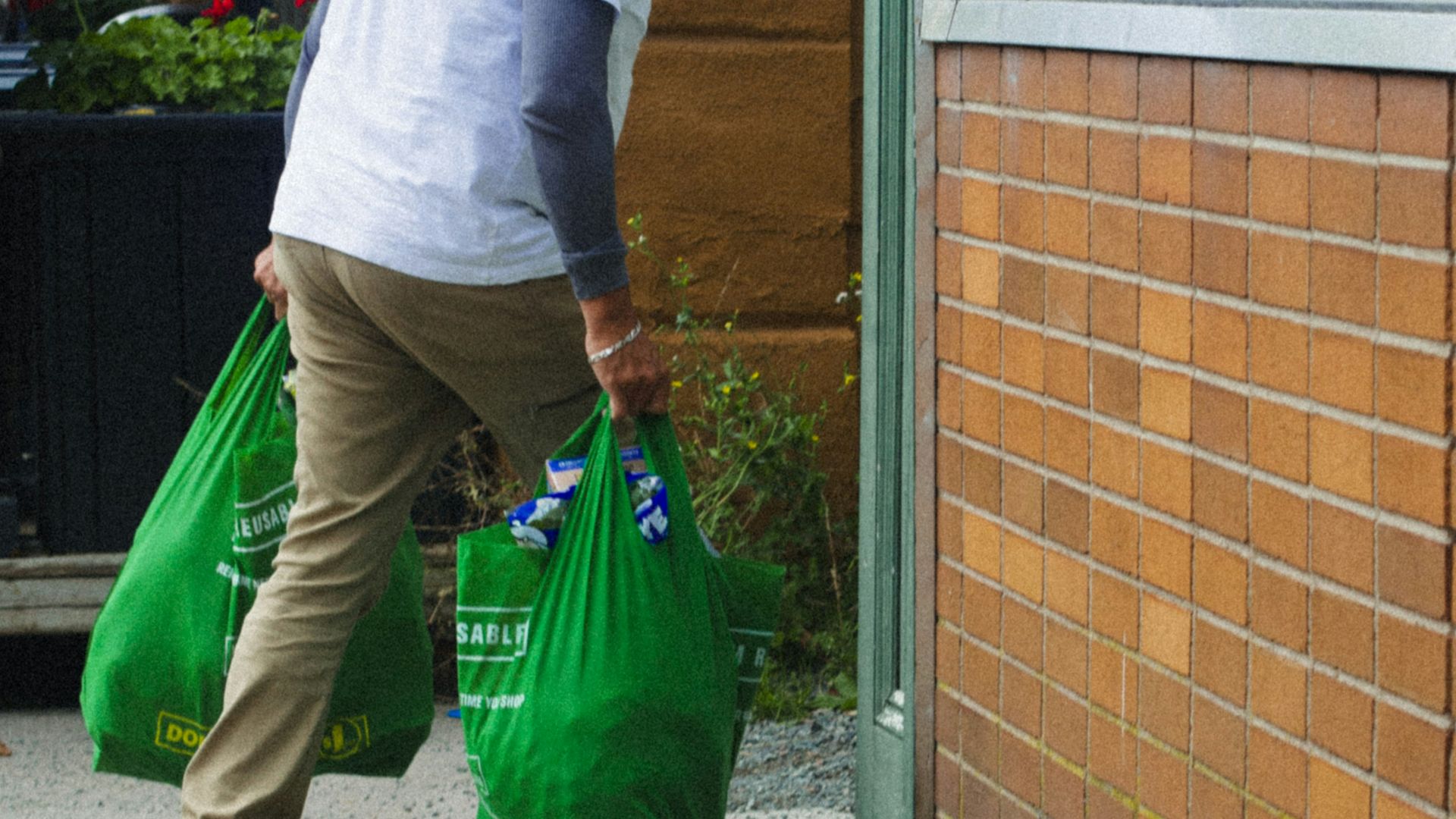
Exercise trains your body to cope with physical demands that extend beyond the gym. Once your conditioning decreases, carrying groceries, doing yard work, or walking around all day may make you feel unexpectedly drained. You might not immediately connect that extra fatigue with inactivity, particularly if the change has happened gradually.
13. Your Mood May Change
A workout can provide more than physical benefits, and many people use exercise as part of their stress-management routine. Regular physical activity is associated with better mood and emotional well-being. Removing it from your schedule may leave you missing one of the tools that previously helped you decompress.
14. You Could Feel More Restless
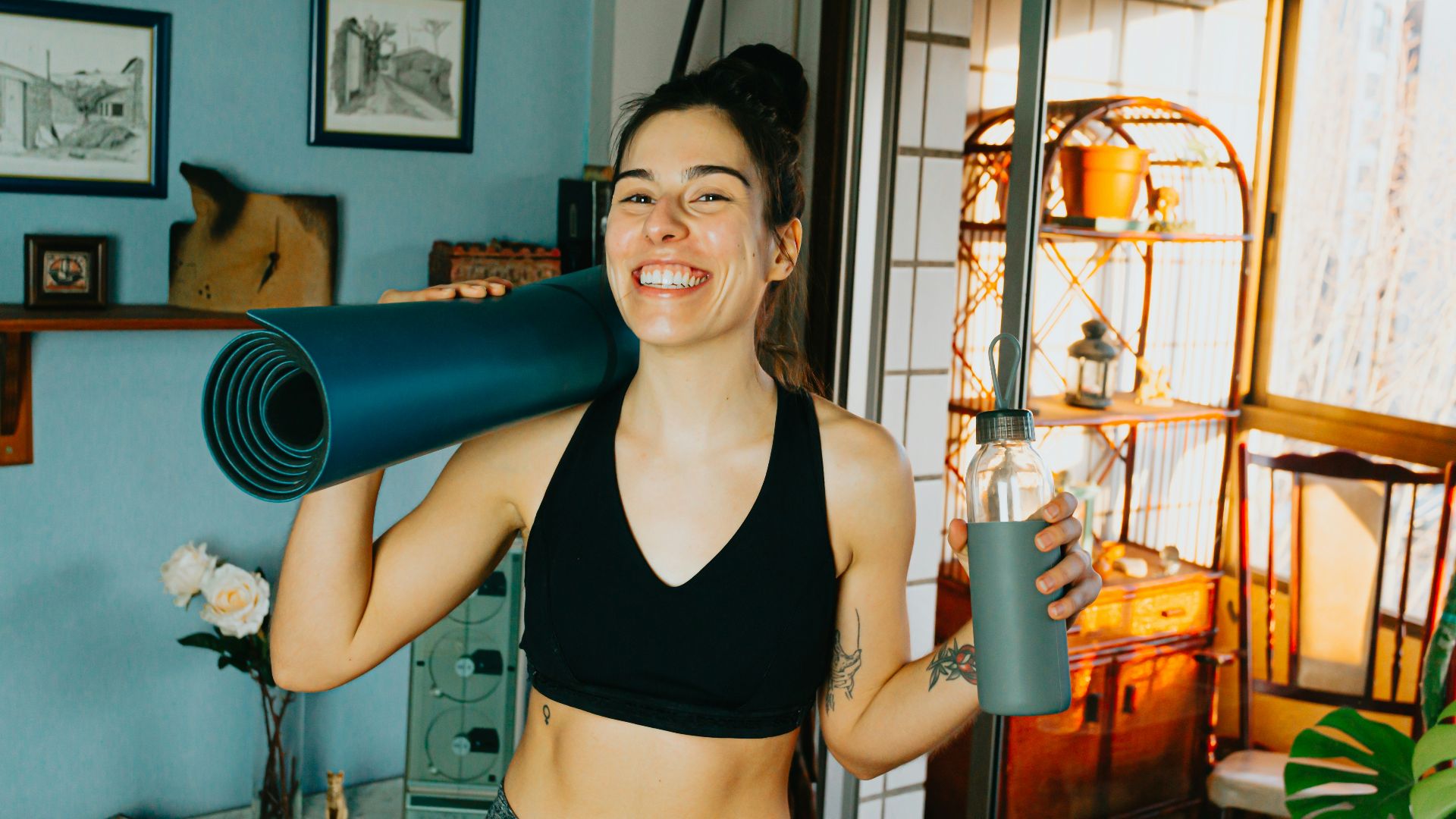
It sounds strange that relaxing more can sometimes leave you feeling more restless, but physical activity gives your body an outlet for energy and tension. Without that regular movement, sitting around may not feel as restful as you'd expect. Even something as simple as a daily walk can make a noticeable difference for some people.
15. Your Sleep May Be Affected
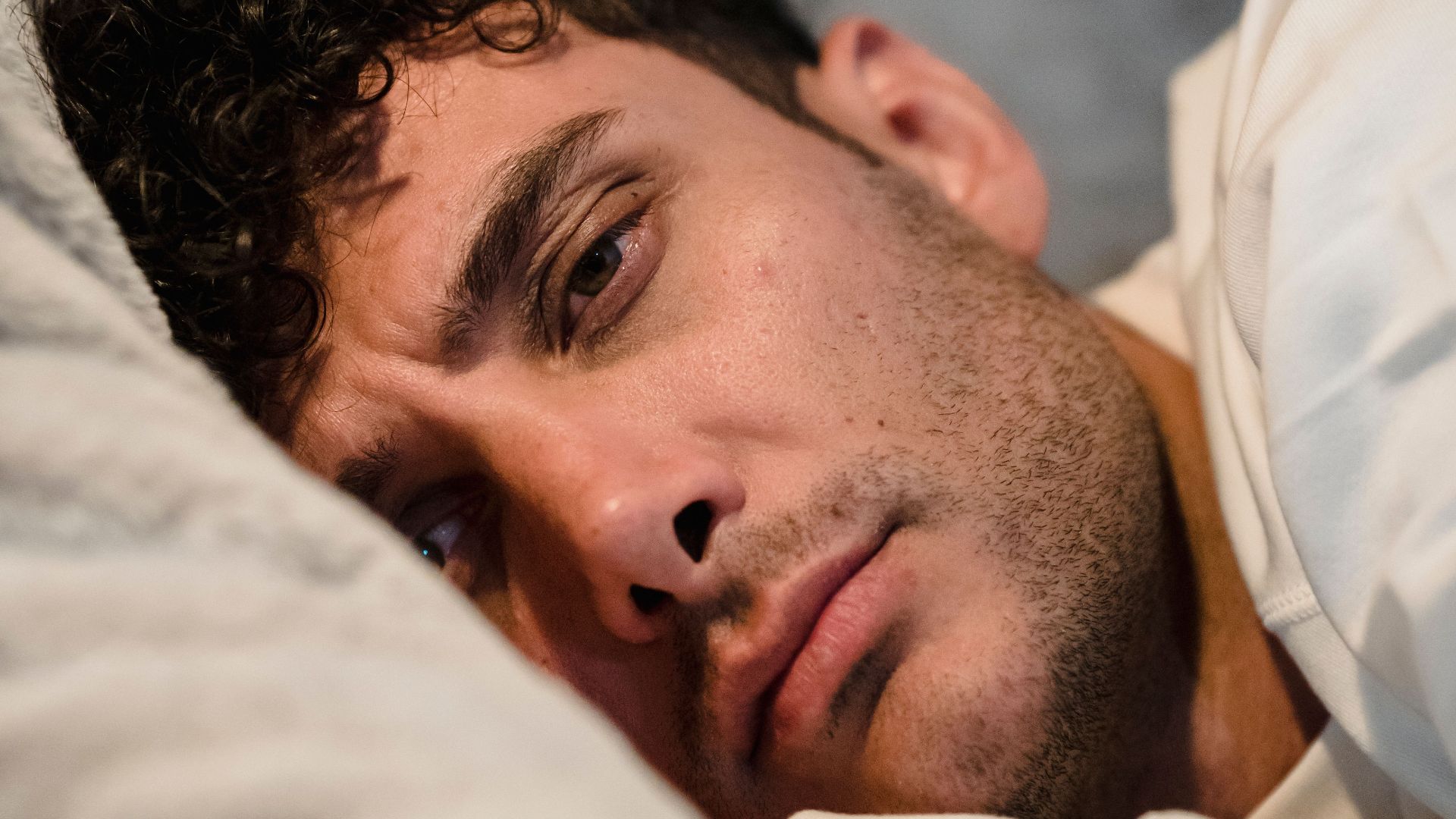
Regular exercise can support both sleep quality and a consistent sleep routine. Becoming much less active may make it harder for some people to fall asleep or feel fully rested the next morning. Plenty of other factors influence sleep, of course, but physical activity is one piece of the puzzle that's easy to overlook.
16. Your Posture May Suffer
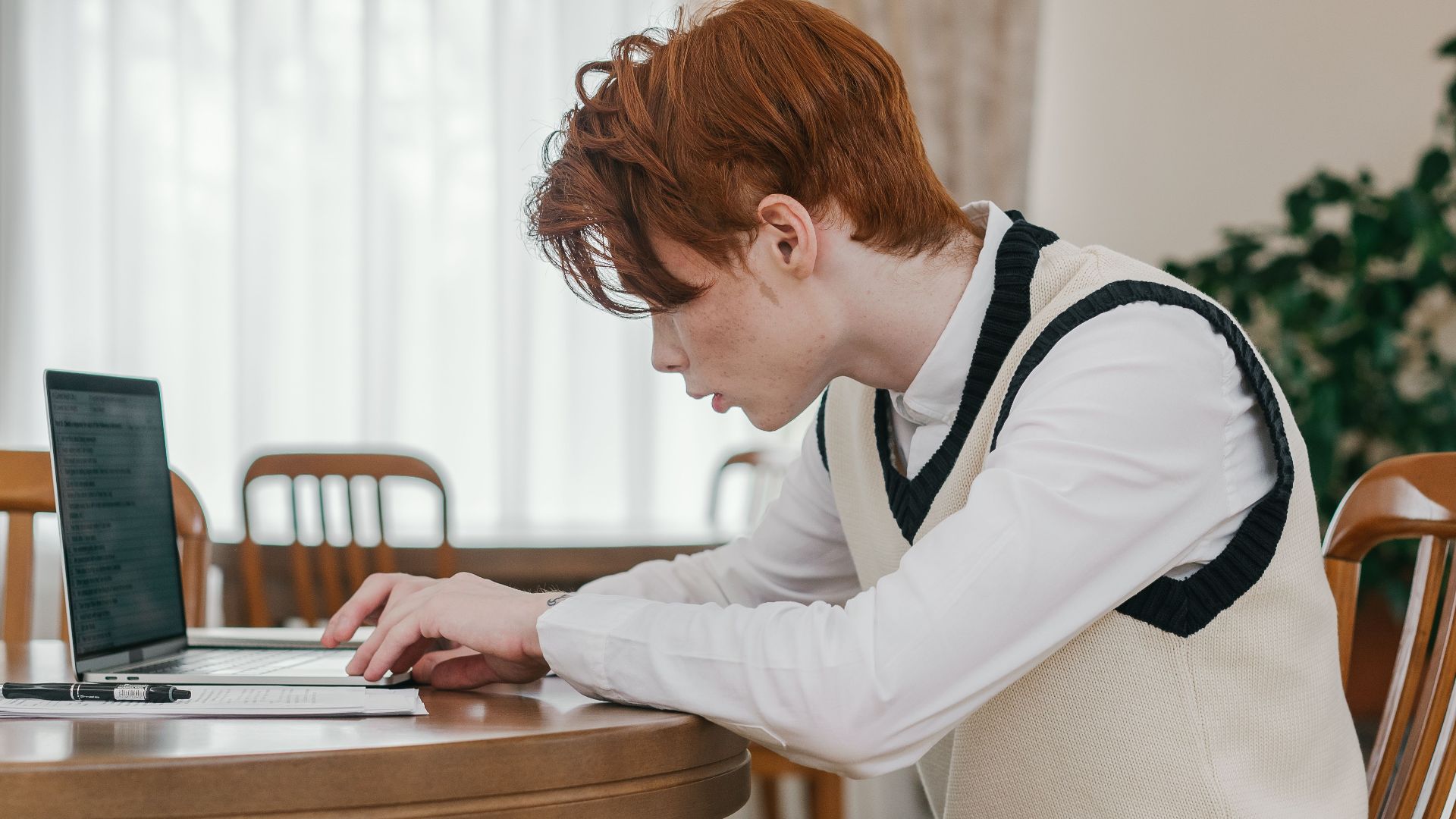
Strong back, shoulder, abdominal, and hip muscles all help support your body throughout the day. If those muscles become weaker while you're also spending more time sitting, maintaining good posture can become harder. You may catch yourself slouching more often or feeling uncomfortable after spending hours at a desk.
17. Your Blood Pressure May Creep Up
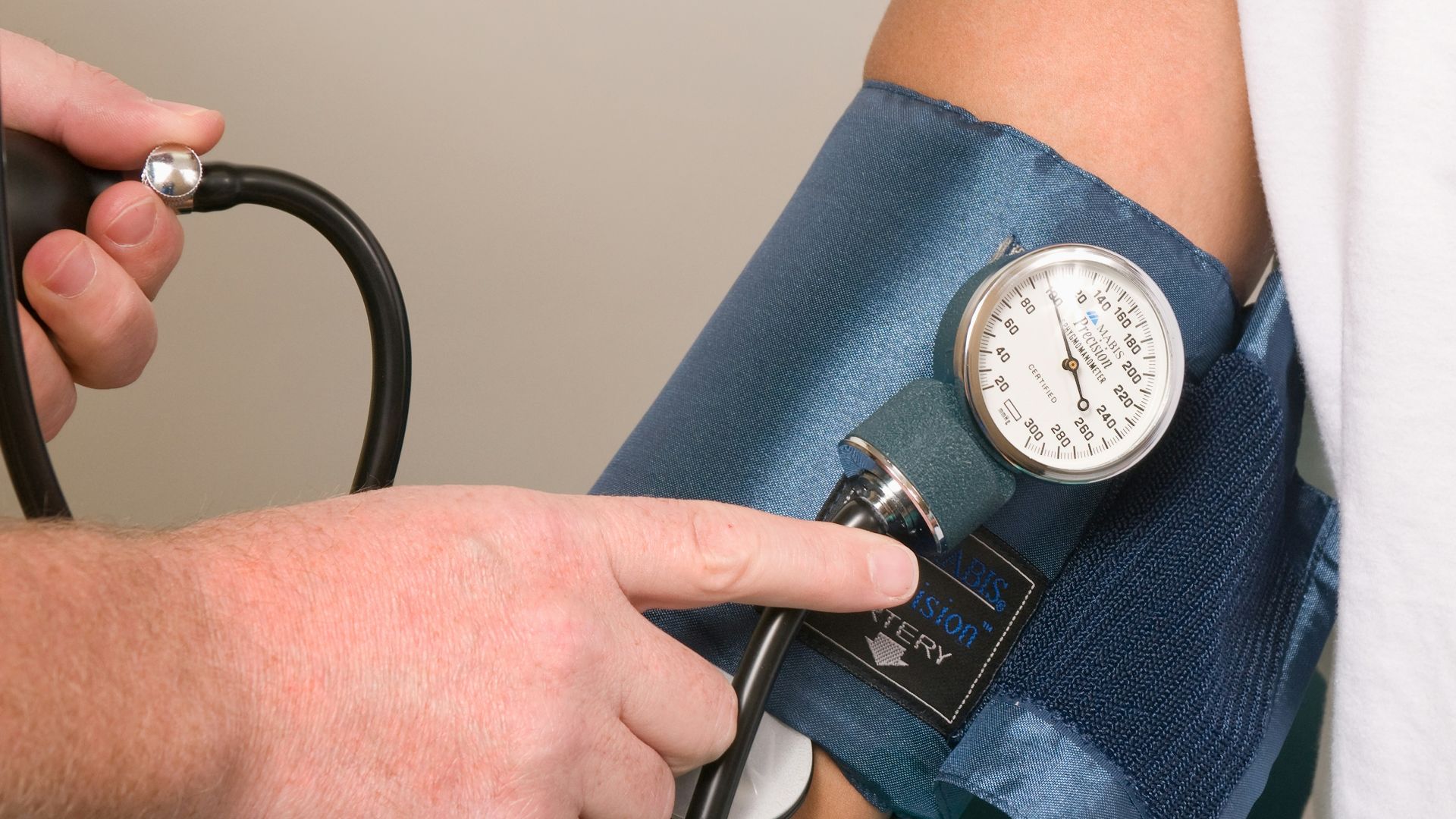
Consistent exercise helps support cardiovascular health and can contribute to healthier blood pressure. Losing that regular activity removes one factor that may have been helping keep your numbers in check. The effect varies considerably between individuals, but staying physically active is commonly recommended as part of maintaining healthy blood pressure.
18. Your Joints May Feel Stiffer
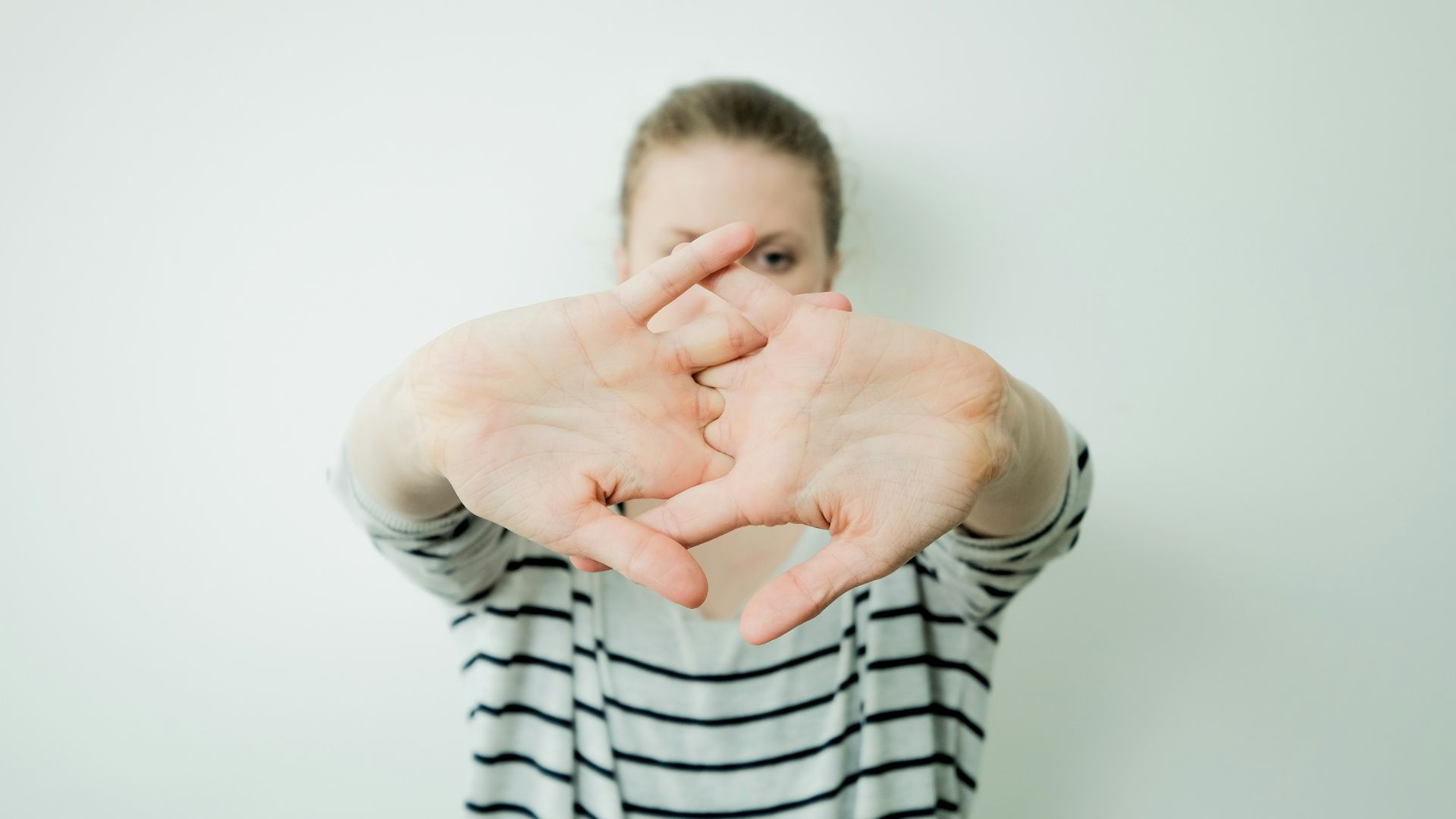
It might seem like resting your joints should always make them feel better, but joints generally benefit from regular, appropriate movement. Exercise helps maintain surrounding muscle strength and keeps your body moving through its normal ranges of motion. Long stretches of inactivity can therefore leave some people feeling surprisingly stiff when they get moving again.
19. Returning to Exercise Can Feel Harder Than Expected
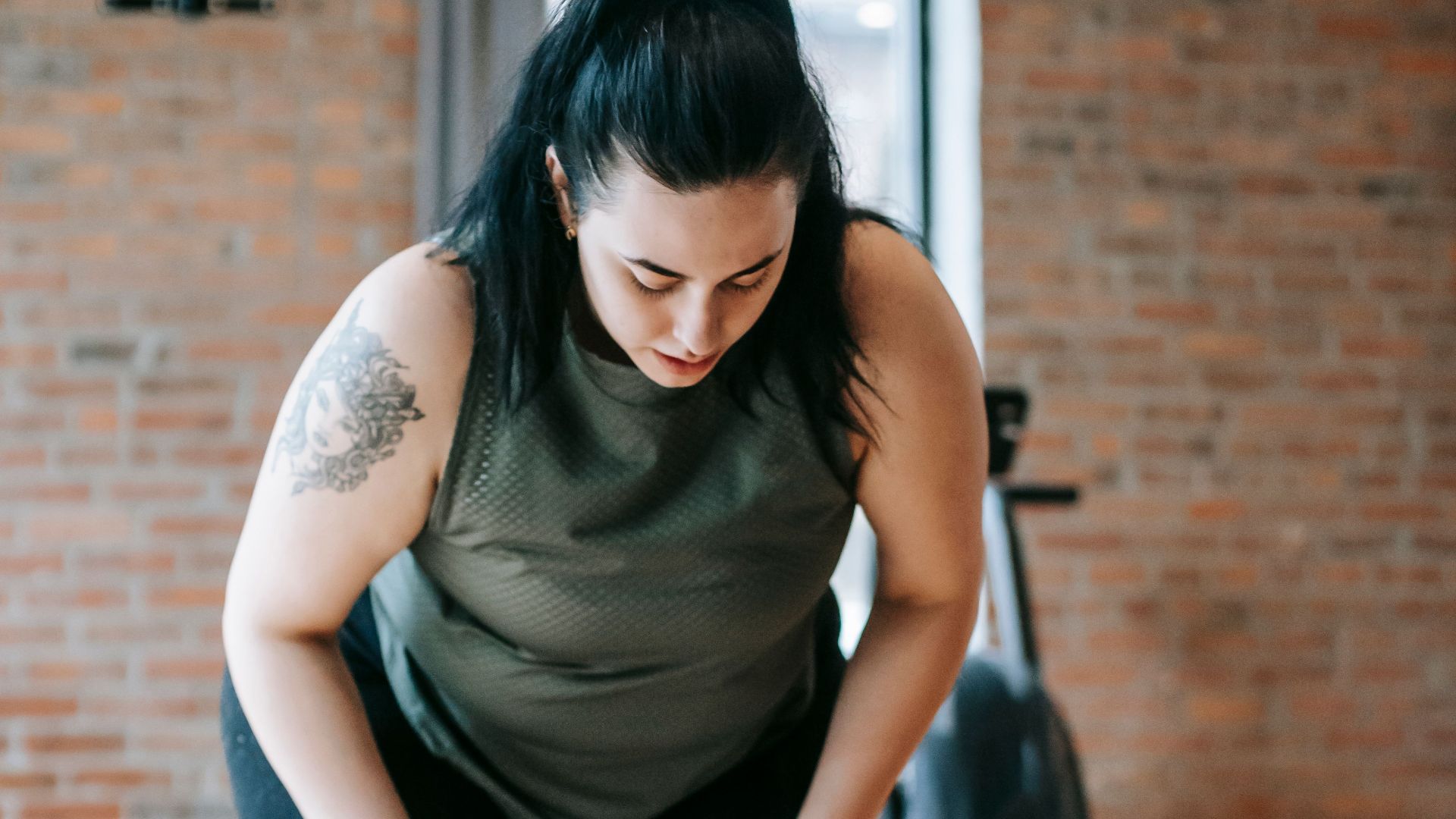
The first workout after a long break can be a fairly convincing reminder that fitness isn't permanent. You may tire sooner, need lighter weights, or require more recovery than you did previously. Trying to immediately match your old performance can also leave you particularly sore, so building back gradually usually makes more sense.
20. Your VO2 Max Can Drop
VO2 max measures how efficiently your body can use oxygen during intense exercise, and it can begin declining after a few weeks without regular training. That means your body becomes less effective at delivering and using oxygen when you're working hard. You may notice the change when running, cycling, or doing anything that normally pushes your cardiovascular system.