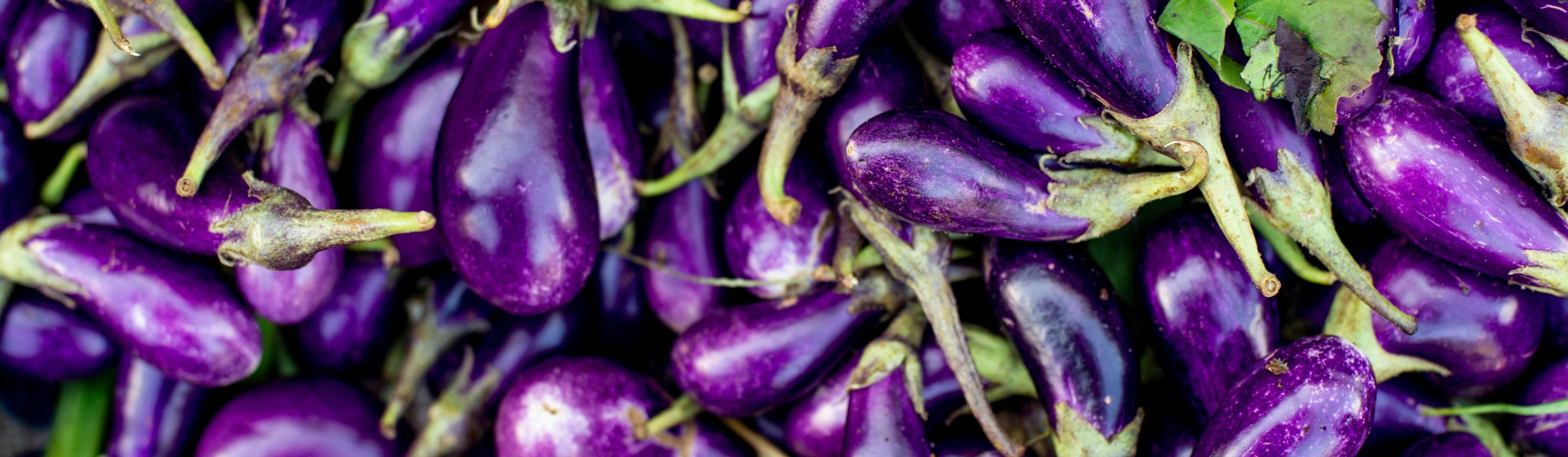
Nutrient-Rich Finds Beyond the Regular Produce Aisle
International grocery stores can introduce you to vegetables that rarely appear in conventional supermarkets, although availability naturally varies by region and season. Many of these foods provide fiber, vitamins, minerals, or protective plant compounds, but no single vegetable is automatically healthier than every familiar option, so the greatest benefit comes from adding more variety to an already balanced diet. Here are the 20 healthiest vegetables you can only buy in international stores.

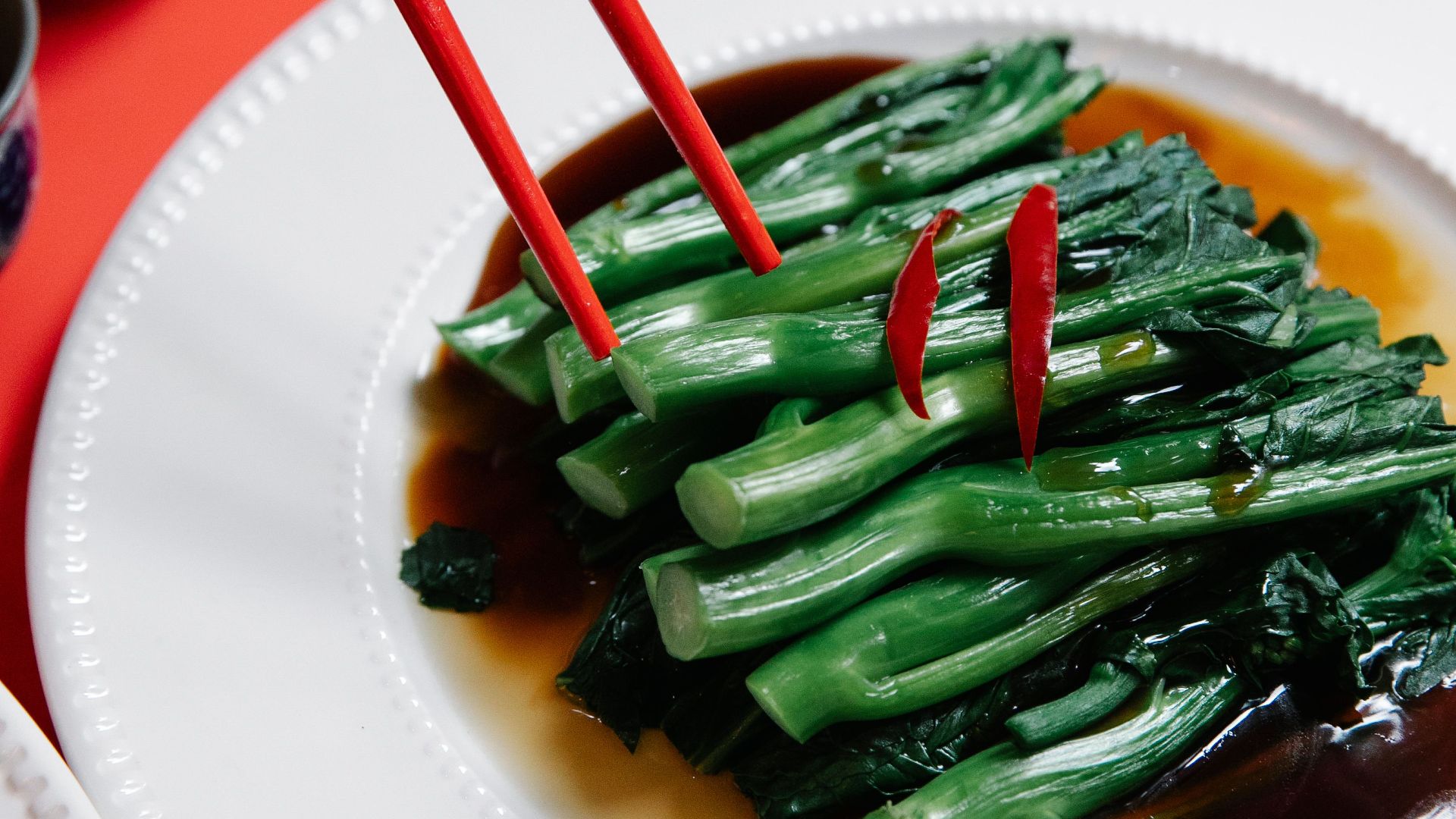
1. Gai Lan
Often called Chinese broccoli, gai lan provides leafy greens, crisp stems, and small florets in one vegetable. Like other members of the cabbage family, it supplies vitamin C, vitamin K, folate, and plant compounds called glucosinolates. Brief steaming or stir-frying softens the sturdy stems without removing their pleasantly bitter flavor.
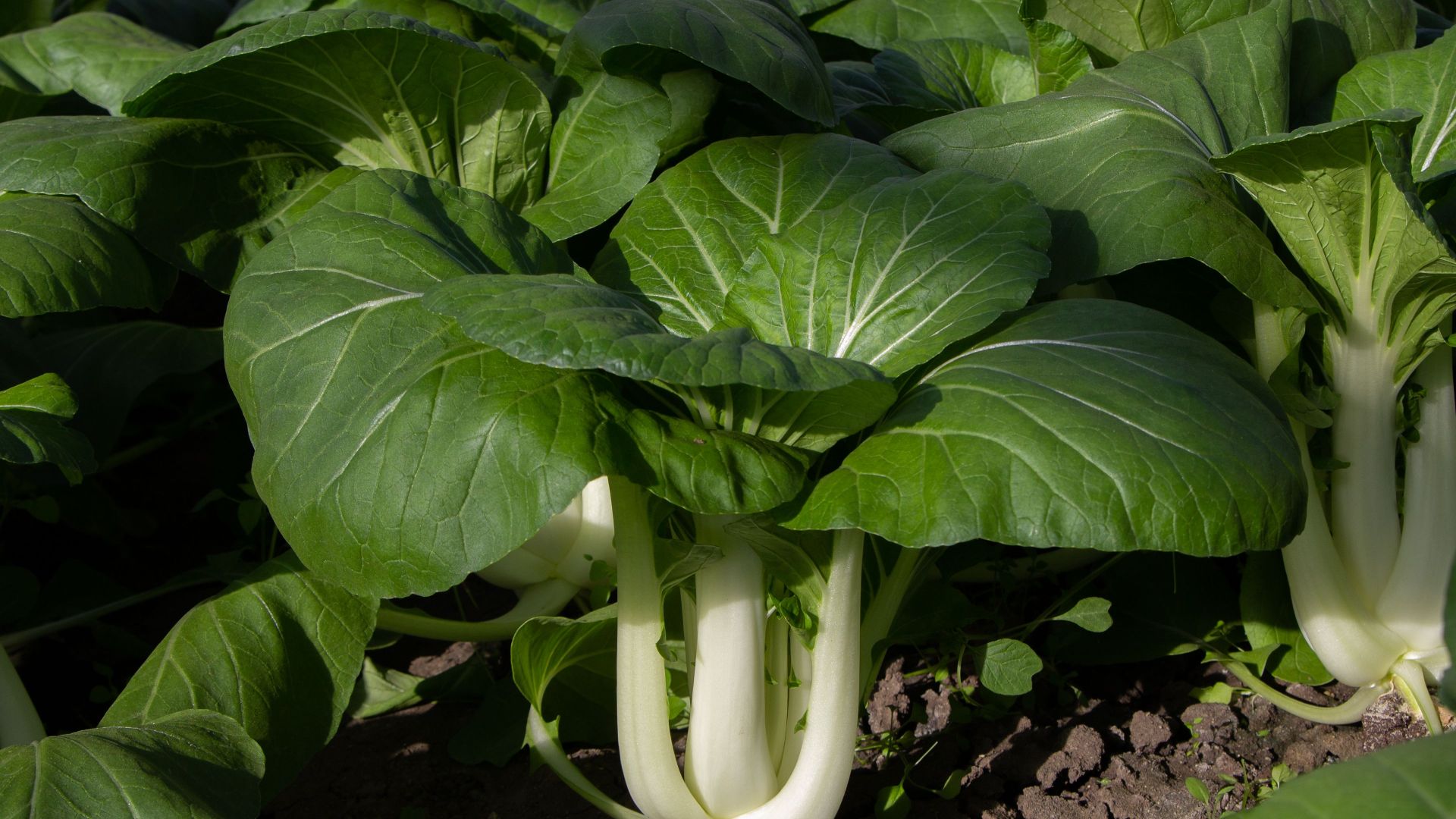
2. Choy Sum
Choy sum is a tender Chinese green with slender stalks, leaves, and small yellow flowers that are all edible. It contributes vitamin C, vitamin K, folate, and beta-carotene while remaining low in calories. Because it cooks quickly, add the stems first and let the delicate leaves wilt near the end.
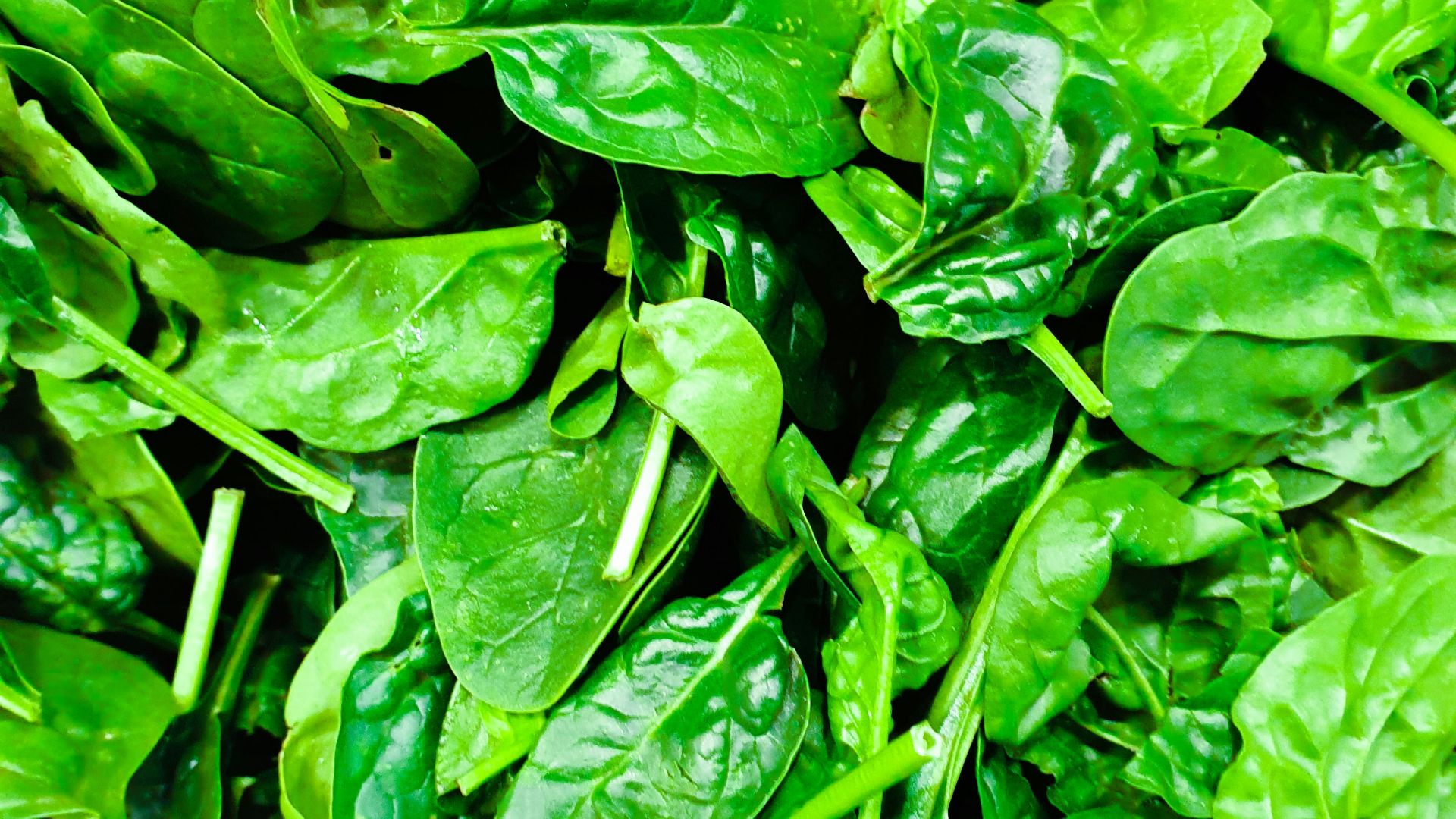
3. Water Spinach
Water spinach, also known as kangkong or morning glory, is widely used in Southeast Asian cooking. Its long stems and pointed leaves provide fiber along with vitamins A and C, although exact levels vary with growing and cooking conditions. Stir-frying it with garlic preserves its crisp texture better than prolonged boiling.
 Shutter Sphere Collective on Unsplash
4. Amaranth Greens
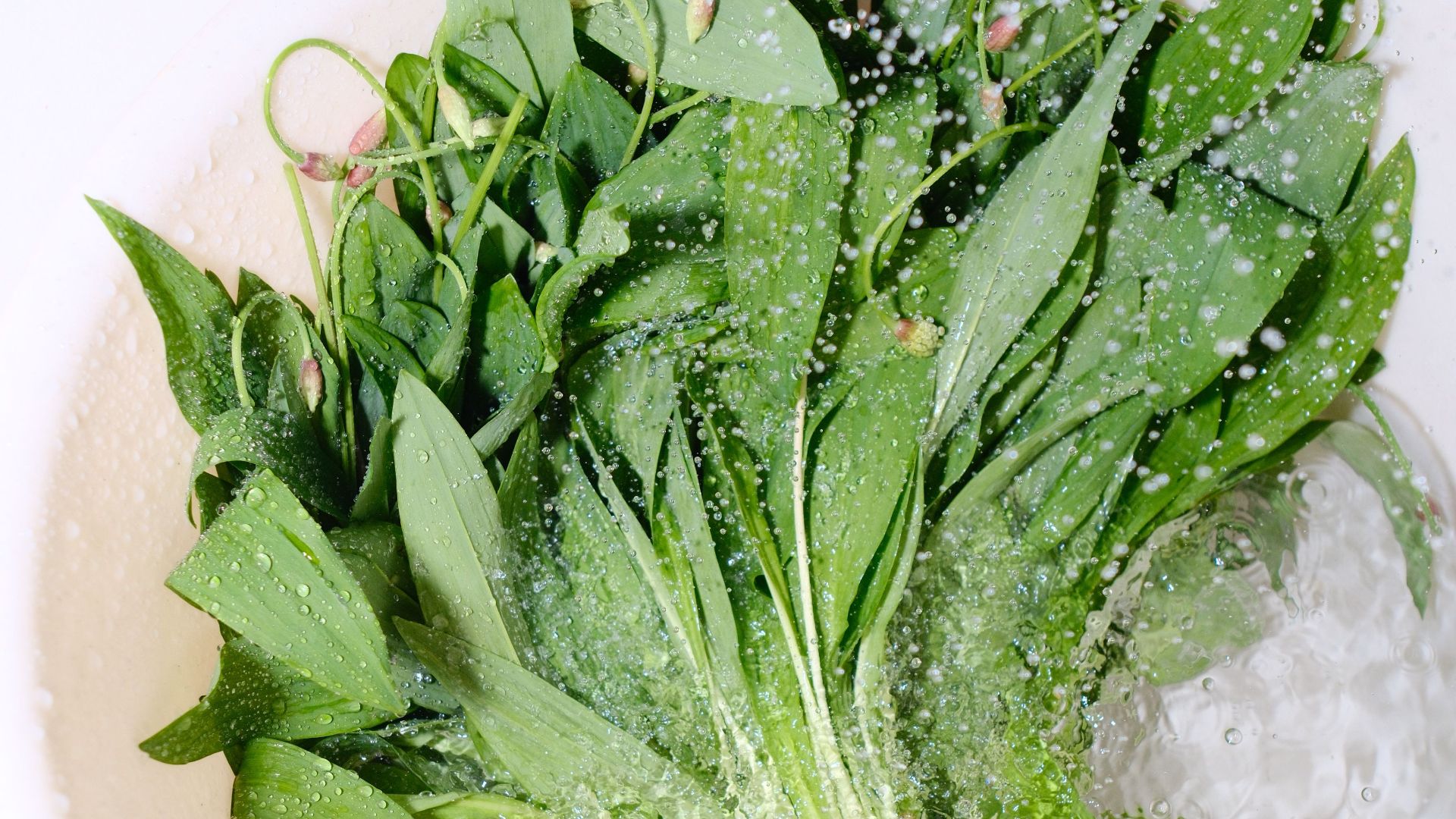
The leaves of the amaranth plant are eaten across parts of Africa, Asia, the Caribbean, and Latin America. These greens contain vitamin K, vitamin C, folate, calcium, and carotenoids, although the amounts depend on the variety.
5. Moringa Leaves
Fresh or frozen moringa leaves are more likely to appear in South Asian, African, or Filipino markets than in standard grocery stores. They provide vitamin A precursors, vitamin C, calcium, iron, and other micronutrients, though serving size affects their contribution.
 Neha Maheen Mahfin on Unsplash
6. Bitter Melon
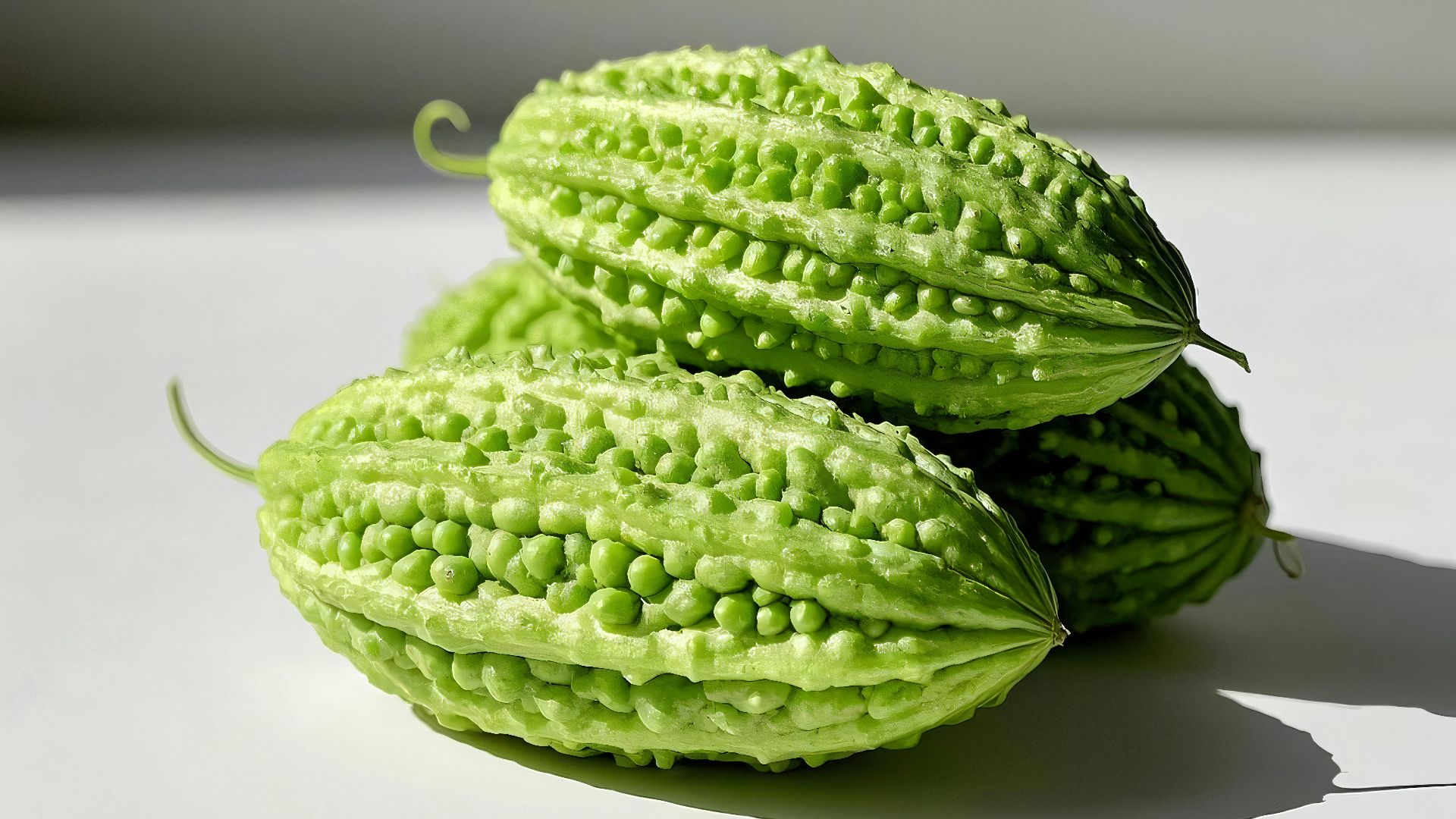
Bitter melon has a sharply bitter taste that makes it one of the produce aisle’s more challenging discoveries. It supplies vitamin C, fiber, and several plant compounds that researchers continue to study, but it shouldn’t be treated as a replacement for diabetes medication.
 Novariandy Chandra on Unsplash
7. Taro Leaves
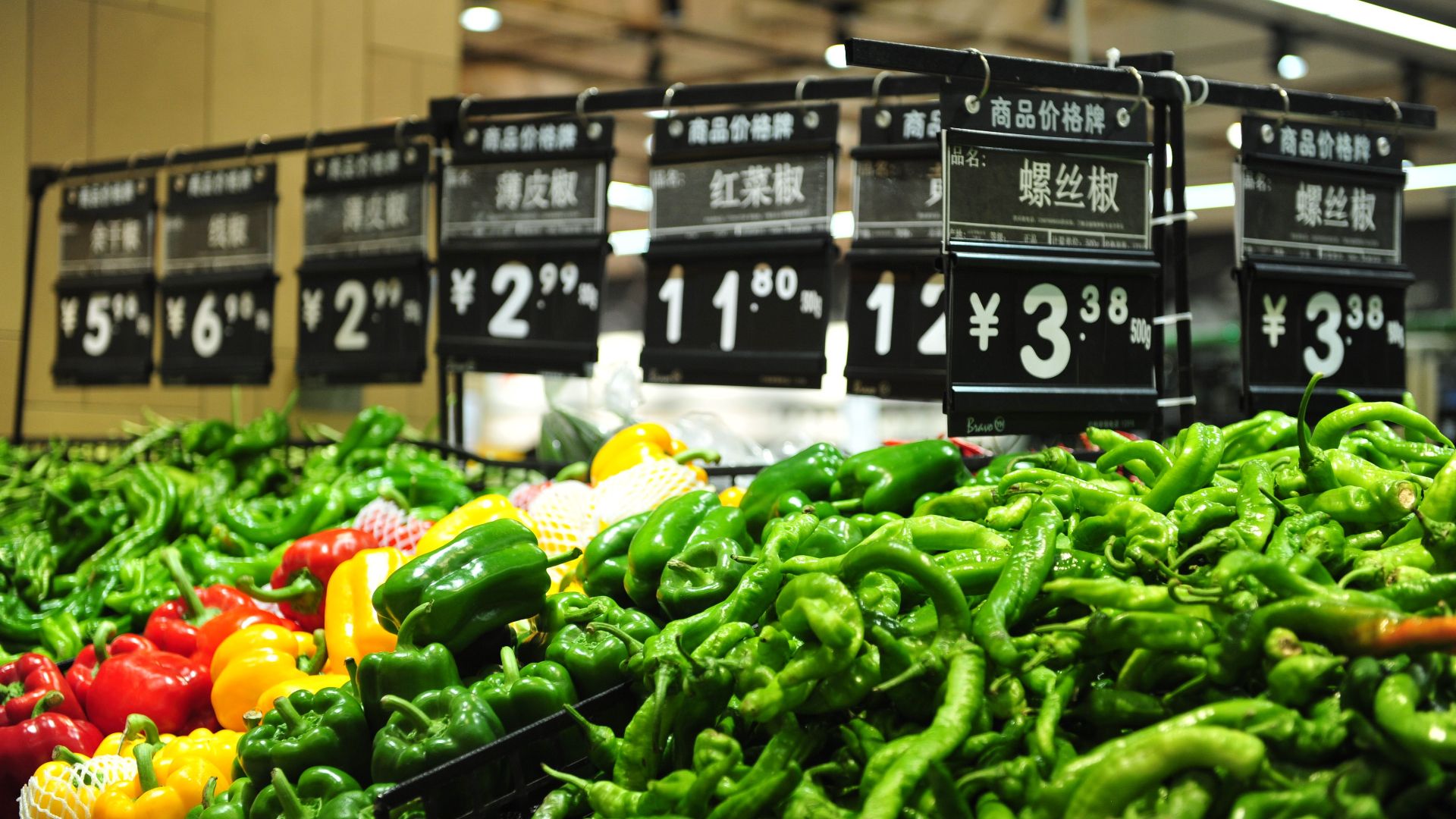
Taro leaves provide vitamin K, beta-carotene, vitamin C, and several minerals when properly prepared. They must never be eaten raw because natural calcium oxalate crystals can severely irritate the mouth and throat. Follow a trusted traditional recipe and cook the leaves thoroughly rather than experimenting with short cooking times.
8. Cassava Leaves
Cassava leaves are used in many African, Southeast Asian, and Pacific cuisines, often after extensive pounding and cooking. Purchase them from a reliable food retailer and follow established preparation instructions carefully.

9. Malanga
Malanga is a starchy tropical root commonly sold in Caribbean and Latin American grocery stores. It contributes complex carbohydrates, fiber, potassium, and several B vitamins, making it a satisfying alternative to potatoes.

10. Lotus Root
The sliced interior of lotus root has a distinctive pattern of evenly spaced holes and retains a pleasant crunch after cooking. It provides fiber, vitamin C, potassium, and modest amounts of several additional nutrients. You can simmer it in soup, add it to stir-fries, or pickle thin slices for a crisp side dish.

11. Nopales
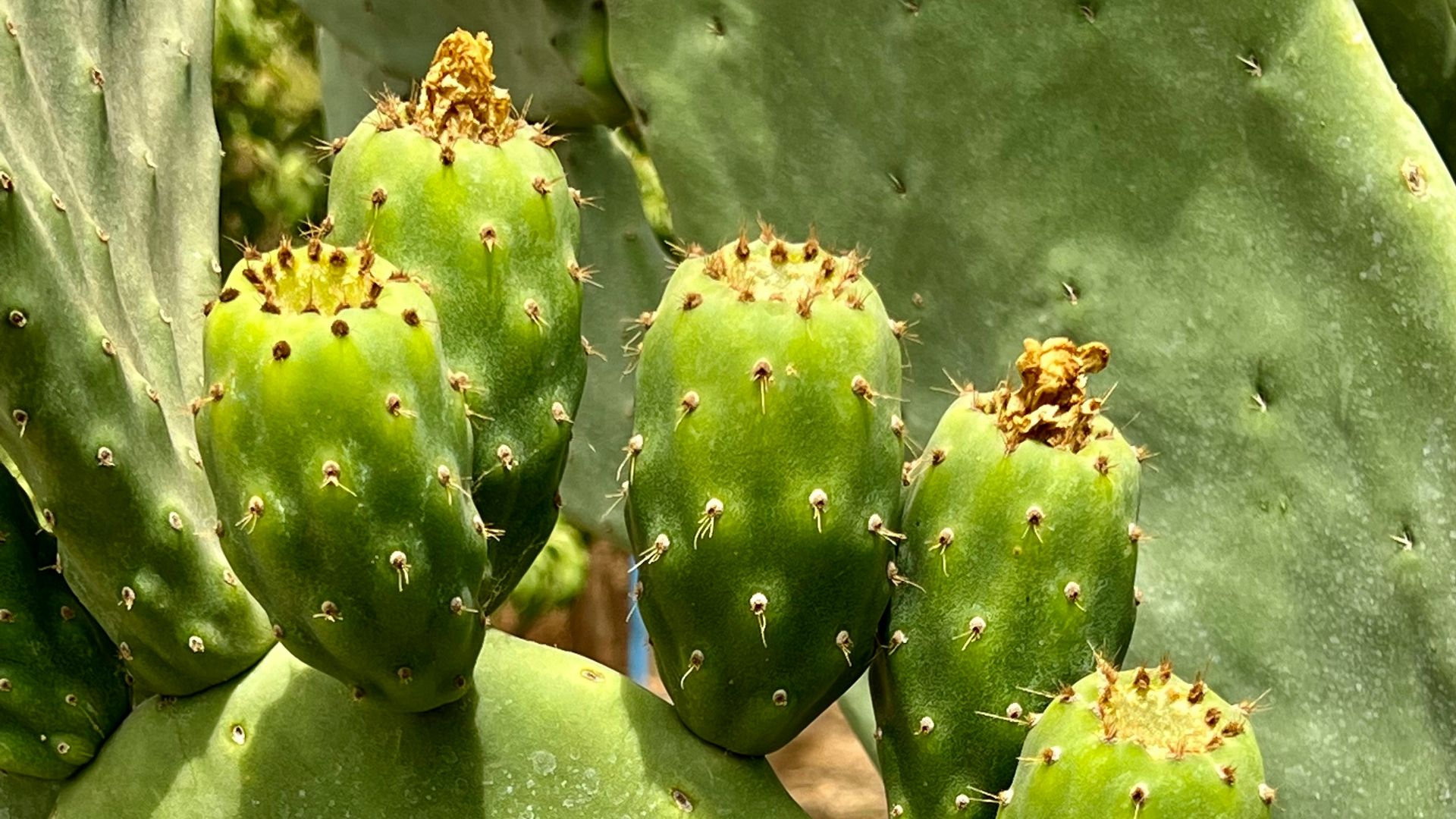
Nopales are the edible pads of the prickly pear cactus and are common in Mexican markets. They’re low in calories while providing fiber, vitamin C, magnesium, and calcium, although their natural soluble fiber gives them a slightly slippery texture.
12. Yardlong Beans
Despite their name, yardlong beans generally reach a little under three feet and are more closely related to cowpeas than common green beans. Quick cooking helps the pods maintain their texture, whereas prolonged simmering can make them softer than expected.

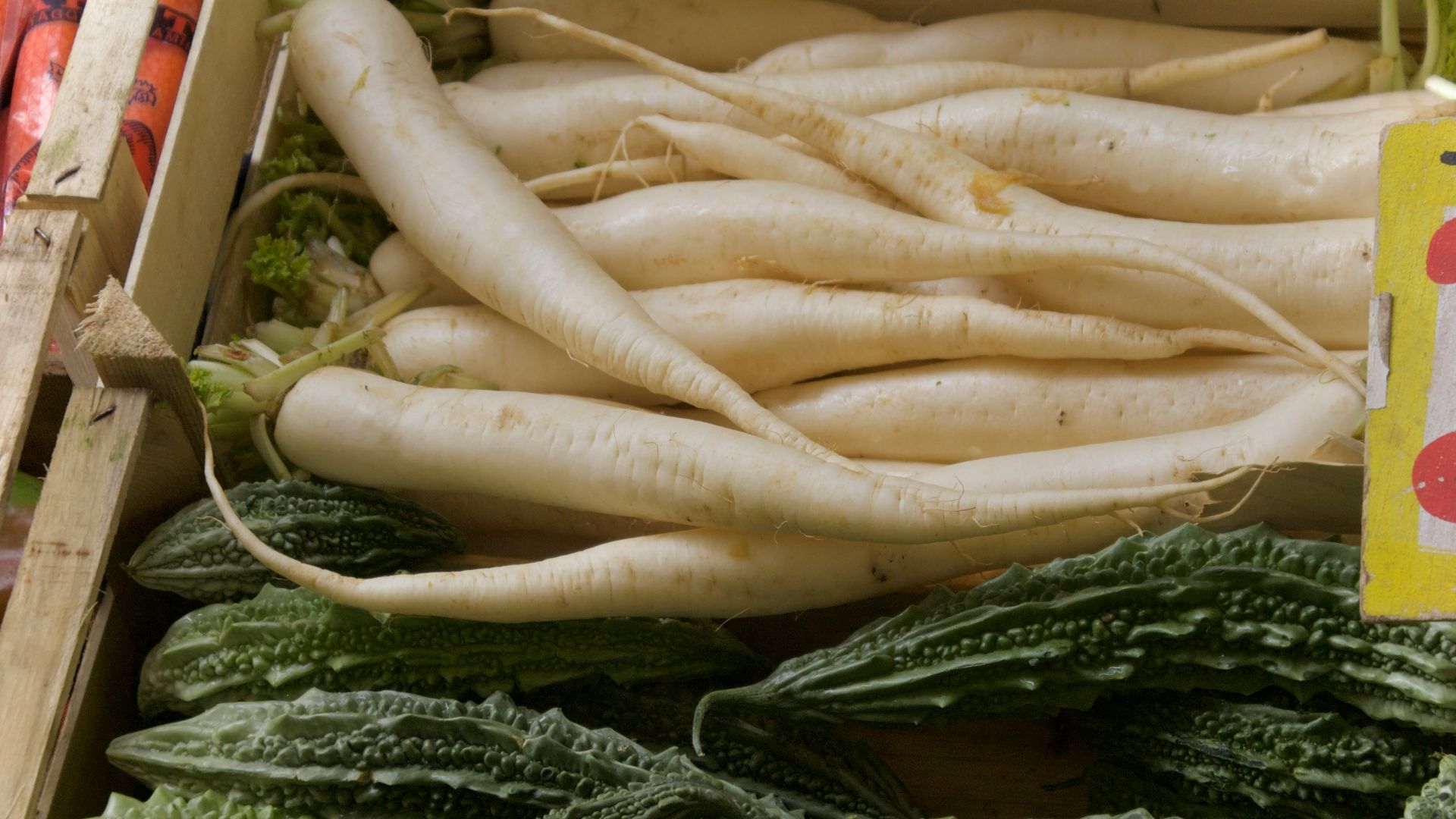
13. Daikon
Daikon is a large East Asian radish with a milder taste than many small red varieties. It provides vitamin C, fiber, and glucosinolates while adding relatively few calories to a meal. The root can be grated raw, pickled, roasted, or simmered, and its leafy tops are also edible when they’re fresh.
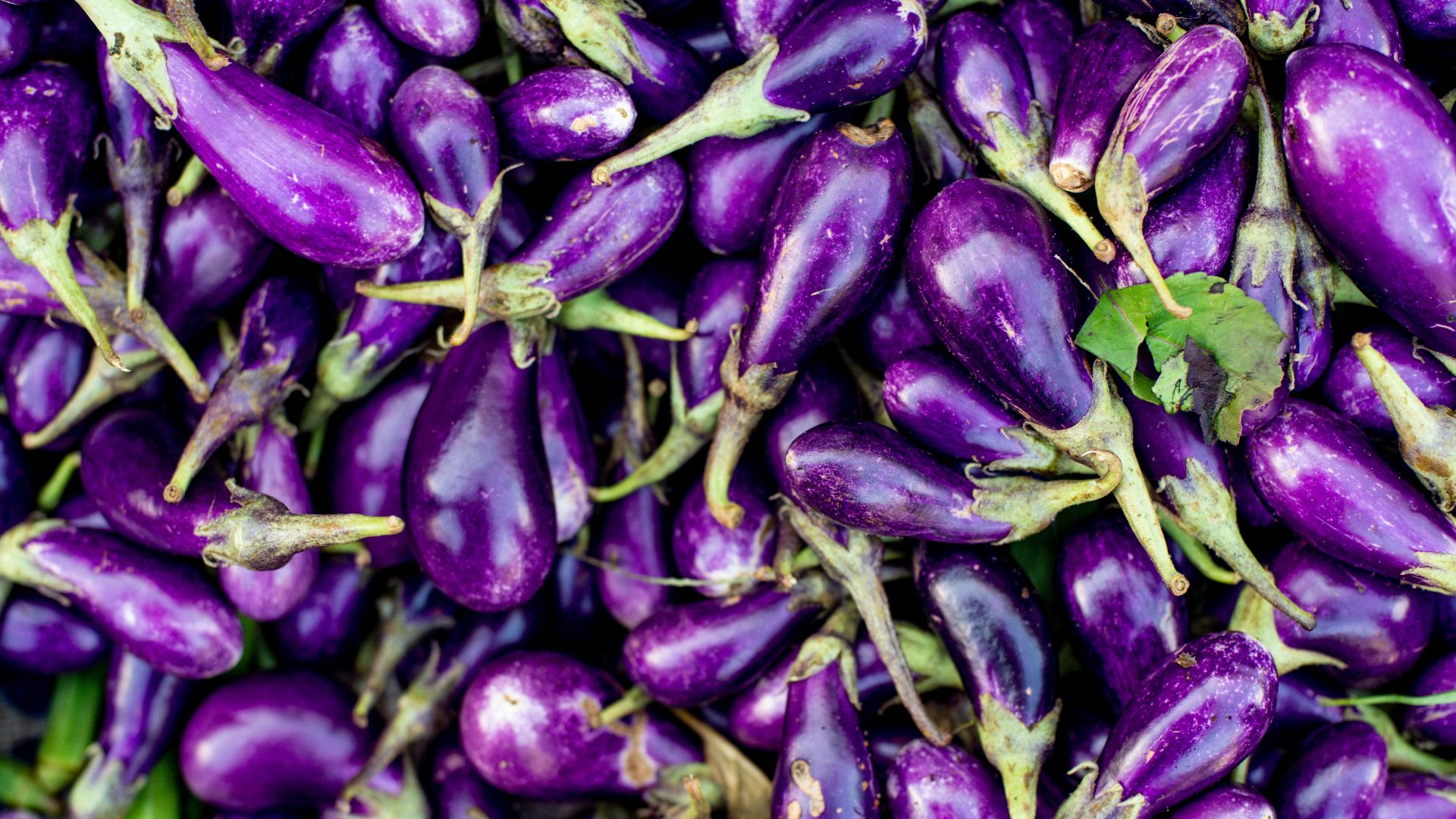
14. Chinese Eggplant
Chinese eggplant is typically longer and more slender than the large globe eggplants found in many supermarkets. Its purple skin contains anthocyanin pigments, while the flesh contributes fiber and several micronutrients in smaller quantities.
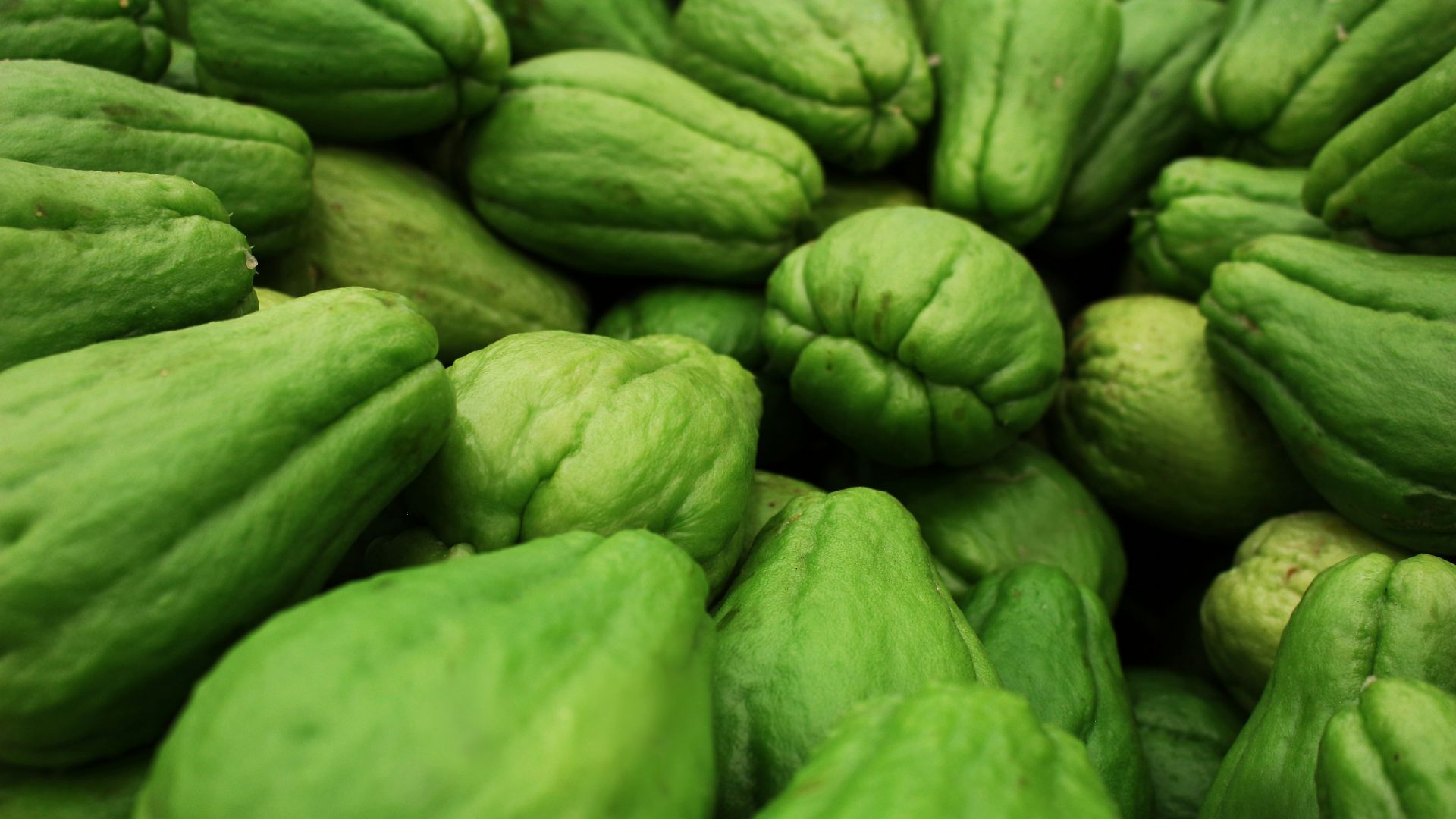
15. Chayote
Chayote is a pale green squash used throughout Latin American, Caribbean, and Asian cuisines. Its mild flesh provides vitamin C, folate, fiber, and potassium without contributing many calories.
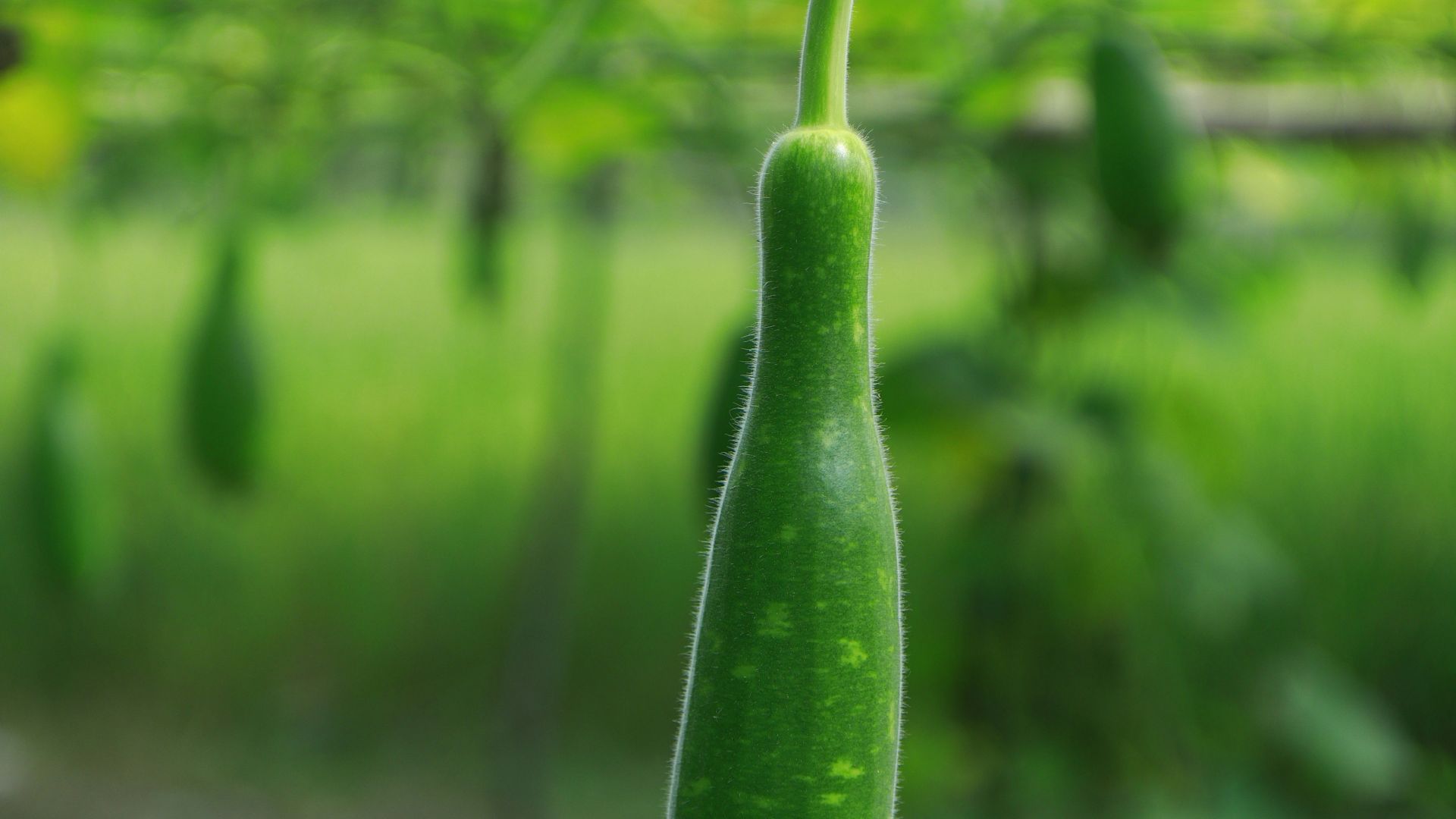
16. Bottle Gourd
Bottle gourd has a gentle flavor and high water content, making it easy to combine with strongly seasoned ingredients. It supplies vitamin C, fiber, and potassium while remaining relatively low in calories.
17. Ridge Gourd
Ridge gourd is recognized by the pronounced ridges running along its green exterior. The tender flesh contains water, fiber, vitamin C, and smaller amounts of several minerals, although mature specimens become too fibrous for enjoyable eating.
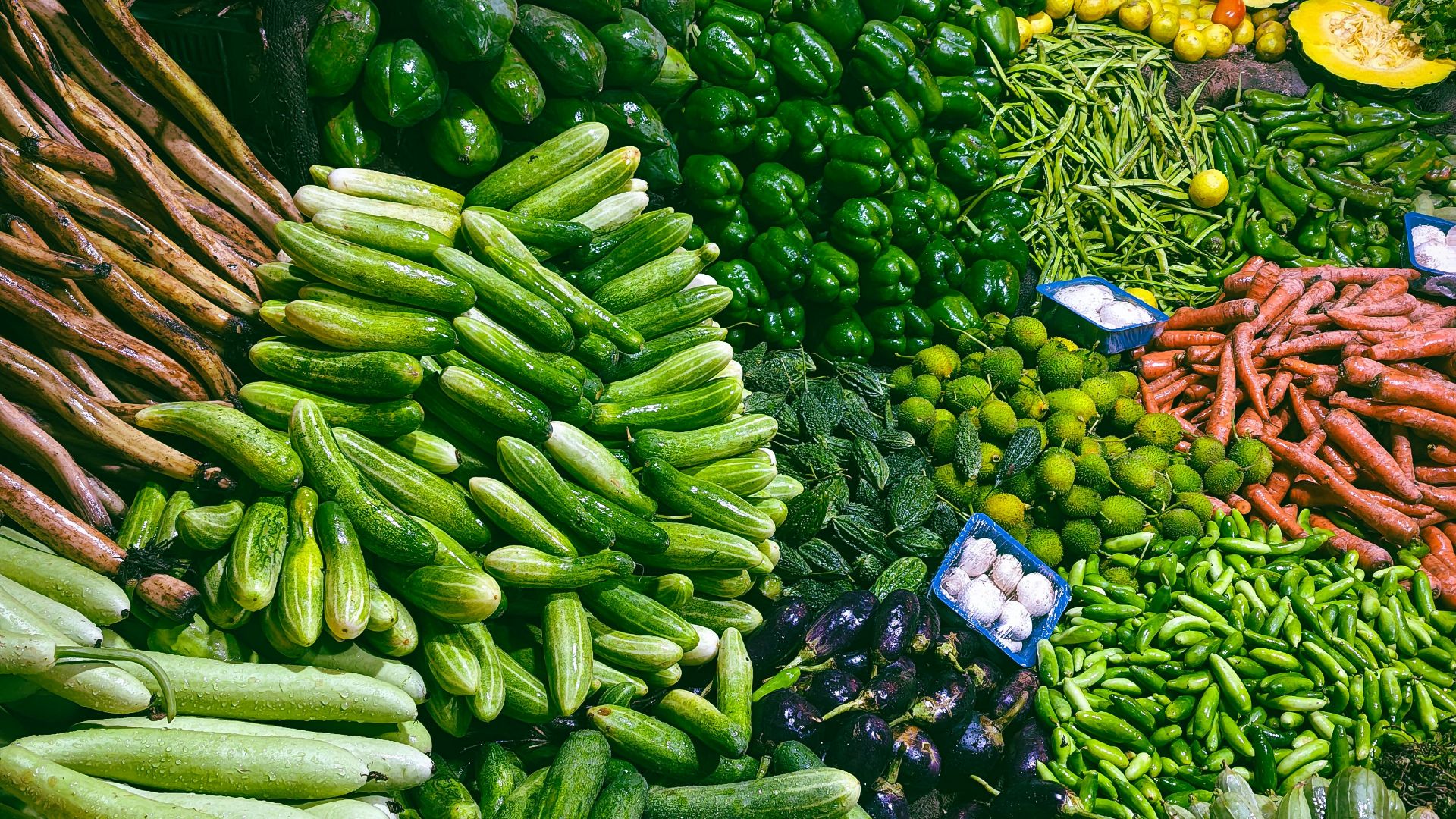
18. Tindora
Tindora, also called ivy gourd, is a small green vegetable frequently used in Indian cooking. Select firm pieces without major blemishes, then slice them lengthwise or into rounds before cooking with spices.
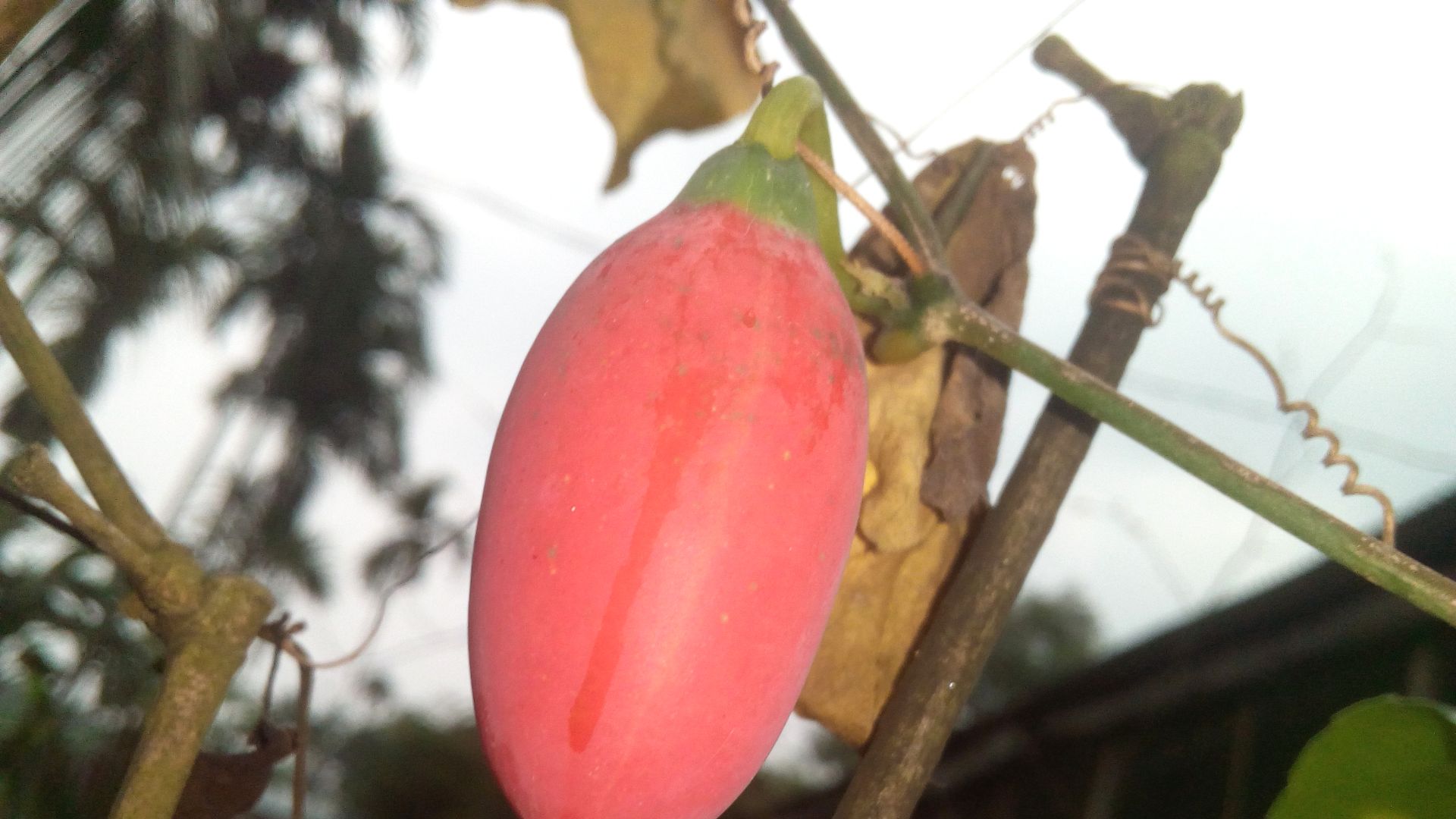 Abdullah AL Shohag on Wikimedia
19. Ube
Fresh ube is a purple yam associated particularly closely with Filipino cooking, although it shouldn’t be confused with purple sweet potatoes. It must be cooked, after which it can be mashed or used in savory and sweet preparations.

20. Banana Blossoms
Banana blossoms are the large purple flowers that grow at the end of banana clusters, and offer several health benefits. They require trimming and soaking, while canned versions offer a more convenient introduction.

KEEP ON READING

20 Habits That Can Slow Down Muscle Recovery