It's More Complicated Than Just Zero Sugar
Diet soda has been a popular alternative to sugary soft drinks for decades, offering plenty of flavor without the added calories. While having an occasional can is generally considered safe for most healthy adults, it still affects your body in several interesting ways, both immediately and over time. Some of those effects come from caffeine, while others are linked to carbonation, artificial sweeteners, and acidity. Here are 20 things that can happen after you crack open a can of diet soda.
1. It Gives You a Dose of Caffeine
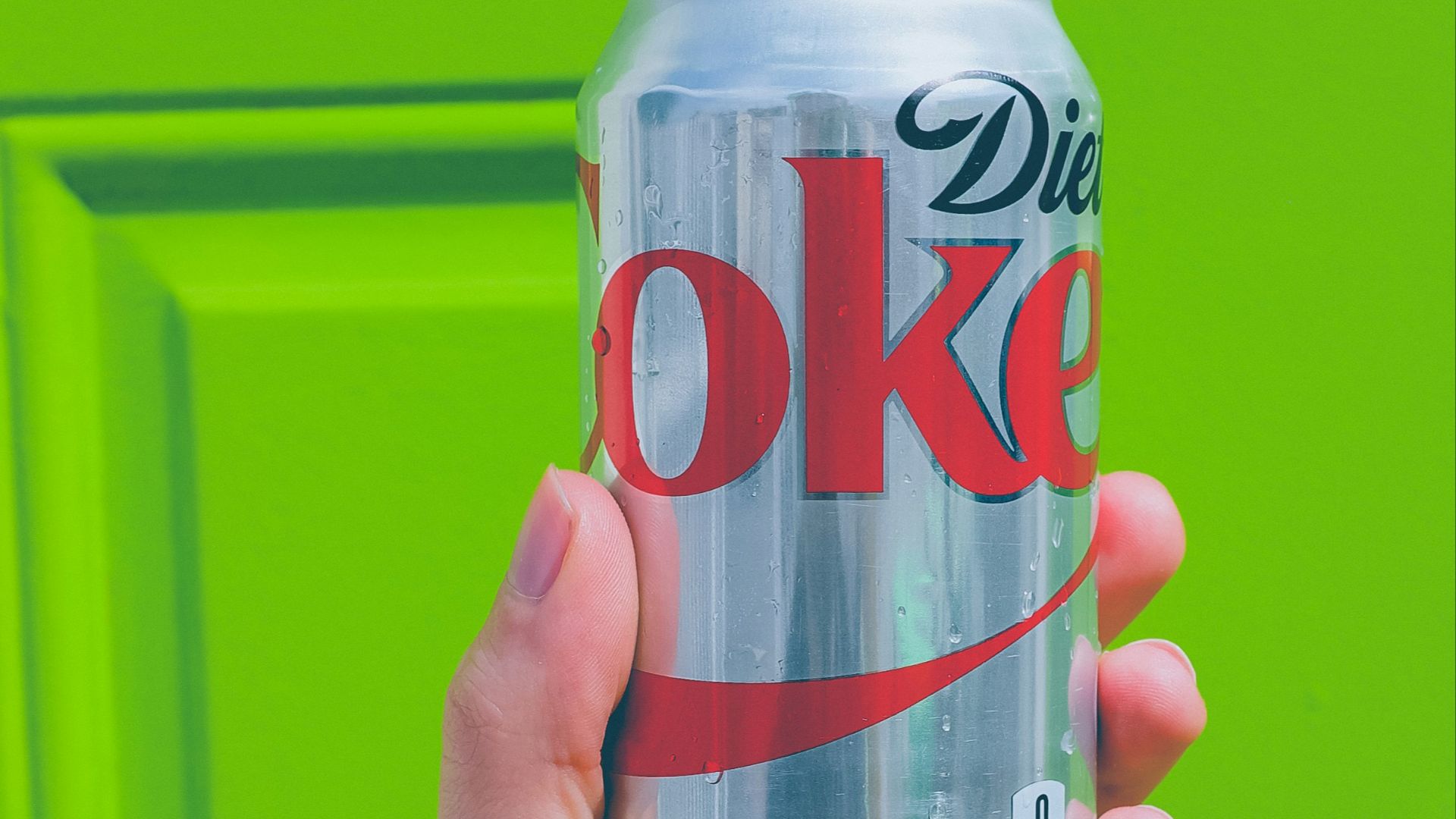
Many diet sodas contain caffeine, although the amount varies by brand. Within about 15 to 45 minutes, that caffeine can help you feel more alert and awake. If you're sensitive to stimulants, though, you might also notice a racing heartbeat or a touch of nervous energy. That's why some people avoid drinking it late in the day.
2. Your Taste Buds Detect Intense Sweetness
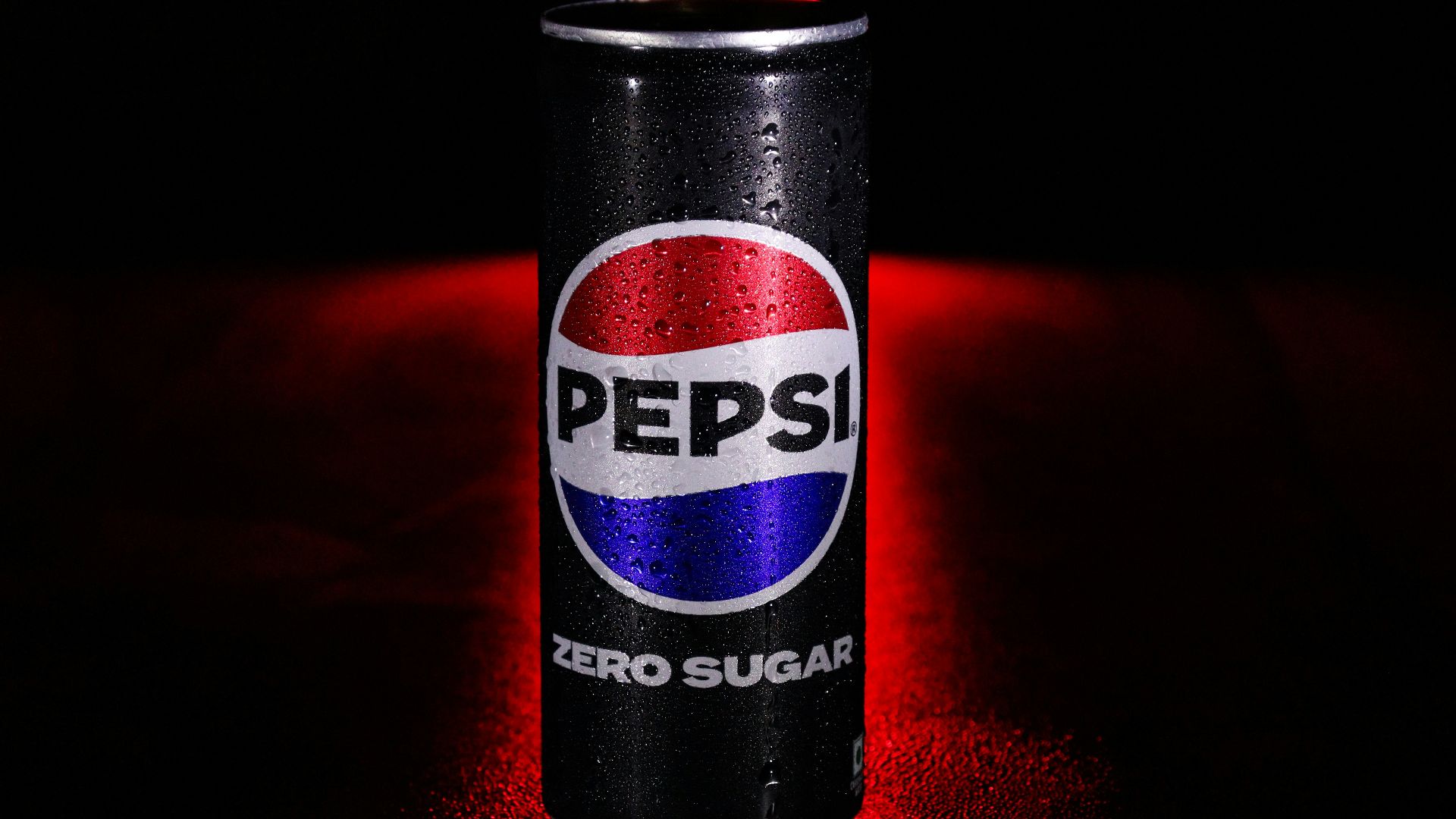
Diet soda causes the sweet taste receptors on your tongue to send messages to your brain. You experience that sugary flavor you recognize even though soda has few or no calories. Artificial sweeteners trigger the same response.
3. Carbonation Can Make You Feel Full
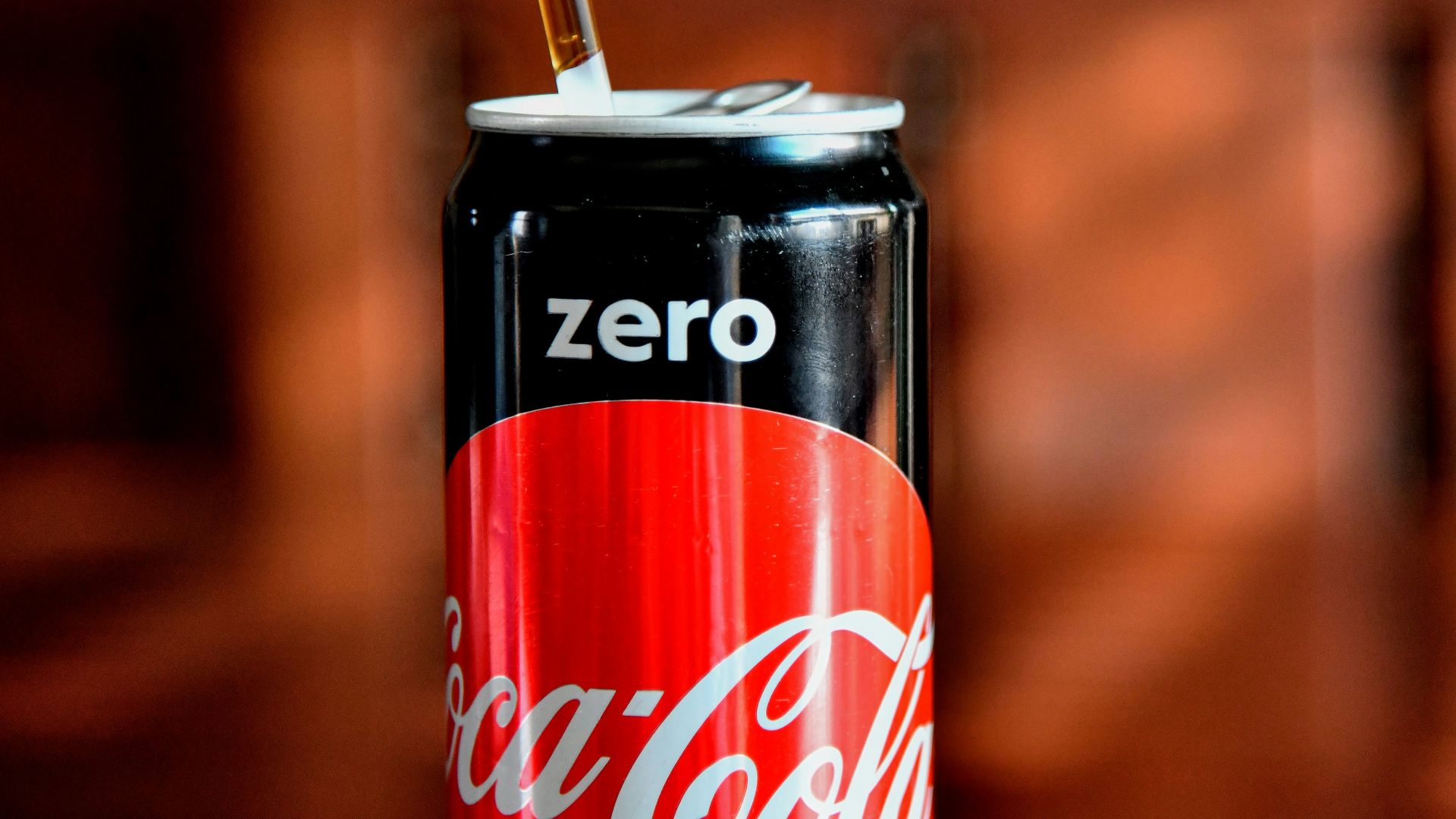
The bubbles in diet soda introduce carbon dioxide gas into your stomach. That extra gas may temporarily make you feel fuller or more bloated after drinking it. For some people, the sensation passes quickly, while others remain uncomfortable for a little longer. Carbonation affects everyone a bit differently.
 Thakur Jaideep Singh on Unsplash
4. You Might Burp More Often
While burping isn’t harmful, it can be unpleasant. You burp when excess gas in your digestive system needs to be released. The bubbles in soda can cause you to burp afterward, especially if you drink quickly.
5. Your Mouth Becomes More Acidic
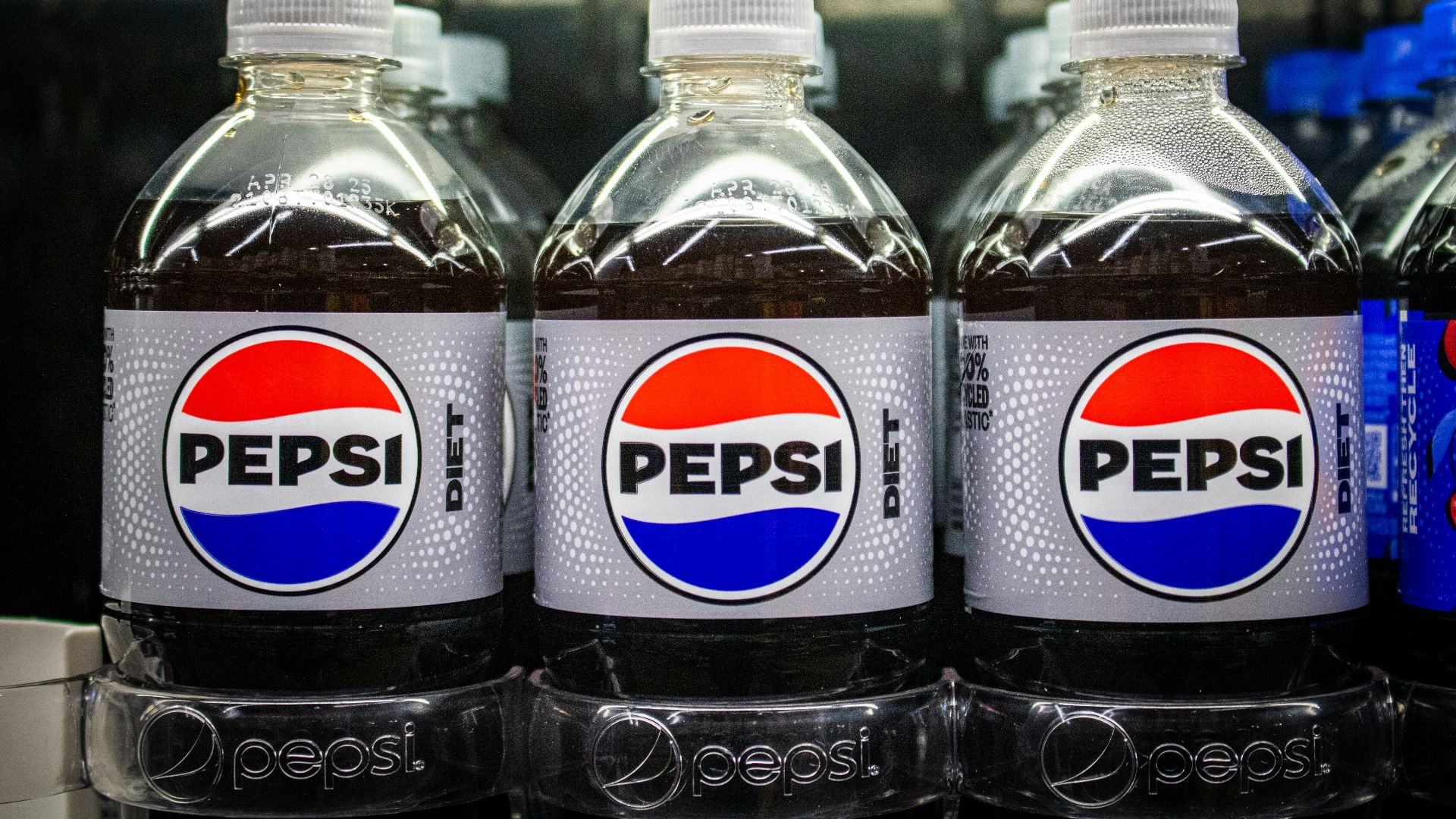
Diet soda contains acids that help create its signature tangy flavor. After you drink it, the pH inside your mouth temporarily drops, making the environment more acidic. Saliva gradually restores normal conditions, but repeated exposure throughout the day can place extra stress on tooth enamel. That's one reason dentists often recommend moderation.
6. Your Teeth Experience an Acid Attack
Over time, acid can cause tooth enamel to erode. Even though diet soda doesn’t contain sugar, sipping on it all day can increase your risk of enamel damage. One can of soda probably isn’t bad for your teeth.
7. It Adds to Your Daily Fluid Intake
Despite what you've probably heard, diet soda still contributes to your overall hydration. The water it contains helps meet your daily fluid needs, even if plain water remains the healthier everyday choice. Unless you're consuming large amounts of caffeine, one can isn't likely to leave you dehydrated. Staying hydrated depends on your total fluid intake throughout the day.
8. Your Blood Sugar Usually Stays Stable
Diabetic and non-diabetic people often drink diet soda because it typically doesn’t contain sugar. That doesn’t mean drinking diet soda has zero effects on your blood sugar levels, but your body processes it differently than sugar-sweetened beverages. You probably won’t experience the same rapid spike.
9. Your Brain Receives a Sweet Signal
Sweet flavors activate reward pathways in the brain, whether the sweetness comes from sugar or certain sweeteners. That pleasant taste can make the drink feel satisfying in the moment. Researchers continue studying how artificial sweeteners influence appetite and cravings over the long term, and the findings have been mixed. The effects aren't fully understood yet.
10. You May Feel More Awake
If your diet soda contains caffeine, you could notice improved focus or mental alertness not long after finishing it. Many people enjoy that mild energy boost during the afternoon slump. Others, however, may become jittery if they consume too much caffeine in a short period. Your personal tolerance plays a big role.
11. It Can Trigger Heartburn in Some People
Carbonation and acidity may worsen heartburn symptoms in people who are already prone to acid reflux. The drink doesn't cause reflux in everyone, but it can make existing symptoms more noticeable. If you've experienced this before, paying attention to how your body reacts can be helpful. Everyone's digestive system responds differently.
12. Your Stomach Starts Digesting It Quickly
After drinking diet soda, your stomach will work quickly to digest it. Soda doesn’t contain the nutrients your body has to work hard at breaking down, like proteins, fats, and fiber. Instead, your body rapidly digests soda so the caffeine can enter your bloodstream.
13. It May Increase Gas
Carbonated beverages can contribute to gas in the digestive system, especially if you drink them rapidly. Some people barely notice the effect, while others become noticeably bloated. The bubbles themselves are usually responsible rather than the sweeteners. Slowing down while drinking may help reduce discomfort.
14. Your Kidneys Filter the Ingredients
Like any other drink, your kidneys filter out diet soda. Healthy adults should have no problem processing the drink. If you’re eating an overall healthy diet, one soda isn’t going to harm your kidney health.
15. It Can Become a Habit
Many people reach for diet soda at the same time every day without even thinking about it. That routine may become part of a lunch break, afternoon pick-me-up, or evening meal. Habits aren't necessarily harmful, but they're worth noticing if the drink starts replacing healthier beverages. Small daily routines can add up over time.
16. It Doesn't Provide Nutrients
Diet soda may be refreshing, but it doesn't offer meaningful amounts of vitamins, minerals, protein, or fiber. It satisfies thirst and taste without contributing much nutritional value. That's why nutrition experts usually recommend water, milk, or other nutrient-rich beverages more often. Diet soda works best as an occasional choice rather than a dietary staple.
17. Your Sleep Could Be Affected
If you drink diet soda before bed, you may notice that it takes you longer to fall asleep. Caffeinated diet soda can make falling asleep difficult for some people. Even if you don’t feel like your soda keeps you awake at night, you could be disrupting your sleep cycles.
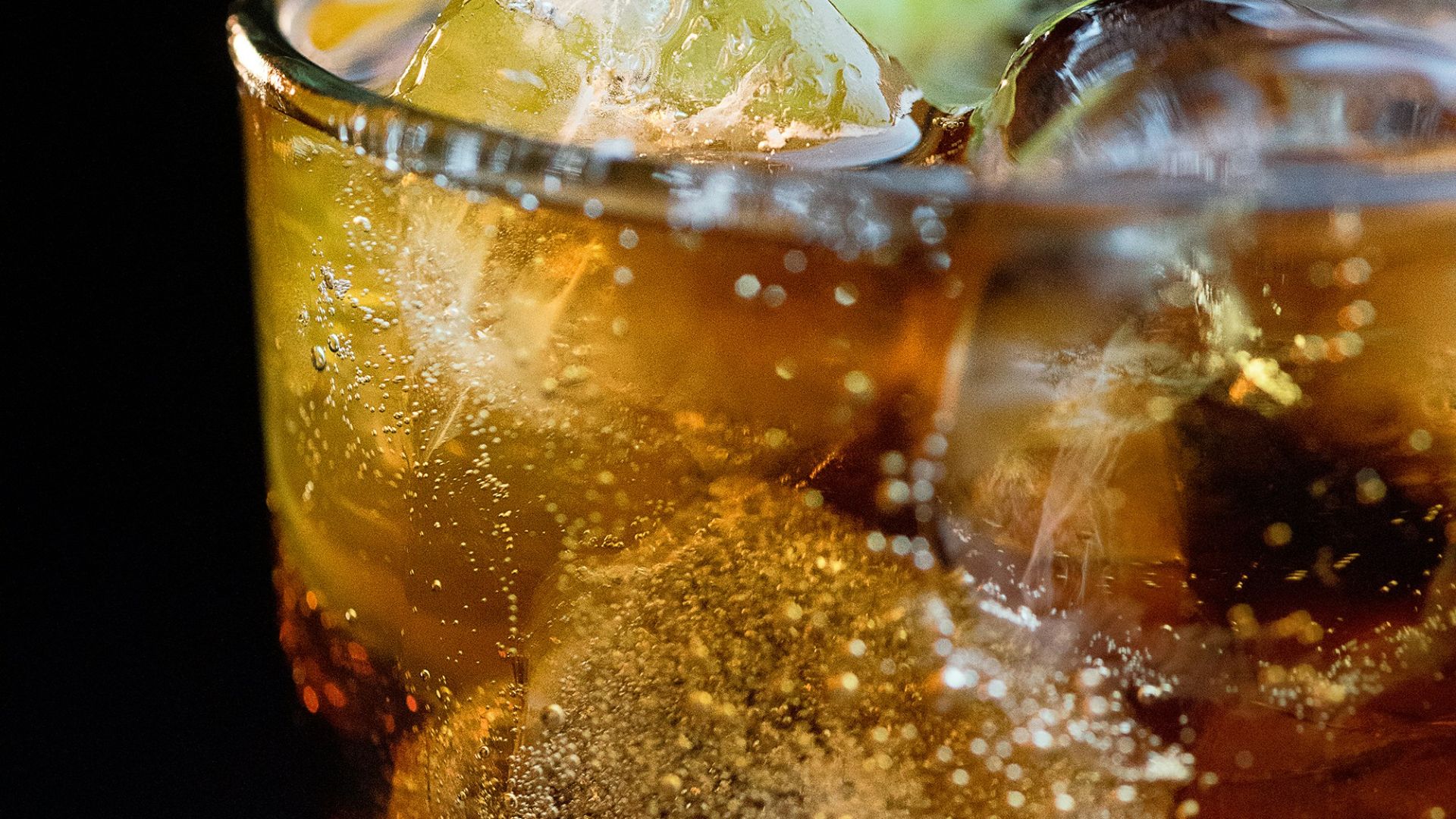 David Foodphototasty on Unsplash
18. Your Appetite Might Not Change Much
Some people find that diet soda helps satisfy cravings for sweet drinks without adding calories. Others notice it has little effect on hunger or even leaves them wanting something sweet afterward. Research on appetite and artificial sweeteners continues to produce mixed results. Individual experiences vary quite a bit.
19. Your Body Processes the Sweeteners
Approved artificial sweeteners are evaluated for safety before they're allowed in foods and beverages. Your body processes each sweetener differently depending on the specific ingredient used. For most people, consuming them within established acceptable daily intake levels is considered safe by major health authorities. One can generally contains well below those limits.
20. One Can Is Usually Less Important Than Your Overall Diet
If you drink diet soda every day but never drink water or eat any vegetables or fruits, one soda won’t make or break your diet. However, if you drink one diet soda every once in a while along with plenty of healthy foods and water, one soda is perfectly fine for you. Diet soda isn’t ideal to consume every day.
KEEP ON READING
20 Habits That Can Slow Down Muscle Recovery
The 20 Most Hated Health Foods