
What You Eat Actually Matters Here
That midafternoon crash is not always about sleep or stress. A lot of it comes down to blood sugar swings, dehydration, and a handful of nutrients that quietly run your energy systems in the background. Iron carries oxygen to your cells, magnesium helps convert food into usable fuel, and steady carbs keep your blood sugar from spiking and then dropping you off a cliff an hour later. None of this means one smoothie will fix a rough week of sleep, but the right foods can genuinely take the edge off that heavy, foggy feeling. Here's 20 foods worth keeping on hand if sluggishness has become a regular guest.
1. Oats
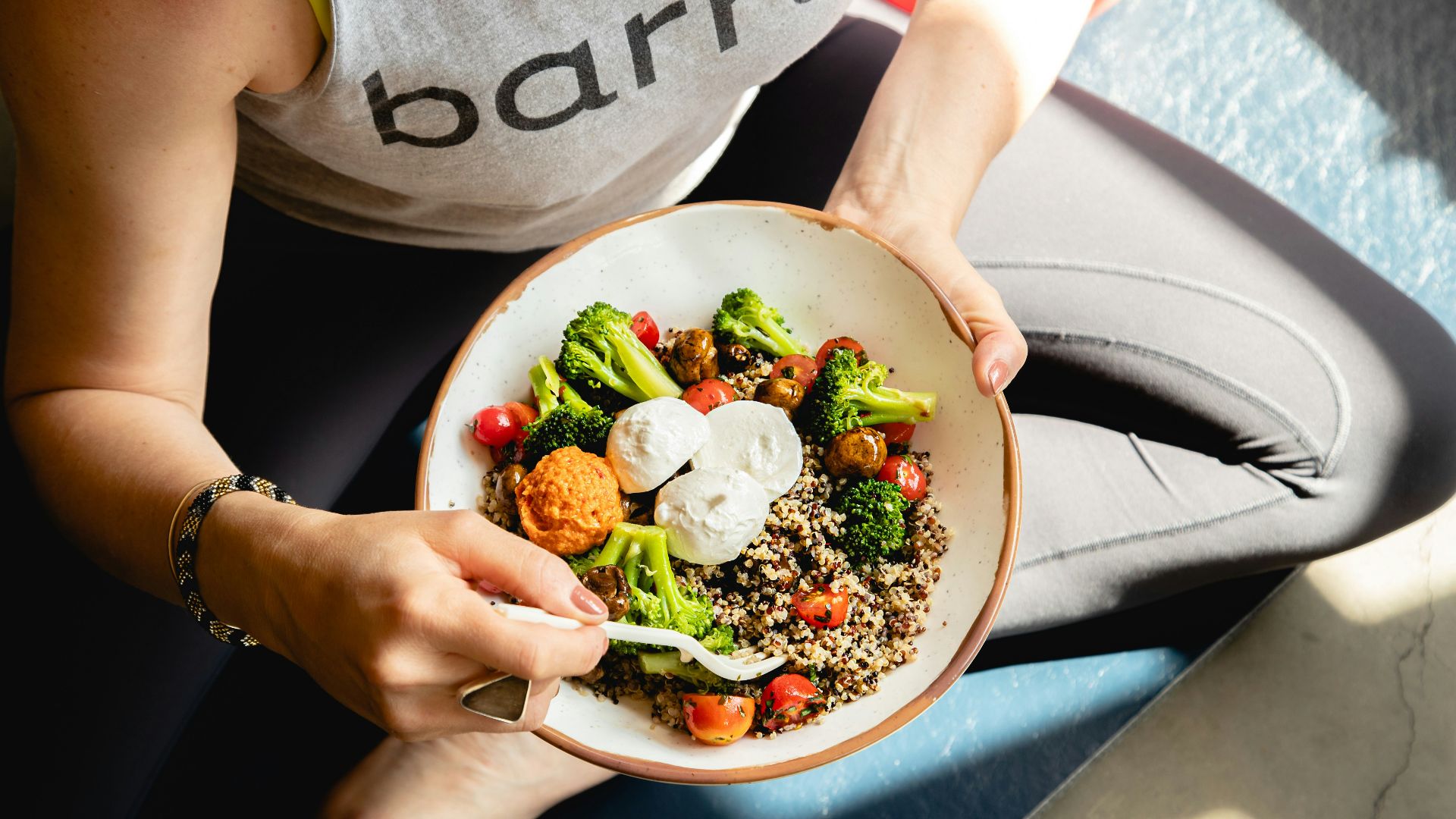
Oats digest slowly thanks to their fiber content, which means the carbs release into your bloodstream at a steady pace instead of all at once. That steadier release helps you avoid the sharp blood sugar spike and crash that leaves you reaching for coffee an hour later. A bowl in the morning tends to hold energy better than something sugary and fast-digesting.
 micheile henderson on Unsplash
2. Eggs
Eggs bring protein and choline to the table, both of which support steady energy rather than a quick burst. Choline in particular plays a role in how your body produces certain brain chemicals tied to alertness. They also happen to be one of the easiest proteins to prep on a busy morning.

3. Spinach
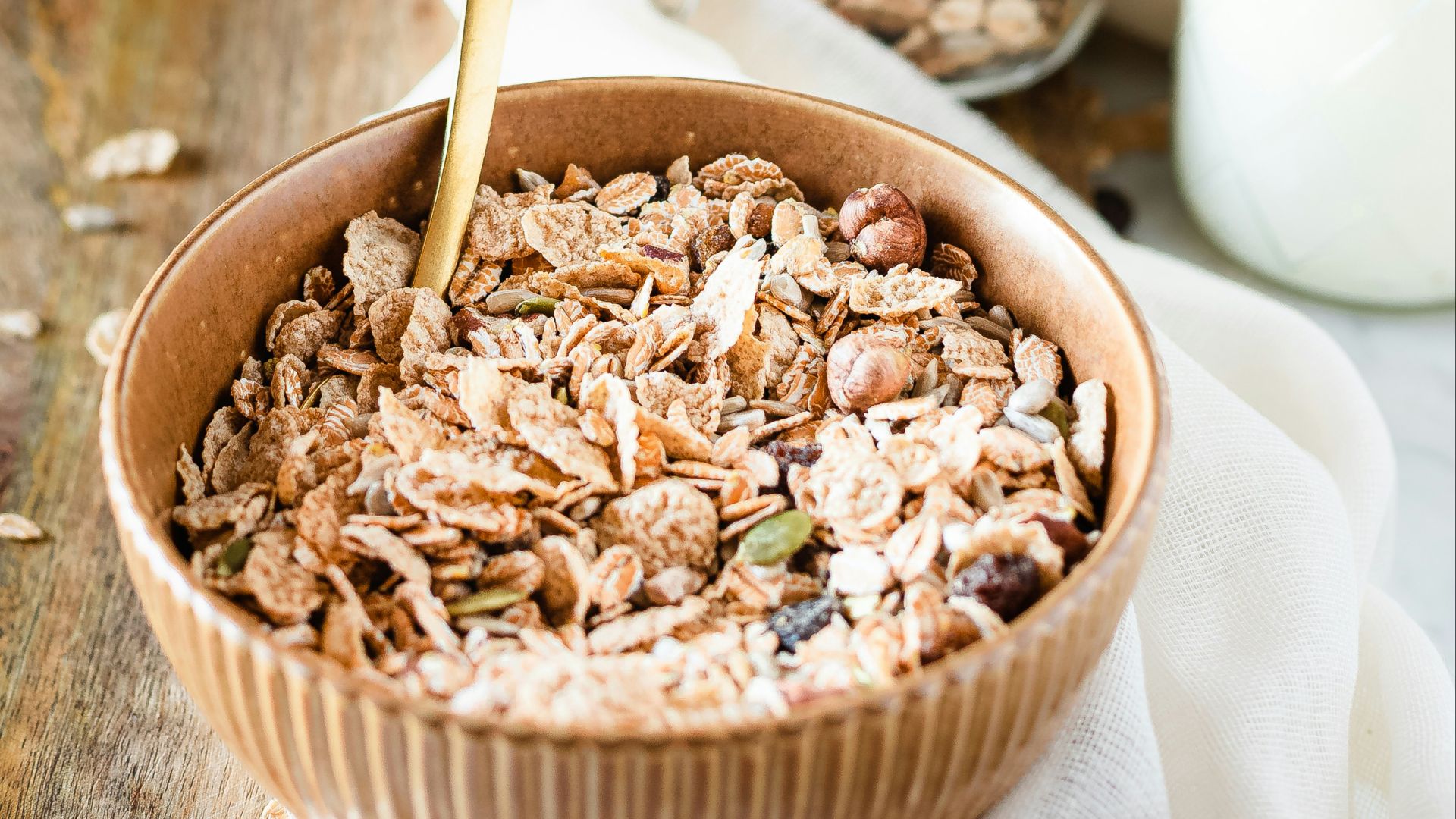
Low iron is one of the more common, overlooked causes of feeling drained, since iron helps carry oxygen through your blood to your muscles and brain. Spinach delivers a solid dose of it, along with folate. Pairing it with a source of vitamin C, like citrus, helps your body absorb that iron more efficiently.
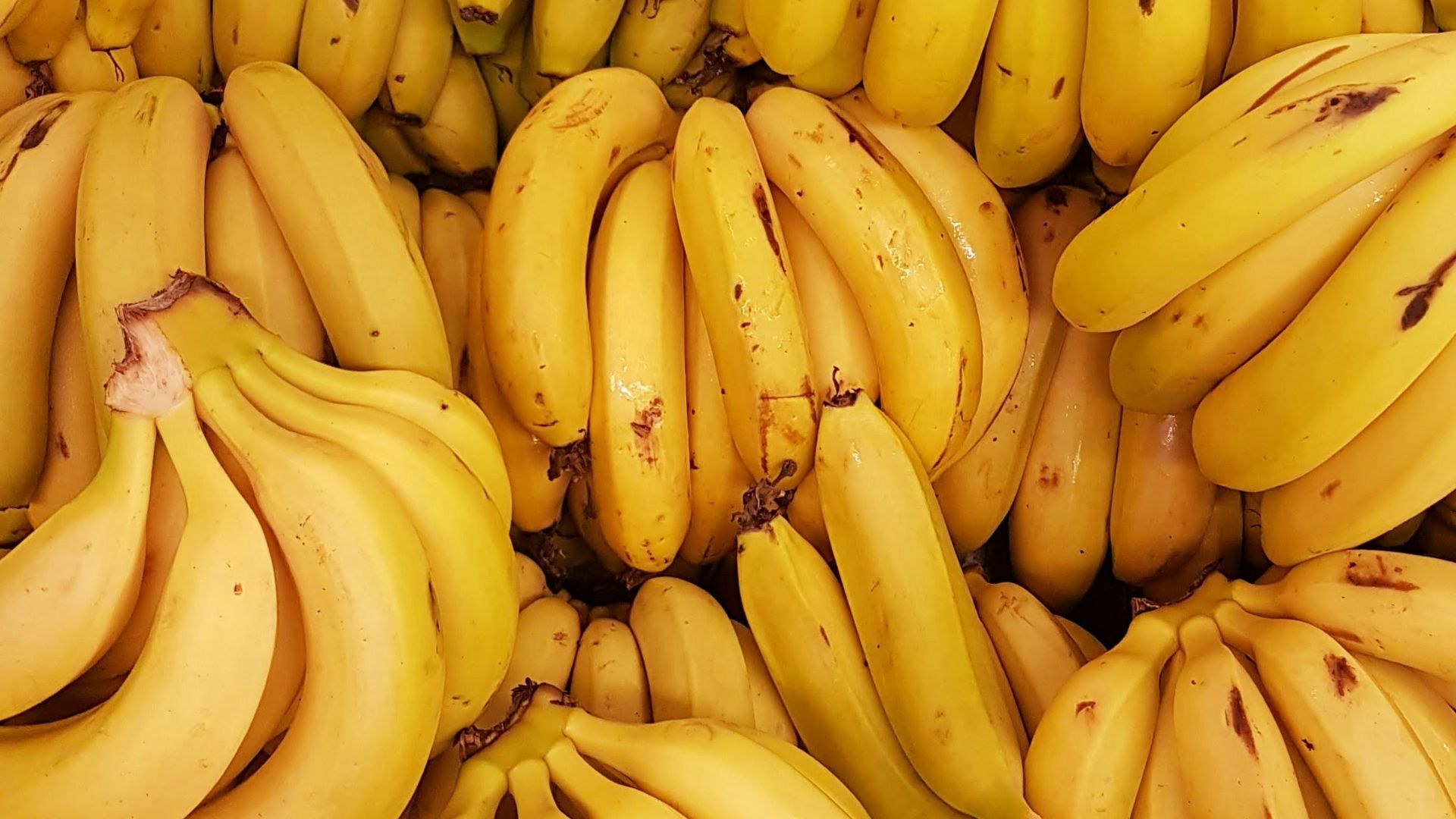
4. Bananas
Bananas combine natural sugar with fiber and potassium, giving you a quick source of fuel that does not vanish as fast as plain sugar would. Potassium also plays a role in muscle and nerve function, which matters more than people expect for feeling physically capable. They are about as convenient as fatigue-fighting food gets.
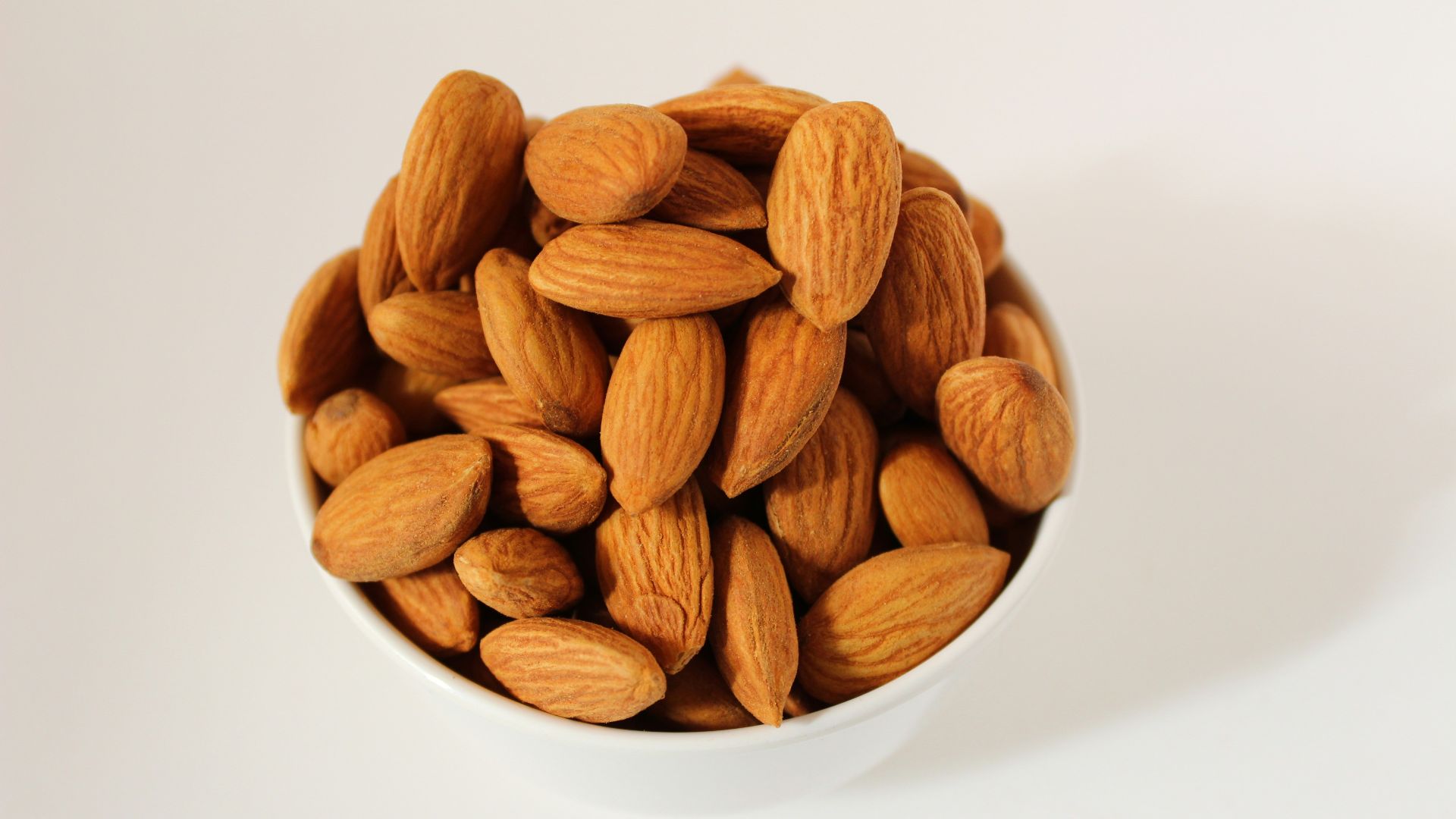
5. Almonds
A small handful of almonds provides magnesium, a mineral involved in converting food into usable energy at the cellular level. Low magnesium levels have been linked to fatigue in some research, even in people who otherwise eat well. The healthy fat and protein in almonds also help you avoid the blood sugar dip that plain snacking can cause.
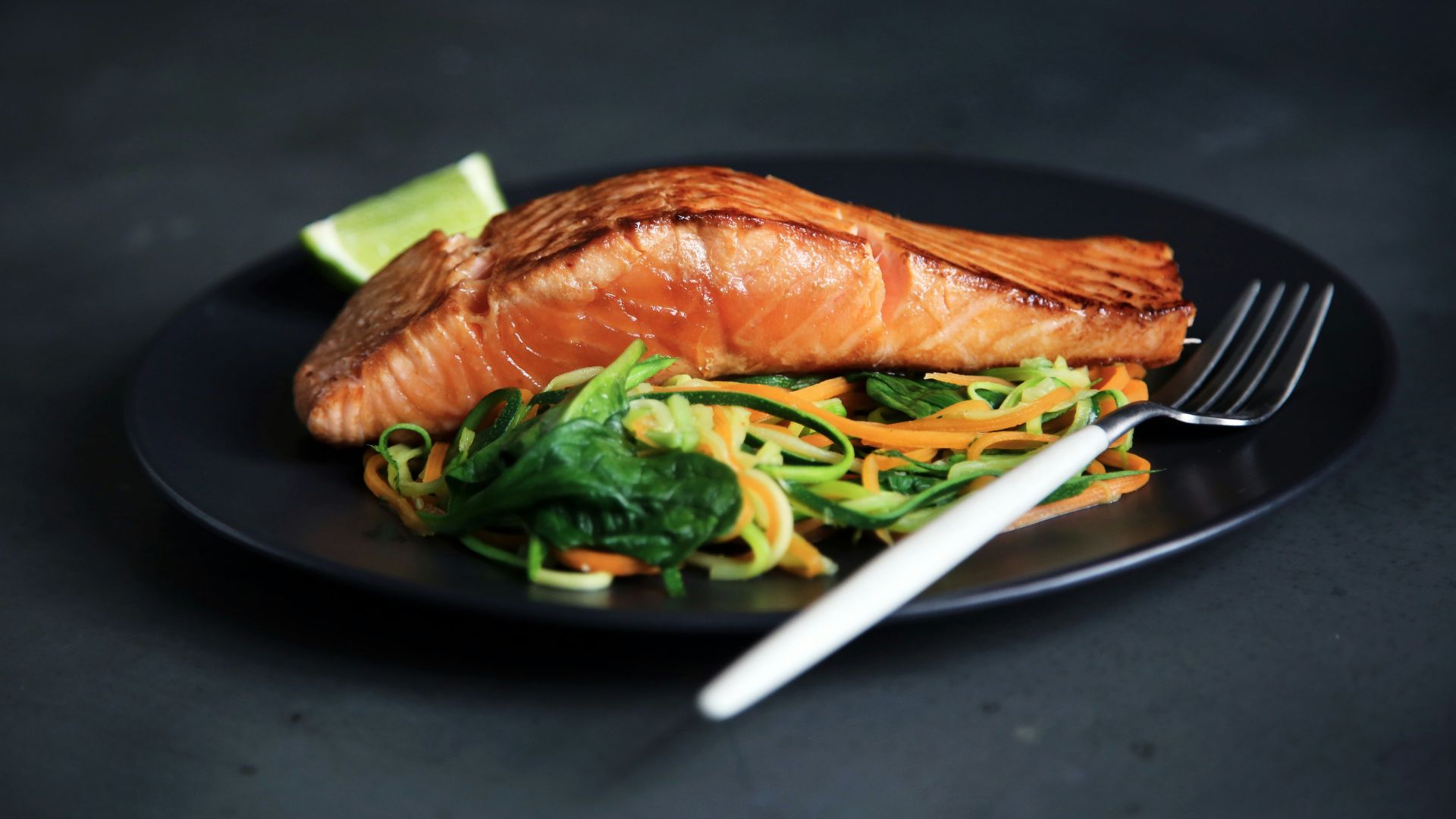
6. Salmon
Fatty fish like salmon are rich in omega-3 fatty acids, which have been associated with lower inflammation and, in some studies, better mood and mental clarity. Chronic low-grade inflammation is one of the quieter contributors to feeling worn down. A couple of servings a week is generally enough to make a difference.
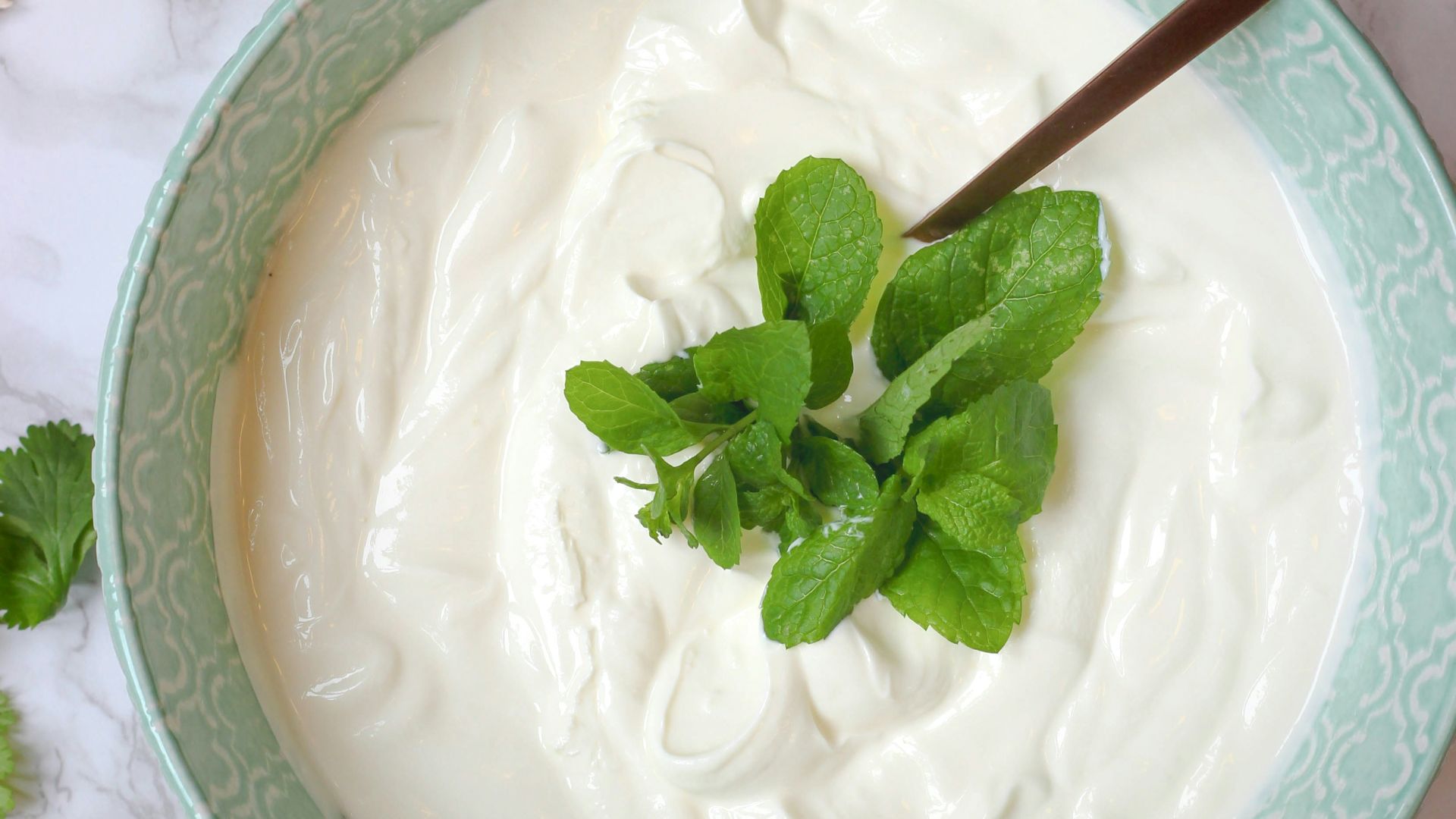
7. Greek Yogurt
Greek yogurt packs in protein along with probiotics that support gut health, and there is growing research tying gut health to energy and even mood. Protein alone also slows digestion just enough to keep you fuller and steadier between meals. It is a solid base for topping with fruit or nuts.
 micheile henderson on Unsplash
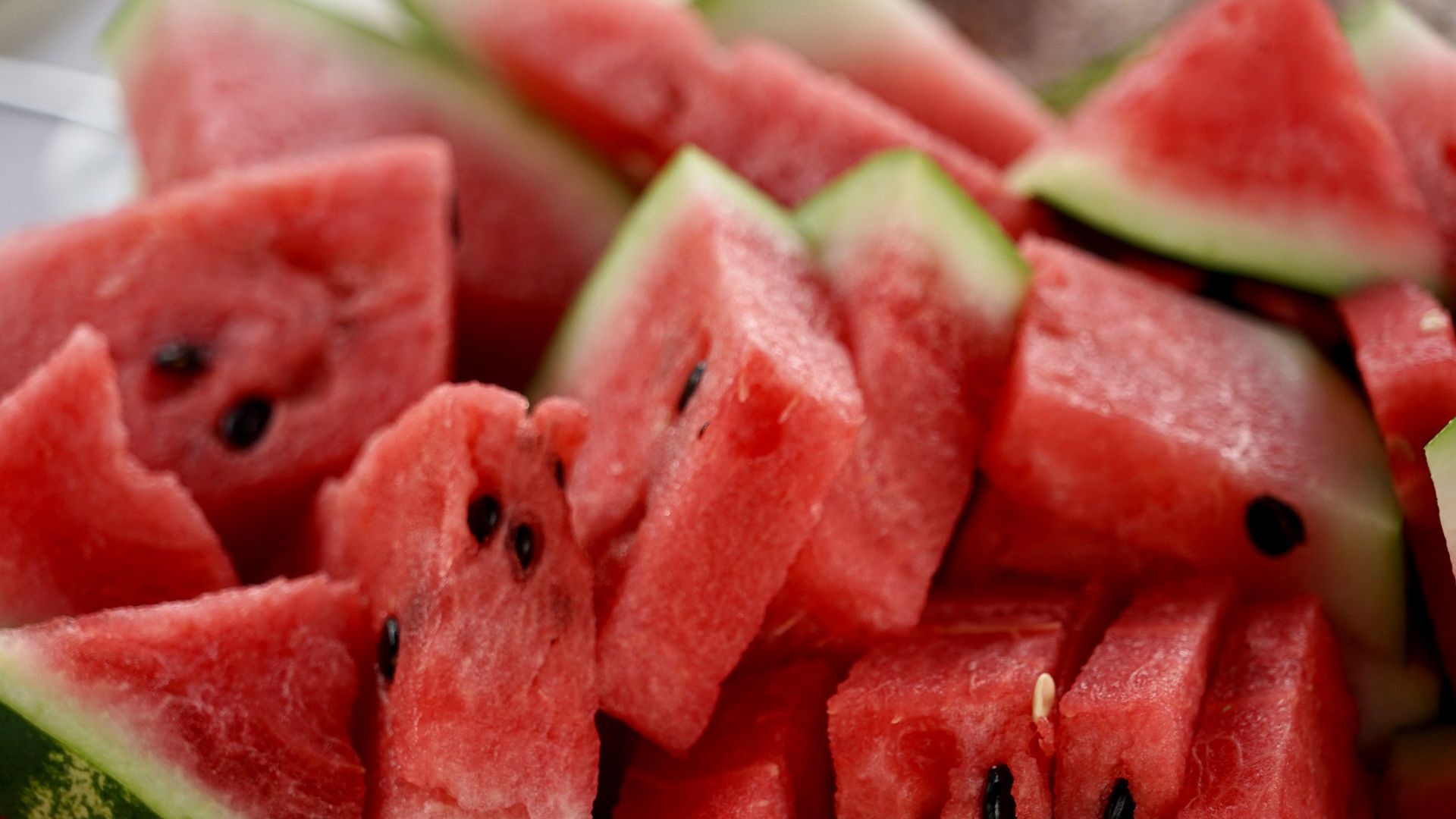
8. Watermelon
Even mild dehydration can leave you feeling tired and mentally foggy, and watermelon is over ninety percent water, making it an easy way to help stay hydrated. It also comes with a bit of natural sugar and potassium for a gentle energy boost. Hot weather and heavy exercise both make this one worth reaching for.
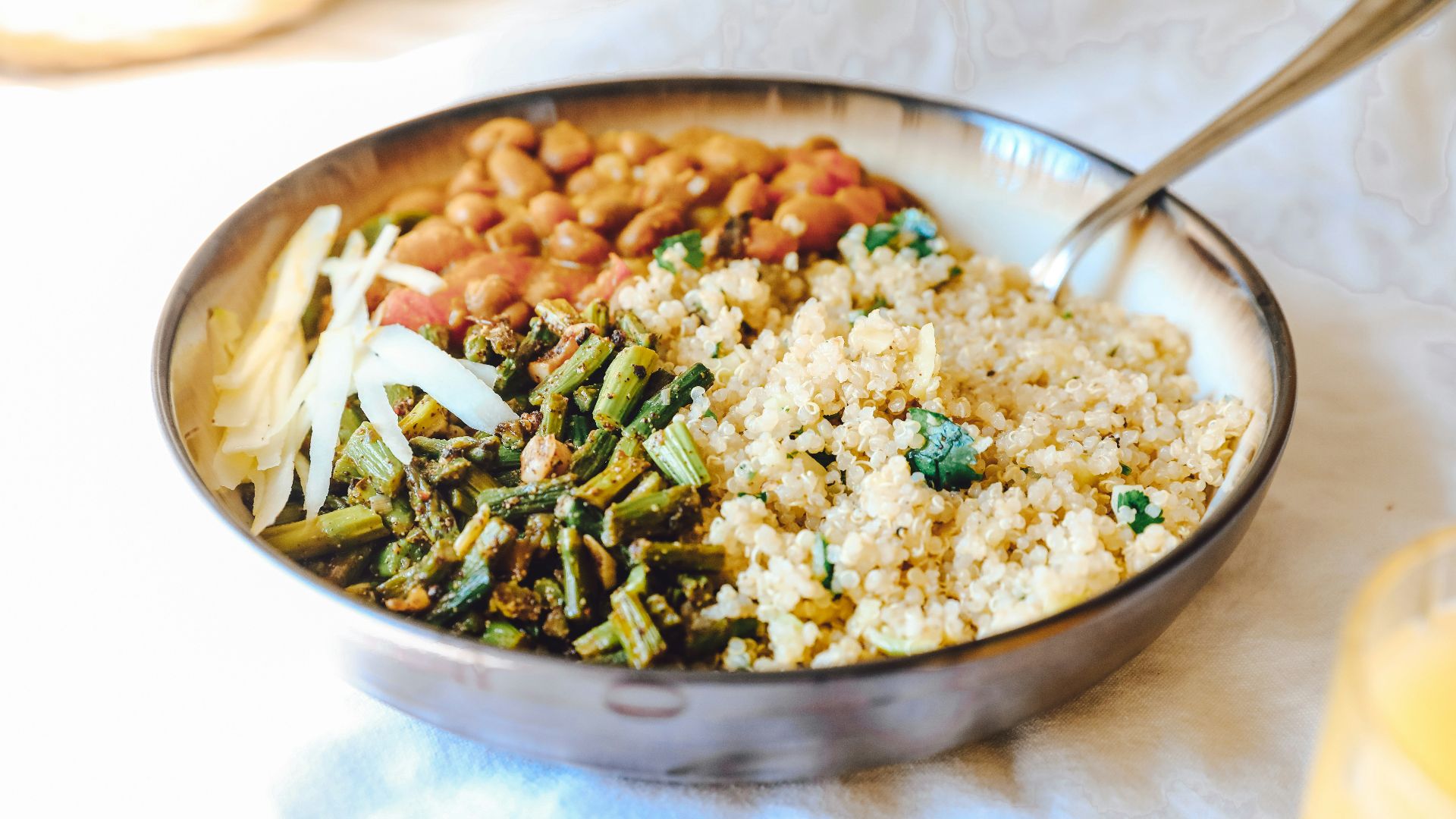
9. Quinoa
Quinoa is one of the rare plant foods that offers a complete protein along with complex carbohydrates and fiber. That combination tends to keep blood sugar steadier than most grains, which translates into more even energy through the afternoon. It also swaps easily into meals where rice usually goes.
 Shashi Chaturvedula on Unsplash
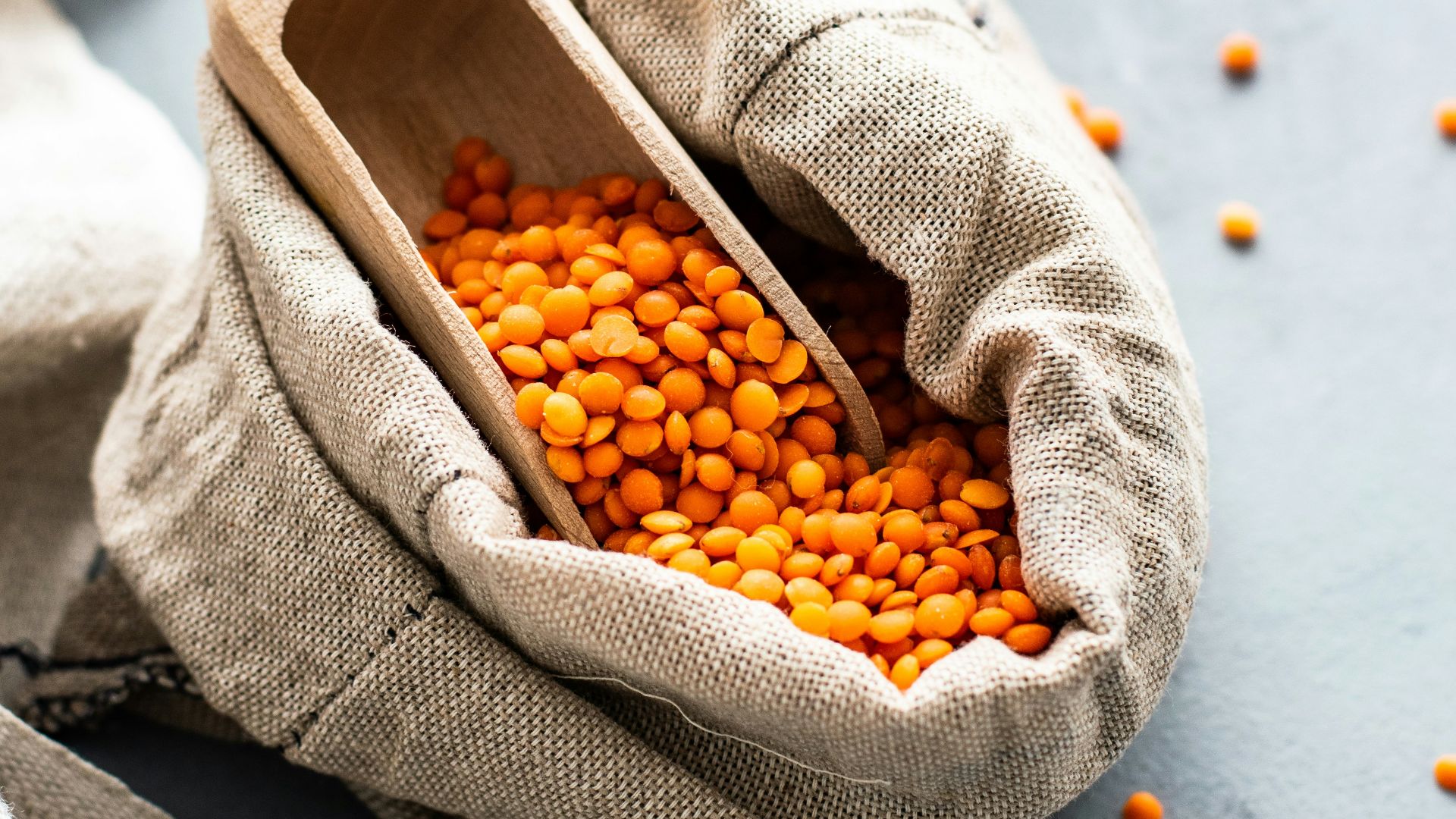
10. Lentils
Lentils are high in iron and fiber, and they digest slowly enough to avoid the quick spike and drop that simple carbs cause. They are a particularly useful option for anyone who does not eat much meat, since plant-based iron sources are easy to overlook. A cup of lentil soup can genuinely carry you through a long afternoon.
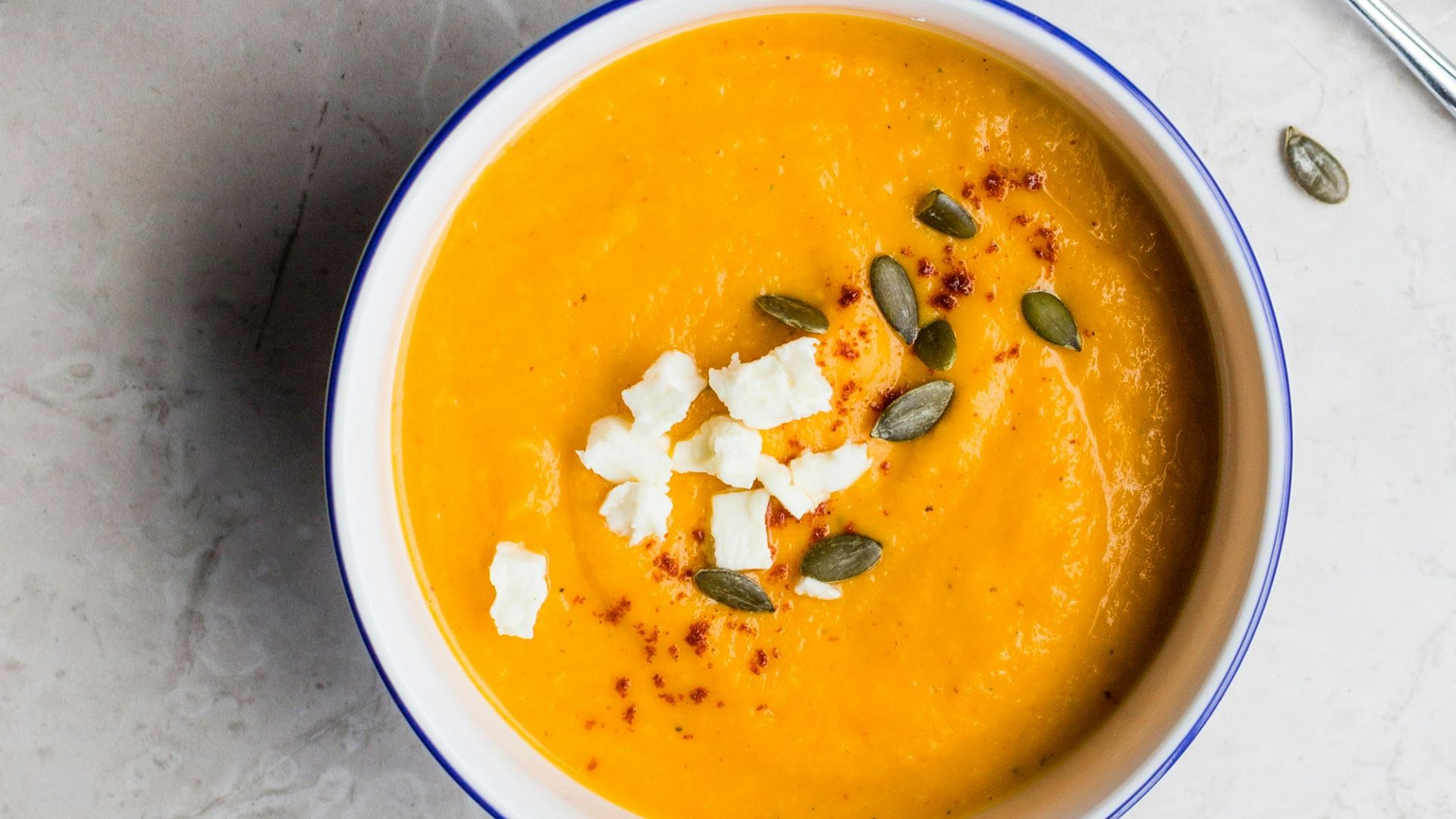
11. Sweet Potatoes
Sweet potatoes bring complex carbs, fiber, and a good amount of vitamin A into one package. The fiber slows down how quickly the natural sugars hit your bloodstream, which helps prevent that sluggish feeling that follows a sugar crash. They also tend to be more filling than white potatoes serving for serving.
12. Berries
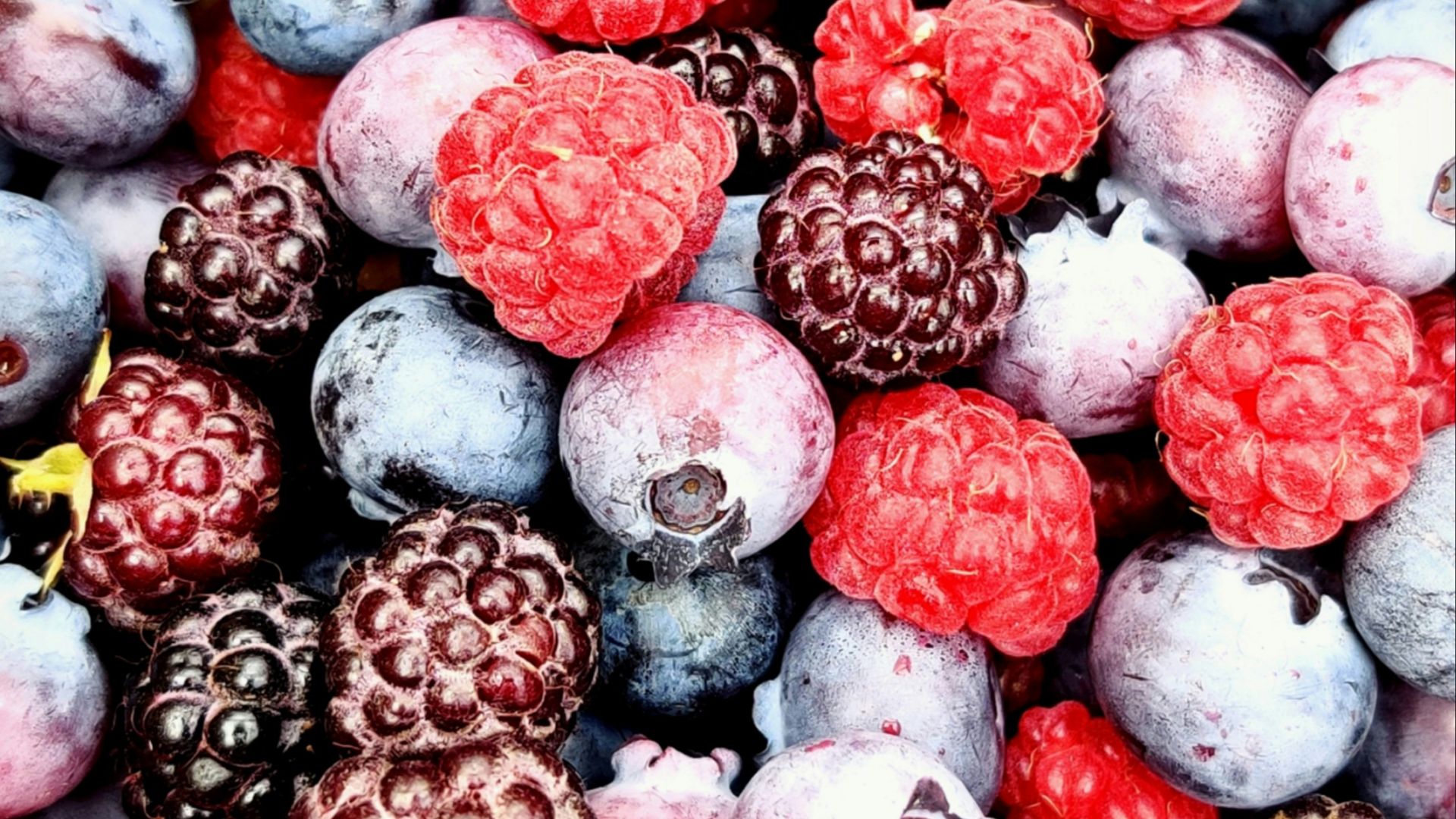
Berries carry a lower glycemic impact than most fruit, meaning they raise blood sugar more gradually. They are also loaded with antioxidants, which help manage the oxidative stress that can contribute to that worn-down feeling over time. Blueberries and blackberries both work well tossed into yogurt or oats.
13. Dark Chocolate
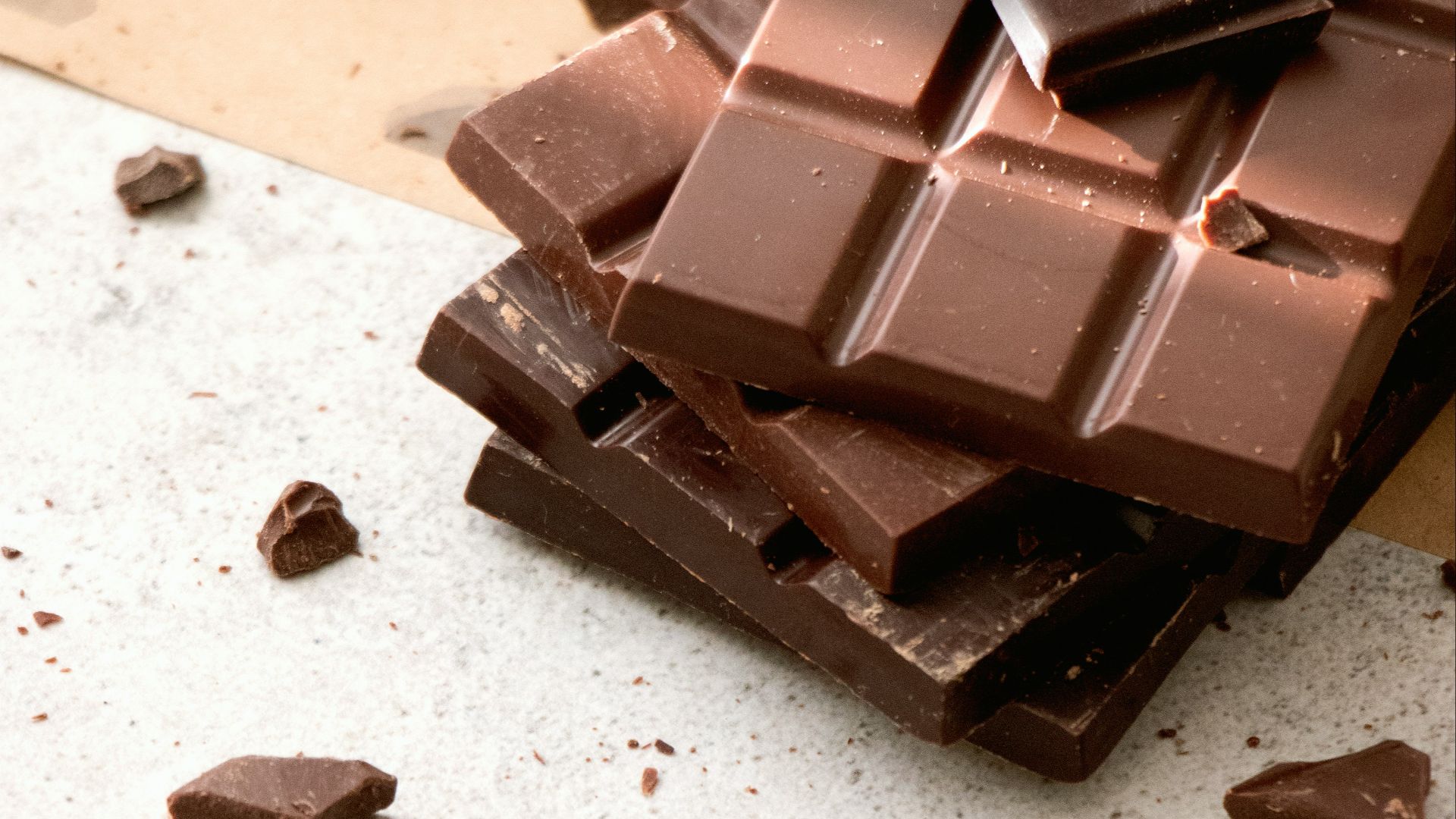
A small amount of dark chocolate offers a modest dose of caffeine along with magnesium and antioxidant compounds called flavonoids. It is not a substitute for real fuel, but in moderation it can provide a gentler lift than sugary snacks. Look for something in the seventy percent cacao range or higher to get the most benefit.
14. Green Tea
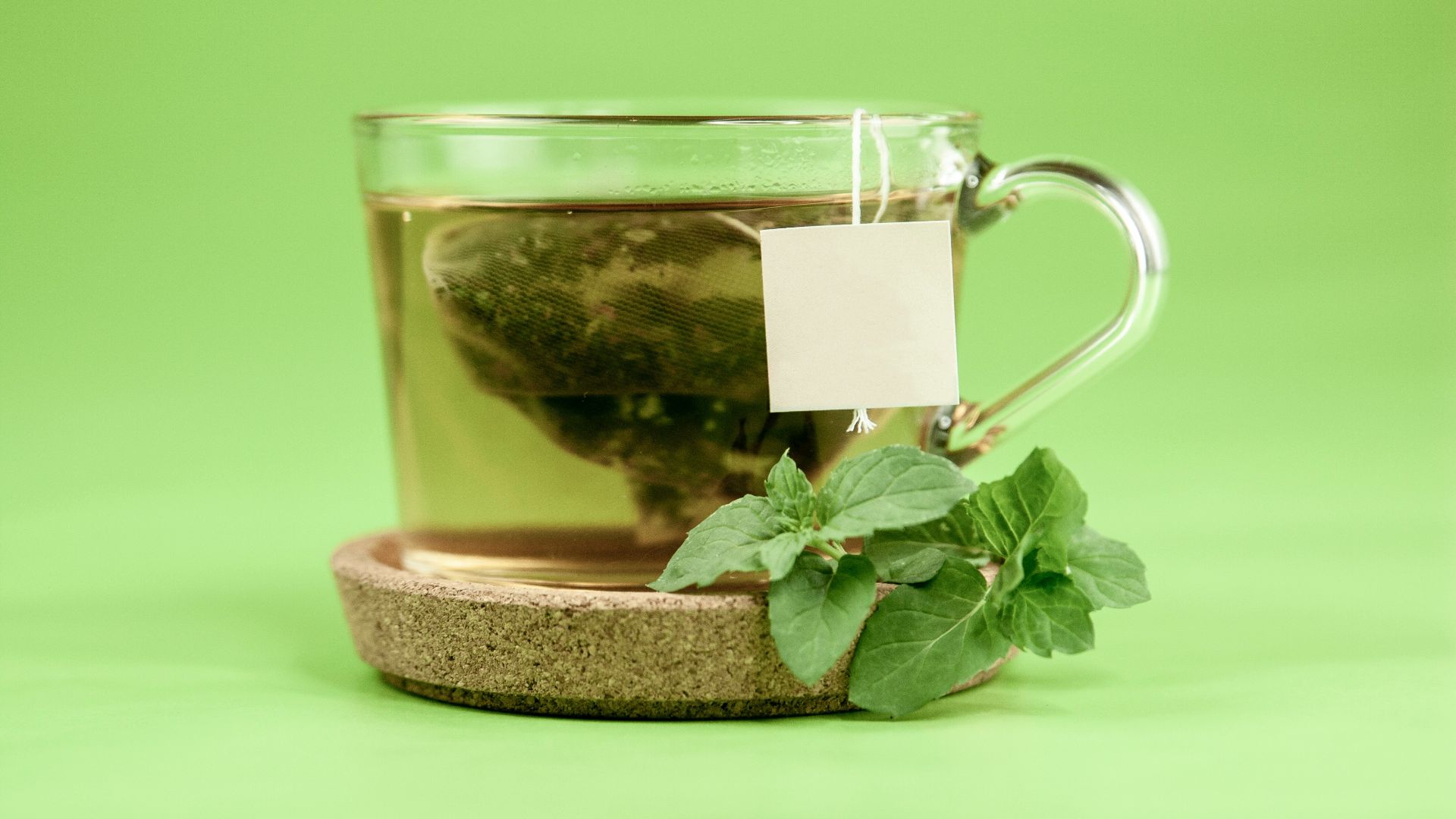
Green tea contains a smaller amount of caffeine than coffee, paired with an amino acid called L-theanine that seems to smooth out the jittery edge caffeine can bring. Some research suggests this combination supports steadier focus rather than a sharp spike followed by a crash. It is a reasonable middle ground for anyone sensitive to coffee.
15. Chia Seeds
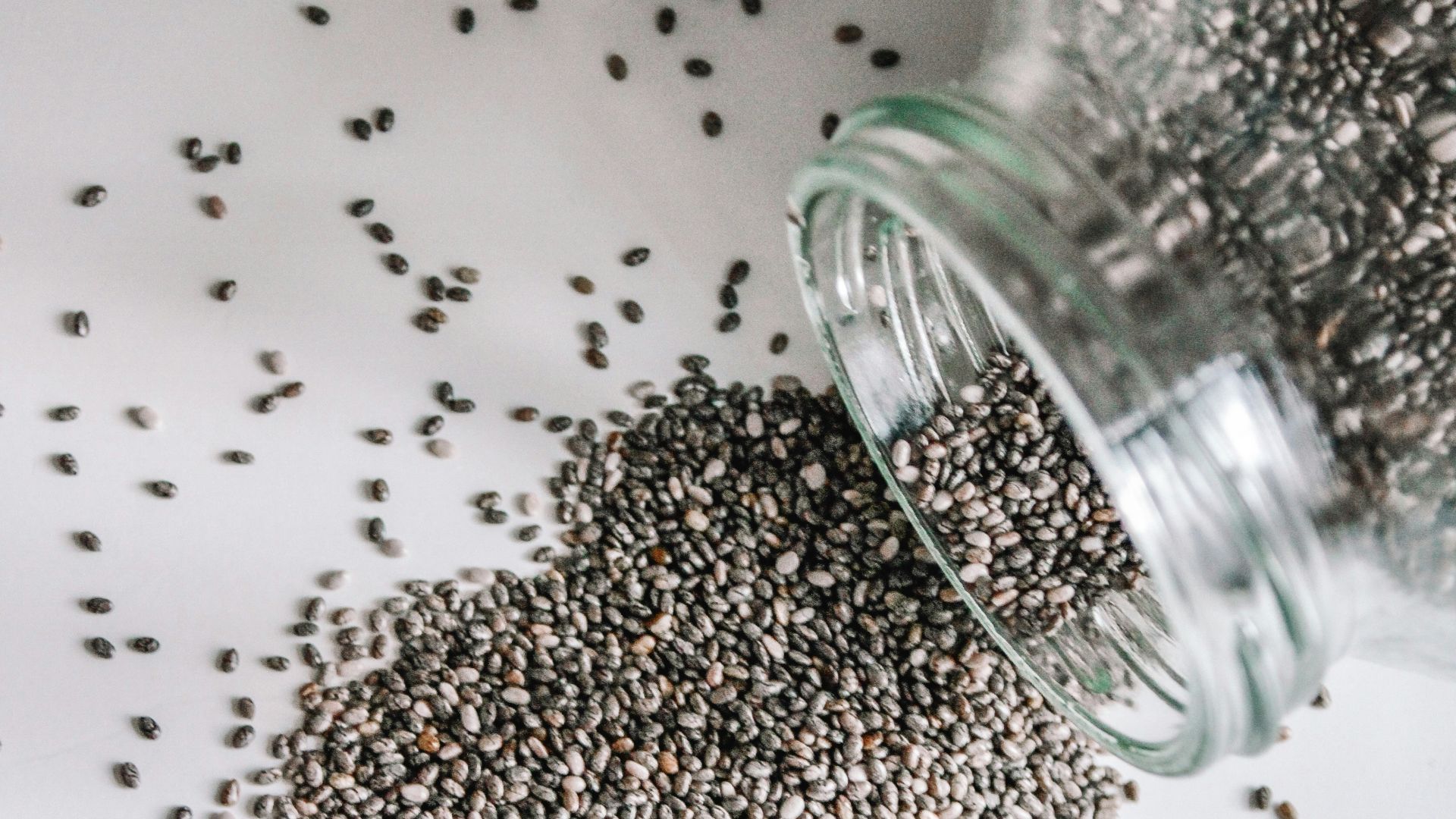
Chia seeds absorb liquid and form a gel-like texture that slows digestion, which helps keep blood sugar more stable after a meal. They also deliver fiber, protein, and a plant source of omega-3s in a small serving. Stirred into yogurt or a smoothie, they barely change the flavor while adding real staying power.
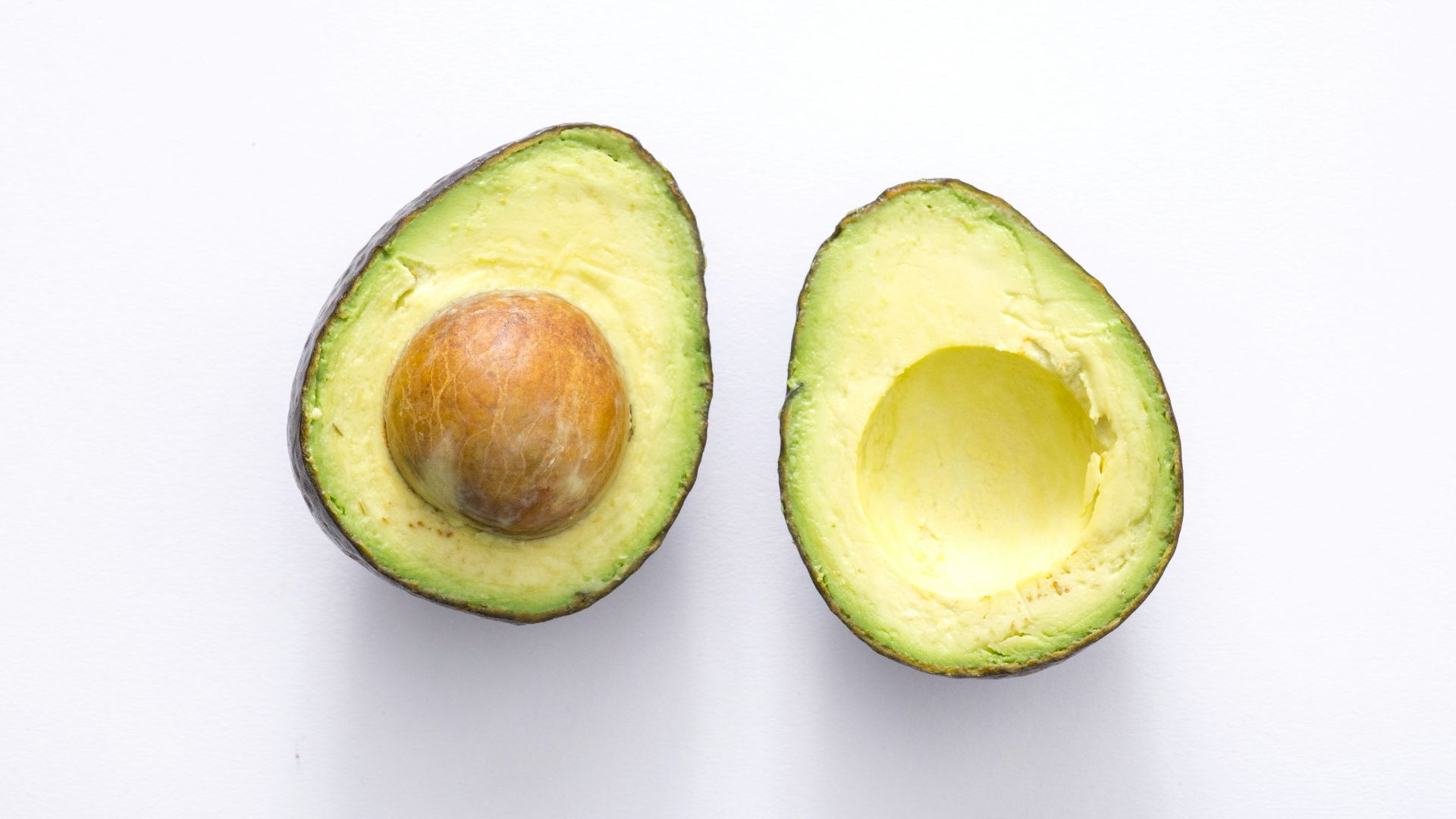
16. Avocado
Avocados provide healthy monounsaturated fat along with potassium and fiber, a combination that tends to keep energy more level than a carb-heavy snack alone. Fat digests slowly, which helps stretch out how long a meal keeps you feeling full and alert. Half an avocado on toast covers a good amount of ground nutritionally.
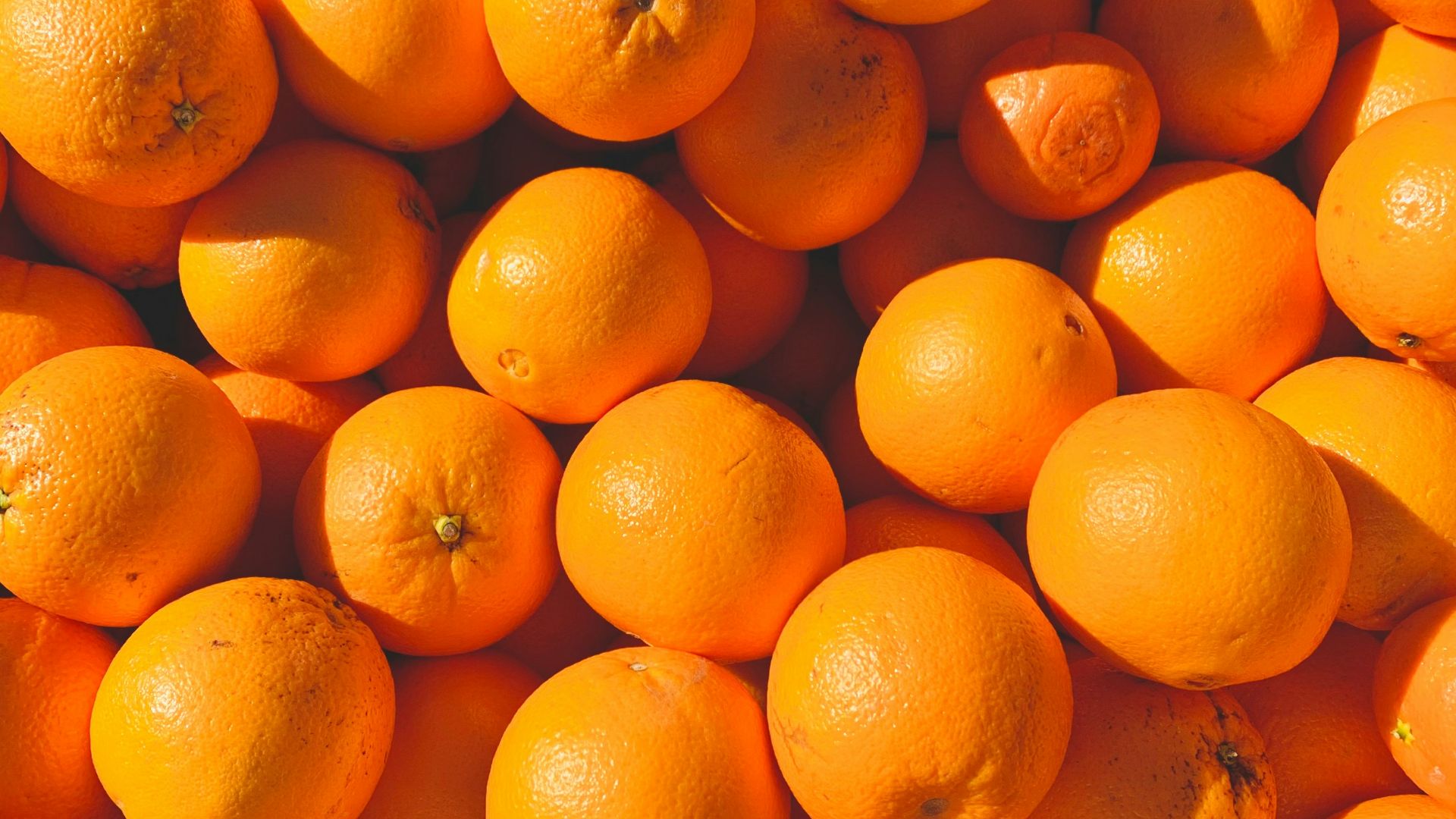
17. Oranges
Oranges bring vitamin C, which helps your body absorb iron more effectively from plant-based foods eaten in the same meal. They also offer natural sugar balanced by fiber, so the energy tends to land more gently than juice would. Pairing an orange with an iron-rich food is a simple way to get more out of both.
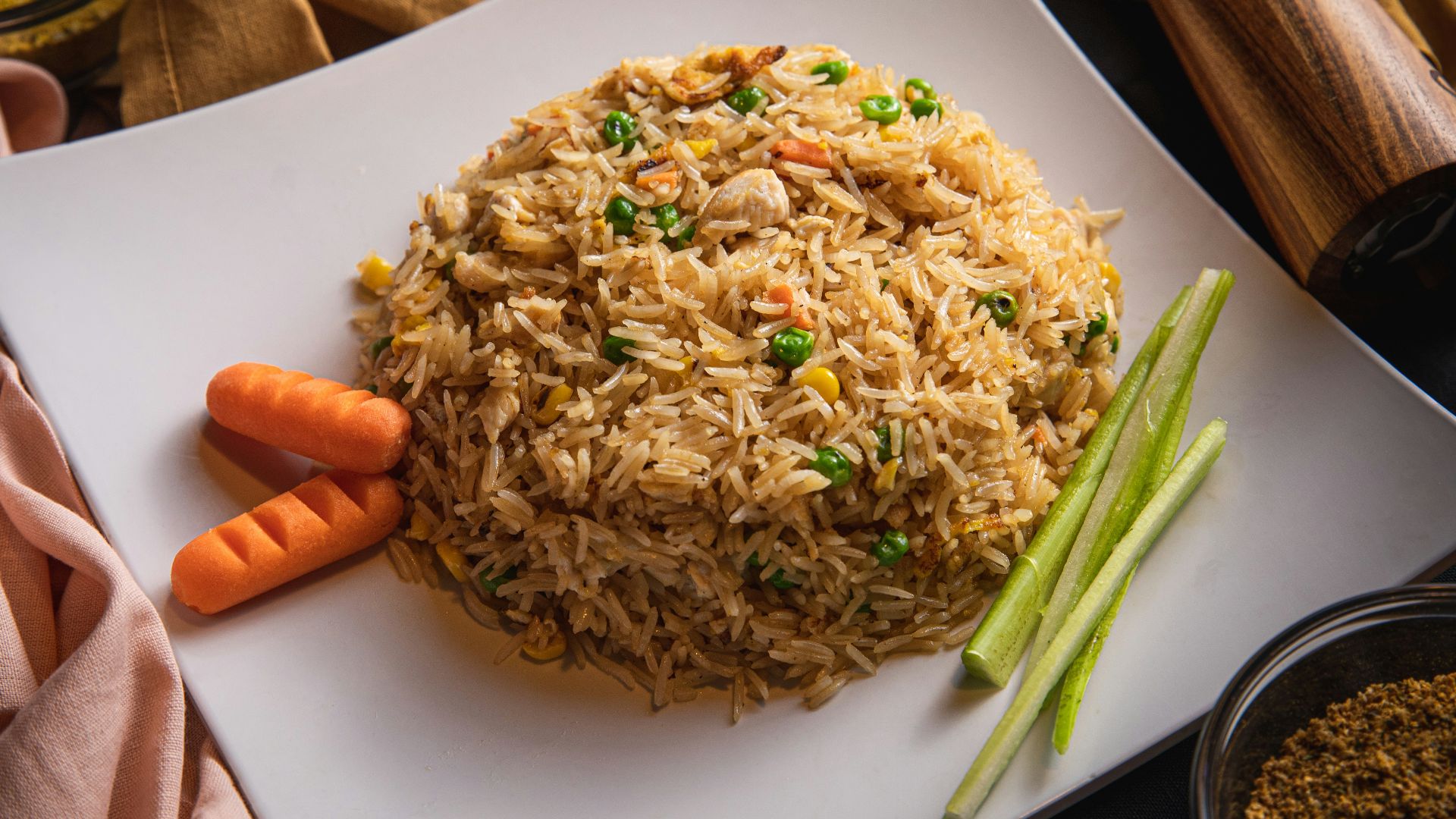
18. Brown Rice
Swapping white rice for brown rice keeps more of the fiber and nutrients intact, since less of the grain gets stripped away during processing. That extra fiber slows digestion and helps avoid the post-meal slump that refined carbs are known for. It is a small switch that adds up over a lot of meals.
 Christopher Alvarenga on Unsplash
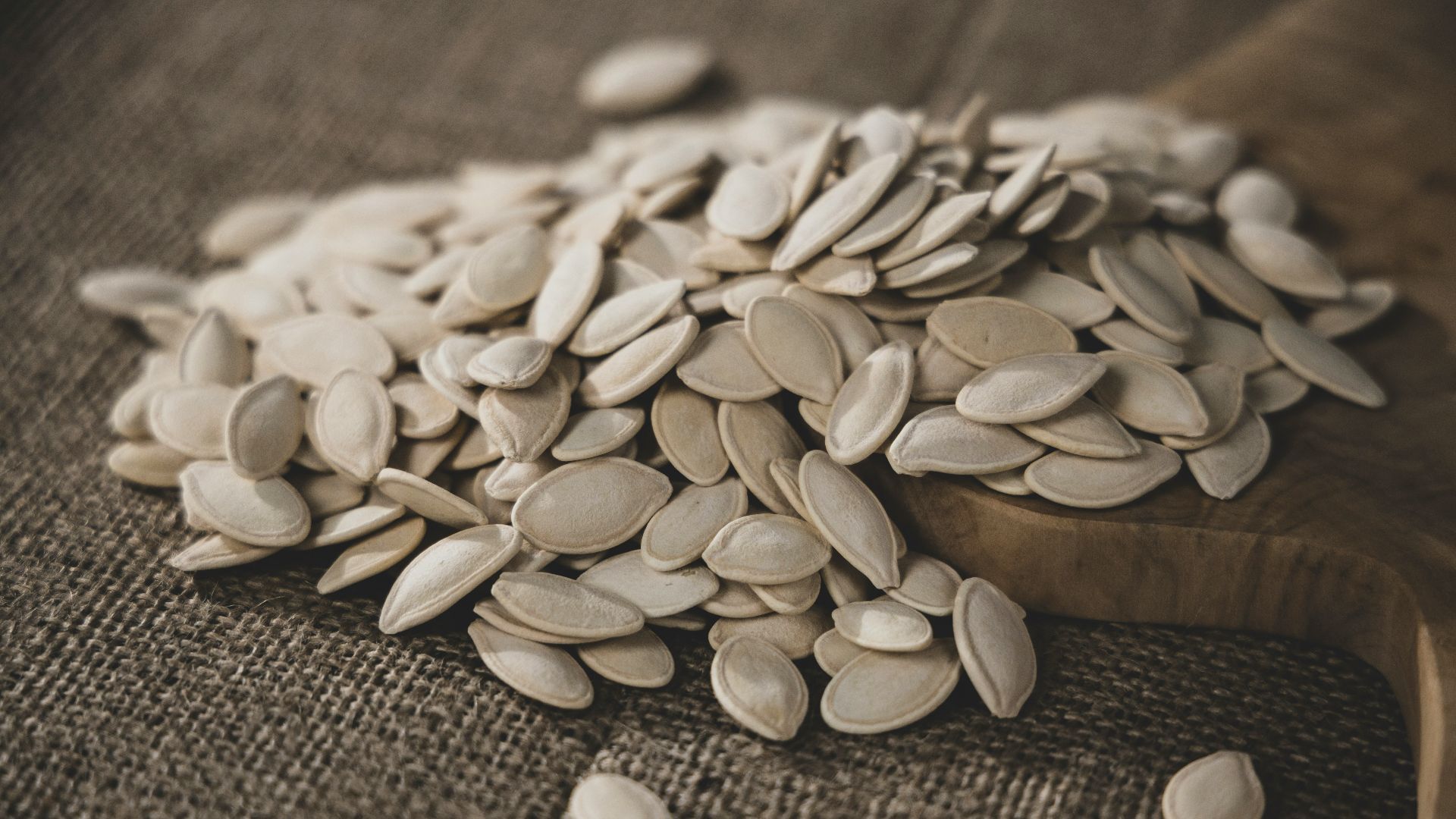
19. Pumpkin Seeds
Pumpkin seeds are a dense source of magnesium, iron, and zinc, three minerals that all play a role in how efficiently your body produces and uses energy. They are easy to toss into salads, oatmeal, or just eat by the handful. A small serving covers a meaningful chunk of your daily magnesium needs.
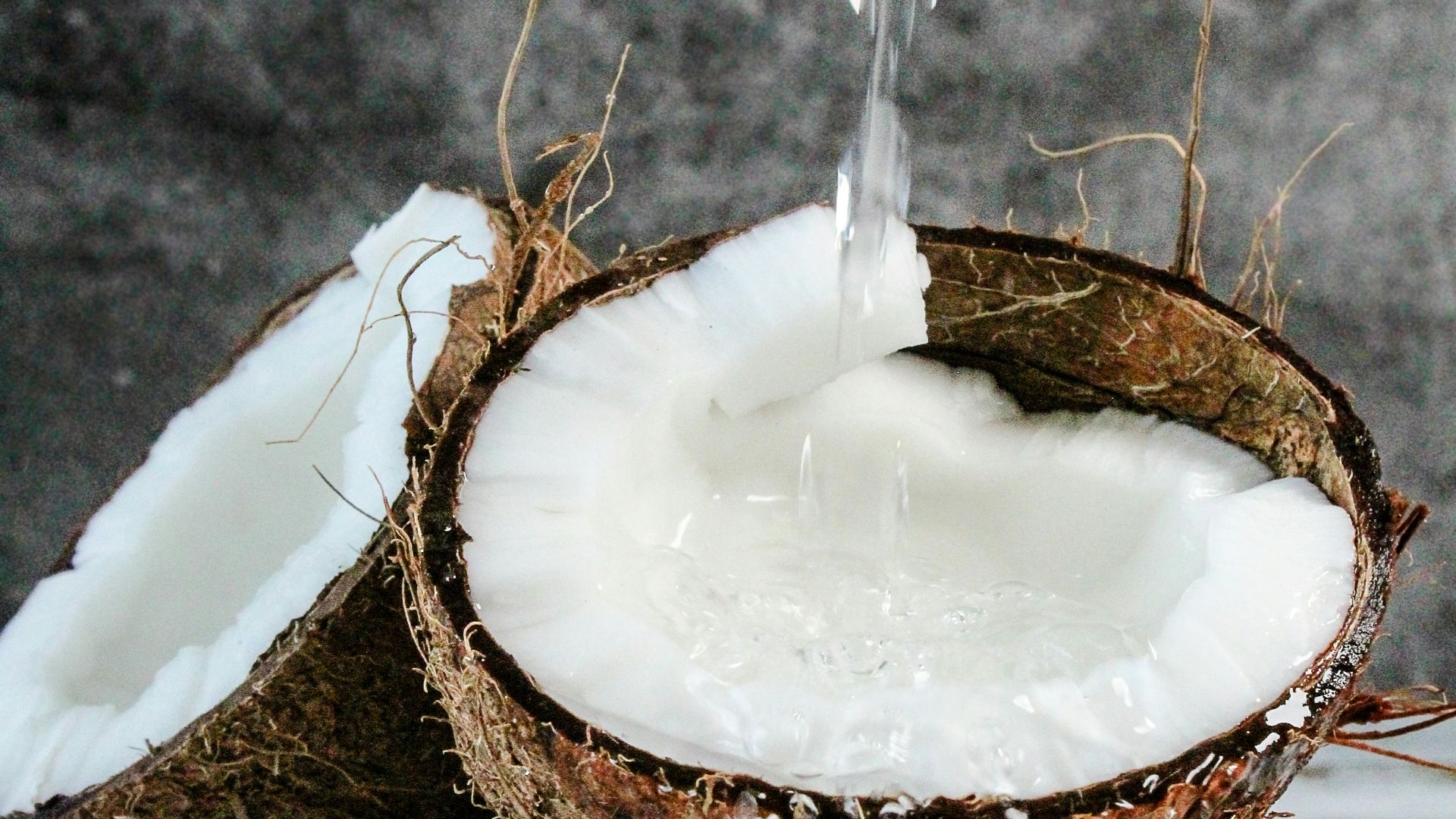
20. Coconut Water
Coconut water carries natural electrolytes like potassium and sodium, which help your body actually retain the fluid you drink rather than losing it quickly. Electrolyte balance affects muscle and nerve function, and being even slightly out of balance can leave you feeling tired and foggy. It works especially well after a workout or a hot day outside.
KEEP ON READING

20 Habits That Can Slow Down Muscle Recovery