
When Regular Steps Stop Challenging Your Body
Walking can improve cardiovascular health, mobility, mood, and endurance, but simply taking a certain number of steps doesn’t guarantee that your routine is building fitness. Your body gradually adapts to repeated activity, especially when every walk follows the same flat route at the same comfortable pace. These 20 signs don’t mean your walks are worthless, since any movement is generally better than prolonged inactivity, but they may indicate that it’s time to adjust the intensity, duration, terrain, or overall structure.
1. You Never Breathe Any Harder
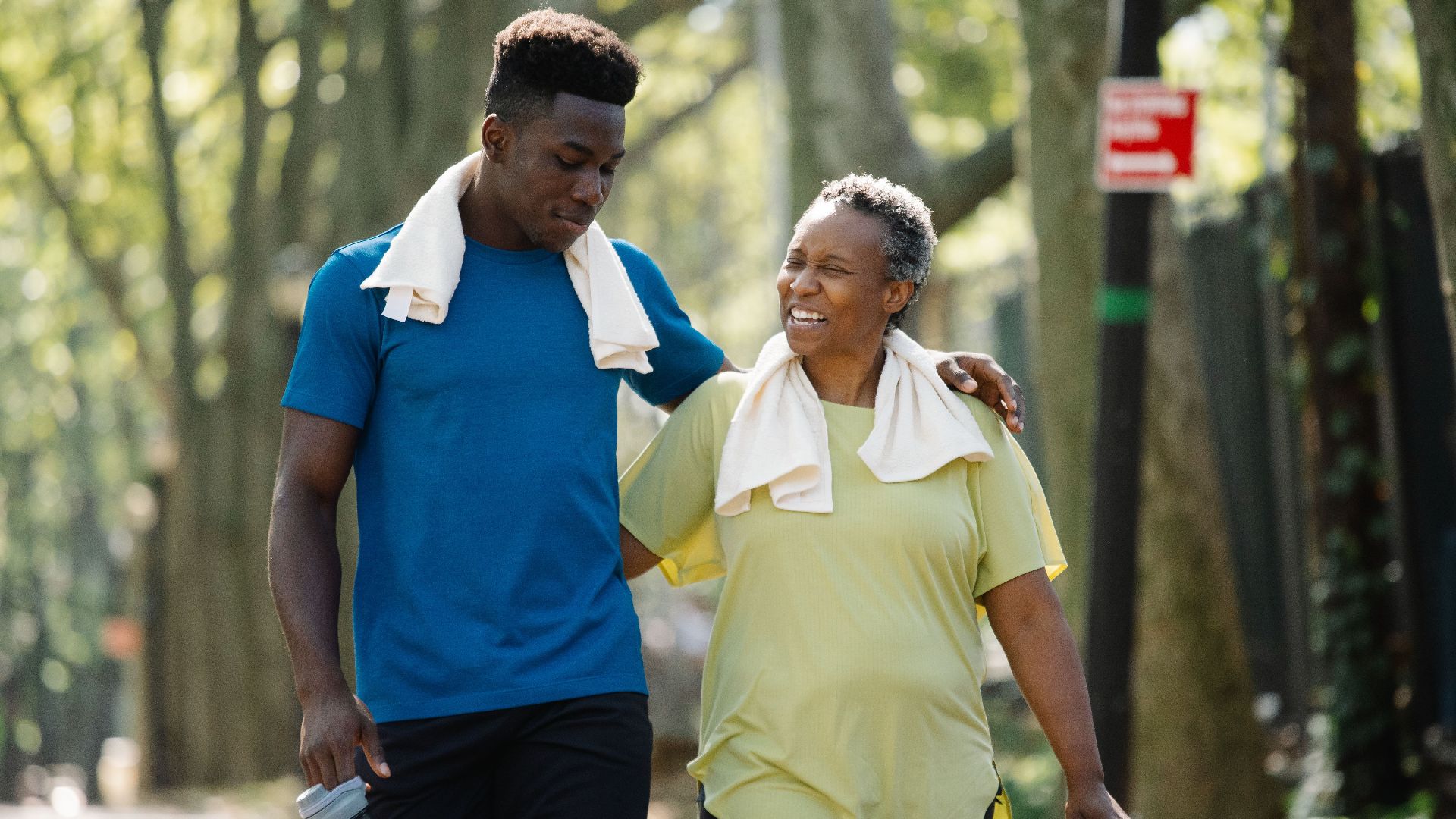
A fitness-focused walk should usually raise your breathing rate above its resting level, even though you shouldn’t feel completely breathless. During moderate activity, you can generally talk in sentences, but singing comfortably would be more difficult.
2. Your Heart Rate Barely Changes
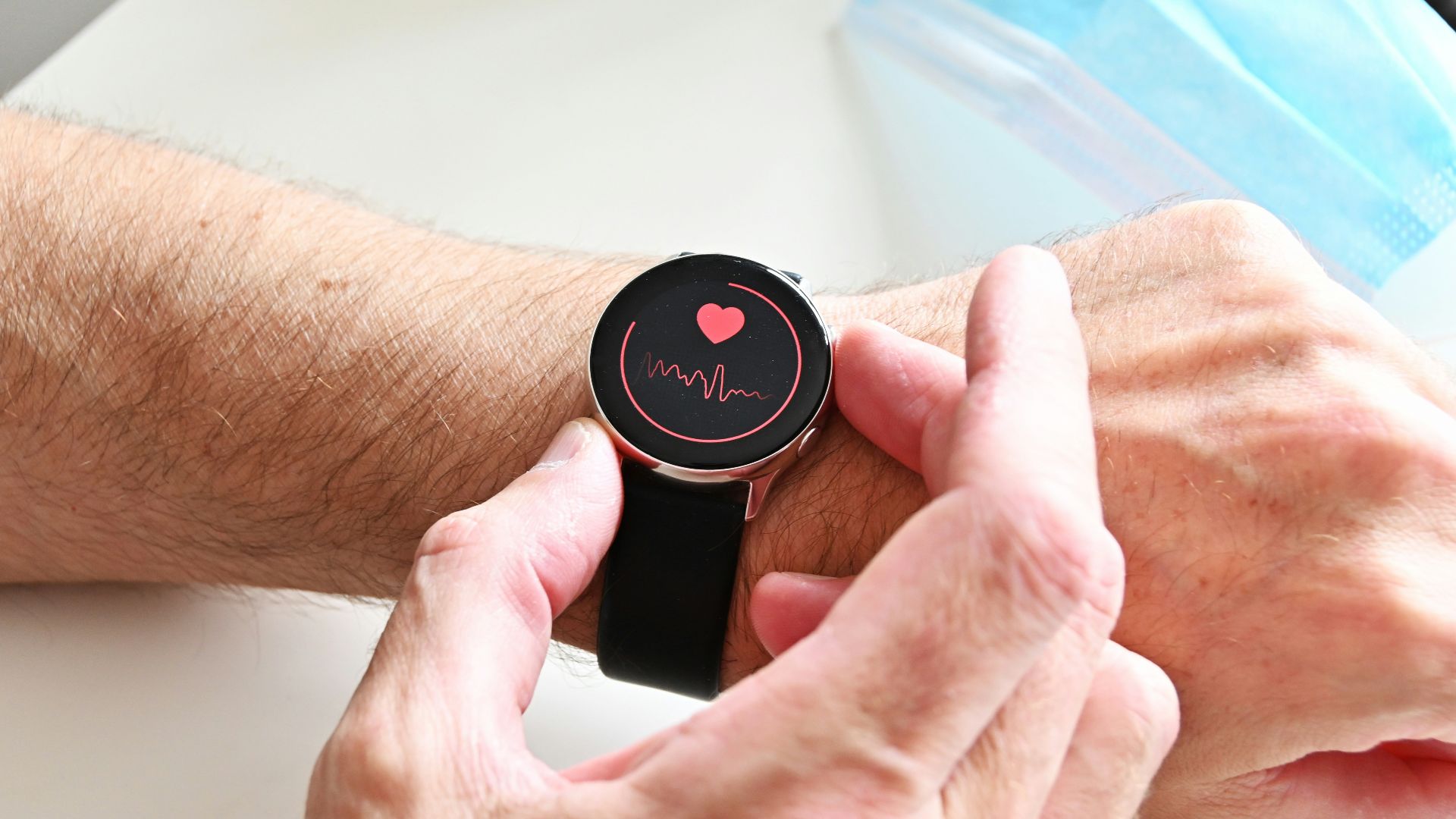
Your heart normally beats faster when your working muscles require more oxygen. If your pulse remains close to its resting level throughout every walk, the effort may not be demanding enough to improve aerobic capacity.
3. Every Walk Is the Same
Repeating one route can make walking easier to maintain, but an identical routine gives your body little reason to keep adapting. The same distance, speed, and terrain eventually become familiar, which can slow further fitness improvements.
4. You’re Always Strolling Comfortably
A relaxed stroll still provides movement and may support stress management, but it doesn’t always count as meaningful aerobic training. Try walking as though you’re slightly late for an appointment while still maintaining control.
5. You Finish Feeling Completely Unchanged
You don’t need to end every walk sweaty or exhausted, although some physical response should be noticeable after a challenging session. Feeling exactly as you did before starting may suggest that the routine functions more as casual movement than exercise.

6. You Never Increase the Distance
Walking the same short distance indefinitely may help maintain a basic habit, but it can eventually stop improving endurance. Gradually adding time or distance encourages your body to sustain activity for longer periods.
7. Your Pace Hasn’t Improved in Months
Covering the same route more quickly is one practical sign that cardiovascular fitness and walking efficiency are improving. Tracking an occasional familiar route can show whether your routine is producing measurable progress.
8. You Avoid Every Hill
Flat ground can be appropriate for beginners or people managing joint problems, but continuously avoiding inclines removes an effective source of intensity. Hills ask more from the legs, heart, and lungs without requiring you to move at running speed.
9. You Stop Whenever You Feel Mildly Challenged
Pain, dizziness, and unusual shortness of breath shouldn’t be ignored, but ordinary effort is a normal part of exercise. If you slow down the moment your breathing increases or your legs begin working harder, you may never spend enough time at a useful intensity.
10. Your Walks Are Too Infrequent
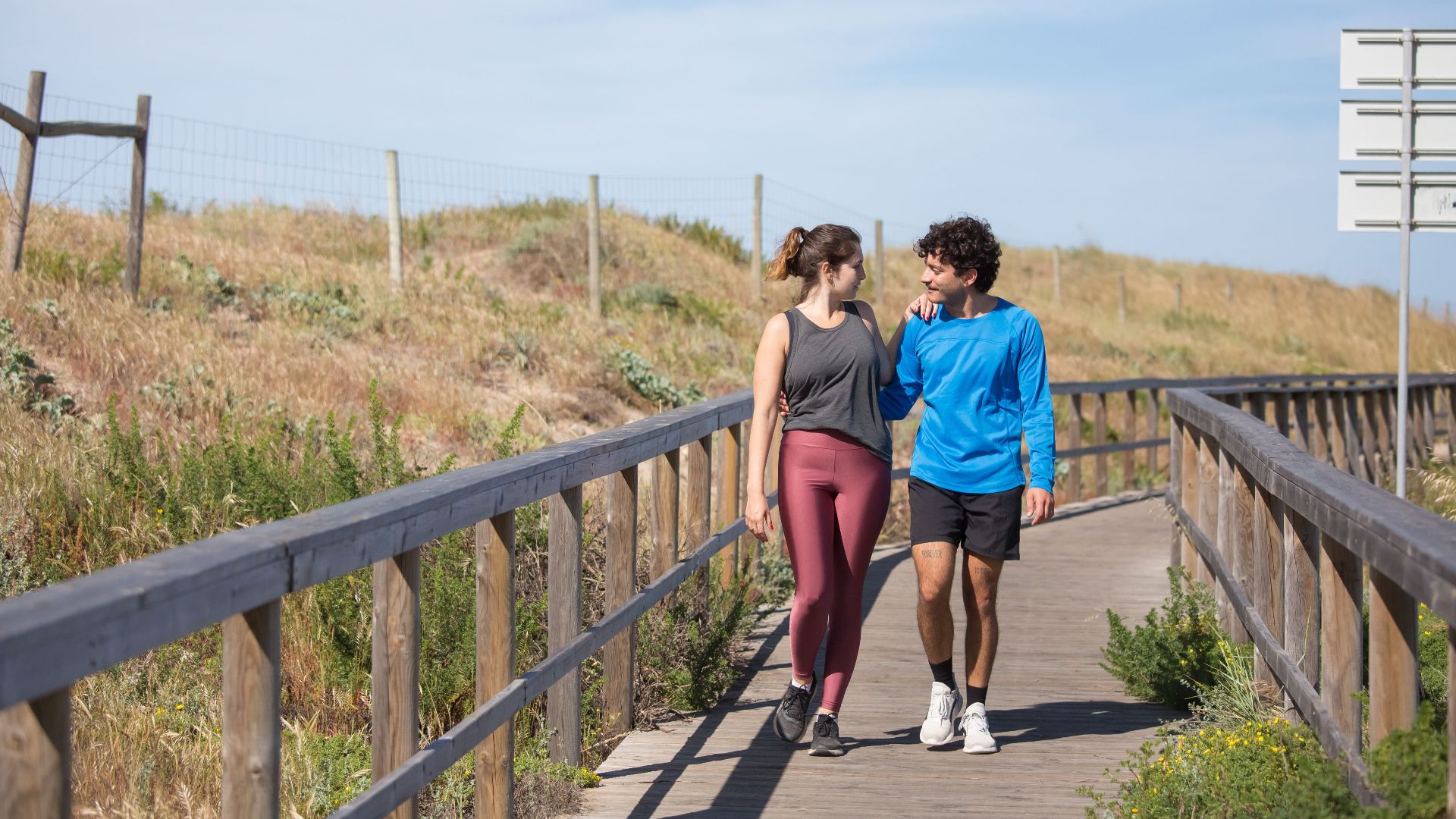
One lengthy walk occasionally can be enjoyable, but irregular activity makes it harder to build lasting endurance. Fitness improves through repeated exposure followed by recovery, not through isolated bursts separated by long inactive periods.

11. Most of Your Steps Come From Wandering Indoors
Household errands, shopping, and workplace movement all contribute to daily activity, but step totals don’t reveal how hard those steps were. Thousands of very slow steps accumulated in brief fragments may not challenge the heart in the same way as continuous brisk walking. Dedicated sessions can provide a clearer opportunity to maintain a purposeful pace.

12. You Rely Entirely on Step Count
A high step total can be encouraging, although it doesn’t measure speed, terrain, posture, or effort. Two people can record the same number while experiencing very different cardiovascular demands.

13. Your Posture Collapses as You Walk
Looking down continuously, rounding the shoulders, or leaning heavily forward can make walking less efficient and may contribute to discomfort. A tall posture, relaxed shoulders, and a natural arm swing help you move with greater control.
14. Your Arms Barely Move
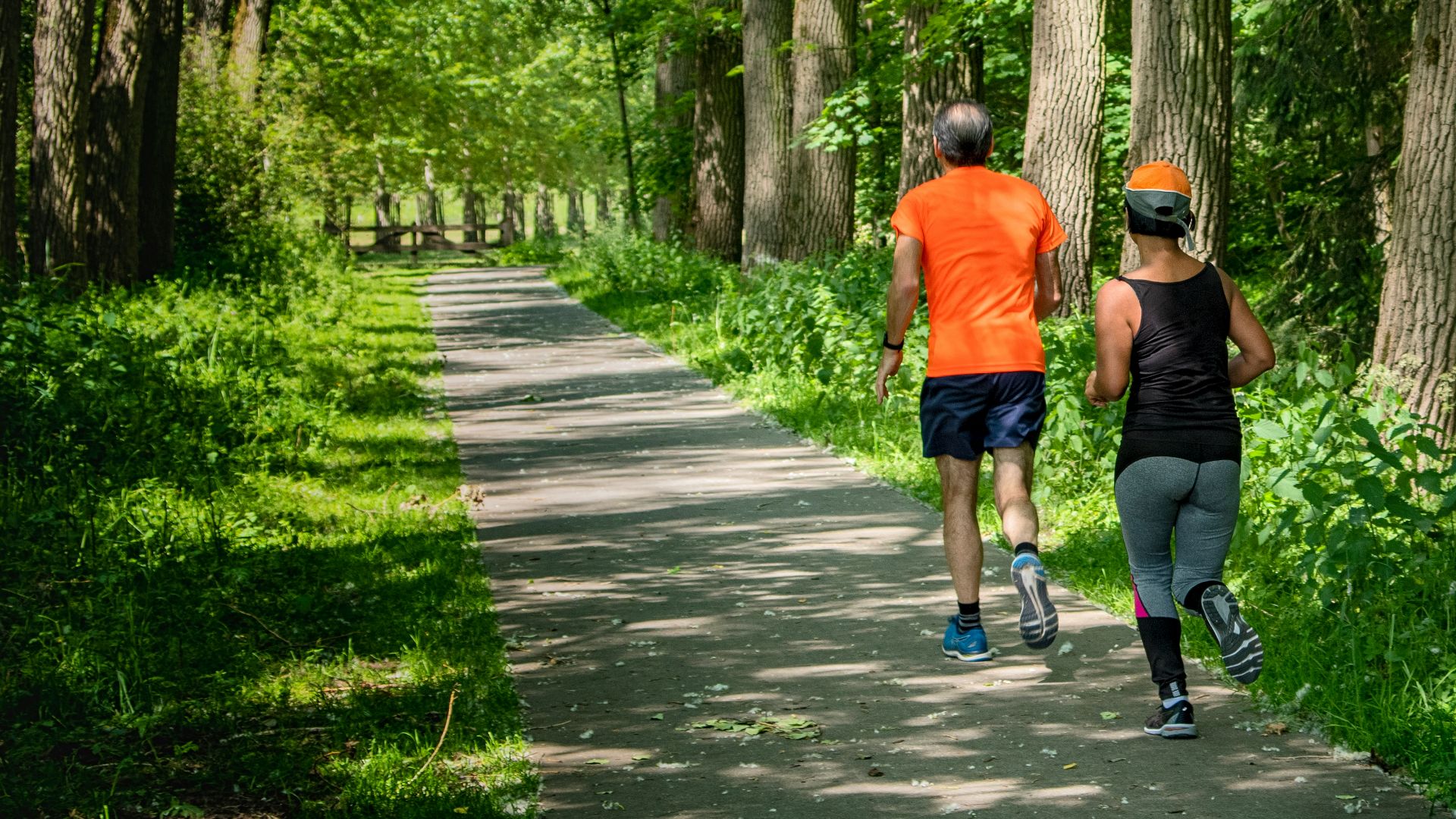
Your legs provide most of the propulsion, yet the arms help coordinate rhythm and balance during faster walking. Letting them hang stiffly can make a brisk pace feel awkward and less natural.

15. You Take Overly Long Steps
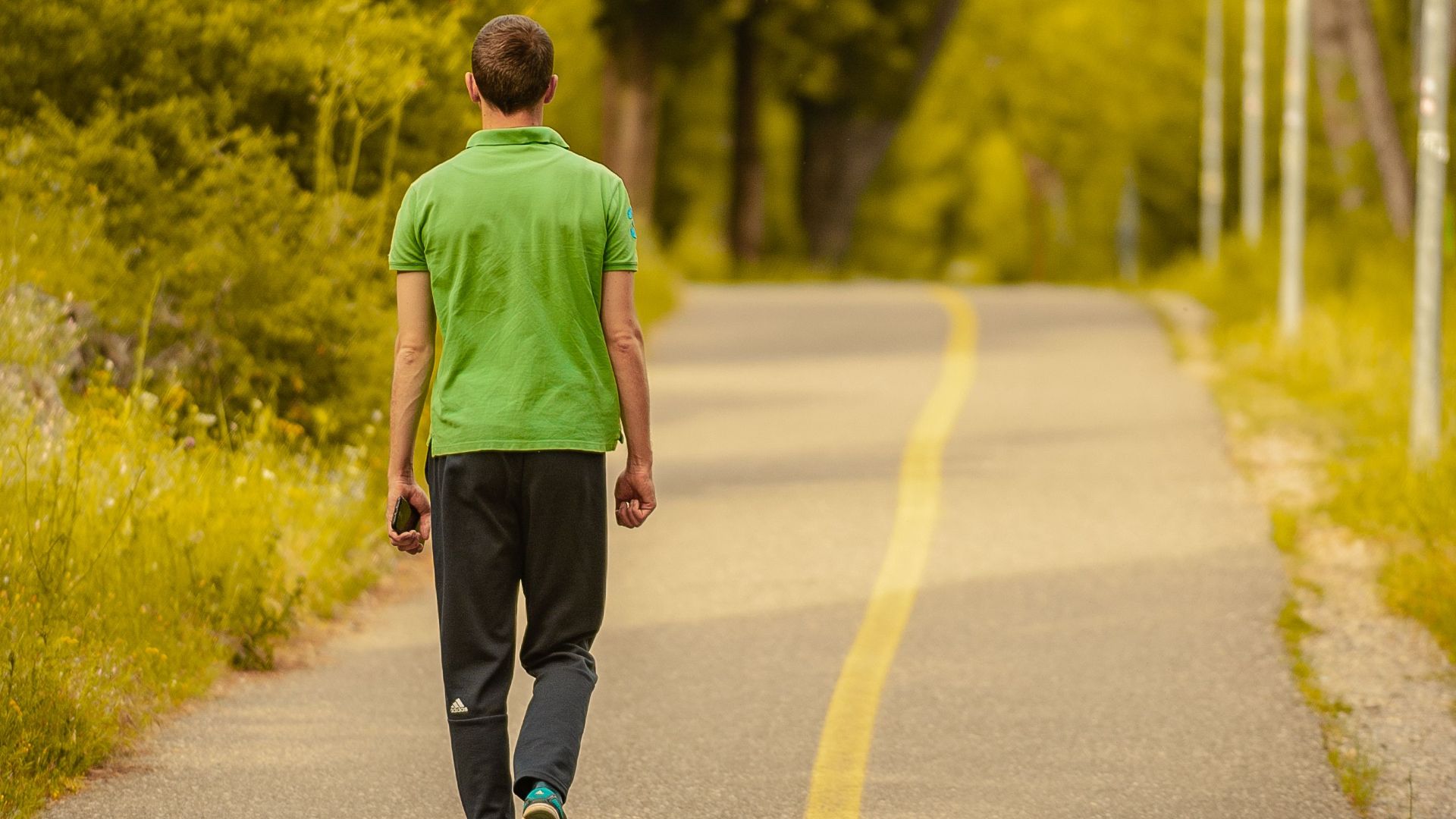
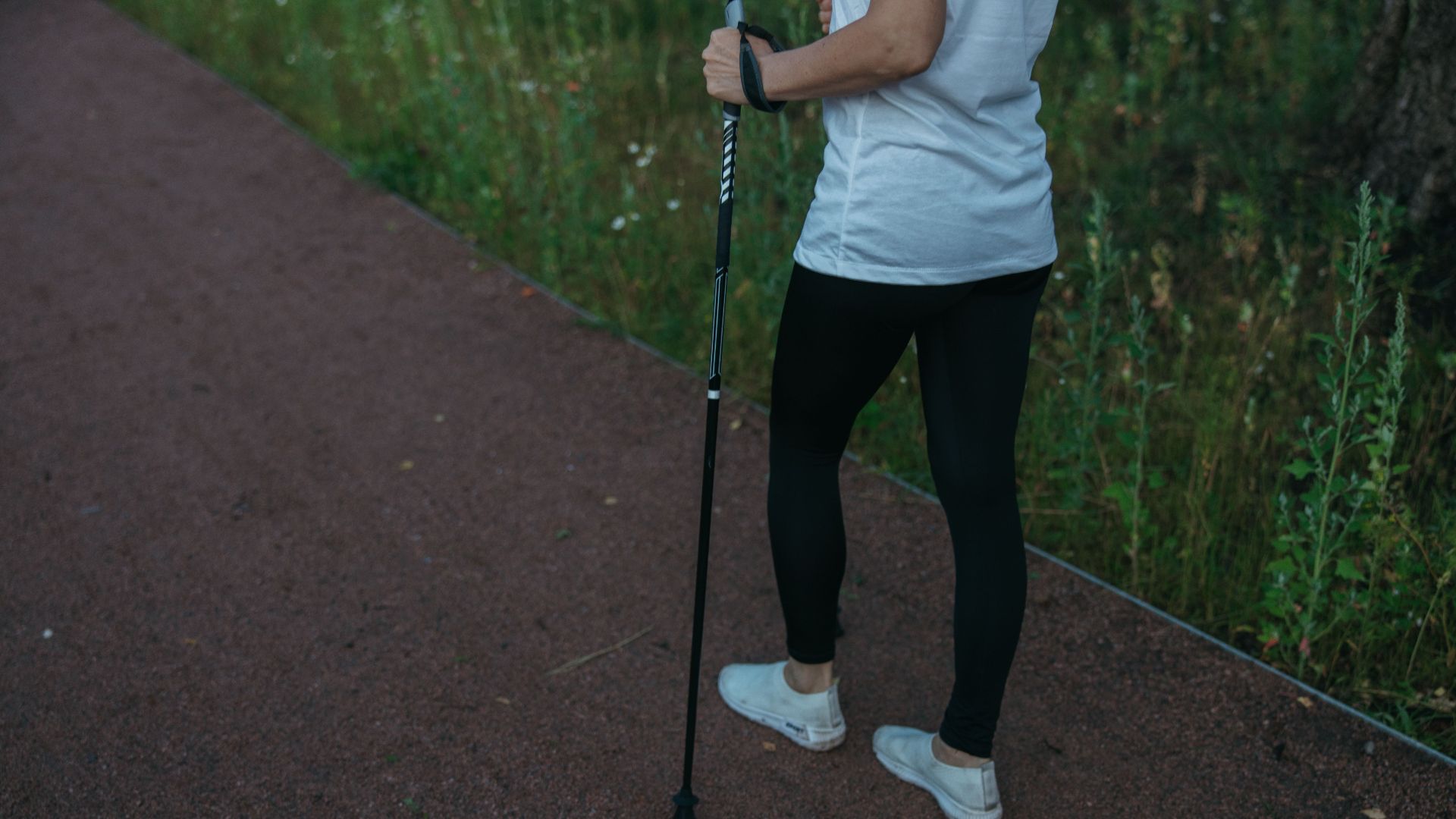
Trying to walk faster by reaching far ahead can lead to overstriding, which may produce a braking effect with each step. A quicker turnover using comfortable, controlled steps is often smoother and places less unnecessary stress on the legs. Speed should come from rhythm and a stronger push-off rather than forcing an exaggerated stride.
 Alexander Nadrilyanski on Pexels
16. You Never Include Faster Intervals
A continuous moderate pace is useful, but short, faster sections can help a routine remain challenging as your fitness improves. Alternating brisk efforts with easier recovery periods raises intensity without requiring you to maintain the hardest pace for the entire walk.

17. You’re Constantly Distracted by Your Phone
Checking messages, scrolling, or watching videos can slow your pace and interfere with posture. It also makes it harder to notice traffic, uneven surfaces, cyclists, and other environmental hazards.

18. You Expect Walking to Build Every Kind of Fitness
Walking trains cardiovascular endurance and lower-body stamina, but it doesn’t fully replace strength, balance, mobility, or resistance exercise. A routine can contain many miles while still leaving major muscle groups undertrained.

19. You’re Never Gradually Challenging Yourself
Improvement requires some form of progression, whether that means walking farther, moving faster, climbing more hills, or reducing unnecessary rest. Increasing everything at once isn’t necessary and may raise injury risk.
20. Nothing About the Routine Feels Easier
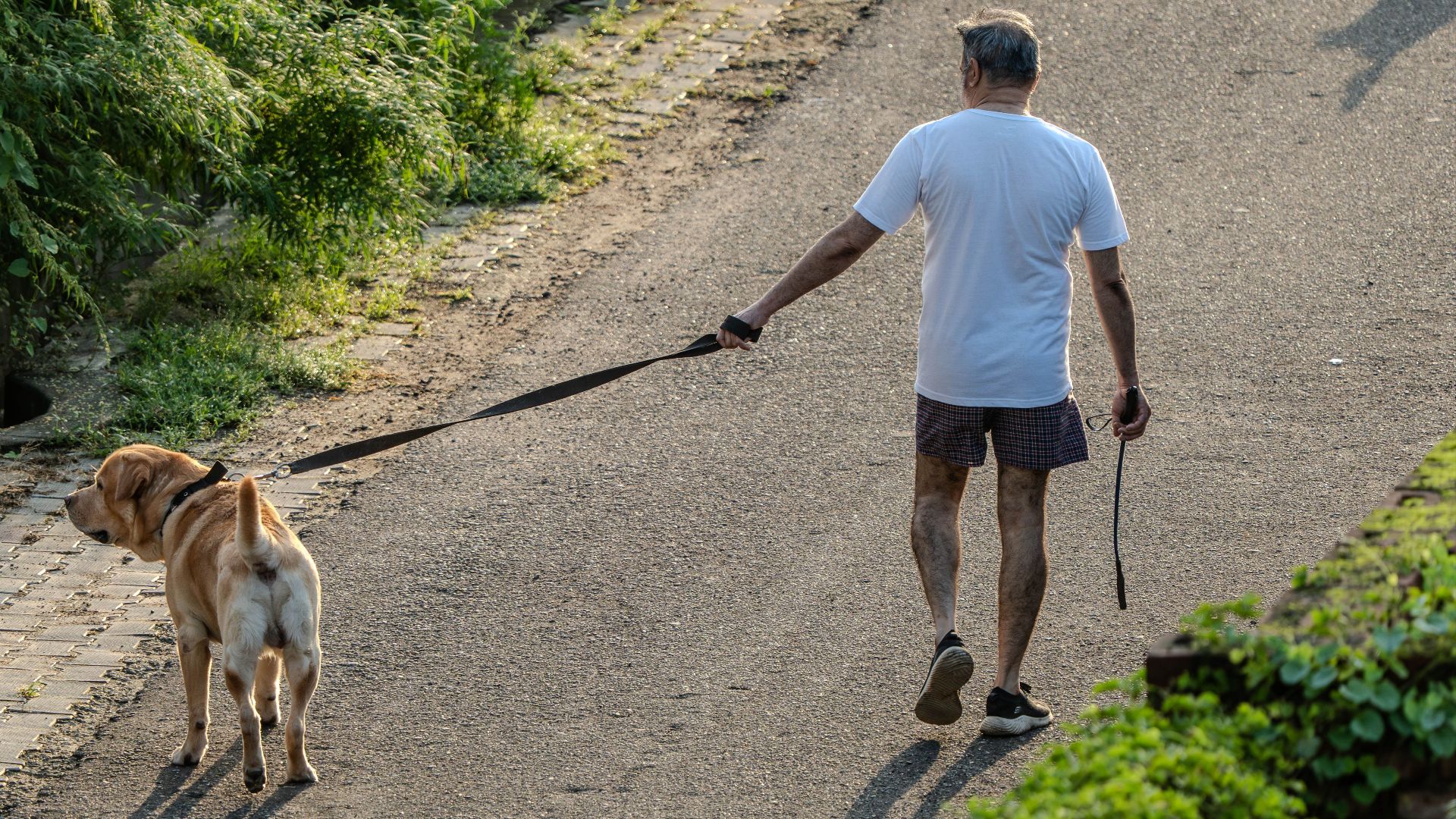
Progress doesn’t always appear as dramatic weight loss or a major physical transformation. You may notice that stairs feel easier, recovery is faster, your usual route takes less time, or you can talk more comfortably at the same pace.
KEEP ON READING



20 Natural Ways You Can Boost Your Immune System

20 Ways To De-stress & Relax After Work

The 10 Most Common Diseases & The 10 Most Rare