What To Put On Your Plate
Joint stiffness usually gets blamed on age, weather, or bad luck, but what's sitting on your plate plays a bigger role than most people realize. Diet won't replace a doctor's advice for chronic pain, but certain foods carry compounds that calm the kind of low-grade inflammation behind achy knees and stiff mornings. Some of these are old kitchen staples your grandmother probably swore by, and a few might already be sitting in your fridge without you knowing what they're doing for you. Here's 20 foods worth reaching for more often if your joints have been complaining lately.

sti
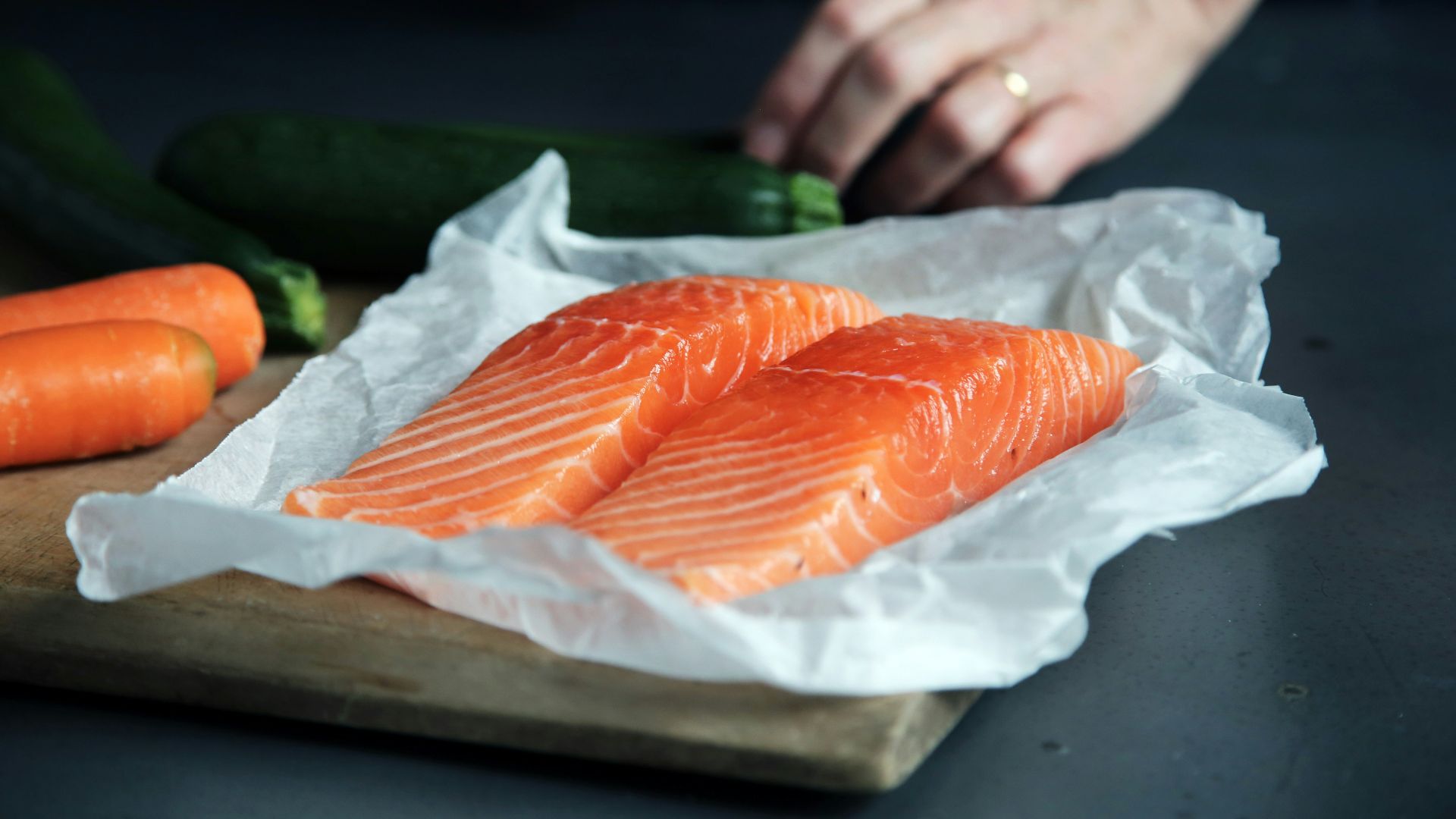
1. Fatty Fish
These cold-water fish are loaded with omega-3 fatty acids, compounds your body converts into molecules that actively calm inflammation rather than just avoiding it. Eating salmon, mackerel, or sardines a couple of times a week has been linked in research to lower markers of joint inflammation and noticeably less stiffness in people already living with arthritis.
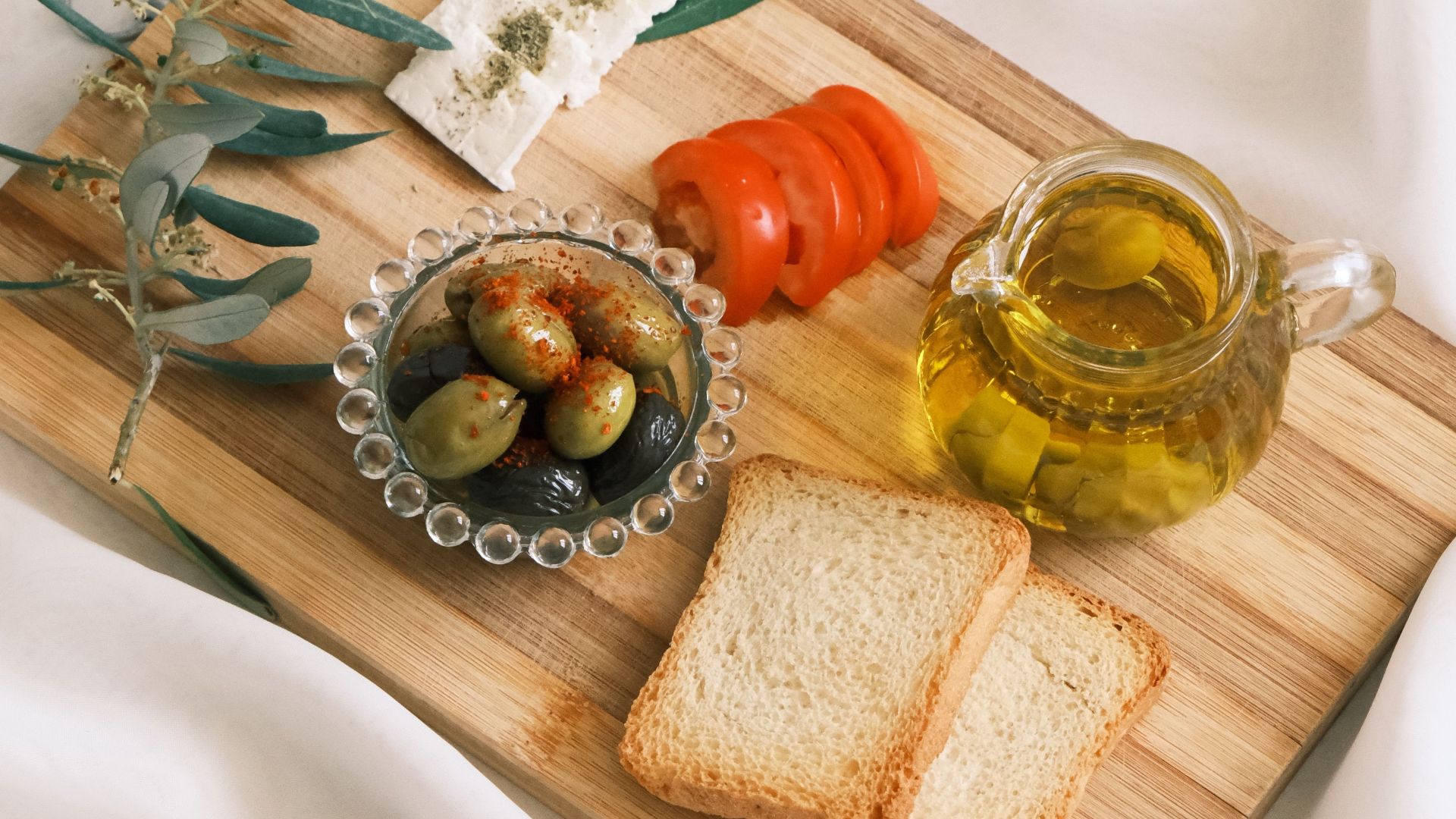
2. Extra Virgin Olive Oil
Olive oil contains a compound called oleocanthal, which works through some of the same pathways as ibuprofen to blunt inflammation in the body. Swapping it in for butter or vegetable oil in everyday cooking is a simple, low-effort way to lower your overall inflammatory load without changing much else about how you eat.
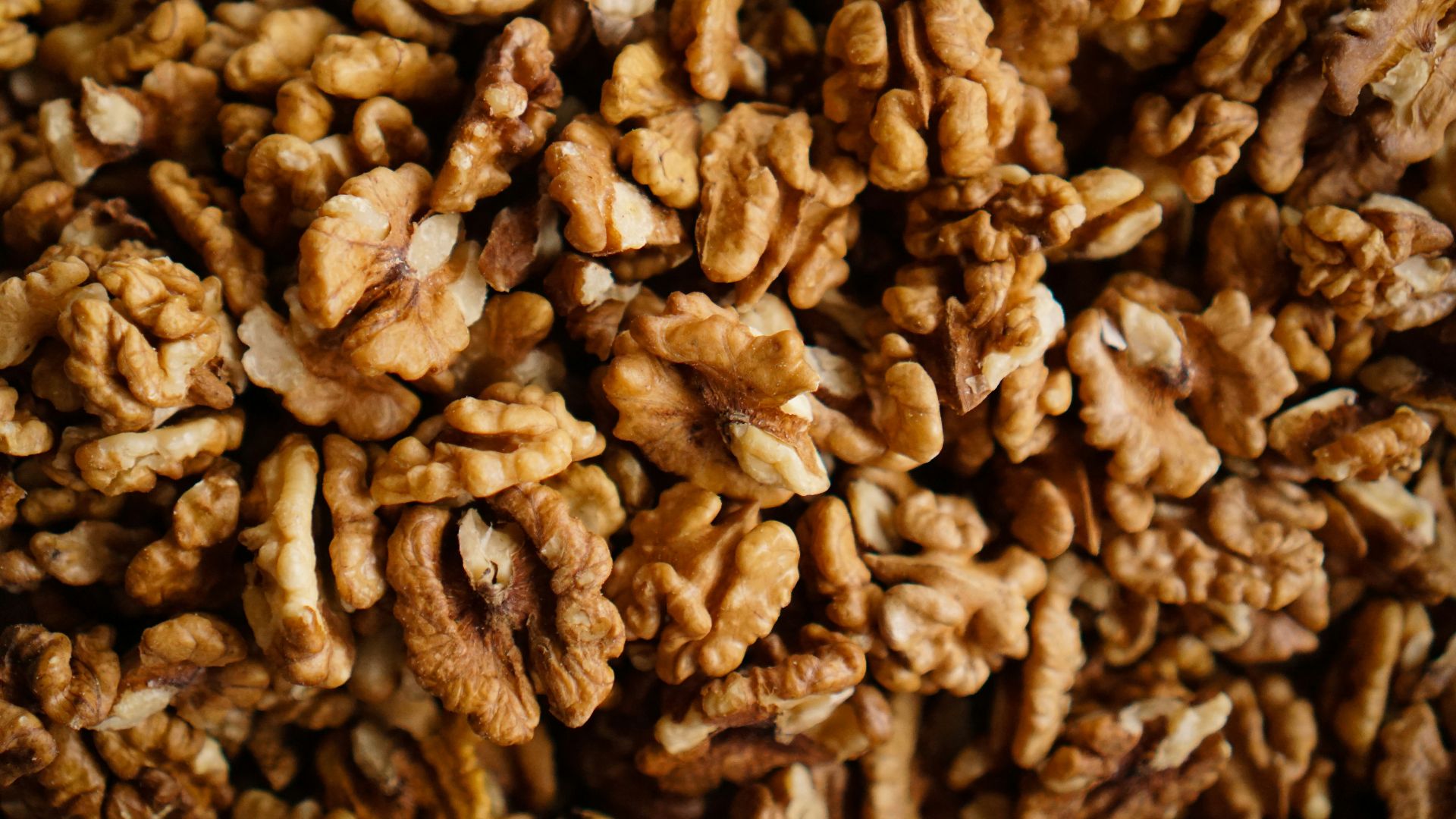
3. Walnuts
Walnuts pack more plant-based omega-3s than almost any other nut, along with polyphenols that help fight the oxidative stress building up in joint tissue over time. A small daily handful is enough to make a measurable difference without adding much to your grocery bill.
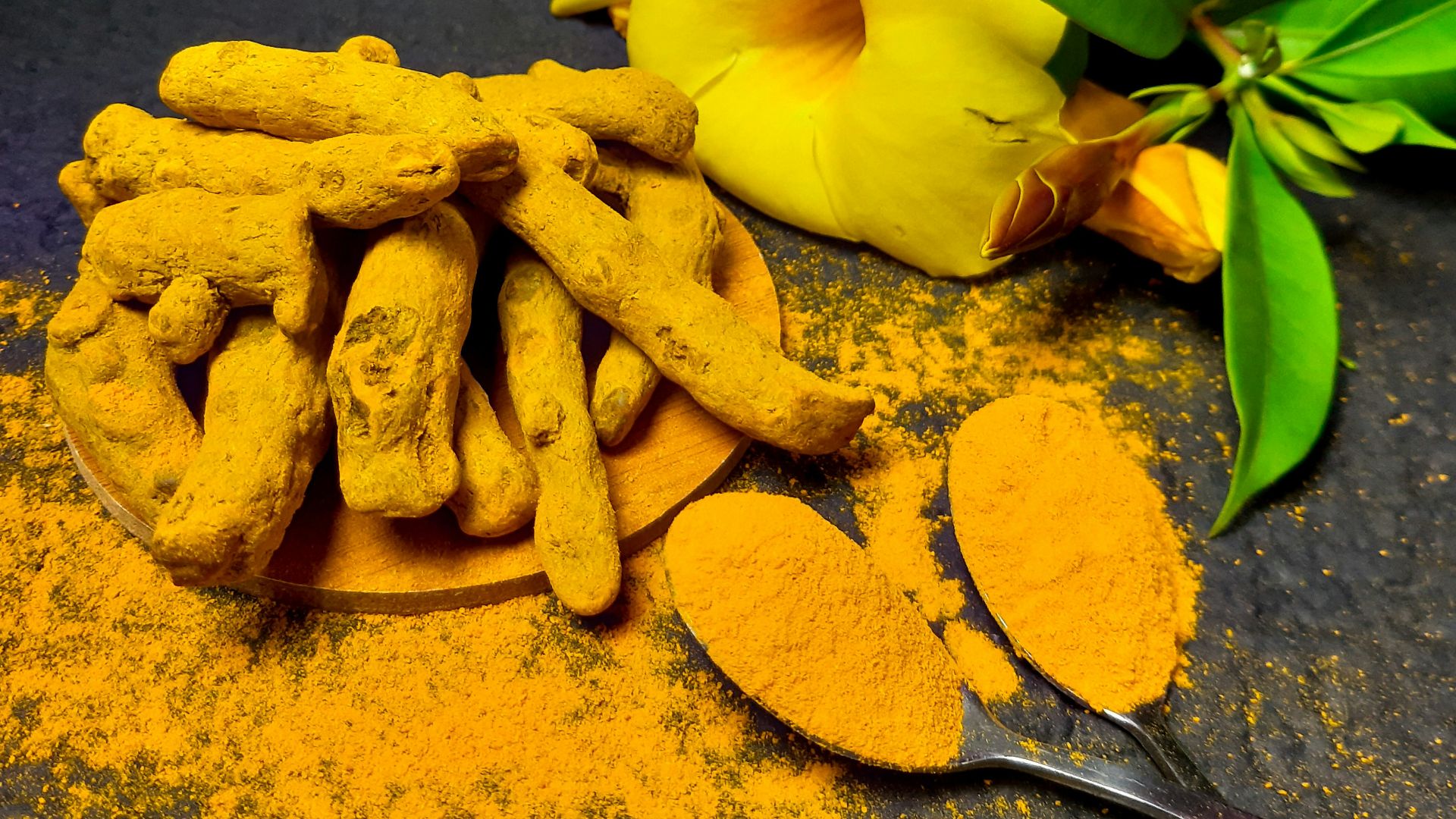
4. Turmeric
Turmeric owes its anti-inflammatory reputation to curcumin, a compound studied for its ability to ease joint pain in ways that rival some over-the-counter medications. Pairing it with black pepper in cooking dramatically increases how much of it your body actually absorbs.
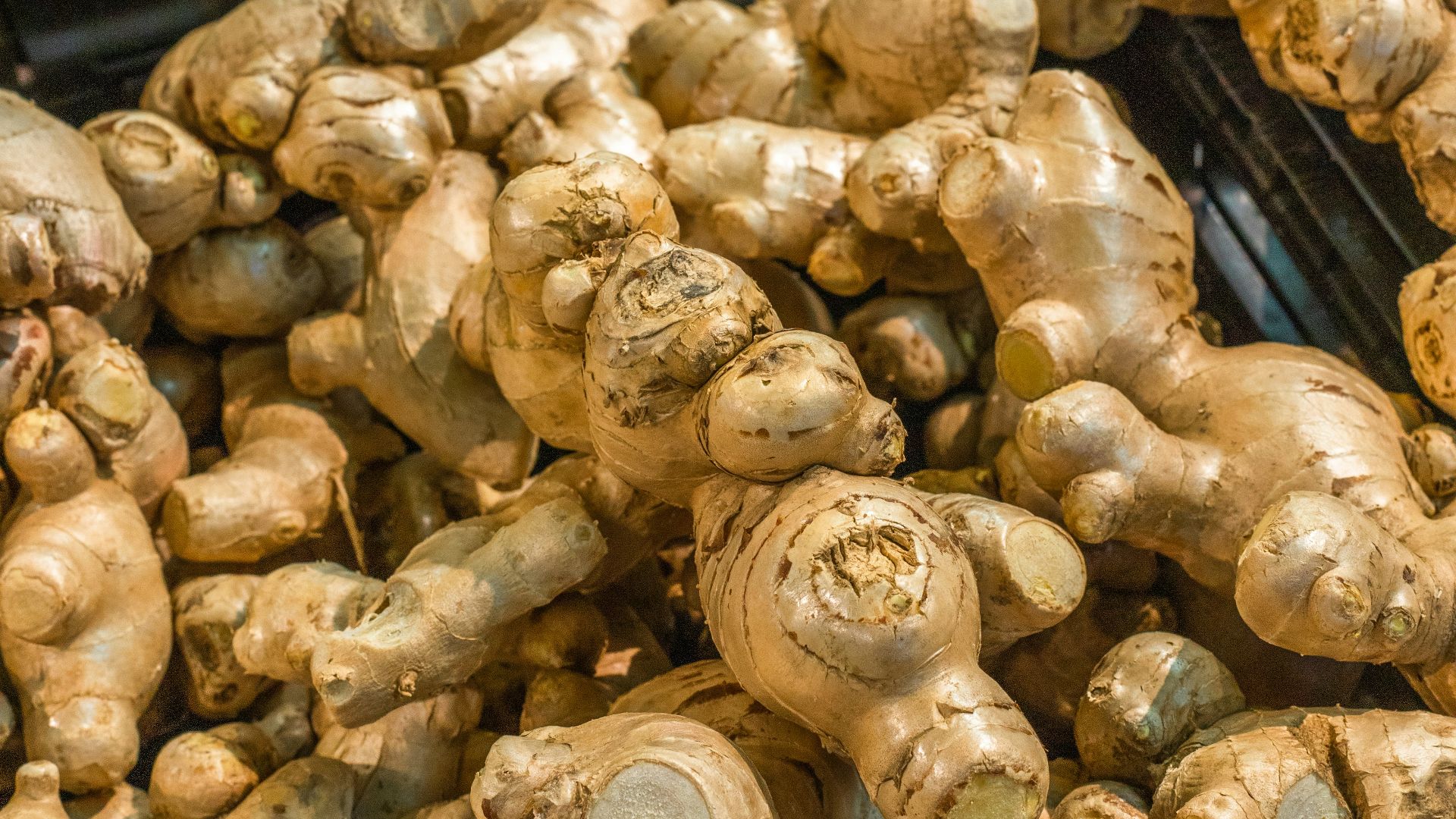
5. Ginger
Ginger has centuries of use as a folk remedy for aches and swelling, and modern studies back up its ability to reduce inflammatory markers tied to joint pain. Fresh ginger grated into tea, stir-fries, or smoothies delivers more of its active compounds than the dried, powdered version most spice racks hold onto.
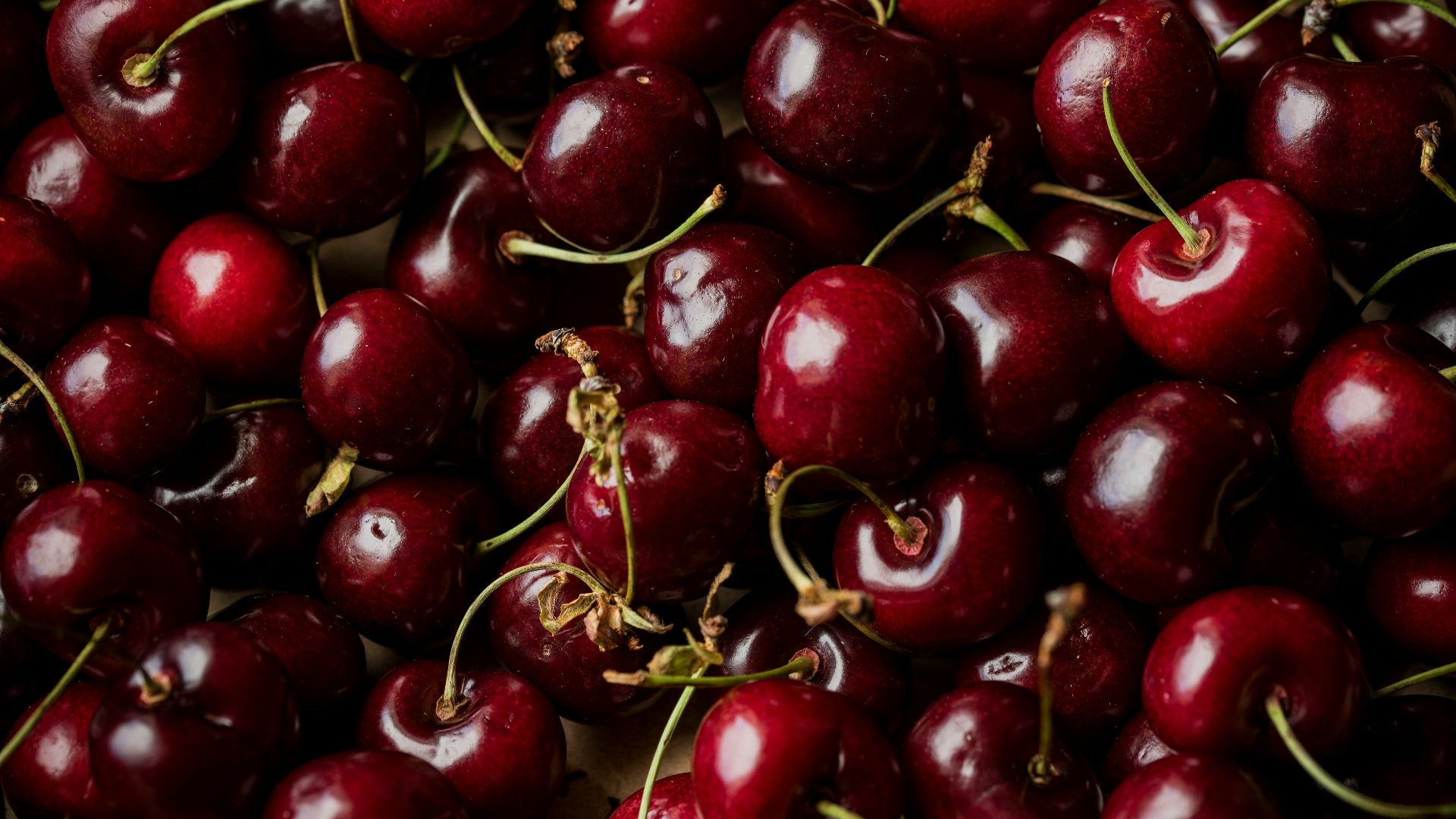
6. Tart Cherries
Tart cherries and their juice are unusually rich in anthocyanins, the same pigments responsible for their deep red color and their anti-inflammatory punch. Small clinical studies on people with arthritis and gout have found that drinking tart cherry juice regularly eased pain and stiffness compared to a placebo.
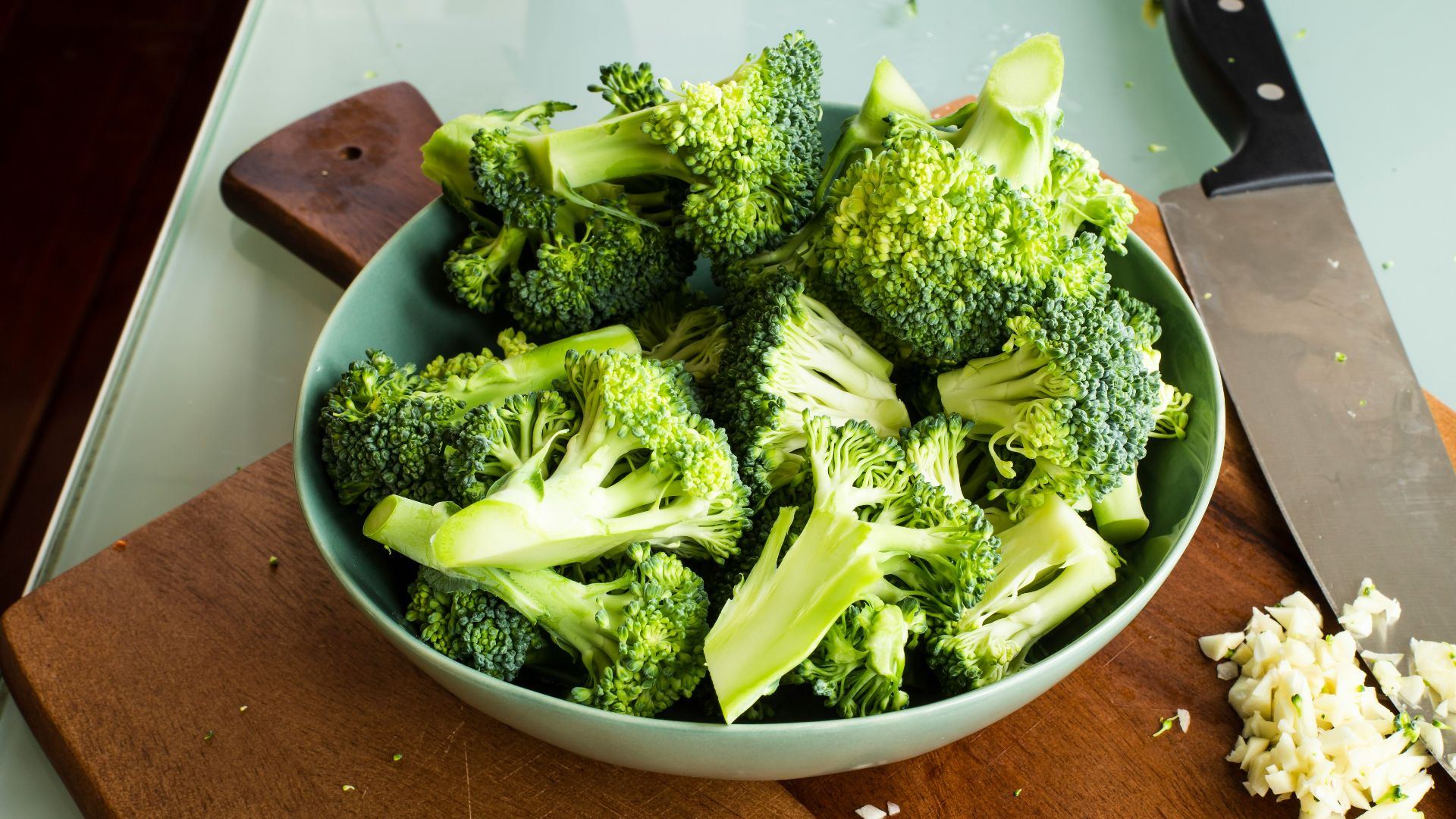
7. Broccoli
Broccoli contains sulforaphane, a compound that appears to slow the cartilage damage associated with osteoarthritis in early laboratory research. Steaming it lightly rather than boiling it preserves noticeably more of the compound than either raw or thoroughly overcooked broccoli does.
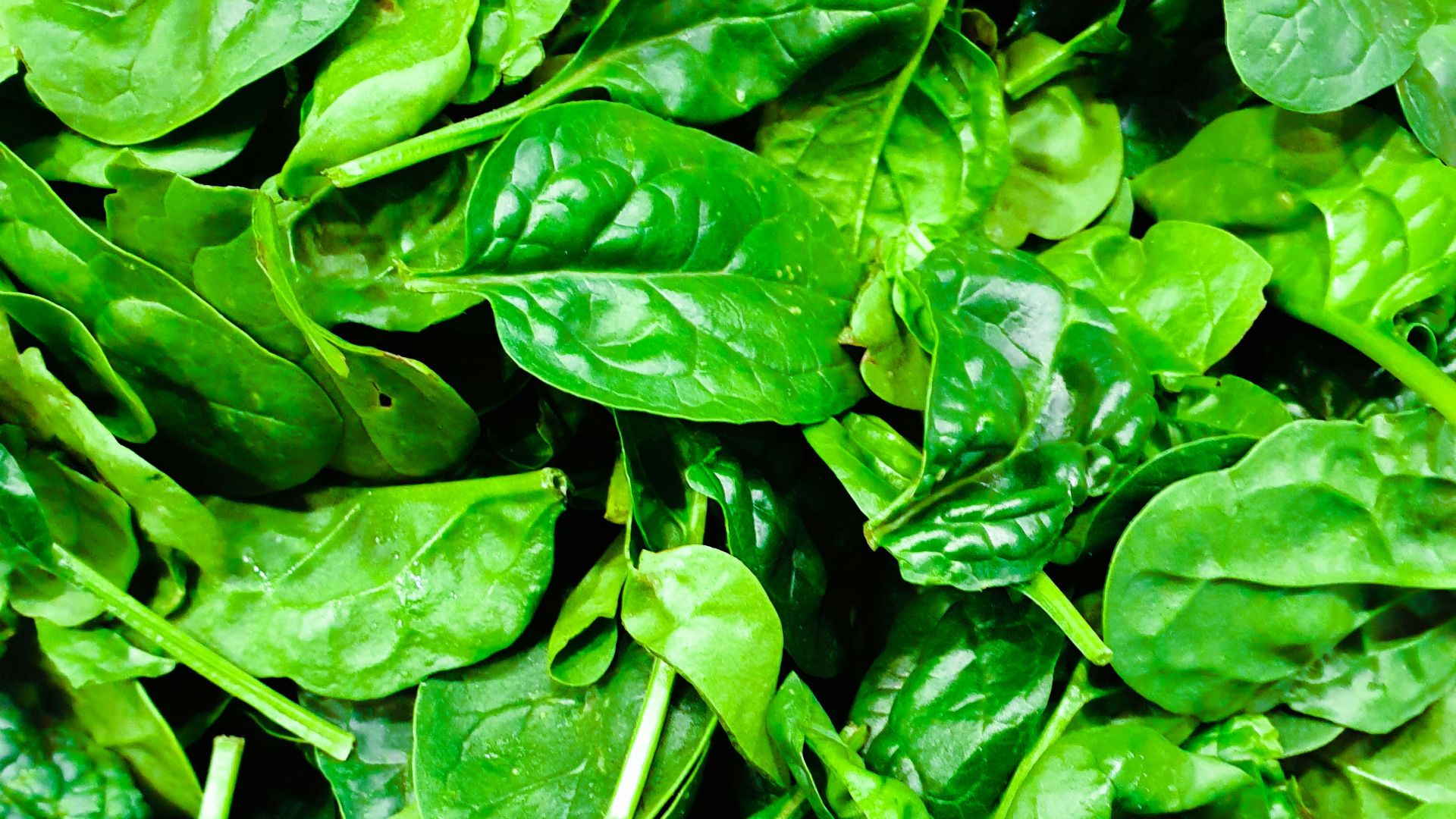
8. Spinach
Dark leafy greens like spinach are dense with antioxidants, including one called kaempferol that has shown anti-inflammatory effects in laboratory studies. Spinach also delivers a solid dose of vitamin K, which plays a quiet but important role in bone and cartilage health.
 Shutter Sphere Collective on Unsplash
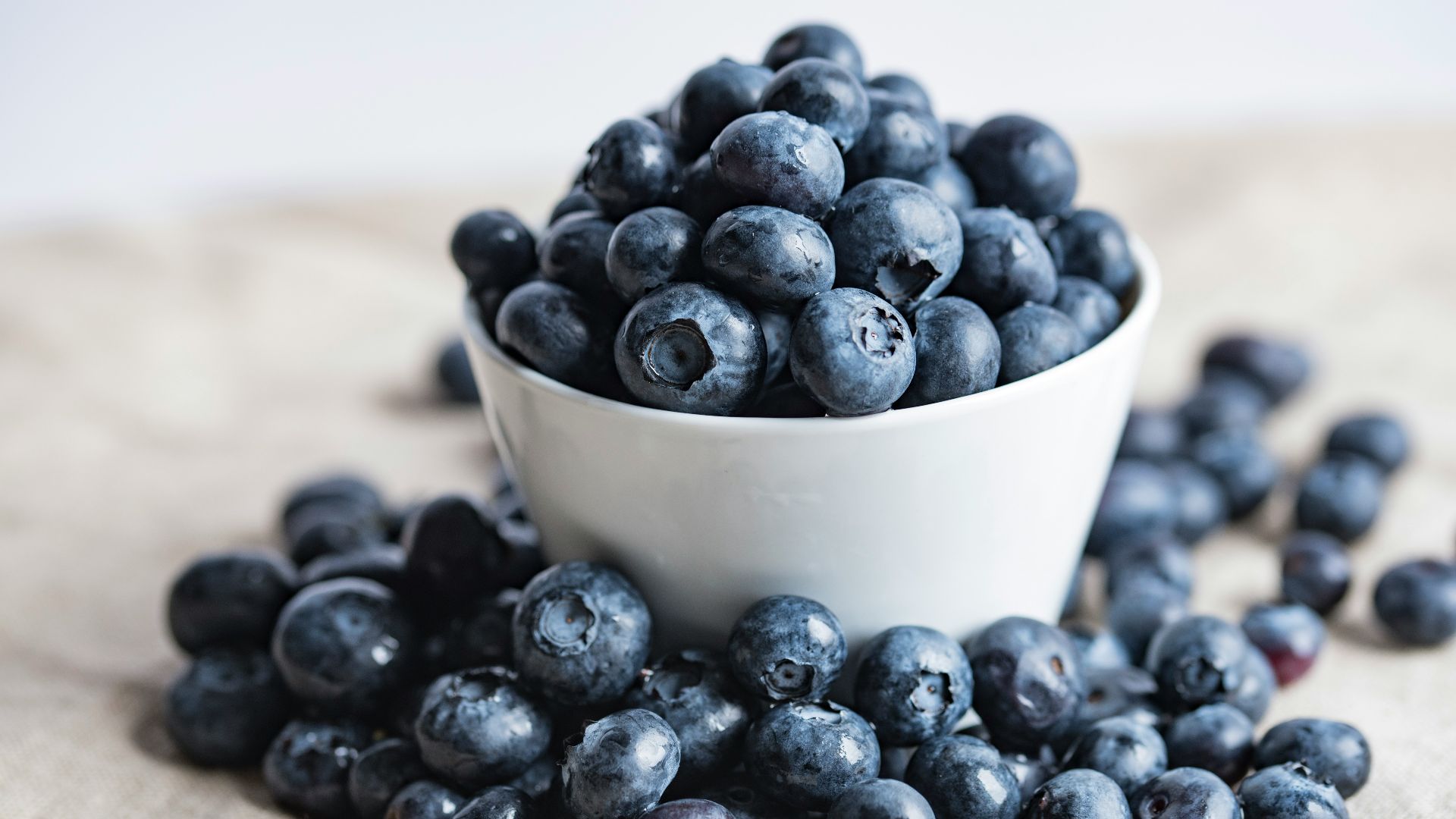
9. Blueberries
Blueberries are packed with anthocyanins and other antioxidants that help neutralize the oxidative stress that drives joint inflammation. Frozen blueberries retain nearly as many of these compounds as fresh ones, making them an easy, budget-friendly staple to keep on hand year-round.
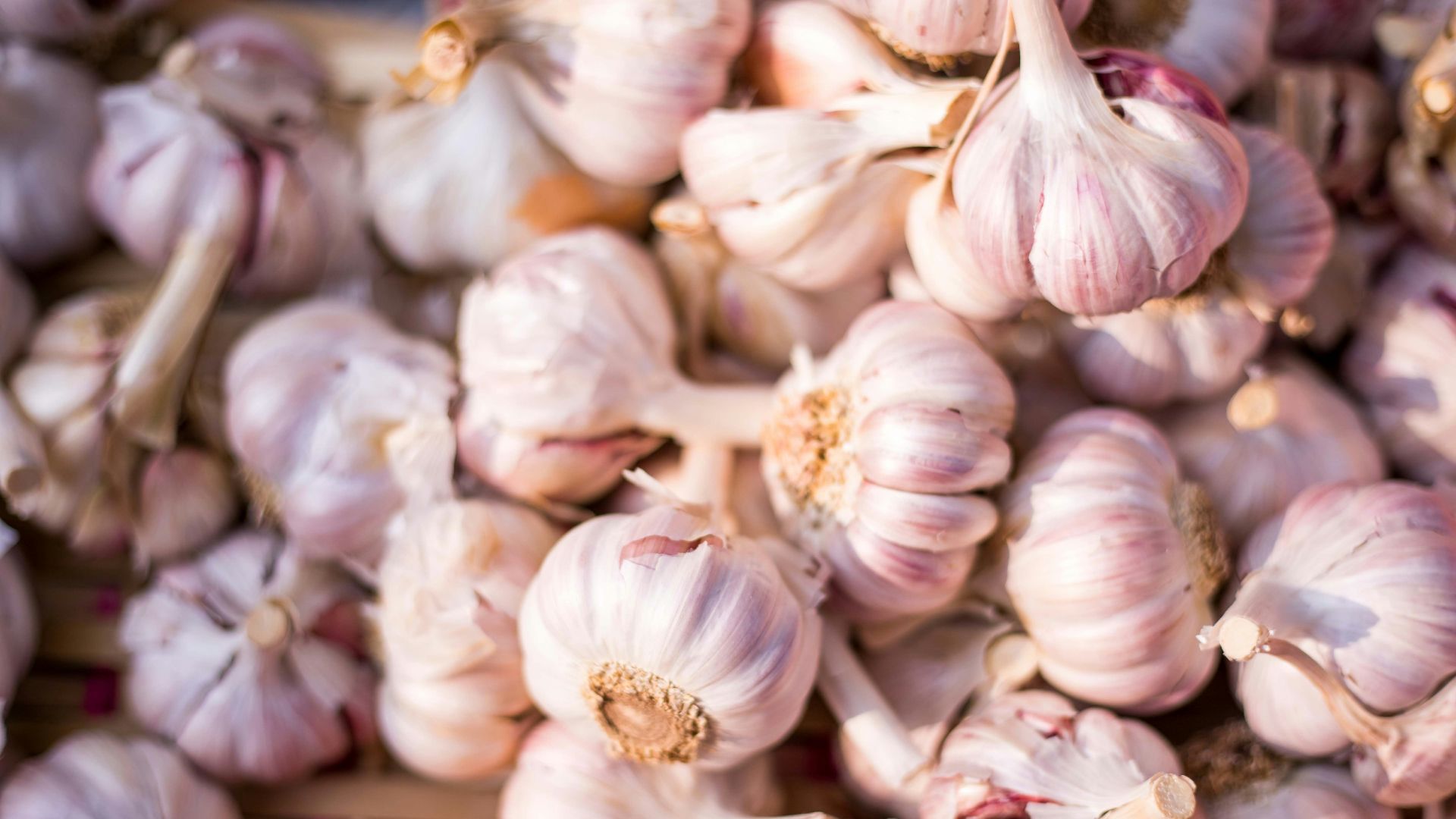
10. Garlic
Garlic contains diallyl disulfide, a sulfur compound that research suggests can limit the enzymes responsible for breaking down cartilage over time. Crushing or chopping garlic and letting it sit for a few minutes before cooking helps activate more of its beneficial compounds before the heat sets in.
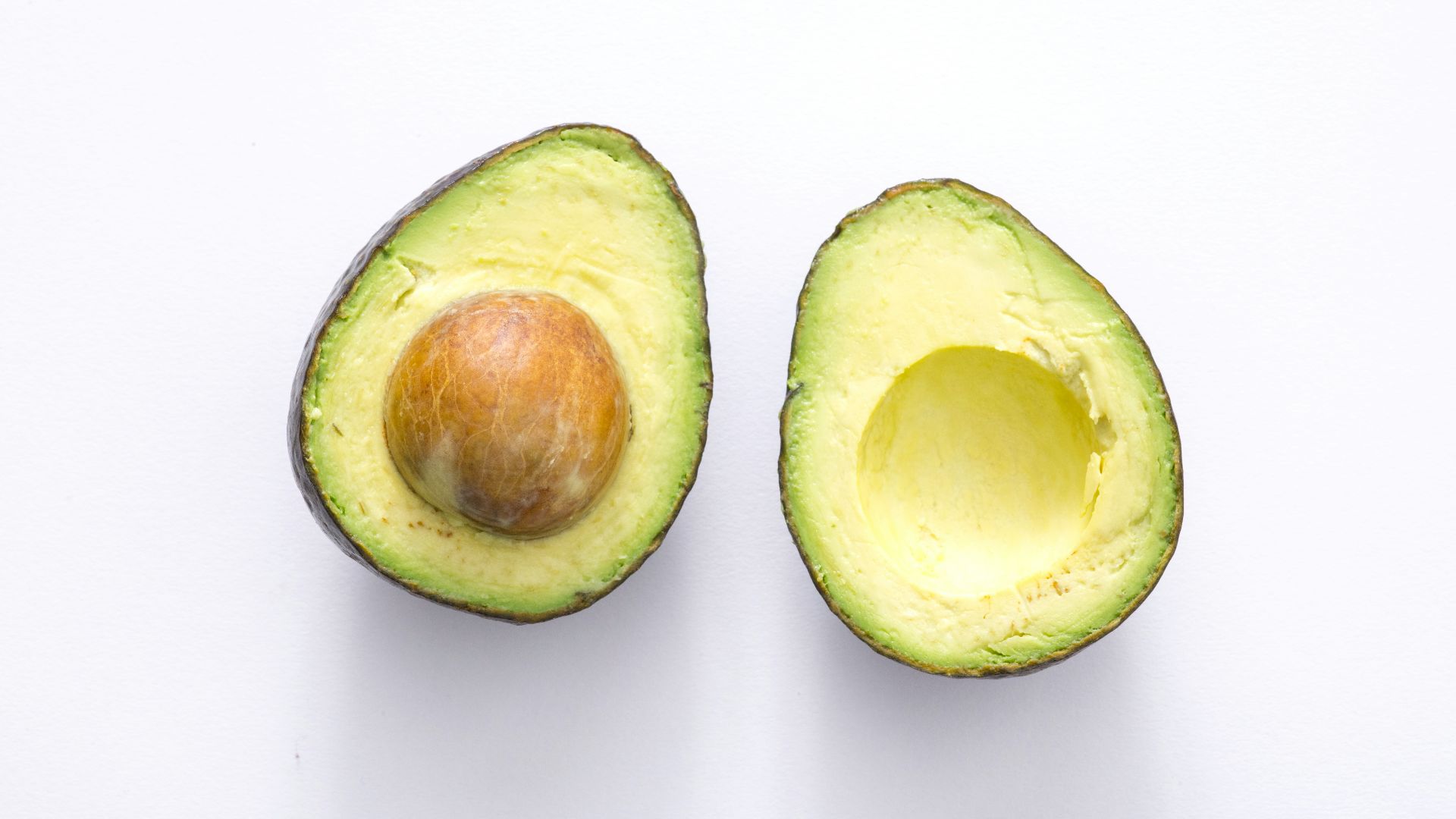
11. Avocados
Avocados are rich in monounsaturated fats and carotenoids that have been linked to lower levels of inflammatory markers circulating in the blood. Some early clinical research on avocado extract specifically has shown promise for easing osteoarthritis symptoms in the hips and knees.
12. Bone Broth
Bone broth simmers down collagen and connective tissue into a liquid rich in amino acids like glycine and proline, the same building blocks your body uses to maintain and repair cartilage. Many people who add it to their weekly routine report feeling less morning stiffness, though the clinical research on drinking broth specifically is still fairly limited.

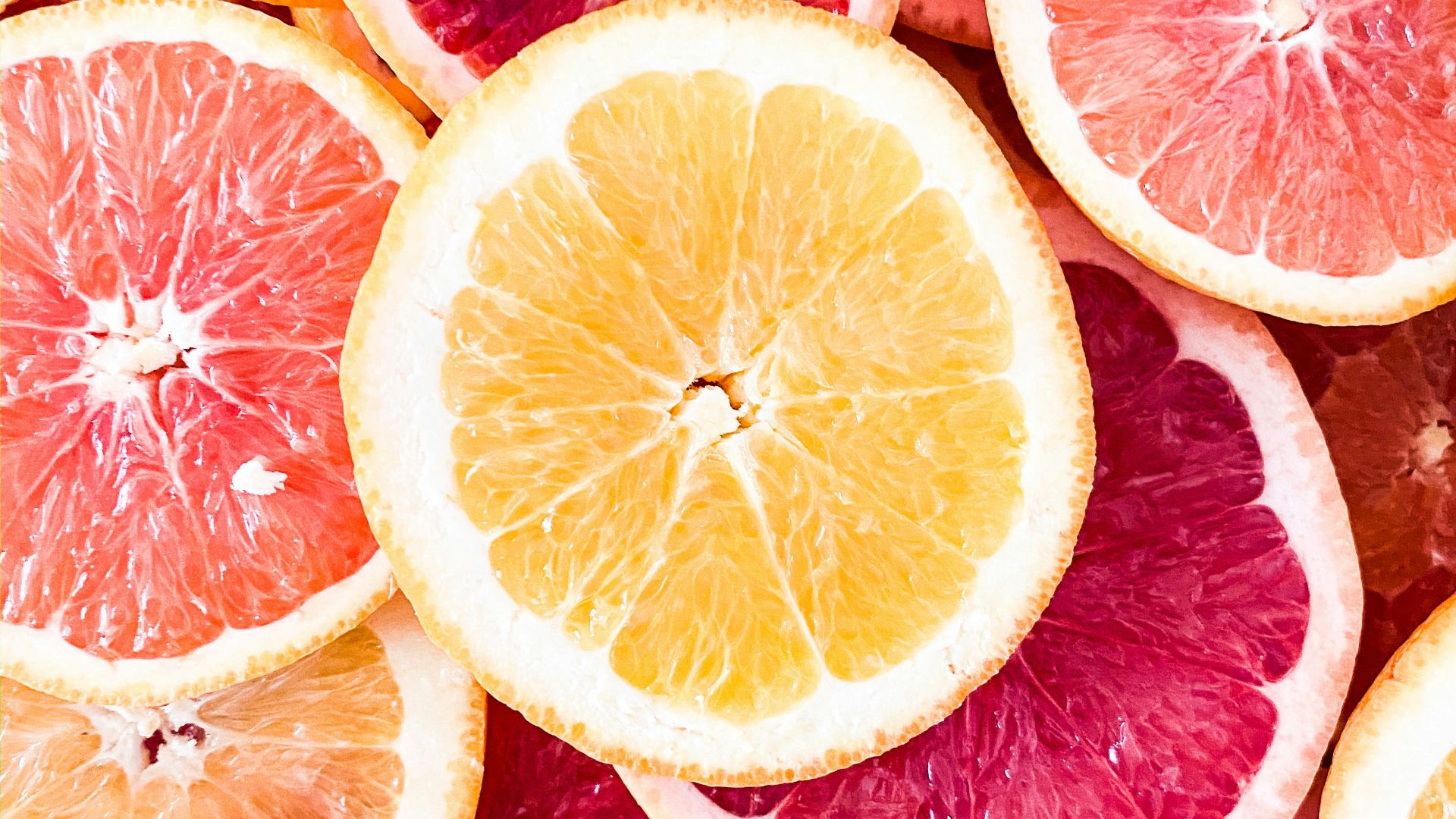
13. Citrus Fruits
Oranges, grapefruit, and other citrus fruits are loaded with vitamin C, which your body needs in order to synthesize the collagen that keeps joints cushioned and flexible. Vitamin C also acts as an antioxidant, helping to offset some of the oxidative damage linked to stiffness and joint pain.
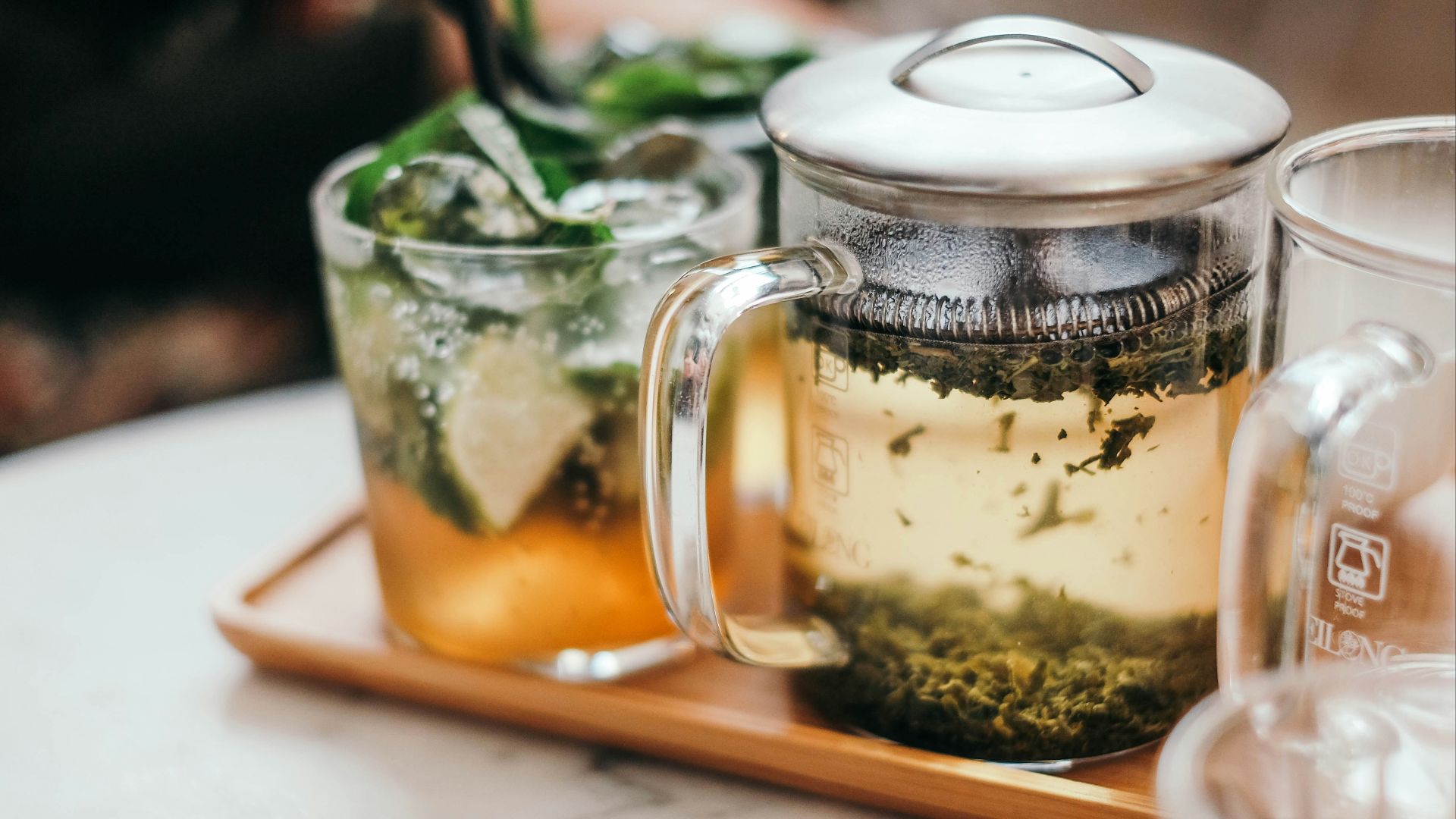
14. Green Tea
Green tea contains a compound called EGCG that has been studied for its ability to block some of the specific enzymes involved in cartilage breakdown. Swapping a daily coffee or soda for a cup or two of green tea is a small change that adds up considerably over time.
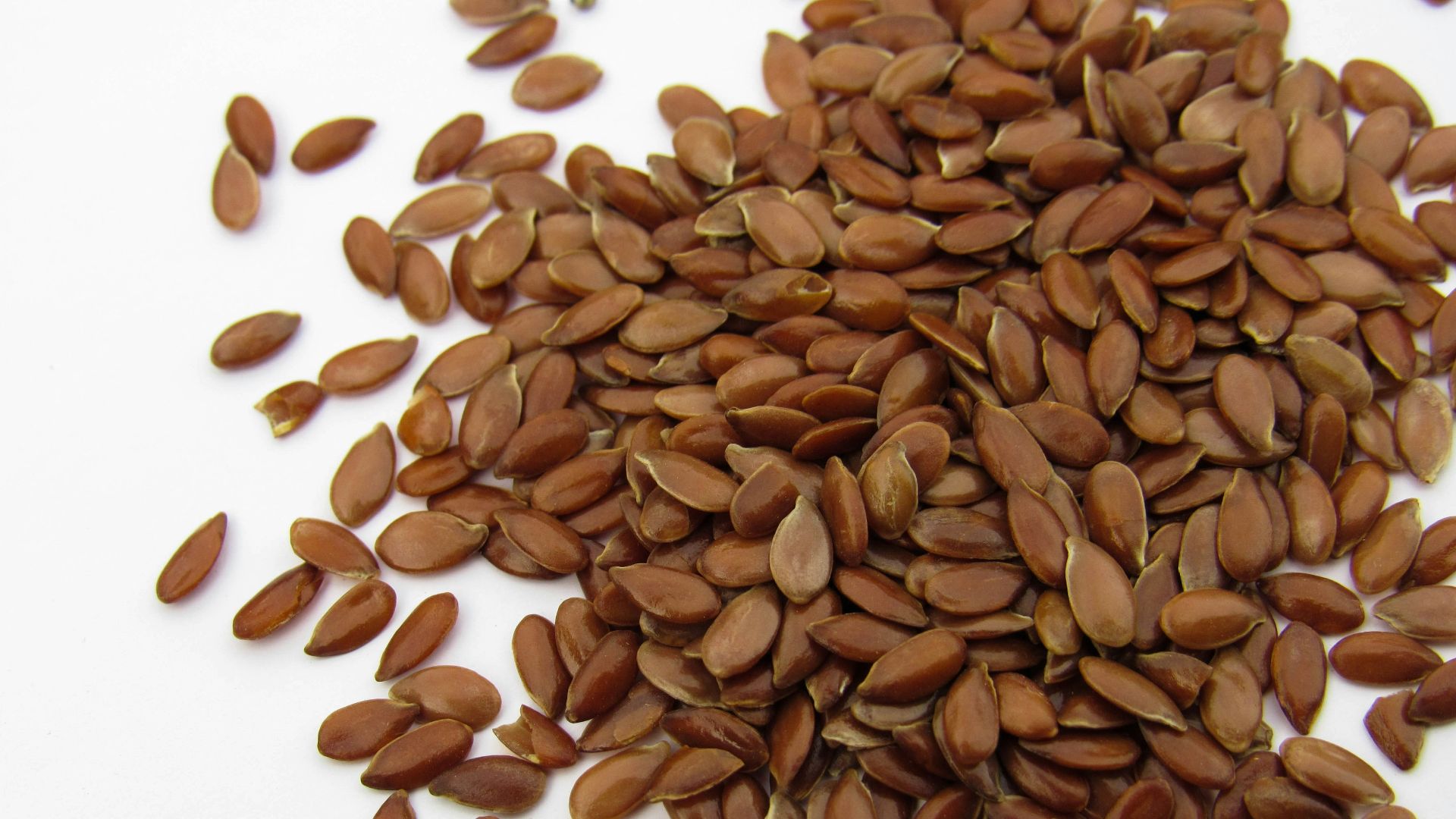
15. Flaxseeds
Ground flaxseeds are one of the richest plant sources of alpha-linolenic acid, a type of omega-3 that your body partially converts into the same anti-inflammatory compounds found in fish oil. Grinding them fresh in small batches rather than buying pre-ground helps preserve more of their nutritional value before it breaks down.
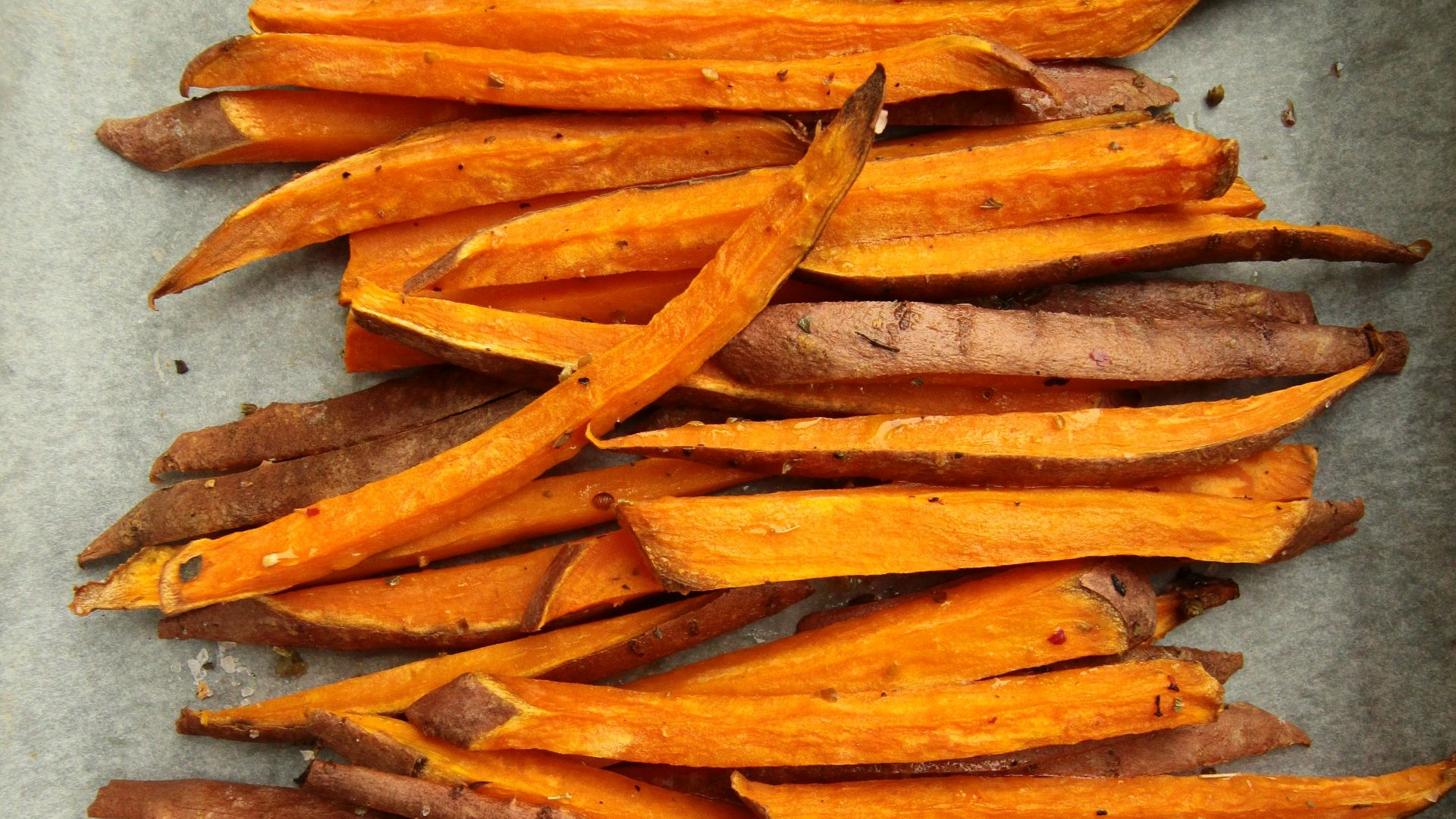
16. Sweet Potatoes
Sweet potatoes are rich in beta-carotene, which your body converts to vitamin A and which has shown anti-inflammatory properties in several nutrition studies. Their natural sweetness also makes them an easy substitute for more processed, refined starches that tend to worsen inflammation over time.
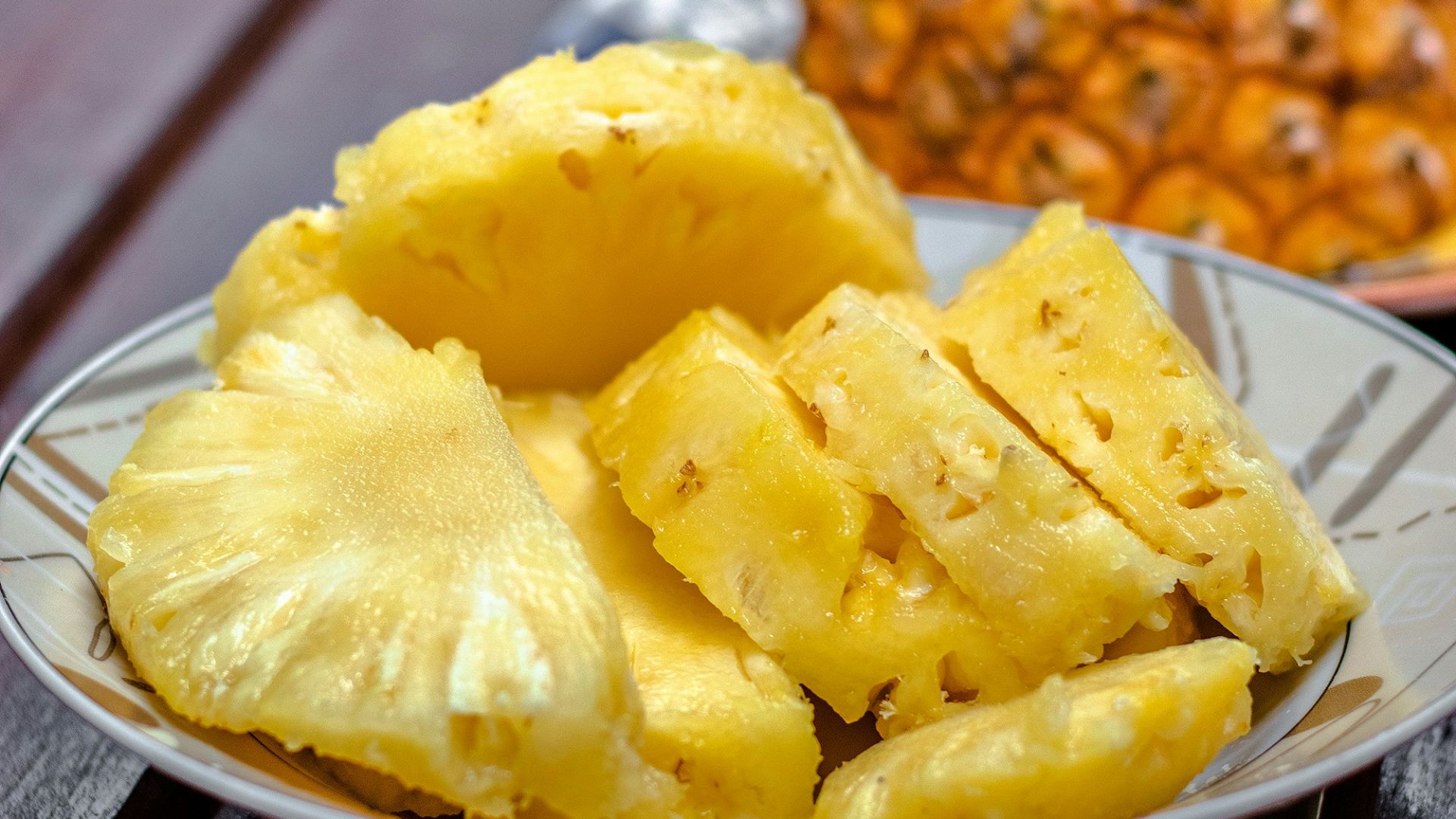
17. Pineapple
Pineapple contains bromelain, an enzyme that has been used for decades in concentrated supplement form to reduce swelling and pain after surgery and injury. Eating the fruit fresh delivers a milder dose than concentrated bromelain supplements, but it still contributes something to the overall effect.
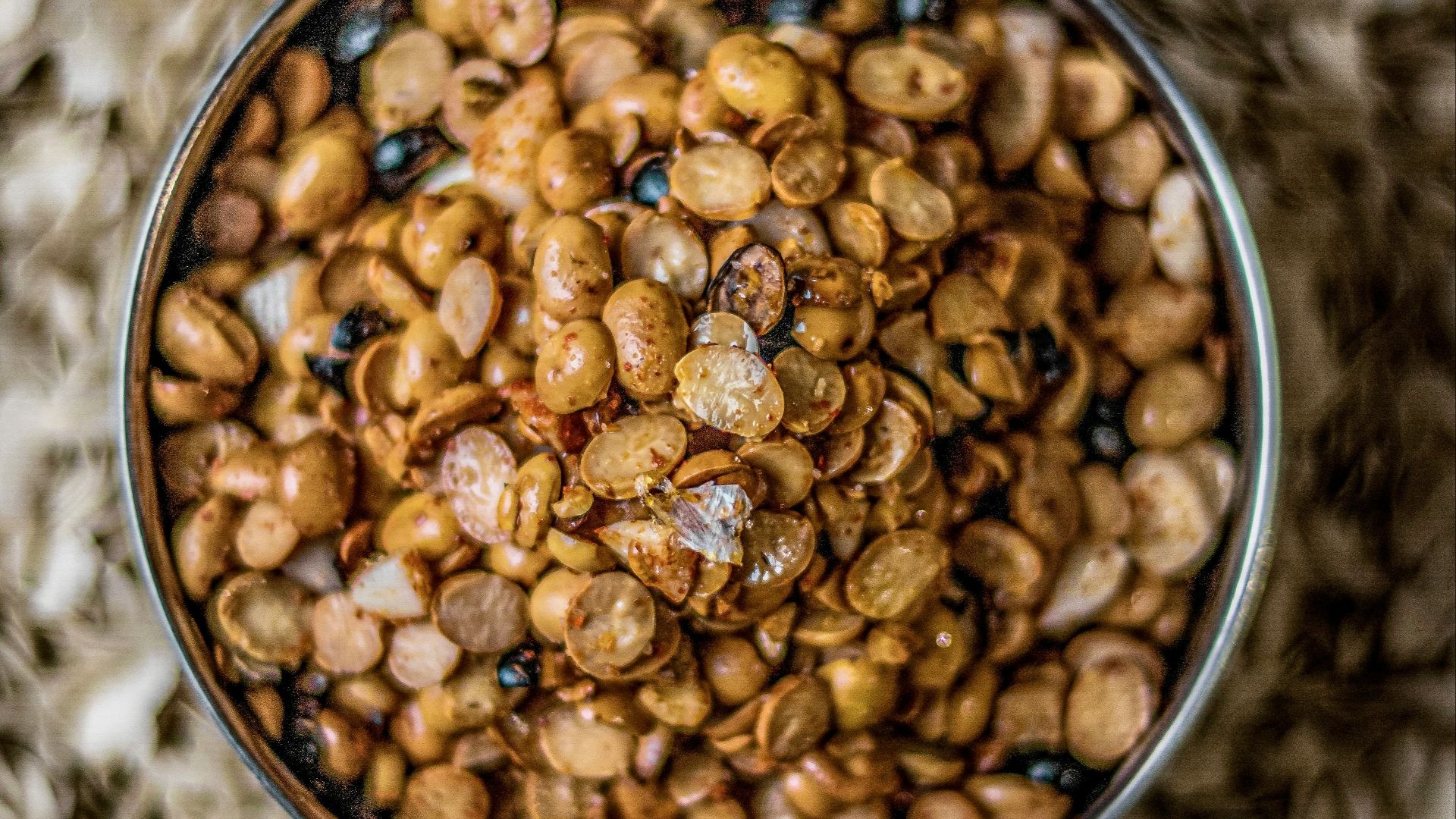
18. Beans and Lentils
Beans and lentils are high in fiber, which several studies have linked to lower levels of C-reactive protein, a key marker of inflammation circulating in the blood. They also provide plant-based protein and minerals like magnesium that support overall joint and bone health.
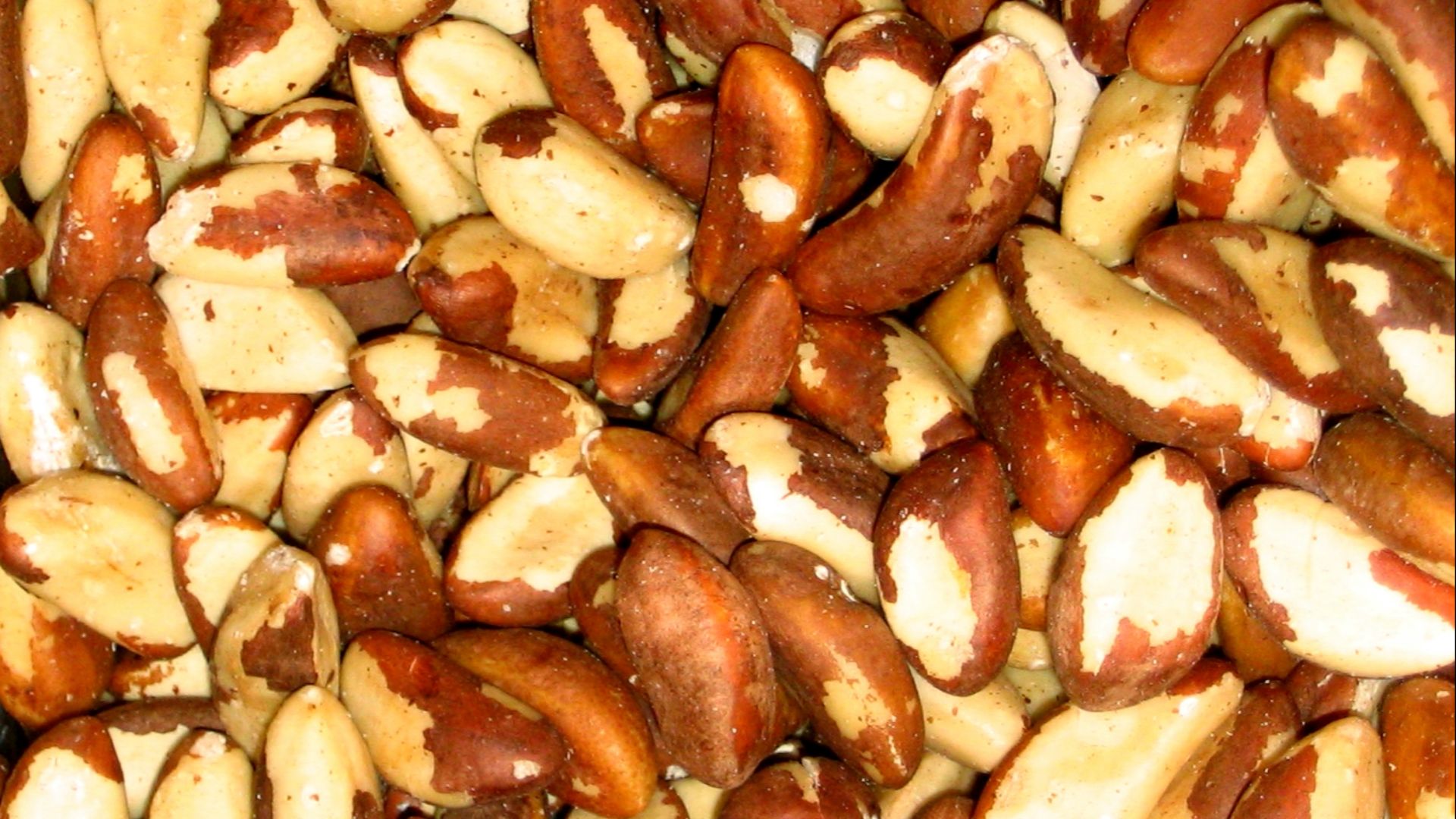
19. Brazil Nuts
Brazil nuts are one of the most concentrated food sources of selenium, a mineral that helps regulate the body's inflammatory response. Just one or two nuts a day provide more than enough selenium, since larger amounts can become counterproductive.
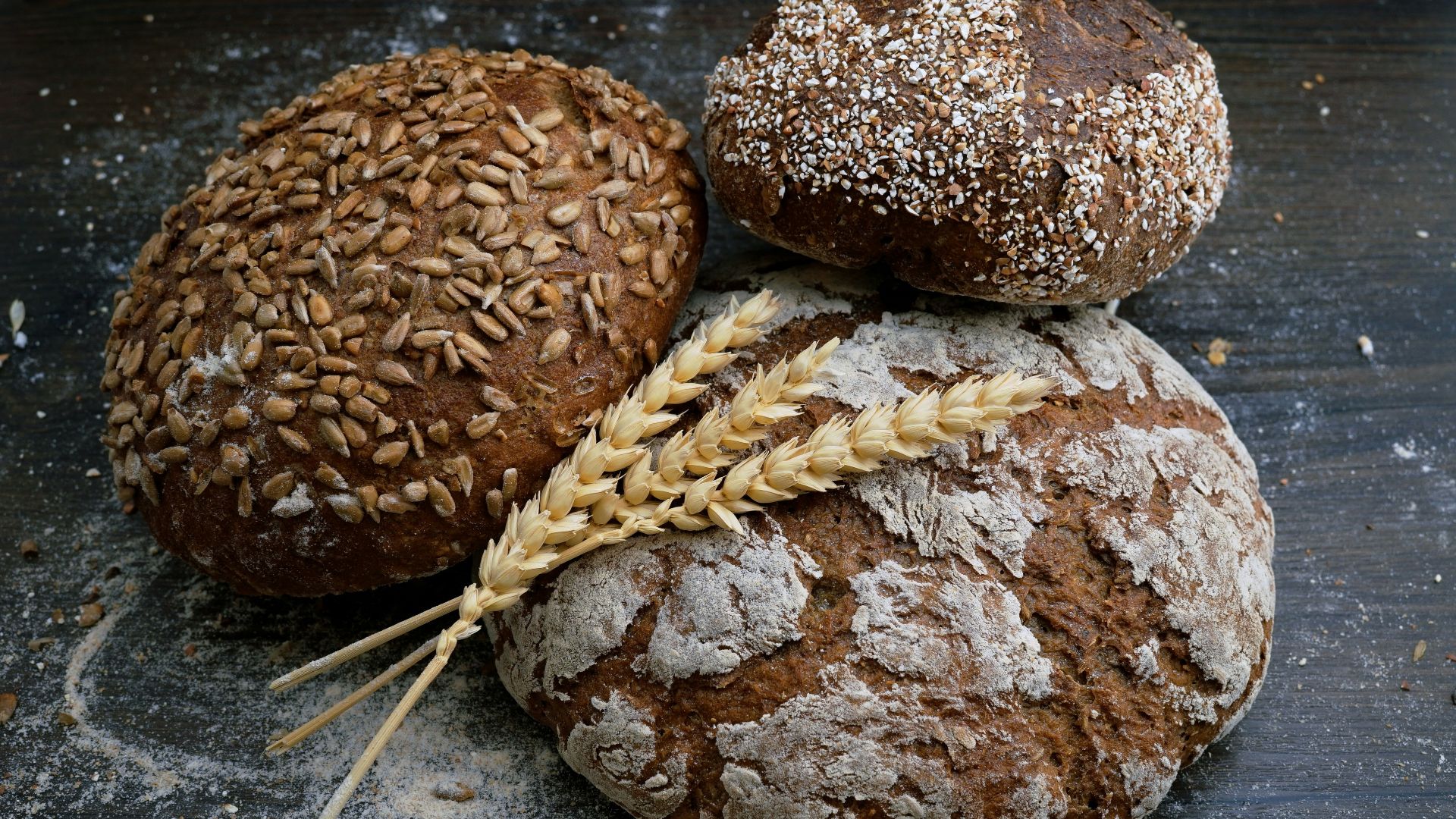
20. Whole Grains
Swapping refined grains like white bread and white rice for whole grain versions has been shown in several studies to lower circulating levels of inflammatory markers over time. The fiber and nutrients preserved in whole grains support a healthier gut microbiome, which researchers increasingly link to how much inflammation ends up showing up elsewhere in the body, joints included.