Feeling Ansty?
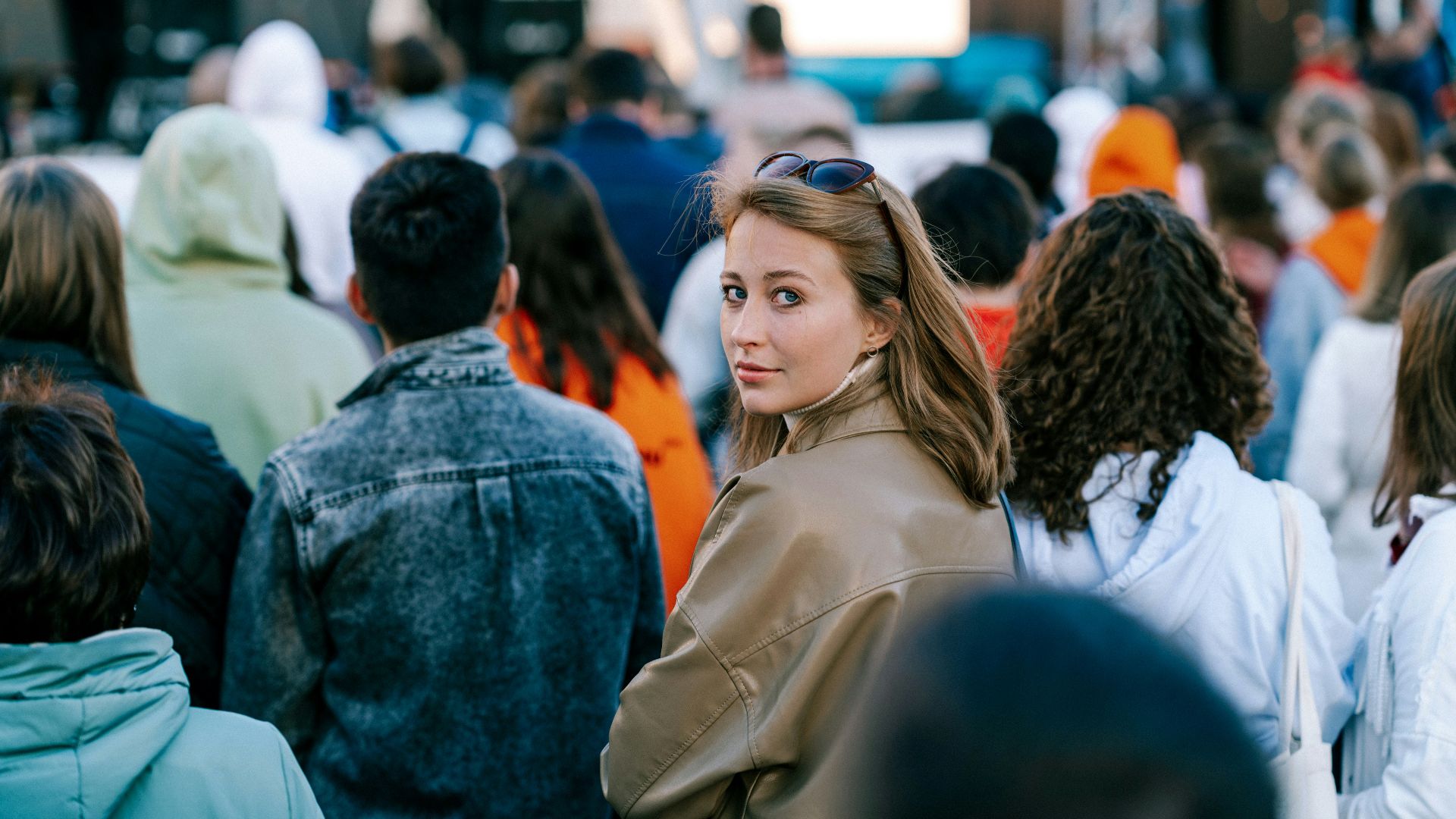
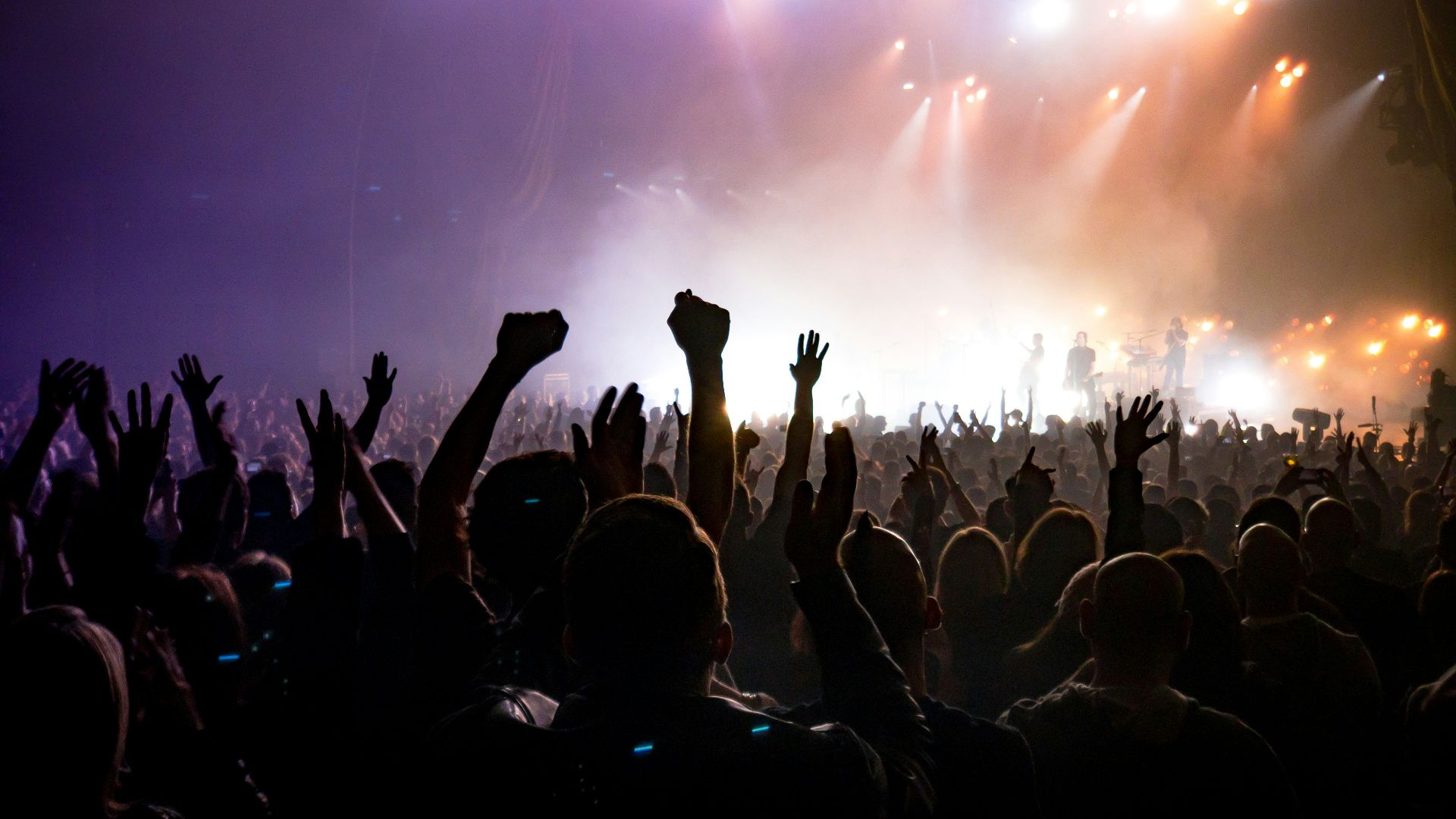
Ever walked into a packed room and felt an instant jolt, like your whole body flipped a switch before your brain even caught up? That is not your imagination. Your nervous system starts reading a crowd the moment you step into it, long before you have consciously decided how you feel about being there. It pays attention to how close you are to others. It measures the noise level. It tracks whether the movement around you feels predictable or chaotic. It even calculates, without asking your permission, how easy it would be to get out if you needed to. That is why a packed concert can feel euphoric while a stalled subway car packed just as tightly can feel like a slow-motion nightmare. The difference usually comes down to choice, connection, and control. When you choose to be there and feel bonded to the people around you, your body relaxes into it. When you feel trapped or disconnected, your body braces for trouble. Here are 20 ways being surrounded by people can shift what is happening inside you.
1. Your Body Flips Into High Alert
Cramped, unpredictable, or hard-to-escape crowds can flip on your sympathetic nervous system, the internal alarm system that gears you up to handle a challenge. Suddenly you are more watchful, more tense, more ready to move.

2. Your Skin Gets in on the Action
Once your body ramps up, your sweat glands often follow along. You might not notice actual sweat forming, but subtle shifts in moisture can happen anyway, especially when a dense crowd makes it harder to move freely.

3. Your Heart Rate Starts Shifting
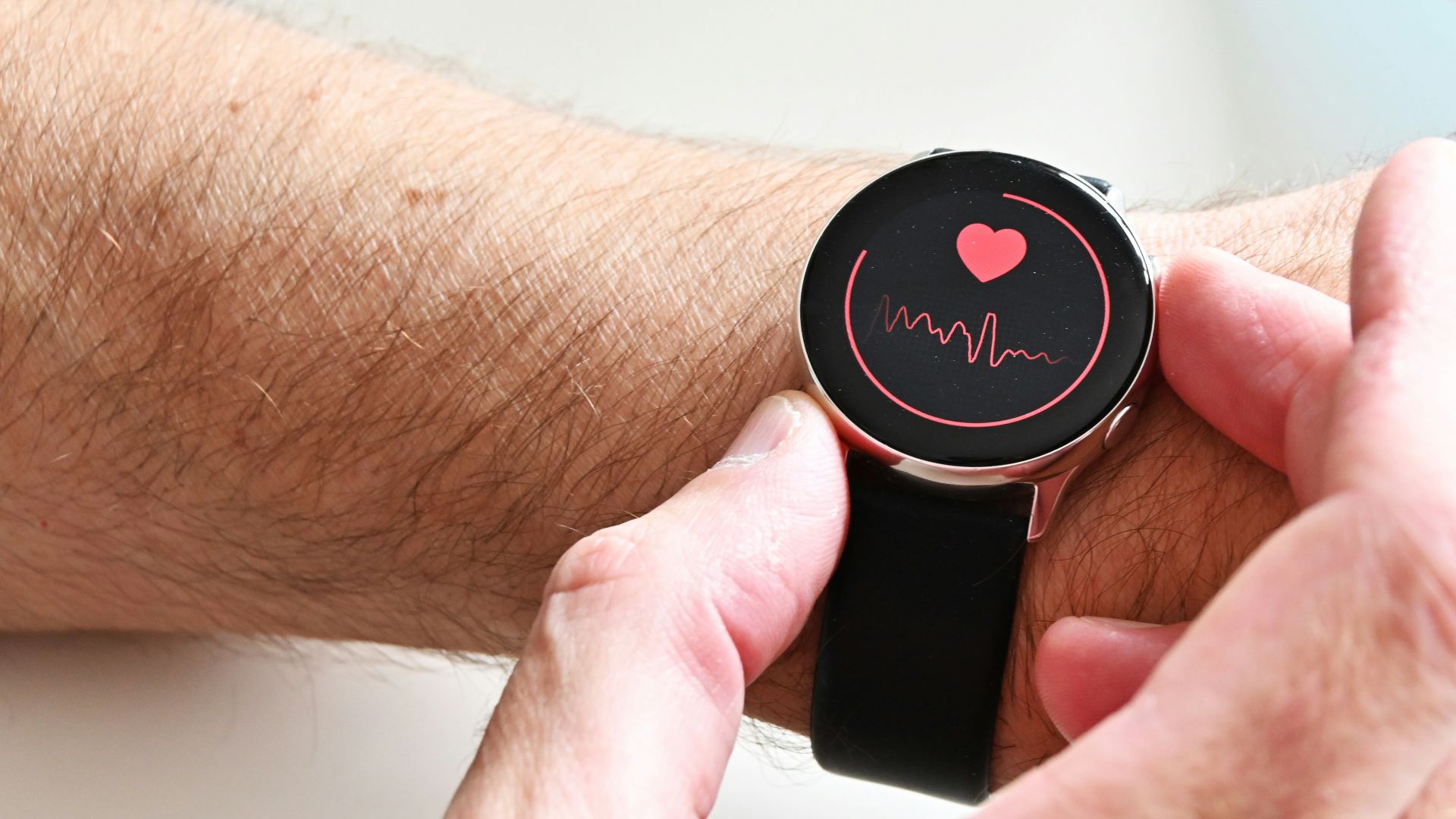
Stress, excitement, heat, noise, and physical exertion can all push your heart rate around in a crowded space. A quicker pulse does not automatically mean fear. It can just as easily mean you are dancing your heart out at a concert or sprinting to catch a flight.
4. Your Breath Picks Up the Pace
When a crowded space starts to feel overwhelming, your breathing can speed up or grow shallow. Walking briskly, warm air, poor ventilation, and existing anxiety can all pile onto that effect, so the crowd itself may be only one ingredient in the mix.
 Yuliia Harashchenko on Unsplash
5. Your Brain Never Stops Guarding Your Bubble
Your brain constantly monitors the invisible zone surrounding your body, even when your conscious mind is elsewhere. The instant a stranger steps closer than feels comfortable, discomfort kicks in and your instinct is to create distance again.
6. Familiar Faces Shrink That Bubble
The same physical distance can feel completely different depending on who is standing next to you. Pressed shoulder to shoulder with close friends might feel totally fine, while that same contact with strangers on a crowded train can feel invasive.
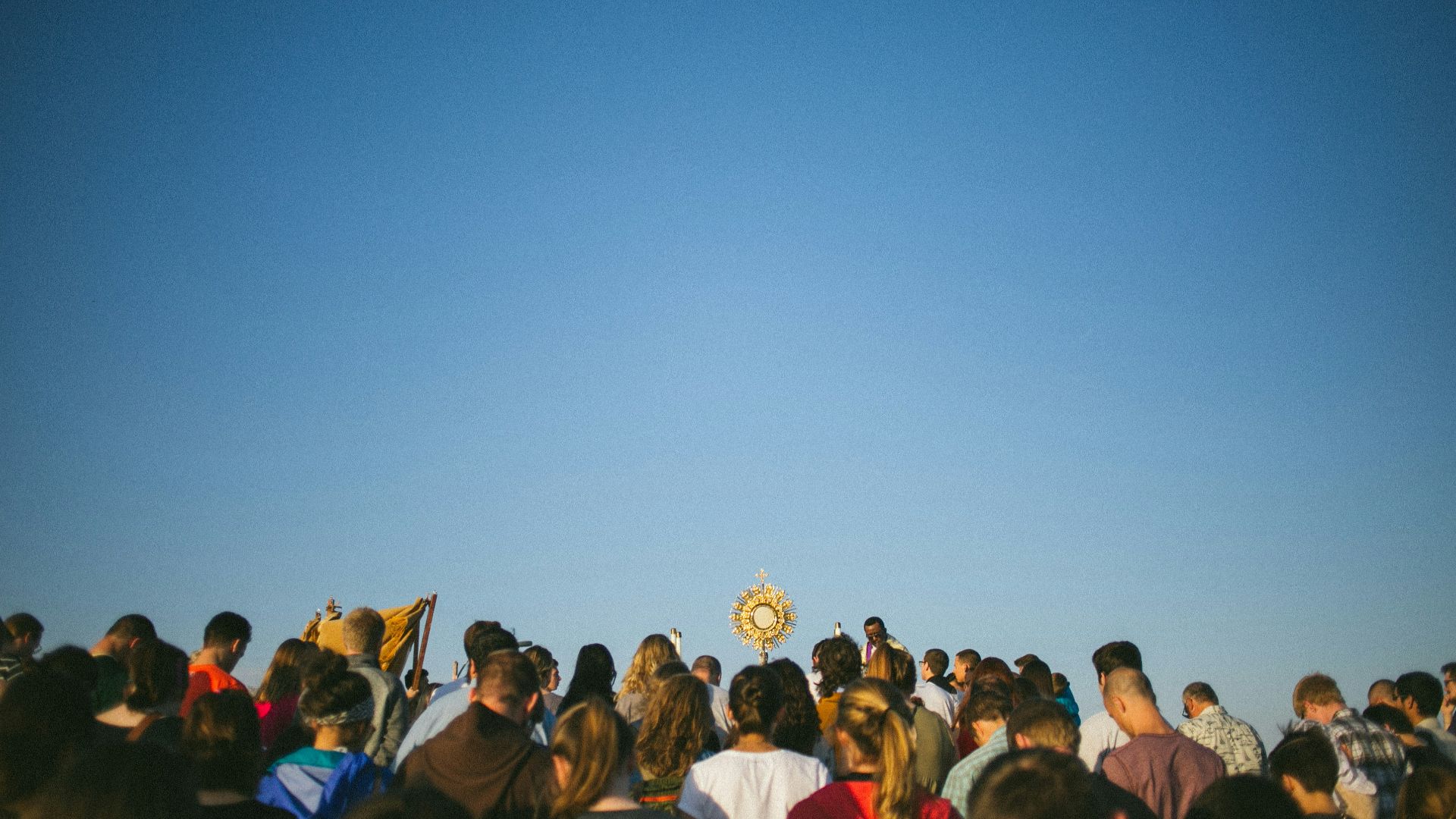
7. Losing Freedom of Movement Cranks Up Stress
Crowds tend to feel far more uncomfortable when you cannot move at your own speed. If people around you are slowing your pace or blocking your path, your body often responds by becoming more physically alert and tense.
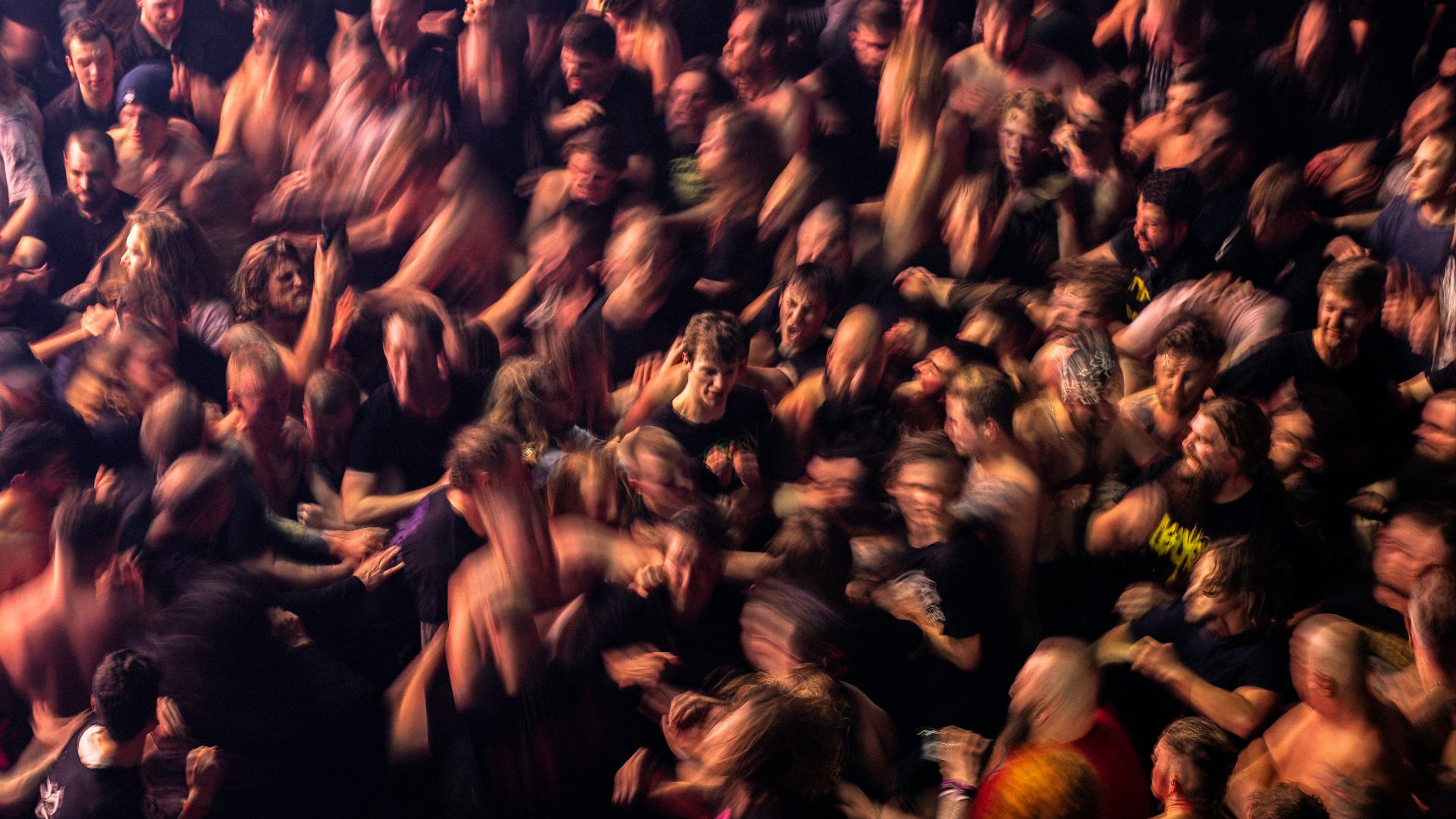
8. Chaotic Movement Drains Your Energy
People who stop abruptly, cut across your path, or push against the flow force your brain into constant recalculation mode. All that adjusting is genuinely tiring, especially when you cannot see clearly where the crowd is actually headed.
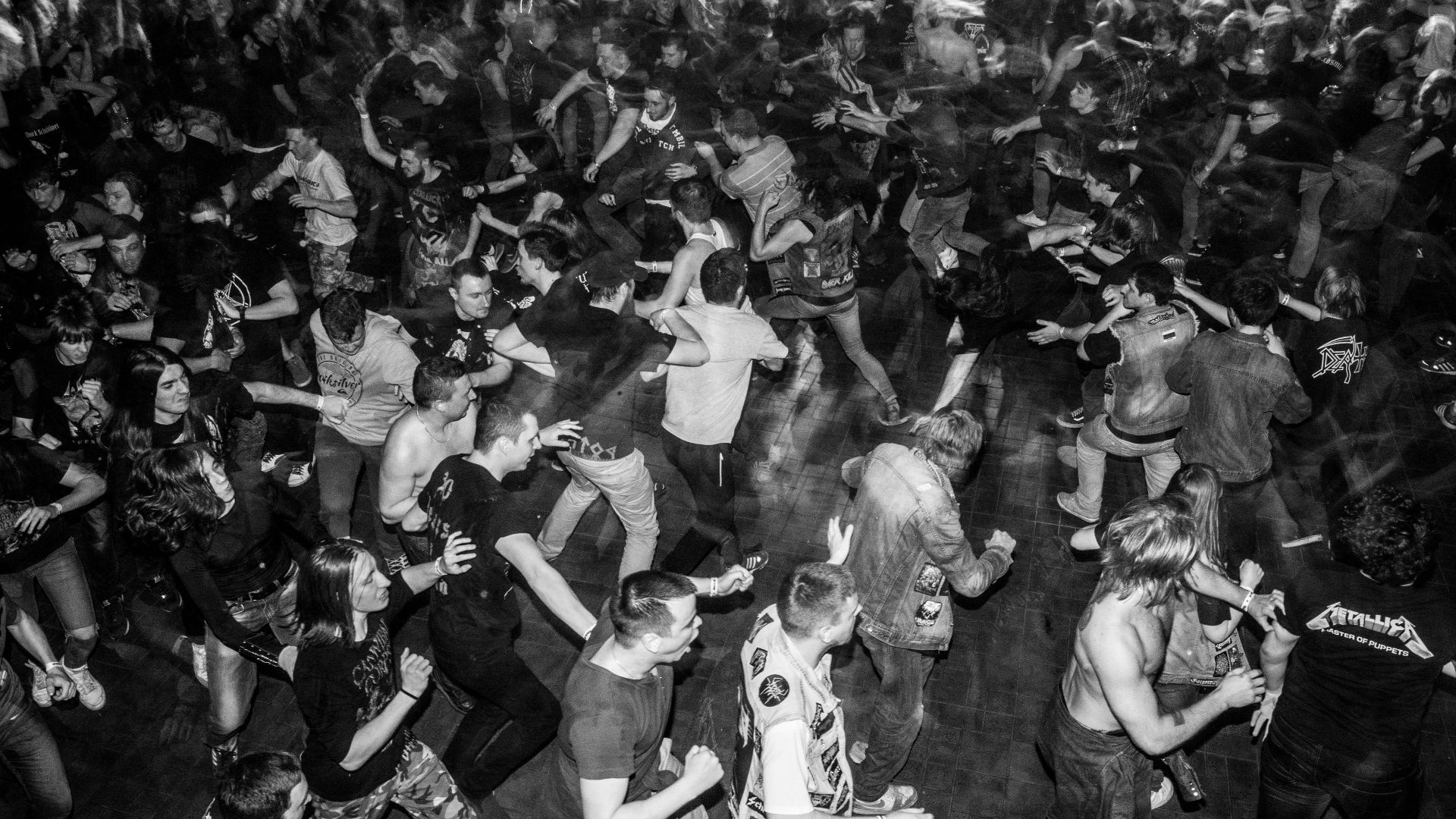
9. You Start Scanning for Trouble
When a crowd starts to feel unsafe, your attention naturally drifts toward exits, sudden sounds, tense expressions, or unusual movement. That heightened awareness can genuinely help in a dangerous situation, but it can also make totally harmless behavior seem threatening once anxiety takes hold.
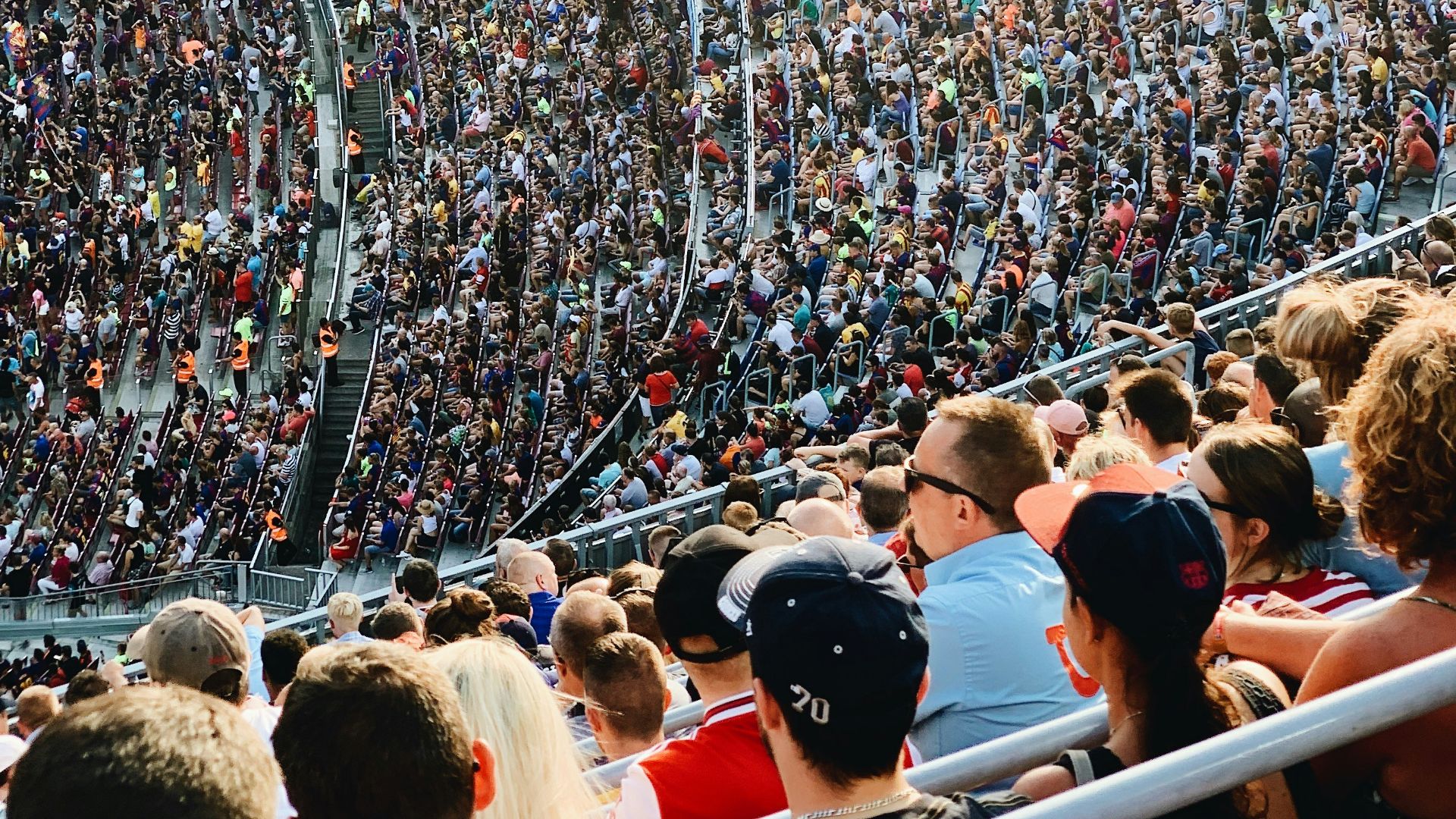
10. Your Focus Gets Pulled in Ten Directions
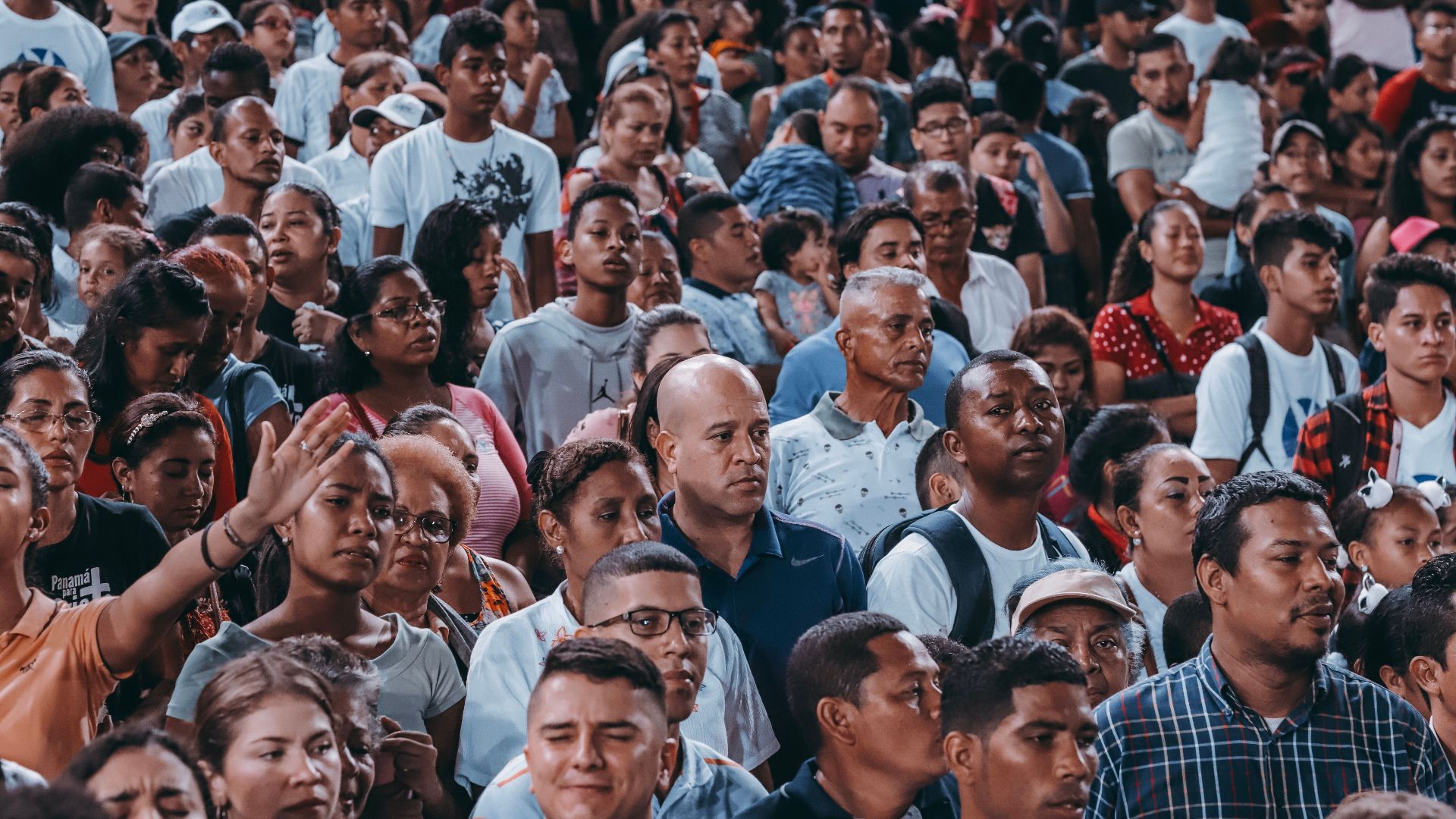
A crowded environment throws a lot at your brain simultaneously: overlapping voices, flashing signs, bright lights, shifting faces, and constant motion. Sorting through that flood can make it genuinely harder to follow a conversation, complete a simple task, or remember what you were even trying to do.
11. Background Noise Wears You Out
Crowds usually bring a soundtrack of overlapping conversations, announcements, traffic, and music. Even if you can understand every word being spoken, that constant layer of noise can still chip away at your attention and make small details harder to retain.
12. Your Short-Term Memory Starts Slipping
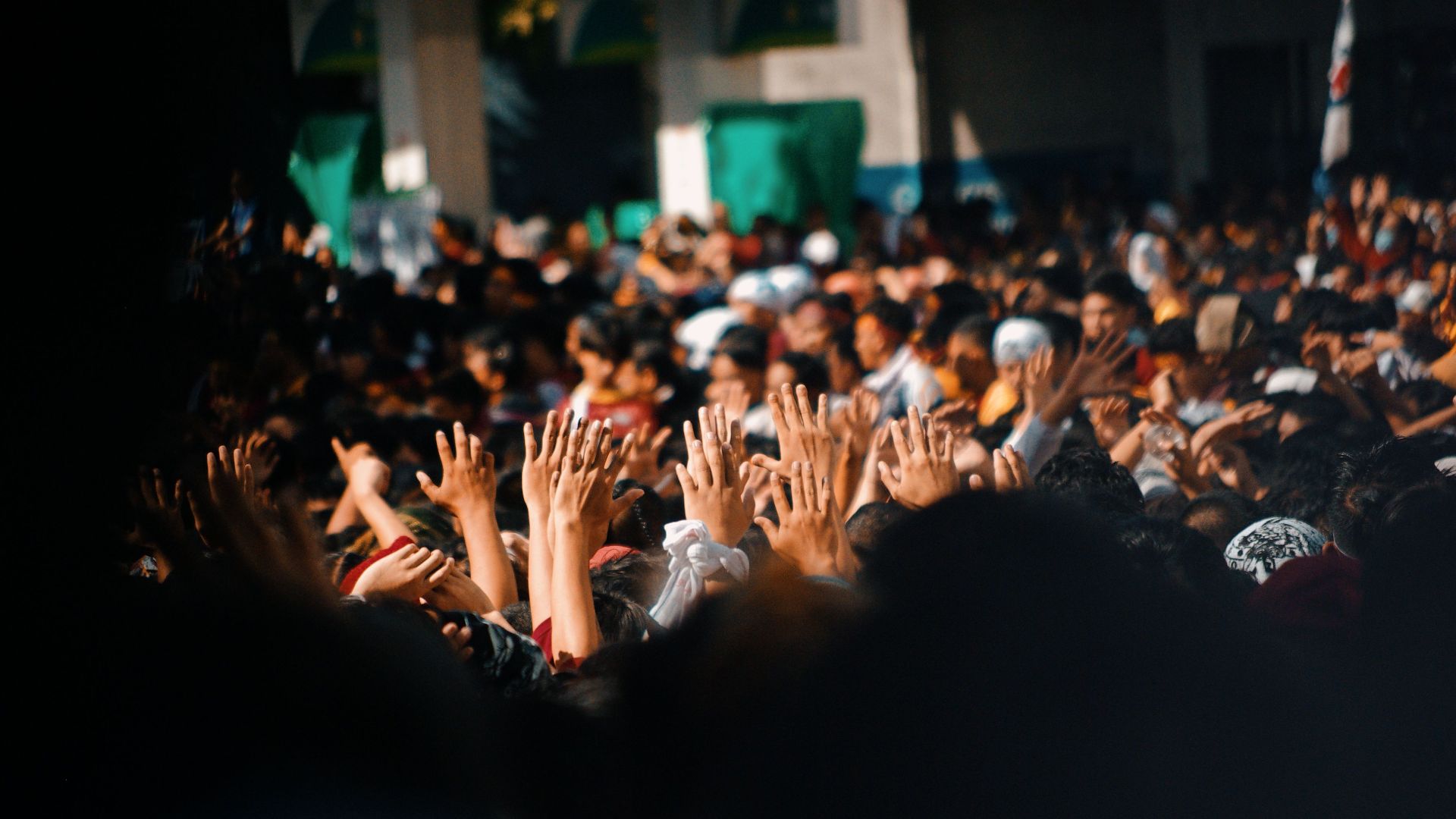
Working memory is the mental notepad that holds small bits of information, like a platform number or a short grocery list, for just long enough to use them. Stress and distraction put real pressure on that system, which may explain why simple details vanish from your mind in a busy space.

13. Decisions Suddenly Feel Heavier
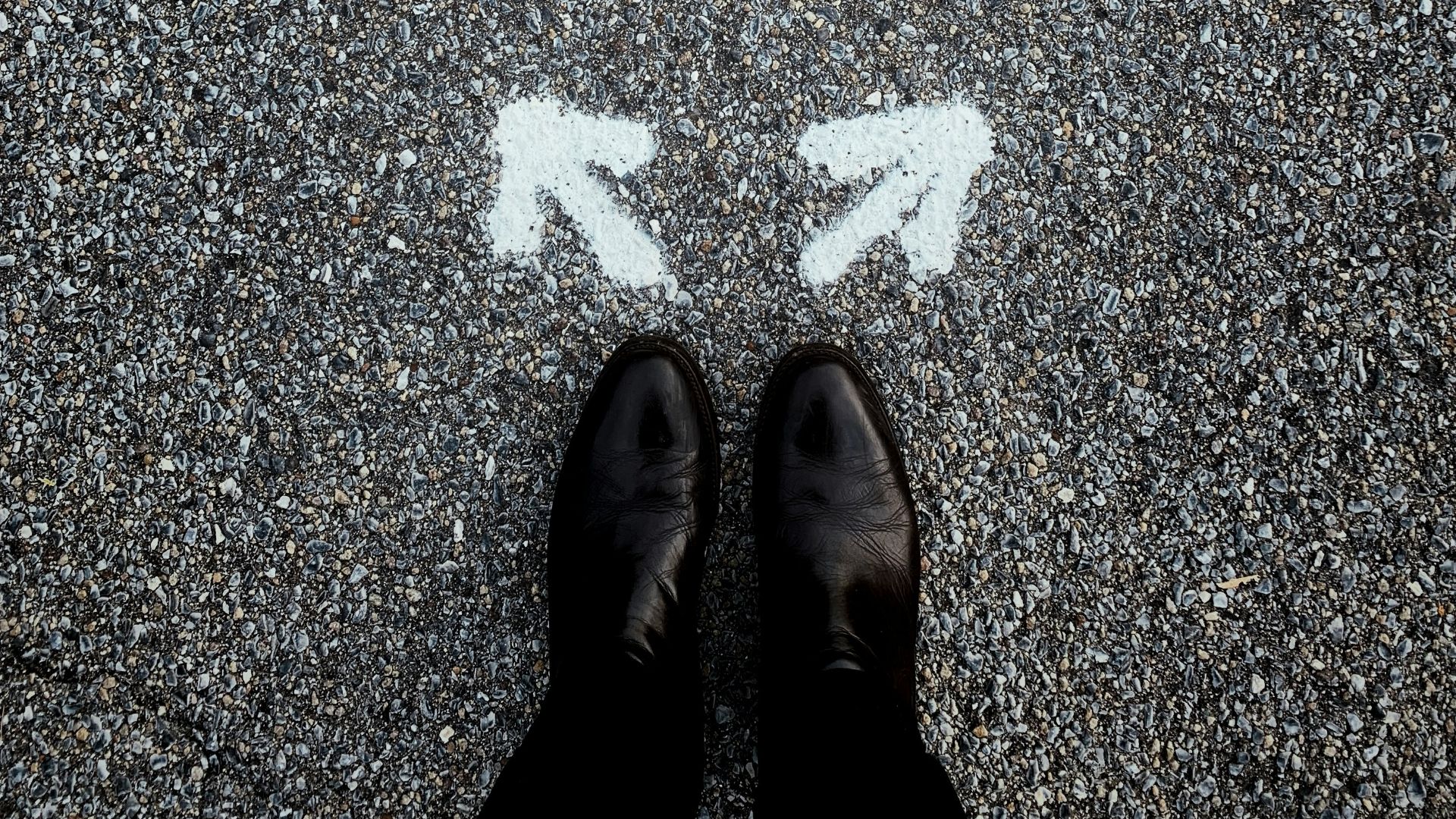
When your attention is stretched thin, weighing several options or following detailed directions takes noticeably more effort. You might grab the nearest exit, abandon an errand entirely, or make a snap decision purely to relieve the mental load.
14. Your Muscles Clench Up
Feeling crowded or on guard can make you clench your jaw, hike up your shoulders, or stiffen your posture without ever realizing it is happening. These reactions show up whenever stress builds, and a busy, unpredictable space is a reliable trigger.

15. Everyone Else's Emotions Rub Off on You
Facial expressions, tone of voice, body language, and behavior all feed your brain a constant stream of social signals. Watching people rush or panic can ramp up your own worry, while laughter, cheering, and relaxed posture around you can help you settle down too.
16. Your Body Starts Syncing With the Group
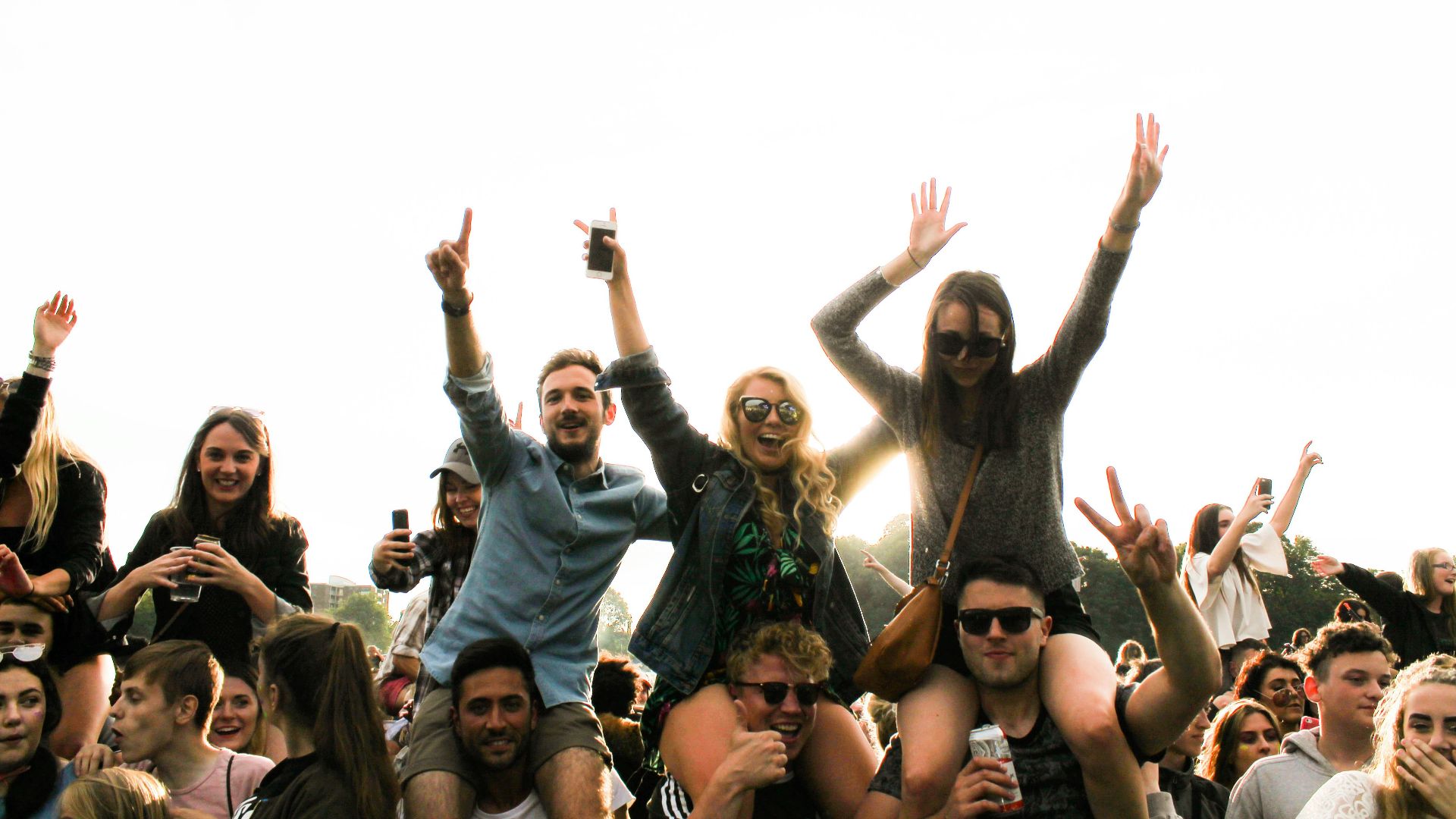
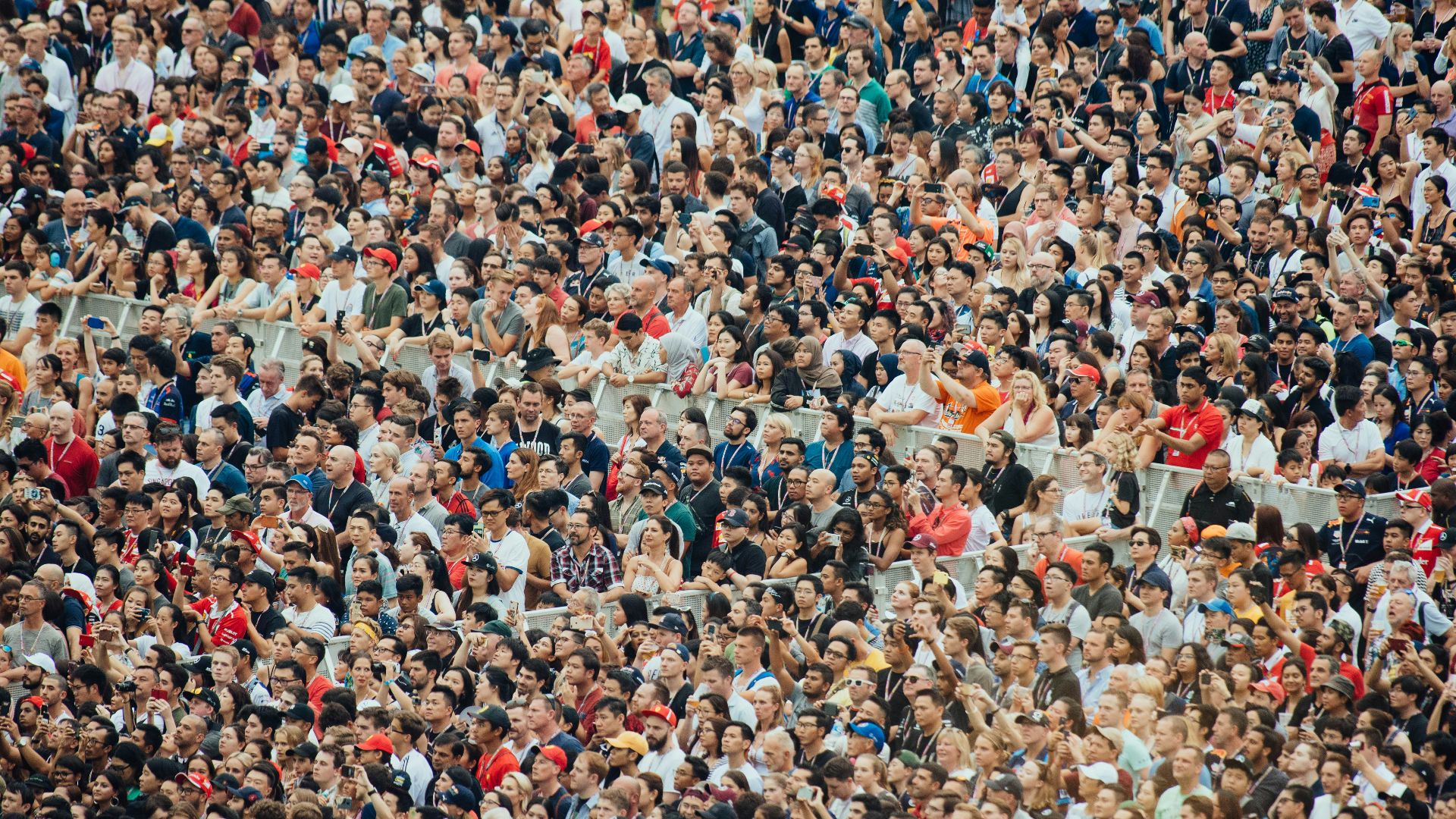
People walking near each other tend to unconsciously match pace without ever planning to. At concerts, games, and other shared events, people often clap, sway, or react in unison simply because everyone is locked onto the same moment.
17. Even Your Heartbeat Can Fall Into Rhythm
During shared experiences, people's heart rate patterns can actually start to resemble each other. That does not mean everyone feels the identical emotion, but it does happen when a group is responding together to the same event.

18. Feeling Like "One of Us" Makes Everything Easier
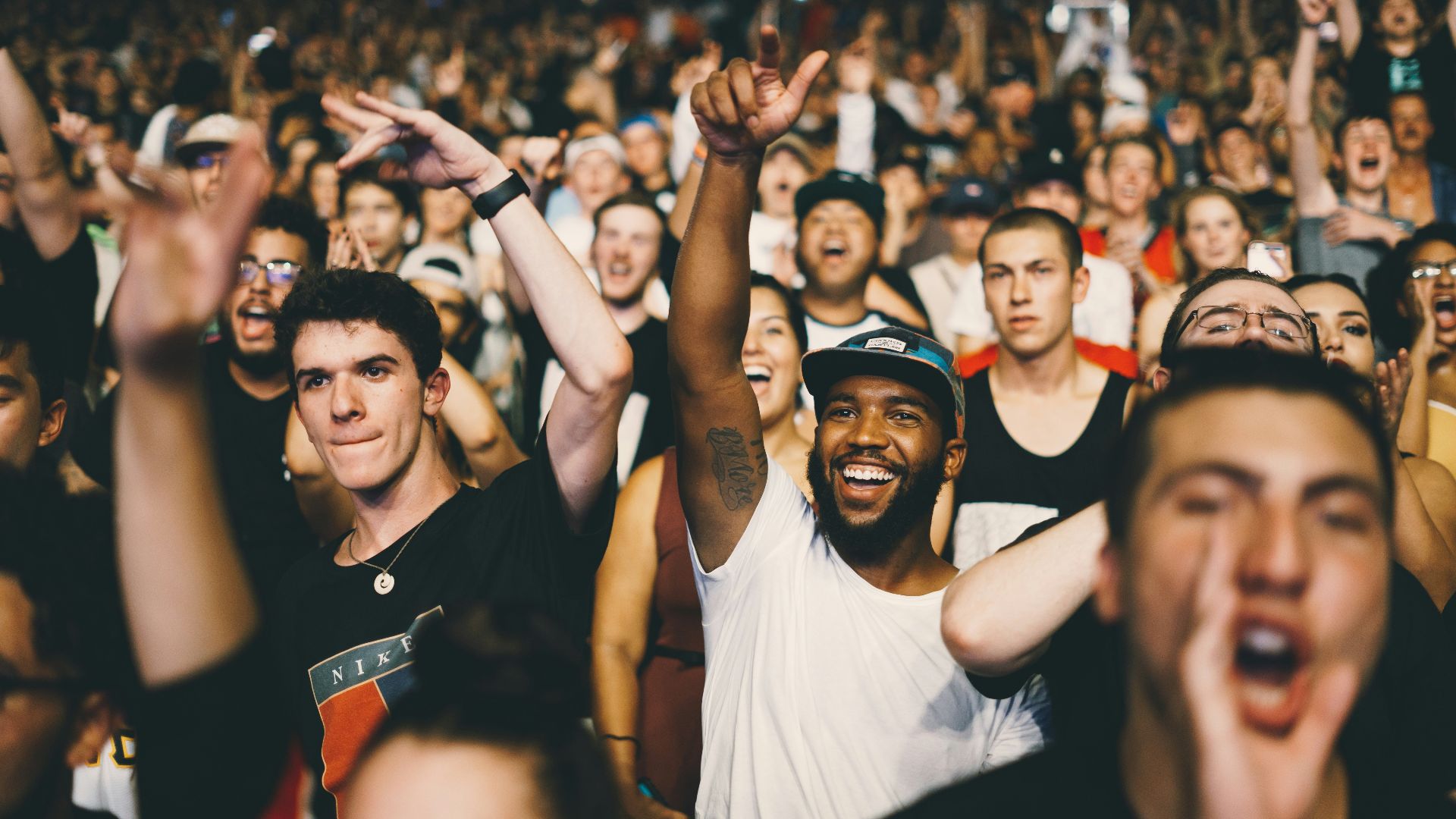
A crowd feels far more tolerable when you see the people around you as part of your own group. Cheering for the same team, celebrating the same milestone, or sharing a common purpose builds trust and makes physical closeness feel much less threatening.
19. One Trusted Person Can Change Everything
Having someone you trust beside you can genuinely help your body manage stress. They might calm your nerves, help you make decisions, watch your surroundings, or simply make an unfamiliar setting feel a little more like home.

20. Afterward, You Might Crave Total Silence
Once you finally escape a demanding crowd, you may feel drained, irritable, foggy, or desperate for solitude. That reaction often follows extended exposure to noise, motion, tight spaces, and the sheer effort of staying alert, though heat, walking, standing, and poor sleep can all add to the toll.

KEEP ON READING

20 Things That Can Slowly Make Knee Pain Worse


20 Foods That Help Burn Belly Fat Quicker
20 Ways Crowds Mess With Your Nervous System