Midsection Weight Gets More Complicated After 50
Belly fat after 50 can feel stubborn because aging, hormones, sleep, stress, muscle loss, and everyday habits often work together instead of acting separately. You can’t spot-reduce fat from one area, but you can lower overall body fat, support muscle, improve metabolic health, and make your waistline less resistant to change with steady, realistic choices. Here are 10 causes of stubborn belly fat after 50 and 10 ways to reduce it.

1. Hormonal Shifts After Menopause
Lower estrogen levels can make fat more likely to settle around the abdomen, especially after menopause. This doesn’t mean belly fat is unavoidable, but it does mean older strategies may not work as quickly as they once did.
 Kateryna Hliznitsova on Unsplash
2. Age-Related Muscle Loss
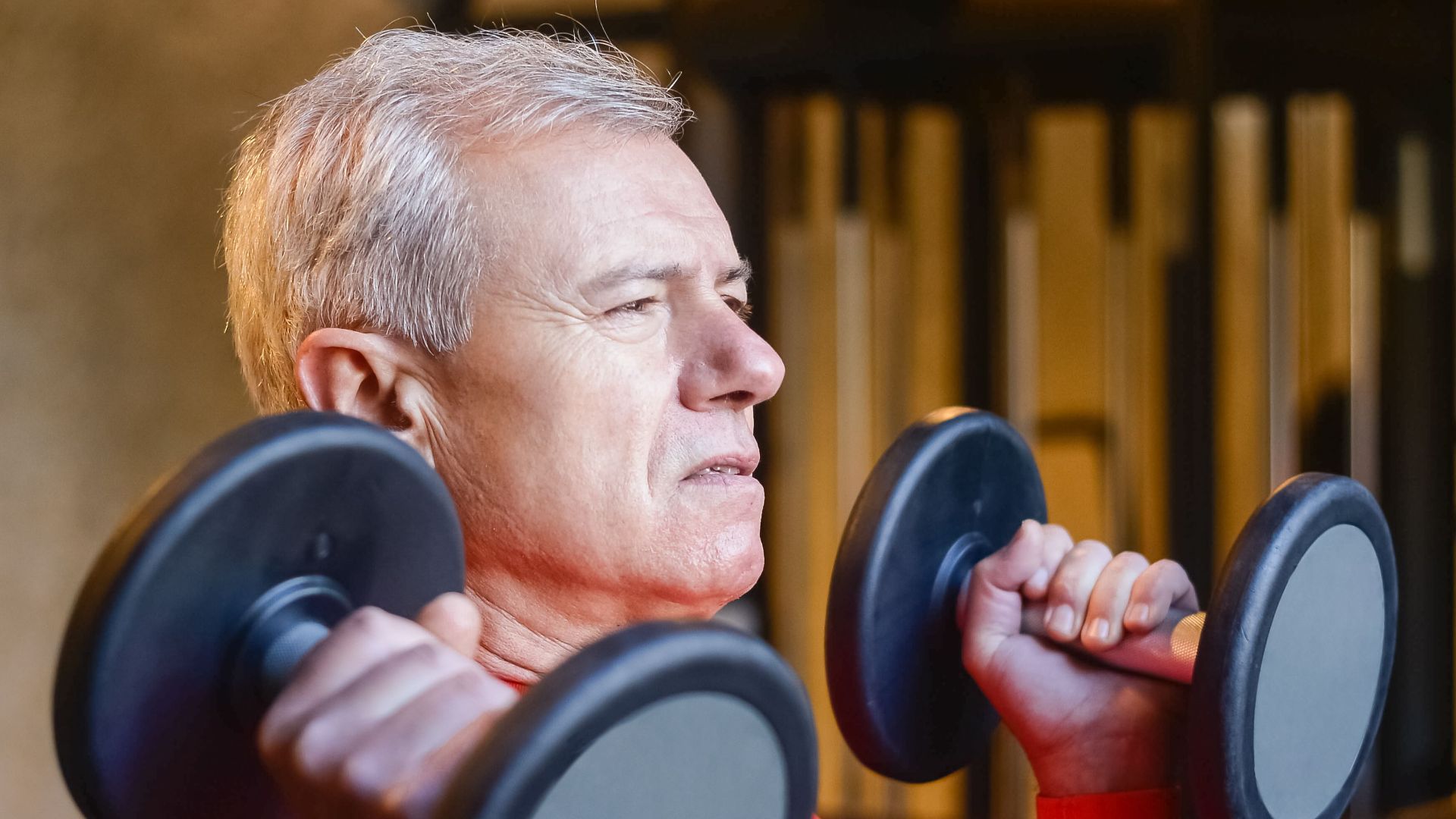
Muscle mass naturally declines with age unless it’s actively maintained through resistance training and enough protein. Since muscle uses more energy than fat at rest, losing it can make daily calorie needs lower than expected. That shift can slowly increase belly fat because the same portions may now create a calorie surplus.
3. Too Much Sitting
Long stretches of sitting reduce daily energy use, and they can make it harder to manage blood sugar and body composition. Even people who exercise may struggle if the rest of the day is mostly inactive.

4. Poor Sleep Quality
Sleep problems become more common with age, and they can affect appetite, cravings, energy, and hormone regulation. When you’re tired, it’s easier to reach for higher-calorie foods and harder to stay active. Poor sleep can also make the body feel more stressed, which may indirectly encourage fat storage around the midsection.

5. Chronic Stress
Stress doesn’t create belly fat by itself, but it can influence cortisol, appetite, emotional eating, and late-night snacking. Many people over 50 are balancing work, caregiving, finances, health concerns, or major life transitions. When stress stays high for months, healthy habits often become harder to maintain consistently.

6. Insulin Resistance
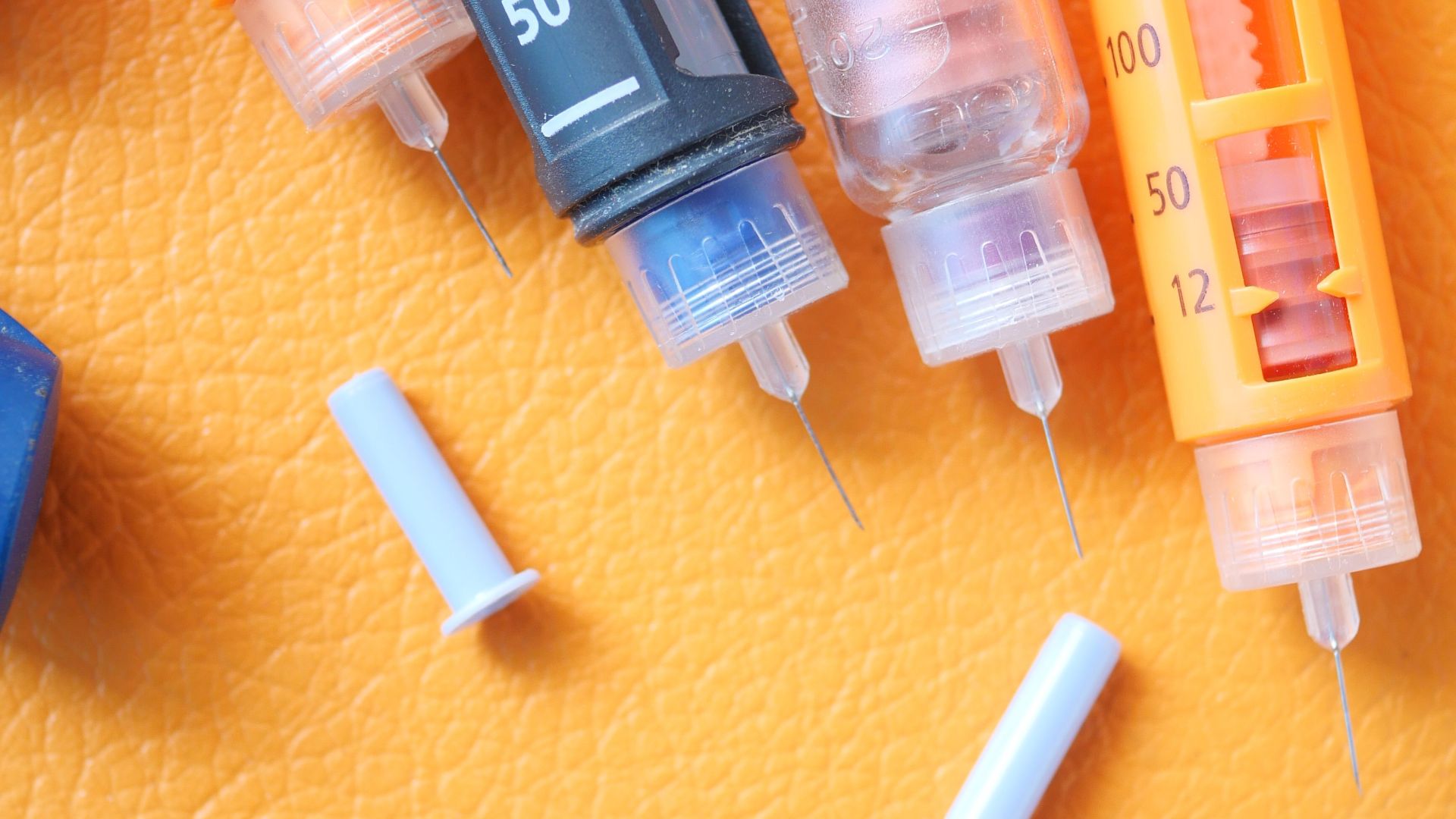
Insulin resistance becomes more common with age, especially when activity levels drop or when weight has gradually increased over time. When the body has trouble using insulin efficiently, blood sugar control can worsen, and fat storage may become easier.
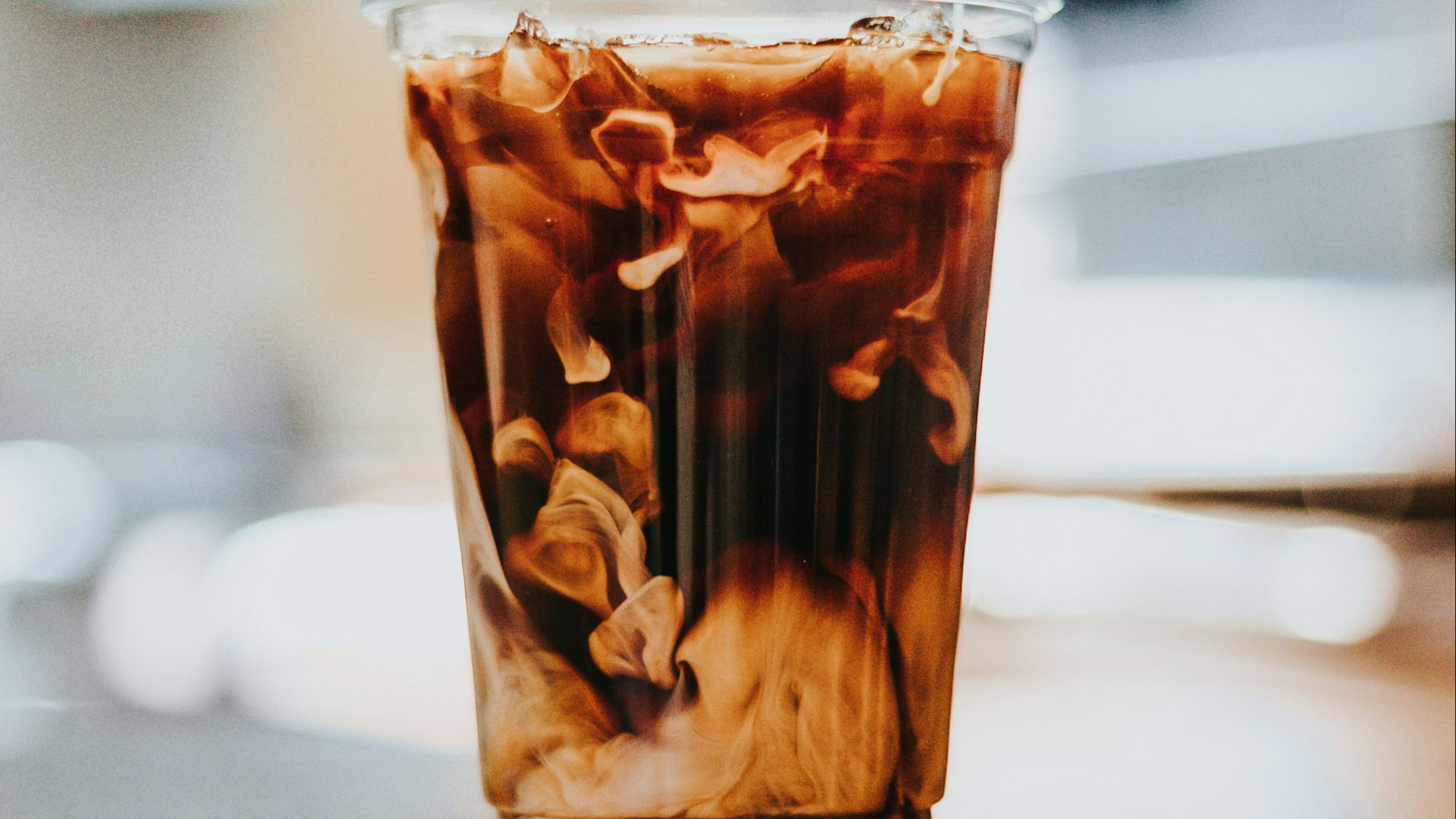
7. Hidden Liquid Calories
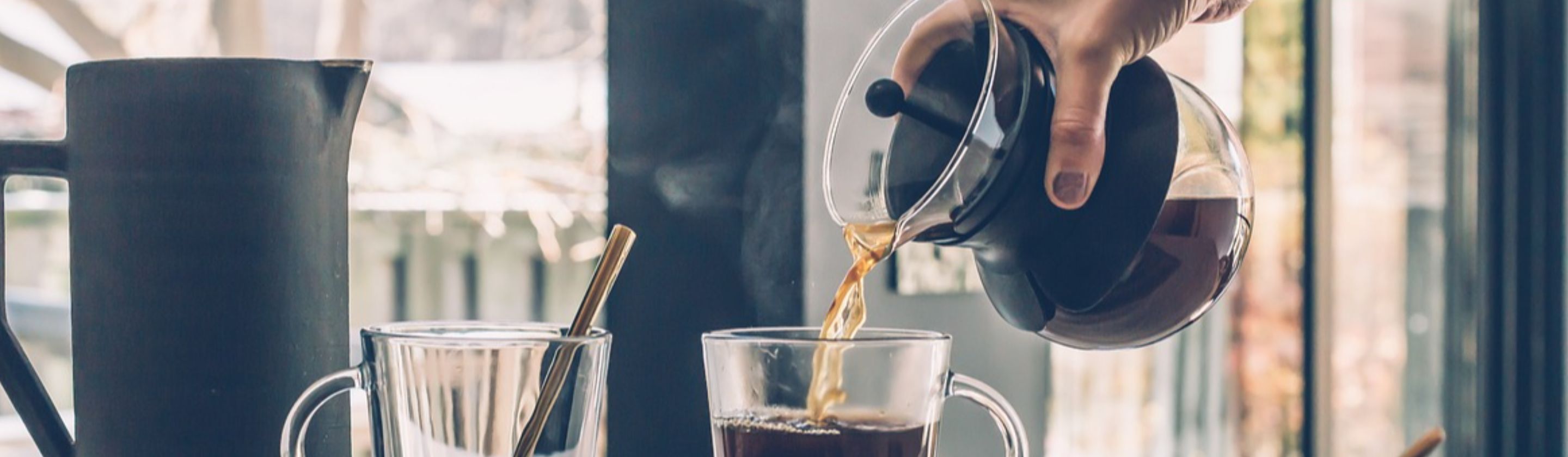
Coffee drinks, cocktails, juices, sweet tea, and soft drinks can add calories without making you feel full. Alcohol is especially easy to overlook because it can also lower food judgment and lead to late-night snacking. These calories can quietly slow fat loss even when meals look fairly reasonable.
8. Oversized Portions
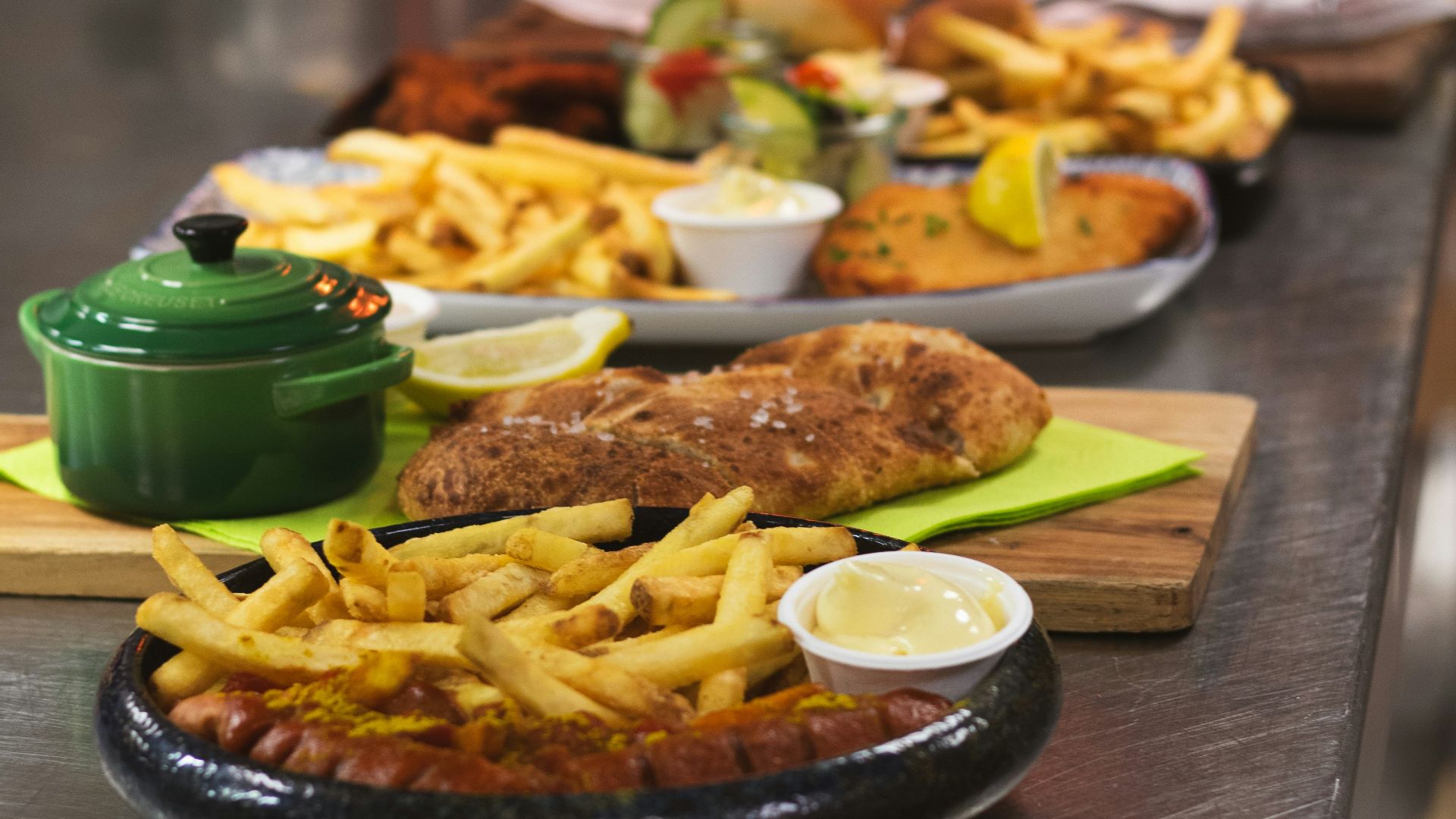
Portions that worked at 35 may be too large at 55 because metabolism, muscle mass, and activity patterns often change. Restaurant meals, big snack bags, and casual second helpings can make overeating feel normal.
9. Low Protein Intake
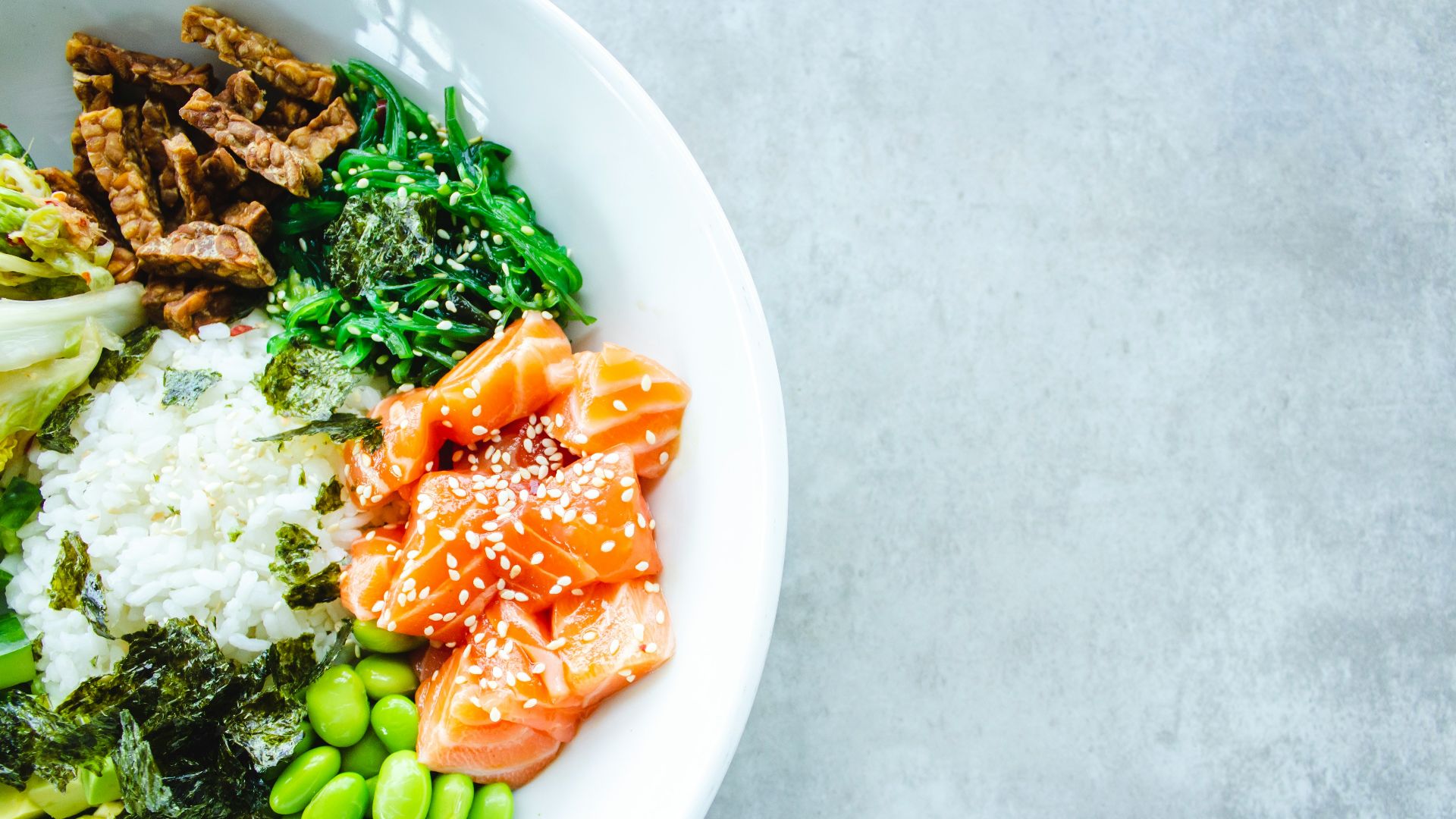
Protein helps preserve muscle, supports fullness, and makes meals feel more satisfying. After 50, too little protein can worsen muscle loss and make it harder to control appetite between meals. A diet built mostly around refined carbs and small protein portions may leave the body less equipped to improve shape and strength.
10. Frequent Refined Carbs
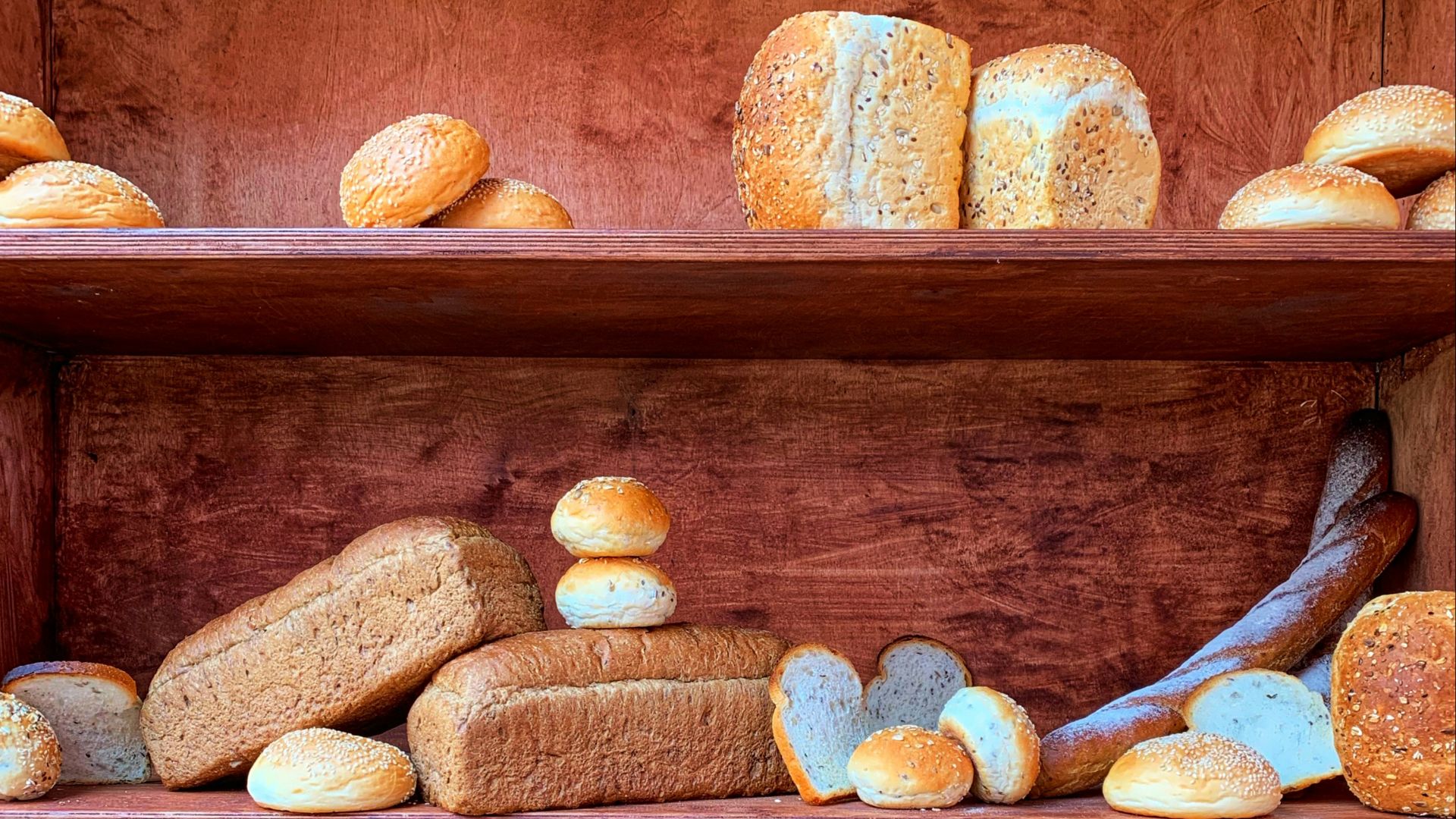
White bread, pastries, sugary cereals, chips, and sweets can be easy to overeat because they digest quickly and often don’t keep hunger away for long. They’re not forbidden foods, but frequent reliance on them can crowd out fiber, protein, and produce.
1. Strength Train Two To Three Times Weekly
Strength training helps rebuild or maintain muscle, which supports metabolism and makes fat loss more realistic after 50. You don’t need an intense routine, but you do need enough resistance to challenge your muscles safely.

2. Increase Daily Walking
Walking is one of the simplest ways to raise daily energy use without making exercise feel overwhelming. A steady habit can also improve heart health, mood, blood sugar control, and joint-friendly endurance.

3. Prioritize Protein At Each Meal
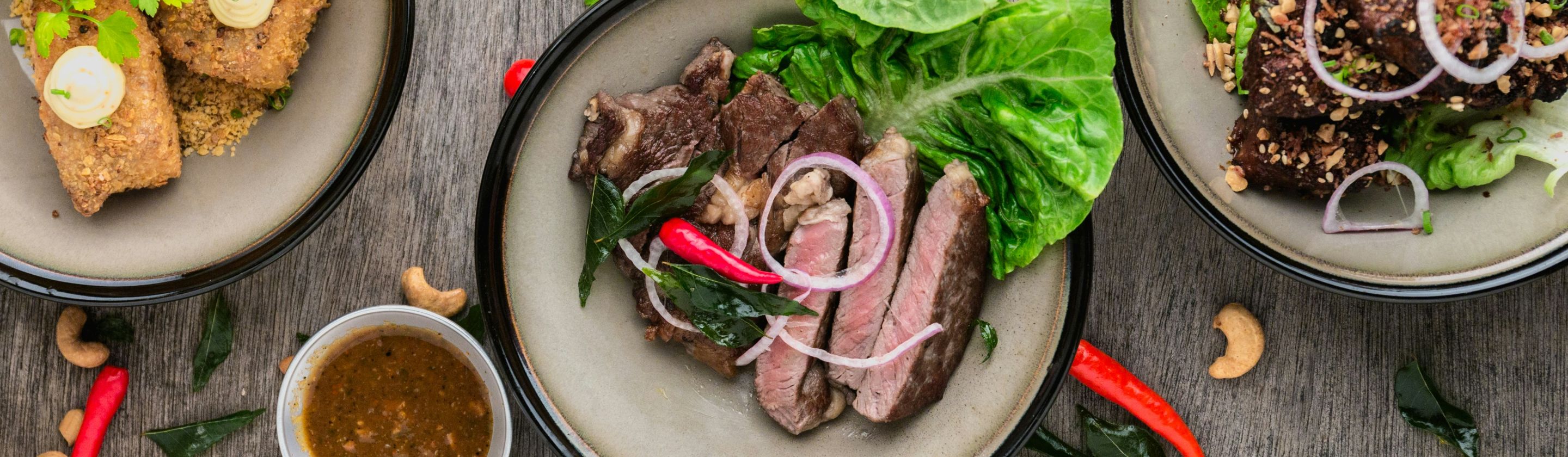
Adding protein to breakfast, lunch, and dinner can help protect muscle while making meals more filling. Eggs, Greek yogurt, fish, chicken, tofu, beans, lentils, cottage cheese, and lean meats can all work depending on your preferences.
4. Eat More Fiber-Rich Foods
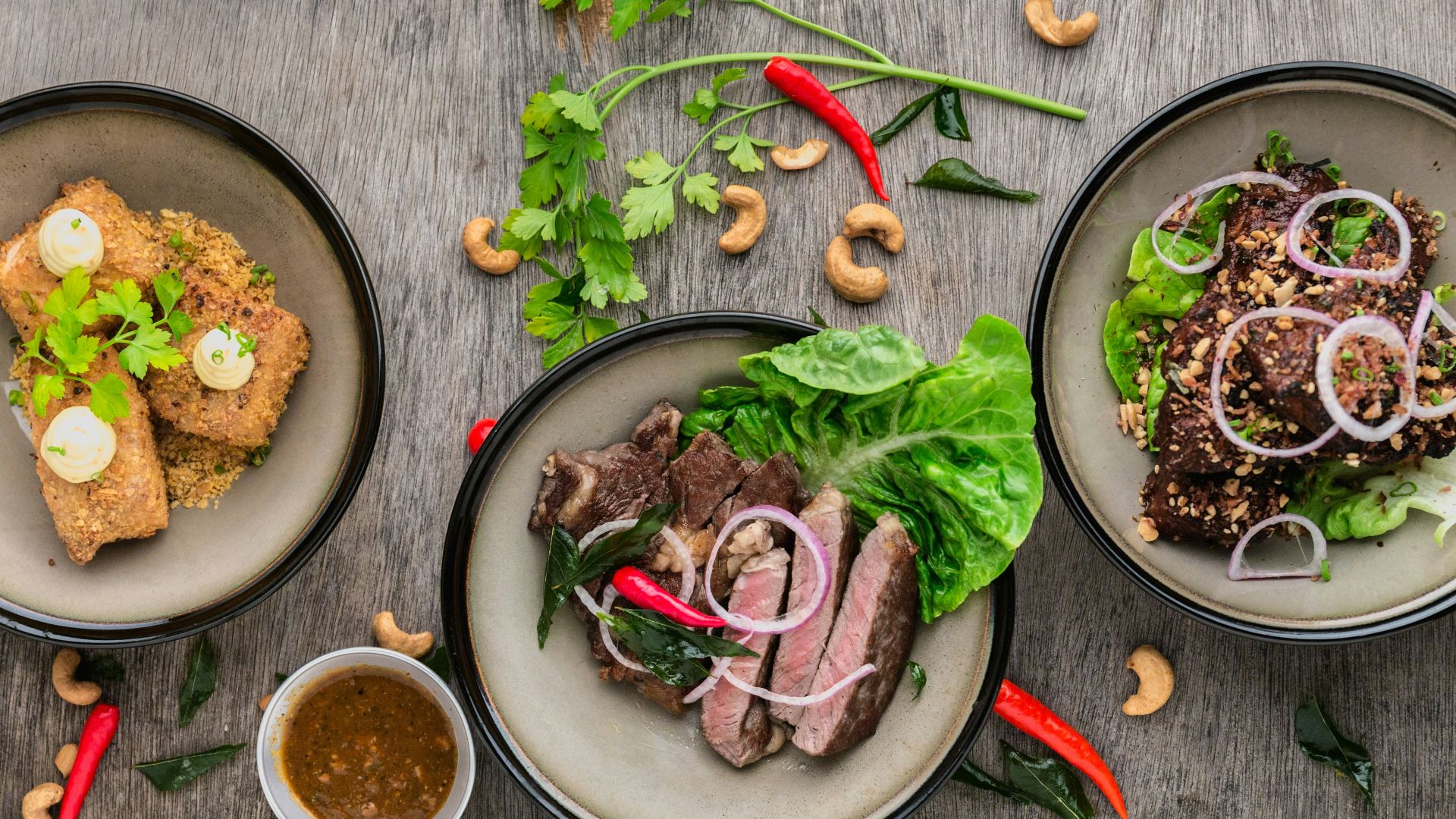
Fiber from vegetables, fruit, beans, lentils, oats, and whole grains helps with fullness and supports better blood sugar control. It also slows digestion, which can reduce the urge to graze soon after eating.
5. Cut Back On Alcohol
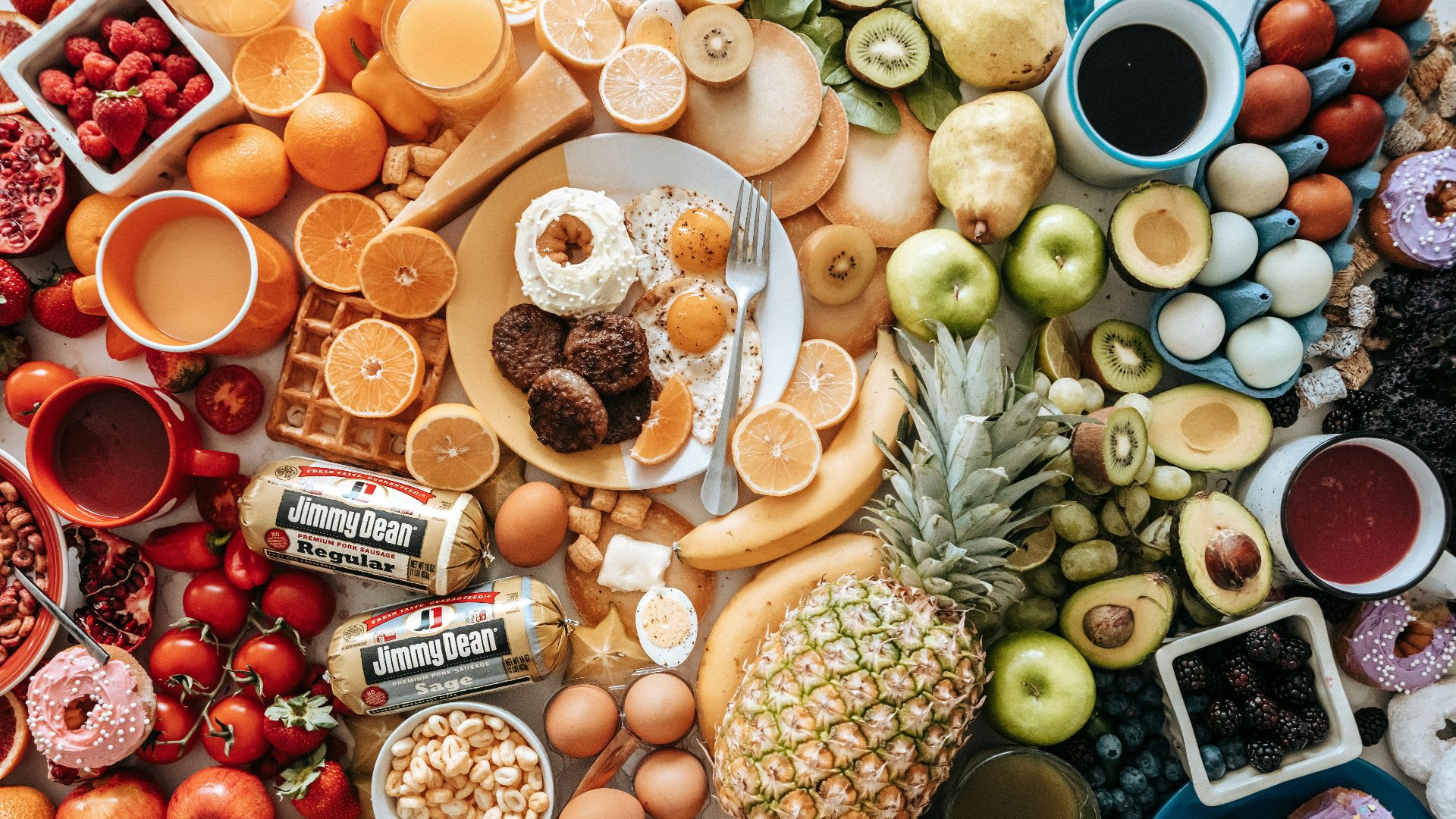
Reducing alcohol can make a noticeable difference because drinks add calories and often encourage less careful eating. You don’t have to give it up completely unless your doctor advises it, but fewer drinks per week can support waist reduction.
6. Improve Sleep Habits
Better sleep supports appetite control, energy, recovery, and consistency with exercise. A regular bedtime, a cooler room, less evening screen time, and lighter late-night eating can all help.

7. Manage Stress Daily
Stress management works best when it’s practical enough to repeat, not when it becomes another task that feels impossible. Short walks, breathing exercises, journaling, stretching, gardening, social time, or quiet routines can all help lower the pressure.

8. Watch Added Sugars
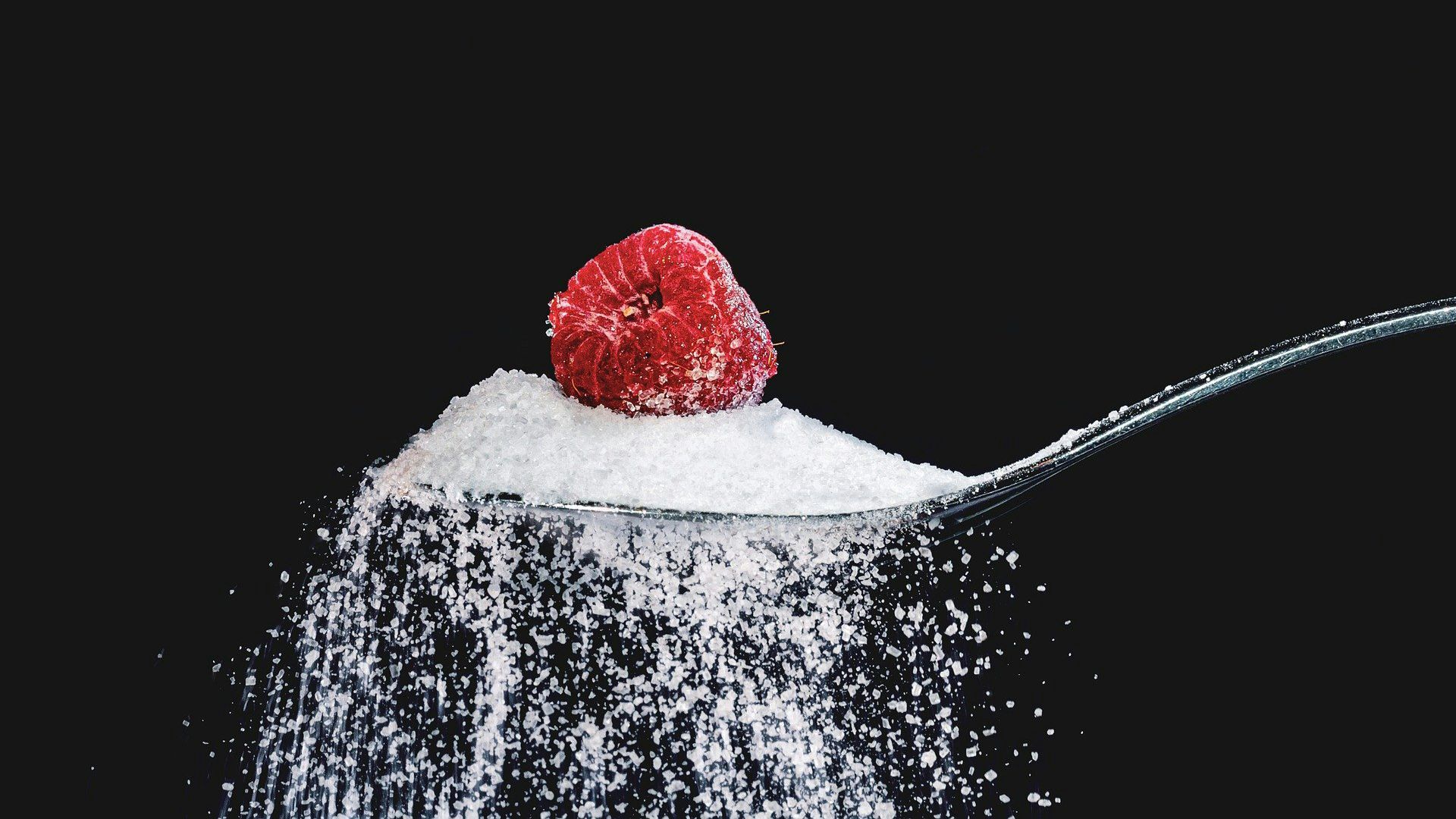
Added sugars can make it easy to exceed calorie needs, especially when they show up in drinks, flavored yogurts, sauces, cereals, and packaged snacks. Reading labels for a few weeks can reveal habits that were hiding in plain sight.
9. Build Balanced Plates
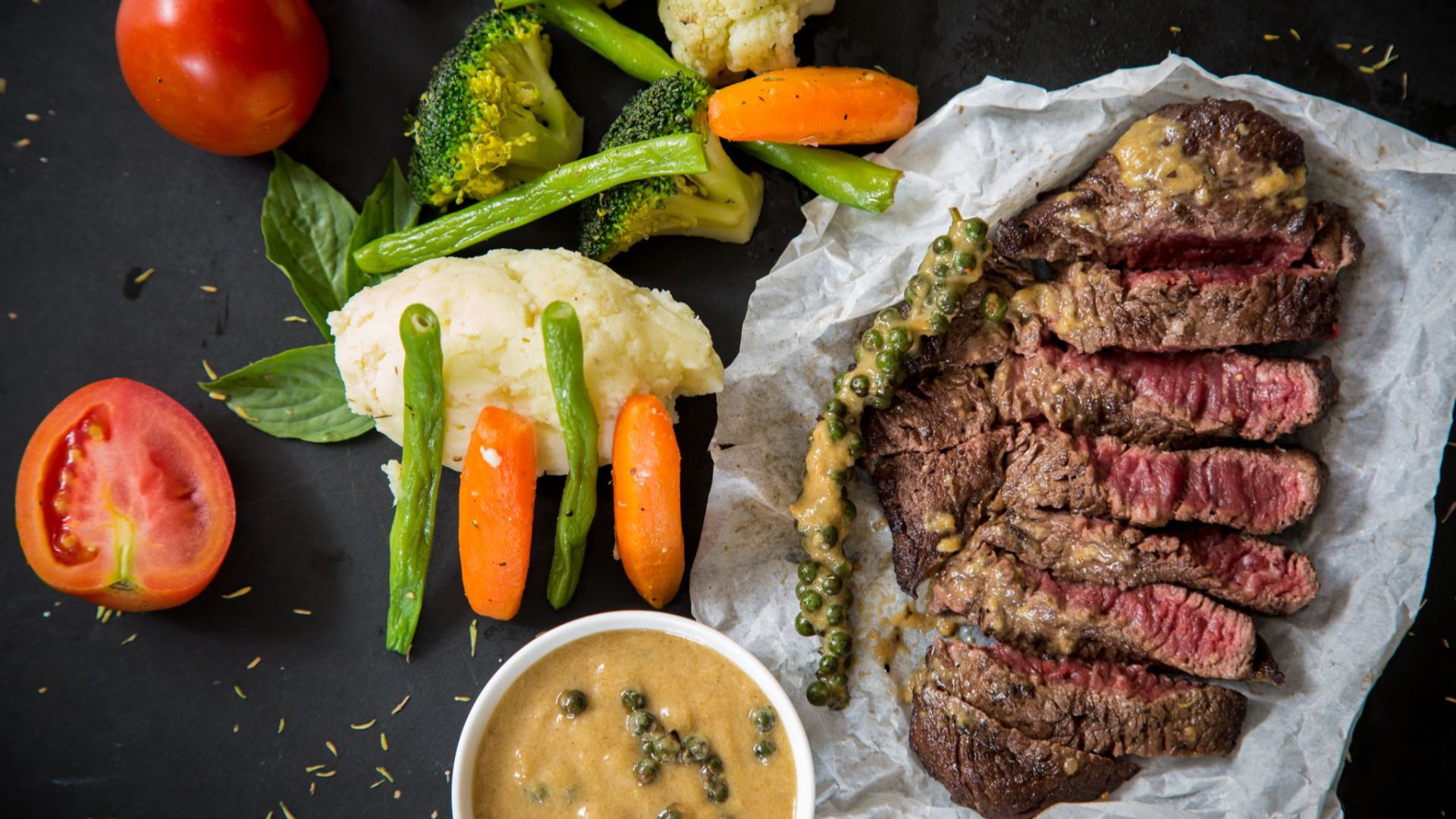
A balanced plate usually includes protein, vegetables or fruit, a fiber-rich starch, and a reasonable amount of healthy fat. This structure keeps meals satisfying while reducing the chance that one food group takes over.
10. Track Progress Beyond The Scale
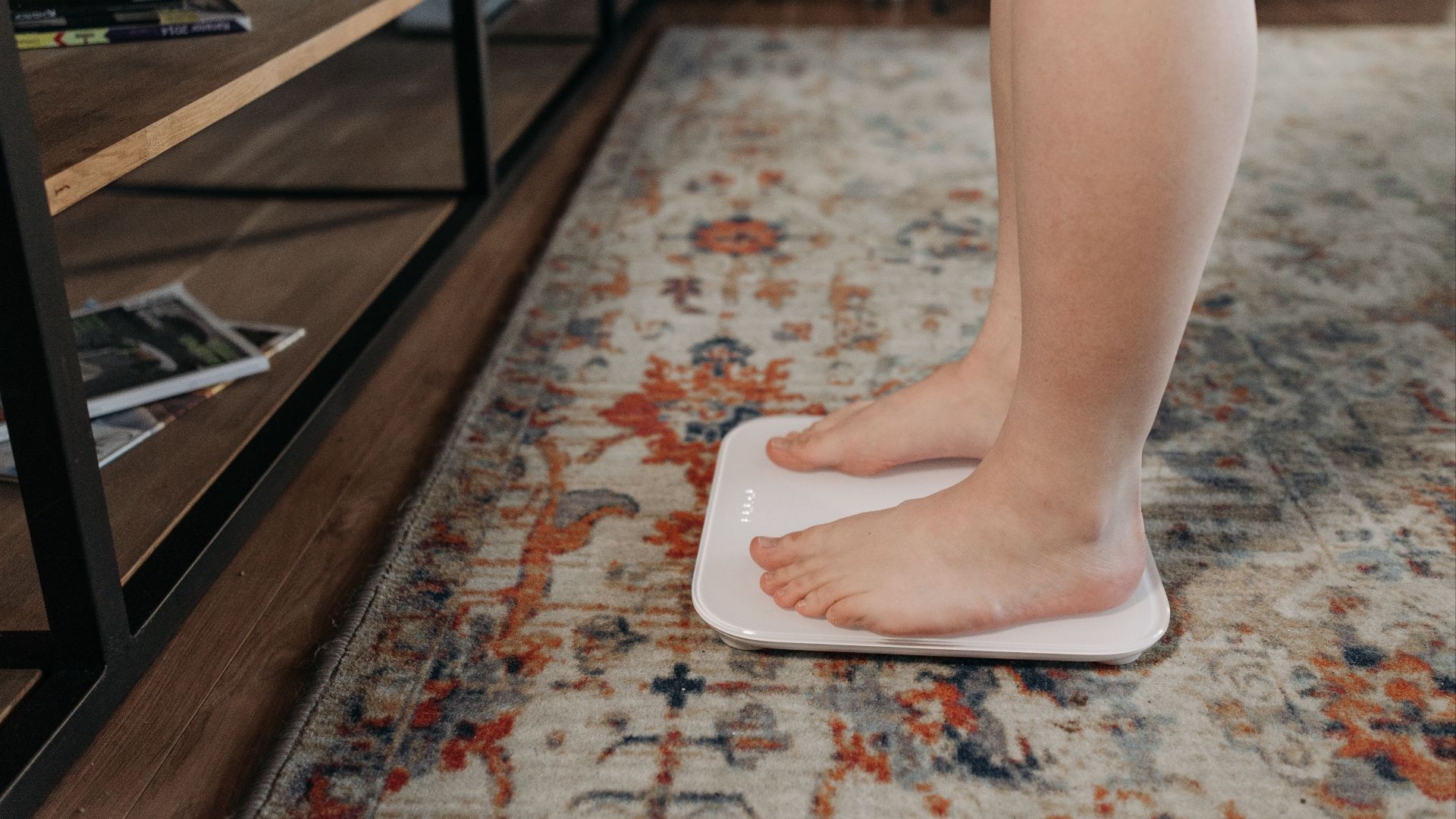
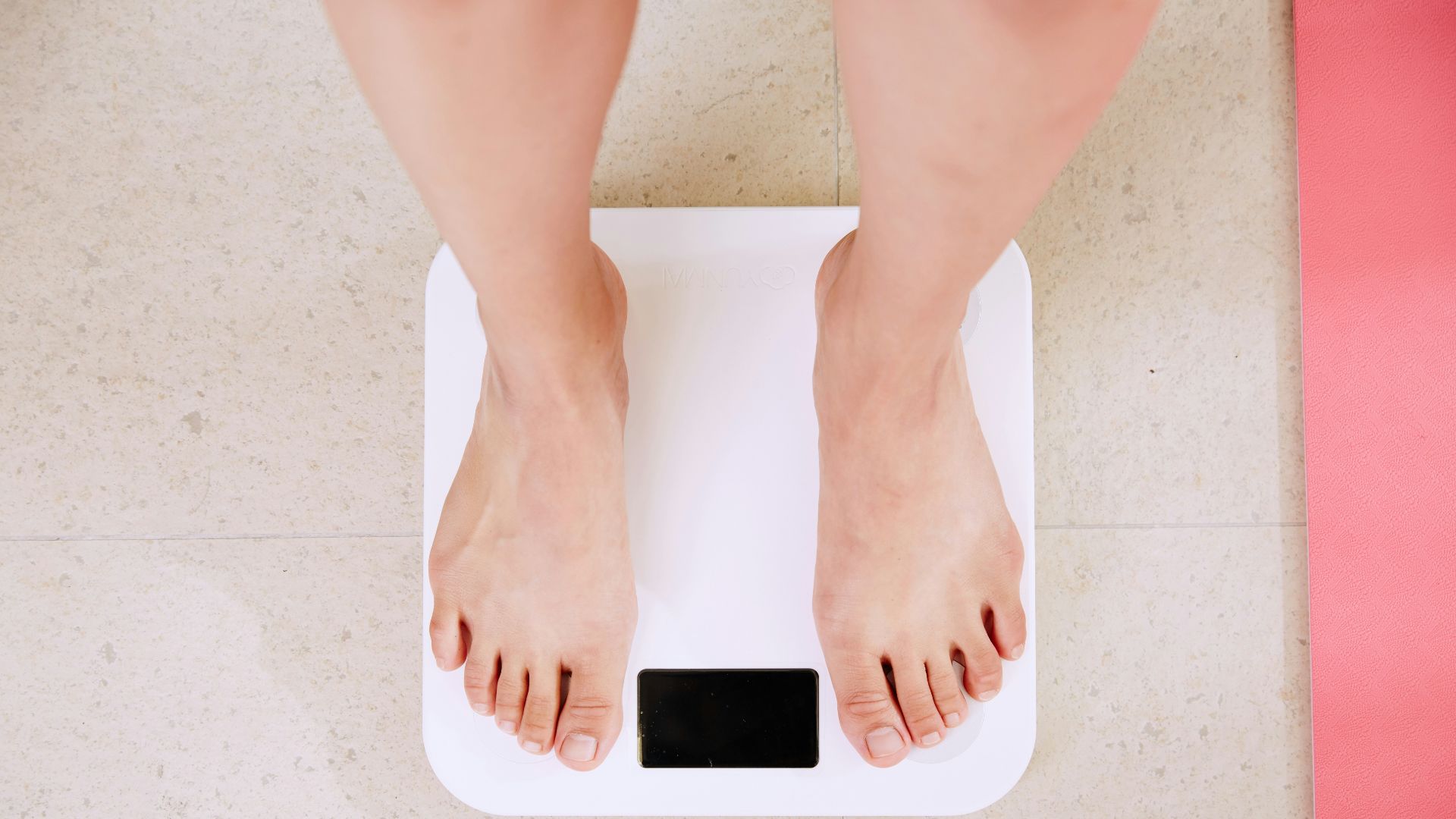
The scale can be useful, but it doesn’t show changes in waist size, strength, energy, sleep, or muscle. Measuring your waist, noticing how clothes fit, and tracking workouts can give a more complete picture.
KEEP ON READING