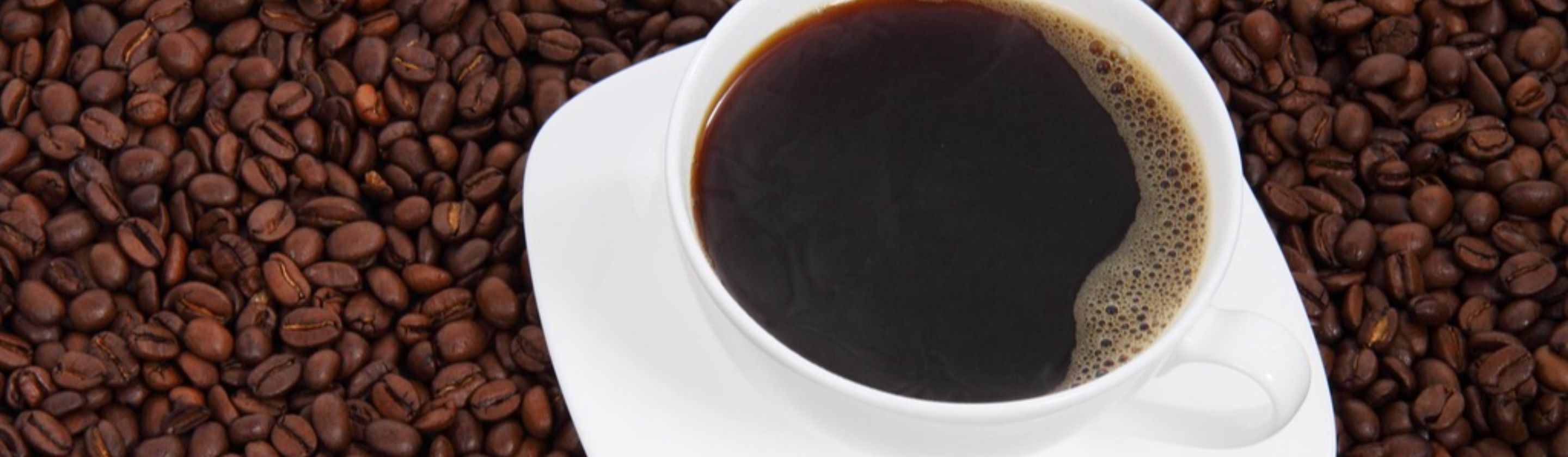

Healthy Eating Changes With Age
The nutritional needs of adults over 50 aren't identical to those of younger people, which means some popular diet trends become less effective over time. Sustainable eating habits that support muscle mass, bone health, and steady energy usually outperform restrictive plans that promise rapid results. Understanding which approaches fall short and which stand the test of time can make healthy eating feel much more manageable. Here are 10 diet trends that don't work after 50 and 10 that actually do.

1. Juice Cleanses
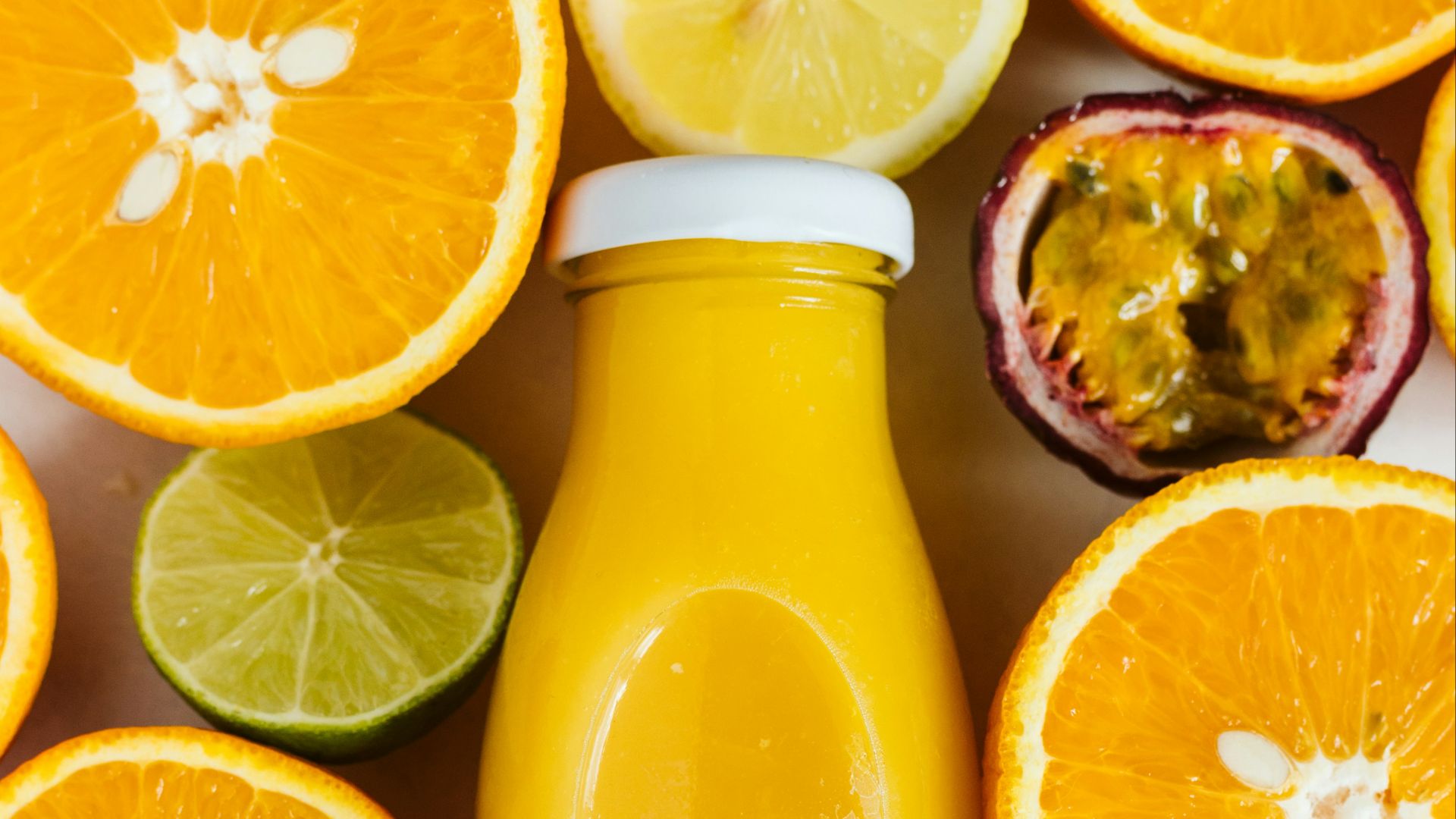
Juice cleanses often eliminate protein, healthy fats, and fiber while providing far more sugar than whole fruits and vegetables. Adults over 50 benefit from preserving muscle mass, which requires adequate protein throughout the day. Most weight lost during a cleanse is temporary and typically returns once normal eating resumes. A balanced eating pattern delivers better long-term results.
2. Extremely Low-Carb Diets
Cutting carbohydrates too aggressively can make it harder to consume enough fiber, whole grains, fruits, and legumes. Those foods support digestive health and heart health, both of which become increasingly important with age. While some people benefit from moderate carbohydrate reduction, eliminating nearly all carbs isn't necessary for most adults. Balance usually proves easier to maintain.
3. Skipping Meals To Lose Weight
Missing meals may reduce calories temporarily, but it can also make it more difficult to meet daily protein and nutrient needs. Large gaps between meals sometimes leave people overeating later in the day. Regular, balanced meals often support steadier energy and appetite.
4. Detox Teas
Many detox teas promise quick weight loss, but primarily work by increasing fluid loss rather than reducing body fat. Some also contain stimulant or laxative ingredients that aren't intended for long-term use. They don't remove toxins in the way advertisements often suggest because the liver and kidneys already perform that function. Healthy eating remains the more reliable strategy.

5. Very Low-Calorie Diets
Severely restricting calories can increase the risk of losing muscle along with body fat. Maintaining muscle becomes increasingly important after age 50 because it supports strength, mobility, and metabolism.
6. Fat-Free Everything
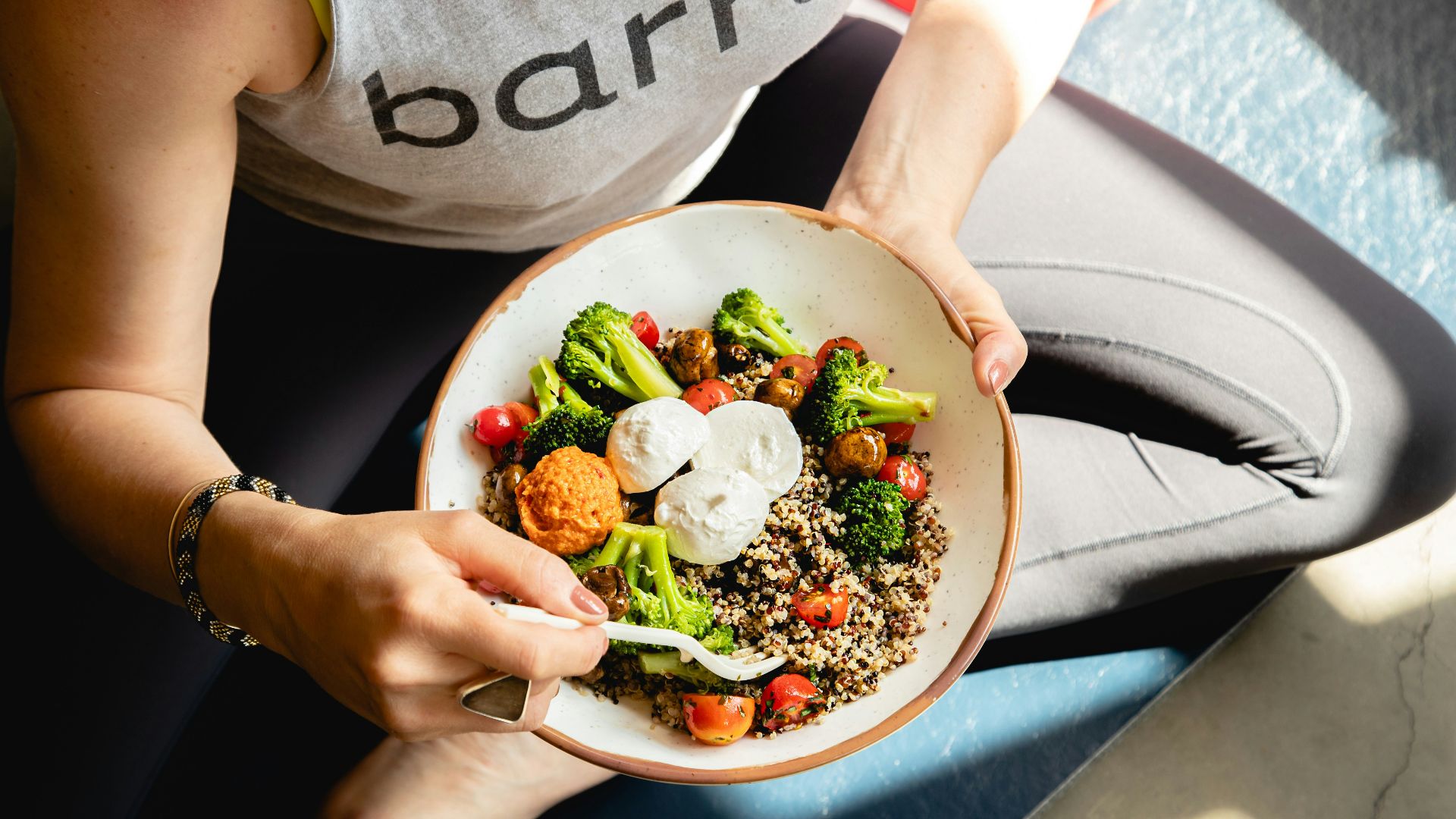
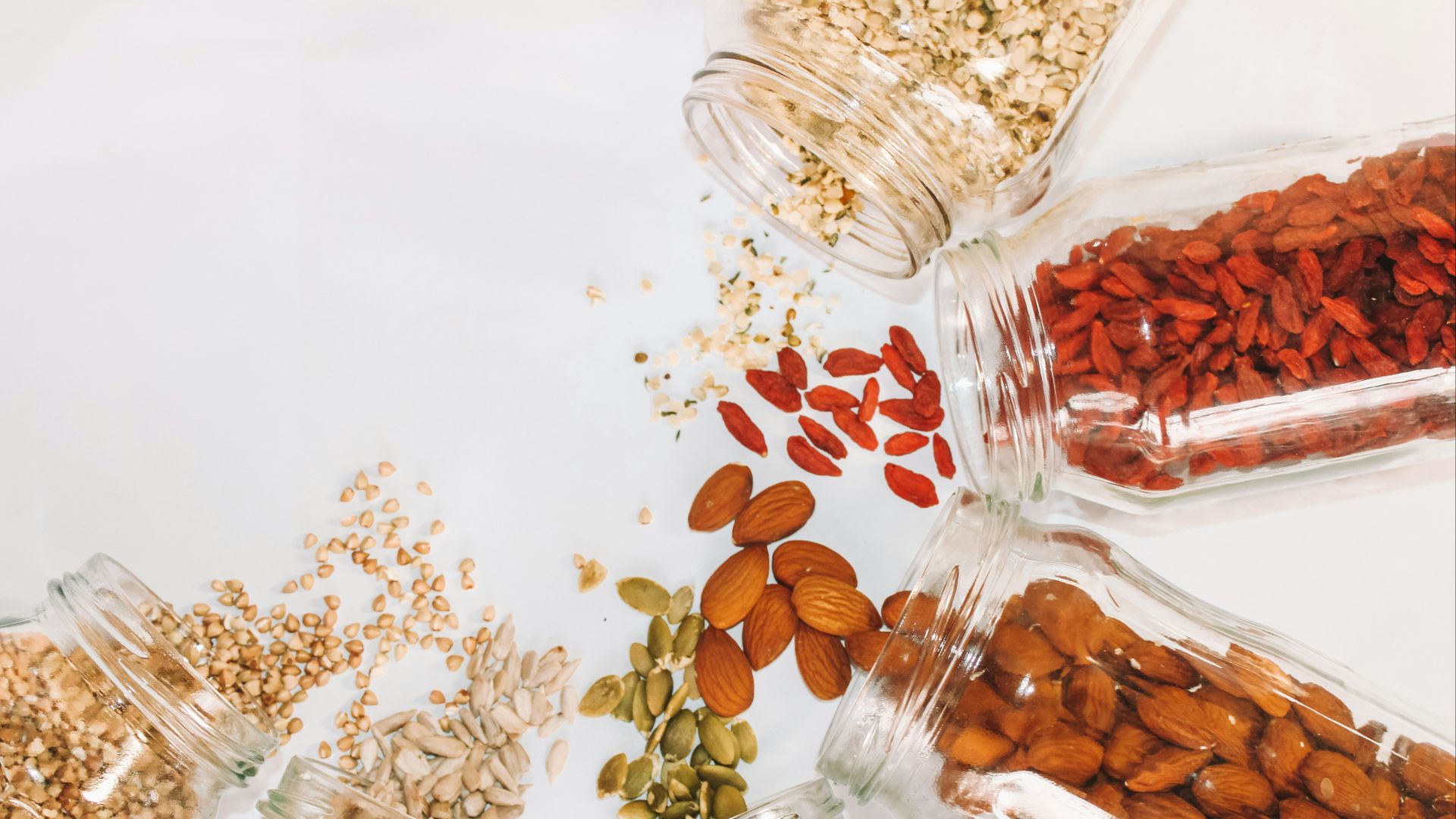
Removing all dietary fat can leave meals less satisfying while reducing the absorption of fat-soluble vitamins such as A, D, E, and K. Healthy fats from foods like nuts, seeds, avocados, and olive oil play valuable roles in a balanced diet. Not all fats deserve to be avoided. Quality matters more than eliminating them.
7. Eating Only One Meal A Day
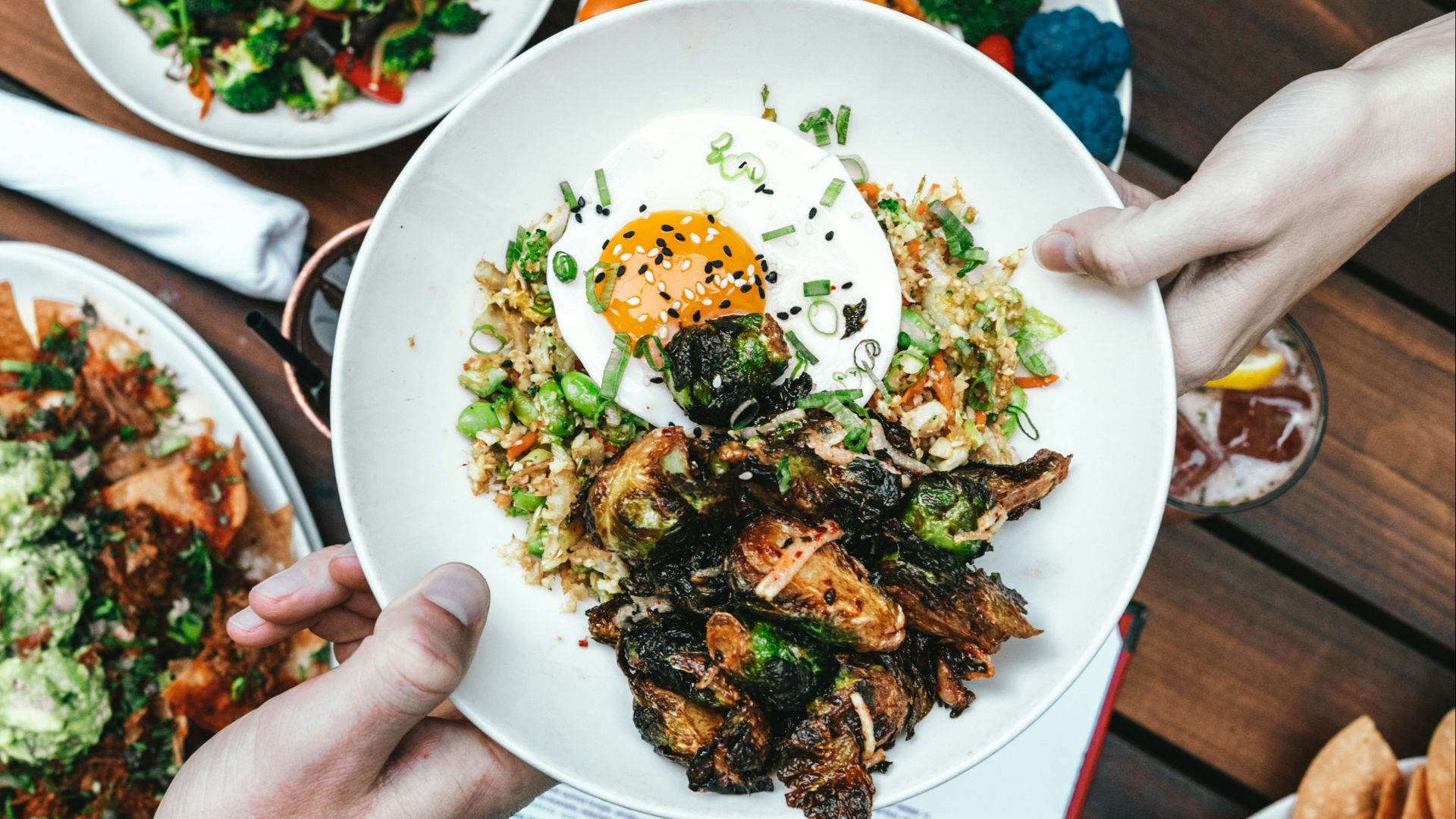
One meal often makes it difficult to consume enough protein, calcium, fiber, and other essential nutrients. Spreading protein across multiple meals may better support muscle maintenance as people age. Many adults also find one large meal uncomfortable. A more even eating pattern is usually easier to sustain.
8. Trendy "Miracle" Supplements
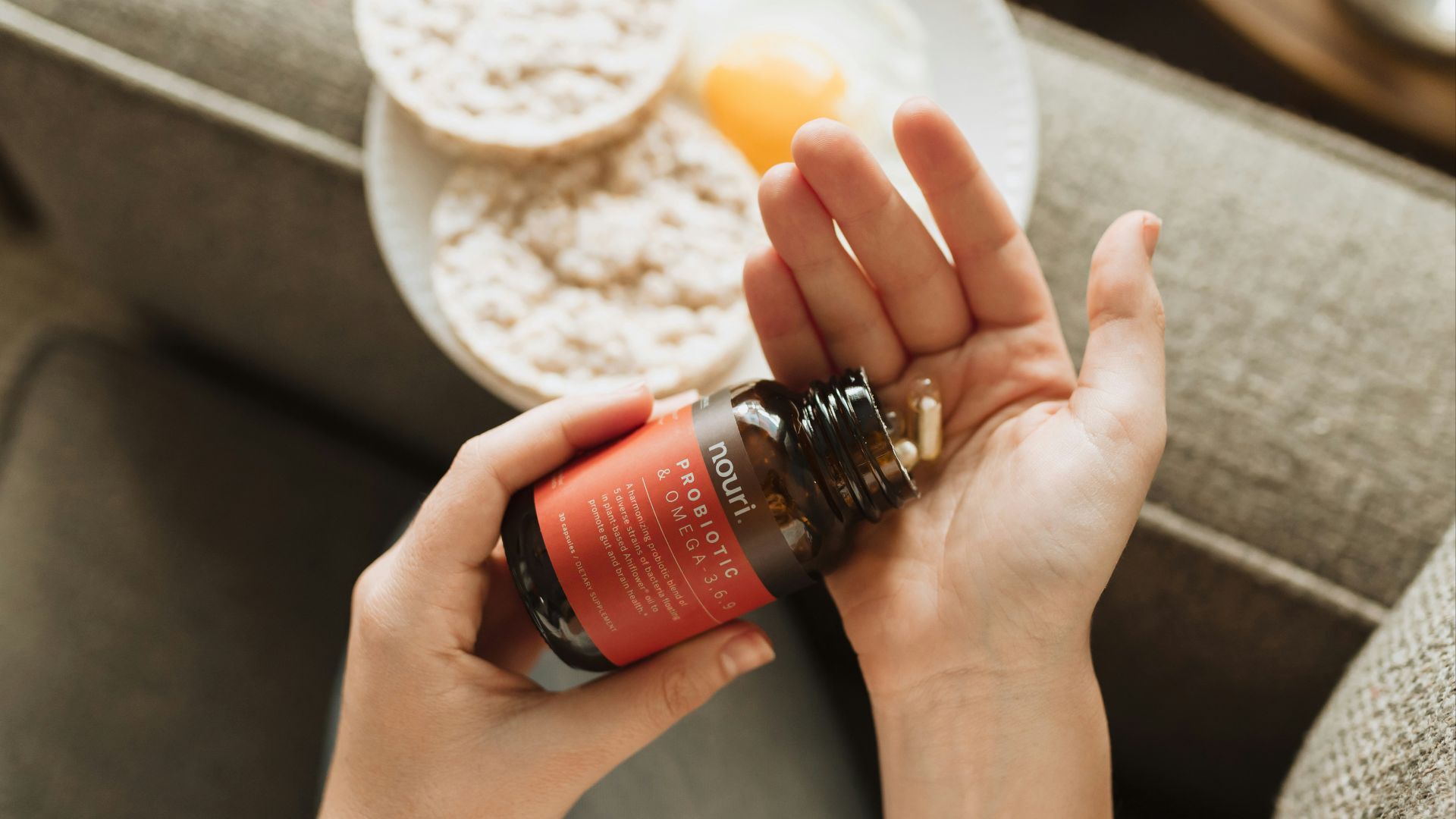
Supplements marketed as effortless weight-loss solutions rarely live up to their promises. Many lack strong scientific evidence, and some may interact with medications. Whole foods should remain the foundation of most diets unless a healthcare professional recommends otherwise. Sustainable habits outperform shortcuts.
9. Eliminating Entire Food Groups Without Medical Need
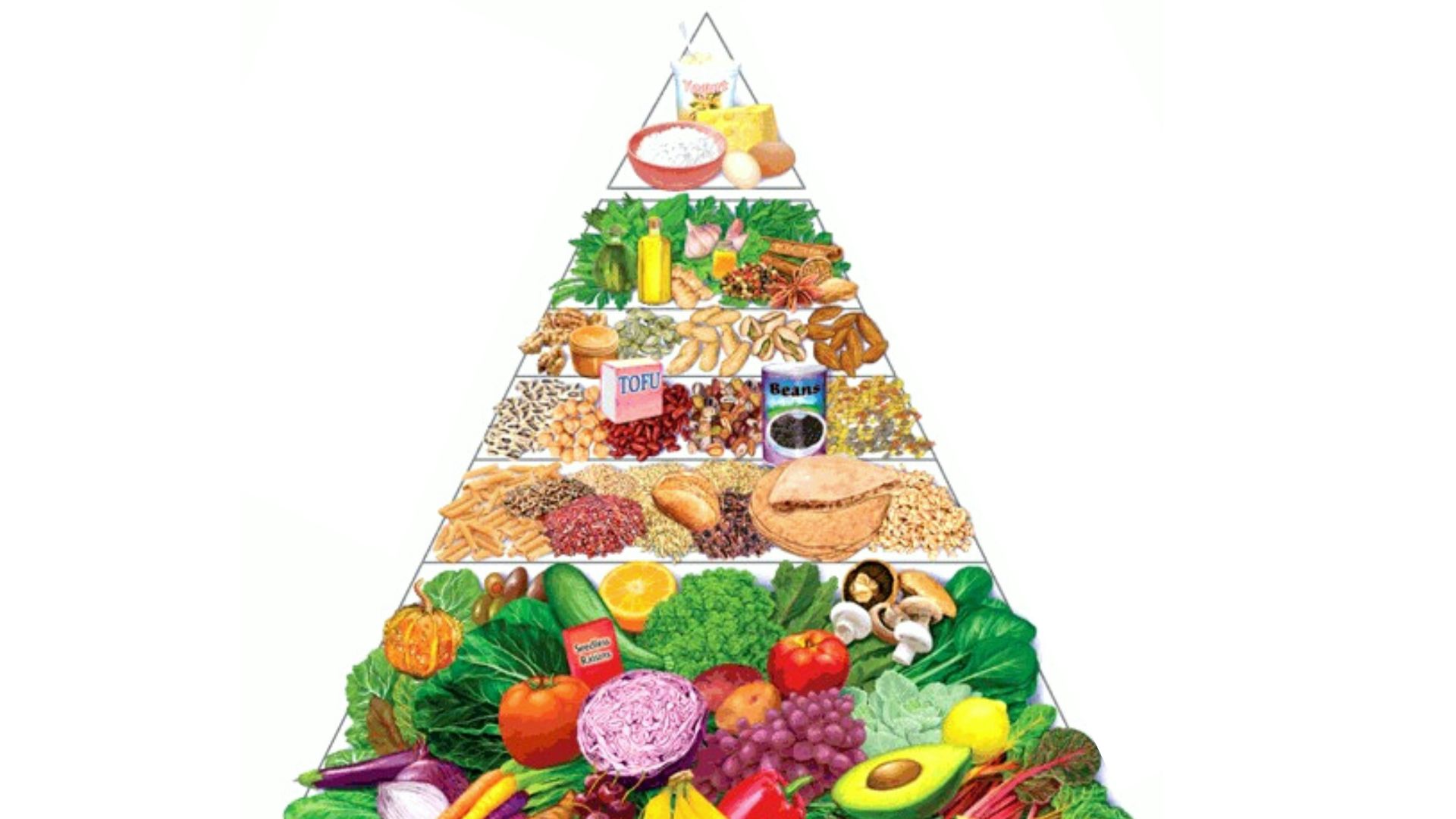
Cutting out dairy, grains, or other major food groups unnecessarily can make balanced nutrition harder to achieve. Unless there's an allergy, intolerance, or medical reason, variety generally supports better overall health.
 Anthony Bernardo Buqui on Unsplash
10. Crash Diets Before Special Events
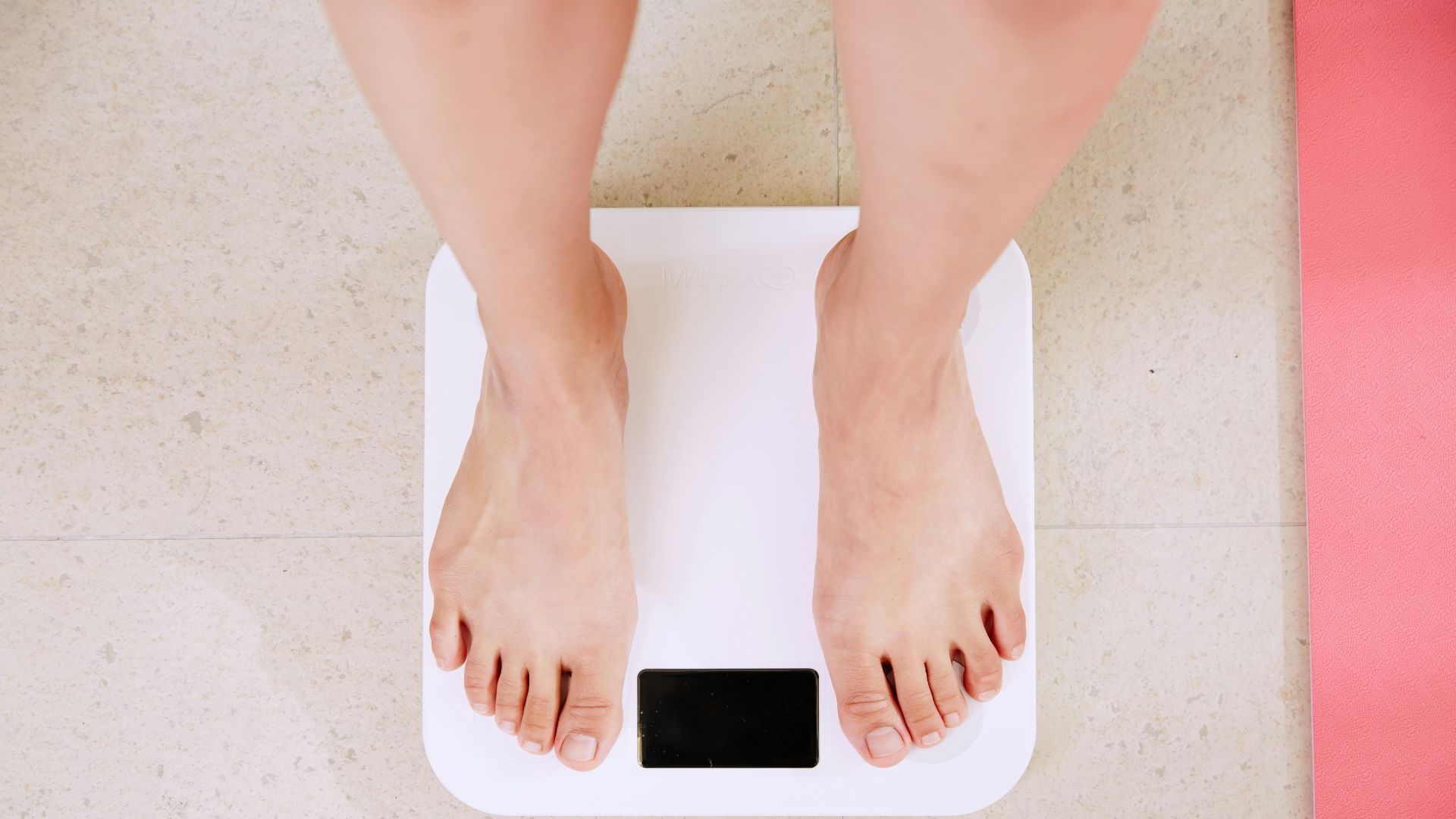
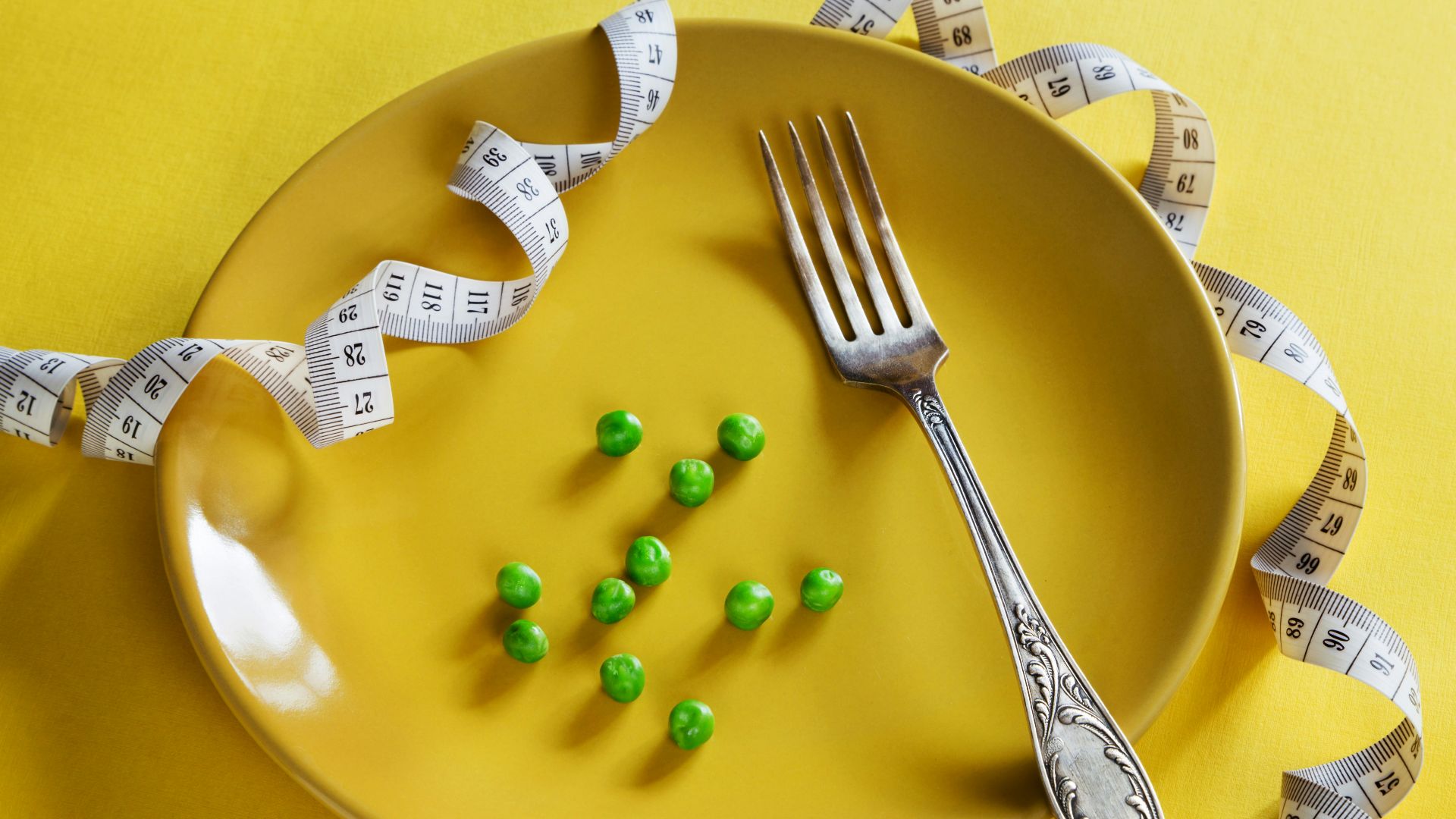
Rapid weight-loss plans frequently rely on dehydration and extreme calorie restriction. While the scale may drop quickly, the results rarely last after normal eating resumes.
1. Prioritizing Protein At Every Meal
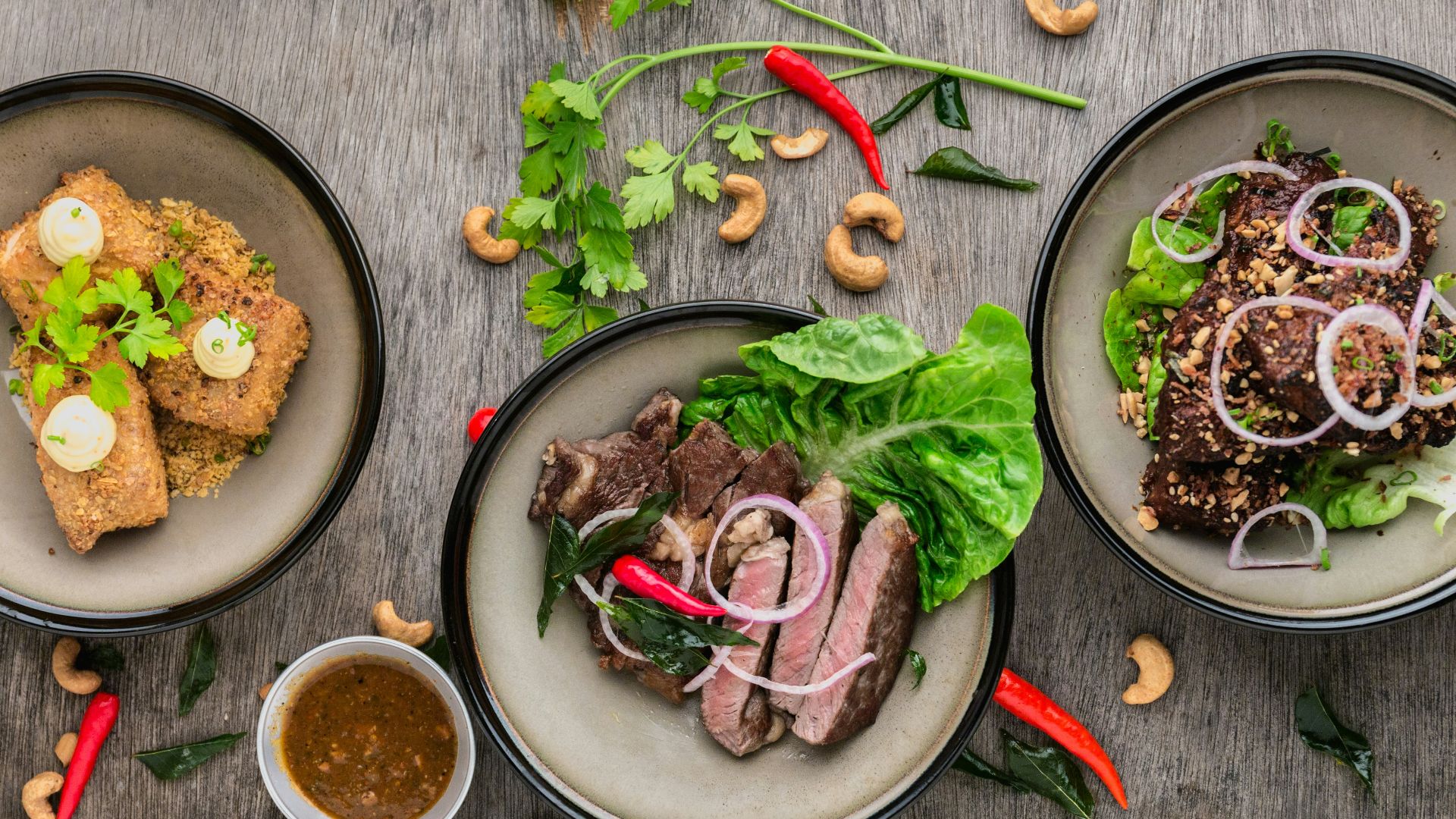
Including quality protein throughout the day helps support muscle maintenance, which naturally becomes more important after age 50. Foods like fish, poultry, beans, Greek yogurt, eggs, and tofu all contribute toward that goal. Protein also helps many people stay satisfied between meals. Consistency matters more than perfection.
2. Following A Mediterranean-Style Eating Pattern
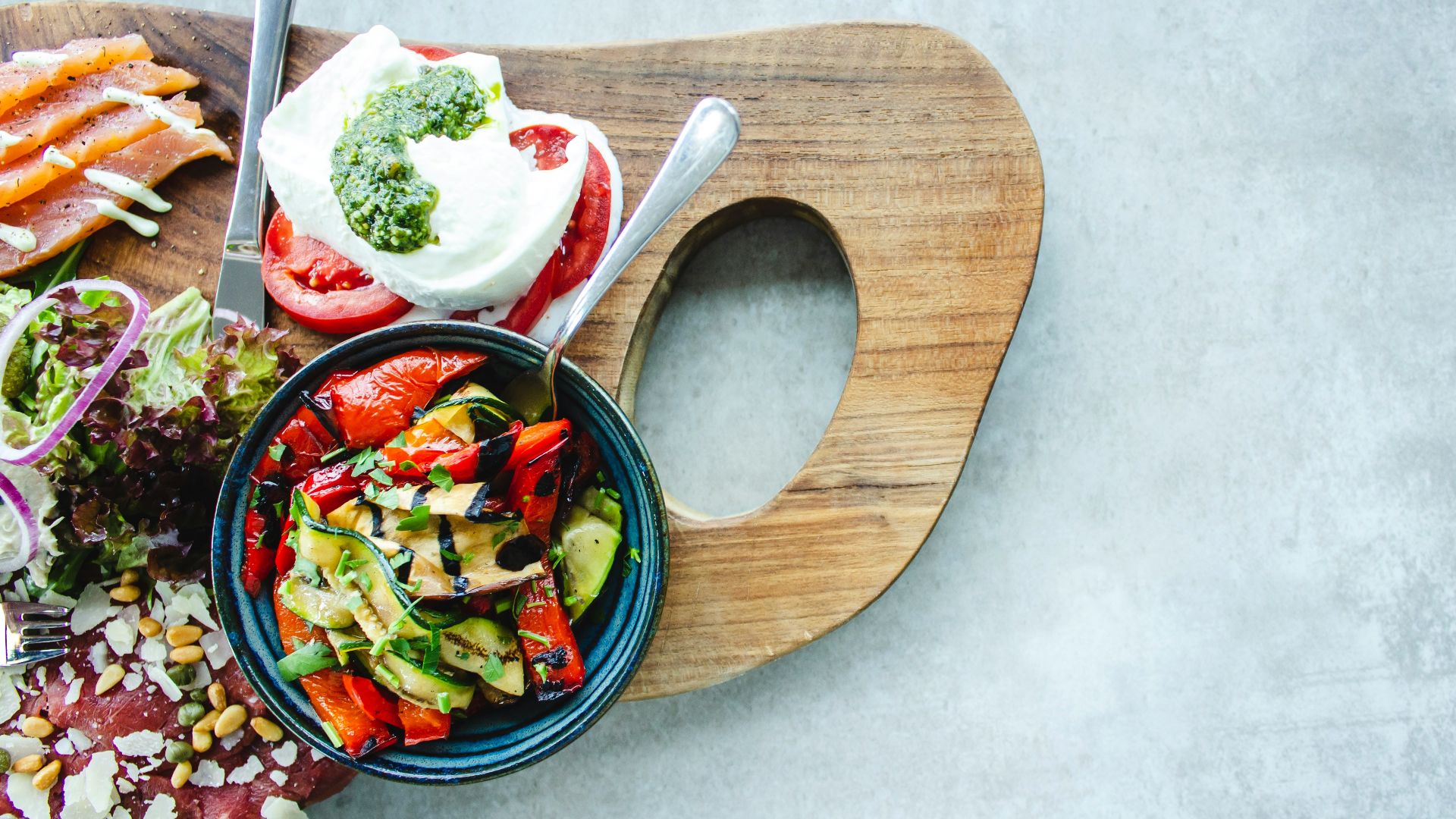
A Mediterranean-style diet emphasizes vegetables, fruits, legumes, whole grains, olive oil, fish, and nuts. Extensive research has linked this eating pattern with better heart health and other long-term health benefits. It also allows flexibility rather than rigid rules, making it easier to maintain over time.
3. Choosing More High-Fiber Foods
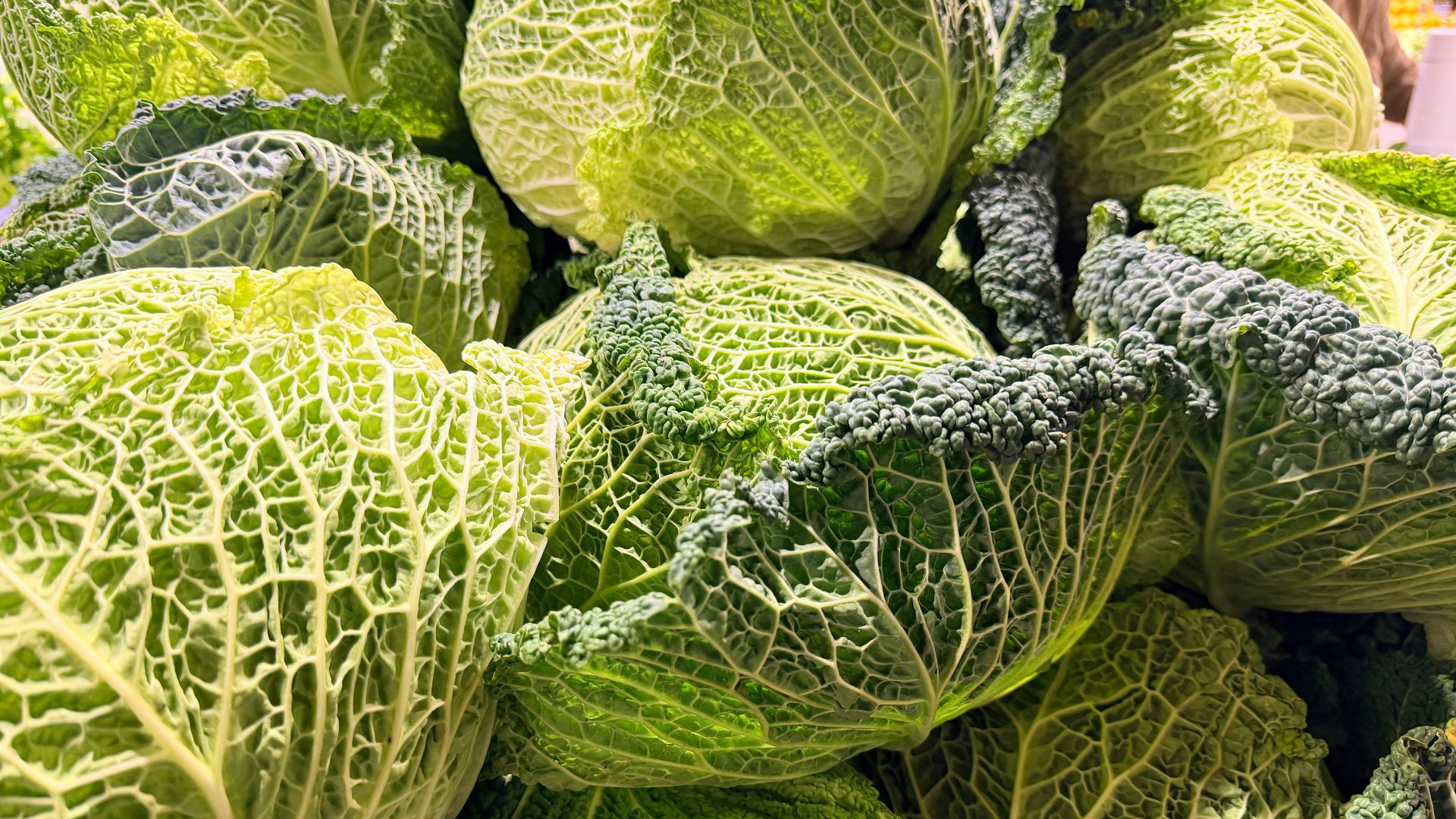
Fiber supports digestive health while helping many people feel fuller after meals. Whole grains, beans, fruits, vegetables, and seeds all provide valuable amounts. Increasing fiber gradually while drinking enough water usually works best. Small daily improvements add up.
 Prabhath Ilangakoon on Unsplash
4. Eating Plenty Of Colorful Produce
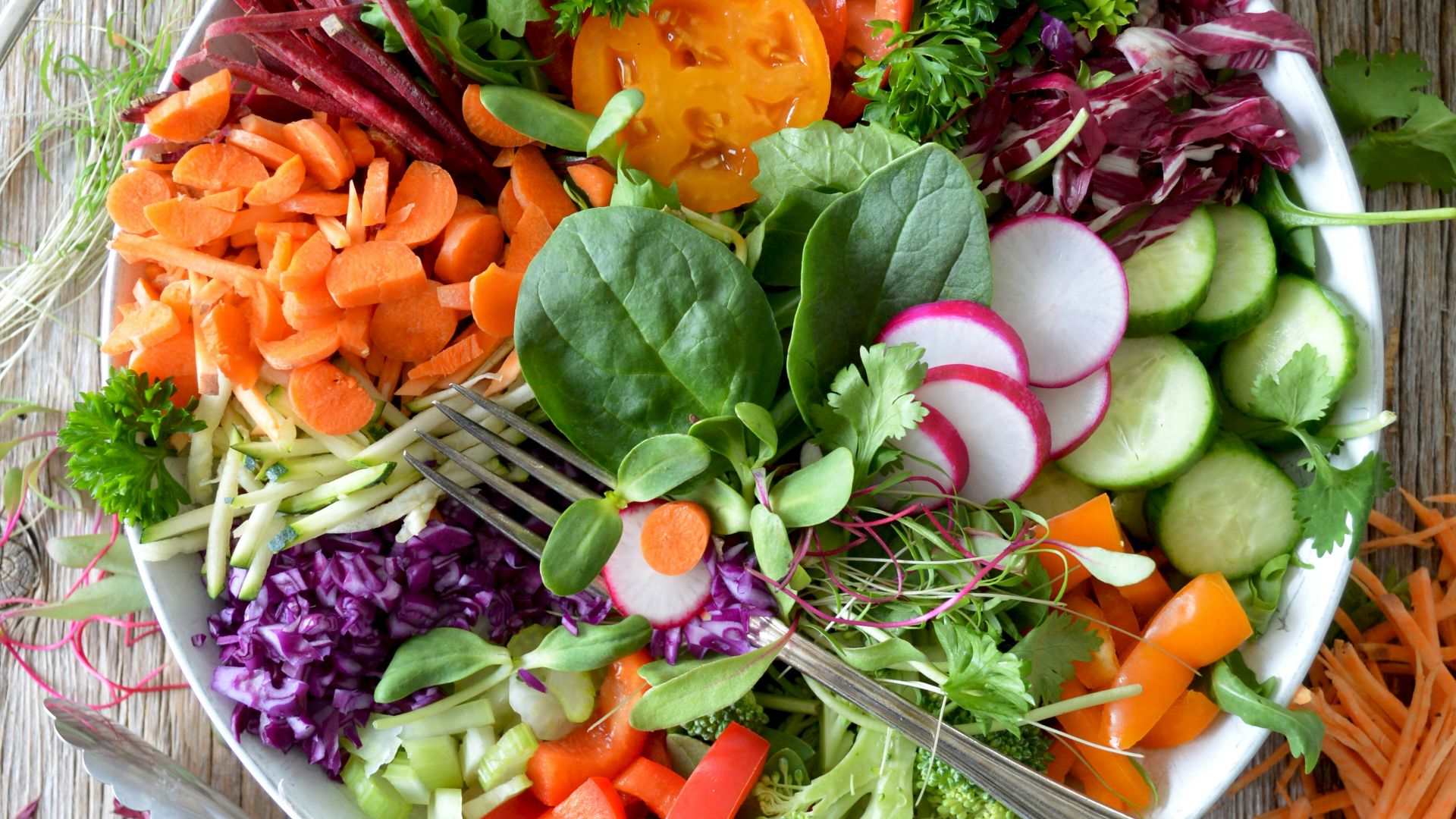
Different fruits and vegetables provide different vitamins, minerals, and beneficial plant compounds. Filling your plate with a variety of colors naturally increases nutritional diversity.

5. Including Healthy Fats
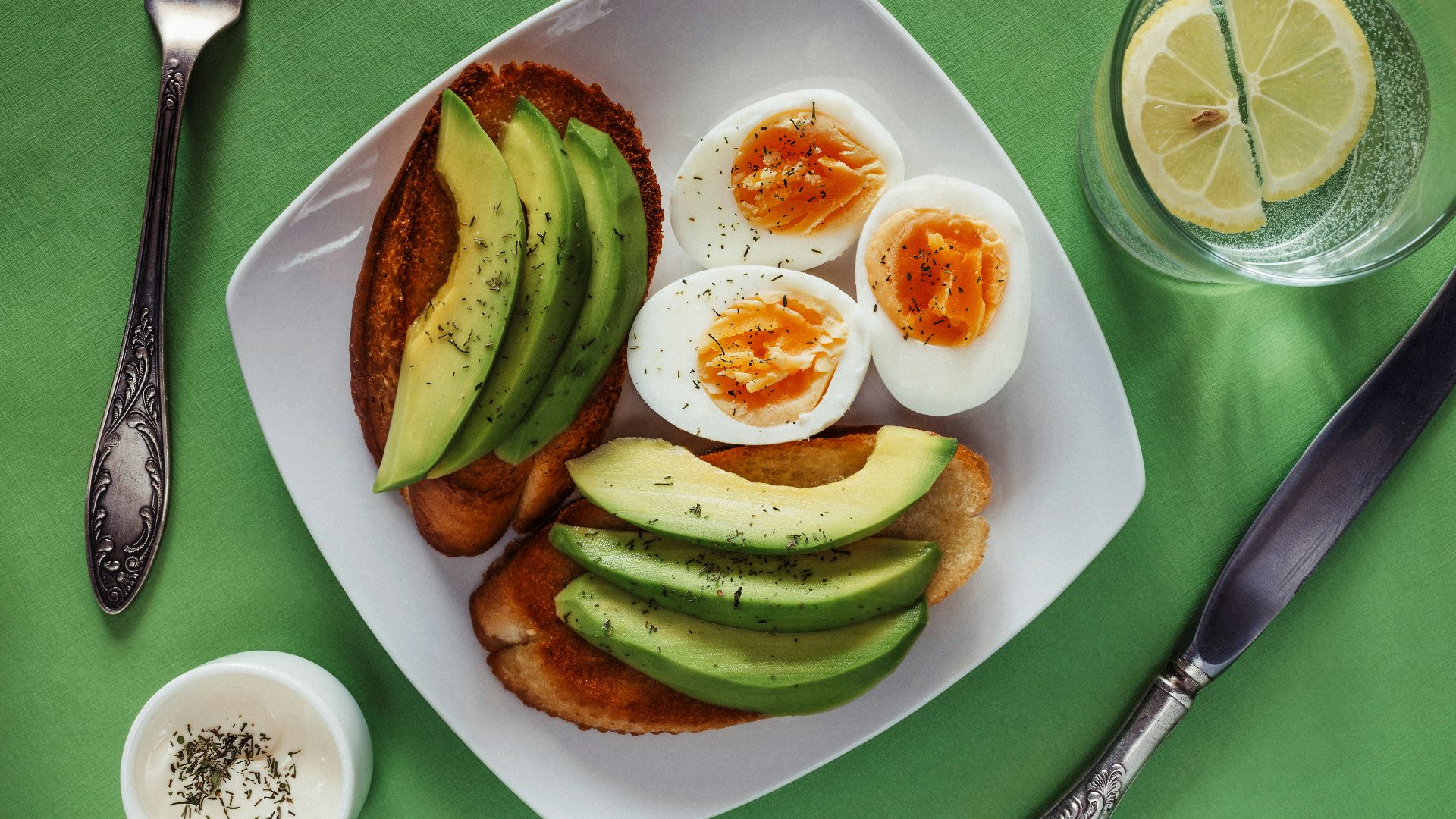
Unsaturated fats from foods like olive oil, nuts, seeds, and avocados support a balanced diet. They also make meals more satisfying without requiring oversized portions.
6. Drinking Enough Water
Hydration needs don't disappear with age, and some older adults become less aware of thirst. Drinking water regularly supports normal body functions and overall well-being. Foods with high water content can help too. Staying hydrated is one of the simplest healthy habits.

7. Watching Portion Sizes Without Obsessing
Paying attention to portions allows people to enjoy their favorite foods while keeping overall intake balanced. There's usually no need to label foods as completely forbidden. A realistic approach often proves easier to maintain for years, as flexibility encourages consistency.
8. Planning Meals Ahead
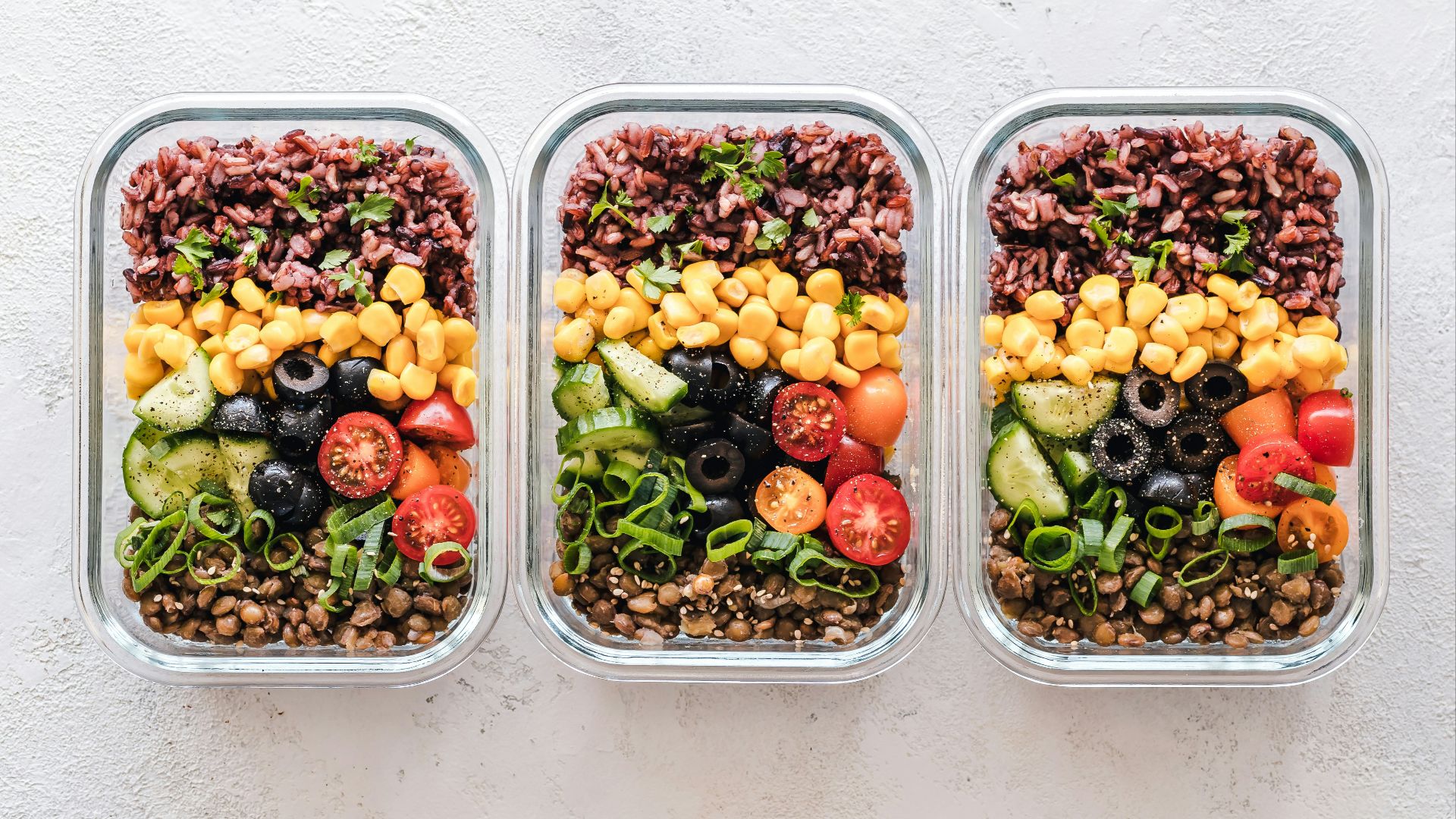
Having healthy ingredients available reduces the temptation to rely on convenience foods during busy days. Even a simple weekly meal plan can make balanced eating much easier.

9. Strength Training Alongside Healthy Eating
Nutrition works best when paired with regular physical activity, particularly resistance exercise. Building or maintaining muscle supports mobility, balance, and everyday function as people age.

10. Choosing An Eating Pattern You Can Maintain
The most effective diet is usually the one you can comfortably follow for years rather than weeks. Healthy habits repeated consistently outperform dramatic changes that quickly fade.
KEEP ON READING